The use of Abstract Stone for Walls as decoration, design, and architectural enhancement for homes in this era is indeed widespread. The main purpose is to create a natural and elegant impression. One of the best natural stones is Balinese Serai stone / Kewal stone / Abstract stone for walls. All three offer unique textures and colors, capable of transforming plain walls into living, character-filled works of art.
These three stones are certainly different types, but in terms of application, they have almost the same function. You use them on walls or decorative sides of the house. With proper installation, these stones not only beautify but also add artistic value and structural strength to your building.
This time, we will review in detail. What and how Balinese Serai stone / Kewal stone / Abstract stone is suitable for decorating your home walls. Read carefully and here is the discussion..
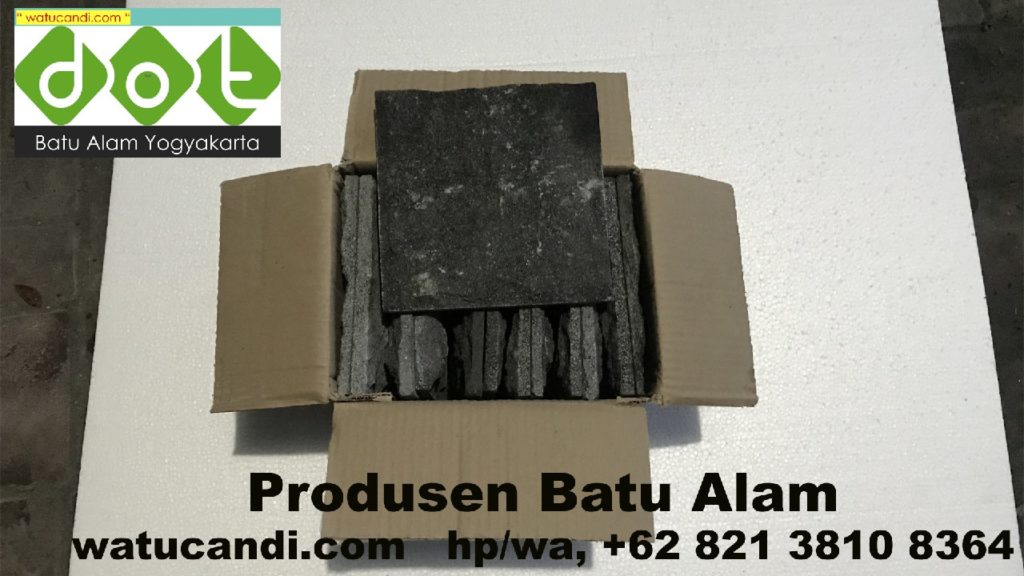
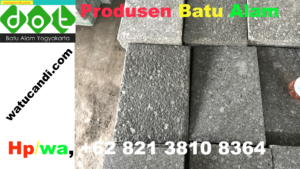
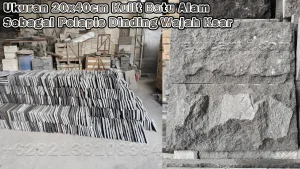
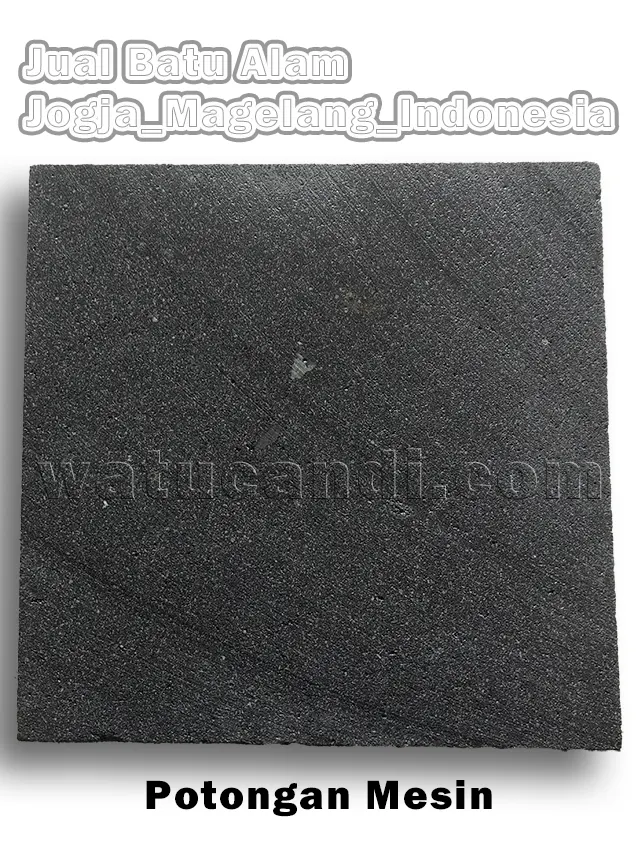
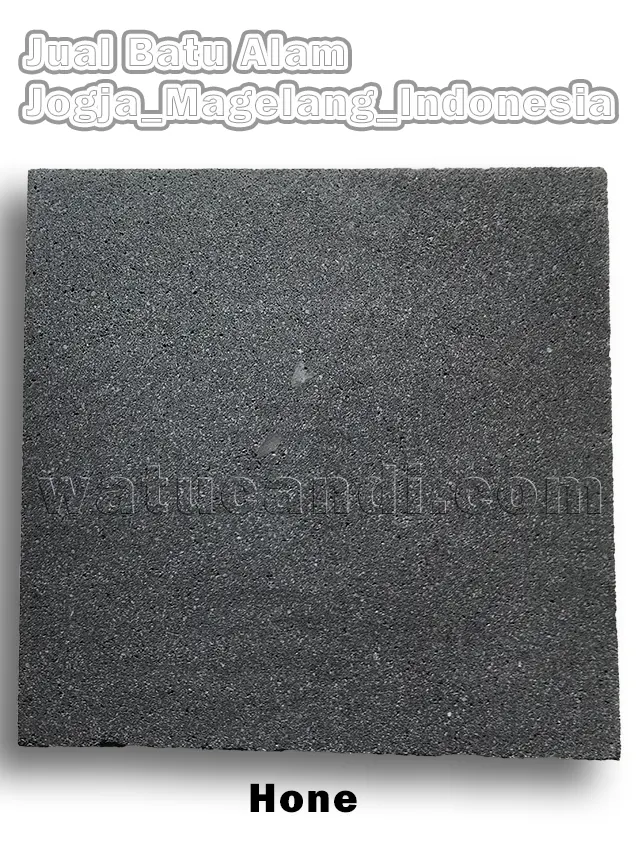
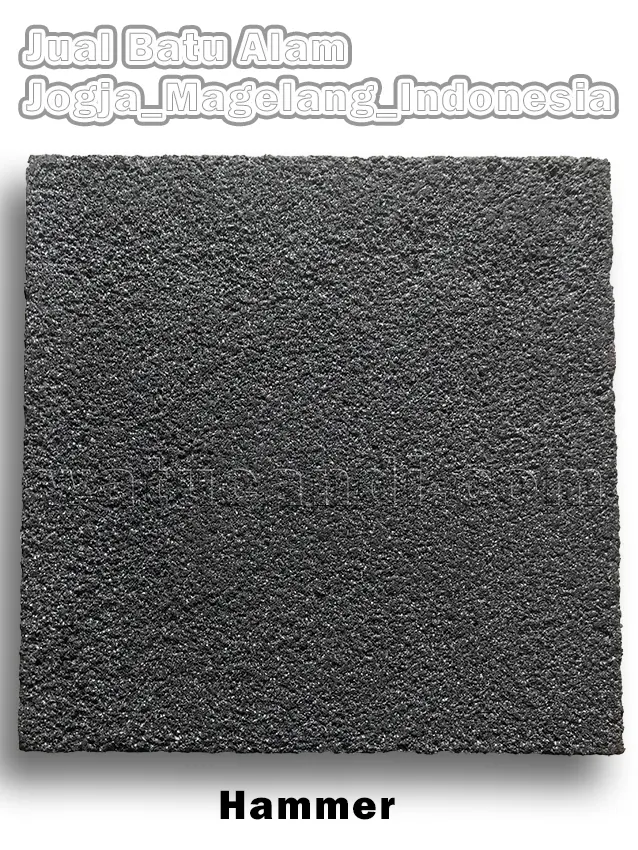
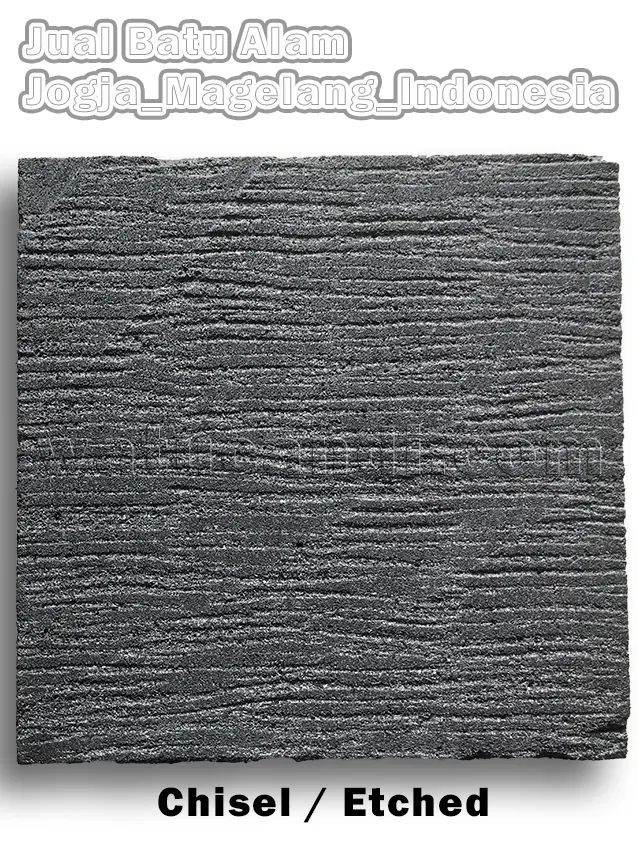
The image above displays the split face texture of black candi stone which forms the aesthetic foundation of abstract stone. Its irregular and wavy surface creates dramatic shadow play when exposed to light, providing deep visual dimension to your walls.
Characteristics of Abstract Stone for Walls
The first discussion you need to know is the characteristics of these three stones. In terms of application, these three stones indeed have the same function. However, if you look at their characteristics, there are several things that distinguish them. This understanding is important so that you can choose the material that best suits your design needs and environmental conditions.
Here are the characteristics of these three stones:
1. Characteristics of Balinese Serai Natural Stone
The first stone characteristic is Balinese Serai natural stone. This natural stone has two types in terms of color. White Balinese Serai natural stone and brown Balinese Serai natural stone. These two variants offer different nuances, allowing you to adjust to the overall color palette of the house.
For white Balinese Serai natural stone, it has a hard texture. The surface is rough and the installation process cannot be tight between its sides. In addition, the installation is also random, without any specific geometric pattern. This creates a very organic and wild appearance, as if your wall is part of a natural cliff.
Meanwhile, for brown Balinese Serai natural stone, it has properties that are easier to tighten on its sides. So you could say it is easier to shape and adjust than white Balinese Serai natural stone. The brown color provides warmth, suitable for designs that want to highlight an earthy and friendly impression.
Although both types of Balinese Serai stone have different characteristics, when installed they will still create an elegant and beautiful impression to look at. The strength of its visual character lies in harmonious irregularity, a basic principle in abstract stone aesthetics.
Characteristics of Kewal Natural Stone
The photo above illustrates how Kewal stone is arranged randomly yet still produces a balanced composition. Each stone has a unique shape and size, creating a visual dialogue between elements that enriches the wall texture.
The second stone is Kewal natural stone. Its function is also the same. You use it to decorate walls or parts of buildings that are vertical. This stone is popular because of its ability to adapt to various architectural styles, from traditional to modern minimalist.
Same as Balinese Serai natural stone. Kewal natural stone can also be installed randomly. Creating an impression of natural stone that is natural and has slight gaps on the sides between its arrangements. These gaps are not a weakness, but a characteristic that gives space for the wall to “breathe” and creates subtle shadows.
The color of Kewal natural stone is darker than Balinese Serai natural stone. You could say it is grayish-black. For installation, you should also consider giving it a coating because this stone easily grows moss which makes the natural stone decay. Its dark color provides strong contrast, very suitable for accent walls or areas you want to highlight.
Abstract Natural Stone – Abstract Stone for Walls

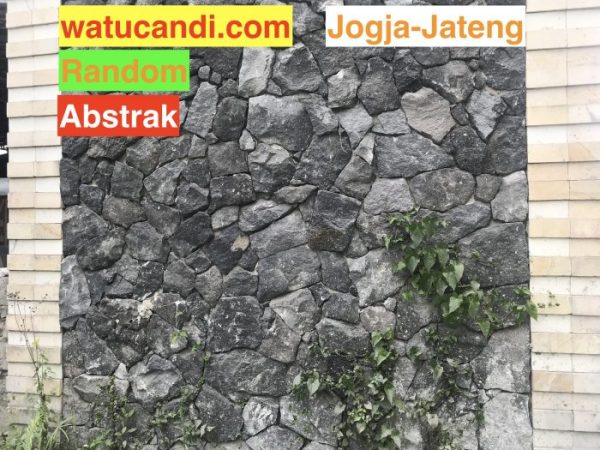
The RTA natural stone image above shows extreme variation in size and shape. This is the essence of abstract stone: each piece has its own character, but when united, they form a complete and captivating visual narrative.
From the name alone you can probably guess what this abstract natural stone looks like. The installation is random, many sides do not adhere to each other. Even for size, it is sometimes not uniform. It is precisely here that its beauty lies, because every wall becomes a work of art that cannot be duplicated.
In terms of appearance, the original impression arising from abstract natural stone is natural. It really looks like in the mountains. Precisely in the valley. You seem to bring the wild nature atmosphere into your home, creating tranquility and connection with the earth.
This natural stone is more suitable to be used as a natural stone wall on the lower part or foundation. Because the colors are also diverse. In fact, from some information, you do not need to hire professional services to install this particular natural stone. However, for the best results, basic understanding of visual composition is still required.
Reasons to Install Balinese Serai / Kewal /Abstract Natural Stone – Abstract Stone for Walls
From the characteristics above. We provide several other aspects that you can use as reasons why we recommend installing Balinese Serai, Kewal, or Abstract natural stone. To beautify the walls of your house or building. Among them are:
1. Strong Natural Impression – Abstract Stone for Walls
These three types of natural stones have random installation shapes. They look like in nature formed naturally, this random impression does not make it bad, just the opposite. This controlled randomness is the highest form of art, mimicking nature’s imperfections which actually feel perfect.
Especially if you install these three types of natural stones on the lower part of the wall. Then the impression that arises will be much more natural and organic. So, for those of you who like natural objects, these three natural stones are highly recommended. Your wall will look like a rock formation that has existed for a long time.
You Can Install It Yourself
Because it is random, this natural stone can be installed by yourself (to save costs). However, the installation process is certainly not arbitrary. Although the arrangement is random, it does not mean you can install stones arbitrarily without a clear flow. You still need to pay attention to the distribution of size and color so that similar elements do not accumulate in one area.
Certainly there are still correct techniques and methods so that the resulting natural stone appearance becomes more beautiful and charming. By installing it independently, you have the opportunity to be as creative as possible. This is a satisfying DIY project, where you can directly see the results of your creativity.
Strengthening Walls – Abstract Stone for Walls

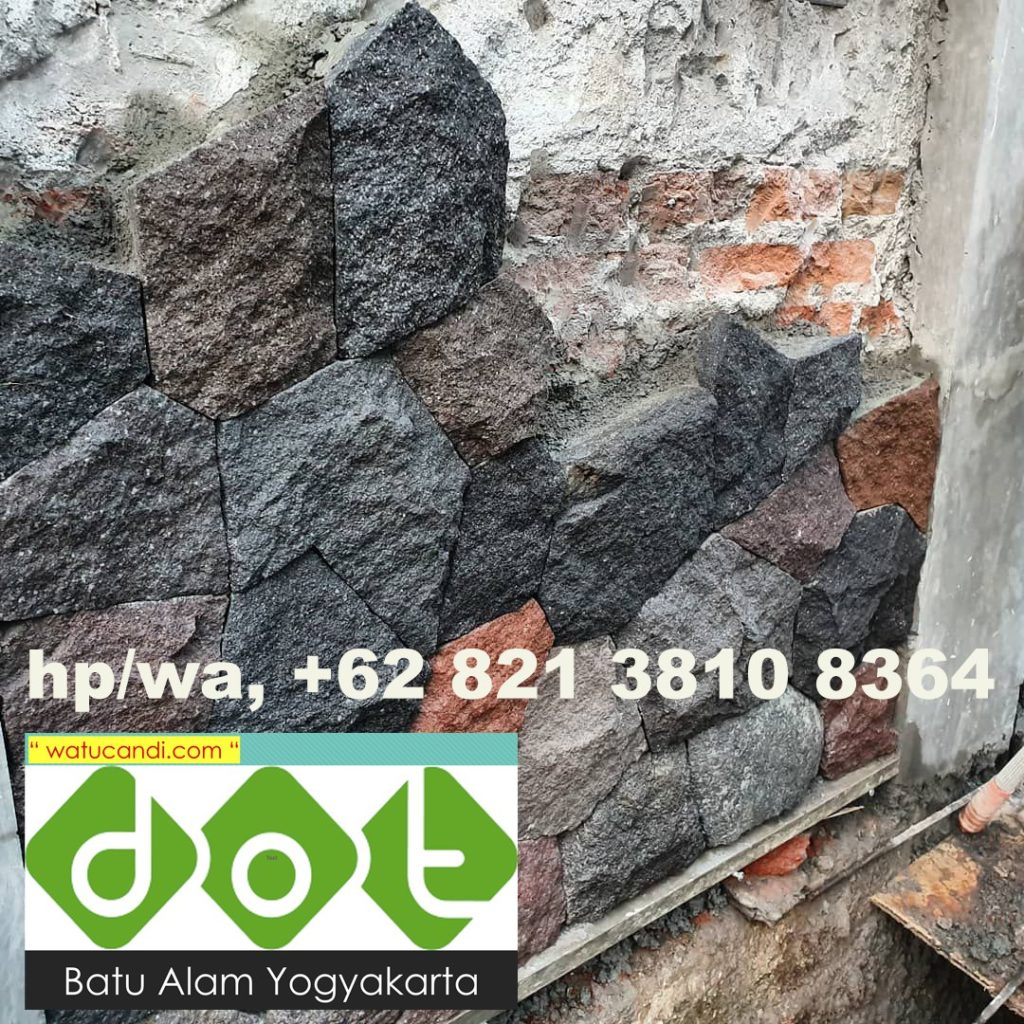
This image shows how abstract black stone is installed as a wall cladding. In addition to aesthetic value, this stone layer functions as a protective shield that adds mass and resistance to the wall against impacts and extreme weather.
One advantage that you can use as a reason for choosing these three types of natural stones is: because they can strengthen walls. From an architectural perspective, installing natural stone will thicken the building walls. So the construction will become stronger.
Especially these three types of natural stones which indeed have high strength. In addition to having different characteristics from other natural stones, Balinese Serai, Kewal, and Abstract natural stone types also have strength. This is a long-term investment for the structural integrity of your home.
House Selling Price Becomes Higher
Installing natural stone means you have invested in improving the quality of the house you own. From a visual aspect alone, anyone can probably guess the price comparison between a plain house and a house with natural stone. Natural stone is a symbol of luxury and high taste recognized universally.
The prices are certainly very different. This is because natural stone is indeed a natural ornament that has a beautiful and elegant impression. Same goes for Balinese Serai / Kewal / and Abstract natural stone.
These three types of stone that you install randomly. Of course will affect the selling value of your house. Moreover, these three types of stone can be considered to have a cheaper price than other natural stones. With relatively affordable costs, you can get a significant increase in property value.
Price of Balinese Serai / Kewal /Abstract Natural Stone – Abstract Stone for Walls
Purchasing natural stone is often based on M2 (square meter) units. For Balinese Serai natural stone, the average price is Rp 360,000. while for Kewal natural stone there is also around that price. This price can fluctuate depending on stock availability, season, and policies of each natural stone store.
Of course, the price of natural stone is based on quality and certainly the size you will buy. The larger the size you buy, the more expensive the price. For standard quality, these three stones have equivalent quality (the same). Make sure you compare prices from several suppliers to get the best offer.
1. Installation of Balinese Serai / Kewal /Abstract Natural Stone – Abstract Stone for Walls
At the end of this discussion, we will review the process and tips for installing Balinese Serai / Kewal / Abstract natural stone for your home walls. These steps are provided as a broad overview of the installation process. The correct process will determine the durability and final beauty of your abstract stone wall.
If you want maximum results, we still recommend hiring installation services for this natural stone. Because even though the installation design is random or irregular, it does not mean you can install this particular natural stone carelessly. The experience and expertise of the installer will greatly influence the final result.
Buy from a Trusted Natural Stone Store – Abstract Stone for Walls
Looking at stone references on the internet is certainly fine. However, it is still recommended to buy directly from the source. Because natural stone is a physical object classified as heavy material. You need to see, touch, and feel the texture of the stone directly before deciding to buy.
As much as possible, you should ensure that the natural stone store you choose is truly trusted and experienced in serving various desires of the natural stone market. A good store will happily provide consultation and recommendations based on your project’s specific needs.
Prepare Tools and Materials Completely – Abstract Stone for Walls
The next step, you must have prepared installation tools and materials. These tools and materials must be complete. Among the tools are hammers, nails, string, trowels, buckets, and others. While for materials, you need natural stone, water, cement, and others. Readiness of tools and materials will make the installation process more efficient.
After the tools and materials are ready, you can move on to the next step, which is installing natural stone properly and correctly.
Installing Natural Stone Correctly – Abstract Stone for Walls
The next step is to install natural stone correctly. The meaning of correctly is that the process is appropriate and the use of tools and materials is right. The proportion of cement and water mixture must be precise so that the adhesion is maximal, but not too wet so that the stones do not easily shift.
Such as for the correct use of cement. Installation of varied natural stone shapes that are appropriate, and balance aspects so that it still looks beautiful to view. Again, not because of its random shape, then you are allowed to install it randomly too.
You must still pay attention to balance, pattern, and appropriate structure to create a beautiful form. Distribute large and small stones evenly, and vary colors if possible, so that the wall does not look monotonous or lopsided.
Coating for Durability – Abstract Stone for Walls
The last step is to give coating so that the natural stone you install is more resistant to weather and moss growth. No one can deny, if that is some of the things that can make natural stone decay quickly. Coating acts as a protective layer that keeps the stone’s color and texture looking new.
By applying coating and replacing it periodically, then you have taken good care of the natural stone wall. In addition, you also need to clean the natural stone you have regularly to make it last longer. This routine maintenance is simple, but its impact is very large for the aesthetic life of your abstract stone.
A beautiful house is everyone’s dream. But not many people, when given a beautiful house, are willing to take good care of it. Giving a signal, if you have been able to install Balinese Serai / Kewal / or Abstract natural stone, of course you still have to maintain it.
That may be all the explanation regarding Balinese Serai / Kewal / or Abstract natural stone that you need to know. Previous information hopefully useful, especially for those of you who intend to decorate your house with these three types of natural stone with random designs.
Getting to Know Abstract Stone Material More Deeply
After understanding the basics of abstract stone, it is important to delve deeper into its constituent materials. Abstract stone is not just about one type of stone, but rather a concept that can be realized through various volcanic and sedimentary materials. Each material has its own geological story that affects its appearance and performance.
In modern architecture, abstract stone is often the primary choice for creating a strong focal point. Its irregular texture is able to break the monotony of plain walls, providing dynamic visual rhythm. Candi Lava natural stone mosaic, for example, is one form of abstract stone that offers high-level visual complexity.
Abstract stone is also closely related to the concept of wabi-sabi, a Japanese philosophy that celebrates beauty in imperfection. Every irregularity, crack, and color variation is not a defect, but part of the beauty that must be appreciated. This concept aligns with the character of random shaped natural stone slabs that display authenticity without engineering.
History and Origins of Abstract Stone
The use of abstract stone for walls is not a new trend. Long before the modern era, our ancestors had used natural stones with random arrangements to build foundations and house walls. In Indonesia, especially in areas around volcanoes like Merapi, the tradition of using volcanic stone for buildings has lasted for centuries.
Borobudur Temple Stone is real proof of how natural stone, including those with abstract textures, has been used in monumental architecture since ancient times. Our ancestors understood well how to utilize the natural character of stone to create structures that were sturdy as well as beautiful.
This tradition was then inherited and adapted into contemporary design. Now, abstract stone is not only found in traditional buildings, but also in luxury villas, boutique hotels, to modern minimalist homes. This transformation shows that abstract stone is an eternal material, capable of transcending the boundaries of time and style.
Interestingly, in this era of globalization, abstract stone from Indonesia, especially Merapi lava stone, has penetrated the international market. The uniqueness of its texture and color cannot be found elsewhere. Merapi lava stone from Yogyakarta and Magelang has become a proud export commodity.
Other Types of Abstract Stone
Besides Serai Bali, Kewal, and Abstract, there are several other types of stone that can be categorized as abstract stone for walls. Knowledge of these variations will expand your choices and allow you to find the character that best suits your design vision.
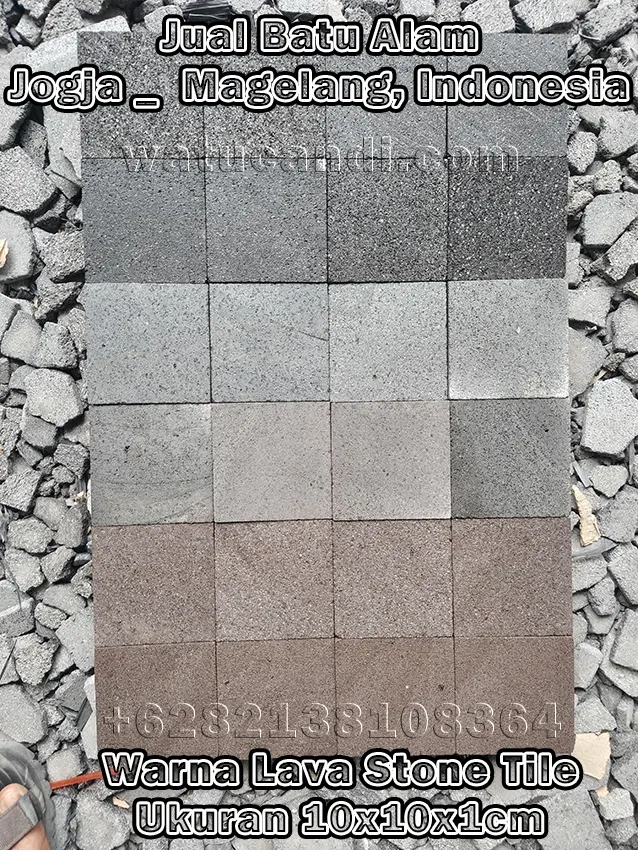
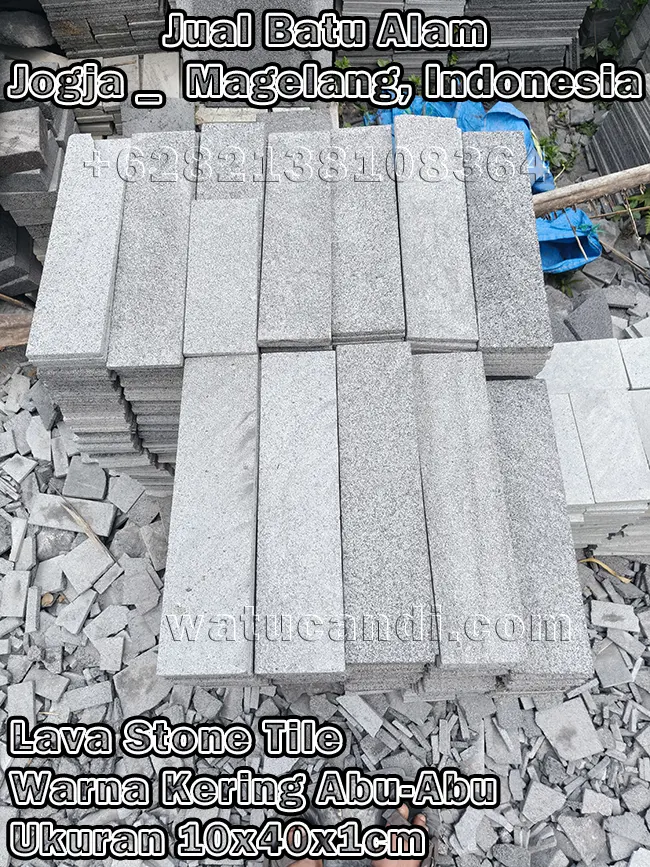
Candi Lava Stone is one of the most popular. With its deep black color and porous texture, this stone gives a masculine and dramatic impression. Candi stone wall cladding (random type) with lava texture is an example of how this stone is applied randomly to create a stunning abstract effect.
Paras Stone, both Paras Jogja and Paras Bali, is also often used in abstract format. Its bright color provides a softer alternative compared to lava stone. Palimanan paras stone tiles offer an elegant cream-white nuance, very suitable for modern tropical designs.
In addition, there is andesite stone which has high density and neutral gray color. This stone is often the choice for commercial projects due to its extraordinary durability. Andesite stone and lava stone are often combined to create interesting contrasts between smooth and rough textures.
Abstract Stone Production Process
To produce quality abstract stone, the production process must be done carefully. Not all stones can be cut and formed into abstract stone. Raw material selection is the key.
The process starts from mining stone in nature. Large stones are then broken into smaller sizes using hammers or crushing machines. This breaking process often produces irregular shapes, which precisely become the hallmark of abstract stone. Authentic manually chiseled stone floor is an example of a product produced through a manual process, where each chisel strike produces a unique texture.
Next, the stones are sorted by size and quality. Cracked or too thin stones are usually discarded. After that, a finishing process is carried out, such as leveling the back of the stone so it is easy to install on the wall. This process is important to ensure optimal adhesion.
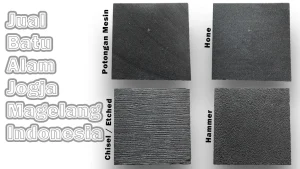
Some producers also offer abstract stone with special finishes, such as bush hammered or flamed, to provide additional texture. However, for pure abstract stone, the most common finish is split face or natural split, which highlights the original texture of the stone. Comparison between local and precision green stone tiles shows how differences in production processes can result in different product characters.
Application of Abstract Stone in Various Architectural Styles
One of the advantages of abstract stone is its flexibility. This material can adapt to almost all architectural styles, from the most traditional to the most contemporary. Here are some examples of its applications:
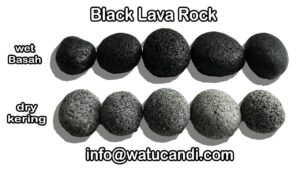
Modern Tropical Style: In this style, abstract stone is often used as an accent wall in the living room or bathroom. Combined with wooden elements and green plants, abstract stone creates a cool and natural atmosphere. Black lava rock pebbles are also often used as additional decorative elements around the abstract stone area.
Industrial Style: For industrial style which tends to be masculine and rough, dark-colored abstract stone like Kewal stone or black candi stone is the perfect choice. Its rough texture blends perfectly with exposed concrete and iron elements. Lava stone exterior design offers inspiration on how this stone is used to create a strong industrial impression.
European Classic Style: Although identified with a modern impression, abstract stone can also be applied to European classic designs. By choosing light-colored stones like cream paras or limestone, and installing them with a more regular pattern, you can get the warm Mediterranean villa nuance. Natural travertine limestone guide provides an overview of the elegant character of limestone.
Abstract Stone for Exterior vs Interior
Selecting abstract stone for exterior and interior has different considerations. For exteriors, the main factor that must be considered is weather resistance. The stone must be able to withstand UV exposure, rain, and extreme temperature changes.
Lava stone and andesite stone are the best choices for exteriors due to their high density. Lava rock tiles for exterior cladding have proven able to last for decades without significant damage. Coating is still recommended to prevent moss growth in humid areas.
For interiors, the consideration is more about aesthetic aspects and comfort. Light-colored stones like green stone tiles or cream paras are often chosen to give the impression of a wider and brighter room. Its irregular texture provides interesting visual dimension without making the room feel cramped.
It should be noted that abstract stone for interiors also requires special care. Dust can accumulate in the gaps between stones, so regular cleaning with a vacuum cleaner or soft brush is highly recommended. Indonesian natural lava stone tiles provides a complete guide on lava stone care indoors.
Professional Abstract Stone Installation Techniques
Installing abstract stone requires precision and understanding of visual composition. Although it looks random, there are basic principles that must be followed for an aesthetic result. Here is the complete guide.
Wall Surface Preparation
The first and most crucial step is preparing the wall surface. The wall must be flat, clean, and dry. If the wall is new, make sure the plaster is completely dry before installing stone. For old walls, clean from dust, dirt, and peeling paint.
After that, apply a slurry layer or bonding agent to increase adhesion between the wall and cement mixture. This layer is very important, especially for concrete walls with smooth surfaces. Candi lava split face installation guide emphasizes the importance of this surface preparation to prevent stones from detaching later.
If the wall is in a humid area, such as a bathroom or exterior wall frequently exposed to rain, consider adding a waterproofing layer before installing stone. This will prevent water seepage that can damage the wall structure and the stone itself.
Creating Harmonious Random Patterns
This is the hardest part of installing abstract stone. Random pattern does not mean without rules. You must pay attention to the distribution of size, color, and shape of the stone to create visual balance. Some tips you can follow:
Size Distribution: Do not pile up large stones in one area and small stones in another. Spread them evenly. Large stones are usually used as visual anchors, while small stones fill the gaps between them. Random candi stone skin cladding is a perfect example of how good size distribution creates rich texture.
Color Variation: If your stone has color variations, do not hesitate to mix them. However, do it gradually and look at the result from a distance occasionally. The goal is to create a smooth gradation, not striking contrast randomly.
Distance Between Stones: Keep the distance between stones consistent. For abstract stone, the ideal distance is between 1 to 2 cm. Distance that is too wide will make the stones look separated, while distance that is too close will eliminate the abstract impression. Irregular natural stone paving provides an example of proportional distance between stones.
Mixture Application and Installation
Use cement mixture with the right ratio. For abstract stone, the recommended mixture is 1 part cement : 3 parts sand. Add water sufficiently until the mixture has good consistency, not too runny and not too thick.
Apply the mixture to the back of the stone, not on the wall. This is called the buttering method. This method allows you to control the thickness of the mixture on each stone, which is important to adjust to the uneven surface of the stone. Chiseled natural stone installation patterns provides illustration of this method.
Press the stone firmly against the wall, then shake it slightly to ensure the mixture spreads evenly. Use a waterpass to ensure the stone is installed level. After several stones are installed, clean the remaining mixture sticking to the stone surface using a damp cloth or sponge. Do not let the mixture dry on the stone surface because it will be difficult to clean.
Grouting
After all stones are installed and the mixture behind the stone has dried, the next step is to fill the grout or gaps between stones. Grout not only functions to beautify, but also to prevent water from entering the stone gaps.
Use finer grout mixture, for example with a mixture of cement and fine sand. Apply grout using a small trowel or grout bag. Make sure the grout is filled fully to the inside of the gap. After that, level the grout surface using your finger or special tool.
After the grout is slightly dry, clean the remnants with a wet sponge. Clean carefully so that the grout is not wiped away from the stone gaps. Natural stone edge wall shows the neat and proportional final grout result.
Care and Preservation of Abstract Stone
Abstract stone is a long-term investment, and like all investments, it requires care to remain valuable. Proper care will keep your abstract stone beautiful for years, even decades.
Routine Cleaning
Routine cleaning is the main key to abstract stone care. For interior walls, just clean with a vacuum cleaner or duster every week. For exterior walls, spray with low-pressure water every month to remove dust and dirt that sticks.
Avoid using harsh chemicals like acid or bleach, as they can damage the stone surface. Use mild soap or special natural stone cleaners widely available in the market. Lava stone which is porous requires more careful cleaning because dirt can enter its pores.
If stubborn stains appear, such as oil or rust stains, use poultice or special stone cleaning paste. Apply poultice to the stain, let it sit for several hours, then rinse with clean water. Repeat if necessary.
Coating Application
Coating is a protective layer applied to the stone surface to protect it from water, oil, and stains. Coating can also strengthen the stone color and make it easier to clean.
There are two main types of coating: water-based and solvent-based. Water-based coating is more environmentally friendly and easy to apply, while solvent-based coating is more durable and provides stronger protection. Comparison of lava alkali sawncut vs bushhammer shows how surface finishing affects the suitable type of coating.
Apply coating using a brush or spray. Make sure the stone surface is completely clean and dry before coating is applied. Let the coating soak in for a few minutes, then wipe the remaining coating that does not soak in using a dry cloth. Repeat application every 1-2 years for optimal protection.
Prevention and Repair of Damage
Although abstract stone is known to be strong, damage can still occur. The most common causes are hard impacts, structural shifts, or excessive moss growth. If you find cracked or detached stones, immediately repair before the damage spreads.
For stones that are cracked but still attached, you can use epoxy glue to reunite them. For detached stones, clean the remaining mixture sticking, then reinstall with new mixture. Temple stone floor of Merapi lava shows how important proper repair is to maintain the integrity of the stone structure.
Moss growth can be prevented by regularly cleaning humid areas and ensuring good air circulation. If moss has already grown, use a stiff brush to clean it, then apply anti-fungal to prevent regrowth.
Design Inspiration with Abstract Stone
To help you imagine how abstract stone can transform rooms, here are some design inspirations you can adapt.
Living Room Accent Wall
The living room is the first place your guests see, so it is very important to make a strong impression. Install abstract stone on one of your living room walls as a focal point. This wall will attract attention and create a warm and inviting atmosphere.
Combine dark-colored abstract stone with light-colored furniture to create elegant contrast. Or, if you want a softer atmosphere, choose warm cream paras stone. Natural sandstone and limestone are right choices for a softer atmosphere.
Add appropriate lighting to highlight the stone texture. Spotlights from below (up-lighting) will create dramatic shadows on the irregular stone surface, adding interesting visual dimension.
House Exterior Wall (Facade)
The house facade is the first impression of the entire property. By installing abstract stone on the facade, you will create a sturdy, natural, and luxurious appearance. Lava stone exterior design is a rich source of inspiration for this application.
For facades, choose stone with high weather resistance like lava stone or andesite. Combine with wood or glass elements to create a modern yet warm facade. Do not forget to give coating to protect the stone from rain and UV rays.
If you want a more unique look, consider mixing several types of abstract stone with different colors. Black and white wall cladding combination with limestone is an example of how color blending can create stunning visual effects.
Bathroom with Natural Nuance
The bathroom is a place to relax and refresh. By installing abstract stone on bathroom walls, you will create an atmosphere like in a natural spa. Every bath will feel like soaking in a natural hot spring.
For bathrooms, choose stone that is water-resistant and non-slip. Lava stone tiles for swimming pools are also suitable for bathrooms due to their anti-slip properties. Paras stone can also be used, but make sure to give strong coating to prevent water absorption.
Combine abstract stone with wooden floors or other natural stones to create interesting texture contrast. Add humidity-resistant green plants to strengthen the natural nuance.
Fences and Boundary Walls
Fences and boundary walls are often overlooked, even though both have important roles in the overall property aesthetics. By installing abstract stone on fences, you not only beautify, but also increase privacy and security.
Abstract stone installed on fences will create a sturdy and massive impression. This is a clear visual signal that your property is well protected. Ultimate guide to stone fence and foundation walls provides details on how to choose the right stone for this application.
For fences, consider using larger sized stones so installation is faster and the result is sturdier. Ultimate guide to garden wall and stone foundation provides further insight into this application.
Choosing the Right Abstract Stone Supplier
The quality of abstract stone greatly depends on its supplier. A good supplier will provide stone with consistent quality, fair prices, and satisfactory service. Here are some tips for choosing the right abstract stone supplier.
Reputation and Experience
Find out the supplier’s reputation through online reviews, customer testimonials, or recommendations from friends and relatives. Experienced suppliers usually have in-depth knowledge of their products and can provide valuable advice for your project.
Also check if the supplier has a physical natural stone store that you can visit. By visiting the store directly, you can see and feel the quality of the stone they sell, and discuss directly with their staff.
Product Quality and Consistency
Make sure the supplier provides stone with good and consistent quality. Check if the stones have uniform color and texture. Avoid suppliers who sell stone with many cracks or other defects.
Ask about the origin of the stone. Good stone usually comes from well-managed quarries. Transparent suppliers will happily provide this information. Complete guide to black lava candi stone Merapi is an example of how good suppliers provide detailed product information.
Customer Service
A good supplier will provide responsive and helpful customer service. They will answer your questions patiently, provide solutions to problems you face, and help you choose the product that best suits your needs.
Also check their shipping and return policies. Make sure they provide insurance for shipping, because natural stone is material prone to damage during transportation. Ultimate guide to black lava stone tile walls provides an example of what you should expect from a professional supplier.
Latest Trends in Abstract Stone Usage
The design world continues to evolve, and the use of abstract stone also follows existing trends. Here are some current trends you can consider.
Combination with Other Materials
Current trends show that abstract stone is increasingly often combined with other materials like wood, glass, and metal. This combination creates interesting contrast between the natural texture of stone and the smooth surface of other materials. Latest styles in interior and exterior design show how this combination is applied.
For example, abstract stone walls paired with wooden floors will create a warm and inviting atmosphere. Meanwhile, abstract stone paired with glass and metal elements will create a more modern and industrial impression.
Geometric Patterns in Randomness
Although abstract stone is identical with randomness, current trends show that many designers are starting to incorporate geometric elements into their installation patterns. For example, abstract stone is installed with a more regular pattern around windows or doors, while in other areas left random.
This creates interesting contrast between order and randomness, providing deeper visual dimension to the wall. Deep exploration of natural stone patterns provides insight into how these patterns are developed.
Usage on Furniture
Another developing trend is the use of abstract stone on furniture. Tables, benches, and even sinks are now many made from abstract stone. Black lava stone table tops are an example of how abstract stone is used to create unique and functional furniture.
Furniture from abstract stone is not only beautiful, but also very durable. Natural stone is able to withstand heavy loads, scratch-resistant, and not easily damaged by liquids. This makes it a very good investment for the long term.
Conclusion
Abstract stone for walls is an excellent choice for those who want to bring natural beauty into the home. With its unique characteristics, this stone is able to create a natural, elegant, and full-of-character atmosphere. From warm Serai Bali, masculine Kewal, to wild Abstract, each type offers a different visual experience.
Installing abstract stone indeed requires precision, but the result is worth the effort expended. With proper care, your abstract stone wall will remain beautiful for years, even decades. This is an investment that not only increases the aesthetic value of the house, but also its selling value.
Are you ready to start your abstract stone project? Explore the complete collection at Watucandi natural stone store to find the perfect stone for your home. With various choices of materials, colors, and textures, you will surely find abstract stone that suits your design vision.
Do not hesitate to consult with experts to get the best recommendations. Remember that home is a reflection of yourself. By installing abstract stone, you not only beautify the home, but also express your love for authentic natural beauty.
Here are some other useful links to deepen your knowledge about natural stone:
- Premium Natural Stone Flooring Collection for Courtyards, Gardens, and Joglo Villas
- Paving Natural Stone Lava Stone Merapi Yogyakarta Magelang
- Local vs Precision Green Stone Tiles Comparison
- Authentic Manually Chiseled Stone Floor
- Black Lava Rock Pebbles Volcanic Stone Guide
- Green Stone Tiles Swimming Pools Ultimate Guide
- Natural Limestone Travertine Guide
- Indonesian Natural Lava Stone Tiles Ultimate Guide
- Sukabumi Green Natural Stone Tiles Pedra Hijau
- Palimanan Paras Stone Tiles
- Original Random Slabs Stone
- Pumice Stone
- Natural Stone and Furniture
- Batik Green Stone Tiles Yogyakarta
- Breksi Natural Stone Tiles
- Natural Stone Liquid Soap Dispenser
- Natural Rough Surface Marble Stone Sink
- Black Basalt Stone Sink
- Lava Stone Tiles for Swimming Pool
- Handmade Stone Table and Chairs
- 09 Stone Types GC
- 08 Stone Type GC Broken
- 07 Surface Types 05×05 Comb
- 05 Surface Types 3×1
- 04 Line Types 2×1
- 03 Line Types Rolling 2
- Line Types 0.5×0.5 Broken Regularly
- Straight Line Type 1×0.5
- Lava Stone Exterior Design
- Floor Paving Stone Chisels
- Swimming Pool Coping Stone Tiles Complete Guide
- Top Table Black Lava Stone Volcanic Rock Table Tops
- Green Stone Split Face Tiles
- Black Lava Stone Tiles 10x10x1cm Definitive Guide
- Ultimate Guide to Swimming Pool Stone Tiles
- Black Lava Stone Tiles 2
- Black Lava Stone Tile Walls Ultimate Guide
- Ultimate Guide to Brown Java Tiger Stone Slabs
- Ultimate Guide to Lava Rock Stepping Stone Pavers
- Ultimate Guide to Garden Wall Foundation Stone Borders
- Ultimate Guide to Indonesian Green Stone Tile Crafts
- Split Face Rough Batu Candi Temple
- Borobudur Temple Stone
- Temple Stone Paving Floor
- Black Lava Natural Stone Tile
- Limestone Tile Bushhammer
- Indonesian Limestone Tiles Natural Stone Wall Floor
- Merapi Natural Stone Outdoor Flooring
- Handmade Stone Tub
- 3D Stone Slabs
- Tumbled Natural Stone Finish
- Stone Floor Lava Stone Floor
- Garden and Yard Stone Flooring
- Lava Stone Paving Slabs
- Original Merapi Stone Sink 49x49x13cm
- Batik Green Natural Stone Yogyakarta
- White Palimo Palimanan Natural Stone
- Super White Palimo Limestone
- Green Natural Stone
- Getting to Know Umpak Batu
- Carved Temple Lava Stone
- Brown Spotted Paras Stone
- Black Lava Natural Stone Tile
- Hidden Crystals of Merapi Lava
- Chiseled Temple Natural Stone
- Chiseled Natural Stone Paving
- Chisel Lava Natural Stone
- 300x300mm Chiseled Lava Stone Surface
- Andesite Natural Stone Slabs
- Slate Stacked Betel Leaf Slab Surface
- Flat Random Riverstone Natural Stone
- Example of Candi Stone Paving
- Lava Stone Semi Carved
- Genuine Susun Sirih Slate
- Hand Carved Temple Stone Flooring Paving
- Natural Stone Edge Wall
- Stone Floor of the Temple Merapi Lava
- Lava Paving Stepping Stones
- Rough Face Stone Floor
- Solid Split Stone Size 100x200mm
- Black Lava Stone Bali Indonesia
- Rough Natural Stone Floor
- Sell Pelinggih Stone Materials
- Black Lava Bush Hammer Surface
- Black Candi Lava Stone
- Black Lava Stone 100x100x10
- 5 Black Lava Stone Surfaces
- Black Slab Natural Stone
- Lava Stone Rough Face
- Black Lava
- Lava Stone Floor Temple
- Lava Stone 75x230mm
- Lava Stone Products
- Decking Parquet Merapi Lava Stone
- Lava Alkali Sawncut vs Bushhammer
- Lava Candi Natural Stone
- Natural Stone Edges
- Natural Stone Slabs
- Andesite Stone Paving Indonesia
- Green Sukabumi Natural Stone
- Wavy Carved Natural Stone Tiles
- Natural Andesite Stone
- Commercial Design
- Enterprise Design
- Hospitality Design
- Restaurant Design
- Industrial Design
- Luxury Home Design Modern
- Unique Models of Beautiful Products
- Decorate Comfort Design
- Brown Sandstone
- Natural Stone Tiles
- Black Lava Candi Stone Merapi Complete Guide
- Black Lava Candi Stone Cladding Complete Guide
- Merapi Lava Candi Natural Stone Complete Guide
- Large Natural Limestone Slabs Complete Guide
- Candi Lava Split Face Stone Technical Specifications
- Chiseled Candi Stone Paving Manual 30x30x5 Guide
- Brown Java Sandstone Tiles Premium
- Natural Stone as Swimming Pool Gutter Cover Guide
- Merapi Black Sand Split Face Natural Stone Guide
- Hard Cream Limestone Natural Stone Guide
- Garden Floor Yard Assorted Irregular Random Stepping Stones Guide
- Merapi Lava Temple Stone Balls
- Merapi Mountain Talud Stone Material
- 20×40 Sukabumi Green Stone Complete Guide
- Jogja Limestone Versatile Natural Material
- Ordering Tombstones Kijing Plisir
- Natural Stone Tactile Paving for Sidewalks
- Natural Stone Stacked Wall Cladding Comparison
- Solid Natural Stone Furniture Sink Monolithic
- Natural Stone Stepping Stones in the Garden Guide
- Black White Wall Cladding Combination Guide
- Pool Coping Stone Tile Materials Guide
- Raised and Recessed Natural Stone Cladding Guide
- Black Lava Candi Stone Wall Cladding Guide
- 4 Surface Finishes for Basalt Granite Andesite Guide
- Paras Limestone Natural Stone Honed Sawn Cut Guide
- Selling Honed Sawn Cut Basalt Stone Guide
- Wall Aesthetics Revolution Black Lava Stone Guide
- Batik Basalt Granite Natural Stone Exotic Charm
- Classic Black Basalt Granite Complete Guide
- Natural Stone Skin Slab Surface Guide
- Hand Chiseled Candi Stone Paving Guide
- Green Batik Natural Stone Bali
- Small Square Natural Stone Pavers Guide
- Large Garden Ornamental Stones for Sale
- Black Lava Candi Natural Stone
- Black Basalt Granite Natural Stone
- Basalto Batik Natural Stone Granite Tiles
- Small Square Natural Stone Garden Pavers
- Merapi Volcanic Stone Umpak
- Garden Stepping Stone Paving Block
- Refined Rough Face Natural Stone
- Deep Exploration of Natural Stone Patterns
- Large Natural Stone Inscriptions in Gardens
- Complete Guide to Black Sand Candi Lava Stone
- Kerobokan Bali Natural Stone Classic
abstract stone for walls, balinese serai natural stone, kewal stone, black candi stone, black lava stone, split face stone, natural stone walls, natural wall decor, natural stone price per m2, random stone installation, merapi natural stone, watucandi, exterior wall cladding, anti moss natural stone, tropical wall design, jogja paras stone, andesite stone, random wall stone, split face stone texture, minimalist house design ideas, natural stone for facade