'%3E%3Cpath%20stroke='%23000'%20stroke-width='4'%20d='m-35-37-13%2020m5%203%2013-20m5%203-13%2020m63%2042%206-9m1-2%206-9m5%203-6%209m-1%202-6%209m5%203%206-9m1-2%206-9m-96%200%2013%2020m5-3-6-9m-1-2-6-9m5-3%2013%2020m63-42-6-9m-1-2-6-9m5-3%2013%2020m5-3-6-9m-1-2-6-9'/%3E%3Ccircle%20r='24'%20fill='%23cd2e3a'/%3E%3Cpath%20fill='%230047a0'%20d='M0%200a12%2012%200%201%201%2020%2013%2024%2024%200%201%201-40-26A12%2012%200%201%200%200%200'/%3E%3C/g%3E%3C/svg%3E)


'/%3E%3Cpath%20fill='%23b2b2b2'%20d='M241%20382q0%2016%2017%2026%2017%2011%2042%2011t42-11q16-11%2017-26V269H241'/%3E%3Cpath%20fill='%239f7e00'%20d='M241%20379q0%2014%208%2023%209%209%2021%209%2014%200%2021-9%209-9%209-23V269h-59'/%3E%3Cpath%20d='M241%20339v-70h59v110q0%2014-9%2023l-6%205v-68h-15v72q-8%200-14-4v-68zm59%2040c0%2022%2015%2032%2029%2032%2021%200%2030-18%2030-32v-40h-59'/%3E%3Cpath%20fill='%239f7e00'%20d='M266%20277v5h2v12h-3v-5h2v-5h-9v5h2v5h-4v9h3v18h-5v10h34v-10h-5v-18h3v-9h-4v-5h2v-5h-9v5h2v5h-3v-12h2v-5zm42%20101q0%2010%206%2017%206%206%2015%207%2010-1%2016-7%206-7%206-17v-29h-43'/%3E%3Ccircle%20fill='%230044ad'%20cx='329.5'%20cy='372'%20r='6'/%3E%3Cellipse%20fill='%230044ad'%20cx='300'%20cy='340'%20rx='16'%20ry='21'/%3E%3C/svg%3E)



In the ever-evolving world of architecture and interior design, the search for natural stone materials capable of bringing the soul and narrative of nature has become increasingly intense. Amidst the onslaught of uniform synthetic materials, natural stone skin slab surfaces emerge as an irreplaceable authentic backbone. This material is not merely an ordinary wall or floor covering; it is a geological fragment that carries the memory of millions of years of earth formation directly into human living spaces. As a building finishing element, natural stone tile craftsmanship with authentic skin surfaces offers beauty that cannot be replicated by any manufacturing technology, providing natural coolness and a timeless impressive impression.
Natural stone with a rough surface texture of authentic slab faces is the primary choice for those who crave an emotional connection with nature. This is not artificial stone or resin molding, but truly authentic stone from mining sites cut to desired sizes without removing its original skin character. This uniqueness makes it a prima donna in modern tropical, industrial, and contemporary classic designs. For those planning renovation projects or new construction, deeply understanding the characteristics, availability, and applications of this material is a crucial step toward realizing high-value and sustainable design visions.
Unique Characteristics and Philosophy of Natural Stone Skin Material
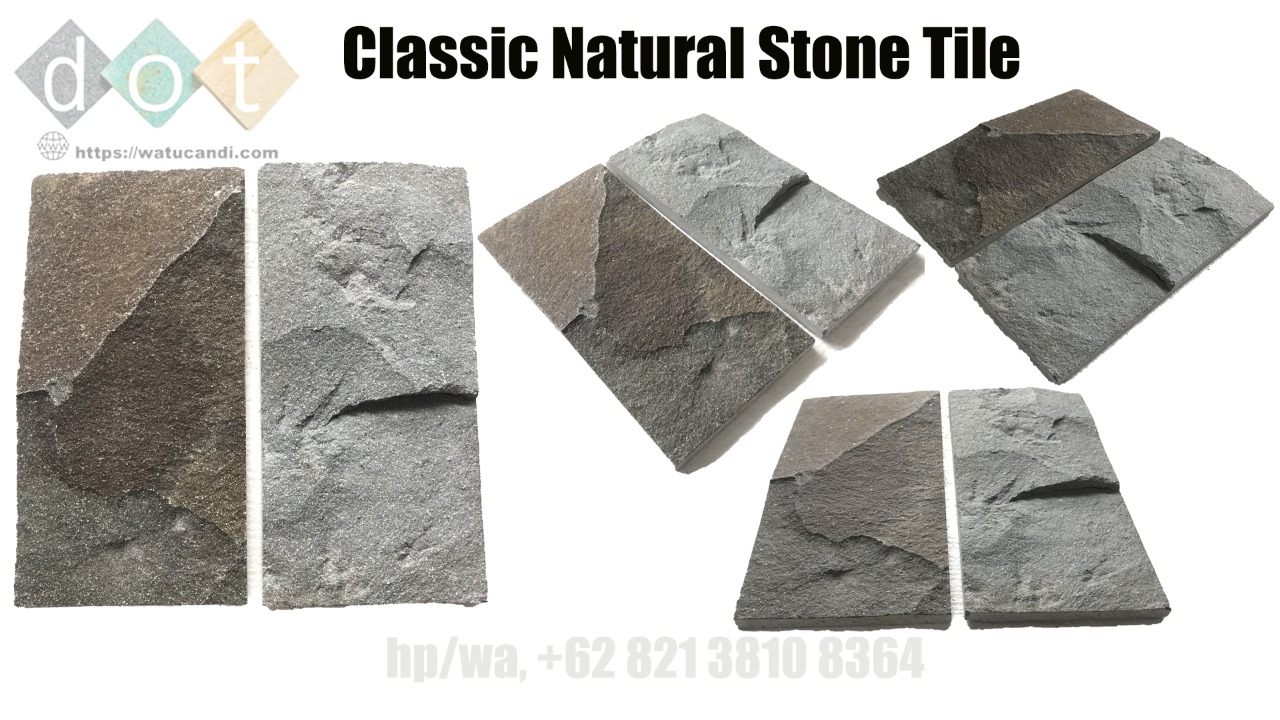
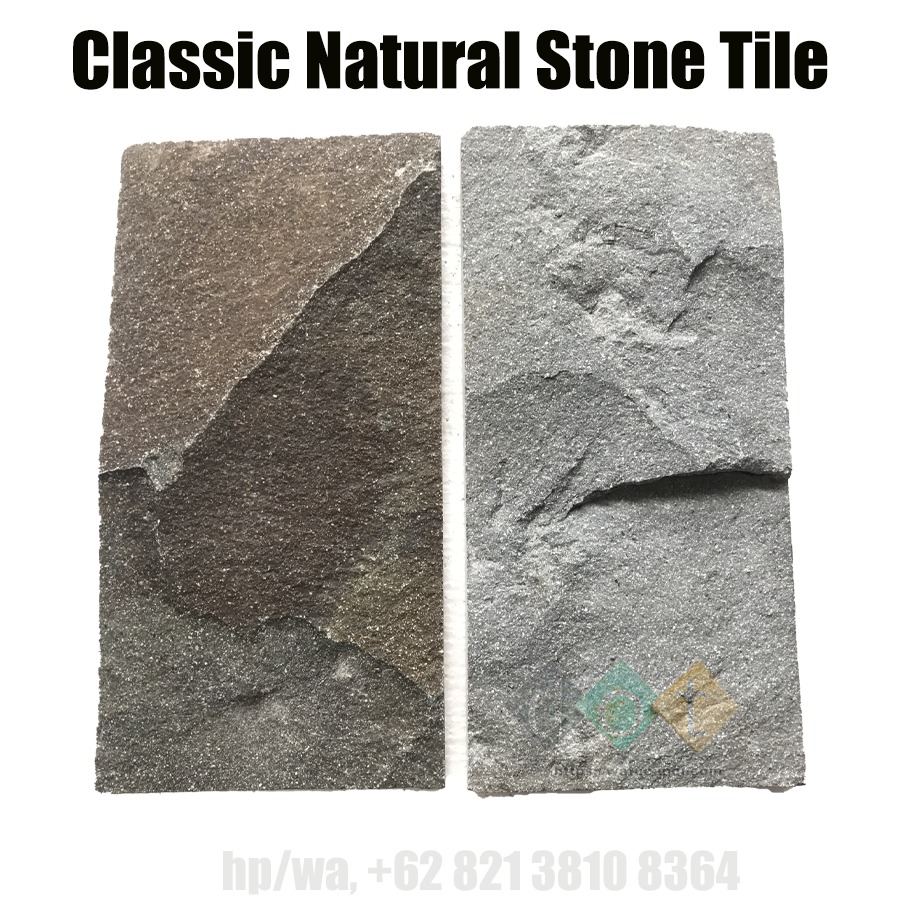
Natural stone skin surfaces derived from natural stone slabs possess unique and attractive characteristics because they are formed through lengthy geological processes. Stone slabs are natural stone pieces separated from large rock formations either naturally or semi-mechanically. Their surfaces are processed naturally by geological processes such as erosion, tectonic pressure, and sedimentary layer separation, resulting in distinctive textures and appearances. Each stone sheet stores stories about ancient environmental conditions where it was formed, making every installation an exclusive artwork unlike any other in the world.
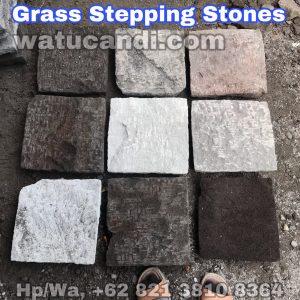
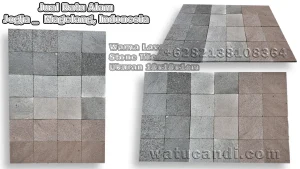
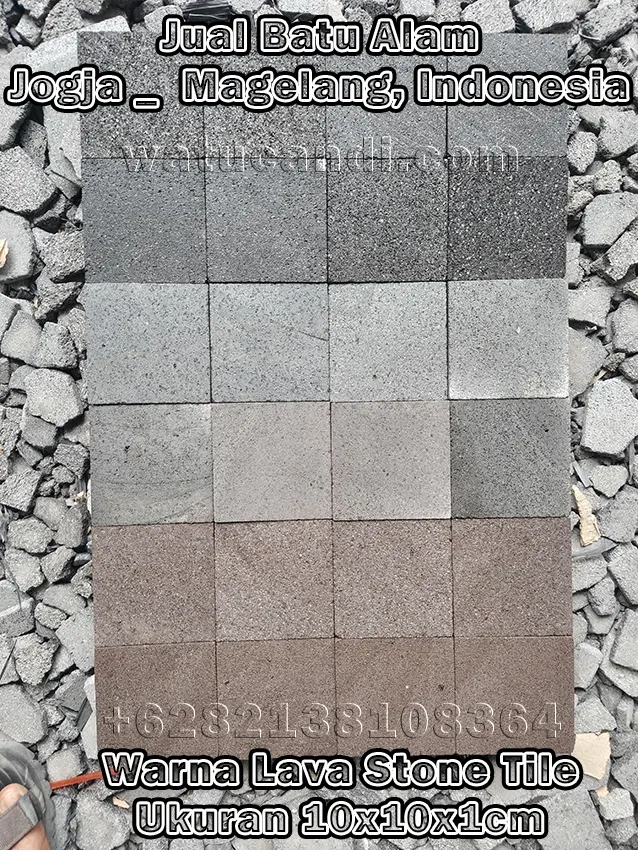
Visually, natural stone skin offers a rich and dynamic color palette. The natural stone color significantly enhances the beauty of this type of natural stone. Typically colors of this type include gray, brownish-black, yellowish, and jet black; these are the natural colors of the stone skin resulting from mineral oxidation and elemental exposure over thousands of years. Meanwhile, the center part of the stone usually has light gray, reddish, or black colors depending on its constituent mineral composition. These color variations create natural gradations that please the eye and avoid the monotonous impression often found in manufactured materials. If you are interested in exploring other volcanic stone color variations with similar characters but different nuances, references regarding Indonesian natural lava stone tiles can provide additional perspectives on the richness of the archipelago’s natural stone color palette.
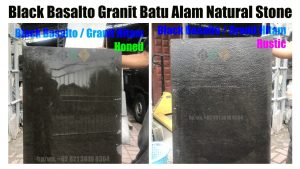
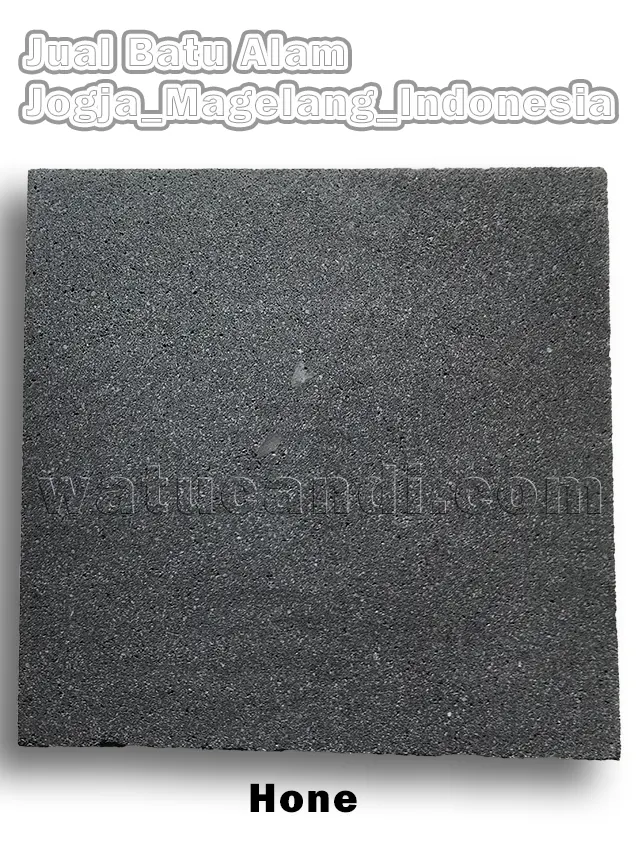
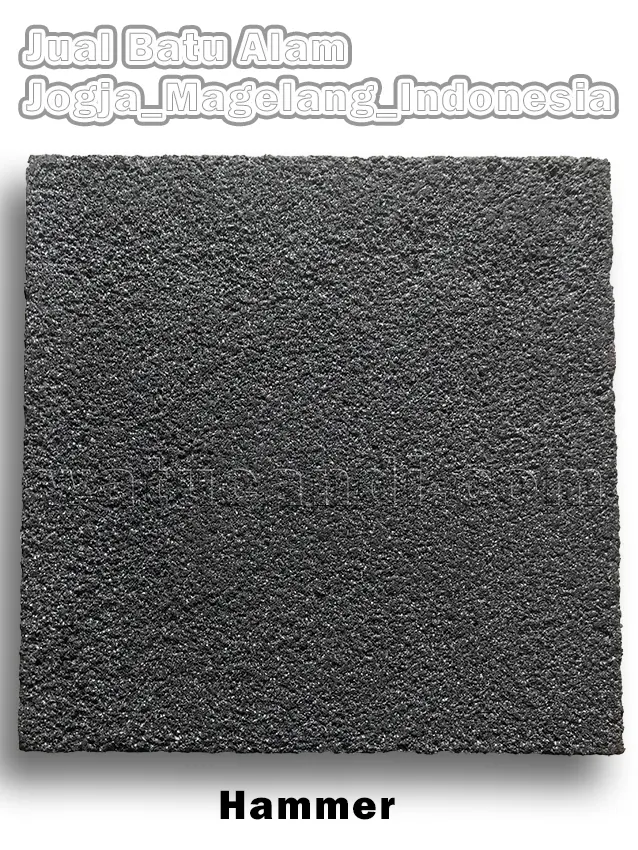
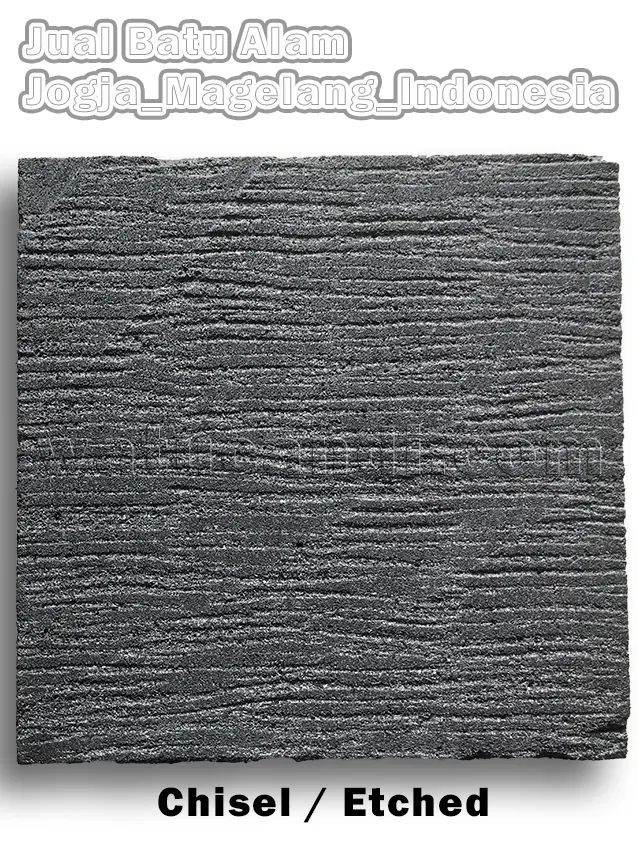
Beyond visual aspects, the tactile texture or touch sensation of natural stone skin provides extraordinary sensory experiences. Varying thicknesses, ranging from several millimeters to several centimeters, allow the creation of different appearances during installation. Some have rough surfaces with clearly visible mineral grains, while others are smoother and more homogeneous. These textures serve not only aesthetic functions but also functional ones, such as providing natural traction in wet areas or creating dramatic shadow plays when hit by spotlight beams. To understand how various types of finishes affect stone texture and function, the guide on four surface types for basalt granite andesite provides highly valuable technical insights.
Visual Exploration: Texture and Light Semantics on Stone Skin
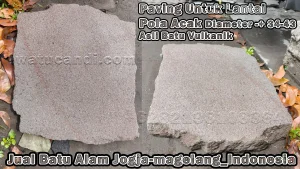
Understanding the beauty of natural stone skin requires deep visual appreciation of the interaction between matter, light, and space. The following images are not merely product documentation, but representations of this material’s artistic potential when applied in real architectural contexts. Observe how each photo captures micro-topographical details of the stone surface responding to light in unique ways, affirming that natural stone is a “living” and dynamic material.
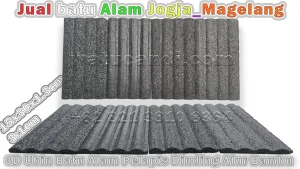
In the first image above, we witness an intimate moment between the craftsman’s hands and the stone material. This is proof that natural stone skin is not a mass-produced product, but the result of manual curation that values every inch of the original surface. In architectural semiotics, this preserved roughness communicates truth to materials and respect for natural processes. When installed on walls, these rough fields will catch grazing light that reinforces their natural relief, creating dramatic and emotionally charged chiaroscuro effects. For designers wishing to combine this rustic element with matching stone furniture, the natural stone furniture and handmade tables chairs collection offers perfect material harmony for living rooms or communal areas.
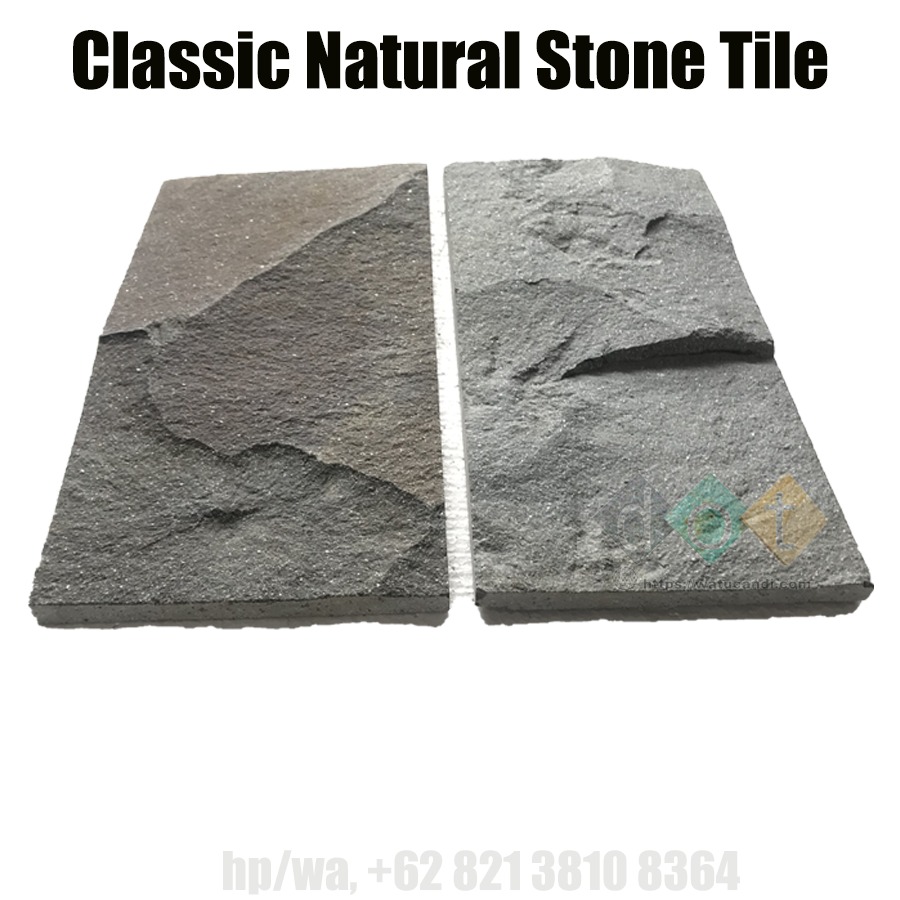
The second image shows practical application as wall covering. Here, natural stone skin functions as a balancing element in rooms that might be dominated by smooth materials like glass or paint. Color tonality variations between stone sheets create organic gradations that prevent visual saturation. Psychologically, textured walls like these are proven to reduce stress levels and increase occupant comfort due to humans’ subconscious association with natural environments. If you want to compare this visual effect with other stone materials that are smoother yet still natural, the article regarding natural travertine limestone guide can serve as useful comparative material for determining the desired room mood.
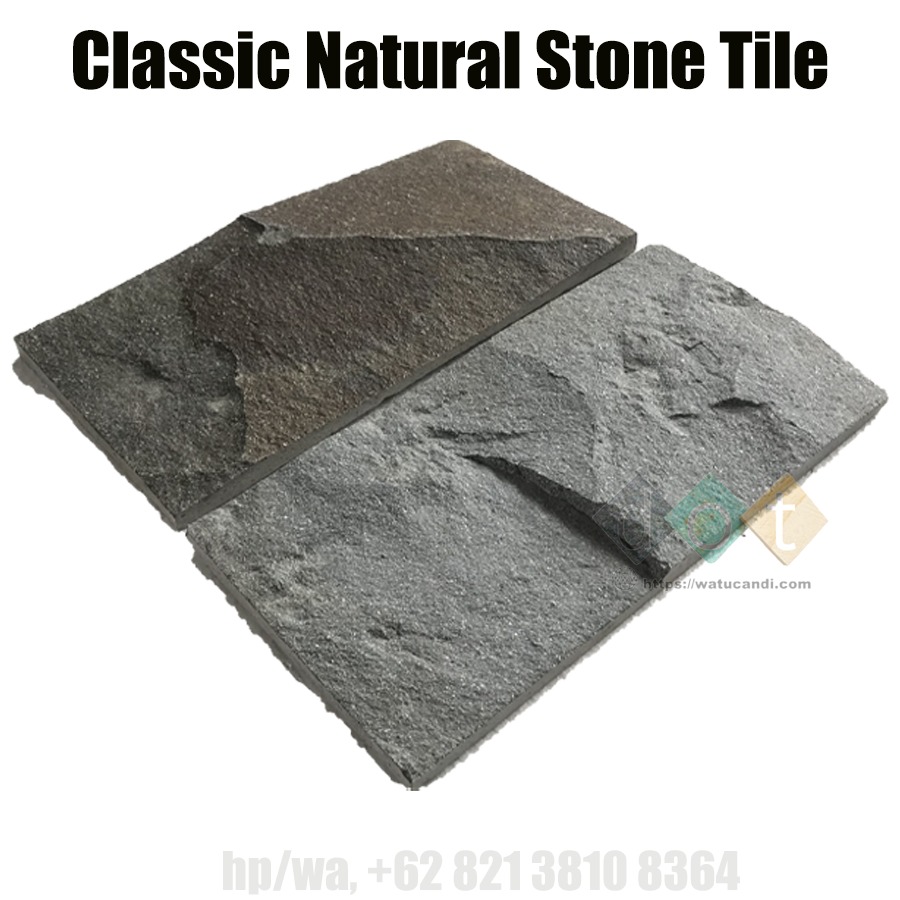
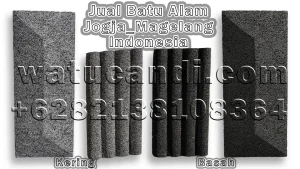
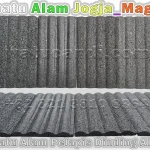
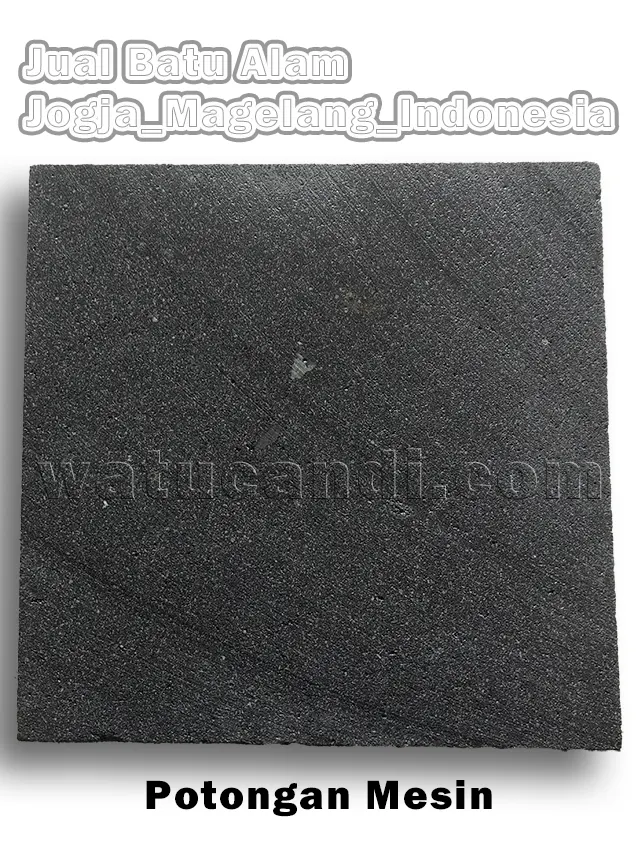
The third visual highlights basalt material with authentic skin emphasizing strength and resilience. Basalt is known as an extremely dense igneous rock, making it a superior choice for areas exposed to extreme weather or high traffic. Exposed basalt skin provides natural protection along with aesthetic features requiring no intensive maintenance. In landscape or garden design contexts, this material can be combined with water elements or vegetation to create balanced micro-ecosystems. For exterior design inspiration utilizing volcanic stone visual power, the lava stone exterior design guide presents hundreds of relevant applicable ideas.

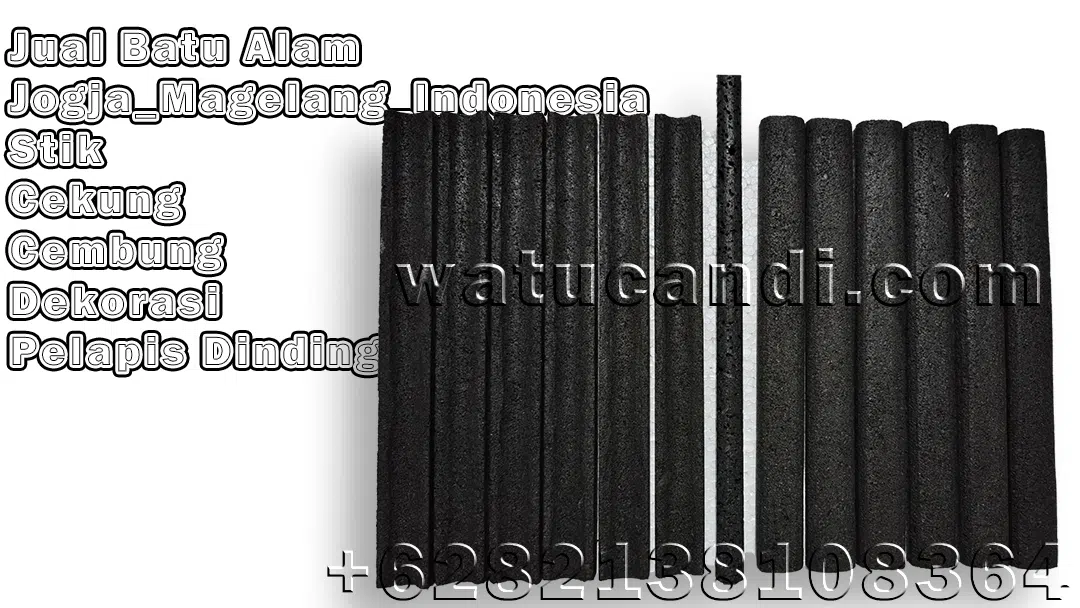
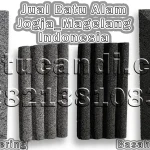
The final image displays templek stone with layered characteristics. Unlike massive basalt, templek offers natural horizontal lines that can widen visual perception of space. The scaly skin texture of templek provides strong third dimension on flat planes. This material is perfect for creating accent walls behind bed heads or in foyer areas. For those who prefer more artistic and irregular installation patterns, exploration of original random stone slabs can open up freer and more expressive design possibilities.
Raw Material Availability Dynamics and Production Challenges
As natural stone craftsmen, we are always ready to accept natural stone orders in large quantities as complementary finishing materials for your construction projects. However, it is important for clients to understand the reality of natural material production which cannot be equated with factory production. Accepting various natural stone orders requires careful stock management, because for natural stone raw material availability you need to contact us first to ensure material allocation. Not all types of natural stone materials are easily found for raw material availability, especially for variants with premium intact skin quality.
The biggest challenge in natural stone skin procurement is weather factors and mine geographical conditions. There are also abundant raw materials but difficult mining processes, such as during rainy seasons. Usually hard rocks like andesite, basalt, and granite are found in areas with clay soil that easily becomes very slippery mud, making heavy equipment access and material transport out of mining sites difficult. Limestone whose rock erosion becomes mud makes mining road terrain difficult, and also usually flooded stone excavation sites must be pumped first before extraction can continue.
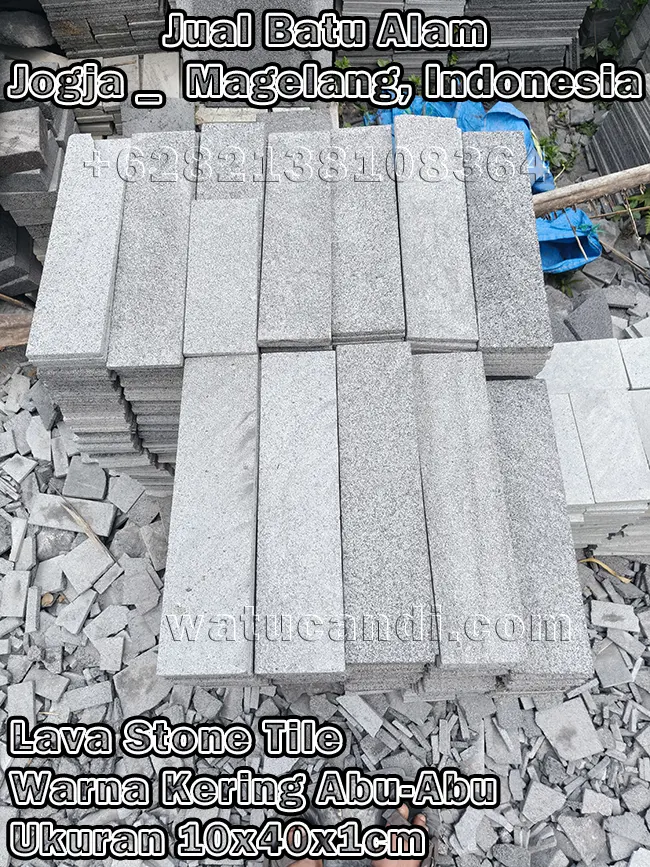
For existing standard sizes between 20×40 cm and 30×30 cm or smaller, stock is usually relatively safe. However if you want this stone in larger sizes, we will need somewhat longer time. Because most natural stones of this type average small sizes, large sizes are possible but likely require longer time for selection and special cutting. Collection of large stones normally mined little by little is set aside and sorted until collected to meet your needs. This curation process takes time but guarantees that every large stone sheet reaching your hands is truly prime quality with intact skin and ideal proportions.
Therefore, ensure raw material availability to calculate project work processes on your building well in advance. We will always be open regarding natural stone issues and constraints to prevent delays detrimental to construction schedules. Transparent communication regarding lead times and potential obstacles is key to successful natural material use in large-scale projects. For further information regarding technical specifications and quality comparisons of local versus precision materials, the complete Merapi black lava candi stone guide provides deep insights about quality standards prevailing in Indonesia’s natural stone industry.
Architectural Applications: Space Transformation with Natural Stone Skin
Natural stone skin from stone slabs can be used for floor and wall coverings in various places, both indoors (interior) and outdoors (exterior). This usage flexibility makes it architects’ favorite material for those wanting design coherence from inside to outside. Below is elaborate discussion regarding common usage places for natural stone skin stone slabs along with design considerations:
- Interior Room Floors: Natural stone skin stone slabs can be used as floor coverings in living rooms, family rooms, bedrooms, dining rooms, or other rooms in houses. Using stone slabs will give natural and organic appearance to floors, creating warm and comfortable atmospheres. However, note that for interior floor areas, it is recommended to choose variants whose surfaces have been leveled or honed for comfortable barefoot stepping and easy cleaning. For smoother yet still characterized natural stone floor references, the premium andesite and lava flooring collection offers options balancing comfort and rustic aesthetics.
- Interior Walls and Accents: Natural stone skin stone slabs can be applied as wall coverings in various rooms inside houses, such as bedroom walls, dining room walls, family room walls, or bathroom walls. Using stone slabs on walls provides attractive aesthetic and natural touches. In wet areas like bathrooms, ensure adequate sealing to prevent water and soap penetration. More specific volcanic stone wall application inspiration can be found in the black lava candi stone cladding guide discussing installation techniques and maintenance in detail.
- Terrace and Veranda Floors: Natural stone skin stone slabs can be used as floors on terraces and verandas, creating natural appearances suitable with surrounding environments. In these transition areas, rough stone skin texture actually becomes an advantage providing natural anti-slip traction during rain. Combinations with ornamental plants and wood elements will strengthen tropical nuances. For matching outdoor paving ideas, see Merapi outdoor stone flooring specially designed to withstand loads and extreme weather.
- Exterior Walls and Facades: Using natural stone skin stone slabs on house or building exterior walls provides unique and attractive appearances, creating natural and aesthetic impressions. Facades with authentic stone skin have good thermal capabilities, helping maintain stable interior temperatures. Additionally, patina formed over time due to weather exposure actually adds beauty and building character. For bolder facade designs, consider combinations with lava rock face tiles for dramatic texture contrast.
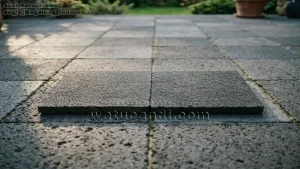
- Outdoor Area Floors and Landscapes: Natural stone skin stone slabs can be applied as floors in outdoor areas, such as front yards, gardens, or pedestrian areas. Natural surfaces and stone slab resilience make them suitable choices for outdoor use. Integration with other landscape elements like stepping stones or gravel will create seamless visual flow. The lava rock stepping stone pavers guide provides harmonious layout inspiration with natural stone skin.
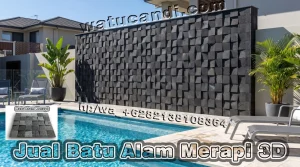
- Swimming Pool Walls and Wet Areas: Using natural stone skin stone slabs on swimming pool walls provides natural and elegant appearances, creating natural pool impressions harmonious with surrounding environments. However, stone type selection is crucial; ensure using stones resistant to chlorine and pool water pH. Green Sukabumi stone or lava stone are best choices. Read the ultimate swimming pool stone tiles guide for safe and durable technical specifications.
- Decorative Elements and Furniture: Besides as coverings, natural stone skin can also be processed into furniture or monolithic decorative elements like sinks, tables, or soap dispensers. Stone skin touches on these functional objects elevate their aesthetic value into artworks. See examples of rough surface marble stone sinks or natural stone liquid soap dispensers for cohesive interior detail ideas.
Using natural stone skin stone slabs provides natural, aesthetic, and organic appearances to floors and walls. With their natural textures and colors, natural stone skin stone slabs provide different and attractive impressions to every decorated room or area. Success key lies in deep understanding of material character and application suitability with space function.
Competitive Advantages and Investment Value of Natural Materials
Natural stone skin stone slab surfaces have good resistance to weather and heavy loads, making them durable and fade-resistant choices for use in exterior areas or harsh environmental conditions. Unlike ceramics or porcelain whose colors can fade or surfaces peel, natural stone actually matures and gains character over time. Natural patina formed from interaction with environmental elements is considered aesthetic added value, not damage.
In terms of property value, using authentic natural stone materials with well-maintained skin significantly increases building valuation. High-end property buyers tend to seek authentic, rare, and sustainable materials. Buildings with authentic natural stone finishing have higher resale value due to perceived quality and exclusivity attached to them. Initial investment possibly higher than imitation materials will be fully repaid through durability and long-term asset value appreciation.
Additionally, using local natural stone supports mining community economies and preserves inherited stone craft traditions. This is socially and culturally responsible architecture. Every authentic natural stone purchase contributes to sustainability of local craftsmen livelihood chains and archipelago geological heritage preservation. To see other natural stone product examples supporting local craft ecosystems, visit our natural stone tiles catalog covering various variants from across Indonesia.
Technical Installation Considerations and Long-Term Maintenance
To maintain optimal natural stone skin beauty, proper installation techniques and maintenance are decisive. Installation must be done by experienced stonemasons handling natural materials, because different characteristics of each stone sheet require careful adhesion and leveling adjustments. Use flexible natural stone special adhesive to accommodate thermal and structural movement without causing cracks or stone detachment.
Routine maintenance is actually quite simple. For interior areas, vacuuming and wet mopping with neutral pH is sufficient. Avoid using strong acid or base cleaners that can erode surface minerals or damage sealant. For exterior areas, periodic cleaning from moss or organic dirt is necessary, but avoid high-pressure washers with excessive pressure that could erode fragile stone skin. Penetrating sealer application every 1-2 years is highly recommended to protect stone pores from stains and excess moisture without changing natural appearance.
If local damage or stubborn stains occur, consult natural stone restoration professionals rather than trying self-repair with inappropriate chemicals. Correct maintenance understanding will extend material service life and keep investment valuable. For specific maintenance guides based on stone type and finish, the paras limestone honed and sawn cut guide provides maintenance protocols adaptable to various other natural stone types.
Design Integration: Combining Stone Skin with Other Materials
Architectural design strength lies in ability to integrate various materials into harmonious compositions. Natural stone skin with dominant texture requires appropriate material partners to avoid overwhelming. Combinations with solid wood create warm and organic timeless nuances. Pairings with matte black metal or stainless steel provide sharp and elegant modern contrast. While combinations with clear glass let light enter and emphasize stone texture through shadow play.
For projects wanting texture variation within one material palette, consider mixing rough stone skin with finely finished stones like honed or polished. This tactile contrast creates rich sensory dynamics and prevents visual saturation. For example, use rough stone skin for accent walls and honed stone for main floors. Or combine with antique tumbled finish for cohesive vintage nuances. Exploration of alkali sawncut vs bushhammer finish comparison can also provide innovative texture combination ideas.
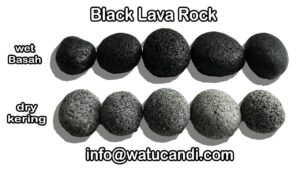
In landscape design, integrating natural stone skin with vegetation and water elements is key to creating urban oases. Climbing plants growing in stone crevices or moss growing naturally in humid areas actually add beauty and sought-after aged impressions. Using black lava rock pebbles as ground cover or decorative drainage completes holistic landscape compositions. Don’t forget to pay attention to edge details and material transitions using natural stone edges for neat and professional finishing.
Quality Commitment and Price Transparency
For Natural Stone Prices, we will always strive to provide prices and quality according to your needs. We always follow price developments in local and international markets to ensure competitive yet fair offers for craftsmen and miners. Price transparency is our main principle; there are no hidden costs or unreasonable markups. What you pay is direct reflection of material quality, extraction difficulty, and craftsmanship involved.
We understand budget is critical factor in every project. Therefore, we provide various material grades with varying price ranges, from standard grade for service areas to premium grade for showcase areas. Budget allocation and material priority consultations are highly recommended so you get best value for money without sacrificing design integrity. Our sales team is ready to help calculate material needs accurately to minimize waste and overspending.
In closing, choosing natural stone skin slab surfaces is strategic decision combining aesthetics, durability, and cultural value. From facade walls resisting tropical sun heat to terrace floors welcoming guests with natural warmth, this material stands as silent witness to life unfolding around it. Ensure you get authentic material with clear grading worked by experienced craftsmen. For further information regarding other volcanic natural stone products complementing natural stone skin, please explore our complete catalog including five black lava stone surfaces, candi lava natural stone mosaic, as well as various finishing innovations like 300x300mm chiseled lava surface and trending 3D stone slabs. Entrust realization of your architectural vision with finest materials from Nusantara earth’s belly presented with full integrity and dedication.
Natural Stone Skin, Stone Slabs, Authentic Natural Stone, Natural Stone Wall Covering, Rustic Stone, Basalt Stone, Andesite Stone, Templek Stone, Building Finishing Material, Stone Wall Decoration, Natural Stone Craftsman, Watucandi, Indonesian Natural Stone, Modern Tropical Design, Natural Stone Facade, Natural Stone Flooring, Natural Stone Maintenance, Natural Stone Price, Exterior Natural Stone, Interior Natural Stone