


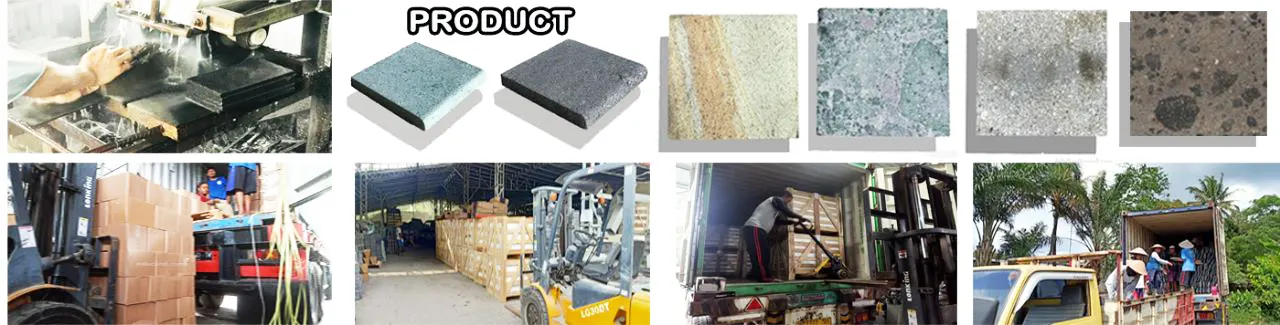

“Elevate your home facade with Lava Stone Exterior Design – modern, textured, weather-resistant, and timelessly elegant for any architectural style.”
Lava Stone Exterior Design: The Ultimate Guide to Natural Volcanic Stone for Modern Architecture
Discover the transformative power of lava stone exterior design in contemporary architecture. This comprehensive guide explores how black lava stone, split-face cladding, and volcanic rock applications can elevate your property’s aesthetic appeal while providing unmatched durability and sustainability. Learn from industry experts about installation techniques, design principles, and maintenance strategies for natural stone exteriors.
Table of Contents
- Introduction to Lava Stone Exterior Design
- The Geological Formation of Volcanic Stone
- Types of Lava Stone for Exterior Applications
- Split-Face Black Lava Stone Tiles: Characteristics & Benefits
- Creative Design Applications for Lava Stone Exteriors
- Wall Cladding Techniques & Installation Methods
- Rough Cracked Stone Surfaces: Aesthetic & Technical Considerations
- Pedra Bruta Black: Abstract Surface Stone Tiles
- Black Sandstone: Properties & Exterior Applications
- Complementary Natural Stones for Exterior Design
- Color & Texture Selection Principles
- Professional Installation Guide: Step-by-Step
- Structural Considerations & Load-Bearing Capacity
- Sealing & Protection: Preserving Natural Stone
- Long-Term Maintenance & Care Guide
- Sustainability & Environmental Benefits
- Cost Analysis & Value Proposition
- Case Studies: Successful Lava Stone Projects
- Common Mistakes to Avoid
- Future Trends in Natural Stone Exterior Design
- Conclusion: Embracing Natural Beauty
Introduction to Lava Stone Exterior Design
Lava stone exterior design has emerged as one of the most sought-after approaches in contemporary architecture, offering a perfect blend of natural beauty, durability, and sustainability. The use of black lava stone (also known as pedra hitam bruta in Portuguese) represents a return to authentic, organic materials that connect buildings with their natural environment while providing exceptional performance characteristics.
Volcanic stone, formed through millions of years of geological processes, possesses unique properties that make it ideal for exterior applications. Its natural formation under extreme heat and pressure creates a material that is inherently resistant to weathering, temperature fluctuations, and environmental stressors. This makes lava stone an excellent choice for exterior wall cladding, landscaping features, and architectural elements that must withstand the test of time.
The appeal of lava stone extends beyond its practical benefits. The distinctive texture, rich colors, and natural variations in each piece create visual interest that synthetic materials simply cannot replicate. Whether you’re designing a modern minimalist facade, a rustic countryside retreat, or a tropical resort destination, lava stone offers versatility that adapts to various architectural styles while maintaining its authentic character.
In recent years, there has been a significant shift in architectural preferences toward sustainable, natural materials. Homeowners, architects, and designers are increasingly recognizing the value of using materials that not only look beautiful but also contribute to environmental sustainability and occupant well-being. Lava stone exterior design perfectly aligns with these values, offering a material that is quarried with minimal environmental impact, requires little processing, and creates buildings that harmonize with their natural surroundings.
This comprehensive guide will explore every aspect of lava stone exterior design, from geological formation and material properties to installation techniques and long-term maintenance. Whether you’re a homeowner planning a renovation, an architect designing a new project, or a contractor seeking to expand your expertise, this guide provides the knowledge and insights needed to successfully incorporate lava stone into exterior design projects.
The Geological Formation of Volcanic Stone
Understanding the geological origins of lava stone provides valuable insight into why this material performs so exceptionally well in exterior applications. Lava stone, also known as volcanic stone or volcanic rock, is formed through the cooling and solidification of molten rock (magma) that reaches the Earth’s surface through volcanic activity.
The formation process begins deep within the Earth’s mantle, where temperatures exceed 1,000 degrees Celsius and pressures are immense. Under these extreme conditions, rock melts to form magma, a complex mixture of molten minerals, dissolved gases, and volatile compounds. When this magma finds a pathway to the surface through volcanic vents or fissures, it emerges as lava.
The cooling rate of lava significantly influences the resulting stone’s characteristics. When lava cools rapidly upon contact with air or water, it forms fine-grained volcanic rocks with minimal crystal development. This rapid cooling creates the dense, hard structure that makes lava stone so durable. The specific mineral composition, cooling rate, and environmental conditions during formation determine the stone’s final color, texture, and physical properties.
Indonesia, particularly the regions surrounding Mount Merapi in Central Java, is renowned for producing some of the world’s highest quality lava stone. The volcanic activity in this region has been ongoing for thousands of years, creating extensive deposits of high-quality volcanic stone. The black lava stone from Merapi is particularly prized for its consistent quality, deep black color, and excellent workability.
The geological processes that form lava stone also create natural variations in color, texture, and pattern. These variations, far from being defects, are what give natural stone its unique character and beauty. Each piece of lava stone tells a story of geological forces spanning millions of years, bringing a sense of timelessness and connection to natural history into architectural design.
Different types of volcanic stone form under varying conditions. Basalt, one of the most common volcanic rocks, forms from low-viscosity lava that flows easily, creating thin, extensive layers. Andesite, named after the Andes mountains, forms from intermediate composition magma and is particularly common in Indonesia. Both basalt and andesite are widely used in exterior design applications, each offering distinct characteristics suited to different design requirements.
Types of Lava Stone for Exterior Applications
Lava stone encompasses a diverse range of volcanic rocks, each with unique characteristics suited to different exterior design applications. Understanding these variations is essential for selecting the right material for your specific project requirements.
Black Lava Stone (Basalt)
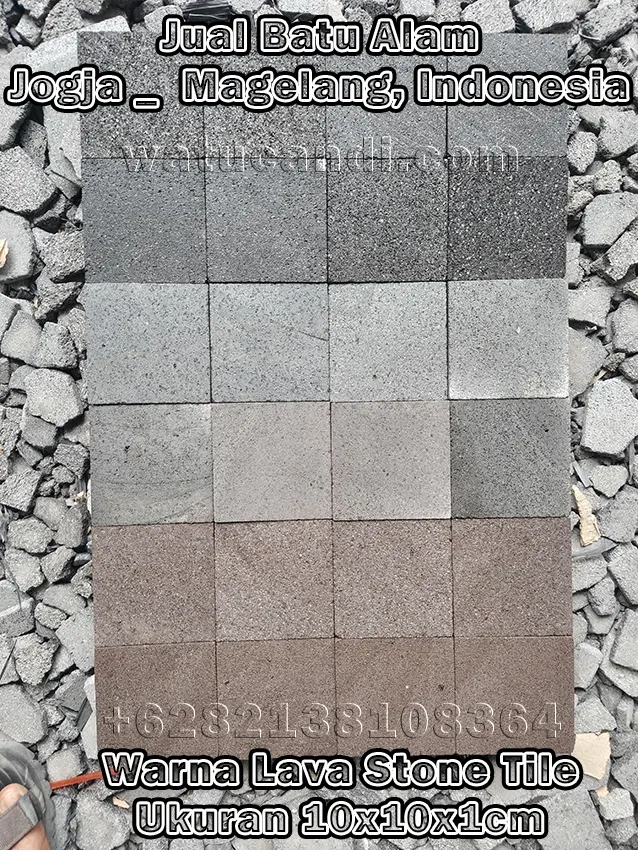
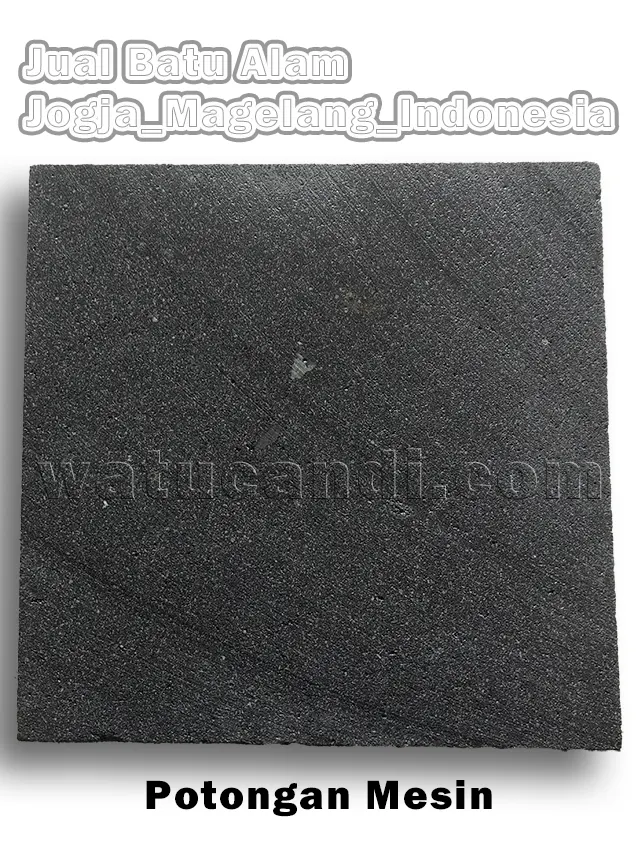
Black lava stone, primarily composed of basalt, is characterized by its deep, rich black color and fine-grained texture. This type of lava stone is extremely dense and hard, making it ideal for high-traffic areas and exterior applications requiring durability. The uniform black color provides a sophisticated, modern aesthetic that complements contemporary architectural styles. Black lava stone is particularly popular for wall cladding, flooring, and landscape features where a bold, dramatic statement is desired.
Gray Lava Stone (Andesite)
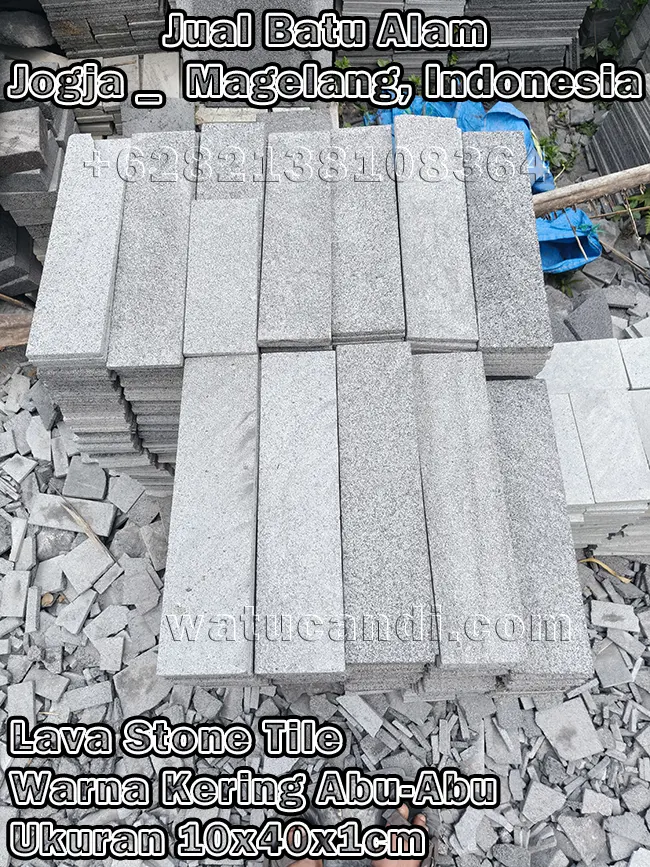
Gray lava stone, typically andesite, offers a softer, more neutral color palette ranging from light gray to charcoal. This versatile stone works well in both traditional and contemporary designs, providing a natural, understated elegance. Gray lava stone is often used for pathways, patios, and wall cladding where a more subtle, natural appearance is desired. The Merapi lahar stone is an excellent example of high-quality gray lava stone with consistent color and excellent durability.
Reddish-Brown Lava Stone
Some volcanic stones develop reddish-brown hues due to higher iron content and oxidation during formation. These warmer-toned stones add richness and warmth to exterior designs, creating inviting, earthy atmospheres. Reddish-brown lava stone works particularly well in tropical and Mediterranean architectural styles, complementing lush vegetation and warm color palettes.
Vesicular Lava Stone
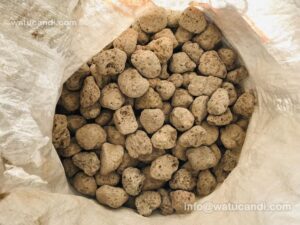
Vesicular lava stone contains small holes or vesicles formed by gas bubbles trapped during cooling. This porous texture creates unique visual interest and excellent grip, making it ideal for pool decks, pathways, and other areas where slip resistance is important. The natural texture of vesicular lava stone also provides excellent sound absorption properties, contributing to acoustic comfort in outdoor spaces.
Columnar Jointed Lava Stone
In certain cooling conditions, lava stone forms distinctive hexagonal or polygonal columns. These columnar joints create striking geometric patterns that can be cut into tiles or used as feature elements. While less common than other types, columnar jointed lava stone offers exceptional visual impact for feature walls and artistic installations.
Each type of lava stone offers distinct advantages for exterior applications. The selection should be based on factors including desired aesthetic, functional requirements, climate conditions, and budget considerations. Consulting with experienced stone suppliers and designers can help ensure the right choice for your specific project.
Split-Face Black Lava Stone Tiles: Characteristics & Benefits
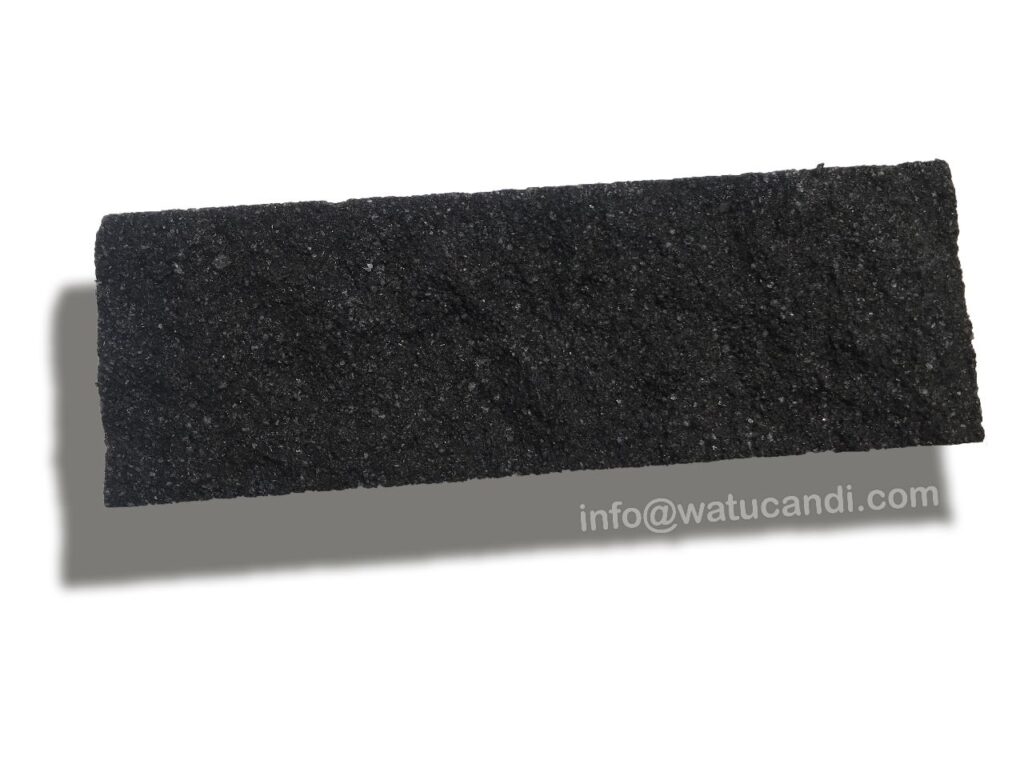
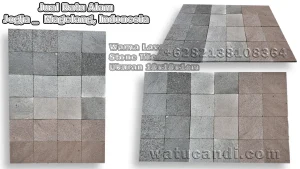
Split-face black lava stone tiles represent one of the most popular and visually striking options for exterior wall cladding. This finishing technique involves mechanically splitting the stone along its natural fault lines, creating a rough, textured surface that showcases the stone’s natural character while maintaining dimensional accuracy on the back and edges for easy installation.
The split-face finishing process begins with precisely cut stone blocks. These blocks are then split using specialized machinery that applies controlled pressure along the stone’s natural cleavage planes. This process reveals the stone’s internal structure, creating a rugged, three-dimensional texture that catches light and shadow in fascinating ways. The result is a tile with a dramatic, natural face and precise dimensions for installation.
One of the primary benefits of split-face black lava stone tiles is their exceptional visual impact. The rough texture creates depth and interest that flat, polished surfaces cannot achieve. When installed on exterior walls, these tiles create dynamic facades that change character throughout the day as sunlight moves across the surface, casting shadows and highlighting textures. This dynamic quality gives buildings a living, breathing quality that connects them to the natural world.
Beyond aesthetics, split-face tiles offer practical advantages. The rough texture provides excellent slip resistance, making these tiles suitable for wet areas and outdoor applications. The textured surface also helps mask dirt and weathering, reducing maintenance requirements compared to smooth, polished surfaces. Additionally, the increased surface area of split-face tiles can improve adhesion when used with appropriate installation methods.
Black lava stone split-face tiles are particularly valued for their color consistency and durability. The deep black color provides a sophisticated, timeless appearance that complements a wide range of architectural styles, from ultra-modern minimalist designs to traditional Javanese architecture. The natural hardness of basalt ensures these tiles withstand weathering, impact, and daily wear without significant deterioration.
When selecting split-face black lava stone tiles, consider factors such as tile size, texture intensity, and color variation. Larger tiles create bold, dramatic statements with fewer grout lines, while smaller tiles offer more intricate patterns and flexibility for complex shapes. The intensity of the split-face texture can vary from moderately rough to extremely rugged, allowing customization of the visual impact to suit design preferences.
Creative Design Applications for Lava Stone Exteriors
Lava stone’s versatility makes it suitable for a wide range of exterior design applications. From subtle accent features to bold architectural statements, this natural material can transform ordinary spaces into extraordinary environments. Understanding the various applications helps designers and homeowners maximize the potential of lava stone in their projects.
Exterior Wall Cladding
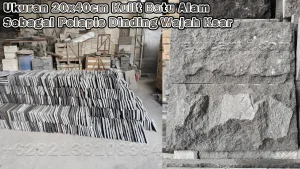
Exterior wall cladding is perhaps the most common and impactful application of lava stone. Whether used to clad entire building facades or create striking accent walls, lava stone cladding dramatically transforms a building’s appearance and character. The natural texture and color of lava stone create facades that stand out from conventional painted or rendered surfaces, giving buildings a unique, authentic presence.
Full facade cladding with lava stone creates a bold, cohesive statement that establishes a strong architectural identity. This approach works particularly well for commercial buildings, luxury residences, and hospitality projects where creating a memorable impression is important. The durability of lava stone ensures these facades maintain their appearance for decades with minimal maintenance.
Accent wall applications offer a more subtle approach, using lava stone to highlight specific architectural features or create focal points. Entry portals, fireplace surrounds, and feature walls benefit greatly from lava stone cladding, drawing attention and creating visual interest without overwhelming the overall design. This approach is particularly effective when combining lava stone with complementary materials such as wood, glass, or metal.
Garden Pathways & Walkways
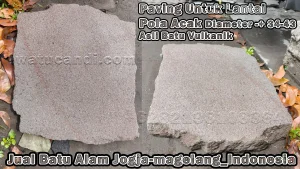
Lava stone pathways create beautiful, functional circulation elements that guide visitors through outdoor spaces while adding texture and visual interest to landscapes. The natural slip resistance of lava stone makes it ideal for pathways that may become wet from rain or irrigation. The stone’s durability ensures pathways withstand foot traffic and weather exposure without significant wear.
Design approaches for lava stone pathways vary from formal, geometric patterns to organic, naturalistic layouts. Formal pathways using precisely cut lava stone pavers in regular patterns create structured, elegant circulation that complements formal gardens and architectural landscapes. Organic layouts using irregular stone shapes and sizes create more natural, relaxed pathways that blend seamlessly with garden landscapes.
The lava stone flooring can be installed with tight joints for a clean, formal appearance or with wider joints filled with gravel, moss, or ground cover plants for a softer, more natural look. The joint treatment significantly affects the pathway’s character and maintenance requirements, allowing customization to suit design preferences and practical considerations.
Pool Decks & Water Features
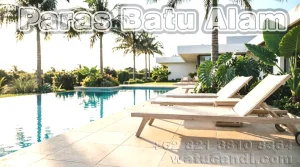
Pool decks and water features benefit enormously from lava stone’s natural properties. The stone’s slip resistance provides safety around wet areas, while its thermal properties keep surfaces comfortable underfoot even in direct sunlight. Unlike some materials that become uncomfortably hot in sun exposure, lava stone maintains a comfortable temperature, enhancing the pool experience.
The lava stone for swimming pools also offers excellent resistance to chlorine and other pool chemicals when properly sealed. This chemical resistance, combined with the stone’s durability and aesthetic appeal, makes it an ideal choice for luxury pool environments. The natural texture of lava stone provides visual and tactile interest that enhances the sensory experience of pool areas.
Water features such as fountains, waterfalls, and reflecting pools are dramatically enhanced by lava stone. The stone’s natural appearance complements water elements, creating harmonious compositions that celebrate the relationship between stone and water. The porous nature of some lava stones can also be utilized in water features to create interesting textural contrasts and acoustic effects as water flows over and through the stone.
Outdoor Living Spaces
Modern architecture increasingly blurs the boundaries between indoor and outdoor living spaces. Lava stone plays a crucial role in creating seamless transitions between these zones, providing durable, beautiful surfaces for patios, terraces, and outdoor kitchens. The stone’s ability to withstand weather while maintaining its appearance makes it ideal for these multi-functional spaces.
Outdoor kitchens and BBQ areas benefit from lava stone’s heat resistance and durability. Countertops, backsplashes, and flooring in these areas must withstand high temperatures, spills, and heavy use. Lava stone meets these demands while providing a sophisticated, natural aesthetic that elevates outdoor cooking and entertaining spaces.
Fire pits and fireplaces are natural companions to lava stone, both aesthetically and functionally. The stone’s heat resistance makes it safe for use around fire elements, while its natural appearance creates a harmonious, organic look. Surrounding fire features with Merapi lava parquet decking creates cohesive outdoor living areas that invite gathering and relaxation.
Landscape & Garden Features
Beyond pathways and pool decks, lava stone serves numerous functions in landscape design. Retaining walls constructed from lava stone provide structural support while adding dramatic textural elements to garden designs. The stone’s weight and stability make it excellent for retaining walls, while its natural appearance helps these structural elements blend harmoniously with landscape surroundings.
Garden borders and edging created with lava stone define planting beds and circulation paths with clean, durable lines. The natural stone edging provides a long-lasting alternative to timber or plastic edging materials, maintaining its appearance and function for decades. The weight of lava stone also helps secure edging in place without additional anchoring.
Decorative boulders and feature stones placed strategically throughout landscapes create focal points and add sculptural interest. Large lava stone boulders can serve as natural seating, artistic elements, or simply as dramatic landscape features that anchor garden designs. The natural variations in lava stone ensure each boulder is unique, adding individuality to landscape compositions.
Wall Cladding Techniques & Installation Methods
Proper installation is crucial for ensuring the longevity and performance of lava stone exterior cladding. Various installation methods exist, each suited to different applications, substrate conditions, and design requirements. Understanding these techniques helps ensure successful projects that maintain their beauty and integrity for decades.
Substrate Preparation
The foundation of any successful stone cladding installation is proper substrate preparation. The substrate must be structurally sound, clean, dry, and capable of supporting the significant weight of natural stone. For new construction, this typically means concrete or masonry substrates designed to handle stone loads. For renovation projects, existing substrates must be evaluated for structural adequacy and may require reinforcement.
Surface preparation involves cleaning the substrate to remove dust, dirt, oil, and other contaminants that could interfere with adhesion. For concrete substrates, this may involve mechanical abrasion, acid etching, or high-pressure water blasting to create a profile that promotes strong bond development. The substrate must also be checked for moisture content, as excessive moisture can compromise adhesive performance and lead to installation failures.
In some cases, additional preparation steps are necessary. Waterproofing membranes may be required to protect substrates from moisture penetration, particularly in wet climates or below-grade applications. Metal lath or mesh may be installed to provide mechanical keying for mortar beds, especially when cladding over framed walls or insufficiently solid substrates. Proper planning and preparation at this stage prevents costly problems later.
Adhesive Selection & Application
Selecting the appropriate adhesive is critical for successful lava stone installation. The adhesive must be compatible with both the stone and substrate, capable of supporting the stone’s weight, and suitable for exterior exposure conditions. Polymer-modified cementitious adhesives are commonly used for natural stone cladding, offering excellent bond strength, flexibility, and weather resistance.
The adhesive must be appropriate for the specific type of lava stone being installed. Dense, low-porosity stones like black basalt require adhesives with excellent bond strength to smooth surfaces. More porous, vesicular stones may benefit from adhesives with higher flexibility to accommodate the stone’s natural variations. Always consult adhesive manufacturers’ recommendations and ensure products are rated for natural stone and exterior applications.
Application techniques significantly impact installation quality. Adhesive should be applied to both the substrate and the back of stone tiles using the appropriate trowel size to achieve adequate coverage. Back-buttering, applying adhesive directly to the stone back, ensures complete coverage and strong bond development, particularly important for large format tiles or stones with uneven backs. Proper adhesive application prevents voids that could lead to debonding or stone failure.
Installation Patterns & Layout
The installation pattern significantly affects the visual impact of lava stone cladding. Various patterns offer different aesthetic effects, from formal, geometric layouts to organic, random compositions. The chosen pattern should complement the architectural style, scale of the project, and design intent.
Stack bond patterns, where tiles are aligned in straight horizontal and vertical lines, create clean, contemporary aesthetics that emphasize the geometric precision of cut stone. This pattern works well with uniform tile sizes and creates a sense of order and formality. Running bond patterns, where joints are offset by half a tile width, add visual movement and are particularly effective for rectangular tiles.
For a more organic, natural appearance, random patterns using varying tile sizes and irregular layouts create dynamic, interesting facades. These patterns work particularly well with split-face and rough-textured stones, enhancing the natural, handcrafted aesthetic. The herringbone pattern and authentic susun sirih masonry offer sophisticated, traditional patterns that add elegance and craftsmanship to exterior designs.
Layout planning should consider practical factors as well as aesthetics. Starting points should be established to minimize cutting and ensure balanced compositions. Expansion joints must be incorporated at appropriate intervals to accommodate thermal movement and prevent cracking. Openings such as windows and doors require careful planning to maintain pattern continuity and proper detailing.
Jointing & Grouting
Joint treatment significantly affects the appearance and performance of stone cladding. Joint width, depth, and color all contribute to the overall visual impact. Narrow joints create a more unified, monolithic appearance, while wider joints emphasize individual stones and create more textured compositions.
Grout selection should consider both aesthetic and performance factors. Cementitious grouts are commonly used for exterior stone cladding, offering durability and weather resistance. Grout color should be selected to complement the stone, either blending for a unified look or contrasting to emphasize individual stones. Epoxy grouts offer superior stain resistance and durability but at higher cost and more complex installation.
Proper jointing technique ensures long-term performance. Joints should be completely filled without voids, and grout should be properly cured to develop full strength. For exterior applications, grout joints may benefit from sealant application to reduce water absorption and staining. In some designs, open joints filled with gravel or left as shadow gaps create distinctive aesthetic effects while allowing for movement.
Rough Cracked Stone Surfaces: Aesthetic & Technical Considerations
Rough cracked stone surfaces represent one of the most dramatic and naturalistic finishes available for exterior design. This finish celebrates the raw, untamed beauty of natural stone, creating facades and features that appear to have been part of the landscape since time immemorial. The aesthetic impact of rough stone surfaces is undeniable, but successful implementation requires understanding both the visual possibilities and technical considerations.

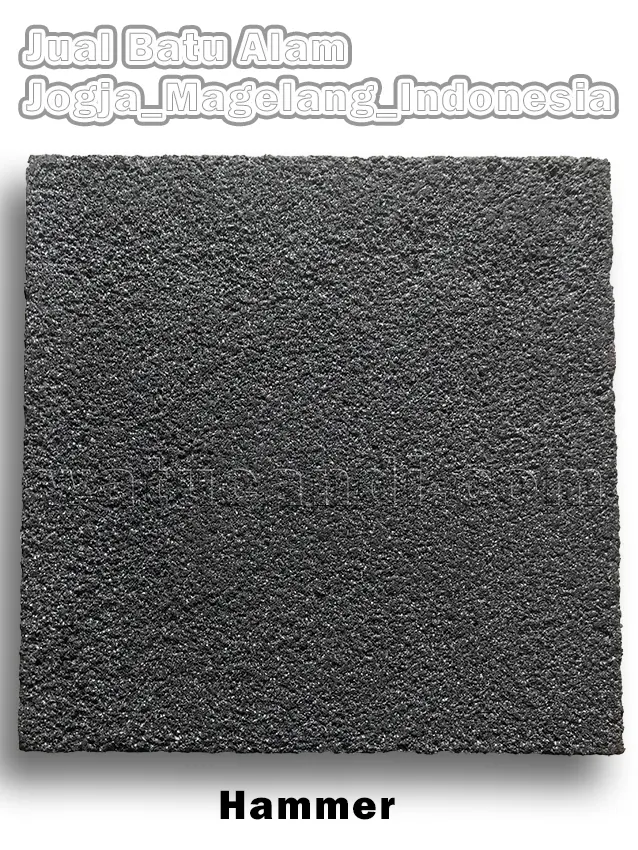
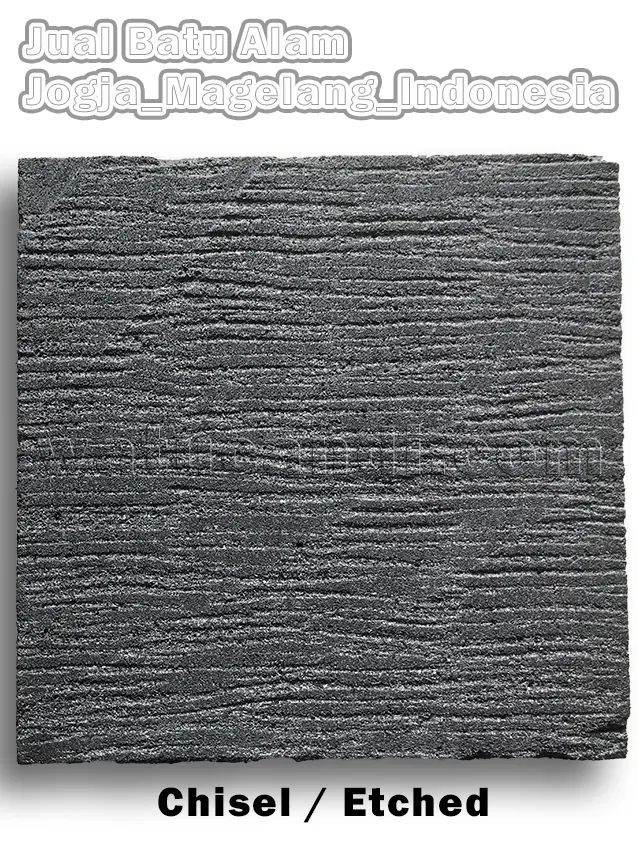
The rough cracked aesthetic is achieved through various techniques that emphasize the stone’s natural fractures, textures, and irregularities. Split-face finishing, as previously discussed, creates one type of rough surface by mechanically splitting stone along natural fault lines. Other techniques include bush hammering, which creates a uniformly pitted surface; thermal finishing, which uses high temperatures to create a rough, spalled surface; and natural cleft, which uses the stone’s naturally occurring split surfaces.
The visual impact of rough stone surfaces stems from their ability to capture and manipulate light. The irregular surface creates countless tiny planes that reflect light at different angles, producing a complex, dynamic visual experience that changes throughout the day. Shadows play across the surface, emphasizing texture and creating depth that flat surfaces cannot achieve. This interplay of light and shadow gives rough stone surfaces a living quality that evolves with changing light conditions.
Color perception also changes dramatically with rough surfaces. The same stone that appears uniformly dark when polished may reveal subtle color variations, mineral inclusions, and textural nuances when given a rough finish. This complexity adds richness and interest to exterior designs, creating surfaces that reward close inspection while maintaining impact from a distance.
From a technical perspective, rough stone surfaces offer several advantages. The increased surface area improves adhesion when installed with appropriate methods. The textured surface provides excellent slip resistance, making rough stone ideal for wet areas and outdoor applications. The irregular surface also helps mask dirt, weathering, and minor imperfections, reducing maintenance requirements compared to smooth finishes.
However, rough surfaces also present challenges. The increased porosity of some rough finishes can lead to higher water absorption, requiring proper sealing and detailing to prevent moisture-related problems. The irregular surface can be more difficult to clean than smooth surfaces, potentially requiring specialized cleaning methods. Designers must balance aesthetic desires with practical performance requirements when specifying rough stone surfaces.
The rough surface lava stone works particularly well in applications seeking to create a strong connection with nature. Rustic lodges, tropical resorts, and landscape features benefit from the organic, naturalistic appearance of rough stone. The texture creates tactile interest that invites touch and engagement, enhancing the sensory experience of spaces.
When specifying rough stone surfaces, consider the scale and context of the application. Large, bold textures work well for substantial architectural elements and exterior facades where they can be appreciated from appropriate viewing distances. Finer textures may be more appropriate for intimate spaces or elements viewed up close. The overall design composition should balance rough textures with smoother elements to create visual harmony and prevent overwhelming users with excessive visual complexity.
Pedra Bruta Black: Abstract Surface Stone Tiles
Pedra Bruta Black, translating to “raw black stone” in Portuguese, represents a distinctive category of black lava stone tiles characterized by their abstract, heavily textured surfaces. These tiles showcase the raw, unrefined beauty of volcanic stone, creating dramatic visual statements that command attention and establish strong architectural presence.
The abstract surface of Pedra Bruta Black tiles results from specialized finishing techniques that emphasize the stone’s natural characteristics while creating unique, artistic textures. Unlike uniform machine finishes, each Pedra Bruta Black tile displays individual character, with variations in texture depth, pattern, and surface topology. This individuality ensures that installations feature rich visual complexity, with no two tiles appearing identical.
The deep black color of these tiles provides a sophisticated, dramatic backdrop that works exceptionally well in contemporary architectural designs. The contrast between the dark stone and surrounding elements—whether light-colored walls, lush vegetation, or bright sky—creates striking visual compositions. The abstract texture adds another layer of interest, catching light and creating shadows that emphasize the three-dimensional quality of the surface.
Pedra Bruta Black tiles are particularly effective for feature walls and accent applications where their bold character can be fully appreciated. Entry portals, fireplace surrounds, and focal walls benefit from the dramatic presence of these tiles. The abstract texture creates visual interest that draws the eye and invites closer inspection, making these tiles excellent conversation pieces in residential and commercial settings.
When designing with Pedra Bruta Black tiles, consider the overall composition and balance. The strong visual presence of these tiles means they work best as focal points rather than ubiquitous surface treatments. Using them strategically to highlight important architectural features or create visual anchors in a design creates more successful compositions than applying them indiscriminately across all surfaces.
The installation of Pedra Bruta Black tiles requires attention to detail and understanding of natural stone characteristics. The irregular surface means tiles may have varying thicknesses, requiring careful layout planning and potentially thicker mortar beds to accommodate variations. Professional installers experienced with natural stone understand these considerations and can ensure successful installations that showcase the tiles’ beauty while maintaining long-term performance.
Maintenance of Pedra Bruta Black tiles is relatively straightforward when properly installed and sealed. The deep black color helps mask minor dirt and weathering, while the textured surface is less likely to show water spots or staining than smooth, polished surfaces. Regular cleaning with pH-neutral cleaners and periodic resealing maintains the tiles’ appearance and protects against moisture penetration and staining.
Black Sandstone: Properties & Exterior Applications
Black sandstone, while geologically distinct from volcanic lava stone, offers complementary characteristics that make it valuable in exterior design applications. This sedimentary rock forms from compressed sand particles over millions of years, creating a material with unique properties and aesthetic qualities that differ from volcanic stones while offering its own advantages for exterior use.
The black sandstone features a distinctive appearance characterized by fine-grained texture and deep, rich color. Unlike the crystalline structure of volcanic stones, sandstone has a more uniform, granular composition that creates a different visual and tactile experience. The surface typically has a softer, more refined appearance than rough volcanic stones while still maintaining natural character and variation.
One of the key advantages of black sandstone is its workability. The stone can be cut, shaped, and finished with relative ease compared to harder volcanic stones, allowing for precise dimensions and complex shapes. This workability makes black sandstone suitable for detailed architectural elements, intricate patterns, and custom designs that might be difficult or expensive to achieve with harder stones.
The color of black sandstone typically ranges from deep charcoal to rich black, often with subtle variations and occasional fossil inclusions that add character and interest. These natural variations ensure each installation is unique, with individual pieces contributing to an overall composition that celebrates natural beauty and geological history. The consistent dark color provides a sophisticated, elegant appearance suitable for both traditional and contemporary designs.
In exterior applications, black sandstone performs well when properly selected and maintained. The stone’s porosity varies depending on the specific type and quarry source, affecting water absorption and weather resistance. Dense, high-quality black sandstone with low porosity performs excellently in exterior applications, withstanding weathering, UV exposure, and temperature fluctuations without significant degradation. However, more porous varieties may require additional sealing and maintenance to ensure long-term performance in harsh exterior environments.
Black sandstone is often used for wall cladding, flooring, and decorative elements where a refined, elegant appearance is desired. The stone’s ability to be honed to a smooth finish makes it particularly suitable for applications where a more sophisticated, less rugged look is preferred. When paired with the right architectural elements, black sandstone can create stunning visual contrasts that elevate the overall design.
For exterior applications, it is crucial to select black sandstone from reputable suppliers who can provide material tested for exterior performance. Factors such as water absorption rate, freeze-thaw resistance, and compressive strength should be evaluated to ensure the stone will perform well in the specific climate and application. Proper installation and sealing are equally important to maximize the stone’s longevity and beauty.
Complementary Natural Stones for Exterior Design
While lava stone is a stunning material on its own, combining it with other natural stones can create even more dynamic and visually interesting exterior designs. The key to successful stone combinations lies in understanding the characteristics of different stones and how they complement each other in terms of color, texture, and scale.
Palimanan Stone: Warmth and Elegance
The Palimanan stone is a beautiful cream-colored limestone from Indonesia that offers a perfect contrast to the dark tones of black lava stone. Its warm, light color and subtle texture create a soft, elegant counterpoint to the bold, rugged character of volcanic rock. When used together, these two stones create a sophisticated color palette that is both striking and harmonious.
Palimanan stone is particularly effective as an accent material, used to frame doorways, create decorative bands across lava stone walls, or form intricate patterns in flooring. Its relatively soft texture and workability allow for detailed carving and shaping, making it ideal for ornamental elements that add refinement to an otherwise robust design.
Breccia Stone: Dramatic Patterns
For designers seeking to add dramatic visual interest, breccia stone offers stunning natural patterns. Breccia is a sedimentary rock composed of broken fragments of minerals or rock cemented together, creating a unique, mosaic-like appearance. The varied colors and angular fragments within breccia stone create a dynamic, energetic visual that contrasts beautifully with the more uniform appearance of lava stone.
Using breccia stone as an accent in exterior design can create focal points that draw the eye and add complexity to the overall composition. It works particularly well in entryways, feature walls, or as decorative insets within larger lava stone surfaces. The natural patterns in breccia stone ensure that each installation is truly one-of-a-kind.
Green Sukabumi Stone: Tropical Luxury
The green Sukabumi stone is a unique and highly sought-after material known for its distinctive green color and excellent performance in wet environments. This volcanic stone contains natural minerals that give it anti-bacterial and anti-fungal properties, making it exceptionally hygienic and ideal for pool areas, spas, and tropical landscapes.
When combined with black lava stone, green Sukabumi stone creates a stunning color contrast that evokes the lush, vibrant beauty of tropical environments. The deep green of the Sukabumi stone complements the dark black of lava stone while adding a fresh, natural element to the design. This combination is particularly popular in luxury resort design, where creating a strong connection to the natural environment is essential.
Natural Stone Slabs: Large-Scale Impact
For projects requiring dramatic, large-scale statements, natural stone slabs offer unparalleled visual impact. These large-format pieces showcase the full beauty of the stone’s natural patterns, colors, and textures without the interruption of grout lines or joints. When used in exterior design, large stone slabs create bold, monolithic surfaces that command attention.
Large stone slabs can be used for feature walls, reception desks, outdoor kitchen countertops, or as dramatic paving elements. The scale of these pieces requires careful planning and professional installation, but the resulting impact is well worth the effort. Combining large slabs of lava stone with smaller, more detailed elements creates a dynamic interplay of scale that adds depth and interest to the design.
Natural Stone Furniture: Functional Art
Extending the use of natural stone beyond surfaces and cladding, natural stone furniture brings the beauty of lava stone into functional, everyday use. Stone tables, benches, stools, and planters create a cohesive design language that connects the architecture with the landscape and interior spaces.
Outdoor furniture crafted from lava stone is incredibly durable, weather-resistant, and adds a sense of permanence and luxury to exterior spaces. The weight of stone furniture also provides stability in windy conditions, while the natural thermal properties of the stone help keep surfaces comfortable. When designed and placed thoughtfully, stone furniture becomes sculptural art that enhances the overall aesthetic of the environment.
Color & Texture Selection Principles
Selecting the right color and texture for lava stone exterior design is a critical decision that significantly impacts the overall success of the project. The choices made should consider the architectural style, surrounding environment, climate conditions, and desired aesthetic effect. Understanding the principles of color and texture selection helps designers create harmonious, impactful exterior designs.
Color Psychology in Exterior Design
Color profoundly affects human perception and emotion, making color selection a powerful design tool. Black lava stone, with its deep, dark tones, creates a sense of sophistication, strength, and timelessness. It provides a strong visual anchor that grounds a building in its landscape while creating a bold, contemporary statement.
When selecting black lava stone, consider how the color will interact with surrounding elements. In lush, green landscapes, black stone creates a striking contrast that makes both the architecture and the vegetation stand out. In urban environments, black stone provides a sleek, modern aesthetic that complements glass, steel, and concrete. In coastal areas, the dark stone can create a dramatic contrast against blue skies and water.
It is also important to consider how color perception changes with lighting conditions. Natural stone colors can appear different in direct sunlight, shade, overcast conditions, and artificial lighting. Viewing stone samples in the actual installation environment under various lighting conditions helps ensure the selected color will perform as expected throughout the day and across seasons.
Texture and Visual Weight
Texture affects not only the tactile experience of a surface but also its visual weight and character. Rough, highly textured surfaces like split-face lava stone have strong visual weight and create dynamic, energetic facades. These textures catch light and shadow, creating depth and interest that changes throughout the day.
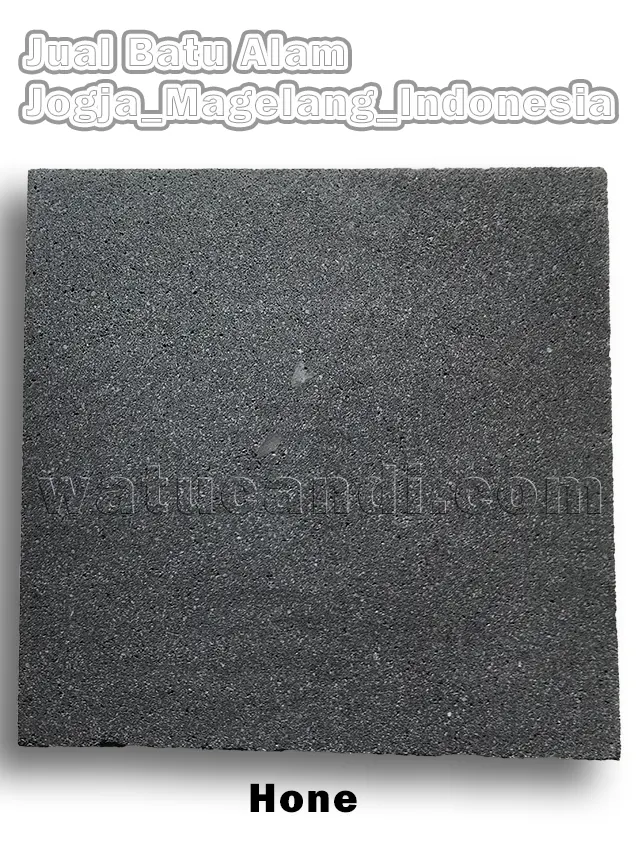
Smoother textures, such as honed or polished finishes, have less visual weight and create a more refined, elegant appearance. They reflect light more uniformly, creating a calmer, more serene aesthetic. The choice between rough and smooth textures should align with the overall design intent and the scale of the application.
For large-scale applications like building facades, moderately textured stones often work best, providing visual interest without overwhelming the viewer. For smaller, intimate spaces or accent features, highly textured stones can create dramatic impact. Balancing different textures within a single design creates visual hierarchy and guides the viewer’s eye through the composition.
Scale and Proportion
The scale of stone elements significantly affects the perception of space and architecture. Large-format stones, such as large format black lava stone (100x100x10cm), create bold, contemporary aesthetics with minimal joint lines. These large pieces are ideal for modern architecture where clean lines and expansive surfaces are desired.
Smaller stones and mosaics create more intricate, detailed patterns that add richness and complexity to surfaces. They work well for accent features, borders, and areas viewed up close. The proportion of stone elements to the overall architectural scale should be carefully considered to ensure harmony and balance.
When combining different stone sizes, establish a clear hierarchy. Use larger stones for dominant surfaces and smaller stones for accents, borders, or transitional areas. This approach creates a cohesive composition where each element plays a specific role in the overall design.
Professional Installation Guide: Step-by-Step
Proper installation is the foundation of a successful lava stone exterior project. Even the highest quality stone will underperform if installed incorrectly. This step-by-step guide outlines the essential processes for professional lava stone installation, ensuring long-term performance and beauty.
Step 1: Site Assessment and Planning
Before installation begins, conduct a thorough site assessment. Evaluate the substrate condition, structural capacity, drainage patterns, and environmental exposure. Identify potential challenges such as moisture issues, extreme temperature fluctuations, or high wind loads. Develop a comprehensive installation plan that addresses these factors and complies with local building codes and industry standards.
Planning should include detailed drawings showing stone layout, joint patterns, expansion joint locations, and transition details. Consider how the stone will interface with other building elements such as windows, doors, roofing, and landscaping. Proper planning prevents costly changes and ensures a smooth installation process.
Step 2: Substrate Preparation
Prepare the substrate according to the specific requirements of the installation system. For masonry substrates, ensure surfaces are clean, structurally sound, and free of contaminants. For framed construction, install appropriate backing materials such as cement board, metal lath, or waterproof membranes as specified by the manufacturer.
Check substrate flatness and plane using straightedges. Deviations should be corrected before stone installation to prevent lippage and ensure uniform joint widths. Address any moisture issues by installing vapor barriers, waterproofing membranes, or drainage systems as needed. A properly prepared substrate is essential for long-term installation performance.
Step 3: Material Handling and Layout
Handle lava stone carefully to prevent chipping, cracking, or staining. Store stone pallets on level, stable surfaces and protect from weather until installation. Before installation, dry-lay stone to check color variation, pattern alignment, and overall composition. This allows adjustments to be made before adhesive is applied.
Blend stones from multiple pallets to ensure color variation is distributed evenly across the installation. For natural stone with significant variation, this blending creates a more harmonious, natural appearance. Mark reference lines on the substrate to guide installation and ensure proper alignment.
Step 4: Adhesive Application and Stone Setting
Select an adhesive specifically designed for natural stone and exterior applications. Mix adhesive according to manufacturer instructions, maintaining consistent water ratios for uniform performance. Apply adhesive to the substrate using the appropriate trowel size and technique to achieve full coverage.
For large-format tiles or stones with uneven backs, back-butter each piece to ensure complete adhesive coverage. Press stones firmly into place, adjusting as needed to achieve proper alignment and joint widths. Use spacers to maintain consistent joint widths and prevent lippage. Work in manageable sections to prevent adhesive from skinning over before stone is set.
Step 5: Jointing, Cleaning, and Sealing
After adhesive has cured sufficiently, proceed with jointing. Select grout compatible with natural stone and exterior conditions. Apply grout using a rubber float, pressing firmly to ensure complete joint fill. Remove excess grout promptly and shape joints to the desired profile. Allow grout to cure according to manufacturer recommendations.
Once installation is complete and all materials have cured, conduct a thorough cleaning using pH-neutral cleaners specifically designed for natural stone. Avoid acidic or abrasive cleaners that can damage the stone surface. After cleaning and allowing the stone to dry completely, apply an appropriate sealer to protect against moisture, staining, and environmental damage.
Structural Considerations & Load-Bearing Capacity
Natural stone is a heavy material, and structural considerations are paramount in exterior design. The weight of lava stone cladding, paving, and features must be carefully evaluated to ensure the building structure can safely support the loads. Failure to address structural requirements can lead to serious safety hazards and costly failures.
The density of lava stone varies depending on the specific type, but basalt typically weighs between 160-180 pounds per cubic foot (2,600-2,900 kg per cubic meter). For wall cladding, this translates to significant dead loads that must be accounted for in structural design. A typical 20mm thick lava stone cladding adds approximately 25-30 pounds per square foot (120-150 kg per square meter) to the wall load.
For multi-story buildings, these loads accumulate and can significantly impact the structural system. Engineers must evaluate the cumulative weight of stone cladding, along with other dead loads, live loads, wind loads, and seismic loads, to ensure the structure performs safely under all conditions. In some cases, structural reinforcement may be necessary to support stone cladding, particularly in seismic zones or for tall buildings.
Beyond wall cladding, other stone applications require structural evaluation. Stone paving on elevated decks or balconies adds significant weight that must be considered in the deck structure design. Stone countertops, sinks like the Merapi stone sink or the striking black basalt sink, require robust cabinetry and support structures. Large stone boulders and landscape features require proper foundations to prevent settling or shifting.
Always consult with qualified structural engineers when designing with natural stone. They can evaluate existing conditions, design appropriate structural systems, and ensure compliance with building codes. The investment in professional structural engineering is minimal compared to the potential costs and liabilities of structural failure.
Sealing & Protection: Preserving Natural Stone
Sealing is a critical step in protecting lava stone exterior installations from moisture, staining, and environmental damage. While lava stone is naturally durable, its porous nature makes it susceptible to water penetration, which can lead to freeze-thaw damage, efflorescence, and staining. Proper sealing extends the life and beauty of the stone significantly.
Types of Stone Sealers
Stone sealers fall into two main categories: penetrating sealers and topical sealers. Penetrating sealers (also called impregnators) soak into the stone pores, creating a hydrophobic barrier below the surface that repels water and oils while allowing the stone to breathe. These sealers do not alter the stone’s appearance or slip resistance, making them ideal for exterior applications.
Topical sealers form a protective film on the stone surface, providing a barrier against stains and moisture. While they can enhance the stone’s color and provide a glossy finish, topical sealers can alter slip resistance, trap moisture within the stone, and require more frequent maintenance. For most exterior lava stone applications, penetrating sealers are the preferred choice.
Application Techniques
Proper sealer application is essential for effective protection. The stone must be completely clean and dry before sealing. Any moisture trapped beneath the sealer can cause problems such as cloudiness, poor adhesion, or trapped moisture leading to stone damage. Allow newly installed stone to cure fully and dry thoroughly before applying sealer.
Apply sealer evenly using a low-pressure sprayer, roller, or soft cloth, following manufacturer instructions. Avoid over-application, which can lead to sticky residues or uneven appearance. Allow the sealer to penetrate for the recommended time, then wipe off any excess. Multiple thin coats are generally more effective than a single heavy coat.
Maintenance and Reapplication
Sealers are not permanent and will degrade over time due to UV exposure, weathering, and cleaning. The frequency of reapplication depends on the sealer type, stone porosity, and environmental conditions. Generally, exterior stone should be resealed every 2-5 years, though high-quality penetrating sealers may last longer.
Monitor sealed stone regularly for signs that the sealer is failing. Water that no longer beads on the surface, increased staining, or darkening of the stone when wet indicates it is time to reseal. Before reapplying sealer, clean the stone thoroughly and allow it to dry completely. In some cases, old sealer may need to be removed before applying a new coat.
Long-Term Maintenance & Care Guide
While lava stone is remarkably durable, proper maintenance ensures it retains its beauty and performance for decades. A regular maintenance program prevents problems before they start and extends the life of the installation. The specific maintenance requirements depend on the stone type, finish, and environmental conditions.
Routine Cleaning
Regular cleaning removes dirt, debris, and organic matter that can stain or damage stone over time. For most exterior lava stone, routine cleaning involves sweeping or blowing off loose debris, followed by rinsing with clean water. For more thorough cleaning, use a pH-neutral stone cleaner diluted according to manufacturer instructions.
Avoid using acidic cleaners (vinegar, muriatic acid) or alkaline cleaners (bleach, strong degreasers) on natural stone, as these can etch the surface, alter the color, or break down sealers. Abrasive cleaners and tools can scratch polished or honed surfaces. Always test cleaning products in an inconspicuous area before applying to the entire surface.
Stain Removal
Despite proper sealing, stains can occur. Prompt treatment increases the likelihood of complete stain removal. Different types of stains require different approaches. Organic stains (leaves, berries, food) can often be treated with a poultice of hydrogen peroxide and absorbent material. Oil-based stains (grease, cooking oil) respond well to poultices made with acetone or mineral spirits and absorbent material.
Metal stains (rust from iron furniture or fertilizers) require specialized rust removers formulated for natural stone. Biological growth (mold, mildew, algae) in shaded, damp areas can be treated with specialized biocides safe for natural stone. For stubborn or unknown stains, consult with stone care professionals who can identify the stain type and recommend appropriate treatment.
Seasonal Maintenance
Seasonal changes bring different maintenance challenges. In spring, clean away winter debris and inspect for any damage that may have occurred during cold weather. Summer maintenance focuses on regular cleaning and monitoring for biological growth in shaded areas. Fall preparation involves clearing leaves and organic matter that can stain stone, and checking drainage systems.
In winter climates, avoid using de-icing chemicals containing ammonium nitrates or ammonium sulfates, which can damage stone. Calcium chloride or magnesium chloride are less harmful alternatives, but should still be used sparingly. Never use metal shovels or sharp tools to remove ice, as these can scratch or chip the stone surface. Use plastic shovels and allow sunlight or gentle heat to melt ice when possible.
Sustainability & Environmental Benefits
In an era of increasing environmental awareness, the sustainability of building materials is a critical consideration. Lava stone offers numerous environmental benefits that make it an attractive choice for sustainable design. Understanding these benefits helps designers and homeowners make informed decisions that align with environmental values.
Natural and Abundant Material
Lava stone is a 100% natural material formed by geological processes over millions of years. Unlike synthetic materials that require complex chemical processes and petroleum-based ingredients, lava stone is simply quarried, cut, and finished. This minimal processing means lower embodied energy and fewer environmental impacts compared to manufactured materials.
Volcanic regions produce abundant stone deposits that can be quarried responsibly. Modern quarrying practices emphasize environmental stewardship, including proper site rehabilitation, water management, and dust control. Many quarries implement comprehensive environmental management systems to minimize their ecological footprint and ensure sustainable resource extraction.
Durability and Longevity
One of the most significant environmental benefits of lava stone is its exceptional durability. Stone installations can last centuries with proper maintenance, far exceeding the lifespan of most synthetic materials. This longevity means fewer replacements, less waste, and reduced environmental impact over the life of a building.
The durability of lava stone also means it maintains its appearance and performance without requiring frequent maintenance, repairs, or replacement. This reduces the ongoing consumption of resources and energy associated with maintaining building exteriors. When properly installed and maintained, lava stone is truly a lifetime material.
Thermal Mass and Energy Efficiency
Natural stone has high thermal mass, meaning it can absorb, store, and slowly release heat. This property can contribute to energy efficiency in buildings by moderating indoor temperature fluctuations. Stone walls and floors absorb heat during the day and release it at night, reducing the load on heating and cooling systems.
In passive solar design, stone elements are strategically placed to maximize thermal mass benefits. South-facing stone walls absorb winter sun and release heat into the building, while proper shading prevents summer overheating. This natural temperature regulation reduces energy consumption and creates more comfortable indoor environments.
Recyclability and Reuse
At the end of its useful life in one application, lava stone can be reclaimed and reused in other projects. Unlike many synthetic materials that must be disposed of in landfills, natural stone can be repurposed as paving, landscaping material, or aggregate. This recyclability further reduces the environmental impact of stone use.
Historic buildings often feature original stone elements that have lasted centuries and can be preserved or repurposed during renovations. This ability to transcend architectural styles and remain beautiful across generations is a testament to the timeless value of natural stone. Choosing lava stone is an investment in sustainable, long-term design.
Cost Analysis & Value Proposition
Understanding the true cost of lava stone exterior design requires looking beyond initial material prices to consider the complete lifecycle costs and value provided. While natural stone may have higher upfront costs than some alternative materials, its durability, low maintenance requirements, and timeless beauty often make it more economical in the long run.
Initial Investment
The initial cost of lava stone includes material purchase, transportation, and professional installation. Material costs vary based on stone type, quality, finish, and size. Rare or difficult-to-quarry stones command premium prices, while more common varieties offer excellent value. Transportation costs depend on the distance from quarry to project site.
Installation costs for natural stone are typically higher than for synthetic materials due to the specialized skills required, the weight of the material, and the time needed for proper installation. However, investing in quality installation is crucial for ensuring long-term performance and avoiding costly repairs or replacements.
Lifecycle Cost Analysis
When evaluating costs, consider the entire lifecycle of the material. Lava stone’s exceptional durability means it rarely needs replacement, unlike synthetic materials that may need replacement every 10-20 years. Over a 50-year building lifespan, a single lava stone installation may outlast three or four replacements of alternative materials, resulting in significant long-term savings.
Maintenance costs for lava stone are relatively low. Routine cleaning and periodic sealing are the primary maintenance requirements. These costs are minimal compared to the ongoing maintenance required for materials that need frequent painting, sealing, or repair. The low maintenance requirements of lava stone translate to ongoing cost savings for building owners.
Property Value Enhancement
Natural stone exterior design significantly enhances property value. The timeless beauty, durability, and quality associated with natural stone are highly valued in the real estate market. Properties featuring natural stone exteriors often command premium prices and sell faster than comparable properties with synthetic materials.
The return on investment for natural stone exterior design is substantial. Not only does it increase the immediate value of the property, but it also reduces future maintenance and replacement costs. For commercial properties, the prestigious appearance of natural stone can attract higher-quality tenants and customers, generating additional revenue.
Case Studies: Successful Lava Stone Projects
Examining successful lava stone projects provides valuable insights into design possibilities, installation techniques, and long-term performance. These case studies demonstrate the versatility of lava stone across different architectural styles, climates, and applications.
Luxury Tropical Resort
A luxury resort in Bali utilized extensive lava stone cladding to create a strong connection between architecture and the lush tropical landscape. Black split-face lava stone was used for feature walls throughout the property, creating dramatic contrast against white plaster and rich tropical wood. The rough texture of the stone complemented the organic forms of the landscape design.
Pool decks throughout the resort featured gray lava stone with a bush-hammered finish, providing excellent slip resistance while maintaining a sophisticated appearance. The stone’s thermal properties kept deck surfaces comfortable underfoot even in intense tropical sun. After 10 years of heavy use, the stone maintains its beauty with only routine cleaning and periodic resealing.
Contemporary Urban Residence
A contemporary residence in an urban environment used large-format black lava stone to create a bold, modern facade. The 100x100cm tiles were installed with minimal joints, creating a sleek, monolithic appearance that stands out in the streetscape. The deep black color provides a striking contrast to the glass and steel elements of the design.
Interior applications included a dramatic feature wall in the living room and a stunning kitchen island clad in honed lava stone. The continuity between exterior and interior materials creates a cohesive design language throughout the home. The project demonstrates how lava stone can be used effectively in contemporary urban architecture.
Public Park Landscape
A public park project incorporated lava stone extensively in landscape design. Pathways throughout the park used irregular lava stone pavers installed with grass joints, creating a natural, permeable surface that blends with the landscape. Retaining walls constructed from large lava stone boulders provide structural support while creating dramatic sculptural elements.
Decorative water features throughout the park showcase the beautiful relationship between water and stone. Lava stone’s natural appearance complements the water elements, creating peaceful, meditative spaces within the park. The durability of the stone ensures these features will withstand decades of public use and weather exposure.
Common Mistakes to Avoid
Even experienced designers and installers can make mistakes when working with natural stone. Understanding common pitfalls helps ensure successful projects that perform well and maintain their beauty over time. Avoiding these mistakes saves time, money, and frustration.
Inadequate Substrate Preparation
Perhaps the most common and serious mistake is inadequate substrate preparation. Installing stone over unsound, dirty, or improperly prepared substrates leads to adhesion failure, cracking, and premature deterioration. Always ensure substrates are structurally sound, clean, dry, and properly prepared according to industry standards and manufacturer recommendations.
Using Incorrect Adhesives or Sealers
Using adhesives or sealers not specifically designed for natural stone or exterior applications is a recipe for failure. White cement-based adhesives can stain light-colored stone. Sealers not designed for exterior use can break down quickly under UV exposure. Always select products specifically formulated for your specific stone type and application conditions.
Ignoring Expansion and Movement Joints
Failing to incorporate proper expansion and movement joints leads to cracking and failure. All buildings move due to thermal expansion, moisture changes, settling, and structural loads. Stone installations must accommodate this movement through properly designed and placed joints. Consult industry standards and manufacturers for joint spacing and detailing requirements.
Poor Drainage and Waterproofing
Water is the enemy of most building materials, and stone installations are no exception. Poor drainage design, inadequate waterproofing, or improper flashing details lead to water infiltration, efflorescence, freeze-thaw damage, and structural problems. Always design and install stone with comprehensive water management strategies.
Skipping the Sealing Step
Some installers skip sealing to save time or money, believing the stone is durable enough without protection. While lava stone is indeed durable, sealing provides crucial protection against staining, moisture penetration, and environmental damage. Skipping this step significantly reduces the longevity and beauty of the installation.
Future Trends in Natural Stone Exterior Design
The world of natural stone exterior design continues to evolve, driven by technological advances, changing aesthetic preferences, and growing environmental awareness. Understanding emerging trends helps designers stay current and create forward-thinking designs that will remain relevant for years to come.
Large-Format and Slim Stone Panels
The trend toward larger, thinner stone panels continues to grow. Advanced quarrying and fabrication technologies now allow production of large-format stone panels with reduced thickness, significantly decreasing weight while maintaining the beauty of natural stone. These slim panels open new possibilities for stone cladding on structures that cannot support the weight of traditional thick stone.
Large-format panels with minimal joints create sleek, contemporary aesthetics that are increasingly popular in modern architecture. The reduced number of joints also improves weather resistance and reduces maintenance requirements. As fabrication technologies advance, we can expect even larger, thinner, and more complex stone panels to become available.
Sustainable Quarrying and Processing
The stone industry is increasingly focused on sustainable practices throughout the supply chain. Quarry operators are implementing advanced technologies to reduce waste, minimize environmental impact, and ensure responsible resource extraction. Water recycling systems, dust suppression technologies, and comprehensive site rehabilitation programs are becoming standard practice.
Processing facilities are also adopting more sustainable practices, including water recycling, noise reduction, and energy-efficient equipment. Certifications such as LEED, ANSI/NSC 373, and others help consumers identify stone products that meet rigorous sustainability standards. This focus on sustainability ensures natural stone remains an environmentally responsible choice for future generations.
Digital Fabrication and Customization
Advanced digital fabrication technologies are revolutionizing stone processing. CNC machines, waterjet cutters, and 3D scanning technologies allow unprecedented precision and customization in stone fabrication. Complex shapes, intricate patterns, and precise dimensions that were once impossible or prohibitively expensive are now achievable.
These technologies enable designers to create highly customized stone elements tailored to specific project requirements. From complex curved walls to intricate decorative screens, digital fabrication expands the design possibilities with natural stone. As these technologies become more accessible, we can expect even more innovative applications of natural stone in exterior design.
Biophilic Design Integration
The growing biophilic design movement emphasizes the human need to connect with nature. Natural stone plays a crucial role in biophilic design, providing authentic, tactile connections to the natural world. Future designs will increasingly integrate stone with living elements such as green walls, water features, and natural landscaping to create holistic, nature-inspired environments.
Designers are exploring ways to enhance the biophilic qualities of stone through thoughtful detailing, material combinations, and spatial design. The goal is to create environments that not only look beautiful but also promote well-being, reduce stress, and enhance the human experience. Natural stone, with its authentic connection to geological history and natural processes, is perfectly suited for this approach.
Conclusion: Embracing Natural Beauty
Lava stone exterior design represents the perfect marriage of natural beauty, exceptional durability, and sustainable practice. From the dramatic depths of black basalt to the warm tones of gray andesite, volcanic stone offers a palette of possibilities that can transform any architectural vision into reality. The unique characteristics formed over millions of years of geological history bring authenticity, character, and timelessness to every project.
Whether you are designing a contemporary urban residence, a tropical resort destination, or a public landscape, lava stone provides the versatility, performance, and beauty needed for success. Its natural slip resistance, thermal properties, and weather durability make it ideal for exterior applications, while its stunning visual characteristics create spaces that inspire and delight.
The key to successful lava stone exterior design lies in understanding the material’s characteristics, selecting appropriate products for specific applications, and ensuring professional installation and maintenance. By working with experienced suppliers, designers, and installers, you can harness the full potential of this remarkable natural material.
As we look to the future, the demand for sustainable, authentic, and beautiful building materials will only grow. Lava stone, with its natural origins, exceptional performance, and timeless beauty, is perfectly positioned to meet these demands. By embracing the natural beauty of lava stone, we create buildings and spaces that not only serve their functional purposes but also connect us to the natural world, inspire awe, and stand as testaments to the enduring value of natural materials.
For those seeking to incorporate the beauty of volcanic stone into unique artistic applications, consider the stunning Yogyakarta green stone batik tiles, which combine traditional Indonesian artistry with natural stone beauty. Whether for grand architectural statements or intimate decorative details, natural stone offers endless possibilities for creating extraordinary spaces that celebrate the beauty of our natural world.
Frequently Asked Questions (FAQ)
Is lava stone suitable for all climates?
Yes, high-quality lava stone is suitable for most climates, including extreme heat, cold, and humidity. Its dense structure and low porosity make it resistant to freeze-thaw damage when properly sealed. However, always select stone tested for your specific climate conditions and ensure proper installation and sealing for optimal performance.
How do I clean lava stone exterior surfaces?
Regular cleaning involves sweeping or blowing off debris and rinsing with clean water. For deeper cleaning, use a pH-neutral stone cleaner diluted according to instructions. Avoid acidic or abrasive cleaners that can damage the stone. Always test cleaning products in an inconspicuous area first.
Can lava stone be used around swimming pools?
Absolutely! Lava stone is an excellent choice for pool decks and surrounds. Its natural slip resistance provides safety in wet conditions, and it stays cool underfoot even in direct sunlight. When properly sealed, it resists chlorine and other pool chemicals effectively.
How often does lava stone need to be resealed?
The frequency depends on the sealer type, stone porosity, and environmental conditions. Generally, exterior lava stone should be resealed every 2-5 years. Monitor the stone for signs that water is no longer beading on the surface, which indicates it is time to reseal.
Is lava stone expensive compared to other materials?
While the initial cost of lava stone may be higher than some synthetic materials, its exceptional durability and low maintenance requirements often make it more cost-effective over the long term. When considering lifecycle costs, including replacement and maintenance, natural stone frequently proves to be an excellent investment.
Tags;
lava stone exterior design, black lava stone cladding, natural stone wall veneer, split face lava tile, volcanic rock landscaping, outdoor stone flooring, Merapi lava stone, black sandstone facade, rough stone wall cladding, natural stone pathway, lava stone pool deck, exterior stone veneer design, volcanic stone pavers, black temple stone, sustainable building materials, natural stone maintenance, Indonesian volcanic stone, stone accent wall ideas, outdoor living stone design, herringbone stone pattern, green Sukabumi stone, breccia stone cladding, Palimanan sandstone, natural stone sink, lava rock fire pit, professional stone installation, large format stone slabs, natural stone furniture, stone sealing protection, biophilic design stone,



13 thoughts on “Lava stone exterior design”