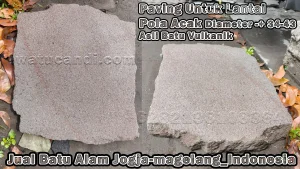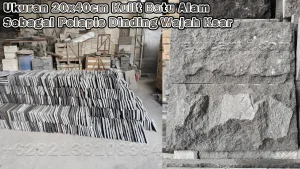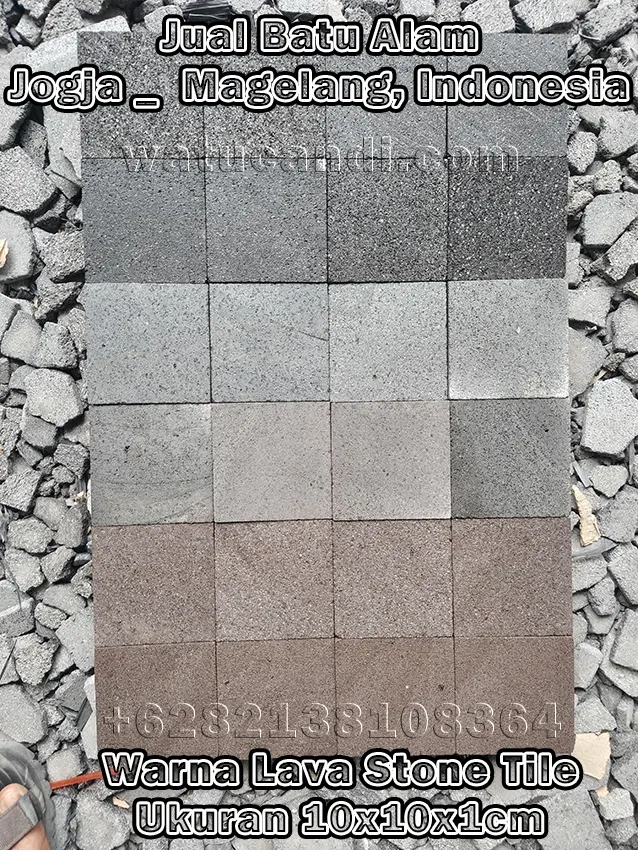
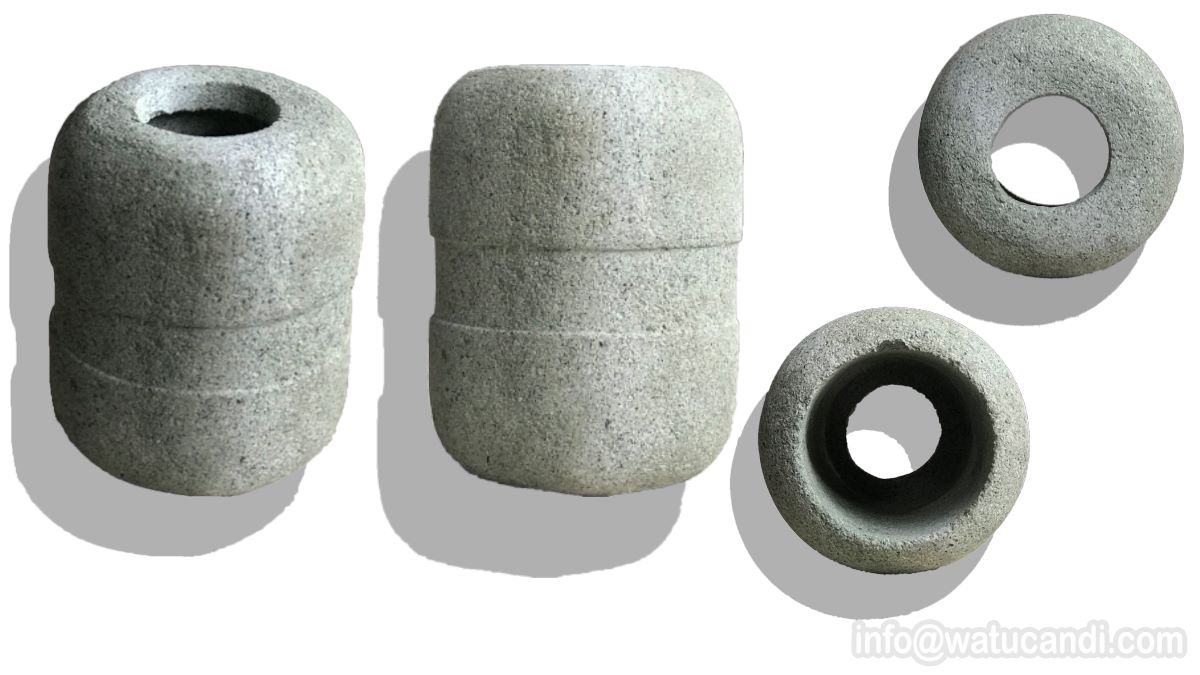
Introduction: Transforming Stone into Functional Art for Your Personal Space – The Art of Stone Craft for Elegant and Functional Bathroom Decoration
In the world of modern interior design, attention to detail has become the main differentiator between an ordinary room and a truly extraordinary space. Every element, no matter how small, plays a role in creating a cohesive and memorable overall aesthetic. Among the various bathroom accessories that are often overlooked, the natural stone liquid soap dispenser emerges as an elegant design statement, combining practical function with unparalleled natural beauty. It is not merely a container, but rather a miniature work of art that holds the story of the earth’s geological processes over millions of years, crafted by skilled artisan hands into an object you can use and enjoy every day.
Why choose a stone liquid soap dispenser? The answer lies in the unique combination of aesthetics, durability, and sustainability offered by this natural material. In an era where disposable plastic products dominate the market, choosing a stone soap container is a conscious statement about appreciating natural beauty, environmental sustainability, and respect for the skills of traditional Indonesian natural stone craftsmen. Each stone soap dispenser carries its own unique character, with variations in color, texture, and pattern that can never be replicated by mass-produced factory items. This article will take you on an in-depth journey to understand every aspect of natural stone liquid soap dispensers, from materials and manufacturing processes to aesthetic value and maintenance.
You can use liquid soap containers made of natural stone or artificial stone specifically designed for liquid soap. The choice of materials is highly diverse, each offering unique characteristics that can be tailored to your taste and decoration needs. From the classic luxury of marble, the sturdy strength of granite, to the natural warmth of green sandstone, each type of stone brings its own personality into your room. Understanding the differences between these materials is the first step in choosing the perfect liquid soap dispenser to complement the design of your bathroom or kitchen.
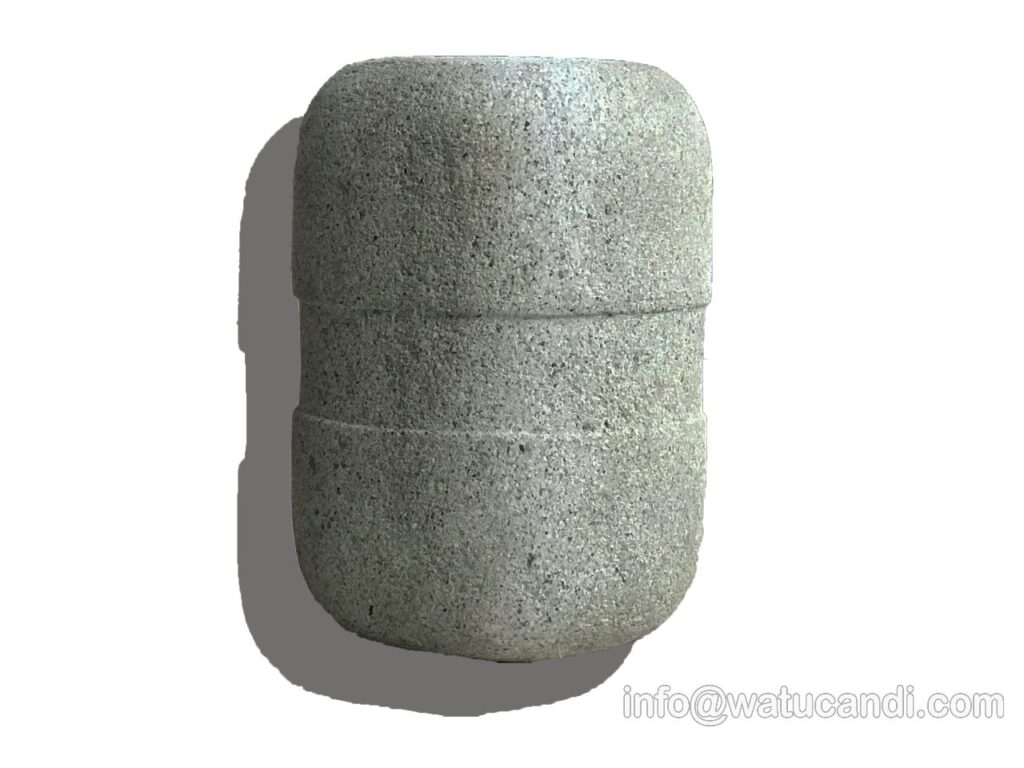
Some examples of materials commonly used to make stone liquid soap containers include marble, granite, sandstone, or skilled concrete. Marble, with its dramatic natural veining, offers timeless classic luxury. Granite, with its exceptional strength and durability, provides a solid and modern impression. Sandstone, particularly green sandstone, presents natural warmth and unique texture. Meanwhile, skilled concrete offers a contemporary alternative with high design flexibility. Each material has different characteristics in terms of water absorption, stain resistance, and ease of maintenance, all of which need to be considered when choosing the right liquid soap dispenser for your needs.
To purchase a stone liquid soap dispenser, you can look at home supply stores or online stores that sell decorative bathroom products. In recent years, the demand for bathroom accessories made from natural materials has increased significantly, encouraging more natural stone craftsmen and producers to offer high-quality products. When shopping online, make sure to check customer reviews, view product photos from various angles, and read the material description carefully. Do not hesitate to contact the seller if you have specific questions about size, weight, or product care. Buying directly from craftsmen, such as through platforms like watucandi.com, often provides the advantage of more personal products and better customer service.
Make sure to choose a container that matches the size and type of liquid soap you use so that the soap is safe and easy to handle. This is a practical consideration that is often overlooked. The size of the container opening should match the size of the liquid soap bottle you usually buy, or if the container is designed to be refilled, make sure it has adequate capacity for several weeks of use. Stability is also important; a container that is too light or has a narrow base may tip over easily, which can cause spills and even damage to the stone container itself. Also consider the weight of the container when fully filled, especially if you plan to move it frequently. Natural stone containers tend to be heavier than plastic or ceramic alternatives, which can actually be an advantage in terms of stability, but needs to be considered if accessibility is a concern.
Sandstone and Green Sandstone: Premium Materials for Decorative Liquid Soap Dispenser Crafts
Among the various types of natural stone available for decorative crafts, sandstone and particularly green sandstone (green sandstone) occupy a special position. This material offers a unique combination of visual beauty, ease of workmanship, and availability that makes it a favorite choice for craftsmen and designers. Green sandstone, with its soothing natural color and distinctive texture, has become a premium material for making decorative liquid soap dispensers that are not only functional but also become an aesthetic focal point in modern bathrooms.
Place container of liquid soap – Green sandstone or sandstone can be used as a cladding material for decorative liquid soap containers. The use of sandstone as a craft material has a long history in the tradition of art and architecture. Its relatively softer nature compared to granite or marble makes it easier to carve and shape, allowing craftsmen to create intricate and detailed designs. However, do not misinterpret this relative softness as a weakness. Good quality sandstone has sufficient strength and durability for everyday use as a liquid soap container, especially when properly cared for.
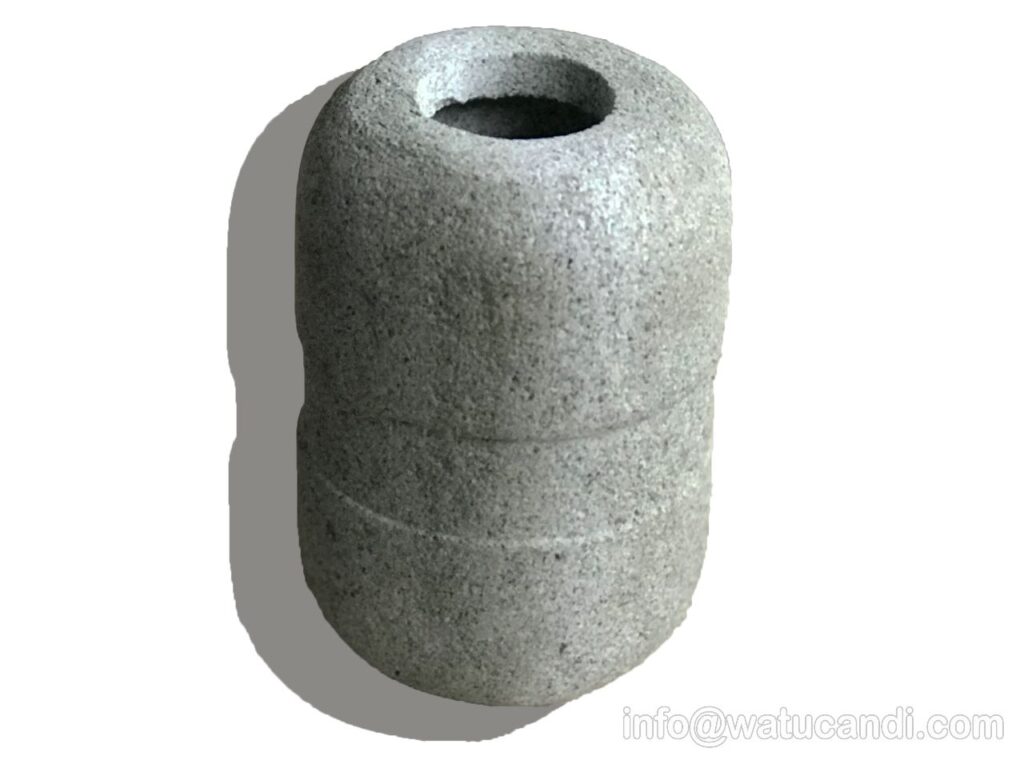
Both of these materials are generally made of natural stone that is easy to carve and polish to create a beautiful and unique look. Sandstone, geologically, is a sedimentary rock formed from the accumulation and cementation of sand grains over millions of years. Its formation process involving water and minerals creates stunning variations in color and texture, with each piece of stone having a truly unique character. Green sandstone gets its distinctive color from certain mineral content, such as chlorite or glauconite, carried during the sedimentation process. This is what makes each green sandstone liquid soap dispenser a work of natural art that cannot be identically replicated.
To make liquid soap container cladding crafts from sandstone or green sandstone, you must have expertise in carving stones or can rely on the services of experienced masons. Carving stone is not a skill that can be mastered overnight. It requires a deep understanding of material characteristics, including grain direction, weak points, and how the stone will react to various carving tools. Experienced craftsmen can “read” a block of stone and determine the best way to carve it to maximize the natural beauty of the material. They know when to use a sharp chisel for fine details, when to use larger tools to shape the base, and how to avoid cracks or breaks that could ruin the entire work.
The manufacturing process begins with choosing the right stone, then shaping and polishing it to get the desired shape and look. Stone selection is a critical step that determines the quality of the final product. Experienced craftsmen will examine each block of stone to ensure there are no hidden cracks, structural weaknesses, or imperfections that could interfere with the carving process or reduce the durability of the finished product. Once the stone is selected, the shaping process begins. This may involve rough cutting to get the basic size, followed by more detailed carving to create the desired shape and cavity. Each stage requires precision and patience, as one small mistake can ruin the entire work.
The finished product of crafting liquid soap container cladding from sandstone or green sand can be an interesting and unique addition to your bathroom or sink. The presence of a natural stone liquid soap dispenser in your bathroom is not just about function, but also about creating an experience. Every time you use soap, you interact with an object that has traveled a long journey from the bowels of the earth, shaped by natural forces over millions of years, and finally perfected by the skilled hands of a craftsman. This is subtle luxury, a small pleasure that elevates daily routines into something more meaningful. A stone soap dispenser also becomes an interesting conversation starter when guests visit your home, an opportunity to share stories about art, nature, and traditional craftsmanship.
However, make sure to also consider safety and comfort in use. Rough or poorly polished sandstone or green sandstone can irritate or scratch sensitive skin. This is an important aspect that should not be overlooked. The stone surface that will come into direct contact with skin or be frequently handled must be perfectly smoothed. The polishing process is not only about aesthetics, but also about creating a surface that is safe and comfortable to use. Responsible craftsmen will spend extra time ensuring that every corner and surface of the soap dispenser has been properly smoothed, removing any sharp edges or rough areas that could cause discomfort. Before purchasing, ask the seller about the finishing process used and, if possible, see and feel the texture of the product yourself.
As a Decorative Complement: Integrating Stone Soap Dispensers into Your Bathroom Design
Place container of liquid soap – Liquid soap containers are a great decorative addition to your bathroom or sink. In contemporary interior design, the bathroom has evolved from a purely functional space into a personal sanctuary, a mini spa at home where people can relax and rejuvenate. In this context, every design element, including accessories like soap dispensers, contributes to creating the desired atmosphere. A natural stone liquid soap dispenser, with its substantial presence and natural aesthetics, plays an important role in building the visual narrative of a luxurious and nature-connected bathroom.
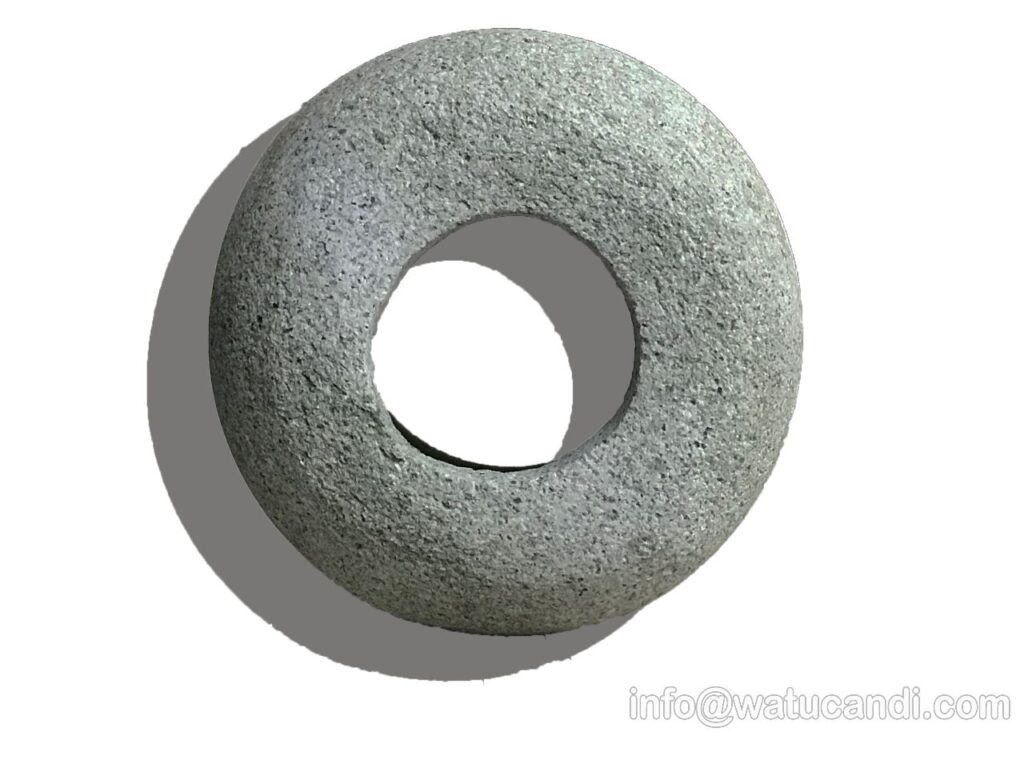
There are various designs and materials of liquid soap containers that can be adjusted to the theme and style of your bathroom decor. This diversity is one of the main strengths of natural stone soap dispensers. Whether your bathroom is modern minimalist with clean lines and a neutral color palette, or rustic with wood accents and green plants, there is always a stone soap dispenser that can complement and enhance that aesthetic. For a minimalist bathroom, a white marble or gray granite soap dispenser with simple geometric shapes can be the perfect choice. For a tropical spa-style bathroom, green sandstone with natural texture and organic shapes will create a calming and nature-connected atmosphere.
You can choose liquid soap containers made of natural materials such as marble or stone, or artificial materials such as ceramics or glass. Each material brings different visual and tactile characteristics. Marble, with its elegant veining, adds a touch of classic luxury. Sandstone, with its warm texture, creates a more casual and organic atmosphere. Ceramics offer flexibility in terms of color and pattern, while glass provides a clean and modern look. The choice between natural and artificial materials often reflects a broader design philosophy: do you value the uniqueness and character of natural materials, or do you prefer the consistency and precision of manufactured products? For those who value connection with nature and uniqueness, natural stone is an unparalleled choice.
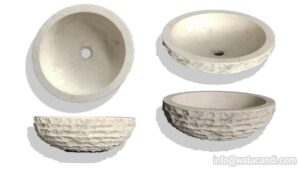
Some liquid soap containers even come with decorations or carvings that add aesthetic value. This is where art and function truly meet. A stone soap dispenser can be carved with traditional motifs that reflect cultural heritage, or with contemporary abstract patterns that suit modern tastes. Some craftsmen can even create custom carvings based on designs you provide, making your soap dispenser truly unique and personal. This added aesthetic value transforms the soap dispenser from merely a functional accessory into a mini work of art that can be enjoyed every day. Each time you see or use the soap dispenser, you are reminded of the beauty and craftsmanship contained within it.
In addition, you can consider adding some other decorative accessories. Creating a cohesive look in your bathroom involves more than just choosing one or two elements. Consider coordinating your stone soap dispenser with other accessories such as soap dispensers, soap bars, or hand towels to create a coherent and attractive look in your bathroom. A set consisting of a liquid soap dispenser, toothbrush holder, and small tray, all made from the same type of stone, can create a strong focal point on the bathroom vanity. Or, you can mix and match different types of stone to create a rich texture palette. The key is to ensure that all elements work together harmoniously, creating a visually pleasing and functional composition.
However, make sure to consider the function of the liquid soap container and choose one that suits your needs. Amidst the enthusiasm for aesthetics, do not forget the primary purpose of a soap dispenser: to store and dispense soap easily and hygienically. Consider practical aspects such as: is the container easy to refill? Does the pump or dispensing mechanism function smoothly? Is the size suitable for the hands of all family members? Is it stable and not easily tipped over? A beautiful but poorly functioning soap dispenser will be a source of frustration, not pleasure. Good craftsmen and designers understand the balance between form and function, creating products that are not only beautiful to look at but also comfortable to use in everyday life.
The Artistic Value of Green Sandstone Liquid Soap Dispensers: More Than Just a Container
Place container of liquid soap – Green sandstone liquid soap containers have several artistic values and characteristics that make them special. Green sandstone is not just a material; it is a natural canvas on which nature has painted its distinctive colors, and on which craftsmen can express their creativity. When you choose a green sandstone soap dispenser, you are not just getting a container, but also a work of art that carries with it stories about the earth, time, and human skill. Here are some artistic values and characteristics that make green sandstone soap dispensers so appreciated.
Natural Beauty: Green sandstone is a type of natural stone produced from mineral deposits in the earth. Its beauty lies in its untouched naturalness. Unlike artificial materials whose colors are uniform and predictable, green sandstone displays unlimited variations in color and texture. Each piece has a unique shade of green, ranging from soft olive green to deep moss green, often with accents of other colors such as gray, cream, or even slight hints of blue. The patterns and textures also vary, from smooth and almost uniform to those displaying clearly visible sedimentary layers. This natural variation means that each soap dispenser made from green sandstone is unique, a work of natural art that will never have a duplicate.
Green sandstone liquid soap containers can display the beauty of nature with unique texture and attractive green color. The color green has strong psychological associations with calmness, balance, and nature. In the context of a bathroom, where people often seek relaxation and release from stress, the presence of natural green can enhance the soothing spa atmosphere. The sandstone texture, with a smooth finish, provides a pleasant tactile experience every time you use it. The contrast between the smoothness of the polished surface and the weight and solidity of the stone creates a rich sensory interaction that enhances the everyday user experience.
Strength and Durability: Green sandstone has good strength and durability, so liquid soap containers made from this material are long-lasting and resistant to scratches and impacts. This is an important consideration for an object that will be used every day, often in a humid environment. Unlike plastic which can crack or discolor over time, or ceramic which can break if dropped, quality green sandstone will maintain its beauty for years with minimal maintenance. Its scratch resistance means that even after years of use, your soap dispenser will not show significant signs of wear, still looking like new. This durability also means that a green sandstone soap dispenser is a long-term investment, an object you can enjoy for years and even pass down as an heirloom.
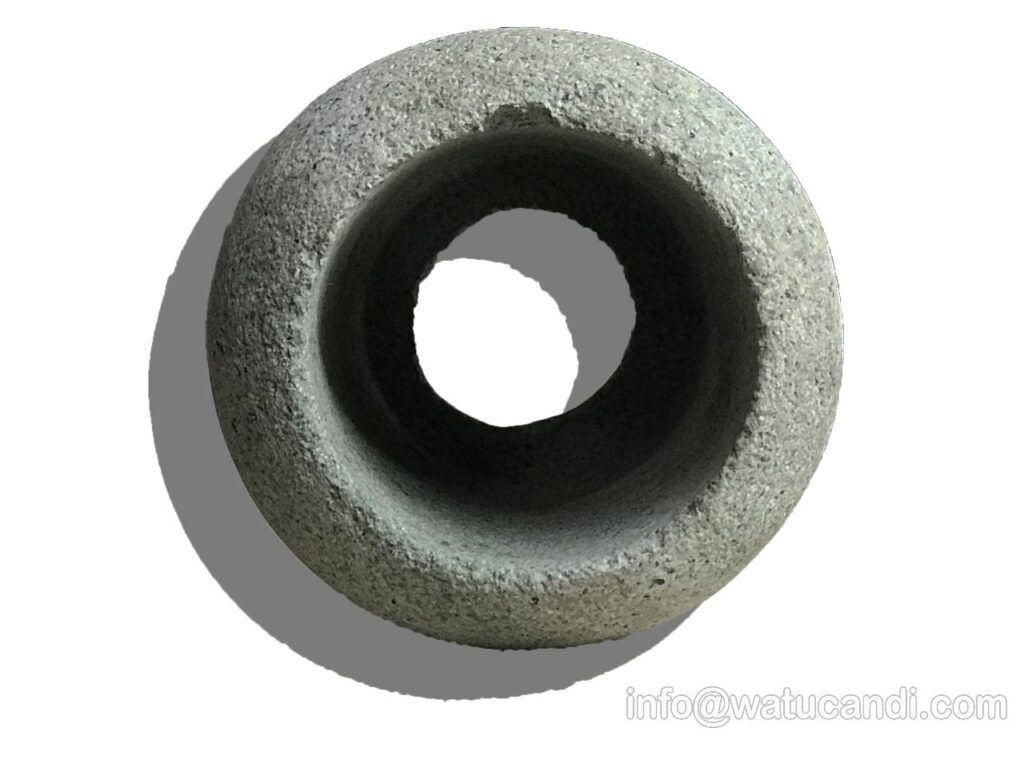
Unique and Exclusive: Because green sandstone is a natural material that is not easy to find and process, liquid soap containers made from this material tend to have exclusive and unique value that is difficult to find elsewhere. In a world filled with identical mass products, having something truly unique is a luxury. Each green sandstone soap dispenser is one-of-a-kind, with patterns and colors that can never be exactly replicated. This exclusivity comes from nature itself, not from a brand label or high price. When guests admire your soap dispenser and ask where you got it, you can proudly tell the story behind it: about the stone formed over millions of years, about the craftsman who carved it by hand, and about your conscious choice to bring natural beauty into your home.
Environmentally Friendly: Green sandstone is an environmentally friendly natural material because it does not contain harmful chemicals. In an era of increasing awareness of the environmental impact of our consumer choices, choosing products from natural materials is a small but significant step towards a more sustainable lifestyle. Unlike plastic which requires fossil fuels for its production and can take hundreds of years to decompose in landfills, green sandstone is a completely natural material. Its “production process” was carried out by nature over millions of years, and processing it into a soap dispenser requires relatively minimal energy. Liquid soap containers made from this material can also be recycled or reused as building materials or decorations. At the end of its useful life, the stone can be returned to the earth without leaving harmful residues.
Softness and Smoothness: Liquid soap containers made from green sandstone have a smooth and soft surface so that they are comfortable to use and do not hurt the skin. This is the result of a careful polishing process carried out by experienced craftsmen. A well-polished surface feels cool and smooth under touch, providing a pleasant sensory experience every time you use soap. This smoothness also has practical implications. Its smooth surface also makes it easy to clean and maintain. Dirt and soap residue have no crevices to cling to, so a damp cloth is sufficient to keep your soap dispenser clean and hygienic. This is particularly important for objects used in the bathroom, where moisture and soap residue can become breeding grounds for bacteria if not properly cleaned.
How to Make Craft Liquid Soap or Shampoo Containers from Green Sandstone: A Step-by-Step Guide
Place container of liquid soap – The craft of making liquid soap or shampoo containers from green sandstone can be a beautiful and classy work of art. The manufacturing process is a journey that combines technical skills with artistic vision. Although the final result may look simple, each step in the manufacturing process requires attention to detail and understanding of material characteristics. For those interested in understanding how stone soap dispensers are made, or perhaps even wanting to try making one themselves, here is a step-by-step guide that explains the manufacturing process.
Here are some steps you can follow to make a liquid soap container from green sandstone:
- Prepare the necessary materials and equipment such as green sandstone, saw, knife, sandpaper, and glue. Choosing the right green sandstone is the crucial first step. Look for stone that is free from cracks or structural defects that could cause problems during the carving process. The stone must be large enough to form a container with the desired capacity, with a little extra room to allow for cutting and shaping. The saw is used for initial cutting, the knife or chisel for detail carving, sandpaper of various grits for polishing, and strong, waterproof stone glue to join parts if needed.
- Determine the size and shape of the container you want to make, then use a saw and knife to cut the stone to the desired size and shape. This stage requires careful planning. Before making the first cut, create a sketch or technical drawing of the container you want, including length, width, and height dimensions, as well as the diameter and depth of the hole for the soap. Also consider ergonomic aspects, such as how the hand will hold and use the container. After the final design is established, use a saw to make rough cuts, shaping the stone block to a size close to the final shape. Then, use a knife or chisel to carve details and form the cavity where the soap will be placed.
- After the stone is cut, use sandpaper to smooth the surface of the stone. Carefully flatten it so as not to damage or crush the surface of the stone. The sanding process is carried out in stages, starting with coarse sandpaper to remove cut marks and major imperfections, then switching to finer sandpaper to create a smooth surface. Each sanding stage must be done thoroughly and evenly. For best results, the sandpaper should be moved in consistent circular motions, and the entire surface must be treated evenly. This process takes time and requires patience, but the result is a surface that is smooth and pleasant to touch.
- Make a hole in the top of the stone using a drill or other suitable tool to create a small hole. This hole is where the liquid soap will come out. If you are making a container for a soap bottle with a pump, carefully measure the diameter of the pump and make a hole slightly larger to allow easy installation. If you are making a container that will be refilled directly, consider making a hole wide enough to facilitate filling, but not so wide that it reduces aesthetics or structural strength. When drilling stone, use low speed and apply steady, even pressure. Using water as a coolant during drilling can help prevent damage to the stone and extend the life of the drill bit.
- Clean the surface of the stone from dust and dirt using a clean cloth or brush. After all cutting, carving, and sanding work is complete, the stone will be covered in dust and fine particles. Thorough cleaning is essential before proceeding to the finishing stage. Use a soft brush to clean dust from crevices and corners, then wipe the entire surface with a damp cloth to remove remaining dust. Let the stone dry completely before proceeding to the next step. Trapped moisture can affect the final result and the adhesive strength of glue if used.
- After the surface of the stone is clean, wipe the surface of the stone with a soft cloth that has been moistened with a little oil. This will make the surface of the stone look shinier. Mineral oil or special stone oil can be used to give a natural luster to the stone and enhance the depth of its color. Apply enough oil with a soft cloth, rub in circular motions, then wipe off excess oil with a clean cloth. This process not only improves the appearance of the stone, but can also provide an additional protective layer against moisture and stains.
- Apply glue to the bottom of the container and glue the legs to the container so that it is stable when placed on a flat surface. If your design includes separate legs or a base, this is the time to attach them. Use special stone glue or strong, waterproof epoxy. Make sure the surfaces to be glued are clean and dry. Apply glue evenly, press the parts together, and let dry according to product instructions. Do not move or use the container until the glue is completely dry.
After the green sandstone liquid soap container is finished, make sure to take good care of it so that it lasts and still looks beautiful. Care can be done by cleaning the container regularly and avoiding bumps or falls. The final product of this long and meticulous process is not just a functional object, but also an artistic achievement. Every time you see or use the soap dispenser you have made yourself, you can feel the satisfaction of having created something beautiful and useful with your own hands.
Care and Maintenance of Natural Stone Soap Dispensers: Ensuring Lasting Beauty
Investing in a natural stone liquid soap dispenser is an investment in long-term beauty. Like all valuable objects, proper care is the key to ensuring that your soap dispenser remains beautiful and functions well for years. Although natural stone is renowned for its durability, it is not an indestructible material. Continuous exposure to water, soap, and various personal care products in a humid bathroom environment can, over time, affect the appearance and integrity of the stone. However, with a simple and consistent care routine, you can keep your stone soap dispenser in prime condition.
Routine cleaning is the most basic and most important care step. Clean your soap dispenser regularly with a soft cloth moistened with clean water. For more thorough cleaning, use a mild soap with a pH neutral that is safe for natural stone. Avoid using abrasive cleaners, rough brushes, or harsh chemicals such as bleach, ammonia, or acid-based cleaners. These substances can damage the stone surface, causing scratches, discoloration, or even corrosion on certain types of stone such as marble or limestone. After cleaning with soap, rinse with clean water and dry with a soft cloth to prevent water spots.
Also pay attention to soap residue that may accumulate around the hole or crevice of the soap dispenser. This residue is not only visually unattractive, but can also become a breeding ground for bacteria. Clean this area regularly with a small soft-bristled brush, such as an old toothbrush, to ensure optimal cleanliness. If your soap dispenser has metal parts, such as a pump, clean those parts regularly as well to prevent corrosion or dirt buildup.
For additional protection, consider applying a natural stone sealer periodically. A sealer is a transparent protective layer that penetrates into the stone’s pores, creating a barrier against water, oil, and stains. The frequency of sealer application depends on the type of stone and how often the soap dispenser is used, but as a general guide, application every six months to one year is sufficient for most bathroom applications. Always use a sealer specifically designed for your stone type, and follow the manufacturer’s application instructions carefully.
Conclusion: Choosing Beauty, Sustainability, and Uniqueness
A natural stone liquid soap dispenser is more than just a bathroom accessory. It is a statement about appreciating natural beauty, a commitment to sustainability, and respect for the skills of craftsmen. In a world increasingly dominated by identical disposable plastic products, choosing a stone soap dispenser is a small act of resistance, a conscious choice to surround ourselves with objects that have meaning, character, and story.
From the unique natural beauty of green sandstone to the classic luxury of marble, from the strength of granite to the flexibility of skilled concrete, there is always a perfect stone material to complement your design vision. Each soap dispenser is a functional work of art, a testament to geological processes that lasted millions of years and the skill of human hands that transform raw stone into a beautiful and useful object. With proper care, your stone soap dispenser will be a loyal companion in your daily routine for years, perhaps even becoming an heirloom that can be passed down to future generations.
We invite you to explore the collection of natural stone liquid soap dispensers at watucandi.com. Discover the beauty and uniqueness that only nature can offer, and bring a touch of natural luxury into your bathroom.
Posting Tags: Natural Stone Soap Dispenser, Stone Soap Container, Green Sandstone Craft, Marble Soap Dispenser, Granite Soap Dispenser, Natural Stone Bathroom Accessories, Decorative Soap Dispenser, Stone Craft For Bathroom, Unique Liquid Soap Container, Green Sandstone, Green Sandstone Soap Dispenser, Stone Shampoo Container, Handmade Stone Craft, Natural Bathroom Decoration, Eco Friendly Soap Dispenser, Natural Stone Soap Container, Natural Stone For Bathroom, Natural Stone Craft, Exclusive Soap Dispenser, Artisan Soap Container, Handmade Stone Soap Dish, Stone Sink Decoration, Luxury Bathroom Accessories, Durable Soap Dispenser, How To Make Stone Soap Dispenser, Natural Stone Care, Natural Stone Craft, Stone Bathroom Accessories, Unique Soap Dispenser, Eco Friendly Bathroom Decor, Watucandi,
Table of Contents:
- Introduction: Transforming Stone into Functional Art
- Sandstone and Green Sandstone: Premium Materials
- As a Decorative Complement: Integrating into Design
- The Artistic Value of Green Sandstone Soap Dispensers
- How to Make Craft Soap Containers from Green Sandstone
- Care and Maintenance of Natural Stone Soap Dispensers
- Conclusion: Choosing Beauty, Sustainability, and Uniqueness