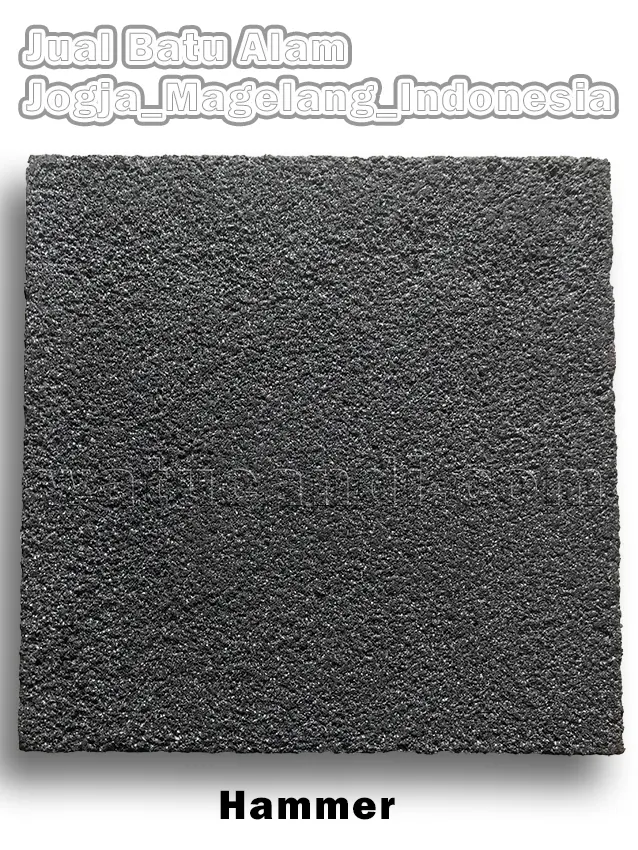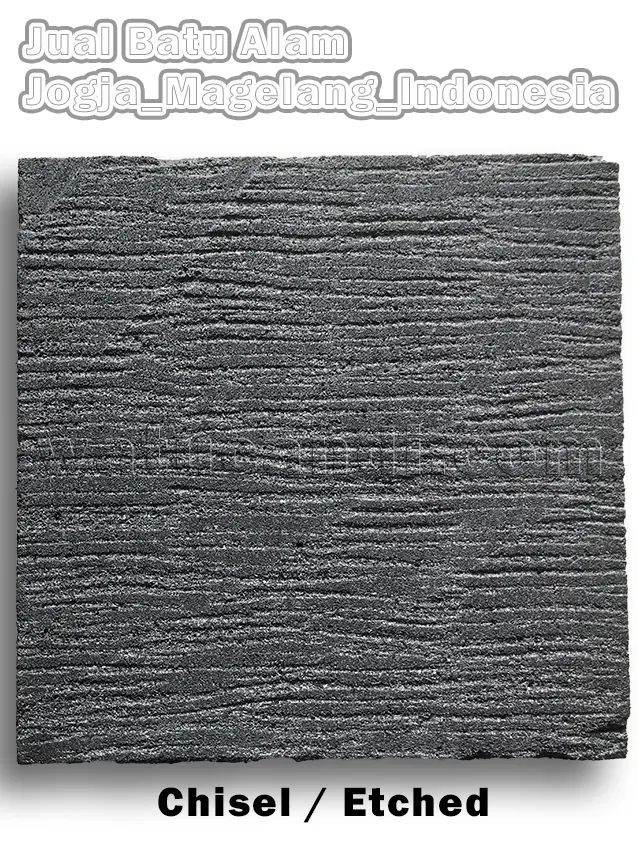

The search for natural stone materials capable of bringing soul and natural narrative into a space continues to evolve with increasing intensity. Black Lava Candi Natural Stone emerges as the answer to this need, offering timeless volcanic elegance. This decorative and construction material is not merely a substitute for ordinary ceramics or tiles; it is a geological fragment that brings the memory of ancient eruptions directly into your living space. As a wall or floor covering, black lava candi stone offers a character that cannot be replicated by any synthetic material, providing natural coolness and an enduring sense of luxury.
This unique natural stone holds a special place in the hierarchy of building materials. In addition to decorating wall designs with rich textures, this type of stone is widely used as a flooring alternative to ceramics in wet areas such as pool decks, bathrooms, or laundry zones. Its advantage lies in the unique texture of the natural stone, which features distinctive micro-pores capable of absorbing water quickly while maintaining structural integrity. Its non-slip surface makes it a primary choice for areas prioritizing safety without sacrificing aesthetics. For those wishing to understand more deeply about the spectrum of this volcanic material, the guide on Indonesian natural lava stone tiles can serve as a comprehensive initial reference.
Geological Characteristics and Color Dynamics of Black Lava Stone
The natural color of Lava stone candi refers to black natural stone originating from lava material that has frozen and formed into solid rock through a rapid cooling process. This black candi stone has a unique and attractive appearance because it contains pore textures (vesicles) formed from gas or air bubbles trapped when the lava underwent sudden cooling. This phenomenon creates dynamic visual patterns where every slab of stone possesses a different geological “fingerprint.” For an in-depth understanding of quality comparisons, you may refer to the article on the complete guide to Merapi black lava candi stone which discusses local versus precision technical specifications.
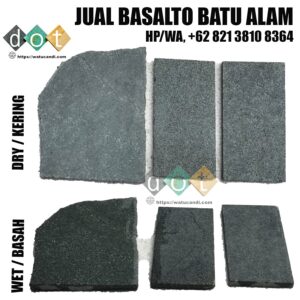
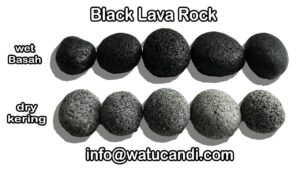
One of the most fascinating aspects of black lava stone is its color dynamics in response to moisture. Typically, stones that are black or dark gray will undergo significant color alignment when wet. When the natural stone is in a dry state, it usually appears faded or grayish, but it returns to a deep, dramatic black when exposed to water. This transformation makes black lava stone a “living” material that interacts with the environment and weather, creating a spatial experience that is always new whenever rain falls or the surface is wetted.
Visual Exploration: Semantics of Texture and Light on Black Candi Stone
Visualization is key to understanding the aesthetic potential of black lava stone. The following images are not merely product documentation but representations of the interaction between matter, light, and space. Observe how each photo captures different texture details and color responses, affirming that natural stone is a dynamic material full of character.
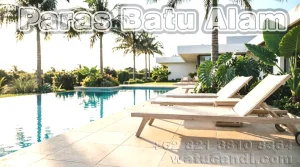
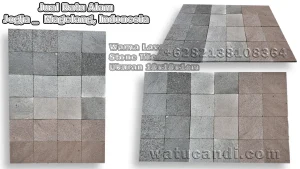
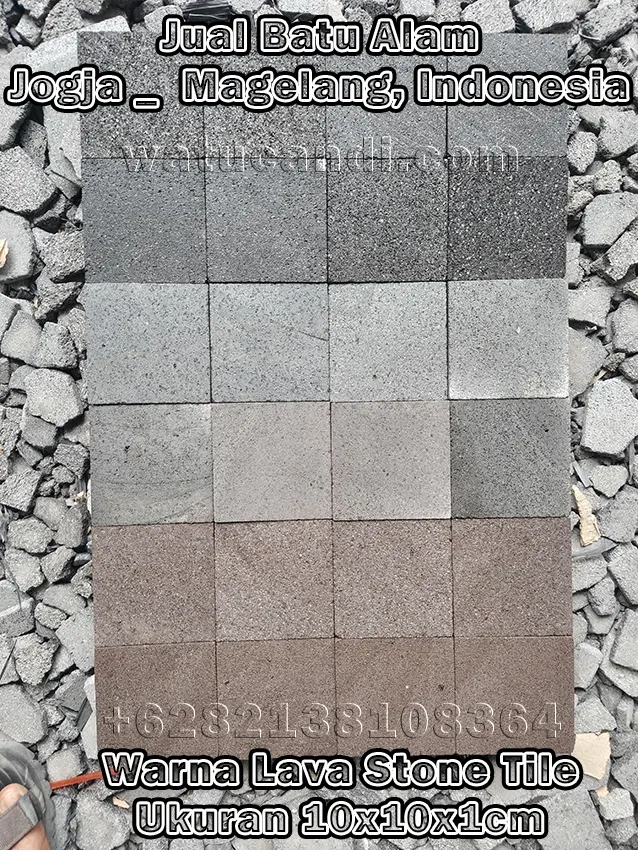
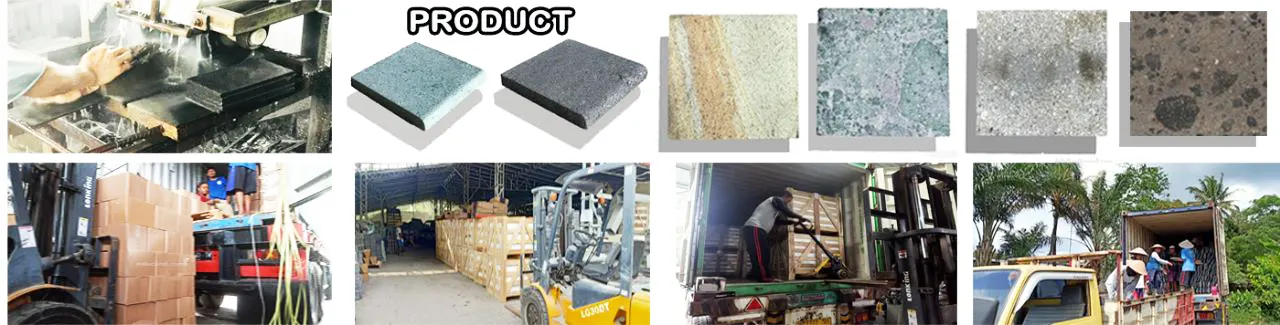
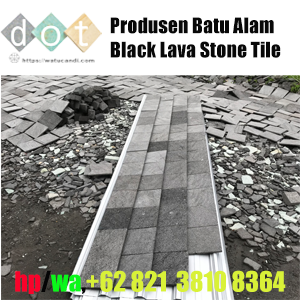
The first image above represents the scale of production and material availability. Stock consistency is the biggest challenge in the natural stone industry, and this image proves a reliable supply chain capability. The availability of large quantities of material with maintained quality is crucial for commercial or luxury residential projects. If you are interested in other available finishing variations, the collection of five black lava stone surfaces offers diverse aesthetic options ranging from smooth to rough.
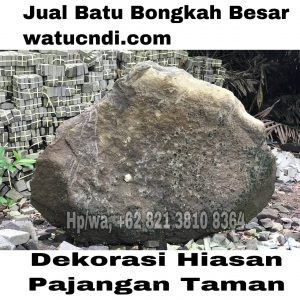
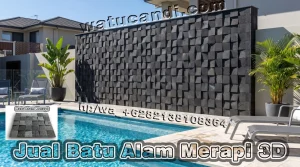
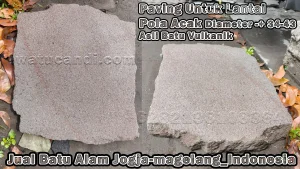
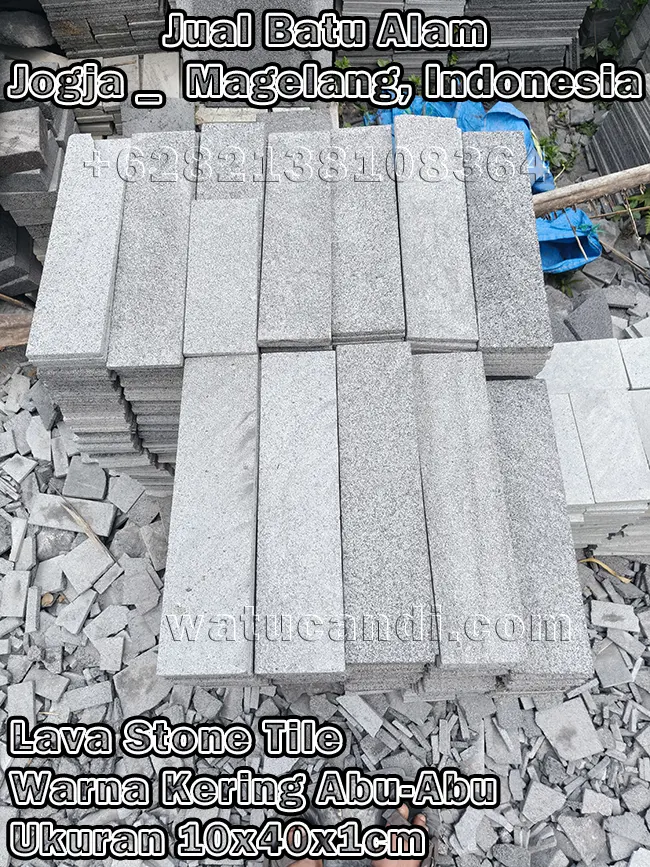
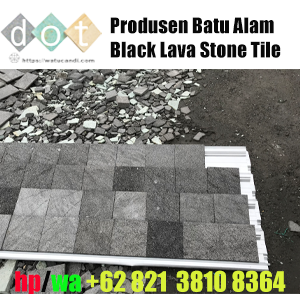
The second image provides an intimate look at the craftsmanship behind every tile. The combination of precision cutting technology and artisan touch ensures that every side of the stone has consistent roughness, essential for both safety and aesthetics. This process also allows for flexible size customization according to specific project needs. To see examples of paving applications resulting from similar processes, you can explore premium Merapi lava stone paving.
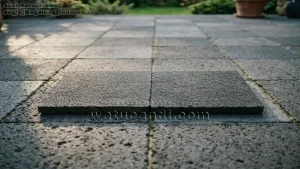
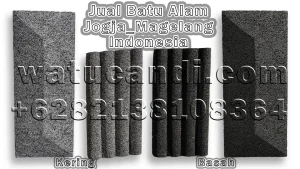
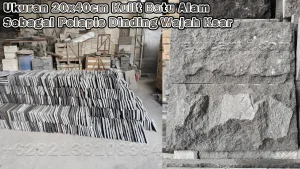
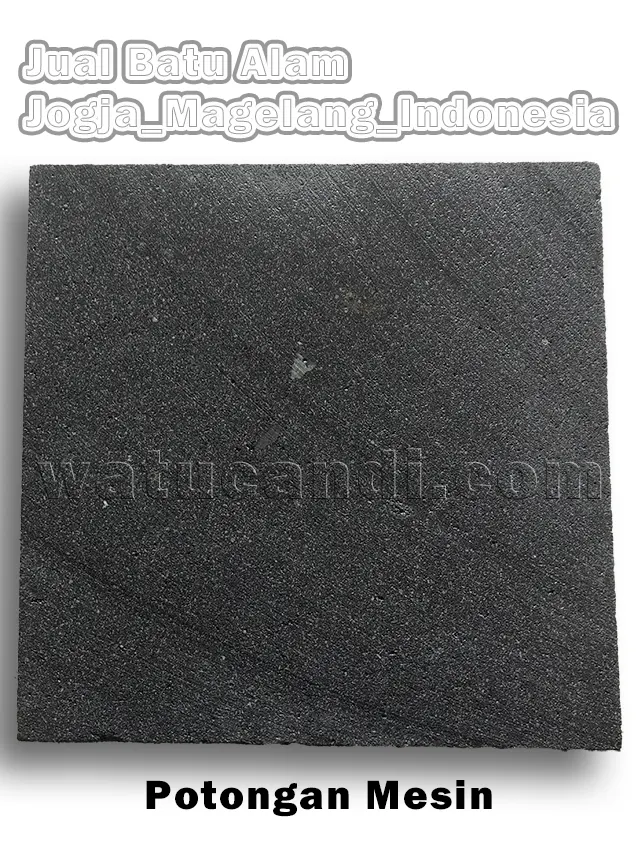
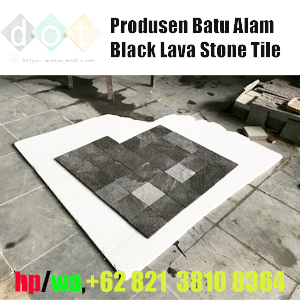
The third image is a perfect case study on the importance of texture. The vesicular surface on black lava stone is not just about aesthetics but also serves safety functions and thermal comfort. This texture provides a high coefficient of friction and good heat insulation, making it comfortable to walk on barefoot even under the hot sun. For alternative materials with similar textures but different colors, consider the black lava bush hammer surface which offers a more aggressive tactile variation.
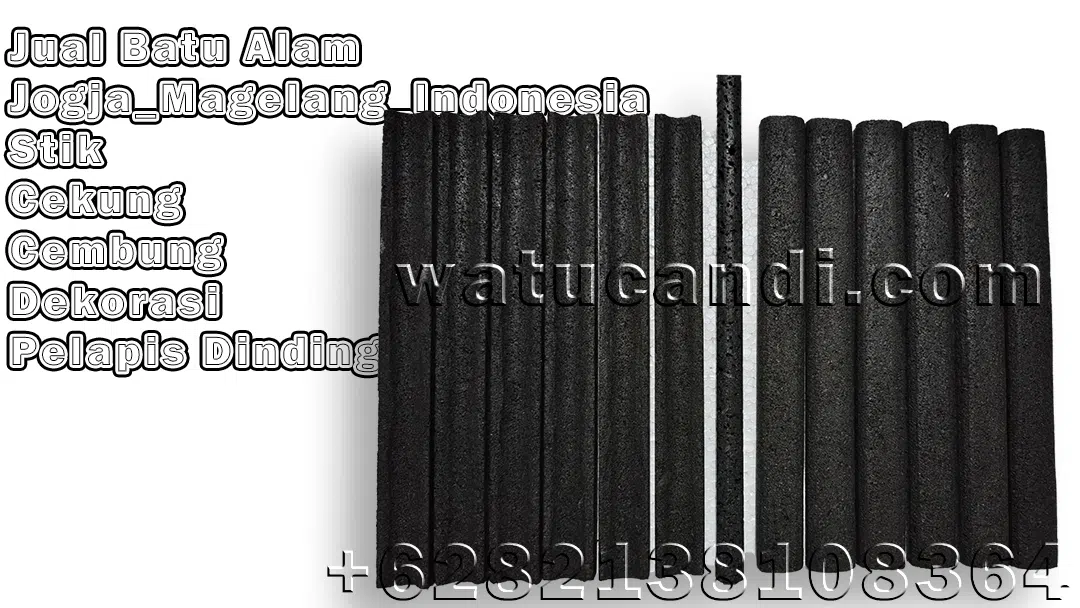
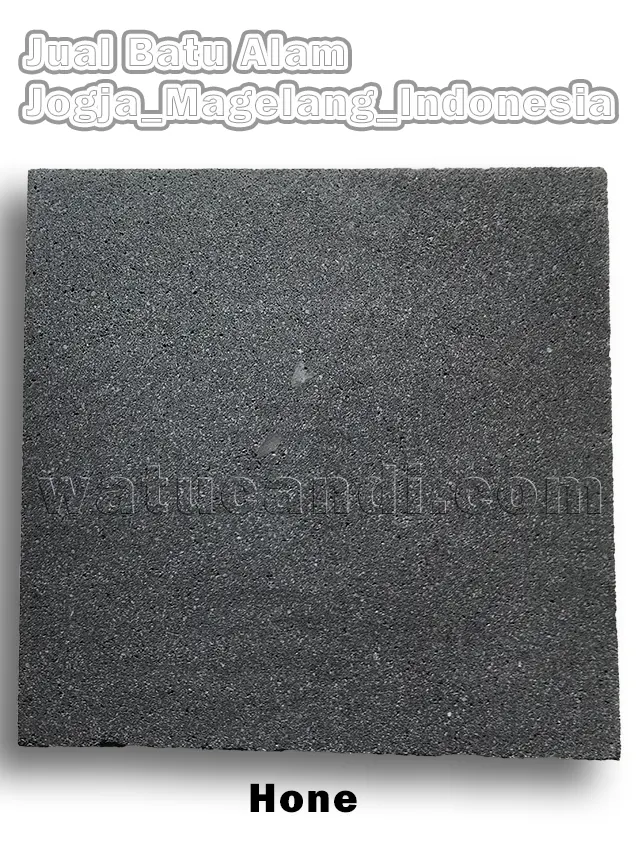
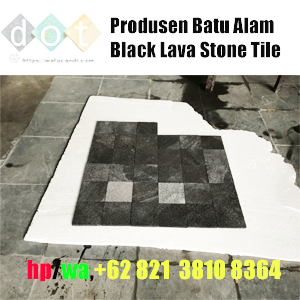
The fourth image shows material integration in a real architectural context. Notice how black lava stone dialogues with light and accompanying materials, creating sophisticated visual harmony. This is proof that natural stone is not merely a cladding but an active design element that shapes the atmosphere of a space. For exterior design inspiration utilizing the visual power of this stone, the lava stone exterior design guide provides comprehensive references.
The final image emphasizes value for money. Obtaining quality natural stone does not always have to be expensive if you understand the correct grading and specifications. For complete information regarding the product catalog and current offers, please visit the Watucandi natural stone shop which provides various variants for your project needs.
Comprehensive Applications in Interior and Exterior Design
The installation functions of lava stone candi are very diverse and depend on the needs and design of a project. This material has extraordinary versatility, able to adapt to various architectural styles from modern minimalist and industrial to classic tropical. Below is an in-depth elaboration regarding applications and design considerations:
- Interior and Exterior Wall Cladding: Black lava stone candi is often used as interior or exterior wall cladding. Its use provides a distinctive and exotic wall appearance. For exterior walls, consider using black lava candi stone cladding designed specifically to withstand extreme weather. Or for richer texture variations, use random candi stone skin cladding which gives three-dimensional dimension to flat surfaces. Technical guides regarding candi lava split face specifications and installation are very useful to ensure optimal results.
- Wet and Dry Area Flooring: Black lava candi stone can be applied as flooring in certain rooms to provide an elegant and textured look. Its anti-slip advantage makes it ideal for bathrooms, swimming pool areas, or kitchens. For swimming pool areas specifically, make sure to read the ultimate guide to swimming pool stone tiles for safe technical specifications. Another alternative for outdoor flooring is lava stone flooring which offers superior resistance to high traffic.
- Exterior Areas and Landscaping: Black lava candi stone is also frequently used as floor cladding on terraces, garden areas, or other exterior zones. Its use provides a natural and durable impression for outdoor areas. For garden pathways, lava rock stepping stone pavers are the perfect choice combining function and aesthetics. Do not forget to pay attention to edge details by using natural stone edges for a neat and professional finish.
- Decorative Accents and Furniture: Besides serving as main cladding, lava stone can also be used as decorative accents, for example as table bases, wall ornaments, or other decoration elements. Monolithic creations like black basalt stone sinks or premium black lava stone tables can become statement pieces that reinforce the design theme. For outdoor furniture, handmade stone tables and chairs offer unmatched durability and beauty.
- Japanese Gardens and Zen Gardens: Black candi stone is suitable for use in Japanese-style gardens due to its natural appearance resembling volcanic rocks often found in Japan. Combine with black lava rock pebbles to create a coherent ground cover texture. Other decorative elements like Merapi lava temple stone balls can add strong artistic accents to garden compositions.
Please note that installing natural stone like candi requires expertise and precision so that the final appearance is maximal and sturdy. Always consult with natural stone experts or experienced contractors to ensure correct and durable installation.
Material Integration and Holistic Design Considerations
The success of using black lava stone depends not only on the stone itself but on its ability to dialogue with other materials in a holistic design scheme. This material is highly versatile and can be paired with almost all types of natural or modern materials. The key to successful integration is understanding the character of each material and creating visual balance.
For wet areas like outdoor bathrooms or garden showers, black lava stone can be combined with Sukabumi green natural stone tiles which are famous for being anti-slip and chlorine resistant. The combination of Sukabumi’s turquoise green and lava’s deep black creates a sophisticated and calming monochromatic gradation. Ensure you read the ultimate guide to green stone tiles for swimming pools for precise technical specifications to ensure durable and safe installation.
For wall areas accompanying lava stone floors, consider using lava rock face cladding to create dramatic textural contrast between smooth floor surfaces and rough walls. Or for warmer color variations, use brown Java tiger stone as an accent breaking the dominance of black. Technical guides regarding Merapi black sand split face cladding are also relevant for exterior wall applications.
Do not forget to pay attention to transition details and edge finishing. Using neat natural stone wall edges will provide firm and professional boundaries between lava stone zones and other materials. For areas needing different color accents to break black monotony, consider Yogyakarta batik green stone or spotted brown paras stone as contrasting elements enriching the color palette.
Material Comparisons and Design Alternatives
Although black lava stone has its own uniqueness, it is important to understand its position within the wider spectrum of natural stone materials. Comparison with other materials helps in making appropriate decisions according to budget, function, and desired aesthetics. Here are some relevant comparisons:
Compared to Merapi natural stone outdoor flooring in large slabs, lava stone tiles offer higher pattern flexibility and easier handling. Large slabs give a luxurious impression with minimal grout lines but require heavy equipment for installation and are prone to cracking if the ground is unstable. Lava stone tiles are more tolerant of ground movement and easier to repair per unit. For deeper understanding of finishing differences, read the guide to 4 surface finishes for basalt granite and andesite.
As a more neutral yet still natural alternative, consider authentic manually chiseled stone flooring which has rustic texture but calmer colors. Or for a more luxurious and shiny effect in wet areas, green Sukabumi stone can be an elegant partner for black lava stone, creating a timeless clean-fresh contrast. However, remember that green stone requires extra maintenance compared to dark volcanic stone.
For areas requiring maximum drainage or very rough texture as background, irregular natural stone paving with wide gaps is the ideal solution. Or for more dramatic and three-dimensional visual effects on companion walls, raised and recessed natural stone cladding can be applied to create stunning plays of light and shadow, complementing lava stone surface textures.
Maintenance Guide and Moss Myths on Natural Stone
Many wonder whether this stone grows moss quickly? Basically, natural stone is genuine rock taken from nature and processed by cutting and shaping sizes according to consumer desires, so moss growth is natural. Moss usually grows due to dirt or mud settling for long periods until nearly clumping. If you clean regularly after exposure to dirt, excessive moss growth on any type of natural stone is IMPOSSIBLE.
So do not worry too much about excessive moss growth. Anything not properly maintained will eventually wear out or worse, get damaged. Routine maintenance should be done with soft nylon brushes and clean water. Avoid using high-pressure washers with excessive pressure as they can erode stone surfaces and accelerate weathering. For stubborn stains like oil or grease, use pH-neutral detergent and soft brushes, then rinse thoroughly with water. Never use strong acid-based cleaners or bleach as they can damage mineral structures and permanently change colors to dullness.
To prevent excessive moss and fungal growth in shaded or damp areas, ensure good drainage around stone areas and no persistent water puddles. Applying penetrating sealant (not surface coating) every 1-2 years can help protect stone from stains and excess moisture without altering natural appearance. Quality sealants penetrate stone pores and harden inside, creating invisible yet effective protective barriers. References like the paras limestone maintenance guide are also relevant for volcanic stone regarding pore protection principles, although frequency may differ.
If local damage occurs such as cracks from impact or ground settlement, consult natural stone experts immediately. Hairline cracks that are structurally harmless often add character and antique value to stone, so leave them as part of natural patina. However, if cracks disturb aesthetics or safety, professional repair with special stone resin or unit replacement may be necessary. Always document stone conditions periodically to monitor significant changes.
For specific maintenance based on finish types, references like the black lava candi stone wall cladding guide can provide specific maintenance protocols adaptable for black lava stone, especially regarding organic stain handling and long-term UV protection.
Investment Value and Cultural Sustainability
Choosing authentic Merapi black lava stone is not merely an aesthetic decision but also a financial and cultural investment. Financially, properties with authentic natural stone materials and high craftsmanship tend to have higher resale values and better appreciation compared to properties with synthetic or mass-produced materials. The scarcity of premium quality black lava stone makes this material increasingly exclusive and valuable in the future, especially as high-quality andesite and basalt quarries deplete.
Culturally, every purchase of black lava stone is direct support for preserving Indonesian geological heritage and local wisdom. Traditions of using volcanic stone in Nusantara architecture have lasted thousands of years, from megalithic eras to great temples like Borobudur. You participate in maintaining sustainable natural stone supply chains and providing livelihoods for local miners and artisans who guard these traditions. This is conscious consumption providing positive social and cultural impacts behind personal aesthetic satisfaction.
Environmentally, natural stone is sustainable and circular material. It comes from nature and returns to nature without leaving toxic residues. Unlike concrete or fiberglass requiring high energy for production and difficult recycling, natural stone has low embodied energy and is fully recyclable. At end-of-life, stone can be reused for other projects or returned to soil as natural aggregate, supporting healthy ecological cycles. Companion materials like pumice stone or flat random riverstone also support local ecosystems and reduce your project carbon footprint.
Quality Commitment and Price Transparency
As manufacturers and suppliers, we are fully committed to price transparency and quality. For natural stone prices, we always strive to provide fair and competitive offers according to quality, size, and extraction and transportation difficulty levels. We understand budget is critical in every project, but we also believe quality must not be compromised for cheap prices ultimately harming clients long-term through maintenance costs, premature replacement, or aesthetic failure.
We provide various material grades with varying price ranges, from standard grade for service areas to premium grade for showcase areas. Affordable Natural Stone with local standard quality or natural stone with premium quality often called EXPORT goods are available to meet various market segments. Consultation regarding budget allocation and material priorities is highly recommended so you get best value for money without compromising design integrity. Our sales team is ready to help calculate material needs accurately to minimize waste and overspending, ensuring color and texture consistency within one project.
We also provide physical samples and installation mock-ups to ensure material suitability with your design expectations before mass production begins. Intensive communication and production progress updates are our service standards to provide peace of mind and full trust to clients. Your satisfaction is our reputation, and we will not take shortcuts sacrificing quality for momentary profit. Every stone we ship is a tested quality promise.
In conclusion, choosing Black Lava Candi Natural Stone is a strategic decision combining aesthetics, durability, cultural value, and environmental sustainability. From facade walls welcoming guests with majestic presence to swimming pool floors soothing souls, this material stands as silent witness to life unfolding around it, while guarding priceless Nusantara geological heritage. Ensure you obtain authentic material with clear grading handled by experienced teams. For further information on other volcanic natural stone products complementing black lava stone, please explore our complete catalog including five black lava stone surfaces, candi lava natural stone mosaic, plus various finishing innovations like 300x300mm chiseled lava stone surface and trending 3D stone slabs. Entrust realization of your architectural vision to finest materials from Nusantara earth presented with integrity and full dedication.
Black Lava Candi Natural Stone, Black Candi Stone, Black Lava Stone, Natural Stone Tiles, Lava Stone Cladding, Natural Stone Flooring, Swimming Pool Natural Stone, Merapi Natural Stone, Natural Stone Manufacturer, Watucandi, Indonesian Natural Stone, Modern Tropical Design, Interior Natural Stone, Exterior Natural Stone, Natural Stone Maintenance, Natural Stone Price, Premium Natural Stone, Green Building Materials, Textured Natural Stone, Sustainable Architecture, Volcanic Stone