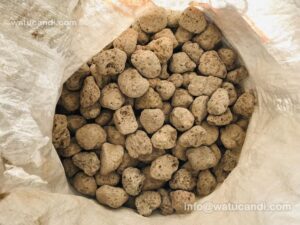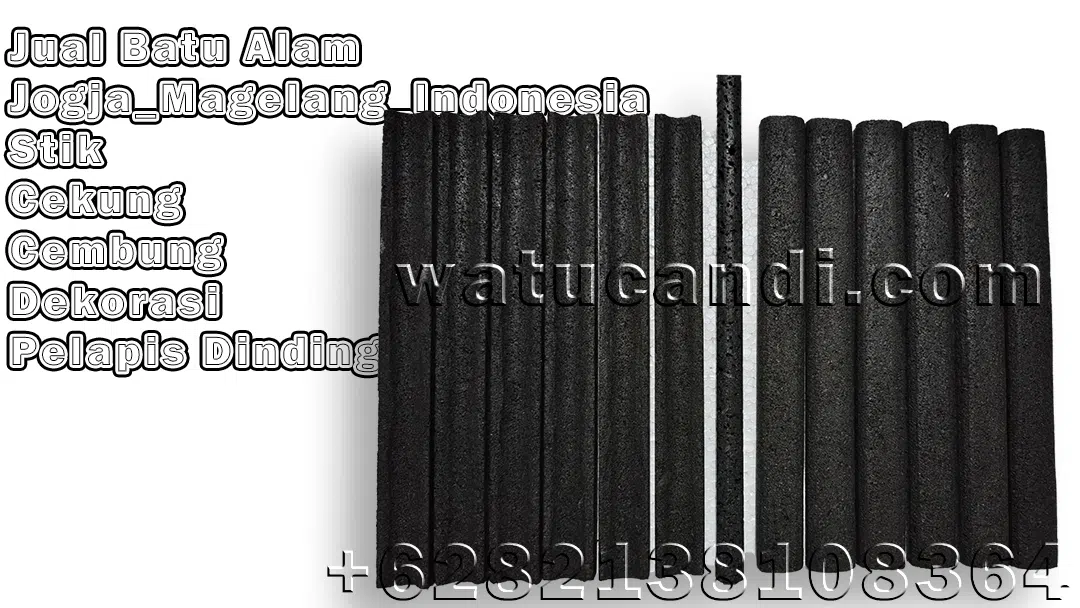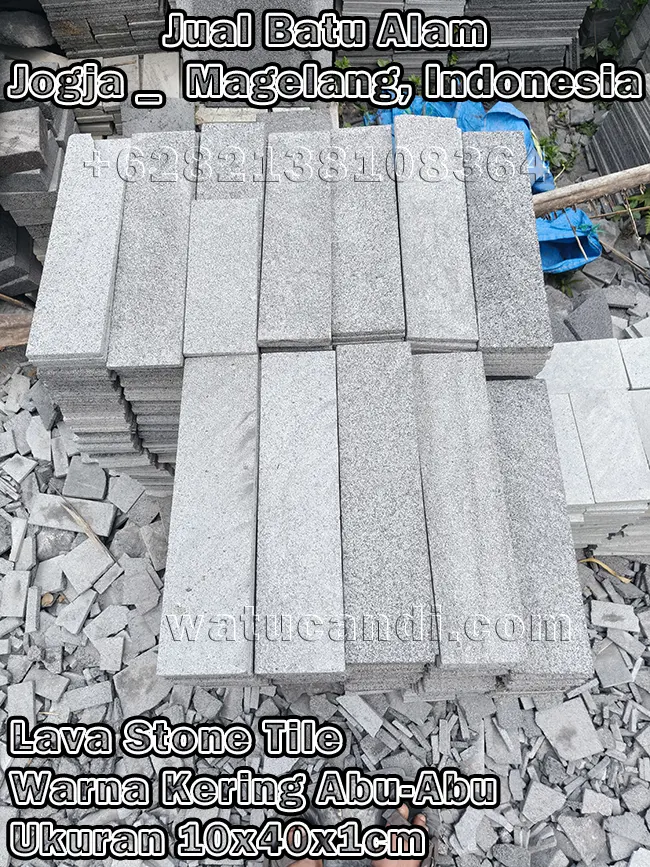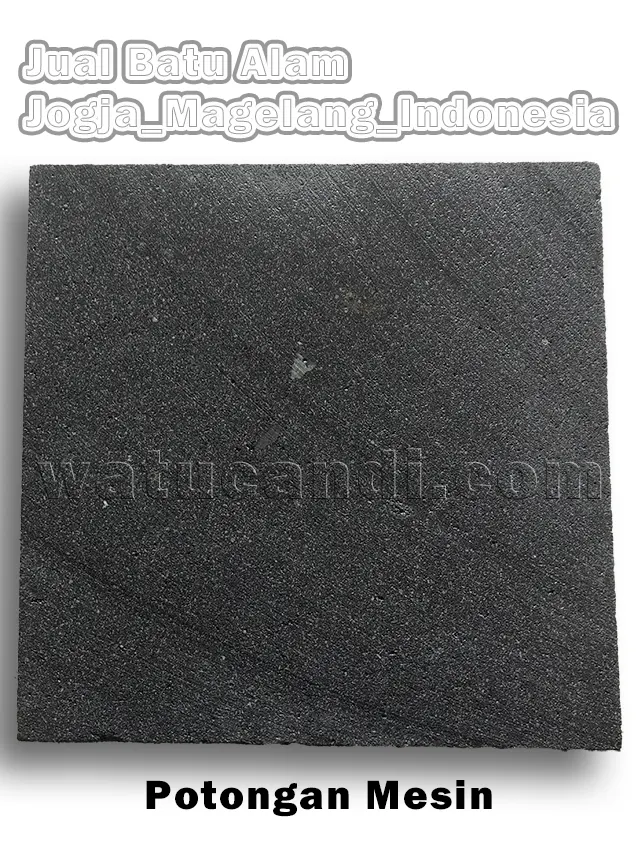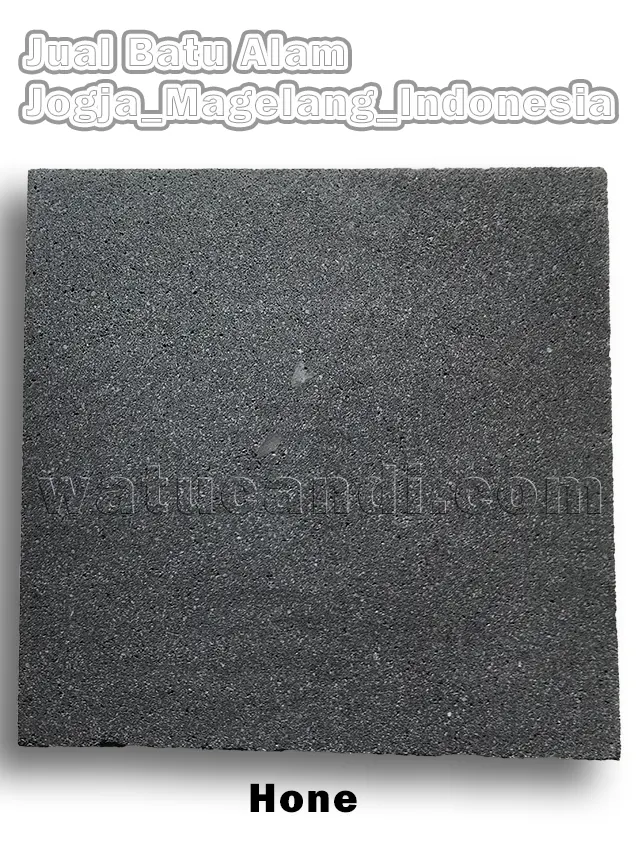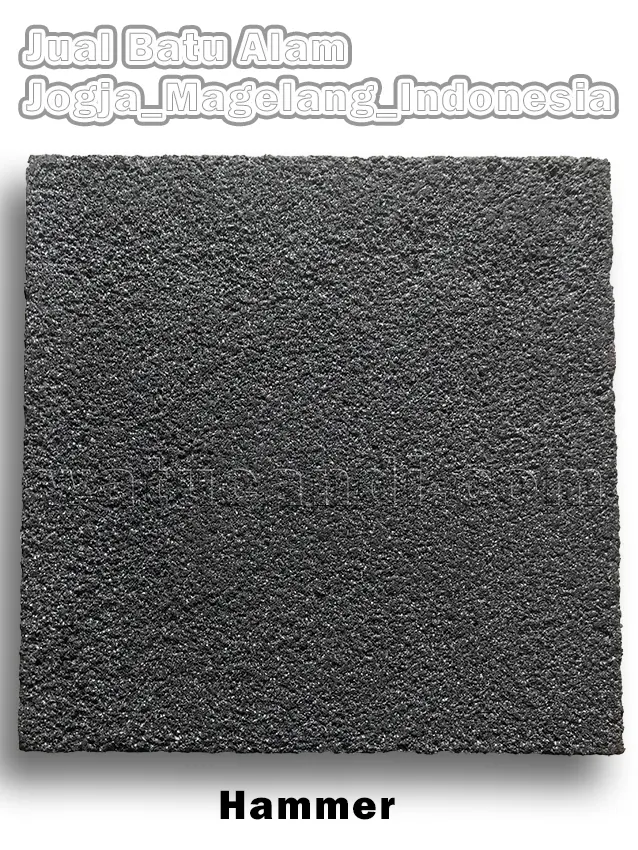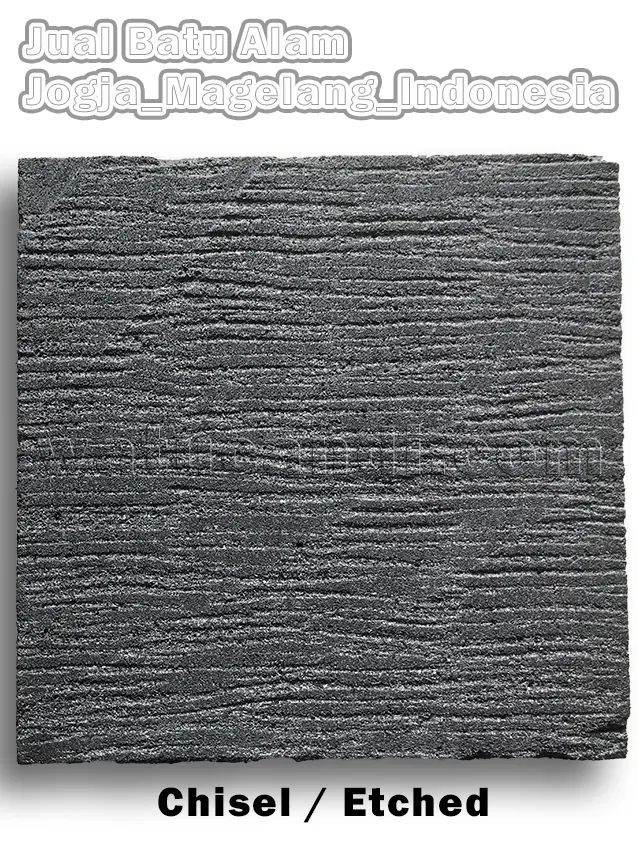
Discover the transformative power of Indonesian Lava Rock Stepping Stone Pavers. This comprehensive guide explores the geological origins, aesthetic benefits, installation techniques, and maintenance of volcanic stone from Mount Merapi. Learn how to create safe, non-slip, and exotic outdoor landscapes that blend durability with natural elegance. Perfect for gardens, pool decks, and commercial spaces.
Table of Contents
- 1. Introduction: The Renaissance of Natural Stone in Landscape Design
- 2. What is Lava Rock Stepping Stone?
- The Geological Miracle of Mount Merapi
- Understanding Volcanic Basalt and Andesite
- 3. Why Choose Indonesian Lava Rock Pavers?
- Superior Non-Slip Safety Features
- Thermal Efficiency and Cool Surface Temperature
- Rapid Water Absorption and Drainage
- Unmatched Durability and Weather Resistance
- Eco-Friendly and Sustainable Sourcing
- 4. Aesthetic Appeal: From Rustic to Contemporary
- The Unique Color Palette: Black, Brown, Red, and Grey
- Texture Variations: Rough, Honed, and Flamed
- Creating an Exotic and Ethnic Ambiance
- 5. Versatile Applications for Lava Rock Stepping Stones
- Garden Pathways and Minimalist Landscapes
- Pool Decks and Spa Areas
- Carports and Garage Flooring
- Commercial Spaces: Restaurants and Hotels
- Wall Cladding and Vertical Gardens
- 6. Comparative Analysis: Lava Rock vs. Other Materials
- Lava Rock vs. Concrete Pavers
- Lava Rock vs. Granite and Marble
- Lava Rock vs. Wood Decking
- 7. Step-by-Step Installation Guide
- Site Preparation and Base Layer
- Laying the Stepping Stones
- Grouting and Finishing Touches
- 8. Maintenance and Care Protocol
- Cleaning Techniques
- Sealing and Protection
- Repairing Minor Damages
- 9. Sourcing High-Quality Indonesian Stone from Watu Candi
- 10. Frequently Asked Questions (FAQ)
- 11. Conclusion: Elevate Your Outdoor Space
1. Introduction: The Renaissance of Natural Stone in Landscape Design
In the evolving world of architecture and landscape design, there is a profound shift towards materials that not only serve a functional purpose but also connect us deeply with nature. Among these materials, Lava Rock Stepping Stone Pavers have emerged as a premier choice for designers, homeowners, and landscape architects who seek to blend rugged durability with organic beauty. Sourced from the rich volcanic deposits of Indonesia, particularly from the iconic Mount Merapi, these stones offer a unique combination of safety, aesthetics, and environmental sustainability.
This comprehensive guide delves into the world of Indonesian volcanic stone. We will explore its geological origins, the science behind its unique non-slip properties, and its myriad applications in modern construction. From minimalist garden paths to luxurious pool decks, understanding the nuances of Black Lava Stone and Lava Stone Exterior Designs will empower you to make informed decisions that enhance both the value and beauty of your property. We will also cover detailed installation protocols, maintenance strategies, and comparative analyses with other popular paving materials like concrete, granite, and wood.
2. What is Lava Rock Stepping Stone?
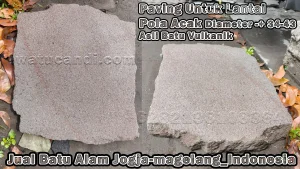
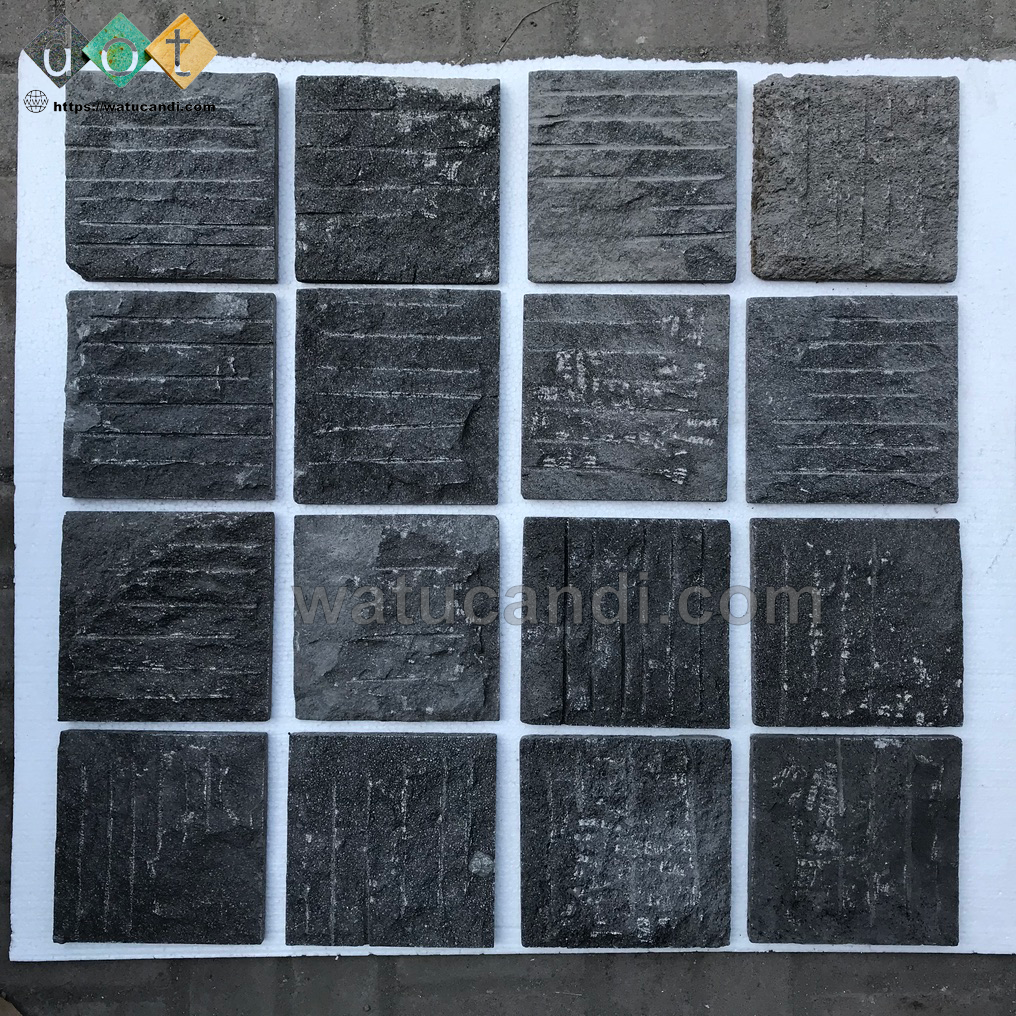
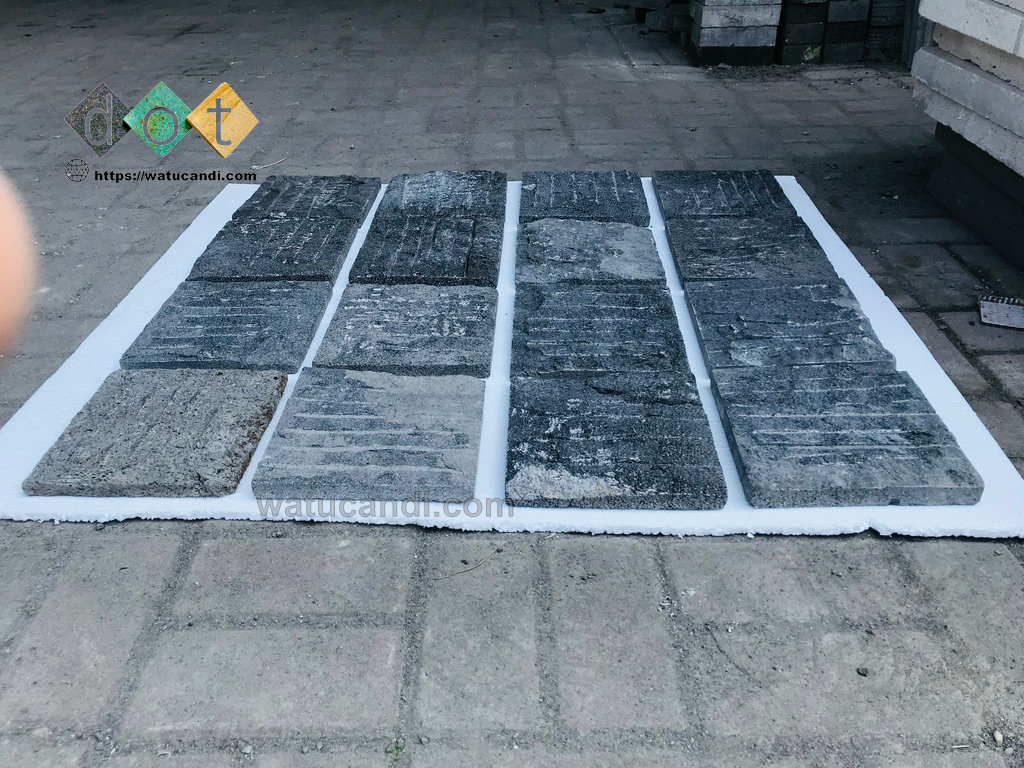
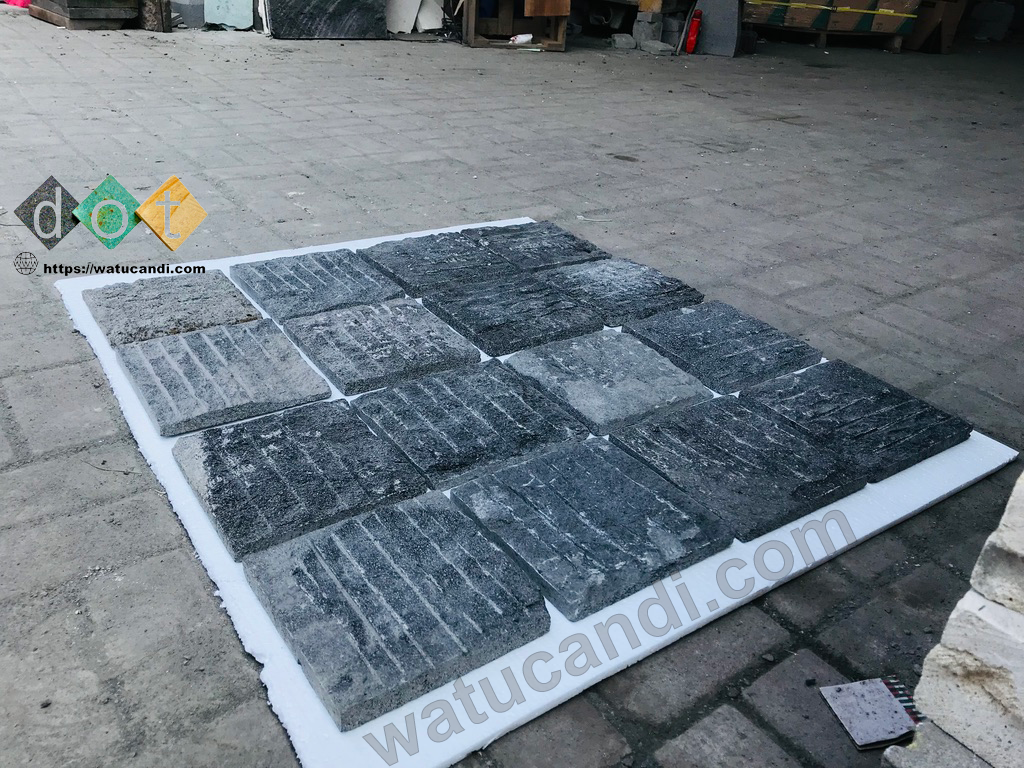
Lava Rock Stepping Stone Pavers are natural stone tiles crafted from volcanic rock, specifically basalt and andesite, formed during volcanic eruptions. In Indonesia, the most prized source of this material is Mount Merapi, one of the most active volcanoes in the world. The intense heat and pressure associated with volcanic activity create a rock that is incredibly dense, durable, and porous.
The Geological Miracle of Mount Merapi
Mount Merapi, located in Central Java, has been erupting for thousands of years, depositing layers of lava and ash that have solidified into high-quality stone. This geological process results in stone with unique mineral compositions, including iron, magnesium, and silica, which contribute to its distinctive colors and strength. The rapid cooling of lava creates a micro-porous structure, which is key to the stone’s ability to absorb water quickly and provide excellent traction.
Understanding Volcanic Basalt and Andesite
While often referred to generally as “lava stone,” the material used for stepping stones is typically basalt or andesite. Basalt is fine-grained and dark, known for its hardness and resistance to weathering. Andesite, slightly lighter in color and composition, offers similar durability but with a different aesthetic appeal. Both types are ideal for outdoor use due to their low absorption rates and high compressive strength. For those interested in the specific geological features, Hidden Crystals in Merapi Lava reveal the intricate mineral structures within these rocks.
3. Why Choose Indonesian Lava Rock Pavers?
Choosing the right paving material involves balancing aesthetics, performance, cost, and environmental impact. Here is why Lava Rock Stepping Stones stand out:
Superior Non-Slip Safety Features
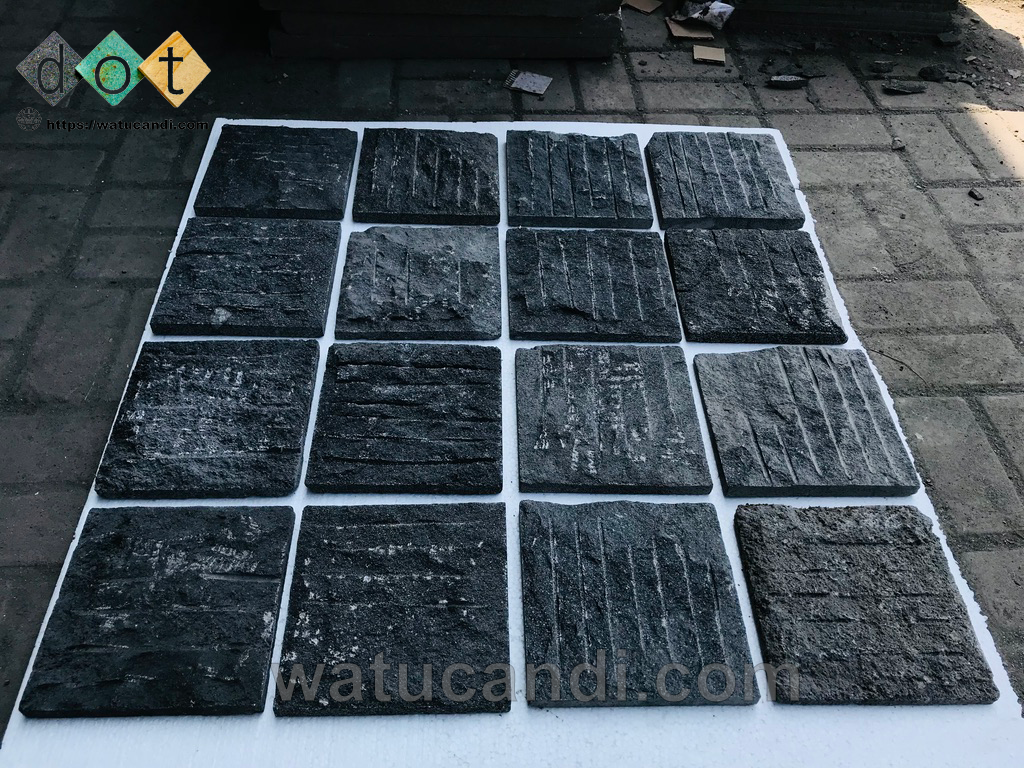
The most significant advantage of lava rock is its naturally rough texture. Unlike polished granite or smooth ceramic tiles, lava stone provides exceptional grip, even when wet. This makes it the safest choice for pool decks, spa areas, and garden paths where water accumulation is common. The porous surface allows water to drain quickly, reducing the risk of slipping. For more information on safe outdoor flooring, see our guide on Rough Surface Natural Stone Floors.
Thermal Efficiency and Cool Surface Temperature
Natural stone has high thermal mass, meaning it can absorb and release heat slowly. However, the light-colored variants of lava stone, or those with a honed finish, reflect sunlight better than dark asphalt or concrete. This helps keep the surface cooler underfoot, making it comfortable to walk on barefoot even in hot tropical climates. This property is particularly evident in Merapi Stone Outdoor Flooring, which remains significantly cooler than synthetic alternatives.
Rapid Water Absorption and Drainage
The micro-porous structure of lava rock allows it to absorb water rapidly. This prevents puddles from forming on the surface, which not only enhances safety but also reduces the growth of moss and algae. In heavy rainfall, this drainage capability helps manage water runoff, reducing the load on local drainage systems. This makes it an excellent choice for Lava Stone for Swimming Pools and wet areas.
Unmatched Durability and Weather Resistance
Volcanic stone is incredibly hard and resistant to weathering. It does not crack easily under pressure, fade in sunlight, or erode in rain. Unlike wood, which can rot or warp, or concrete, which can crack over time, lava stone maintains its integrity for decades. It is resistant to chemicals, oils, and stains, making it suitable for high-traffic areas such as carports and commercial spaces. For heavy-duty applications, consider Andesite Paving Stone, which shares similar durability characteristics.
Eco-Friendly and Sustainable Sourcing
Natural stone is one of the most sustainable building materials available. Its extraction and processing require significantly less energy compared to manufactured materials like brick, concrete, or ceramic tiles. There are no harmful chemicals involved in its production, and it emits no volatile organic compounds (VOCs). Furthermore, stone is fully recyclable and biodegradable. Supporting local quarries in Indonesia, such as those managed by Watu Candi, also reduces transportation emissions for projects in the Asia-Pacific region.
4. Aesthetic Appeal: From Rustic to Contemporary
The visual appeal of Lava Rock Stepping Stones lies in their natural variation and organic texture. Each stone is unique, with distinct color patterns and surface details that cannot be replicated by man-made materials.
The Unique Color Palette: Black, Brown, Red, and Grey
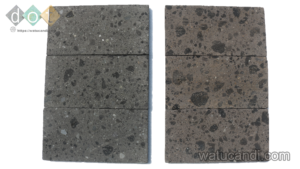
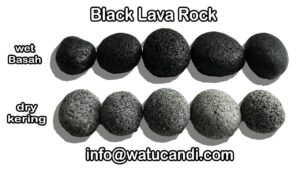
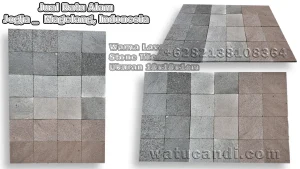
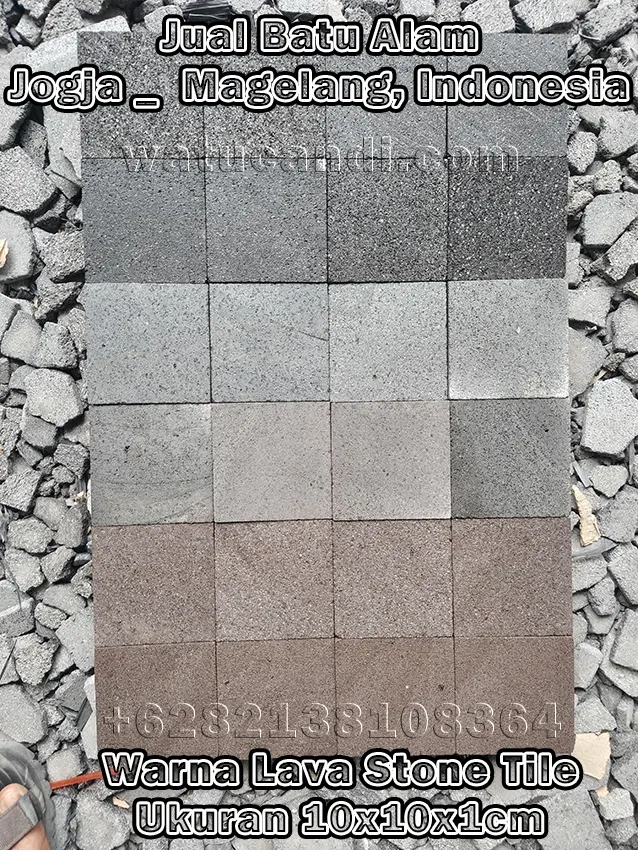
Indonesian lava stone comes in a variety of natural colors, including deep black, rich brown, reddish hues, and various shades of grey. These earthy tones blend seamlessly with natural landscapes, complementing greenery, wood, and water features. The mix of colors in a single batch can create a dynamic and visually interesting pattern, adding depth and character to any space. For a consistent dark look, explore Black Lava Stone Tiles.
Texture Variations: Rough, Honed, and Flamed
The texture of lava stone can be manipulated through various finishing techniques to suit different aesthetic and functional needs:
- Natural/Rough: Retains the original textured surface of the quarried stone. Ideal for rustic exteriors and areas where maximum slip resistance is required.
- Honed: A smooth, matte finish achieved by grinding the surface. This enhances the color and pattern without creating glare, making it suitable for interior walls and low-traffic floors. See Tumbled Natural Stone for similar refined finishes.
- Flamed/Thermal: Exposing the stone to high heat causes the surface to flake, creating a rough, non-slip texture. This is crucial for outdoor paving and pool decks where safety is a concern.
- Bush-Hammered: A mechanical process that creates a uniformly rough texture, excellent for slip resistance in wet areas. It is often used for commercial applications and public spaces.
Creating an Exotic and Ethnic Ambiance
Lava stone carries a sense of history and exoticism. Its use in design evokes a connection to ancient temples and traditional architecture, such as the iconic Borobudur and Prambanan temples. Incorporating Borobudur Candi Stone elements or using lava stone in a similar style can add a touch of cultural richness and timeless elegance to modern spaces. It gives a natural, exotic, unique, contemporary, and ethnic feel that is highly sought after in luxury design.

5. Versatile Applications for Lava Rock Stepping Stones
The versatility of Lava Rock Stepping Stones allows them to be used in a wide array of applications, from functional pathways to decorative features.
Garden Pathways and Minimalist Landscapes
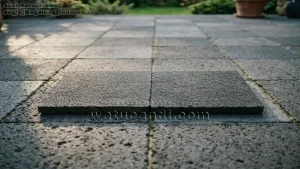
One of the most popular uses for lava stone is creating garden pathways. The irregular shapes and natural colors of stepping stones blend harmoniously with grass, plants, and gravel. They provide a stable and safe footing while enhancing the natural beauty of the garden. For minimalist designs, large, uniform slabs can create a clean and modern look, while irregular pieces add a rustic charm. Consider using Original Sirih Stack Stone for border accents along these paths.
Pool Decks and Spa Areas
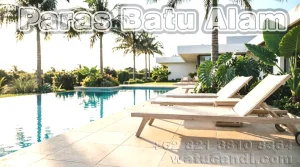
Safety is paramount around pools and spas. Lava stone’s non-slip surface makes it the ideal choice for pool decks, coping, and surrounding areas. Its ability to stay cool underfoot adds to the comfort of users. Additionally, the dark tones of black lava stone contrast beautifully with the blue water of the pool, creating a stunning visual effect. For a complete pool solution, combine lava stone with Green Sukabumi Stone for the pool interior.
Carports and Garage Flooring
Lava stone is durable enough to withstand the weight of vehicles, making it an excellent choice for carports and garage flooring. Its resistance to oil stains and ease of cleaning ensure that it remains looking new for years. The rough texture provides good traction for tires, preventing skidding. For heavy-duty vehicular traffic, Andesite Paving is also a robust option.
Commercial Spaces: Restaurants and Hotels
The hospitality industry frequently utilizes natural stone to create inviting and memorable environments. Cafes, restaurants, and hotels use lava stone cladding and paving to evoke a sense of warmth and authenticity. It is particularly popular in establishments that promote organic, healthy, or eco-friendly concepts. The stone’s durability ensures it can withstand high traffic areas, while its aesthetic appeal enhances the overall customer experience. Incorporate Handmade Stone Tables and Chairs to complement the stone flooring.
Wall Cladding and Vertical Gardens
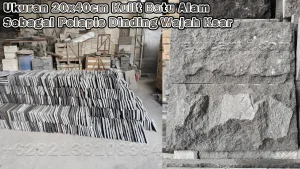
Beyond flooring, lava stone is increasingly used for wall cladding. Its textured surface adds depth and character to building facades, breaking up the monotony of flat surfaces. It is particularly effective in exterior designs that aim to blend with the natural landscape. For a more rugged look, consider using Random Candi Lava Wall Cladding. It can also be used as a backdrop for vertical gardens, where the dark stone makes the greenery pop.
6. Comparative Analysis: Lava Rock vs. Other Materials
| Feature | Lava Rock Stepping Stone | Concrete Pavers | Granite | Wood Decking |
|---|---|---|---|---|
| Durability | Very High | Medium | Very High | Low to Medium |
| Slip Resistance | Excellent (Natural) | Poor (when wet) | Good (if textured) | Poor (when wet/aged) |
| Maintenance | Low | Medium | Low | High |
| Aesthetic | Natural, Exotic | Uniform, Artificial | Luxurious, Polished | Warm, Organic |
| Cost | Moderate | Low | High | Medium to High |
| Eco-Friendliness | High | Low | Medium | Medium (if sustainable) |
| Heat Retention | Low (stays cool) | High (gets hot) | High (gets hot) | Low |
As seen in the table, Lava Rock occupies a sweet spot between durability, safety, and cost. It outperforms concrete in terms of aesthetics and slip resistance, and it is more affordable and easier to maintain than granite. Compared to wood, it offers superior longevity and requires significantly less maintenance, making it a smarter long-term investment for outdoor spaces.
7. Step-by-Step Installation Guide
Proper installation is crucial to ensure the longevity and stability of your Lava Rock Stepping Stones. While DIY is possible for small projects, professional installation is recommended for large-scale applications. Here are the key steps:
Site Preparation and Base Layer
1. Mark the Area: Define the path or area where the stepping stones will be placed. Use stakes and string to outline the shape.
2. Excavate: Remove existing grass, soil, or debris to a depth of about 4-6 inches, depending on the thickness of the stone and the base layer.
3. Install Edging: If necessary, install edging to keep the base material in place.
4. Add Base Material: Lay a 2-3 inch layer of crushed gravel or sand. Compact this layer thoroughly using a plate compactor to create a stable foundation. This prevents settling and shifting over time.
Laying the Stepping Stones
1. Dry Fit: Place the stones on the base without adhesive to plan the layout. Ensure adequate spacing for grass or gravel to grow between them.
2. Set the Stones: Remove the stones and add a thin layer of mortar or sand-bedding to each spot. Place the stones back, pressing them firmly into the bed. Use a rubber mallet to level them.
3. Check Level: Use a spirit level to ensure each stone is level with its neighbors. Adjust the bedding material as needed.
Grouting and Finishing Touches
1. Fill Gaps: Fill the gaps between the stones with soil, gravel, or creeping plants like thyme or moss. This softens the look and allows for drainage.
2. Compact: Lightly compact the entire area to settle the stones into the base.
3. Clean: Sweep away any excess dirt or debris from the surface of the stones. For more detailed patterns, refer to our guide on Carved Natural Stone Installation Patterns.
8. Maintenance and Care Protocol
Lava stone is low-maintenance, but regular care will keep it looking its best. Here is a simple maintenance routine:
- Routine Cleaning: Sweep or hose down the stones regularly to remove dirt and debris. For stubborn stains, use a mild soap and water solution with a soft brush. Avoid harsh chemicals or acid-based cleaners that can damage the stone surface.
- Preventing Moss and Algae: While lava stone resists moss better than smooth stones, it can still accumulate in shaded, damp areas. Regular cleaning and ensuring good sunlight exposure can prevent this. Use a specialized stone cleaner if necessary.
- Sealing: Although not strictly necessary, applying a penetrating sealer can enhance the color of the stone and provide an extra layer of protection against stains. Reapply every 2-3 years, or as recommended by the manufacturer. For best practices, see our guide on Maintaining Indonesian Lava and Sandstone.
- Inspecting for Damage: Periodically check for loose stones or cracks. Tighten or replace as needed to maintain safety and appearance.
9. Sourcing High-Quality Indonesian Stone from Watu Candi
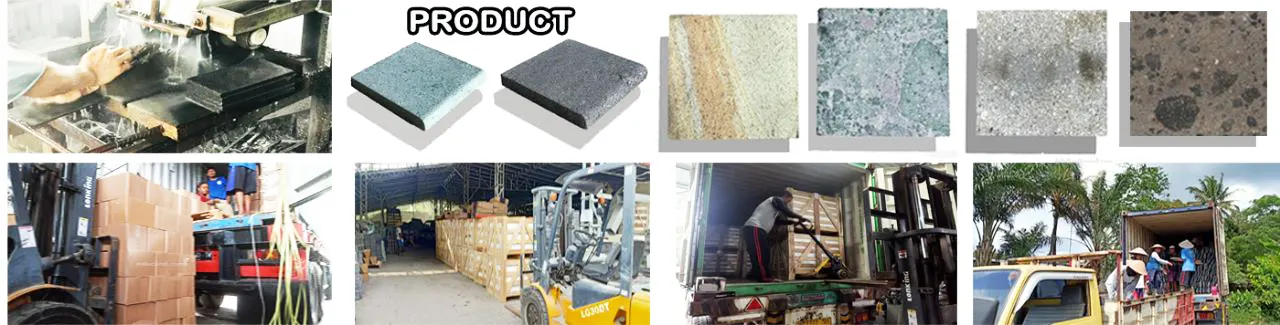
When sourcing natural stone, quality and reliability are paramount. Watu Candi is a leading producer and exporter of Indonesian natural stone, specializing in high-quality Lava, Paras, and Limestone products. Located in the border region of Jogja and Magelang, Central Java, Watu Candi combines traditional craftsmanship with modern production techniques.
Why Choose Watu Candi?
- Direct from Source: Eliminate middlemen and get competitive pricing directly from the manufacturer.
- Quality Control: Rigorous selection processes ensure that only the best quality stones are exported. Each slab is inspected for cracks, color consistency, and finish quality.
- Customization: Ability to customize sizes, finishes, and shapes to meet specific project requirements. We can produce bespoke items such as Lava Stone for Swimming Pools and custom carvings.
- Sustainability: Commitment to ethical mining practices and environmental stewardship. We work closely with local communities to ensure fair labor practices and minimal environmental impact.
- Expertise: Decades of experience in the natural stone industry, serving clients worldwide. Our team can provide technical advice on selection, installation, and maintenance.
Before placing an order, it is advisable to check stock availability, as natural stone extraction can be subject to weather and logistical constraints. Lead times can vary depending on order volume and current production queues. Visiting the workshop, if possible, allows you to see the production process and select specific slabs, ensuring satisfaction with your purchase.
10. Frequently Asked Questions (FAQ)
Is Lava Rock Stepping Stone slippery when wet?
No, Lava Rock is renowned for its non-slip properties. Its naturally rough and porous surface provides excellent traction, even when wet. This makes it one of the safest choices for pool decks, bathrooms, and outdoor pathways. For enhanced safety, choose a rough or flamed finish.
Can I install Lava Rock Stepping Stones myself?
Yes, for small garden paths, DIY installation is feasible if you have basic landscaping skills. However, for large areas, driveways, or complex designs, professional installation is recommended to ensure proper leveling, drainage, and longevity. Watch our installation video for tips.
How do I clean Lava Rock Stepping Stones?
Regular sweeping and hosing are usually sufficient. For deeper cleaning, use a mild detergent and a soft brush. Avoid acid-based cleaners or high-pressure washers, as they can damage the stone’s surface. For persistent moss or algae, use a specialized stone cleaner.
What is the difference between Lava Rock and Andesite?
Both are volcanic stones, but Andesite is generally denser and harder, with a finer grain. Lava Rock (Basalt) is more porous and has a rougher texture. Andesite is often preferred for heavy-duty paving, while Lava Rock is favored for its aesthetic texture and non-slip properties in wet areas. Compare with Natural Andesite Stone.
Can Lava Rock be used in freezing climates?
Yes, Lava Rock is highly resistant to freeze-thaw cycles due to its low water absorption rate when sealed properly. However, proper installation with adequate drainage is crucial to prevent water from pooling and freezing beneath the stones, which could cause lifting.
11. Conclusion: Elevate Your Outdoor Space
Lava Rock Stepping Stone Pavers offer a unique blend of natural beauty, safety, and durability. Whether you are looking to create a serene garden path, a safe pool deck, or a stylish carport, these stones provide the perfect solution. Their exotic appeal, combined with practical benefits like non-slip surfaces and low maintenance, makes them a superior choice for any outdoor project.
By choosing high-quality Indonesian stone from reputable suppliers like Watu Candi, you invest in craftsmanship and sustainability. Remember to follow proper installation and maintenance guidelines to ensure your stone remains beautiful for years to come. Embrace the timeless elegance of natural stone and transform your space into a sanctuary of style and comfort.
Ready to start your project? Explore our full range of natural stone products or contact us for a custom quote. Let us help you bring the essence of Indonesia to your home or business.
Related Products & Resources
- Brown Sandstone Tiles
- Tumbled Finish Natural Stone
- 3D Merapi Stone Design
- Merapi Stone Outdoor Flooring
- Lava Stone Exterior Design
- Lava Stone Floor
- Merapi Lahar Candi Stone Floor
- Rough Surface Natural Stone Floor
- Black Candi Lava Stone
- Merapi Lava Parquet Decking
- Natural Stone Slabs
- Palimanan Sandstone Tiles
- Breccia Natural Stone Tiles
- Natural Stone and Furniture
- Lava Stone for Swimming Pools
- Sirih Stack Stone Surface
- Original Sirih Stack Stone
- Original Green Sukabumi Stone Tiles
- Natural Stone Edging
- Original Merapi Stone Sink
- Black Basalt Stone Sink
- Yogyakarta Green Stone Batik Tiles
- Black Lava Stone 100x100x10
- Black Lava Stone Tiles
- Borobudur Candi Stone
- Candi Paving Stone Floor
- Black Lava Natural Stone Tiles
- Carved Stone Paving Floor
- Handmade Stone Bathtubs
- Handmade Stone Tables and Chairs
- Carved Vanity Table
- Candi Stone Stepping Floor
- General Natural Stone Tiles
- Hidden Crystals in Merapi Lava
- Carved Natural Stone Installation Patterns
- Pelinggih Stone Materials
- Black Lava Bush-Hammered Surface
- Black Lahar Stone
- Candi Lahar Stone Floor
- Lava Stone 75x230mm
- Lava Natural Stone Products
- Alkali Lava Stone
- Lava Stone General
- Candi Lava Natural Stone
- Andesite Paving Stone
- Green Sukabumi Natural Stone
- Natural Andesite Stone
- Local vs. Precision Green Stone Tiles
- Hand-Carved Stone Floor
- Black Lava Gravel Guide
- Complete Guide to Green Stone Tiles for Pools
- Guide to Natural Limestone and Travertine
- Guide to Best Indonesian Natural Lava Stone Tiles
- Green Sukabumi Natural Stone Pedra Hijau
- Random Candi Lava Wall Cladding
- Candi Lava Natural Stone Mosaic
- Indonesian Limestone Tiles for Wall and Floor
- Lava Stone Paving Slabs
- Best Volcanic Stone Paving Merapi Yogyakarta Magelang
- Black Lava Stone Tile Walls Guide
- Black Lava Stone Table Tops
- Green Stone Split Face Tiles
- Premium Lava Rock Tiles
- Definitive Guide to Black Lava Tiles
- Ultimate Guide to Swimming Pool Stone Tiles
Tags: lava rock stepping stone, volcanic stone pavers, indonesian natural stone, outdoor stone flooring, non-slip garden pavers, mount merapi lava stone, exotic stone design, sustainable landscaping, watu candi, stepping stone installation,