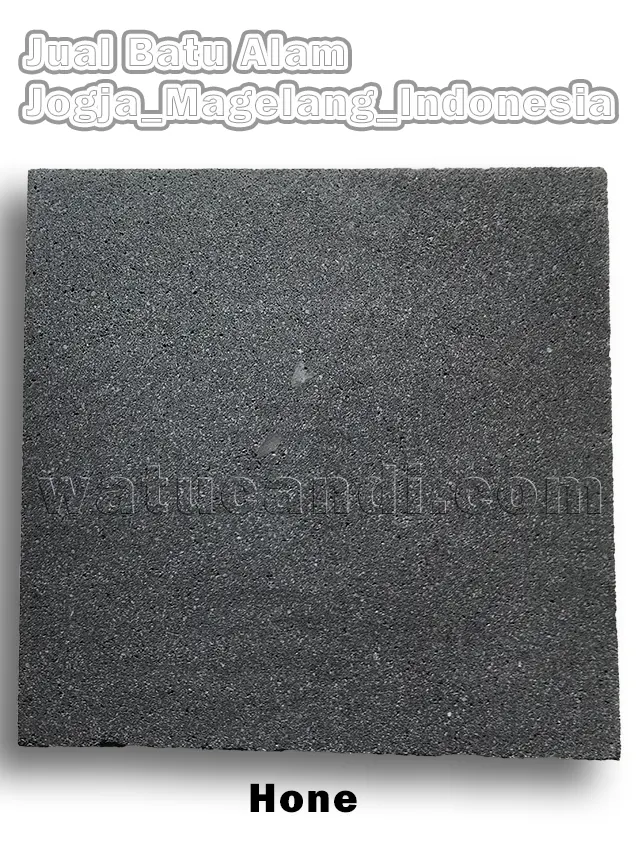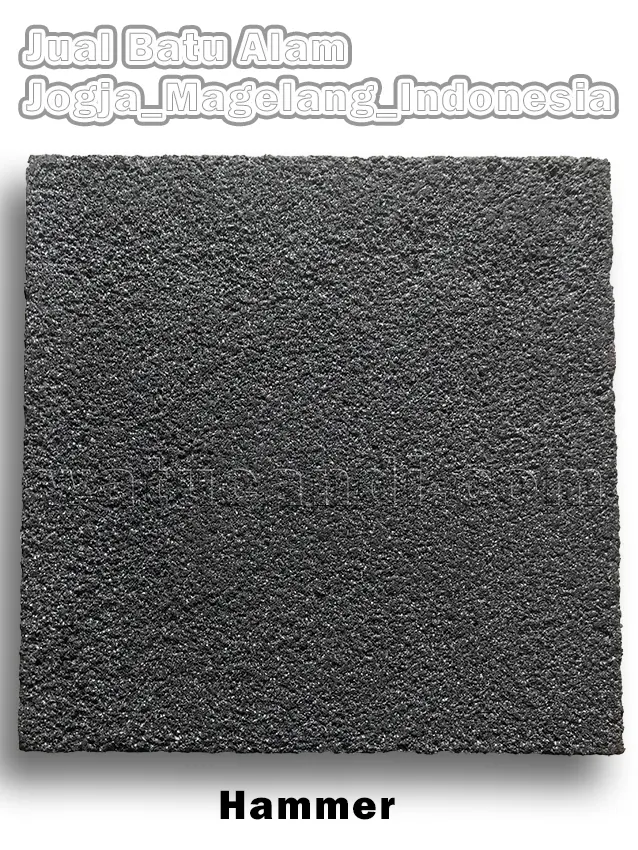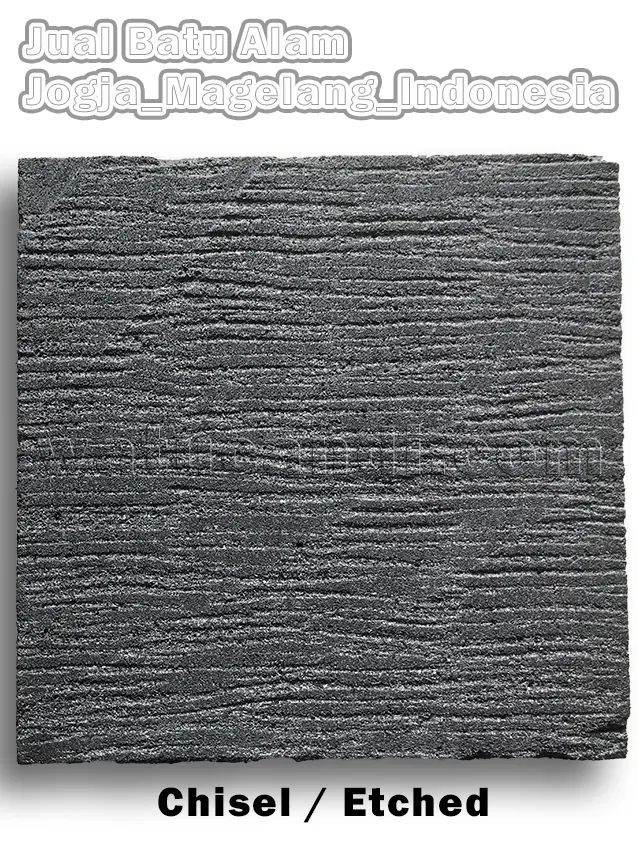
Every step in your garden tells a story of the earth when the chosen footing is authentic Merapi volcanic stone. This article unravels the secrets of selecting the right stepping stones: when to use precision machine-cut tiles versus natural rough lava, how to prevent slipperiness without sacrificing aesthetics, and integration tricks that make garden paths feel like living landscape art. This is not merely a technical guide but a map toward a garden that pampers the feet and soothes the soul.
Stepping Stone Craftsmanship in the Garden: The Art of Arranging Nature’s Footprints
In contemporary landscape architecture, the presence of natural stone stepping stones in the garden is not merely a functional element to protect grass from foot traffic. More than that, stepping stones are a visual narrative connecting humans with nature, creating a meditative rhythm of steps, and defining green open space zones without rigid physical barriers. Natural stone artisans in Yogyakarta and Magelang have transformed Mount Merapi volcanic material into functional works of art that blend geological durability with Javanese aesthetic refinement.
Garden stepping stones can be made from various materials, yet none can match the authentic character of Merapi lava stone. The combination of precision machine-cut stone tiles and organic natural rough lava creates a stunning visual dialectic: order meets natural chaos, and modernity dialogues with the ancient. Using a combination of these two stone types will create an attractive and natural appearance in garden areas, providing a rich spatial experience for anyone stepping upon them.
As an initial reference to understand the available material spectrum, you can explore the premium andesite natural stone flooring collection which offers perfect harmonization between structural strength and textural beauty for courtyards, gardens, and Joglo-style villas. Selecting the right material from the start will determine the overall success of the landscape design, both in terms of durability and artistic value.
Material Anatomy: Understanding the Characteristics of Merapi Stepping Stones
Before deciding on technical specifications, it is important to understand the anatomy of the materials to be used. Garden stepping stones can be made from various types of stone, including machine-cut stone tiles and natural rough lava stone. Each has unique characteristics that affect long-term performance and aesthetics.
Machine-Cut Stone Tiles: Precision and Modernity
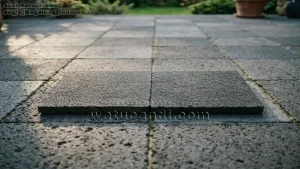
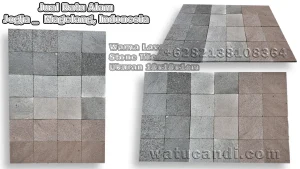
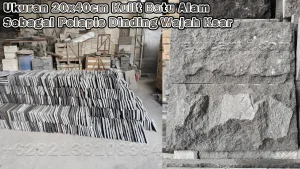
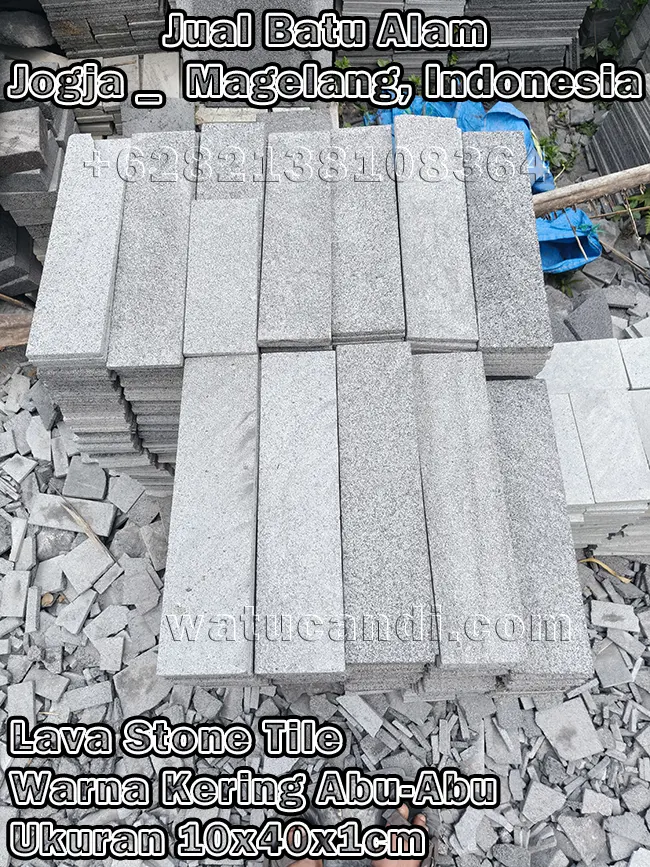
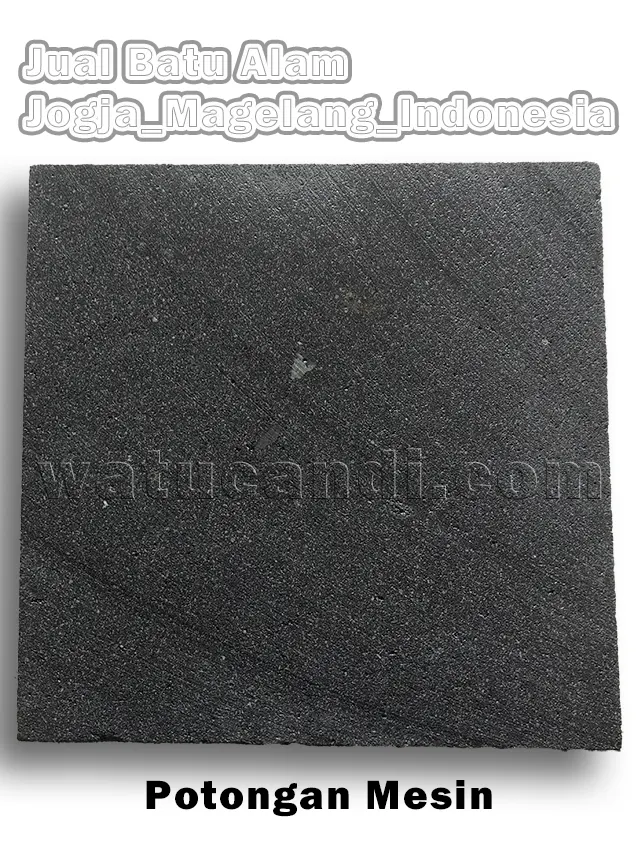
Machine-cut stone tiles are a type of natural stone cut precisely using machines to obtain uniform sizes and shapes. This stone has a flat and smooth surface, making it comfortable for use as stepping stones in the garden. Machine-cut stone tiles provide a modern and orderly appearance, suitable for pathways or frequently trafficked areas. Dimensional accuracy allows for installation with consistent grout lines to create clean and contemporary visual lines.
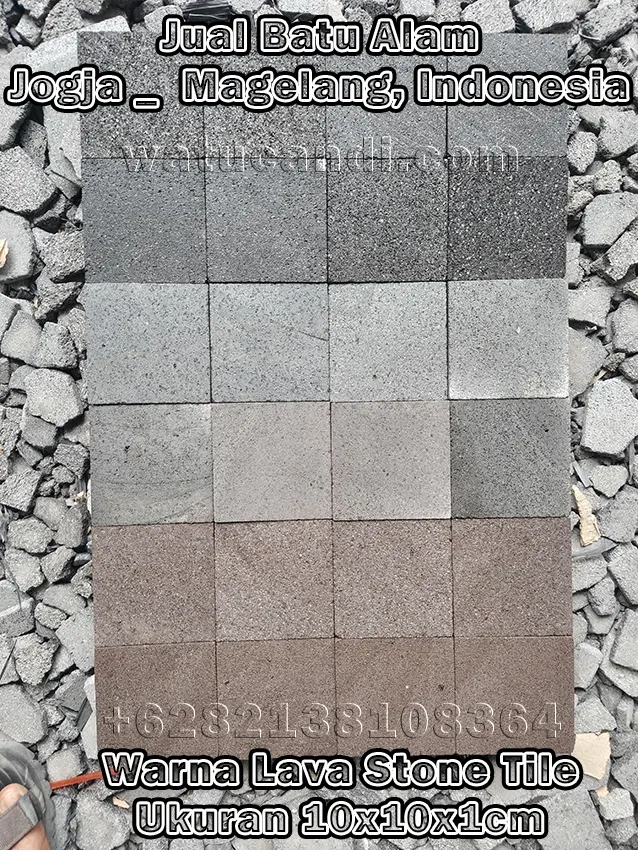
For applications requiring specific thickness and finishing, black lava stone tiles 10x10x1cm are a proven reliable industry standard option. Other size variations such as black lava stone 100x100x10 or lava stone 75x230mm provide design flexibility for more dynamic installation patterns. For comprehensive references regarding stone types, visit the GC stone type guide and GCBroken stone type guide.
Natural Rough Lava Stone: Organic Texture and Anti-Slip Properties
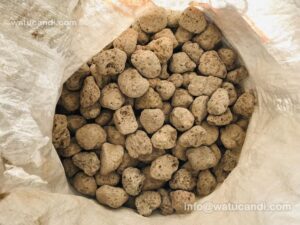
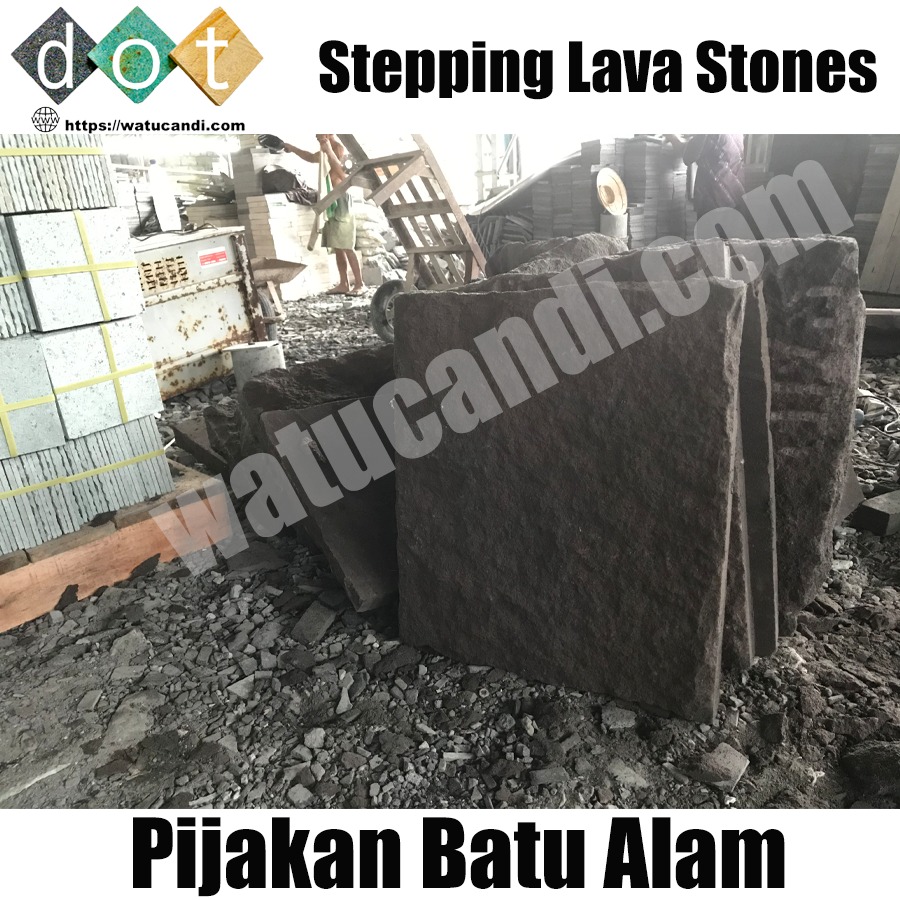
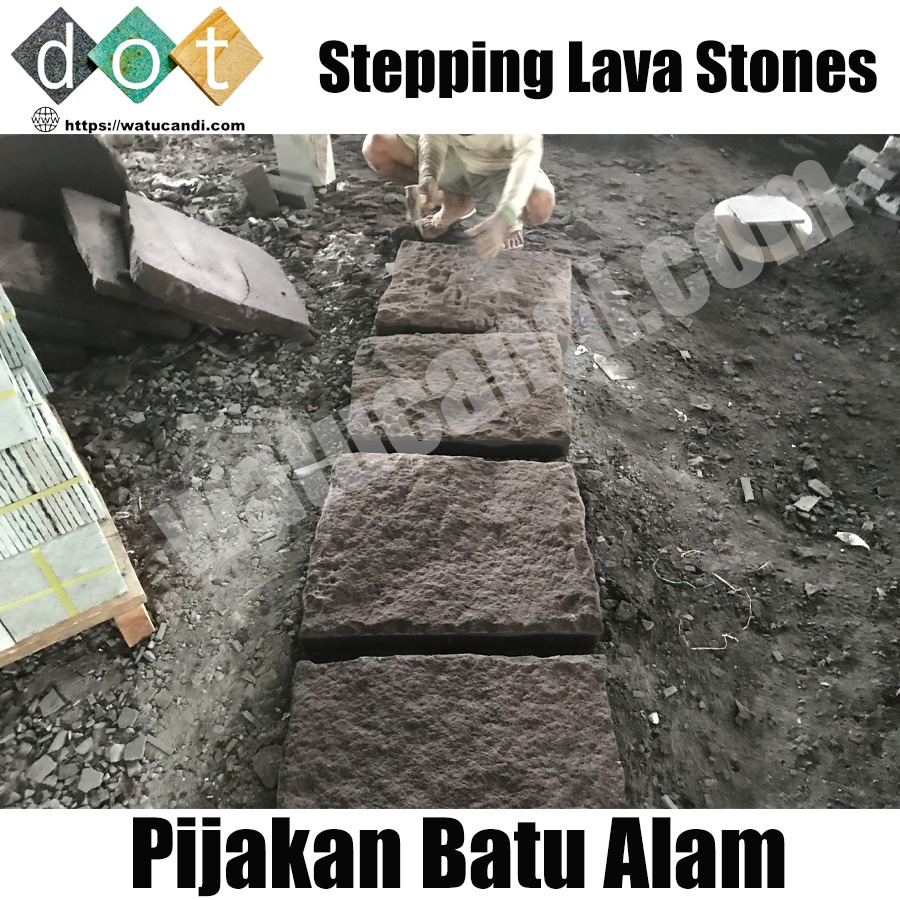
Natural rough lava stone is a type of volcanic stone that has a coarse texture with many pores. This stone tends to be porous and lightweight, yet strong enough for use as stepping stones in the garden. The use of natural rough lava stone provides a natural and exotic appearance in garden areas, creating a unique natural impression. Its natural porosity allows rainwater to absorb quickly, reducing puddles and minimizing the risk of slipping when wet.
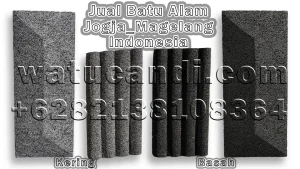
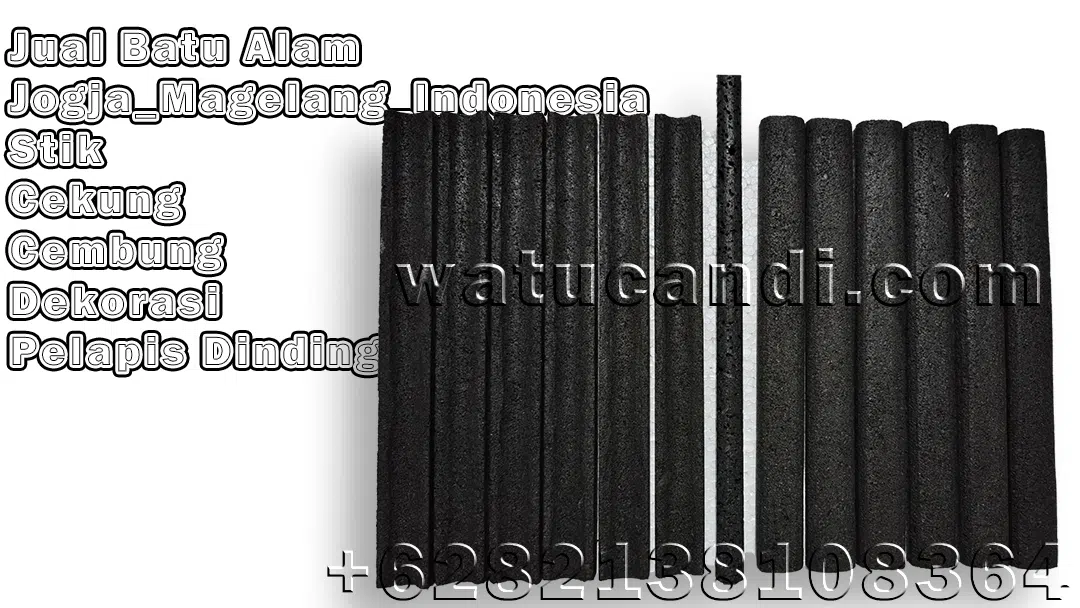
This rough texture can be achieved through various finishing methods. Rough face lava stone or black lava bushhammer surface are popular choices for outdoor areas due to their high friction coefficient. For an in-depth understanding of surface variations, study the 5 black lava stone surfaces and the comparison of lava alkali sawncut vs bushhammer. Detailed information on finishing is also available for comb surface type, groove 3×1 surface type, line 2×1 type, rolling2 line type, broken regularly 0.5×0.5 line, and straight line 1×0.5 type.
The combination of machine-cut stone tiles and natural rough lava stone as garden stepping stones will provide an attractive and varied appearance. You can arrange this combination in specific patterns or compose them randomly to create captivating visual effects. These garden stepping stones are useful for providing comfortable access and directing traffic in garden areas, making the garden easier to navigate and adding high aesthetic value.

Production Process: Synergy Between Machines and Artisan Hands
The quality of stepping stones is largely determined by the production process. Work performed using machines and manually results in different surface characters. Using machines aims to speed up work and reduce production costs which can lower the price of natural stone. However, manual touch remains irreplaceable for achieving certain artistic textures.
Manual work using tools such as hammers and chisels or splitting irons results in a rough and slightly flat surface (abstract). This technique is known as authentic manually chiseled stone floor which provides traces of genuine craftsmanship. Specialized tools like floor paving stone chisels are used to create consistent yet organically feeling textural details. For precise installation pattern references, study the chiseled natural stone installation patterns.
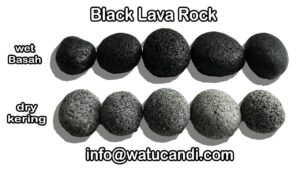
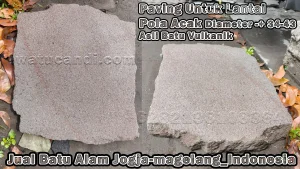
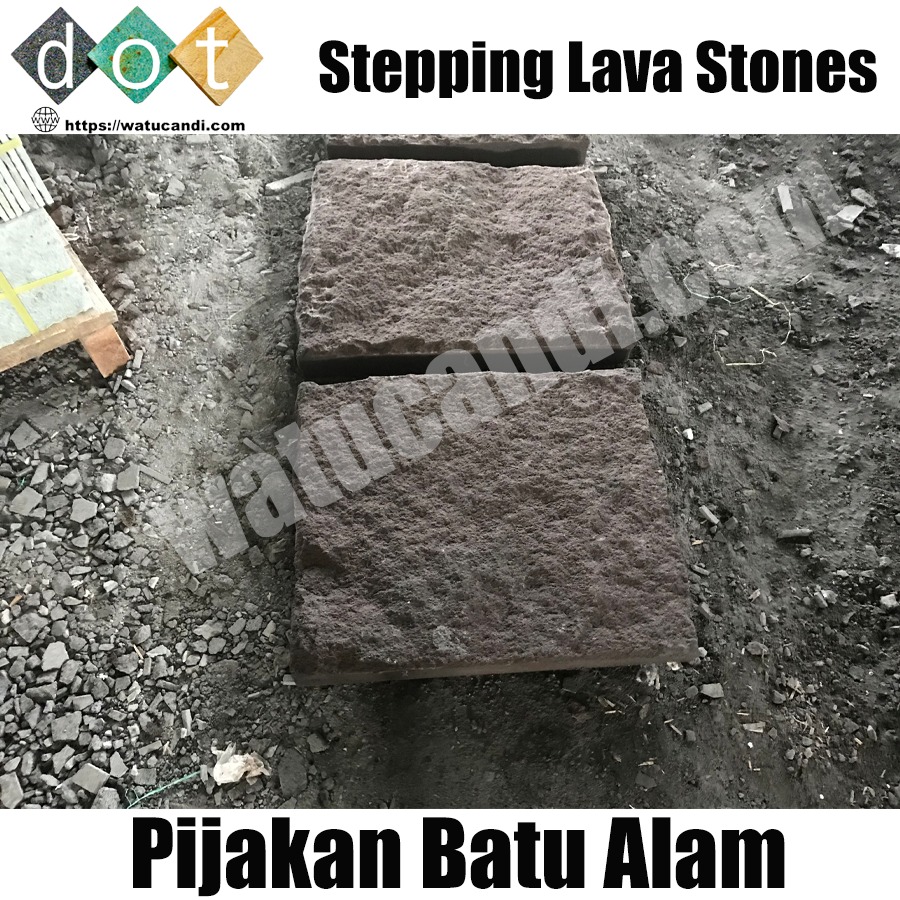
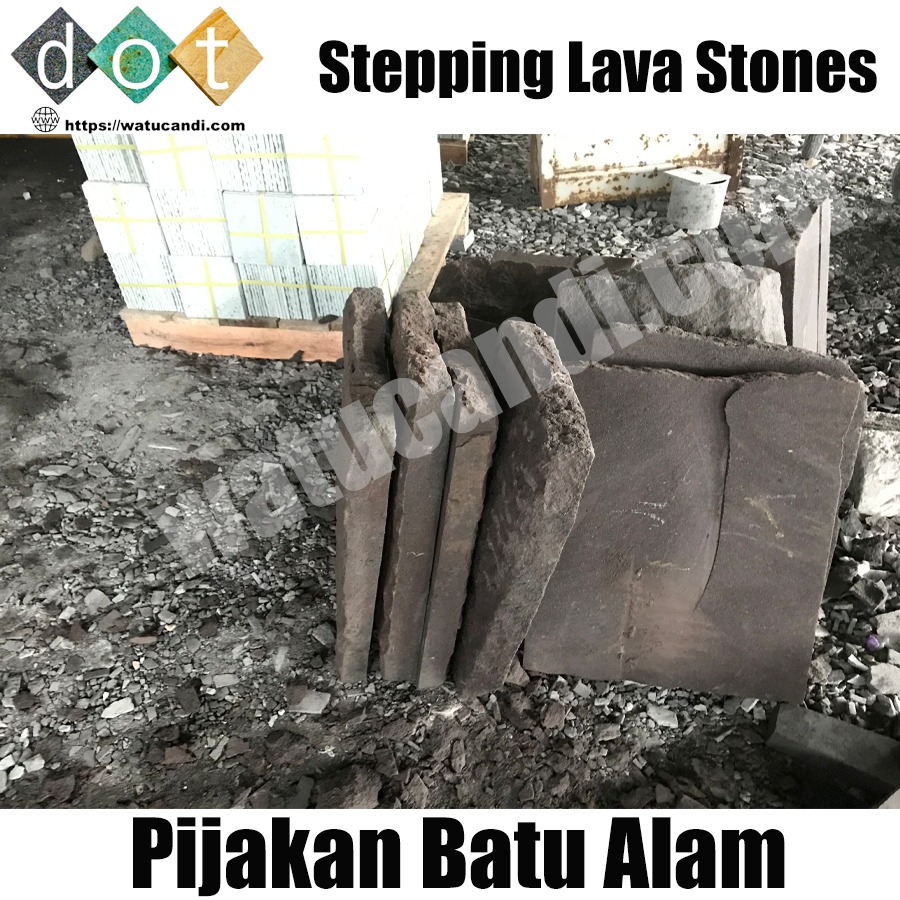
Natural stone with a rough abstract surface texture that is slightly flat is designed to be non-slippery and blends with garden development design concepts. This material can be used as stepping stones in side gardens combined with real green grass, or as authentic stone steps. Made from Mount Merapi material, this unique rock absorbs water quickly depending on the density of its natural pores. The natural color does not fade and will appear slightly different in dry and wet conditions, providing dynamic visual liveliness throughout the day.
For projects desiring color and texture uniformity, black lava natural stone tiles or black lava natural stone tiles are available in various quality grades. Variants such as black lava stone tiles variant 2 and Bali Indonesia black lava stone offer tonal alternatives for design diversification. Complete references on lava products can be found in the complete lava stone products list and the Indonesian natural lava stone tiles ultimate guide.
Placement Strategy: Optimizing Landscape Function and Aesthetics
Garden Stepping Stones with a combination of machine-cut stone tiles and natural rough lava can be applied in various locations in the garden to provide comfortable access and an attractive appearance. Here are some suitable locations for installing garden stepping stones:
- Main Pathways: Use stepping stones as main pathways in the garden to provide easy and comfortable access for visitors. You can arrange these stepping stones in specific patterns or randomly to create an attractive and aesthetic path. For heavily used main pathways, consider using premium Merapi lava natural stone paving or Indonesia andesite stone paving which have high load resistance.
- Perimeter Pathways: Install stepping stones around the garden area to separate walking areas from planting beds or flower gardens. This path can function as a border and help organize the garden layout beautifully. Integration with garden wall foundation stone borders will strengthen zone definition while preventing soil erosion.
- Access to Ponds, Waterfalls, or Other Water Features: If your garden has a pond, waterfall, or other water features, use stepping stones as a path to access these features. The use of natural stone like rough lava will create a natural impression suitable for the garden atmosphere. For permanently wet areas, ensure you use water saturation resistant materials like lava stone tiles for swimming pools or green stone tiles for swimming pools. A comprehensive guide is available in the swimming pool stone tiles ultimate guide.
- Functional Areas: Place stepping stones in areas frequently traversed or used for specific activities, such as children’s play areas, party areas, or relaxation zones. This will help protect grass or plants from damage caused by human traffic. Combine with garden and yard stone flooring to create stable and safe activity zones.
- Bridges or Entrances: If your garden has a bridge or entrance requiring sturdy footing, machine-cut stone tiles can be used as a durable and orderly solution. For heavier structural elements, lava stone paving slabs or natural stone slabs provide superior load capacity.
- Ornamental Plant Areas: Use stepping stones as platforms to display specific ornamental plants, such as flower pots or cacti. This will add dimension and beauty to your garden. Decorative accents like Merapi lava temple stone balls or pumice stone can be placed around stepping stones to enrich visual texture.
Ensure stepping stones are installed correctly and on a level surface to prevent tilting or cracking. Also, it is important to ensure that the footing is safe to traverse and does not cause injury, especially when used in areas frequently accessed by people. For professional installation, study the lava rock stepping stone pavers design and installation guide and the garden stepping stone specifications 1-3cm thickness.
Supporting Material Integration: Creating a Cohesive Landscape Ecosystem
Stepping stones do not stand alone; they are part of a larger landscape material ecosystem. To create visual coherence, integrate the footing with other natural stone elements. Lava paving stepping stones can be combined with irregular natural stone paving for an organic transition between formal and informal paths. For areas requiring optimal drainage, black volcanic lava rock pebbles serve as permeable and aesthetic fillers between stepping stones.
For projects desiring a warm nuance, brown sandstone or Java brown sandstone tiles can be a harmonious alternative with tropical vegetation. Conversely, for dramatic contrast, white Palimanan stone or super white limestone create bright accents that stand out amidst the greenery of the garden. Complete references on limestone materials are available in the natural limestone and travertine guide and Indonesian limestone tiles for walls and floors.
For soothing green accents, explore Sukabumi green natural stone, Sukabumi green natural stone tiles, or green natural stone. Exclusive variants like Yogyakarta batik green stone tiles or Yogyakarta batik green stone add strong local cultural identity. In-depth guides on green stone craftsmanship are available in the Indonesian green stone tile crafts ultimate guide. Ensure you understand the differences between local vs precision green stone tiles before choosing.
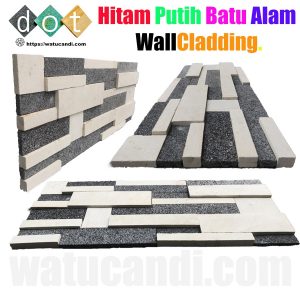
Vertical elements also need attention to create a comfortable garden enclosure. Random candi stone skin lava wall cladding or premium volcanic lava rock tiles for cladding can be used as a backdrop for stepping stones. For more textural walls, rough split face candi stone or green stone split face tiles provide visual depth. Technical cladding guides are available for black lava candi stone cladding, Merapi black sand split face cladding, and black lava stone tile walls.
Specific Applications Based on Project Typology
Stepping stones are highly suitable for application in current developments, such as villa gardens, hotels, restaurants, office cafes, and other classy luxury buildings for gardens. Each project typology has specific needs requiring different material approaches.
Luxury Residential and Villas
For modern luxury home design, stepping stones function as transitional elements that soften the boundary between interior and exterior. Integrate with lava stone floors on the terrace for material continuity. Outdoor furniture made of handmade stone tables and chairs or black lava stone table tops creates resting zones cohesive with stepping stone paths. For holistic design inspiration, visit decorate comfort design and unique models of beautiful products.
Hospitality: Hotels, Restaurants, and Cafes
In the context of hospitality design and restaurant design, stepping stones are not just access paths but also part of experience design. Natural stone paths intuitively direct visitor flow without intrusive signage. For commercial areas with high traffic, use materials with superior abrasion resistance like natural andesite stone or andesite natural stone slabs. Commercial and enterprise designs can also utilize stepping stones as branding elements emphasizing commitment to sustainability and local materials.
Public Spaces and Infrastructure
For public sidewalks and pedestrian paths, natural stone tactile paving for sidewalks provides accessibility for people with disabilities while maintaining natural aesthetics. Natural stone tactile paving is produced with precision standards to meet universal accessibility regulations. For retaining infrastructure in hilly gardens, Merapi mountain talud stone material and Merapi stone fence and foundation walls provide structural stability alongside aesthetic function.
Finishing and Texture Variations for Optimal Performance
Choosing the finish determines not only aesthetics but also the safety and durability of stepping stones. For frequently wet areas, avoid polished finishes which are slippery. Choose rough face stone floor or rough natural stone floor which provide adequate traction. Chiseled lava stone surface 300x300mm is a popular option balancing footing comfort and anti-slip safety.
For an antique or weathered effect, tumbled natural stone finish provides soft edges and a non-reflective surface. This finish is very suitable for cottage or Mediterranean style gardens. For projects desiring artistic wave textures, wavy carved natural stone tiles create a dynamic visual effect mimicking water flow. Other texture options include slate stacked betel leaf slab surface and genuine susun sirih slate for vertical accents around stepping stone paths.
For a comprehensive understanding of candi material, study the black lava candi stone Merapi complete guide, Merapi lava candi semi-chiseled paving guide, and manual chiseled candi stone paving specifications. Additional references are available for lava candi stone, black candi lava stone, chiseled temple natural stone, chiseled natural stone paving, chisel lava natural stone, hand carved temple stone flooring paving, Merapi lava temple stone floor, temple lava stone floor, temple stone paving floor, Borobudur temple stone, carved temple lava stone, example of candi stone paving, semi-carved lava stone, and hidden crystals of Merapi lava.
Supporting Materials for Perfect Landscape Details
Overall landscape design requires attention to small details often overlooked. natural stone edges and natural stone edge walls function to tidy transitions between stepping stones and surrounding areas. For garden furniture elements, natural stone and furniture offer custom options integrated with landscape design. A handmade stone tub can be placed in an outdoor spa area accessed via stepping stone paths.
For wet areas like swimming pools, premium swimming pool coping stone tiles and natural stone swimming pool gutter covers must be selected with strict anti-slip specifications. Sukabumi green stone tiles 20×40 are the gold standard for natural swimming pools. For spiritual or traditional decorative elements, pelinggih stone materials and traditional stone umpak can be integrated into garden designs respecting local wisdom.
For projects requiring large slabs for resting areas or platforms, original random stone slabs and black natural stone slabs provide a monumental impression. 3D stone slabs can be used as vertical artistic elements at the end of stepping stone paths. For poolside decking areas, Merapi lava stone decking parquet offers a water and termite resistant alternative to wood. For unique wall accents, brecci natural stone tiles or candi lava natural stone mosaic add stunning visual complexity.
Additional material references include lava stone, black lava, natural stone tiles, Merapi natural stone outdoor flooring, lava stone exterior design, large natural limestone slabs, hard cream limestone, versatile Jogja limestone, bushhammer limestone tile, premium sandstone and limestone material, Java brown tiger stone slabs and black paras sandstone, brown spotted paras stone, Palimanan paras stone tiles, natural rough surface marble stone sink, black basalt stone sink, original Merapi stone sink 49x49x13cm, natural stone liquid soap dispenser, ordering tombstones kijing plisir, stacked wall cladding sandstone vs limestone comparison, monolithic Merapi solid natural stone furniture sink, latest styles, and industrial design.
Technical Installation Considerations and Long-Term Maintenance
It is important to choose the type of natural stone suitable for your garden environment and ensure installation is performed by experts to obtain maximum results. Garden stepping stones will provide a natural and functional aesthetic touch, increasing the overall aesthetic value and comfort of your garden. Ensure stepping stones are installed correctly and on a level surface to prevent tilting or cracking.
The base for stepping stone installation must be well prepared. Soil compaction, a coarse aggregate layer for drainage, and level bedding sand are absolute prerequisites. For large stones or slabs, reinforced concrete foundations may be necessary to prevent differential settlement. The distance between stepping stones should be adjusted to the average user stride length (usually 60-65 cm center-to-center) for ergonomic comfort.
Maintenance of natural stone stepping stones is relatively minimal but important for maintaining long-term performance. Regular cleaning of moss and organic dirt prevents surfaces from becoming slippery. Application of penetrating type stone sealer (not topical) can reduce water absorption and prevent staining without altering the natural appearance of the stone. Avoid using high-pressure washers on porous lava stone as this can damage the surface structure.
For ordering, it is recommended to contact in advance for slightly larger stones. Estimated workmanship is approximately 1-2 months (one to two months), depending on the number of orders and raw material availability. Clear initial communication regarding size specifications, finishing, and delivery schedules will ensure the smoothness of your landscape project.
Stepping Stone Crafts in the Garden: International Perspective
The presence of natural stone artisans as creators of stepping stones in the garden, including the combination of stone with grass, serves as a primary inspiration in global landscape design ideas. Natural stone with a rough abstract surface texture that is slightly flat is designed to be non-slippery and aligns with modern garden development concepts. Production results can be achieved using machines or manually. Using machines aims to accelerate the production process to reduce costs and the selling price of natural stone. Meanwhile, manual work using tools such as hammers, chisels, or splitting irons results in a rough and slightly flat surface (abstract) with strong artistic character.
This material can be used as stepping stones in side gardens combined with real green grass, or as sturdy stone steps. Made from Mount Merapi material, this unique rock absorbs water quickly depending on the density of its natural pores. The natural color does not fade easily and will display different visual dynamics in dry and wet conditions. These stepping stones are highly suitable for application in current developments, such as villa gardens, hotels, restaurants, office cafes, and other classy luxury buildings. For ordering slightly larger stones, it is recommended to contact us in advance. Estimated workmanship time is approximately 1-2 months, depending on the number of orders and raw material availability. This product consists of authentic lava stepping stones from Mount Merapi, Magelang, Yogyakarta, Muntilan, Indonesia.
Conclusion: A Lifetime Aesthetic Investment
Natural stone stepping stones in the garden are more than just functional hardscape elements; they are a lifetime aesthetic investment. By choosing authentic Merapi volcanic material, paying attention to finishing details, and integrating them holistically with other landscape elements, you create an outdoor space that is not only beautiful to behold but also culturally and ecologically meaningful. Every step on natural stone stepping stones is a dialogue with the earth, a reminder that true beauty is born from respect for materials and their natural processes.
Watucandi as a natural stone manufacturer in Jogja and Magelang is ready to support your landscape vision with the most complete material spectrum and trusted craftsmanship. Contact our team for technical consultation, sample requests, and competitive quotes. Realize your dream garden with a solid, beautiful, and timeless natural stone foundation.