Borobudur Temple Stone Characteristics: Complete Guide to Volcanic Andesite for Modern Architecture
Borobudur Temple Stone is premium volcanic andesite from Mount Merapi that has proven its durability for over a thousand years. This article comprehensively explores the characteristics, physical properties, chemical composition, and modern applications as black lava stone tiles, natural stone flooring, and exclusive wall cladding.
📋 Table of Contents
- Key Characteristics of Borobudur Temple Stone
- Physical Properties of Andesite Rock
- Chemical Composition of Temple Stone
- Mineralogy of Andesite Rock
- Relationship with Moss Growth
- Relationship with Salt Deposits
- Modern Applications for Walls & Floors
- Design Inspiration with Natural Stone
- Conclusion
Key Characteristics of Borobudur Temple Stone
Unique Features of Mount Merapi Stone for Borobudur Temple
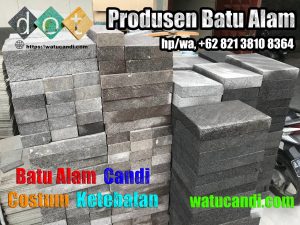
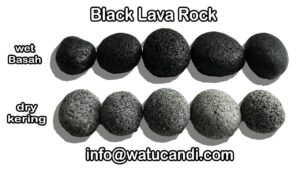
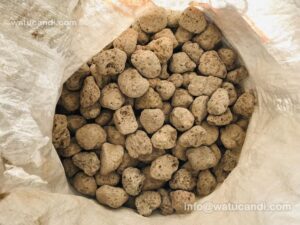
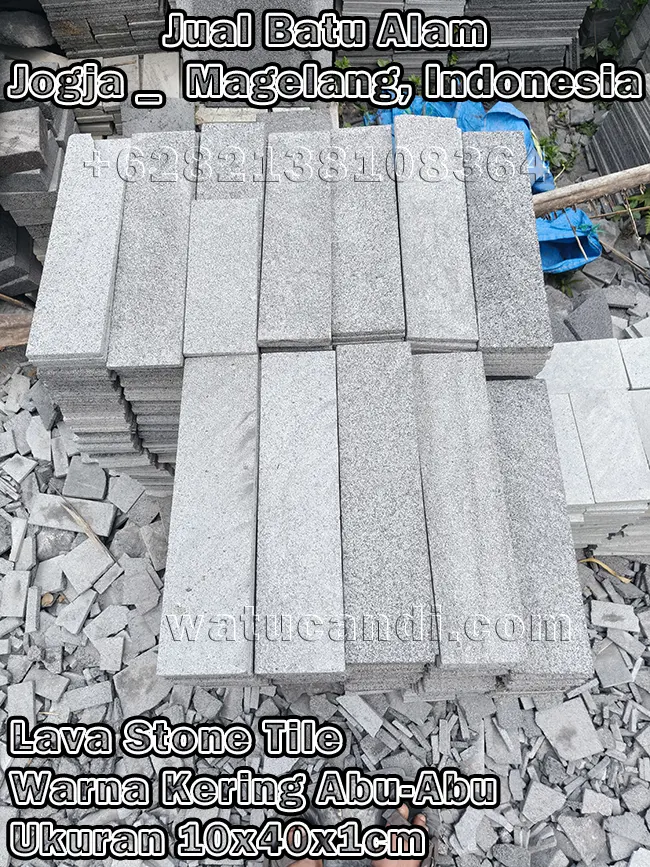
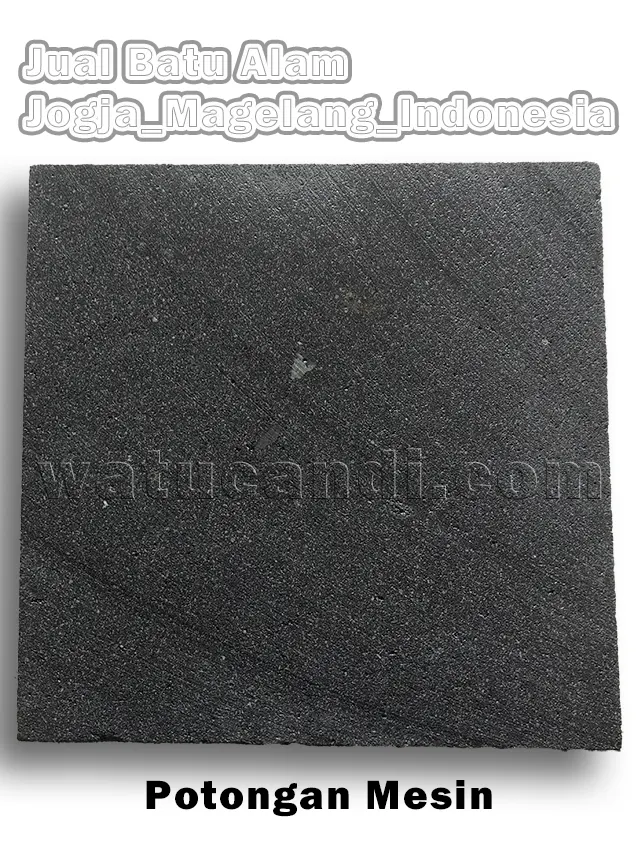
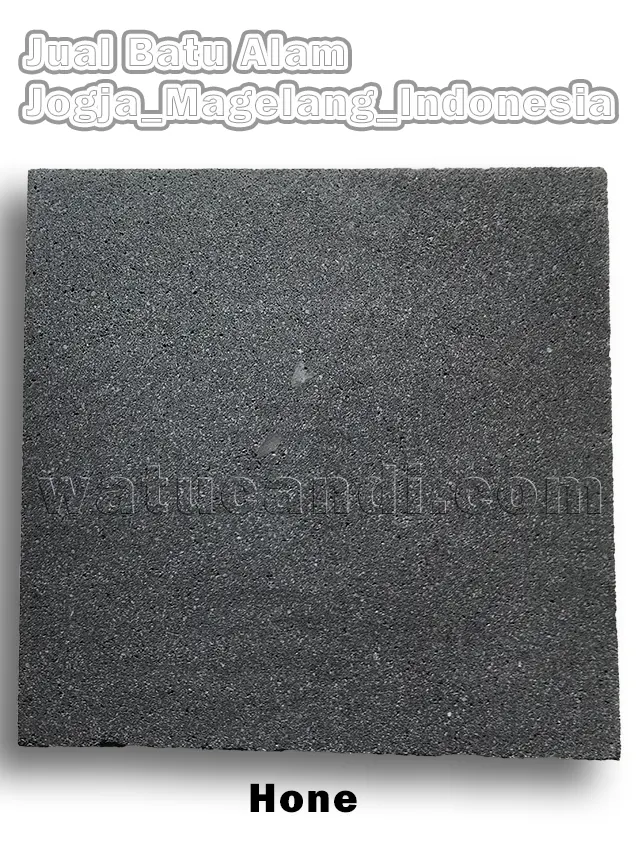
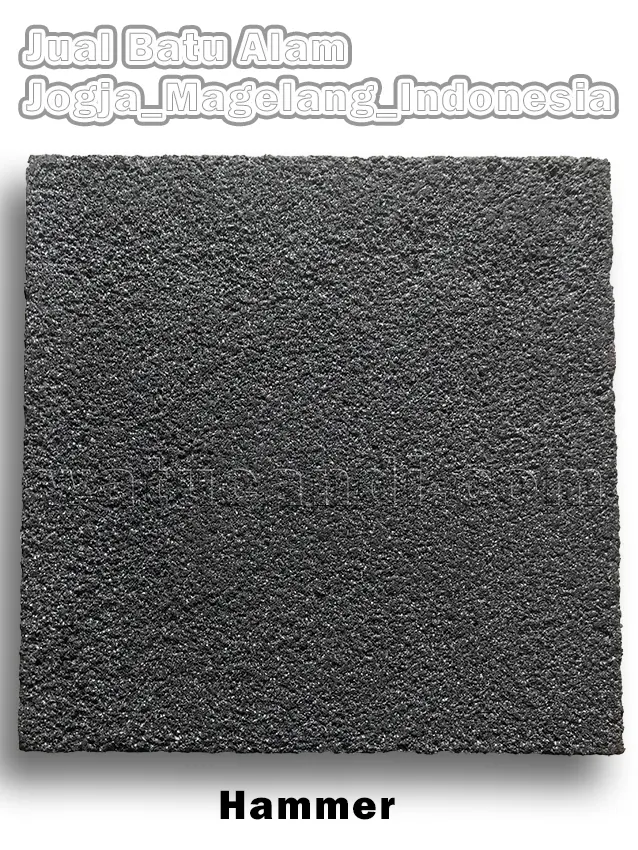
Mount Merapi Stone Characteristics as the material for Borobudur Temple are unique volcanic lava rock with distinctive features compared to other natural stones. This andesite rock originated from Mount Merapi’s eruption which solidified into igneous rock with characteristic texture, now widely applied as premium black lava stone tiles.
Abstract: Borobudur Temple is one of Indonesia’s cultural heritages recognized as a UNESCO World Heritage Site. Its building stones originate from Mount Merapi with diverse andesite characteristics, now favored as material for black lava stone in various sizes.
Borobudur Temple is composed of andesite which, when examined more specifically, has different characteristics, resulting in different levels of damage and weathering. Determination of Borobudur Temple Stone characteristics is based on physical properties, chemical composition, and rock mineralogy parameters.
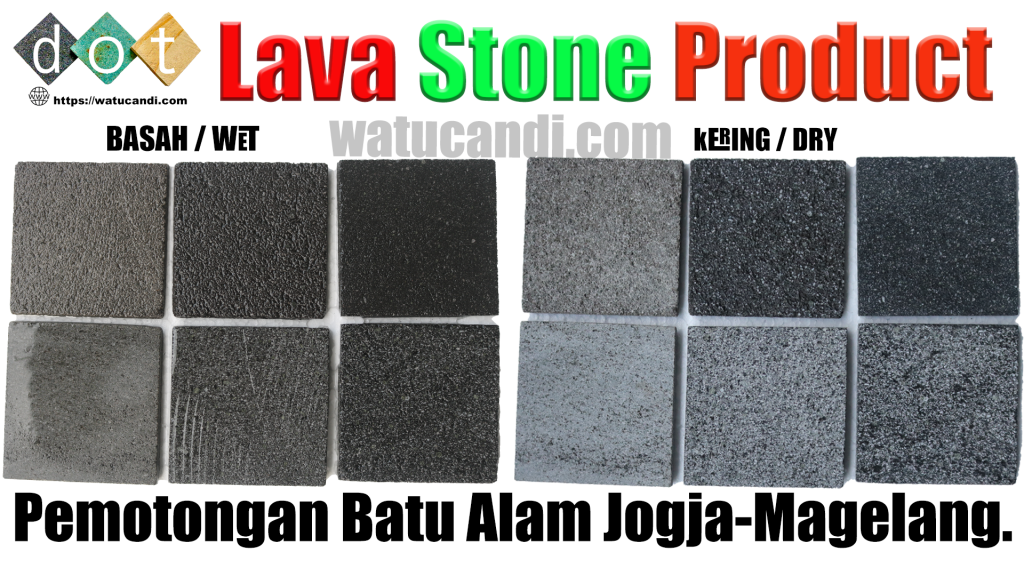
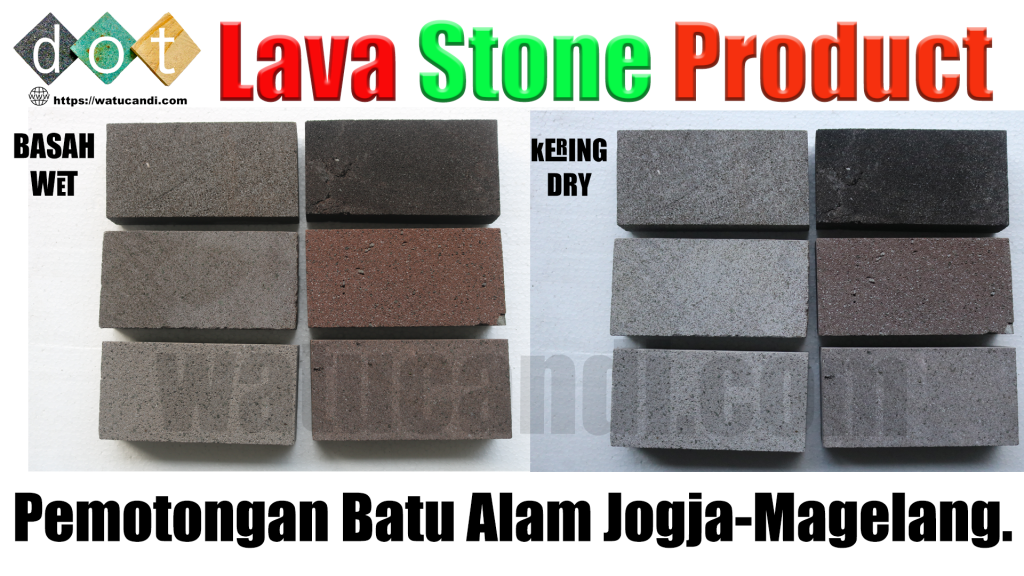
Darker-colored temple stones have higher density compared to lighter-colored temple stones due to higher ferro-magnesium content. Additionally, dark-colored temple stones absorb more heat, making them ideal for Merapi lahar temple stone flooring that remains comfortable in outdoor areas.

Temple stones with moss growth have lower density and higher porosity compared to temple stones without moss. The silica content in moss-covered temple stones is lower due to weathering processes that reduce silica levels in the stone.
Potassium content in moss-covered temple stones is higher compared to those without moss, as potassium is an essential element for moss growth.
Temple stones experiencing salt efflorescence have lower density and higher porosity compared to temple stones without salt deposits. Silica content in salt-affected temple stones is lower because the salinization process dissolves silica and deposits it on the stone surface.


Physical Properties of Borobudur Temple Andesite
Geological Background
Borobudur Temple is one of Indonesia’s cultural heritages recognized as a UNESCO World Heritage Site. Borobudur Temple was built around 800 AD by Mahayana Buddhists during the reign of King Samaratungga from the Syailendra Dynasty, serving as a place of worship for Buddhists.
Borobudur Temple is located in Borobudur Village, Borobudur District, Magelang Regency, Central Java. Astronomically, Borobudur Temple is situated at 7°36’28” South Latitude and 110°12’13” East Longitude.
Borobudur Temple is composed of andesite with high porosity. Due to this high porosity, the andesite composing Borobudur Temple has relatively low compressive strength compared to similar rocks (Sampurno, 1969). This material is now widely processed into authentic Sukabumi green natural stone tiles and various quality natural stone products.
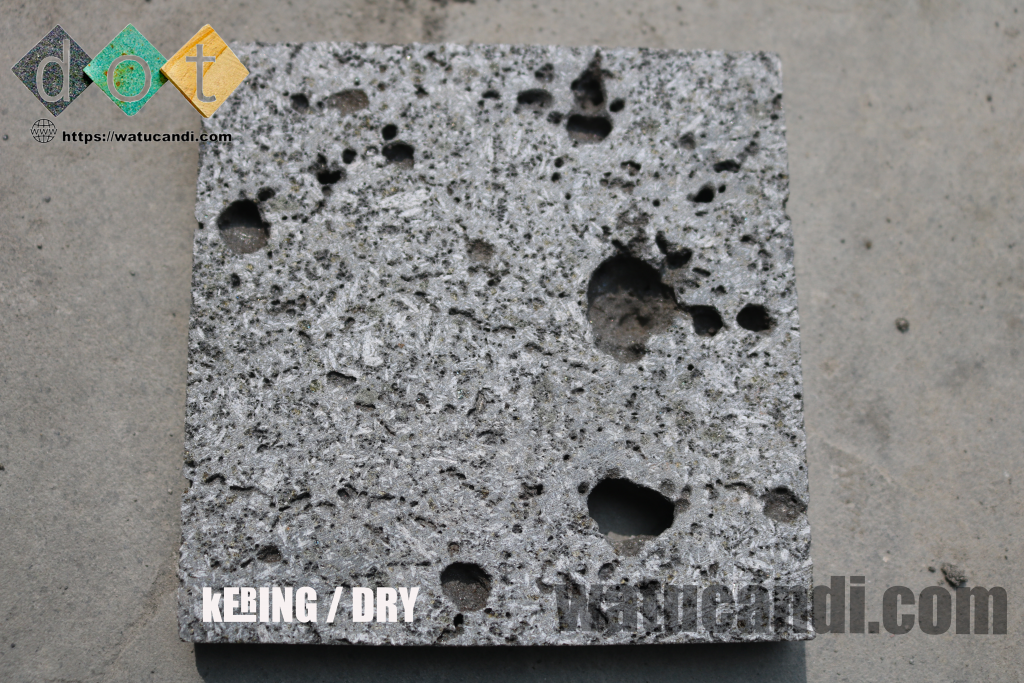
Andesite was chosen as building material due to its abundant availability, as volcanoes in Java mostly contain intermediate magma that solidifies upon reaching the peak, producing andesite igneous rock now popular as Mount Merapi 3D stone for artistic walls.
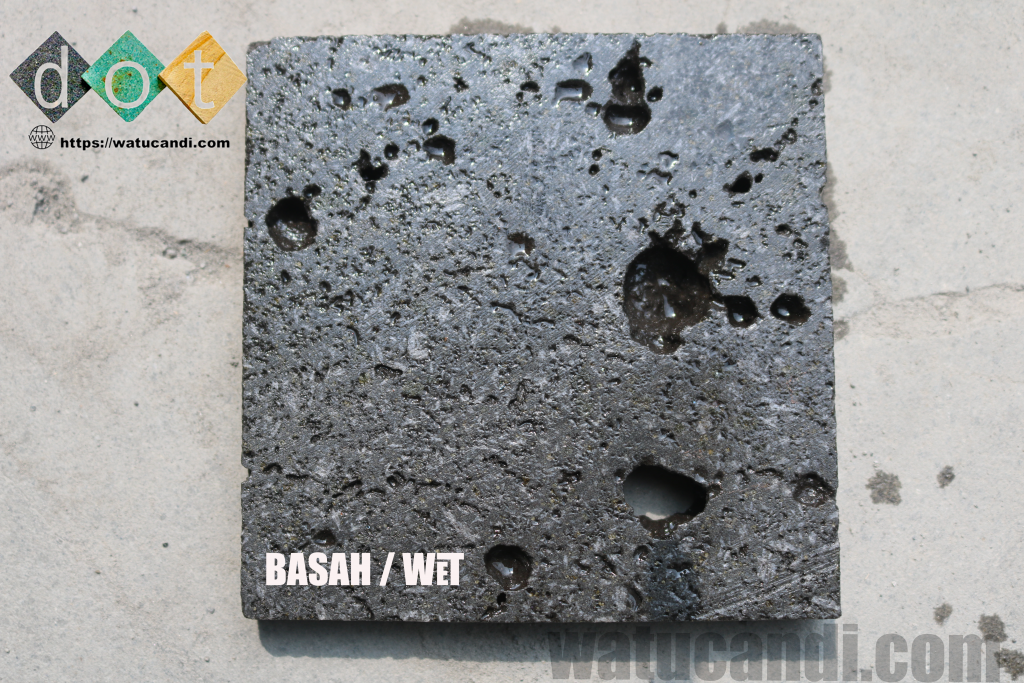
Andesite is classified as intermediate igneous rock with silica content of 52-66%, featuring porphyritic texture (crystal phenocrysts) surrounded by aphanitic groundmass (fine-grained), with primary mineral composition of plagioclase, accessory minerals hornblende, biotite, pyroxene, and groundmass consisting of felsic minerals (light-colored) or mafic minerals (dark-colored).
Temple stones were selected for their high porosity because high porosity makes the rock easier to carve. Although Borobudur Temple is generally composed of similar rock (andesite), when specifically distinguished, these building stones have different characteristics, resulting in different levels of damage and weathering.
Damage and weathering occur in many forms, caused by various factors. Therefore, more specific characteristics for each stone need to be identified based on existing parameters.
According to Siregar (2011), the damage and weathering processes occurring in Borobudur Temple’s building stones can be grouped into 4 types:
- Mechanical damage – Material damage caused by mechanical forces such as loading and vibration.
- Physical weathering – Rock material weathering caused by physical factors such as temperature, humidity, wind, rainwater, and evaporation, resulting in flaking and abrasion.
- Chemical weathering – Weathering occurring due to chemical processes or reactions such as salt efflorescence and corrosion.
- Biological weathering – Material weathering caused by microorganism activity such as moss, algae, and lichen growth.
Several previous studies have been conducted on Borobudur Temple’s building stones. Research by Leisen et al. (2012) explains that weathering patterns and intensity on each individual stone block depend heavily on the stone variety. Significant weathering differences exist between different stone varieties.
Research on material characteristics at the site and in laboratories shows that physical characteristics such as water absorption differ significantly for each stone variety. Ariyanto (1993) explains that the main factor causing flaking in Borobudur Temple’s building stones is the differential expansion and contraction between rock-forming minerals and salt deposits.
Field Conditions
Borobudur Temple is composed of andesite. However, upon observation, the andesite composing Borobudur Temple exhibits several different characteristics, such as color variations, moss growth, and salt deposit appearance.
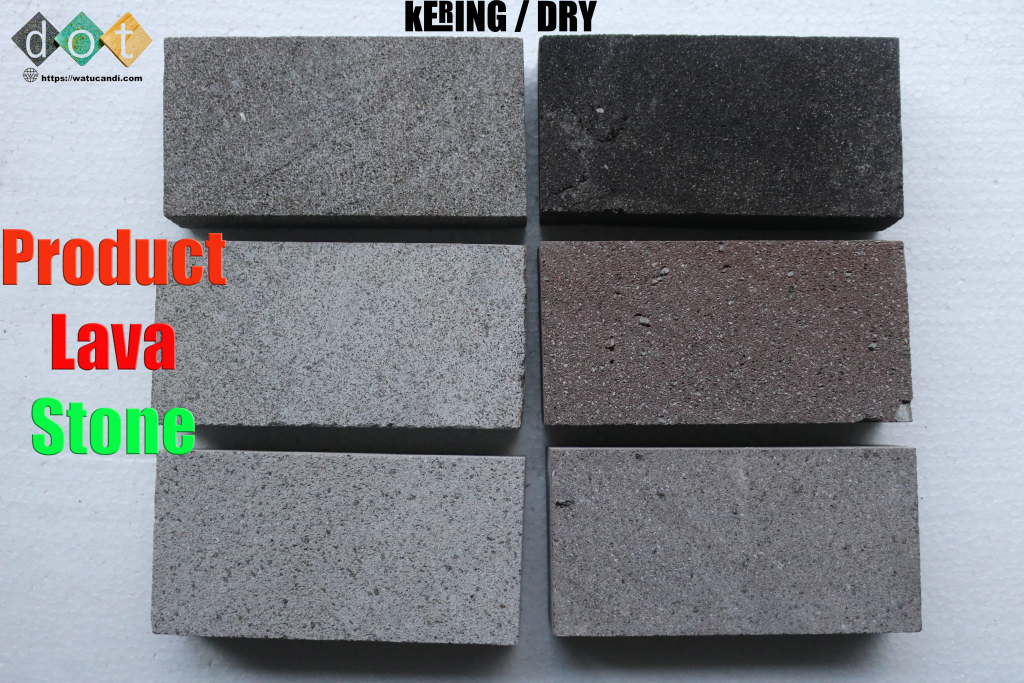
From field observations, the andesite composing Borobudur Temple can be grouped into 5 colors: gray, grayish-brown, grayish-black, reddish, and black. Although upon closer observation, color differences appear gradual, making the possible color variations numerous and somewhat subjective.
One type of weathering occurring on Borobudur Temple stones is caused by lower plants such as moss growing on the stone surface. Field observations show that moss growth varies on each stone block. Some stone blocks are heavily covered with moss, while others remain clean from moss growth.

This is caused by both internal and external factors. External factors include water presence that keeps the rock moist and sunlight intensity. Internal factors are closely related to the stone’s own characteristics, including porosity, water absorption capacity, and the elements contained within the stone.
Another type of weathering occurring on Borobudur Temple stones is chemical weathering in the form of salt efflorescence. This efflorescence occurs when elements in the stone dissolve in water, travel through the stone’s pores due to evaporation, and precipitate on the stone surface.
Many factors contribute to salt efflorescence, both internal and external. The external factor is water, as it dissolves elements contained in the stone. Internal factors also significantly influence efflorescence, such as the presence of soluble elements and stone porosity, as pores provide pathways for dissolved materials to reach and precipitate on the stone surface.
Subsequent analysis involved physical properties, chemical composition, and mineralogy of Mount Merapi temple natural stone. Since the analysis was destructive, andesite samples were taken from temple stones stored in the storage area (conditions relatively similar to the temple/open area) located west of Borobudur Temple, thus not damaging stones in the temple itself.
Samples taken included andesite of 5 different colors, as well as moss-covered and salt-affected andesite.
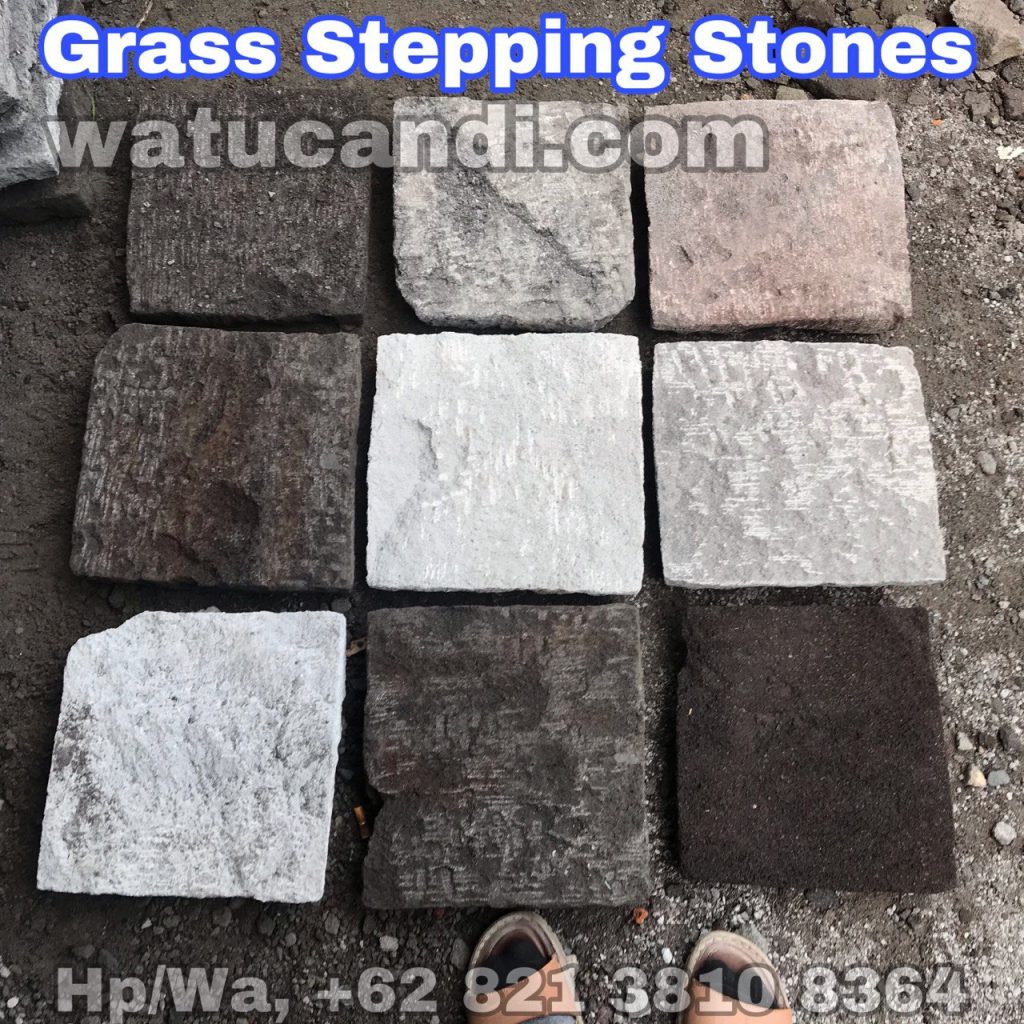
The stones were coded as follows:
- BDR 1 : gray andesite
- BDR 2 : grayish-brown andesite
- BDR 3 : grayish-black andesite
- BDR 4 : reddish andesite
- BDR 5 : black andesite
Physical Properties Analysis
Laboratory analysis of rock properties included density, specific gravity, porosity, water absorption, hardness, and temperature.

The results of the physical property analysis are shown in Table 1. Subsequent interpretation was conducted to compare physical property characteristics for each stone.
Table 1. Physical Properties of Borobudur Temple Building Stones
| Parameter | BDR 1 | BDR 2 | BDR 3 | BDR 4 | BDR 5 |
|---|---|---|---|---|---|
| Density (gr/cm³) | 2.14 | 2.12 | 2.21 | 2.18 | 2.23 |
| Specific Gravity | 2.67 | 2.63 | 2.70 | 2.68 | 2.71 |
| Porosity (%) | 19.45 | 20.35 | 18.78 | 19.24 | 17.96 |
| Water Absorption (%) | 10.68 | 10.94 | 9.78 | 10.23 | 9.25 |
| Hardness (Mohs scale) | 4 – 6 | 4 – 6 | 4 – 6 | 4 – 6 | 4 – 6 |
| Stone Temperature (°C) | 45.2 | 44.7 | 47.1 | 45.9 | 48.6 |
Note: Samples analyzed were the freshest andesite (without moss growth/salt efflorescence). Each physical property value was averaged from several samples of the same color. Stone temperature was measured in August 2013 at ±11:00 AM.
From Table 1, sample BDR 5 (black) shows the highest density value. The descending order of density values is BDR 3 (grayish-black), BDR 4 (reddish), BDR 1 (gray), and BDR 2 (grayish-brown).
Higher density in darker stones aligns with theory, as they contain higher ferro-magnesium content, resulting in higher density. The specific gravity pattern follows the same trend as density, where stones with higher specific gravity also have higher density.
Specific gravity and density values are inversely proportional to porosity and water absorption values. This is because rocks with higher mass density have smaller pore volumes.
Hardness values were relatively similar at 4 – 6 on the Mohs scale. Hardness value 6 was found in stones with smooth surface texture (small pores), while hardness value 4 was found in andesite with rough surface texture.
Temperature measurements show that darker-colored andesite absorbs more heat compared to lighter-colored andesite. This is because darker andesite contains higher ferro-magnesium content, resulting in greater heat absorption and retention capacity. This characteristic makes swimming pool lava stone very comfortable as it remains cool even under direct sunlight.
Chemical Composition
Borobudur Temple’s andesite building stones are composed of major chemical elements including silica, aluminum, iron, calcium, magnesium, sodium, and potassium. The chemical analysis results are shown in Table 2.
The chemical composition analysis of Borobudur’s andesite shows that lighter-colored andesite has relatively higher silica content compared to darker-colored andesite. For iron (Fe) content, darker andesite shows higher values than lighter-colored andesite. This is due to higher mafic mineral (ferro-magnesium silicate) content, resulting in darker coloration.
Table 2. Chemical Composition of Borobudur Temple Building Stones
| Parameter | BDR 1 (%) | BDR 2 (%) | BDR 3 (%) | BDR 4 (%) | BDR 5 (%) |
|---|---|---|---|---|---|
| Al₂O₃ | 16.93 | 17.19 | 14.35 | 15.47 | 13.00 |
| CaO | 2.68 | 2.60 | 3.89 | 3.50 | 1.96 |
| FeO | 4.78 | 4.62 | 6.03 | 5.37 | 6.78 |
| Fe₂O₃ | 5.31 | 5.14 | 6.71 | 5.97 | 7.53 |
| MgO | 1.57 | 0.62 | 1.55 | 0.62 | 1.29 |
| Na₂O | 3.81 | 3.50 | 4.13 | 4.02 | 3.29 |
| K₂O | 2.83 | 2.35 | 2.65 | 2.88 | 2.73 |
| SiO₂ | 59.69 | 59.97 | 58.15 | 58.20 | 56.12 |
Note: Samples analyzed were the freshest andesite (without moss growth/salt efflorescence).
Rock Mineralogy
Rock characteristic identification from textural and mineralogical composition aspects was conducted using petrographic analysis with a polarization microscope. The petrographic analysis of thin sections of Borobudur Temple’s andesite showed similar appearances in texture and mineral composition.
BDR 1 – Grayish-brown color, porphyritic texture, subhedral-anhedral crystal forms. Mineral composition consists of plagioclase phenocrysts (25%), pyroxene (15%), opaque minerals (5%), and groundmass of plagioclase (35%) and volcanic glass (20%).
BDR 2 – Grayish-brown color, porphyritic texture, subhedral-anhedral crystal forms. Mineral composition consists of plagioclase phenocrysts (30%), pyroxene (15%), opaque minerals (5%), and groundmass of plagioclase (30%) and volcanic glass (20%).
BDR 3 – Grayish-brown color, porphyritic texture, subhedral-anhedral crystal forms. Mineral composition consists of plagioclase phenocrysts (20%), pyroxene (20%), opaque minerals (5%), and groundmass of plagioclase (35%) and volcanic glass (20%).
BDR 4 – Grayish-brown color, porphyritic texture, subhedral-anhedral crystal forms. Mineral composition consists of plagioclase phenocrysts (25%), pyroxene (20%), opaque minerals (5%), and groundmass of plagioclase (30%) and volcanic glass (20%).
BDR 5 – Grayish-brown color, porphyritic texture, subhedral-anhedral crystal forms. Mineral composition consists of plagioclase phenocrysts (20%), pyroxene (20%), opaque minerals (5%), and groundmass of plagioclase (30%) and volcanic glass (25%).
The petrographic analysis shows that Borobudur Temple’s andesite is composed of the same minerals: plagioclase, pyroxene, opaque minerals, and volcanic glass, differing only in their percentage compositions.
The plagioclase present is of the andesine type. Lighter-colored andesite has relatively higher plagioclase content compared to darker-colored andesite. For pyroxene content, darker-colored andesite has higher composition compared to lighter-colored andesite.
Relationship Between Stone Characteristics and Moss Growth
Borobudur Temple’s andesite building stones have partially undergone weathering. Factors affecting the weathering of Borobudur Temple stones consist of two types: external and internal factors.
External factors include water presence, temperature fluctuations, and organism activity. Internal factors relate to the stone’s own characteristics.
Moss, as a lower plant, is one factor causing weathering of Borobudur Temple stones. Moss growth on temple stones, besides being caused by water (humidity), is also influenced by the stone’s own characteristics.
The reason stone characteristics become a factor in moss growth is concluded from the fact that not all Borobudur Temple stones are covered with moss. Even adjacent stone blocks can have one side covered with moss while the other remains clean.
Visually, moss-covered stone surfaces appear rougher compared to stones clean of moss growth. Therefore, physical and chemical analysis is needed to explain the causes.
From laboratory physical properties analysis of 3 moss-covered Borobudur Temple stone samples, the results are shown in Table 3.
Table 3. Physical Properties of Moss-Covered Borobudur Temple Building Stones
| Parameter | BDR 6 | BDR 7 | BDR 8 |
|---|---|---|---|
| Density (gr/cm³) | 2.02 | 2.07 | 2.05 |
| Porosity (%) | 23.81 | 22.85 | 23.31 |
| Hardness (Mohs scale) | + 4 | + 4 | + 4 |
From Table 3, moss-covered temple stones have density values between 2.02 – 2.07 gr/cm³. This is lower than the density of non-moss-covered Borobudur Temple stones (Table 1). Table 1 shows density values ranging from 2.12 – 2.23 gr/cm³. This indicates that moss grows on stones with relatively lower mass density.
This is because stones with lower mass density have larger pores, allowing them to absorb and store more water, resulting in higher stone moisture (supporting moss growth). This is consistent with the porosity values of moss-covered stones (Table 3) ranging from 22.85 – 23.81%, higher than non-moss-covered stones (Table 1) ranging from 17.96 – 20.85%.
In terms of hardness, moss-covered stones have a hardness of +4 on the Mohs scale (Table 3), the lowest hardness value among Borobudur Temple stones (hardness 4 – 6, Table 1). This is influenced by density and porosity, allowing faster weathering and resulting in lower stone hardness. Weathering becomes more intensive with moss growth, as moss rhizoids penetrate the rock following pore systems, causing pore walls to fracture (Samidi, 1975).
Chemical analysis was also conducted to determine the chemical composition of moss-covered Borobudur Temple stones.
Table 4. Chemical Composition of Moss-Covered Borobudur Temple Building Stones
| Parameter | BDR 6 | BDR 7 |
|---|---|---|
| Al₂O₃ | 17.82% | 15.41% |
| CaO | 4.56% | 4.04% |
| FeO | 8.19% | 7.21% |
| Fe₂O₃ | 9.11% | 8.02% |
| MgO | 1.71% | 1.76% |
| Na₂O | 4.20% | 3.80% |
| K₂O | 3.63% | 3.51% |
| SiO₂ | 47.36% | 52.47% |
From Table 4, moss-covered temple stones have lower SiO₂ content compared to non-moss-covered Borobudur Temple stones (Table 2). The SiO₂ values for moss-covered stones are 47.36% and 52.47%, lower than the 56.12% – 59.97% range for non-moss-covered stones.
The lower SiO₂ content in moss-covered stones is due to weathering processes reducing silica levels in the stone. This aligns with Loughnan’s (1969) findings that weathering has three important stages:
- Destruction of the original mineral structure accompanied by silica release,
- Removal of some weathered rock components,
- Formation of new minerals stable under environmental conditions.
Additionally, moss-covered stones show higher potassium content compared to non-moss-covered stones. Potassium is an essential element for moss growth. Potassium functions for moss growth include:
- Forming and transporting carbohydrates,
- Acting as a catalyst in protein formation,
- Neutralizing cell reactions, especially from organic acids.
Potassium is absorbed as K⁺ ions. Analysis of two moss-covered stones shows K₂O values of 3.51% and 3.63%, higher than the 2.35% – 2.88% range for non-moss-covered stones. This indicates that stones with higher potassium content are relatively more prone to moss growth, although many other factors influence moss growth as previously described.
Relationship Between Stone Characteristics and Salt Deposits
Besides moss growth, another cause of weathering on Borobudur Temple stones is the appearance of salt deposits on the stone surface. Due to environmental temperature, sunlight exposure, and other factors, accumulated water in the stone evaporates. During water evaporation through stone pores, water carries dissolved mineral materials to the stone surface. When water evaporates, dissolved minerals remain on the surface, accumulating over time into thick salt deposits (Sudibyo, 2002).
Stone characteristics including physical properties and chemical composition are important factors in the salinization process. This is evident from the fact that not all Borobudur Temple stones experience salt efflorescence. Even adjacent stone blocks can show salt deposits on one while the other remains unaffected.
Therefore, it is essential to identify stone characteristics such as porosity levels and elements contained in both the stone and salt deposits.
Physical properties analysis of 2 salt-affected temple stone samples produced the results shown in Table 5.
Table 5. Physical Properties of Salt-Affected Borobudur Temple Building Stones
| Parameter | BDR 9 | BDR 10 |
|---|---|---|
| Density (gr/cm³) | 2.03 | 2.05 |
| Porosity (%) | 23.15 | 23.36 |
| Hardness (Mohs scale) | + 4 | + 4 |
From Table 5, density values are 2.03 and 2.05 gr/cm³, lower than non-salt-affected Borobudur Temple stones (Table 1, ranging from 2.12 – 2.23 gr/cm³). This indicates that salt deposits appear on stones with relatively lower mass density. This is because stones with lower mass density have larger pores, allowing them to absorb and store more water, resulting in more intensive dissolution of contained elements.
This is consistent with porosity values of 23.15% and 23.36% (Table 5), higher than non-salt-affected stones (Table 1, 17.96 – 20.85%). In terms of hardness, salt-affected stones have a hardness of +4 on the Mohs scale, influenced by density and porosity allowing faster weathering. This hardness is lower than the surface salt deposit hardness reaching 5 – 6 on the Mohs scale.

The high hardness of salt deposits is one reason why salt-affected stone surfaces are not covered by moss. Moss only grows in certain areas, generally accumulating in alveoli holes and pores not covered by salt deposits.
Table 6. Chemical Composition of Salt-Affected Borobudur Temple Building Stones
| Parameter | BDR 9 |
|---|---|
| Al₂O₃ | 20.55% |
| CaO | 4.15% |
| FeO | 7.73% |
| Fe₂O₃ | 8.60% |
| MgO | 1.55% |
| Na₂O | 4.16% |
| K₂O | 3.03% |
| SiO₂ | 47.34% |
From Table 6, salt-affected stones have lower SiO₂ content compared to non-salt-affected stones (Table 2). The SiO₂ value is 47.34%, lower than the 56.12 – 59.97% range for non-salt-affected stones. The lower SiO₂ content is caused by the salinization process dissolving SiO₂ and depositing it on the stone surface.
This is evident from previous salt deposit analysis on Borobudur Temple stone surfaces conducted by Septiningrum (2007), who analyzed 4 salt deposit samples taken from 4 sides of Borobudur Temple. Results are shown in Table 7.
Table 7. Salt Deposit Analysis Results on Borobudur Temple Stone Surfaces (Septiningrum, 2007)
| No. | Parameter | Sample A (%) | Sample B (%) | Sample C (%) | Sample D (%) | Average (%) |
|---|---|---|---|---|---|---|
| 1 | Calcium (Ca⁺) | 15.83 | 13.57 | 14.47 | 12.72 | 14.15 |
| 2 | Magnesium (Mg²⁺) | 10.57 | 8.47 | 9.60 | 9.65 | 9.57 |
| 3 | Aluminium (Al³⁺) | 1.42 | 1.66 | 1.83 | 4.27 | 2.30 |
| 4 | Iron (Fe³⁺) | 3.68 | 2.29 | 3.78 | 4.43 | 3.54 |
| 5 | Sulfate (SO₄²⁻) | 2.53 | 2.95 | 1.08 | 2.18 | 2.19 |
| 6 | Chloride (Cl⁻) | 0.41 | 0.43 | 0.27 | 0.40 | 0.38 |
| 7 | Silica (SiO₂) | 38.62 | 37.05 | 38.50 | 36.07 | 37.56 |
| 8 | Carbonate (CO₃²⁻) | 26.94 | 33.57 | 30.47 | 30.29 | 30.32 |
Note: Sample A: East wall salt deposits, floor 1. Sample B: West wall salt deposits, floor 1. Sample C: North wall salt deposits, floor 1. Sample D: South wall salt deposits, floor 1.
Table 7 shows that salt deposits on Borobudur Temple stone surfaces are primarily composed of silica, carbonate, calcium, and magnesium. Silica (SiO₂) dissolves in water accumulated in stone pores, forming silicic acid (H₄SiO₄). Due to water evaporation through stone pores, silica precipitates on the stone surface. The reaction is:
H₄SiO₄ (aq) → SiO₂ (s) + 2 H₂O
Carbonate compounds appear due to elements in the stone contacting rainwater:
CO₂ + H₂O → H₂CO₃ (aq)
CaO (s) + H₂CO₃ (aq) → CaCO₃ (s) + H₂O
MgO (s) + H₂CO₃ (aq) → MgCO₃ (s) + H₂O
Calcium and magnesium react with H₂CO₃ and dissolve. Due to water evaporation through stone pores, carbonate salts precipitate on the stone surface as CaCO₃ and MgCO₃. This explains why salt deposits contain significant carbonate, calcium, and magnesium.
Modern Applications for Walls & Floors
Borobudur Temple Stone as Modern Wall Cladding and Flooring
Borobudur Temple stone is a type of natural stone often used as wall cladding and flooring material in modern interior design. Here are the characteristics of Borobudur Temple stone as wall and floor cladding material:
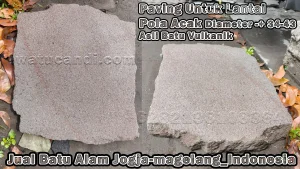
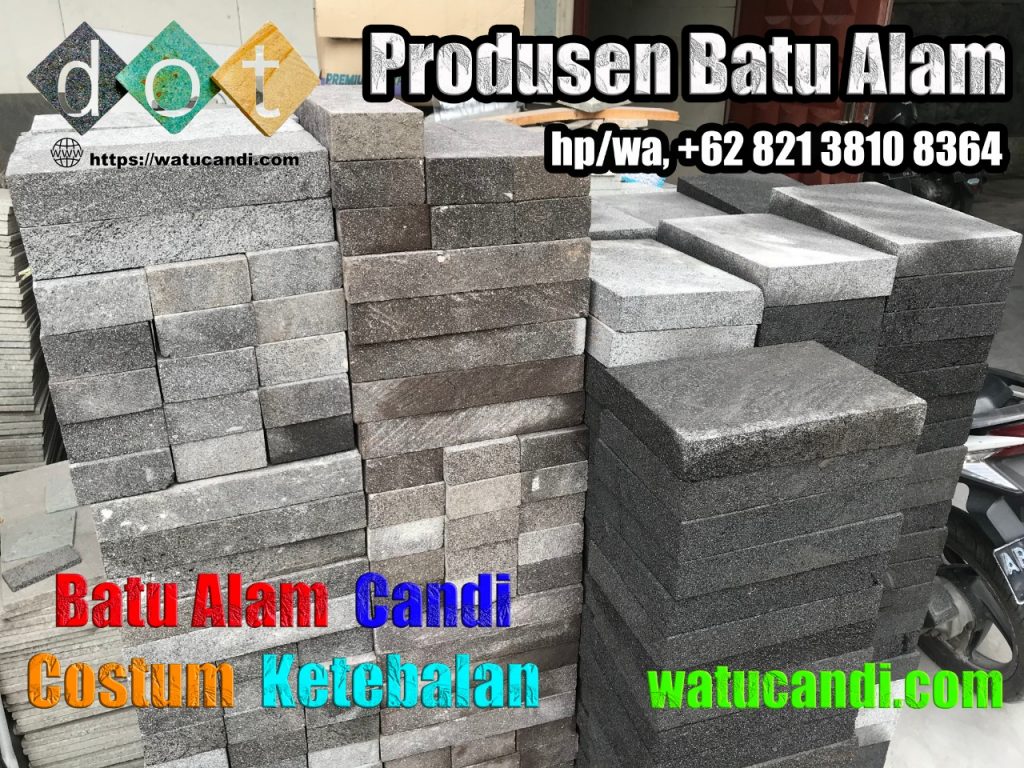
- Color and Texture: Borobudur Temple stone typically has grayish-brown color with unique texture, featuring small grains fused together. The color and texture provide a natural and classic appearance to walls and floors.
- Strength and Durability: Borobudur Temple stone has good strength and long-lasting durability, making it suitable as lava stone black temple stone resistant to pressure, scratches, and daily use.
- Historical Character: Using Borobudur Temple stone adds historical and cultural value to interior spaces. This stone was used in the construction of Borobudur Temple, a historic and iconic site in Indonesia.
- Uniqueness of Each Stone: Each piece of Borobudur Temple stone has unique patterns and textures, making each wall and floor installation distinct and original.
- Water Resistance: Borobudur Temple stone generally has water-resistant properties, suitable for wall and floor cladding, especially in high-humidity areas like bathrooms or kitchens.
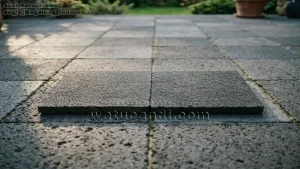
- Indoor and Outdoor Use: Borobudur Temple stone can be used both indoors and outdoors due to its resistance to weather and temperature changes. Ideal for Merapi natural stone outdoor flooring that withstands weather conditions.
- Ease of Maintenance: Borobudur Temple stone is relatively easy to maintain and can be cleaned with a damp cloth or soft brush.
With characteristics encompassing strength, uniqueness, and historical value, Borobudur Temple stone is an attractive choice for bringing natural and classic aesthetics to modern interior design. However, it is important to ensure installation is performed by professionals and proper maintenance is provided to keep the stone durable and beautiful for years to come.
Design Inspiration with Natural Stone from Mount Merapi
Premium Natural Stone Product Collection
Natural stone material from the Mount Merapi region offers diverse options for various architectural and design needs. Here are some featured products that can inspire your project:
- Brown Sandstone – Sandstone with warm brown color providing classic and natural ambiance for walls and floors.
- Tumbled Natural Stone – Tumbling process creates an antique look with rounded edges that are safe and aesthetic.
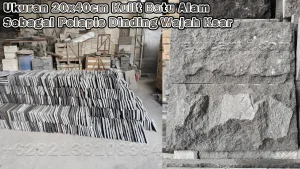
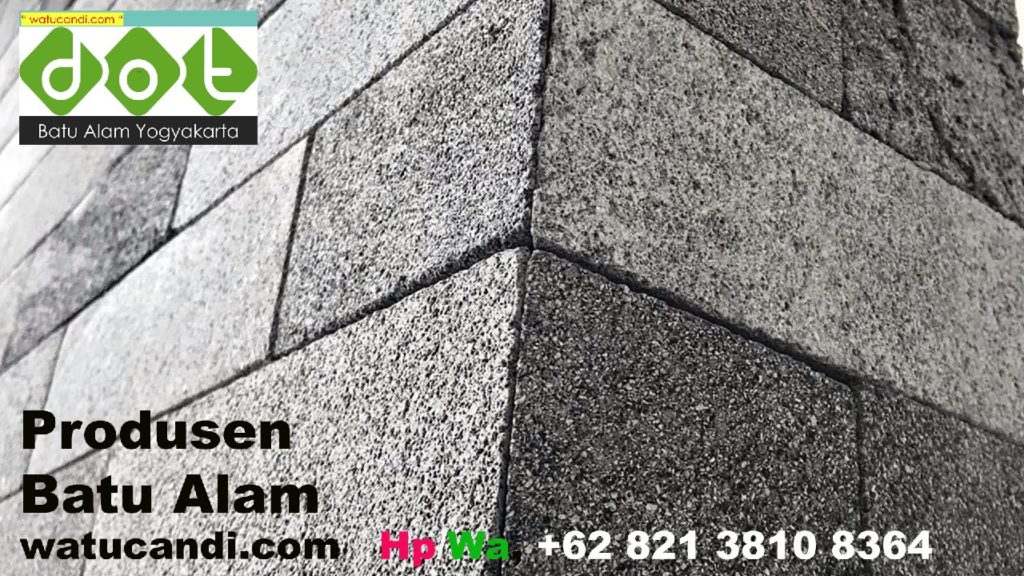
- Mount Merapi 3D Stone – Stone slabs with asymmetrical thickness of 1-2 cm creating dramatic three-dimensional wall effects.
- Merapi Natural Stone Outdoor Flooring – Weather-resistant flooring solution for terraces, gardens, and outdoor areas.
- Lava Stone Exterior Design – Inspiration for elegant and durable building facades using lava stone.
- Lava Stone Flooring – Cool, anti-slip, and abrasion-resistant lava stone flooring.
- Merapi Lahar Temple Stone Flooring – Flooring with authentic temple stone characteristics that are strong and historic.
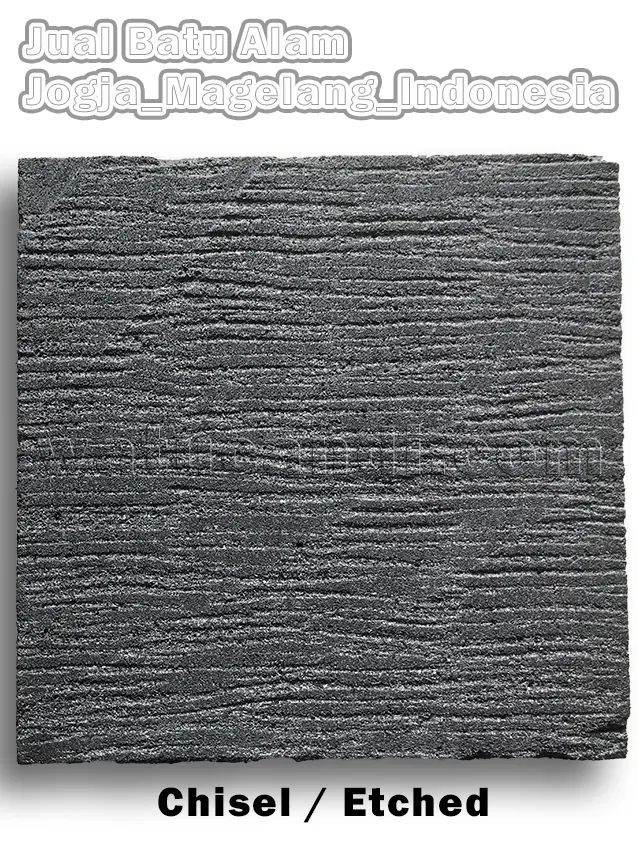
- Rough Surface Natural Stone Flooring – Rough texture providing rustic feel and natural anti-slip properties.
- Black Temple Lava Stone – Elegant black lava stone for various applications.
- Merapi Lava Stone Parquet Decking – Stone tiles with parquet pattern mimicking wood aesthetics with stone durability.
- Natural Stone Slabs – Large slab material for tables, countertops, and special architectural elements.
- Paras Palimanan Stone Tiles – Elegant cream paras stone with various finishing options.
- Breksi Natural Stone Tiles – Volcanic breccia stone with unique texture and natural colors.
- Natural Stone and Furniture – Combination of natural stone with furniture to create spatial harmony.
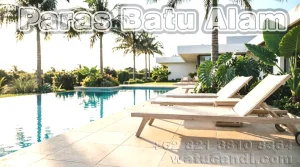
- Swimming Pool Lava Stone – Special lava stone for pool areas that is anti-slip and resistant to chemicals.
- Sirih Stack Stone Surface – Sirih stacking technique for artistic textured walls.
- Authentic Sirih Stack Stone – Natural stone with stacking pattern resembling betel leaves.
- Authentic Sukabumi Green Natural Stone Tiles – Iconic Sukabumi green stone for pools and gardens.
- Natural Stone Edging – Edging elements for gardens, pools, and hardscaping.
- Authentic Merapi Stone Sink 49x49x13cm – Monolithic sink from Merapi stone with size 49x49x13 cm.
- Black Basalt Stone Sink – Elegant sink from black basalt for premium bathrooms.
- Yogyakarta Green Stone Batik Tiles – Green stone tiles with Yogyakarta batik motifs.
- Black Lava Stone 100x100x10 – Large black lava stone slabs for paving and walls.
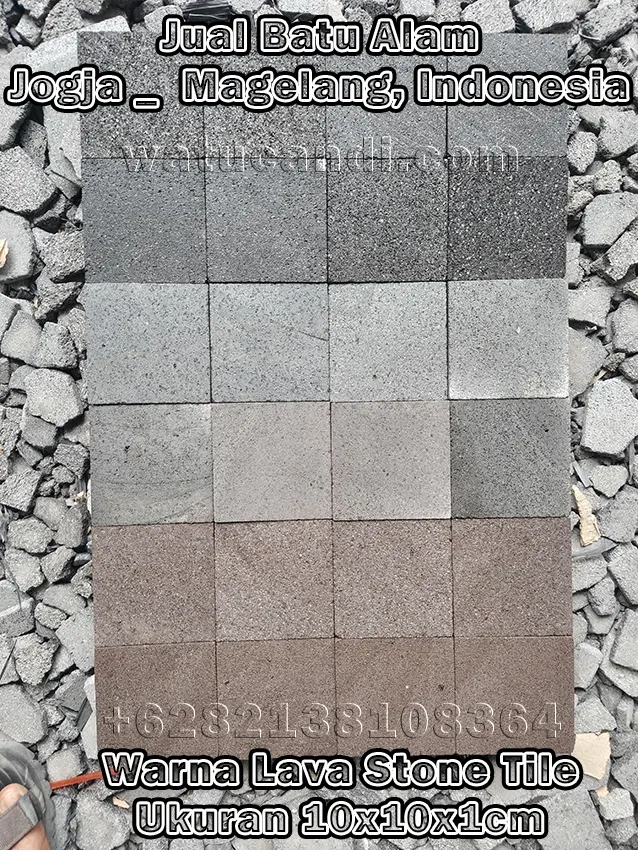
- Black Lava Stone Tiles – Black lava stone tiles in various sizes for floors and walls.
Conclusion
Borobudur Temple is composed of similar rock type: andesite. However, the andesite composing Borobudur Temple has different characteristics, resulting in different levels of damage and weathering.
Key findings on Borobudur Temple Stone Characteristics:
- Darker-colored temple stones have higher density compared to lighter-colored stones due to higher ferro-magnesium content. Darker stones also absorb more heat than lighter stones.
- Lighter-colored stones have higher silica content and lower iron (Fe) content than darker-colored stones.
- Moss-covered temple stones have lower density and higher porosity compared to non-moss-covered stones.
- Silica content in moss-covered stones is lower than non-moss-covered stones due to weathering reducing silica levels.
- Potassium content in moss-covered stones is higher than non-moss-covered stones, as potassium is essential for moss growth.
- Salt-affected temple stones have lower density and higher porosity compared to non-salt-affected stones.
- Silica content in salt-affected stones is lower than non-salt-affected stones due to the salinization process dissolving silica and depositing it on the stone surface.
With characteristics encompassing strength, uniqueness, and historical value, Borobudur Temple Stone is an attractive choice for bringing natural and classic aesthetics to modern interior design and exterior applications. This material has proven its durability for over a thousand years and is now available in various natural stone high-quality products to meet contemporary architectural needs.
🏷️ Tags
Borobudur Temple Stone, Andesite Stone, Volcanic Stone, Lava Stone, Black Lava Stone, Natural Stone Flooring, Stone Wall Cladding, Mount Merapi Stone, Temple Stone, Stone Characteristics, Andesite Properties, Stone Physical Properties, Stone Chemical Composition, Stone Mineralogy, Natural Stone Indonesia, Stone for Architecture, Volcanic Andesite, Stone Density, Stone Porosity, Stone Hardness, Stone Weathering, Moss on Stone, Salt Efflorescence, Stone Durability, Stone for Modern Design, Interior Stone, Exterior Stone, Stone Tiles, Stone Flooring, Wall Stone