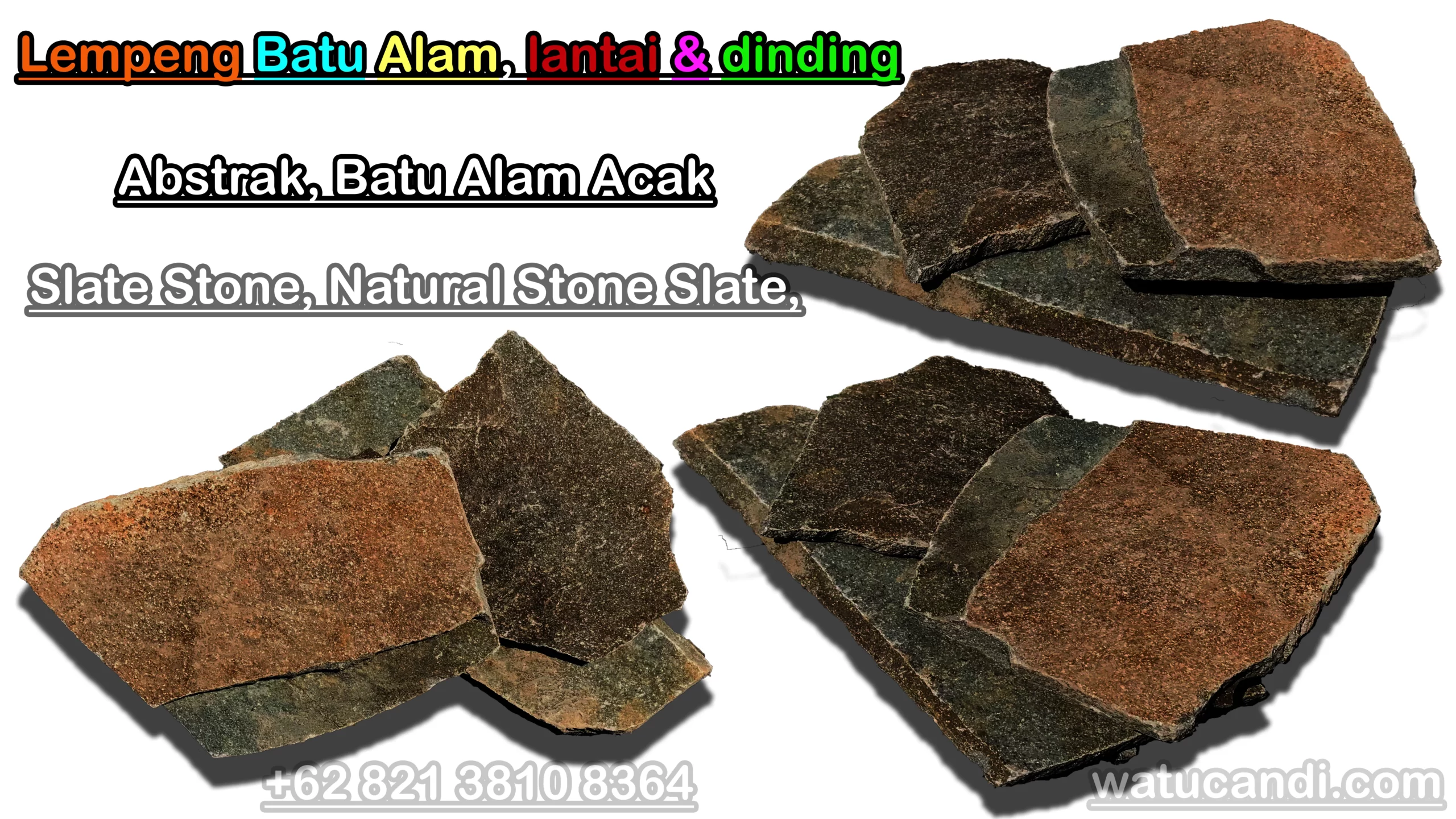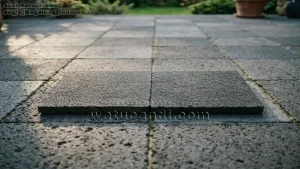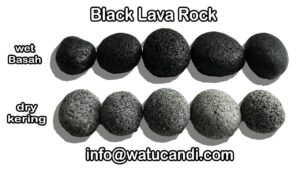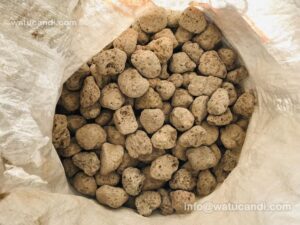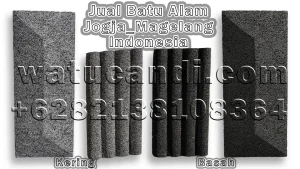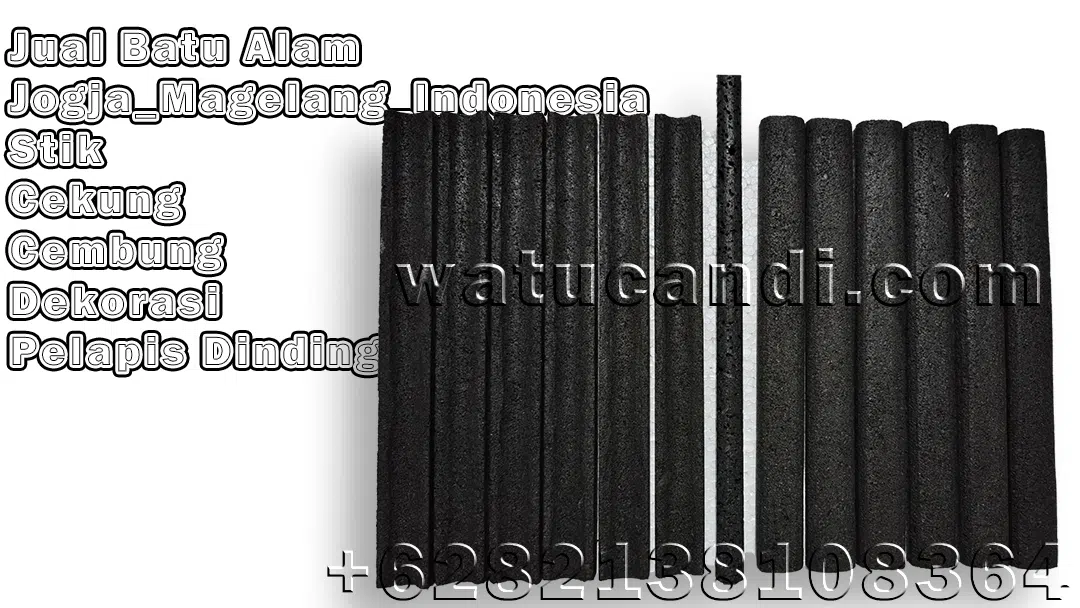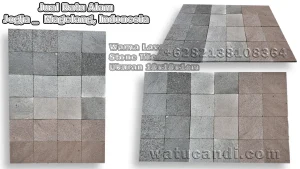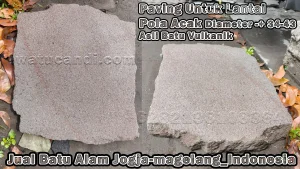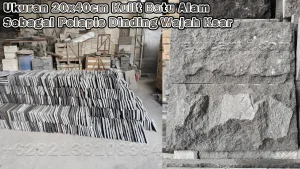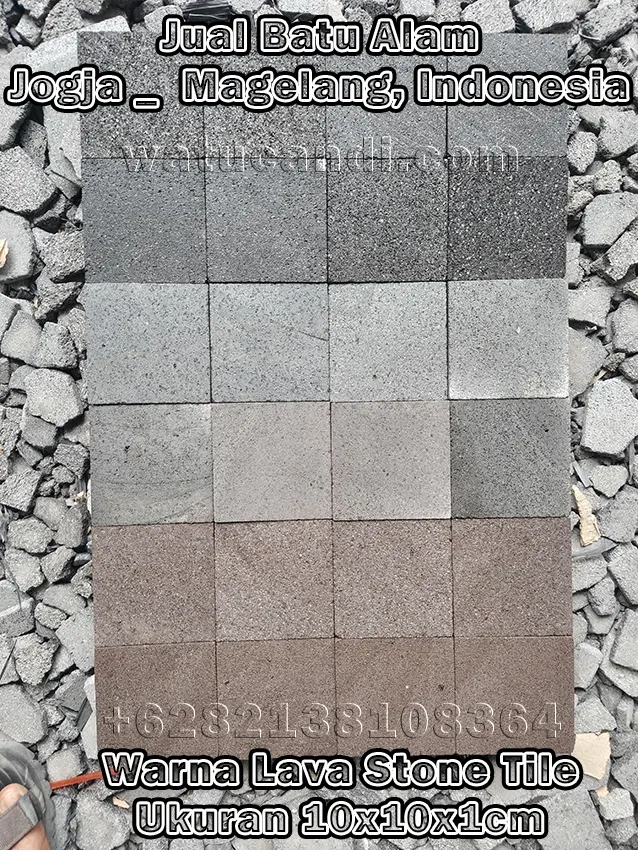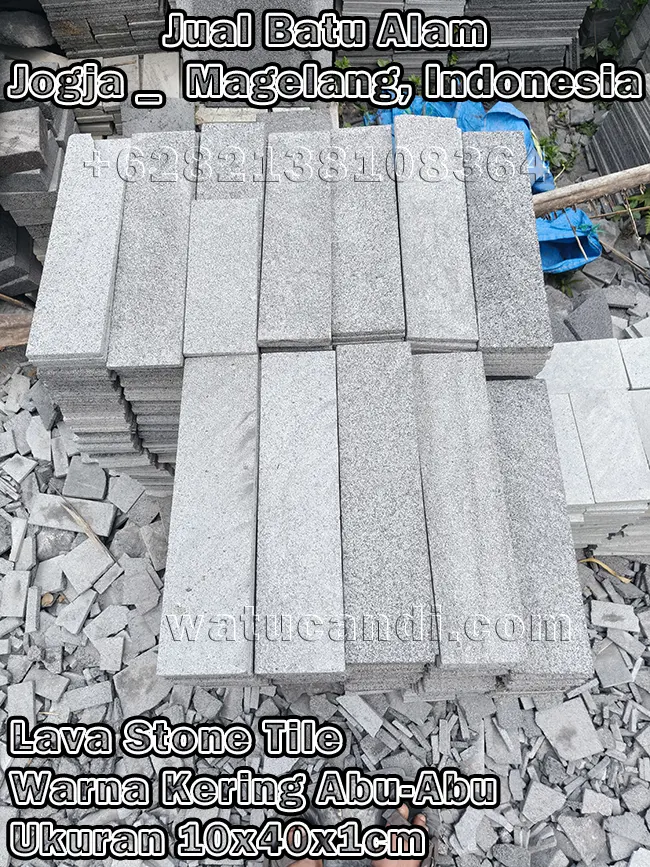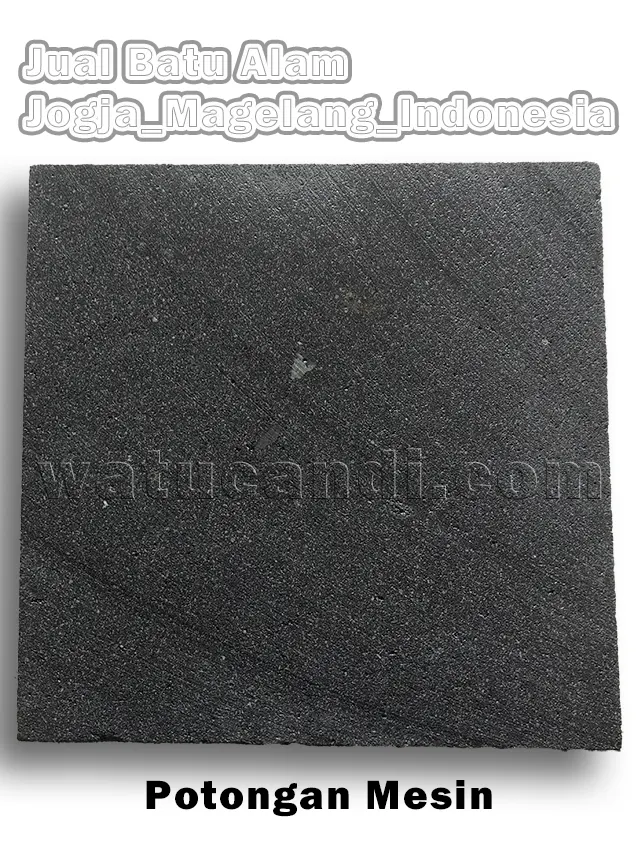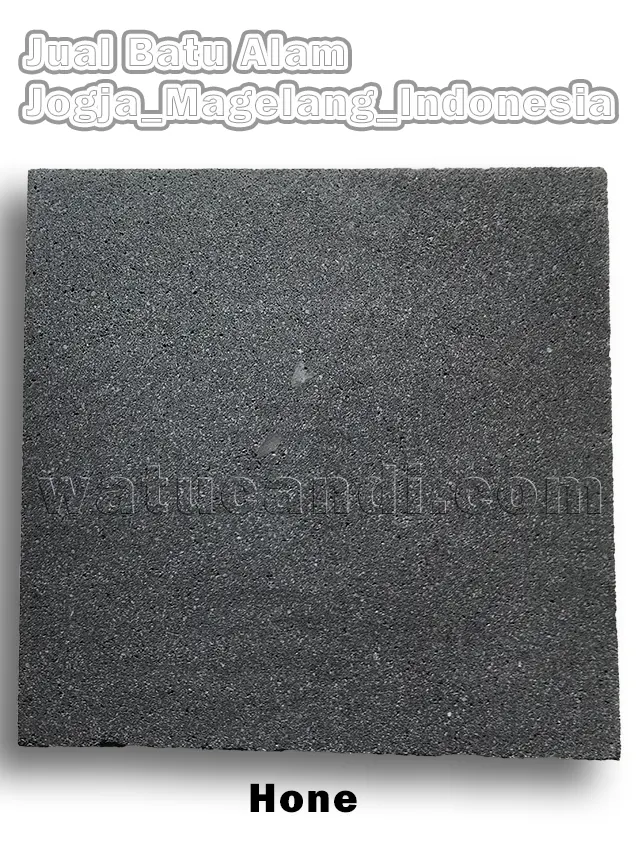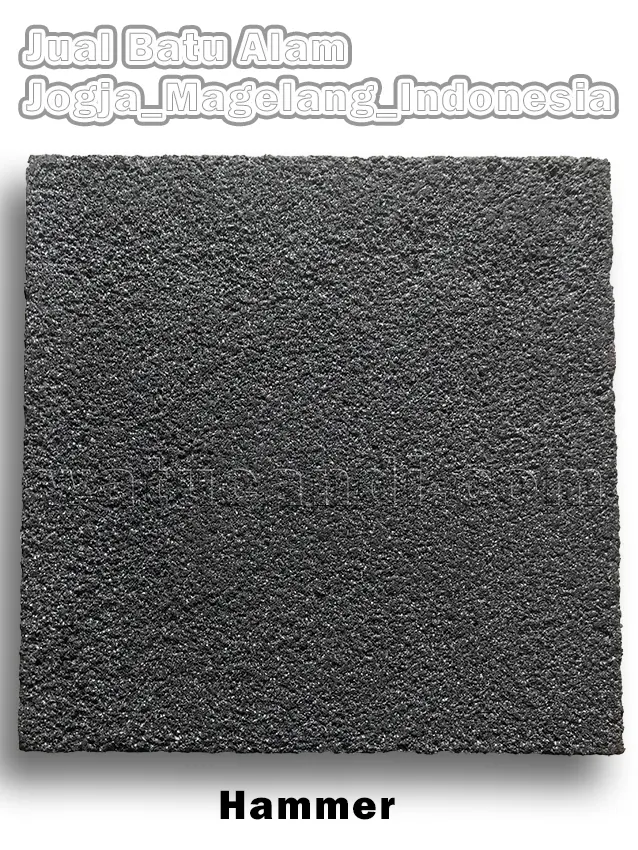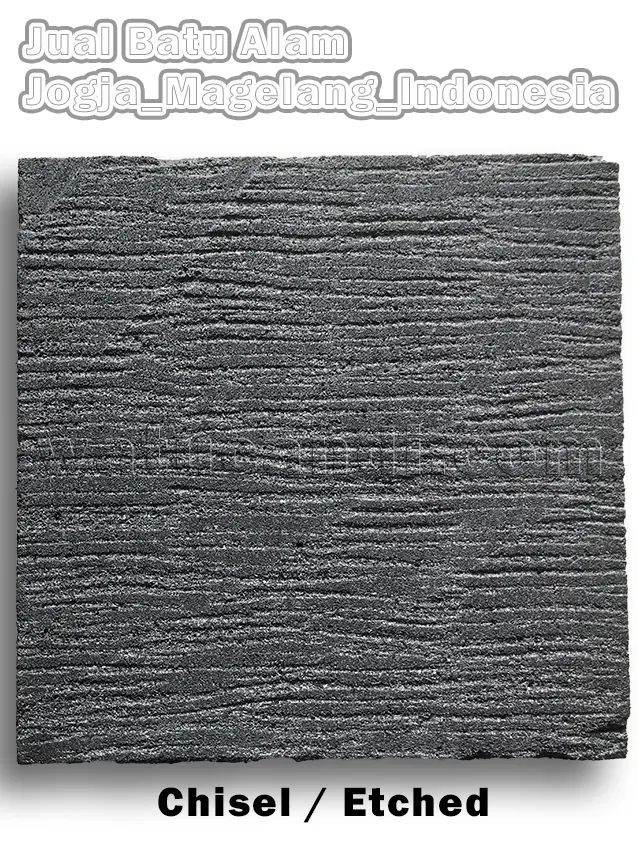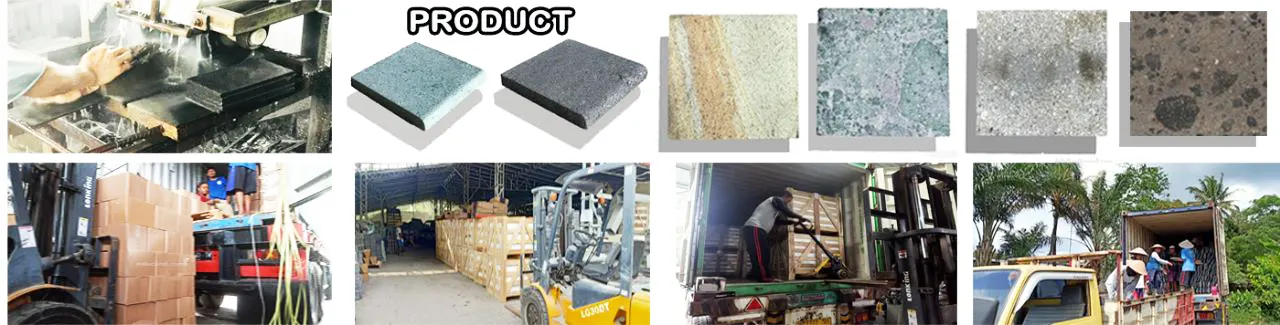
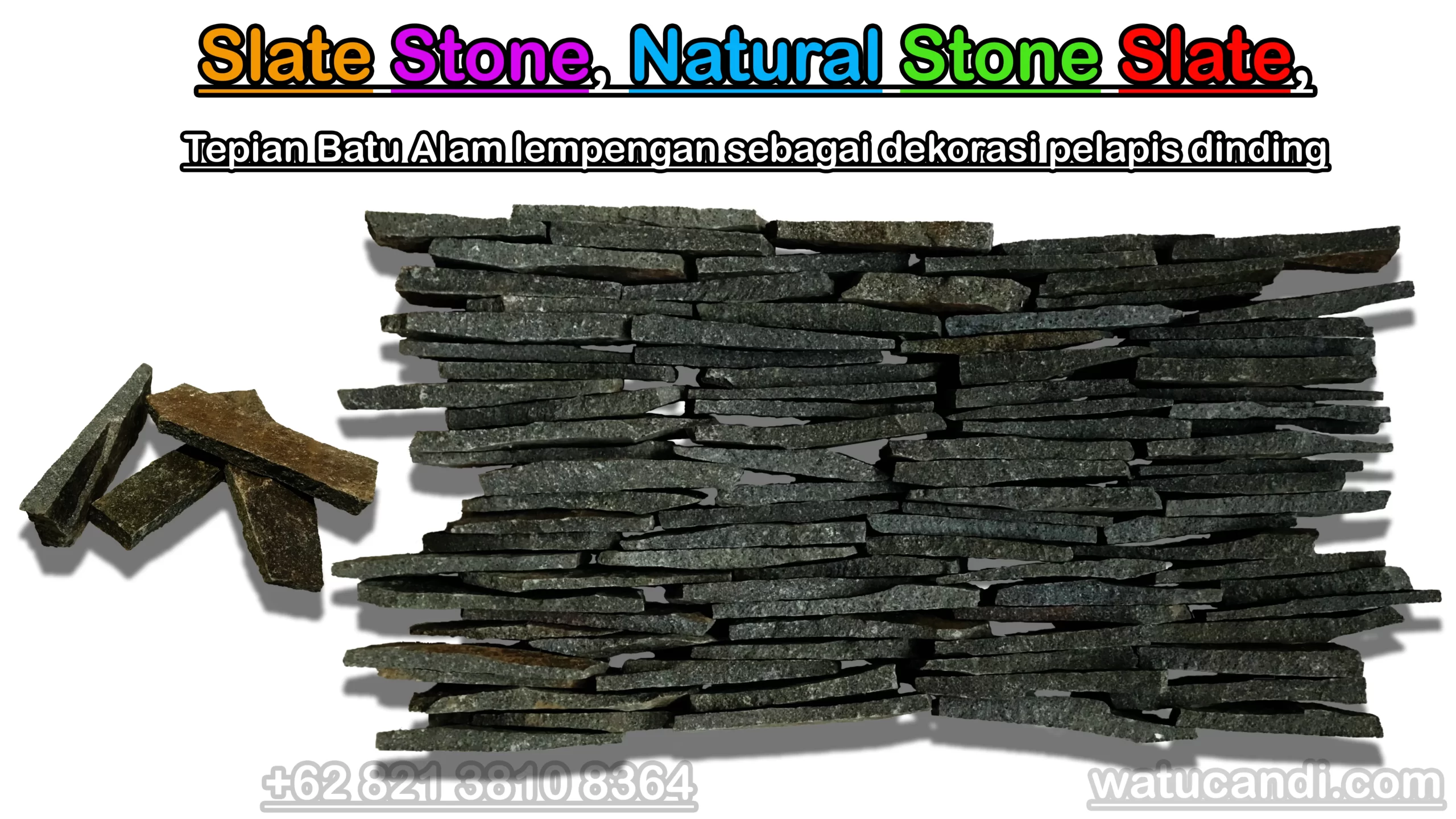
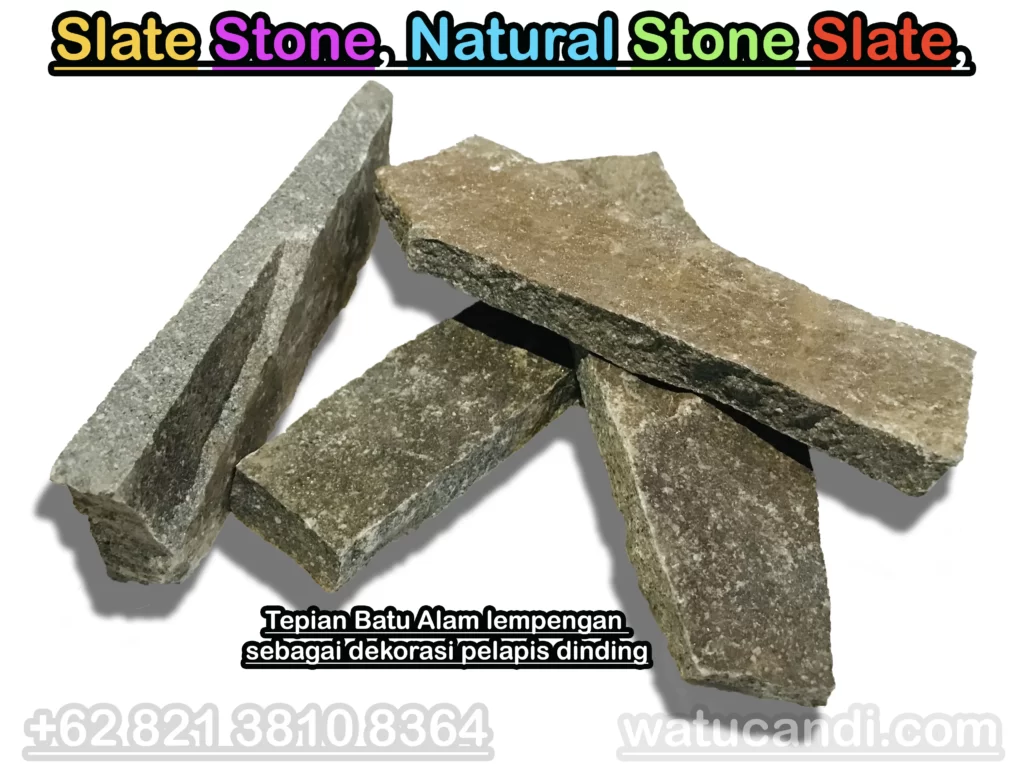
Natural stone edges (slate stone, flagstone, slabs stone, cultural stone) refer to wall cladding materials that utilize natural stone edge portions or borders from natural stone cuts as decorative elements, rather than merely ordinary structural materials. Unlike conventional natural stone usage which often relies on flat and uniform surfaces, the natural stone edge concept celebrates natural imperfections: rough textures, irregular fibers, and colors created over millions of years of geological processes. This is what makes natural stone edges highly sought after in the world of contemporary architecture and interior design.
Why are natural stone edge faces so special? The answer lies in their visual character that cannot be replicated by factory-made materials. Each slab has unique fiber patterns, roughness levels, and color gradations. When applied as wall cladding, this material creates the illusion of walls carved directly by nature—providing an impression of solidity, timelessness, and luxury simultaneously. It’s no wonder that many world-class architects and interior designers are turning to this material for their premium projects.
This article will thoroughly explore everything about natural stone edges: from definitions, types, unique characteristics, advantages, installation processes, maintenance, to the utilization of natural stone waste as an eco-friendly decoration solution. We will also discuss the best natural stone producing regions in Indonesia as well as tips for choosing the right material for your project. Let’s begin the journey of exploring the beauty of natural stone edges.
What Are Natural Stone Edges? Understanding Definitions and Basic Concepts
Before discussing further, it’s important to clearly understand what is meant by natural stone edges. In the context of building and decoration materials, this term has a fairly specific meaning but is often misunderstood. Let’s break it down one by one.
Definition of Natural Stone Edges
Literally, natural stone edges are materials derived from the edge or border portions of natural stone that have been cut or shaped in such a way as to be used as decorative elements in building construction. Unlike solid natural stone used as bricks or foundations, natural stone edges focus more on surface aesthetics. This material comes in the form of thin slabs with varying thicknesses, generally ranging from 0.2 cm to 5 cm, depending on the type of stone and application needs.
What’s interesting about natural stone edges is their irregular natural characteristics. While natural stone is generally cut and smoothed until the surface is flat and precise, natural stone edges maintain the original texture from their formation process in nature. This is what gives high aesthetic value: natural lines, fine cracks, pores, and color gradations formed over thousands to millions of years of geological processes.
Various Terms for Natural Stone Edges
In the building materials industry in Indonesia, natural stone edges are known by various names. The diversity of these terms often confuses consumers, but they all actually refer to the same or very similar types of materials. Here are the most commonly used terms:
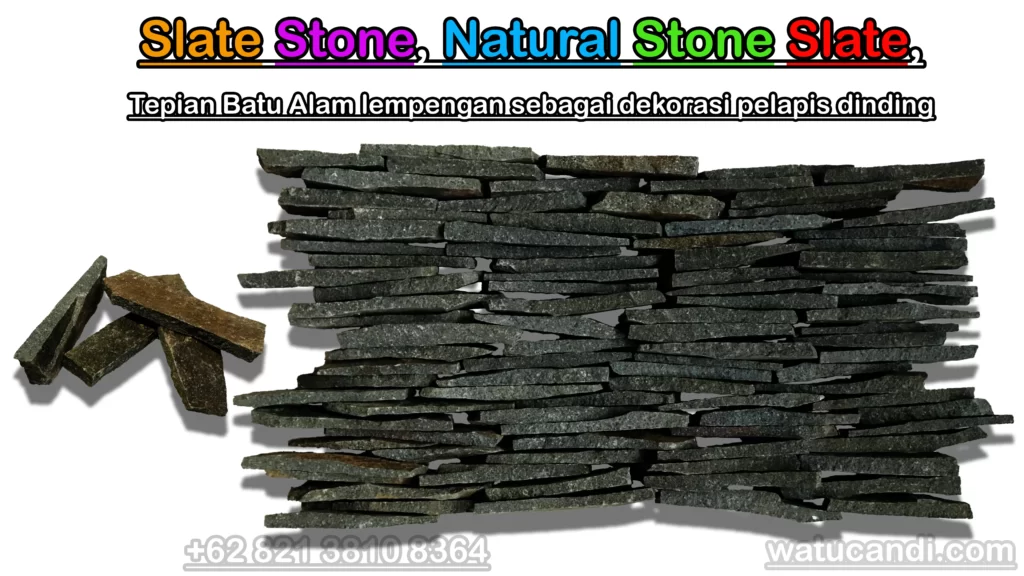
- Flagstone (Batu Lempeng): The most common term in Indonesia, referring to natural stone formed naturally in thin layers (slabs). This stone is easily split following its natural lines, producing a relatively flat surface with distinctive texture.
- Batu Templek: A local term popular among stone craftsmen in Java. The word “templek” comes from Javanese meaning “patch” or “to stick,” describing its installation method of being attached to walls.
- Slate Stone: An international term for slate, a type of metamorphic rock formed from shale that has the characteristic of easily splitting into thin slabs. Slate stone is one of the most frequently used types of stone as natural stone edges.
- Slabs Stone: A more general term referring to natural stone pieces in the form of large slabs. This term is often used in international trade.
- Cultural Stone: A more modern term often used in the interior design industry. Cultural stone refers to natural stone used as decorative elements to create artistic wall appearances with certain cultural characteristics.
Additionally, there are also terms like stone fibers (batu serit) and stone veins (serat batu) that refer to stone surface textures with natural fibers or lines. Meanwhile, natural stone waste is a term for stone pieces leftover from production that actually have high aesthetic value due to their irregular and unique shapes.
Unique Characteristics of Natural Stone Edges That Differentiate Them from Other Materials
Every decoration material has characteristics that distinguish it from others. Natural stone edges possess several unique qualities not found in manufactured materials such as ceramic, polished granite, or precast concrete. Here are those characteristics:
1. Natural Texture That Cannot Be Replicated
One of the main advantages of natural stone edges is their truly natural texture. No two stone slabs have exactly identical textures. Each piece is a unique work of natural art, with crack patterns, pores, and surface waves formed through geological processes over millions of years. Even the most advanced manufacturing technology cannot replicate the complexity and authenticity of this texture.
2. Rich and Natural Color Variations
Natural stone edges come in a very diverse color spectrum, ranging from jet black, metallic gray, moss green, earth brown, brick red, to golden cream. What makes them special is the color gradation that occurs naturally within the same slab. This smooth color transition creates deep and lively visual dimensions, something difficult to achieve with paint or synthetic materials.
3. Resistance to Extreme Weather
As materials formed through extreme natural processes (high pressure, high temperature, very long time), natural stone edges have extraordinary resistance to various weather conditions. This material is resistant to UV exposure, heavy rain, drastic temperature changes, and high humidity. This is why natural stone is often used for both interior and exterior applications without worrying about quality degradation in a short time.
4. Beneficial Thermal Properties
Natural stone has high thermal capacity, meaning this material can absorb and store heat, then release it slowly. In building contexts, walls clad with natural stone edges can help maintain stable room temperatures: cool during the day and warm at night. This contributes to overall building energy efficiency.
5. Relatively Easy Maintenance
Despite having rough and irregular textures, natural stone edges are actually quite easy to maintain. Their hard surface makes them resistant to scratches and light impacts. For routine cleaning, simply use a damp cloth or soft brush. No special chemicals or complicated periodic maintenance is required.
6. Aesthetic Value That Increases Over Time
Unlike synthetic materials that tend to look worn and outdated after several years, natural stone edges actually develop a natural patina as they age. Light oxidation processes and interaction with the surrounding environment create visual character that becomes increasingly mature and dignified. This is what is called aging gracefully in the design world.
Types of Natural Stone for Edges: Choosing the Right Material
Not all natural stone is suitable for use as natural stone edges. There are several types of stone with special characteristics that make them ideal for this application. Here are the most commonly used types of natural stone:
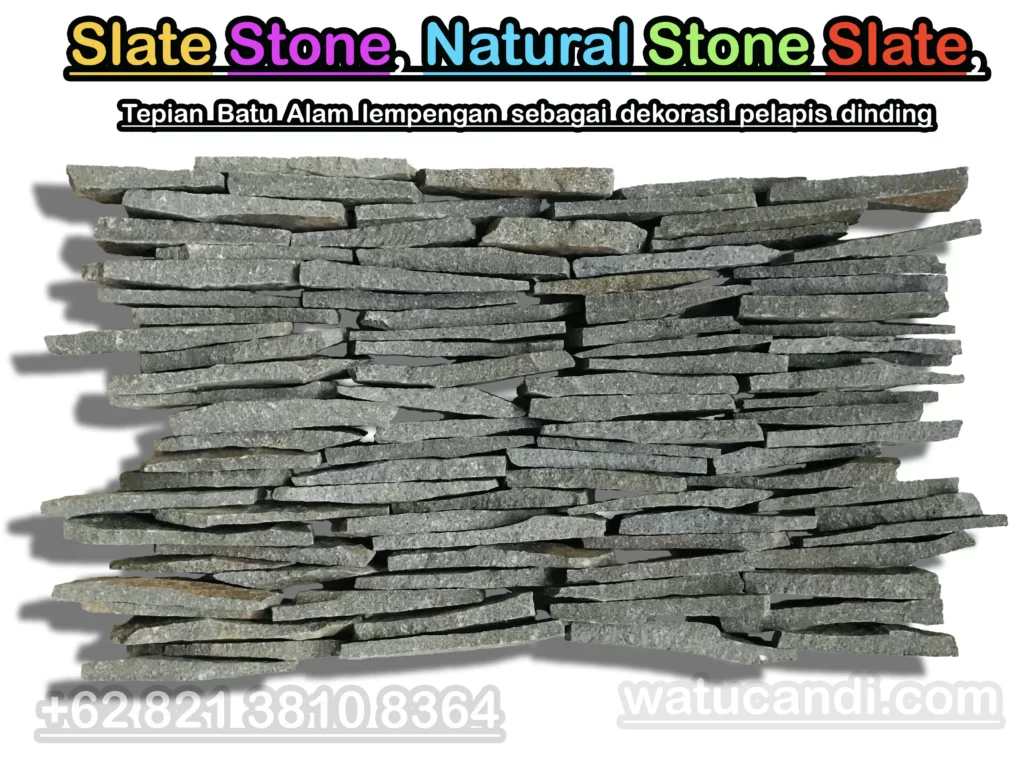
1. Slate Stone
Slate stone is a type of metamorphic rock formed from shale and clay through low-grade metamorphosis processes. Its main characteristic is strong foliation, meaning this stone easily splits following flat planes. This is what makes it ideal as natural stone edges because it can produce thin slabs with relatively flat surfaces.
Slate stone colors vary from gray, black, green, purple, to red, depending on mineral composition. In Indonesia, high-quality slate stone can be found in several areas such as Sukabumi and Tulungagung.
2. Andesite Stone
Andesite stone is a type of volcanic igneous rock commonly found in Indonesia, given our country’s geographical position on the Pacific Ring of Fire. This stone has a porphyritic texture with dark gray to black colors. Although harder and more difficult to split than slate, andesite can still be used as natural stone edges with special cutting techniques.
The advantage of andesite stone lies in its very high strength, making it ideal for exterior applications requiring extra resistance to impact and weather changes.
3. Basalt Stone
Basalt stone is a type of volcanic igneous rock formed from rapidly cooling lava on the earth’s surface. Its characteristics are dark colors (black to dark gray) and very fine texture. Basalt has very high compressive strength and acid resistance, making it suitable for applications in areas exposed to chemicals or high pollution.
4. Sandstone
Sandstone is a type of sedimentary rock formed from lithified sand. Its colors vary from white, cream, yellow, brown, black, gray, to red, depending on mineral composition. Sandstone has relatively rough texture and high porosity, requiring special maintenance especially for exterior applications.
However, it is precisely because of this distinctive texture that sandstone is highly sought after as random natural stone edges to create a warm, natural, and affordable wall appearance.
5. Limestone
Limestone is a type of sedimentary rock formed from calcium carbonate. Its colors are generally white, cream, or light gray. Limestone has a relatively soft texture compared to other stone types, making it easier to cut and shape. However, its porous nature makes it susceptible to stains and requires periodic protective coating (sealer).
6. Granite
Granite is a type of intrusive igneous rock formed from magma cooling slowly beneath the earth’s surface. Its characteristics are large mineral grains and varied colors (white, gray, pink, black). Granite is one of the hardest and most durable natural stones, but also the most difficult to cut. Therefore, its use as natural stone edges is usually limited to premium projects with high budgets.
Natural Stone Edges as Interior Wall Cladding: Creating Characterful Room Atmospheres
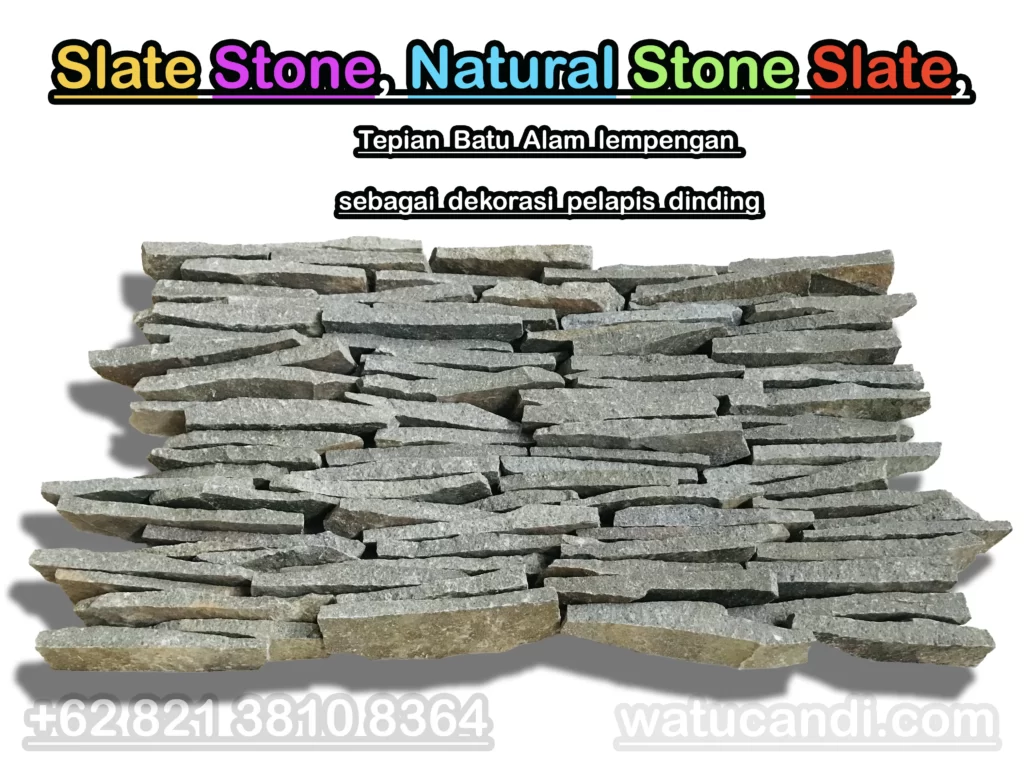
The application of natural stone edges on interior walls has become an increasingly popular trend in recent years. From residential homes to five-star hotels, from minimalist cafes to luxury restaurants, this material provides a touch of natural luxury that cannot be matched by wallpaper or ordinary wall paint.
Living Room: Creating a Stunning Focal Point
One of the most popular applications of natural stone edges is as an accent wall in the living room. By cladding one side of the wall—usually the wall behind the sofa or the wall facing the entrance—you can create a focal point that immediately captures the attention of everyone entering the room. The rough texture and natural colors of flagstone will provide an interesting contrast with modern furniture made of wood, metal, or glass.
For an industrial-style living room, choose natural stone edges in dark gray or black with sharp textures. Meanwhile, for rustic or farmhouse styles, cream or warm brown sandstone will be more suitable. If you want a more eclectic look, combine several types of stone with different colors in irregular patterns.
Bedroom: Bringing Natural Warmth
Natural stone edges can also be applied in bedrooms to create a calm and grounding atmosphere. The wall behind the headboard is the ideal location to install this material. Choose stones with neutral colors and textures that are not too sharp so as not to disturb visual comfort.
One thing to note: ensure that the bedroom lighting is sufficient to highlight the stone texture without making the room feel too dark. Wall lamps with warm light directed at the stone wall will create dramatic and artistic shadow effects.
Kitchen and Dining Room: Functional Rustic Touch
In the kitchen area, natural stone edges are often used as a backsplash—a protective wall panel in the area between the kitchen counter and upper cabinets. Besides providing protection against water and oil splashes, a natural stone backsplash also adds interesting visual dimensions. Choose stone types that are not too porous or apply a special kitchen sealer for easy cleaning.
For the dining room, walls clad with cultural stone can create an atmosphere like dining in a European countryside villa. Add pendant lighting with vintage design to complete the look.
Bathroom: Natural Spa Luxury at Home
Want to have the experience of soaking in a spa resort every day? Apply natural stone edges to one wall of your bathroom—ideally in the shower area or behind the bathtub. Combine with wooden or natural stone floors, stone sinks, and tropical green plants to create a soothing personal oasis.
For applications in wet areas, make sure to use stone with low porosity such as slate or basalt, and apply adequate waterproofing behind the stone layer.
Natural Stone Edges for Exteriors: Strengthening Building Facade Character
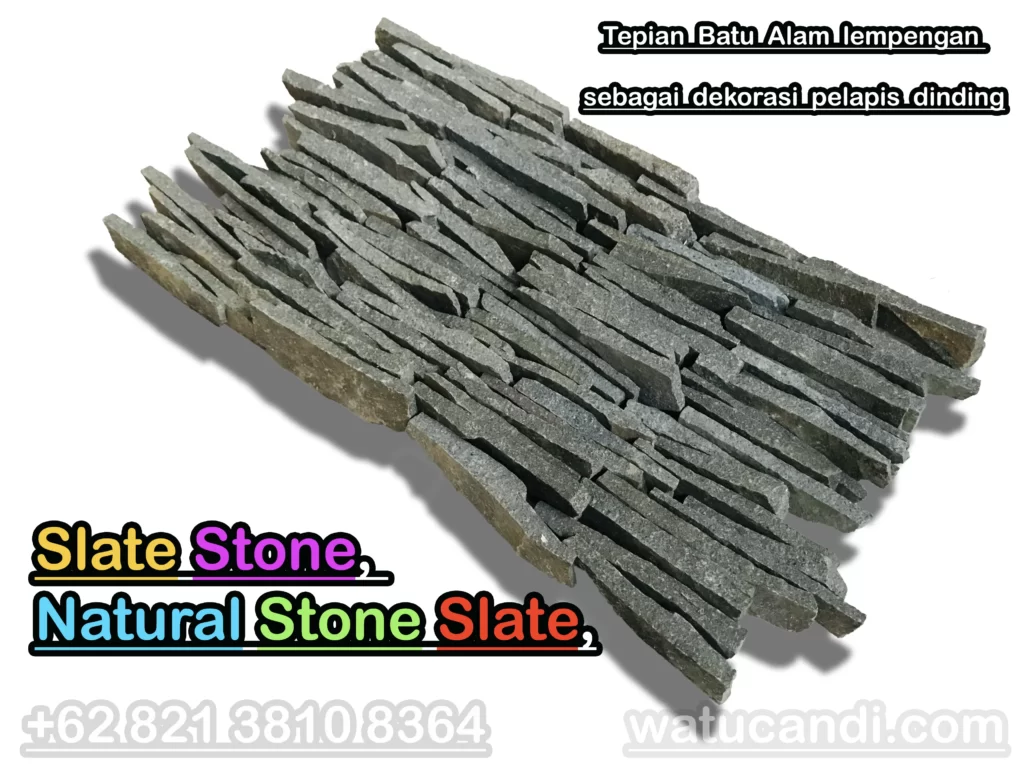
Not only for interiors, natural stone edges are also an excellent choice for exterior applications. Their weather-resistant and strong nature makes them ideal for beautifying while protecting the outer walls of buildings.
House Front Facade: An Unforgettable First Impression
The front facade is the face of a building. By cladding all or part of the facade with natural stone edges, you make a strong design statement: this house is solid, elegant, and appreciates natural beauty. Combine with wood elements for a warm look, or with glass and steel for a contemporary-industrial style.
Fences and Gates: Defining Boundaries with Style
Fences and gate pillars clad with slabs stone will give a massive and secure impression, without appearing rigid or boring. The varied stone textures create interesting light and shadow play throughout the day, making fences no longer just security elements but also works of art.
Pillars and Columns: Majestic Vertical Accents
Pillars on terraces, carports, or entrance areas can be clad with natural stone edges to give a majestic impression. Choose stones with colors that contrast with the main wall so that the pillars become prominent vertical accents.
Garden Walls and Outdoor Areas: Harmony with Nature
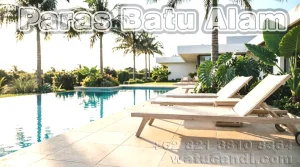
Natural stone edges are very suitable for walls in garden areas, swimming pools, or gazebos. This material blends harmoniously with other natural elements such as plants, water, and wood. For swimming pool areas, make sure to choose stone that is not slippery when wet and resistant to chlorine.
Utilizing Natural Stone Waste: Eco-Friendly Decoration Solutions
One of the most interesting aspects of natural stone edges is their potential to utilize natural stone waste. In the process of mining and processing natural stone, there are always small pieces or edge portions that do not meet size standards for conventional use. These pieces are called natural stone waste, and this is precisely where their uniqueness lies.
What Is Natural Stone Waste?
Natural stone waste refers to stone pieces leftover from the cutting and shaping process of natural stone in factories or quarries. These pieces have irregular shapes and sizes, so they are often considered to have no economic value. However, for creative designers and architects, this waste is actually a treasure. Their irregular shapes create very natural and artistic installation patterns, something that cannot be achieved with precision-cut stones.
Advantages of Using Natural Stone Waste
- More Economical Price: Because it is considered a leftover product, the price of natural stone waste is usually much cheaper than standard cut natural stone. This allows you to get a luxurious look on a more limited budget.
- Unique and Organic Appearance: Irregular installation patterns create a very natural appearance, as if the wall was formed naturally.
- Supporting Sustainability: By using natural stone waste, you contribute to reducing industrial waste and utilizing natural resources more wisely.
- High Design Flexibility: Small pieces can be arranged in various patterns, from completely random to planned mosaic patterns.
Natural Stone Waste Installation Techniques
Installing natural stone waste requires more skill and patience than installing uniformly cut stones. Here are the general steps:
- Sorting: Separate stone pieces based on size, thickness, and color. This will facilitate the arrangement process later.
- Dry Layout: Before attaching with adhesive, first arrange the stones on the floor or flat surface according to the desired pattern. This is called a dry layout and is very important for visualizing the final result.
- Wall Preparation: Ensure the wall is clean, flat, and strong. Apply a waterproofing layer if needed, especially for wet areas.
- Installation: Starting from the bottom of the wall, apply special natural stone adhesive (mortar or adhesive) to the back of the stone and attach it to the wall. Space the stones according to the design.
- Cutting: Some stones may need to be cut to fit corners or specific areas. Use a grinder with a diamond blade for stone cutting.
- Grouting: After the adhesive dries, fill the gaps between stones with grout. Grout color can be chosen to disguise or highlight the arrangement pattern.
- Finishing: Clean excess grout from the stone surface and apply sealer if desired.
Complete Installation Guide for Natural Stone Edges as Decorative Wall Cladding
Installing natural stone edges requires planning and precision. Here is a step-by-step guide you can follow:
Stage 1: Planning and Preparation
Selecting Natural Stone
Choose natural stone waste or templek stone that matches the look you want to achieve. Different types of stone have different colors, textures, and sizes. Ensure the natural stone is in good condition and free from dirt or other contaminants. Also consider the following factors:
- Application Location: Interior or exterior? Wet or dry area?
- Design Style: Modern, rustic, industrial, minimalist, or traditional?
- Budget: Local stone is generally more affordable than imported stone.
- Availability: Ensure there is enough stone stock for the entire area to be clad, including allowance for cutting.
Cleaning and Material Preparation
Clean the natural stone from dirt, dust, or other small pieces. If necessary, wash the stones with clean water and let them dry completely before installation. After that, arrange the stones in the layout you will install on the wall. You can play with various patterns and directions of stone arrangement: horizontal, vertical, diagonal, or random.
Stage 2: Measurement and Marking
Wall Area Measurement
Accurately measure the wall area you will clad with natural stone. Calculate the total area (length x height) and add about 10% as an allowance for cutting and damage. Make a simple sketch or plan of the area, including the location of electrical outlets, switches, windows, or other elements that need to be taken into account.
Wall Surface Preparation
The wall surface must be in good condition before installation begins. Here’s what needs to be checked:
- Flatness: The wall must be relatively flat. Maximum unevenness tolerance is about 3 mm per meter. If too uneven, do plastering first.
- Strength: Ensure the wall can support the additional load of natural stone. For gypsum walls or lightweight partitions, consult with a structural expert first.
- Cleanliness: Clean from dust, oil, or other dirt that can reduce adhesive bonding power.
- Waterproofing: For wet areas (bathrooms, exterior walls), apply a waterproofing layer before stone installation.
Stage 3: Stone Installation
Preparing Adhesive
Use special adhesive for natural stone or thin-set mortar as an adhesive to attach the stones to the wall. Follow the adhesive manufacturer’s instructions correctly regarding mixing ratio, mixing time, and pot life after mixing.
Attaching Stone to Wall
Apply adhesive to the back of the stone using a trowel (notched trowel) and attach it to the wall according to the pattern you have planned. Press the stone gently but firmly so it adheres well, while slightly rotating it to ensure full contact between adhesive, stone, and wall. Use spacers if you want to provide uniform spacing between stones for a neater visual effect. Conversely, if you want a more natural and organic look, let the spacing between stones vary naturally.
Cutting and Adjustment
You will most likely need to cut some stones to fit corners or wall shapes, especially in areas around electrical outlets, switches, room corners, or window edges. Use appropriate stone cutting tools—a hand grinder with a diamond blade is the most practical choice for small to medium scale. For neat results, cut from the front side of the stone, and always use personal protective equipment (goggles, mask, gloves).
Stage 4: Finishing and Grouting
Drying Time
After all stones are installed, let the adhesive dry according to the manufacturer’s instructions. Drying time varies depending on the type of adhesive, temperature, and environmental humidity, but generally ranges from 24 to 48 hours. Avoid touching or placing loads on the stone during this drying period.
Grout Application
After the adhesive is completely dry, apply grout between the stones. Choose a grout color that matches your design: grout the same color as the stone will disguise gaps and give a more monolithic appearance, while contrasting grout will highlight each stone individually. Apply grout using a rubber float with diagonal movements to ensure gaps are completely filled. Clean excess grout from the stone surface before it dries using a damp sponge.
Final Cleaning
After the grout dries, clean any remaining grout residue that may still be attached to the stone surface with a damp cloth or clean sponge. For stubborn residue, use a special natural stone cleaner according to the manufacturer’s instructions.
Sealer Application (Optional)
You can coat the stone surface with a sealer (protective layer) to make it more resistant to stains and moisture. There are two main types of sealers: topical sealers that form a layer on top of the stone surface, and penetrating sealers that soak into the stone pores. For natural stone edges where you want to maintain the natural appearance, penetrating sealers are more recommended because they don’t create shine and don’t change the stone’s appearance.
Stage 5: Long-Term Maintenance
Walls clad with natural stone edges require maintenance to keep looking good. Here are maintenance tips:
- Routine Cleaning: Clean dust periodically using a duster, vacuum cleaner with a soft brush, or dry microfiber cloth. For deeper cleaning, use a damp cloth with a little clean water.
- Avoid Harsh Chemicals: Do not use acid-based cleaners, bleach, or abrasives that can damage the stone surface.
- Sealer Reapplication: If you use a sealer, check its condition every 1-2 years. Drop a little water on the stone surface; if the water does not form beads like before, it’s time to reapply sealer.
- Immediate Repair: If any stones come loose or crack, immediately make repairs to prevent damage from spreading.
Advantages of Using Natural Stone Edges Compared to Other Materials
Why choose natural stone edges over other wall cladding materials? Here is a comprehensive comparison:
Natural Stone Edges vs Wall Ceramics
- Uniqueness: Each natural stone slab is unique; ceramics are mass-produced with repeating motifs.
- Texture: Natural stone has real three-dimensional texture; ceramics are relatively flat.
- Durability: Natural stone is more scratch and impact resistant; ceramics are prone to cracking if hit hard.
- Price: Natural stone is generally more expensive, but provides aesthetic value and durability that are worth it.
Natural Stone Edges vs Stone Wallpaper
- Authenticity: Natural stone is truly genuine; wallpaper is just printed images.
- Dimensions: Natural stone has real three-dimensional texture; wallpaper is flat.
- Durability: Natural stone lasts for decades; wallpaper is prone to peeling, fading, and tearing.
- Property Value: Natural stone increases property value; wallpaper provides no significant added value.
Natural Stone Edges vs Texture Paint
- Visual Depth: Natural stone offers natural depth and shadows; texture paint tends to be uniform.
- Maintenance: Natural stone is easy to clean; texture paint is difficult to clean because dust is trapped in artificial texture crevices.
- Durability: Natural stone can last a building’s lifetime; texture paint needs to be renewed every few years.
Natural Stone Edge Prices: An Investment Proportional to Beauty
The price of natural stone edges varies greatly depending on several factors:
- Stone Type: Rare or imported stone such as premium slate or granite will be more expensive than local stone like andesite or temple stone.
- Size and Thickness: Larger and thicker slabs are generally more expensive.
- Quality: Stone with more uniform or more unique colors and textures is usually priced higher.
- Regional Origin: Transportation costs from the quarry location to your place can significantly affect prices.
- Purchase Quantity: Bulk purchases often get cheaper wholesale prices.
As a general estimate, the price of flagstone in the Indonesian market ranges from Rp 75,000 to Rp 250,000 per square meter, depending on the above factors. This price usually does not include installation costs, which can range from Rp 100,000 to Rp 250,000 per square meter depending on the difficulty level and project location.
For the latest pricing and ordering information, you can directly contact trusted natural stone producers or suppliers in your area.
The Best Flagstone Producing Regions in Indonesia
Indonesia is blessed with abundant geological wealth, including various types of high-quality natural stone. Here are the regions known as the best producers of flagstone or templek stone:
1. Sukabumi, West Java
Sukabumi is one of the most famous areas in Indonesia that produces flagstone. Sukabumi flagstone has a distinctive green color and is often used in floor, wall, and decoration applications. The quality of stone from this area is recognized nationally and internationally, with distinctive texture and excellent durability.
2. Tulungagung, East Java
Tulungagung is another area that is very well known as a flagstone producer in Indonesia. Tulungagung flagstone has various colors and is used in making roofs, floors, and other decorative materials. The natural stone industry in this area has been going on for generations and involves many skilled craftsmen.
3. Wonosari, Yogyakarta
Wonosari in Yogyakarta is also known for its flagstone used in various construction and decoration projects. Stone from this area is often used to create distinctive traditional Javanese appearances.
4. Genteng, Banyuwangi, East Java
Genteng in Banyuwangi has a flagstone industry that produces quality stone for various purposes. Its strategic location at the eastern tip of Java also facilitates distribution to various regions.
5. Other Regions
In addition to the areas above, there are still many other regions in Indonesia that produce quality flagstone, including:
- Ngawi, East Java: Produces good quality flagstone.
- Purwakarta, West Java: Known for andesite stone and other stone variations.
- Garut, West Java: Has quite large natural stone quarries.
- Semarang, Central Java: Center for natural stone distribution and processing.
- Cirebon, West Java: Produces natural stone with distinctive coastal characteristics.
- Jepara, Rembang, Kudus, Blora, Purwodadi, Demak (Central Java): A series of areas on the north coast of Java with natural stone potential.
- Bandung, Bogor, Banjar (West Java): Mountainous areas with rich geological formations.
- Kebumen, Purwokerto, Wonosobo, Boyolali, Surakarta, Magelang (Central Java): Areas with a long tradition of stone processing.
- Jember, Besuki, Mojokerto (East Java): Contributing natural stone variations for the national market.
- Bali: Famous for paras stone and temple stone for decorative applications.
- Jakarta: As a trading center, Jakarta is a distribution hub for natural stone from all over Indonesia.
Each region produces flagstone with different characteristics, including colors, textures, and sizes. If you are interested in using stone from a particular area, it is recommended to do further research and consult with suppliers or experts in that region, including regarding prices and ordering and delivery procedures to your project location.
Design Inspiration with Natural Stone Edges
Here are some ideas and inspiration for using natural stone edges in your project:
Rustic Modern Style
Combine gray slate stone walls with solid wood floors and clean-lined furniture. Add indoor plants such as monstera or cactus for a fresh green touch. Warm white lighting will complete the warm and inviting atmosphere.
Industrial Chic Style
Combine black or dark gray templek stone walls with black steel elements, exposed concrete, and factory-style pendant lamps. This style is very suitable for loft apartments, cafes, or creative workspaces.
Contemporary Tropical Style
Use cream or light brown flagstone on exterior walls, combined with ironwood, rattan weavings, and vertical gardens. This concept creates cool tropical dwellings that blend with nature.
Mediterranean Style
White or cream cultural stone walls with matching grout create a Santorini villa-like atmosphere. Add arched doors and windows, as well as mosaic accents for an authentic touch.
Organic Minimalist Style
One natural stone edge wall with neutral colors and smooth textures becomes the perfect accent for a minimalist-style room. Let other elements remain simple so the stone wall becomes the main star.
Conclusion
Natural stone edges—whether in the form of flagstone, templek stone, slate stone, slabs stone, or cultural stone—are an excellent choice for decorative wall cladding construction for interiors and exteriors. Their unique and antique natural beauty cannot be replicated by any man-made material. With distinctive characteristics such as irregular textures, rich colors, and extraordinary durability, natural stone edges offer aesthetic and functional value proportional to their investment.
The use of stone fibers, stone veins, even natural stone waste as wall cladding not only provides an artistic appearance but also supports sustainability principles by utilizing leftover materials that are often overlooked. Coupled with the availability of quality natural stone from various regions in Indonesia—Sukabumi, Tulungagung, Wonosari, and many more—obtaining this material has become increasingly easy.
Whether you are building a new house, renovating a room, or looking for the finishing touch for a commercial project, consider natural stone edges as your primary choice. With careful planning, proper installation, and correct maintenance, your natural stone wall will be an investment in beauty that lasts the lifetime of the building—perhaps even longer than that.
For more information, consultation, or ordering natural stone edges, visit watucandi.com or contact us through the available channels. Our team is ready to help you realize your dream walls with the natural beauty of Indonesian stone.
Tags: natural stone, flagstone, slate stone, slabs stone, cultural stone, natural stone edges, stone fibers, stone veins, natural stone waste, wall cladding, interior decoration, exterior decoration, unique stone, classic stone, antique natural stone, decorative construction,