



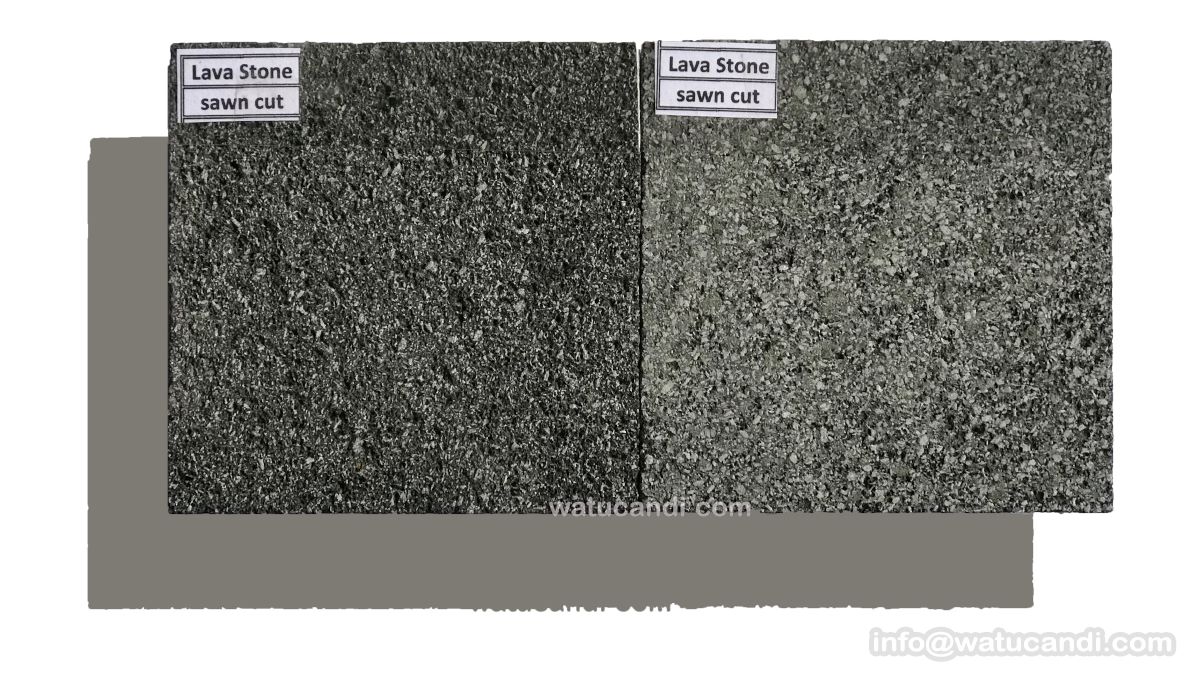
Introduction: Why Choose Black Lava Stone Tiles for Swimming Pool?
Designing the swimming pool of your dreams is not just about shape and size, but also about selecting the right materials. This is where Black Lava Stone Tiles For Swimming Pool play a pivotal role. More than just a trend, this natural stone offers a perfect combination of visual beauty, high functionality, and exceptional durability.
This article will take you on a deep dive into the world of black lava stone tiles, from their origin as natural temple stone (batu alam candi) from the slopes of Mount Merapi, their unique characteristics as black stone and volcanic sandstone, to a complete guide on maintenance and application to create a personal oasis that is safe, luxurious, and timeless.
Why should you choose black lava stone? The answer lies in its natural properties. Unlike ceramic or porcelain tiles that can become extremely slippery when wet, lava stone offers a natural anti-slip texture. This makes it the safest option, especially if the swimming pool floor is frequently used by children or the elderly. These natural stone tiles also have pores that aid air and water circulation, keeping the surface cooler under the scorching sun, an advantage highly appreciated when walking barefoot during the day. Let’s explore the wonders of this volcanic material in more depth.
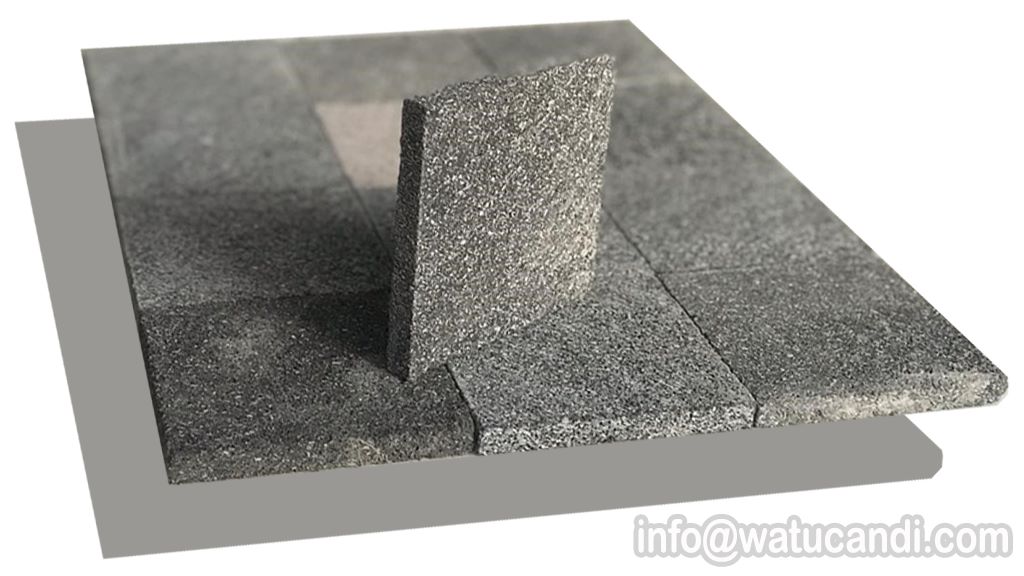
Understanding Black Lava Stone (Temple Stone / Black Stone / Volcanic Sandstone) from Mount Merapi
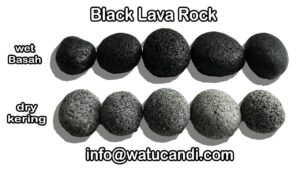
The journey of these exotic tiles begins deep within the earth, precisely from the volcanic material of Mount Merapi. Known by various names, such as temple stone (batu candi) (referring to its widespread use in ancient temples), Lava Rock, or Volcanic Sandstone, this material is a silent witness to nature’s power. The solidification process of molten lava over thousands of years creates rocks with characteristics that cannot be replicated by any factory-made material.
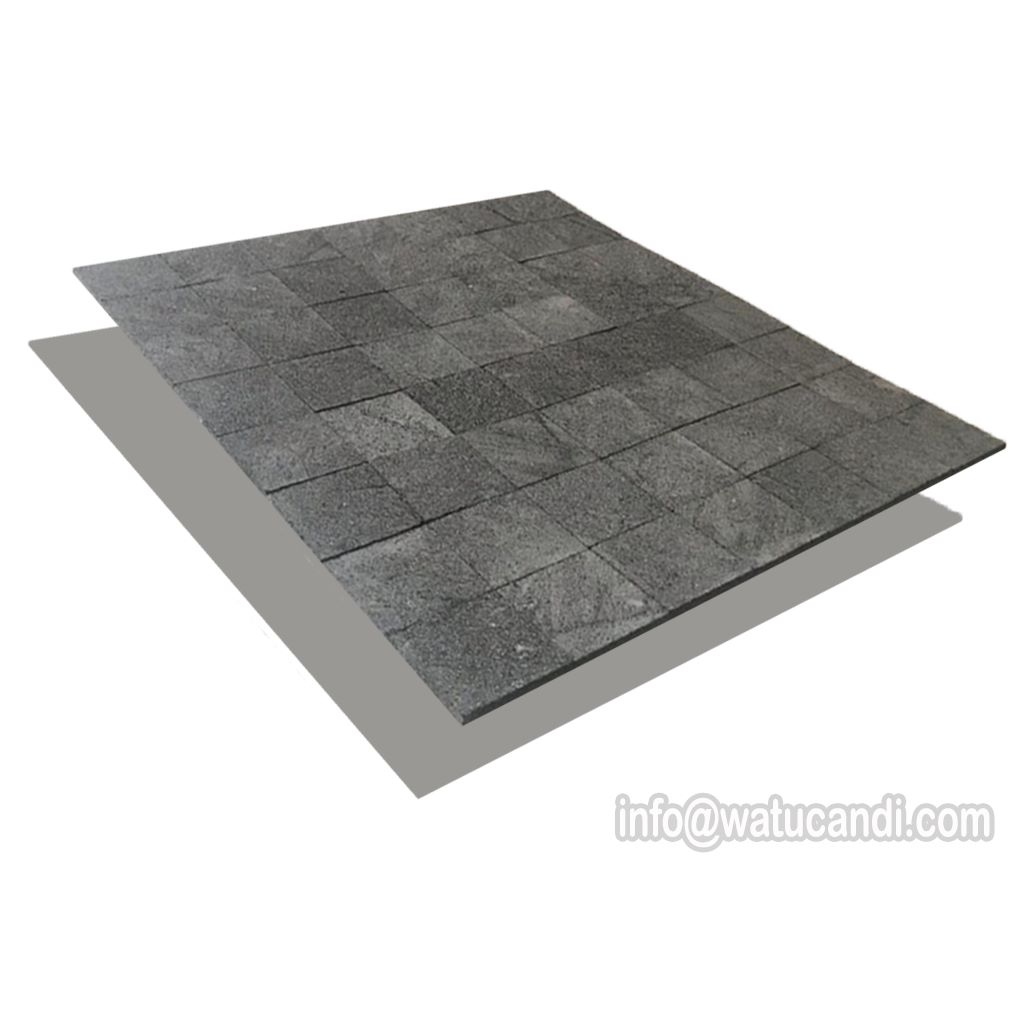
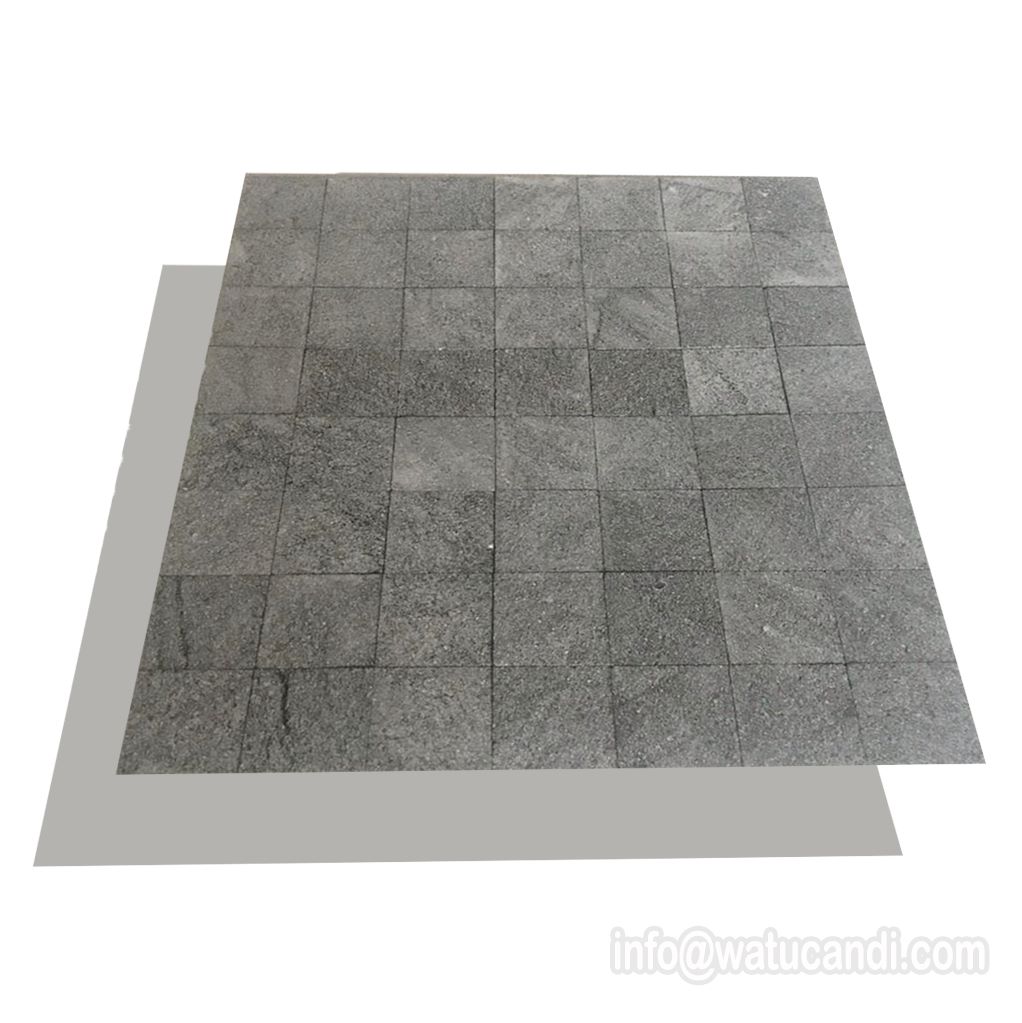
As an Indonesian lava natural stone tile, this product carries a rich geological heritage. Each tile features a unique texture pattern and black color gradation, making every swimming pool project truly ‘one of a kind’. No two tiles are identical, and therein lies its luxury. Its strength and durability have been tested by time, making it a favorite choice for top-class architects and property developers looking for materials with a strong narrative and character.
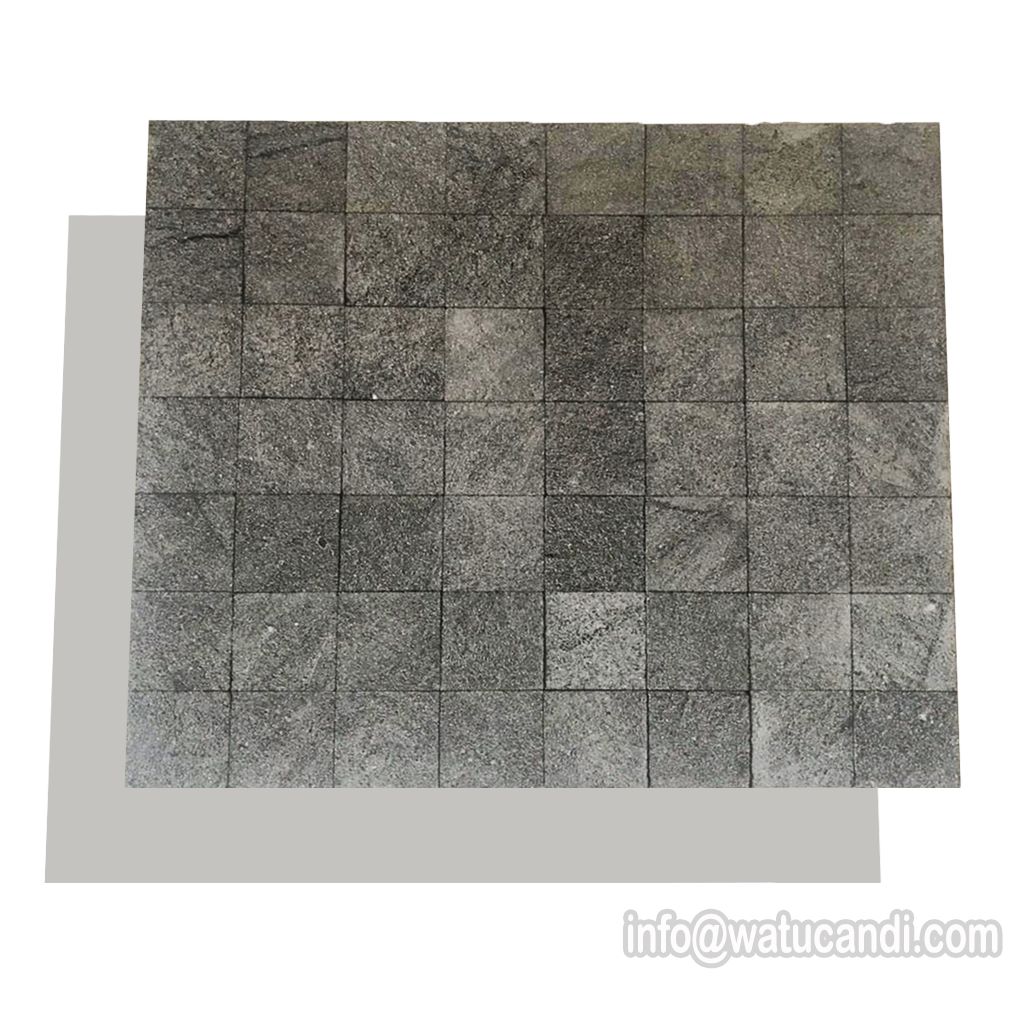
Properties of Temple Stone Tiles (Black Lava / Black Stone) – Lava Stone Tiles For Swimming Pool
To understand why this material is so special, we need to dissect its physical and chemical properties one by one. Black lava natural stone (temple stone – lava stone – lava rock – black stone) from Mount Merapi possesses textures and properties that distinguish it from other types of natural stone. Here is a detailed explanation of its main characteristics:
Distinctive Natural Black Color
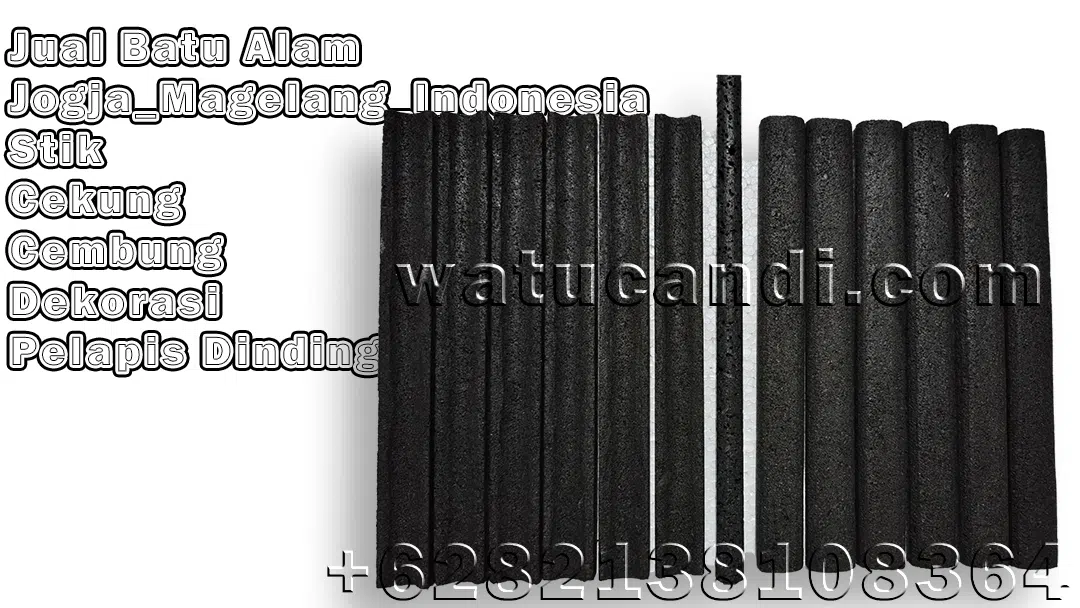
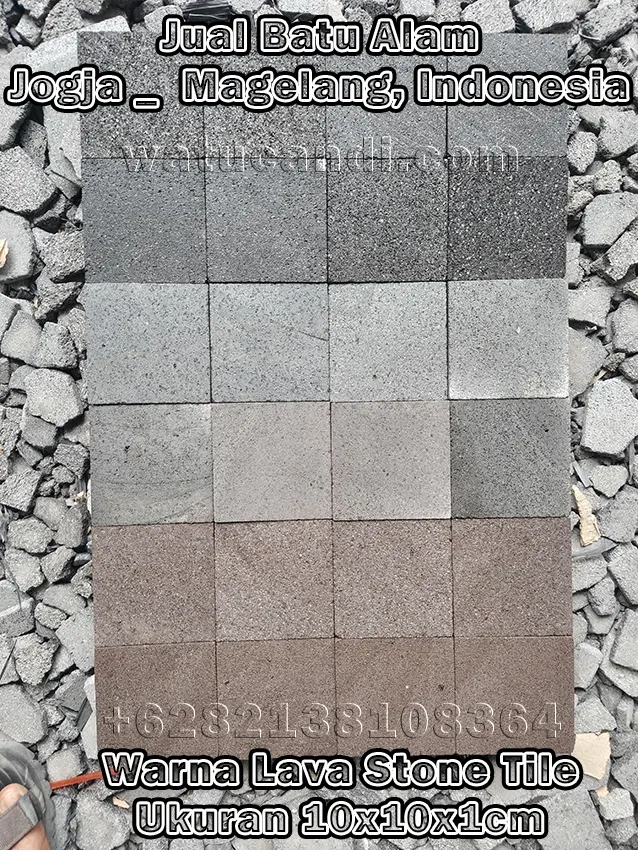
As the name suggests, black lava temple stone tiles display a very distinctive and unique black color. This is not a dull, flat black, but a rich charcoal black with natural nuances. Color gradations from dark gray to deep black are created organically from the uneven lava cooling process, providing a deep and captivating visual dimension. This neutral color makes it the perfect canvas for various design styles, from modern tropical architecture to masculine industrial concepts. Its black color also visually creates a dramatic contrast with the blue pool water, instantly enhancing the aesthetic beauty of your backyard.
High Density and Strength
One of the main advantages of these tiles is their high density. The black tiles possess a natural density, a result of the extreme pressure and temperature during their formation as igneous rock. This density makes them very strong and durable against physical stress. When used as a swimming pool deck, these tiles can withstand the weight of outdoor furniture and heavy foot traffic without cracking or deforming. This is a long-term investment that will remain solid for decades.
Dense and Functional Pore Structure
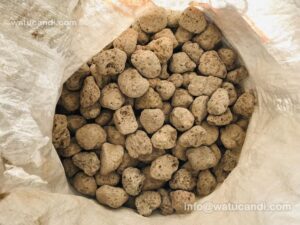
Although porous, the pore structure of black lava temple stone tiles is very dense. This means these pores are not large holes that easily trap dirt, but interconnected microscopic cavities. This unique structure provides two advantages simultaneously: providing grip for footwear, and allowing air circulation and water evaporation so the surface dries faster. The property of not easily cracking or breaking despite being porous is proof of the toughness of volcanic natural stone. This is the key to its legendary anti-slip function.
High Hardness Resistant to Scratches and Impacts
On the Mohs hardness scale, black lava stone is at an excellent level for building materials. Black lava stone tiles have a high level of hardness, making them very resistant to scratches from sharp objects and hard impacts. You don’t need to worry about scratches from aluminum lounge chairs or accidental impacts from pool maintenance equipment damaging the surface. This characteristic makes them a far superior choice compared to large-pored natural stones or ceramic tiles that are prone to breaking.
Natural Rough Texture Providing Grip
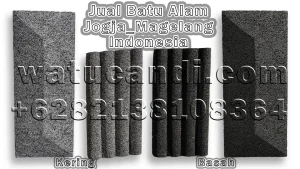
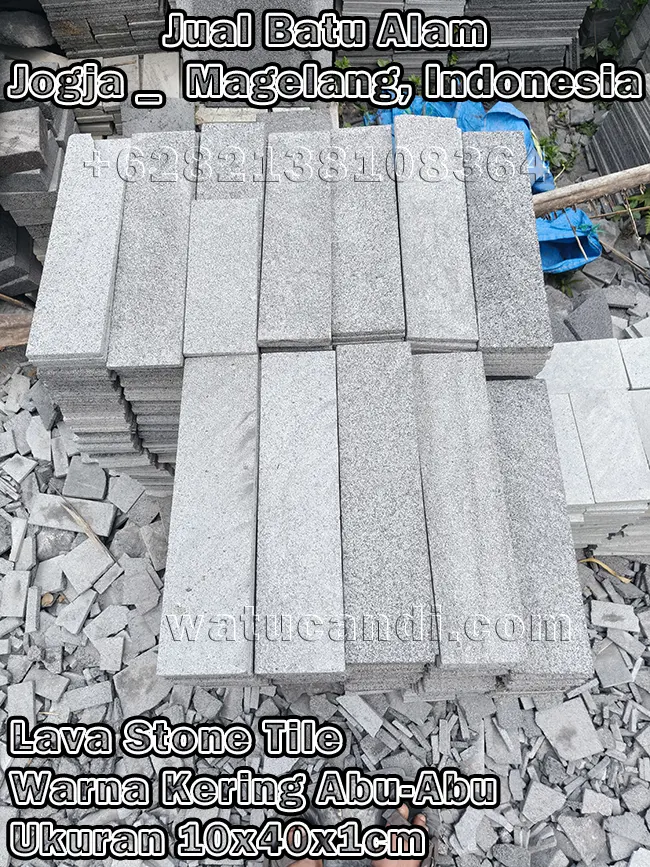
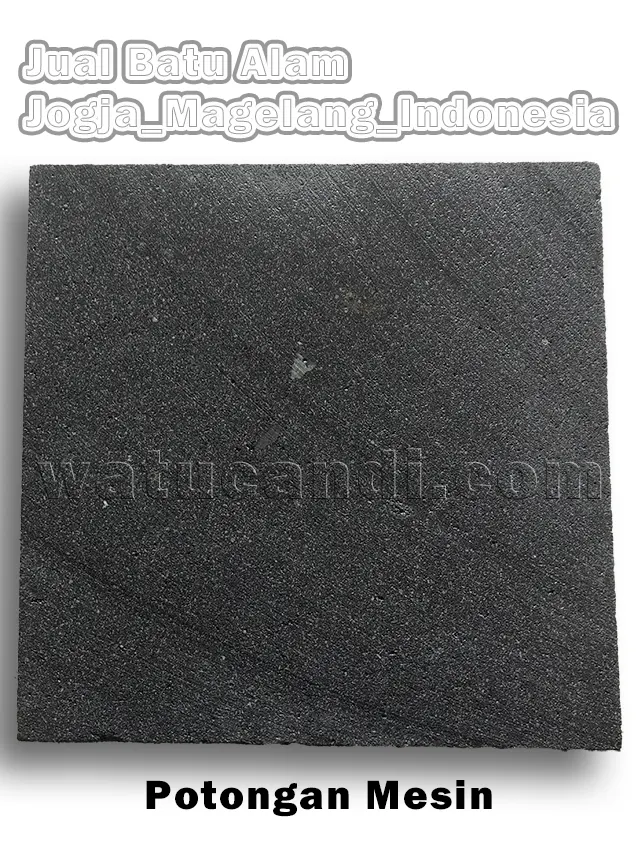
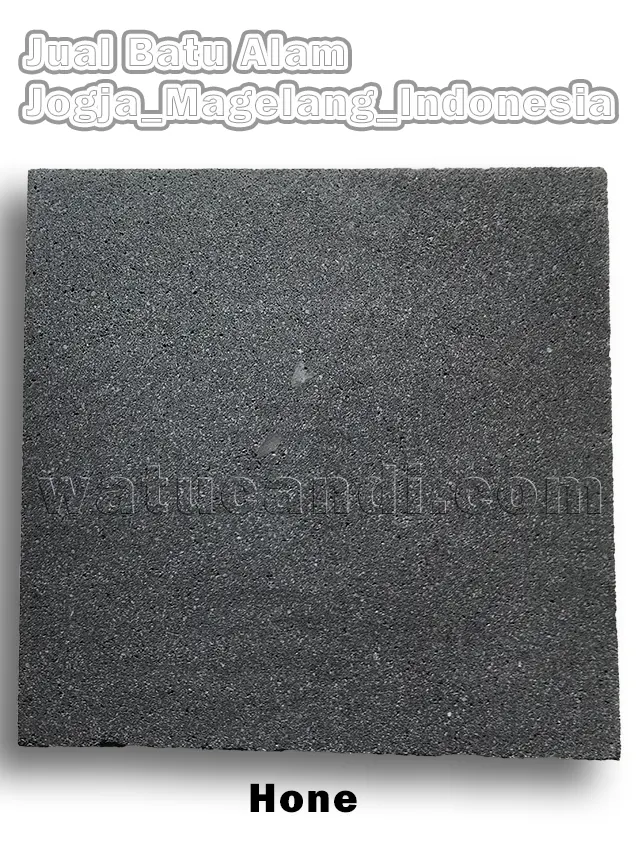
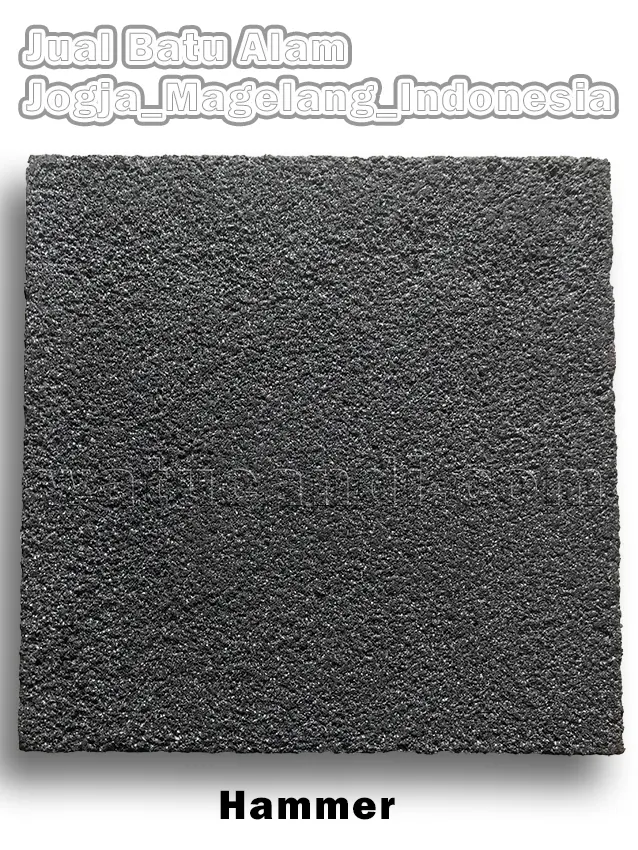
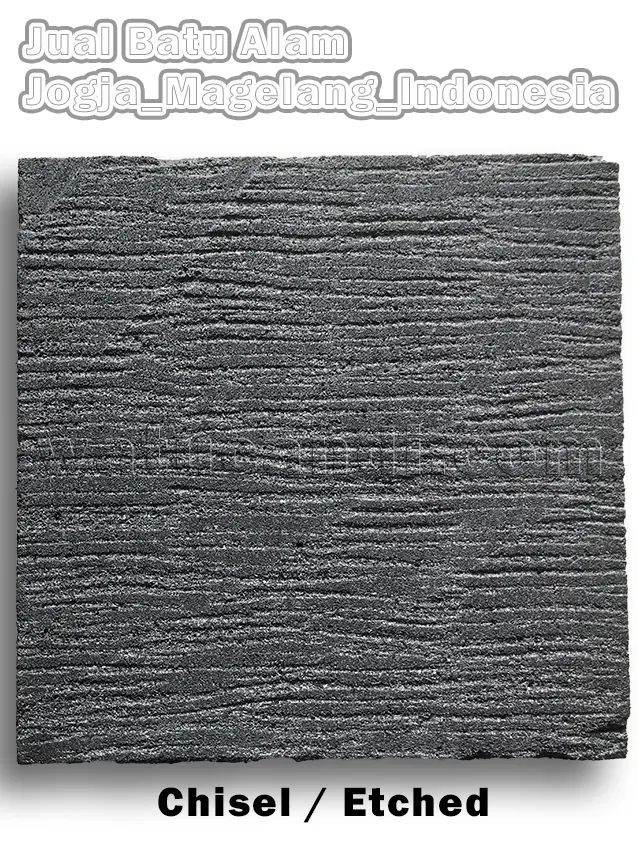
The surface texture of black lava stone tiles is smoothly machine-cut, yet it retains its natural rough character. The touch of modern cutting machines ensures flatness and dimensional precision, while the volcanic texture is still felt underfoot. This combination gives architectural design a natural and classic impression that is difficult to imitate with artificial stone. This texture provides the anti-slip function, making it very suitable for use on floors and other wet areas. If a smoother surface is desired, a honing and polishing process can be done to add comfort for those walking barefoot, but it should be noted that this will likely add to the project cost and slightly reduce its anti-slip properties.
Easy to Process and Shape
Despite their remarkable strength, black lava stone tiles are easy to process and can be shaped as needed. With the right tools, this stone can be cut into various tile sizes, mosaics, or even 3D decorative elements. This flexibility allows it to be used not only as flat floor tiles but also as wall tiles, curved step cladding, or steps inside the water. This ease of processing makes it a favorite material for craftsmen and contractors, as it can realize almost any design vision without compromising material integrity.
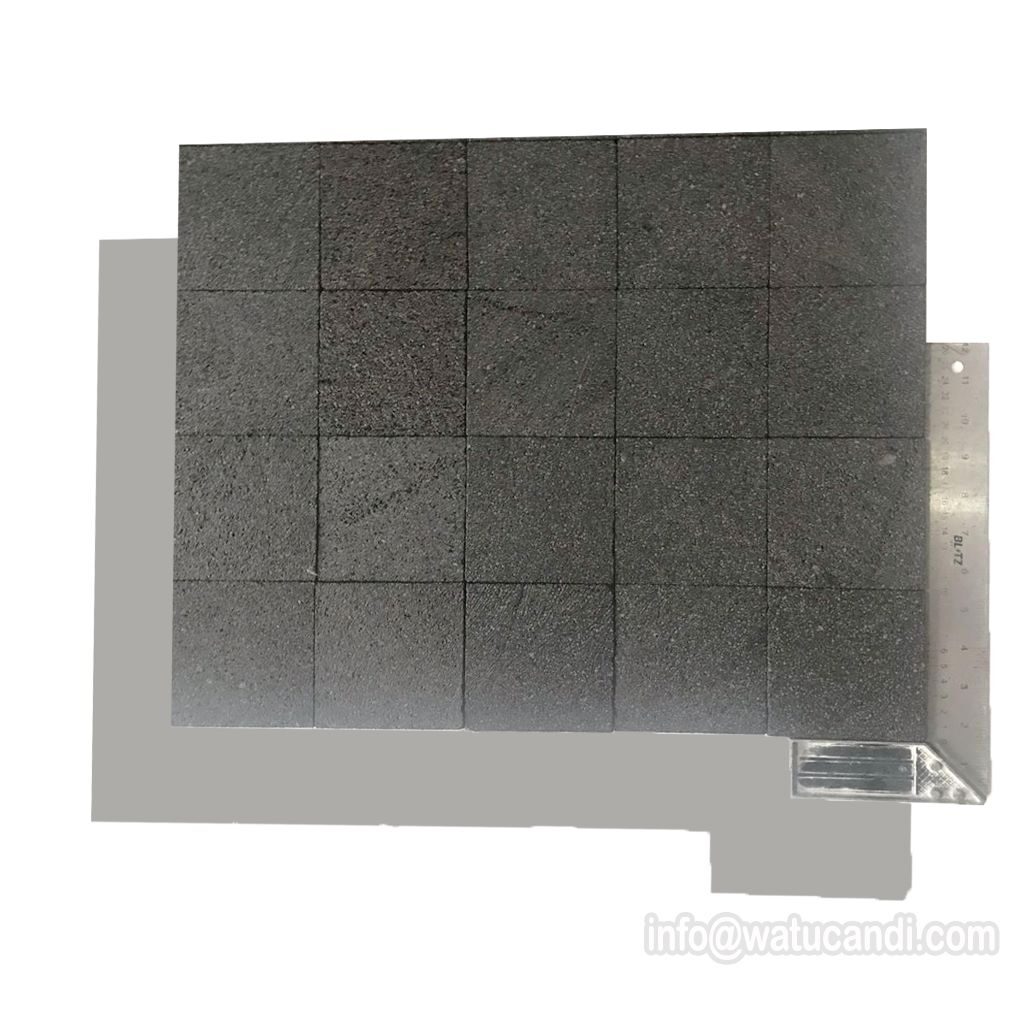
The uniqueness and beauty of black lava stone tiles from Mount Merapi make them a popular choice for many architects and property developers who prioritize quality and timeless design. This material is not merely a floor covering, but a design element that enlivens outdoor spaces.
Advantages of Black Lava Stone Tiles Specifically for Swimming Pool Areas
After understanding their basic properties, let’s focus on how these properties provide exceptional advantages when applied in swimming pool areas. This is the reason why Black Lava Stone Tiles (Natural Temple Stone) are the prima donna.
Anti-Slip Properties for Maximum Safety
This is the main reason why black lava stone is so ideal. Slip accidents in swimming pool areas are a serious risk. Polished ceramic or porcelain tiles can be very dangerous when wet. In contrast, black lava stone tiles have a natural porous texture that provides excellent friction, even when the surface is wet. This provides maximum safety for anyone walking around, especially children who often run. Its finely porous texture is very suitable for use in wet areas as a replacement for porcelain tiles, making it the most responsible choice for your family’s safety.
Best Durability in Wet Areas
Not all natural stones are suitable for constantly submerged conditions. Some types of limestone or sedimentary sandstone (travertine) can peel or weather. However, black lava stone is the champion. Its volcanic nature makes it very stable and non-reactive to continuous water exposure, including chlorinated water. You can confidently use it for pool decks, shower areas, or even as wall cladding inside the pool. Its water resistance is absolute, preventing slippery floors and ensuring the tile structure remains solid without degradation.
Comfortable Surface Temperature for Bare Feet
Walking on a stone deck on a hot day can be a painful experience. This is where black lava stone shows its unique advantage. Thanks to its dense pore structure and ability to ‘breathe’, lava stone does not absorb and retain as much heat as denser materials like ceramic or concrete. Its surface feels cooler to the touch of bare feet, providing extra comfort as you relax around the pool. This is a small detail that significantly enhances the luxury experience at your home.
Luxurious and Timeless Natural Aesthetics
From a design perspective, its deep black color offers a dramatic and elegant look, creating a beautiful contrast with the blue pool water and green garden landscape. This ‘rustic-luxury’ look is timeless. Unlike patterned tiles that can go out of style, black lava stone tiles actually become more beautiful with age. The natural patina that forms from use adds to its character. This is an aesthetic investment that will continue to look stunning for years to come, making your pool the true center of attention.
Resistant to Extreme Weather Changes and Pool Chemicals
Indonesia has a tropical climate with scorching heat and heavy rain that come alternately. This extreme change in temperature and humidity can cause other materials to warp or crack. Black lava stone is very stable, with a low thermal expansion rate. It will not warp under the hot sun, nor will it become excessively slippery with moss if cleaned properly. Furthermore, it is also resistant to chemicals commonly used in pool water maintenance, such as chlorine. This makes it one of the most durable materials you can choose for your outdoor project.
Applications of Black Lava Stone Tiles in Various Swimming Pool Areas
The beauty and functionality of these tiles make them very flexible. Don’t limit their use to just one area. Here are some brilliant applications to maximize the potential of black lava stone tiles in your swimming pool oasis.
Swimming Pool Deck
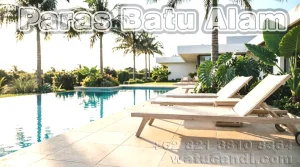
This is the most classic and functional application. As the main surface around the pool, black lava stone tiles provide a spacious, safe, and cool area to place lounge chairs, walk, or play. Use a large tile format to create a sleek modern look, or choose a mosaic format to add rich visual texture. The black color also helps disguise water stains or footprints that are usually clearly visible on lighter-colored surfaces.
Shower Area Floor
The shower area at the pool’s edge is a very important transition zone. Black lava stone tiles are highly recommended here because of their crucial anti-slip properties when users are wet. The rough texture provides safe footing, so you can rinse off comfortably without fear of slipping. In addition, its ability to dry quickly prevents water from pooling and reduces the risk of mold or moss growth in the grout lines.
Accent Walls and Water Features
To enhance luxury, use black lava stone tiles as an accent wall behind a waterfall or other water feature. The contrast between flowing water and the dark texture of lava stone creates a stunning visual focal point. You can also use it to clad the pool boundary wall, providing a dramatic backdrop and unifying the entire landscape design. This will give the impression of an exclusive resort in your own home.
Pool Entry Steps
Steps are the most frequently used area and also the most dangerous if slippery. Applying black lava stone tiles to each step, both outside and inside the water, is a very wise safety measure. The texture ensures stable footing when entering and exiting the pool. Different finishing options, such as a slightly smoother (honed) surface, can be used for steps inside the water for skin comfort without fully compromising safety.
Lava Stone Tiles Special Treatment – Maintenance Guide for Swimming Pool
The good news is, Lava Stone Tiles for Swimming Pools – Black Lava Natural Stone does not require complicated special treatment. Its maintenance is simple. However, to ensure your investment remains in prime condition for decades, there are a few simple steps you need to follow consistently. To maintain the beauty and quality of black lava stone in the swimming pool, regular care and maintenance are necessary. Here is the essential care guide:
1. Proper Regular Cleaning
The main key to maintaining the beauty of your tiles is cleaning them regularly. Cleaning black lava stone regularly can help avoid the buildup of dirt and algae. Use a soft-bristled brush or a broom to sweep away dust and dry leaves daily. For deeper cleaning, simply use clean water and a mop. If there are stubborn stains, you can use a mild, pH-neutral detergent solution. Avoid scrubbing too hard as it can scratch the natural stone surface.
2. Avoiding Harmful Chemicals
The golden rule is: Avoid using harsh chemicals. Avoid harmful chemicals: Never use cleaners containing acid (like hydrochloric acid or pure vinegar) or strong bases on black lava stone. These substances can damage the stone surface, strip its natural color, and make it dull. Always choose special natural stone cleaners or gentle, environmentally friendly household detergents to maintain the integrity of your tiles.
3. Trimming Leaves and Branches Around the Pool
The environment also has a big influence. Trimming leaves and branches of trees hanging over the pool regularly is a very effective preventive measure. Accumulated decaying leaves on the tiles can leave organic stains and become a perfect growing medium for moss or algae. By keeping the area around the pool tidy and exposed to direct sunlight, you will significantly reduce the maintenance burden and prevent leaf piles.
4. Maintaining Swimming Pool Water Quality
Pool water quality directly affects tile cleanliness. Keeping the swimming pool water clean: It is very important to maintain the pH balance and chlorine levels of your swimming pool water. Water that is too acidic or too alkaline is not only bad for the skin but can also slowly damage the grout and natural stone surface in the long run. Keeping the pool water clean is essential to prevent the formation of dirt and algae that can stick to the tile surface, thus ensuring your tiles remain naturally black and beautiful.
5. Optional Care: Sealing for Extra Protection
Although not mandatory, applying a special natural stone sealer is a good idea, especially for areas frequently exposed to water. Sealer works by filling the microscopic pores of the stone without significantly changing its texture. This creates an invisible protective layer that prevents stain absorption from sunscreen oils, leaves, or minerals from water. Choose a high-quality sealer designed for natural stone with a breathable feature so it doesn’t trap moisture inside the stone. Reapply every 1-3 years, depending on the intensity of use and product recommendations.
By carrying out this simple routine care and maintenance, the black lava stone in your swimming pool can maintain its beauty and quality for a long time, even a lifetime.
General Guide to the Installation Process of Black Lava Stone Tiles
The quality of installation will greatly determine the final result and durability of your black lava stone tiles. The process requires precision and is ideally entrusted to professional workers experienced in handling natural stone. Although the details are very technical, understanding the outlines will help you oversee the project.
The first stage is the preparation of a solid base. The concrete floor must be completely flat, clean, and have a proper slope away from the pool for drainage. Once the base is ready, the application of a waterproofing layer is crucial to prevent water seepage into the building structure. Next, the black lava stone tiles are installed using a special mortar (cement mixture). The ‘double buttering’ technique—applying mortar to the floor base and the back of the tile—is highly recommended to ensure no air voids exist under the tile. Voids can cause water to be trapped and eventually damage the tile. After the mortar has dried perfectly, the grouting process is carried out with a special flexible and waterproof grout. Finally, the tiles must be cleaned of any remaining mortar and grout residue before they fully harden.
Comparison with Other Materials: Ceramic, Porcelain, and Other Natural Stones
To be more confident, let’s compare black lava stone tiles with other common material choices for swimming pools:
- Vs. Ceramic/Porcelain Tiles: The absolute advantage of lava stone is its anti-slip property. Porcelain tiles, although strong, can be very slippery when wet. Aesthetically, lava stone offers natural textures and colors that cannot be imitated by factory-printed motifs. In terms of long-term durability, lava stone is more durable and not as prone to cracking as brittle ceramics.
- Vs. Andesite Stone (Other Temple Stones): Often confused, andesite stone has a lighter gray color. Black lava stone has denser and more uniform pores, making it more effective at absorbing water and staying cool. Both are strong, but black lava stone excels in its dramatic ‘deep black’ aesthetics.
- Vs. Green Sukabumi Stone: Green Sukabumi stone is also popular for swimming pools due to its unique color. However, black lava stone often has a higher hardness level and a more modern/industrial look. The choice between the two often comes down to color preference and design style, where black is more neutral and easier to match.
- Vs. Stamped Concrete: Stamped concrete can imitate the look of stone, but it remains an artificial material. Concrete is prone to cracking over time due to temperature changes, and its color can fade. Lava stone is a solid material that will not fade and actually gains more character over time.
Price of Lava Temple Natural Stone: Local Quality vs. Precision (Export)
Understanding the price structure in the market will help you make the right decision. The price of lava temple natural stone will vary, depending on the quality of the lava stone and also the place (city) of purchase, as well as logistics costs. However, the main determining factor is the standard of workmanship quality. Broadly speaking, there are two levels you need to recognize:
- Local Standard Quality: For local standard sizes, each tile’s dimensions have a slightly loose tolerance, around plus-minus 2-3 mm. This is an economical choice and very suitable for projects with wider grout lines, where small size differences are less noticeable. The stone quality itself remains strong, only the cutting precision is standard.
- Precision / Premium Quality (Export): On the other hand, precision-sized temple stone tiles are worked on with highly accurate machines. The dimensional tolerance is very minimal, perhaps only plus-minus 0.5-1 mm. This results in very neat and consistent grout lines, allowing for a seamless and modern look. This precision quality is usually exported and used for premium architectural projects. The price is certainly higher, but it is commensurate with the perfect final result.
In addition to dimensions, the quality of the stone is also assessed by the uniformity of its black color and the minimal presence of natural defects such as white mineral lines. The more intense and uniform the color, the higher the grade and price. Consult your needs with a trusted supplier to get the best offer according to your budget and project specifications.
Tips for Choosing Quality Black Lava Stone Tiles for Your Project
To avoid making the wrong choice, follow this practical guide when selecting black lava stone tiles:
- Inspect the Physical Tile: Look at a physical sample. Pay attention to surface flatness, the sharpness of cut corners, and color consistency. Don’t just rely on photos.
- Tap to Hear the Sound: A solid, dense tile will produce a clear, ringing sound when tapped. A dull sound could indicate a micro-crack inside.
- Ask for the Quarry Origin: Make sure it is genuine lava stone from Mount Merapi, which is famous for its quality. A credible supplier will proudly state the origin of the material.
- Choose the Right Supplier: Work with a supplier manufacturer exporter of Indonesian natural stone tiles with a good reputation, such as watucandi.com. They can provide guaranteed quality materials and technical consultation.
- Match the Design Concept: Choose the appropriate tile size. Large tiles are suitable for modern minimalist styles, while small tiles or mosaics are more suitable for tropical or classic styles.
Why Architects and Designers Choose Black Lava Stone
Black lava stone has become a staple element in the material palette of world-class landscape architects and interior designers. Their reasons for choosing it go beyond trends; it’s about design integrity. They appreciate the ‘honesty’ of this material—appearing as it is without engineering. Its tactile texture invites the sense of touch, creating a connection between humans and nature, a biophilic principle that is increasingly sought after in modern architecture. Its ability to blend with water elements, wood, and greenery makes it a star in every outdoor design composition. For them, black lava stone tiles are not just cladding, but a foundation that brings soul and eternity to a project.
Frequently Asked Questions (FAQ) About Black Lava Stone Tiles
Q: Are black lava stone tiles easily dirty and stained?
A: Because they are porous, this stone can absorb liquids. However, if properly sealed, it is very stain-resistant. The black color is also naturally very forgiving and clever at disguising small stains or dirt compared to lighter-colored tiles.
Q: Is the surface comfortable for bare feet?
A: Very comfortable and safe. Its non-slip texture provides a light ‘massaging’ sensation on the feet. For areas requiring more frequent skin contact, like inside the water, you can choose a ‘honed’ (sanded) finish that is smoother, yet still non-slip.
Q: How long is the durability of black lava stone tiles?
A: With proper installation and minimal maintenance, these tiles can last the lifetime of the building. This is one of the most durable materials available on the market for outdoor applications.
Q: Is it difficult to clean moss from lava stone tiles?
A: Routine cleaning with a brush and clean water is enough to prevent moss. Due to its pores, moss does not easily grow if water circulation and sunlight are good, unlike very smooth surfaces where water can stagnate.
Q: Are they available in custom sizes?
A: Yes, most suppliers and manufacturers can provide custom cutting as ordered. This allows perfect adjustment to your pool design, including non-standard shapes.
Conclusion on the Use of Lava Stone for Swimming Pools – Lava Stone Tiles For Swimming Pool
Lava Stone Tiles For Swimming Pool (Lava Stone Tiles For Swimming Pool) – In conclusion, black lava stone is a perfect and highly strategic choice as stone deck tiles for swimming pools. The decision to use it is a design statement that prioritizes safety, durability, and timeless beauty.
Several advantages of black lava temple stone as deck tiles for swimming pools have been discussed in depth, namely high density, high hardness, and a good porous structure. This combination of physical properties creates a surface that is not only strong and durable but also inherently safe due to its anti-slip nature. It is a material that protects your family while exuding understated luxury.
In addition, the black color and rough texture of black lava temple stone (lava stone – lava rock – sandstone – black stone) provide a natural and classic impression on the pool design that will never go out of style. Its finely porous texture is very suitable for use in wet areas to prevent slippery floors as an alternative to less safe ceramic (porcelain) tiles. In terms of maintenance, with simple steps, this investment will provide a return of beauty that lasts a lifetime. So, if you are designing or renovating a swimming pool and desire a material that combines nature, art, and function, black lava stone tiles are the definitive answer.
Interested in making black lava stone tiles part of your swimming pool masterpiece? Visit Watucandi.com, a trusted supplier manufacturer exporter of Indonesian natural stone tiles, for more information, free consultation, and the best price offers for lava temple natural stone and other premium natural materials. Realize your dream oasis with us.
Post Tags: black lava stone tiles for swimming pool, Lava Stone Tiles For Swimming Pool, temple natural stone black, black stone swimming pool, anti-slip black lava stone, natural stone swimming pool floor, black lava stone price per meter, precision export temple stone, natural stone tiles for pool deck, buy black lava stone Mount Merapi, waterproof natural stone pool, natural stone tiles Indonesia, natural stone wet area floor, black lava stone tile maintenance, natural stone pool installation, black lava stone vs ceramic pool, benefits of lava stone for pools, non-slip natural stone pool, black volcanic stone tiles, outdoor natural stone floor, buy original black stone, temple stone supplier, natural stone tiles manufacturer, watucandi lava natural stone, minimalist pool deck natural stone, stone pool shower floor, rough texture black lava stone, precision size temple stone tiles, natural deep black stone, lava stone pool decking, advantages of black lava stone, Indonesian export natural stone,
Table of Contents
- Introduction: Why Choose Black Lava Stone Tiles for Swimming Pool?
- Understanding Black Lava Stone (Temple Stone / Black Stone / Volcanic Sandstone) from Mount Merapi
- Properties of Temple Stone Tiles (Black Lava / Black Stone) – Lava Stone Tiles For Swimming Pool
- Advantages of Black Lava Stone Tiles Specifically for Swimming Pool Areas
- Applications of Black Lava Stone Tiles in Various Swimming Pool Areas
- Lava Stone Tiles Special Treatment – Maintenance Guide for Swimming Pool
- General Guide to the Installation Process of Black Lava Stone Tiles
- Comparison with Other Materials: Ceramic, Porcelain, and Other Natural Stones
- Price of Lava Temple Natural Stone: Local Quality vs. Precision (Export)
- Tips for Choosing Quality Black Lava Stone Tiles for Your Project
- Why Architects and Designers Choose Black Lava Stone
- Frequently Asked Questions (FAQ) About Black Lava Stone Tiles
- Conclusion on the Use of Lava Stone for Swimming Pools


3 thoughts on “Lava Stone Tiles For Swimming Pool”