Not merely a wall covering, but an eternal dialogue between the darkness of Merapi lava stone and the brightness of Paras limestone. Discover how this black and white natural stone wall cladding combination transforms ordinary spaces into breathing, characterful architectural masterpieces that defy trends. The most complete guide for those who refuse mediocre design.
In the world of contemporary architecture and interior design, the search for materials capable of balancing aesthetic beauty, physical durability, and cultural philosophical value never ceases. One trend currently dominating the preferences of architects, interior designers, and luxury property owners in Indonesia is the use of Black White Wall Cladding Combination with Limestone Sandstone (Paras). This blend is not just about adhering material to a wall; it is a visual orchestration combining the masculine strength of black Merapi lava stone with the feminine softness of white limestone or paras.
This article will discuss in depth, both technically and artistically, the combination of black and white natural stone wall cladding. We will thoroughly explore material characteristics, installation methods, maintenance, and integration with other architectural elements such as flooring, furniture, and landscaping. With comprehensive understanding, you can transform ordinary spaces into timeless works of art with high value.
The Philosophy of Contrast: Why Black and White in Natural Stone?
The combination of black and white in design is known as a timeless classic monochrome. However, when applied using natural stone, the resulting dimension is far richer compared to paint or manufactured ceramics. Natural stone possesses a “soul” in the form of texture, pores, and non-uniform natural color variations. This is what distinguishes natural stone wall cladding from synthetic wall coverings.
Black Candi stone or lava stone represents earth elements that are strong, stable, and mysterious. Its dark color absorbs light, creating dramatic visual depth. Conversely, Paras limestone or sandstone represents light, cleanliness, and openness. Its smoother texture and bright color reflect light, providing a spacious and elegant impression. When these two materials are combined on a single wall surface, a dynamic visual dialogue occurs: dark-light, rough-smooth, heavy-light. It is this harmony of contrast that makes premium sandstone and limestone natural stone a primary choice for prestigious facades and interiors.
Characteristics of Black Lava Stone (Candi Stone) as the Dominant Element
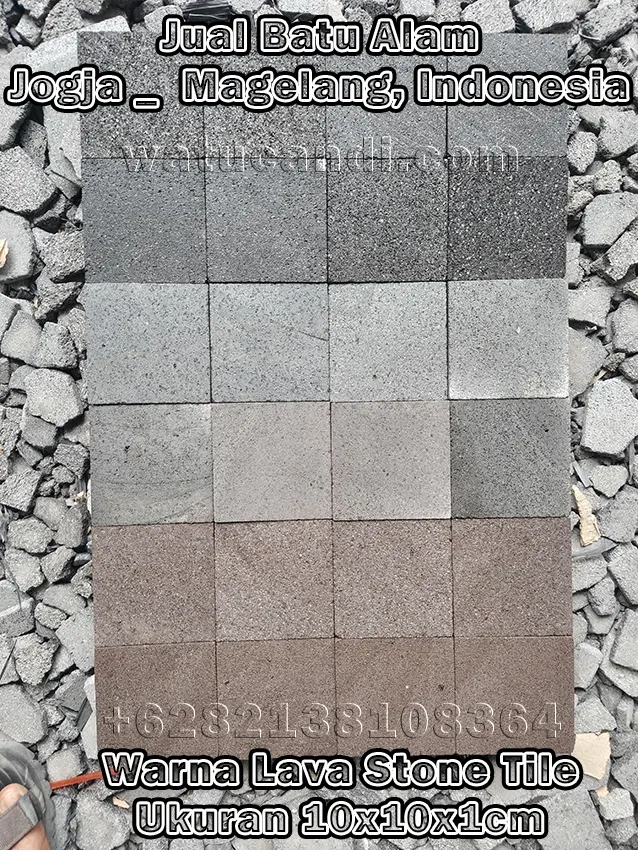
Black lava stone, often referred to as Candi stone, originates from volcanic material from Mount Merapi. This material is formed through rapid lava cooling processes, resulting in highly dense and weather-resistant andesitic-basaltic rock. In the context of combination wall cladding, lava stone functions as a character giver and bold accent.
The main advantage of black lava stone is its unique porosity. Although it appears dense, this stone has micro-pores that allow air circulation, preventing walls from becoming easily damp. Additionally, its resistance to extreme temperature changes makes it ideal for exterior applications. To understand its technical specifications in detail, you can refer to the complete guide regarding Merapi black lava candi stone specifications which covers differences between local and precision quality.
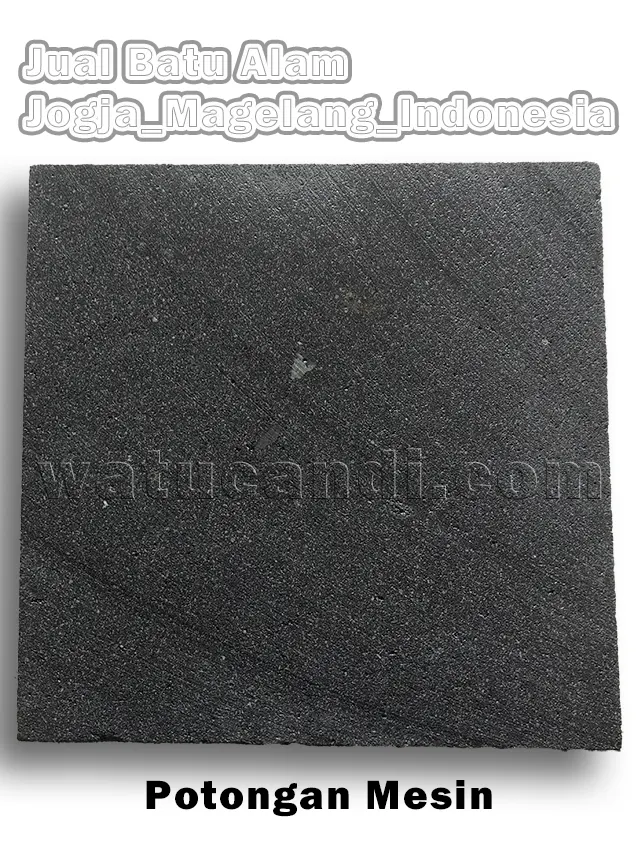
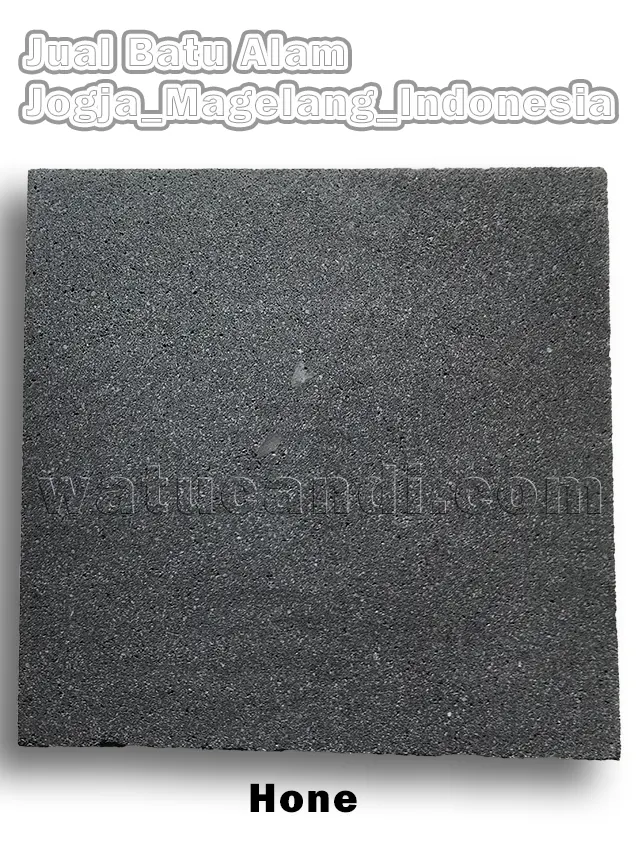
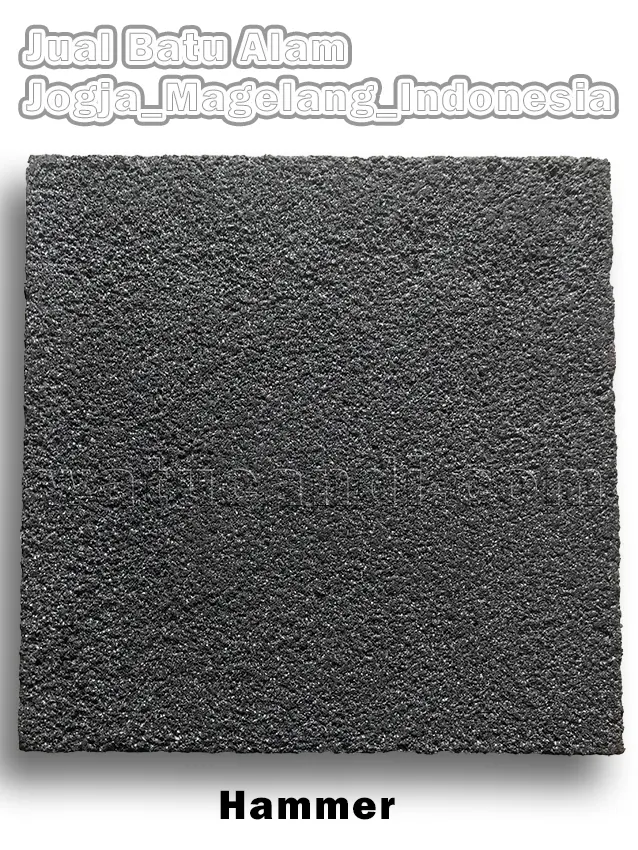
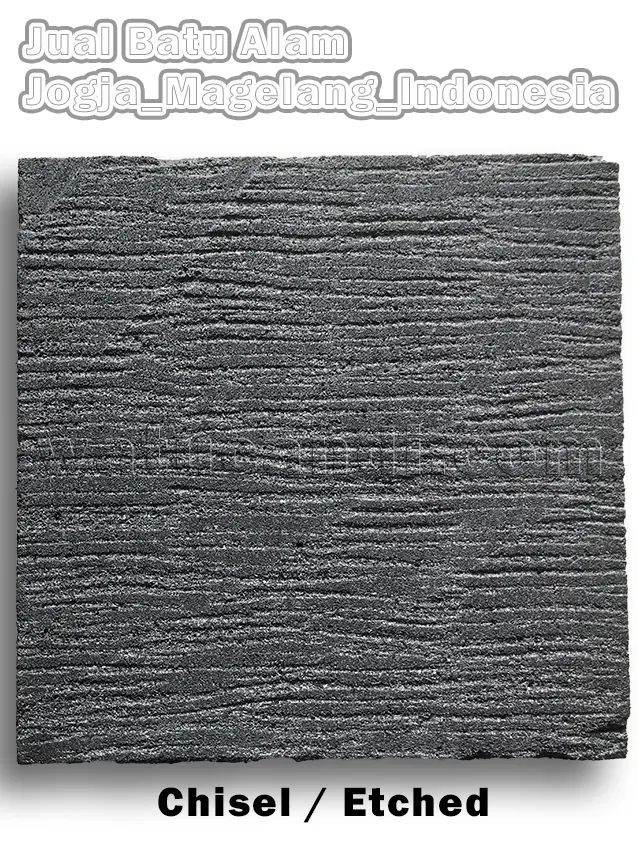
Variations in finishing on black lava stone also significantly affect the final result of wall cladding. There are flamed finishes to highlight deep black colors, bushhammered finishes for rough anti-slip textures, and chiseled finishes (manual carving) for traditional artistic impressions. The selection of this finishing must be adjusted to the overall design concept. For example, for modern minimalist designs, honed or flamed finishes are recommended, whereas for tropical or classic Javanese designs, hand-chiseled finishes are more appropriate.
The Charm of Paras Limestone (Limestone/Sandstone) as the Balancer
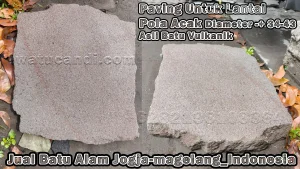
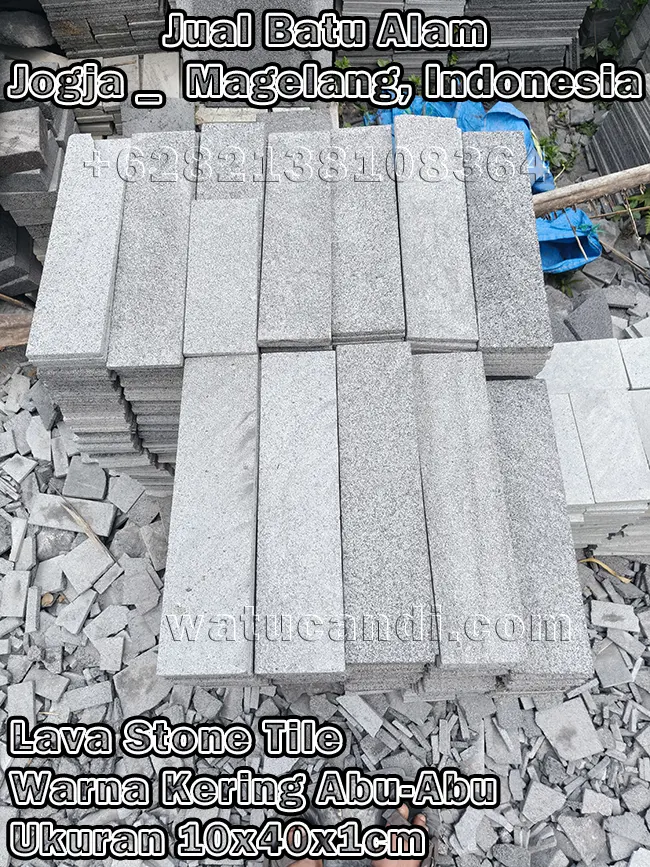
If lava stone is about strength, then Paras limestone is about elegance. Paras stone, belonging to the limestone or sandstone family depending on its mineral composition, has base colors ranging from cream, bone white, to pale yellow. This material is softer than lava, making it easier to shape and carve into intricate decorative motifs.
In black and white combinations, paras stone functions as a “canvas” or background that illuminates the surrounding area. Its naturally reflective properties help maximize natural or artificial lighting within a room. However, it should be noted that paras stone has a higher water absorption rate than lava. Therefore, selecting the right type of paras is crucial. Hard limestone types are more recommended for directly exposed areas, while soft paras is suitable for interior accents. In-depth information on these variants is available in the article about Palimanan paras stone tiles which represents the industry standard for top-quality paras.
The beauty of paras stone lies in its imperfections. Natural veins, small fossils, and uneven color gradations are not defects but signs of authenticity. This confirms that every combination wall cladding panel is a unique work of art that cannot be replicated by digital printing machines. It is this artisanal beauty of natural stone mosaic wall cladding that collectors and organic architecture enthusiasts seek.
Installation Techniques and Design Patterns for Combination Wall Cladding
The aesthetics of black and white wall cladding are determined not only by the material but also by how the material is arranged. Installation patterns are the visual language conveying the design message. Errors in choosing patterns can make walls look chaotic or boring, even if premium quality materials are used.
Mosaic Patterns: The Art of Arranging Nature’s Fragments
Black and white natural stone mosaic is a technique of arranging small stone pieces (typically 2×2 cm, 3×3 cm, or 5×5 cm) into a unified panel. This technique requires high precision and skilled craftsmanship. Mosaics allow for the creation of smooth color gradations from black to white, or the formation of complex geometric and organic patterns.
For authentic mosaic pattern inspiration, you can study references on candi lava natural stone mosaics. Mosaics are effectively applied to room focal points, such as TV back walls, bed headboards, or accent areas in hotel receptions. Due to their small size, mosaics are also flexible enough to follow curved wall shapes or round columns, something difficult to achieve with large stone slabs.
Brick Bond and Stack Bond Patterns: Geometric Modernity
For those desiring a neater and more modern appearance, brick bond or stack bond (straight vertical-horizontal) patterns are the right choice. In the context of black and white combinations, this pattern is usually applied with alternating rows or columns between black and white stones. For instance, three rows of black lava stone interspersed with one row of white paras create horizontal lines that reinforce the impression of width in a room.
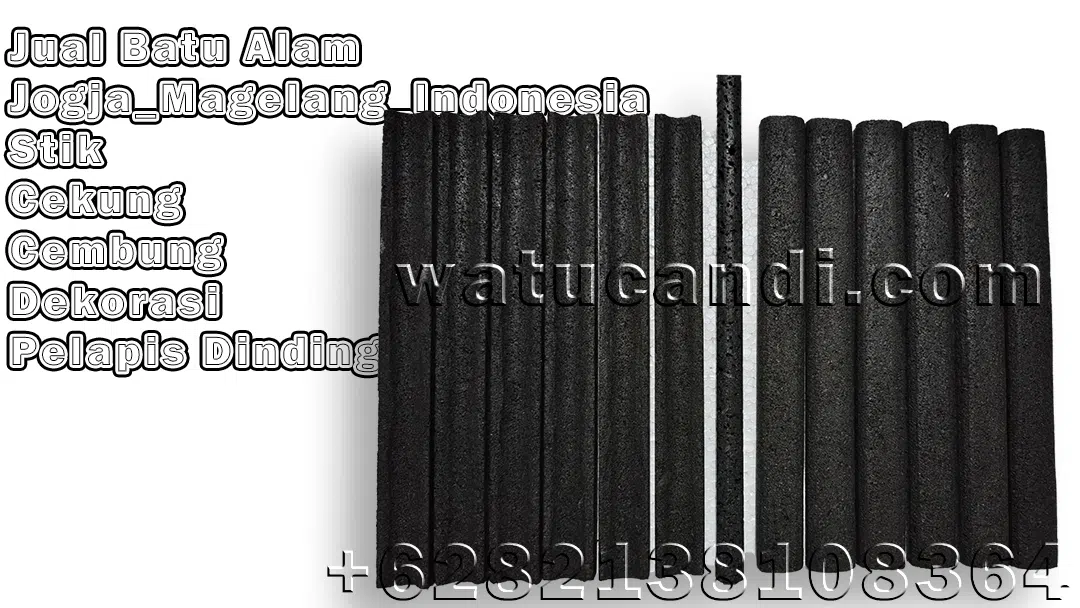
These linear patterns can also be achieved through factory-processed precision products. Visual references for regular linear patterns can be seen in the catalog for straight line type natural stone. Meanwhile, for a more dynamic yet orderly variation, small broken regular line types provide interesting visual texture without appearing monotonous. The key to geometric patterns is cutting precision. Ensure your supplier provides stones with minimal size tolerance so that grout lines remain neat and consistent.
Random and Split Face Patterns: Artistic Roughness
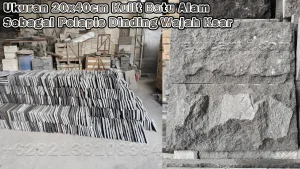
Not all designs demand perfect neatness. For rustic, industrial, or tropical resort styles, random patterns with split face surfaces are actually more appreciated. Combinations of split lava and split paras in random arrangements create dramatic three-dimensional textures when hit by grazing light.
This rough texture is very effective for disguising structural wall imperfections and providing a solid impression. Details regarding this texture application are discussed in the guide for Merapi black sand split face natural stone. Additionally, aesthetic comparisons between different materials in stacked patterns are important to understand, as explained in the analysis of stacked wall cladding sandstone vs paras.
Room Applications: Transforming Function into Aesthetics
Black and white wall cladding combinations possess extraordinary versatility. They are not limited to a single architectural style but can adapt to various spatial functions. Below is an in-depth elaboration on their application in various areas.
Exterior Facades and Fence Walls
The facade is the face of a building. Using black and white combinations on facades creates a strong and luxurious first impression. Black lava stone protects lower wall sections from soil splashes and moss, while white paras stone on upper sections provides a light and welcoming feel. For fences, this combination offers privacy without feeling stifling, as the natural stone texture still allows for micro-air circulation.
It is important to consider sun orientation. West-facing walls may require paras dominance to reflect heat, or conversely, use lava stone if aiming to create dramatic shadows in the afternoon. Further exterior design inspiration can be found in the gallery for lava stone exterior design and the guide for black lava stone tile walls.
Living Room Interiors and Commercial Areas
Indoors, combination wall cladding serves as a calming yet characterful backdrop. In living rooms, it becomes the perfect background for wooden furniture or neutral-colored sofas. In commercial areas like hotel lobbies or restaurants, this combination builds an exclusive and grounded brand identity. Hospitality designers often use this material to create a “sanctuary” atmosphere amidst city bustle.
For commercial projects, material supply consistency is key. Understanding enterprise and hospitality design standards is helpful, as outlined in references for enterprise design and hospitality design. Furthermore, integration with architectural lighting must be planned from the start so that stone textures are perfectly highlighted.
Wet Areas: Swimming Pools and Bathrooms
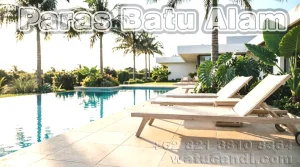
The myth that natural stone cannot be used in wet areas has been debunked with coating technology and proper material selection. Black and white combinations in swimming pool areas create a fresh and clear water visual effect. Wet black lava stone becomes deeper in color, while white paras glows under water reflections.
However, safety and durability are priorities. Ensure the paras stone used is resistant to pool chemicals (chlorine/salt). A safer alternative for submerged areas is using Sukabumi green stone combined with black lava accents on coping or deck areas. Comprehensive guides on pool materials are available in articles on swimming pool stone tiles and swimming pool coping stones. For bathroom walls, ensure waterproofing sealant application is thorough before installation.
Material Integration: Creating Holistic Harmony
Natural stone wall cladding does not stand alone. It must dialogue with other building elements to create harmony. Here is a guide to integrating black and white wall cladding with various other architectural elements.
Synergy with Flooring and Paving
Flooring is the natural partner of walls. If walls use busy black and white combinations, consider plainer or smooth-textured flooring to avoid visual clashes. Conversely, if walls are relatively simple, flooring with unique patterns can serve as a balancer.
For outdoor areas connecting to cladding walls, using matching natural stone paving is highly recommended. Merapi lava stone paving provides visual continuity from vertical to horizontal. Premium paving specifications can be studied at premium Merapi lava stone paving. For garden areas or pedestrian paths, lava rock stepping stones or irregular natural stone paving provide natural transitions from walls to landscapes.
If you desire indoor flooring harmonious with white paras walls, white Palimo natural stone or super white Palimo limestone are perfect choices providing a clean and spacious impression. For bold contrast, lava stone flooring can be paired with predominantly white paras walls.
Harmony with Furniture and Sanitary Ware
Natural stone is not just for walls and floors but also for furniture and sanitary ware. Solid natural stone sinks or bathtubs will perfectly complement cladding walls. Imagine a rough surface marble stone sink installed in front of a black and white mosaic wall; their textures greet each other creating a luxury spa nuance.
For kitchens or outdoor pantries, black lava stone table tops provide heat and scratch resistance while coordinating colors with black accents on walls. Garden furniture like handmade stone tables and chairs adds artisanal value to open spaces with natural stone walls.
In bathrooms, black basalt stone sinks or original Merapi stone sinks become strong statement pieces. Even soap dispensers can be customized, for example with natural stone liquid soap dispensers, for coherent details down to the smallest scale.
Landscape Elements and Garden Decoration
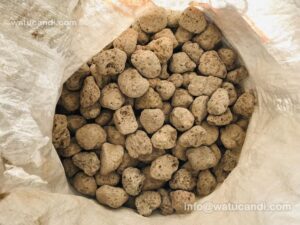
Exterior cladding walls must blend with the garden in front. Using decorative stones in gardens helps visual transitions. black lava rock pebbles can be spread in plant pots or pathways to echo black colors on walls. Merapi lathe stone balls or Merapi lava temple stone balls can serve as ornamental statues matching textured walls.
For garden borders or retaining walls, Merapi talud stone material is not only functional for soil retention but also aesthetic. Garden wall foundations also need attention, and guides are available at garden wall foundation stone borders. Good landscape integration makes wall cladding feel like it “grows” from the ground rather than just being attached.
Supporting Material Variants and Alternatives
Beyond the main black-white combination, many other natural stone variants can serve as accents or alternatives to enrich design palettes. Understanding this material spectrum helps you make more informed design decisions.
Sukabumi Green Stone and Andesite
If you wish to add a third color touch besides black and white, green is the best option that remains natural. Sukabumi green stone has a unique turquoise color, especially when wet. These tiles are very popular for swimming pools and wet walls. Learn more at Sukabumi green natural stone tiles and authentic Sukabumi green stone.
For different green texture and color variations, Yogyakarta batik green stone tiles offer distinctive archipelago patterns. Meanwhile, green stone split face tiles provide rough texture options for wall accents. Quality differences in green stone are also important to know, as discussed in local vs precision green stone tiles.
Andesite natural stone is a close relative of lava stone with a more neutral gray color. It can serve as a transitional bridge between black lava and white paras. Collections of premium andesite stone flooring and natural andesite stone demonstrate this material’s versatility. For paving applications, Indonesian andesite stone paving is the quality standard for public and residential areas.
Brown Stone, Breccia, and Other Unique Materials
For warm nuances, brown sandstone is the right choice. brown sandstone and premium Java brown sandstone tiles provide comfortable earthy impressions. Combining brown with black lava creates a very masculine “dark luxury” palette.
Breccia stone with its random and artistic patterns is also trending. breccia natural stone tiles suit wall accents wanting to stand out. For more exotic materials, pumice stone offers very light and unique textures, though usage is limited to non-structural areas.
Do not forget slate or layered stone. slate stacked betel leaf slab surfaces and genuine susun sirih slate provide beautiful layered textures for accent walls. Various other natural stone colors and types can be explored through catalogs of GC stone types and GCBroken stone types.
Surface Finishing and Texture: Details Determining Quality
In wall cladding, surface finishing is as important as the stone type itself. Finishing determines how light interacts with walls, tactile sensations against material, and ease of maintenance. Watucandi provides various finishing options customizable to your black and white combination design needs.
Chiseled (Hand Carved): Provides artisanal and traditional impressions. Suitable for lava and paras stones. See examples of authentic manually chiseled stone flooring and chiseled temple stone. Carving pattern variations like chiseled natural stone installation patterns and chisel lava provide limitless creative options.
Bushhammered: Rough and even texture created with bush hammer machines. Ideal for outdoor and anti-slip areas. References for black lava bush hammer surfaces and bushhammer limestone tiles explain applications. Technical comparisons between sawncut and bushhammer are in lava alkali sawncut vs bushhammer.
Tumbled and Honed: For smooth, aged, or matte impressions. tumbled natural stone finish provides rounded edges and soft surfaces, suitable for paras. Honed provides flat but non-shiny surfaces, maintaining natural stone character.
Rough Face and Split: For maximum texture. lava stone rough face and rough face stone flooring display the wildest side of natural stone. rough split face candi stone and candi split face technical specifications are mandatory guides for this texture application.
Each surface type has specific codes and specifications in Watucandi catalogs, such as surface types combination 0.5×0.5, surface types 3×1, line types 2×1, and rolling line types. Understanding these codes facilitates communication with production teams to achieve precise results.
Maintenance, Coating, and Long-Term Durability
Investments in natural stone wall cladding must be maintained to preserve value. Natural stone care is actually uncomplicated but requires discipline and correct products. Character differences between black lava and white paras demand slightly different care approaches.
Coating and Sealer: Primary Protection
Applying coating or sealer is a mandatory step after installation, especially for porous paras stone. Coating functions to close stone pores, prevent water, oil, and dirt penetration, and facilitate cleaning. For black lava stone, coating also locks in color to prevent UV fading and maintains “wet look” effects if desired.
Choose solvent-based sealers for maximum protection in exterior areas, or water-based for odor-sensitive interior areas. Re-application of coating is recommended every 1-2 years depending on exposure. Without coating, white paras is prone to mold, efflorescence (salt deposits), and yellow stains. Uncoated black lava may grow moss in damp areas, considered aesthetic by some but a maintenance issue by others.
Routine Cleaning and Stain Handling
Avoid strong acid (HCL) or strong alkaline cleaners on natural stone, especially paras and limestone, as they erode surfaces and damage coatings. Use pH-neutral cleaners specifically for natural stone. For daily dust, simply sweep or vacuum. For periodic washing, use soft brushes and clean water.
If specific stains like oil, rust, or ink occur, handle immediately with natural stone poultices. Do not let stains soak too long. On exterior walls, monitor biological growth. Black lava tends to be more resistant, but white paras needs stricter monitoring. Light fungicide spraying annually can prevent these issues.
Technical Aspects of Ordering and Professional Installation
Buying natural stone wall cladding differs from buying ceramics. Natural variables must be managed. Understanding ordering and installation processes prevents financial loss and aesthetic disappointment.
Production Time Management and Custom Orders
As mentioned in the introduction, natural stone craftsmanship takes time. Mosaics, manual carvings, and custom sizes are not readily available in large quantities. Ordering 2-3 months before installation schedules is recommended. This gives artisans time to work carefully without rushing, plus buffer time for quality control and shipping.
For large projects, request sample approval before mass production. Samples serve as benchmarks for color and texture tolerance. Remember, natural stone will never be 100% identical to samples, but variation ranges must be agreed upon upfront. Clear communication regarding expectations of “natural variation” vs “defect” is crucial.
Installation by Expert Technicians
Installing combination wall cladding, especially involving complex patterns or heavy materials, MUST be done by natural stone specialist masons. Regular tile layers may not be accustomed to handling natural stone weight, special adhesives, and precise cutting techniques without breaking stone.
Ensure installers understand substrate preparation (walls must be level plastered, dry, and strong), adhesive selection (cement based vs epoxy for certain areas), and neat grouting techniques. Poor grout can ruin the beauty of even the most expensive stone. Installation references for chiseled patterns in chiseled natural stone installation patterns and chiseled natural stone paving can serve as additional technical guides for your contractor.
Design Style Inspiration and Architectural Trends
Black and white wall cladding combinations are agnostic to style, but applications can be tailored to strengthen specific design themes. Here are some most suitable styles:
- Tropical Modern: Black lava dominance with thin paras accents, combined with lush greenery and wide openings. Focus on indoor-outdoor connection. Supporting materials: garden stone flooring and lava stone paving slabs.
- Javanese Contemporary / Modern Joglo: Respecting tradition with candi and paras materials, but with simplified layouts and detailing. Integration with teak wood elements and joglo structures. References: Borobudur temple stone and carved temple lava stone.
- Industrial Luxury: Black split face combination with black metal elements and glass. White paras used sparingly as highlights. Rough textures meet precision fabricated materials. Suitable for cafes, lofts, or creative offices. See industrial design.
- Minimalist Zen: White or cream paras dominance with minimal black accents. Clean lines, stack bond patterns, honed finishing. Creates calm meditative spaces. Inspiration: modern luxury home design and comfort decoration design.
- Classic European: Using limestone/paras with moulding profiles and detailed carving. Black lava accents used on plinths or borders. Provides majestic and timeless impressions. References: premium large limestone slabs and Indonesian limestone tiles.
Specific Application Case Studies and Technical Solutions
To provide more concrete illustrations, here are several application scenarios and recommended material solutions based on Watucandi project experience:
Family Room Accent Wall with Dramatic Lighting
Challenge: Client wants a TV wall as focal point, non-glare from lights, yet luxurious at night.
Solution: Use black lava mosaic with flamed finish and white paras with honed finish in vertical stripe patterns. Install warm white LED strips in ceiling coves and floor uplighters. Flamed lava texture captures grazing light beautifully without glare, while honed paras provides soft ambient glow. Avoid polishing in this area.
Tropical House Facade with West Orientation
Challenge: West wall receives intense afternoon sun heat, causing interior heat and rapid material degradation.
Solution: Apply double skin facade or ventilated cladding using black split face lava stone on outer layer with air gap. Inner layer uses lightweight brick + white paras. Black split face lava absorbs and dissipates heat, while air gap prevents conductive heat transfer. Interior white paras reflects incoming light. Alternative heat-resistant material: premium lava rock face cladding.
Spa Bathroom with Natural Cave Nuance
Challenge: Creating natural cave atmosphere that is damp yet hygienic and mold-free.
Solution: Full height walls using black split face candi stone coated with penetrating sealer (not film forming, allowing stone to breathe). Shower niche and countertop areas use hard white paras limestone sealed with stain-proof impregnator. Floor uses green stone tiles for pools/spas or lava tiles for pools that are anti-slip. Add handmade stone bathtub as centerpiece. Adequate exhaust fan ventilation is mandatory for humidity control.
Visual Gallery and In-Depth Analysis of Wall Cladding Projects
Visualization is key to understanding natural stone texture beauty. Below is photo and video documentation of Black White Wall Cladding Combination SandStone Limestone applications completed by Watucandi artisans. Each image includes technical and aesthetic analysis to help you fully understand this material’s potential.
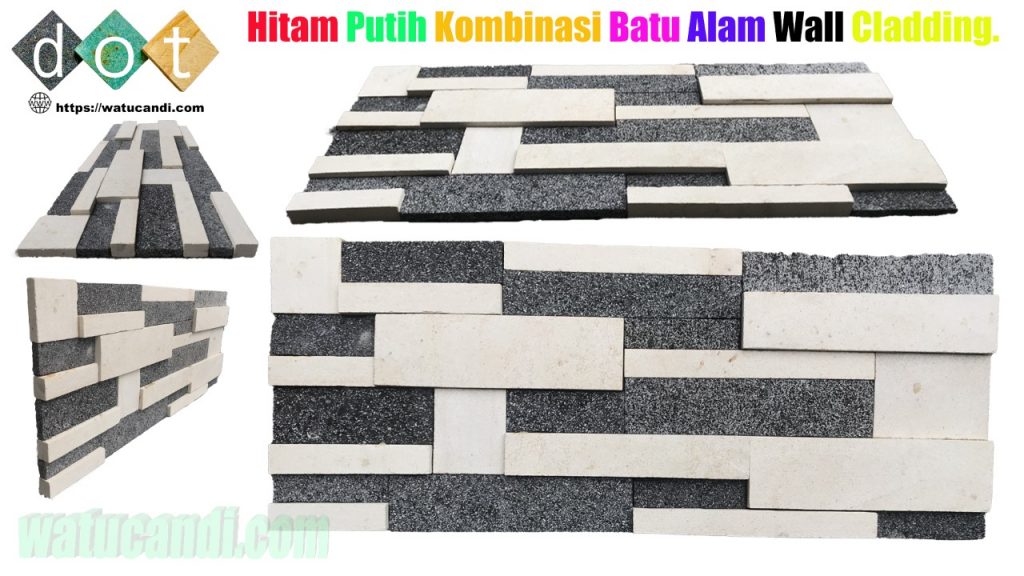
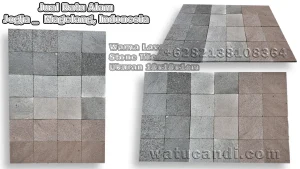
In the photo above, it is clearly visible how light interaction with different stone surfaces creates depth perception. The rough-finished black lava stone section acts as a visual anchor stabilizing composition, while the subtle sheen of surrounding paras limestone prevents walls from looking too heavy. This combination is ideal for modern minimalist house facades wanting to avoid flat impressions on exterior walls. Note also the precise grout density, indicating high-level stone cutting quality achievable only by experienced artisans.
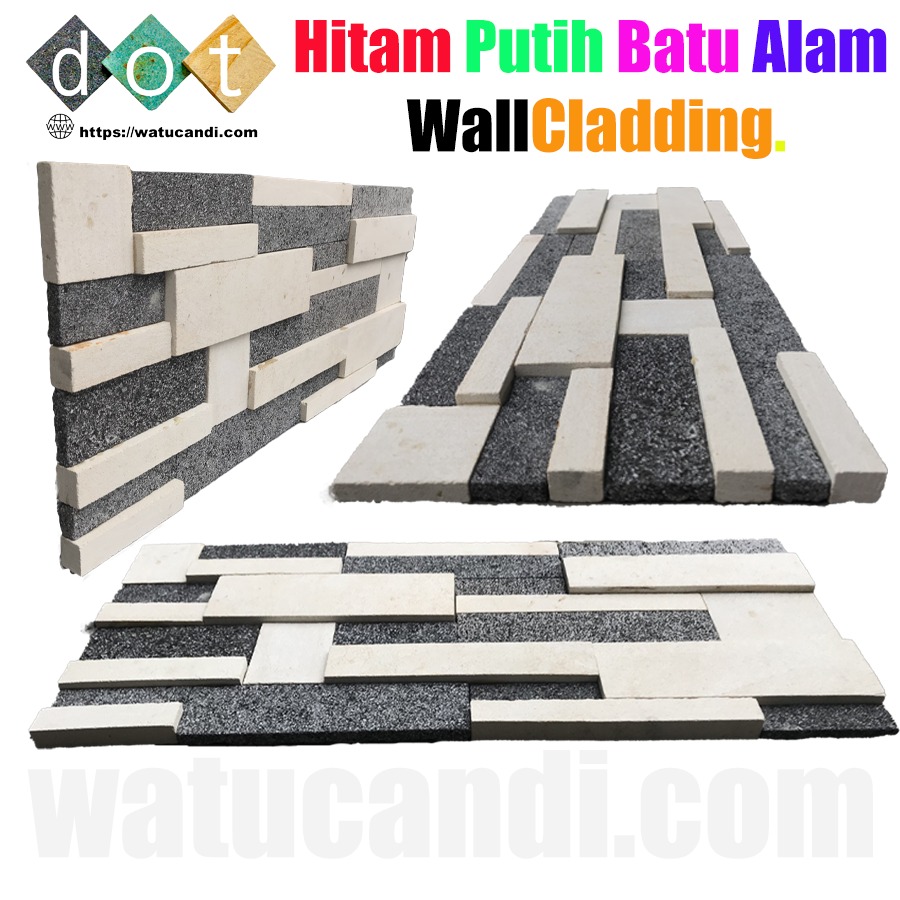
This interior application demonstrates black white wall cladding ability to manipulate spatial perception. Despite dark color dominance, strategically arranged white paras accents actually make ceilings feel higher and rooms more proportional. In interior contexts, this material also functions as natural acoustics; micro-pores in lava stone help reduce echoes, making living rooms or home theaters auditorily comfortable. This proves natural stone is not just about visuals but also functional residential comfort.

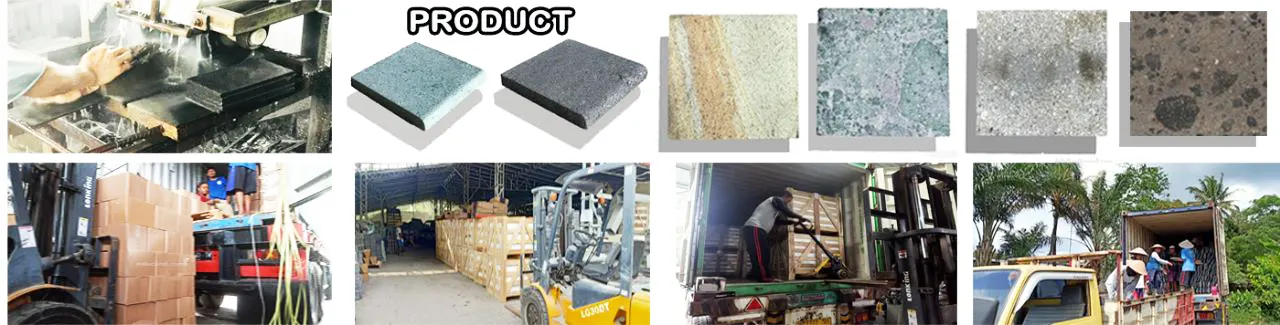
This production process photo confirms the “human touch” value absent in manufactured materials. Each stone fragment is selected, sorted by color gradation, and manually arranged to ensure natural flowing color transitions. This controlled non-uniformity is the signature of Watucandi natural stone craftsmanship. For clients valuing craftsmanship, knowing their walls are handmade by local Yogyakarta artisans provides emotional value and pride surpassing mere wall covering function.
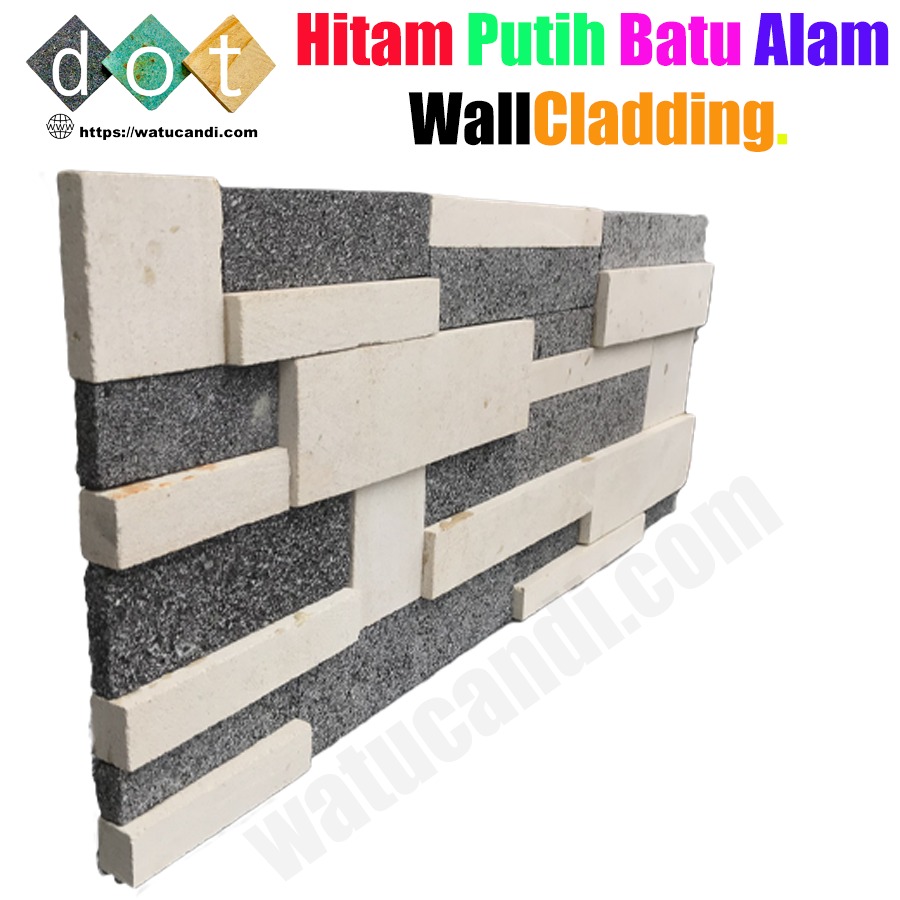
This close-up reveals the rich color palette hidden within “black white” categories. Actually, natural stone is never truly absolute monochrome. There are brownish undertones in paras, greenish-gray nuances in lava, plus faint fossil traces and mineral veins. These microscopic variations make natural stone walls always appear alive and different each time viewed from changing angles or lighting. In sustainable architectural design, this characteristic is highly valued as it reduces visual fatigue compared to static synthetic surfaces.
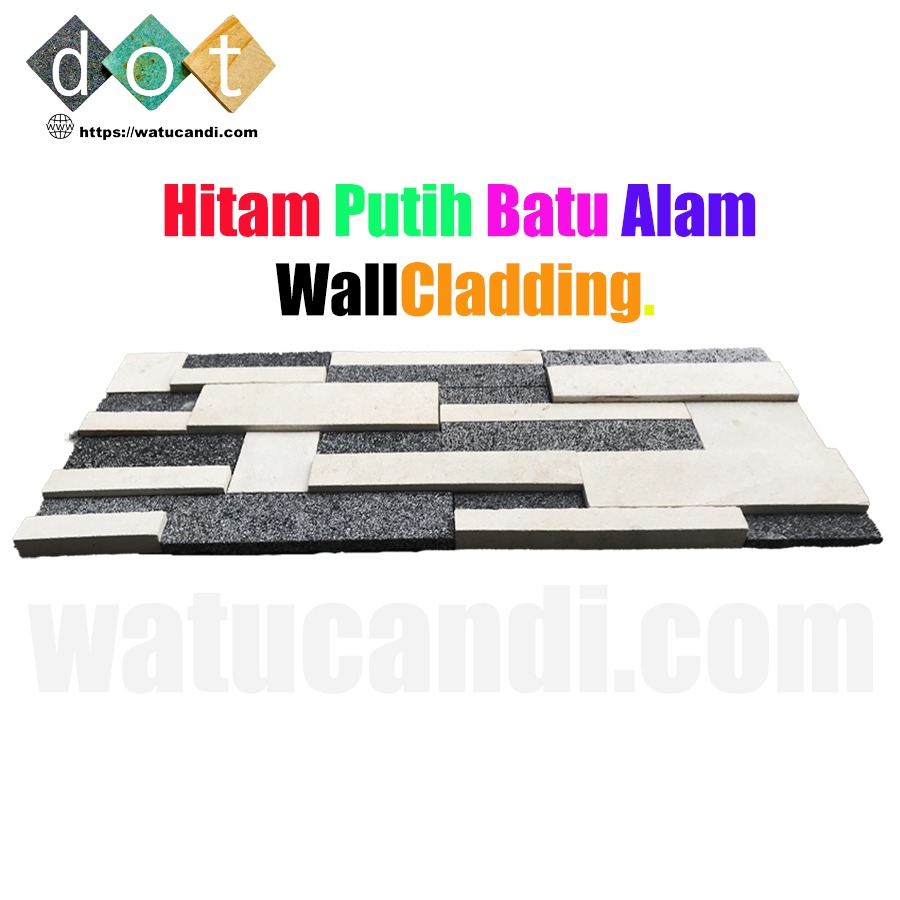
Many clients initially sought textured stone wallpaper but switched to authentic wall cladding after seeing this sample. Unlike wallpaper merely imitating texture visually, these natural stone panels offer real tactile experiences. Cold stone touch, split face roughness, and material weight provide authentic luxury sensations. In terms of long-term investment, natural stone panels are far more economical as they need no replacement every 3-5 years like wallpaper, and actually gain character with natural material aging.
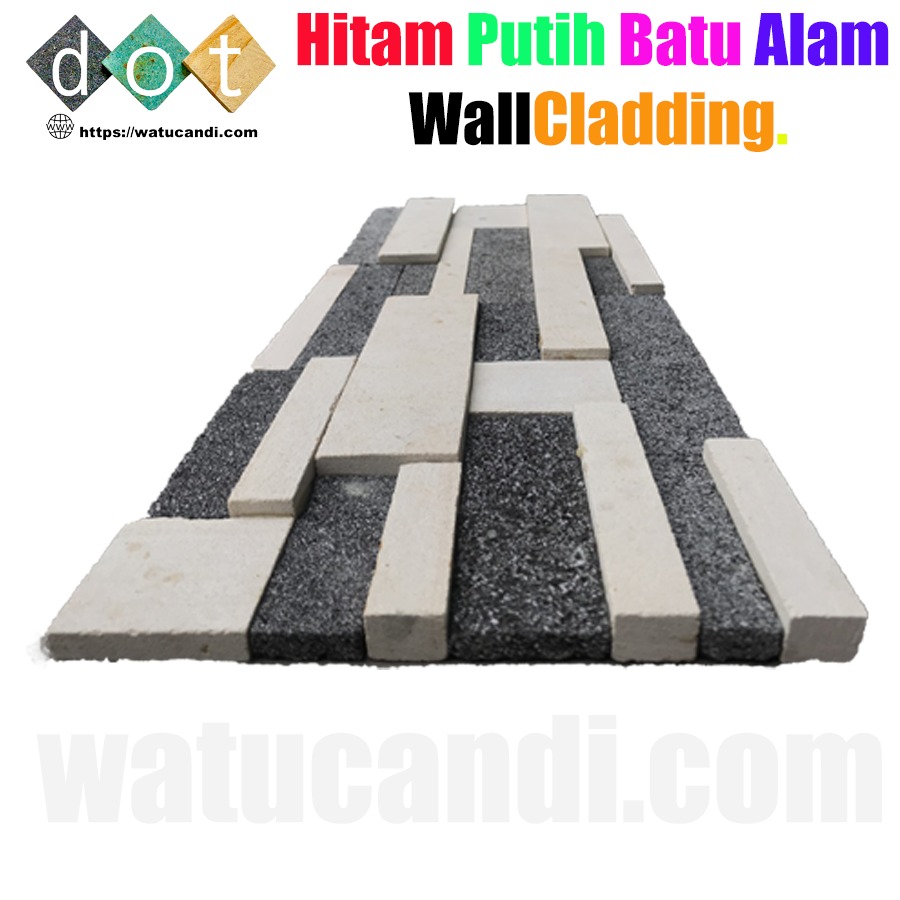
This exterior final result documentation shows material performance after elemental exposure. Black lava stone proves no significant fading despite direct UV exposure, while properly coated paras limestone maintains cleanliness from moss and mold. Important to note that exterior wall cladding beauty heavily depends on initial installation and coating quality. This photo represents Watucandi professional installation standards addressing drainage, back-wall ventilation, and surface protection, ensuring your architectural investment lasts decades without significant aesthetic degradation.
Getting Closer to Watucandi Products and Services
As trusted natural stone artisans and suppliers from Yogyakarta, Watucandi does not just sell materials but provides comprehensive architectural solutions. Our product catalog encompasses hundreds of continuously growing SKUs, from standard tiles to custom slabs and bespoke furniture.
For further product exploration, visit categories for natural stone tiles, natural stone slabs, and natural stone edges. For unique and limited edition products, check collections of unique beautiful product models and latest styles.
We also provide materials for spiritual and traditional needs, such as pelinggih stone materials, kijing tombstones, and stone umpak for joglo pillars. This demonstrates our commitment to preserving cultural heritage through authentic materials.
For public infrastructure or accessibility projects, we produce natural stone tactile guiding block paving meeting standards while remaining aesthetic. And for premium outdoor decking needs, Merapi lava stone decking parquet is latest innovation combining barefoot comfort with volcanic durability.
Conclusion: Timeless Aesthetic Investment
Choosing Black White Wall Cladding Combination with Limestone Sandstone (Paras) natural stone is a strategic and emotional design decision. Strategic because it significantly increases property value through premium durable materials. Emotional because it connects inhabitants with nature, Merapi geological history, and local artisan skills passed down generations.
The key to successful combination wall cladding projects lies in three pillars: appropriate material selection according to function and location, pattern design aligned with architectural concepts, and professional installation and maintenance. By paying attention to details outlined in this comprehensive guide, you are not merely building walls but creating life canvases that age gracefully over time.
Do not hesitate to consult with Watucandi expert team to discuss your specific project needs. From sample selection, requirement calculation, to installer recommendations, we are ready to accompany your journey in realizing dream spaces. Contact us today, because natural stone beauty is an investment worth fighting for with careful planning.
Hopefully this guide is useful and becomes authoritative reference in your architectural journey. Happy creating with Indonesian natural stone!
black white wall cladding, paras limestone yogyakarta, merapi lava cladding, candi stone mosaic, sandstone limestone wall, chiseled lava stone, white paras split face, modern tropical facade design, natural stone interior wall, premium merapi lava paving, sukabumi green pool stone, chiseled andesite flooring, super white palimanan limestone, indonesian volcanic cladding, watucandi stone craftsmanship, luxury minimalist wall decor, swimming pool natural stone, handmade lava furniture, contemporary joglo architecture, natural stone coating maintenance,
Editor’s Note: This article is compiled as a comprehensive educational guide. Technical specifications, material availability, and prices may change at any time. Always verify current information and consult your project needs directly with the Watucandi team for accuracy and best recommendations. All links in this article direct to relevant product or guide pages on watucandi.com to facilitate further material exploration.