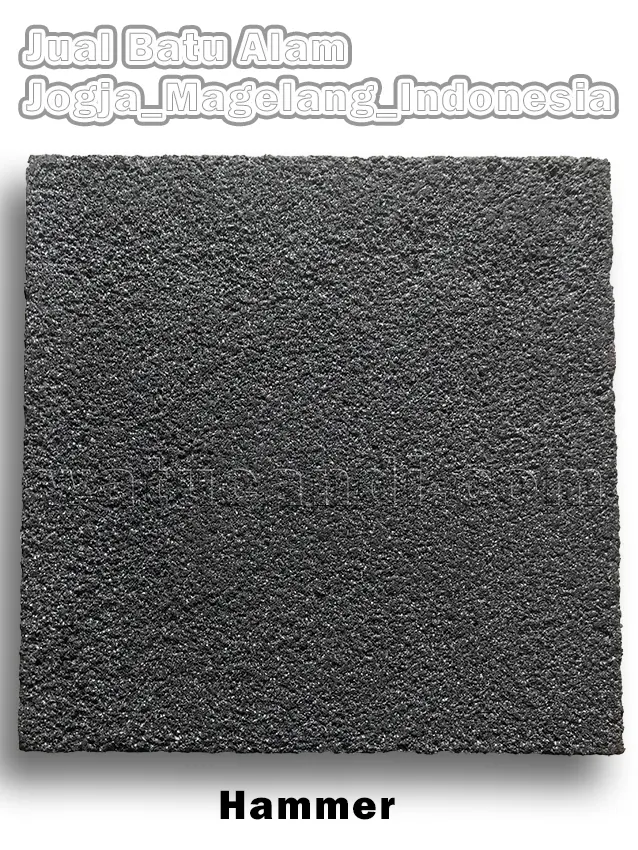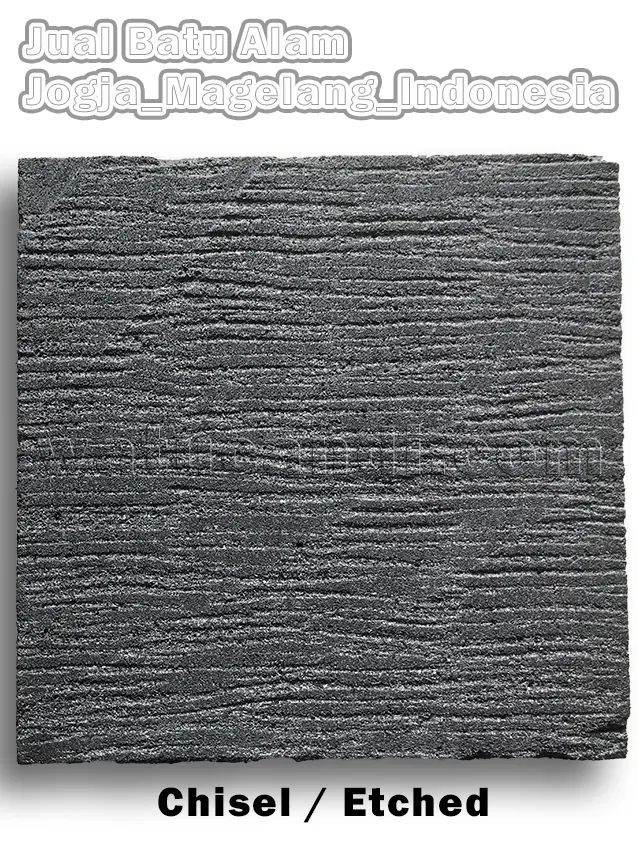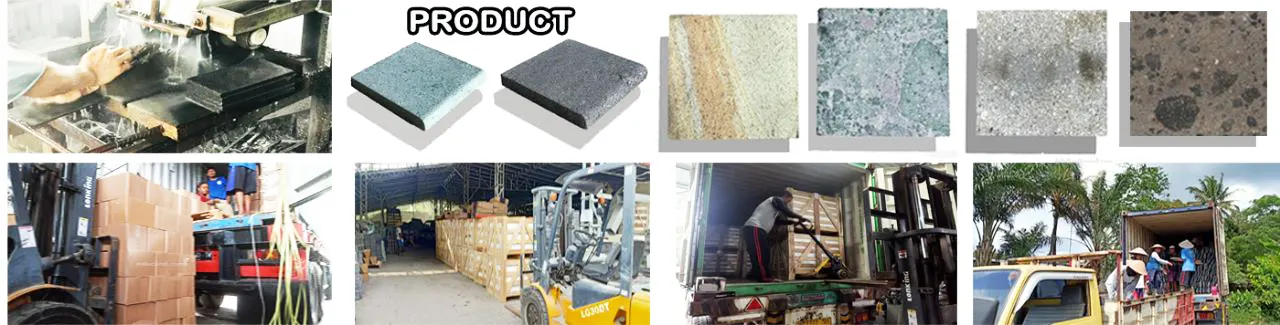

Garden Wall Foundation Stone Border
Discover the transformative power of machine-cut natural stone borders for garden walls and foundations. This comprehensive guide explores the aesthetic, structural, and functional benefits of using Indonesian volcanic stone from Mount Merapi. Learn about installation techniques, design inspirations, maintenance, and how these durable materials can elevate your landscape architecture, outdoor fencing, and hardscaping projects. Perfect for architects, developers, and homeowners seeking sustainable and elegant outdoor solutions.
Table of Contents
- 1. Introduction: The Renaissance of Natural Stone in Landscape Architecture
- 2. What are Machine-Cut Garden Wall Foundation Stone Borders?
- The Fusion of Machine Precision and Natural Texture
- Understanding the Dimensions and Specifications
- 3. Key Functions and Benefits in Garden Design
- Defining Spaces and Creating Order
- Aesthetic Enhancement and Decorative Value
- Structural Integrity and Support
- Traffic Guidance and Safety
- Plant Containment and Soil Erosion Control
- Sustainability and Environmental Impact
- 4. The Source: Indonesian Volcanic Stone from Mount Merapi
- Geological Origins and Mineral Composition
- Durability and Weather Resistance
- Color Variations: Black, Grey, and Brown Tones
- 5. Design Inspirations and Architectural Applications
- Modern Minimalist Garden Borders
- Rustic and Traditional Estate Fencing
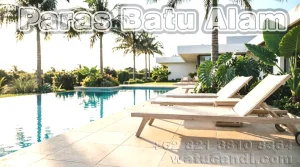
- Integration with Water Features and Pools
- Combining with Other Natural Materials
- 6. Step-by-Step Installation Guide for Professionals and DIYers
- Site Preparation and Foundation Laying
- Mortar Mixing and Application Techniques
- Leveling and Alignment Strategies
- Curing and Finishing Touches
- 7. Long-Term Maintenance and Care Protocol
- Cleaning Methods for Natural Stone
- Sealing and Protection Against Elements
- Repairing Cracks and Structural Issues
- 8. Comparative Analysis: Natural Stone vs. Concrete vs. Wood
- 9. Sourcing High-Quality Stone from Watu Candi
- 10. Frequently Asked Questions (FAQ)
- 11. Conclusion: Elevating Your Outdoor Space with Timeless Stone
1. Introduction: The Renaissance of Natural Stone in Landscape Architecture
In the evolving world of architecture and landscape design, there is a profound shift towards materials that not only serve a functional purpose but also connect us deeply with nature. Among these materials, Natural Stone Garden Wall Foundation Borders have emerged as a premier choice for architects, developers, and homeowners who seek to blend rugged durability with organic beauty. Sourced from the rich volcanic deposits of Indonesia, particularly from the iconic Mount Merapi, these stones offer a unique combination of structural integrity, aesthetic appeal, and environmental sustainability.
This comprehensive guide delves into the world of Indonesian natural stone borders. We will explore their geological origins, the science behind their unique texture created by a fusion of machine cutting and natural surfaces, and their myriad applications in modern construction. From minimalist garden paths to luxurious estate fencing, understanding the nuances of Black Lava Stone and Lava Stone Exterior Designs will empower you to make informed decisions that enhance both the value and beauty of your property. We will also cover detailed installation protocols, maintenance strategies, and comparative analyses with other popular border materials like concrete, wood, and brick.
2. What are Machine-Cut Garden Wall Foundation Stone Borders?
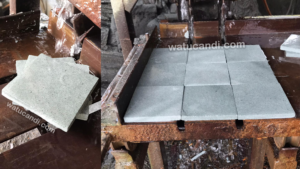
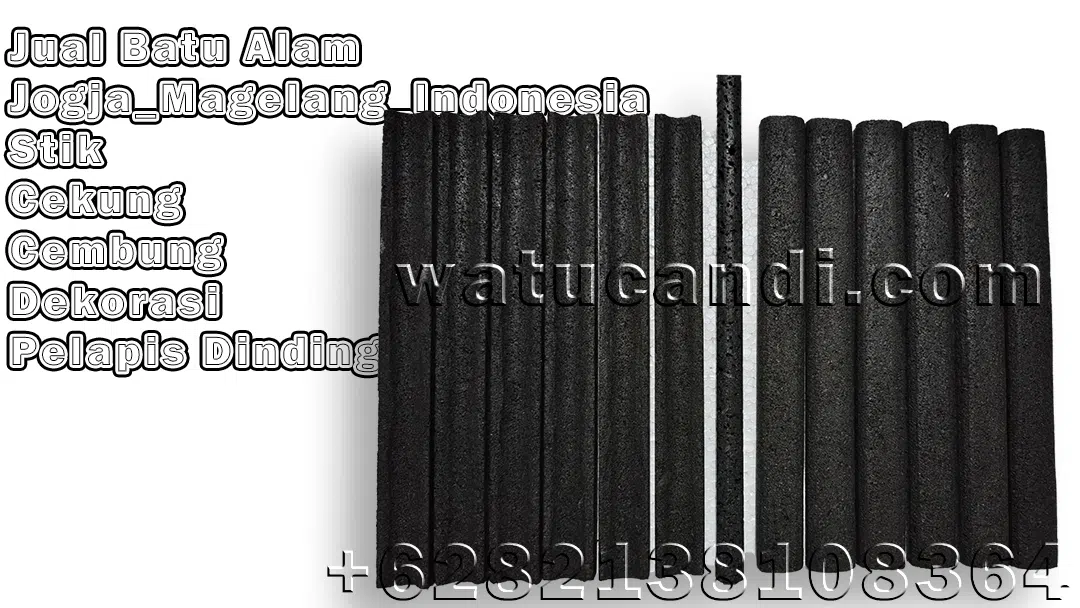
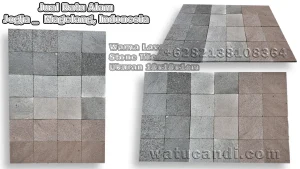
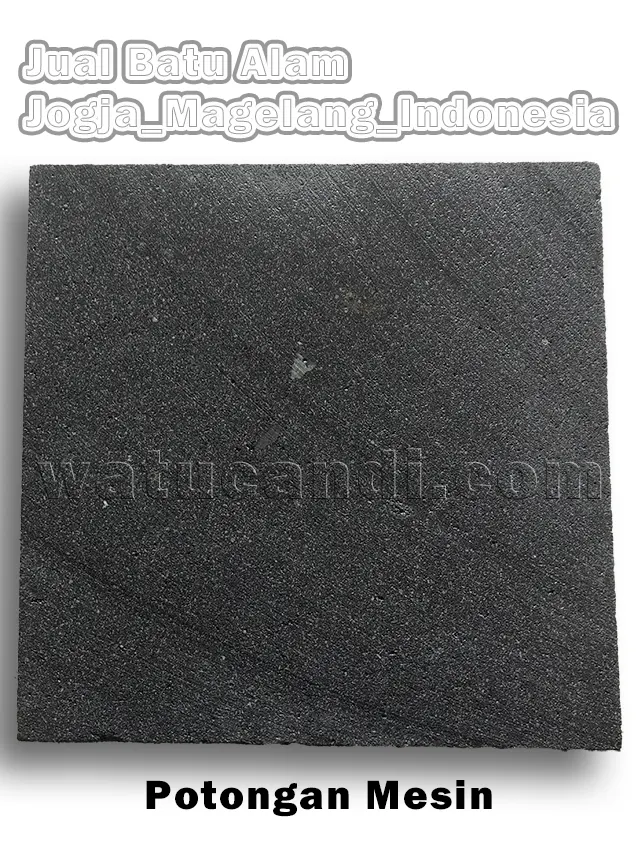
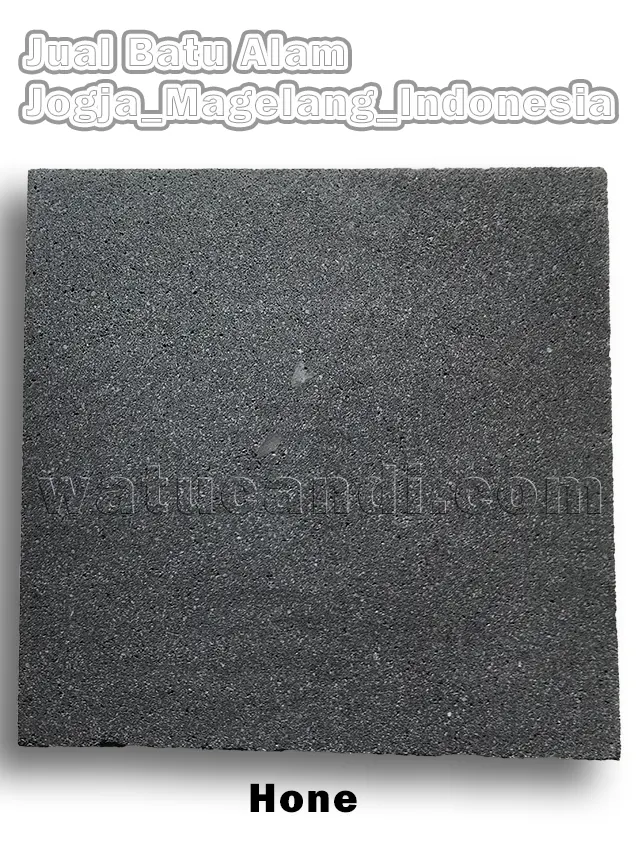
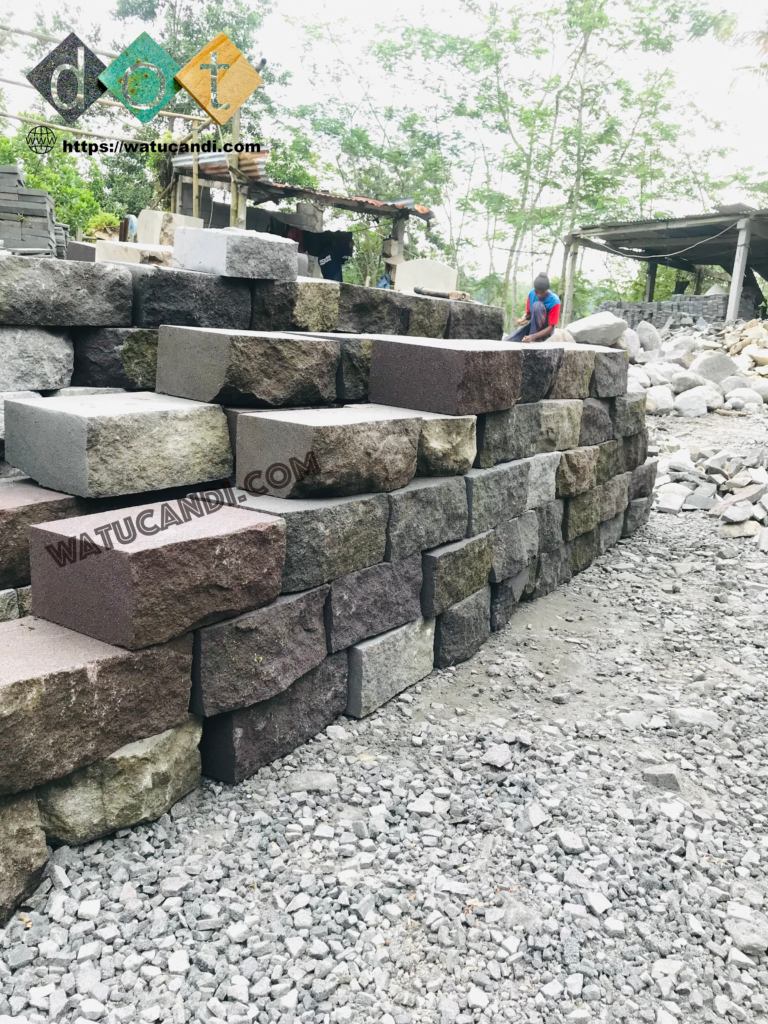
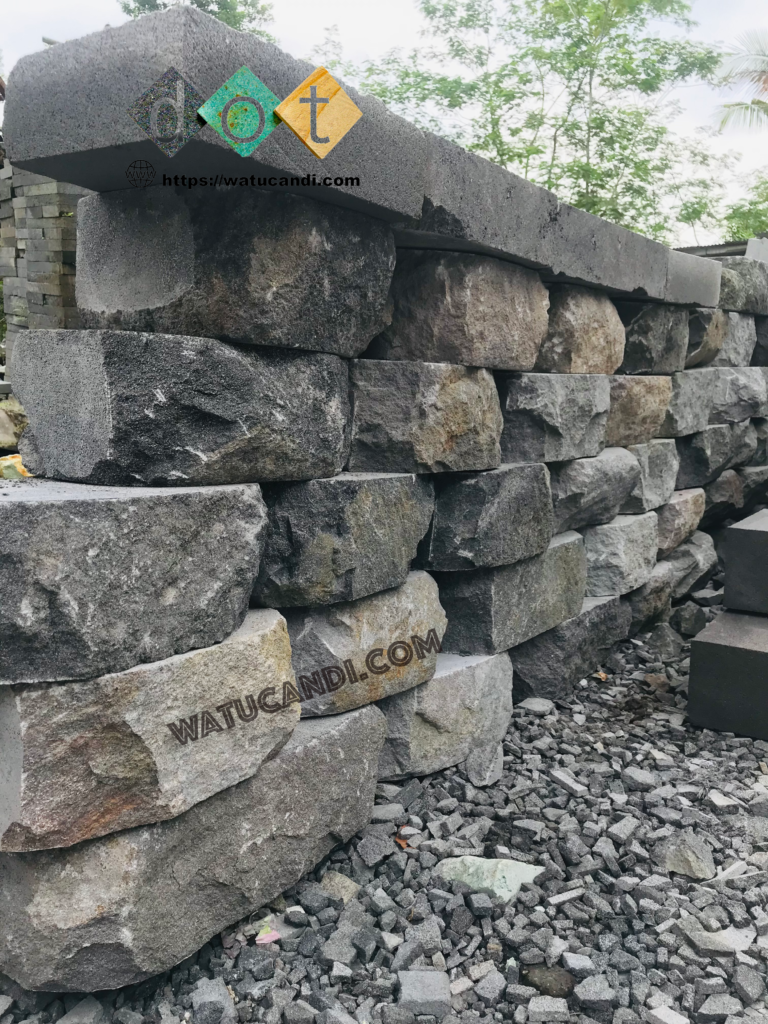
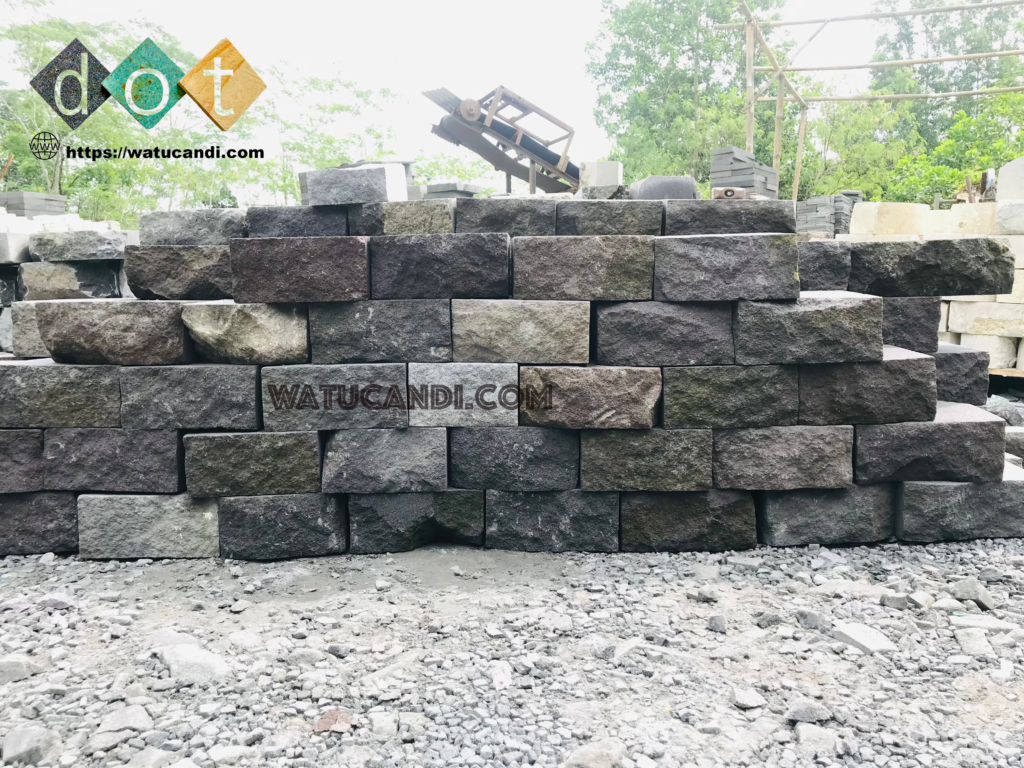
Machine-cut garden wall foundation stone borders are specialized natural stone units designed to serve as both decorative elements and structural foundations for outdoor spaces. Unlike fully polished tiles or completely raw boulders, these stones represent a hybrid approach. They utilize machine cutting tools to create flatter, more uniform surfaces on specific sides, while retaining the natural, abstract, or rough texture on others. This combination allows for easier stacking and alignment during installation, ensuring a solid and stable foundation, while still preserving the organic charm of natural rock.
The Fusion of Machine Precision and Natural Texture
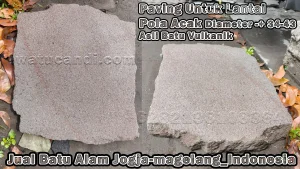
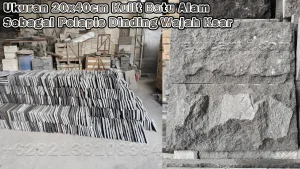
The creation process involves using advanced cutting machinery to shape the stone into manageable blocks. However, the finish is not entirely smooth. One side may be flattened to ensure stability when stacked, while the visible face retains its natural roughness, semi-circular curves, or abstract sculpted patterns. This duality offers the best of both worlds: the ease of construction associated with manufactured materials and the unique, non-replicable beauty of nature. For those interested in similar textured finishes, explore our range of Rough Surface Natural Stone Floors.
Understanding the Dimensions and Specifications
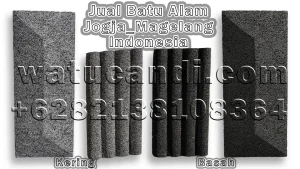
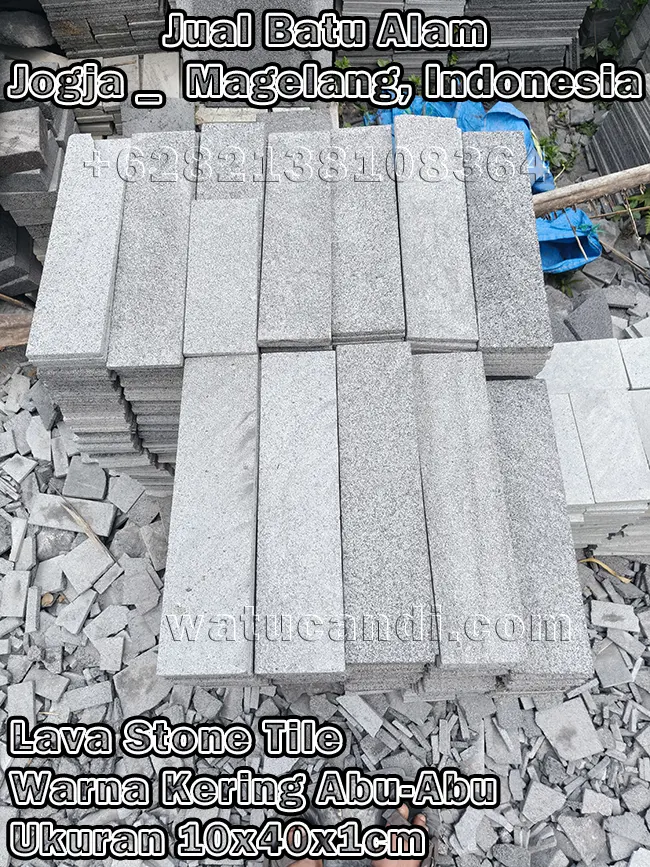
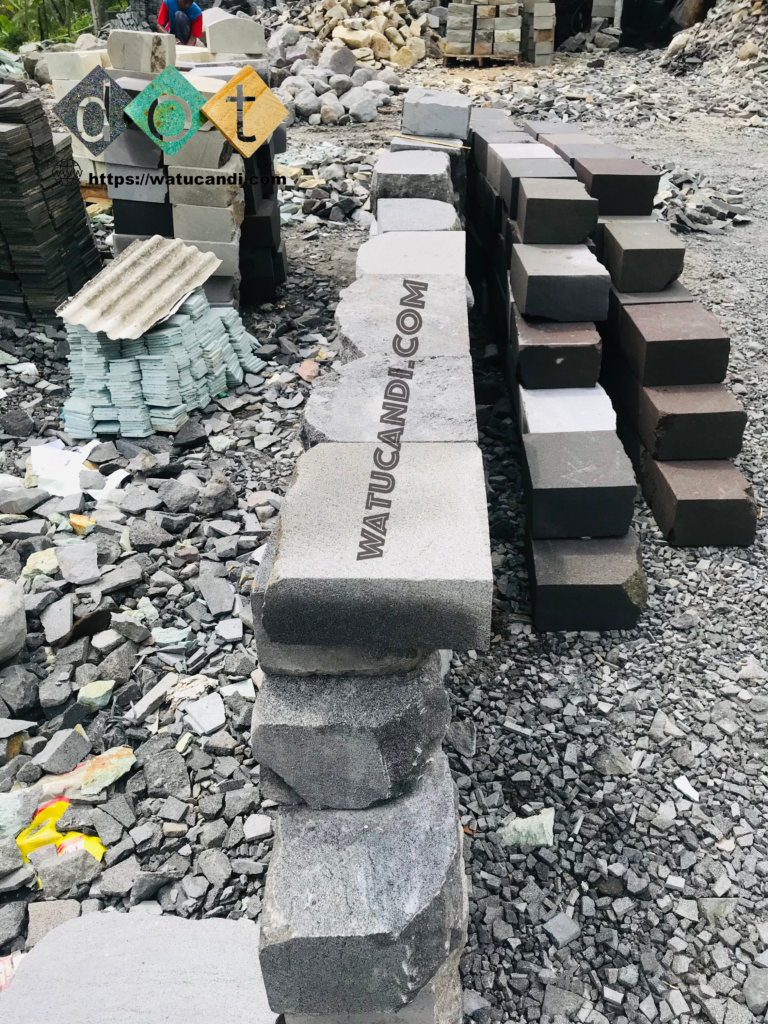
The dimensions of these natural stone borders can vary slightly due to their organic origin, but standard sizes are often maintained for consistency in design. As seen in our product images, the typical dimensions are approximately:
- Top Surface Width: Approximately 25 cm
- Side Surface Thickness/Width: Approximately 15 cm
- Length: Irregular, ranging between 30 cm to 43 cm, depending on material availability.
This irregular length adds to the rustic charm, allowing for flexible design patterns such as random ashlar or running bond. The substantial thickness ensures that the stone can withstand heavy loads, making it suitable not just as a decorative border, but as a true structural foundation for fences and walls. For larger structural applications, consider our Natural Stone Slabs.
3. Key Functions and Benefits in Garden Design
Machine-cut garden wall foundation stone borders serve multiple critical functions in landscape architecture. They are not merely decorative; they are integral to the functionality and longevity of your outdoor space.
Defining Spaces and Creating Order
The primary function of these stone borders is to define and separate different areas within a garden. By strategically placing these stones, you can distinguish between flower beds, pathways, lawn areas, mini ponds, or other decorative zones. This clear demarcation creates a sense of order and organization, preventing the garden from looking chaotic or overgrown. It helps guide the eye and creates a structured layout that enhances the overall design coherence.
Aesthetic Enhancement and Decorative Value
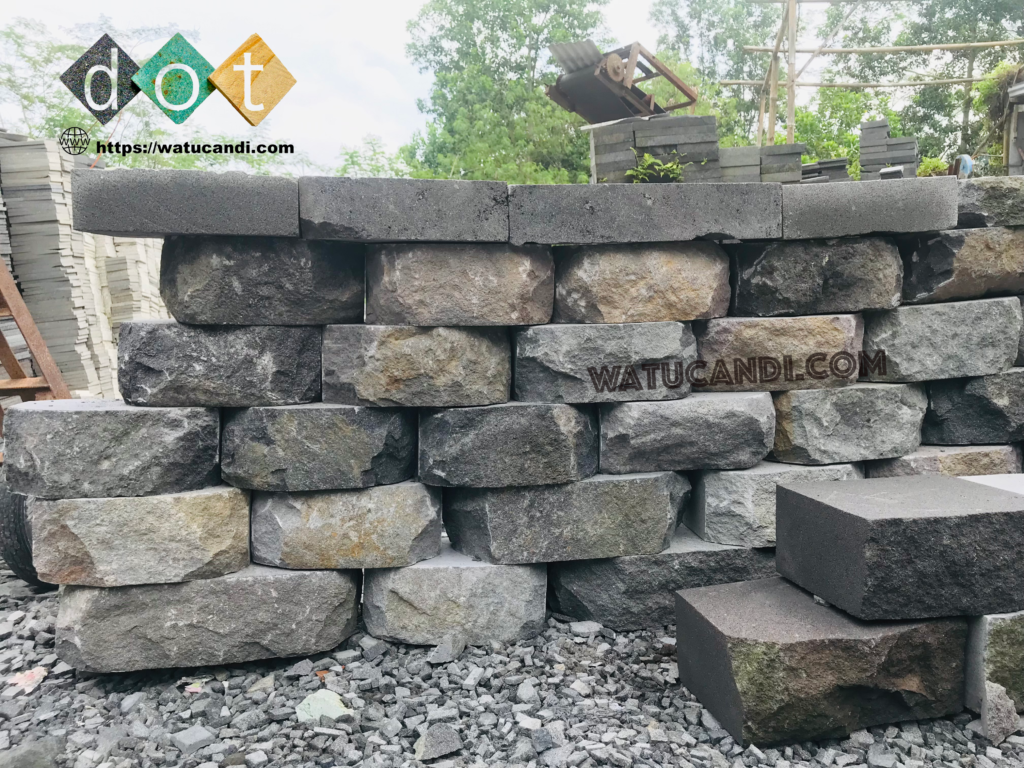
Natural stone adds immense aesthetic value to any outdoor space. The unique textures, colors, and shapes of machine-cut stones provide a natural and authentic look that synthetic materials often fail to replicate. The abstract surfaces, which can be sculpted, semi-circular, or naturally rough, add visual interest and depth. This decorative function makes the garden more attractive and enjoyable to view, creating a serene and inviting atmosphere. For more inspiration on aesthetic stone uses, see our Natural Stone and Furniture collection.
Structural Integrity and Support
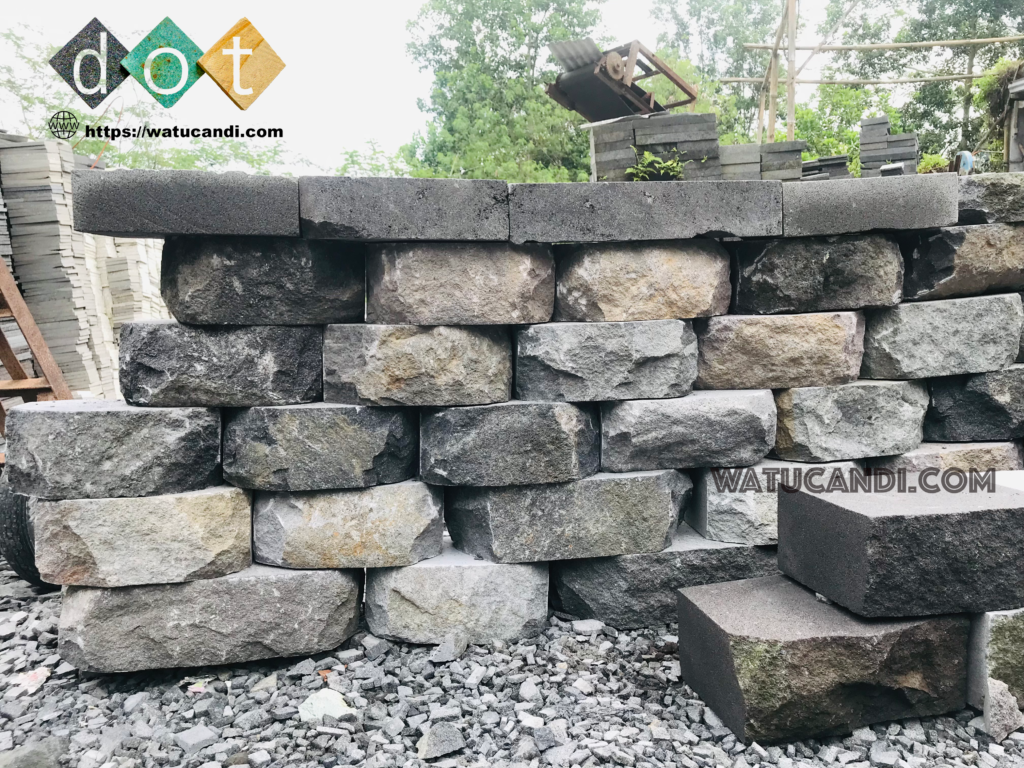
Beyond aesthetics, these stones serve as a robust structure or base for other garden elements. They can support garden fences, statues, mini ponds, or specific plantings. The machine-cut flat surfaces ensure a stable stacking ability, creating a solid foundation that can bear weight and resist shifting. This structural role ensures that other garden features remain secure and properly aligned over time. For heavy-duty foundational needs, our Andesite Paving Stone offers similar structural reliability.
Traffic Guidance and Safety
Stone borders can be used to guide movement within the garden. By placing them along pathways or walkways, they provide clear visual cues to visitors, directing them through the space safely. Additionally, they can act as a barrier to prevent people from stepping onto delicate plant beds or grassy areas, protecting the landscape from wear and tear. In areas near water features, they provide a safe boundary, preventing accidental falls into pools or ponds.
Plant Containment and Soil Erosion Control
These stone borders are excellent for containing the growth of plants and grass. They prevent roots from spreading into unwanted areas, such as pathways or lawns, keeping the garden neat and tidy. Furthermore, they help control soil erosion by holding back soil in raised beds or sloped areas. This is particularly important in regions with heavy rainfall, where soil runoff can damage the landscape. The weight and stability of the stone ensure that the soil remains in place, maintaining the integrity of the garden design.
Sustainability and Environmental Impact
Using natural stone as a garden border is an environmentally friendly choice. Stone is a natural, durable material that does not require harmful chemicals for production. It is fully recyclable and has a long lifespan, reducing the need for frequent replacements. Compared to concrete or plastic borders, natural stone has a lower carbon footprint, especially when sourced locally from reputable suppliers like Watu Candi. Its durability means it will last for decades, making it a sustainable investment for your garden.
4. The Source: Indonesian Volcanic Stone from Mount Merapi
The quality of the stone is paramount to the success of any landscaping project. Our machine-cut garden wall foundation stones are sourced from the volcanic slopes of Mount Merapi in Central Java, Indonesia. This region is renowned for producing some of the highest quality volcanic stone in the world.
Geological Origins and Mineral Composition
Mount Merapi is one of the most active volcanoes in Indonesia, and its eruptions have deposited layers of lava and ash over thousands of years. These deposits have solidified into dense, hard rock known as andesite and basalt. The mineral composition of this stone includes high levels of silica, iron, and magnesium, which contribute to its exceptional hardness and resistance to weathering. The rapid cooling of the lava creates a fine-grained structure that is both strong and aesthetically pleasing. For those interested in the geological details, see our article on Hidden Crystals in Merapi Lava.
Durability and Weather Resistance
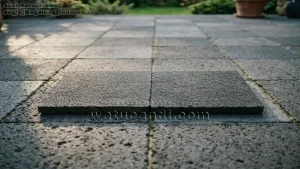
Volcanic stone from Mount Merapi is incredibly durable. It is resistant to extreme temperatures, heavy rain, and intense sunlight. Unlike wood, which can rot or warp, or concrete, which can crack over time, this natural stone maintains its integrity for decades. It is also resistant to chemicals, oils, and stains, making it suitable for various outdoor environments. Its low porosity means it absorbs less water, reducing the risk of freeze-thaw damage in colder climates. For more on durable outdoor flooring, check out Merapi Stone Outdoor Flooring.
Color Variations: Black, Grey, and Brown Tones
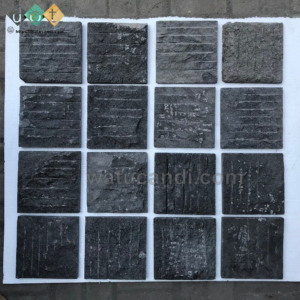
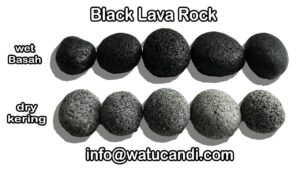
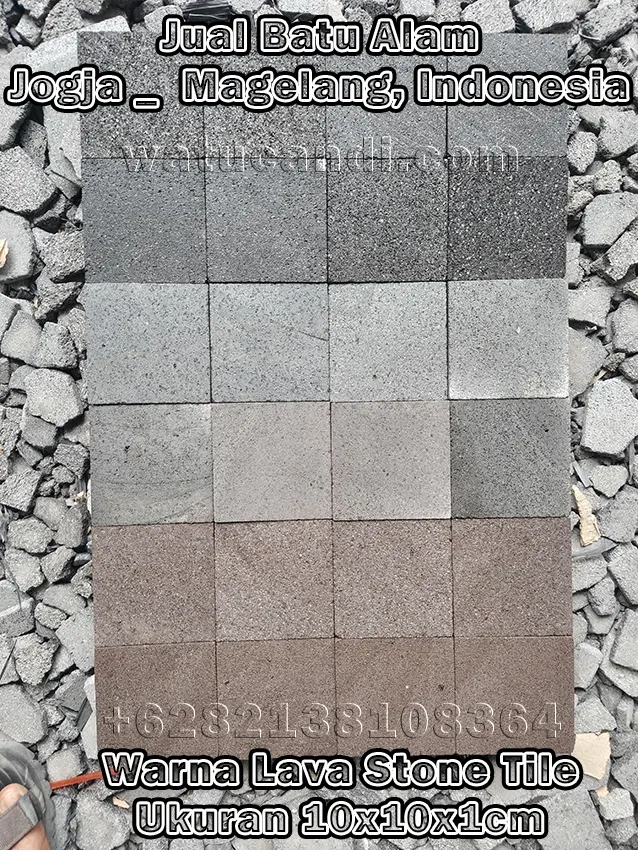
The stone comes in a variety of natural colors, including deep black, charcoal grey, and earthy browns. These colors blend seamlessly with natural landscapes, complementing greenery, wood, and water features. The variation in color adds depth and character to the garden, creating a dynamic and visually interesting border. The black and grey tones, in particular, offer a modern and sophisticated look that pairs well with contemporary architectural styles. Explore our Black Lava Stone Tiles for consistent dark tones.
5. Design Inspirations and Architectural Applications
The versatility of machine-cut garden wall foundation stones allows for a wide range of design possibilities. Here are some inspiring ways to incorporate them into your landscape architecture.
Modern Minimalist Garden Borders
For a modern minimalist look, use the machine-cut flat surfaces to create clean, straight lines. Stack the stones uniformly to create a low wall that defines the edge of a lawn or pathway. The contrast between the rough natural face and the smooth cut edges adds visual interest without clutter. Pair this with simple greenery and gravel for a sleek, contemporary aesthetic. This style works well with Tumbled Finish Natural Stone accents for a softer touch.
Rustic and Traditional Estate Fencing
Embrace the natural irregularity of the stone by using a random ashlar pattern. Stack the stones of varying lengths to create a rustic, timeless look. This style is perfect for traditional estates or country homes. The thick, robust appearance of the stone conveys a sense of permanence and history. Combine with wooden gates or iron railings for a classic estate feel. For a more rugged texture, consider Random Candi Lava Wall Cladding techniques.
Integration with Water Features and Pools
Use the stone borders to frame water features such as mini ponds, fountains, or swimming pools. The natural texture of the stone complements the fluidity of water, creating a harmonious balance. The dark tones of the stone can make the water appear clearer and more vibrant. Ensure the stone is properly sealed to prevent water absorption and staining. For pool-specific applications, our Lava Stone for Swimming Pools is an excellent companion product.
Combining with Other Natural Materials
Mix and match the stone borders with other natural materials such as wood, bamboo, or gravel. For example, use the stone as a base for a wooden fence, or combine it with bamboo screening for a tropical look. The contrast between the hard, cold stone and the warm, organic wood creates a dynamic and inviting space. You can also integrate Handmade Stone Tables and Chairs nearby to create a cohesive outdoor living area.
6. Step-by-Step Installation Guide for Professionals and DIYers
Proper installation is crucial to ensure the longevity and stability of your garden wall foundation. While professional installation is recommended for large projects, DIY enthusiasts can also achieve great results by following these steps.
Site Preparation and Foundation Laying
1. Mark the Area: Use stakes and string to mark the line where the border will be installed.
2. Excavate: Dig a trench along the marked line. The depth should be at least 15-20 cm, depending on the height of the wall.
3. Add Base Material: Fill the trench with a layer of crushed gravel or sand. Compact this layer thoroughly to create a stable base. This prevents settling and shifting over time.
Mortar Mixing and Application Techniques
1. Mix Mortar: Prepare a mortar mix using cement, sand, and water. The consistency should be thick enough to hold the stones in place but workable enough to spread easily.
2. Apply Mortar: Spread a layer of mortar on the base. Place the first row of stones, pressing them firmly into the mortar. Use a level to ensure they are straight and even.
3. Stacking: Continue stacking the stones, applying mortar between each layer. Stagger the joints to increase stability. For complex patterns, refer to our guide on Carved Natural Stone Installation Patterns.
Leveling and Alignment Strategies
1. Check Level: Use a spirit level frequently to check the horizontal and vertical alignment of the stones. Adjust as necessary by adding or removing mortar.
2. Clean Joints: Remove excess mortar from the joints before it dries. This creates a clean and professional look.
3. Curing: Allow the mortar to cure for at least 24-48 hours before applying any load or stress to the wall. Keep the wall moist during this period to prevent cracking.
Curing and Finishing Touches
1. Sealing: Once the wall is fully cured, apply a penetrating sealer to protect the stone from water, stains, and weathering. This enhances the color and prolongs the life of the stone.
2. Landscaping: Plant flowers or shrubs along the border to soften the look and integrate it into the garden. Add mulch or gravel on the inside of the border for a finished look.
7. Long-Term Maintenance and Care Protocol
Natural stone is low-maintenance, but regular care will keep it looking its best. Here is a simple maintenance routine:
- Routine Cleaning: Sweep or hose down the stones regularly to remove dirt and debris. For stubborn stains, use a mild soap and water solution with a soft brush. Avoid harsh chemicals or acid-based cleaners that can damage the stone surface.
- Preventing Moss and Algae: While volcanic stone resists moss better than smooth stones, it can still accumulate in shaded, damp areas. Regular cleaning and ensuring good sunlight exposure can prevent this. Use a specialized stone cleaner if necessary.
- Sealing: Reapply the penetrating sealer every 2-3 years, or as recommended by the manufacturer. This maintains the water resistance and color enhancement. For best practices, see our guide on Maintaining Indonesian Lava and Sandstone.
- Inspecting for Damage: Periodically check for loose stones or cracks in the mortar. Repair any issues promptly to prevent further damage. Tighten or replace stones as needed to maintain safety and appearance.
8. Comparative Analysis: Natural Stone vs. Concrete vs. Wood
| Feature | Natural Stone Border | Concrete Border | Wood Border |
|---|---|---|---|
| Durability | Very High | High | Low to Medium |
| Aesthetic | Natural, Unique | Uniform, Artificial | Warm, Organic |
| Maintenance | Low | Low | High |
| Cost | Moderate | Low | Medium to High |
| Eco-Friendliness | High | Low | Medium (if sustainable) |
| Lifespan | Decades | Decades | Years |
As seen in the table, natural stone offers a superior balance of durability, aesthetics, and eco-friendliness. While concrete is cheaper, it lacks the unique beauty and natural charm of stone. Wood, while warm, requires significant maintenance and has a shorter lifespan. Natural stone is a long-term investment that adds value and beauty to your property.
9. Sourcing High-Quality Stone from Watu Candi
When sourcing natural stone, quality and reliability are paramount. Watu Candi is a leading producer and exporter of Indonesian natural stone, specializing in high-quality Lava, Paras, and Andesite products. Located in the border region of Jogja and Magelang, Central Java, Watu Candi combines traditional craftsmanship with modern production techniques.
Why Choose Watu Candi?
- Direct from Source: Eliminate middlemen and get competitive pricing directly from the manufacturer.
- Quality Control: Rigorous selection processes ensure that only the best quality stones are exported. Each stone is inspected for cracks, color consistency, and finish quality.
- Customization: Ability to customize sizes, finishes, and shapes to meet specific project requirements. We can produce bespoke items such as Lava Stone for Swimming Pools and custom carvings.
- Sustainability: Commitment to ethical mining practices and environmental stewardship. We work closely with local communities to ensure fair labor practices and minimal environmental impact.
- Expertise: Decades of experience in the natural stone industry, serving clients worldwide. Our team can provide technical advice on selection, installation, and maintenance.
Before placing an order, it is advisable to check stock availability, as natural stone extraction can be subject to weather and logistical constraints. Lead times can vary depending on order volume and current production queues. Visiting the workshop, if possible, allows you to see the production process and select specific stones, ensuring satisfaction with your purchase.
10. Frequently Asked Questions (FAQ)
Can I install these stones myself?
Yes, for small garden borders, DIY installation is feasible if you have basic masonry skills. However, for large walls or complex designs, professional installation is recommended to ensure structural integrity and aesthetic alignment. Watch our installation video for tips.
How do I clean the stone borders?
Regular sweeping and hosing are usually sufficient. For deeper cleaning, use a mild detergent and a soft brush. Avoid acid-based cleaners or high-pressure washers, as they can damage the stone’s surface. For persistent moss or algae, use a specialized stone cleaner.
Are these stones suitable for all climates?
Yes, Indonesian volcanic stone is highly resistant to extreme temperatures and weather conditions. It performs well in both hot tropical climates and colder regions, provided it is properly sealed to prevent water absorption and freeze-thaw damage.
What is the difference between this and regular paving stone?
Garden wall foundation stones are typically thicker and taller than paving stones, designed for vertical stacking and structural support. Paving stones are thinner and designed for horizontal laying on the ground. However, both share similar durability and aesthetic qualities. Compare with Andesite Paving Stone.
11. Conclusion: Elevating Your Outdoor Space with Timeless Stone
Machine-cut garden wall foundation stone borders offer a unique blend of natural beauty, structural integrity, and functional versatility. Whether you are looking to define your garden spaces, enhance your home’s curb appeal, or create a lasting legacy in your landscape, these stones provide the perfect solution. Their durability, eco-friendliness, and timeless aesthetic make them a superior choice for any outdoor project.
By choosing high-quality Indonesian stone from reputable suppliers like Watu Candi, you invest in craftsmanship and sustainability. Remember to follow proper installation and maintenance guidelines to ensure your stone remains beautiful for years to come. Embrace the timeless elegance of natural stone and transform your outdoor space into a sanctuary of style and comfort.
Ready to start your project? Explore our full range of natural stone products or contact us for a custom quote. Let us help you bring the essence of Indonesia to your home or business.
Related Products & Resources
- Brown Sandstone Tiles
- Tumbled Finish Natural Stone
- 3D Merapi Stone Design
- Merapi Stone Outdoor Flooring
- Lava Stone Exterior Design
- Lava Stone Floor
- Merapi Lahar Candi Stone Floor
- Rough Surface Natural Stone Floor
- Black Candi Lava Stone
- Merapi Lava Parquet Decking
- Natural Stone Slabs
- Palimanan Sandstone Tiles
- Breccia Natural Stone Tiles
- Natural Stone and Furniture
- Lava Stone for Swimming Pools
- Sirih Stack Stone Surface
- Original Sirih Stack Stone
- Original Green Sukabumi Stone Tiles
- Natural Stone Edging
- Original Merapi Stone Sink
- Black Basalt Stone Sink
- Yogyakarta Green Stone Batik Tiles
- Black Lava Stone 100x100x10
- Black Lava Stone Tiles
- Borobudur Candi Stone
- Candi Paving Stone Floor
- Black Lava Natural Stone Tiles
- Carved Stone Paving Floor
- Handmade Stone Bathtubs
- Handmade Stone Tables and Chairs
- Carved Vanity Table
- Candi Stone Stepping Floor
- General Natural Stone Tiles
- Hidden Crystals in Merapi Lava
- Carved Natural Stone Installation Patterns
- Pelinggih Stone Materials
- Black Lava Bush-Hammered Surface
- Black Lahar Stone
- Candi Lahar Stone Floor
- Lava Stone 75x230mm
- Lava Natural Stone Products
- Alkali Lava Stone
- Lava Stone General
- Candi Lava Natural Stone
- Andesite Paving Stone
- Green Sukabumi Natural Stone
- Natural Andesite Stone
- Local vs. Precision Green Stone Tiles
- Hand-Carved Stone Floor
- Black Lava Gravel Guide
- Complete Guide to Green Stone Tiles for Pools
- Guide to Natural Limestone and Travertine
- Guide to Best Indonesian Natural Lava Stone Tiles
- Green Sukabumi Natural Stone Pedra Hijau
- Random Candi Lava Wall Cladding
- Candi Lava Natural Stone Mosaic
- Indonesian Limestone Tiles for Wall and Floor
- Lava Stone Paving Slabs
- Best Volcanic Stone Paving Merapi Yogyakarta Magelang
- Black Lava Stone Tile Walls Guide
- Black Lava Stone Table Tops
- Green Stone Split Face Tiles
- Premium Lava Rock Tiles
- Definitive Guide to Black Lava Tiles
- Ultimate Guide to Swimming Pool Stone Tiles
- Ultimate Guide to Lava Rock Stepping Stone Pavers
Tags: garden wall foundation, natural stone border, machine cut stone, indonesian volcanic stone, outdoor fence design, landscape architecture, mount merapi stone, hardscaping materials, watu candi, sustainable landscaping,