


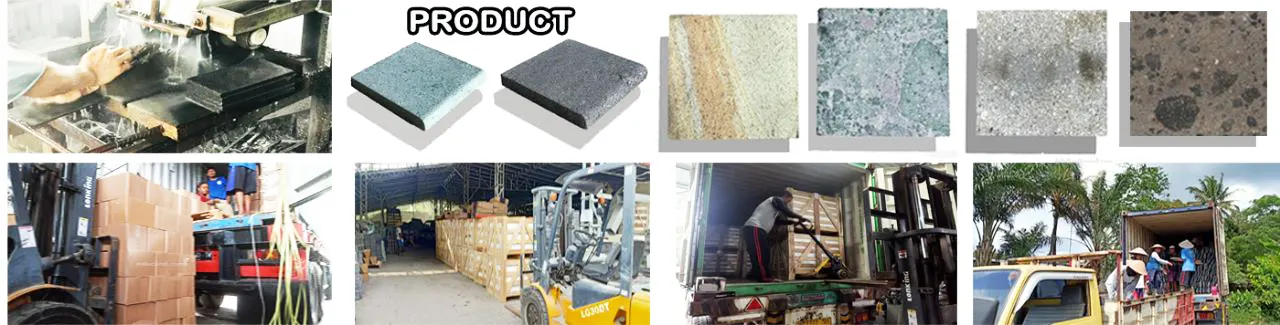
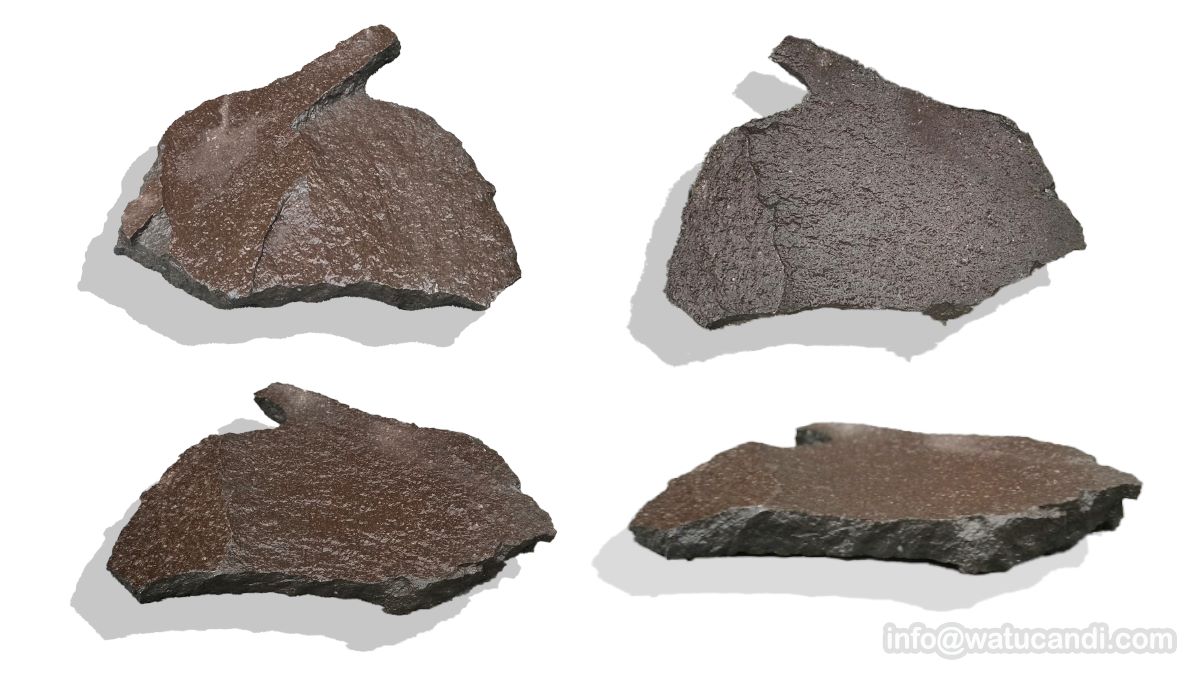
Original Natural Random Slabs Stone – Natural Random Stone Slabs – Batu Templek – Slate Stone – Flagstone – Unique Stone – Wall Cladding – Flooring
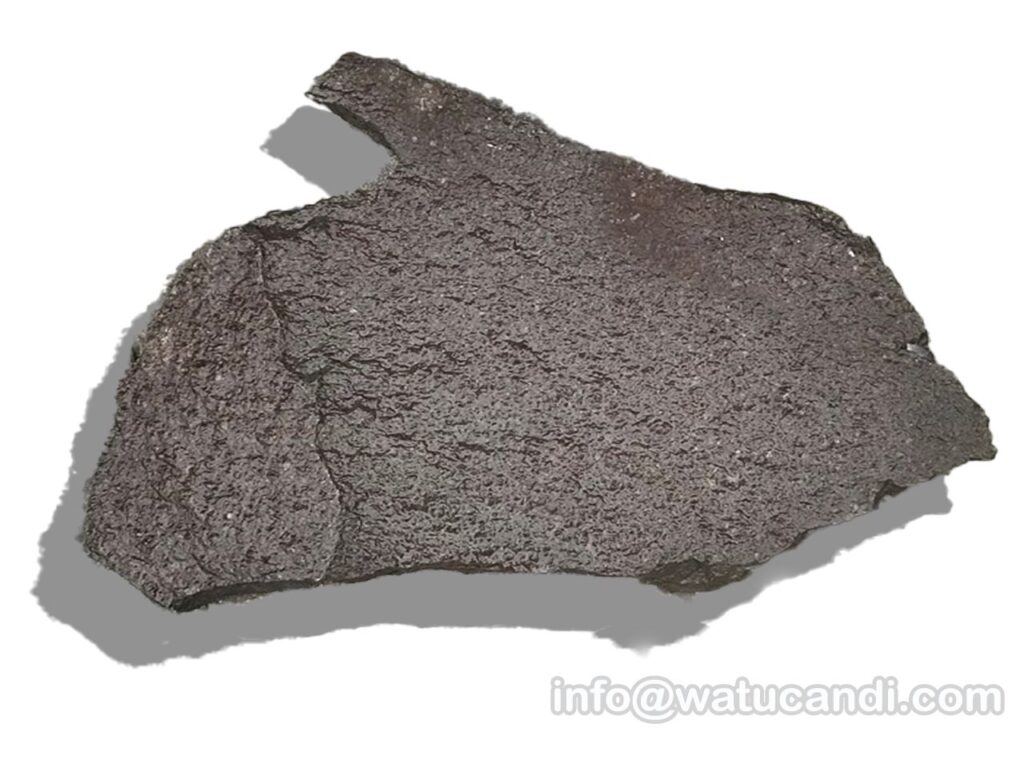
Original Random Slabs Stone – also known by various names such as batu lempeng (flagstone), batu templek, slate stone, flagstone, and unique stone – is one of the most authentic natural materials used in the world of construction and interior and exterior design. This material is original natural random slab stone formed through natural geological processes over thousands to millions of years, creating unique characteristics in each slab that cannot be replicated by any man-made material.
In the midst of modern design trends that increasingly lead to the concept of back to nature and sustainability, Original Random Slabs Stone emerges as the answer to the need for building materials that are not only aesthetic but also environmentally friendly. These natural stone slabs are typically used for flooring or walls, offering a combination of durability, natural beauty, and uniqueness that is difficult to find in other materials. Each piece tells its own geological story, making every installation a one-of-a-kind work of art.
This article will thoroughly explore everything about Original Random Slabs Stone: from definitions, formation processes, unique characteristics, advantages, various applications, installation processes, maintenance, to the best producing regions in Indonesia. We will also discuss prices and how to order this material for your construction and design projects. Let’s begin the journey of exploring the beauty of original random slabs stone.
What is Original Random Slabs Stone? Understanding Definitions and Basic Concepts
Before discussing further, it is important to clearly understand what is meant by Original Random Slabs Stone. In the context of building and decoration materials, this term has a fairly specific meaning but is often used interchangeably with several other terms. Let’s break it down one by one.
Definition of Original Random Slabs Stone
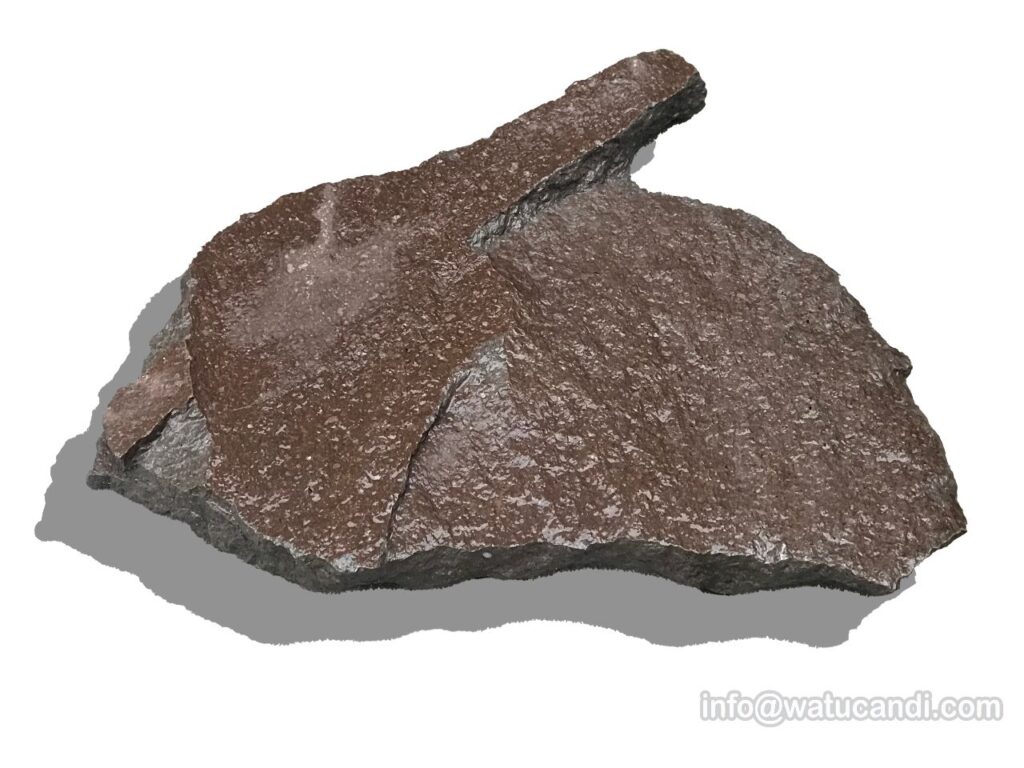
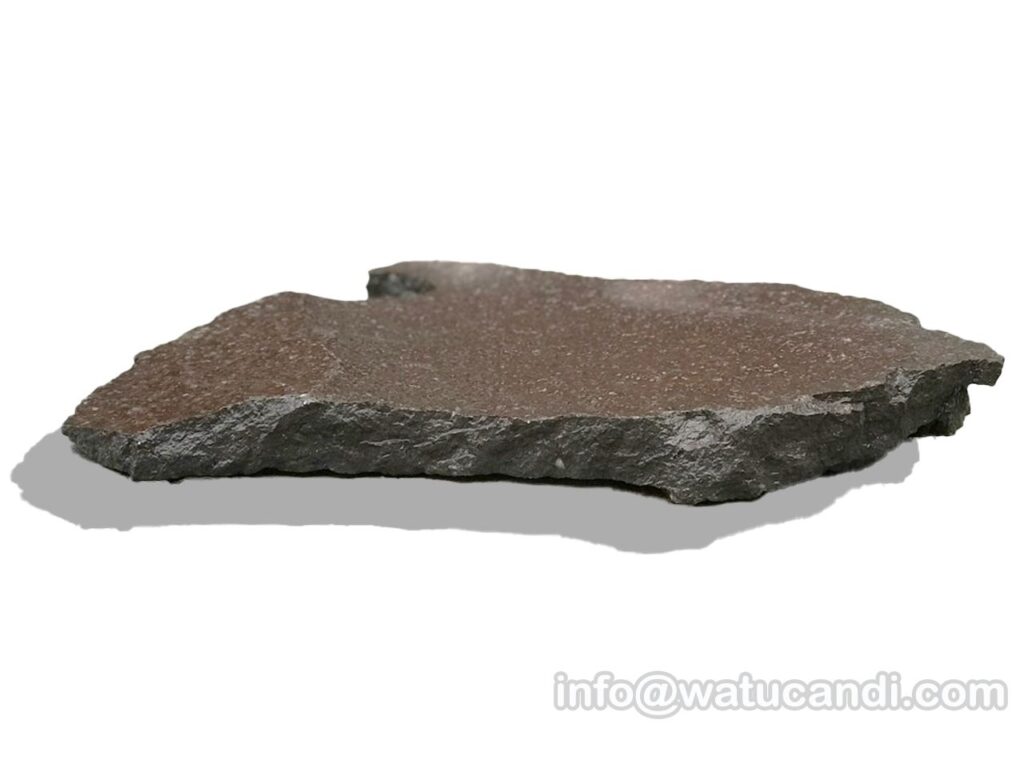
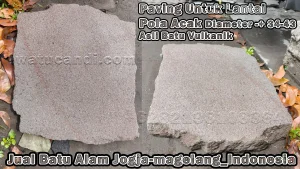
Original Random Slabs Stone is a type of natural stone that is typically used for flooring or walls. This natural stone is formed naturally by nature and has many different colors and shapes. The term “random” here does not mean haphazard or without value, but rather refers to the natural irregularity of shape, size, and pattern produced directly by natural processes without human engineering.
Random natural stone slabs are usually found in open areas such as mountains, rivers, or even the sea. The process of forming random natural stone slabs occurs naturally, where the stone is formed through geological and depositional processes that take thousands or even millions of years. Once formed, the stones are then taken and cut into slabs for construction purposes.
Because it is a material originating from nature, each random natural stone slab has different uniqueness and characteristics. This makes random natural stone sheets very popular for use in home interior and exterior design, especially to create a natural look and unique aesthetics. No two slabs are exactly alike, meaning every wall or floor you create will have its own distinctive character that cannot be found anywhere else.
Various Terms for Original Random Slabs Stone
In the international building materials industry, Original Random Slabs Stone is known by various names. The diversity of these terms often confuses consumers, but they all actually refer to the same or very similar types of materials. Here are the most commonly used terms:
- Flagstone (Batu Lempeng): The most common term in Indonesia, referring to natural stone formed naturally in thin layers (slabs). This stone is easily split following its natural lines, producing a relatively flat surface with distinctive texture. Flagstone is often considered the general category for this type of material.
- Batu Templek: A local term popular among stone craftsmen in Java, Indonesia. The word “templek” comes from the Javanese language meaning “patch” or “to stick,” describing its installation method of being attached to walls. This term emphasizes the application technique rather than the material itself.
- Slate Stone: An international term for slate, a type of metamorphic rock formed from shale that has the characteristic of easily splitting into thin slabs. Slate stone is one of the most frequently used types of stone as random slabs stone due to its natural layering properties.
- Flagstone: A term more commonly used in Western countries, referring to flat stone slabs used for paving, flooring, or wall cladding. Flagstone can come from various types of stone including sandstone, limestone, and slate.
- Unique Stone: A more modern marketing term that emphasizes the one-of-a-kind nature of each stone piece. This term highlights the aesthetic value and exclusivity of using natural random slabs.
- Wall Cladding Stone: A functional term describing the primary use of random slabs as wall covering material for both interior and exterior applications.
- Flooring Stone: A functional term describing the use of random slabs as flooring material, valued for its durability and natural appearance.
Regardless of the term used, all these names point to the same fundamental material: natural stone that has been formed by geological processes, extracted, and cut into slabs of varying sizes and shapes, ready to be used as a beautiful and durable building material.
The Natural Formation Process of Original Random Slabs Stone
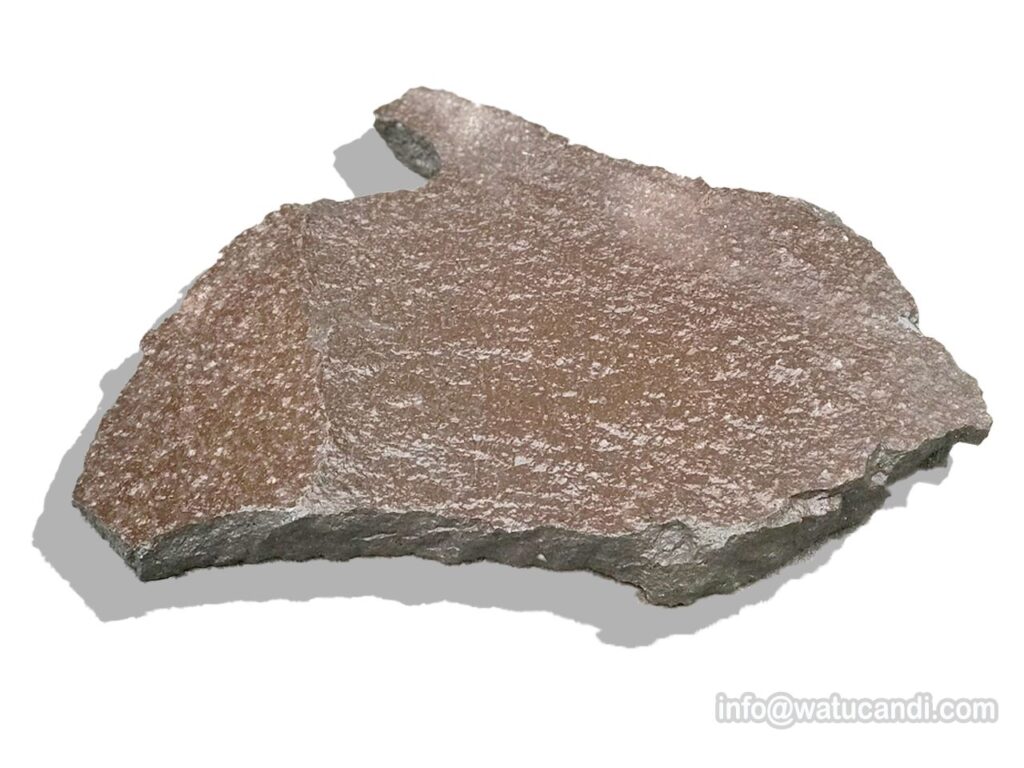
Understanding the formation process of Original Random Slabs Stone is essential to appreciate its true value. Unlike manufactured materials that are produced in factories under controlled conditions, natural random slabs stone is the result of complex geological processes that occur over an extraordinarily long time scale. This process gives the stone its unique characteristics that cannot be replicated by any industrial process.
Geological Origins
The formation of natural stone slabs begins deep within the Earth’s crust or on its surface, depending on the type of stone. There are three main categories of rock formation that produce the types of stone commonly used as random slabs:
1. Sedimentary Formation
Sedimentary rocks like sandstone, limestone, and some types of flagstone are formed through the accumulation and compression of sediments over millions of years. Layers of sand, minerals, organic matter, and other materials are deposited by water, wind, or ice, and over time, the weight of overlying layers compresses these sediments into solid rock. This process creates the natural layering (stratification) that allows the stone to be split into slabs along its natural bedding planes.
The colors and patterns in sedimentary stone slabs are determined by the mineral content of the original sediments. Iron oxide creates reddish and brownish hues, while organic matter can produce darker colors. Different sediment layers can have different compositions, creating the beautiful striations and color variations that make random slabs so visually appealing.
2. Metamorphic Formation
Metamorphic rocks like slate stone are formed when existing rocks are subjected to intense heat and pressure, causing physical and chemical changes. Slate, one of the most popular types of random slabs stone, begins as shale (a sedimentary rock) that undergoes low-grade metamorphism. The pressure causes the clay minerals in the shale to realign perpendicular to the direction of pressure, creating a property called “slaty cleavage” or foliation.
This foliation is what makes slate so valuable as random slabs stone – it can be split into thin, flat sheets with relatively smooth surfaces while maintaining incredible strength and durability. The metamorphic process also creates the subtle sheen and color variations characteristic of high-quality slate.
3. Weathering and Natural Fracturing
Regardless of the original rock type, the final character of Original Random Slabs Stone is heavily influenced by weathering processes. Exposure to temperature changes, water, ice, wind, and biological activity over thousands of years creates natural fractures, surface textures, and color changes that give each slab its unique appearance.
This natural weathering is what creates the “random” aspect of the stone. Unlike factory-made materials that are uniform and predictable, natural weathering produces variations in shape, edge profile, surface texture, and color that make each piece genuinely one-of-a-kind.
From Quarry to Slab: Extraction and Processing
Once the natural stone has been formed over geological time, it must be extracted and processed to become usable random slabs. This process requires skill, experience, and respect for the natural characteristics of the stone.
Quarrying
Natural stone slabs are typically quarried from open-pit mines or mountainside quarries. The quarrying process involves removing the overlying soil and weathered rock (overburden) to access the quality stone beneath. Traditional quarrying methods use wedges, feathers, and hammers to split the stone along its natural cleavage planes, while modern operations may use diamond wire saws, channeling machines, or controlled explosives.
Skilled quarry workers can read the natural grain and cleavage of the stone, allowing them to extract blocks and slabs with minimal waste and maximum preservation of the stone’s natural character. This expertise is crucial because improper quarrying techniques can damage the stone or produce slabs that lack the desired random character.
Cutting and Sizing
After extraction, the large stone blocks are cut into slabs of various sizes. For Original Random Slabs Stone, the cutting process often intentionally maintains some irregularity in size and shape to preserve the natural character. Some slabs are cut to specific dimensions for particular applications, while others are left with more organic, irregular edges for a truly random look.
The thickness of random slabs typically ranges from 1 cm to 5 cm, depending on the type of stone and the intended application. Thinner slabs are suitable for wall cladding, while thicker slabs are better for flooring applications that require greater load-bearing capacity.
Surface Finishing
One of the defining characteristics of Original Random Slabs Stone is that the surface finishing is typically minimal, preserving as much of the natural texture as possible. Common surface finishes include:
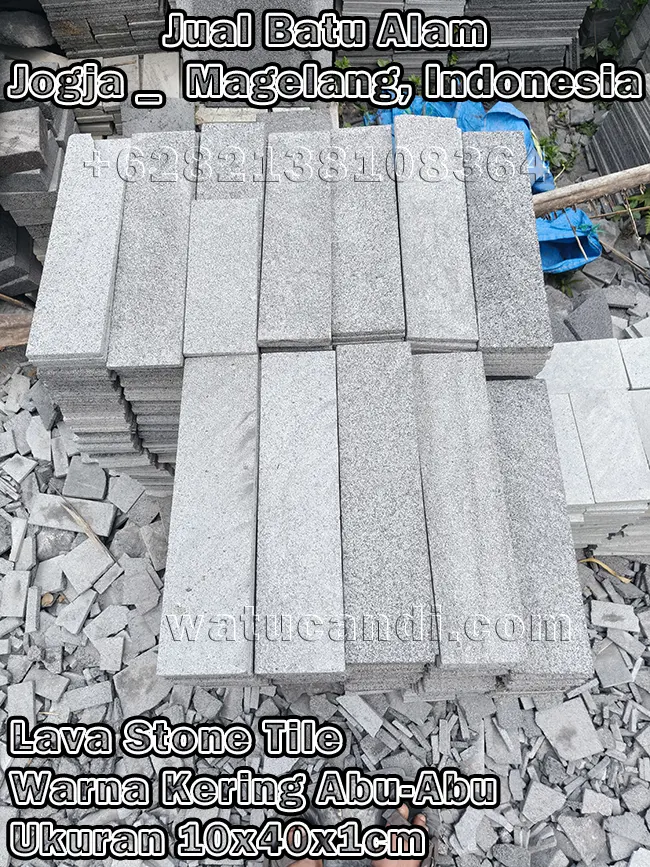
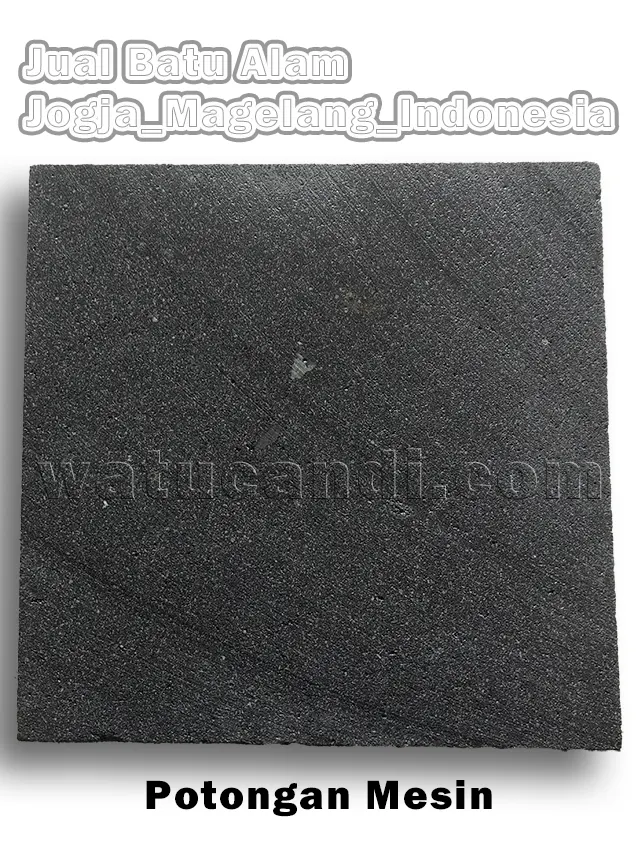
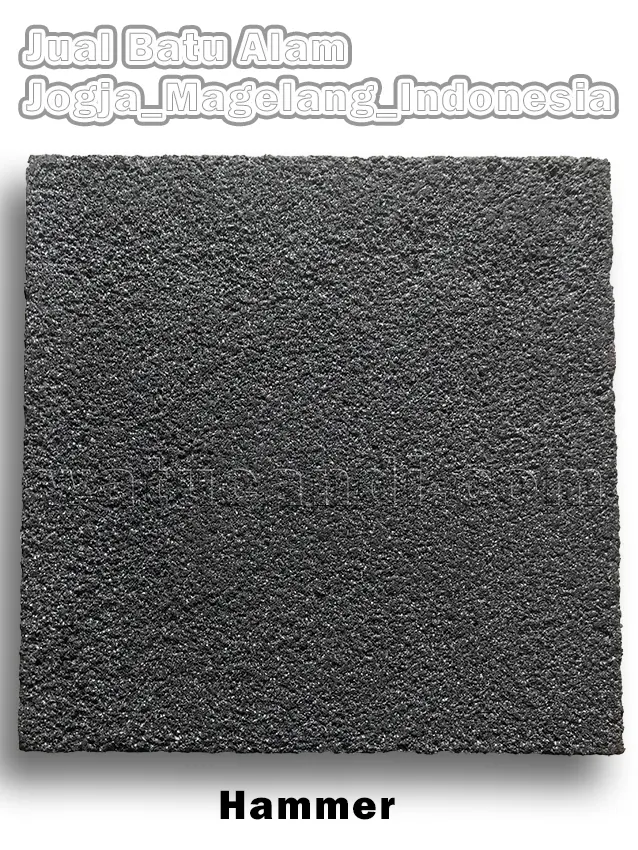
- Natural Cleft: The stone is split along its natural cleavage plane, leaving a textured, uneven surface that showcases the stone’s natural character. This is the most common finish for random slabs stone.
- Tumbled: The slabs are mechanically tumbled to soften edges and create a worn, antique appearance. This finish is popular for creating a rustic or aged look.
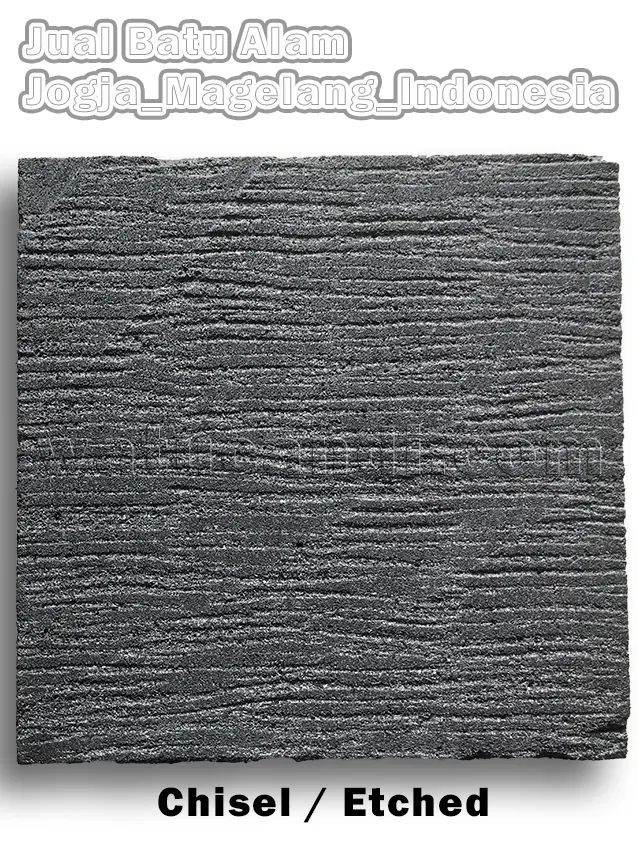
- Brushed: Wire brushes are used to create a slightly textured surface that is smoother than natural cleft but still retains some natural character.
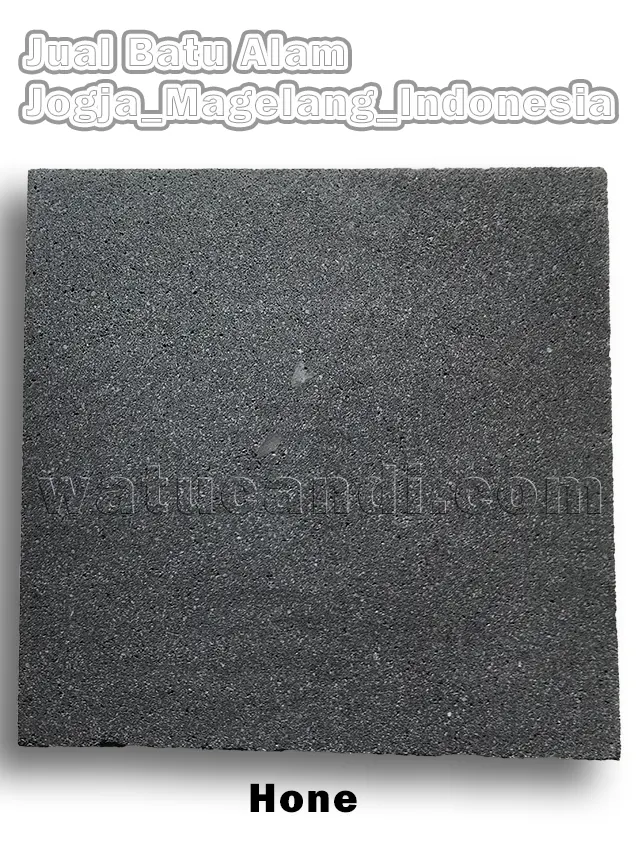
- Honed: The surface is ground to a smooth, matte finish. This is less common for random slabs as it removes some of the natural texture, but it can be specified for certain design applications.
The minimal processing of Original Random Slabs Stone is part of its appeal – it requires less energy and fewer chemicals than highly processed materials, making it a more environmentally friendly choice.
Unique Characteristics of Original Random Slabs Stone
Every decoration and construction material has characteristics that distinguish it from others. Original Random Slabs Stone possesses several unique qualities that are not found in manufactured materials such as ceramic tiles, porcelain, or concrete pavers. These characteristics make it a premium choice for discerning architects, designers, and homeowners.
1. True Uniqueness in Every Piece
The most significant advantage of Original Random Slabs Stone is the genuine uniqueness of each piece. Because the stone is formed by natural processes rather than manufactured in a factory, no two slabs are exactly alike. Each piece has its own combination of color variations, mineral patterns, surface textures, edge profiles, and size.
When installed as flooring or wall cladding, this creates a visual richness and depth that is impossible to achieve with uniform manufactured tiles. The eye naturally moves across the surface, discovering new details and variations. This quality makes spaces finished with random slabs feel organic, grounded, and connected to the natural world.
2. Natural Color Variations
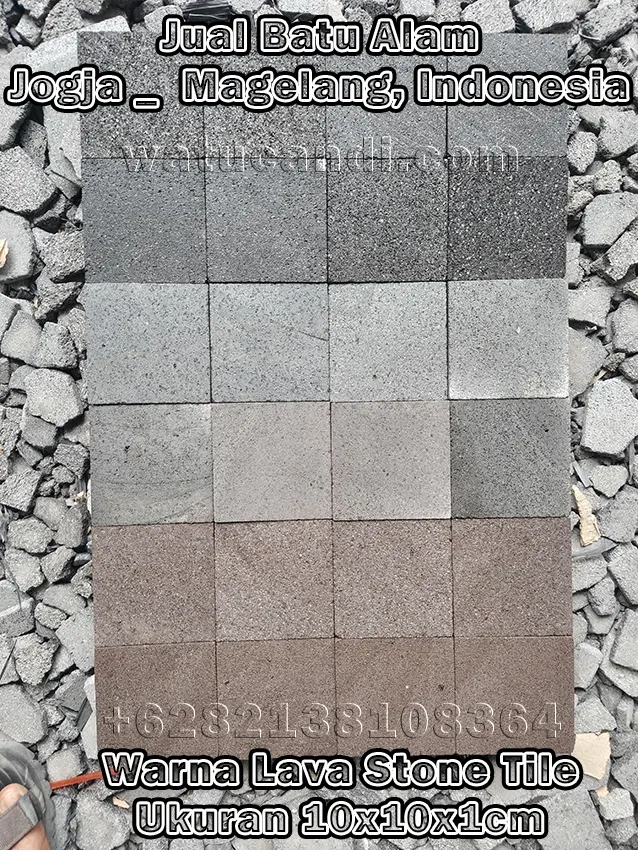
Original Random Slabs Stone comes in a very diverse color spectrum, depending on the type of stone and its mineral composition. Common colors include:
- Grays and Charcoals: Typical of slate and some types of flagstone, these neutral tones work well with modern and industrial design styles.
- Earth Tones: Browns, tans, rusts, and ochres found in sandstone and some flagstone varieties, perfect for rustic, Mediterranean, or Southwestern design styles.
- Greens: Some slate varieties have distinctive green hues, adding a unique color option.
- Blues and Purples: Rare but highly prized, these colors are found in certain slate and quartzite deposits.
- Mixed and Mottled: Many random slabs feature beautiful mixtures of colors within a single piece, creating complex and interesting visual effects.
What makes the color of natural random slabs especially beautiful is that it is three-dimensional. Unlike printed or painted surfaces where color sits only on the top layer, the color in natural stone extends throughout the entire thickness of the material. This means that even if the surface wears over time, the color remains. In fact, natural weathering often enhances the color, creating a beautiful patina that adds character and value.
3. Exceptional Durability
As materials formed through extreme natural processes over millions of years, Original Random Slabs Stone has extraordinary durability. This material resists:
- UV Exposure: Unlike synthetic materials that fade and degrade in sunlight, natural stone maintains its color and integrity indefinitely under UV exposure.
- Heavy Rain and Moisture: When properly installed and sealed, random slabs stone is highly resistant to water damage, making it suitable for exterior applications, wet areas, and even pool surrounds.
- Temperature Extremes: Natural stone withstands freeze-thaw cycles, extreme heat, and rapid temperature changes without cracking or deteriorating.
- Heavy Traffic: As flooring, random slabs stone can withstand decades of foot traffic without significant wear. Many historic buildings with stone floors that are hundreds of years old still have their original flooring intact.
- Scratches and Impacts: The hardness of natural stone makes it resistant to scratches from furniture, pets, and daily use. While it can chip under extreme impact, it is far more durable than ceramic tile or wood flooring.
4. Natural Thermal Properties
Natural stone has high thermal mass, meaning it can absorb, store, and slowly release heat. This property has several practical benefits:
- Energy Efficiency: In buildings, stone walls and floors help regulate indoor temperatures. They absorb heat during the day and release it slowly at night, reducing the need for artificial heating and cooling. This can lead to significant energy savings over the life of the building.
- Comfort: Stone floors feel cool underfoot in summer, providing natural comfort without air conditioning. In winter, when exposed to sunlight, stone floors absorb and radiate warmth.
- Compatibility with Radiant Heating: Random slabs stone is an excellent choice for use over radiant floor heating systems. The stone conducts and holds heat well, creating efficient and comfortable heating.
5. Timeless Aesthetic Appeal
Unlike trendy manufactured materials that can look dated within a few years, Original Random Slabs Stone has a timeless quality that never goes out of style. Stone has been used in construction for thousands of years, and it remains as relevant and desirable today as it was in ancient times. Whether your design style is modern minimalist, rustic farmhouse, Mediterranean villa, or industrial chic, natural random slabs can be incorporated beautifully.
Furthermore, natural stone develops a patina over time – a gentle aging that adds character and beauty rather than simply looking worn. This means that a random slabs stone installation actually improves with age, increasing the value and appeal of your property over time.
6. Eco-Friendly and Sustainable
In an era of increasing environmental awareness, Original Random Slabs Stone stands out as a sustainable building material:
- Natural and Non-Toxic: Unlike many manufactured materials that contain chemicals, binders, and synthetic compounds, natural stone is exactly what its name suggests – completely natural. It does not off-gas volatile organic compounds (VOCs) and is safe for indoor air quality.
- Low Embodied Energy: The processing of random slabs stone requires significantly less energy than the manufacture of ceramic tiles, which must be fired at high temperatures, or concrete products, which require energy-intensive cement production.
- Longevity: The extraordinary durability of natural stone means it does not need to be replaced frequently. A stone floor or wall can last for centuries, reducing the consumption of resources over time.
- Recyclable: At the end of its useful life, natural stone can be crushed and recycled as aggregate for construction or simply returned to the earth with no environmental harm.
Functions and Applications of Original Random Slabs Stone
Natural random slabs stone from nature (Original Random Slabs Stone – batu alam acak – batu lempeng – batu templek – slate stone – flagstone) has various functions in construction and design. Its versatility, combined with its natural beauty and durability, makes it suitable for a wide range of applications. Here are the common functions of random natural stone slabs:
1. Flooring
Random natural stone slabs are frequently used as flooring because they are durable and easy to clean. The natural and unique appearance also adds beauty to the interior of the home. Stone flooring is an investment that adds significant value to a property while providing a surface that improves with age.
Key benefits of random slabs stone flooring include:
- Durability: Stone floors can withstand heavy foot traffic, making them ideal for entryways, hallways, kitchens, and commercial spaces.
- Easy Maintenance: Regular sweeping and occasional damp mopping are all that is needed to keep stone floors looking beautiful.
- Hypoallergenic: Unlike carpet, stone flooring does not harbor dust mites, pet dander, or other allergens, making it an excellent choice for allergy sufferers.
- Design Flexibility: The random nature of the slabs allows for creative installation patterns, from highly irregular organic layouts to more structured random patterns.
- Indoor-Outdoor Flow: Using the same or similar stone for both indoor and outdoor flooring creates a seamless visual flow that expands the perceived space.
2. Wall Cladding
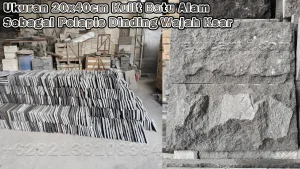
Random natural stone slabs are also frequently used as wall materials, both as exterior and interior wall coverings. In addition to providing a natural appearance, natural stone also provides protection and strength to the building.
Applications for random slabs wall cladding include:
- Accent Walls: A single wall clad in random slabs stone creates a stunning focal point in living rooms, bedrooms, or entryways. The natural variation in the stone draws the eye and adds depth to the space.
- Exterior Facades: Stone-clad exterior walls give a building a sense of permanence, quality, and connection to the landscape. Stone facades also provide additional insulation and weather protection.
- Fireplace Surrounds: Random slabs stone is a classic choice for fireplace surrounds and chimneys, as it is non-combustible and creates a warm, inviting focal point.
- Bathroom Walls: When properly sealed, random slabs create a luxurious spa-like atmosphere in bathrooms. They can be used on feature walls, in shower enclosures, or as wainscoting.
- Kitchen Backsplashes: A random slabs stone backsplash adds natural texture and visual interest to kitchen designs, complementing both modern and traditional cabinetry.
- Commercial Spaces: Hotels, restaurants, retail stores, and office lobbies use random slabs stone wall cladding to create a high-end, natural ambiance that impresses visitors and clients.
3. Patios and Paving
Random natural stone can be used as a material for making patios and paving. Its natural appearance provides a relaxed and comfortable atmosphere in outdoor areas. Stone paving is the gold standard for outdoor hardscaping, offering beauty, durability, and a natural connection to the landscape.
Outdoor applications include:
- Garden Paths: Random slabs create charming, natural-looking pathways through gardens and landscapes. The irregular shapes and sizes allow the path to curve and flow organically.
- Pool Decks: When properly selected and finished, random slabs stone provides a slip-resistant, heat-reflective surface around swimming pools that stays cooler than concrete or brick pavers.
- Courtyards and Terraces: Stone-paved courtyards create beautiful outdoor living spaces that extend the usable area of a home.
- Driveways: Thicker random slabs stone can be used for driveway paving, creating an impressive entrance to a property that will last for decades.
4. Decorative Elements
Random natural stone slabs are often used as decorative elements, for example, to create wall ornaments or fish ponds. The unique character of each stone piece makes it ideal for creating one-of-a-kind decorative features.
Decorative applications include:
- Water Features: Natural stone is the material of choice for fountains, waterfalls, and pond edging. The stone’s natural appearance blends seamlessly with water and plants.
- Garden Edging: Random slabs can be used to create beautiful, natural-looking borders for garden beds and landscape features.
- Steps and Staircases: Stone steps, whether for interior staircases or exterior landscape stairs, are both functional and beautiful.
- Columns and Pillars: Wrapping columns or pillars in random slabs stone adds architectural interest and a sense of substance.
- Art Installations: Artists and designers use random slabs stone to create unique sculptures, wall hangings, and installations that celebrate the natural beauty of the material.
5. Stream Stone / Water Flow Effects
Random natural stone slabs found in rivers or streams can be used to create a natural flow effect in gardens or ponds. The water-worn surfaces and rounded edges of stream stones create a completely different aesthetic from freshly quarried stone, evoking the peace and beauty of natural waterways.
These are some of the functions of natural stone, original random slabs from nature. There are many ways to use them in construction and design, depending on one’s creativity and needs. The only limit is your imagination.
Easy Ways to Care for Original Random Slabs Stone as Wall Cladding and Flooring
Here are some easy ways to care for random natural stone slabs used as wall cladding and flooring. Proper maintenance will ensure your stone installation remains beautiful and functional for many decades, or even centuries, to come.
1. Clean Regularly
Cleaning random natural stone slabs regularly is important to maintain their beauty and health. You can clean them with a broom, vacuum cleaner, or a soft cloth moistened with water. The key is consistency – regular light cleaning prevents the buildup of dirt and grime that can become difficult to remove over time.
For daily or weekly maintenance:
- Dry Cleaning: Use a soft-bristle broom, dust mop, or vacuum cleaner with a hard floor attachment to remove loose dirt, dust, and debris. Avoid vacuum cleaners with beater bars, as these can scratch the stone surface.
- Damp Mopping: Use a well-wrung mop with clean water to remove remaining dust. Change the water frequently to avoid spreading dirt around.
- Spot Cleaning: Address spills immediately to prevent staining. Blot liquid spills with a clean, absorbent cloth rather than wiping, which can spread the spill.
2. Use Mild Soap
If your natural stone slabs have stubborn stains or dirt, use mild soap and warm water to clean them. Make sure to rinse the soap with clean water thoroughly. Soap residue can leave a film on the stone that attracts dirt and dulls the appearance over time.
Recommended cleaning solutions:
- pH-Neutral Stone Cleaner: Specially formulated stone cleaners are available that are designed to clean effectively without damaging the stone. These are the best choice for regular cleaning.
- Mild Dish Soap: A few drops of mild, pH-neutral dish soap in warm water can be used for occasional cleaning. Avoid soaps with strong fragrances, dyes, or degreasing agents.
- Stone-Safe Disinfectants: If disinfection is needed, use products specifically labeled as safe for natural stone.
3. Avoid Using Harsh Chemicals
Avoid using harsh chemicals such as bleach or acidic cleaners that can damage the natural stone layer of random slabs. This is one of the most important rules of stone care. Many common household cleaners contain acids or harsh chemicals that can etch, dull, or permanently discolor natural stone.
Specifically avoid:
- Vinegar and Citrus Cleaners: These are acidic and will etch calcium-based stones like limestone and marble, and can dull the surface of other stones.
- Bleach and Ammonia: These harsh chemicals can strip sealers and damage the stone surface over time.
- Abrasive Cleaners: Scouring powders, steel wool, and other abrasive cleaners will scratch the stone surface.
- Oil-Based Cleaners: These can leave residues that attract dirt and darken the stone.
- Grout Cleaners: Many grout cleaners are highly acidic and can severely damage natural stone.
4. Use Furniture Leg Protectors
Avoid sliding chairs, tables, or other equipment on random natural stone slabs carelessly, as this can cause scratches or damage. Even though stone is hard, it can be scratched by harder materials or by grit trapped under furniture feet.
Protective measures include:
- Felt Pads: Apply felt pads to the bottom of all furniture legs, especially chairs and tables that are frequently moved.
- Area Rugs and Mats: Place rugs or mats in high-traffic areas and under furniture to protect the stone surface.
- Entry Mats: Use mats at all exterior entrances to trap grit and sand before it can be tracked onto stone floors.
- Lift, Don’t Drag: When moving heavy furniture, lift it rather than dragging it across the stone floor.
5. Consider Using Sealant
For additional protection, you can consider using a sealant on random natural stone slabs, especially in areas prone to water or stains. Make sure to choose the right sealant for the type of random slabs you have.
Important considerations for sealing:
- Penetrating vs. Topical Sealers: Penetrating sealers soak into the stone and provide protection without changing the appearance. Topical sealers form a coating on the surface and may change the look and feel of the stone. For random slabs where you want to preserve the natural appearance, penetrating sealers are recommended.
- Application Frequency: Most sealers need to be reapplied every 1-5 years, depending on the type of sealer, the stone, and the amount of traffic and exposure.
- Testing: Always test the sealer on an inconspicuous area first to ensure it does not change the appearance of the stone in an undesirable way.
- Professional Application: For best results, consider having a professional apply the sealer, especially for large areas or valuable stone.
6. Prevent Damage
Avoid using oil-based or acidic cleaners on random natural stone slabs, as they can damage the surface. Additionally, also avoid using sharp or rough objects that can damage the natural stone surface.
Preventive measures:
- Immediate Spill Cleanup: Clean up spills immediately, especially acidic substances like wine, coffee, citrus juices, and tomato sauce.
- Use Coasters and Trivets: Place coasters under glasses and trivets under hot dishes to protect stone surfaces.
- Avoid Standing Water: While stone is water-resistant, prolonged exposure to standing water can cause issues, especially for more porous stones.
- Regular Inspection: Periodically inspect your stone installation for any signs of damage, loose pieces, or deteriorating grout, and address issues promptly.
By taking care of natural stone slabs regularly and paying attention to how they are used, you can maintain the beauty and strength of natural stone as wall or floor cladding for many years, even generations.
Types of Original Random Slabs Stone Based on Stone Material
Not all natural stone is the same, and different types of stone used for Original Random Slabs Stone have different characteristics, appearances, and performance properties. Understanding these differences helps you choose the right stone for your specific application.
1. Slate Random Slabs
Slate is one of the most popular materials for random slabs stone. It is a fine-grained metamorphic rock that splits easily into thin, flat sheets. Slate random slabs are characterized by:
- Colors: Black, gray, green, purple, red, and multi-colored varieties.
- Texture: Naturally cleft surface with a slightly rough, layered texture.
- Durability: Excellent – highly resistant to water, stains, and wear.
- Best Uses: Flooring, wall cladding, roofing, pool surrounds, and patios.
2. Sandstone Random Slabs
Sandstone is a sedimentary rock composed of sand-sized mineral particles. It is valued for its warm, natural colors and relatively consistent texture.
- Colors: Cream, beige, tan, brown, gold, red, and gray.
- Texture: Gritty to smooth, depending on the grain size.
- Durability: Good to very good, though more porous than slate and may require sealing.
- Best Uses: Wall cladding, patios, garden paths, and decorative features.
3. Limestone Random Slabs
Limestone is a sedimentary rock primarily composed of calcium carbonate. It offers a classic, elegant appearance.
- Colors: White, cream, light gray, beige, and occasionally blue or black.
- Texture: Smooth to slightly textured.
- Durability: Moderate – susceptible to acid etching, requires sealing in wet areas.
- Best Uses: Interior wall cladding, flooring in low-traffic areas, and decorative applications.
4. Quartzite Random Slabs
Quartzite is a metamorphic rock that began as sandstone and was transformed by heat and pressure. It is one of the hardest natural stones available.
- Colors: White, gray, pink, red, and green.
- Texture: Smooth to slightly grainy, often with a subtle sparkle from quartz crystals.
- Durability: Exceptional – extremely hard and resistant to scratching, staining, and weathering.
- Best Uses: High-traffic flooring, exterior cladding, and any application requiring maximum durability.
5. Basalt Random Slabs
Basalt is a dark-colored volcanic rock that is extremely hard and durable. It offers a striking, contemporary appearance.
- Colors: Dark gray to black, sometimes with subtle blue or green undertones.
- Texture: Fine-grained and smooth when cut, though natural cleft surfaces have more texture.
- Durability: Exceptional – very hard, dense, and weather-resistant.
- Best Uses: Modern flooring, exterior paving, wall cladding, and commercial applications.
Installation Guide for Original Random Slabs Stone
Installing Original Random Slabs Stone requires planning, skill, and attention to detail. Unlike uniform manufactured tiles that can be installed in a straightforward grid pattern, random slabs require a more artistic approach to achieve a beautiful, natural-looking result. Here is a comprehensive installation guide:
Phase 1: Planning and Preparation
Selecting Your Stone
Choose Original Random Slabs Stone that matches the look you want to achieve. Consider the following factors:
- Application Location: Interior or exterior? Wet or dry area? Floor or wall?
- Design Style: Modern, rustic, industrial, minimalist, Mediterranean, or traditional?
- Stone Type: Slate, sandstone, limestone, quartzite, or basalt, each with different characteristics.
- Color Palette: Choose colors that complement your overall design scheme.
- Budget: Different stone types and qualities have different price points.
Calculating Material Requirements
Accurately measure the area to be covered. For random slabs, you typically need to order 15-20% more material than the actual area to allow for cutting, waste, and selection during installation. Unlike uniform tiles, random slabs require more material to achieve a balanced layout.
Substrate Preparation
The surface to receive the stone must be properly prepared:
- Cleanliness: The surface must be clean, free of dust, oil, grease, and loose material.
- Flatness: The substrate should be flat within 3mm per meter. Significant unevenness should be corrected before installation.
- Strength: The substrate must be strong enough to support the weight of the stone. Stone is heavy – ensure the structure can handle the load.
- Waterproofing: For wet areas, apply appropriate waterproofing before stone installation.
Phase 2: Dry Layout
This is the most critical step for achieving a beautiful random slabs installation. Before any adhesive is applied, lay out all the stone slabs on the ground or a large flat surface in approximately the arrangement they will be installed.
Key considerations for dry layout:
- Color Distribution: Distribute different colors evenly across the entire area. Avoid clustering similar colors together.
- Size Variation: Mix larger and smaller pieces throughout. Avoid placing many large pieces together or many small pieces together.
- Shape Variation: Mix different shapes – more rectangular pieces, more square pieces, and irregular shapes – for a natural look.
- Joint Width: Maintain relatively consistent joint widths, typically 1-2 cm, though some variation is acceptable and adds to the natural appearance.
- Edge Treatment: Plan how the stone will meet other materials, corners, and edges. You may need to select or cut pieces specifically for these areas.
Take a photo of your approved dry layout for reference during installation. This step takes time but is essential for a professional result.
Phase 3: Installation
Adhesive Selection and Application
Use a high-quality thin-set mortar appropriate for natural stone and your specific application (interior/exterior, floor/wall, wet/dry). Follow the manufacturer’s instructions for mixing and application.
Apply the adhesive to the substrate using a notched trowel, then back-butter each stone piece before placing it. This ensures complete coverage and strong adhesion.
Setting the Stone
Beginning from the bottom (for walls) or from a reference line (for floors), start setting the stone according to your dry layout. Press each piece firmly into the adhesive, using a slight twisting motion to ensure full contact. Use spacers if you want consistent joint widths.
Cutting
Some pieces will need to be cut to fit edges, corners, and around obstacles. Use a wet saw with a diamond blade for clean, accurate cuts. For irregular shapes, you may need to scribe the stone to fit. Always wear appropriate safety equipment when cutting stone.
Phase 4: Grouting and Finishing
Curing Time
Allow the adhesive to cure fully according to the manufacturer’s instructions, typically 24-48 hours, before grouting or walking on the surface.
Grouting
Use a grout appropriate for the joint width and application. For random slabs, sanded grout is typically used for wider joints. Choose a grout color that complements the stone – matching colors create a more monolithic look, while contrasting colors emphasize the individual pieces.
Apply grout with a rubber float, working it into all joints. Clean excess grout from the stone surface with a damp sponge before it dries completely.
Sealing
After the grout has fully cured (typically 72 hours), apply a penetrating sealer to protect the stone and grout from stains and moisture. Follow the sealer manufacturer’s instructions for application and reapplication schedules.
Advantages of Original Random Slabs Stone Compared to Other Materials
Why choose Original Random Slabs Stone over other flooring or wall cladding materials? Here is a comprehensive comparison:
Original Random Slabs Stone vs Ceramic/Porcelain Tile
- Uniqueness: Each random slab is completely unique; ceramic tiles are mass-produced with repeating patterns and colors.
- Texture: Natural stone has genuine three-dimensional texture; printed tiles only have visual texture, and even textured tiles feel artificial.
- Durability: Natural stone can last centuries; ceramic tile can crack or chip and may look dated within 10-20 years.
- Repairability: Individual damaged stone pieces can be replaced; damaged tiles are often difficult to match.
- Value: Natural stone adds significant value to a property; ceramic tile adds minimal value.
- Environmental Impact: Stone requires minimal processing; ceramic tiles require energy-intensive firing.
Original Random Slabs Stone vs Concrete Pavers
- Appearance: Natural stone has depth and character that manufactured pavers cannot match.
- Aging: Stone develops a beautiful patina over time; concrete pavers fade and wear.
- Color Consistency: Concrete pavers can vary between batches; stone color is inherent and permanent.
- Strength: Natural stone is generally stronger and more durable than concrete products.
Original Random Slabs Stone vs Wood Flooring
- Durability: Stone is far more resistant to scratches, dents, and moisture than wood.
- Maintenance: Stone requires less maintenance than wood, which needs periodic refinishing.
- Moisture Resistance: Stone is ideal for wet areas where wood cannot be used.
- Longevity: A stone floor can last centuries; even the best wood floors typically last 50-100 years.
Price of Original Random Slabs Stone
The price of Original Random Slabs Stone (batu alam acak – slate stone – flagstone – slabs stone) varies depending on several factors:
- Stone Type: Rare or premium stone types are more expensive than common varieties.
- Size and Thickness: Larger and thicker slabs generally cost more.
- Quality: Stone with more desirable colors and textures commands higher prices.
- Origin: Transportation costs from the quarry to your location significantly affect the final price.
- Purchase Quantity: Bulk purchases often receive wholesale pricing.
- Finish: Additional processing such as tumbling or brushing adds to the cost.
For pricing information on natural stone slabs (batu alam acak – slate stone – flagstone – slabs stone), you can contact us and discuss your specific needs. Every project is different, and we can provide a customized quote based on your requirements.
Best Original Random Slabs Stone Producing Regions in Indonesia
Indonesia is blessed with abundant geological wealth, including various types of high-quality natural stone suitable for random slabs. Here are some of the regions known for producing quality stone:
- Sukabumi, West Java: Famous for distinctive green flagstone, widely used in flooring, walls, and decoration. The stone quality is recognized nationally and internationally.
- Tulungagung, East Java: Well-known for flagstone in various colors, used for roofing, flooring, and decorative materials. The industry has operated for generations with skilled craftsmen.
- Wonosari, Yogyakarta: Known for flagstone used in various construction and decoration projects, often creating distinctive traditional Javanese appearances.
- Purwakarta, West Java: Known for andesite stone and other stone variations.
- Garut, West Java: Has large natural stone quarries with various stone types.
- Central Java Region: Semarang, Kebumen, Purwokerto, Wonosobo, Boyolali, Surakarta, Magelang – areas with long stone processing traditions.
- East Java Region: Ngawi, Jember, Besuki, Mojokerto – contributing various natural stone to the national market.
- Bali: Famous for paras stone and temple stone for decorative applications.
Each region produces stone with different characteristics, including colors, textures, and sizes. If you are interested in using stone from a particular area, it is recommended to do further research and consult with suppliers or experts in that region regarding prices and ordering and delivery procedures to your project location.
Design Inspiration with Original Random Slabs Stone
Here are some ideas and inspiration for using Original Random Slabs Stone in your projects:
Modern Rustic Living Room
Use random slate slabs in gray tones for an accent wall behind the sofa. Pair with solid wood furniture, neutral textiles, and warm lighting for a cozy yet sophisticated space. The natural variation in the stone adds depth and interest without overwhelming the room.
Tropical Outdoor Patio
Create a stunning outdoor living area with random sandstone slabs for the patio floor. The warm earth tones of the stone complement tropical landscaping beautifully. Add comfortable outdoor furniture, potted plants, and soft lighting for an inviting space perfect for entertaining.
Contemporary Bathroom
Use dark slate random slabs on the bathroom floor and a feature wall behind the bathtub. The natural texture of the stone provides excellent slip resistance while creating a luxurious spa-like atmosphere. Pair with white fixtures and minimal accessories for a clean, contemporary look.
Mediterranean Courtyard
Use cream or beige limestone random slabs for a courtyard floor, creating a sun-drenched Mediterranean feel. Add a central fountain, climbing plants on the walls, and wrought iron furniture for an authentic European courtyard atmosphere.
Industrial Chic Kitchen
Use dark basalt or slate random slabs for the kitchen floor, providing a durable, easy-to-clean surface that anchors the space. Pair with stainless steel appliances, exposed brick, and open shelving for an industrial look that is both functional and stylish.
Natural Garden Path
Create a meandering garden path using random flagstone slabs set directly into grass or gravel. The irregular shapes and natural colors of the stone create an organic, timeless look that enhances any garden design. Allow moss or ground cover to grow between the stones for an even more natural appearance.
Conclusion
Original Random Slabs Stone – whether known as batu lempeng, batu templek, slate stone, flagstone, or unique stone – represents one of the finest natural building materials available. Its unique combination of natural beauty, exceptional durability, and timeless appeal makes it a superior choice for wall cladding, flooring, paving, and decorative applications in both residential and commercial projects.
Each piece of natural random slabs stone tells a geological story millions of years in the making. When you choose this material for your project, you are not just selecting a building material – you are bringing a piece of the Earth’s history into your space. The natural variations in color, texture, and shape ensure that your installation will be completely unique, reflecting both the beauty of nature and your personal design vision.
With proper selection, installation, and maintenance, your random slabs stone will provide beauty, functionality, and value for generations. It is an investment that pays dividends not only in property value but in daily enjoyment of a space that feels grounded, natural, and truly special.
For more information about pricing, availability, and ordering of Original Random Slabs Stone, or to discuss your specific project requirements, please contact us. Our team of stone experts is ready to help you select the perfect material and provide guidance throughout your project, from selection to installation.
Tags: original random slabs stone, natural stone slabs, flagstone, slate stone, batu lempeng, batu templek, random stone flooring, natural wall cladding, unique stone, natural paving stone, stone slabs supplier, natural stone Indonesia, stone flooring, stone wall covering, natural building materials, decorative stone, exterior stone cladding, interior stone design,



One thought on “Original Random Slabs Stone”