Maintenance Support: A Complete Guide to Caring for Different Types of Natural Stone for Lasting Beauty
Maintenance support is the key to ensuring the beauty and durability of natural stone in your home or building lasts for decades, even across generations. Natural stone, with all its luxury and natural character, requires special attention that varies depending on the type. Mistakes in care, such as the use of inappropriate chemicals, can actually damage the stone surface, remove its natural luster, and reduce the investment value you have made. This comprehensive guide will discuss in depth the procedures for caring for various popular types of natural stone, from volcanic temple stone to elegant limestone, giving you the knowledge to protect and care for your beloved stone surfaces.
Understanding that each type of stone has its own unique “personality” and needs is the first step in effective maintenance. For example, black lava stone which is porous and strong requires a very different approach compared to Paras Palimanan stone which is softer and lighter in color. Cleaning a sturdy lava stone floor cannot be equated with caring for Sukabumi green stone surfaces that are always wet in swimming pool areas. With the right understanding, you not only maintain aesthetics, but also extend the life of the material and maintain your property value, as discussed in our various design guides, from commercial design to modern luxury home design.
Table of Contents
- Introduction: The Importance of Natural Stone Maintenance Support
- General Principles of Caring for All Types of Natural Stone
- Volcanic Stone Care: Black Lava and Merapi Lahar
- Sukabumi Green Stone Care for Swimming Pools
- Limestone Care: Paras, Palimanan, and Travertine
- Sedimentary and Breksi Stone Care
- Natural Stone Furniture and Decorative Element Care
- Natural Stone Sink Care
- Coating Guide for Maximum Protection
- Indoor vs Outdoor Natural Stone Care: Weather Effects
- Common Maintenance Mistakes to Avoid
- Conclusion: Long-Term Investment Through Proper Care
1. Introduction: The Importance of Natural Stone Maintenance Support
Natural stone is a long-term investment that offers unparalleled beauty, durability, and aesthetic value. However, like any other valuable asset, natural stone requires consistent and proper maintenance support to maintain its quality. Without adequate care, even the best quality stone can experience degradation, discoloration, or structural damage. Choosing us as your partner means gaining access to in-depth knowledge about how to care for every type of stone you own. We understand that every project, whether hospitality design, restaurant design, industrial design, or comfort decoration design, requires a specific maintenance approach.
The purpose of this guide is to equip you with comprehensive knowledge on how to care for various types of natural stone. We will discuss everything from general principles that apply to all stones, to specific techniques for volcanic stone, green stone, limestone, and sedimentary stone. We will also pay special attention to the care of stone furniture, sinks, and proper coating techniques. By following this guide, you will be able to enjoy the beauty of the latest styles of your natural stone for years to come, making it a timeless design element in your lighting design for both interior and exterior.
2. General Principles of Caring for All Types of Natural Stone
Before delving into specific care for each type of stone, it is important to understand the general principles that apply to all natural stones. These principles form the foundation that will protect your investment regardless of the type of stone used.
2.1 Routine Cleaning: The Main Key to Care
Routine cleaning is the first line of defense in maintaining the beauty of natural stone. Dust, dirt, and other abrasive particles can scratch the stone surface over time if not cleaned regularly. For daily cleaning, use a soft cloth, microfiber mop, or vacuum cleaner with a soft brush. Avoid sweeping with a rough broom that can leave scratches on softer stone surfaces.
For wet cleaning, always use clean water and pH-neutral soap specifically formulated for natural stone. Common household cleaning products often contain acids or bases that can damage the stone surface. After cleaning, be sure to dry the surface with a soft cloth to prevent water spots, especially on dark-colored stones such as black temple lava stone or black lava stone 100x100x10.
2.2 Protection Against Stains and Spills
Natural stone, especially those with pores, is susceptible to stains from liquids such as coffee, tea, red wine, oil, and fruit juices. The main principle in handling spills is to act quickly. Immediately absorb the spill with a clean cloth or tissue, do not wipe it as this can spread the stain. After absorbing, clean the area with a pH-neutral cleaner and rinse with clean water.
For long-term protection, apply a stone sealer periodically. Sealer creates an invisible protective layer that slows down liquid absorption, giving you more time to clean spills before they become permanent stains. The frequency of sealer application depends on the type of stone, level of use, and installation location. We will discuss this in more detail in the coating section.
2.3 Avoiding Damaging Cleaning Agents
One of the biggest mistakes in natural stone care is the use of inappropriate cleaning agents. Here is a list of agents that MUST BE AVOIDED for all types of natural stone:
- Acidic cleaners: Vinegar, lemon juice, scale removers, and toilet cleaners contain acids that can etch the stone surface, especially limestone and marble.
- Abrasive cleaners: Scouring powders, cleaning creams with coarse particles, and wire brushes can permanently scratch the stone surface.
- Bleach and ammonia: These harsh chemicals can fade stone color and damage the protective sealer.
- Inappropriate waxes and polishes: Products containing wax can leave a sticky layer that attracts dirt and yellows over time.
- Steam cleaners: Extreme temperature changes can cause cracking in some types of natural stone.
3. Volcanic Stone Care: Black Lava and Merapi Lahar
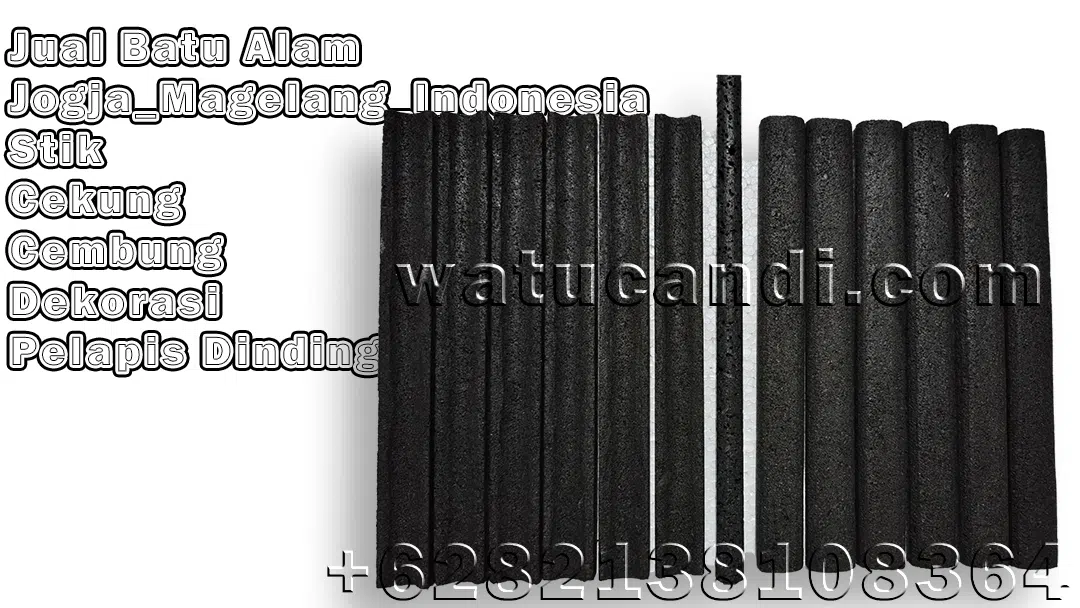
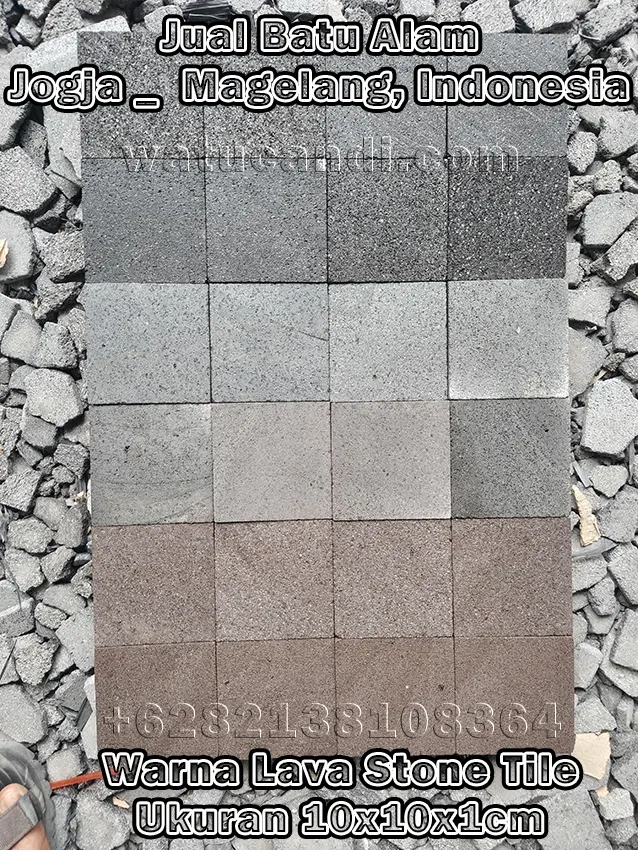
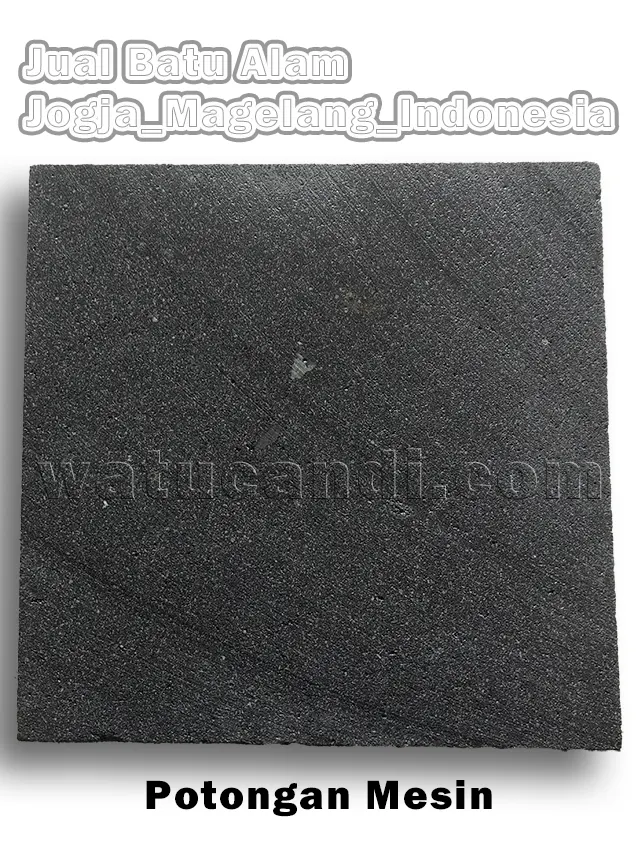
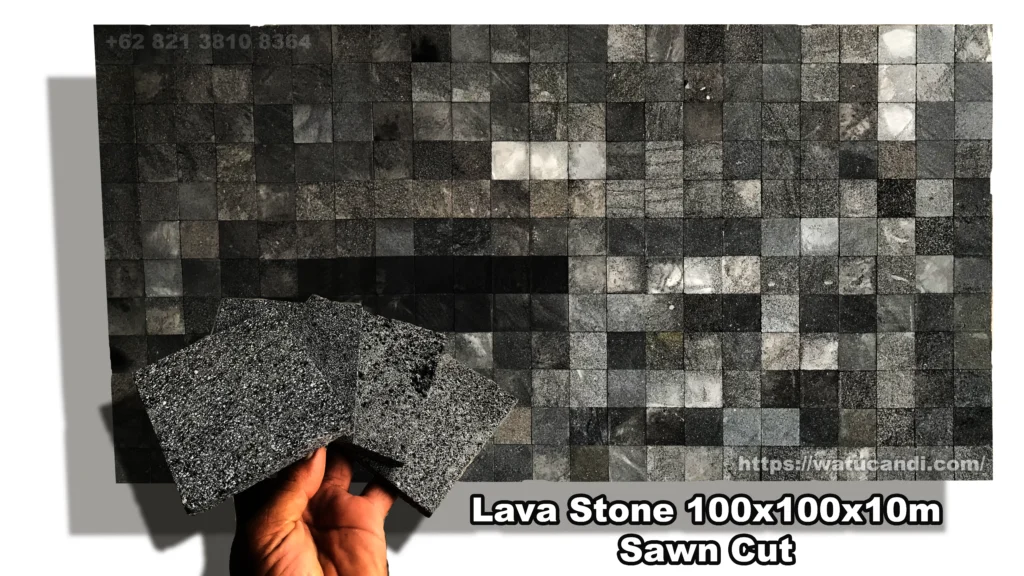
Volcanic stones such as black temple lava stone and Candi Lahar Merapi stone floor are known for their extraordinary strength and durability. This stone originates from volcanic material from Mount Merapi that has solidified for hundreds of years, creating porous characteristics and unique textures. Although very strong, volcanic stone still requires proper care to maintain its optimal appearance.
3.1 Characteristics and Special Needs of Volcanic Stone
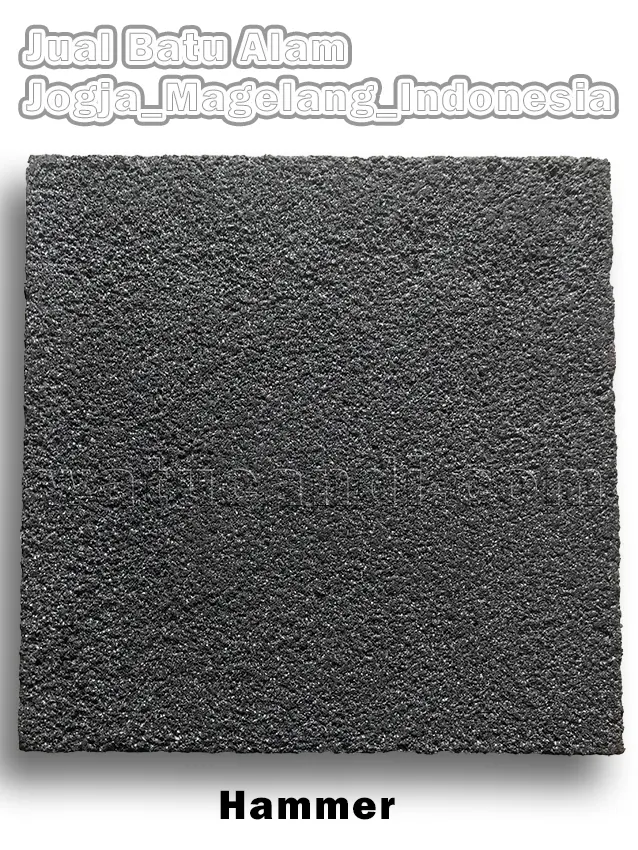
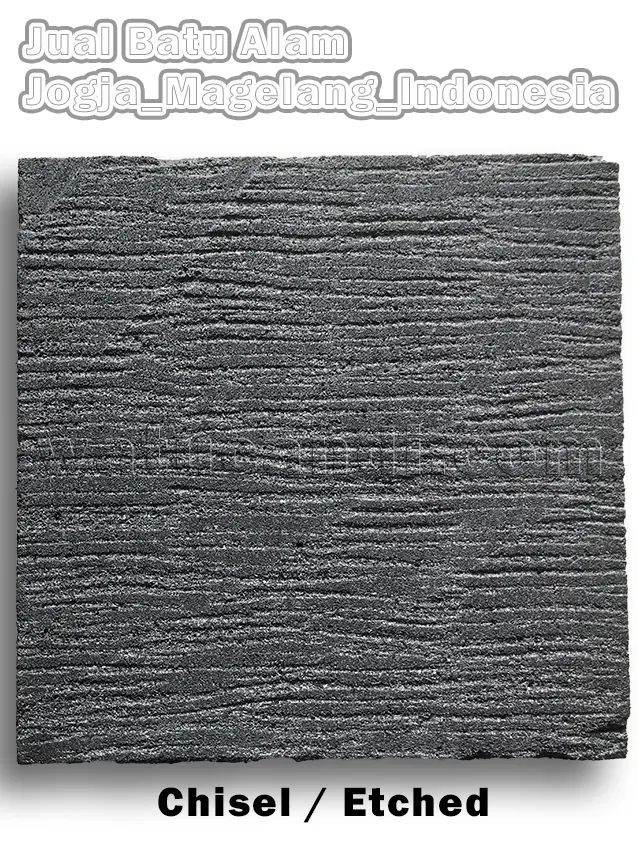
Volcanic stone has relatively large pores, which is a double-edged sword. On one hand, these pores provide excellent natural anti-slip properties for wet areas. On the other hand, large pores can become gathering places for dust, dirt, and liquids if not properly sealed. Rough surface natural stone floor requires extra attention in terms of cleaning because of its uneven texture.
The good news is that volcanic stone is very resistant to chemicals and weather changes. This stone will not corrode, is not easily mossy (although very humid environments can trigger moss growth), and will not fade even when exposed to direct sunlight for years. This is why volcanic stone is often used for Merapi lava stone parquet decking and other outdoor areas.
3.2 Volcanic Stone Cleaning Routine
For daily cleaning of volcanic stone, follow these steps:
- Use a vacuum cleaner with a soft brush or dry mop to remove dust and loose dirt from the stone surface and pores.
- For wet cleaning, use warm water mixed with a little pH-neutral cleaner specifically for natural stone. Apply this solution with a well-wrung mop.
- Gently scrub dirty areas. For stubborn stains on rough surfaces, use a soft-bristled brush, not a wire brush.
- Rinse with clean water to remove soap residue. Leftover residue can attract dirt and make the stone look dull.
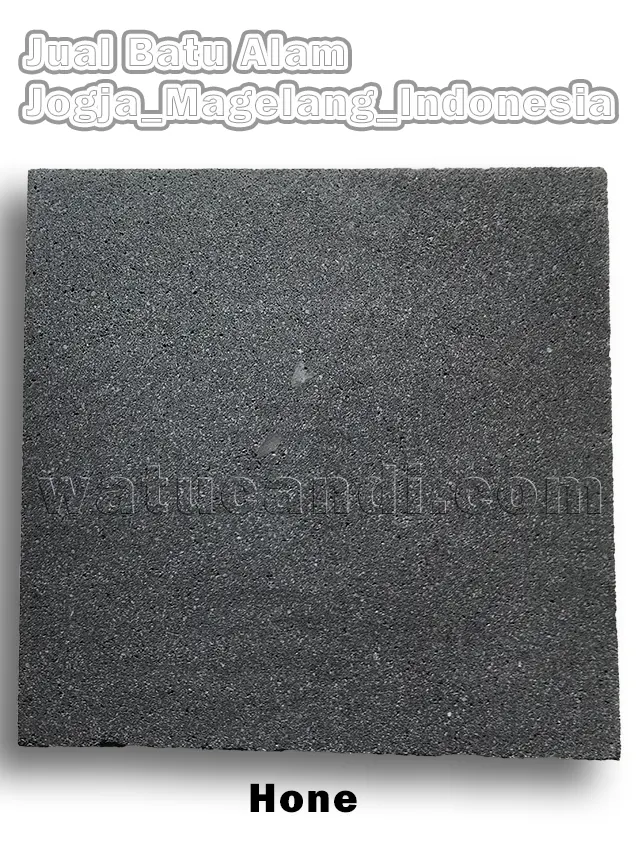
- Dry the surface with a clean, dry cloth, especially for stone with polished or honed finishes that can show water spots.
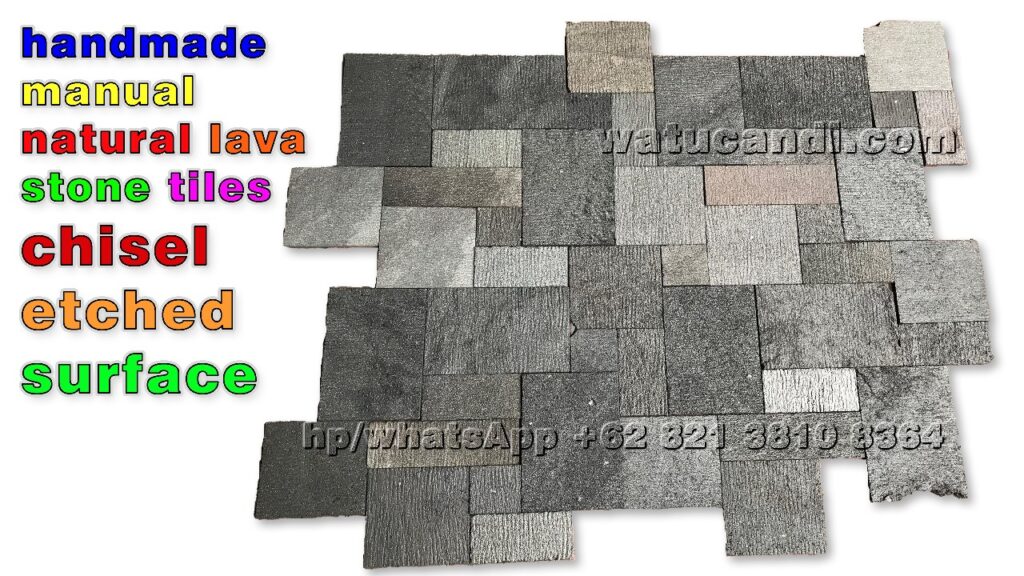
For stacked stone slab surface or original stacked stone installed on walls, cleaning can be done by spraying low-pressure water and gently brushing from top to bottom. Avoid using too high water pressure as it can damage the grout or mortar between stones.
3.3 Addressing Common Problems on Volcanic Stone
Moss problems: If your volcanic stone starts to grow moss, especially in damp and shaded areas, use an anti-moss cleaner safe for natural stone. Apply, let sit according to product instructions, gently brush, and rinse thoroughly. Once clean, ensure the area has good drainage and gets more air circulation or sunlight if possible.
Oil stain problems: For oil stains on lava stone floor, especially in garages or carports, use a degreaser safe for natural stone. Make a paste from the cleaner and water, apply to the stain, cover with plastic wrap for 24 hours so the cleaner penetrates and lifts the oil from the pores, then clean and rinse.
4. Sukabumi Green Stone Care for Swimming Pools
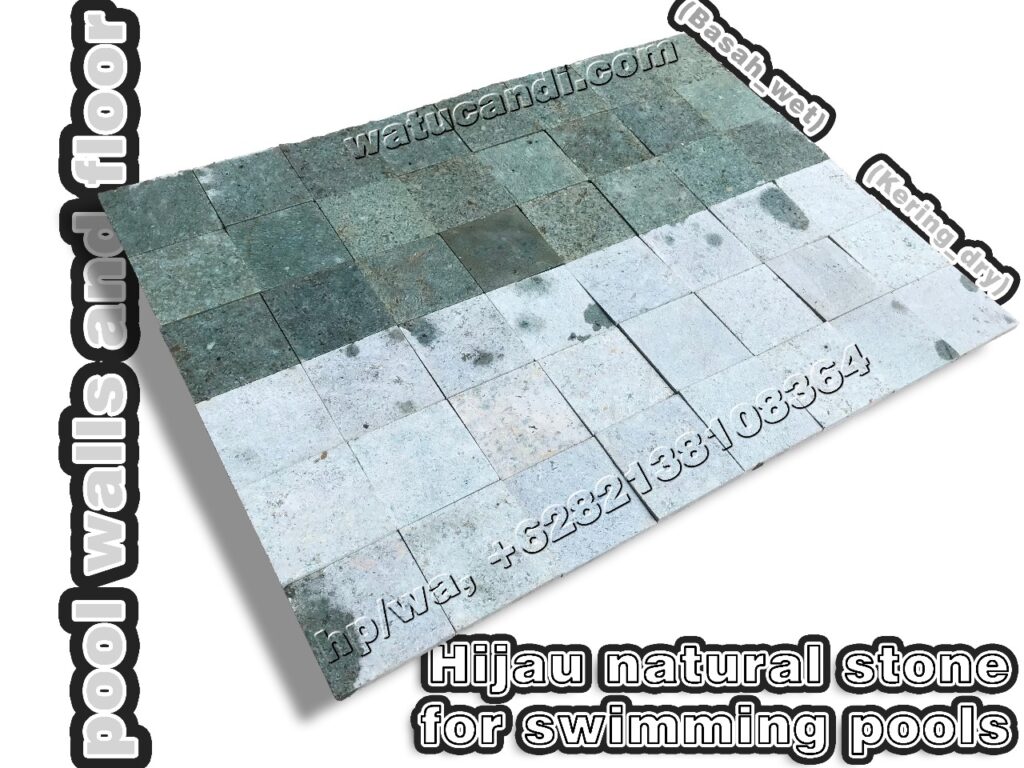
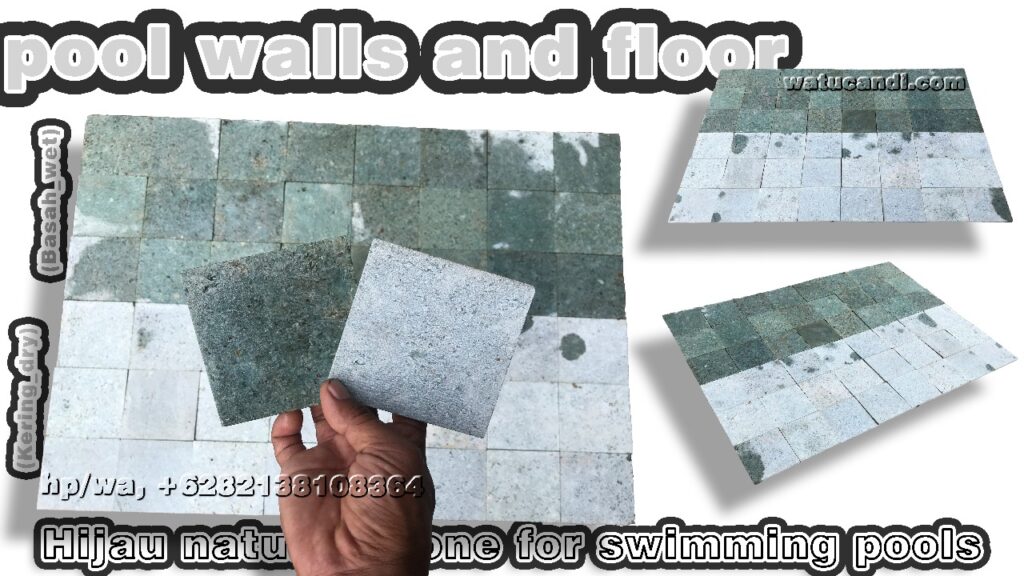
Authentic Sukabumi green natural stone tiles are premium material for swimming pools, prized for their unique green color and natural anti-slip properties. However, because it is always submerged or exposed to water, this stone has very specific care needs. Proper care not only maintains its beautiful color but also ensures the safety and cleanliness of your pool water.
4.1 Understanding the Unique Nature of Sukabumi Green Stone
Sukabumi green stone contains zeolite minerals that provide natural water purification properties. This is one of the reasons why this stone is the international standard for luxury pool finishes. Its distinctive green color comes from high magnesium content, and this color will actually become more intense and beautiful when the stone is wet. Yogyakarta batik green stone tiles offer artistic variations with batik motifs that require similar care.
Due to its always-wet nature, Sukabumi green stone is susceptible to algae growth and mineral buildup from pool water. However, with proper care, this stone can remain beautiful for years.
4.2 Swimming Pool Care Routine with Green Stone
Caring for Sukabumi green stone cannot be separated from overall pool maintenance. Here is a comprehensive guide:
- Maintaining water chemical balance: This is the most important step. Ensure your pool water pH is always in the range of 7.2 to 7.6. Water that is too acidic (low pH) can etch the stone surface, while water that is too alkaline (high pH) can cause mineral scale buildup. Chlorine should be kept at the right level; excess chlorine can fade stone color over time.
- Routine physical cleaning: Brush pool walls and floors regularly (at least once a week) using a pool brush with bristles suitable for stone surfaces. This prevents algae from attaching and growing. For drained pools, use a soft to medium bristle brush, not a wire brush.
- Cleaning when pool is drained: When the pool is drained for thorough cleaning, use a pH-neutral natural stone cleaner. Avoid acidic cleaners often used for regular ceramics. Scrub the stone surface with a brush, rinse with clean water, and let dry before refilling.
- Addressing mineral stains: If white scale or mineral stains form on the stone, use a special cleaner to remove calcium deposits that is safe for natural stone. Never use vinegar or other strong acids.
4.3 Green Stone Care in Non-Pool Areas
Sukabumi green stone is also often used for garden walls, bathroom floors, and other wet areas. For these applications, care is similar to volcanic stone: routine cleaning with pH-neutral cleaner, drying after use, and application of appropriate sealer for wet areas.
5. Limestone Care: Paras, Palimanan, and Travertine
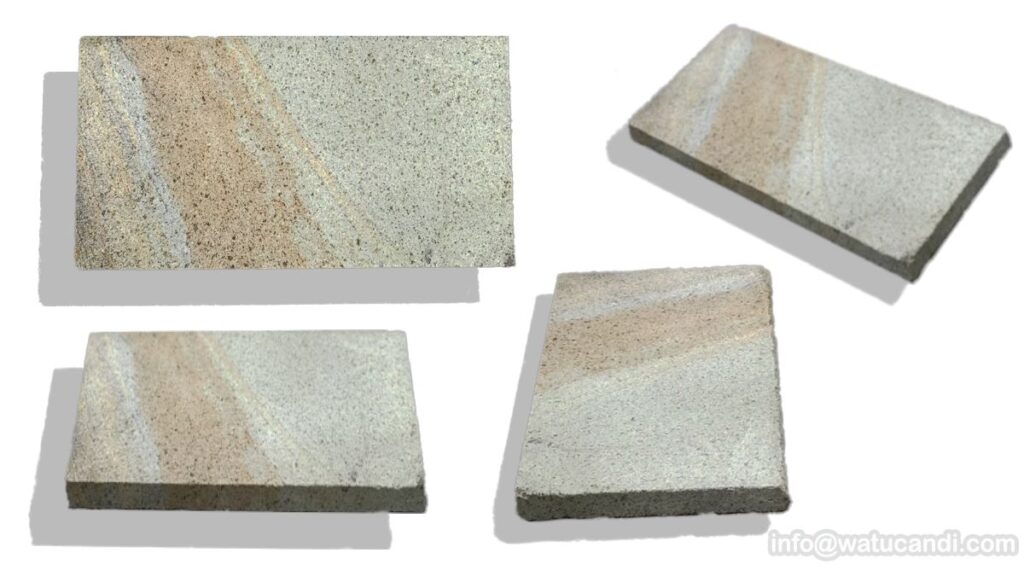
Limestone such as Paras Palimanan stone tiles, natural rock slabs of limestone type, and travertine offer softer and more elegant beauty with warm colors such as cream, white, and gray. However, limestone is much softer and more chemically reactive than volcanic stone, thus requiring more careful maintenance.
5.1 Limestone’s Vulnerability to Acid
The most important characteristic of limestone is its high sensitivity to acid. Even weak acids such as lemon juice, vinegar, or carbonated drinks can cause etching, which is the stone surface becoming dull and leaving permanent marks. This is why limestone is rarely recommended for kitchen countertops, but is very popular for floors, walls, and bathrooms as long as it is properly maintained.
5.2 Limestone Cleaning Routine
To clean limestone:
- Use only cleaners specifically formulated for limestone or pH-neutral cleaners. Check product labels to ensure they are safe for “calcium-based stones” or “limestone”.
- Never use vinegar, lemon, or other acidic household cleaners, even in low concentrations.
- Clean spills immediately after they occur. For acidic spills, immediately absorb and rinse the area with clean water and pH-neutral soap.
- Use a soft microfiber mop. Avoid rough brushes that can scratch the surface.
- Dry the surface after cleaning to prevent water spots.
5.3 Repairing Etching on Limestone
If your limestone is etched, there are several repair options. For light etching, you can use marble polishing powder sold at building supply stores. Apply with a soft cloth and rub in a circular motion until the shine returns. For deeper etching, professional services may be required to hone or repolish the stone surface. This is why prevention is the best strategy for limestone.
6. Sedimentary and Breksi Stone Care
Breksi natural stone tiles are a unique type of sedimentary rock consisting of fragments of various rocks held together by a natural matrix. Its beauty lies in its irregular collage patterns and contrasting colors. This stone has care characteristics that are a blend between limestone and volcanic stone, depending on the composition of its fragments.
6.1 Understanding the Composition of Breksi Stone
Because Breksi consists of various types of rocks, its resistance to chemicals can be uneven. Some areas may be more resistant to acids, while other areas (especially if containing limestone fragments) may be more sensitive. Therefore, a conservative approach is best: always use pH-neutral cleaners and avoid harsh chemicals.
6.2 Breksi Stone Care Guide
To care for Breksi stone:
- Clean regularly with a vacuum or dry mop to remove dust from its textured crevices.
- Use a pH-neutral cleaner and warm water for wet cleaning.
- Because of its often uneven texture, use a soft-bristled brush to reach dirt in textured areas.
- Apply sealer periodically to protect the matrix and stone fragments from stains and moisture.
- Avoid abrasive cleaners that can scratch softer stone fragments.

7. Natural Stone Furniture and Decorative Element Care
The integration of natural stone and furniture creates unique and classy design harmony. Stone tables, benches, vases, and other decorative elements require care tailored to their function. Stone furniture is not only an aesthetic investment, but also a functional one used daily.
7.1 Caring for Natural Stone Tables and Work Surfaces
Natural stone tables, whether dining tables, coffee tables, or side tables, are often exposed to the risk of food and beverage spills. For tables with natural rock slab surfaces:
- Always use coasters for drinks, especially those that are acidic or alcoholic.
- Use placemats and trivets to prevent scratches from plates and damage from heat.
- Clean the table surface daily with a soft cloth dampened with water and pH-neutral cleaner.
- For frequently used tables, consider applying a food-grade sealer that is safe if in contact with food.
7.2 Caring for Decorative Elements and Stone Art
Stone vases, sculptures, and other decorative elements require simpler but still important care:
- Dust regularly with a microfiber cloth or soft brush.
- For deeper cleaning, use a cloth slightly dampened with water. Avoid soaking stone decorative elements in water.
- For stone vases used for flowers, use an inner liner or separate container for water so it does not come into direct contact with the stone.
- Avoid placing stone decorative elements in areas with extreme temperature changes.
8. Natural Stone Sink Care
Natural stone sinks such as authentic Merapi stone sink 49x49x13cm and black basalt stone sink are stunning design statements. However, because of their function that constantly interacts with water, soap, and personal care products, natural stone sinks require a disciplined care routine.
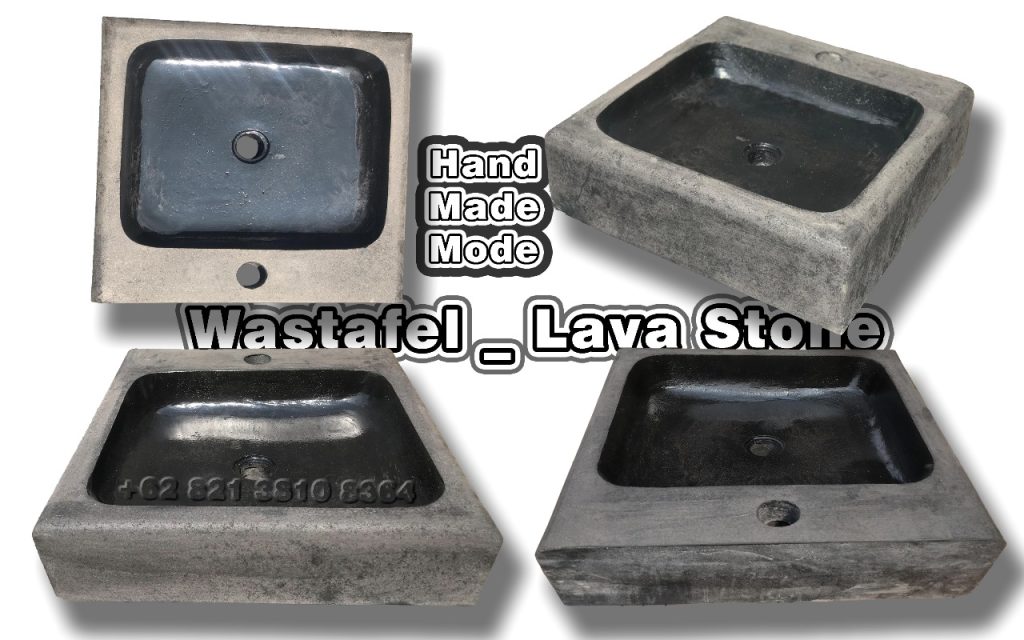
8.1 Daily Natural Stone Sink Routine
Simple daily habits can significantly extend the beauty of your stone sink:
- After each use, rinse the sink with clean water and wipe with a soft cloth to remove soap residue, toothpaste, or other personal care products. This prevents residue buildup that can make the stone dull.
- Avoid leaving soap bottles, cleaners, or personal care products directly on the sink surface. Use a tray or container to prevent accidental spills.
- Do not pour cleaners containing acid or bleach into the sink.
8.2 Deep Cleaning Stone Sinks
Once a week, perform a more thorough cleaning:
- Clean the entire sink surface with a pH-neutral cleaner safe for natural stone.
- Use a soft-bristled brush to clean corner areas and around the drain.
- Rinse with clean water until no soap residue remains.
- Dry with a microfiber cloth to prevent water spots and provide a natural shine.
- Once a month, check if the sealer on the sink is still functioning properly. Drop a little water on the surface; if the water beads up, the sealer is still good. If the water immediately soaks in and darkens the stone, it’s time to reapply sealer.
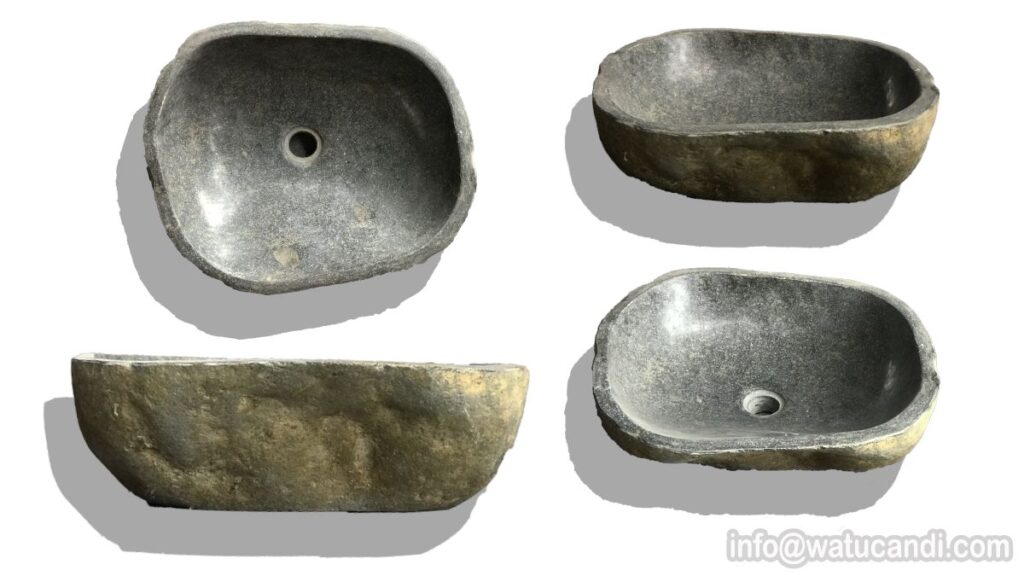
8.3 Addressing Scratches on Natural Stone Sinks
Light scratches on stone sinks can occur over time. For sinks with a matte or honed finish, scratches can often be disguised by rubbing the area with a soft cloth. For sinks with a polished finish like the black basalt sink, scratches may require repolishing by a professional.
9. Coating Guide for Maximum Protection
Coating is the most important step in preventive natural stone care. The right sealer will protect the stone from stains, moisture, and daily wear, while making cleaning easier. Without sealer, natural stone is like a sponge waiting to absorb every liquid that touches it.
9.1 Types of Natural Stone Sealers
There are two main categories of natural stone sealers:
- Impregnating Sealer: This type penetrates into the stone pores and forms a protective layer from within. This sealer does not change the stone color or texture, and allows the stone to “breathe”. This is the best choice for stones with large pores such as volcanic stone and for areas that are frequently wet.
- Topical Sealer: This type forms a layer on top of the stone surface. This sealer can provide a glossy or matte appearance, and is often used for limestone and marble. However, surface sealers can wear over time and require more frequent reapplication, especially in high-traffic areas.
9.2 How to Apply Sealer Correctly
Applying sealer correctly is as important as choosing the right type of sealer. Follow these steps:
- Clean the stone thoroughly: The stone must be completely clean and dry before sealer application. Dirt trapped under the sealer will become a permanent stain.
- Test on a small hidden area: Before applying to the entire surface, test the sealer on a small, inconspicuous area to ensure there is no discoloration or unwanted effects.
- Apply evenly: Use a brush, roller, or sprayer to apply the sealer. Ensure even application across the entire surface.
- Allow to penetrate: Let the sealer penetrate according to the time recommended by the manufacturer (usually 10-30 minutes).
- Wipe off excess sealer: After the penetration time, wipe all excess sealer from the surface with a clean, dry cloth. If excess sealer is left to dry on the surface, it will leave a sticky layer that is difficult to clean.
- Allow to dry completely: Do not use or wet the surface for at least 24 hours after application, or as recommended by the manufacturer.
- Repeat if necessary: Some very porous stone types may require a second application for optimal protection.
9.3 Reapplication Frequency
How often should you reapply sealer? There is no single answer, as frequency depends on several factors:
- Stone type: More porous stones require more frequent reapplication.
- Location: Stone in outdoor or wet areas requires more frequent reapplication (every 1-2 years) compared to stone in low-traffic indoor areas (every 3-5 years).
- Usage: High-traffic floors, kitchen countertops, and sinks will wear away sealer faster.
- Sealer type: Topical sealers usually wear faster than penetrating sealers.
The easiest way to check if the sealer is still working is the water test: drop a few drops of water on the stone surface. If the water beads up within 5-10 minutes, your sealer is still good. If the water immediately soaks in and darkens the stone, it’s time to reseal.
10. Indoor vs Outdoor Natural Stone Care: Weather Effects
The installation location of natural stone has a significant impact on its care needs. Stone installed indoors has different challenges compared to stone installed outdoors. Understanding these differences will help you adjust your care routine appropriately.
10.1 Indoor Natural Stone Care
Indoor natural stone is relatively more protected from extreme weather elements, but has other challenges:
- Dust and allergens: Household dust can accumulate in stone pores. Use a vacuum cleaner with a soft brush regularly.
- Household spills: Coffee, tea, wine, and juice are common threats. Quick action is key.
- Temperature changes: Heating systems can make the air very dry, which has little effect on natural stone. However, extreme temperature changes from floor heating should be regulated so they do not occur suddenly.
10.2 Outdoor Natural Stone Care
Outdoor natural stone, such as lava stone for swimming pools, Merapi lava stone parquet decking, and original stacked stone for facades, faces heavier challenges:
- UV rays: Years of direct sunlight exposure can fade the color of some stone types. Volcanic stone is very UV resistant, but limestone may slightly change color over time.
- Rain and moisture: Continuous rainwater can cause moss growth on porous stone. Ensure outdoor stone is coated with a water-repellent sealer.
- Freeze-thaw cycles: In climates with winter, water that seeps into stone pores can freeze and expand, causing cracks. Choose stone with low porosity for such climates, or ensure your sealer is excellent.
- Organic debris: Leaves, pollen, and bird droppings can stain stone. Clean regularly with water and a soft brush.
For outdoor areas, cleaning can be done with a pressure washer on a low to medium pressure setting. Do not use high pressure as it can damage the stone surface and grout. After cleaning, allow the stone to dry completely before reapplying sealer.
11. Common Maintenance Mistakes to Avoid
Even with the best intentions, many homeowners unknowingly make mistakes that damage their natural stone. Recognizing and avoiding these mistakes will save you from expensive repairs and maintain the beauty of your stone.
11.1 Using the Wrong Cleaner
This is the number one mistake. Many household cleaners contain acids, bleach, or ammonia that can permanently damage natural stone. Even “natural” cleaners like vinegar and lemon are very damaging to limestone. Always use cleaners labeled “safe for natural stone” or “pH neutral”.
11.2 Ignoring Spills
Letting spills dry on natural stone is a recipe for permanent stains. The longer liquid sits on the stone, the deeper it penetrates into the pores. Clean spills immediately after they occur.
11.3 Too Frequent or Never Sealing
Both are mistakes. Never sealing natural stone leaves it vulnerable to stains and damage. However, applying sealer too often or without cleaning the stone first can cause sealer buildup that makes the stone look dull and sticky. Follow the frequency guide explained above.
11.4 Scrubbing Too Hard
Although natural stone is strong, its surface can be soft, especially for limestone and marble. Using a wire brush, abrasive scouring powder, or scrubbing too hard can leave irreversible scratches. Always use a soft cloth, microfiber mop, or soft-bristled brush.
11.5 Neglecting Grout Maintenance
The grout between stone tiles is often the weak point. Damaged or missing grout allows water to seep under the stone, causing structural damage. Check grout regularly and repair if there is damage. Grout should also be cleaned along with stone cleaning.
12. Conclusion: Long-Term Investment Through Proper Care
Proper maintenance support is the key to unlocking the full potential of your natural stone investment. By understanding the unique characteristics of each stone type, implementing the correct cleaning routines, using appropriate sealers, and avoiding common mistakes, you can ensure that the beauty of natural stone in your home or building will last for decades. Proper care not only maintains aesthetics, but also protects your property value, making every corner of the room a testament to the timeless unique models of design.
Remember that prevention is always better and cheaper than repair. Take time for regular inspections, clean spills immediately, and schedule reapplication as needed. With consistent care, your natural stone will not only remain beautiful, but will also develop a natural patina that adds character and warmth over time. This is the true beauty of natural stone: it becomes increasingly valuable as it ages, provided it is cared for with the knowledge and attention it deserves.
Tags: maintenance support, natural stone care, black lava stone, temple stone, sukabumi green stone, paras palimanan stone, breksi stone, limestone, travertine, natural stone sink, stone furniture, natural stone coating, natural stone sealer, natural stone cleaner, swimming pool care, volcanic stone, andesite stone, basalt, watu candi, stone floor care, stone wall care, anti moss, anti stain, pH neutral cleaner,