'%3E%3Cpath%20stroke='%23000'%20stroke-width='4'%20d='m-35-37-13%2020m5%203%2013-20m5%203-13%2020m63%2042%206-9m1-2%206-9m5%203-6%209m-1%202-6%209m5%203%206-9m1-2%206-9m-96%200%2013%2020m5-3-6-9m-1-2-6-9m5-3%2013%2020m63-42-6-9m-1-2-6-9m5-3%2013%2020m5-3-6-9m-1-2-6-9'/%3E%3Ccircle%20r='24'%20fill='%23cd2e3a'/%3E%3Cpath%20fill='%230047a0'%20d='M0%200a12%2012%200%201%201%2020%2013%2024%2024%200%201%201-40-26A12%2012%200%201%200%200%200'/%3E%3C/g%3E%3C/svg%3E)


'/%3E%3Cpath%20fill='%23b2b2b2'%20d='M241%20382q0%2016%2017%2026%2017%2011%2042%2011t42-11q16-11%2017-26V269H241'/%3E%3Cpath%20fill='%239f7e00'%20d='M241%20379q0%2014%208%2023%209%209%2021%209%2014%200%2021-9%209-9%209-23V269h-59'/%3E%3Cpath%20d='M241%20339v-70h59v110q0%2014-9%2023l-6%205v-68h-15v72q-8%200-14-4v-68zm59%2040c0%2022%2015%2032%2029%2032%2021%200%2030-18%2030-32v-40h-59'/%3E%3Cpath%20fill='%239f7e00'%20d='M266%20277v5h2v12h-3v-5h2v-5h-9v5h2v5h-4v9h3v18h-5v10h34v-10h-5v-18h3v-9h-4v-5h2v-5h-9v5h2v5h-3v-12h2v-5zm42%20101q0%2010%206%2017%206%206%2015%207%2010-1%2016-7%206-7%206-17v-29h-43'/%3E%3Ccircle%20fill='%230044ad'%20cx='329.5'%20cy='372'%20r='6'/%3E%3Cellipse%20fill='%230044ad'%20cx='300'%20cy='340'%20rx='16'%20ry='21'/%3E%3C/svg%3E)


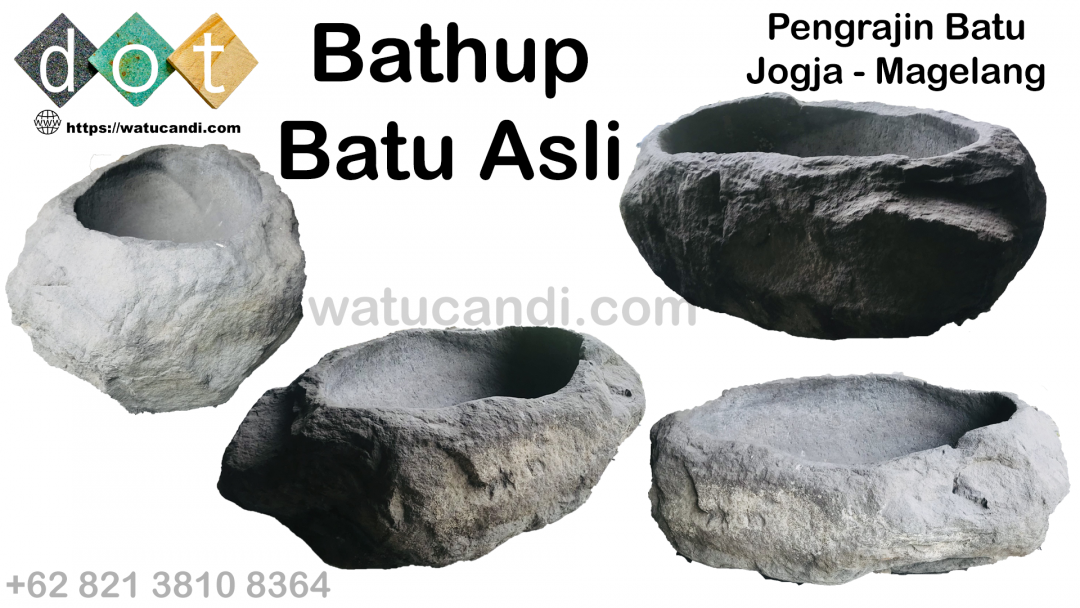
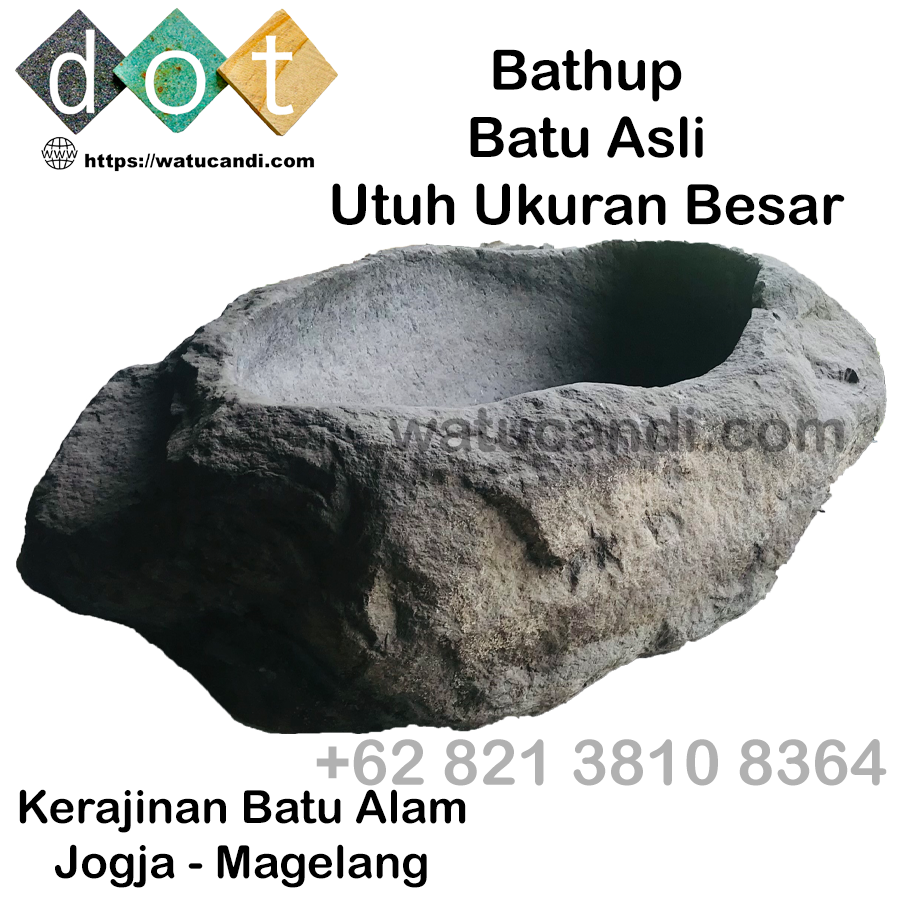
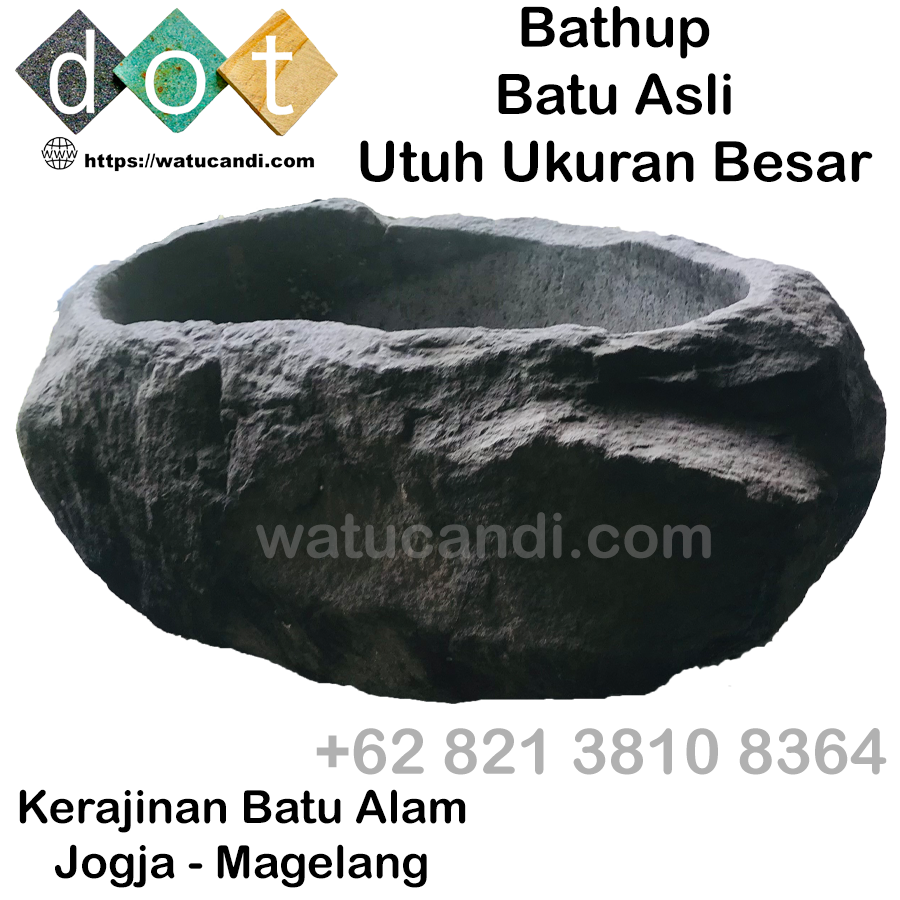
Handmade Stone Tub is one of the most authentic and functional forms of natural stone craft originating from the slopes of Mount Merapi, Indonesia. Made from solid volcanic stone boulders that are manually worked using grinding machines and diamond saws, each stone tub is a fusion of nature’s strength, traditional craftsmanship, and modern technology. This product comes as a natural solution for various needs: as a luxurious soaking tub, a unique bathtub, and an aesthetic garden display planter.
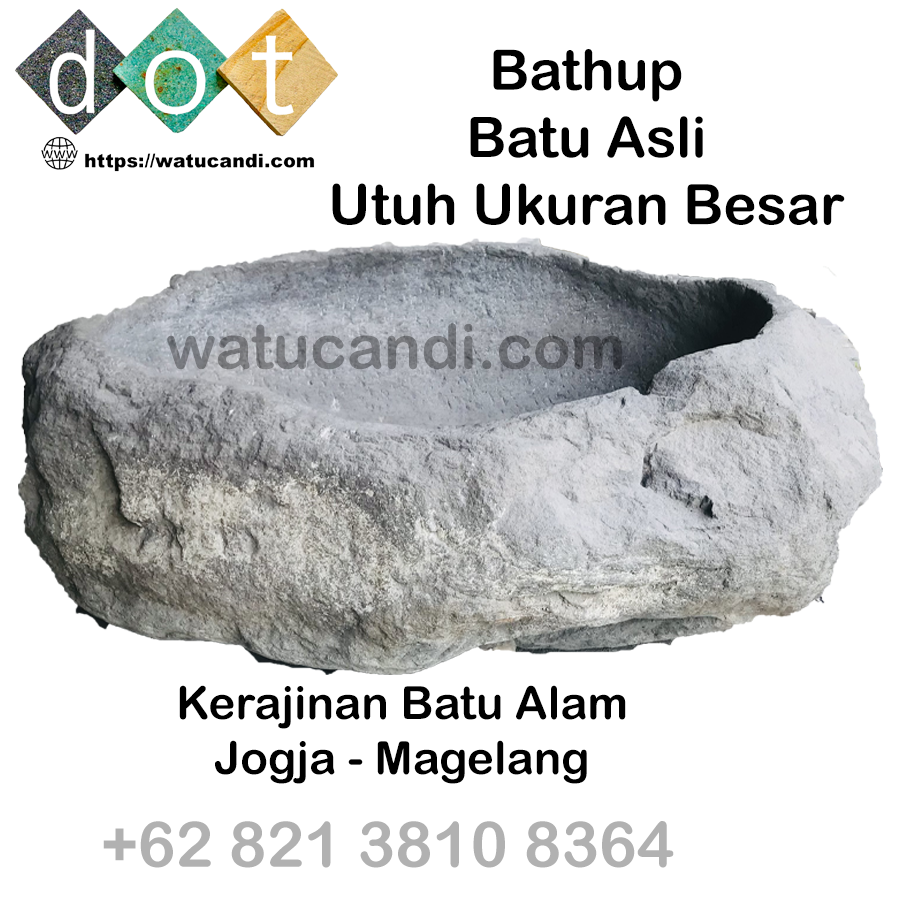
This article will take you deep into the world of Handmade Stone Tubs, starting from the origin of Mount Merapi’s volcanic material, the days-long crafting process, various types and functions of stone tubs, to tips on choosing and maintaining them. With this comprehensive guide, you will understand why handmade stone tubs from Indonesia are increasingly sought after by architects, landscape designers, and homeowners worldwide.
Table of Contents
- Introduction: What Is a Handmade Stone Tub?
- Material Origin: Volcanic Stone Boulders from Mount Merapi
- Characteristics of Mount Merapi Stone for Stone Tubs
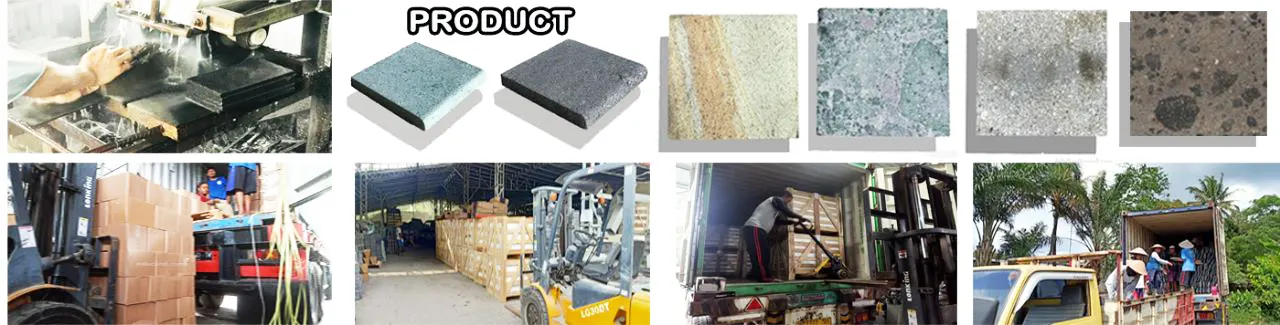
- The Crafting Process of Handmade Stone Tubs
- Types of Stone Tubs Based on Function
- Advantages of Handmade Stone Tubs Compared to Factory-Made Tubs
- Tips for Choosing Quality Handmade Stone Tubs
- Designs and Styles of Stone Tubs for Various Concepts
- Handmade Stone Tub Pricing: Determining Factors
- Natural Stone Tub Maintenance Guide
- Placement Inspiration for Stone Tubs in Homes and Gardens
- Comparison of Mount Merapi Stone Tubs with Other Materials
- Testimonials and User Experiences
- Stone Tub Trends in Modern Architecture
- Environmental Aspects and Sustainability
- How to Order a Custom Stone Tub
- Myths and Facts About Natural Stone Tubs
- Frequently Asked Questions (FAQ)
- Conclusion: An Investment in Beauty and Function from the Land of Merapi
Introduction: What Is a Handmade Stone Tub?
Handmade Stone Tub is a large container made from solid natural stone boulders, especially volcanic stone from the slopes of Mount Merapi in Indonesia. Unlike mass-produced fiberglass, ceramic, or cast concrete tubs manufactured in factories, each handmade stone tub is a unique work of art, carved and shaped manually by experienced artisans.
The crafting process involves selecting quality stone boulders, cutting with diamond saws, shaping using grinding machines, and meticulous surface finishing. The result is a tub that not only functions as a water container but also as a decorative element that radiates natural beauty and organic luxury.
The functions of a Handmade Stone Tub are very diverse:
- Soaking Tub: For a spa-like relaxation experience at home.
- Bathtub: A more natural and artistic alternative to conventional bathtubs.
- Garden Planter/Display: As a decorative element or large plant pot.
- Fountain Basin: As part of a water feature in the garden.
- Outdoor Sink: For outdoor kitchen areas or gardening areas.
This article will thoroughly explore all aspects of Handmade Stone Tubs from Mount Merapi, providing comprehensive insights for those considering owning one of these natural masterpieces.
Material Origin: Volcanic Stone Boulders from Mount Merapi
Mount Merapi, which in Javanese means “Mountain of Fire,” is one of the most active volcanoes in the world. Located on the border of Central Java Province and the Special Region of Yogyakarta, this mountain has been a source of life for surrounding communities for centuries. One of the blessings of its volcanic activity is natural stone boulders of exceptional quality.
The stone boulders used to make Handmade Stone Tubs come from lava flows, cold lava (lahar), and pyroclastic deposits that have hardened over tens to hundreds of years. This material is collected from dry rivers on the slopes of Merapi or from traditional mining carried out by local communities.
Types of stone commonly used:
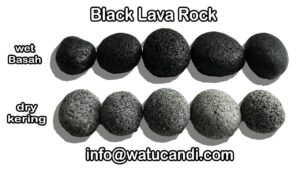
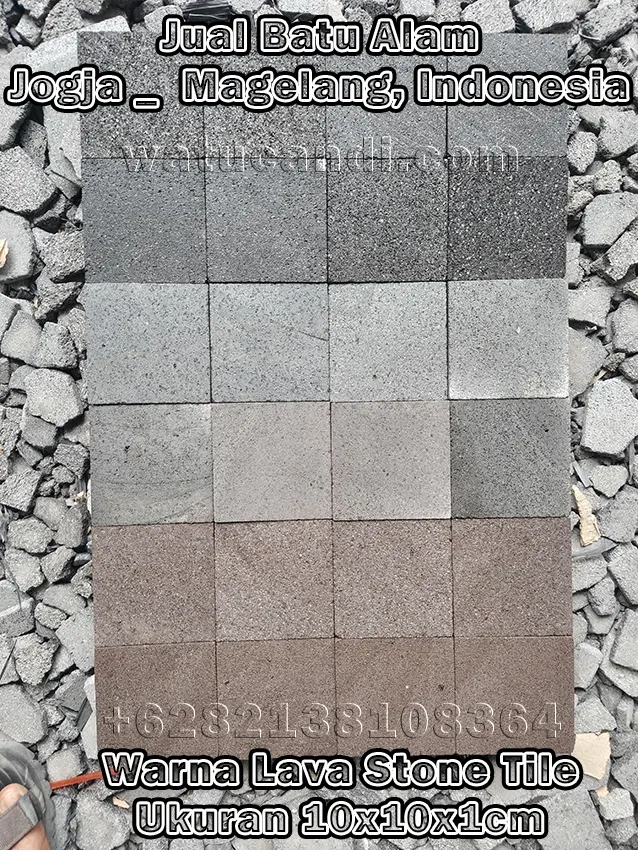
- Black Lava Stone: Deep black in color with a porous texture, very popular for modern soaking tubs.
- Andesite Stone: Gray in color with a smoother texture, suitable for tropical styles.
- Basalt Stone: Very dense and hard, dark in color, ideal for tubs requiring extra durability.
- Temple Stone (Batu Candi): Brownish-gray in color, softer allowing for detailed carvings.
Characteristics of Mount Merapi Stone for Stone Tubs
Understanding the characteristics of Mount Merapi volcanic stone is essential to know why this material is so ideal for Handmade Stone Tubs:
1. High Density and Strength
The solidification process of magma under extreme pressure and temperature produces rock with very high density. Mount Merapi stone can withstand large volumes of water without cracking or leaking. This is why Merapi stone boulders are perfectly suited for soaking tubs or bathtubs that must hold hundreds of liters of water.
2. Unique Natural Pore Structure
Merapi lava stone has a distinctive porous texture. These pores are not defects, but characteristics that provide high aesthetic value. In the context of bathtubs, this texture provides natural anti-slip footing on the tub floor, increasing safety during use.
3. Authentic Natural Colors
From deep black and dark gray to brownish gray, the colors of Mount Merapi stone are completely natural without artificial dyes. These colors will not fade over time; instead, they become more mature and character-rich with use.
4. Water and Temperature Change Resistant
The volcanic nature of Mount Merapi stone makes it highly stable against continuous water exposure. This stone will not weather, peel, or change shape even when submerged in water for long periods. Additionally, this stone has natural thermal properties—it can retain heat longer, so the water in the soaking tub stays warm longer.
5. Extreme Weather Resistance
For tubs placed outdoors, weather resistance is a crucial factor. Mount Merapi stone is highly resistant to UV rays, heavy rain, and extreme temperature changes. Unlike synthetic materials that can crack or fade, natural stone becomes more beautiful with age.
The Crafting Process of Handmade Stone Tubs
Making a Handmade Stone Tub is a time-consuming process that requires high skill and involves several important stages. Unlike fast and uniform factory production, each stone tub goes through the following process:
Stage 1: Stone Boulder Selection
Artisans select stone boulders from the slopes of Mount Merapi. The chosen boulders must meet the following criteria:
- Sufficient size to form a tub with the desired dimensions.
- No cracks or structural defects that could weaken the tub’s integrity.
- Color and texture that match the customer’s requirements.
Stage 2: Cutting with Diamond Saw
The stone boulder is cut using a diamond saw to obtain the basic shape. Diamond saws are chosen because they can cut volcanic stone which is very hard with high precision. At this stage, the stone is cut into a block or cylinder shape according to the initial design.
Stage 3: Cavity Formation with Grinding Machine
This is the most crucial and time-consuming stage. Artisans use an angle grinder with special grinding attachments to form the cavity inside the stone boulder. This process requires:
- High precision: The cavity must have uniform wall thickness so the tub is strong and not prone to cracking.
- Precise depth: For soaking tubs, the depth is usually between 50-70 cm. For display planters, the depth can be shallower.
- Proper slope: The tub floor is usually made slightly sloped towards the drain hole to facilitate drainage.
Stage 4: Smoothing and Finishing
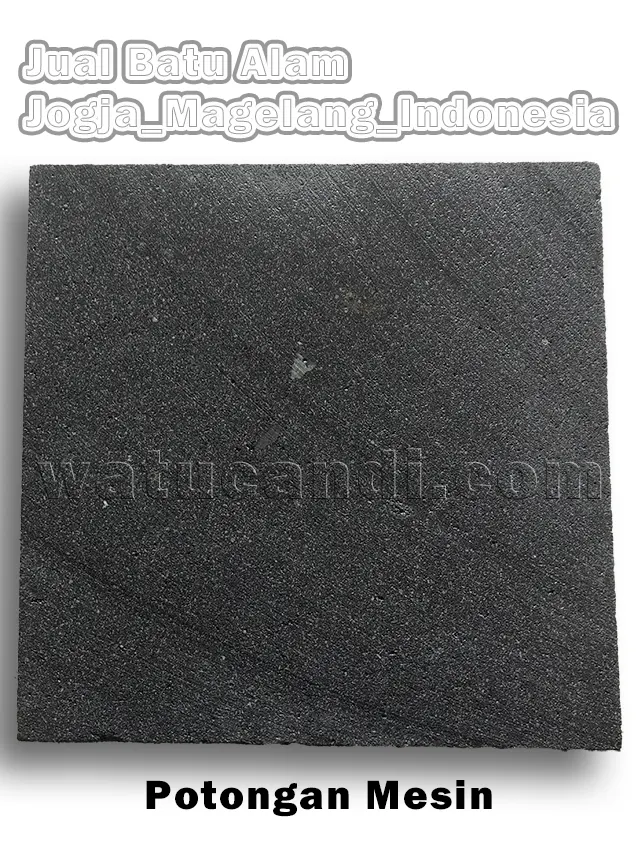
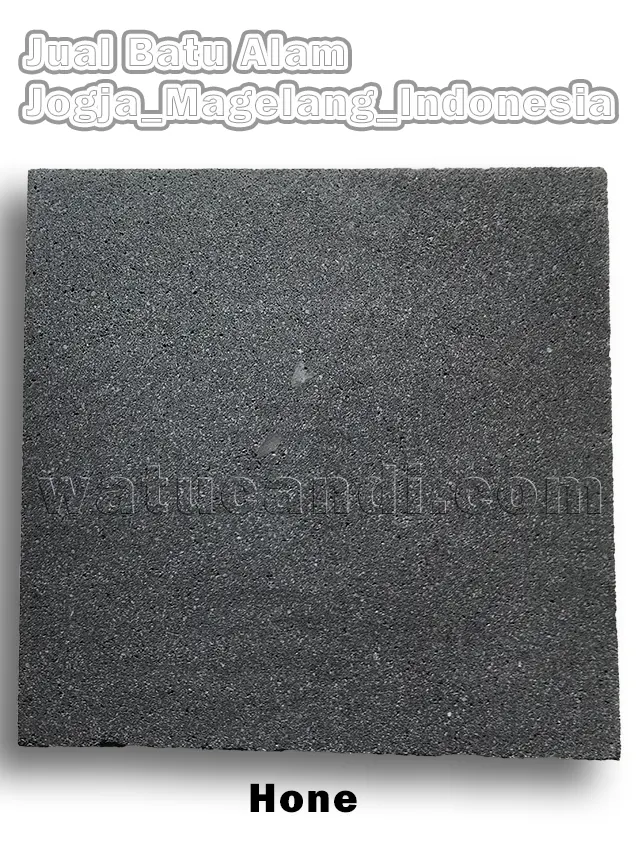
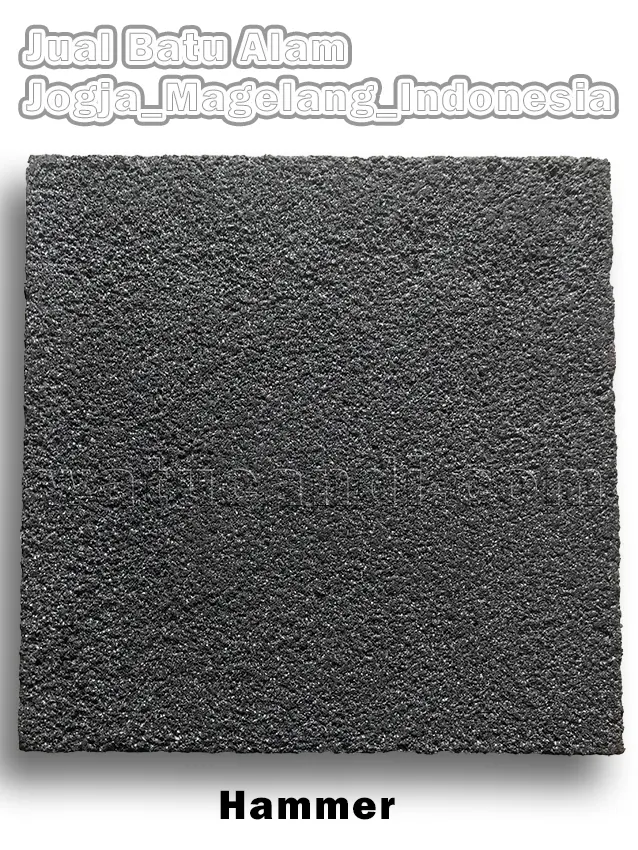
After the cavity is formed, the entire surface of the tub both interior and exterior is smoothed using a grinding machine with special sanding attachments (according to the request for smooth shape or natural rough face of the stone). The level of smoothness can be adjusted according to the request:
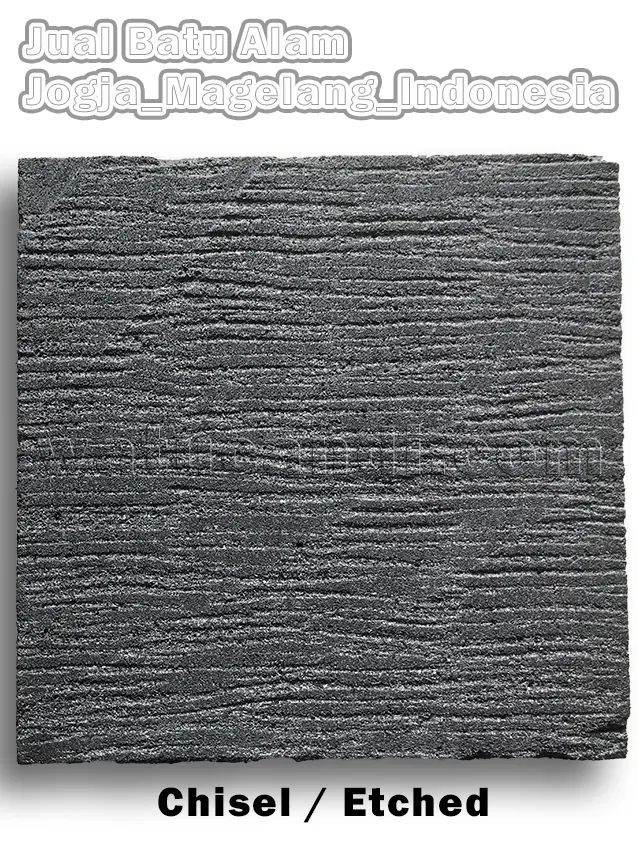
- Natural Finishing: Retains the original stone texture, providing a rustic nuance.
- Honed Finishing: Smooth but matte surface, comfortable for the skin.
- Polished Finishing: Smooth and glossy surface, suitable for luxurious indoor bathtubs.
Stage 5: Protective Coating (Optional)
To increase stain resistance and facilitate maintenance, the stone tub can be coated with a special natural stone sealer. This sealer fills the microscopic pores of the stone without changing its texture or color, so water and oil do not easily penetrate.
Stage 6: Quality Inspection
Each tub is thoroughly inspected:
- Surface flatness and wall thickness.
- Leakage by filling with water and leaving it for 24 hours.
- Shape comfort (for soaking tubs).
Only tubs that pass strict inspection are then ready to be shipped to customers.
Types of Stone Tubs Based on Function
1. Soaking Tub
Stone soaking tubs are the perfect choice for creating a spa experience at home. With fairly large dimensions (typically 120-180 cm long, 60-80 cm wide, 50-70 cm deep), this tub allows you to soak comfortably. The thermal properties of stone that can retain heat keep the water warm longer, enhancing the soaking enjoyment.
2. Bathtub
As an alternative to conventional bathtubs, stone bathtubs provide a luxurious natural touch to your bathroom. The design can be customized—from organic oval shapes of natural stone to modern rectangular shapes. The smooth interior finishing ensures comfort when in contact with the skin.
3. Garden Display Planter
Stone tubs for gardens function as both decorative and functional elements. They can be used as:
- Large plant pots for bonsai trees or ornamental plants.
- Mini ponds with ornamental fish and aquatic plants.
- Fountain basins as garden focal points.
4. Outdoor Sink
For outdoor kitchen areas, BBQ areas, or gardens, stone tubs function as sturdy and aesthetic sinks. They are weather-resistant and you don’t need to worry about rust or damage from UV rays.
Advantages of Handmade Stone Tubs Compared to Factory-Made Tubs
Vs. Fiberglass/Acrylic Tubs
- Uniqueness: Each stone tub is one of a kind, while fiberglass is mass-produced with uniform shapes.
- Durability: Stone will not crack, scratch, or fade like fiberglass.
- Heat Retention: Stone retains heat longer, water stays warm longer.
- Aesthetic Value: The natural beauty of stone cannot be imitated by synthetic materials.
Vs. Ceramic/Porcelain Tubs
- Impact Resistance: Stone will not shatter if hit hard, unlike fragile ceramic.
- Maintenance: No special cleaners needed or worry about scratches.
- Natural Anti-Slip: Stone texture provides natural grip, safer to use.
Vs. Cast Concrete Tubs
- Lighter Weight: For the same size, natural stone tubs tend to be lighter than solid concrete.
- No Cracking: Concrete is prone to cracking over time, while volcanic stone is very stable.
- Natural Color: Stone color will not fade, unlike concrete pigments.
Tips for Choosing Quality Handmade Stone Tubs
- Check Stone Quality: Ensure the stone is genuine solid natural stone, not a mixture or patch. The surface should be consistent without cracks.
- Measure Wall Thickness: The tub wall should be at least 5-8 cm thick to ensure strength and heat retention.
- Leak Test: Ask the artisan to fill the tub with water and check for any seepage.
- Check Interior Finishing: For bathtubs, ensure the inside is smooth enough for skin comfort.
- Match Dimensions: Measure your space accurately before ordering. Ensure entry access is wide enough for delivery.
- Choose a Trusted Supplier: Look for artisans with a good track record and clear portfolio.
Designs and Styles of Stone Tubs for Various Concepts
- Japanese Style (Ofuro): Round or oval tub with natural finishing, suitable for zen concepts.
- Tropical Bali Style: Tub with natural exterior sides, combined with green plants.
- Modern Industrial Style: Rectangular tub with honed or polished finishing, clean lines.
- European Rustic Style: Tub with rough texture on the exterior, giving a countryside feel.
Handmade Stone Tub Pricing: Determining Factors
- Stone Type: Premium basalt and black lava stone are more expensive.
- Size: The larger the dimensions, the more expensive.
- Design Complexity: Oval or asymmetrical shapes are more difficult to make.
- Finishing: Polished finishing requires additional time.
- Customization: Custom designs are always more expensive than standard models.
- Shipping Costs: The heavy weight of the tub makes shipping costs significant.
Natural Stone Tub Maintenance Guide
- Routine Cleaning: Scrub with a soft brush and clean water. Avoid acidic soaps or bleach.
- Sealer Application: Every 1-2 years, especially for frequently used tubs.
- Drainage: Ensure water does not stagnate too long in the tub when not in use.
Placement Inspiration for Stone Tubs in Homes and Gardens
- Master Bathroom: As a luxurious bathtub.
- Private Spa Area: Placed in a dedicated relaxation room.
- Backyard: As an outdoor soaking tub.
- Terrace or Balcony: As a decorative element or plant pot.
- Resorts and Villas: Providing a unique experience for guests.
Comparison of Mount Merapi Stone Tubs with Other Materials
| Aspect | Merapi Stone | Fiberglass | Ceramic | Concrete |
|---|---|---|---|---|
| Uniqueness | Very High | Low | Low | Medium |
| Durability | Very High | Medium | Low | Medium |
| Heat Retention | High | Low | Medium | Medium |
| Maintenance | Low | Medium | Medium | High |
| Price | Premium | Economical | Mid-range | Mid-range |
Testimonials and User Experiences
Many homeowners, architects, and resort managers have experienced the special qualities of Handmade Stone Tubs from Merapi. They appreciate the natural beauty that cannot be imitated by factory products, the soaking comfort that differs from ordinary bathtubs, and the durability that keeps them lasting for years without complicated maintenance.
Stone Tub Trends in Modern Architecture
Currently, Handmade Stone Tubs are increasingly in demand in high-end architectural projects. Interior designers and landscape architects incorporate stone tubs as statement elements in their designs. The “back to nature” and “biophilic design” trends make natural materials like volcanic stone increasingly appreciated. Boutique hotels, luxury resorts, and premium spas in various countries are starting to adopt stone tubs from Indonesia as a main attraction.
Environmental Aspects and Sustainability
Choosing a Handmade Stone Tub from Merapi stone is also an environmentally friendly choice:
- Supports Local Economy: Purchasing stone tubs helps local artisans around Merapi.

How to Order a Custom Stone Tub
Ordering a custom Handmade Stone Tub requires clear communication with the artisan:
- Determine Function: Is it for soaking, bathing, or display?
- Determine Dimensions: Measure your space accurately.
- Choose Stone Type: Consult with the artisan about available stones.
- Determine Finishing: Natural, honed, or polished.
- Confirm Work Time: Usually 2-8 weeks depending on complexity.
- Arrange Delivery: Ensure access to the placement location is wide enough.
Myths and Facts About Natural Stone Tubs
Myth: Stone tubs always leak because they are porous.
Fact: With quality stone selection and proper finishing, stone tubs do not leak. Modern sealers can close pores without changing aesthetics.
Myth: Stone tubs are too heavy for home floors.
Fact: Most modern floors can support the weight of a stone tub. Consult a contractor for upper floors.
Myth: Water in stone tubs cools quickly.
Fact: On the contrary, the thermal properties of stone retain heat longer compared to fiberglass or acrylic.
Frequently Asked Questions (FAQ)
Q: Can stone tubs be installed in an upper-floor bathroom?
A: Yes, with proper structural calculations. Consult your contractor.
Q: How long does it take to make one stone tub?
A: Depending on size and complexity, usually 2-8 weeks.
Q: Can I custom order the size and shape?
A: Yes, most artisans accept custom orders.
Q: Are stone tubs easy to clean?
A: Very easy. Simply use a soft brush and clean water. No special chemicals needed.
Q: Is a drain hole available?
A: Yes, artisans can make a drain hole upon request.
Conclusion: An Investment in Beauty and Function from the Land of Merapi
Handmade Stone Tubs from Mount Merapi stone boulders are a perfect blend of art, function, and nature. Each tub is a unique masterpiece that brings the volcanic strength of Indonesia into your home or garden. By choosing a stone tub, you not only get a product with unparalleled natural beauty and extraordinary durability, but also support local crafts and preserve valuable traditional techniques.
Whether as a pampering soaking tub, an artistic bathtub, or a stunning garden display stone tub, Handmade Stone Tubs from Merapi are an investment that will provide enjoyment and beauty for many years to come.
Tags: handmade stone tub, natural stone bathtub, volcanic stone soaking tub, stone tub Mount Merapi, handmade bathtub Indonesia, solid stone tub, black lava stone tub, andesite stone tub, basalt stone tub, temple stone tub, natural stone bath, outdoor stone bathtub, garden stone planter, stone fountain basin, outdoor stone sink, Merapi stone craft, Indonesian stone tub, custom stone tub, luxury stone bathtub, Japanese soaking tub stone, ofuro stone tub, rustic stone tub, modern stone bathtub, stone tub maintenance, stone tub price, buy stone bathtub, natural stone tub supplier, Merapi artisan, watucandi, Indonesian natural stone, volcanic rock bathtub, solid rock soaking tub, handmade bathroom fixture, natural bathroom decor, eco-friendly bathtub, sustainable stone tub, stone bathtub installation, stone tub dimensions, custom bathtub Indonesia, stone bath export, tropical bathroom design, spa stone tub,