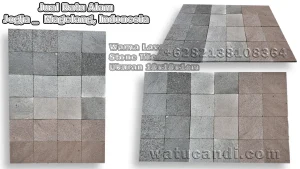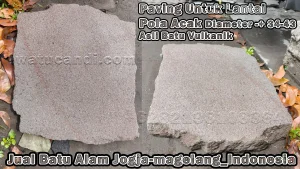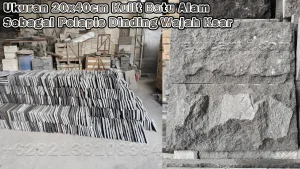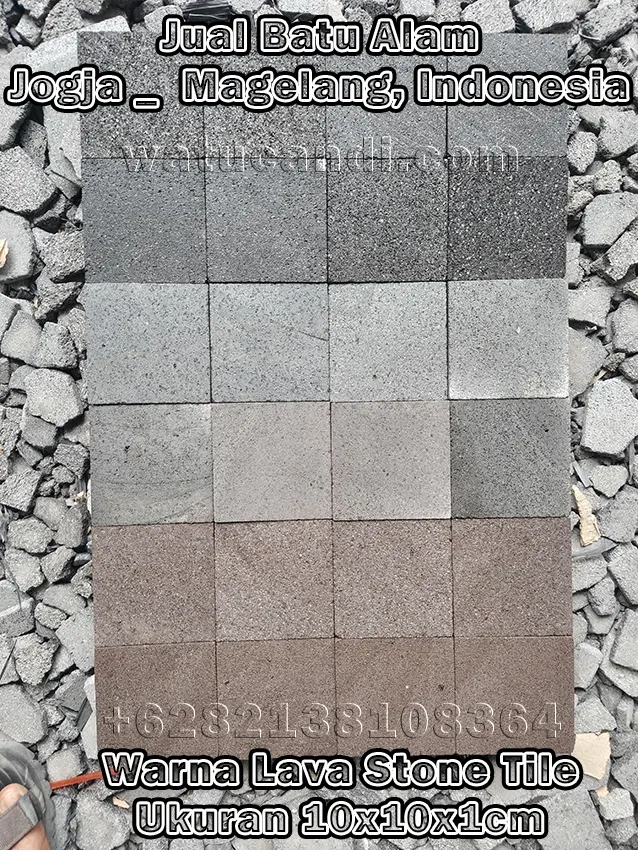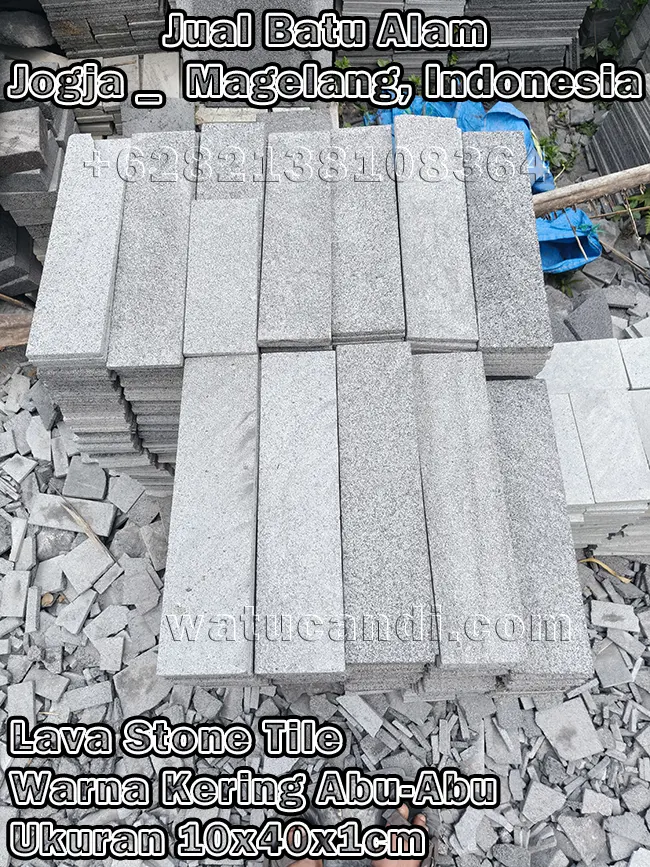
A cool touch underfoot at high noon, a soft light reflection that soothes the eyes at night. Hard cream natural stone is not merely limestone, but a geological memory spanning millions of years that transforms a house into a living space.
In every cream vein lies the trace of ancient seas and the hands of Yogyakarta-Magelang Indonesian artisans who inherited the craftsmanship of Borobudur builders. This is not an ordinary building material, but a piece of earth’s history that you step on and touch every day.
Hard cream limestone natural stone, internationally known as hard cream limestone, is one of the most prestigious building materials originating from Indonesia’s geological wealth. This material is not just ordinary stone, but the result of calcium carbonate mineral deposits that have undergone lithification over millions of years, producing extraordinary crystal density. As direct natural stone manufacturers and artisans located on the border of Yogyakarta and Magelang, we understand that choosing this material is a long-term investment for the aesthetics and durability of your property.
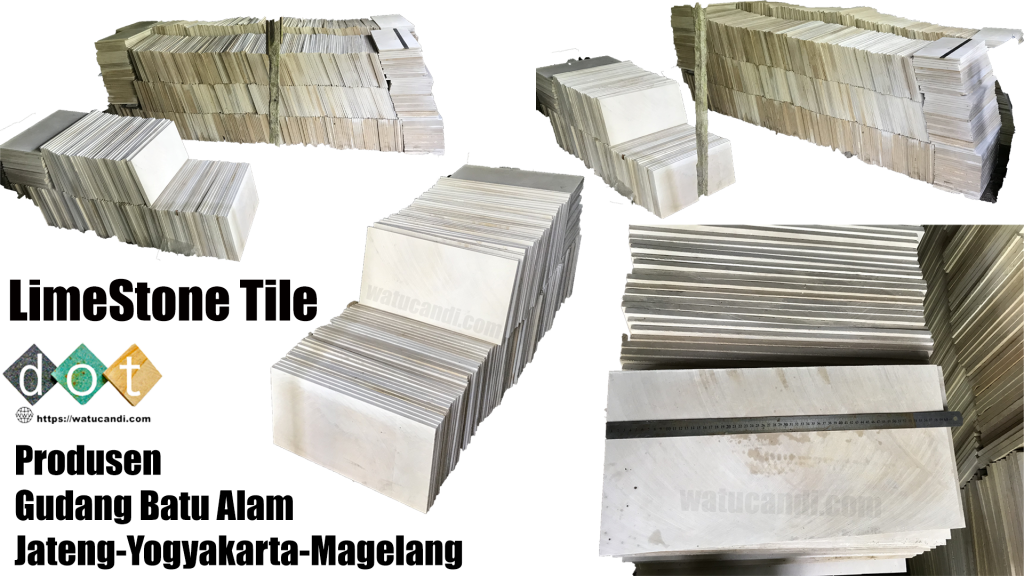
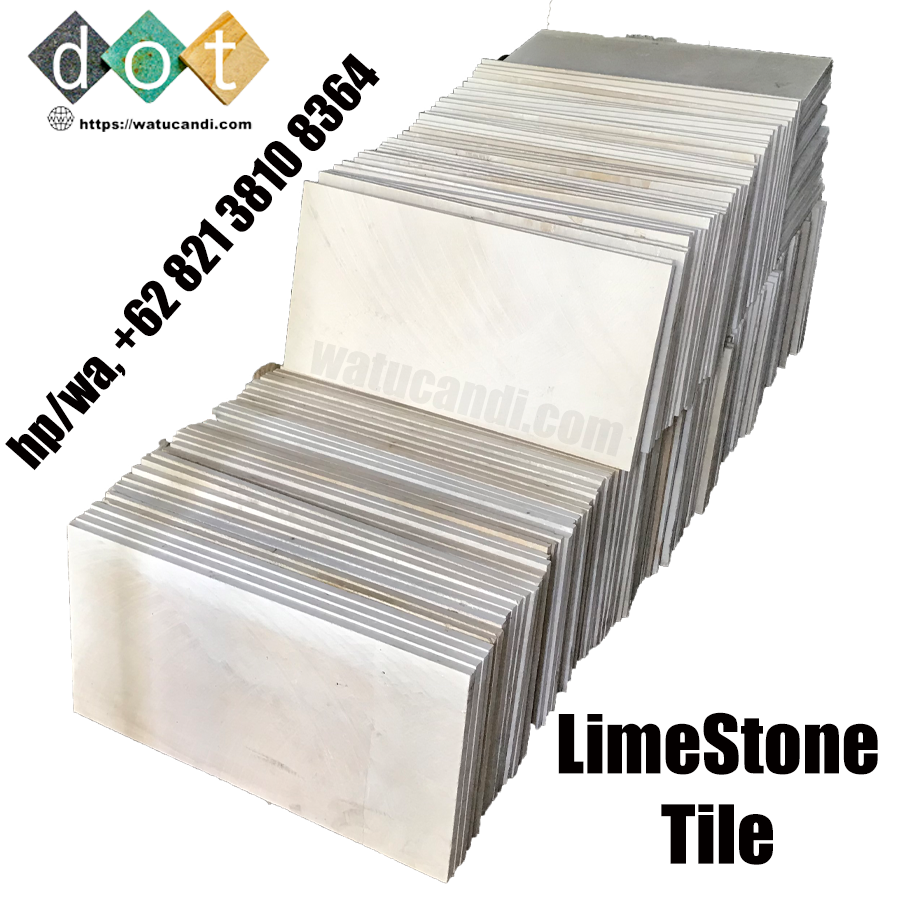
This Jogja limestone natural stone and sandstone has unique characteristics featuring a cream to bone-white base color that delivers a clean, elegant, and classic impression. Unlike soft limestone that crumbles easily, this “hard” variant or hard limestone has a density level nearly equivalent to Tulungagung marble, making it a superior choice for high-traffic areas and exterior facades exposed to extreme weather. In both modern and classical architecture, this material serves as the perfect bridge between natural luxury and structural resilience.
Geological Characteristics and Advantages of Hard Cream Limestone
Understanding the geological origin of limestone tile natural stone is essential to appreciating its value. Formed from the accumulation of ancient marine organism shells and carbonate sediments, this stone preserves earth’s history in every layer. The hard cream limestone variant we process comes from rock formations that have experienced high tectonic pressure, resulting in tighter pores compared to ordinary limestone. This density is the key reason why this stone resists rainwater erosion, does not easily develop moss, and can withstand heavy mechanical loads.
One of the primary advantages of hard cream limestone is its color stability. Even after years of UV exposure, its natural cream color will not fade drastically but instead undergoes a patina process that makes it appear increasingly antique and full of character. This differs from artificial stone or printed ceramics whose colors may fade over time. Additionally, the excellent thermal properties of limestone keep it cool to the touch even under scorching sunlight, making it an ideal material for Indonesia’s tropical climate. For comprehensive references on this material’s characteristics, you can study the complete guide to natural limestone and travertine which explains the fundamental differences between sedimentary stone types.
Comparison with Other Natural Stone Materials
In building material selection, confusion often arises between limestone, sandstone, and andesite. Hard cream limestone occupies a unique position in the middle of this spectrum. Compared to brown sandstone which tends to be more porous and rough, cream limestone has a smoother and denser texture, making it easier to clean and more stain-resistant. However, it still retains the natural nuance that polished granite, which can be overly glossy, lacks.
When compared to volcanic stones like andesite or lava stone, hard cream limestone offers a much lighter and warmer color palette. While natural andesite stone is predominantly dark gray and suited for masculine or industrial impressions, cream limestone provides a feminine, soft, yet strong touch. Combining both in a single project often creates extraordinary visual harmony, where the darkness of andesite balances the brightness of limestone. Also read the guide on premium sandstone and limestone from Indonesia to understand how to effectively combine these two materials.
Surface Finish Varieties for Maximum Aesthetics
The beauty of hard cream limestone lies not only in the raw material but also in the art of surface processing. Each finish type is designed for specific functional and aesthetic purposes. As experienced artisans, we provide various finishing options that can be customized to your design concept:
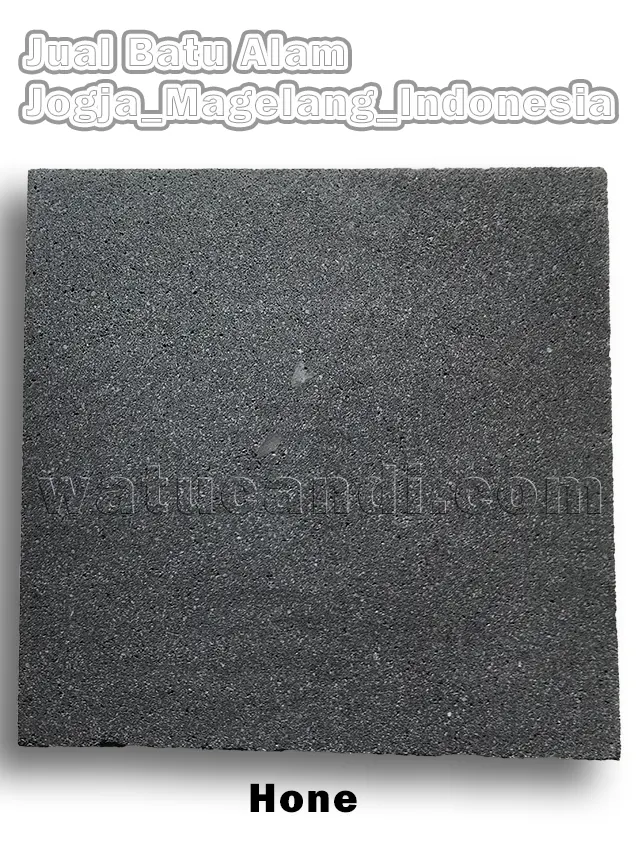
1. Honed Finish (Smooth Matte Polish)
The honed finish is the most popular for hard cream limestone. This process involves sanding the stone surface until flat and smooth, but stopping before reaching the glossy stage. The result is a surface that feels soft to the touch, does not reflect light excessively, and maximizes the stone’s true color. This finish is highly recommended for interior spaces as it creates a calm and luxurious atmosphere without appearing ostentatious. It is also the standard for Palimanan paras stone tiles widely used in modern residences.
2. Bushhammered Finish (Rough Hammered Texture)
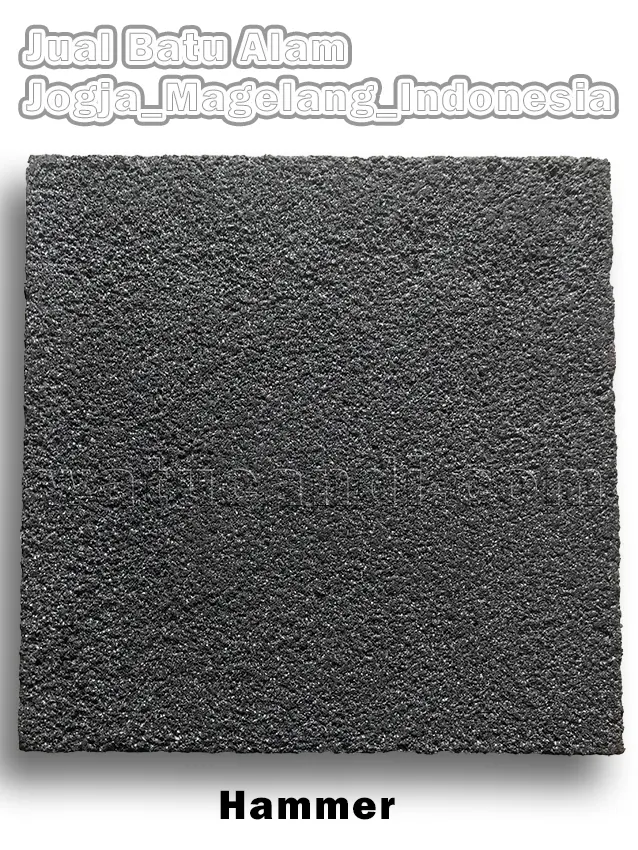
For exterior areas or wet zones requiring high friction coefficients, the bushhammer finish is the solution. The stone surface is hammered using special spiked tools that create a rough and pitted texture. Beyond its excellent anti-slip function, this finish also provides a more rustic appearance and conceals fine scratches that may occur during use. See examples of similar technique applications on bushhammer limestone tiles for visual reference.
3. Tumbled Finish (Antique Tumbled)
If you desire a vintage or classic European old-building ambiance, the tumbled finish is the best choice. Stones are placed in a tumbling machine with abrasives to randomly wear down edges and surfaces. The result is stone with rounded corners, slightly textured surfaces, and an appearance as if centuries old. Learn more about tumbled natural stone finish to achieve authentic antique effects.
4. Chiseled and Carved Finish (Sculptural Art)
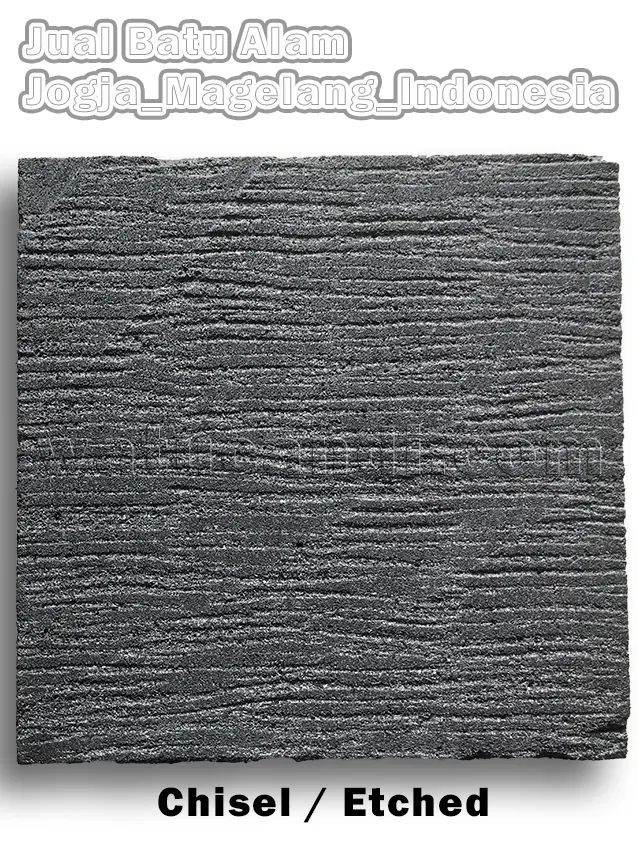
For those who appreciate craftsmanship, chiseled or hand-carved finishes offer invaluable artistic value. Every chisel mark is made by skilled artisans’ hands, creating unique patterns that are never identical from one stone to another. This technique is often used for accent walls or decorative elements. For creative installation pattern inspiration, you can view chiseled natural stone installation patterns which offer diverse options.
5. Machine Cut and Grooved (Modern Precision)
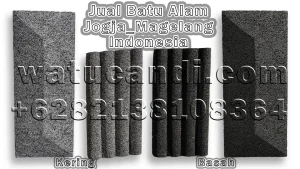
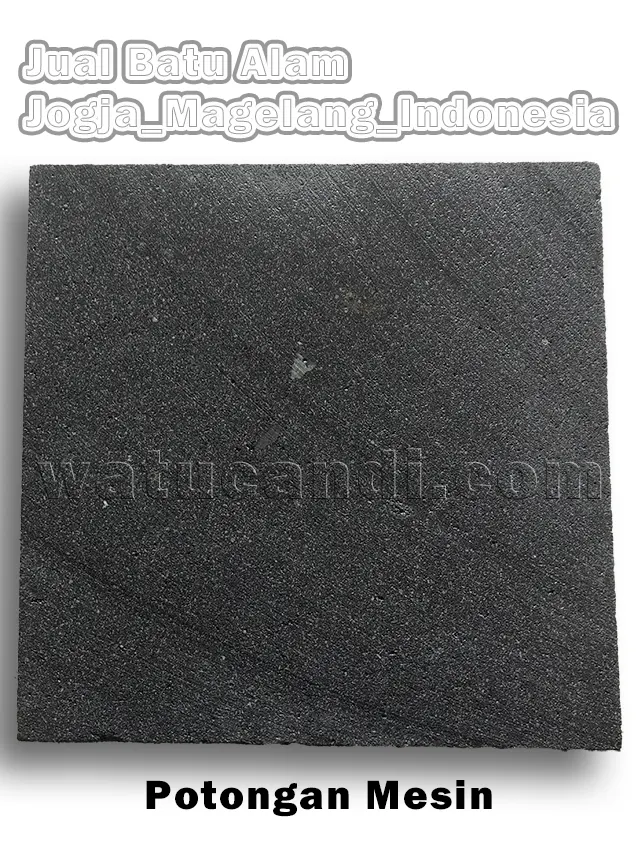
For contemporary minimalist designs demanding line precision, machine-cut finishes with grooves are the answer. We provide various groove profiles ranging from comb 05×05 finish for fine lines, to groove 3×1 finish for bolder lines. Other variations such as line types 2×1 profile and straight line 1×0.5 profile are also available for specific architectural details.
Exterior Applications: Facades, Gardens, and Wet Areas
The hardness of hard cream limestone makes it a prime choice for exterior applications. Unlike soft limestone that erodes easily from rainwater, this hard variant can last decades with minimal maintenance. Use on building facades delivers a grand and clean impression. For textural variation on facades, you can combine it with lava rock tiles for facade cladding which provides dramatic dark color contrast.
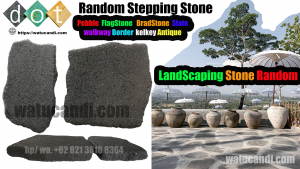
In garden and yard areas, hard cream limestone serves as a visual balance against green vegetation. This material is ideal for terrace paving or pedestrian pathways. For more natural garden areas, consider using garden and yard natural stone flooring with rough finishes to harmonize with soil and grass. If you wish to add aesthetic stepping stone elements, the lava rock stepping stone guide can serve as an interesting complementary reference.
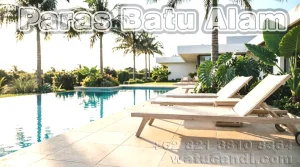
For wet areas such as swimming pools, hard cream limestone has superior light reflection properties that make water appear clearer and turquoise-colored. However, ensure you use appropriate finishes (bushhammer or flamed) for safety. Read the comprehensive guide on swimming pool stone tiles to understand the best material combinations. Do not forget to pay attention to pool edge details by referring to the swimming pool coping stone tiles guide to ensure safe and aesthetic installation.
Interior Applications: Creating Warm and Luxurious Atmospheres
Indoors, hard cream limestone serves as an atmosphere regulator. Its natural cream color reflects lamp light softly, creating a warm and inviting ambiance. As floor covering, this material provides thermal comfort that manufactured ceramics or granite cannot match. For luxury residential projects, see inspiration from modern luxury home design with natural stone that utilizes this color tone.
Use on interior walls, especially as feature walls, can transform ordinary rooms into spaces with character. You can experiment with installation patterns or material combinations. For instance, pairing cream limestone walls with 3D stone slabs for contemporary effects, or using wavy carved natural stone tiles for more fluid visual dynamics.
For kitchen and dining areas, hard cream limestone is sufficiently resistant to food stains when coated with quality sealant. Its dense surface facilitates easy cleaning. As furniture complements, you can consider handmade natural stone table and chairs or premium black lava stone table tops for stunning contrast. Small accessories like natural stone liquid soap dispensers can also perfect the natural theme in bathrooms or kitchens.
Technical Specifications and Production Quality Standards
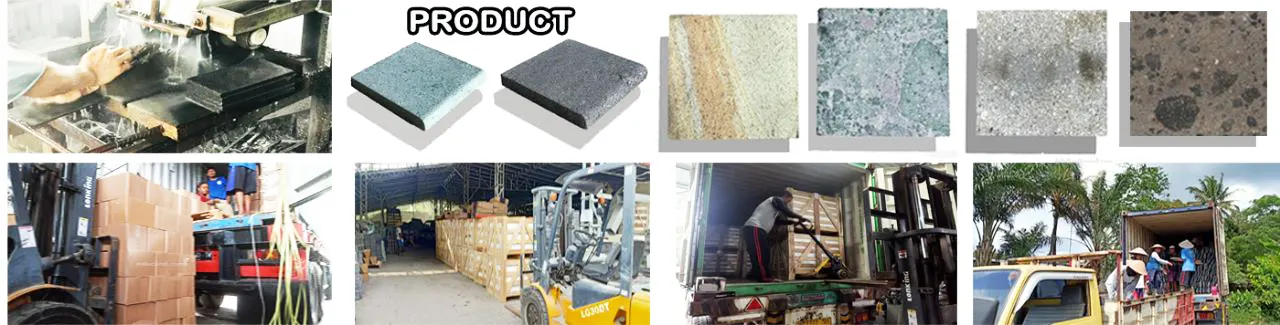
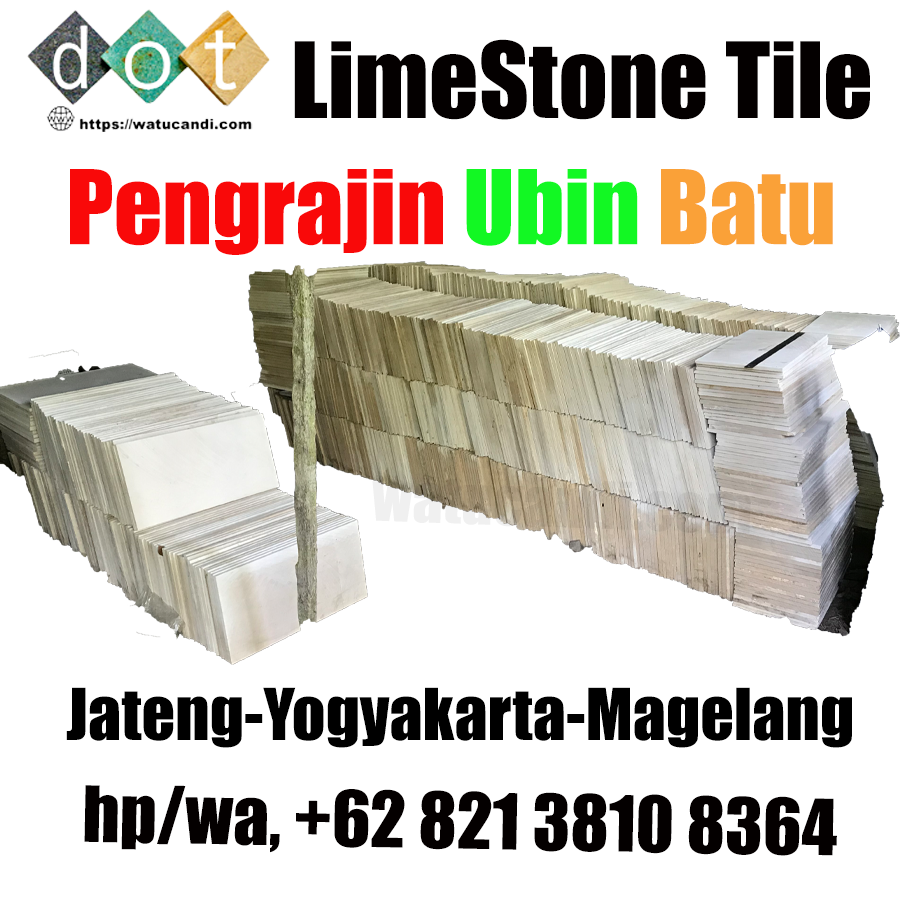
As a manufacturer strategically located on the Yogyakarta-Magelang border, we implement strict quality standards for every hard cream limestone product leaving our factory. The production process begins with raw block selection at the quarry, where only blocks with the highest density and minimal natural cracks are chosen. Cutting processes using high-precision gang saw machines guarantee consistent thickness, typically with +/- 1mm tolerance for export quality.
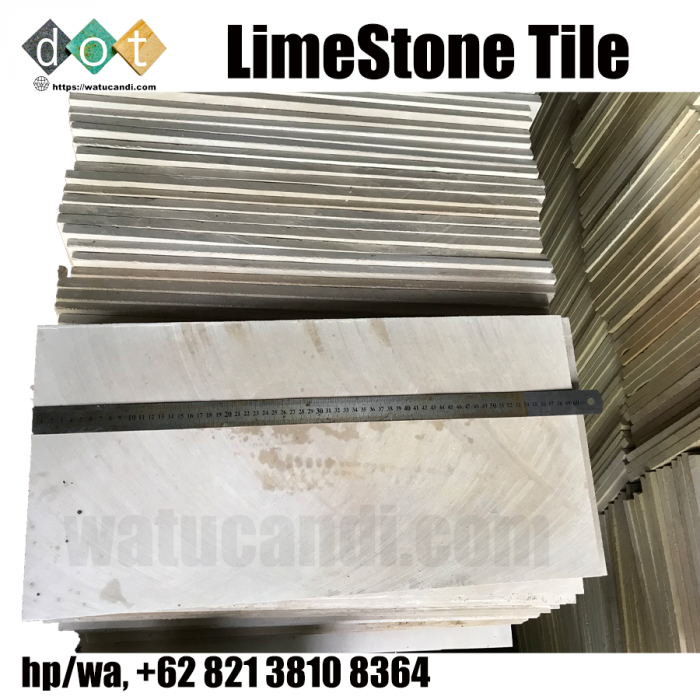
We provide various standard and custom sizes. Common modular sizes include 30x30cm, 40x40cm, 60x60cm, up to large random-sized slabs. For exclusive large-format slab needs, please check our collection of large natural stone slabs or original random natural stone slabs. Standard thickness for flooring is 2cm, while wall applications can be customized from 1.5cm to 3cm depending on load and installation method.
Finish quality is also a priority. For machine finishes such as GC surface types or GCBroken texture, machine calibration is performed regularly to maintain uniform groove depth or surface roughness. This is crucial especially for large-scale projects where visual consistency between production batches must be maintained. Detailed information on other technical specifications can be found in our complete natural stone tiles catalog.
Professional Installation and Mounting Guide
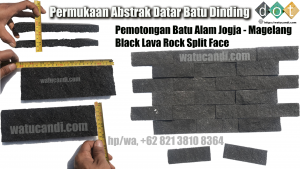
Installing hard cream limestone requires specialized expertise different from ordinary ceramic installation. Due to its natural density variation, cement adhesion or stone adhesive must be carefully selected. For vertical wall installation, dry fix systems or stainless steel anchors are strongly recommended for long-term safety, especially for large-format slabs. Technical references for rough wall installation can be found in the candi lava split face stone technical specifications whose principles are relevant for other heavy natural stones.
For floor installation, flat and solid subfloor preparation is mandatory. Grout should preferably use matching or slightly darker colors to conceal future stains. Ideal grout width is minimum 2-3mm to accommodate stone thermal expansion. Installation patterns also affect strength and aesthetics; brick bond or herringbone patterns are often recommended to distribute loads evenly. See pattern examples in candi stone paving installation examples as layout inspiration.
For exterior areas exposed to direct rainfall, installation must account for minimum 1-2% slope to prevent water pooling on stone surfaces. Persistent water pooling can cause efflorescence (mineral salt crystallization) or moss growth. For edge details and transitions, use natural stone edge wall or natural stone edge profiles to ensure neat and professional finishing.
Long-Term Care and Maintenance
Although classified as hard stone, cream limestone remains a natural breathing material. Preventive care is key to maintaining its beauty. Immediately after installation, perform sealing using quality penetrative sealer. This sealant fills the stone’s micro-pores without altering its appearance, preventing oil, wine, or other colored liquids from penetrating. Repeat sealant application every 1-2 years depending on usage intensity.
For daily cleaning, use soft brooms or damp mop cloths with neutral pH. Avoid acid-based cleaners (such as vinegar or HCL) as they can erode calcium carbonate and permanently damage stone surfaces. For stubborn stains, use natural stone-specific poultice. For exterior areas beginning to develop moss, clean with nylon brushes and stone-safe anti-moss solutions, then rinse thoroughly. Also read maintenance tips in the large natural limestone slabs guide for handling large-format materials.
Watch for efflorescence symptoms appearing as white patches on surfaces. This is mineral salt migration from within the stone or mortar to the surface. Do not scrub while wet; allow to dry then brush with dry brush. If problems persist, inspect drainage systems or waterproofing behind the stone. Consultation with natural stone experts is strongly recommended for accurate diagnosis.
Material Integration: Harmonizing Cream Limestone with Other Natural Stones
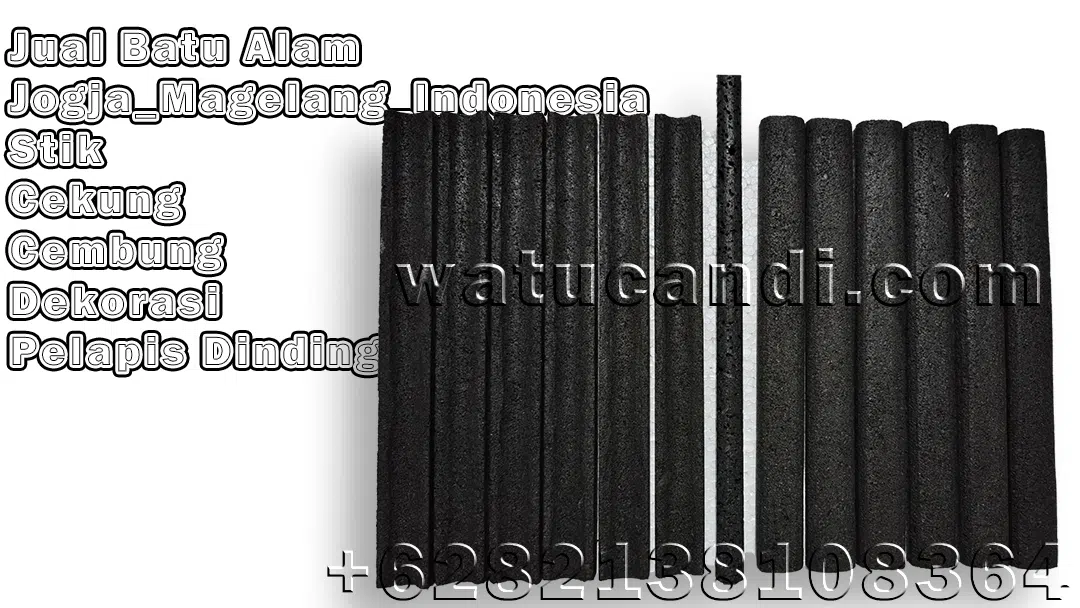
Architectural beauty often emerges from the ability to combine different materials. Hard cream limestone is highly flexible for combination. With dark volcanic stones like the black lava stone catalog, it creates timeless monochromatic contrast. Also see variants of natural black lava stone tiles or black candi lava stone for perfect pairings.
For warmer, earthier tones, combine with Java brown tiger stone slabs or brown spotted paras stone. These tone-on-tone combinations create rich and sophisticated color gradients. For fresh green accents, Sukabumi green natural stone tiles or authentic Sukabumi green stone can serve as visual refreshers, especially in pool or garden areas.
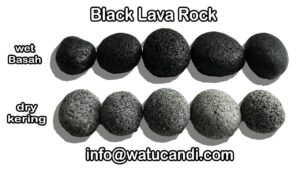
Do not hesitate to experiment with textures. Honed cream limestone walls will look stunning when paired with rough split face candi temple stone or green stone split face tiles. The contrast between smooth and rough surfaces adds tactile dimensions that delight the senses. For landscape elements, black lava rock pebbles or flat random riverstone can serve as ground cover complementing cream limestone floors.
Design Inspiration Based on Architectural Styles
Hard cream limestone is highly adaptive to various design styles. For Modern Minimalist style, use honed finish with neat grid installation patterns and thin grout lines. Combine with black metal elements or clear glass. See references in latest natural stone style trends for current updates.
For Bali Tropical style, bushhammer or tumbled finishes are more appropriate. Combine with teak wood, thatched roofs, and lush vegetation. Elements like traditional umpak batu or Bali pelinggih stone materials can be integrated to strengthen local nuances. For Industrial style, combine cream limestone with exposed concrete or red brick. Touches of raw stone materials for industrial design will provide authentic raw character.
Classic Mediterranean style heavily relies on limestone. Use tumbled or antiqued finishes with random or Versailles installation patterns. Profile details like Rolling2 stone detail or classic moulding will perfect the appearance. For hospitality projects, study natural stone hospitality design to create luxurious welcoming atmospheres.
Why Choose Direct Manufacturers from Yogyakarta-Magelang?
Our production location on the Yogyakarta-Magelang border is not merely a geographic address, but a quality guarantee. This region is the center of Indonesian natural stone civilization, where stone carving traditions inherited from Borobudur and Prambanan temples remain alive today. When you order from us, you gain direct access to Borobudur temple stone heritage in the form of generational craftsmanship applied to modern materials.
As manufacturers, we maintain full control from quarry to delivery. This means you receive competitive pricing without distributor markups, guaranteed quality consistency, and custom flexibility that resellers cannot offer. We understand hidden crystals in Merapi lava and other local geological characteristics, enabling us to provide the most appropriate material recommendations for your project’s specific environmental conditions.
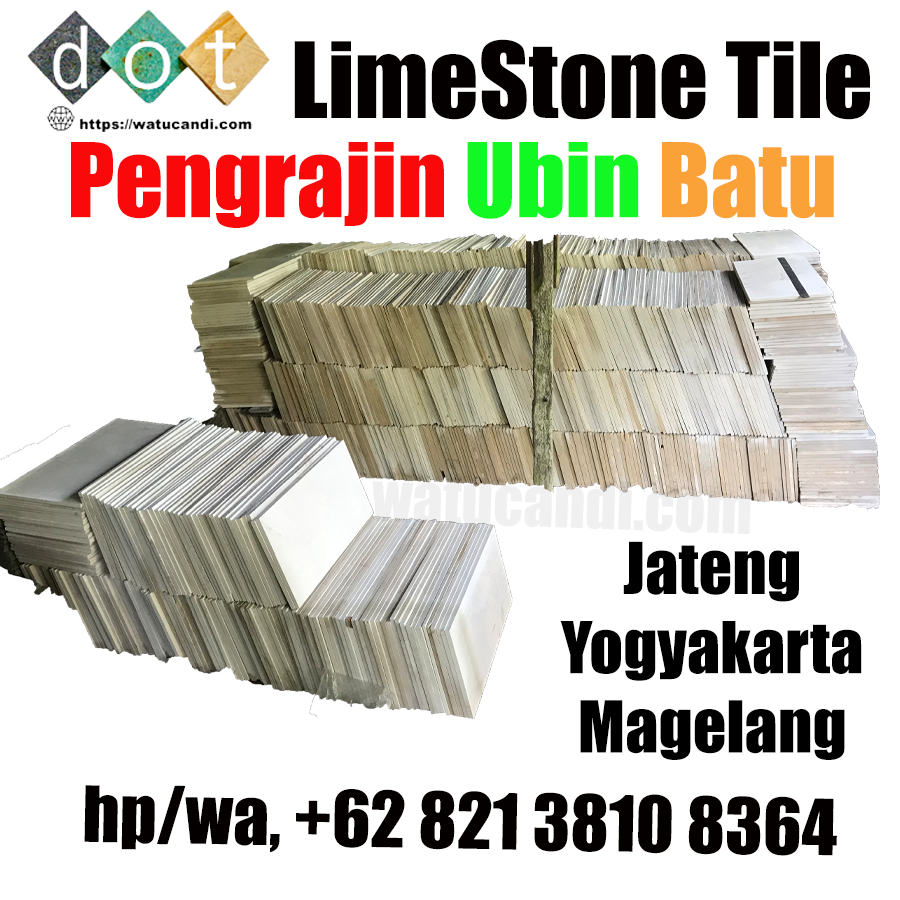
Our production capacity handles both large-scale projects and detailed custom orders. From complete lava stone products to premium limestone, everything is managed within one integrated production ecosystem. Our QC team inspects every stone slab before packing, ensuring only grade A products reach your hands.
Application Case Studies and Specific Recommendations
To provide concrete illustrations, here are several hard cream limestone application scenarios with complementary recommendations:
- Tropical Villa Facade: Use 60x60cm bushhammer cream limestone as main field. Vertical accents with random candi stone skin wall cladding. Terrace flooring with Merapi natural stone outdoor flooring.
- Five-Star Hotel Lobby: Honed cream limestone floor in bookmatch pattern. Accent walls with candi lava natural stone mosaic. Reception counter with natural andesite stone slabs.
- Private Swimming Pool: Pool base with green stone tiles for swimming pools. Surrounding decking with flamed cream limestone. Coping with white Palimanan natural stone.
- Modern Kitchen: Honed cream limestone backsplash. Countertop with black natural stone slabs. Sink with natural rough surface marble stone sink or black basalt stone sink.
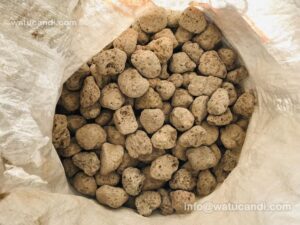
- Zen Garden: Pathway with lava paving stepping stones. Ground cover with pumice stone. Bench from natural stone furniture.
Sustainability and Environmental Friendliness Aspects
In an era of environmental awareness, choosing hard cream limestone is a responsible decision. As a natural material, limestone has a far lower carbon footprint compared to synthetic materials requiring high-temperature firing in production. This stone is also fully recyclable; leftover cuts can be used for concrete aggregate, landscaping, or returned to soil without environmental pollution.
Stone durability lasting decades or even centuries means reduced material replacement frequency, which in turn reduces construction waste. Its excellent thermal properties also contribute to building energy efficiency, reducing artificial cooling needs. By choosing local Indonesian natural stone, you also support local mining and artisan community economies while reducing import transportation emissions.
FAQ: Frequently Asked Questions About Hard Cream Limestone
Is hard cream limestone suitable for parking areas?
Yes, with minimum 3cm thickness and bushhammer or flamed finish, this material can withstand light to medium vehicle loads. Ensure proper subbase preparation.
How to handle oil stains on cream limestone floors?
Immediately sprinkle talcum powder or cornstarch over fresh stains to absorb oil. Leave for several hours, then sweep. If stains have penetrated, use natural stone-specific degreaser poultice.
Can stone color vary between batches?
As a natural product, color variation is normal and actually part of its appeal. We always perform sorting and pre-layout before shipping to minimize noticeable differences and ensure harmonious color transitions.
How long is production time for custom orders?
Depends on volume and finish complexity. For standard 100m² orders, production time is typically 2-3 weeks. For large projects or complex finishes, contact our team for accurate scheduling.
Conclusion: Timeless Investment for Your Property
Choosing hard cream limestone natural stone is not merely selecting a building material, but choosing a legacy of beauty that will age gracefully with your property. The combination of physical strength, aesthetic beauty, and design flexibility makes it a smart choice for contemporary architecture that values authenticity. From grand facades to intimate interior details, this material consistently conveys understated luxury.
With support from direct manufacturers in the heart of Indonesia’s natural stone industry, you receive guaranteed quality, competitive pricing, and unmatched professional service. Do not hesitate to consult regarding your project’s specific needs. Our expert team is ready to help realize your architectural vision into beautiful and timeless reality. Contact us today to obtain samples, complete catalogs, and the best offers for your dream project.
Related Topics
hard cream limestone, natural limestone, limestone tile, jogja limestone, palimanan stone, white palimo, hard limestone, natural stone limestone, honed finish, bushhammer limestone, tumbled stone, chiseled stone, natural stone facade, limestone flooring, natural stone wall, natural stone swimming pool, limestone maintenance, natural stone sealer, yogyakarta stone manufacturer, magelang stone artisan, natural stone slab, exterior natural stone, interior natural stone, natural stone finish, natural stone installation,