Discover the transformative power of Indonesian natural stone in architectural boundaries. This comprehensive guide explores the artistry, durability, and installation of aesthetic stone fence and foundation walls using premium Mount Merapi lava stone. Learn about machine-cut precision, manual carving techniques, thermal resistance for fire pits, and sustainable landscaping solutions that blend modern classic elegance with ancient volcanic strength. Perfect for architects, contractors, and homeowners seeking exclusive, long-lasting property demarcation.
- 1. Introduction to Aesthetic Stone Fence and Foundation Crafts
- 2. Geological Origin: The Power of Mount Merapi Lava Stone
- 3. Design Versatility: Modern Classic and Exotic Aesthetics
- 4. Functional Benefits: Thermal Resistance and Durability
- 5. Material Specifications: Machine-Cut vs. Manual Carving
- 6. Installation Methods: Adhesive vs. Dry Stack Techniques
- 7. Diverse Applications Beyond Boundary Walls
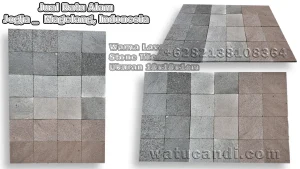
- 8. Deep Dive: Machine-Cut Box Stone Foundations
- 9. Long-Term Maintenance and Care Guidelines
- 10. Comparative Analysis: Lava Stone vs. Other Natural Stones
- 11. Procurement and Customization at Watucandi
- 12. Frequently Asked Questions (FAQ)
- 13. Conclusion
1. Introduction to Aesthetic Stone Fence and Foundation Crafts
In the evolving landscape of modern architecture and exterior design, the boundary between functionality and artistry is increasingly blurred. The fence, once merely a utilitarian structure for security and demarcation, has transformed into a significant aesthetic element that defines the character of a property. At the forefront of this transformation is the Stone Fence and Foundation Wall, a construction method that combines robust structural integrity with unique visual appeal. This guide delves deep into the craftsmanship of creating aesthetic stone fences and foundation walls, specifically focusing on the use of premium Indonesian natural stones such as Mount Merapi Lava Stone.
The concept of “Kerajinan Pagar Batu Dinding Pondasi Estetik” refers to the intricate art of crafting fence walls and their foundations using natural stone materials that are not only structurally sound but also visually captivating. Unlike conventional concrete or brick fences that often require additional cladding or painting to achieve a desirable look, natural stone fences offer an inherent beauty that ages gracefully over time. The texture, color, and form of the stone contribute to a sense of permanence and luxury that synthetic materials struggle to replicate.
At Watucandi, we specialize in providing high-quality natural stone products that cater to both residential and commercial architectural needs. Our commitment to excellence ensures that every stone block, tile, and custom piece meets international standards of quality and durability. Whether you are designing a secluded villa in Bali, a modern urban residence in Jakarta, or a luxury resort in Europe, understanding the nuances of stone fence and foundation construction is essential for achieving a result that is both beautiful and enduring.
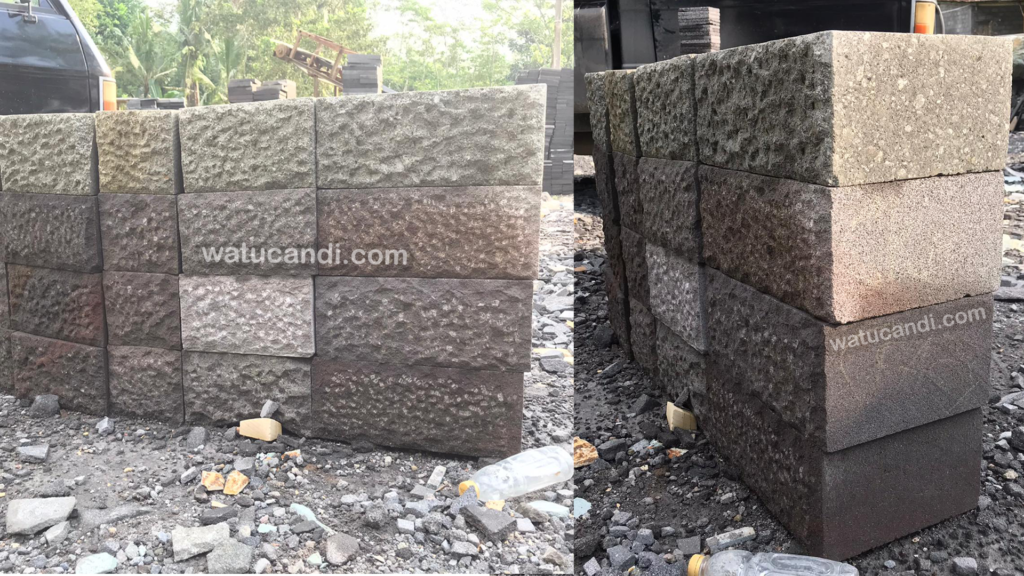
This comprehensive guide will explore every aspect of stone fence and foundation craftsmanship. We will examine the geological origins of Mount Merapi lava stone, compare different finishing techniques such as machine-cut versus manual carving, discuss installation methods including adhesive and dry-stack techniques, and provide detailed maintenance tips. By the end of this article, you will have a thorough understanding of why natural stone is the ultimate choice for creating timeless, nature-inspired boundaries and foundations.
2. Geological Origin: The Power of Mount Merapi Lava Stone
To truly appreciate the value of stone fence and foundation walls, one must understand the material itself. The primary material discussed in this guide is Mount Merapi Lava Stone, a volcanic rock sourced from the slopes of Mount Merapi in Central Java, Indonesia. Mount Merapi is one of the most active volcanoes in the world, and its eruptions have deposited layers of rich, mineral-dense lava that have cooled and solidified into some of the finest building stones available today.
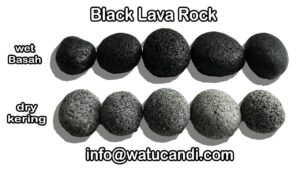
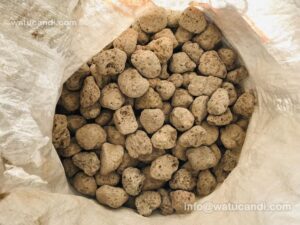
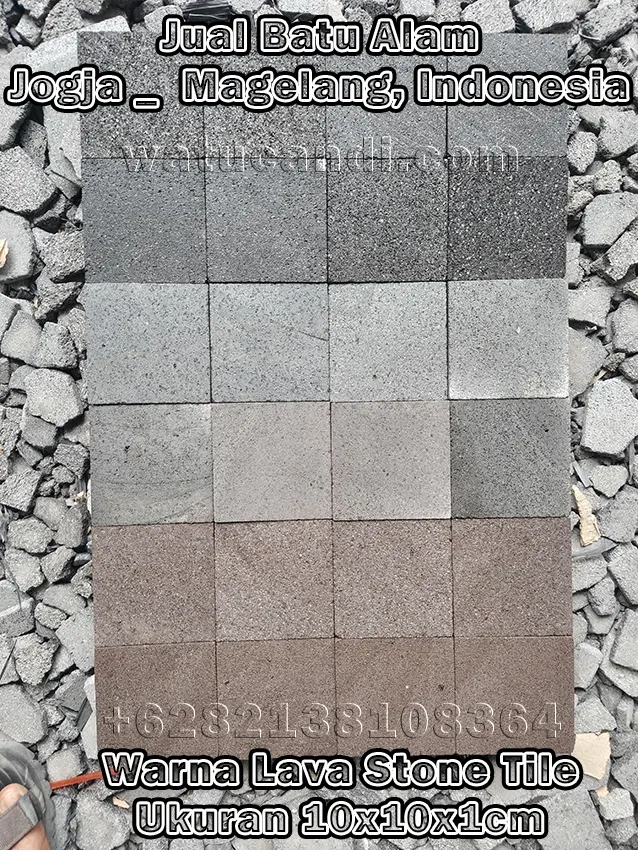
Unlike sedimentary stones like limestone or sandstone, which are formed by the accumulation of particles over millions of years, lava stone is of igneous origin. It is formed from the rapid cooling of molten lava, resulting in a dense, hard, and durable material. The unique geological processes involved in its formation give Merapi lava stone its distinctive characteristics, including its porous texture, high thermal resistance, and natural color variations ranging from dark grey to black and sometimes reddish-brown hues.
The porosity of lava stone is a key feature that distinguishes it from other building materials. These microscopic pores allow the stone to “breat,” preventing moisture buildup and reducing the risk of cracking due to freeze-thaw cycles in colder climates. Additionally, the porous structure provides excellent insulation properties, making it an ideal choice for applications where temperature regulation is important, such as around fire pits or in outdoor living areas. For more insights into the properties of volcanic stone, you can refer to our guide on Hidden Crystals in Merapi Lava.
The extraction of Merapi lava stone is done with careful consideration for environmental sustainability. We work closely with local communities in Yogyakarta and Magelang to ensure that mining practices are responsible and do not harm the surrounding ecosystem. This ethical approach adds another layer of value to the product, appealing to conscious consumers and businesses who prioritize sustainability in their construction projects. Explore our range of Lava Stone products to see the variety of textures and finishes available.

Understanding the geological background also helps in managing expectations regarding color consistency. Because it is a natural product, no two stones are exactly alike. This variation is actually its greatest strength, offering a dynamic visual experience that manufactured materials cannot replicate. When used in fence and foundation walls, the subtle differences in color and texture create a rich, organic look that blends seamlessly with the surrounding landscape. For those interested in the specific aesthetic of carved stone, check out our Authentic Manual Carved Stone Flooring page, which shares similar artistic principles.
3. Design Versatility: Modern Classic and Exotic Aesthetics
One of the most compelling reasons to choose natural stone for fence and foundation walls is its design versatility. Merapi lava stone, in particular, offers a wide range of aesthetic possibilities that can suit various architectural styles, from traditional Javanese to contemporary minimalist. The key to achieving the desired look lies in the selection of stone size, finish, and layout pattern.
Modern Classic Appeal: The use of medium-to-large sized Merapi stones, which are slightly larger than standard concrete bricks, creates a bold and imposing presence. These stones can be arranged in regular patterns to create a clean, modern look, or in irregular patterns for a more rustic, traditional feel. The natural grey and black tones of the stone complement a wide range of color palettes, making it easy to integrate into existing landscape designs. For inspiration on how to incorporate lava stone into exterior designs, visit our Exterior Lava Stone Design page.
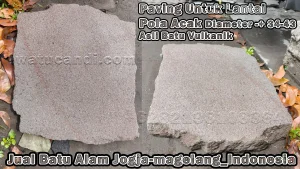
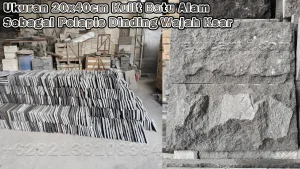
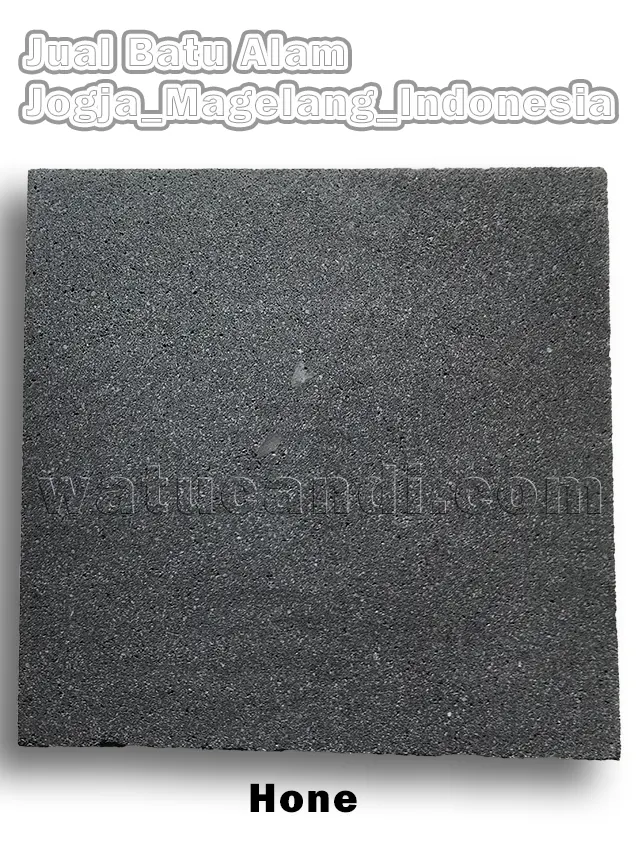
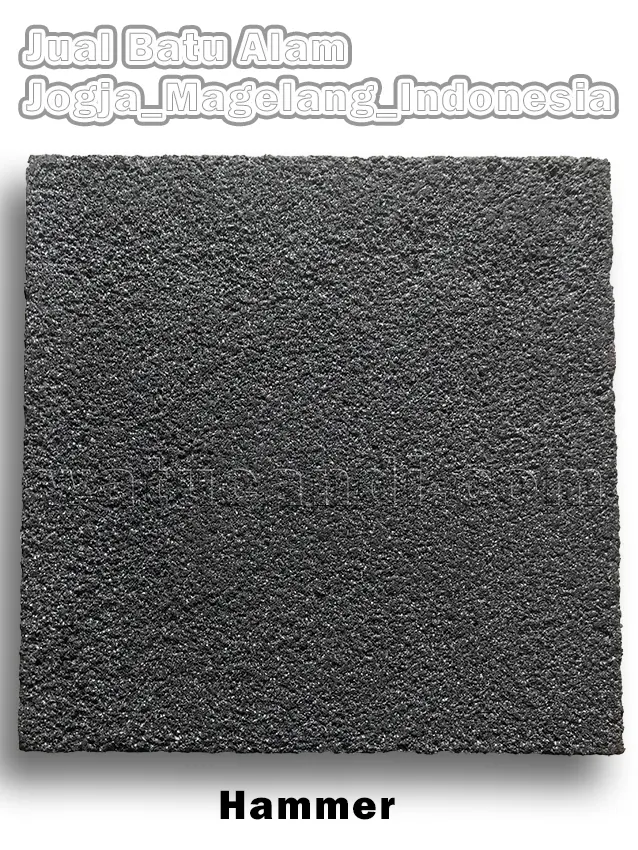
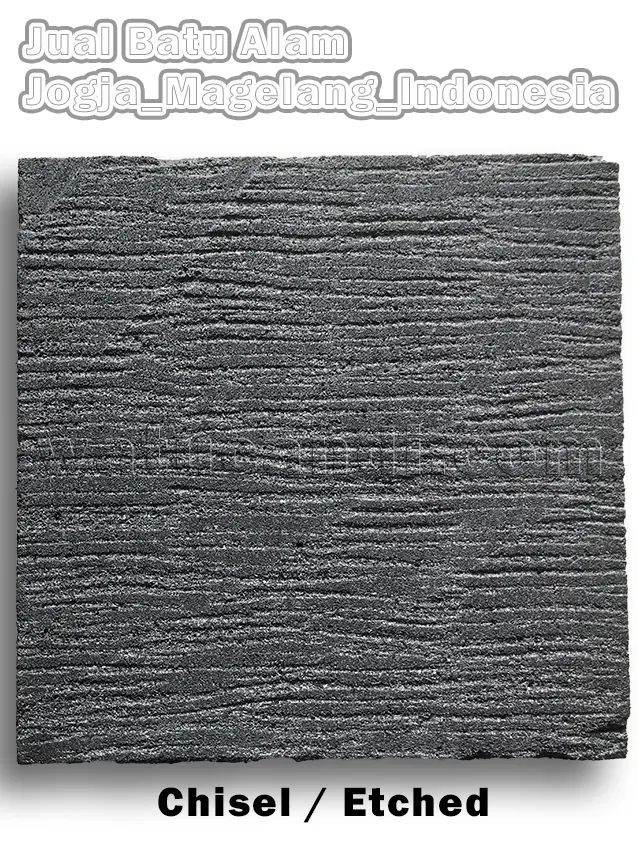
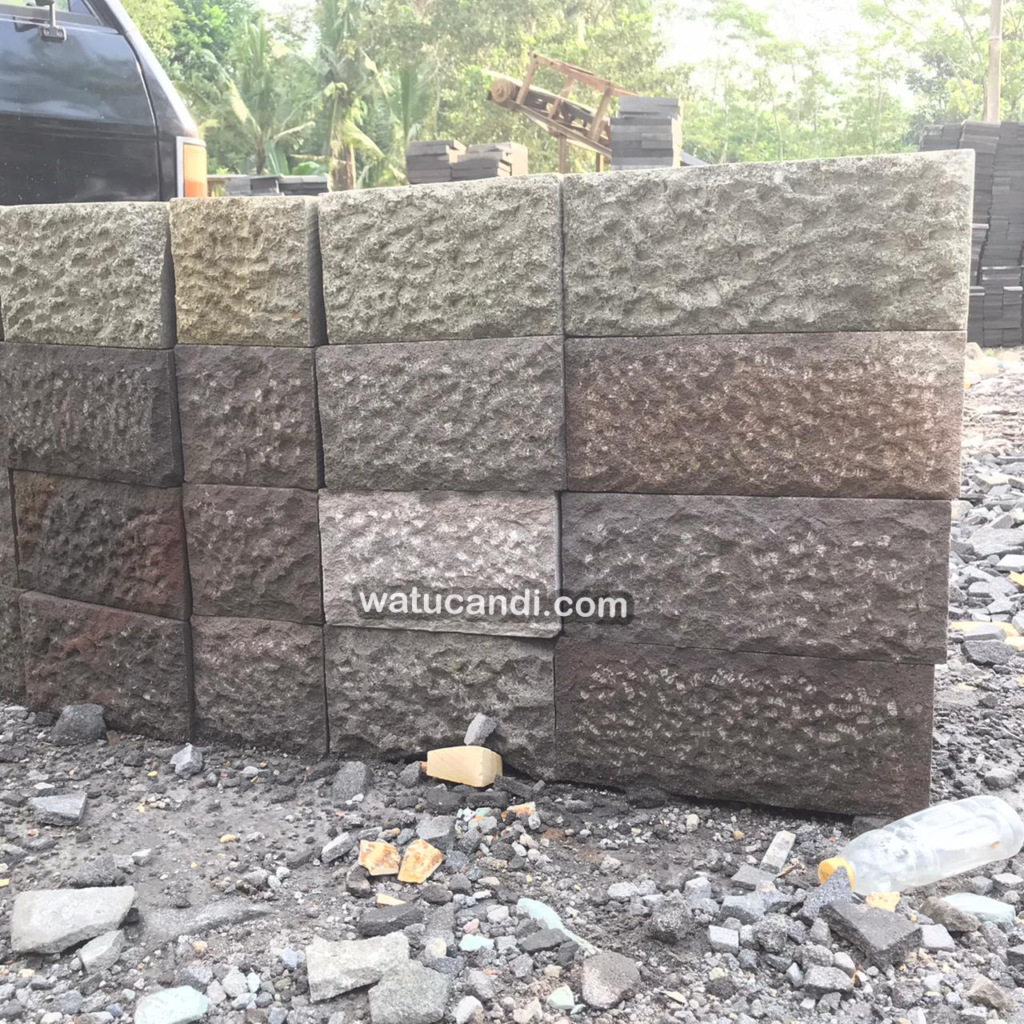
Exotic Textures: The surface texture of the stone plays a crucial role in its aesthetic appeal. Manually carved stones feature a rough, uneven surface that catches light and shadow in interesting ways, creating a sense of depth and movement. This exotic texture is particularly effective in tropical settings, where it harmonizes with lush vegetation and natural elements. In contrast, machine-cut stones offer a smooth, uniform surface that exudes sophistication and precision. The choice between these finishes depends on the desired atmosphere of the space. Explore our Tumbled Finish Natural Stone options for a softer, more weathered look.
Combination Designs: Another popular design approach is to combine different types of stone or finishes within the same structure. For example, a foundation wall might be constructed using large, rough-hewn blocks for a solid base, while the upper fence section features smoother, machine-cut stones for a refined finish. This combination creates visual interest and breaks up the monotony of a single material. You can find examples of such combinations in our Authentic Susun Sirih Stone collection, which showcases layered stone arrangements.
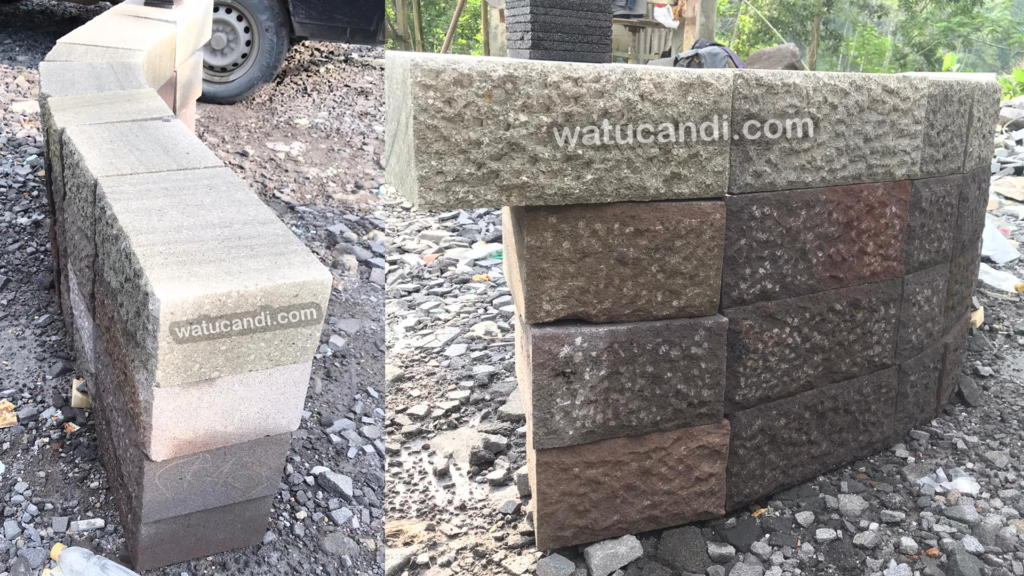
The thickness of the stone also contributes to its aesthetic impact. Thicker stones convey a sense of solidity and permanence, making them ideal for foundation walls and main fence structures. The substantial weight and volume of the stone create a psychological barrier that enhances security while adding to the visual grandeur of the property. For those looking to create a truly statement-making entrance, consider using our Large Black Lava Stone Slabs for gate posts and accent walls.
4. Functional Benefits: Thermal Resistance and Durability
Beyond its aesthetic appeal, natural stone offers numerous functional benefits that make it an superior choice for fence and foundation walls. These benefits stem from the inherent properties of volcanic rock, which has been subjected to extreme heat and pressure during its formation.
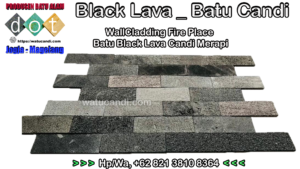
Thermal Resistance: One of the standout features of Merapi lava stone is its ability to withstand high temperatures without cracking or deteriorating. This makes it an ideal material for constructing fire pits, barbecue areas, and other outdoor heating elements. The porous structure of the stone allows it to absorb and radiate heat evenly, creating a comfortable warming effect without the risk of sudden thermal shock. As mentioned in the introduction, these stones can be used for wood burning or bonfires, serving as a room heater that retains heat and does not easily break due to the pore cavity texture of the natural sandstone-like lava. For more information on heat-resistant stone applications, check out our Natural Stone and Furniture section, which includes fire pit designs.
Durability and Weather Resistance: Natural stone is incredibly durable and can withstand harsh weather conditions, including heavy rain, strong winds, and intense sunlight. Unlike wood, which can rot or warp, or metal, which can rust, stone remains stable and intact over decades. Its resistance to moisture and humidity makes it particularly suitable for tropical climates, where other materials may degrade quickly. This longevity means that once installed, a stone fence requires minimal replacement or repair, offering excellent long-term value. Learn more about durable outdoor flooring options in our Outdoor Merapi Stone Flooring guide.
Low Maintenance: Stone fences and foundations are relatively low maintenance. They do not require painting, sealing, or regular treatments to maintain their appearance. Occasional cleaning with water and mild soap is usually sufficient to remove dirt and debris. This ease of maintenance makes stone an attractive option for homeowners who want a beautiful exterior without the hassle of frequent upkeep. For detailed care instructions, see our section on Long-Term Maintenance and Care.
Eco-Friendliness: Natural stone is an environmentally friendly building material. It is a abundant resource that requires minimal processing compared to manufactured materials like concrete or brick. The extraction and production processes have a lower carbon footprint, and the stone itself is fully recyclable and biodegradable at the end of its life cycle. By choosing natural stone, you are contributing to sustainable construction practices and reducing the environmental impact of your project. Discover more about our eco-friendly initiatives in our Sukabumi Green Stone offerings.
5. Material Specifications: Machine-Cut vs. Manual Carving
When selecting stone for fence and foundation walls, it is important to understand the different processing methods available. The two main techniques are machine cutting and manual carving, each offering distinct advantages and aesthetic qualities.
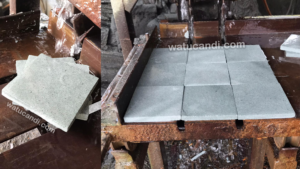
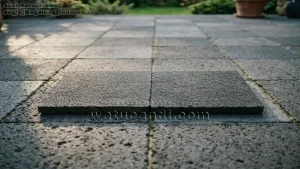
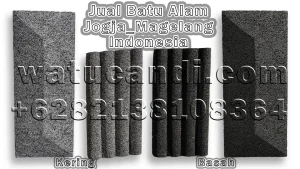
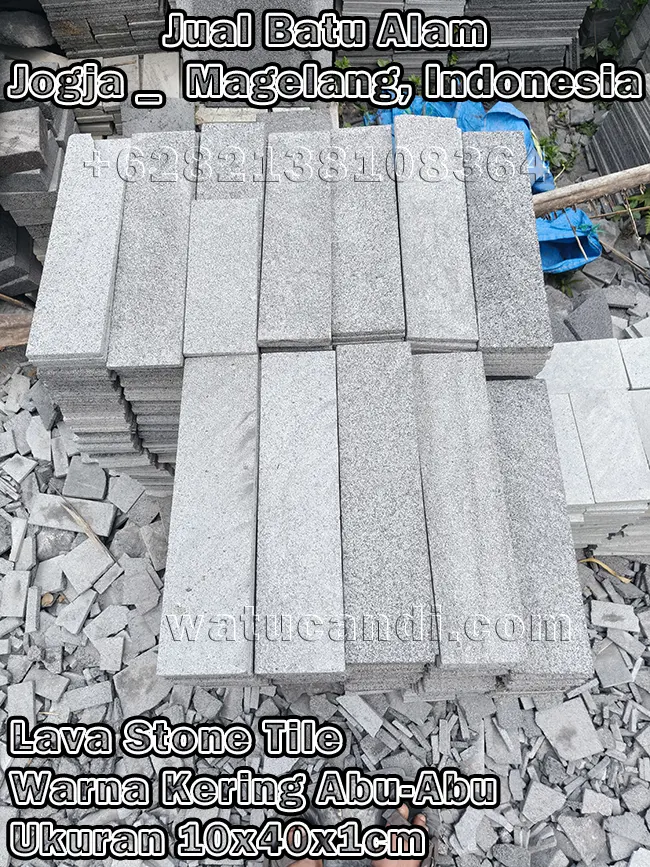
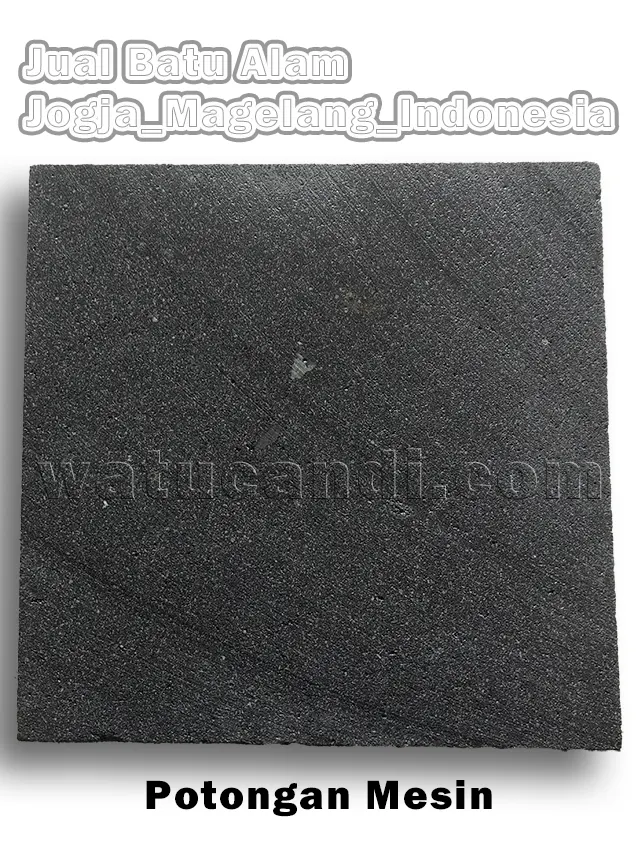
Machine-Cut Stone: Machine-cut stones are produced using precision machinery that cuts the raw stone into uniform shapes and sizes. This process ensures consistency in dimensions, making installation easier and faster. Machine-cut stones typically have smooth, straight edges and flat surfaces, resulting in a clean, modern look. They are ideal for contemporary designs where precision and uniformity are desired. The uniformity of machine-cut stones also allows for tighter joints, which can enhance the structural integrity of the wall. For examples of precision-cut stone, visit our Local vs. Precision Green Stone Tiles page, which highlights the difference in finish quality.
Manual Carving: Manual carving involves skilled artisans shaping the stone using hand tools such as chisels and hammers. This traditional method allows for greater creative freedom and results in unique, irregular shapes and textures. Manually carved stones often feature rough, uneven surfaces that add character and visual interest to the wall. This technique is particularly suited for rustic, traditional, or exotic designs where a natural, organic look is preferred. The artisanal nature of manual carving also adds value to the product, as each piece is essentially a work of art. Explore our Carved Natural Stone Installation Patterns to see how manual carving can be integrated into complex designs.
Combination of Techniques: In many cases, a combination of machine cutting and manual carving is used to achieve the best of both worlds. For example, the main body of the stone block may be machine-cut to ensure uniform size, while the face is manually carved to create a textured finish. This hybrid approach offers the efficiency of machine production with the aesthetic appeal of hand craftsmanship. At Watucandi, we offer custom processing services to meet specific design requirements, ensuring that you receive the exact look and feel you desire for your project.
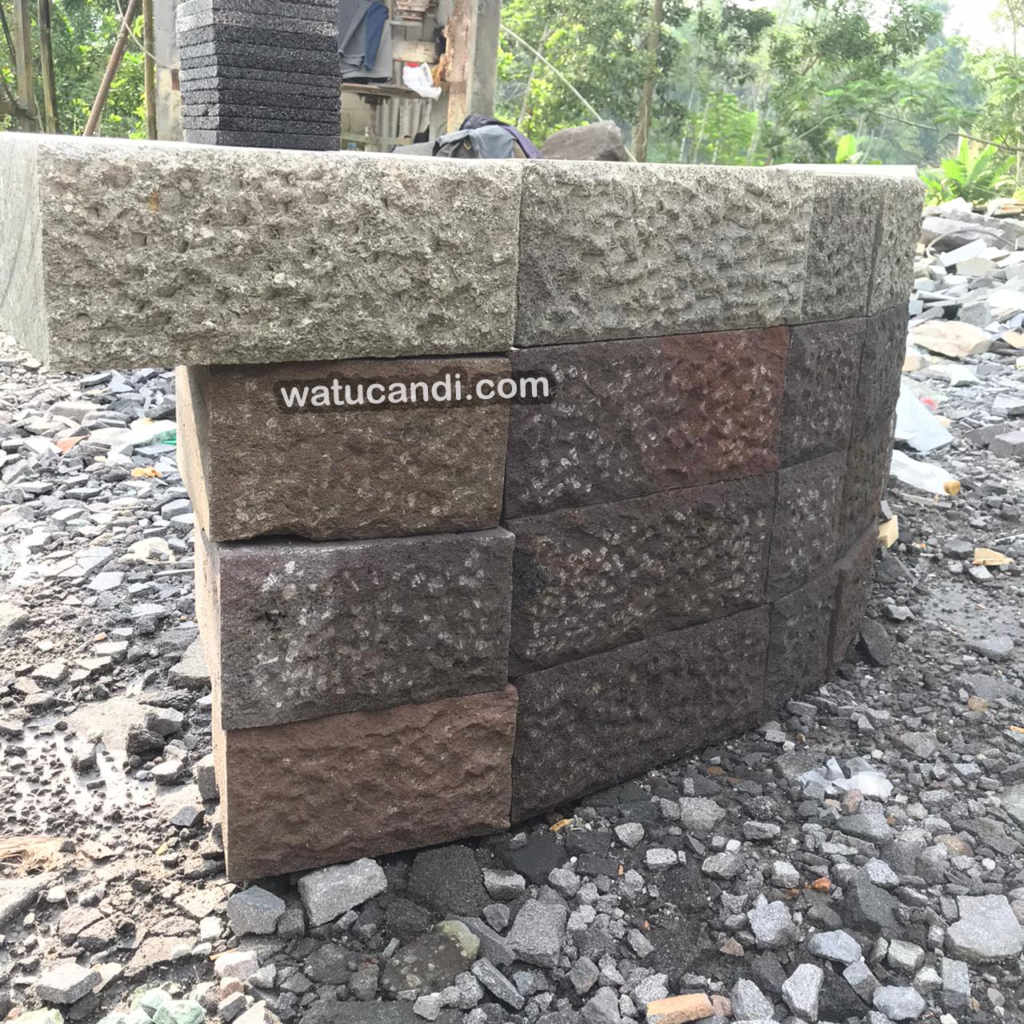
The choice between machine-cut and manually carved stone ultimately depends on your personal preference, budget, and design goals. Machine-cut stones are generally more affordable and easier to install, while manually carved stones offer a unique, high-end look that can elevate the status of your property. Regardless of the choice, both methods produce high-quality, durable materials that will stand the test of time. For a broader view of our stone capabilities, check out our 3D Mount Merapi Stone collection.
6. Installation Methods: Adhesive vs. Dry Stack Techniques
The installation method you choose for your stone fence and foundation wall can significantly impact its structural integrity, appearance, and cost. There are two primary methods: using adhesive (mortar) and dry stacking (without adhesive).
Adhesive Installation: Using adhesive, such as cement mortar or specialized stone glue, creates a strong bond between the stones, resulting in a rigid and stable structure. This method is recommended for taller walls, areas with high wind loads, or locations where maximum security is required. The adhesive fills the gaps between stones, preventing water infiltration and reducing the risk of shifting or settling over time. However, adhesive installation requires a higher budget for materials and labor, and it is less flexible if changes are needed in the future. For technical details on adhesives, refer to our Guide to Best Indonesian Natural Lava Stone Tiles.
Dry Stack Installation: Dry stacking involves placing stones on top of each other without the use of adhesive. This traditional method relies on the weight and friction of the stones to maintain stability. Dry stacking is cost-effective as it eliminates the need for mortar and reduces labor time. It also offers flexibility, allowing stones to be easily removed and rearranged if desired. This method is often used for lower walls, garden borders, or decorative features where structural load is minimal. The aesthetic of dry stacking is reminiscent of ancient temples like Borobudur or Prambanan, where stones were meticulously fitted together without mortar. To learn more about traditional installation patterns, visit our Merapi Lahar Candi Stone Flooring page.
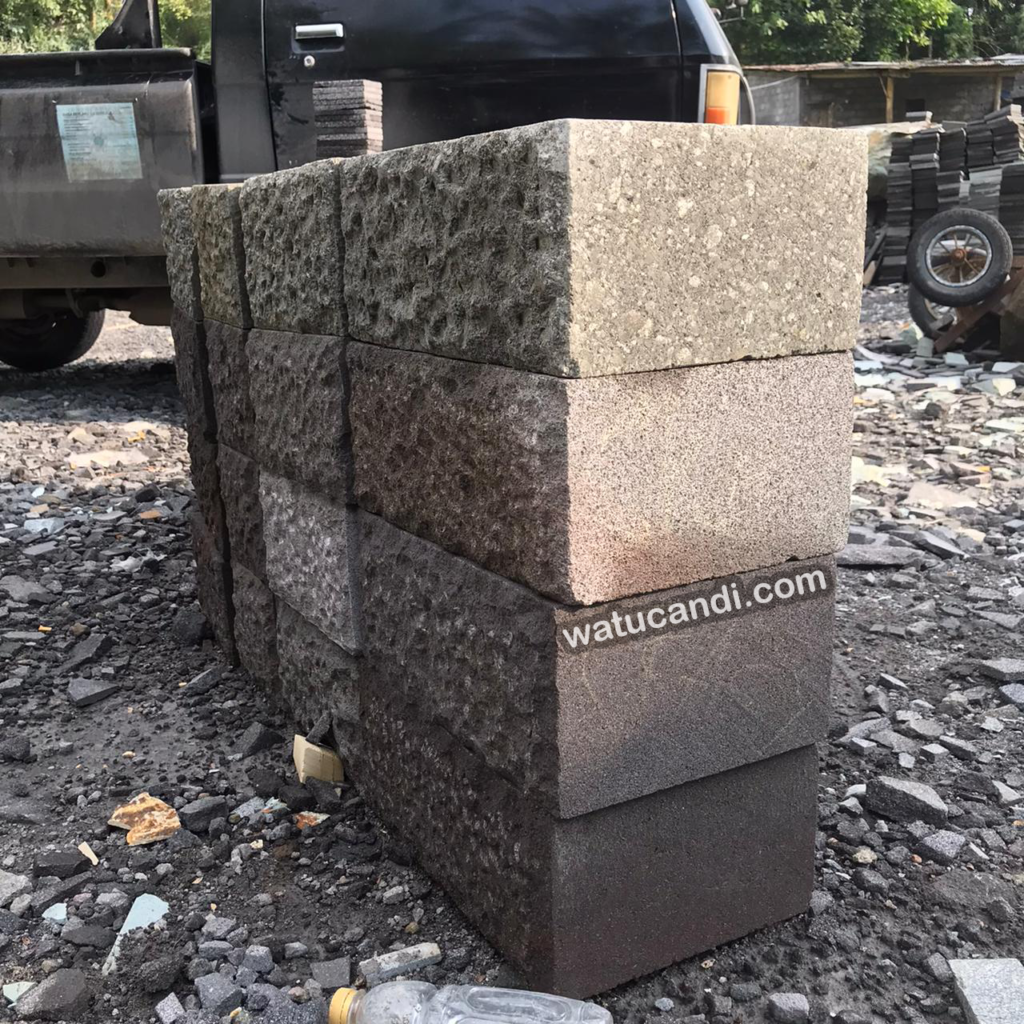
Hybrid Approach: In some cases, a hybrid approach may be used, where adhesive is applied only to critical structural points, such as the foundation or corners, while the rest of the wall is dry stacked. This method offers a balance between stability and flexibility, allowing for some movement while maintaining overall integrity. It is particularly useful in areas prone to seismic activity, where rigid structures may be more susceptible to damage. Our team at Watucandi can provide expert advice on the best installation method for your specific project needs.
Regardless of the method chosen, proper preparation of the foundation is crucial. The ground must be level and compacted to provide a stable base for the stones. In some cases, a concrete footing may be required to support the weight of the wall, especially for taller structures. Ensuring proper drainage behind the wall is also important to prevent water buildup and potential damage. For more insights on foundation preparation, check out our Stone Pelinggih Material Sales page, which discusses structural stone uses.

7. Diverse Applications Beyond Boundary Walls
While stone fence and foundation walls are primarily used for property demarcation, their versatility allows for a wide range of other applications in residential and commercial settings. Let’s explore some of these creative uses.
7.1. Fire Pits and Outdoor Heating Areas
As mentioned earlier, the thermal resistance of Merapi lava stone makes it an ideal material for constructing fire pits and outdoor heating areas. The stone can withstand direct contact with flames and high temperatures without cracking or discoloring. Its porous structure also helps to radiate heat evenly, creating a warm and inviting atmosphere for outdoor gatherings. Whether you are building a simple circular fire pit or a elaborate outdoor kitchen with a fireplace, lava stone provides both functionality and aesthetic appeal. For custom fire pit designs, explore our Handmade Stone Tubs and Handmade Stone Tables and Chairs collections.
7.2. Garden Walls and Landscape Borders
Stone walls are a classic element in landscape design, used to create terraces, retain soil, and define garden beds. The natural texture and color of lava stone blend seamlessly with plants and flowers, enhancing the overall beauty of the garden. Low stone walls can serve as seating areas, while taller walls can provide privacy and wind protection. The durability of stone ensures that these structures will last for generations, requiring minimal maintenance. For ideas on integrating stone into your garden, check out our Guide to Garden Wall Foundation Stone Borders.
7.3. Commercial Properties and Hospitality
In commercial settings, such as hotels, resorts, and restaurants, stone fence and foundation walls can create a luxurious and welcoming atmosphere. The natural beauty of the stone conveys a sense of quality and attention to detail that appeals to customers. Stone walls can be used to define outdoor dining areas, create private courtyards, or accentuate entranceways. Their durability and low maintenance make them a practical choice for high-traffic commercial environments. Discover how other businesses use stone in our Volcanic Rock Table Tops showcase.
8. Deep Dive: Machine-Cut Box Stone Foundations
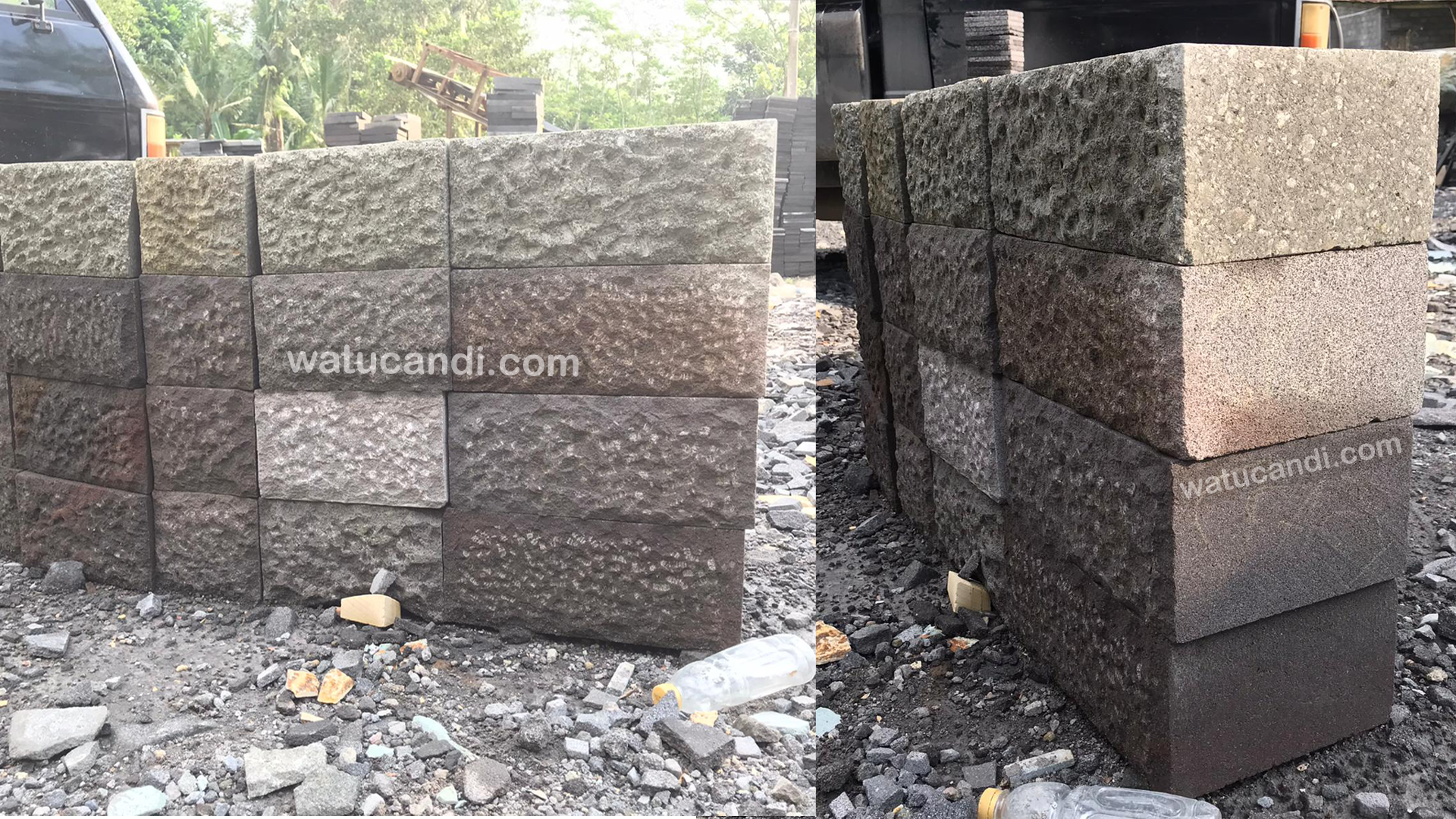
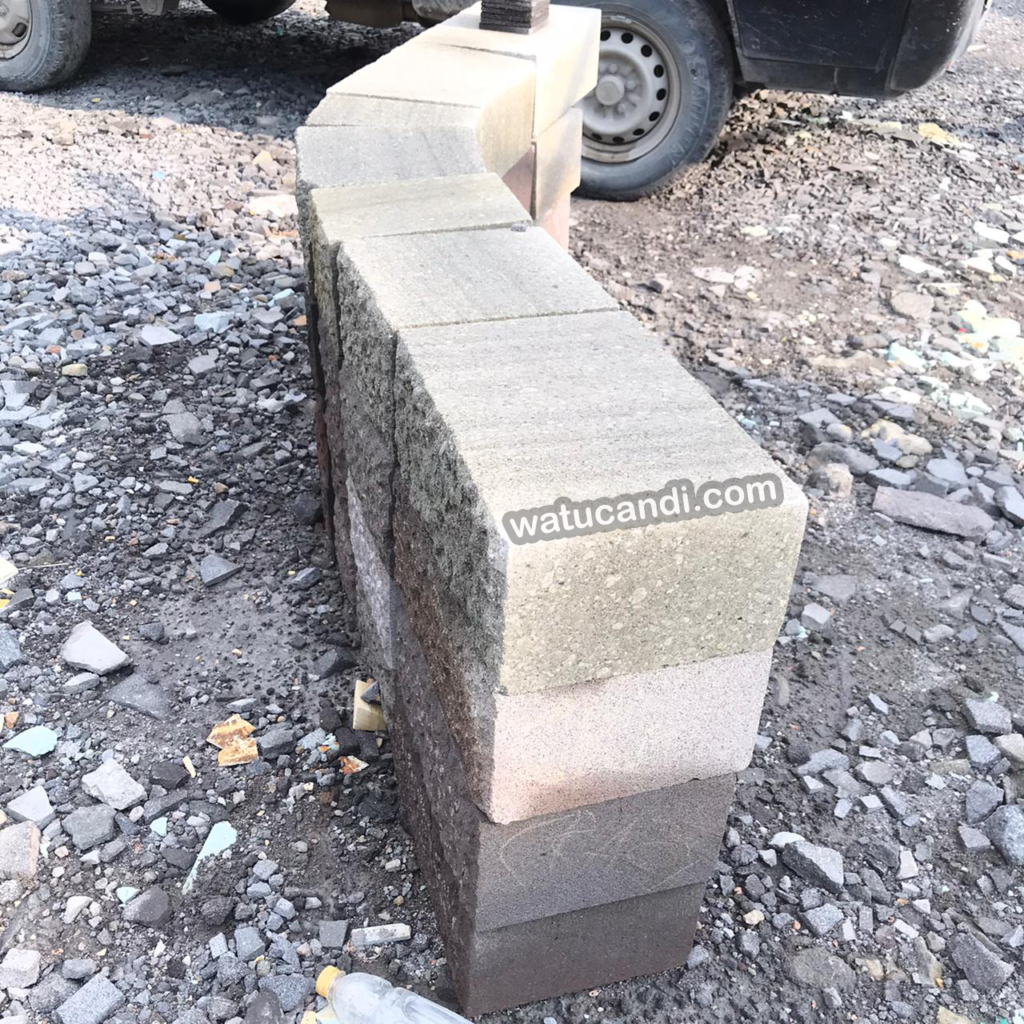
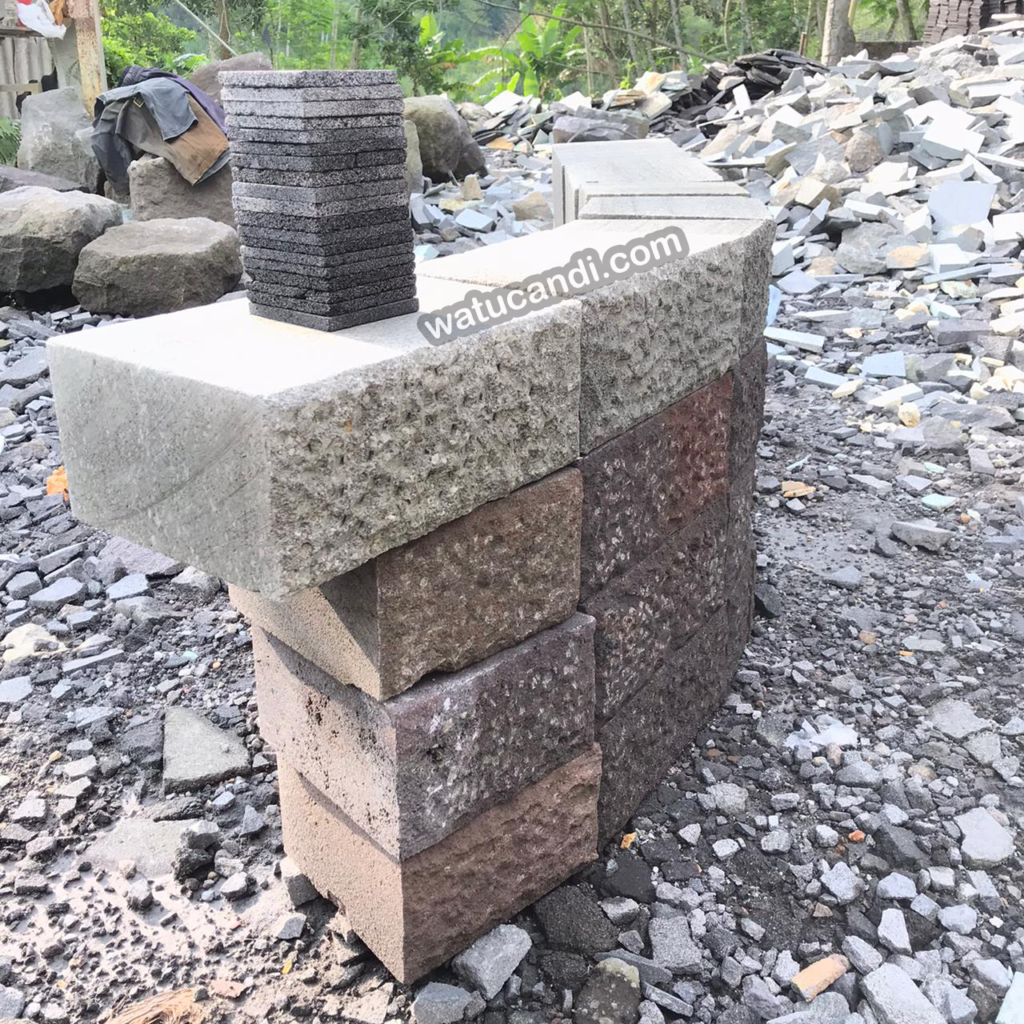
A specific and highly popular application of natural stone in fencing is the use of machine-cut box stones for both the fence wall and its foundation. This method involves using uniformly shaped cubic or rectangular stones that are cut with precision machinery. Here is a detailed breakdown of this application:
- Uniformity and Precision: Machine-cut box stones have consistent dimensions, which simplifies the installation process and ensures a neat, orderly appearance. This precision is particularly important for modern architectural styles that value clean lines and geometric forms.
- Structural Integrity: The uniform shape of box stones allows for tight fitting and even distribution of weight, enhancing the structural stability of the fence and foundation. This makes them suitable for taller walls and areas with significant soil pressure.
- Aesthetic Versatility: While machine-cut stones are uniform in shape, they can still offer visual interest through variations in color and texture. They can be arranged in various patterns, such as running bond, stack bond, or ashlar, to create different visual effects.
- Efficiency: The use of machine-cut stones reduces waste and labor time, making it a cost-effective option for large-scale projects. The speed of installation also minimizes disruption to the surrounding area.
- Durability: Like all natural stone, machine-cut box stones are highly durable and resistant to weathering, ensuring that the fence and foundation will remain intact and attractive for many years.
- Professional Installation: Installing machine-cut box stones requires skilled masons who can ensure proper alignment and leveling. Professional installation guarantees a high-quality finish that enhances the value of the property.
Machine-cut box stone foundations are an excellent choice for those seeking a blend of modern aesthetics and traditional durability. They provide a solid, reliable base for any fence structure while adding a touch of elegance and sophistication. To see examples of machine-cut stone applications, visit our Andesite Paving Stone page, which features similar precision-cut products.
9. Long-Term Maintenance and Care Guidelines
To keep your stone fence and foundation walls looking their best, regular maintenance is essential. Here are some tips:
- Regular Cleaning: Sweep or rinse the surface regularly to remove dirt, dust, and debris. For stubborn stains, use a mild detergent and a soft brush. Avoid harsh chemicals that can damage the stone surface.
- Weed Control: If you have dry-stacked walls, weeds may grow in the joints. Remove them regularly to prevent root damage and maintain a tidy appearance. Using a weed barrier fabric during installation can help minimize this issue.
- Inspection: Periodically inspect the wall for any signs of damage, such as loose stones or cracks. Repair any issues promptly to prevent further deterioration. For dry-stacked walls, reposition any shifted stones to maintain stability.
- Sealing (Optional): While not strictly necessary, applying a stone sealer can enhance the color and protect against staining. Choose a breathable sealer that allows moisture to escape from the stone. Reapply as recommended by the manufacturer.
- Vegetation Management: Keep plants and vines away from the stone surface to prevent moisture retention and potential damage. Trim any overhanging branches that may drop leaves or debris onto the wall.
By following these maintenance guidelines, your stone fence and foundation walls will retain their beauty and functionality for many years. For more detailed care instructions, check out our Complete Guide to Green Stone Tiles for Swimming Pools, which offers general stone care principles applicable to all natural stones.
10. Comparative Analysis: Lava Stone vs. Other Natural Stones
To make an informed decision, it is helpful to compare Merapi Lava Stone with other popular natural stones used in fencing and foundation walls.
Lava Stone vs. Sandstone: Sandstone, such as Palimanan sandstone, offers a warmer, beige tone and a softer texture. It is easier to carve and shape, making it suitable for intricate designs. However, sandstone is more porous and susceptible to weathering than lava stone, requiring more frequent maintenance. Lava stone is harder, more durable, and better suited for high-traffic or exposed areas. Compare with Palimanan Sandstone Tiles.
Lava Stone vs. Limestone: Limestone provides a classic, elegant look with a smooth texture and light color. It is often used in formal architectural styles. However, limestone is softer and more prone to acid rain damage than lava stone. Lava stone is more resistant to chemical erosion and offers a more rugged, natural aesthetic. Explore our Indonesian Limestone Tiles for comparison.
Lava Stone vs. Green Stone: Green stone, or Sukabumi stone, is known for its unique green hue and use in swimming pools. It has similar durability to lava stone but offers a different color palette. Green stone is ideal for creating a tropical, aquatic atmosphere, while lava stone is better suited for earthy, rustic, or modern industrial looks. See our Authentic Sukabumi Green Stone Tiles for more details.
11. Procurement and Customization at Watucandi
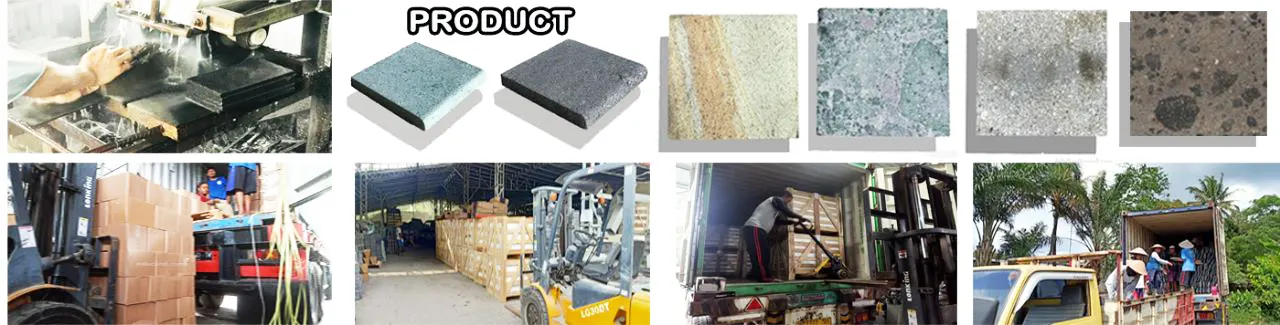
At Watucandi, we are proud to be a leading manufacturer and supplier of Indonesian natural stone, including premium Merapi lava stone for fence and foundation walls. Located in Jogja – Magelang, Indonesia, we have direct access to the best quarries and skilled artisans. Our commitment to quality ensures that every stone product meets international standards.
Why Choose Watucandi?
- Direct Source: We source directly from quarries, eliminating middlemen and offering competitive prices.
- Quality Control: Each batch is inspected for color consistency, size accuracy, and structural integrity.
- Customization: We offer custom cutting, finishing, and sizing to meet your specific project needs.
- Global Shipping: We have experience exporting to countries worldwide, ensuring safe and timely delivery.
- Expert Support: Our team provides technical advice and support throughout the procurement and installation process.
Ordering Information:
We do not keep large stocks of finished goods; instead, we work on a made-to-order basis to ensure freshness and customization. This allows us to tailor each order to your specific requirements. For large-scale wholesale purchases, inter-provincial, inter-island, and international exports, we offer flexible pricing based on our calculator. Contact us directly to discuss your project needs and get a quote. Visit our Stone Foundation Wall Price page for more details.
You are welcome to conduct a direct survey of our products. We invite you to see the quality of our stone firsthand. For those interested in other natural stone options, explore our range of Brown Sandstone, Breccia Natural Stone Tiles, and Borobudur Temple Stone.
12. Frequently Asked Questions (FAQ)
Is Merapi lava stone suitable for cold climates?
Yes, Merapi lava stone is suitable for cold climates due to its porous structure, which allows for slight breathability and reduces the risk of freeze-thaw damage. However, proper installation and drainage are essential to prevent water accumulation.
Can I install stone fence walls without adhesive?
Yes, dry stacking is a viable option for lower walls and decorative features. It is cost-effective and flexible, allowing for easy rearrangement. However, for taller walls or areas with high structural loads, using adhesive is recommended for added stability.
How do I clean my stone fence?
Regular cleaning with water and a mild detergent is usually sufficient. For stubborn stains, use a soft brush and avoid harsh chemicals. Periodic inspection and removal of weeds or debris will help maintain the appearance and integrity of the wall.
What is the difference between machine-cut and manually carved stone?
Machine-cut stone has uniform dimensions and smooth surfaces, ideal for modern, precise looks. Manually carved stone features irregular shapes and rough textures, offering a rustic, exotic aesthetic. The choice depends on your design preference and budget.
13. Conclusion
Stone fence and foundation walls represent the pinnacle of natural stone craftsmanship and functionality. From their geological origins in the volcanic soils of Mount Merapi to their stunning applications in luxury architecture, these structures offer a unique blend of beauty, durability, and sustainability. Whether you are designing a tranquil retreat in Bali, a modern villa in Europe, or a commercial spa in the Middle East, natural stone provides the perfect canvas for your vision.
Its ability to harmonize with nature, enhance safety, and withstand the test of time makes it an invaluable asset in any construction project. At Watucandi, we are dedicated to bringing this exceptional material to the world. With our commitment to quality, ethical sourcing, and customer satisfaction, we are your trusted partner in creating spaces that inspire and endure. Explore our collection today and discover the transformative power of Indonesian natural stone.
For more inspiration, check out our guides on Black Lava Stone Tile Walls, Lava Rock Tiles, and Lava Rock Stepping Stones.
Tags: stone fence, foundation wall, merapi lava stone, natural stone fencing, aesthetic stone wall, machine cut stone, manual carved stone, outdoor fire pit, landscape border, durable building material, watucandi natural stone, indonesian volcanic stone,