“Preserving beautiful memories through the eternity of natural stone. Discover a complete guide to choosing grave markers from authentic materials like Merapi Andesite, Marble, and Granite that are weather-resistant and full of meaning. Learn about technical characteristics, natural aesthetics, and maintenance tips to keep graves sacred, clean, and dignified for generations. An investment in final tribute that withstands time.”
Death is an inevitability in the cycle of human life. This moment often brings deep sadness, especially for the grieving family. In many cultures, including Indonesia, paying final respects to loved ones is not just a ritual but a form of devotion and love that continues even after the soul has departed from the body. One of the most tangible symbols of this respect is the grave marker, commonly known as a kijing or headstone.
Choosing material for a grave marker is not a trivial decision. It must be something capable of withstanding the erosion of time, extreme weather, and climate change. This is where natural stone grave markers play a vital role. Unlike synthetic materials such as cast concrete or wood which are prone to rotting, natural stone offers eternity, natural aesthetics, and extraordinary structural strength. This article will thoroughly discuss everything regarding natural stone grave markers, from technical characteristics, types of best stones, selection philosophy, to maintenance guides to keep graves looking sacred, clean, and dignified for years to come.
Why Natural Stone is the Primary Choice for Grave Markers?
In cemetery architecture, the main function of a kijing or headstone is as an identity marker and location of the final resting place. However, more than just a marker, it is also a decorative element reflecting status, respect, and family spiritual values. The use of authentic natural stone has become the gold standard in this industry due to several fundamental reasons that other materials cannot offer.
First, natural stone has unique density and porosity. Volcanic stones like andesite and lava stone, for example, are formed through geological processes over millions of years, making them very dense and resistant to rainwater penetration and soil moisture. Second, natural stone has a “soul” or living visual character. Every vein, color, and texture in natural stone is unique, making each headstone a one-of-a-kind work of art. Third, sustainability. Natural stone is an environmentally friendly material that does not produce harmful carbon emissions during extraction compared to cement or plastic production.
Technical Characteristics of Authentic Candi Stone Grave Markers
Not all natural stones are suitable for long-term exterior applications like grave markers. Wrong selection can have fatal consequences, such as cracking, breaking, or moss growth that ruins aesthetics. Here are the critical technical characteristics that natural stone must have to be used as a grave marker:
1. Low Water Absorption
One of the biggest enemies of natural stone in open areas is water. Heavy tropical rain and soil moisture can seep into stone pores if the material is not dense. Why is this important? Because water trapped inside the stone becomes an ideal medium for moss, fungus, and algae growth. Besides ruining visual appearance with green or black stains, microscopic moss roots can expand and cause the stone to become brittle or crack over time (weathering).
Therefore, stone chosen for kijing must have very low porosity. Volcanic stones like andesite and lava stone are known to have very tight microstructures, making them almost waterproof. This ensures that the headstone remains dry, clean, and free from disturbing organisms even under decades of rainfall.
2. Compressive Strength and Resistance to Breaking
Grave markers are static structures that must withstand their own weight and potential external pressure, both from soil movement and human activity around the grave (such as during visits or cleaning). High-quality natural stone has superior compressive strength. This means the stone is very difficult to break, crack, or crush even when experiencing light impacts or heavy pressure.
This toughness property is crucial because headstones are often installed on ground that may experience minor shifts due to small seismic activities or land subsidence. Brittle stone will easily crack under such conditions. Conversely, solid stone like granite or hard andesite has micro-elasticity allowing them to survive in various geographical conditions. For indoor applications or graves covered by buildings (cungkup), this requirement might be slightly looser, but for open graves, physical durability is the main priority.
3. Ease of Carving (Carvability)
A headstone is not just a plain stone block; it is an eternal nameplate. Someone’s identity—name, date of birth, date of death, and sometimes prayer quotes or holy verses—must be carved with high precision on the stone surface. The ideal stone characteristic for headstones is a balance between hardness and grain fineness. Stone that is too hard (like some quartzites) will be very difficult to carve and requires expensive labor costs. Meanwhile, stone that is too soft (like certain limestones) might be easy to carve but quickly wears away from wind and rain erosion.
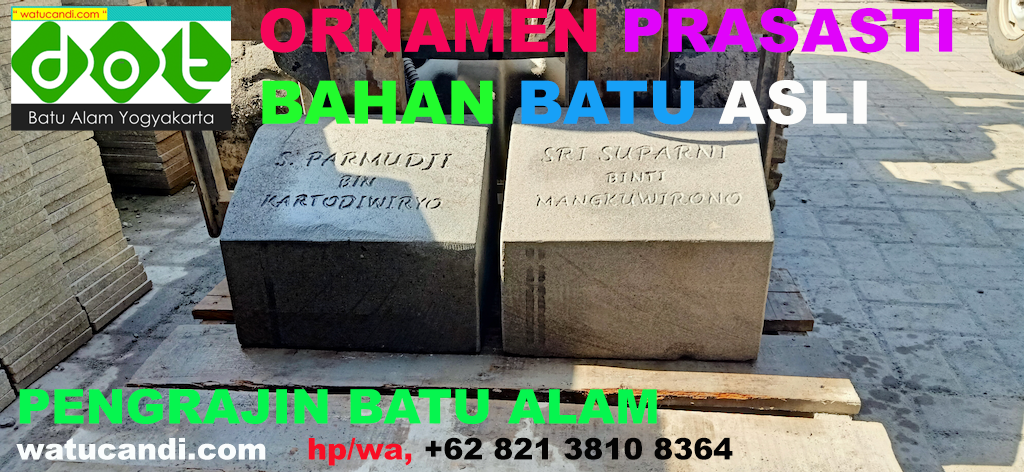
Preferred natural stone for headstones, such as candi stone or fine andesite, has sufficiently fine grain texture allowing sharp, clear, and elegant letter carvings. When carved, this stone does not easily “blister” or chip at letter edges, ensuring neat writing results that are easy to read by future generations. Hand-carved techniques are often used to achieve artistic details that machines cannot reach, adding sentimental and artistic value to the headstone.
4. Natural Color and Texture Aesthetics
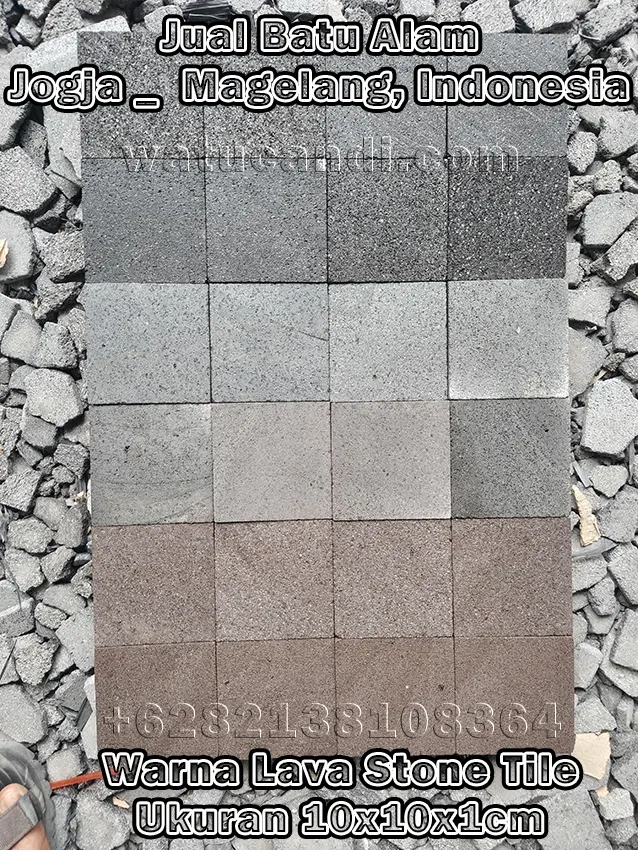
There is no standard rule for headstone colors, but cultural preferences often lean towards calm, solemn, and natural colors. Dark gray, black, or dark brown are popular choices as they give a solemn and elegant impression. Natural stone lets its color speak for itself. Over time, exposure to sunlight and rain often deepens the stone color, making it look increasingly mature and characterful.
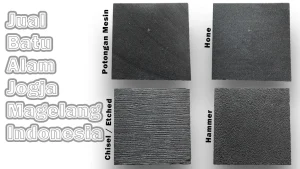
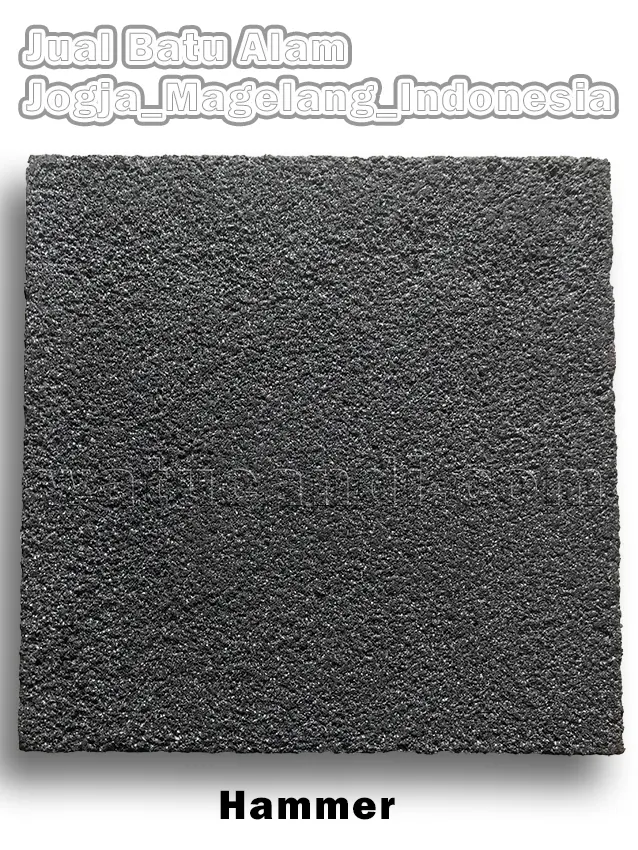
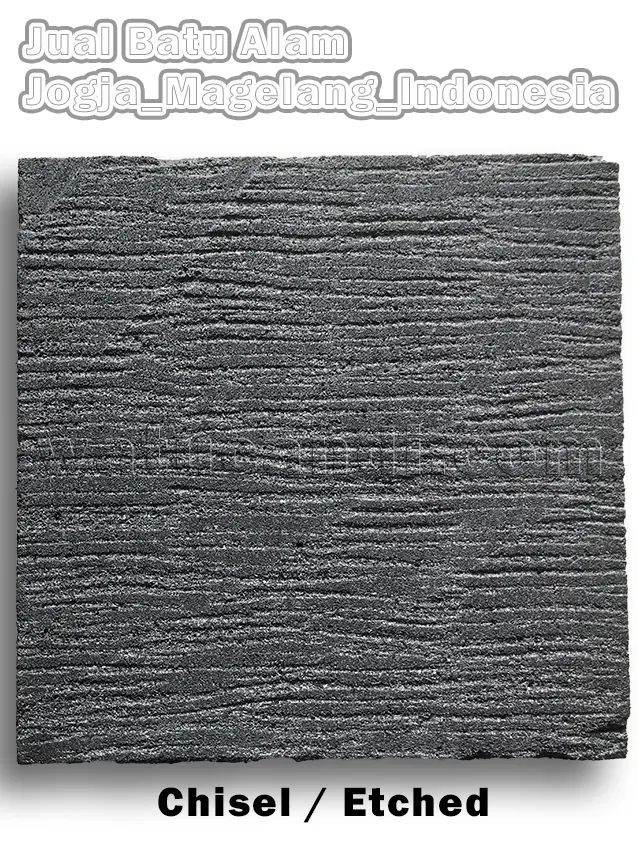
Besides solid colors, some natural stones have beautiful veining patterns, like marble. However, for exterior headstones, overly complex patterns can sometimes interfere with text readability. Therefore, many families choose stone with consistent base color but interesting surface texture, such as chiseled (hand-chiseled) or bushhammered surfaces that give a rustic and traditional impression.
Best Types of Natural Stone for Grave Markers
The natural stone market offers various material options. However, not all are recommended for long-term use in cemeteries. Here are four main types of natural stone most popular and recommended by construction experts and headstone craftsmen:
A. Marble Headstone: Symbol of Luxury and Elegance
Marble is often considered the “queen of natural stones”. With natural sheen that reflects light and artistic white, cream, or black veins, marble gives a luxurious and special impression. Marble headstones are usually chosen for public figures, officials, or families wanting a very exclusive grave appearance.
Marble’s main advantage is its unmatched visual beauty. Its surface that can be polished to very smooth (high gloss) makes carved writing look very contrasting and clear. However, marble has weakness in acid resistance. Acidic rainwater or certain liquid spills can etch marble surfaces over time. Therefore, marble is more recommended for sheltered graves (indoor) or requires special coating maintenance if installed outdoors. Nevertheless, its physical weathering resistance remains very good, making it a durable long-term investment.
B. Granite Headstone: Maximum Strength
Granite is an intrusive igneous rock formed from magma cooling beneath the earth’s surface. Its interlocking crystal structure makes granite one of the hardest and strongest natural stones. In terms of durability, granite has almost no rival. It is highly resistant to scratches, heat, acid, and extreme weather.
Compared to marble, granite has more affordable price but higher durability for outdoor applications. Its color varies from pitch black (black galaxy), gray, to spotted pink. Its hard texture makes it slightly more difficult to carve with fine details compared to andesite, but modern laser engraving technology has overcome this challenge. Granite is a pragmatic choice for those prioritizing absolute durability without intensive maintenance.
C. River Stone Headstone (Slate): Traditional Aesthetics
River stone, often called slate, is taken directly from riverbeds that have undergone natural erosion processes for thousands of years. Its naturally round or flat shape gives organic nuance and blends with nature. This stone has very small pores due to water pressure and sand friction in rivers, making it highly resistant to water absorption.
River stone’s strength lies in its density and ease of formation. Although its original shape is irregular, this stone can be cut and formed into neat headstone slabs. Its smooth yet strong nature makes it easy to clean from dirt. River stone is often used for headstones with minimalist or traditional Javanese style, where simplicity and harmony with nature are prioritized over visual luxury.
D. Andesite Headstone (Candi Stone): Favorite of Nusantara Architecture
Andesite stone, specifically the variant known as Merapi stone or Candi stone, is the prima donna in headstone construction in Indonesia. Named Candi stone because this material was used to build magnificent temples like Borobudur and Prambanan that have stood strong for centuries.
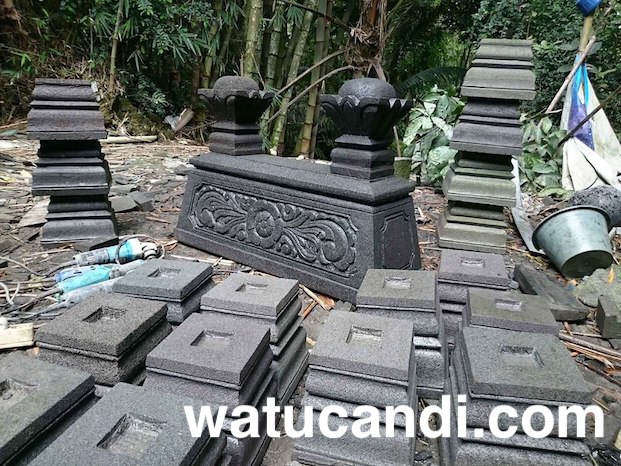
This dark gray to black andesite stone has perfect balance between hardness, weather resistance, and carveability. It is not too hard to work with, nor too soft to damage quickly. Andesite stone is highly resistant to drastic temperature changes and high rainfall. Additionally, its abundance in volcanic regions of Indonesia makes it competitively priced. Many families choose andesite stone to make complete kijing (from stakes to headstone body) due to its historically proven strength.
Shapes and Designs of Natural Stone Grave Markers
Headstone function is identification, but its shape is expression. There are two main categories of natural stone headstone shapes commonly found:
- Vertical Shape (Inscription): This is the classic shape where stone slabs stand upright. This shape facilitates reading information from distance and is often decorated with calligraphy carvings or flower motifs on top. Suitable for grave plots with limited width.
- Horizontal Shape (Lying/Kijing): This shape is lower and elongated following the direction of the buried body. Often called “kijing” in Javanese tradition. This shape gives humble impression and blends with the ground. Its wide top surface allows for more complete information writing or geometric motif decorations.
Regardless of shape, design principle remains same: identity clarity and harmony with surrounding environment. Some modern designs even combine vertical and horizontal elements, creating mini monument structures that become aesthetic focal points in cemetery areas.
Advantages of Using Natural Stone Headstones Compared to Other Materials
Why bother choosing natural stone if there are cheaper cast concrete or wood options? The answer lies in long-term value and philosophical meaning.
1. Eternal Mark (Timeless Durability)
Wood will rot eaten by termites within years. Ordinary cast concrete can crack and change color to dull within a decade. Conversely, natural stone is geological material aged millions of years. Using natural stone for headstones means you install a mark that will outlast your grandchildren’s age. This is guarantee that memory of loved ones will not disappear buried by physical headstone damage.
2. Aesthetic Value and Prestige
Visually, natural stone always looks more premium and exclusive. Natural marble sheen or rough andesite texture provide visual dimensions that synthetic materials cannot mimic. For families wanting to give best respect, natural stone headstone is real statement of respect. It shows that the deceased is valued with best materials provided by earth.
3. Easy and Hygienic Maintenance
Graves without kijing or poor headstones tend to be overgrown with wild grass and become ant nests or small animal habitats. By installing natural stone kijing covering excavation area, ground surface is protected. Moss growing on natural stone is easily cleaned with soft brush and water. No harsh chemicals needed. Result is grave always looks neat, clean, and well-maintained, giving peace of mind to visiting families.
Price Guide and Cost Determining Factors
Natural stone grave marker prices vary greatly. There is no single price as it depends on several complex factors. Understanding these factors will help you get best offer according to budget.
- Material Type: Imported marble is certainly more expensive than local andesite. Premium black granite is also in high price range.
- Size and Volume: The larger headstone dimensions (thickness, width, height), the more material needed, so price increases.
- Carving Difficulty Level: Standard writing (name and date) is cheaper compared to complex motif carvings, detailed Arabic calligraphy, or 3D relief.
- Surface Finishing: Polished surface requires longer process compared to natural split or chiseled surface.
- Delivery Location: Transportation cost from quarry or workshop to cemetery location also affects total cost.
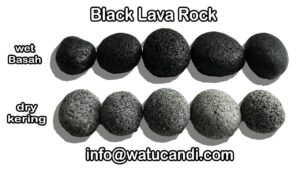
To get best quality, it is recommended not only to look at cheapest price on online marketplaces. Visit directly providers or showrooms like Watucandi to see physical stone samples, feel texture, and consult directly with experts. You can compare various options like local vs precision stone comparison or view black lava stone collection for inspiration.
Other Natural Stone Application Inspirations from Watucandi
Besides for headstones, expertise in natural stone processing can also be applied to various other architectural elements you might consider to beautify home environment or public areas. Here are some product references and guides from our collection showing natural stone versatility:
For those interested in water elements, natural stone is perfect choice for swimming pools. See complete guide about Sukabumi green stone tiles for swimming pools famous for ability to turn water color into natural turquoise. Or, learn more about lava stone tiles for swimming pools offering safe anti-slip grip. Do not forget to read ultimate guide for pool stone tiles covering black lava stone, green zeolite, and limestone solutions.
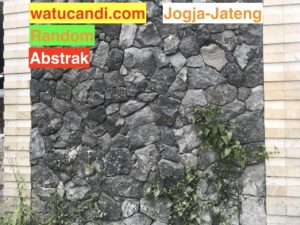
For textured wall lovers, natural stone offers strong character. Explore random candi stone wall cladding for rustic look, or lava rock tiles with natural rock face for premium decoration. We also have specific guide about black lava stone tile walls discussing volcanic elegance. If you like color combinations, read about black-white wall cladding combination using limestone and paras stone.
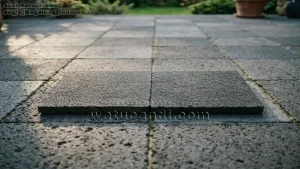
For garden floors and outdoor areas, natural stone provides extra durability. Learn about lava rock stepping stones harmonious with landscape. Or, see guide for random candi stone garden floor with 1-3 cm thickness. We also provide stone flooring for gardens and yards and sturdy lava stone paving slabs.
For those seeking unique and artistic touch, do not miss collection of Yogyakarta batik motif green stone tiles combining local culture with natural material. Or, explore breksi stone tiles having unique fracture patterns. We also have other batik green natural stone favorites of interior designers.
For furniture and accessory needs, natural stone can be transformed into functional works. See sturdy handmade stone tables and chairs, or natural stone liquid soap dispenser for luxurious bathroom touch. We also offer elegant rough surface marble sink and black basalt stone sink.
If you are interested in deeper technical specifications, we provide various guides like GC stone types, GC broken stone type, and various surface patterns like 0.5×0.5 comb surface type, 3×1 surface type, and 2×1 line type. Learn also about rooling line type and broken regular line type for precise paving installation.
We also have special collection for large scale projects and modern architecture. Read about lava stone exterior design, floor paving stone with chisels, and complete guide for swimming pool coping stone tiles. For premium tables, check black lava stone top table. Do not forget to explore green stone split face tiles and other black lava stone tiles.
For wall and foundation inspiration, see garden wall and foundation guide, and aesthetic stone fence and foundation walls. We also discuss rough split face candi stone and iconic Borobudur temple stone. Learn also about temple stone paving floor and natural black lava stone tile.
Our collection covers various finishes like bushhammer limestone tile, Indonesia sandstone and limestone, and Indonesian limestone tiles. For outdoor floors, check Merapi natural stone outdoor flooring. We also have handmade stone tub and 3D stone slabs for dramatic visual effect.
Explore further about tumbled natural stone finish, lava stone floor, and irregular natural stone paving. See also original Merapi stone sink, white Palimanan stone, and Super White Palimo limestone. For green color, check green natural stone and learn about umpak batu as traditional foundation.
We also offer carved temple lava stone, brown spotted paras stone, and natural black lava stone tile. Find hidden crystals of Merapi lava and learn chiseled natural stone installation patterns. See also chiseled temple natural stone, chiseled natural stone paving, and chisel lava natural stone.
For specific sizes, check 300x300mm chiseled lava stone surface, andesite natural stone slabs, and slate stacked betel leaf slab surface. We also have flat random riverstone natural stone, example of candi stone paving, and semi-carved lava stone. Do not miss genuine susun sirih slate and hand-carved temple stone flooring paving.
Explore natural stone edge wall, stone floor of the temple Merapi lava, and lava paving stepping stones. See also rough face stone floor, solid split stone size 100x200mm, and black lava stone Bali Indonesia. We also provide rough natural stone floor, sell pelinggih stone materials, and black lava bush hammer surface.
See collection of black candi lava stone, black lava stone 100x100x10, and 5 black lava stone surfaces. Find black slab natural stone, lava stone rough face, and black lava. Learn about lava stone floor temple, lava stone 75x230mm, and lava stone products.
We also have decking parquet Merapi lava stone, compare lava alkali sawncut vs bushhammer, and see lava stone generally. Explore lava candi natural stone, natural stone edges, and natural stone slabs. For andesite paving, check andesite stone paving Indonesia.
Find green Sukabumi natural stone, wavy carved natural stone tiles, and natural andesite stone. For commercial design, see commercial design, enterprise design, hospitality design, restaurant design, and industrial design.
Inspiration for luxury home design modern, unique models of beautiful products, latest styles, and decorate comfort design. See also brown sandstone, natural stone tiles, and complete guide black lava candi stone Merapi.
Learn about black lava candi stone cladding, Merapi lava candi natural stone, and large natural limestone slabs. Read also candi lava split face stone, chiseled candi stone paving manual, and brown Java sandstone tiles.
For wet areas, see natural stone as swimming pool gutter cover. Explore Merapi black sand split face natural stone, hard cream limestone natural stone, and Merapi lava temple stone balls. See also Merapi mountain talud stone material and 20×40 Sukabumi green stone.
Find Jogja limestone and read our special article about ordering tombstones kijing plisir blending Merapi grave aesthetics and ancestral philosophy. Learn also about natural stone tactile paving, natural stone stacked wall cladding, and solid natural stone furniture sink.
See natural stone stepping stones in the garden, pool coping stone tile materials, and raised and recessed natural stone cladding. Explore black lava candi stone wall cladding, 4 surface finishes for basalt granite and andesite, and paras limestone natural stone.
Read about selling honed sawn cut basalt stone, wall aesthetics revolution, batik basalt granite natural stone, and classic black basalt granite. See also natural stone skin slab surface, hand chiseled candi stone paving, and green batik natural stone Bali.
Explore small square natural stone pavers, large garden ornamental stones, black lava candi natural stone, and black basalt granite natural stone. See Basalto Batik natural stone granite tiles, small square natural stone garden pavers, and Merapi volcanic stone umpak.
Read about garden stepping stone paving block, refined rough face natural stone, and deep exploration of natural stone patterns. See large natural stone inscriptions in gardens, complete guide to black sand candi lava stone, Kerobokan Bali natural stone, and abstract stone for walls.
Conclusion: Eternal Investment for Unforgettable Memories
Choosing authentic natural stone grave markers is wise step to honor those who have passed. With water-resistant, strong, easy-to-carve characteristics, and timeless natural aesthetics, natural stones like andesite, marble, granite, and river stone offer best solution for eternal grave markers. Not only functioning as location marker, natural stone headstones become monuments of love and appreciation that will endure across generations.
Do not hesitate to explore various available material and design options. Consult your needs with trusted natural stone experts to get results most suitable to wishes and budget. Remember, quality of headstone today is memory heritage for future. Choose natural stone, choose eternity.
natural stone grave markers, andesite headstone, Merapi candi stone, natural stone headstone price, types of headstone stone, marble headstone, granite headstone, natural stone characteristics, final tribute, Watucandi natural stone