Glazed Lava Stone: The Complete Guide to a Premium Cladding Solution for Walls and Floors in Wet & Dry Areas, Indoors & Outdoors
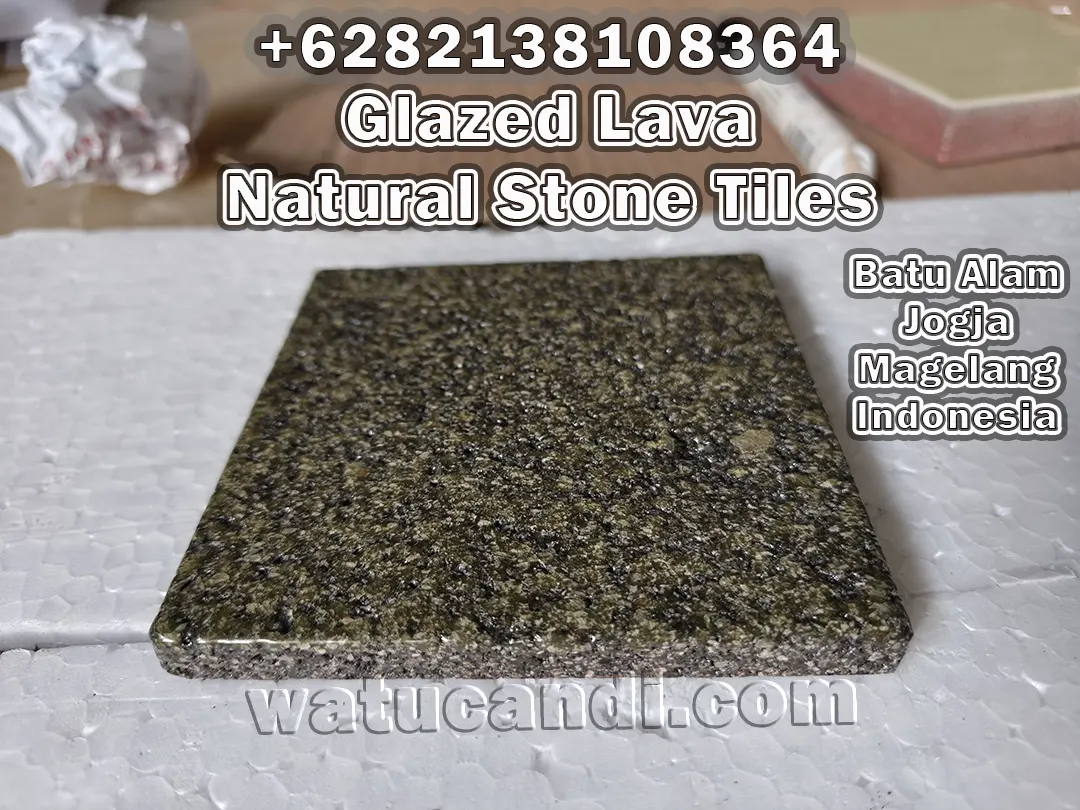
Glazed lava stone is an innovative premium material that combines the strength of Mount Merapi volcanic stone with the beauty of a ceramic glaze fired at high temperatures. In this complete guide, you will learn every aspect of this material, from its geological history and production process to its advantages, applications for wall and floor cladding in wet and dry areas, installation guidance, and maintenance tips. This article is designed to help you make the right decision when choosing a material for your indoor and outdoor projects.

History and Geology of Glazed Lava Stone: The Volcanic Heritage of the Archipelago
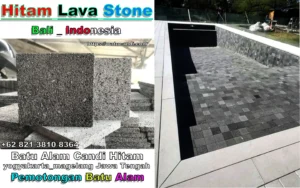
Mount Merapi, located on the border of Central Java and Yogyakarta, is one of the most active volcanoes in Indonesia. Its eruptions over the centuries have left abundant deposits of lava and volcanic rock. Local communities have used this lava stone since the era of the Nusantara kingdoms, as seen in magnificent temples such as Borobudur and Prambanan. This material is a modern evolution of that volcanic stone, in which a ceramic glaze layer is applied and fired at temperatures above 1,000 degrees Celsius to create a hard, scratch-resistant, and hydrophobic (water-repellent) surface. This process is the key to its superiority over ordinary raw lava stone. To understand more deeply the origins and characteristics of volcanic stone, you can read the articles the charm of black volcanic lava stone from Mount Merapi and hidden crystals in Merapi lava. As an external reference, you can also study the characteristics of volcanic rock from the official USGS (United States Geological Survey) website.
Glazed Lava Stone Production Process: From Quarry to Ready-to-Install Tiles
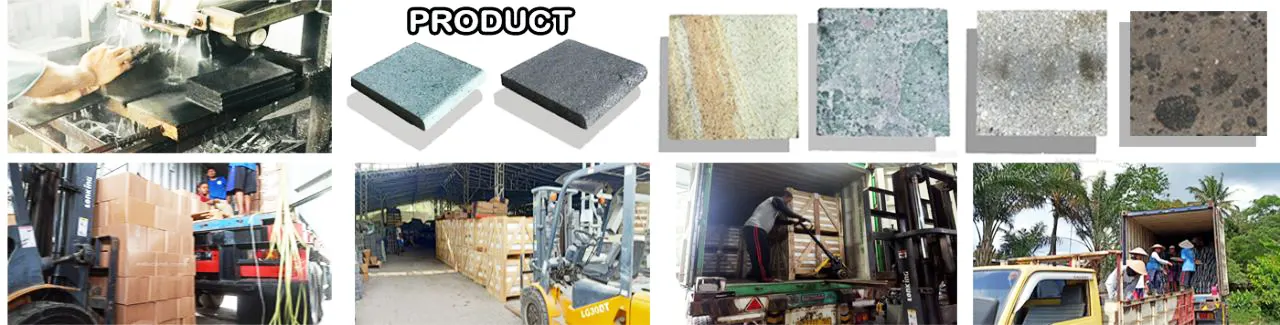
Understanding the production process of glazed lava stone will give you a higher appreciation of this material and help you assess its quality. Here are the production stages carried out by experienced craftsmen in Yogyakarta and Magelang:
- Mining and Raw Material Selection: Lava stone is taken from Merapi volcanic deposits that have been quality-tested. Only stones with uniform density and texture are selected to produce high-quality tiles.
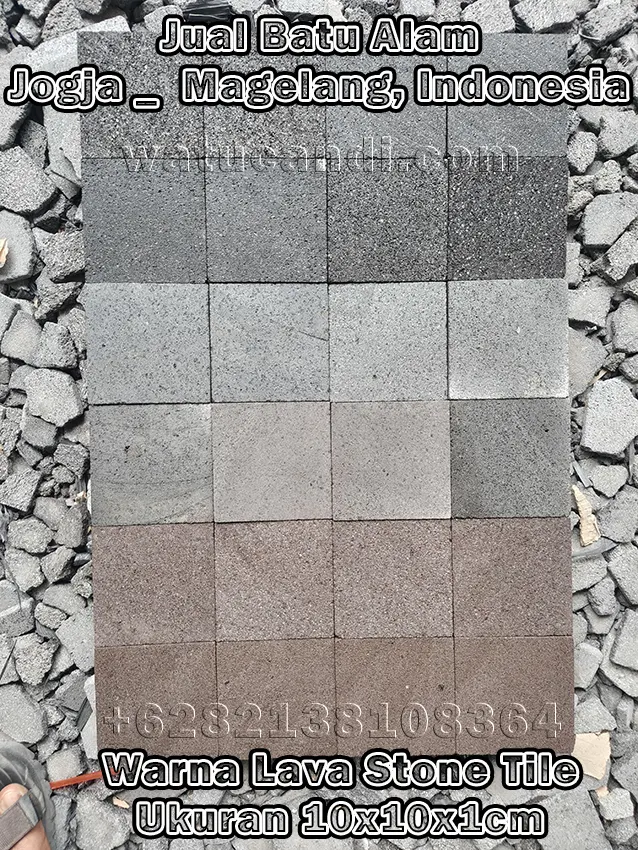
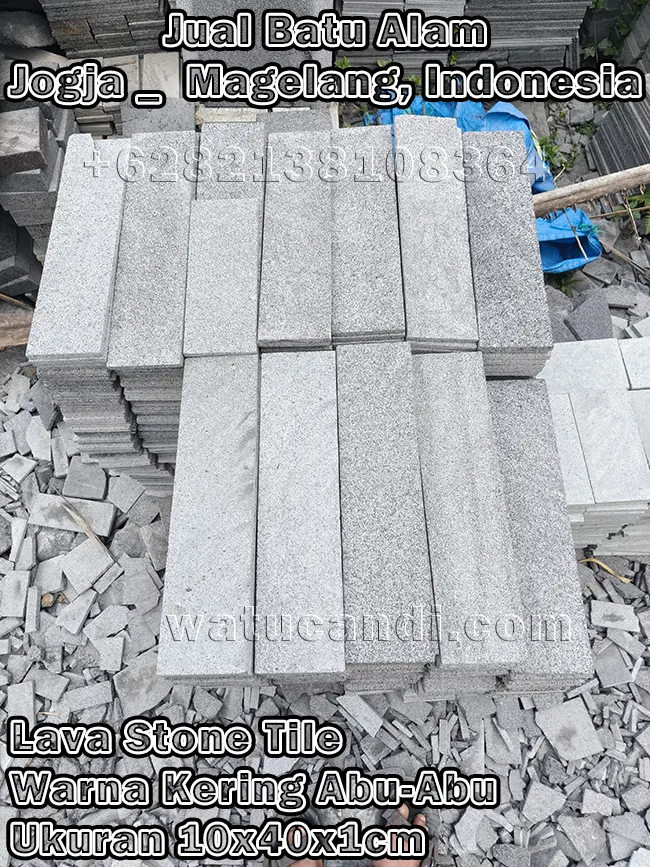
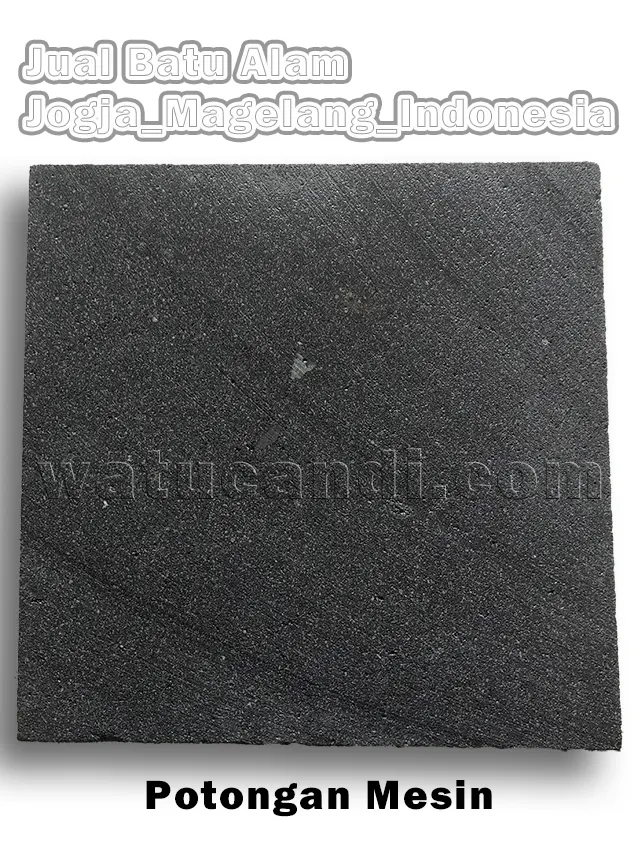
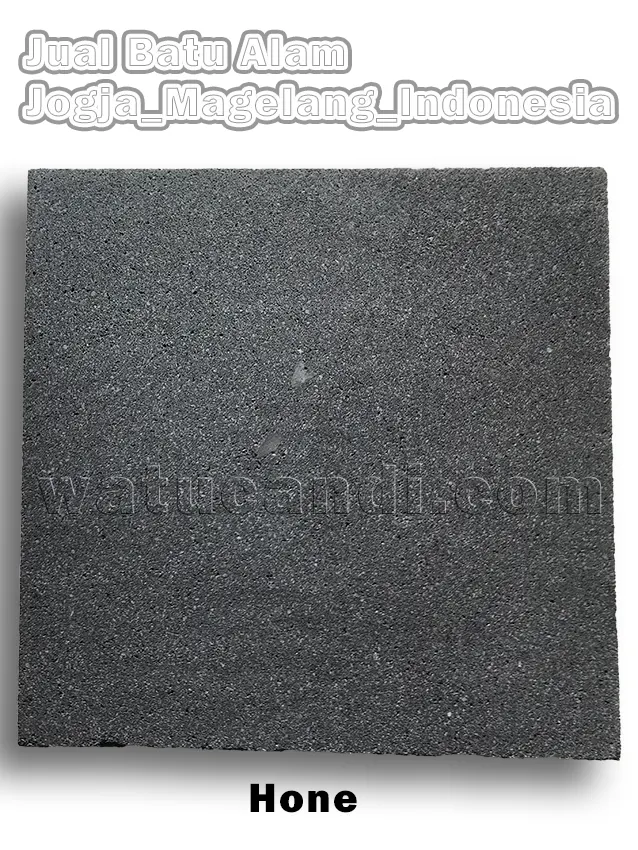
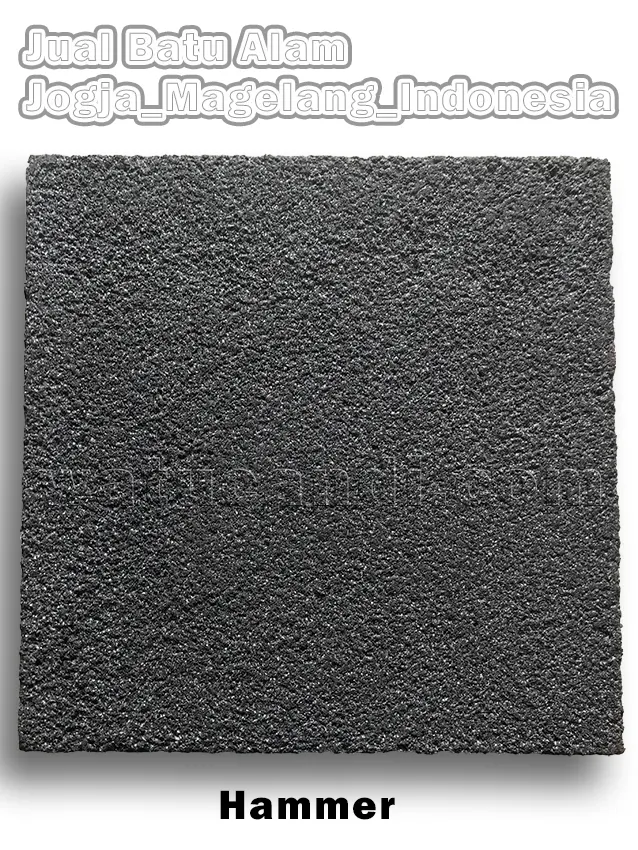
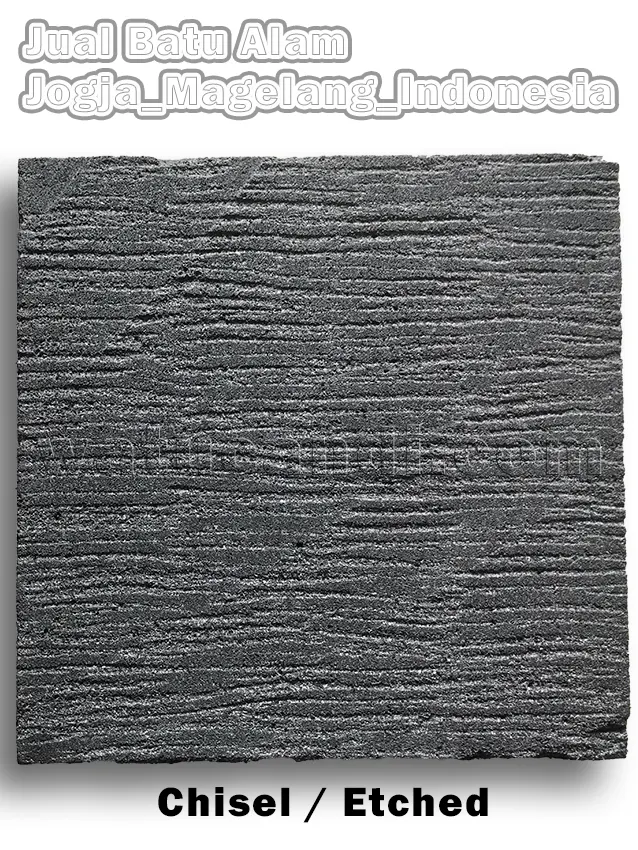
- Cutting and Shaping: Lava stone is cut into tiles of various sizes (for example 10×10 cm, 20×20 cm, 7.5×23 cm) using precision cutting machines. The surface can be left rough (rough face) or smoothed (sawn cut) depending on the design.
- Drying: Lava stone tiles are dried naturally or using an oven to remove moisture, so the glaze can adhere perfectly.
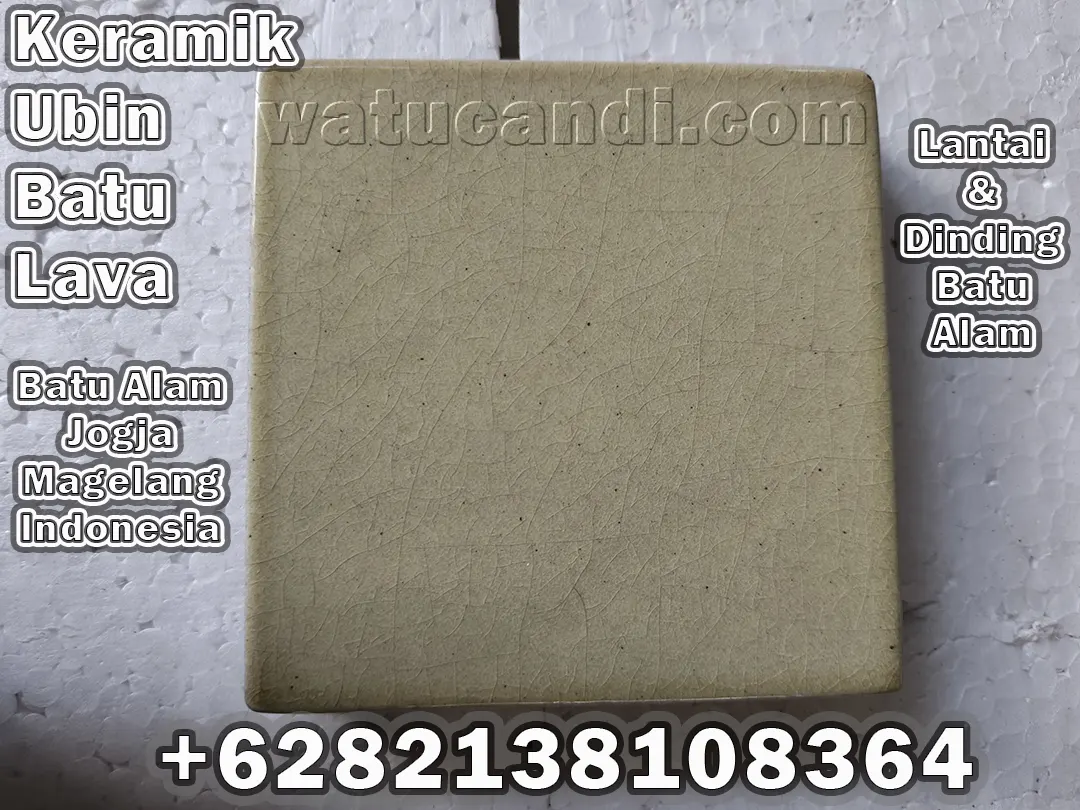
- Glaze Application: A ceramic glaze layer (based on clay, silica, and color oxides) is applied evenly to the stone surface. This process can be done manually (hand-glazed) for a more artistic result or using machines for mass production.
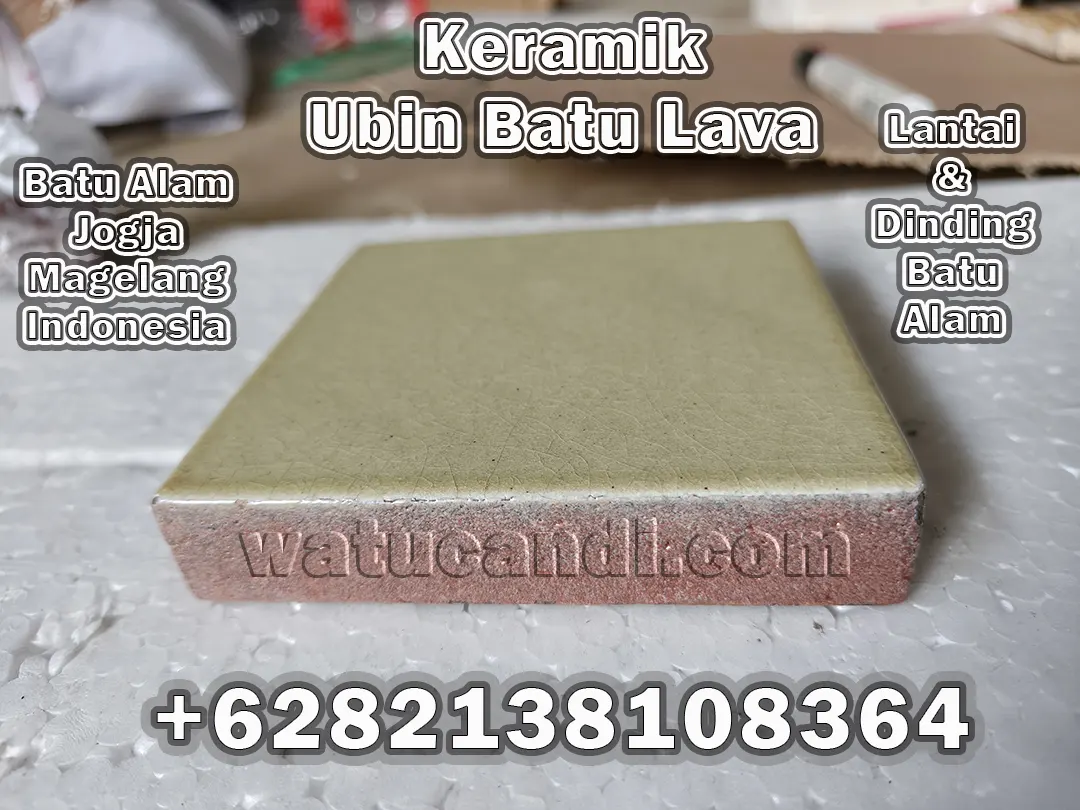
- High-Temperature Firing: The glazed tiles are fired in a kiln at 1,000–1,200 degrees Celsius. This process melts the glaze and permanently bonds it to the stone surface, creating a hard, glossy, and durable layer.
- Quality Control: Each tile is strictly inspected to ensure there are no defects, cracks, or uneven colors before being packaged and shipped to customers.
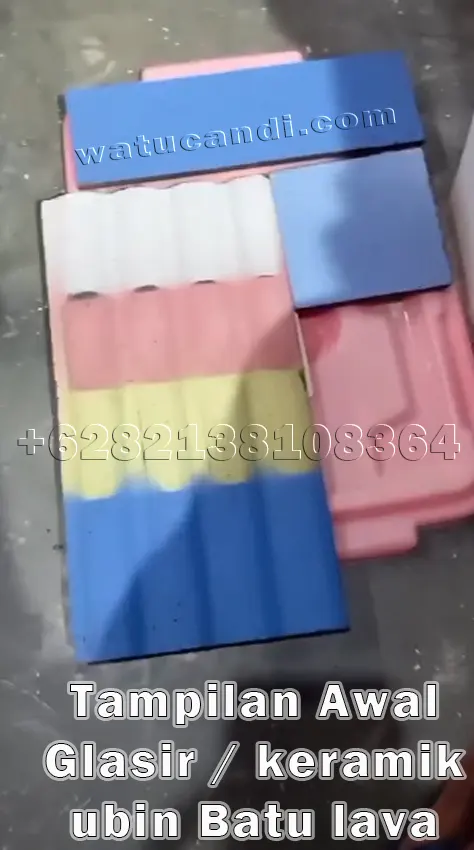
To see examples of finished products and their model variations, you can visit the links basalt volcanic natural stone tiles 10x10cm for wall cladding and flooring and glazed natural stone brick wall cladding, heat-resistant and rich in color, measuring 75x230mm. As an additional reference on ceramic glaze technology, you can visit Ceramic Industry Magazine.
Why Glazed Lava Stone Is the Top Choice
This innovation answers various challenges in modern construction projects, especially those demanding a balance between aesthetics and functionality. Unlike raw lava stone, which is prone to moss and stains, the glazing process creates a protective layer that significantly improves the material’s performance. Here are the reasons why this product is highly recommended for your project:
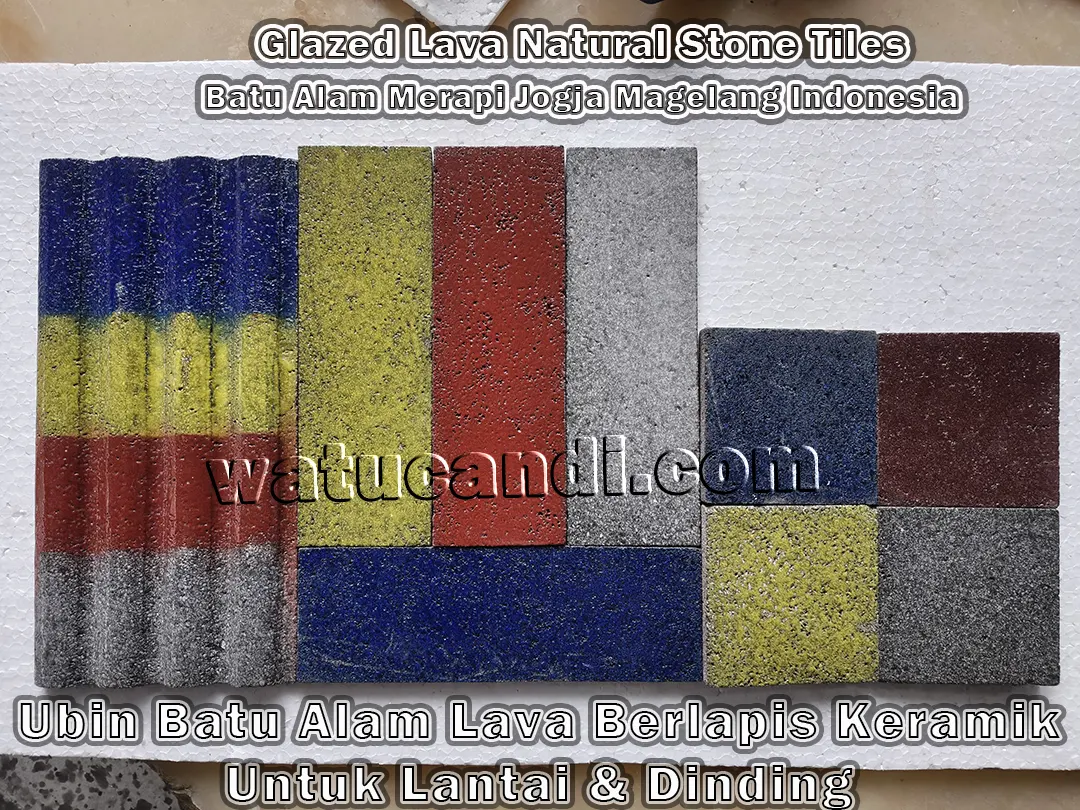
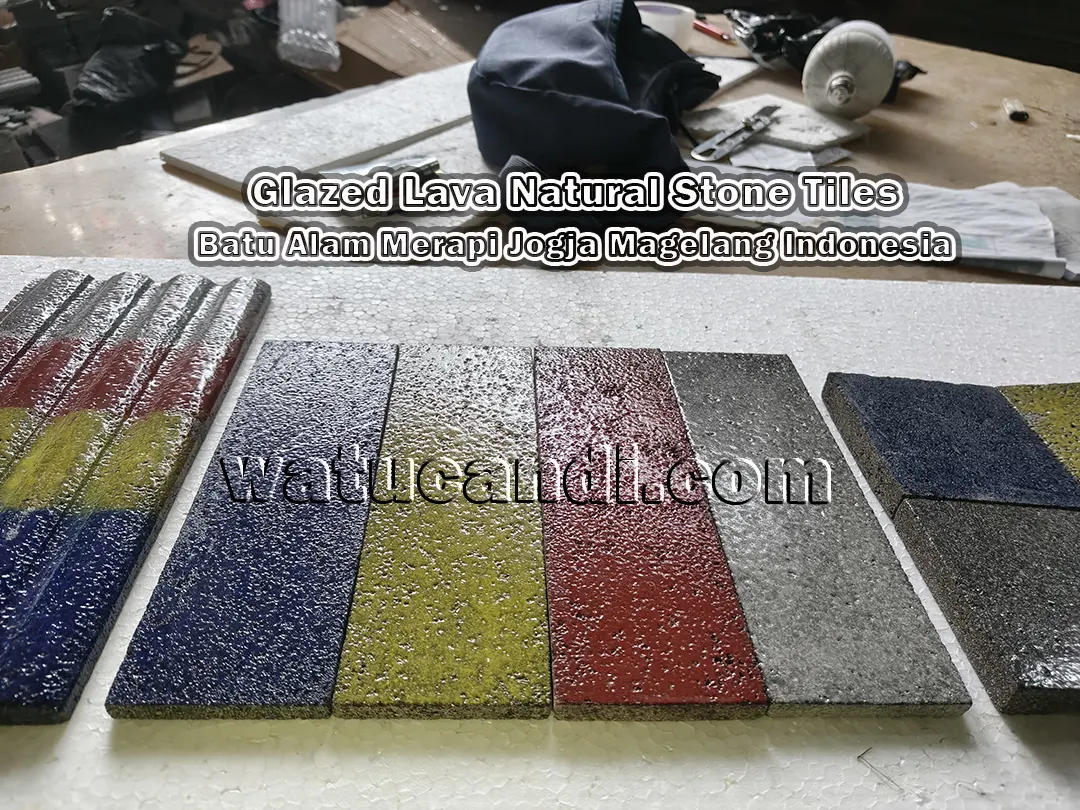
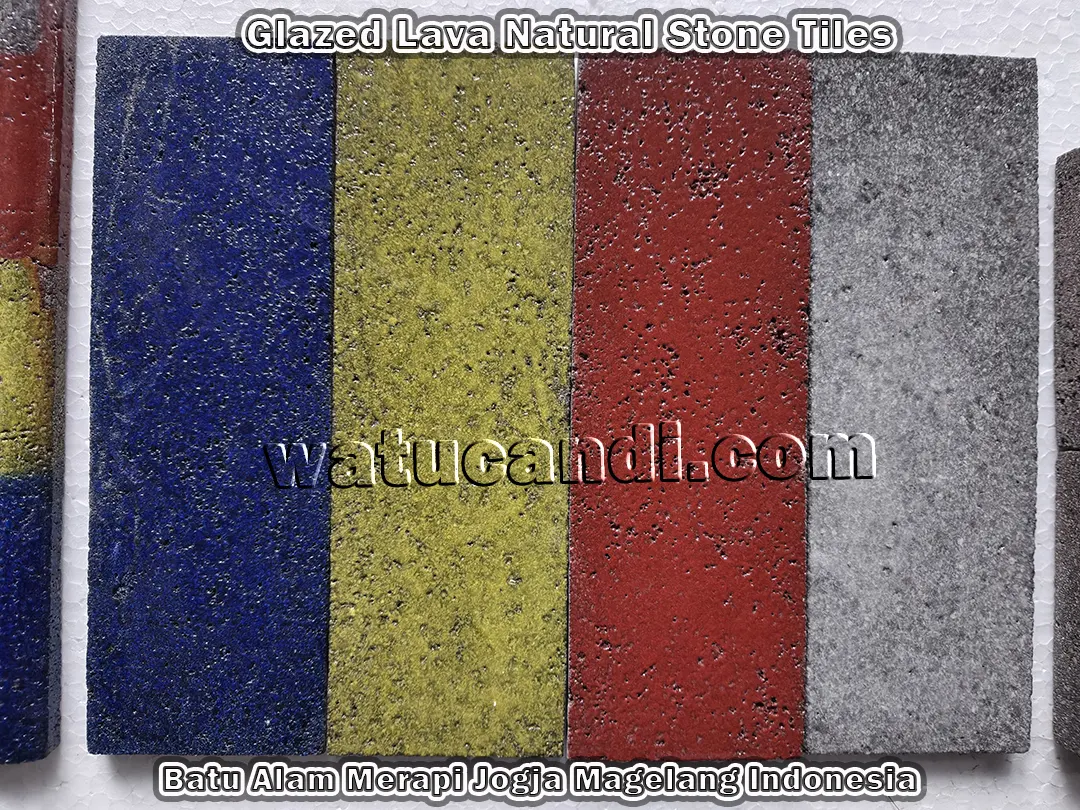
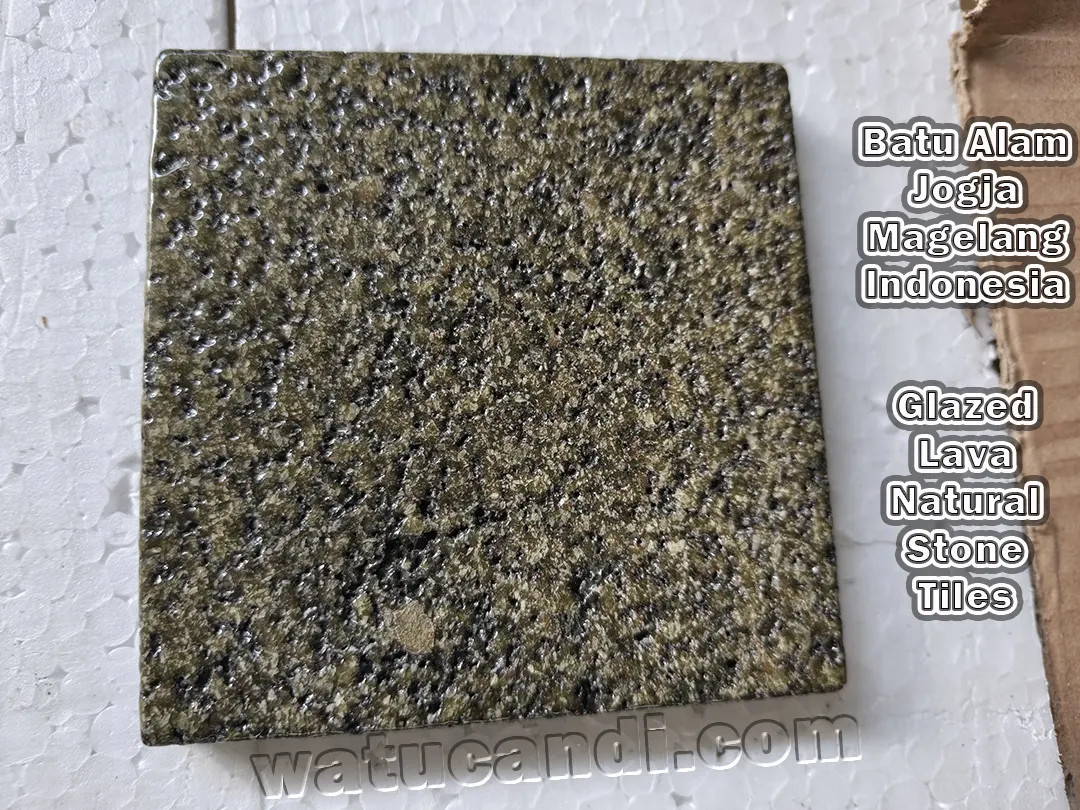
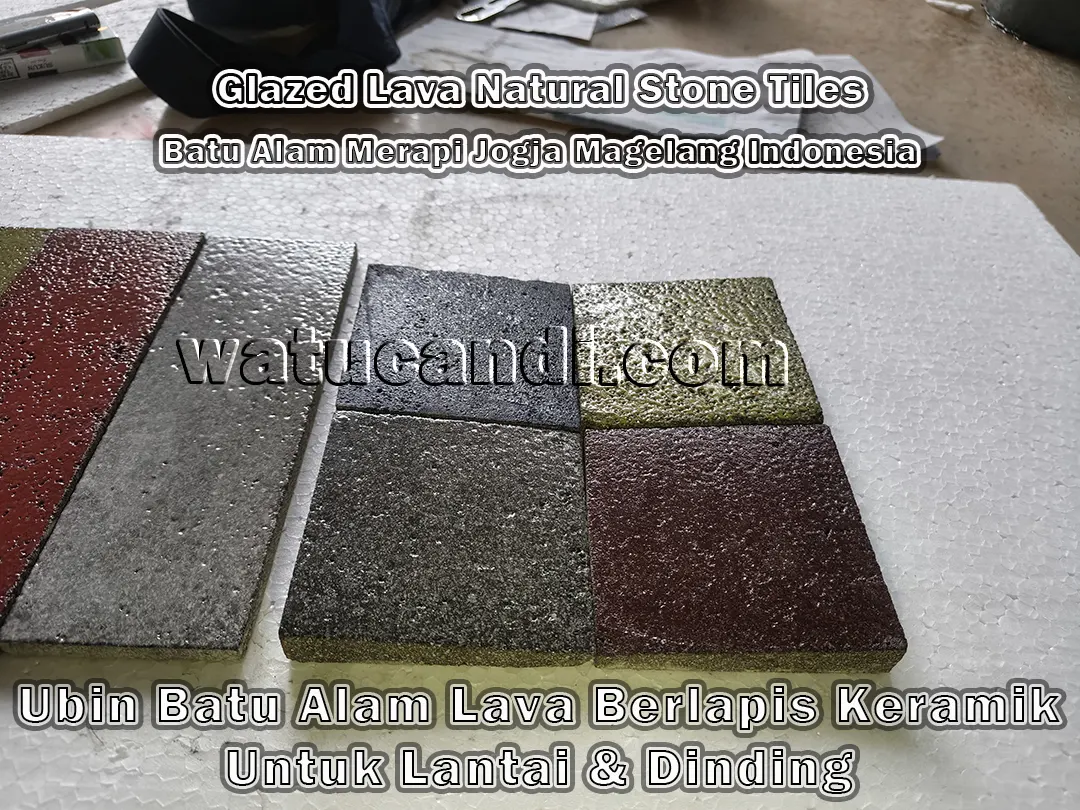
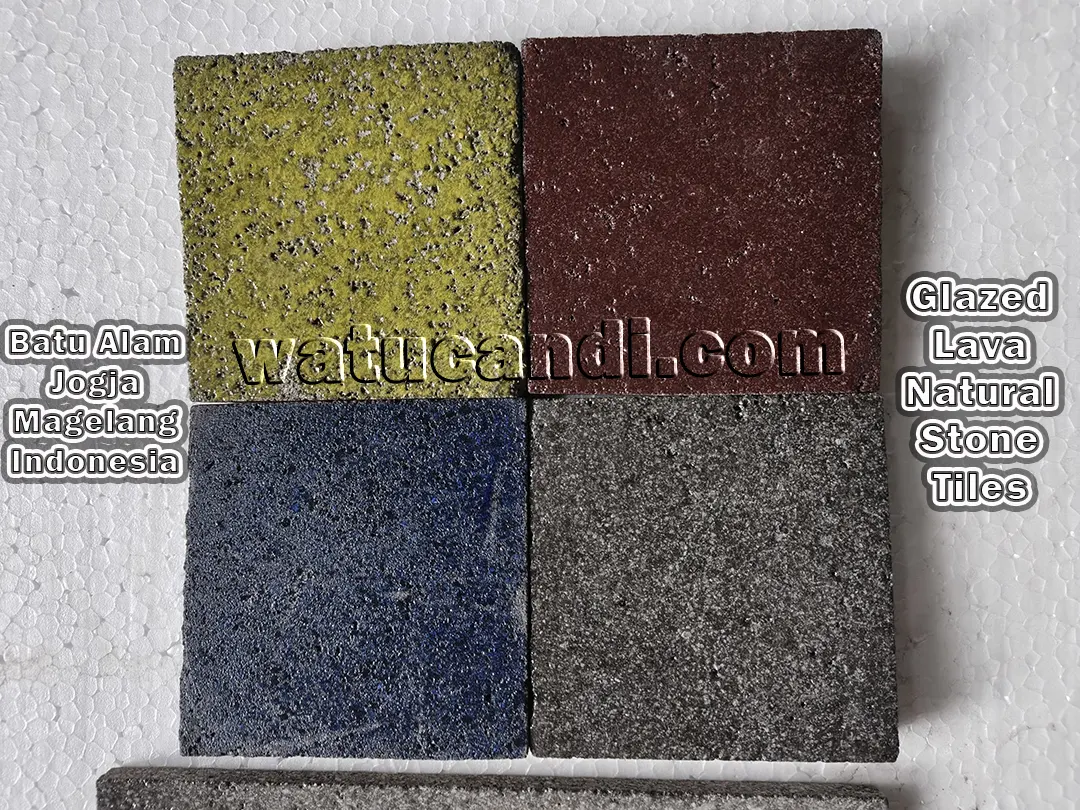
- Luxurious Visual Aesthetics: The glaze layer provides an elegant sheen and enriches color intensity (brick red, yellow, blue, black, and gray), creating a dramatic focal point on walls or floors. This glossy surface also reflects light so the room feels larger and brighter.
- Optimal Performance in Wet & Dry Areas: The glazed surface is hydrophobic (water-repellent), making it highly ideal as a wet area floor material such as bathrooms, swimming pool areas, or kitchens, without losing its charm when applied in dry areas. This layer prevents water from seeping into the stone’s pores, which can cause structural damage in the long term.
- Extreme Durability: This material is resistant to extreme weather, heat, and scratches. It is very suitable for outdoor use (building facades, terraces) and indoor use (living rooms, bathrooms). The stone will not fade or crack even when exposed to direct sunlight and acid rain.
- Easy Maintenance: Unlike raw lava stone, which tends to be porous and requires periodic sealing, the glaze layer closes the pores so the material is easier to clean. Simply with a damp cloth or regular glass cleaner, the stone surface will return to a like-new shine.
- Environmentally Friendly: Merapi lava stone is an abundant natural material, and the glazing process uses ceramic materials that do not contain harmful chemical compounds. This material also does not emit dangerous radiation and is safe for the health of household occupants.
- Aesthetic Value That Improves Over Time: Although durable, glazed lava tiles have a unique character in which their shine can last for years. Unlike paint or synthetic coatings that peel easily, ceramic glaze fuses with the stone so it will not peel off.
Applications of Glazed Lava Stone: From Wall Decoration to Flooring
The flexibility of this material allows you to create without limits. Here is a guide to its applications to maximize the potential of your space:
1. Wall Cladding and Wall Decoration
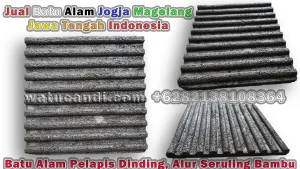
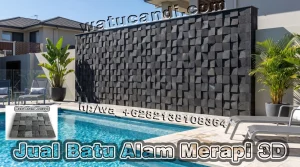
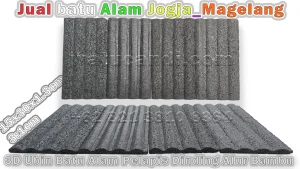
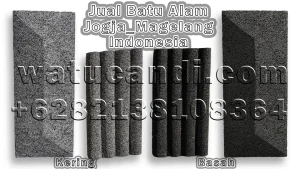
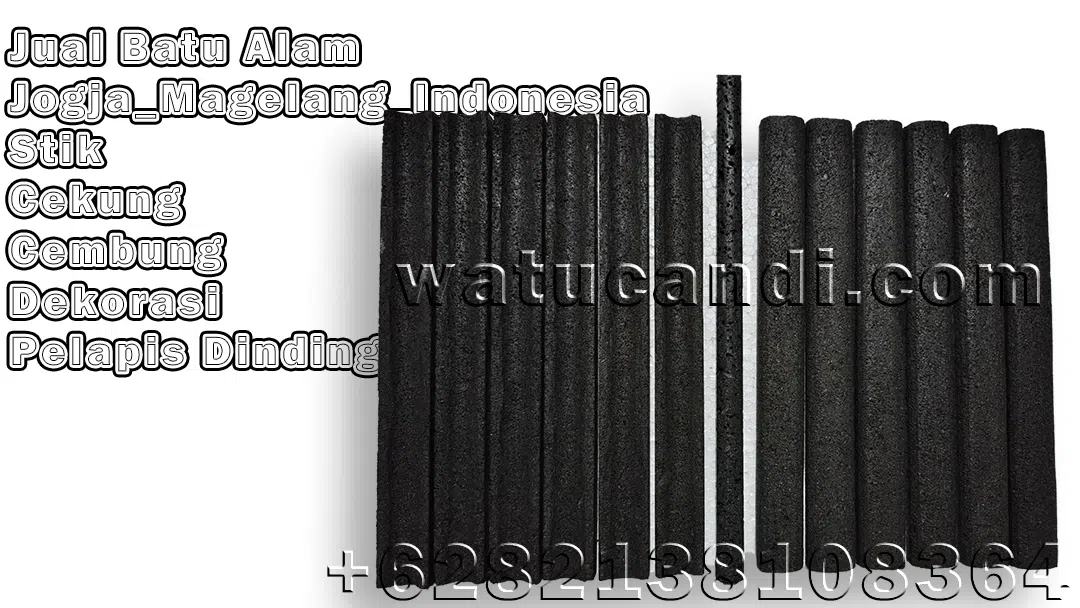
Create an unforgettable first impression by using this stone as wall cladding. The 3D texture (such as the Flute or Prism models) combined with the glaze’s sheen creates artistic shadow play. It is very suitable for living room accent walls, building facades, and bathroom walls. For outdoor areas, this material serves as facade protection while enhancing the building’s aesthetic value. See our heat-resistant lava stone wall cladding for exterior and interior collection.
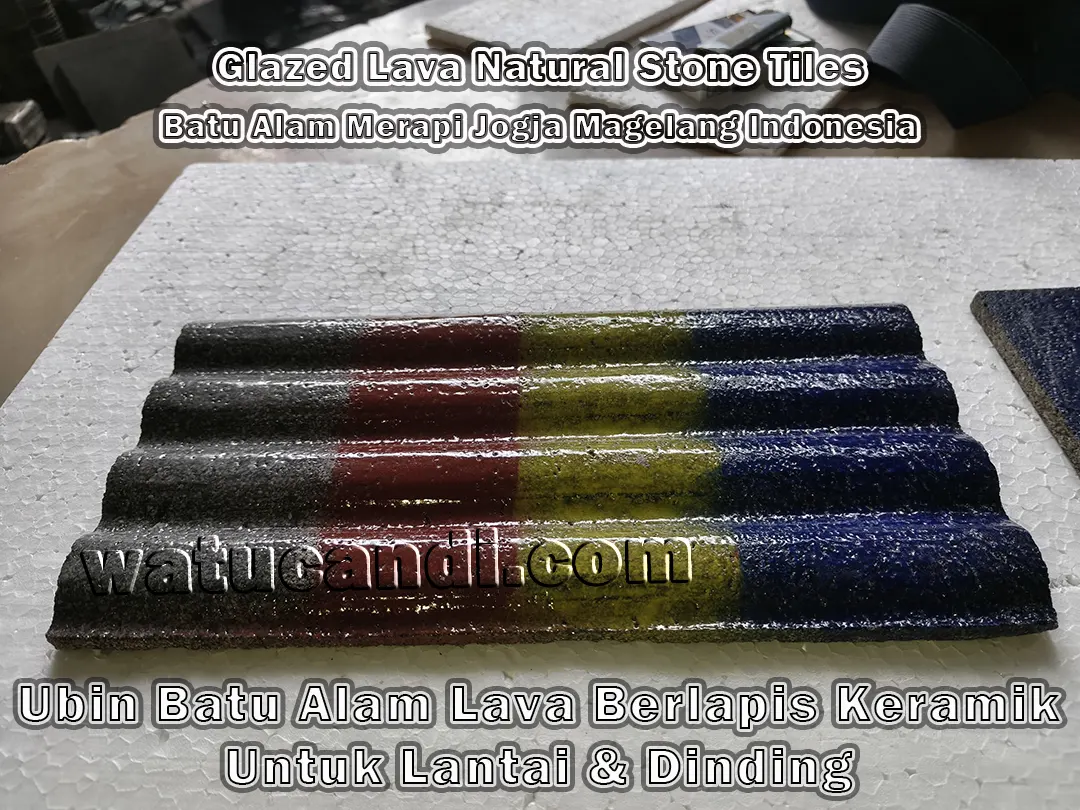
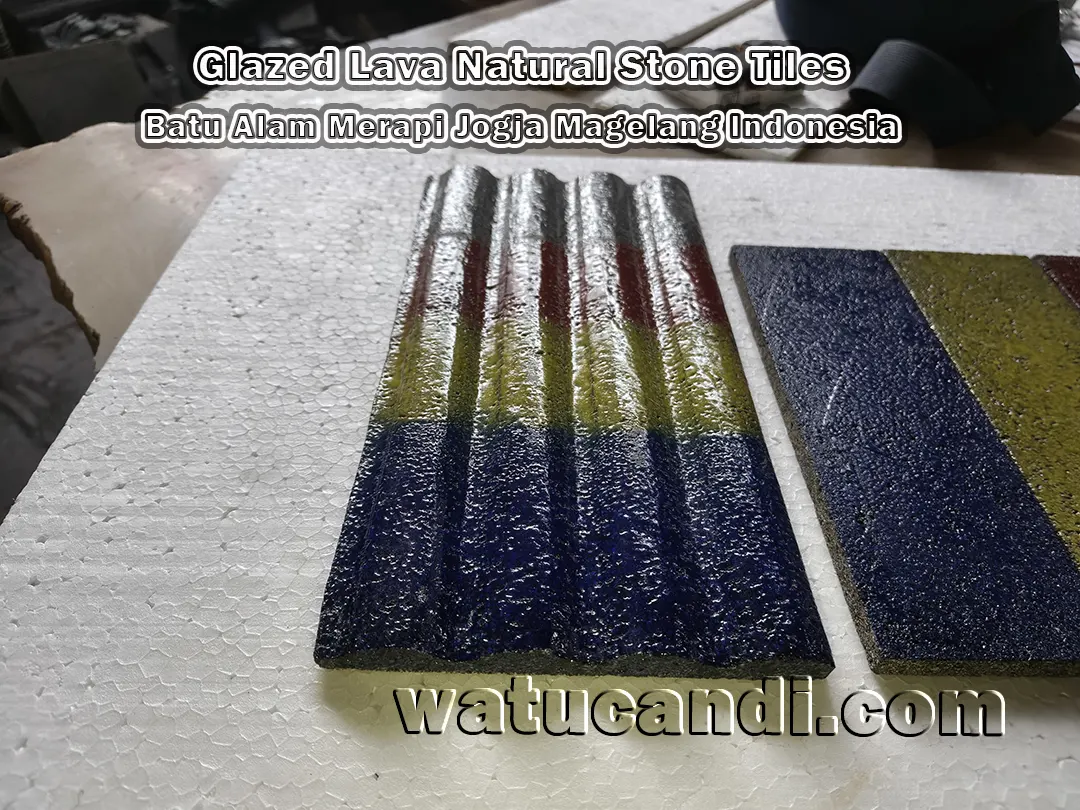
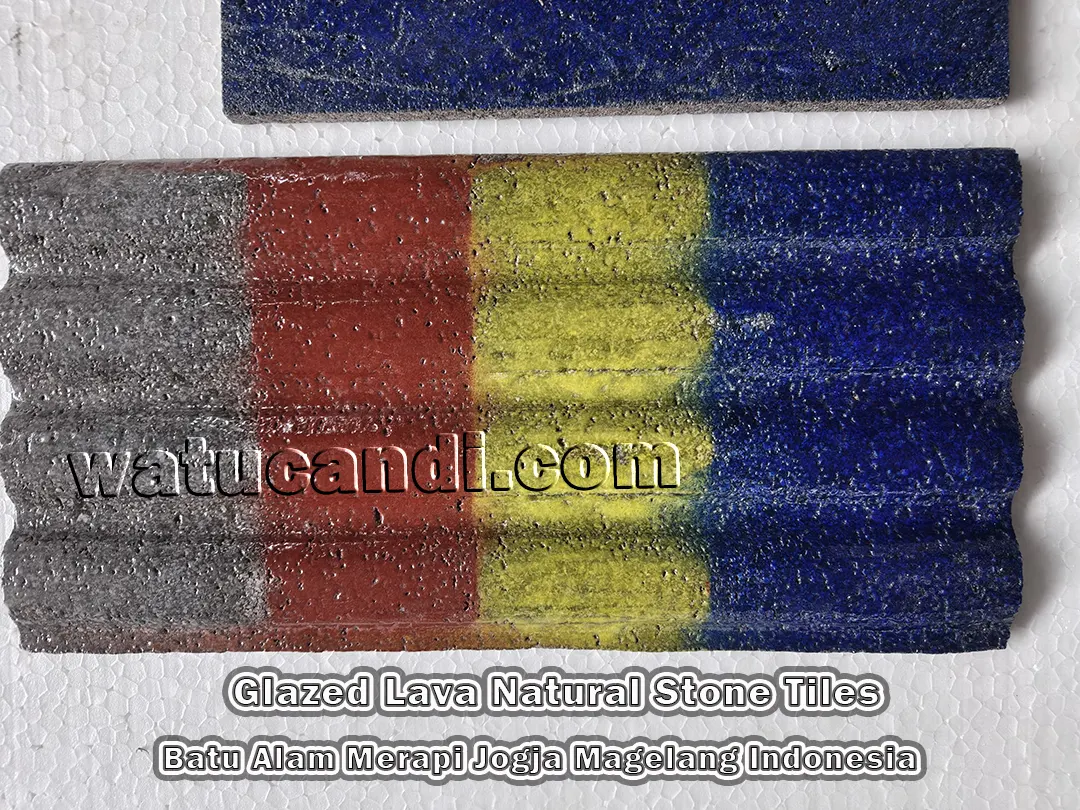
For further inspiration on wall decoration with volcanic stone, you can read the articles the 3D charm of Merapi lava stone for exclusive walls and the complete guide to black candi lava stone wall cladding. As an external reference on wall design trends, visit Architectural Digest.
2. Safe and Aesthetic Wet and Dry Area Flooring
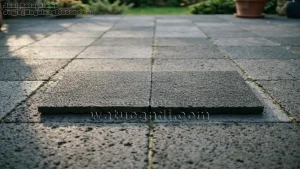
Although it has a glossy surface, the stone’s natural texture still provides good traction. The glaze layer makes it resistant to stains and moisture. This makes it a safe and beautiful choice for wet area floors (bathrooms, pool areas) and dry area floors (living rooms, terraces). For wet areas, it is recommended to use smaller sizes (such as 10×10 cm or 20×20 cm) to increase friction and reduce the risk of slipping. Learn more about premium 100x100mm lava stone tiles for safe and aesthetic wet areas.
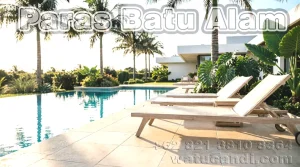
For swimming pool areas, you can see the special guide in the articles lava stone tiles for swimming pools and the complete guide to swimming pool coping stone tiles from premium natural materials for maximum aesthetics and safety. For wet area safety standards, you can refer to OSHA (Occupational Safety and Health Administration).
3. Creative Applications: Mosaics, Hexagonal, and Custom Motifs
Beyond conventional applications, this material can also be processed into mosaics, hexagonal tiles, or custom motifs to create a truly unique look. Volcanic stone mosaics are very suitable for swimming pool areas or bathroom accent walls, while hexagonal tiles give a modern geometric touch to floors or walls. For mosaic inspiration, visit the links natural lava stone mosaic with raised arrangement for interior and exterior wall cladding and hexagonal basalt volcanic natural stone geometric design innovation for exclusive walls and decorations.
Color and Model Combinations for Indoor & Outdoor Use
The color choices in glazed lava stone are very diverse, ranging from neutral to bold colors. For outdoor areas, dark colors such as black or gray give a majestic and weather-durable impression. Meanwhile, for indoor areas, brick red or yellow can be a stunning contemporary accent. You can see variations of 3D and mosaic models at the link 3D natural lava stone from Mount Merapi with temple, prism, and bamboo models that turn ordinary walls into architectural masterpieces.
Glazed Lava Stone Installation Guide: Step by Step
Proper installation is key to ensuring the beauty and durability of this material. Here is a step-by-step guide you can follow or pass on to your contractor:
- Surface Preparation: Make sure the wall or floor surface is clean, flat, and dry. Repair cracks or unevenness with plaster or leveling cement. For wet areas, apply a waterproofing layer first.
- Measurement and Planning: Measure the area to be installed and create a layout plan. Determine the starting point of installation to minimize cuts and ensure symmetry. For certain motifs (such as 3D or mosaic), follow the predetermined pattern.
- Adhesive Mixing: Use a special natural stone adhesive (thin-set mortar) mixed according to the manufacturer’s instructions. Avoid using ordinary cement because its adhesion is not strong enough for heavy stone.
- Tile Installation: Apply adhesive to the wall/floor surface and the back of the tile (double-glue method). Press the tile firmly and make sure it is level. Use spacers to maintain consistent grout lines, usually 2–5 mm depending on the design.
- Cutting: Use a wet grinder (wet saw) with a diamond blade to cut the stone. Wet cutting prevents dust and excessive heat that can damage the glaze.
- Grouting: After the adhesive dries (at least 24 hours), fill the joints with natural stone grout in a matching color. Clean excess grout with a damp sponge before it dries.
- Final Cleaning: After the grout dries, clean the surface with a microfiber cloth and a mild natural stone cleaner. Avoid acidic cleaners.
- Sealing (Optional): Although the glaze is already water-resistant, applying a special natural stone sealant to the grout can increase protection against stains and moisture, especially for wet areas and outdoors.
For more specific installation guidance, you can read the articles chiseled natural stone installation patterns and natural stone installation techniques for interior and exterior. As an external reference, you can refer to the Tile Council of North America (TCNA) for tile installation standards.
Glazed Lava Stone Care and Maintenance Tips
Although this material is known for its durability, proper care will extend its life and preserve its beauty. Here are some practical tips you can apply:
- Routine Cleaning: Clean the surface with a soft cloth or clean mop every week to remove dust and dirt. Avoid using abrasive materials such as wire brushes that can scratch the glaze layer.
- Handling Stubborn Stains: For stubborn stains such as oil or coffee, use a mixture of warm water and mild dish soap. Rinse with clean water and dry with a microfiber cloth.
- Avoid Harsh Chemicals: Do not use cleaners containing strong acids (such as HCl) or strong bases (such as NaOH) because they can damage the glaze layer and fade the color.
- Periodic Inspection: For outdoor areas, check the condition of the grout periodically. If there are cracks or peeling, repair them immediately to prevent water from seeping under the stone surface.
- Grout Care: Grout is the part most vulnerable to stains and moss. Clean the grout routinely with a soft brush and a special grout cleaner. Apply grout sealant every 1–2 years for outdoor areas.
- Avoid Heavy Loads: Although strong, avoid dropping heavy objects or dragging furniture without protection on the floor to prevent scratches.
For a more complete natural stone care guide, read the article complete guide to natural stone care: secrets to a luxurious look and durability for years. External references on natural stone care can be found at the Marble Institute of America.
Comparison of Glazed Lava Stone with Other Floor and Wall Materials
To provide a clearer picture, here is an in-depth comparison between this product and several other popular materials:
| Aspect | Glazed Lava Stone | Ordinary Ceramic | Natural Granite | Marble |
|---|---|---|---|---|
| Aesthetics | Natural texture + glaze sheen, unique and exotic | Uniform, tends to be monotonous | Natural pattern, but less glossy | Luxurious, natural veining, but relatively soft |
| Water Resistance | Very good (hydrophobic) | Good, but grout gets dirty easily | Good, but requires periodic sealing | Prone to stains and water |
| Scratch Resistance | Very high | Medium | High | Low |
| Maintenance | Easy, just a damp cloth | Easy | Requires special care | Requires intensive care |
| Price | Medium to high | Economical | Premium | Very premium |
| Application | Indoor & outdoor, wet & dry areas | Mainly indoor | Indoor & outdoor | Mainly indoor |
| Eco-Friendly | High (natural material, minimal chemical process) | Medium | Medium | Medium |
Case Studies: Glazed Lava Stone Applications in Various Projects
To provide a real picture of the potential of this material, here are several case studies of applications in various types of projects:
1. Modern Villa in Yogyakarta: Facade and Swimming Pool
A modern villa in Yogyakarta uses black glazed lava stone measuring 10×10 cm for the exterior facade and swimming pool area. As a result, the building facade looks majestic with an elegant sheen that contrasts with the tropical trees. The swimming pool area becomes safer because the glazed surface is not slippery when wet, and is easy to clean from moss and chlorine residue. For similar projects, you can see the collection basalt volcanic stone slabs lava stone for wall cladding and flooring.
2. Industrial Restaurant in Magelang: Accent Walls and Flooring
An industrial-concept restaurant in Magelang uses brick red and gray glazed lava tiles for accent walls and dining area floors. The combination of bold colors and 3D texture creates a warm and characterful atmosphere, while the glazed floor remains easy to clean from food and drink spills. For similar inspiration, see the link restaurant design with natural stone.
3. Spa Resort Bathroom in Bali: Luxurious Wet Area
A spa resort in Bali uses yellow and green glazed volcanic stone for the bathroom walls and floors. The glaze layer provides a luxurious and clean impression, while ensuring the wet area stays dry and not slippery. For bathroom projects, you can explore the collection glazed lava stone wall cladding measuring 100x100mm.
Sustainability and Eco-Friendly Aspects
In an era of growing environmental awareness, this product offers a sustainable solution. Merapi lava stone is an abundant natural material renewed through volcanic activity. Its production process is relatively waste-minimal because stones that do not meet standards can be reprocessed into other products (such as decorative stone or aggregate). In addition, the ceramic glaze layer does not contain volatile organic compounds (VOCs) that are harmful to health, making it safe for home interiors. By choosing this material, you not only get high quality but also contribute to environmental preservation and the empowerment of local craftsmen. To understand more about our commitment to sustainability, visit the link natural stone producer Jogja Magelang Indonesia. External references on green building can be found at the U.S. Green Building Council (USGBC).
Guide to Choosing the Right Glazed Lava Stone Product
With so many choices of models, sizes, and colors, choosing the right product can be a challenge. Here is a practical guide to help you:
- Match with Room Function: For wet areas such as bathrooms and swimming pools, choose small sizes (10×10 cm or 20×20 cm) with a surface that is not too slippery. For accent walls, choose 3D or mosaic models for a more dramatic visual effect.
- Consider Color and Lighting: Light colors (yellow, white) reflect light and make the room feel more spacious. Dark colors (black, gray) give a majestic impression and are suitable for large rooms or exteriors.
- Pay Attention to Thickness: For floors with heavy loads, choose a thickness of at least 10 mm. For walls, a thickness of 8–10 mm is sufficient.
- Check Glaze Quality: A good glaze surface should be flat, not wavy, and free of bubbles or fine cracks. You can check by touch and sight.
- Buy from a Trusted Manufacturer: Make sure you buy from a manufacturer with a good reputation and can provide a quality guarantee. Visit the link Merapi lava stone 75x230x8-11mm for exclusive wall cladding to see examples of our featured products.
Conclusion: A Long-Term Investment with Glazed Lava Stone
This material is not just a building material; it is a design statement. With the combination of the strength of Merapi volcanic stone and the beauty of ceramic glaze, this product is able to answer aesthetic and functional needs for wet, dry, indoor, and outdoor areas. Invest in quality materials for results that last a lifetime. With proper care and the right model selection, glazed lava stone will become a high-value architectural heritage for future generations.
For those of you who want to explore the characteristics and uniqueness of glazed lava stone, we have summarized them in the article the ultimate guide to Indonesian natural lava stone tiles. You can also explore our exclusive collection through the links the charm of candi lava stone tiles for your modern home and natural stone producer Jogja Magelang Indonesia.
glazed lava stone, wall cladding, wall decoration, wet area flooring, dry area flooring, outdoor, indoor, Merapi natural stone, lava tiles, ceramic glaze, candi stone, building material, interior design, exterior design, natural stone tiles, lava stone installation, lava stone maintenance, volcanic stone, tropical architecture, heat-resistant material,