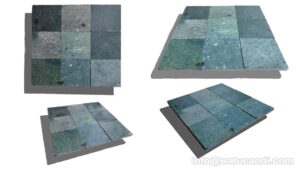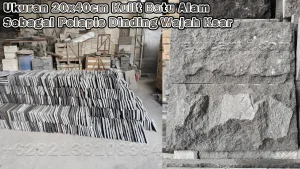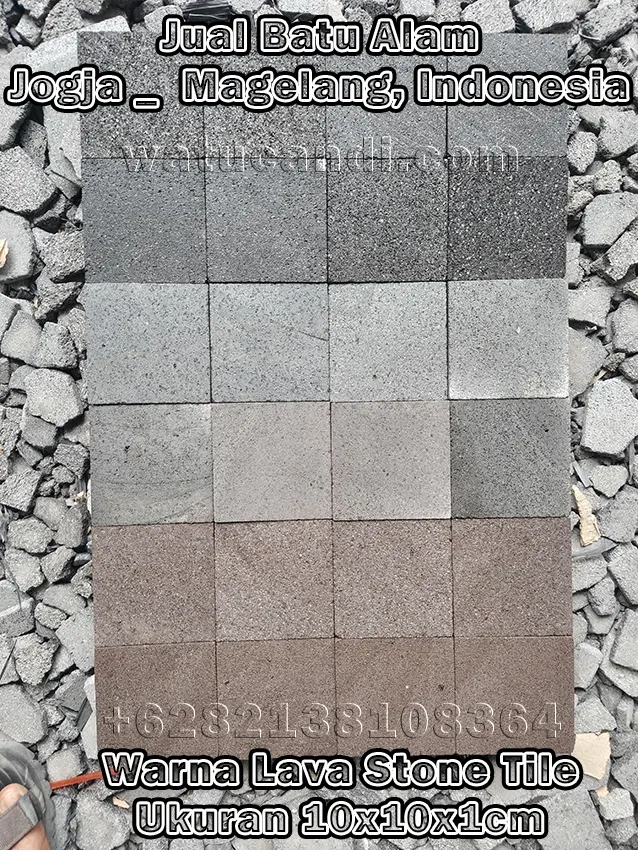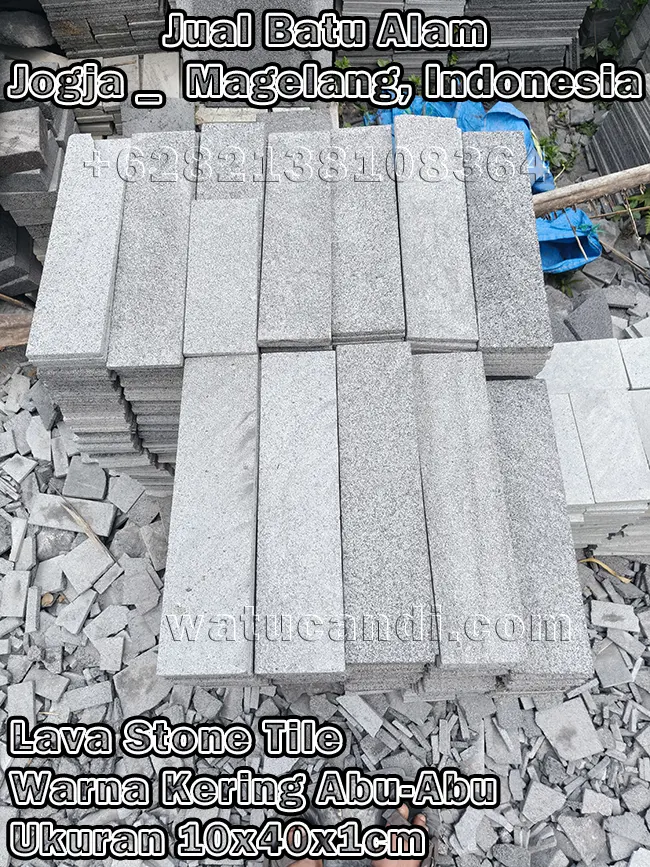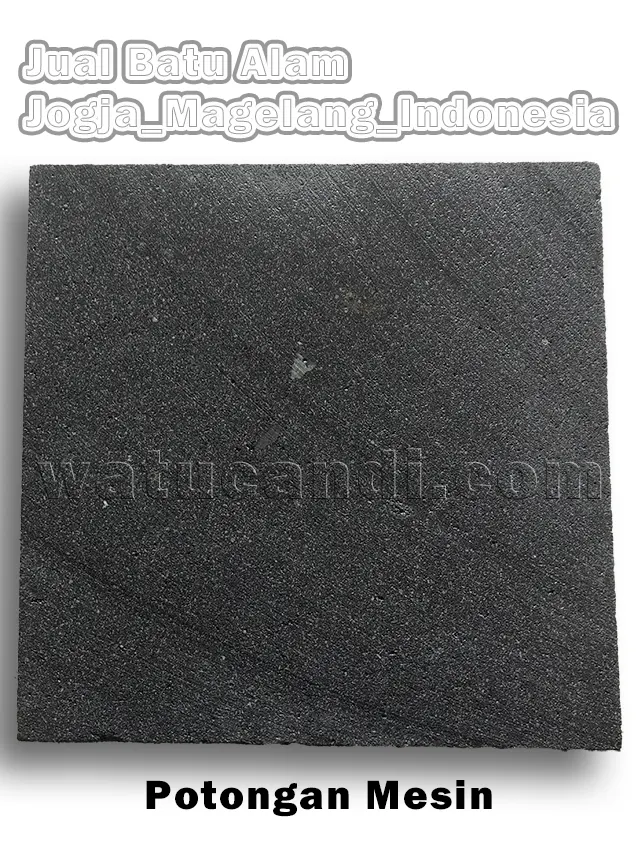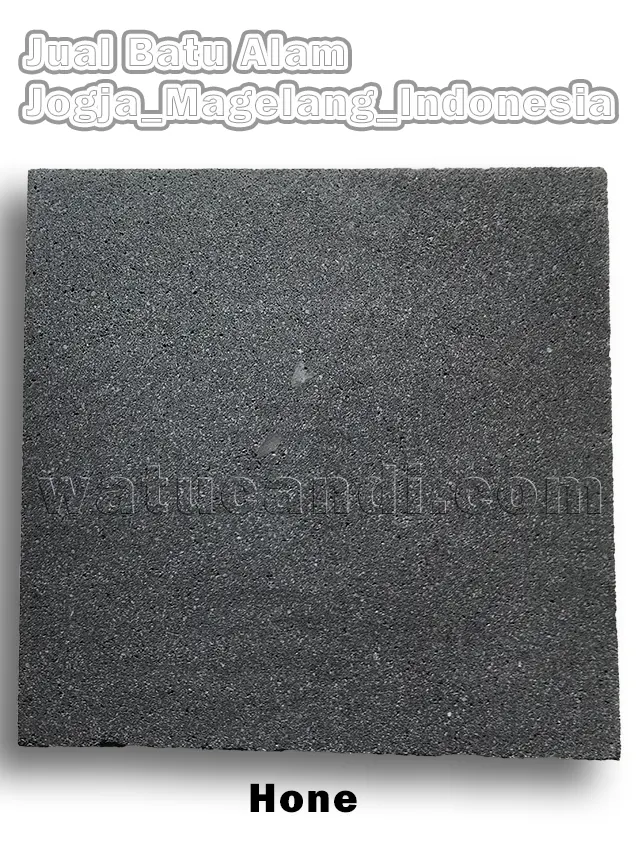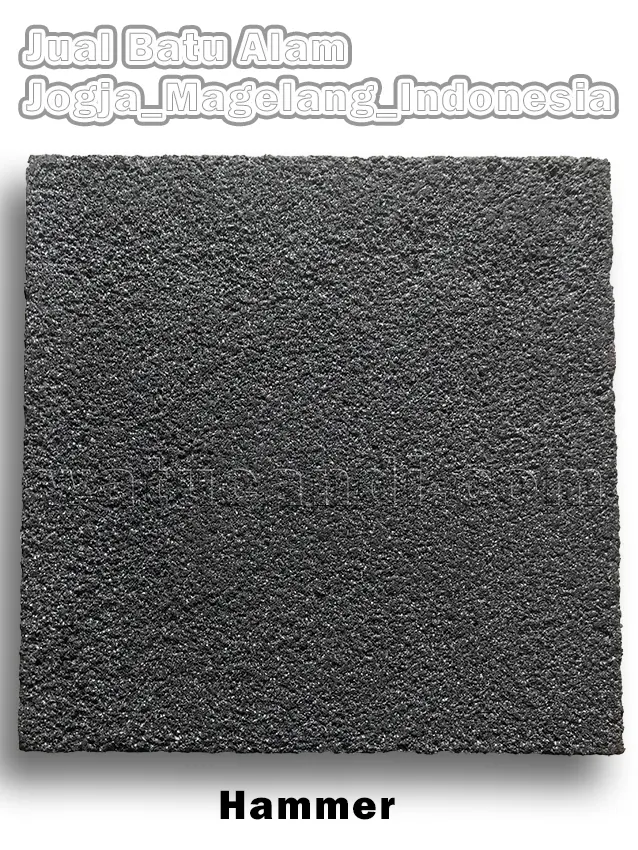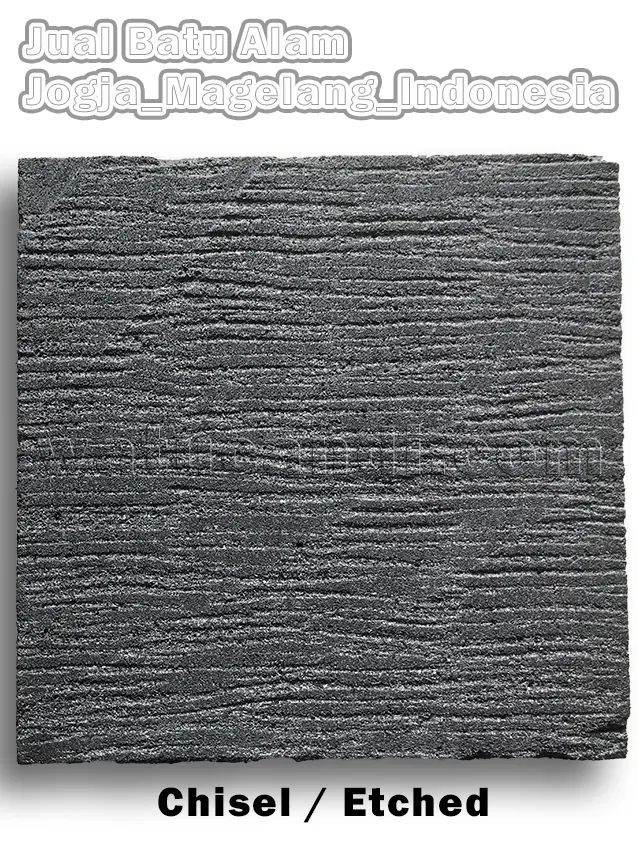
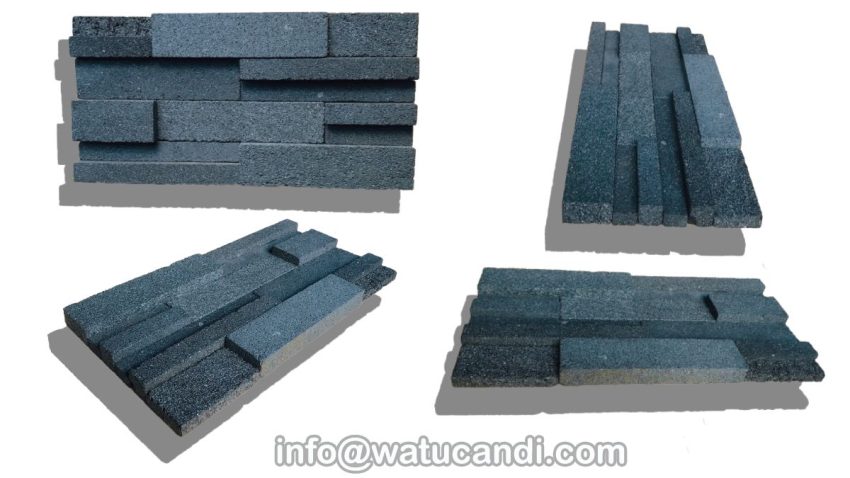
In the realm of architectural design and interior decoration, few materials possess the raw power, historical depth, and aesthetic versatility of natural stone. Among these, Candi (lava) natural stone mosaic stands out as a premier choice for designers, architects, and homeowners who seek to infuse their spaces with organic warmth, timeless elegance, and unparalleled durability. Sourced from the fertile volcanic slopes of Mount Merapi in Indonesia, Candi stone is not merely a building material; it is a geological artifact that carries the story of the earth’s fiery origins into modern living spaces.
This comprehensive guide delves deep into the world of Candi stone mosaics. We will explore its geological formation, the intricate craftsmanship involved in its creation, the myriad of patterns available, and the technical nuances of installation and maintenance. Whether you are designing a luxurious villa, a serene spa, a bustling commercial restaurant, or a cozy family home, understanding the potential of Candi stone mosaic will empower you to make informed decisions that elevate your property’s value and aesthetic appeal. Join us on this journey through texture, color, and form as we uncover why Candi lava stone remains an enduring favorite in global design trends.
List;
- Introduction to Candi (Lava) Stone Mosaic
- The Geological Origins: From Mount Merapi to Your Wall
- Unique Characteristics of Candi Lava Stone
- The Artisan Craftsmanship Behind Every Mosaic
- Types and Patterns: A Visual Symphony
- Design Applications: Where to Use Candi Mosaic
- Interior Design Inspiration by Room
- Exterior Applications: Durability Meets Beauty
- Commercial and Hospitality Uses
- Comprehensive Installation Guide
- Maintenance and Care: Preserving the Beauty
- Comparison with Other Wall Materials
- Sustainability and Environmental Impact
- Common Mistakes and How to Avoid Them
- Why Choose Our Candi Stone Mosaic?
- Conclusion
Introduction to Candi (Lava) Stone Mosaic
Candi stone mosaic is a sophisticated wall covering composed of small, hand-cut pieces of authentic volcanic stone mounted on a flexible mesh backing. This innovative format allows for easy installation while preserving the natural irregularities and textures that make each piece unique. Unlike mass-produced ceramic or porcelain tiles, which offer uniformity and repetition, Candi stone mosaic celebrates individuality. No two sheets are exactly alike, ensuring that every wall covered in this material becomes a one-of-a-kind work of art.
The term “Candi” refers to the ancient temples of Java, many of which were constructed using similar volcanic stones. This historical connection imbues the material with a sense of heritage and timelessness. When used in modern interiors, Candi stone bridges the gap between the ancient and the contemporary, offering a tactile link to the past while serving functional present-day needs. The stone’s natural porosity, varied color palette, and rugged texture create an atmosphere that is both grounding and inspiring.
The popularity of Candi stone mosaic has surged in recent years, driven by a global design trend toward biophilic design integrating natural elements into built environments to improve well-being. Homeowners and businesses alike are seeking materials that not only look good but also feel good, promoting a sense of calm and connection to nature. Candi stone, with its earthy tones and organic forms, perfectly embodies this philosophy. For those interested in exploring the raw beauty of this material, we invite you to view our collection of Candi lava stone products.
The Geological Origins: From Mount Merapi to Your Wall
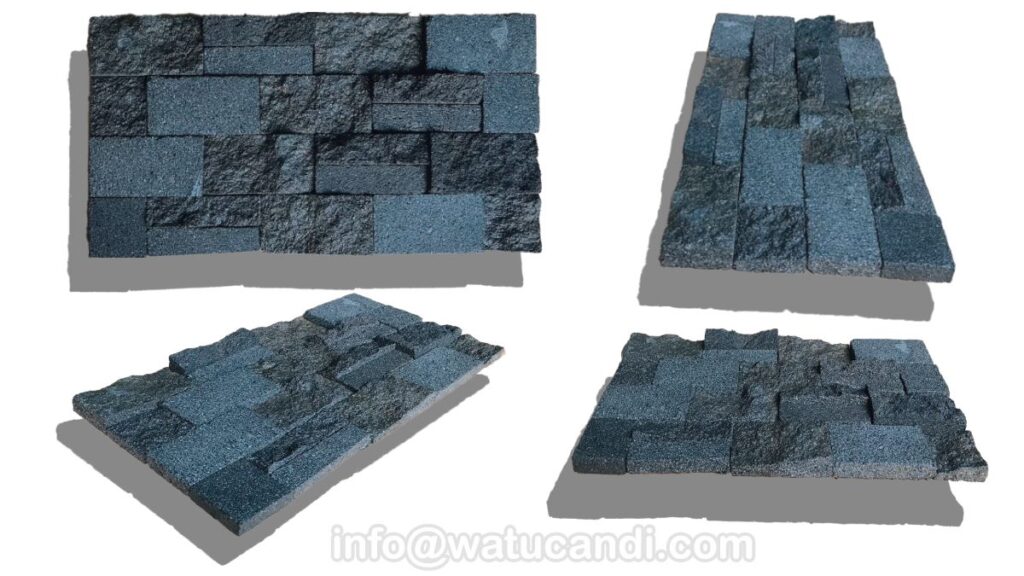
To truly appreciate the quality and character of Candi stone mosaic, one must understand its origins. The stone is sourced from the slopes of Mount Merapi, one of the most active volcanoes in the world, located in Central Java, Indonesia. The frequent eruptions of Mount Merapi have deposited layers of volcanic material lava, ash, sand, and rock over thousands of years. These deposits have undergone a natural process of lithification, where pressure and mineralization transform loose volcanic debris into solid rock.
This geological process is slow and complex, resulting in stone with unique properties. The rapid cooling of lava creates a fine-grained structure, while the inclusion of volcanic ash and other minerals introduces variations in color and texture. Some parts of the stone are dense and hard, ideal for structural applications, while others are more porous and softer, making them easier to carve and shape into intricate mosaic patterns. This natural variability is what gives Candi stone its distinctive charm and makes it impossible to replicate artificially.
The mining and extraction of Candi stone are conducted with care to minimize environmental impact. Local artisans and quarry workers select blocks of stone that exhibit the desired characteristics for mosaic production. These blocks are then transported to workshops where they are cut, shaped, and assembled into mosaic sheets. The entire process, from quarry to final product, supports local communities and preserves traditional stone-working skills that have been passed down through generations. For a deeper look at the source material, explore our page on black lahar stone and its volcanic origins.
The connection to Mount Merapi is not just geological but also cultural. In Javanese culture, the mountain is considered sacred, and the stone derived from it is believed to carry positive energy. Using Candi stone in your home or business is akin to inviting a piece of this spiritual landscape into your daily life. It adds a layer of meaning and depth to the design, transforming a simple wall into a statement of respect for nature and tradition.
Unique Characteristics of Candi Lava Stone
Candi lava stone possesses several distinct characteristics that set it apart from other natural stones and synthetic materials. Understanding these traits is essential for maximizing its potential in your design projects.
- Natural Color Variations: The primary colors of Candi stone range from deep black and charcoal gray to dark brown and rusty red. These hues are not dyed or painted but are inherent to the stone itself, resulting from the mineral content and oxidation processes during its formation. Over time, exposure to air and light may cause slight changes in color, adding to the stone’s evolving character.
- Porous Texture: Candi stone is naturally porous, with tiny holes and pits visible on its surface. This porosity contributes to its rustic appearance and provides a non-slip surface, making it safe for wet areas. However, it also means the stone can absorb liquids, so sealing is recommended for stain resistance. The texture can vary from fine and smooth to coarse and rugged, depending on the specific layer of the volcano from which it was sourced.
- Thermal Properties: As a volcanic rock, Candi stone has excellent thermal mass. It absorbs heat during the day and releases it slowly at night, helping to regulate indoor temperatures. This makes it an energy-efficient choice for buildings in tropical climates, reducing the need for artificial cooling.
- Acoustic Benefits: The irregular surface and porous nature of Candi stone mosaic help to absorb sound, reducing echo and noise levels in a room. This makes it an ideal material for spaces where acoustic comfort is important, such as living rooms, offices, and restaurants.
- Durability and Strength: Despite its relatively soft texture compared to basalt, Candi stone is highly durable. It resists weathering, UV radiation, and physical impact, making it suitable for both interior and exterior applications. With proper care, a Candi stone mosaic wall can last for decades without significant deterioration.
These characteristics make Candi stone a versatile material that can adapt to various design styles. Whether you are aiming for a rustic, industrial, modern, or tropical aesthetic, Candi stone mosaic can be tailored to meet your vision. For more insights into the properties of volcanic stone, visit our guide on lava stone basics.
The Artisan Craftsmanship Behind Every Mosaic
The creation of Candi stone mosaic is a labor-intensive process that relies heavily on skilled human craftsmanship. Unlike machine-made tiles, each piece of Candi mosaic is cut, shaped, and arranged by hand. This artisanal approach ensures that every mosaic sheet retains the natural imperfections and variations that define its character.
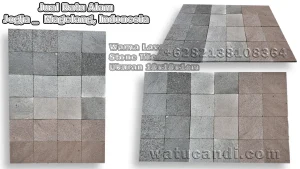
The process begins with the selection of high-quality stone blocks. Artisans inspect each block for color consistency, texture, and structural integrity. Only the best sections are chosen for mosaic production. The selected blocks are then cut into smaller chips using diamond-tipped saws. The size and shape of these chips vary depending on the desired pattern, ranging from small, uniform squares to irregular, organic shapes.
Once the chips are cut, they are sorted by color and texture. This sorting process is crucial for achieving the desired visual effect. For example, in a random arrangement, artisans mix chips of different sizes and colors to create a natural, unstructured look. In geometric patterns, precision is key, and chips are carefully selected to ensure uniformity and alignment.
The sorted chips are then glued onto a flexible mesh backing. This step requires great attention to detail, as the spacing between the chips must be consistent to allow for grouting later. The mesh backing not only holds the stones in place but also makes installation easier, as the entire sheet can be applied to the wall at once. After the adhesive dries, the mosaic sheets are inspected for quality and packed for shipping. This meticulous process ensures that every sheet of Candi stone mosaic meets high standards of quality and aesthetics. To see more examples of handcrafted stone work, check out our 3D Merapi stone collections.
Types and Patterns: A Visual Symphony
Candi stone mosaic is available in a variety of patterns, each offering a different visual and tactile experience. The choice of pattern can significantly influence the overall look and feel of a space. Here are the most popular types:
1. Raised Pattern (RTM – Raisé Tile Mosaic)
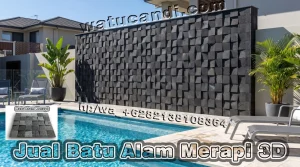
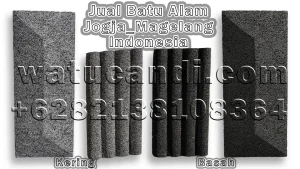
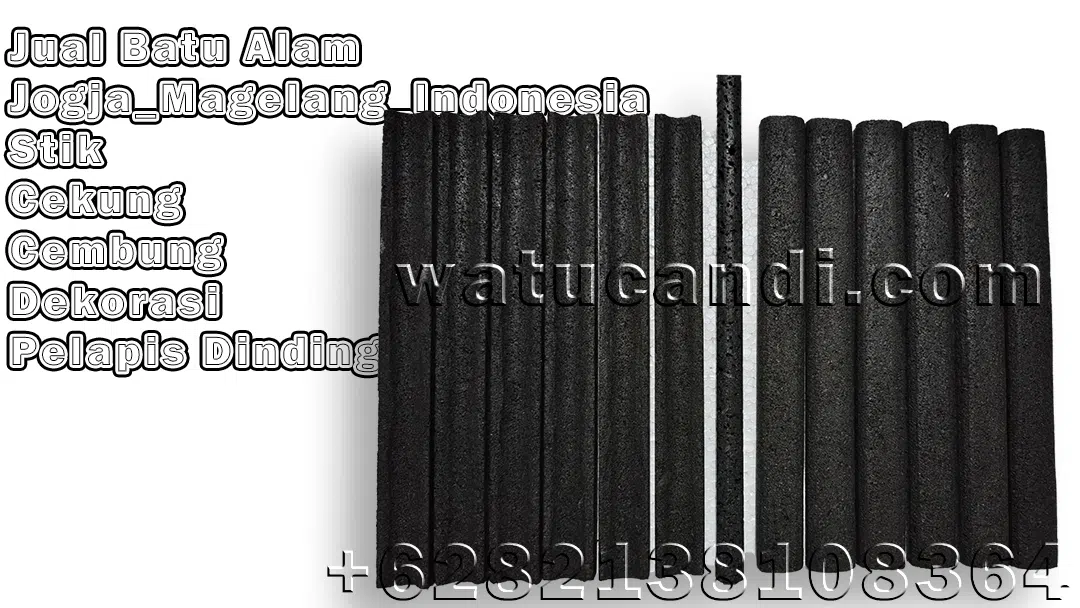
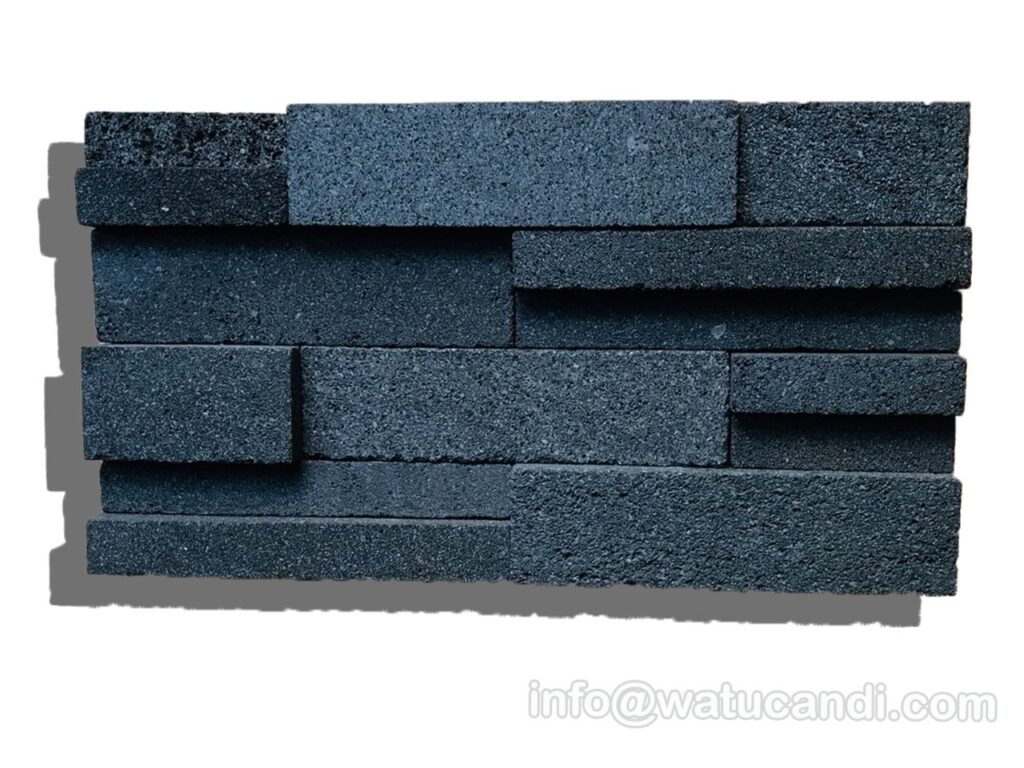
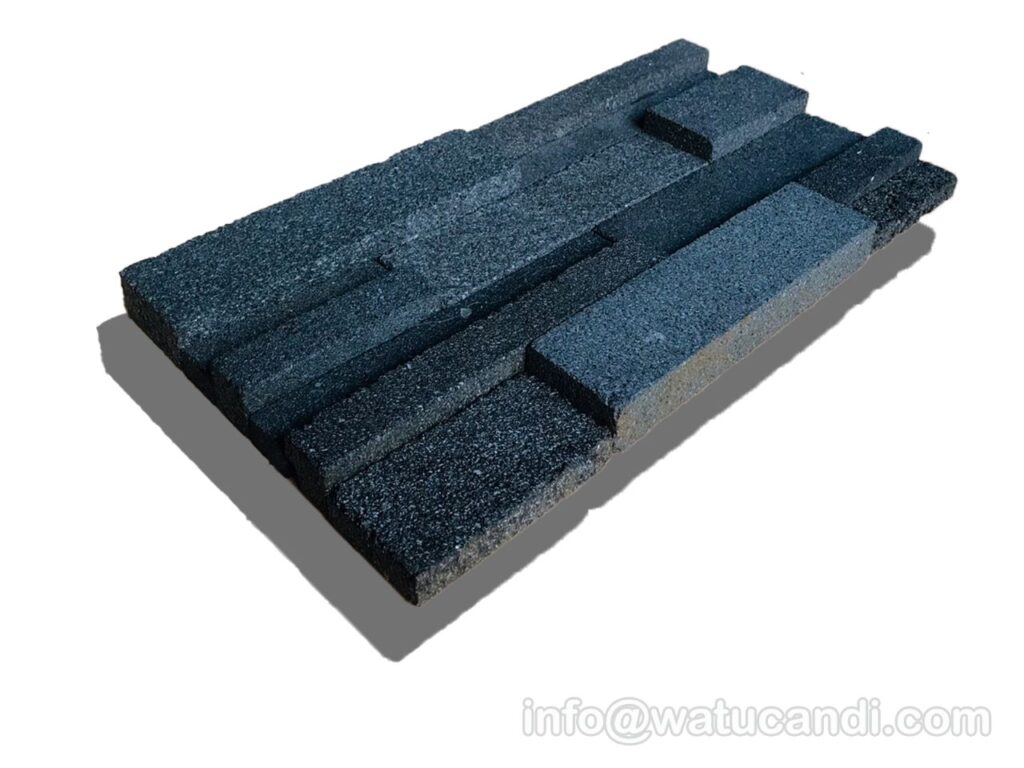
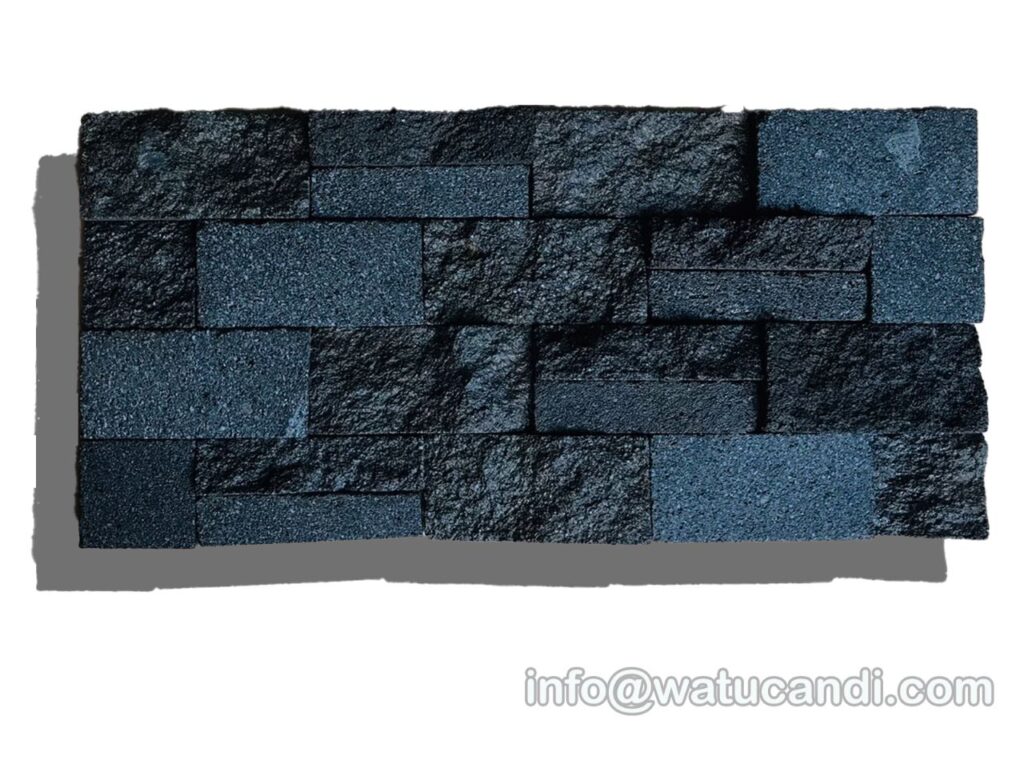
The raised pattern, known locally as RTM, features stone pieces that protrude outward from the wall surface at varying heights. This three-dimensional effect creates dramatic shadows and highlights, adding depth and movement to the wall. The irregular surface catches light from different angles, creating a dynamic visual experience that changes throughout the day. RTM mosaics are ideal for accent walls, feature walls, and spaces where you want to make a bold statement. They are particularly effective in living rooms, lobbies, and entryways. For similar textured effects, explore our random Candi lava stone skins.
2. Flat Pattern (RTA – Raisé Tile Arrangement)
In contrast to the raised pattern, the flat pattern (RTA) features stone pieces that are cut and installed flush with the wall surface. This creates a smooth, even finish that is modern and minimalist. RTA mosaics are easier to clean and maintain, making them suitable for bathrooms, kitchens, and high-traffic areas. The flat surface also provides a sleek backdrop for furniture and decor, allowing other elements in the room to shine. This pattern pairs well with tumbled finish stones for a cohesive, refined look.
3. Combination Pattern (RTA + RTM)
The combination pattern merges flat and raised elements within the same mosaic sheet. This hybrid approach offers the best of both worlds: the sleekness of flat stones and the drama of raised stones. The contrast in textures creates a unique visual rhythm that is both sophisticated and playful. Combination patterns are often used to create focal points in large spaces, such as behind a bed headboard, above a fireplace, or in a dining area. They add interest without overwhelming the space.
4. Geometric Patterns
Geometric patterns involve arranging stone pieces into specific shapes, such as hexagons, herringbones, chevrons, or diamonds. These patterns require high precision in cutting and installation, as any misalignment is immediately visible. Geometric mosaics add a sense of order and structure to a space, making them ideal for modern and contemporary designs. They are often used in luxury interiors, boutiques, and high-end hotels. For precise geometric layouts, refer to our guide on carved stone installation patterns.
5. Natural Random Arrangement
The natural random arrangement features stone pieces of various sizes and shapes placed without a specific pattern. This style emphasizes the organic beauty of the stone, creating a rustic and earthy feel. Random mosaics are widely used in outdoor areas, garden walls, and tropical-themed interiors. They blend seamlessly with natural surroundings, enhancing the connection between the built environment and nature. This arrangement complements natural Sirih stone arrangements beautifully.
Design Applications: Where to Use Candi Mosaic
The versatility of Candi stone mosaic allows it to be used in a wide range of applications, from residential homes to commercial establishments. Its durability, aesthetic appeal, and ease of maintenance make it a practical choice for almost any space. Below, we explore some of the most popular design applications.
Interior Design Inspiration by Room
Transforming your interior spaces with Candi stone mosaic can elevate the ambiance and functionality of each room. Here is how you can incorporate this material into different areas of your home:
Living Room
The living room is often the heart of the home, a place for relaxation and socializing. Using Candi stone mosaic as a feature wall behind the television or sofa can create a stunning focal point. The raised pattern (RTM) adds depth and texture, making the wall a conversation starter. Pair the dark tones of the stone with light-colored furniture and warm lighting to create a balanced and inviting atmosphere. The acoustic benefits of the stone also help to reduce noise, enhancing comfort during movie nights or gatherings.
Bedroom
In the bedroom, Candi stone mosaic can be used to create a serene and grounding environment. A flat pattern (RTA) behind the headboard provides a sleek and modern look, while a combination pattern adds subtle interest. The natural colors of the stone promote relaxation and sleep, while its thermal properties help to keep the room cool. Consider using softer lighting to highlight the texture of the stone without creating harsh shadows.
Bathroom
Bathrooms are ideal for Candi stone mosaic due to its water-resistant and non-slip properties. Use flat mosaics in shower areas for easy cleaning and safety. The natural texture of the stone adds a spa-like feel, transforming your bathroom into a personal retreat. Pair the stone with wooden accents and green plants to enhance the tropical vibe. For more ideas on bathroom designs, explore our lava stone for swimming pools which shares similar waterproofing principles.
Kitchen
A Candi stone mosaic backsplash in the kitchen adds a touch of rustic charm and practicality. The stone is heat-resistant and easy to wipe clean, making it perfect for areas behind stoves and sinks. The dark colors of the stone hide stains and smudges, reducing the frequency of cleaning. Combine the mosaic with stainless steel appliances and wooden cabinets for a harmonious blend of industrial and natural elements.
Home Office
In a home office, Candi stone mosaic can help create a focused and professional environment. The acoustic properties of the stone reduce echo and distractions, improving concentration. A flat pattern on the wall behind your desk provides a clean and organized backdrop for video calls. The natural elements of the stone also contribute to a calming atmosphere, reducing stress and boosting productivity.
Exterior Applications: Durability Meets Beauty
Candi stone mosaic is not limited to interior use; its durability and weather resistance make it an excellent choice for exterior applications. Here are some ways to use it outdoors:
- Facades: Cladding the exterior walls of your home with Candi stone mosaic adds texture and character. The stone’s ability to withstand extreme weather conditions ensures that your facade remains beautiful for years. Explore exterior lava stone designs for inspiration.
- Garden Walls: Use random arrangement mosaics on garden walls to blend with the natural surroundings. The rustic look of the stone complements plants and trees, creating a seamless transition between the built and natural environments.
- Fences and Gates: Candi stone mosaic can be used to clad fences and gates, adding security and style. The dark colors of the stone provide a strong visual boundary, while the texture adds interest.
- Pillars and Columns: Highlight architectural features like pillars and columns with Candi stone mosaic. The raised pattern adds dimension, making these structures stand out.
- Outdoor Kitchens and BBQ Areas: Create a durable and stylish outdoor kitchen with Candi stone mosaic backsplashes and countertops. The stone is heat-resistant and easy to clean, making it practical for cooking areas.
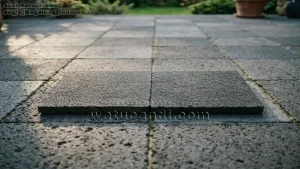
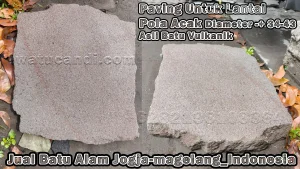
For outdoor flooring that complements these walls, consider our Merapi natural stone outdoor floors. The combination of wall and floor creates a cohesive outdoor living space.
Commercial and Hospitality Uses
Businesses in the hospitality and retail sectors increasingly use Candi stone mosaic to create memorable experiences for customers. The material’s unique aesthetic and durability make it ideal for high-traffic commercial spaces.
- Restaurants and Cafes: Use Candi stone mosaic to create warm and inviting dining areas. The acoustic benefits reduce noise levels, enhancing customer comfort. Feature walls with raised patterns can serve as Instagram-worthy backdrops.
- Hotels and Resorts: In lobbies, corridors, and guest rooms, Candi stone mosaic adds a touch of luxury and exclusivity. The natural materials align with eco-friendly branding, appealing to conscious travelers.
- Spas and Wellness Centers: The calming colors and textures of Candi stone promote relaxation and well-being. Use flat mosaics in treatment rooms for a clean and serene look.
- Retail Stores and Boutiques: Use geometric patterns to create modern and stylish display areas. The unique texture of the stone draws attention to products, enhancing the shopping experience.
- Offices and Co-working Spaces: Create professional and inspiring work environments with Candi stone mosaic. The material’s durability ensures it can withstand heavy use, while its aesthetic appeal boosts employee morale.
Comprehensive Installation Guide
Proper installation is crucial for ensuring the longevity and beauty of your Candi stone mosaic. While professional installation is recommended, understanding the process can help you supervise the work or undertake a DIY project with confidence.
Tools and Materials Preparation
Before starting, gather the necessary tools and materials: special natural stone adhesive (thinbed mortar), notched trowel, spirit level, measuring tape, pencil, diamond disc grinder, rubber spatula, matching color grout, cleaning cloth, sponge, and a bucket of water. Ensure you have enough mosaic sheets to cover the area, plus an extra 10% for cuts and waste.
1. Wall Surface Preparation
The wall surface must be clean, dry, and even. Remove any existing paint, wallpaper, or loose plaster. If the wall is uneven, apply a skim coat to create a flat surface. An uneven wall will result in poor adhesion and an unsightly finish. Allow the skim coat to dry completely before proceeding.
2. Determining the Starting Point and Layout
Measure the wall and plan the layout. Start from the center of the wall for symmetry, or from a prominent corner if the wall has irregularities. Lay out the mosaic sheets on the floor to visualize the pattern and make any necessary adjustments. Mark the starting point on the wall with a pencil.
3. Adhesive Application
Mix the adhesive according to the manufacturer’s instructions. Apply it to the wall using a notched trowel, maintaining an even thickness of 1–3 mm. Work in small sections to prevent the adhesive from drying before the mosaic is installed. Press the adhesive firmly into the wall to ensure good coverage.
4. Attaching the Mosaic Sheets
Carefully place the first mosaic sheet on the adhesive, aligning it with your marked starting point. Press gently with your hand or a wooden block covered with cloth to ensure even contact. Use a spirit level to check for vertical and horizontal alignment. Continue attaching subsequent sheets, leaving a small gap between them for grouting. For detailed techniques, refer to guides on Sirih stone surface arrangements.
5. Cutting and Adjustments
For corners, edges, and around outlets, cut the mosaic sheets using a diamond disc grinder or ceramic cutter. Measure carefully and cut slowly to avoid cracking the stone. Wear safety goggles and a mask when cutting to protect yourself from dust.
6. Grouting
Allow the adhesive to cure for at least 24 hours. Then, mix the grout according to the instructions. Apply the grout using a rubber spatula, pressing it firmly into the gaps between the stones. Wipe away excess grout with a damp sponge. Choose a grout color that complements the stone: a matching color for a seamless look, or a contrasting color to highlight the pattern.
7. Final Cleaning
After the grout has set but before it fully hardens, clean the stone surface with a damp sponge to remove any haze. Be careful not to dislodge the grout from the joints. Once the grout is completely dry, polish the surface with a clean, dry cloth to restore the stone’s natural shine.
Maintenance and Care: Preserving the Beauty
Candi stone mosaic is low-maintenance, but regular care is essential to keep it looking its best. Follow these guidelines to preserve the beauty and integrity of your stone walls:
- Regular Cleaning: Dust the surface weekly with a feather duster or vacuum with a soft brush attachment. For deeper cleaning, wipe with a damp cloth and a mild, pH-neutral soap. Avoid abrasive cleaners that can scratch the stone.
- Stain Removal: Clean spills immediately to prevent staining. For tough stains, use a paste of baking soda and water. Apply the paste to the stain, let it sit for a few minutes, then wipe away with a damp cloth.
- Sealing: Apply a water-based natural stone sealer every 1–2 years. Sealing fills the pores of the stone, preventing water and oil from penetrating. Choose a sealer that does not alter the natural color of the stone. Test the sealer on a small, inconspicuous area first.
- Moss and Mold Prevention: In damp or outdoor areas, ensure good air circulation to prevent moss and mold growth. If moss appears, clean it with a nylon brush and a solution of one part vinegar to three parts water. Rinse thoroughly with clean water.
- Avoid Harsh Chemicals: Do not use cleaners containing hydrochloric acid, ammonia, or bleach. These chemicals can damage the stone surface and cause discoloration.
By following these simple care instructions, your Candi stone mosaic will remain beautiful and durable for many years. For more tips on maintaining natural stone, visit our guide on volcanic stone care.
Comparison with Other Wall Materials
Choosing the right wall material involves considering aesthetics, durability, maintenance, and cost. Here is how Candi stone mosaic compares to other popular options:
| Material | Advantages | Disadvantages |
|---|---|---|
| Candi Stone Mosaic | Natural, durable, unique aesthetics, eco-friendly, acoustic benefits | Higher initial cost, requires skilled installation |
| Regular Ceramic | Affordable, wide pattern variety, easy installation | Lacks natural feel, prone to breaking, repetitive patterns |
| Exposed Brick | Industrial look, strong, fire-resistant | Heavy, requires finishing, limited stylistic flexibility |
| Wall Paint | Economical, unlimited colors, quick application | Prone to dirt, less durable, requires frequent repainting |
| Wallpaper | Decorative patterns, easy replacement | Not waterproof, tears easily, unsuitable for damp areas |
| Wood Paneling | Warm, natural look, good insulation | Susceptible to moisture and pests, requires regular maintenance |
Candi stone mosaic offers a unique combination of natural beauty, durability, and low maintenance that is difficult to match with other materials. While the initial investment may be higher, the long-term value and aesthetic appeal make it a worthwhile choice.
Sustainability and Environmental Impact
In an era of increasing environmental awareness, choosing sustainable building materials is more important than ever. Candi stone mosaic is an eco-friendly option for several reasons:
- Natural Material: Candi stone is 100% natural, containing no synthetic chemicals or harmful additives. It is safe for indoor air quality and does not emit volatile organic compounds (VOCs).
- Low Energy Production: The production process for Candi stone mosaic requires less energy compared to manufacturing ceramic or porcelain tiles. The stone is cut and shaped using mechanical methods, with minimal heating or chemical processing.
- Durability: The long lifespan of Candi stone reduces the need for replacement, minimizing waste. A well-installed mosaic can last for decades, reducing the environmental impact of frequent renovations.
- Local Sourcing: Sourcing Candi stone from local quarries in Indonesia reduces transportation emissions and supports local economies. By choosing locally sourced materials, you contribute to sustainable development practices.
- Recyclability: At the end of its life, Candi stone can be crushed and reused as aggregate for construction projects, reducing landfill waste.
By choosing Candi stone mosaic, you are making a responsible choice that benefits both your home and the planet. For more information on sustainable stone options, explore our guide to natural limestone and travertine.
Common Mistakes and How to Avoid Them
Even with the best intentions, mistakes can happen during installation. Being aware of common pitfalls can help you avoid costly errors:
- Uneven Wall Surface: Installing mosaic on an uneven wall leads to poor adhesion and an unsightly finish. Always prepare the wall properly by plastering and skim-coating until it is perfectly flat.
- Incorrect Adhesive Thickness: Using too little adhesive causes the mosaic to detach, while too much causes uneven positioning. Use the recommended notched trowel size to ensure consistent adhesive thickness.
- Delayed Grout Cleaning: Allowing grout to dry on the stone surface leaves permanent white stains. Clean the surface immediately after grouting with a damp sponge.
- Ignoring Expansion Gaps: In large or outdoor areas, thermal expansion can cause cracks if expansion gaps are not left. Leave a small gap every few meters to accommodate movement.
- Using Wrong Sealers: Using oil-based sealers can darken the stone and alter its natural color. Always use water-based sealers designed for natural stone.
Why Choose Our Candi Stone Mosaic?
At Watu Candi, we are passionate about bringing the beauty of Indonesian natural stone to the world. As a leading producer and supplier of Candi stone mosaic, we are committed to quality, craftsmanship, and customer satisfaction. Here is why you should choose our products:
- Premium Quality: We source our stone from the best quarries in Mount Merapi, ensuring high quality and consistency. Each piece is carefully selected and inspected for defects.
- Skilled Craftsmanship: Our artisans are experts in stone working, with years of experience in creating intricate mosaic patterns. Their skill ensures that every sheet meets our high standards.
- Wide Variety: We offer a wide range of patterns, sizes, and finishes to suit every design need. From classic raised patterns to modern geometric designs, we have something for everyone.
- Customization: We offer custom services for unique projects. Whether you need a specific pattern, color, or size, we can tailor our products to your requirements. Explore our Borobudur Candi stone custom options.
- Competitive Pricing: We offer competitive prices without compromising on quality. Our direct-from-quarry model allows us to keep costs low while maintaining high standards.
- Excellent Customer Service: Our team is dedicated to helping you find the perfect solution for your project. We provide expert advice, technical support, and after-sales service to ensure your satisfaction.
- Sustainable Practices: We are committed to sustainable mining and production practices. We strive to minimize our environmental impact and support local communities.
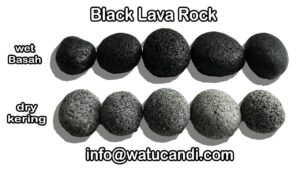
We invite you to explore our full range of products, including black Candi lava stone, Sukabumi green stone, and Brecciary stone tiles. Whether you are a homeowner, designer, or contractor, we are here to help you create beautiful and lasting spaces.
Do not settle for ordinary walls. Transform your space with the timeless elegance of Candi stone mosaic. Contact us today to request a sample, get a quote, or schedule a consultation. Let us help you bring your vision to life with the natural beauty of Mount Merapi.
Conclusion
Candi (lava) natural stone mosaic is more than just a wall covering; it is a celebration of nature’s artistry and human craftsmanship. From its geological origins in Mount Merapi to its final installation in your home or business, every step of the journey adds value and meaning to the material. Its unique characteristics natural color variations, porous texture, thermal properties, and durability make it a versatile and practical choice for a wide range of applications.
Whether you are drawn to the dramatic depth of raised patterns, the sleek simplicity of flat mosaics, or the organic charm of random arrangements, Candi stone offers endless possibilities for creative expression. It enhances interior spaces with warmth and texture, withstands the elements in exterior applications, and elevates commercial environments with its exclusive appeal.
By choosing Candi stone mosaic, you are investing in a material that is not only beautiful and durable but also sustainable and eco-friendly. You are supporting local artisans and communities, preserving traditional skills, and reducing your environmental footprint. And with proper care and maintenance, your Candi stone walls will remain a source of pride and joy for many years to come.
We encourage you to take the next step in your design journey. Visit our showroom, browse our online catalog, or contact our team for personalized advice. Let the natural beauty of Candi stone inspire your next project. Discover the difference that authentic, handcrafted natural stone can make in your space. Welcome to the world of Watu Candi, where nature and artistry converge.
Candi lava stone mosaic
candi-lava-stone-mosaic-guide
Explore Candi lava stone mosaic for durable, artistic walls. Learn about types, installation, care, and pricing of Mount Merapi volcanic stone mosaics.
Home > Candi (Lava) Natural Stone Mosaic
Tags: Candi natural stone mosaic, lava mosaic, natural stone wall covering, Merapi stone mosaic tiles, natural wall mosaic, Candi stone mosaic price, natural stone mosaic patterns, stone mosaic installation, stone mosaic care, Indonesian natural stone for sale, hitam lava Indonesia, batu hitam Indonesia, black lava, natural stone black lava, black lava Merapi, hitam lava Sukabumi,