


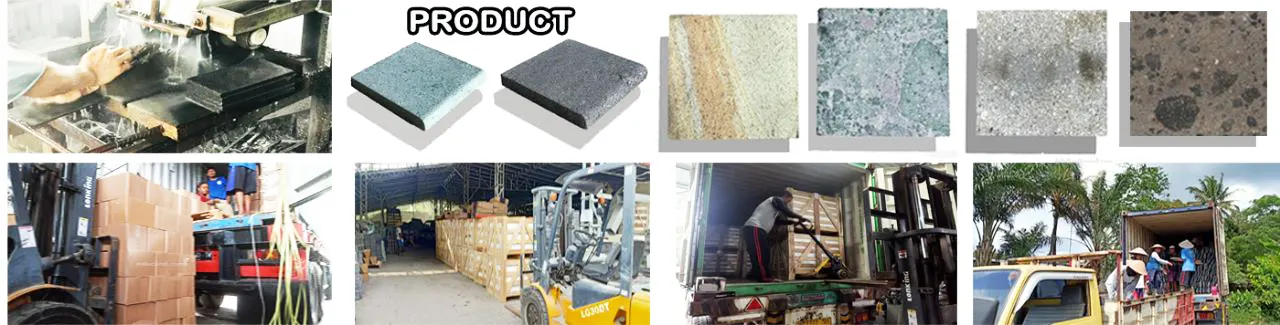
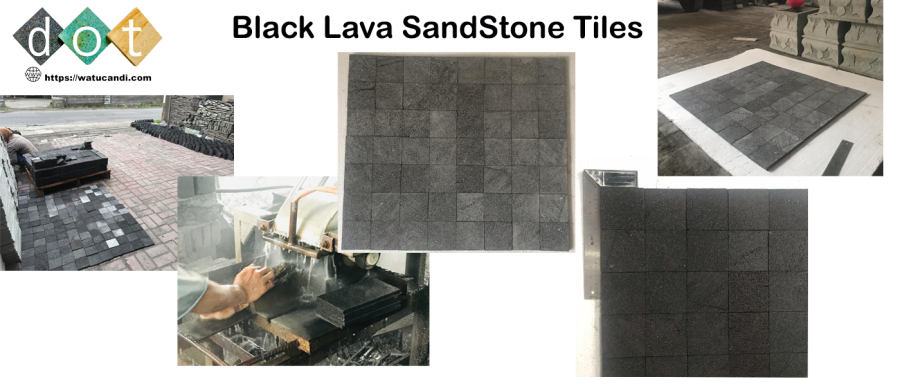
Black Lava Stone Tiles bring the natural beauty of Indonesian black lava stone to your space. Sourced from the slopes of Mount Merapi, these tiles feature unique textures, natural pores, and a deep black color that adds elegance to any design. Ideal for swimming pools, patios, gardens, and building facades. Durable, slip-resistant, and eco-friendly.
The Ultimate Architectural Guide to Black Lava Stone Tiles: Volcanic Elegance for Modern Design
Welcome to the comprehensive and definitive guide to Black Lava Stone Tiles, a premium natural volcanic stone that has revolutionized contemporary architectural design, tropical landscaping, and luxury resort aesthetics across the globe. Sourced directly from the fertile and geologically active slopes of Mount Merapi in Central Java, Indonesia, this extraordinary natural material offers an unparalleled combination of raw beauty, exceptional durability, and profound environmental harmony. Whether you are an architect designing a minimalist modern villa, a landscape artist crafting a serene tropical retreat, or a homeowner seeking to elevate your living space with the timeless allure of natural earth elements, Black Lava Stone Tiles provide a versatile and breathtaking solution. In this extensive guide, we will explore the geological origins, physical characteristics, architectural applications, technical specifications, installation methodologies, and maintenance protocols of this magnificent volcanic stone, ensuring you have all the knowledge required to make an informed and inspired decision for your next project.
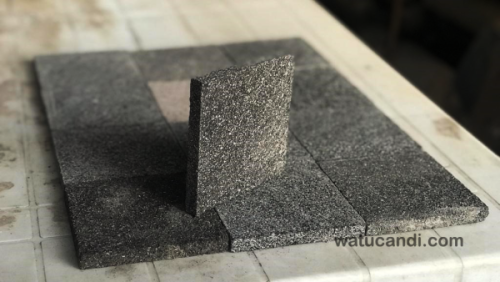
Table of Contents
- 1. Introduction to Black Lava Stone Tiles
- 2. Geological Origins: Mount Merapi and Volcanic Andesite
- 3. Key Characteristics: Texture, Color, and Physical Properties
- 4. Architectural Applications and Transformative Design
- 5. Synergies and Contrasts with Other Natural Stones
- 6. Technical Specifications and Dimensional Guide
- 7. Artisanal Manufacturing and Precision Cutting Process
- 8. Comprehensive Installation Guide
- 9. Long-Term Maintenance and Care Protocols
- 10. Sustainability, Ecology, and Environmental Impact
- 11. Global Export, Logistics, and Supply Chain Excellence
- 12. Conclusion and Project Consultation
1. Introduction to Black Lava Stone Tiles
In the realm of high-end architecture and bespoke interior design, the selection of materials is not merely a functional decision; it is a profound statement of aesthetic philosophy and environmental connection. Black Lava Stone Tiles, globally recognized as Black Lava Stone or Volcanic Black Lava Stone Tiles, represent the pinnacle of natural stone elegance. Unlike manufactured ceramics or synthetic composites, black lava stone carries the literal history of the earth within its molecular structure. Formed through the rapid cooling of magnesium and iron-rich magma, this stone possesses a unique micro-porous texture that not only provides exceptional anti-slip properties but also interacts dynamically with light and moisture. When dry, the stone exhibits a sophisticated, matte charcoal-grey hue, but when exposed to water or treated with a premium enhancer sealer, it transforms into a deep, mesmerizing, and uniform obsidian black. This chameleon-like quality makes it an incredibly sought-after material for water features, pool copings, and tropical bathrooms where the interplay of water and stone is central to the design narrative.
As a premier manufacturer and supplier, Watucandi is dedicated to bringing the raw, unbridled beauty of Indonesia’s volcanic landscapes directly to your project sites. We understand that natural stone is a living material, and our commitment lies in extracting, crafting, and delivering Black Lava Stone Tiles in a manner that respects both the geological integrity of the stone and the exacting standards of modern architectural design. From the bustling, design-forward villas of Bali to luxury residential compounds in the Middle East, and from contemporary commercial spaces in Europe to minimalist retreats in Australia, Black Lava Stone Tiles have become a universal language of sophisticated, earthy luxury. This guide will serve as your ultimate resource, detailing every facet of this remarkable material, ensuring that your integration of Black Lava Stone Tiles into your design vocabulary is both successful and spectacular.
2. Geological Origins: Mount Merapi and Volcanic Andesite
To truly appreciate the value and unique properties of Black Lava Stone Tiles, one must first understand their extraordinary geological origins. The story of black lava stone begins deep within the earth’s crust, specifically along the Pacific Ring of Fire, a major area in the basin of the Pacific Ocean where a large number of earthquakes and volcanic eruptions occur. In the heart of Central Java, Indonesia, sits Mount Merapi, one of the most active and geologically significant volcanoes on the planet. For millennia, the cyclical eruptions of Mount Merapi have shaped the surrounding landscape, depositing vast quantities of lava, ash, and pyroclastic flow materials across the regions of Yogyakarta, Magelang, Klaten, and Boyolali.
The specific type of rock we harvest for Black Lava Stone Tiles is a form of volcanic andesite, commonly referred to locally as batu candi or temple stone. This nomenclature is not accidental; this exact same geological material was utilized centuries ago by the ancient Mataram Kingdom to construct the magnificent, intricate, and enduring structures of the Borobudur and Prambanan temple complexes. The fact that these monumental structures have withstood the harsh tropical climate, heavy monsoons, and significant seismic activity for over a thousand years is a testament to the incredible durability, compressive strength, and weather-resistant properties of this volcanic rock. When magma rich in silica and lighter elements erupts and cools relatively quickly on the surface, it forms a dense, fine-grained rock. The rapid cooling prevents the formation of large crystals, resulting in the uniform, smooth, yet micro-porous texture that characterizes high-quality Black Lava Stone Tiles. This geological history is not just a fascinating backstory; it is the fundamental guarantee of the stone’s performance. When you specify Black Lava Stone Tiles for your project, you are specifying a material that has been tested by time, nature, and ancient master builders.

3. Key Characteristics: Texture, Color, and Physical Properties
The physical and aesthetic characteristics of Black Lava Stone Tiles set them distinctly apart from other natural stones like marble, granite, or limestone. Understanding these properties is crucial for architects and designers to leverage the stone’s full potential in various applications.
The Magic of Color Transformation
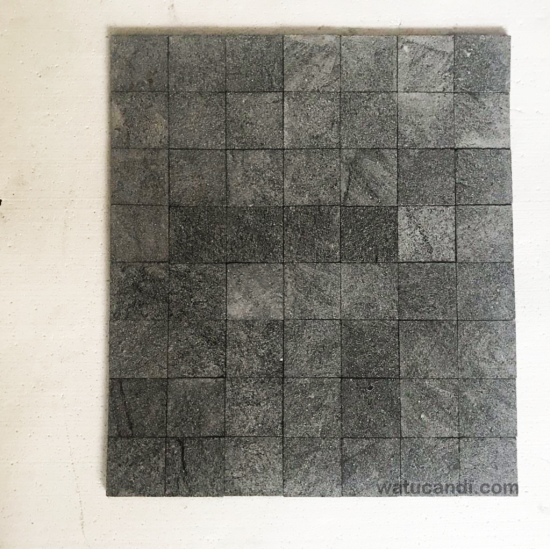
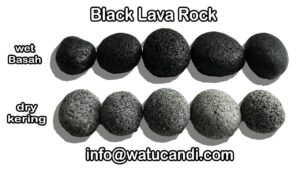
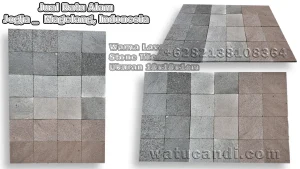
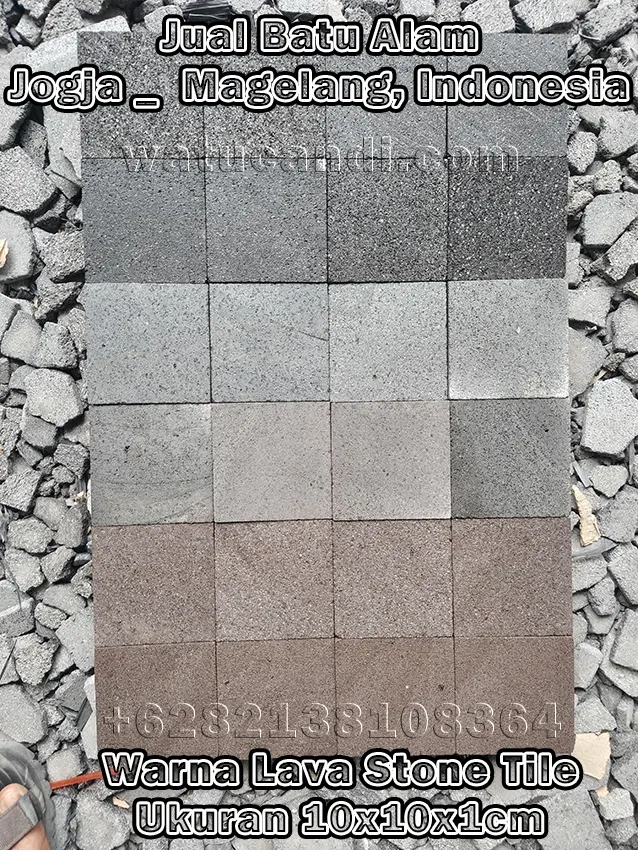
The most captivating feature of Black Lava Stone Tiles is its dynamic color profile. In its natural, unsealed, and dry state, the stone typically presents a sophisticated, muted palette of dark charcoal, grey, and sometimes subtle hints of earthy brown or light ash, depending on the specific vein of the quarry. However, this stone is highly hygroscopic, meaning it readily absorbs moisture. When it rains, or when used in water features, the stone absorbs the water, filling its micro-pores. This optical shift causes the stone to instantly darken, revealing a profound, rich, and uniform jet-black color. This characteristic is highly prized in tropical landscape design, particularly for swimming pool lava stone, as it creates a stunning, mirror-like reflection on the water’s surface and provides a dramatic, sleek border that contrasts beautifully with lush green tropical foliage and the vibrant blue of the pool water. For applications where the deep black color is desired permanently, even when dry, professional application of a high-quality natural stone color enhancer sealer is highly recommended.
Texture and Tactile Experience
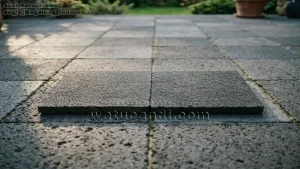
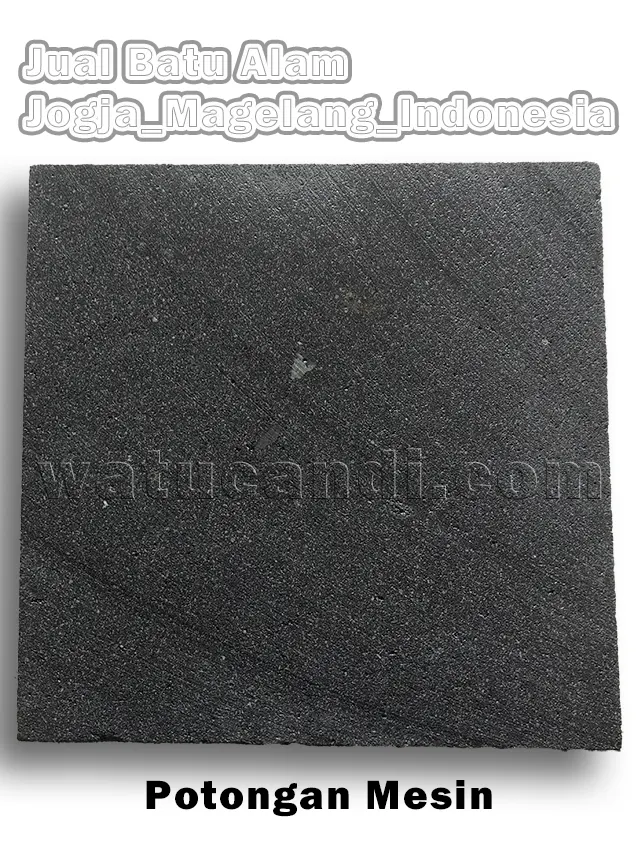
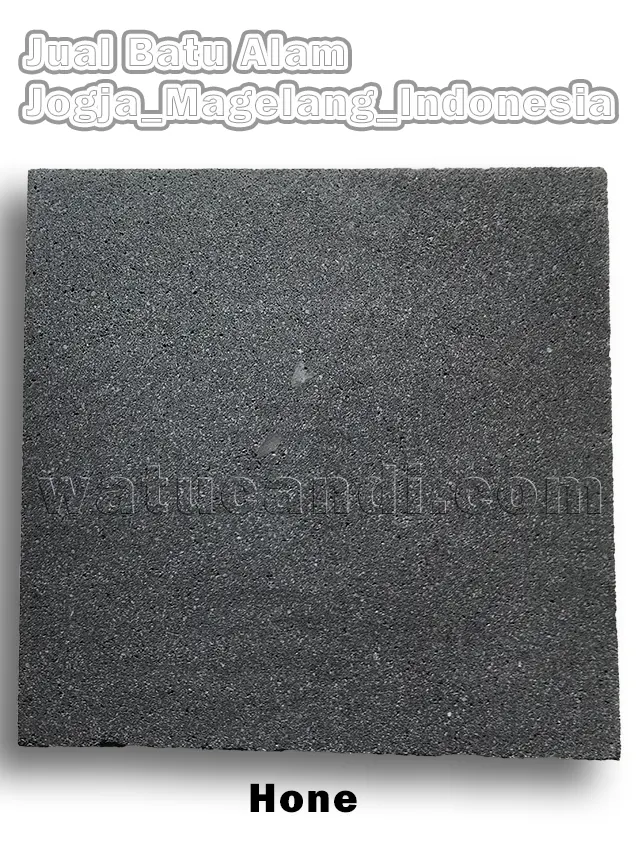
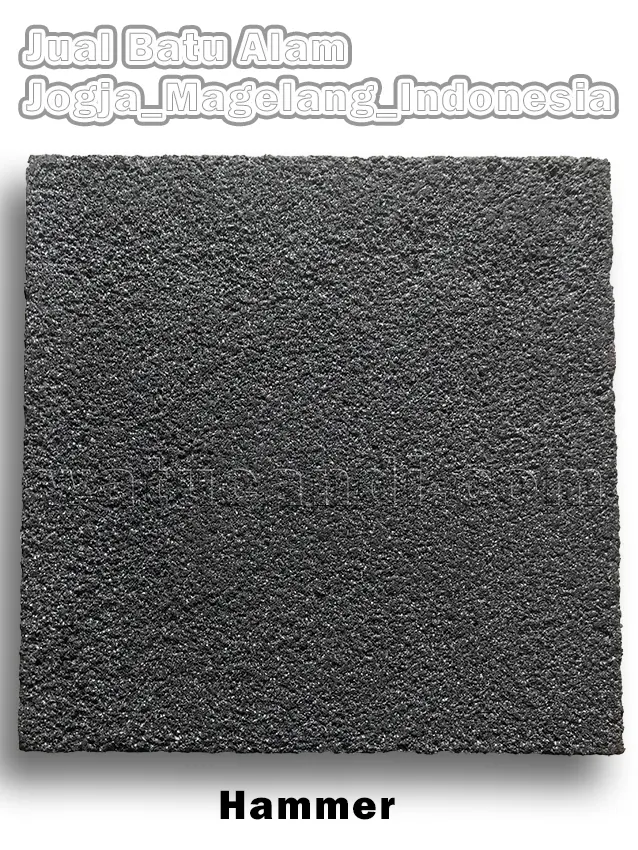
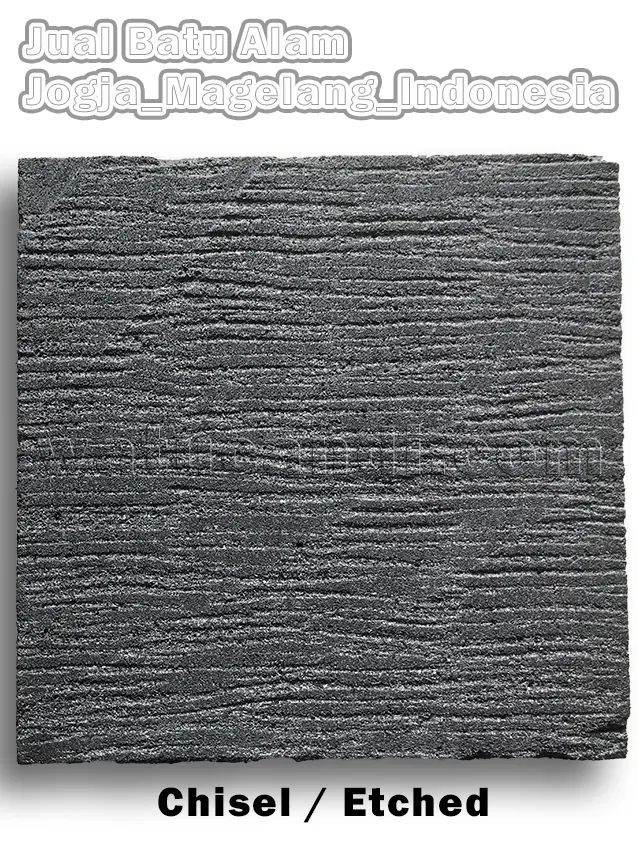
Unlike the glass-like smoothness of polished marble or the uniform, artificial feel of ceramic tiles, Black Lava Stone Tiles offer a deeply tactile and organic experience. The surface of the stone, particularly when machine-cut and left with a natural cleft or honed finish, features microscopic pores and a very subtle, fine-grained texture. This texture is the secret to its exceptional safety profile. The micro-pores create a surface that is incredibly grippy and highly resistant to slipping, even when wet. This makes it the undisputed champion for wet areas, including pool decks, bathroom floors, shower surrounds, and outdoor pathways. Despite its grip, the stone feels remarkably smooth and cool to the touch, lacking the harsh, abrasive quality of some sandstones or heavily textured slates. This balance between safety and comfort is a hallmark of premium volcanic stone.
Thermal and Acoustic Properties
Volcanic andesite possesses excellent thermal mass properties. In tropical climates, while dark stones can absorb heat from direct sunlight, the dense nature of Black Lava Stone Tiles allows it to release that heat slowly as the ambient temperature drops in the evening, contributing to a microclimate of warmth. Furthermore, when used as wall cladding or thick flooring, the density of the stone provides superior sound-dampening qualities compared to hollow synthetic materials, contributing to the serene, quiet ambiance desired in luxury spas and high-end residential projects. For those interested in the raw, unpolished aesthetic, the stone can be utilized to create rough surface natural stone floors, offering a highly organic, rustic, and grounded feel to exterior landscapes and zen gardens.
4. Architectural Applications and Transformative Design
The versatility of Black Lava Stone Tiles is virtually limitless, bridging the gap between interior luxury and exterior resilience. Their ability to withstand harsh weather conditions while maintaining aesthetic integrity makes them a favorite among landscape architects and interior designers alike. Let us explore the myriad ways this magnificent stone can be integrated into your design projects.
Aquatic Environments: Pools, Spas, and Water Features
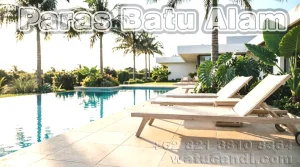
As previously mentioned, the symbiotic relationship between water and Black Lava Stone Tiles is where the stone truly shines. In swimming pool design, the stone is predominantly used for copings (the capping on top of the pool wall), waterfall cladding, and surrounding deck paving. The anti-slip nature of the stone ensures safety for bare feet, while the dark color creates a striking visual boundary. When combined with the vibrant, water-activated green hue of authentic green Sukabumi natural stone tiles or the intricate patterns of Yogyakarta green stone batik tiles, the resulting contrast is nothing short of spectacular. The black grounds the design, providing a modern, sleek frame that makes the green stone and blue water pop with vibrant intensity. Beyond pools, the stone is extensively used in bathroom applications, creating luxurious, spa-like shower floors, vanity claddings, and even custom-carved authentic Merapi stone wash basins and black basalt stone sinks, bringing a piece of raw nature directly into the personal sanctuary of the home.
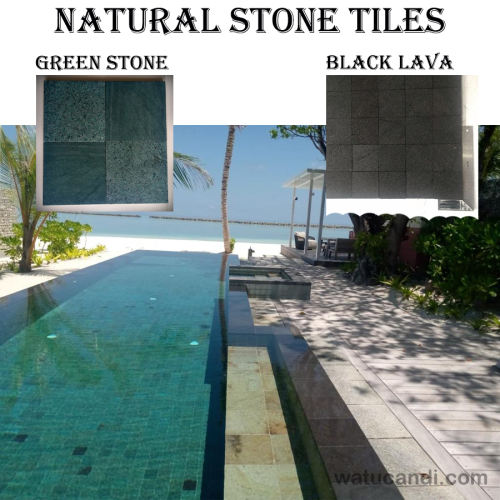
Flooring: From Interior Elegance to Exterior Resilience
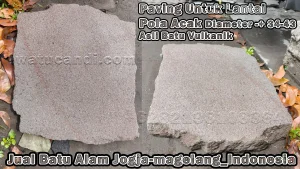
When utilized as flooring, Black Lava Stone Tiles impart a sense of grounded permanence and modern sophistication. For interior applications, such as living rooms, galleries, and commercial lobbies, the stone can be honed to a smoother finish, providing a sleek, dark canvas that allows furniture and artwork to take center stage. This application is often referred to as lava stone flooring, offering a cool, comfortable surface underfoot that is highly durable against heavy foot traffic. For exterior applications, the stone’s natural resistance to frost, heavy rain, and intense UV radiation makes it an ideal choice for outdoor Merapi natural stone flooring. Patios, terraces, and garden pathways benefit from the stone’s non-slip properties and its ability to blend seamlessly with natural landscaping. The dark color of the stone also has the practical advantage of hiding dirt and debris better than lighter stones, reducing the visual impact of maintenance between cleanings. For a more traditional or rustic aesthetic, the stone can be laid in a Merapi lava temple stone floor pattern, utilizing larger, irregular cuts or specific modular layouts that echo ancient architectural styles.
Wall Cladding and Facade Design
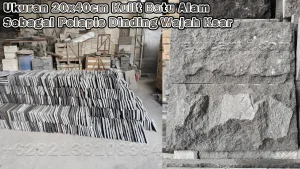
Vertical applications of Black Lava Stone Tiles are equally impactful. As a wall cladding material, the stone adds profound texture and depth to both interior feature walls and exterior building facades. In interior design, a dark lava stone accent wall in a living room or behind a bed creates a dramatic, moody, and highly luxurious focal point. The stone’s natural variations in tone ensure that no two walls look exactly the same, providing a bespoke, organic art piece. For exterior facades, exterior lava stone design is highly sought after in modern tropical architecture. The dark stone provides a striking contrast against white stucco, warm timber woodwork, and lush vertical gardens. It grounds the building visually, making it appear more integrated with the earth. For those seeking a more three-dimensional, sculptural approach to wall design, the stone can be cut and stacked to create 3D Mount Merapi stone wall claddings, where the varying thicknesses of the stone catches the sunlight throughout the day, creating a dynamic, ever-changing play of light and shadow across the surface of the wall.
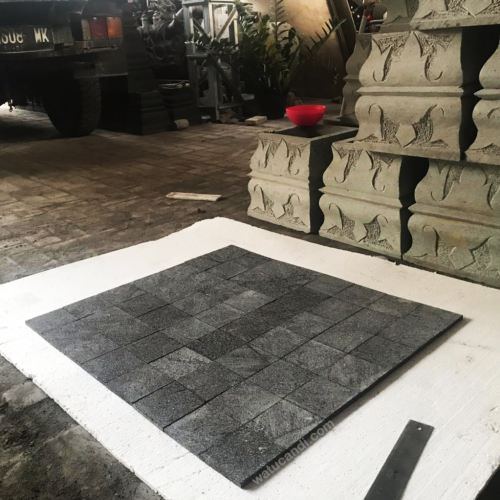
Hardscaping, Landscaping, and Outdoor Furniture
Beyond floors and walls, Black Lava Stone Tiles are a fundamental element in comprehensive hardscaping and landscape architecture. They are frequently used for garden edging, stepping stones, and natural stone edging for raised planters and retaining walls. The stone’s weight and durability ensure that these structural elements remain firmly in place for decades. In the realm of outdoor furniture and decking, innovation with volcanic stone has led to the creation of Merapi lava stone parquet decking. These are heavy-duty, stone tiles designed to mimic the layout of wooden parquet but offering the permanence, fire-resistance, and weather-proof qualities of solid rock. Furthermore, the integration of natural stone and furniture is a growing trend, with designers commissioning custom dining tables, coffee tables, and bench seats carved directly from solid blocks of Black Lava Stone Tiles, creating monolithic, sculptural pieces that serve as the anchor for outdoor living spaces.
5. Synergies and Contrasts with Other Natural Stones
While Black Lava Stone Tiles are a standout material on their own, their true design potential is often unlocked when they are paired, contrasted, or layered with other natural stones. The Indonesian archipelago is blessed with an incredible diversity of geological materials, and understanding how black lava stone interacts with these other stones is crucial for creating complex, rich, and harmonious designs.
The most classic and universally celebrated pairing is with Green Sukabumi Stone. As mentioned in the pool section, the deep, absorbing black of the lava stone acts as the perfect visual anchor for the bright, vibrant, and refreshing green of authentic green Sukabumi natural stone tiles. This black-and-green combination is the quintessential signature of tropical luxury resort design. However, the synergies do not stop there. For designs that require a warmer, more earthy palette, Black Lava Stone Tiles can be contrasted with brown sandstone. The cool, dark tones of the volcanic stone provide a striking, modern counterpoint to the warm, sun-baked hues of the sandstone, creating a balanced, visually stimulating environment that mimics the natural contrasts found in riverbeds and canyon landscapes.
When designing with lighter, more porous stones, such as Palimanan paras stone tiles, which feature a beautiful, soft yellowish-white hue and a slightly rougher texture, the inclusion of Black Lava Stone Tiles as a border, an inlay, or a contrasting feature wall prevents the space from feeling too washed out or monotonous. The dark stone adds necessary weight, definition, and a touch of modern edge to the traditional, rustic charm of the Palimanan stone. Similarly, the use of breksi natural stone tiles, a unique, highly textured, and often multicolored volcanic breccia stone from the same Merapi region, can be elevated by the sleek, uniform darkness of the Black Lava Stone Tiles. The Brecci provides chaotic, artistic energy, while the black lava stone provides calm, structured order.
For projects that require a highly textured, rustic, or ancient aesthetic, designers often utilize stacked stone techniques. The use of authentic stacked sirih stone or creating intricate patterns using stacked sirih stone slab surfaces can be executed using Black Lava Stone Tiles to create dramatic, dark, textured feature walls that look like ancient fortifications or natural cliff faces. Alternatively, if a softer, more weathered look is desired for the lava stone itself, one can specify a tumbled finish natural stone process. This mechanical tumbling process rounds off the sharp edges of the cut tiles and slightly distresses the surface, giving the Black Lava Stone Tiles an antique, time-worn appearance that is perfect for heritage-style homes or rustic tropical villas. For those who require massive, uninterrupted expanses of stone for custom table tops, monumental sculptures, or unique architectural book-matched walls, the availability of raw natural rock slabs allows for bespoke fabrication that goes far beyond standard tile dimensions.
6. Technical Specifications and Dimensional Guide
Understanding the technical dimensions and manufacturing capabilities is essential for architects and contractors to accurately plan their layouts, minimize material waste, and ensure structural integrity. Black Lava Stone Tiles are precision-cut from larger raw blocks using advanced diamond-wire and bridge saw machinery. While the raw material is abundant and can be cut to virtually any custom specification required by a bespoke project, there are standard industry dimensions that are optimized for efficient production, structural stability, and ease of installation.
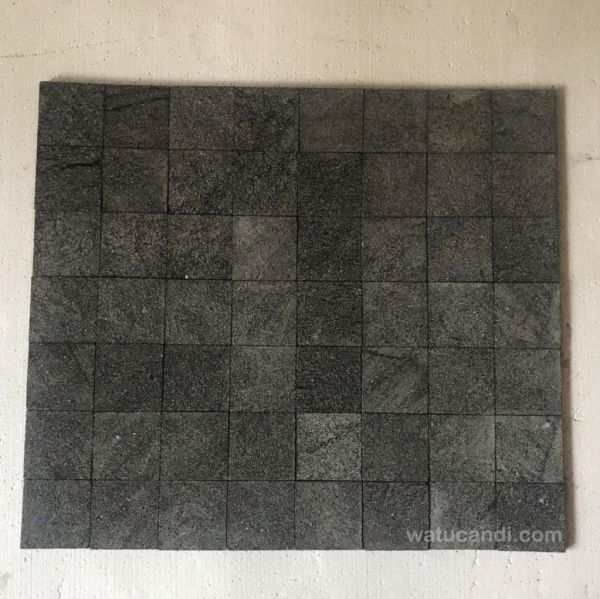
The standard thickness for black lava stone tiles typically ranges between 0.9 cm to 1.2 cm (9mm to 12mm). This thickness provides the optimal balance between durability and weight. It is thick enough to withstand heavy foot traffic, resist cracking under pressure, and allow for edge profiling (such as bullnosing for pool copings), yet thin enough to be manageable during installation and compatible with standard floor height build-ups. For specific heavy-duty paving applications or custom carving, thicker slabs, such as the popular “black lava stone 10x10x1cm paving cubes“, are frequently utilized to create highly textured, tactile paving surfaces.
Standard Tile Dimensions
The following list outlines the standard, readily available dimensions that can be rapidly produced and supplied for most projects. These sizes are designed to facilitate modular laying patterns, such as running bond, stack bond, herringbone, and basket weave.
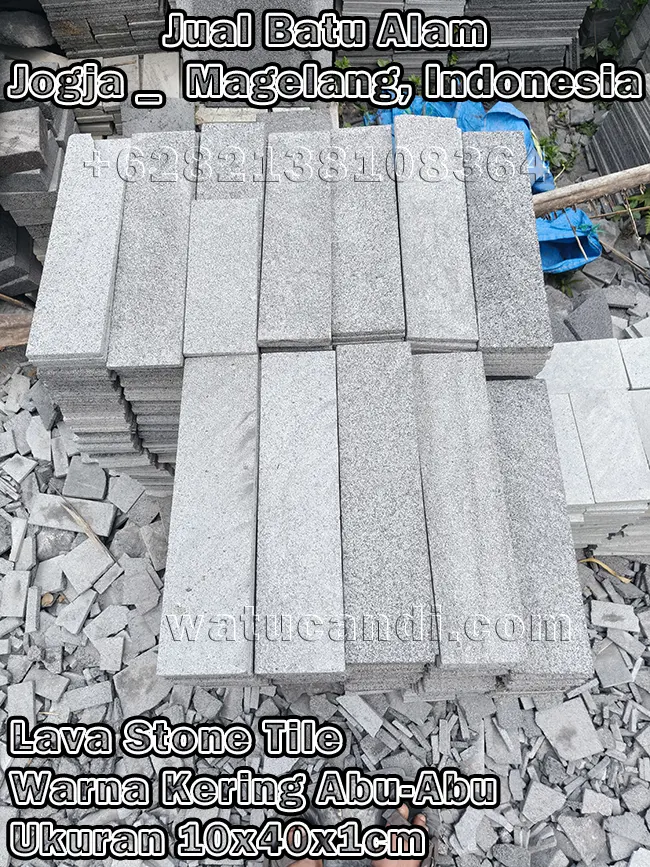
- 20×40 cm / 200×400 mm: Ideal for large format wall cladding and expansive floor areas, minimizing grout lines for a seamless look.
- 20×20 cm / 200×200 mm: A versatile square format, perfect for standard grid layouts in bathrooms, patios, and pool decks.
- 15×30 cm / 150×300 mm: A classic rectangular subway proportion, excellent for creating dynamic, elongated visual lines on walls and floors.
- 15×15 cm / 150×150 mm: A smaller square format, often used in traditional settings, shower floors, or as a contrasting border.
- 10×20 cm / 100×200 mm: A narrow rectangular tile, highly suitable for herringbone patterns and intricate mosaic-style layouts.
- 5×20 cm / 50×200 mm: An extremely narrow, linear format, perfect for creating sleek, modern accent lines or wrapping around complex architectural curves.
- 10×10 cm / 100×100 mm: A small, robust square tile, frequently used for shower floors, steam rooms, and areas requiring high slip resistance.
- 7.5×23 cm / 75×230 mm: A specialized dimension often utilized for specific modular brick-lay patterns and exterior facade cladding.
It is important to note that while these are the standard rapid-production sizes, the nature of natural stone allows for bespoke customization. Dimensions exceeding 30 cm (300 mm) on any side are classified as large-format or oversized. While entirely possible to produce, these larger dimensions require careful selection of the raw block to ensure structural integrity (avoiding natural fissures) and may require additional processing time. The production capacity for standard machine-cut sizes is highly optimized, allowing for the fulfillment of large-scale commercial and residential projects with consistent lead times. Every tile is cut to precise, square edges (siku ukuran dimensi), ensuring tight, uniform grout joints that are essential for a high-end, professional finish.
7. Artisanal Manufacturing and Precision Cutting Process
The journey of Black Lava Stone Tiles from a massive, raw volcanic boulder in the quarries of Mount Merapi to a refined, precision-cut tile ready for installation is a fascinating blend of geological extraction, mechanical precision, and artisanal care. At Watucandi, we view the manufacturing process not merely as industrial production, but as the careful unveiling of nature’s hidden art. The process begins with the ethical and sustainable extraction of raw volcanic rock. Skilled local quarrymen identify the most dense, uniform, and high-quality veins of andesite, carefully extracting large blocks using diamond-wire saws that minimize waste and environmental disruption to the surrounding landscape.
Once the raw blocks are transported to our processing facility, the true transformation begins. We utilize advanced, custom-designed bridge saws and multi-blade gang saws equipped with industrial-grade diamond segments. The cutting process is entirely water-cooled. This continuous flow of water serves multiple critical purposes: it prevents the diamond blades from overheating and warping, it suppresses harmful silica dust creating a safer environment for our workforce, and it ensures that the cut through the dense volcanic rock is incredibly smooth and precise, preventing micro-chipping along the edges of the tiles. This meticulous attention to the cutting process is what results in the exceptionally clean, sharp edges that make installation seamless and allow for minimal grout lines.
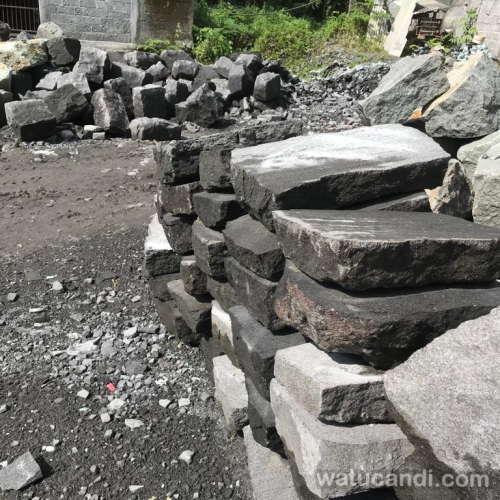
Following the initial sizing, the tiles undergo a rigorous sorting and grading process. While we do not rely on sterile, automated quality control metrics that strip the stone of its natural character, our experienced artisans meticulously inspect every single tile. They evaluate the density, the consistency of the natural cleft, and ensure that the dimensions are perfectly square. Tiles that exhibit structural weaknesses, excessive soft spots, or undesirable variations are respectfully rejected. This human-centric approach ensures that we maintain the highest aesthetic and functional standards while preserving the organic, unique soul of the natural stone. The tiles are then carefully stacked, bound, and prepared for their final destination, whether that is a local project in Bali or an international export container bound for Europe.
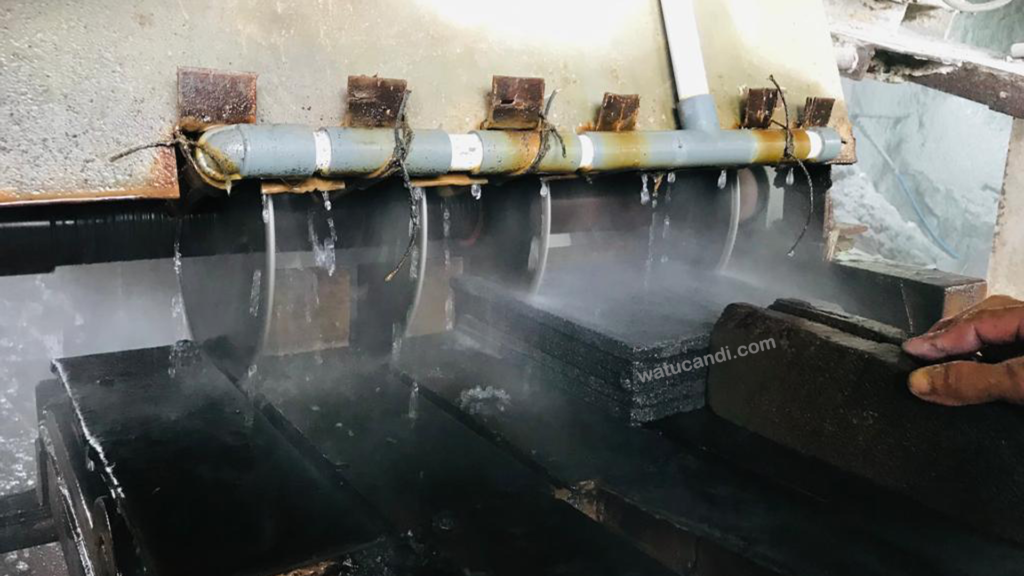
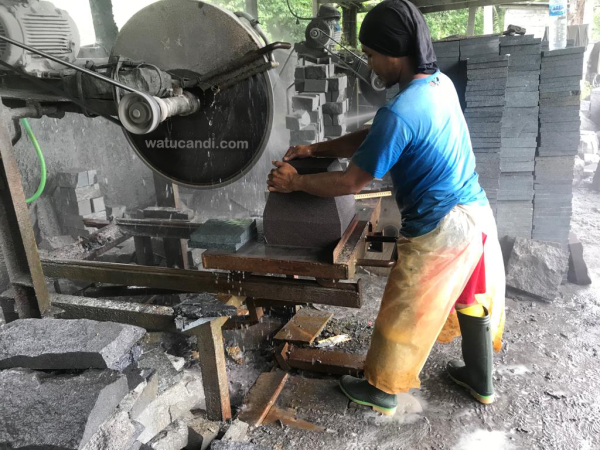
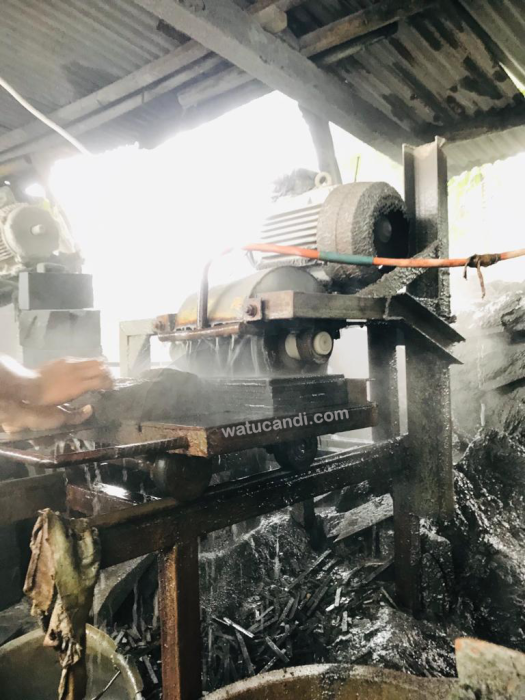
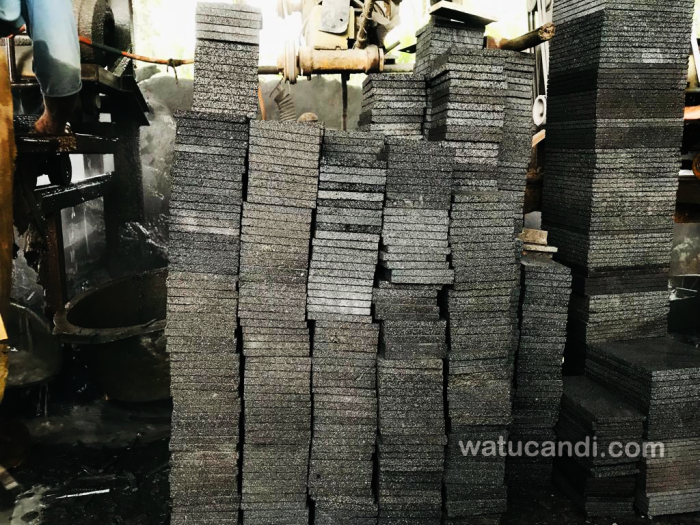
To provide a transparent view into our manufacturing excellence, we invite you to explore our visual documentation. Below, you can witness the scale, precision, and dedication involved in crafting every single piece of Black Lava Stone Tiles.
YouTube Video Black Lava Stone Tile Cutting Location.
Instagram Video Black Lava Stone Tiles Products.
8. Comprehensive Installation Guide
The breathtaking beauty and enduring longevity of Black Lava Stone Tiles are heavily dependent on the quality of their installation. Natural volcanic stone behaves differently than manufactured ceramics; it is porous, dense, and reactive to certain chemicals. Therefore, a meticulous, knowledgeable approach to installation is non-negotiable. Cutting corners during the installation phase can lead to issues such as efflorescence (white salt deposits), staining, uneven lippage, or even tile failure. Here is a comprehensive guide to ensuring your Black Lava Stone Tiles are installed flawlessly.
Substrate Preparation and Waterproofing
The foundation of any successful stone installation is a stable, rigid, and perfectly level substrate. Whether installing on a concrete slab, a cementitious backer board, or a compacted sand base for exterior paving, the substrate must be free of dust, oil, curing compounds, and structural cracks. For interior wet areas like showers and bathrooms, a comprehensive waterproofing membrane must be applied to the substrate before any stone is laid. Because Black Lava Stone Tiles are highly absorbent, if water penetrates through the grout lines and reaches an un-waterproofed substrate, it can lead to moisture damage, mold growth, and severe efflorescence pushing through the pores of the stone. Ensure that all drainage slopes (falls) are correctly established in the substrate before proceeding.
Adhesive Selection and Application
This is perhaps the most critical technical decision in the installation process. Never use standard grey cement-based thin-set mortar for dark natural stones like Black Lava Stone Tiles. The grey cement can bleed through the micro-pores of the stone, causing irreversible greyish-white staining that ruins the deep, uniform black aesthetic. Furthermore, the high water absorption rate of the lava stone means it will rapidly suck the moisture out of a standard thin-set, weakening the bond and causing the tiles to debond or “hollow out” over time. Instead, you must use a high-quality, polymer-modified, white thin-set adhesive specifically formulated for natural stone and exterior/wet applications. The white color ensures that no dark shadows or discolorations bleed through, and the polymer additives provide superior flexural strength and adhesion. For large format tiles, back-buttering (applying a thin layer of adhesive to the back of the stone tile) is mandatory to ensure 100% coverage and eliminate air pockets.
Cutting and Fabrication On-Site
While our tiles arrive with precision-cut edges, on-site cutting will be necessary for edges, corners, and pipe penetrations. Black Lava Stone Tiles are incredibly dense and hard volcanic rock. Cutting them requires specialized equipment. You must use a continuous rim diamond blade designed specifically for hard natural stone or porcelain. The cutting must be done wet; dry cutting will not only destroy the diamond blade almost instantly but will also generate massive amounts of hazardous silica dust and can cause the stone to overheat and shatter. For intricate cuts, such as L-shapes around drains or complex pool coping miters, a professional-grade wet saw with a tilting blade is required. After cutting, the exposed edges can be lightly rubbed with a diamond polishing pad to smooth any sharp arrises, especially in barefoot areas like pool decks.
Grouting and Jointing
The choice of grout color dramatically impacts the final look of the installation. For a seamless, monolithic, and modern appearance, a grout color that closely matches the dark, wet look of the Black Lava Stone Tiles (such as a charcoal or deep black epoxy grout) is highly recommended. This minimizes the visual grid of the grout lines, allowing the texture and color of the stone to flow continuously across the surface. If a more traditional, articulated look is desired, a mid-grey grout can be used, but avoid light or white grouts, as they will quickly show dirt, algae, and water stains, requiring constant maintenance. Epoxy grout is vastly superior to cementitious grout for natural stone, especially in wet areas. It is completely impermeable to water, highly resistant to stains and chemicals, and will not crack or crumble over time. When applying grout, ensure the joints are completely filled and compacted, and clean the haze off the surface of the stone immediately using the manufacturer-recommended epoxy wash, as dried epoxy grout haze on the porous surface of Black Lava Stone Tiles is extremely difficult to remove.
The Crucial Step: Sealing and Enhancing
Sealing is the final, and arguably most important, protective step for Black Lava Stone Tiles. Because the stone is naturally porous, it is susceptible to absorbing oils, dirt, organic matter, and hard water minerals, which can lead to permanent staining and a dull, patchy appearance. Before applying any sealer, the stone must be absolutely clean and completely dry. There are two main types of sealers used for Black Lava Stone Tiles:
- Natural Look Impregnating Sealer: This is a penetrating sealer that sinks deep into the micro-pores of the stone, creating a hydrophobic (water-repelling) and oleophobic (oil-repelling) barrier below the surface. It does not alter the natural color or finish of the stone, leaving it looking exactly as it does in its dry, natural state. This is ideal for exterior applications where a natural, matte, weathered look is desired.
- Color-Enhancing Sealer: This type of sealer contains resins and additives that darken the stone, permanently locking in that breathtaking, deep, jet-black “wet” look, even when the stone is completely dry. This is the most popular choice for interior floors, bathroom walls, and pool copings where a sleek, luxurious, and uniform dark aesthetic is the primary design goal. It also provides excellent UV protection, preventing the stone from fading or turning greyish over years of sun exposure.
Application should be done generously using a low-pressure sprayer or a microfiber mop, allowing the sealer to penetrate for the time specified by the manufacturer (usually 10-15 minutes), and then meticulously buffing off all excess residue from the surface with clean, dry, lint-free cloths. Failure to remove the excess sealer before it cures will result in a sticky, glossy, and highly attractive surface for dirt and footprints. For high-traffic exterior areas or constantly submerged pool applications, a second coat is often recommended. Proper sealing transforms Black Lava Stone Tiles from a beautiful but vulnerable natural material into an incredibly resilient, easy-to-clean, and permanent design element.
9. Long-Term Maintenance and Care Protocols
One of the most compelling arguments for specifying natural volcanic stone in architectural projects is its incredible longevity and relatively low maintenance requirements, provided it has been installed and sealed correctly. Unlike polished marble, which requires constant buffing and is highly susceptible to etching from acidic substances, or soft limestone, which wears away over time, Black Lava Stone Tiles are a robust, forgiving, and enduring material. However, to maintain its breathtaking aesthetic appeal for decades, a proactive and informed maintenance regimen is essential.
Routine Cleaning Protocols
For daily or weekly maintenance of sealed Black Lava Stone Tiles floors and walls, the golden rule is to use a pH-neutral cleaner specifically formulated for natural stone. Harsh, acidic cleaners (such as those containing vinegar, lemon, or phosphoric acid) or highly alkaline cleaners (like heavy-duty bleach or ammonia-based degreasers) will gradually break down the protective sealer and can dull the natural finish of the stone over time. Simply mix a few capfuls of a premium stone soap or neutral pH cleaner into a bucket of warm water. Use a soft microfiber mop or a soft-bristled brush for textured surfaces to agitate the dirt, and then rinse thoroughly with clean water. For exterior patios and pool decks, a regular rinse with a garden hose to remove dust, pollen, and organic debris is usually sufficient to keep the stone looking pristine.
Dealing with Stains and Efflorescence
Despite the best sealing efforts, accidents happen. If an oil, grease, or organic spill (like red wine or leaf tannins) occurs on the stone, it must be addressed immediately. Blot the spill with a paper towel; do not wipe, as wiping will spread the substance and push it deeper into the pores. For stubborn stains that have penetrated the sealer, a specialized natural stone poultice is required. A poultice is a highly absorbent powder mixed with a specific chemical solvent (depending on whether the stain is organic, oil-based, or metallic) that draws the stain out of the stone’s pores and into the poultice material as it dries. This process may need to be repeated several times for deep-set stains. Efflorescence, the white, powdery salt deposit that sometimes appears on natural stone, is caused by water moving through the substrate and carrying soluble salts to the surface. If this occurs, do not use acid washes, as this will damage the stone. Instead, use a dedicated, pH-neutral efflorescence remover, and more importantly, investigate and rectify the underlying moisture intrusion issue in the substrate.
Sealer Maintenance and Reapplication
Sealers are not permanent; they are sacrificial layers that wear away over time due to foot traffic, UV exposure, and chemical cleaning. The frequency of reapplication depends heavily on the location and usage of the stone. A heavily trafficked commercial lobby floor may require a fresh coat of impregnating sealer every 12 to 18 months, while a low-traffic residential bathroom wall might go 3 to 5 years without needing attention. To test if your Black Lava Stone Tiles need resealing, perform a simple water bead test. Sprinkle a few drops of clean water onto the surface of the stone. If the water beads up proudly on the surface, the sealer is still intact and functioning correctly. If the water immediately darkens the stone and sinks into the pores, it is time to clean the surface thoroughly and apply a fresh coat of sealer. Regular maintenance of the sealer ensures that the stone remains protected against stains, moisture, and the ravages of time.
Preventative Measures
The best maintenance is prevention. Place high-quality, non-rubber-backed walk-off mats at all exterior entrances to trap dirt, grit, and sand before it is tracked onto the stone floors. Grit and sand act like sandpaper underfoot and will gradually scratch and dull the surface of even the hardest volcanic stone. Ensure that the rubber backing on mats is breathable; non-breathable rubber can trap moisture against the stone, leading to discoloration and sealer failure. For furniture placed on stone floors, always use wide, felt-padded protective glides under the legs of chairs, tables, and sofas to prevent concentrated point loads from cracking the tiles or scratching the surface when the furniture is moved. By implementing these simple preventative measures, the breathtaking beauty of your Black Lava Stone Tiles installation will be preserved for generations.
10. Sustainability, Ecology, and Environmental Impact
In contemporary architecture, the environmental impact of building materials is a paramount concern. Specifiers, developers, and homeowners are increasingly demanding materials that are not only beautiful and durable but also ecologically responsible. Black Lava Stone Tiles stand out as a remarkably sustainable choice when sourced and processed correctly, offering a compelling alternative to energy-intensive, manufactured building products.
First and foremost, natural stone is a 100% natural, non-synthetic material. Unlike ceramic tiles, which require the mining of clay, intense kiln firing at extremely high temperatures (consuming massive amounts of fossil fuels), and the addition of chemical glazes and dyes, Black Lava Stone Tiles are simply cut from the earth and shaped. Their production footprint is primarily mechanical rather than thermal. Furthermore, volcanic stone is incredibly durable. A properly installed and maintained lava stone floor or facade will easily last the entire lifespan of the building—often centuries, as evidenced by the ancient temples of Java. It will not need to be replaced, sent to a landfill, or re-manufactured, unlike vinyl flooring, carpets, or even lower-grade ceramics that may crack or wear out after a few decades. This “cradle-to-cradle” longevity is a fundamental pillar of sustainable design.
At Watucandi, our commitment to sustainability extends to our quarrying and manufacturing practices. We work closely with local mining authorities and environmental agencies to ensure that our quarrying operations are conducted responsibly. We focus on extracting from designated, abundant lava flow deposits rather than disrupting fertile agricultural land or protected forests. The water used in our cutting facilities is continuously filtered, recycled, and reused in a closed-loop system, drastically minimizing water consumption and preventing contaminated runoff from entering local waterways. The stone slurry (the mixture of water and fine volcanic dust generated during cutting) is collected, allowed to settle, and the clean water is reused, while the dried sediment is often repurposed for local land reclamation or brick manufacturing, ensuring zero waste from the cutting process.
Additionally, the thermal mass properties of thick natural stone contribute to the passive cooling and heating of buildings. In tropical climates, the dense stone absorbs the cool night air and helps regulate interior temperatures during the day, reducing the reliance on energy-intensive air conditioning systems. By choosing Black Lava Stone Tiles, architects and builders are not only selecting a material of unparalleled aesthetic beauty but are also making a responsible, forward-thinking decision that honors the environment and promotes sustainable, long-lasting architectural practices.
11. Global Export, Logistics, and Supply Chain Excellence
The demand for premium Indonesian natural stone has transcended local borders, establishing Black Lava Stone Tiles as a highly sought-after commodity in the global architectural market. From the sun-drenched coastlines of the Mediterranean to the modern metropolises of North America and the luxury resorts of the Middle East, Watucandi has developed a robust, reliable, and highly efficient global export and logistics network to ensure that our stone reaches your project site safely, on time, and in perfect condition. Navigating the complexities of international freight, customs clearance, and material handling requires expertise, and we pride ourselves on being a seamless partner in your supply chain.
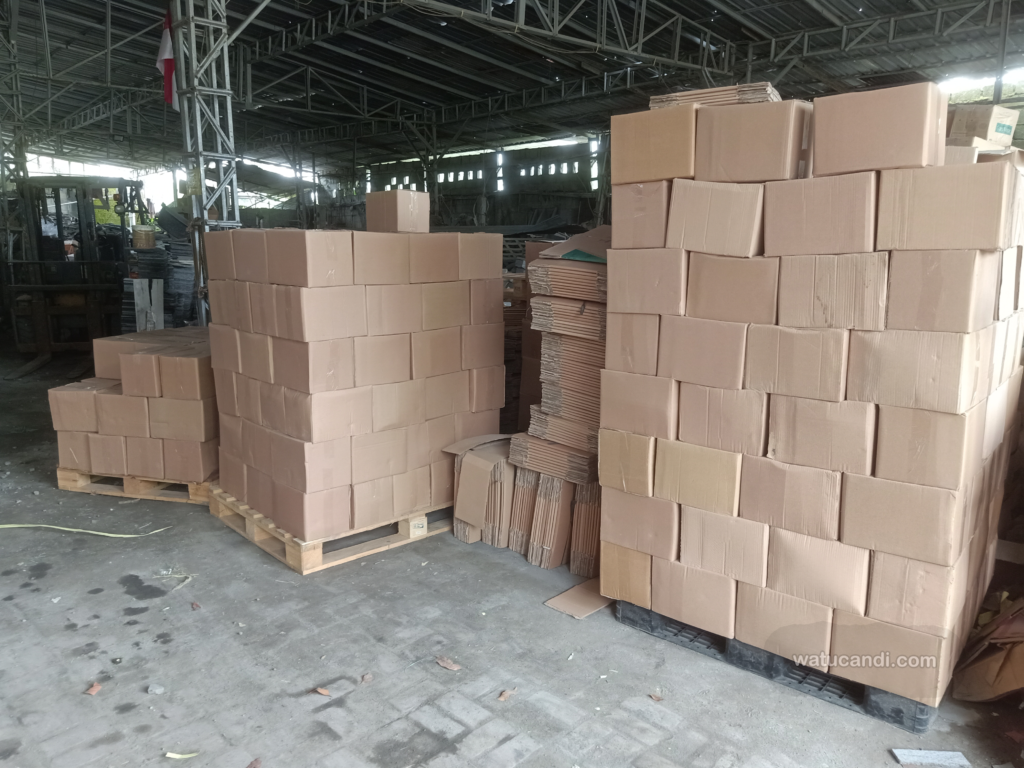
The journey of the stone from our facility in Central Java to your project begins with meticulous packaging. Natural stone is incredibly heavy and, while dense, can be susceptible to chipping or cracking if subjected to the violent movements of ocean freight. Therefore, we utilize heavy-duty, export-grade wooden crates and pallets that are specifically engineered to bear the immense weight of the stone. Every bundle of tiles is securely strapped, wrapped in protective shrink wrap to prevent moisture ingress and abrasion during transit, and carefully loaded into the crates. For highly polished or delicate finishes, additional foam interleaving is used between the tiles. All wooden packaging materials are strictly treated and certified according to ISPM-15 international standards for phytosanitary measures, ensuring smooth passage through customs in any country without the risk of quarantine delays or rejection due to pests.

Our facility is equipped to handle the loading of massive shipping containers, including standard 20-foot and 40-foot dry containers, as well as open-top containers for oversized slabs. We utilize a combination of skilled manual labor and heavy machinery, including forklifts and cranes, to safely and efficiently maximize the payload of every container, optimizing freight costs for our clients. Whether you require a single Less than Container Load (LCL) consolidation for a boutique residential project, or a fleet of Full Container Loads (FCL) for a massive, multi-phase commercial development, our logistics team manages the entire process. We handle all export documentation, including Certificates of Origin, commercial invoices, packing lists, and fumigation certificates, ensuring full compliance with international trade regulations. By partnering with reliable, top-tier global freight forwarders, we can offer FOB (Free on Board), CIF (Cost, Insurance, and Freight), and DDP (Delivered Duty Paid) terms, providing flexibility and peace of mind to our international clientele. We invite you to discuss your specific logistical requirements with our team to ensure a smooth, stress-free delivery of your precious volcanic stone.
12. Conclusion and Project Consultation
The selection of building materials is a profound decision that shapes the character, longevity, and environmental footprint of any architectural project. Black Lava Stone Tiles offer a rare convergence of geological drama, tactile beauty, exceptional physical performance, and timeless aesthetic versatility. From the fiery, ancient origins deep within the volcanic heart of Mount Merapi to the serene, water-kissed edges of a luxury swimming pool, this remarkable stone tells a story of earth, fire, and water. Its ability to transform with the light, its cool, non-slip embrace underfoot, and its deep, grounding presence in any design scheme make it an indispensable tool for the modern architect and designer.
At Watucandi, we are not merely suppliers of stone; we are custodians of Indonesia’s natural geological heritage and dedicated partners in your creative vision. Our commitment to precision crafting, sustainable practices, and global logistical excellence ensures that the raw beauty of the volcano is delivered to your site with integrity and care. Whether you are drawn to the sleek, modern elegance of large-format floor tiles, the dramatic texture of 3D wall cladding, or the organic charm of custom-carved basins, we possess the expertise, the capacity, and the passion to bring your vision to life.
We invite architects, interior designers, landscape architects, developers, and discerning homeowners to explore the limitless possibilities of Black Lava Stone Tiles. Let us collaborate to transform your next project into a masterpiece of natural elegance. Contact our expert design and sales team today to request physical samples, discuss custom dimensions, obtain comprehensive technical data sheets, or initiate a consultation for your upcoming project. Experience the profound, enduring beauty of Indonesia’s volcanic earth, and build a legacy that will stand the test of time.
Explore Our Comprehensive Range of Premium Natural Stones
While Black Lava Stone Tiles are our flagship volcanic stone, the geological diversity of Indonesia offers a spectacular palette of natural materials. We encourage you to explore our extensive catalog to find the perfect complementary stones for your design projects. Discover the warm, earthy tones of “brown sandstone” for contrasting hardscaping, or elevate your exterior textures with our specialized “tumbled finish natural stone” processes. For dramatic, sculptural walls, explore our “3D Mount Merapi stone” collections, or create seamless outdoor living spaces with our “outdoor Merapi natural stone flooring” solutions. Transform your building’s facade with innovative exterior lava stone design concepts, and experience the cool, luxurious touch of a “lava stone floor” in your interior spaces. Delve into the rich history of “Merapi lava temple stone floor“, or add organic grip to wet areas with “rough surface natural stone floors“. Uncover the deep, moody elegance of “black temple lava stone“, or innovate your decking with “Merapi lava stone parquet decking“. For monumental projects, source massive “natural rock slabs“, or brighten your spaces with the soft, classic beauty of “Palimanan paras stone tiles“. Add chaotic, artistic energy with “breksi natural stone tiles“, and seamlessly integrate “natural stone and furniture” into your bespoke designs. Create the ultimate aquatic retreat with “swimming pool lava stone“, or build stunning, textured feature walls using “stacked sirih stone slab surfaces” and “authentic stacked sirih stone“. Finally, experience the vibrant, water-activated magic of “authentic green Sukabumi natural stone tiles“, define your landscapes with “natural stone edging“, craft bespoke “authentic Merapi stone wash basins 49x49x13cm“, or make a bold statement with a “black basalt stone sink“. Add cultural depth with “Yogyakarta green stone batik tiles“, and complete your mosaic paving with “black lava stone 10x10x1cm paving cubes“. Your perfect natural stone awaits.
Tags ;Indonesian Natural Stone, Black Lava Stone, Pedra Hitam, Volcanic Stone Tiles, Black Temple Stone, Mount Merapi Stone, Natural Stone Supplier, Indonesian Export Stone, Andesite Stone, Tropical Landscape Design, Pool Coping Stone, Watucandi, Swimming Pool Lava Stone, Natural Stone Tiles, Natural Stone Cladding, Sustainable Building Materials, Volcanic Andesite, Dark Natural Stone, Exterior Stone Facade, Stone Installation Guide, .

11 thoughts on “Black Lava Stone Tiles”