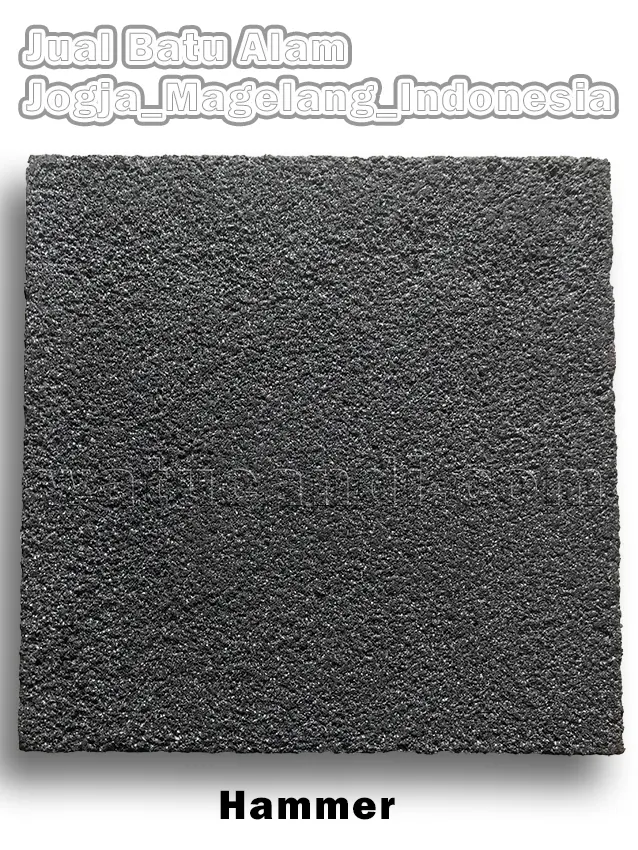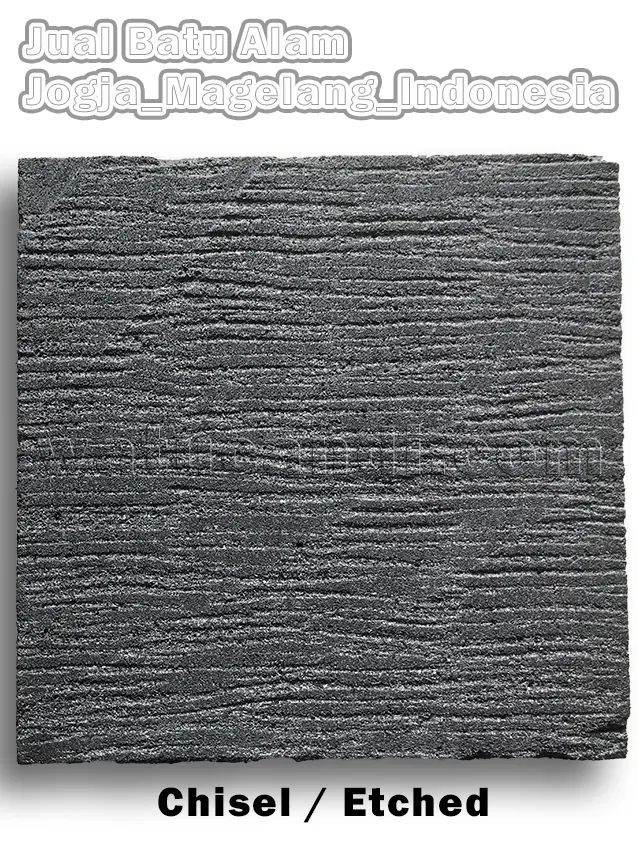

07 Surface Types (0.5×0.5comb): A Complete Guide to Line Patterns and Blade Distances on Natural Stone Faces for Wall Decoration
07 Surface Types (0.5×0.5comb) is a technical term that refers to the type of line or distance between cutting blades that form surface lines on natural stone faces as decorative wall cladding material. The code “0.5×0.5comb” indicates a specification of blade spacing combination at 0.5 cm intervals, producing uniform and consistent parallel line patterns across the stone surface. This technique has become an industry standard in natural stone processing for modern architectural applications, delivering a visual dimension that no synthetic material can achieve. For architects, interior designers, contractors, and homeowners who appreciate the beauty of natural materials, a deep understanding of these various surface types is key to achieving optimal results in every construction project.
In the world of contemporary construction and interior design, selecting wall cladding material is not merely a technical matter. It is a decision that will determine the character, atmosphere, and even the long term value of a building. Natural stone with line patterns on its face arrives as an answer to the need for materials that are not only structurally strong, but also rich in aesthetic value. 08 Stone Type GC Broken and its variations have proven that natural stone can transform into a highly flexible design element, keeping pace with the times without losing its identity as a natural material.
This article will take you on a deep dive into everything about 07 Surface Types (0.5×0.5comb). From technical definitions, manufacturing processes, visual characteristics, applications in interior and exterior design, to tips on maintenance and selecting the right material. With over 8500 words, this guide is designed to be the most complete reference for anyone who wants to understand and use line patterned natural stone as a wall decoration element. We will explore every detail in easy to understand language, so that both professionals and beginners can gain maximum benefit from this article.
Table of Contents
- Understanding 07 Surface Types (0.5×0.5comb)
- History and Development of Line Pattern Techniques on Natural Stone
- Getting to Know Black Temple Stone: Lava Stone, Sandstone, Pedra Hitam
- Key Characteristics of Line Patterned Natural Stone
- The Process of Creating Line Patterns on Natural Stone Faces
- Cutting Machine Technology and Line Forming
- Variations of Line Pattern Types on Stone Surfaces
- Advantages of Line Patterned Natural Stone Compared to Other Materials
- Applications in Interior Design
- Applications in Exterior Design
- Proper Installation Techniques
- Care and Maintenance Guide
- Design Inspiration from Various Architectural Styles
- Comparison with Other Wall Cladding Materials
- Tips for Choosing Quality Line Patterned Natural Stone
- Global Trends in the Use of Line Patterned Natural Stone
- Sustainability and Environmental Aspects
- Case Studies: Iconic Projects
- Frequently Asked Questions (FAQ)
- Conclusion: The Timeless Beauty of Natural Stone Faces
Understanding 07 Surface Types (0.5×0.5comb)
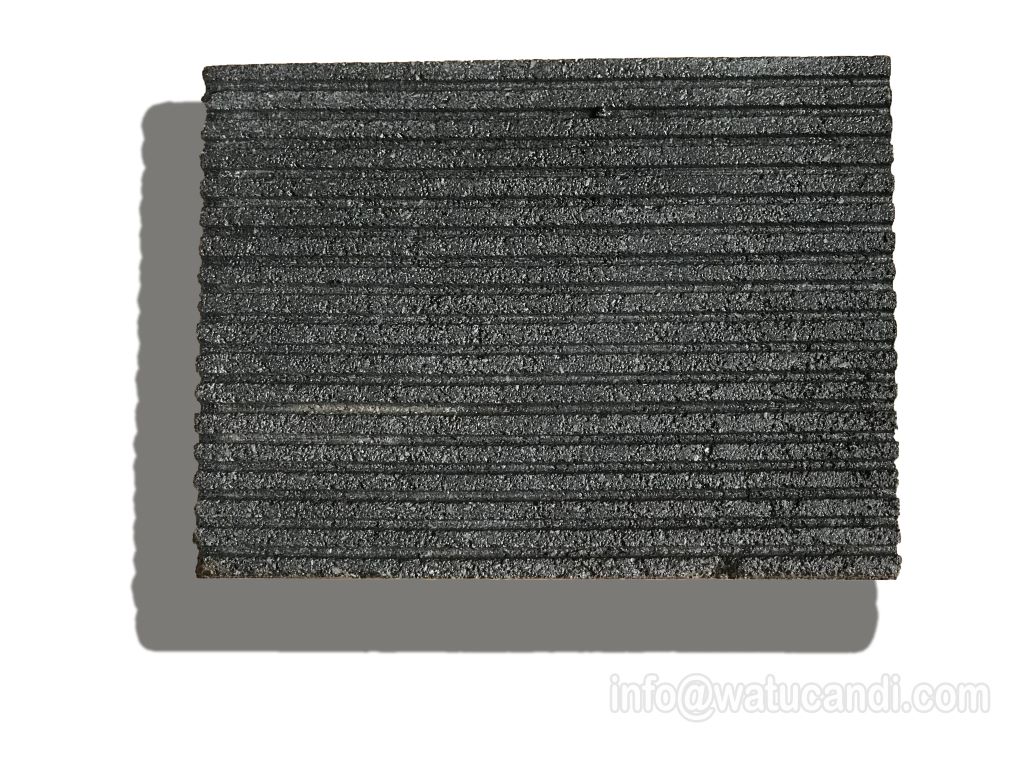
Technically speaking, 07 Surface Types (0.5×0.5comb) refers to the classification of line patterns formed by cutting blade distances of 0.5 centimeters on both sides, creating a combination of parallel and consistent lines across the entire natural stone face. The number “07” in this code indicates a specific order or variant within the surface type classification system used by the natural stone processing industry, while “0.5×0.5comb” explains that the spacing between lines is 0.5 cm with a combination pattern that produces a distinctive visual texture.
When we talk about natural stone faces, we are actually discussing the surface character that becomes the visual identity of the material. Every scratch, every line, and every texture formed on the stone surface tells a long story involving the forces of nature and human precision. The 0.5×0.5comb pattern creates an intriguing visual illusion, where light and shadow play among the fine lines, providing depth and dimension that a plain flat surface could never achieve.
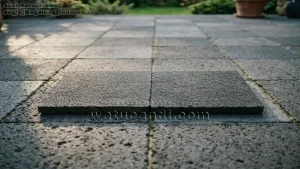
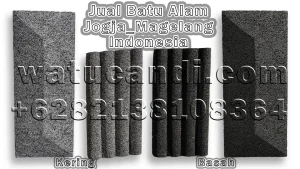
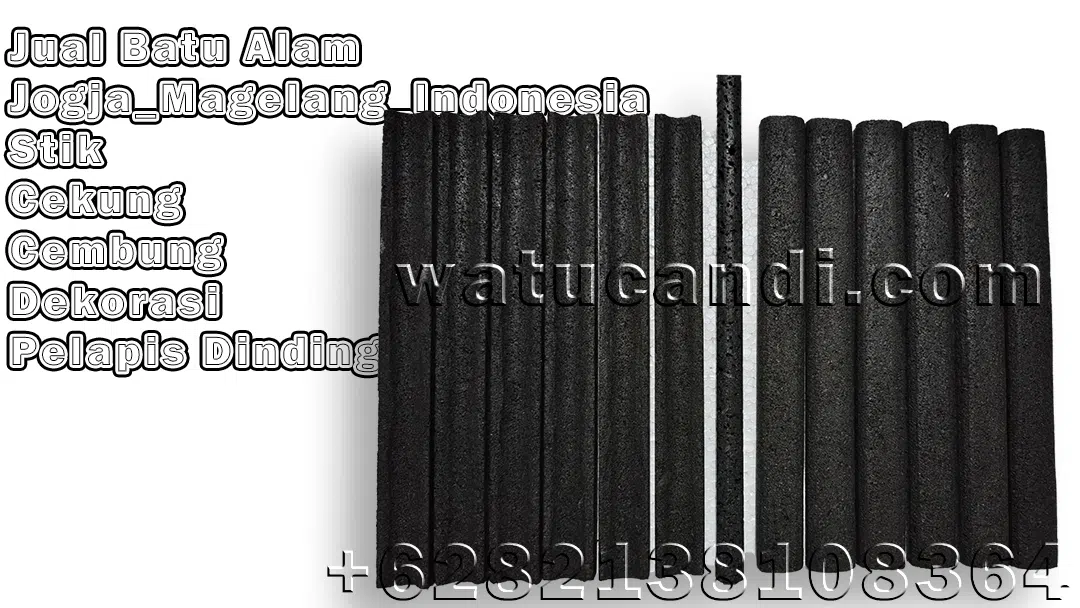
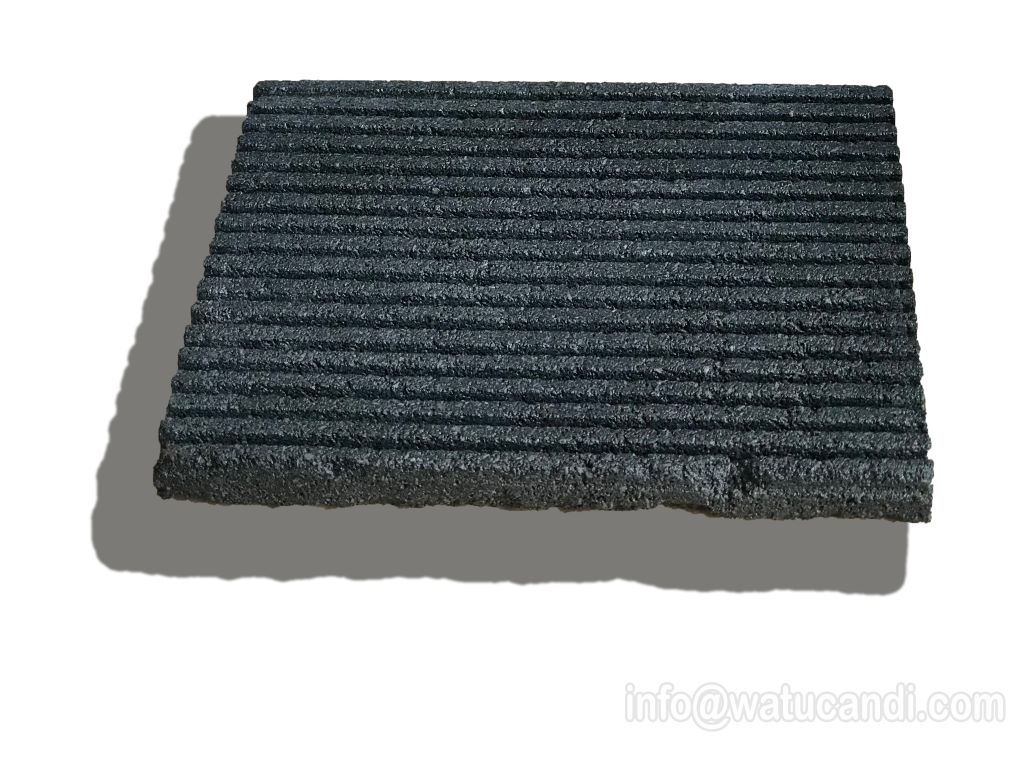
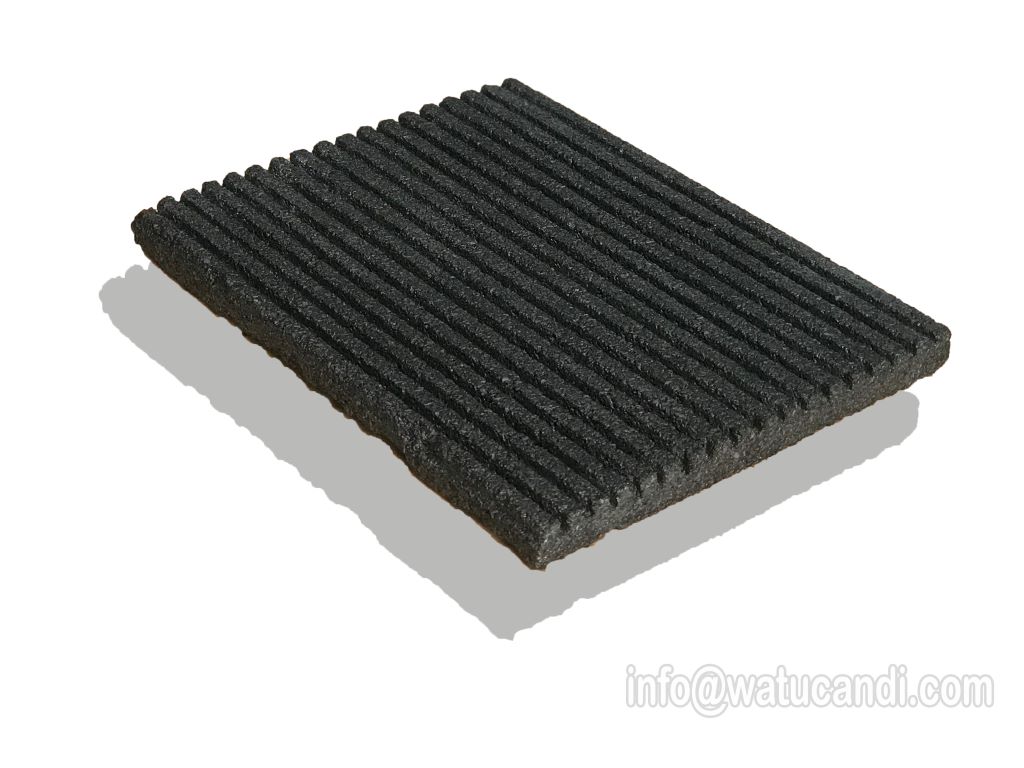
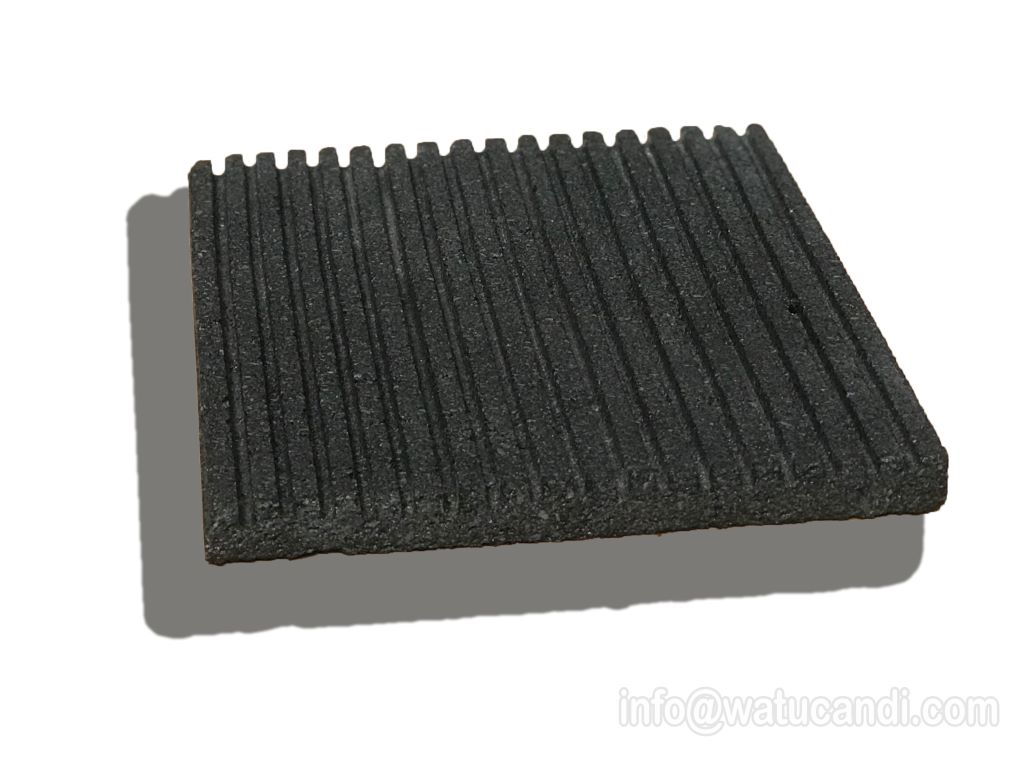
In practice, this surface type is applied to black lava stone tiles that have undergone a high precision cutting process. Each tile features a uniform line pattern, yet still retains the natural character of the stone that makes every piece uniquely its own. This is the perfect balance between modern machine precision and the beauty of natural materials formed over thousands of years.
To understand more about different pattern variations, you can explore 09 Stone Types GC which offer line characteristics with different specifications. Each type has its own uniqueness that can be adapted to various design needs.
History and Development of Line Pattern Techniques on Natural Stone
The use of natural stone as a building material has been ongoing since the dawn of human civilization. From the pyramids in Egypt to the magnificent temples in Indonesia, natural stone has always been a primary choice for its strength and timeless beauty. However, the technique of precisely creating line patterns on stone surfaces using machines is a relatively recent innovation, developing alongside advances in cutting technology during the modern industrial era.
Initially, patterns on stone surfaces were only formed naturally through geological processes that took millions of years. The scratches and textures present were the result of pressure, temperature, and earth movements that shaped the unique character of each stone piece. Traditional craftsmen then learned to utilize these natural patterns, cutting and arranging stones in such a way as to create beautiful compositions on building walls and floors.
The industrial revolution brought major changes to natural stone processing. The invention of diamond blade cutting machines in the mid 20th century opened up new possibilities in shaping stone surfaces. Engineers and craftsmen began experimenting with various blade distances, cutting depths, and cutting angles to create different visual effects. From these experiments, classification systems like 07 Surface Types (0.5×0.5comb) that we know today were born.
Indonesia, particularly the area around Mount Merapi in Central Java, plays an important role in the history of patterned natural stone. Black temple stone originating from the volcanic material of this mountain has been used since ancient kingdom times to build temples and palaces. Today, with modern technology, the same stone is processed into patterned line tiles exported to various countries, bringing Indonesia’s name to the global architectural stage.
The latest development in this industry is the integration of Computer Numerical Control (CNC) technology that allows precision down to fractions of a millimeter. Modern machines can be programmed to create highly complex patterns, including combinations of straight and broken lines as you can find in 08 Stone Type GC Broken. This innovation continues to advance, opening up limitless possibilities for designers to explore new textures and patterns on natural stone materials.
Getting to Know Black Temple Stone: Lava Stone, Sandstone, Pedra Hitam
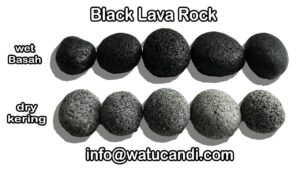
Black Temple Stone is the local name given to volcanic material originating from the slopes of Mount Merapi. In international trade, this stone is known by various names that reflect its characteristics and origin. Lava Stone refers to its origin from volcanic lava flows, Sandstone describes its texture that resembles sandstone but with much higher density, while Pedra Hitam is a Portuguese term that literally means “black stone,” widely used in European and South American markets.
The formation process of this stone takes place over thousands of years. Volcanic material ejected by Mount Merapi during its various eruptions settles on the surrounding slopes and valleys. Over time, natural pressure and temperature transform this loose material into solid rock with unique characteristics. The volcanic mineral content gives it a natural black color that will not fade, while the lava cooling process creates microscopic pores that become the hallmark of this stone.
One of the main advantages of Black Temple Stone is its resistance to various weather conditions. Unlike other types of natural stone that can experience weathering or color changes due to exposure to sunlight and rainwater, black lava stone actually shows more character as it ages. Its volcanic nature makes this stone resistant to extreme temperature changes, high humidity, and even exposure to mild chemicals. This is what makes it an ideal choice for exterior applications in various climates, from tropical to subtropical.
Key Characteristics of Line Patterned Natural Stone
Understanding the characteristics of line patterned natural stone is essential before deciding to use it in construction or renovation projects. Each characteristic affects not only the final appearance but also the installation process, long term maintenance, and material performance in various conditions. Here are the key characteristics you need to know.
Natural Black Color is the most prominent feature of lava stone. Unlike artificially colored stone, the black color in lava stone comes from the composition of volcanic minerals formed naturally. This color has depth and subtle tonal variations, ranging from jet black to dark gray with slight mineral shimmer. The naturalness of this color guarantees that the stone will not experience color changes over time, even when exposed to direct sunlight for years. This is why this stone is highly valued for both interior and exterior applications.
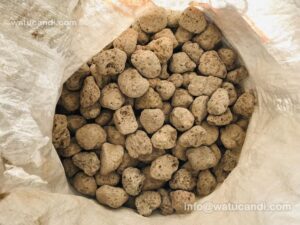
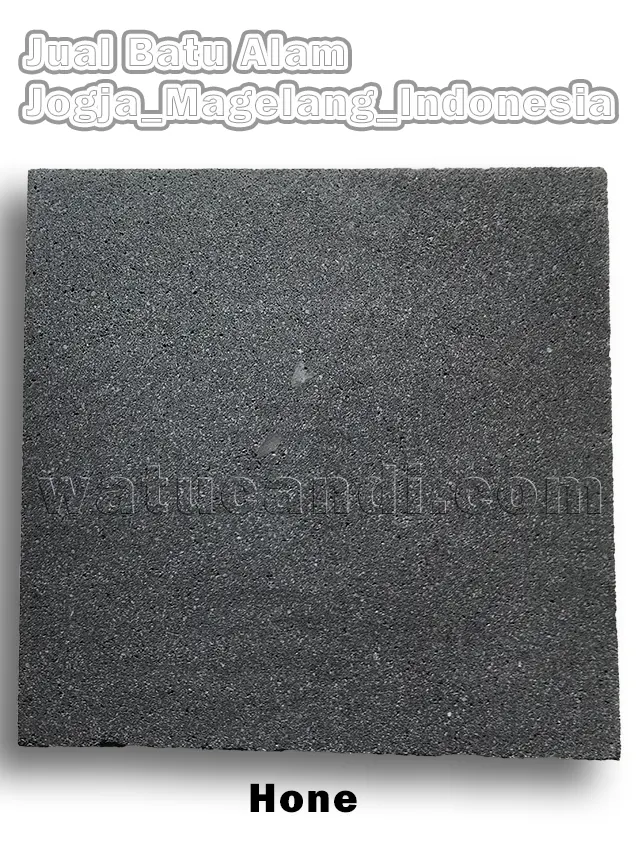
Porous Texture is the second characteristic that distinguishes lava stone from other stone types. Pores formed naturally during the lava cooling process provide a unique texture that cannot be imitated by artificial materials. Beyond their aesthetic value, these pores also provide a practical function as a natural anti slip property, making this stone safe for use in areas frequently exposed to water. In the context of surface finishing, these pores can be filled or left open depending on the desired visual effect.
High Density makes lava stone highly resistant to impact and pressure. Unlike ceramic or porcelain that can crack or break when subjected to strong impacts, lava stone tiles have extraordinary structural resistance. This characteristic is very important for floor or wall applications in high traffic areas. Furthermore, high density also means the stone has good thermal mass, capable of storing heat during the day and releasing it slowly at night, contributing to building energy efficiency.
Precision Line Pattern on 07 Surface Types (0.5×0.5comb) provides an additional visual dimension that plain natural stone does not possess. The lines formed from the 0.5 cm blade spacing create a regular yet not rigid visual rhythm, giving a modern yet still natural impression. This pattern is highly effective in creating spatial illusions, where horizontal lines can make a room feel wider, while vertical lines can give the impression of higher ceilings.
The Process of Creating Line Patterns on Natural Stone Faces
The process of creating line patterns on natural stone faces is an interesting blend of natural forces and modern technological precision. Unlike naturally formed patterns, the line patterns on 07 Surface Types (0.5×0.5comb) are created through a series of mechanical processes designed to produce consistent and repetitive patterns, while still maintaining the natural beauty of the base material.
The first stage in this process is the selection of raw materials. Not all lava stone blocks are suitable for making patterned line tiles. The selected stone must have uniform density, without internal cracks or mineral inclusions that could disrupt the cutting process. Stone from the slopes of Mount Merapi is highly valued for its consistent quality, the result of relatively uniform volcanic processes over thousands of years. After suitable stone blocks are selected, they are cut into slabs with specific base dimensions using industrial diamond saws.
The next stage is the process that differentiates 07 Surface Types (0.5×0.5comb) from ordinary natural stone tiles. The stone slabs that have been cut flat are then placed into special machines that have been programmed to create specific line patterns. These machines use diamond cutting blades arranged at 0.5 cm distances, creating grooves with precise depth and width. This process requires high precision because any deviation, no matter how small, will be clearly visible in the final result, especially when tiles are installed side by side.
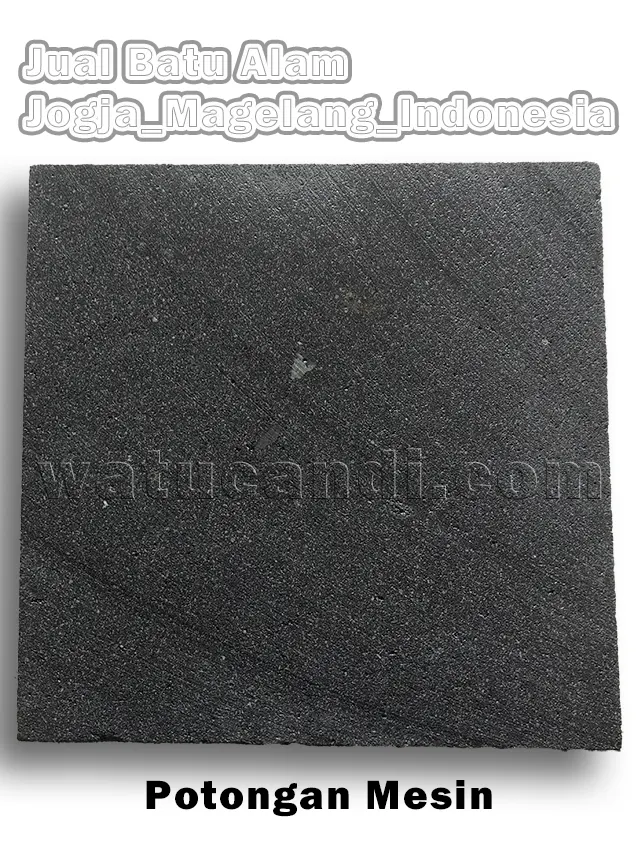
The process of creating machine made natural stone stripe motifs typically involves first selecting the type of natural stone to be used, such as lava stone, sandstone, granite, or limestone. Each type of stone has different hardness and texture characteristics, requiring adjustments to cutting parameters. The stone is then cut into rectangular or square pieces of the same size using a saw or other cutting tool. Watucandi as a trusted natural stone producer uses the latest technology to ensure each piece has accurate dimensions.
Once the stone pieces have been cut to size, they are fed through a machine that is programmed to create the desired stripe pattern. The machine uses a variety of cutting tools and techniques to shape the stone into the desired pattern, including saws, waterjets, and grinders. The specific technique used may vary depending on the type of stone being used and the desired pattern. After the stone has been cut and shaped according to the pattern, it is typically polished to create a smooth and uniform finish.
It is important to note that machine made natural stone stripe motifs are not completely uniform, and there may be slight variations in color and texture between individual pieces. However, these variations are often considered desirable, as they add to the natural beauty and character of the stone. This is precisely where the uniqueness of natural materials lies, something that cannot be replicated by synthetic materials. Each tile has its own “personality” while still maintaining overall pattern consistency.
Cutting Machine Technology and Line Forming
The machines used to create lines on natural stone tiles are advanced equipment specifically designed to work with hard materials such as volcanic stone. The technology behind these machines continues to evolve, enabling the creation of increasingly complex and precise patterns. Understanding this technology is important for professionals in the construction and design industry to appreciate the value of each tile produced.
The line forming machines work on the principle of controlled cutting. Cutting blades made of high quality steel with diamond tips rotate at high speed and touch the stone surface at predetermined angles and depths. The distance between blades can be adjusted to create various groove widths, from nearly invisible thin lines to wide grooves that create prominent textures. For 07 Surface Types (0.5×0.5comb), the blade spacing is set at exactly 0.5 cm, creating the perfect balance between regularity and texture.
Cutting speed, blade pressure, and number of passes can all be adjusted to achieve different effects on different stone types. Softer lava stone may require a different approach compared to harder granite. Machine operators must have a deep understanding of the characteristics of various stone types and be able to adjust machine settings as needed. They must also recognize signs of blade wear or other potential problems that could affect the quality of the final result.
It is important to note that operating natural stone tile machines requires specialized skills and training, as well as proper safety precautions to avoid injury. The machine should also be operated with caution to avoid damaging the tile or causing any other unintended effects. Regular machine maintenance, including replacement of worn blades and calibration of settings, is very important to maintain consistent production quality. As you can see in product variations like 08 Stone Type GC Broken, each type requires different machine settings to achieve the desired line characteristics.
Variations of Line Pattern Types on Stone Surfaces
The world of line patterned natural stone offers a wide variety of options that can be adapted to different design needs. Although this article focuses on 07 Surface Types (0.5×0.5comb), understanding the variations in a broader context will help you make more informed decisions. Each pattern type has different visual characteristics and is suitable for different applications.
Straight Horizontal Line Patterns are the most classic and widely used type. In this type, the cutting blades create parallel lines that extend horizontally across the entire tile surface. Horizontal lines give the impression of a wider and more spacious room, making them a popular choice for living room walls and hotel lobbies. The distance between lines can vary from very close, creating a fine texture, to more spaced out for a bolder visual effect.
Straight Vertical Line Patterns use the same principle as horizontal lines, but the lines are created in a vertical orientation. The resulting effect is an illusion of height, making the room feel taller than it actually is. Vertical lines are very effective for rooms with low ceilings or areas that you want to give a grand and monumental impression. Many commercial and public buildings use this pattern to create a sense of prestige.
Combination Line Patterns like 07 Surface Types (0.5×0.5comb) combine multiple directions or line spacings in one tile or in one installation series. The 0.5×0.5comb pattern specifically creates a rich texture through consistent spacing combinations, producing a visually interesting surface without being too busy. This is an ideal choice for those who want something different from ordinary single line patterns.
Broken Line Patterns as found in 08 Stone Type GC Broken offer a more dynamic alternative. In this type, the cutting blades create non continuous lines that are interrupted with certain patterns, producing a more organic and natural texture. This pattern is highly effective for creating rustic, industrial, or contemporary impressions with more character.
For further exploration, 09 Stone Types GC offer other variations that may suit your design preferences. Each type has technical specifications and application examples that can serve as valuable references in planning your project.
Advantages of Line Patterned Natural Stone Compared to Other Materials
When comparing line patterned natural stone with other wall cladding materials, several significant advantages emerge that make it a superior choice for various applications. These advantages encompass aesthetic, functional, and long term economic aspects that need to be considered comprehensively.
From an aesthetic perspective, line patterned natural stone offers uniqueness that cannot be imitated by artificial materials. Each tile has natural variations in color and texture that, although machine produced, still maintain their organic character. The grooves created by cutting blades add a richer visual dimension, creating a play of light and shadow that continuously changes throughout the day. No two tiles are truly identical, ensuring that each covered wall has its own unique character.
From a functional perspective, natural stone tiles offer extraordinary durability. Unlike wallpaper that can peel, paint that can fade, or wood panels that can decay, line patterned natural stone tiles maintain their appearance for decades with minimal maintenance. Black lava stone in particular is resistant to water, fire, and temperature changes, making it a safe and durable choice for both interior and exterior applications. The line pattern on its surface can even help hide tile joints more effectively, creating a smoother and more professional appearance.
From an economic perspective, although the initial investment for line patterned natural stone may be higher than some alternatives, its long term value is very profitable. The durability of this material means there are no major replacement or repair costs in the near future. Easy and inexpensive maintenance further enhances its economic value. Moreover, the use of premium materials like line patterned natural stone can significantly increase property value, making it a smart investment for homeowners and property developers alike.
Applications in Interior Design
The flexibility of line patterned natural stone allows it to be used in various interior applications. Each room has different character and needs, and this material is capable of adapting perfectly. Here are some of the most popular and effective interior applications.
Living Room Accent Walls are the most common application and deliver the greatest visual impact. A single wall covered with natural stone tiles featuring the 0.5×0.5comb pattern immediately becomes the focal point of the room, attracting attention and creating a luxurious and classy impression. The natural black color of lava stone provides perfect contrast with light or neutral colored furniture, while the line pattern adds texture that prevents the wall from looking flat and boring. Lighting strategically directed at this wall will create dramatic effects as light plays among the fine lines.
Master Bedroom Walls behind the headboard create a calm yet luxurious atmosphere. Horizontal line patterns can provide a soothing effect that helps create an ideal resting atmosphere. Meanwhile, the natural character of the stone provides a connection with nature that further enhances the quality of relaxation within the room. Combine with soft lighting and high quality textiles to create the perfect personal retreat.
Dining Room Walls with line patterned natural stone create an elegant backdrop for moments of togetherness. The line texture catches and reflects candlelight or pendant lamps in a beautiful way, creating a warm and intimate atmosphere. The dark color of lava stone also provides a formal impression suitable for dining rooms without feeling too stiff.
Bathrooms are areas where line patterned natural stone truly shows its superiority. The natural anti slip property of lava stone makes it a safe choice for wet areas. Line patterns on bathroom walls create interesting texture without sacrificing functionality. Water hitting the stone surface can actually temporarily deepen its color, creating a dynamic visual effect. Make sure to apply the right sealer to protect the stone from excessive moisture.
Hallways and Transition Areas are often forgotten spaces in interior design. However, by covering one hallway wall with line patterned natural stone, an area that is usually just a passageway transforms into an interesting gallery. Horizontal line patterns can help create the illusion of a wider hallway, while proper lighting can transform the stone texture into living abstract art.
Applications in Exterior Design
The weather resistance of natural stone makes it an ideal choice for exterior applications. From building facades to landscape elements, line patterned natural stone can withstand the most challenging conditions while maintaining its beauty.
Building Facades are the largest canvas for displaying the beauty of line patterned natural stone. Lava stone has natural weather resistance, will not fade or be damaged by exposure to UV rays, rain, or temperature changes. The line pattern on its surface adds visual dimension that makes building facades look more interesting from both afar and up close. Commercial buildings such as hotels, restaurants, and shopping centers often use this material to create a professional and high quality impression that sets them apart from competitors.
Fence Walls with line patterned natural stone not only function as property boundaries, but also as aesthetic elements that enhance the visual appeal of a home. Horizontal line patterns on fence walls can create the illusion of a wider property, while the texture adds character to what would otherwise be just a functional structure. Combine with landscape lighting for dramatic effects at night.
Gate Pillars covered with line patterned natural stone create a strong first impression for every visitor. This is a small detail that has a big impact on the overall perception of the property. Choose vertical line patterns to give the impression of taller and more majestic pillars.
Garden Walls and other landscape elements benefit from natural stone’s resistance to natural elements. The stone will not weather or be damaged by soil moisture or rainwater. The line pattern creates texture that beautifully contrasts with the softness of surrounding plants and foliage. Over time, moss and natural patina may form on the stone surface, adding character and vintage charm that is highly sought after in garden design.
Proper Installation Techniques
Installing line patterned natural stone tiles requires precision and special skills to ensure a perfect final result. Unlike ordinary ceramic tiles that are lightweight and easy to cut, natural stone tiles have heavier weight and different material characteristics, thus requiring a different approach.
Surface preparation is the first and most important step in the installation process. The wall to be covered must be completely flat, clean, and free from dust, oil, or other contaminants. For exterior walls or humid areas such as bathrooms, the application of a waterproofing layer is highly recommended before tile installation. Uneven surfaces must be leveled first using cement mortar or special leveling compound. Any unevenness, no matter how small, will be clearly visible after the tiles are installed, especially on tiles with line patterns that demand high precision.
The installation process begins with planning the tile layout. For patterned line tiles, the direction of the lines must be carefully considered as it will affect the overall visual perception of the room. Horizontal lines will make the room feel wider, while vertical lines will give an impression of height. After the layout is determined, apply special natural stone adhesive to the wall using a notched trowel. The double buttering technique, which means applying adhesive to the wall and also to the back of the tile, is highly recommended to ensure a strong bond and prevent air pockets.
The tile is then pressed onto the wall with even pressure. Use spacers to ensure consistent gaps between tiles. After the adhesive dries, grout is applied to fill the gaps between tiles. The right choice of grout color is very important as it will affect the overall appearance of the wall. Matching grout color will create a more seamless look, while contrasting grout can highlight the grid pattern and give a more industrial impression.
Care and Maintenance Guide
One of the main advantages of natural stone tiles is their relatively easy and simple maintenance. However, proper maintenance will ensure their beauty and quality last as long as possible. Here is a maintenance guide that needs to be considered.
For routine cleaning, simply use a soft cloth or feather duster to remove dust that settles on the tile surface, especially in line areas that can become dust collecting spots. For deeper cleaning, use clean water and pH neutral soap. Avoid using cleaners that contain acid, bleach, or abrasive materials as they can damage the stone surface and remove its natural luster. After cleaning, dry the tile surface with a clean cloth to prevent water spots from forming.
For long term protection, it is recommended to apply a special natural stone sealer every one to two years. The sealer will fill microscopic pores on the stone surface, preventing liquid and stain absorption without changing the natural texture or color of the stone. For tiles installed in areas frequently exposed to water such as bathrooms or kitchens, sealer application may need to be done more frequently. If stubborn stains occur such as oil or wine stains, immediately clean with an absorbent cloth and use a special natural stone cleaner if needed.
The line pattern on 07 Surface Types (0.5×0.5comb) actually helps with maintenance because dust and dirt tend to collect in specific areas that are easy to clean, rather than spreading evenly. With simple routine maintenance, your line patterned natural stone wall will remain beautiful for decades, even gaining more character as it ages.
Design Inspiration from Various Architectural Styles
Line patterned natural stone offers almost unlimited design possibilities. With creativity and proper planning, this material can be used to create various styles and atmospheres, from classic and traditional to modern and contemporary.
Modern Industrial Style utilizes the contrast between the natural texture of stone with metal and glass elements. A wall with line patterns from black lava stone becomes the perfect backdrop for steel or iron furniture. Lighting strategically directed at the stone lines creates dramatic shadows that reinforce the industrial impression. This style is very suitable for loft apartments, creative offices, or urban style restaurants.
Contemporary Minimalist Style uses line patterned natural stone as an accent element in rooms dominated by white or neutral colors. An accent wall with the 0.5×0.5comb pattern can become an elegant focal point without disturbing the simplicity of the room. For this style, choose tiles with finer lines to create subtle texture. Combine with light wood furniture and indirect lighting to create a calm and sophisticated atmosphere.
Contemporary Tropical Style blends line patterned natural stone with other natural elements such as wood, rattan, and green plants. Walls with line patterns from black lava stone create an interesting contrast with lush tropical plants. The natural texture of the stone that is maintained even after being patterned adds authenticity to the tropical atmosphere. This style is very suitable for villas, resorts, or homes in warm climate areas.
Japandi Style, a fusion of Japanese and Scandinavian aesthetics, highly values natural materials and organic textures. Line patterned natural stone with neutral colors matches the calm color palette and functional furniture typical of this style. The simple and repetitive line pattern creates a soothing visual rhythm, in line with Zen principles in Japanese design.
Comparison with Other Wall Cladding Materials
To provide a clearer picture of the position of line patterned natural stone among other wall cladding materials, here is a comprehensive comparison with several popular alternatives.
Compared to Wall Paint, line patterned natural stone offers dimensions and textures that paint cannot provide. Paint is indeed cheaper and easier to apply, but it is prone to stains, scratches, and requires periodic repainting. Natural stone, on the contrary, requires almost no maintenance and can last for decades without significant changes. The higher initial investment for natural stone will pay off in the long run through savings on maintenance and repainting costs.
Compared to Wallpaper, line patterned natural stone is far more durable and water resistant. Wallpaper, even high quality ones, is susceptible to moisture, can peel in tropical areas, and has a limited lifespan. Natural stone is unaffected by moisture, will not peel, and its color will not fade. From an aesthetic perspective, although wallpaper offers various patterns and designs, none can imitate the natural texture and depth of natural stone.
Compared to Wood Panels, line patterned natural stone offers much better resistance to fire, water, and insects. Wood panels require routine maintenance in the form of recoating and are susceptible to termites, especially in tropical areas. Natural stone is completely fire resistant, does not require recoating, and is immune to pest attacks. From an aesthetic perspective, wood offers a different warmth, but natural stone with line patterns provides equally strong character with better functional advantages.
Tips for Choosing Quality Line Patterned Natural Stone
Choosing quality line patterned natural stone requires precision and knowledge. Here are some tips that can help you make the right choice.
Check Pattern Consistency on several tile samples. The lines should have uniform depth and width across the entire tile surface. The pattern should be consistent from one tile to another. Non uniform lines will be very visible after the tiles are installed, disrupting the visual beauty that should be the main advantage of this material. Ask for several samples from the same production batch and compare them with each other under different lighting.
Pay Attention to Stone Quality used. High quality black lava stone tiles have a relatively uniform color without striking blotches or color streaks. The surface should be solid without unwanted cracks or large holes. Tap the tile with a hard object; quality tiles will produce a clear and solid sound, not a dull or hollow sound.
Choose a Trusted Supplier who has a good track record in providing natural stone tiles. An experienced supplier will be able to provide detailed information about the origin of the stone, the production process, and technical specifications. They also usually provide adequate guarantees and after sales service. Do not hesitate to ask for references or see previous projects that used their products. 09 Stone Types GC and other variants from trusted suppliers will give you peace of mind in your investment.
Global Trends in the Use of Line Patterned Natural Stone
The use of line patterned natural stone has become a global trend in recent years, driven by increasing appreciation for natural materials and sustainable design. In various parts of the world, architects and designers use this material in innovative and interesting ways.
In Europe, especially in Scandinavian countries and Germany, line patterned natural stone is often used in minimalist designs that prioritize function and simple beauty. Line patterns on walls create more expressive textures without sacrificing minimalist principles. The natural black color of lava stone becomes the perfect contrast with the dominant neutral color palette in Scandinavian design.
In Asia, the use of line patterned natural stone reflects a blend of tradition and modernity. In Japan, line patterns on natural stone are often used to create effects that align with the aesthetic principle of wabi sabi, appreciating beauty in simplicity and natural imperfection. In Singapore and Malaysia, line patterned natural stone is a popular choice for commercial building facades, creating a professional and modern appearance.
Sustainability and Environmental Aspects
In an era where environmental awareness is increasing, the sustainability aspect of building materials becomes a very important consideration. Line patterned natural stone has several advantages from a sustainability perspective that need to be considered.
First, natural stone is a naturally available material and does not require energy intensive manufacturing processes like synthetic materials. The process of extracting and cutting stone does require energy, but its carbon footprint is much lower compared to the production of ceramic, porcelain, or composite materials. Natural stone also does not contain harmful chemicals that can evaporate into indoor air, contributing to better indoor air quality.
Second, the very long lifespan of natural stone tiles means material replacement is rarely needed, reducing construction waste in the long term. When eventually replaced, natural stone can be recycled or reused for other applications, unlike many synthetic materials that end up in landfills. Third, the use of local natural stone such as stone from Mount Merapi reduces transportation footprints, further enhancing its sustainability profile.
Case Studies: Iconic Projects
Line patterned natural stone has been used in various prestigious projects around the world. From five star hotels to contemporary art museums, this material has proven its ability to enhance the aesthetic and functional quality of buildings. Here are some inspiring examples.
In Bali, a luxury resort used black lava stone with line patterns for the exterior walls of its villas. The 0.5×0.5comb pattern was chosen for its ability to create texture that contrasts with the surrounding tropical plants, while its resistance to tropical weather ensures its beauty lasts throughout the year. Guests often praise how the stone walls appear to change throughout the day, responding to the sun’s movement with ever shifting shadows.
In Singapore, a premium office building used 08 Stone Type GC Broken in its main lobby, creating an unforgettable first impression for every visitor. The broken line pattern on the lobby wall creates visual dynamics that reflect the energy and innovation of the companies housed within.
Frequently Asked Questions (FAQ)
Q: Are line patterned natural stone tiles suitable for all types of walls?
A: Line patterned natural stone tiles can be installed on most types of walls, including brick, concrete, and gypsum board walls, as long as the surface is flat and strong enough to support the weight of the tiles. For walls with lighter structures, consult with a contractor regarding any reinforcement that may be needed.
Q: Will the line pattern on natural stone tiles make cleaning difficult?
A: Line patterns can indeed become dust collecting spots, but routine cleaning with a feather duster or vacuum cleaner is sufficient to keep them clean. For deep cleaning, use a soft bristled brush. Line patterns do not significantly complicate cleaning if done regularly.
Q: Are line patterned natural stone tiles available in colors other than black?
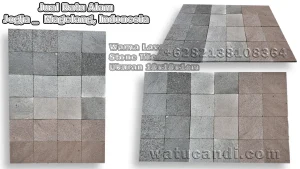
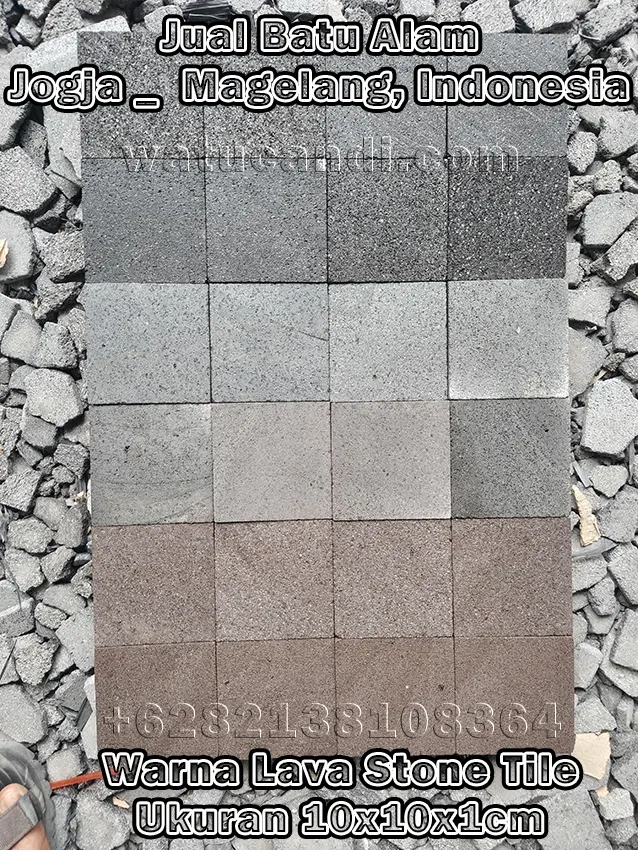
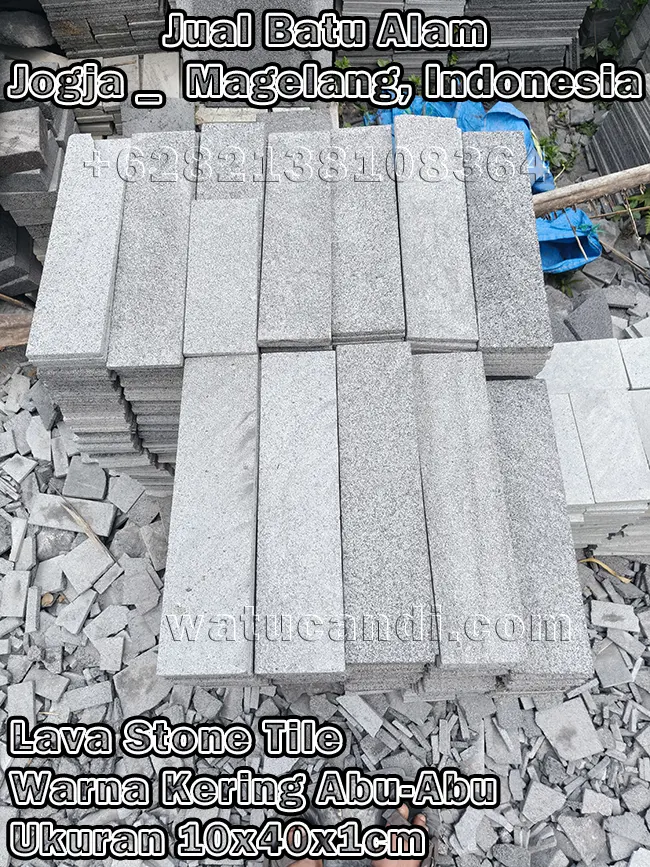
A: Although black lava stone is the most popular, line patterned natural stone tiles are also available in various other natural colors, including gray, brown, and cream, depending on the type of stone used. Andesite stone, for example, offers a wider spectrum of gray colors.
Q: How long does it take to install line patterned natural stone tiles?
A: Installation time varies depending on the area size, pattern complexity, and installer experience. In general, installing line patterned natural stone tiles takes longer than ordinary ceramic tiles because of their heavier weight and the need for greater precision in aligning the line patterns.
Q: Can I combine 07 Surface Types (0.5×0.5comb) with other types?
A: Absolutely. Many designers creatively combine various surface types in one project. For example, 07 Surface Types (0.5×0.5comb) can be used on the main wall, while 09 Stone Types GC is used in other areas to create interesting texture variations. The key is to ensure there is visual continuity through color or design theme.
Conclusion: The Timeless Beauty of Natural Stone Faces
07 Surface Types (0.5×0.5comb) represents the perfect blend of natural beauty and technological precision. Natural stone tiles with line patterns offer a unique wall decoration solution, combining the organic character of volcanic stone with the regularity of patterns created by modern machines. The result is a material that is not only visually beautiful but also functional, durable, and environmentally friendly.
From the legendary black lava stone of Mount Merapi, through advanced cutting and shaping processes, tiles are created ready to beautify building walls around the world. Each groove formed is not merely a mechanical scratch, but the result of careful calculations and technical expertise aimed at maximizing the aesthetic potential of natural materials.
Whether you are an architect designing iconic buildings, an interior designer creating inspiring spaces, or a homeowner wanting to give a special touch to your residence, line patterned natural stone offers unlimited possibilities. With proper selection, careful installation, and simple maintenance, your walls will become canvases displaying the timeless beauty of nature, enhanced by the touch of human precision.
Explore the collection of Indonesian natural stone tiles and discover the perfect 07 Surface Types (0.5×0.5comb) for your next project. By choosing quality natural materials, you are not only investing in beauty, but also in sustainability and long term value. For further exploration, also visit our guides on 08 Stone Type GC Broken and 09 Stone Types GC to discover pattern variations that may be more suitable for your design needs.
Tags: 07 surface types, 0.5×0.5comb, line patterned natural stone, black lava stone tiles, black temple stone, lava stone, sandstone, pedra hitam, natural stone wall tiles, natural stone wall decoration, natural stone surface lines, natural stone cutting machine, natural stone line pattern, natural stone wall cladding, volcanic stone tiles, mount merapi stone, black stone tiles, natural stone texture, natural stone finishing, natural stone tile installation, natural stone maintenance, natural stone wall design, interior natural stone, exterior natural stone, natural stone facade, indonesian natural stone tiles, watucandi,