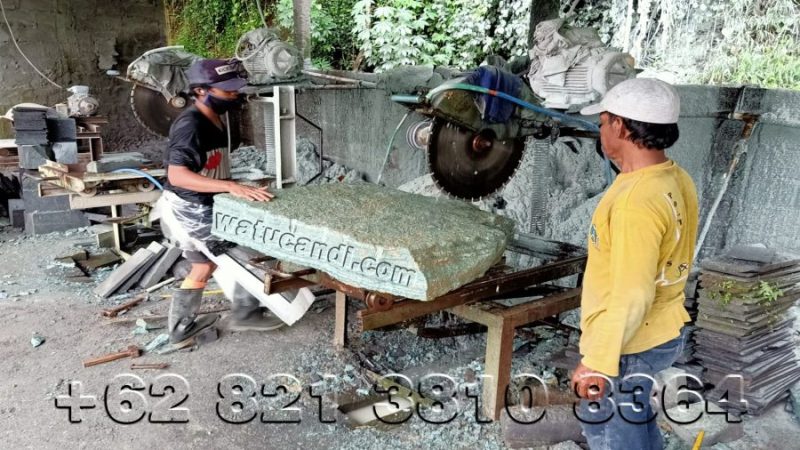
About Merapi Indonesia Natural Stone Products – Complete Guide for Your Dream Building
Welcome to the most complete guide about Merapi Indonesia natural stone products. This page is a one-stop information hub that will answer all your questions about natural stone from the slopes of Mount Merapi, starting from the formation process, types of stone, finishing techniques, material advantages, installation methods, maintenance, to design inspirations for various types of buildings.
As an experienced Indonesian natural stone manufacturer with decades of expertise, we, Watu Candi, are here to be your trusted partner in realizing a strong, beautiful, and high-investment-value building. We are Merapi stone specialists who understand every characteristic of stone originating from the Yogyakarta and Central Java regions.
Why should you read this guide about Merapi Indonesia natural stone products until the end? Because there are not many information sources that thoroughly discuss Merapi stone from upstream to downstream. We will share the knowledge we have gained from our generations-old experience since the 2008s.
Table of Contents – Guide to Merapi Indonesia Natural Stone Products
- Chapter 1 – Introduction to Merapi Indonesia Natural Stone
- Chapter 2 – History and Formation Process of Merapi Natural Stone
- Chapter 3 – Types of Merapi Indonesia Natural Stone Products
- Chapter 4 – Characteristics and Technical Specifications of Merapi Stone
- Chapter 5 – Merapi Natural Stone Finishing Techniques for Various Styles
- Chapter 6 – Advantages of Merapi Natural Stone Compared to Other Stones
- Chapter 7 – Applications of Merapi Natural Stone for Various Building Types
- Chapter 8 – Design Inspirations with Merapi Natural Stone
- Chapter 9 – Guide to Choosing the Right Merapi Natural Stone Product
- Chapter 10 – How to Correctly Install Merapi Natural Stone
- Chapter 11 – Care and Maintenance of Merapi Natural Stone
- Chapter 12 – Prices and How to Order Merapi Natural Stone from the Factory
- Chapter 13 – Why Choose Us as Your Partner
- Chapter 14 – Conclusion and FAQ about Merapi Indonesia Natural Stone
Chapter 1 – Introduction to Merapi Indonesia Natural Stone
What is Merapi Indonesia Natural Stone?
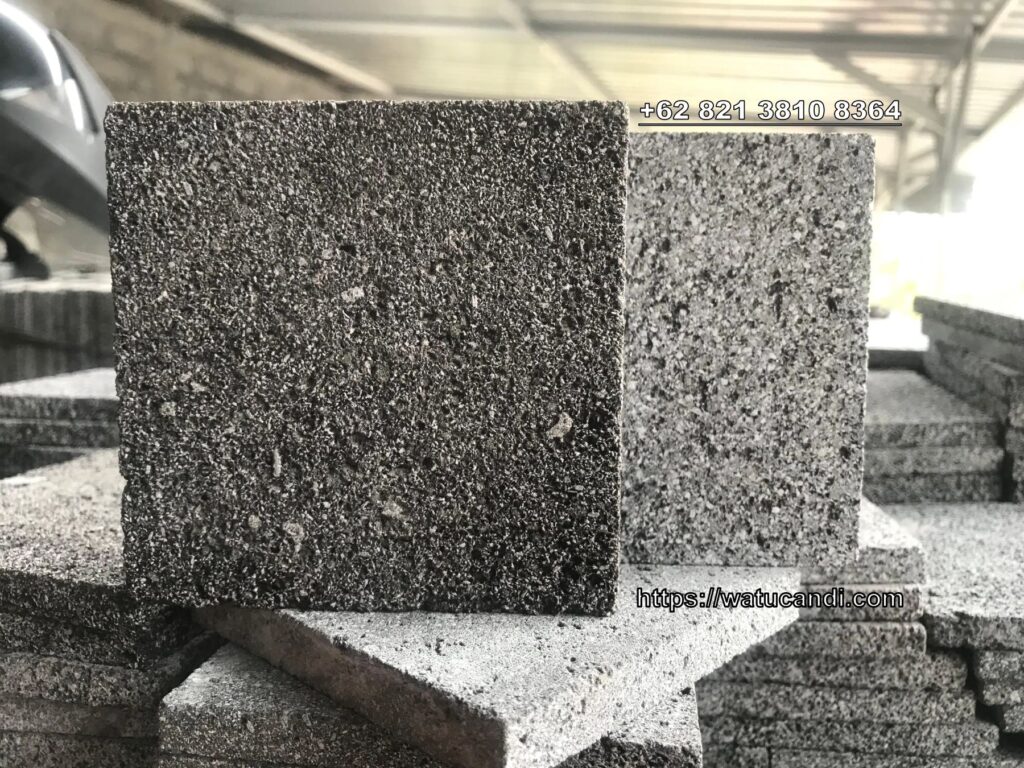
Merapi Indonesia natural stone is a natural building material originating from the eruptions of Mount Merapi, the most active volcano in the world located on the border of Yogyakarta and Central Java. This stone is formed from lava and volcanic material that has undergone a cooling and crystallization process over tens to hundreds of years.
What sets Merapi Indonesia natural stone apart from natural stone from other regions is its mineral content, which is rich in silica and iron. This composition gives Merapi stone unique characteristics: it is very hard, resistant to extreme weather, and has a deep black to dark gray elegant color.
In both national and international construction industries, Merapi Indonesia natural stone is known by various names such as Merapi lava stone, Merapi temple stone, Merapi andesite, and black lava stone. This stone has been used since the Mataram Kingdom era to build magnificent temples such as Prambanan Temple and Borobudur Temple.
Why is Merapi Indonesia Natural Stone So Special?
The uniqueness of Merapi Indonesia natural stone is inseparable from the geographical location of Mount Merapi, which lies along the Pacific Ring of Fire. This area is known as having the highest volcanic activity in the world, producing rock materials of superior quality.
The formation process of Merapi stone involves extreme temperatures of thousands of degrees Celsius inside the earth, followed by natural cooling through air and water. This natural process produces a very dense and strong crystalline structure that cannot be imitated by artificial stone or stone from low-volcanic-activity regions.
It is no wonder that Merapi Indonesia natural stone is sought after by architects, interior designers, and contractors from various countries. This stone is not only visually beautiful but also holds philosophical value because it originates from a volcano revered by the Javanese people.
History of Merapi Stone Usage Through the Ages
The history of Merapi Indonesia natural stone products cannot be separated from ancient Javanese civilization. In the 8th to 10th centuries AD, the Ancient Mataram Kingdom used stone from the Merapi area to build magnificent temples that still stand strong today.
Archaeologists and geologists agree that the andesite stone used to build Prambanan Temple, Borobudur Temple, and Ratu Boko Temple came from the lava flows of Mount Merapi. These stones have survived for over a thousand years, enduring earthquakes, volcanic eruptions, and extreme climate changes.
Entering the modern era, the use of Merapi Indonesia natural stone has become increasingly widespread. No longer limited to sacred buildings or palaces, this stone now appears in residential homes, luxury hotels, upscale restaurants, offices, and shopping centers. The architectural trend of returning to nature has made Merapi stone increasingly popular.
How to Distinguish Genuine Merapi Stone from Imitations
One of the challenges when buying Merapi Indonesia natural stone products is the prevalence of imitation stones sold under the name Merapi stone. Imitation stones are usually made from a mixture of cement and stone powder that is molded and colored to resemble real stone.
How to distinguish genuine Merapi stone from imitations is quite easy. First, look at the pores. Genuine Merapi stone has irregular pores with varying sizes formed from natural gas bubbles. Second, feel the weight. Real stone is much heavier than imitation. Third, try tapping it with a metal object. Genuine stone produces a loud sound like a bell, while imitation stone produces a duller sound.
Fourth, perform a water test. Drop water onto the stone’s surface. Genuine Merapi stone will absorb water quickly due to its porosity, while imitation stone tends to repel water. Fifth, make sure you buy from a trusted manufacturer like us, who have a factory directly on the slopes of Merapi and do not sell imitation stone.
Chapter 2 – History and Formation Process of Merapi Natural Stone
The Volcanic Process Behind the Birth of Merapi Stone
To fully understand Merapi Indonesia natural stone products, we need to study the volcanic process that creates them. Mount Merapi is a stratovolcano formed from the accumulation of lava and pyroclastic material from repeated eruptions over thousands of years.
Every time Merapi erupts, it emits incandescent lava with temperatures reaching 1000 to 1200 degrees Celsius. This lava flows down the slopes of the mountain while gradually cooling. This slow cooling process allows the formation of mineral crystals within the rock, making Merapi stone extremely hard and dense.
Besides lava, Merapi’s eruptions also produce volcanic bombs—lumps of hot rock thrown far from the crater. These volcanic bombs cool in the air, giving them a different structure from lava that flows on the surface. Both types of material become the Merapi Indonesia natural stone products we know today.
Mineral Composition of Merapi Indonesia Natural Stone
Mineral composition is the key to the quality of Merapi Indonesia natural stone. Based on geological laboratory tests, Merapi stone is dominated by plagioclase, pyroxene, hornblende, and magnetite minerals. The silica (SiO2) content ranges from 50 to 60 percent, classifying it as an intermediate igneous rock.
The presence of magnetite is what gives Merapi stone its dark color, ranging from dark gray to deep black. The higher the magnetite content, the blacker the rock and the stronger its magnetic properties. Deep black stone is usually the most sought after because it gives a luxurious and modern impression.
Additionally, Merapi stone also contains secondary minerals such as calcite and zeolite, formed from weathering and hydrothermal processes. These minerals give Merapi stone its natural pores, allowing it to absorb water and provide a cooling effect in rooms that use this stone for floors or walls.
The Best Merapi Natural Stone Producing Areas
Not all stones called Merapi stone have the same quality. Several areas around Mount Merapi are known to produce stone of the best quality. These areas include Selo District in Boyolali, Dukun District in Magelang, Kemalang District in Klaten, and Cangkringan District in Sleman.
Stone from Selo Boyolali is known for its very dense texture because it comes from deep lava flows that cooled slowly. Stone from Dukun Magelang has larger pores, making it lighter yet still strong. Stone from Cangkringan Sleman, on the southern slope of Merapi, is known for its deep black color that becomes shiny after polishing.
As an experienced Indonesian natural stone manufacturer, we source material from these various areas according to project needs. We ensure that every stone we sell has undergone a strict sorting process so that you only receive premium-quality Merapi Indonesia natural stone products.
Chapter 3 – Types of Merapi Indonesia Natural Stone Products
Lava Temple Stone – The Most Popular Type of Merapi Stone
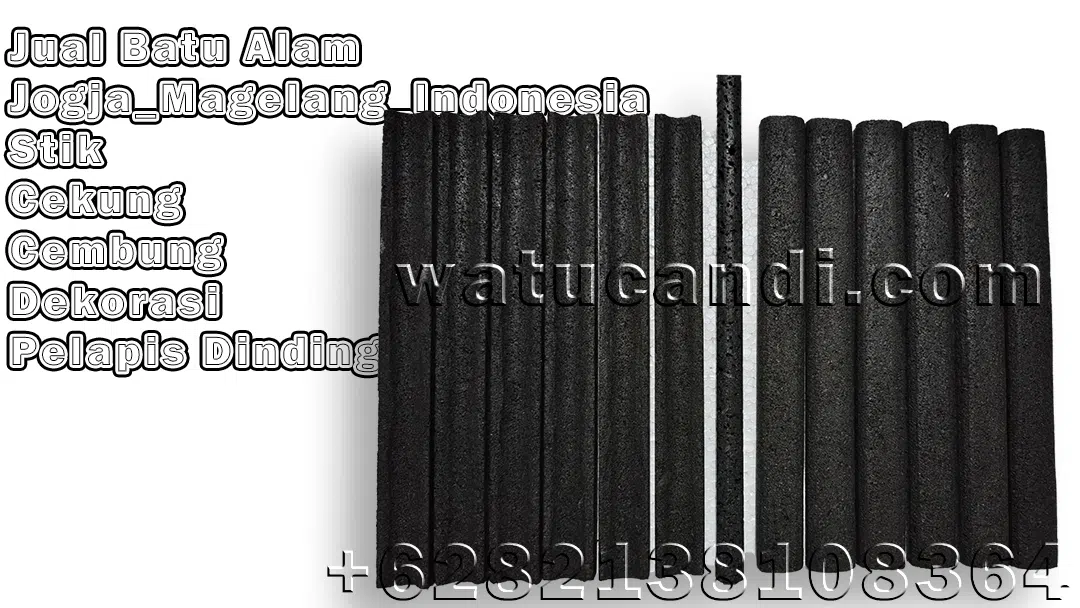
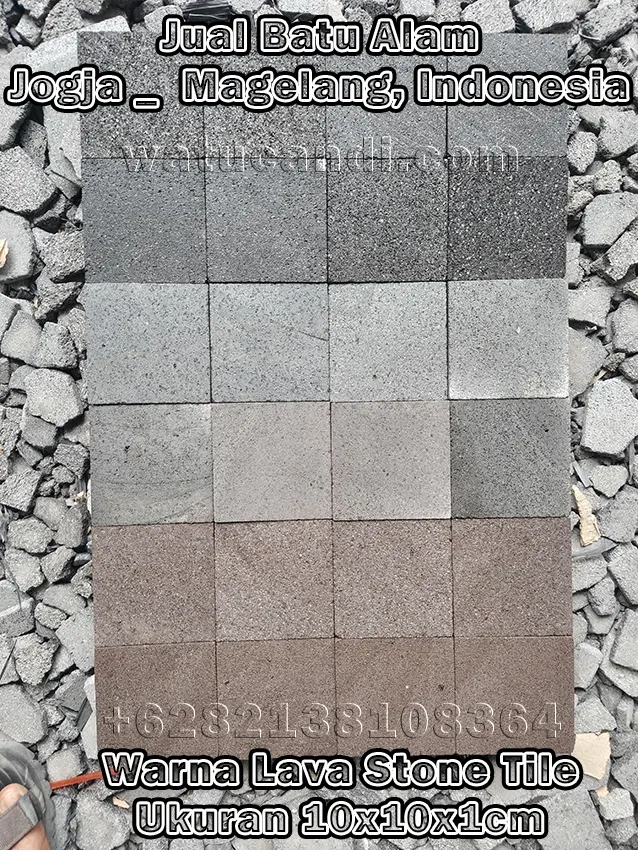
The most popular and sought-after type of Merapi Indonesia natural stone product is lava temple stone or lava stone. It is called lava temple stone because it has been used since ancient times to build large temples in Central Java. Its main characteristic is its blackish-gray color with naturally scattered irregular pores.
Lava temple stone has a hardness level of 6 to 7 on the Mohs scale, meaning it is harder than glass but not as hard as granite. This hardness level makes lava temple stone very suitable for high-traffic areas such as living room floors, corridors, and commercial areas. This stone is also scratch-resistant and not easily cracked.
From an aesthetic perspective, lava temple stone offers a natural and masculine look. Its dark color provides a beautiful contrast with light-colored furniture or green plants. Many interior designers recommend lava temple stone for industrial, minimalist, modern tropical, Japanese, and wabi-sabi styles.
See our lava temple stone collection
- Black Lava Stone 100x100x10 mm
- Lava Stone Floor in various sizes
- Merapi Lava Temple Stone Floor – natural finish
- Lava Stone specifically for swimming pool areas
- Merapi Lava Stone Parquet Decking – parquet model
- Natural Rock Slabs for accent walls
Merapi Andesite Stone – Strong and Versatile
The second type of Merapi Indonesia natural stone product is andesite stone. Geologically, most Merapi stone belongs to the andesite family – igneous volcanic rock with a composition between basalt and dacite. Merapi andesite stone has a finer texture and fewer pores compared to lava temple stone.
Because of its denser texture, Merapi andesite stone is highly suitable for applications requiring extra strength, such as paving for carports, footpaths, and sidewalks in public areas. Andesite stone is also resistant to heavy loads, so it is often used in truck loading/unloading areas and docks.
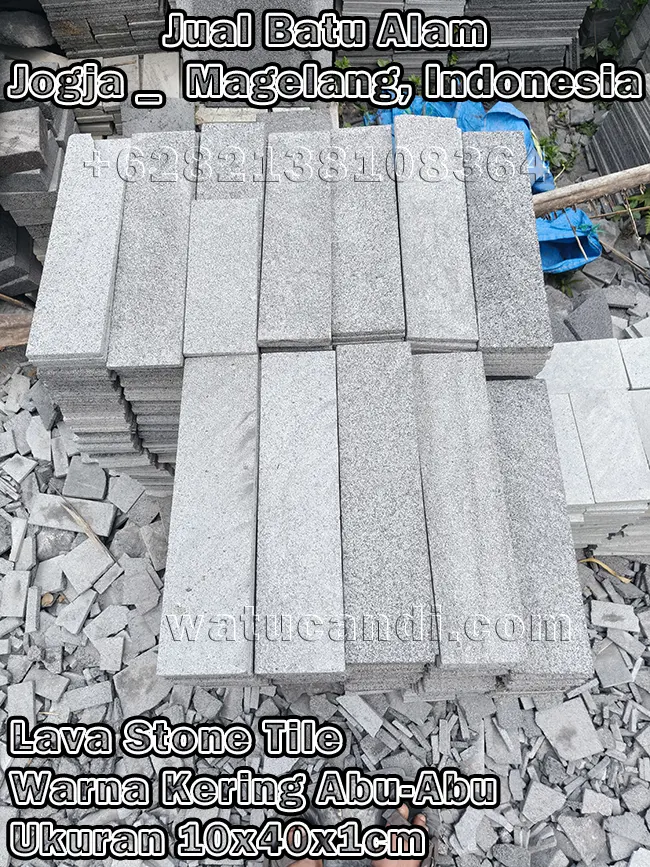
The color of Merapi andesite stone varies from light gray to dark gray, almost black. Some variants show white speckles from plagioclase minerals formed during the crystallization process. These speckles actually add an artistic character to the andesite stone.
Paras and Palimanan Stone from the Merapi Area
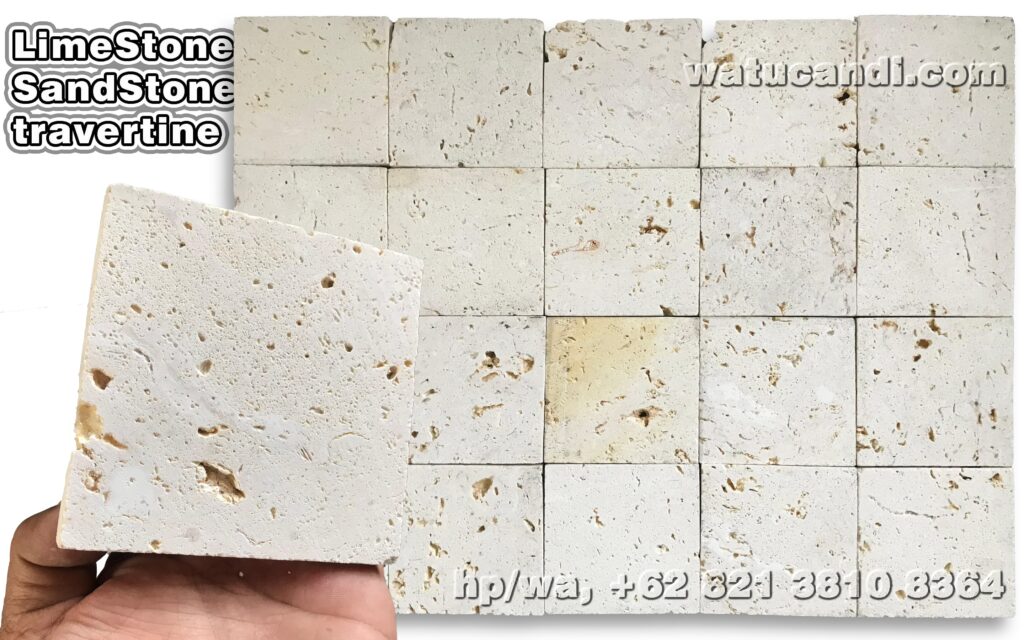
In addition to lava and andesite stone, the area around Merapi also produces paras stone or palimanan stone. This stone is actually limestone formed from volcanic material deposits that hardened together with ancient marine animal shells. This shows that the Merapi area was once under the sea.
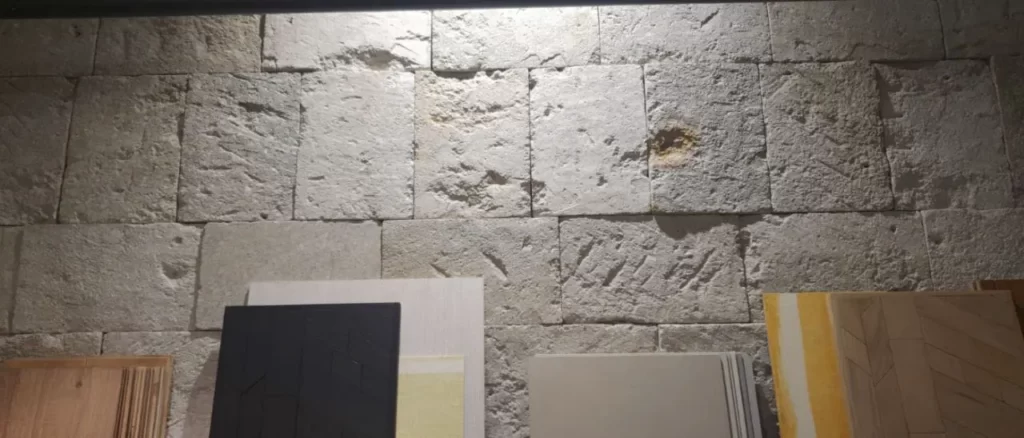
Paras and palimanan stone have colors very different from lava stone: white, cream, honey yellow, and light brown. Their texture is softer and easier to cut compared to lava stone. This stone is very popular for interior and exterior wall applications because it provides a warm and natural impression.
We provide high-quality white palimanan stone
See our White Paras Palimanan Stone Tile collection
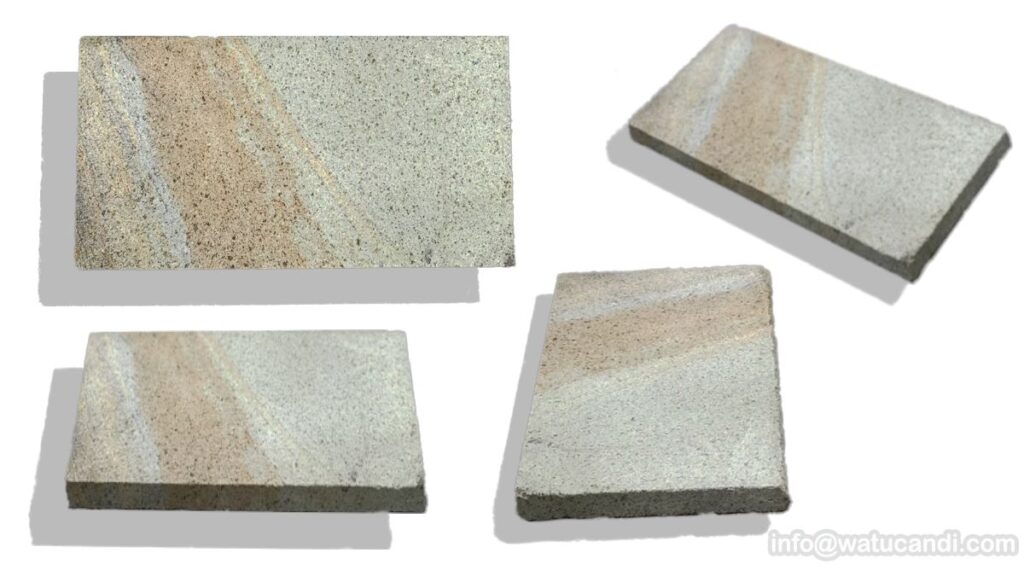
Sukabumi Green Stone and Yogyakarta Breksi Stone
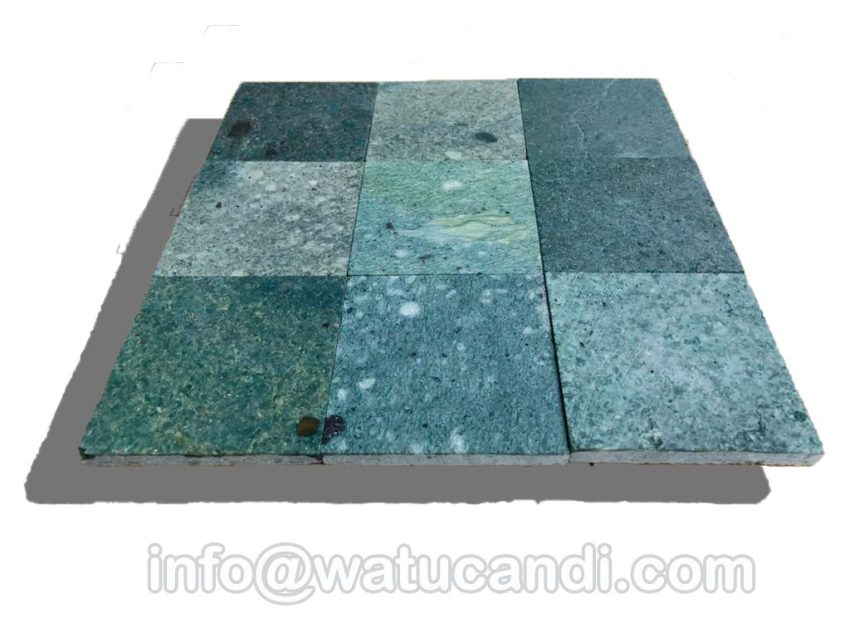
Although not directly originating from Merapi’s eruptions, Sukabumi green stone and breksi stone are often sold by us as complements due to high market demand. Sukabumi green stone is famous for its fresh green color and non-heat-absorbing property, making it very suitable for swimming pool floors.
Breksi stone, meanwhile, is a sedimentary rock formed from fragments of other rocks that naturally cemented together. Its unique motifs with various colors in a single slab make breksi stone very popular for accent walls and decorative elements. Both stones are also included in the category of Indonesian natural stone products that we provide.
See Original Sukabumi Green Stone Tile
Furniture Products from Merapi Natural Stone
The latest innovation in Merapi Indonesia natural stone products is the availability of various furniture made from genuine stone. Not only floors and walls, now you can have stone sinks, stone bathtubs, stone tables, stone chairs, and even dressing tables with beautiful carvings.
All these furniture products are crafted by hand by artisans who have spent decades in the world of Merapi stone. Each product is a unique work of art with no equal. We are proud to be an Indonesian natural stone manufacturer that preserves this traditional craftsmanship.
See our stone furniture collection
- Natural Stone and Furniture – complete collection
- Handmade Stone Tables and Chairs
- Handmade Stone Bathtub for luxury bathrooms
- Carved Motif Dressing Table from Merapi stone
- Original Merapi Stone Sink 49x49x13cm
- Elegant Black Basalt Stone Sink
- Batik Green Stone Tile Yogyakarta
Susun Sirih Stone – Unique Stone for Vertical Walls
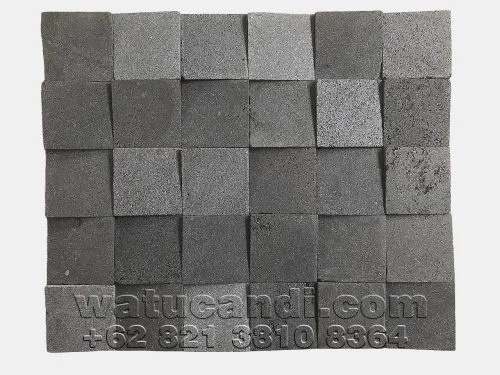
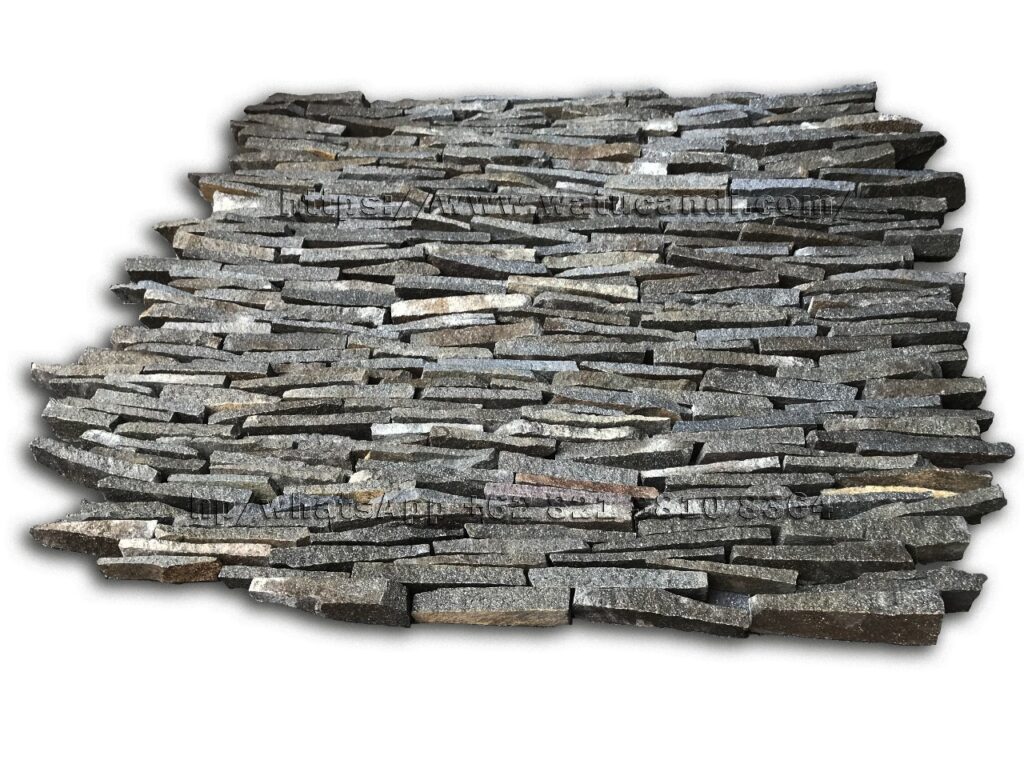
One of the trending Merapi Indonesia natural stone products is susun sirih stone or split stone. This stone consists of thin stone slabs cut into irregular sizes and then arranged like a puzzle on the wall. The result is a three-dimensional textured wall that is highly artistic.
Susun sirih stone is very suitable for accent walls in living rooms, headboard walls, restaurant walls, or hotel reception areas. Due to its relatively light weight, this stone is easier to install than larger-sized stones.
See Susun Sirih Stone Slab Surface
See Original Susun Sirih Stone from Merapi
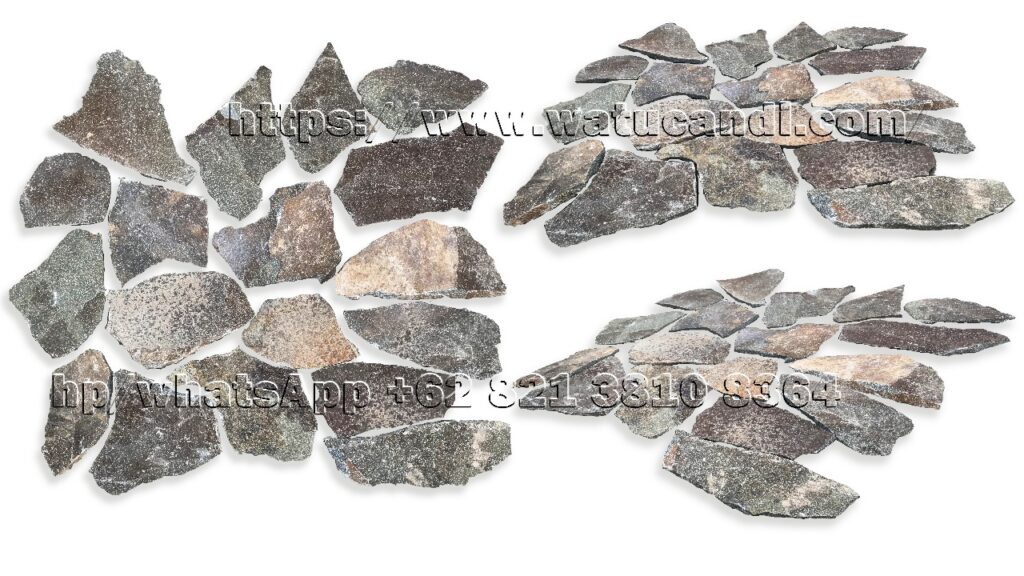
Rough Surface Natural Stone Flooring for Wet Areas
For areas that are frequently wet, such as bathrooms, swimming pools, and outdoor areas, we recommend natural stone flooring with a rough or textured surface. This texture provides better grip, preventing slips even when the floor is exposed to water or soap.
We offer various rough surface options, from gently wavy to very rough like split natural stone. You can choose according to the level of safety you desire and the design style you are pursuing.
See our Rough Surface Natural Stone Flooring collection
Natural Stone Products for Gardens and Swimming Pools
Merapi Indonesia natural stone products for gardens and swimming pools are one of our specialties. Merapi stone has the property of not getting hot even when exposed to direct sunlight, making it very comfortable to walk on with bare feet.
We provide special stone for pool copings, pool bottoms, artificial waterfalls, as well as coral stone and pebbles for garden decoration. All products have undergone a selection process to ensure there are no sharp edges that could cause injury.
See Lava Stone specifically for Swimming Pools
Chapter 4 – Characteristics and Technical Specifications of Merapi Stone
Compressive Strength and Load Resistance
One reason why understanding Merapi Indonesia natural stone products is so important is their exceptional technical characteristics. Based on laboratory tests conducted by the PU Material and Building Research Center, Merapi stone has an average compressive strength of 800 to 1200 kilograms per square centimeter.
This figure is far above red brick, which has a compressive strength of only about 30 to 50 kilograms per square centimeter. Even compared to K225 concrete, which has a compressive strength of 225 kilograms per square centimeter, Merapi stone is still three to five times superior.
What do these numbers mean for your building? It means that floors made of Merapi stone can withstand very high static and dynamic loads. You can place heavy furniture such as large cabinets, pianos, or industrial machinery without worrying about the floor cracking or sinking. For carport areas, Merapi stone can withstand the weight of cars, trucks, and other heavy vehicles.
Porosity and Water Absorption Capacity
Porosity is the percentage of empty space or pores within the rock. Merapi Indonesia natural stone has a porosity level varying between 2 and 10 percent, depending on the type and location of extraction. Lava stone typically has higher porosity, around 8 to 10 percent, while andesite stone has lower porosity, around 2 to 5 percent.
This porosity level allows Merapi stone to absorb water quickly. This ability has both positive and negative sides. On the positive side, it provides a cooling effect to the room because the stone absorbs heat and humidity. On the negative side, if not properly maintained, the stone can absorb stains from oil spills or colored liquids.
To overcome this negative aspect, we recommend using an impregnator or stone sealant, especially for areas prone to spills such as kitchens or dining rooms. However, for swimming pool and bathroom areas, high porosity is actually beneficial because it accelerates surface drying and prevents moss growth.
Weather and Temperature Change Resistance
Merapi Indonesia natural stone products are famous for their resistance to extreme weather and drastic temperature changes. This stone has been tested for thousands of years in the open nature, experiencing cycles of rain, scorching heat, and strong winds without significant damage.
The coefficient of thermal expansion of Merapi stone is very small, approximately 0.000005 to 0.000007 per degree Celsius. This means the stone hardly expands or contracts when exposed to temperature changes. This property is very important, especially for applications in areas with extreme day-night temperature differences, such as highlands or countries with four seasons.
Additionally, Merapi stone is also resistant to fungal and moss attacks due to its dense structure. Although its pores absorb water, the water evaporates quickly, leaving insufficient moisture for fungus to grow. Of course, cleanliness still needs to be maintained, especially in areas rarely exposed to sunlight.
Aesthetic Value and Uniqueness of Each Slab
Uniqueness is the most appropriate word to describe the aesthetics of Merapi Indonesia natural stone. No two slabs of Merapi stone are exactly alike. Each piece has different grain patterns, colors, and textures because they are formed from uncontrolled natural processes.
This very difference is the main attraction of natural stone. Your building will have a unique character that cannot be imitated by any other building. In an era that is increasingly mass-produced and homogeneous, having truly unique elements is a luxury in itself.
In terms of color, Merapi stone offers a rich palette ranging from light gray, dark gray almost black, to deep black. Some variants show bluish or greenish hues due to certain mineral content. All these colors are natural and timeless, never looking outdated even as design trends change.
Chapter 5 – Merapi Natural Stone Finishing Techniques for Various Styles
Machine Flattened Finish for Modern Minimalist Look
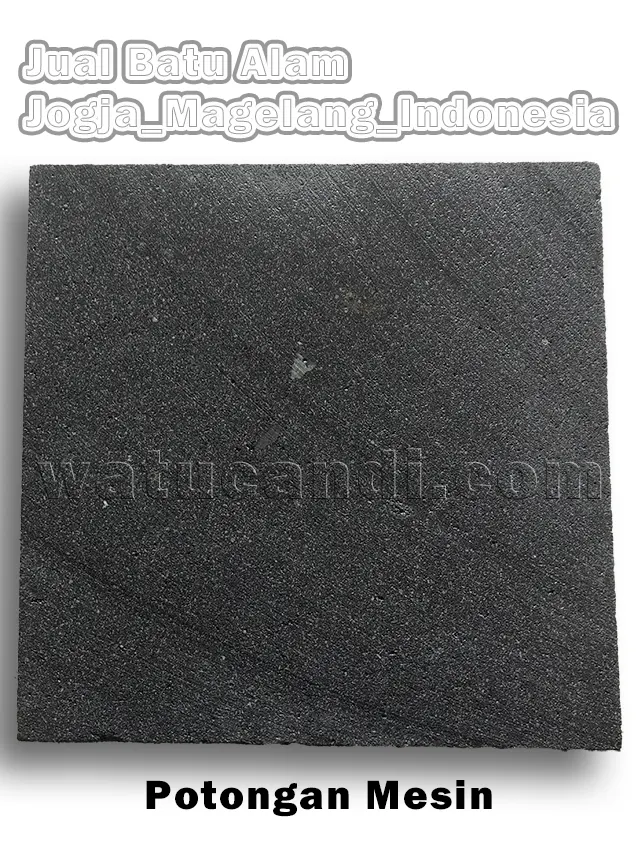
The machine-flattened finish is the most common technique used for Merapi Indonesia natural stone products. The process is simple: stones cut to size are ground using a machine with coarse sandpaper until the surface is flat and smooth. The result is a flat surface with fine scratch marks from the sandpaper.
The machine-flattened finish look is very suitable for modern, minimalist, industrial, and Scandinavian design styles. Its neat and not-too-glossy surface gives a clean and elegant impression. Stone with this finish is very easy to clean because it lacks a deep texture that could trap dust.
The machine-flattened finish is also the most economical choice because the process is fast and does not require special expertise. Almost all Merapi Indonesia natural stone products on the market have this basic finish before proceeding to other, more complex finishing processes.
Honed Finish – Elegant, Soft, and Non-Glossy
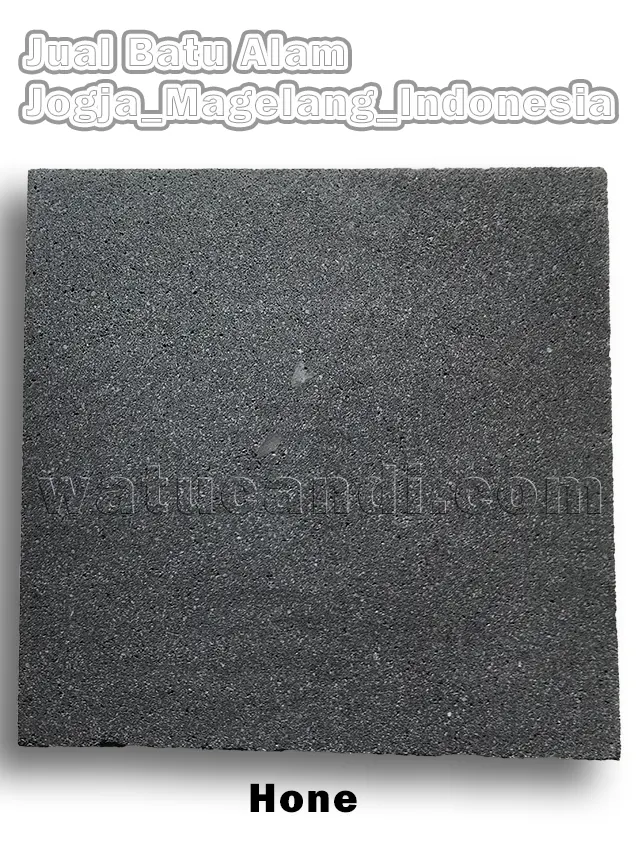
The honed finish is an upgrade from the machine-flattened finish. After the stone surface is flat, it is ground again using progressively finer sandpaper until a certain level of smoothness is achieved, but not to the point of becoming glossy like glass. The result is a soft surface to the touch, like stone velvet.
Merapi stone with a honed finish is very suitable for interior areas such as living room floors, bedroom floors, and accent walls. Its luxurious yet non-dazzling appearance makes the room feel warmer and more comfortable. The honed finish is also easier to maintain compared to glossy finishes because fine scratches are not too visible.
The drawback of the honed finish is that the process takes longer and costs more than the machine-flattened finish. However, for premium projects, this cost difference is worth the improvement in visual quality and comfort obtained.
Tumbled Finish – Antique Vibe
The tumbled finish is a technique that makes stone look like it has aged for decades or appears antique. The process involves placing the stone together with pebbles and sand into a tumbling machine, which rotates for days. Friction with other materials softens the stone’s edges and creates a slightly uneven surface.
The final result of the tumbled finish is very suitable for rustic, Mediterranean, tropical, and colonial design styles. This stone is also very safe for barefoot floors because its edges are blunt and harmless. Additionally, the uneven surface provides excellent grip, making it non-slip when wet.
Many villa and resort owners in Bali choose Merapi stone with a tumbled finish to create a natural and relaxed atmosphere. This stone is also popular for swimming pool areas and outdoor terraces.
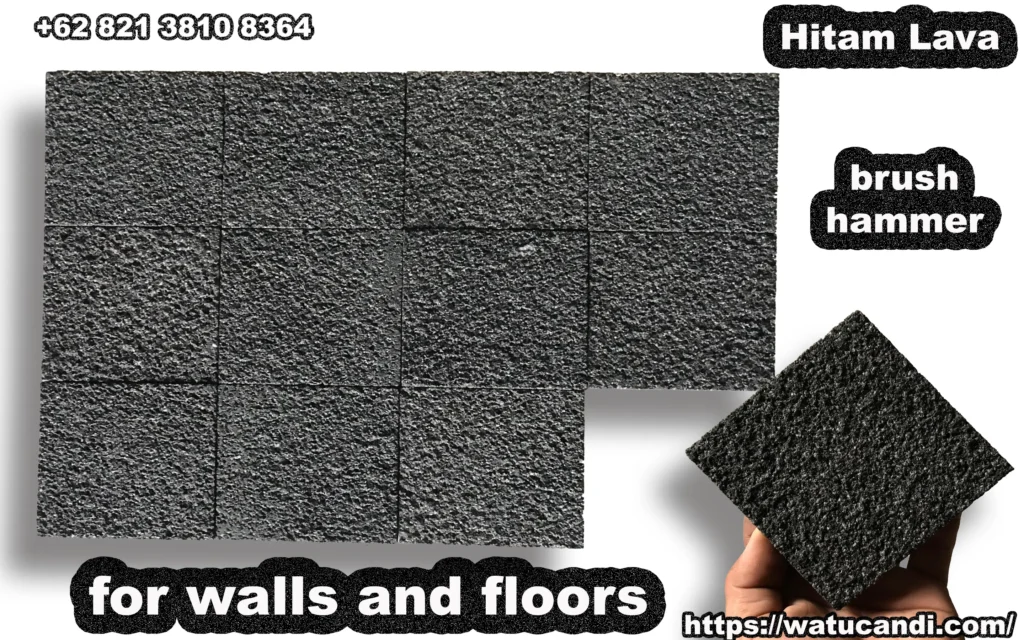
Bush Hammered Finish – Rough Texture for Maximum Anti-Slip
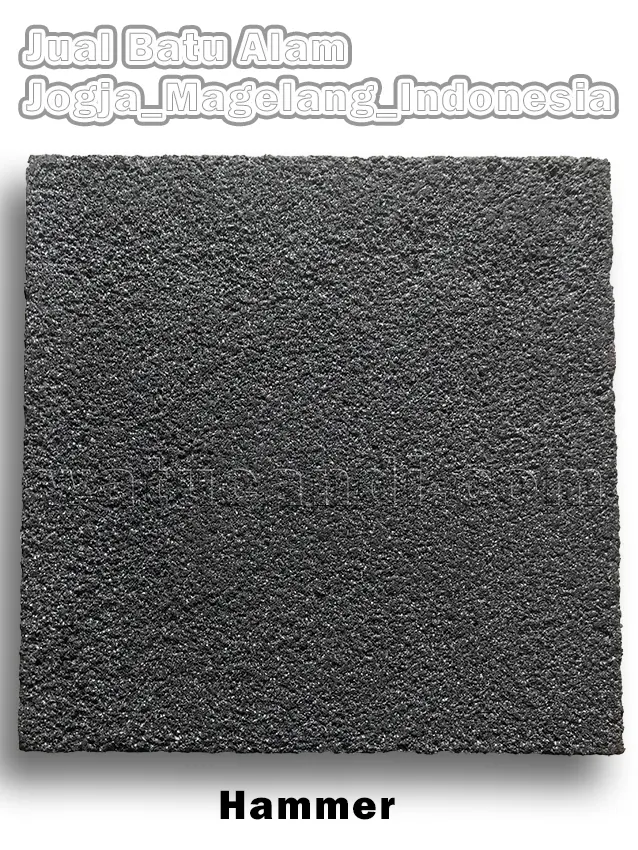
The bush hammered finish is a technique that produces a rough-textured stone surface as if hammered with a special tool. The tool used has many sharp tips that are struck evenly across the entire stone surface. The result is an uneven texture with small indentations that provide extraordinary grip.
This type of finish is most suitable for very wet areas such as unpartitioned bathroom floors, children’s swimming pools, slide landing areas, outdoor parking areas, and public sidewalks. With a bush hammered surface, you do not need to worry about slipping even if the floor gets wet with water or soap.
The drawback of the bush hammered finish is that the rough surface makes it more difficult to clean. Dirt can get into the indentations and requires a brush to clean. However, for outdoor areas, this maintenance is not a problem because rainwater will naturally clean the surface.
See examples of rough surface flooring
Rough Surface Natural Stone Flooring
Groove and Bevel Finish for Artistic Accent Walls
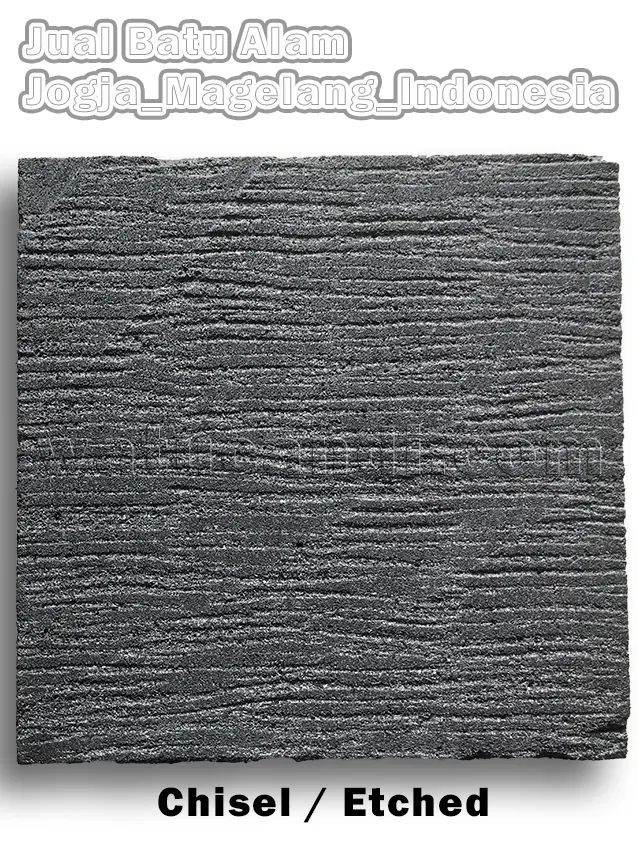
Groove and bevel finishes are decorative techniques typically applied to stone for walls. Grooves are straight lines cut into the stone surface with specific depths and widths. A bevel is a sloping cut on the edge of the stone that creates a shadow effect when exposed to light.
The combination of these two finishes can transform plain stone into a highly artistic wall panel. Grooves create visual rhythm, while bevels add depth. The final result looks like exclusive bricks or stone carved by nature over thousands of years.
This finish is popular for hotel lobby walls, executive office walls, and accent walls in luxury homes. Because the process is complex and requires high precision, this finish is among the most expensive, but the result is worth the investment.
See examples of stone edges with bevel finish
Natural Stone Edge with Bevel Finish
Split or Natural Split Finish – The Most Natural Look
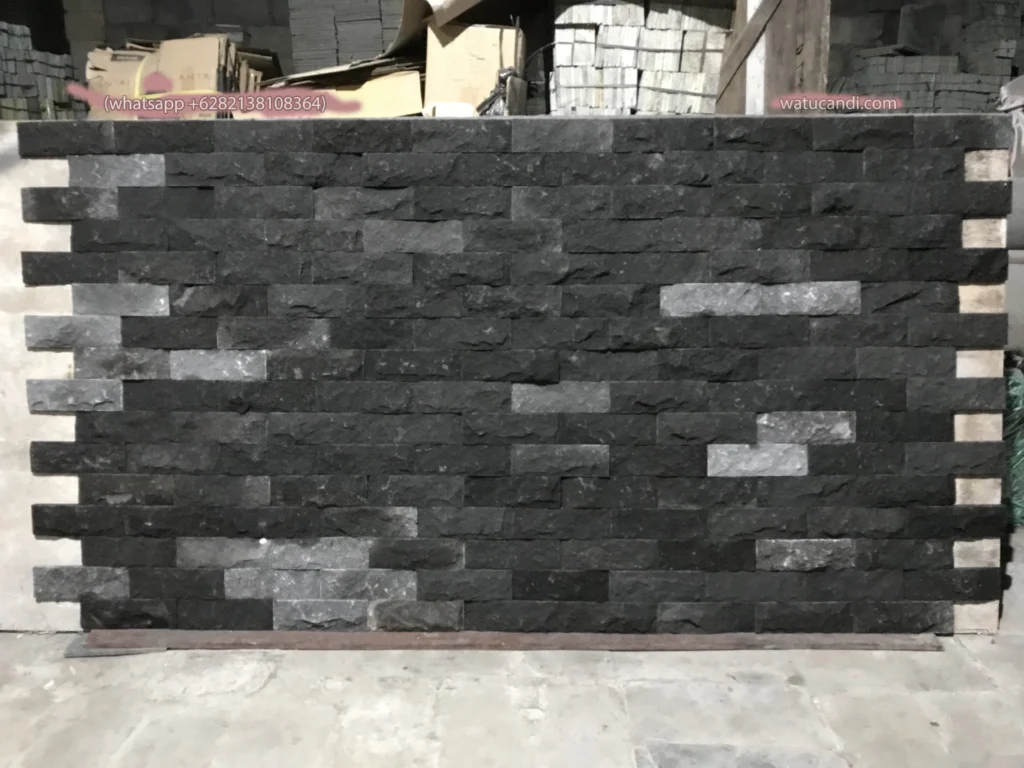
The split or natural split finish is the most minimal finish because the stone is left as is after being split from large boulders. Its surface is very rough and uneven with a truly natural texture. There is no grinding or smoothing process at all.
Stone with a split finish is very suitable for exterior walls, vertical gardens, and elements that aim to highlight a natural, wild, and organic impression. This stone is also often used for tropical-style buildings or buildings that blend with nature, such as villas in the middle of the forest or resorts on the beach.
Please note that stone with a split finish has sharp edges on its surface, so it is not recommended for areas that are often touched or walked on with bare feet. Its use should be limited to areas not directly accessed by occupants, such as high exterior walls or decorative elements.
Chapter 6 – Advantages of Merapi Natural Stone Compared to Other Stones
Compared to Ceramics – Merapi Stone is More Durable and an Investment Asset
Many people ask why they should choose Merapi Indonesia natural stone products over ceramics, which are cheaper. The answer is durability and long-term investment value. Ceramics have an average lifespan of 10 to 20 years before they start to crack or fade. Merapi stone can last for hundreds of years.
Additionally, Merapi stone has high resale value. Houses or buildings using genuine natural stone are priced higher on the property market compared to buildings using ceramics or other artificial materials. This is because natural stone is perceived as a premium material that gives a luxurious and exclusive impression.
In terms of maintenance, ceramics are indeed easier to clean, but ceramics are also more easily scratched and cracked. If ceramic cracks, you must replace an entire panel whose color may no longer match due to different production batches. Meanwhile, if Merapi stone is scratched or chipped, those marks can become part of the stone’s natural character.
Compared to Granite and Marble – Merapi Stone is Friendlier to Tropical Climates
Granite and marble are indeed beautiful and luxurious, but both stones have weaknesses in tropical climates like Indonesia. Granite and marble reflect heat, making the room feel stuffier, especially when exposed to direct sunlight. Additionally, marble is very sensitive to acids and will be damaged if exposed to lime juice or vinegar.
Merapi Indonesia natural stone does the opposite. This stone absorbs heat, making the room feel cooler and more comfortable without needing to run the air conditioner all the time. Merapi stone is also not sensitive to acids, so it is safe to use in kitchens or dining areas that may be exposed to spilled food liquids.
In terms of price, Merapi stone is also more affordable than imported granite and marble. You get premium-quality material with quality that is not inferior – even superior in some aspects – at a lower cost.
Compared to Natural Stone from Other Regions – Merapi Stone is Denser and Stronger
Indonesia has many natural stone-producing regions such as Garut, Cirebon, Jogja, Malang, and others. Each region has different stone characteristics. Merapi Indonesia natural stone has the advantage of higher hardness and density.
Stone from Garut, for example, is known for its very large pores, making it lighter but also more brittle. Stone from Cirebon or Palimanan is softer, making it easier to cut but also quicker to wear out when used for high-traffic flooring.
Merapi stone sits in the middle position between hardness and ease of processing. It is hard enough to last long but not as hard as granite, which is difficult to cut. This character is what makes Merapi stone the favorite choice for contractors and architects throughout Indonesia.
Chapter 7 – Applications of Merapi Natural Stone for Various Building Types
Applications for Residential Houses – From Flooring to Walls
In residential houses, Merapi Indonesia natural stone products can be applied to almost all parts of the house. For living room floors, Merapi stone gives a luxurious and cool impression. For bedroom floors, a honed finish provides comfort when walking barefoot. For bathroom floors, a bush hammered finish ensures slip safety.
Walls can also use Merapi stone. An accent wall in the living room with susun sirih stone will become a focal point. A bathroom wall with lava temple stone gives the sensation of bathing in the open nature. A front fence wall with split stone creates a sturdy and majestic impression.
Terraces and carports are the most common areas to use Merapi stone because of its resistance to weather and heavy loads. Paving from andesite stone will make your yard look neat and not muddy when it rains.
Applications for Commercial Projects and Companies
For commercial projects such as offices, shopping centers, and public areas, Merapi Indonesia natural stone is a smart choice. This stone is highly resistant to the foot traffic of thousands of people every day without showing significant signs of wear.
See design inspiration for commercial projects with Merapi stone
Commercial Design with Merapi Natural Stone
Company offices can also benefit from using Merapi stone. An office lobby clad in Merapi stone gives a professional and classy impression. A main meeting room with a natural stone wall shows that your company values quality and beauty.
See design inspiration for companies
Company Design with Merapi Natural Stone
Applications for Hotels, Resorts, and Villas
The hospitality industry is one of the largest users of Merapi Indonesia natural stone. Luxury hotels in Bali, Yogyakarta, and Jakarta use Merapi stone to create an unforgettable stay experience for their guests.
See design inspiration for hotels
Hotel Design with Merapi Natural Stone
Resorts and villas that embrace a nature concept are very suitable for using Merapi stone. This stone helps create a smooth transition between indoor and outdoor spaces, making guests feel truly at one with nature.
Applications for Restaurants and Cafés
Restaurants and cafés are businesses that heavily rely on atmosphere. The choice of interior and exterior materials is a key factor in determining whether customers will linger or leave immediately after finishing their meal.
Merapi Indonesia natural stone provides a warm and natural atmosphere. Merapi stone floors in a restaurant give a clean and easy-to-clean impression. Merapi stone walls in the bar area create an attractive focal point. Merapi stone tables in an outdoor café provide a unique dining experience.
See design inspiration for restaurants
Restaurant Design with Merapi Natural Stone
Applications for Industrial Projects and Factories
Many people do not realize that Merapi Indonesia natural stone is also used in industrial projects. Factory areas that require high abrasion-resistant flooring, such as raw material loading/unloading areas and forklift traffic lanes, use Merapi stone as a flooring solution.
Merapi stone is more resistant to oil and chemicals than ordinary concrete floors. This stone also does not crack easily even when exposed to vibrations from heavy machinery.
See design inspiration for industrial projects
Industrial Design with Merapi Natural Stone
Applications for Interior Design and Home Decoration
In addition to structural applications, Merapi Indonesia natural stone is also used for decorative elements that enhance the comfort and beauty of a home. For example, as a kitchen backsplash, kitchen island table, or as an accent in wall niches.
See design inspiration for decoration and comfort
Comfort Decoration Design with Merapi Natural Stone
Also see general interior design ideas
Interior Design with Natural Stone
Applications with the Latest Styles and Unique Models
Design trends continue to evolve, and Merapi Indonesia natural stone can always adapt to the latest styles. The popular style right now is the combination of natural stone with wood and metal elements, creating an interesting contrast between natural and industrial.
See the latest styles in using natural stone
Latest Styles of Merapi Natural Stone Usage
Also see unique models that can be inspiring
Unique Models with Merapi Natural Stone
Applications for Modern Luxury Home Design
Today’s modern luxury homes no longer rely on flashy luxury like gold or crystal. Modern luxury lies in high-quality natural materials combined with clean, functional design.
Merapi Indonesia natural stone is the perfect material for this definition of modern luxury. Its elegant dark color, rich texture, and unparalleled uniqueness make Merapi stone the top choice for architects for contemporary luxury homes.
See design inspiration for modern luxury homes
Modern Luxury Home Design with Merapi Natural Stone
Combination with the Right Lighting Design
The beauty of Merapi Indonesia natural stone will be maximized when combined with the right lighting design. Lighting from various angles will highlight the stone’s texture, creating a dramatic play of shadows.
For Merapi stone walls, downlights from above or uplights from below will create a very artistic effect. For Merapi stone floors, indirect lighting from the side will make the room feel more spacious.
See the lighting design guide for natural stone
Lighting Design for Merapi Natural Stone
Chapter 8 – Design Inspirations with Merapi Natural Stone
Modern Industrial Style with Black Lava Stone
The modern industrial style embraces the concept of exposed materials such as concrete, iron, and natural stone. Black lava stone from Merapi is the perfect choice for this style because of its dark color and expressive texture.
Combine black lava stone floors with exposed brick walls and furniture made of iron and reclaimed wood. The result is a masculine, stylish, and character-rich room. The industrial style is very suitable for cafés, startup offices, or urban youth homes.
Tropical Style with White Palimanan Stone
The tropical style prioritizes coolness, openness, and closeness to nature. White palimanan stone, which is soft and warm, is very suitable for this style. Its light color reflects light, making the room feel more spacious and cool.
Use palimanan stone for terrace and family room floors. Pair it with rattan or bamboo furniture and lots of green plants. The result is a home that feels like a private resort every day.
Japanese or Wabi Sabi Style with Natural Stone
Wabi sabi is a Japanese philosophy that finds beauty in imperfection and impermanence. Merapi Indonesia natural stone, with its pores and color variations, is a perfect representation of this philosophy.
For wabi sabi style, choose stone with minimal finishes such as split or tumbled. Avoid finishes that are too neat or glossy. Let the stone appear as it is with all its imperfections. The result is a room that is calm, meditative, and full of meaning.
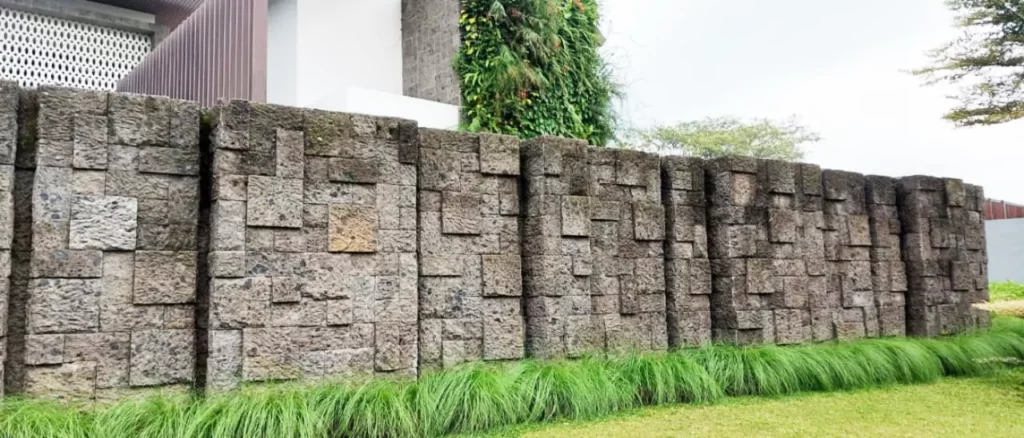
Mediterranean Style with Tumbled Stone
The Mediterranean style is inspired by regions around the Mediterranean Sea such as Southern Italy, Greece, and Spain. Its characteristic is the use of natural stone with warm and slightly antique nuances.
Merapi stone with a tumbled finish produces an appearance exactly like the stone in Tuscan or Santorini villas. Use it for terrace floors or garden walls. Complement with lavender or bougainvillea plants and teak wood furniture.
Chapter 9 – Guide to Choosing the Right Merapi Natural Stone Product
Determine the Application Location Before Choosing the Stone Type
The first step in choosing Merapi Indonesia natural stone products is determining where the stone will be applied. Different locations have different requirements.
For non-wet indoor areas such as living rooms and family rooms, you are free to choose any type of finish. Honed or machine-flattened finishes are popular choices because they are easy to clean and comfortable underfoot.
For wet indoor areas such as bathrooms, choose a finish with texture like tumbled or bush hammered. Never use glossy finishes in bathrooms because they will be very slippery when exposed to water or soap.
For outdoor areas such as terraces, gardens, and carports, choose stone with high weather resistance, such as andesite or lava stone. A bush hammered or tumbled finish will provide good grip when it rains.
Adjust Stone Size to Room Area
The size of the stone significantly affects the visual perception of room size. Large stones make a room look more spacious because there are fewer joints between stones. Small or mosaic stones make a room look busier and more detailed.
For rooms larger than 30 square meters, you can use stones measuring 60×60 centimeters or larger. For small rooms like bathrooms, sizes of 30×30 or 40×40 centimeters are sufficient.
Pay Attention to Stone Color to Harmonize with Overall Design
The color of Merapi Indonesia natural stone varies from light gray to deep black. Choose a color that matches your design theme.
Dark-colored stone gives an elegant, masculine, and sturdy impression. However, dark stone also absorbs more heat and makes the room feel darker. Use dark stone in rooms with good lighting or in areas where you want to create a dramatic impression.
Light-colored stone gives a clean, spacious, and cool impression. Light stone is also easier to combine with various furniture colors. The drawback is that stains are more easily visible on light-colored stone surfaces.
Request Samples Before Buying in Large Quantities
This is the most important tip when buying Merapi Indonesia natural stone products. Always request physical samples before you decide to buy in large quantities.
Photos on websites or catalogs often cannot accurately capture the texture and color of the stone. Additionally, each production batch may have different color variations depending on the material source.
By holding the sample directly, you can feel the texture, see the color under different lights, and test it by dripping water or trying to scratch it. Ensure that the sample you receive comes from the same production batch as your future order.
Chapter 10 – How to Correctly Install Merapi Natural Stone
Proper Preparation of Mortar and Plaster
The quality of stone installation highly depends on the quality of the mortar or adhesive used. Use the best quality cement and sand free from mud. The ideal mix ratio for mortar is one part cement to four parts sand.
Before installing the stone, ensure the floor or wall surface is flat and clean. For wall areas, it is best to plaster first to achieve a perfectly flat surface. For floor areas, ensure there is sufficient slope toward the drainage if needed.
Correct Installation Technique to Prevent Detachment
There are two techniques for installing natural stone: wet and dry. The wet technique uses wet cement mortar applied to the stone’s surface, which is then attached to the floor or wall. This technique is suitable for areas with normal humidity.
The dry technique uses a special stone adhesive that is more expensive but results in a stronger and more durable bond. This technique is more recommended for frequently wet areas such as bathrooms and outdoor areas.
Ensure you use a craftsman experienced in installing natural stone. Incorrect installation can cause stones to come loose, crack, or develop mold between the stones.
Maintenance of Grout or Joints Between Stones
Grout is the joint or gap between stones filled with a special mortar. The ideal grout size for natural stone is 3 to 5 millimeters. Grout that is too tight can cause stones to press against each other and crack during expansion. Grout that is too wide will be difficult to clean and become a place for mold to grow.
Use a grout mortar that is either similar in color to the stone or provides an interesting contrast according to your preference. After the grout dries, it is advisable to apply a sealant layer to protect the grout from water and dirt.
Chapter 11 – Care and Maintenance of Merapi Natural Stone
Daily Cleaning of Natural Stone from Dust and Dirt
Daily care for Merapi Indonesia natural stone is very easy. Simply sweep or vacuum the dust from the stone surface every day. For mopping, use a mop that is not too wet with clean water. Avoid using harsh detergents or chemical cleaners as they can damage the stone’s natural layer.
For stubborn stains like spilled coffee or sauce, use a mixture of warm water and mild dish soap. Gently scrub with a soft-bristled brush, then rinse with clean water and dry immediately.
Using Sealant to Protect the Stone
Sealant or impregnator is a liquid applied to the stone surface to fill its pores, making it less prone to absorbing water and stains. The use of sealant is highly recommended, especially for areas prone to spills such as kitchens and dining rooms.
Apply sealant every 1 to 2 years depending on the intensity of use. The application process is easy: simply clean the stone until completely dry, then apply the sealant evenly with a brush or roller. Let it absorb for several hours before using again.
Dealing with Stubborn Stains and Mold
If mold or mildew appears on the stone in a humid area, do not panic. Mix one part white vinegar with one part water and spray onto the moldy area. Let it sit for 15 minutes, then scrub with a brush and rinse. Vinegar is mildly acidic, safe for Merapi stone, yet effective at killing mold.
For stubborn stains such as leftover paint or glue, you can use thinner or acetone, but use carefully and rinse immediately. For rust stains, use a special cleaner available at hardware stores.
See our complete maintenance support guide
Merapi Natural Stone Maintenance Support
Chapter 12 – Prices and How to Order Merapi Natural Stone from the Factory
Factors Affecting the Price of Merapi Natural Stone
The price of Merapi Indonesia natural stone products is influenced by several factors. The first factor is the type of stone. Lava temple stone is usually cheaper than andesite or rare stones. The second factor is size. Larger stones are more expensive per square meter than smaller ones due to the higher difficulty of production.
The third factor is the finish. Honed or tumbled finishes are more expensive than machine-flattened finishes. Special finishes like groove and bevel have the highest prices. The fourth factor is thickness. Stones with a thickness of 3 centimeters are more expensive than 2-centimeter stones.
The fifth factor is purchase volume. The larger the volume you buy, the cheaper the price per square meter. We offer special discounts for large projects such as housing estates, hotels, or offices.
We are committed to offering fair prices for quality products
Fair Price Policy from Watu Candi
Ordering Process – From Consultation to Delivery
The ordering process for Merapi Indonesia natural stone from our factory is very easy and transparent. The first step is a free consultation where you can discuss the type of stone, finish, and size that best suit your project.
The second step is sample selection. We will send physical samples of your chosen stone via expedition. You can hold, feel, and test the sample before deciding.
The third step is order confirmation and payment. Once you are satisfied with the sample, we will create an invoice, and you make the payment as agreed.
The fourth step is the production process. We will produce your ordered stone to the highest quality standards. The production process usually takes 7 to 14 days depending on volume and finish complexity.
The fifth step is quality control. Each stone will be inspected one by one before shipment. Any stone that does not meet our standards will be rejected and replaced with a new one.
The sixth step is delivery. We work with trusted shipping services to deliver your stone throughout Indonesia. Shipping costs are calculated based on volume and distance.
Warranty and After-Sales Service
We provide a satisfaction guarantee for every Merapi Indonesia natural stone product we sell. If within 14 days of receiving the goods you find any production defects or discrepancies from the sample, we will replace them at no additional cost.
We also provide after-sales services including maintenance consultation and repairs. If someday your stone gets damaged due to an earthquake or other reasons, we can assist with repairs or provide replacement stone with the closest possible color match.
We guarantee the quality of every work that leaves our factory
Guaranteed Quality Work from Watu Candi
Chapter 13 – Why Choose Us as Your Partner
Decades of Experience as an Indonesian Natural Stone Manufacturer
Watu Candi has been an Indonesian natural stone manufacturer since the 1990s. Decades of experience have shaped us into Merapi stone specialists who understand the ins and outs of the natural stone industry from upstream to downstream.
We have served thousands of customers from various backgrounds, from individual homeowners to large contractors for luxury hotel and resort projects. Each experience becomes a lesson that makes us better at providing service and quality.
Read more about our experience
Watu Candi’s Experience in the Natural Stone Industry
Generational Expertise in Processing Merapi Stone
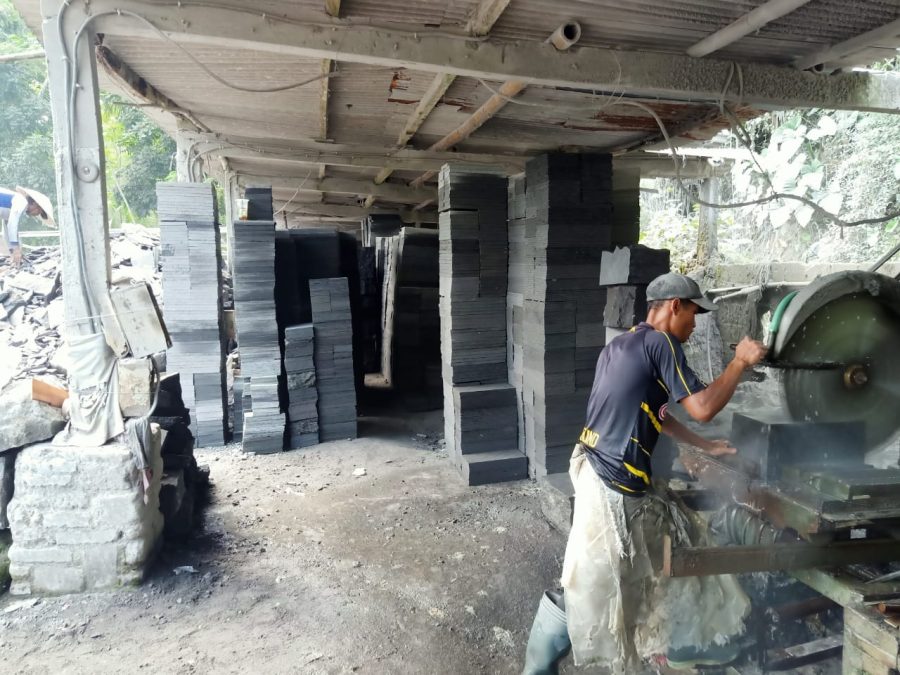
Behind every Merapi Indonesia natural stone product from Watu Candi are the skilled hands of artisans who have inherited their expertise from generation to generation. Father teaches son, grandfather teaches grandson. This is what makes our quality consistent from one generation to the next.
We combine this traditional expertise with modern technology. We use high-precision cutting machines to achieve accurate dimensions, but final touches are still done manually by experienced craftsmen.
Read more about our expertise
Watu Candi’s Expertise in Processing Natural Stone
Quality Materials from Trusted Sources
We do not source stone from just any origin. We partner with officially verified quarries to ensure that the stone we process is of the highest quality and that the extraction process is environmentally friendly.
Every material that enters our factory undergoes a rigorous inspection process. Stone that does not meet our standards will be rejected even if the price from the quarry is cheaper. Our commitment is that only quality materials should reach your hands.
Read more about our quality materials
Watu Candi’s Commitment to Quality Materials
Why You Should Choose Us
There are many reasons why you should choose Watu Candi as your partner for Merapi Indonesia natural stone products. We are a direct manufacturer, not a reseller, so our prices are cheaper. We have decades of experience, so our quality is guaranteed. We offer warranty and after-sales service, so you don’t have to worry after purchasing.
We also provide free samples, no-cost consultations, and technical support during the installation process. Our team is ready to help you anytime via phone or text message.
Read the special page on why you should choose us
Why You Should Choose Watu Candi
Chapter 14 – Conclusion and FAQ about Merapi Indonesia Natural Stone
Conclusion of the Guide to Merapi Indonesia Natural Stone Products
Thus concludes the most comprehensive guide to Merapi Indonesia natural stone products that we can provide. From the discussion above, we can conclude that Merapi stone is a superior building material that offers a perfect combination of natural beauty, structural strength, and long-term investment value.
Merapi stone comes in various types, from deep black lava temple stone to warm white palimanan stone. Each type offers different characteristics according to your design needs. Various finishing techniques allow you to achieve an appearance that perfectly matches your imagination.
As an experienced Indonesian natural stone manufacturer with decades of expertise, Watu Candi is ready to be your partner in realizing your dream building. We do not just sell stone but also provide complete solutions ranging from consultation, sample delivery, production, to after-sales service.
Do not hesitate to contact us for a free consultation. Our team is ready to help you choose the most appropriate product according to your budget and design needs.
Click here to contact the Watu Candi team
Frequently Asked Questions about Merapi Indonesia Natural Stone
Does Merapi natural stone get hot when exposed to sunlight?
No, Merapi natural stone actually feels cool because it absorbs heat. This is its advantage over ceramics or granite, which reflect heat and make the room stuffy.
How long does Merapi natural stone last?
With proper care, Merapi natural stone can last for decades or even hundreds of years. The temples built a thousand years ago using stone from the Merapi area still stand strong today.
Is Merapi natural stone slippery?
It depends on the finish. Glossy or polished finishes can be slippery when wet. Tumbled or bush hammered finishes are non-slip and very safe for wet areas like bathrooms and swimming pools.
How to clean Merapi natural stone that has stubborn stains?
For oil or sauce stains, use a mixture of warm water and mild dish soap. Gently scrub with a soft-bristled brush, then rinse. For mold stains, use a mixture of vinegar and water.
Is it necessary to use a sealant on Merapi natural stone?
It is highly recommended, especially for areas prone to spills such as kitchens and dining rooms. Sealant fills the stone’s pores, making it less prone to absorbing stains and easier to clean.
What is the approximate price range of Merapi natural stone per square meter?
Prices vary depending on the type, size, finish, and purchase volume. For current pricing information, please contact our team as prices may change from time to time.
Does Watu Candi deliver outside the island of Java?
Yes, we deliver throughout Indonesia, including Sumatra, Kalimantan, Sulawesi, Bali, Nusa Tenggara, Maluku, and Papua. Shipping costs are calculated based on volume and distance.
Can I order Merapi natural stone in small quantities for a small project?
Of course. We serve retail purchases for small projects such as home renovations or making stone tables. There is no minimum order quantity from us.
Home » Natural Stone » Merapi Natural Stone » About Merapi Indonesia Natural Stone Products
Tags ;
indonesian natural stone, about natural stone, about indonesian natural stone, merapi stone specialist, merapi natural stone, indonesian natural stone manufacturer, lava temple stone, merapi lava stone, black stone, indonesian black stone, merapi andesite, white palimanan, sukabumi green stone, yogya breksi, indonesian sandstone, indonesian paras stone, indonesian limestone, indonesian andesite, susun sirih stone, natural stone finishing, honed finish, tumbled finish, bush hammered finish, natural stone flooring, natural stone wall, andesite paving, swimming pool natural stone, merapi stone sink, stone table, natural stone furniture, natural stone price, how to install natural stone, natural stone maintenance, natural stone applications, natural stone design, natural stone for homes, natural stone for hotels, natural stone for restaurants, natural stone for offices, tropical natural stone, modern natural stone, industrial natural stone, minimalist natural stone, watu candi, natural stone manufacturer yogya, yogyakarta natural stone, affordable quality natural stone, buy merapi natural stone.