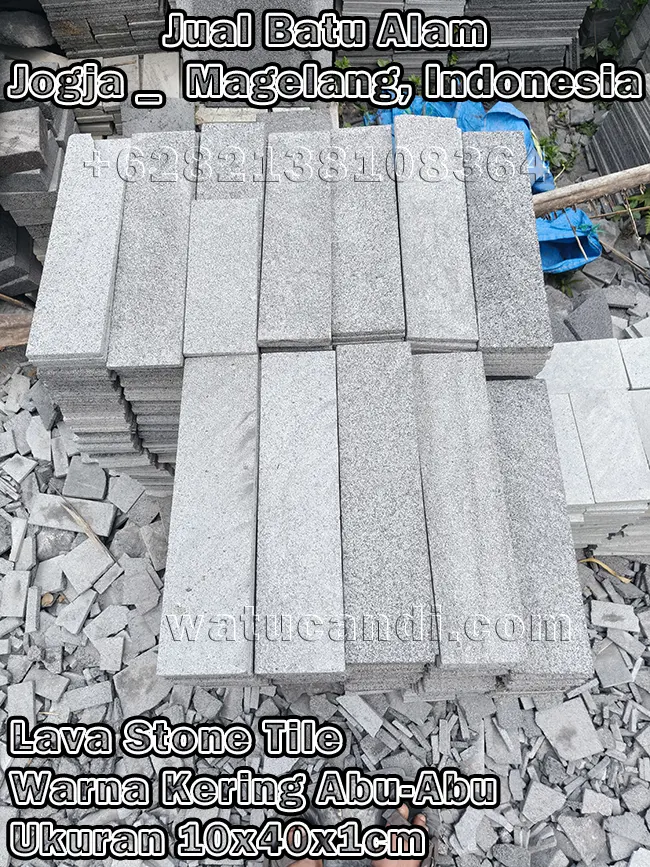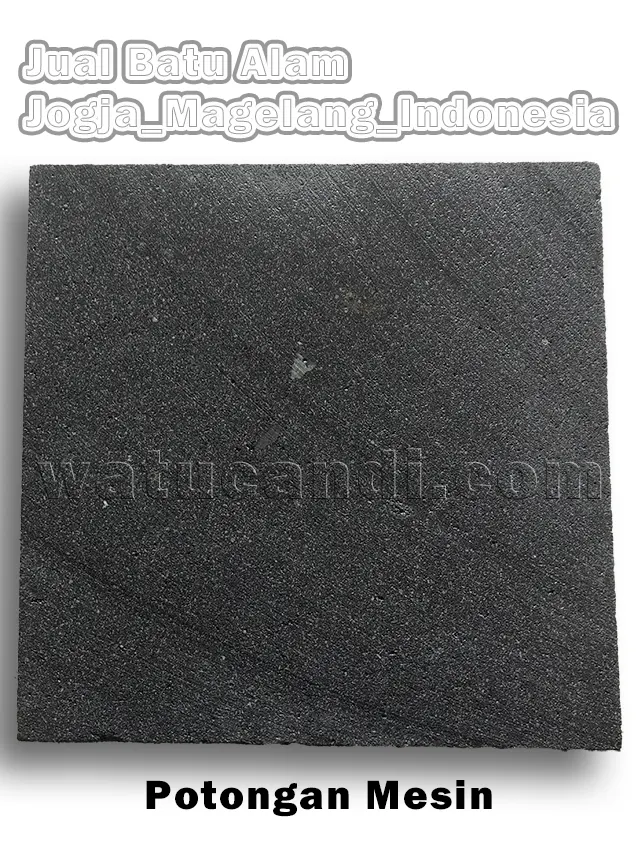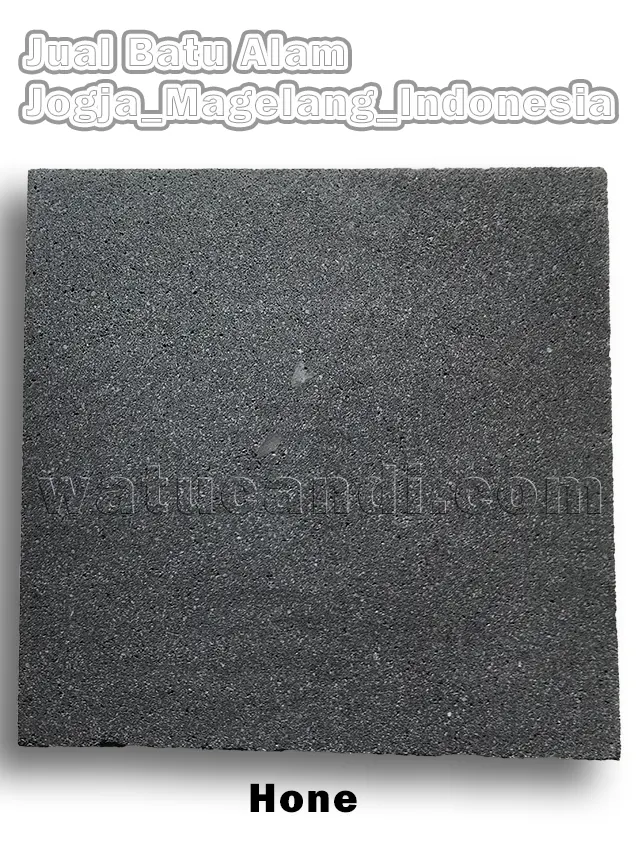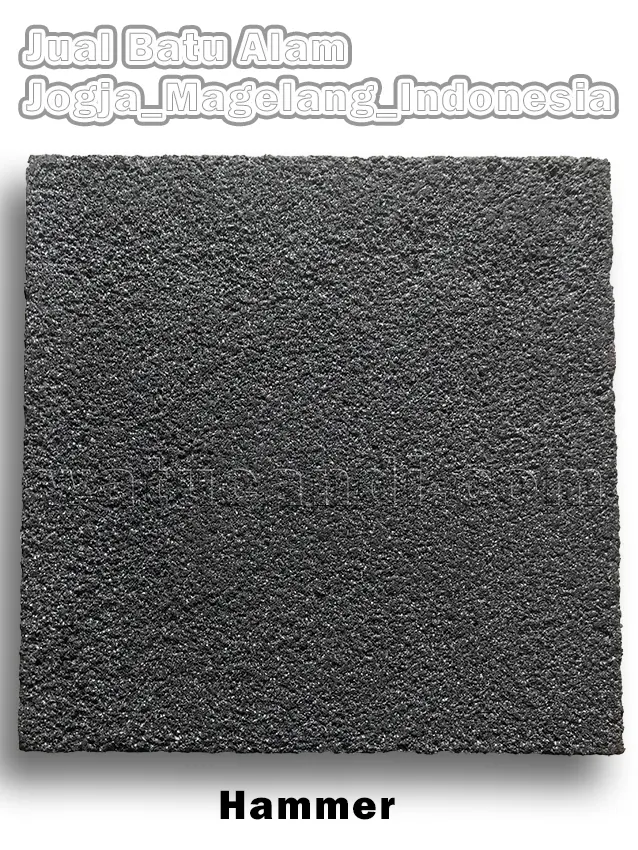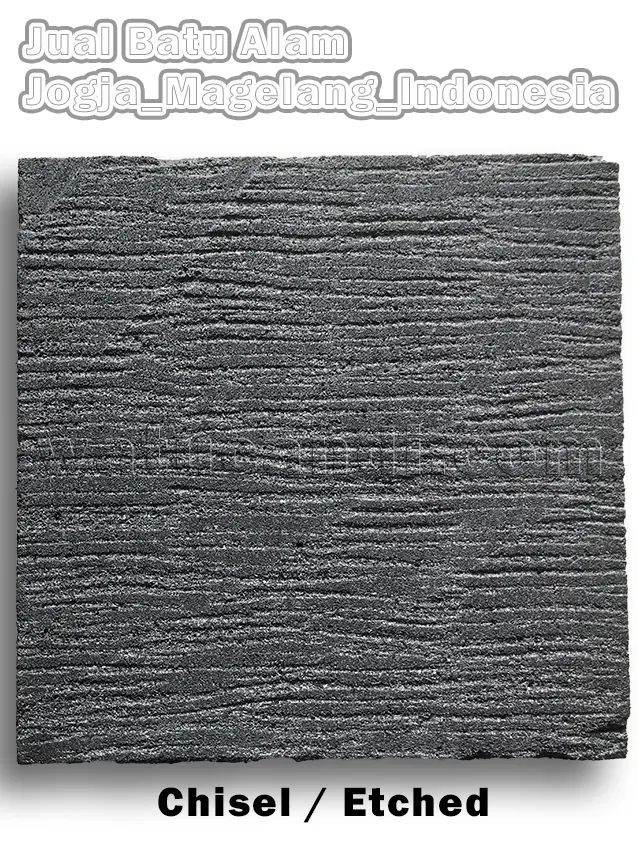
Line Types (0.5×0.5 Broken Regularly): Elegant Textured Wall Cladding Solution with Natural Character
Line Types (0.5×0.5 Broken Regularly) is a premium innovation in natural stone finishing that combines the beauty of organic texture with modern machine precision. This comprehensive article explores the definition, base material of black lava stone, manufacturing process, CNC machine technology, visual and tactile characteristics, comparison with other line types, and a complete guide to selecting, installing, and maintaining broken regularly line type tiles for your property projects.
Table of Contents
- Understanding the Natural Stone Texture Revolution for Modern Wall Cladding
- What Is Line Types 0.5×0.5 Broken Regularly? Definition, Characteristics, and Design Philosophy
- Why Is Merapi Black Lava Stone the Superior Base Material for Broken Regularly Line Types?
- Precision Manufacturing Process: From Raw Stone Blocks to Broken Regularly Textured Tiles
- CNC Machines and Diamond Blades: The Technology Behind Broken Regularly Line Types Formation
- Visual and Tactile Characteristics That Distinguish Broken Regularly Line Types
- Comparing Broken Regularly Line Types with Other Line Types: Which Is Right for Your Project?
- Applications of Broken Regularly Line Types for Facades, Interiors, and Artistic Furniture
- Design Integration: Combining Broken Regularly Line Types with Natural Stone Floors, Swimming Pools, and Sinks
- Guide to Selecting, Installing, and Maintaining Broken Regularly Line Type Tiles for Long Lasting Beauty
- Conclusion: Broken Regularly Line Types, a Timeless Contemporary Design Investment
1. Understanding the Natural Stone Texture Revolution for Modern Wall Cladding
In the landscape of contemporary architecture and interior design, natural stone has undergone a remarkable transformation. Material once viewed merely as a rough structural element has now become a medium of artistic expression capable of delivering subtle luxury, rich organic texture, and industrial precision simultaneously. This evolution is driven by rapid advances in stone fabrication technology that enable craftsmen, engineers, and designers to create surfaces that are not only visually beautiful but also rich in tactile experience.
One of the most interesting results of this revolution is the emergence of various line types on natural stone surfaces. Each line type offers unique visual and tactile characteristics, providing architects and interior designers with a wide range of choices to express their creative vision. Among the many line types available, Line Types (0.5×0.5 Broken Regularly) has emerged as a highly sought after choice because it offers a captivating combination of pattern regularity and the natural impression of controlled broken texture.
Line types on natural stone are not merely decorative scratches. Each line type has its own design language, conveying different visual messages and creating unique spatial experiences. In this context, understanding various line types becomes increasingly important as appreciation for natural materials in modern architecture grows. For further exploration of various natural stone types, you can view the product collection of lava stone floor which offers a variety of texture and finishing options for your property needs.
2. What Is Line Types 0.5×0.5 Broken Regularly? Definition, Characteristics, and Design Philosophy
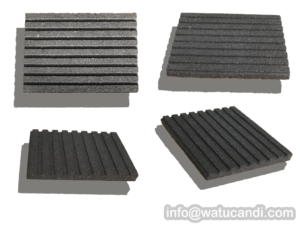
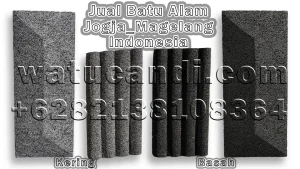
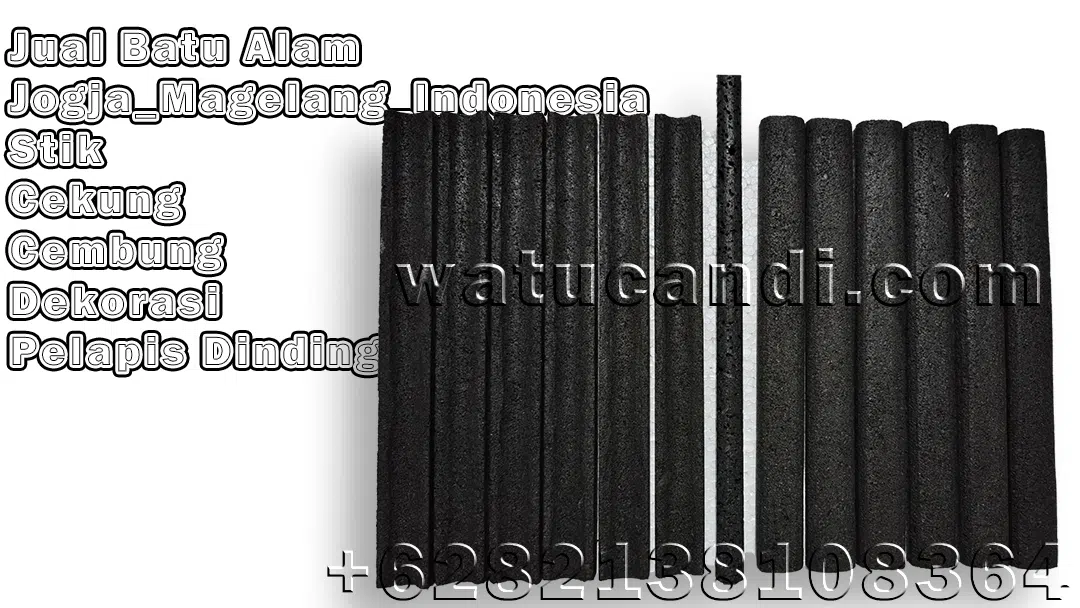
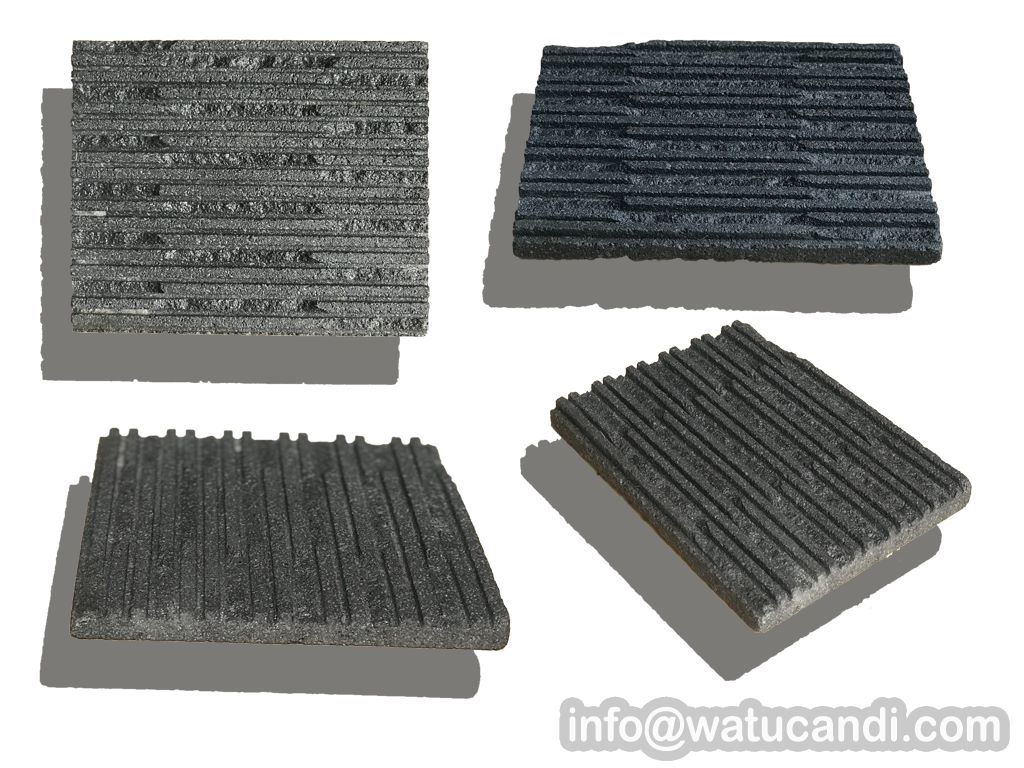
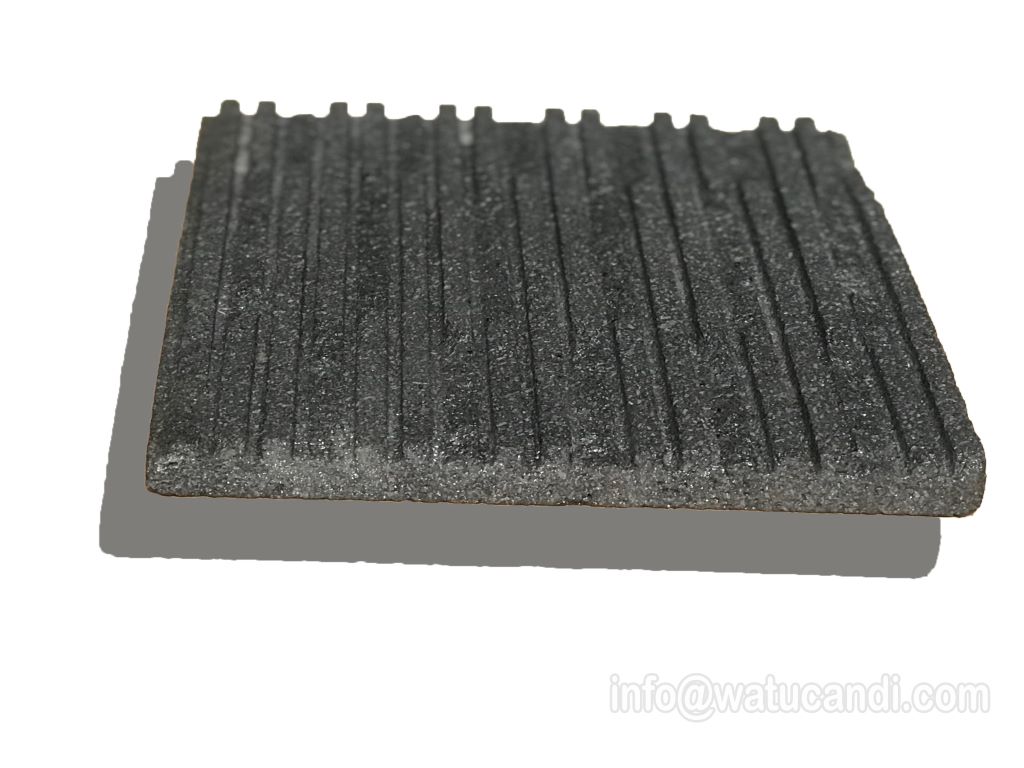
Line Types (0.5×0.5 Broken Regularly) is a type of line or the distance between blades forming the surface line of natural stone as wall cladding decoration. The term “0.5×0.5” refers to the specific dimensions of the broken pattern formed on the stone surface, while “broken regularly” describes the visual characteristic of the resulting texture, which is a broken pattern that repeats in an organized and consistent manner. Tiles with this line type are one of the superior products for finishing construction work on interiors and exteriors.
Unlike full straight line types that offer uninterrupted visual continuity, broken regularly line types create a more dynamic visual rhythm. The regularly broken pattern gives an impression of lively and energetic texture, yet remains within a controlled framework of order. This is a unique blend of artistic freedom and mechanical precision, creating an attention grabbing surface without being too dominant or disturbing other design elements in the room.
The design philosophy behind broken regularly line types can be explained through the concept of “beauty in organized imperfection.” Nature rarely creates perfectly straight lines; instead, it creates patterns of fractures, cracks, and textures that are irregular yet have their own harmony. Broken regularly line types attempt to capture the essence of this natural beauty and translate it into a structured design language. The result is a surface that feels natural and organic, yet orderly enough to create an elegant and sophisticated impression.
From a technical perspective, broken regularly line types offer several advantages. First, the broken pattern creates an illusion of depth and dimension on the wall surface, making the room feel more spacious and dynamic. Second, the broken texture helps disguise minor imperfections on the wall, making it a practical choice for high traffic areas. Third, the visual variation it presents is rich enough to become a focal point, yet subtle enough not to disturb the overall harmony of the room.
Black Temple Stone (lava stone, sandstone, Pedra hitam) is one of the natural stone tile products that features many straight lines with a certain distance size on the surface. For broken regularly line types, black temple stone becomes the perfect canvas because its dark color can highlight the contrast between the broken areas and the unscratched surface areas. From the wide range of stone cutting blade distances, an elegant combination pattern of straight lines with regular breaks will be produced.

3. Why Is Merapi Black Lava Stone the Superior Base Material for Broken Regularly Line Types?
Although the broken regularly line type technique can theoretically be applied to various types of natural stone, there is one material that intrinsically becomes the most perfect canvas: Black Lava Stone, also known as Black Lava Stone, Temple Stone, Pedra Hitam, or Volcanic Sandstone. This material, originating from the volcanic deposits of Mount Merapi in Yogyakarta and Central Java, has long been a favorite in the Indonesian and international natural stone industry thanks to its unique geological characteristics.
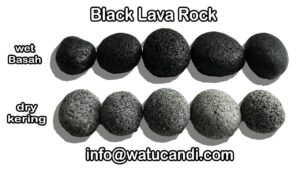
Why is black lava stone the primary choice? Lava stone is formed from the cooling of magma or incandescent lava that comes out of the earth’s interior. This relatively rapid cooling process produces rock with special characteristics: it is hard and dense, yet at the same time has sufficient micro porosity. This combination is the key. Its hardness allows the stone to be cut and scratched with high precision machines without easily cracking or breaking. The diamond blade on the line type forming machine can create sharp, clean, and well defined broken scratches on its surface.
Meanwhile, its natural porosity provides a unique visual and tactile grip, preventing the stone from looking too glossy or plastic like. The result is a broken line surface that looks masculine, solid, and full of strong character. The natural black color of lava stone is the perfect canvas for texture play. On dark colored surfaces, each broken line scratch will create dramatic shadows, deepening the visual dimension of the texture. The contrast between the slightly lighter broken areas due to blade friction and the dark surface areas creates a stunning three dimensional effect.
Its black color also provides a practical advantage: it does not easily show stains or dirt, making it an ideal choice for high traffic areas or exterior walls exposed to weather. For flooring needs that utilize the sturdy character of this stone, Merapi temple stone floor is a perfect example of how the same material can be used to create a solid and aesthetic foundation. For exploration of other volcanic materials, Black Temple Stone Lava Stone also offers reliable premium quality.
Besides lava stone, sandstone and limestone can also be alternatives. Sandstone with earthy colors like cream, brown, and gray offers a warmer palette. However, the result of broken regularly line types on sandstone will be more subtle because the color contrast is lower. Limestone with a denser character will produce very precise broken scratches, suitable for modern minimalist looks. The choice of material ultimately returns to the design vision: whether you want the high contrast drama of black lava stone, or the calm softness of sandstone. For exploration of other exotic materials, breccia natural stone tiles offer a very different visual character with their unique sedimentary rock patterns.
4. Precision Manufacturing Process: From Raw Stone Blocks to Broken Regularly Textured Tiles
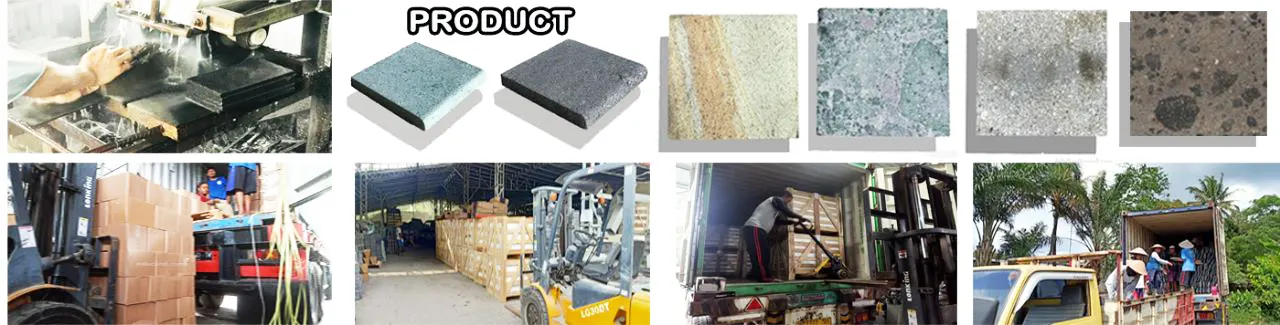
The journey from a chunk of raw black lava stone at the foot of Mount Merapi to an elegant wall tile with broken regularly line types is a long process involving human skill and modern machine precision. Understanding this process is important to appreciate the value of each tile piece. This process is not just cutting and scratching; it is a series of strictly controlled manufacturing stages to ensure each tile meets high quality standards in terms of dimensions, flatness, and broken line texture consistency.
Machine made natural stone stripe motifs are now a popular choice for interior and exterior design because they offer a uniform and consistent pattern that is difficult to achieve with handcrafted stone. The process of creating a machine made natural stone stripe motif typically involves first selecting the type of natural stone to be used, such as Lava Stone, sandstone, granite, or limestone.
The first and most fundamental stage is raw stone block selection. Not all lava stone blocks are created equal. Experienced miners and craftsmen will select stone blocks that have uniform density, consistent porosity, and are free from invisible micro cracks. Even the smallest crack can become a major problem when the stone passes through high pressure cutting and scratching machines, potentially causing the tile to break or crack. Similar material is also used for other products such as natural stone slabs that utilize the natural strength of this stone.
The stone is then cut into rectangular or square pieces of the same size using a saw or other cutting tool. Once the pieces have been cut, they are then fed through a machine that is programmed to create the desired broken stripe pattern. The machine uses a variety of cutting tools and techniques to shape the stone into the desired pattern, including saws, waterjets, and grinders. The specific techniques used may vary depending on the type of stone being used and the desired pattern.
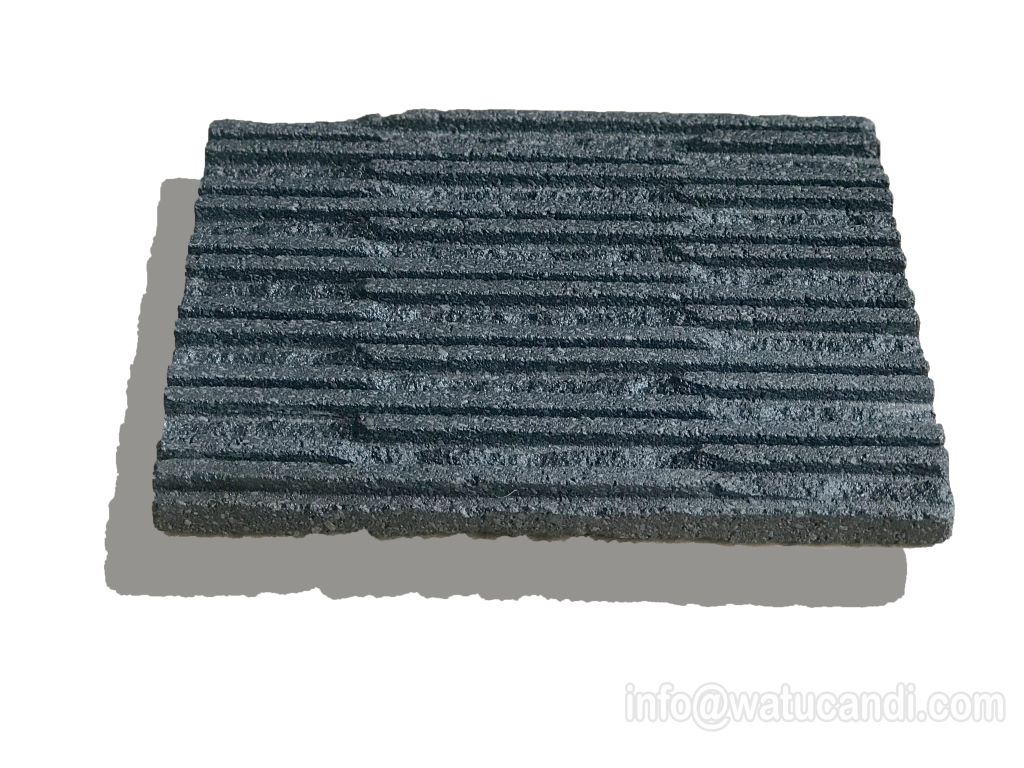
Once the stone has been cut and shaped, it is typically polished to create a smooth and uniform finish. The resulting machine made natural stone stripe motif can be used for a variety of applications, including wall cladding and other decorative elements. It is important to note that machine made natural stone stripe motifs are not completely uniform, and there may be slight variations in color and texture between individual pieces. However, these variations are often considered desirable, as they add to the natural beauty and character of the stone.

5. CNC Machines and Diamond Blades: The Technology Behind Broken Regularly Line Types Formation
The heart of broken regularly line type tile production lies in its texture forming machine. A natural stone tile machine with the capability to create scratch lines on the surface of tiles is typically used for wall cladding decoration. This machine is specifically designed to create a textured surface on natural stone tiles by making straight or curved lines on the surface of the tile. Understanding how this machine works will provide a deeper appreciation of the complexity and value of broken regularly line type products.
The machine works by using a diamond blade saw or wire brush to create the desired effect on the surface of the tile. To create the broken regularly pattern, the machine is specifically programmed to produce scratches that are interrupted at consistent intervals. This is what distinguishes broken regularly line types from full straight line types: the machine precisely controls when the blade touches the stone surface and when the blade is lifted, creating a regular and repeating broken pattern.
The scratch lines created by the machine can be used to achieve various decorative effects, such as adding depth and dimension to the surface of the tile, creating a rustic or industrial look, or adding a subtle texture to the tile. The specific technique used may depend on the type of natural stone being used, as well as the desired effect. For broken regularly line types, the machine settings are specifically calibrated to produce consistent 0.5×0.5 broken dimensions across the entire tile surface.
It is important to note that the use of a natural stone tile machine requires specialized skills and training, as well as proper safety precautions to avoid injury. This machine operates with high power and very sharp cutting tools. The operator must be able to calibrate the machine, select and install the correct blades, program the CNC system, and continuously monitor the process to ensure quality and safety. Additionally, the machine should be operated with caution to avoid damaging the tile or causing any other unintended effects.
The operator’s skill in reading the response of each type of stone to the machine is a key factor that distinguishes high quality products from ordinary ones. For reference on other surface types that also use CNC machines, you can see 06 Surface Type Roling1 which also relies on machine precision in its manufacturing process.
6. Visual and Tactile Characteristics That Distinguish Broken Regularly Line Types
What truly distinguishes broken regularly line types from other natural stone surface types? The answer lies in the unique combination of visual and tactile characteristics it creates. This is not merely scratched stone; it is an integrated sensory experience, combining the visual beauty of the broken pattern with a satisfying tactile sensation.
From a visual perspective, the most dominant characteristic of broken regularly line types is the regular broken rhythm. Unlike full straight line types that offer uninterrupted continuity, the broken pattern on this type creates a more dynamic and interesting visual rhythm. Each break becomes a visual accent that provides pause and variation, preventing monotony on the wall surface. The second effect is a more complex play of light and shadow. Each break creates varying dark and light areas, producing a richer visual dimension compared to ordinary straight lines. A wall covered with broken regularly line type tiles will display a play of light that continuously changes throughout the day.
From a tactile perspective, broken regularly line types offer a unique sensation. When a hand is run over the surface, the fingertips will feel a varied texture: smooth unscratched areas, and textured areas on the broken scratches. This tactile contrast creates a richer sensory experience compared to surfaces with uniform texture. The level of smoothness on the unscratched areas is maintained, while the broken areas provide an additional pleasant grip.
It is also important to note that this product is not completely uniform. There will be slight variations in color and texture between individual pieces. However, these variations are often considered desirable, as they add to the natural beauty and character of the stone. To understand more about the variations that can be achieved through different machine techniques, 08 Stone Type GC Broken is an example of how machines can create a very different texture.
7. Comparing Broken Regularly Line Types with Other Line Types: Which Is Right for Your Project?
To truly position broken regularly line types within the spectrum of design choices, we must understand them in the context of other line types. The modern natural stone industry has developed a rich vocabulary of textures, each with its own visual character. Let us conduct a comparative study to help you choose the most suitable line type for your project.
First, compare with full straight line types. If full straight line types offer calm and stable visual continuity, broken regularly line types present dynamics and energy. Full straight lines are suitable for rooms that want a formal and structured impression, while broken regularly lines are more appropriate for rooms that want to display a more lively and expressive character. For reference on straight line types, you can see 04 Line Type 2×1 which offers different line proportions.
Next, compare with 06 Surface Type Roling1. Roling1 offers wider or more spaced lines, creating a slower and calmer visual rhythm. Meanwhile, broken regularly line types offer a faster and more detailed rhythm thanks to their broken pattern. The choice between the two depends on the scale of the room and how strong a texture statement is desired.
Then compare with 09 Stone Type GC and 08 Stone Type GC Broken. GC Broken offers a texture deliberately made cracked or fragmented irregularly. If broken regularly line types are about regularity in broken patterns, then GC Broken is about controlled chaos. GC Broken is suitable for industrial or avant garde looks, while broken regularly line types are more suitable for elegant yet characterful appearances.
For reference on other line types, 05 Surface Types 3×1 offers different proportions, while 07 Surface Type 0.5×0.5Comb creates a dense texture resembling comb marks. Each type has its own uniqueness, and the best choice depends on your overall design vision.
8. Applications of Broken Regularly Line Types for Facades, Interiors, and Artistic Furniture
Flexibility is one of the greatest strengths of broken regularly line type tiles. It is not confined to a single room typology or specific application. Thanks to its durable material characteristics and versatile aesthetics, broken regularly line types can transform to meet diverse needs, from protecting and decorating the exterior facades of commercial buildings to becoming decorative accents on artistic furniture.
8.1 Exterior Applications: Facades, Fences, and Gates
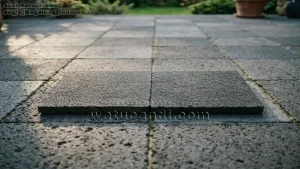
As exterior wall cladding, lava stone tiles with broken regularly line types offer an unbeatable combination of weather resistance and premium aesthetics. Black lava stone is naturally resistant to heat, rain, and UV rays, and will not fade or decay for decades. Its broken line texture provides visual scale and detail to large and massive facades. Other exterior applications include fences and gate pillars, giving a solid and elegant first impression. To add dimension to outdoor areas, natural stone edging with matching finishing can be used on surrounding pedestrian paths.
8.2 Interior Applications: Accent Walls, Living Rooms, and Lobbies
Indoors, broken regularly line types are most often used as accent walls or feature walls. One wall covered with broken regularly textured tiles in a living room, hotel lobby, or restaurant immediately becomes a dramatic focal point. Its texture adds warmth and depth that paint or wallpaper cannot provide. These tiles can also be used for entire interior walls to create a more comprehensive atmosphere.
8.3 Wet Area Applications: Bathrooms and Swimming Pools
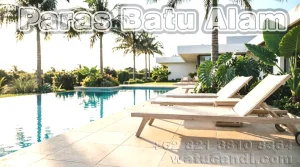
In bathrooms, broken regularly line type tiles can be used on shower walls or the wall behind the bathtub, creating a luxurious natural spa like atmosphere. For swimming pools, swimming pool lava stone is a popular choice due to its non slip nature. For wet area floors, genuine green Sukabumi natural stone tiles remain the top choice with their distinctive texture and characteristics.
8.4 Furniture and Decorative Element Applications
Creativity with broken regularly line types does not stop at walls. These tiles can be used to beautify built in furniture elements and accessories. Natural stone and furniture is an increasingly explored pairing. Natural stone sinks such as genuine Merapi stone sink 49x49x13cm or black basalt stone sink can be combined with a broken regularly line type wall backsplash to create a highly cohesive and artistic bathroom corner. In outdoor areas, Merapi lava stone decking parquet can be paired with broken regularly line type walls to create a harmonious outdoor space.
9. Design Integration: Combining Broken Regularly Line Types with Natural Stone Floors, Swimming Pools, and Sinks
The true strength of a design material lies not only in its own beauty, but in its ability to integrate and dialogue with other materials in a holistic design scheme. Broken regularly line types are exceptional team players. Their neutral black color and distinctive broken texture make them the perfect canvas to be contrasted and combined with various other materials.
Contrast with Natural Stone Floors: One of the most classic approaches is to pair dark, textured broken regularly line type walls with lighter and smoother natural stone floors. For tropical style homes, broken regularly line type walls can be paired with soft cream colored Palimanan stone tiles. In terrace areas, broken regularly line type walls can be a dramatic backdrop for the solid Merapi temple stone floor.
Dark Symphony: For a very modern and dramatic look, you can create a room envelope completely wrapped in black stone with different textures. Broken regularly line type walls combined with Black Temple Stone Lava Stone flooring with a honed or slightly rough surface. For floors with strong character, rough surface natural stone flooring can be an interesting counterpart.
Decorative Accents: As a decorative accent, you can even use Yogyakarta green stone tile batik as insets on broken regularly line type walls. Even a black lava stone 100x100x10 can become an iconic stepping stone. For stepping and border elements, natural stone edging will strengthen the design. For those who like unique textures, stacked sirih stone slab surfaces and genuine stacked sirih stone provide different decorative dimensions.
10. Guide to Selecting, Installing, and Maintaining Broken Regularly Line Type Tiles for Long Lasting Beauty
Deciding to use broken regularly line type tiles is a bold design step. To ensure that your vision is perfectly realized and your investment lasts long term, there are several important guidelines to consider, from product selection, proper installation process, to routine maintenance.
Selection Guide: First, make sure you buy from a trusted supplier with strict quality control. Check physical samples, not just photos. Feel the texture, pay attention to broken pattern consistency, depth, and color. Order enough tiles, including an additional 5 to 10 percent for cutting and reserves. This is important because natural stone is a natural product, and although made by machine, different production batches may have slight color variations. If your project is large, request tiles from the same production batch. Pay attention to size and thickness; well calibrated tiles will greatly facilitate installation and produce clean grout lines.
Installation Guide: Installation of textured natural stone tiles, especially for walls, should be done by experienced professionals. The common installation method is with cement mortar on walls that have been plastered and leveled. Since the tiles are relatively heavy, make sure the wall is strong enough to support them. Use special natural stone adhesive for better results. When installing, maintain consistency of the broken pattern direction. For grout, choose a matching color (for example dark gray or black) so the grout blends in and does not disturb the pattern. Also consider the installation pattern; brick pattern is the most common, but straight pattern can be very effective in highlighting the broken regularly texture.
Maintenance Guide: In general, black lava stone with broken regularly line types is very easy to maintain. For routine cleaning, simply wipe with a damp cloth or use a feather duster for dust. For more stubborn dirt, use warm water and pH neutral soap. Do not use harsh detergents or acidic cleaners that can damage the stone surface. A soft brush can be used to clean dust trapped in the broken areas. For exterior applications, rainwater is usually sufficient to clean light dust. For tiles installed in wet areas or kitchens, make sure they have been coated with a high quality sealer. With this minimal maintenance, your walls will maintain their beauty for decades.
11. Conclusion: Broken Regularly Line Types, a Timeless Contemporary Design Investment
Our journey exploring the world of Line Types (0.5×0.5 Broken Regularly) has revealed that this is far more than just textured stone tiles. This is a manifestation of a successful dialogue between the powerful forces of nature and the precision intelligence of humans. From the belly of volcanoes in Java, black lava stone is born with unmatched character and strength. In the hands of craftsmen assisted by modern CNC machines, the stone is transformed into a textured canvas that celebrates the beauty of regularly broken patterns.
We have seen how broken regularly line types can seamlessly transform from majestic exterior facades to intimate interior accent walls, and how they can harmoniously integrate with a spectrum of other materials. We have also placed them in the context of other line types, such as Roling1, GC, GC Broken, 0.5×0.5Comb, 2×1, and 3×1, and understood that each type offers its own design dialect.
In contemporary architecture often dominated by cold, flat, and soulless surfaces, broken regularly line types offer a powerful alternative. They bring the warmth and depth of natural materials into a modern context, creating spaces that are not only seen, but also felt. When you choose broken regularly line type tiles for your project, you choose a design element that will continue to resonate and provide timeless aesthetic pleasure.
Tags SEO ; Line Types Broken Regularly, 0.5×0.5 broken regularly, line types, black lava stone, natural stone tiles, temple stone, sandstone, pedra hitam, natural stone tiles, natural stone walls, wall cladding, stone texture, surface types, natural stone machine, CNC stone machine, diamond blade, natural stone walls, interior design, exterior design, natural stone facade, accent wall, volcanic stone, Merapi stone, stone craftsmanship, natural stone installation, natural stone maintenance, natural stone floors, watucandi,