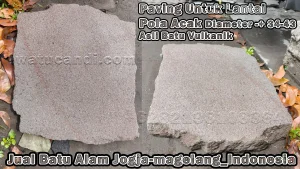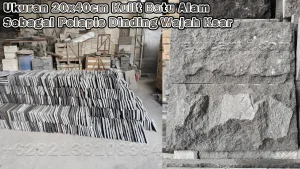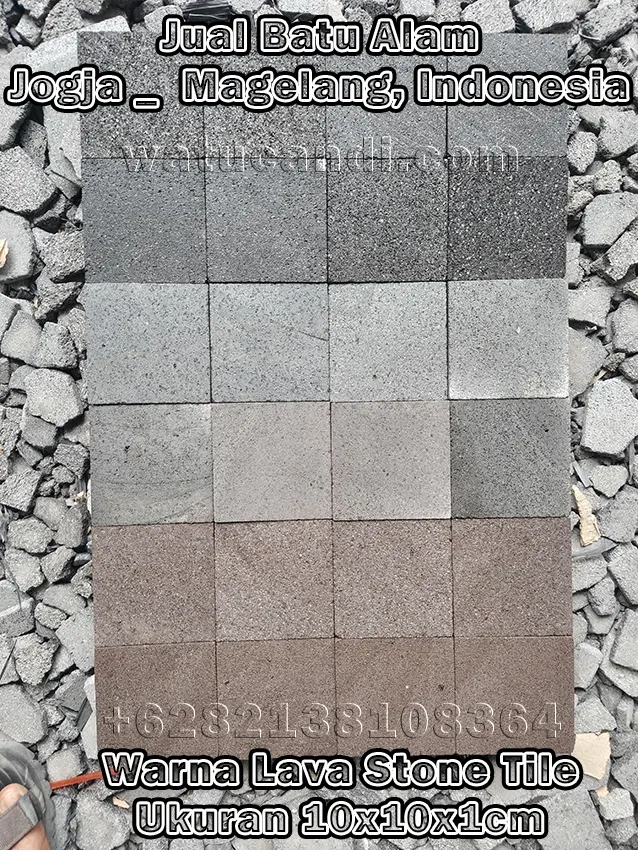

Discover the transformative power of Black Lava Rock Pebbles in modern landscaping and architectural design. This comprehensive guide explores the geological formation, unique porous characteristics, and multifunctional benefits of volcanic stone gravel. Learn how black lava pebbles enhance drainage, suppress weeds, regulate soil temperature, and provide a striking aesthetic contrast in gardens, pathways, and water features. From installation techniques to long-term maintenance, master the art of using premium Indonesian black lava stone for sustainable, durable, and visually stunning outdoor environments.
Black Lava Rock Pebbles
black-lava-rock-pebbles-volcanic-stone-guide
Table of Contents
- 1. Introduction to Black Lava Rock Pebbles
- 2. The Geological Miracle: How Black Lava Rock is Formed
- 3. Unique Characteristics and Physical Properties
- 4. Top Benefits of Using Black Lava Pebbles in Landscaping
- 5. Versatile Applications in Modern Design
- 6. Black Lava Rock vs. Other Natural Stones
- 7. Step-by-Step Installation Guide
- 8. Maintenance and Long-Term Care
- 9. Environmental Sustainability and Eco-Friendly Benefits
- 10. How to Choose High-Quality Black Lava Rock
- 11. Frequently Asked Questions
- 12. Conclusion
1. Introduction to Black Lava Rock Pebbles
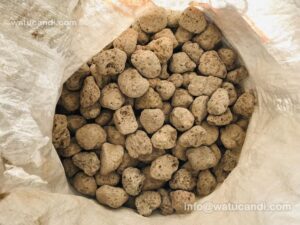
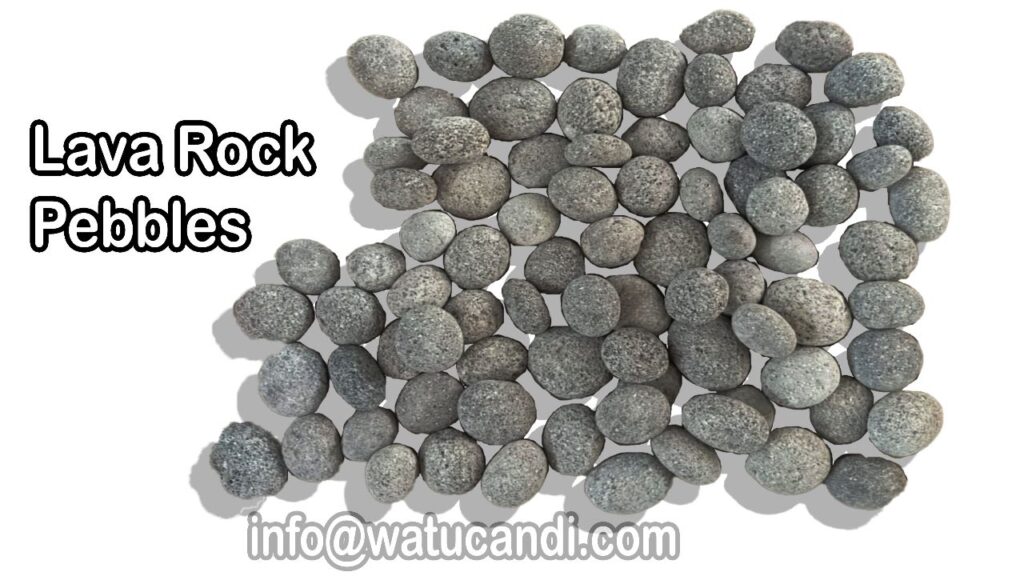
In the realm of landscape architecture and interior design, few materials offer the perfect blend of raw natural beauty, functional utility, and geological history quite like Black Lava Rock Pebbles. Also known as volcanic gravel, basalt pebbles, or simply lava rock, these small, dark stones are the cooled remnants of ancient volcanic eruptions. Unlike polished river rocks or manufactured concrete aggregates, black lava pebbles retain the rugged, porous texture of their fiery origins, offering a unique aesthetic that speaks to the primal forces of nature.
Black Lava Rock Pebbles are small, rounded or irregular stones formed from hardened volcanic rock, typically ranging in color from deep charcoal to jet black. They are prized not only for their striking visual appearance but also for their remarkable physical properties. Their porous structure allows for excellent water retention and drainage, making them an ideal choice for gardening, xeriscaping, and hardscaping projects. Whether used as a decorative mulch, a pathway surface, or a component in water features, black lava pebbles add a touch of sophisticated, earthy elegance to any space.
The global demand for natural stone solutions has surged in recent years, driven by a growing appreciation for sustainable, low-maintenance, and durable building materials. Black lava rock, particularly sourced from active volcanic regions like Indonesia’s Mount Merapi, stands out as a premium option. Its formation process, involving rapid cooling of molten magma, traps gas bubbles within the stone, creating a lightweight yet robust material that is unlike any other sedimentary or metamorphic stone. This article serves as the definitive guide to understanding, selecting, and utilizing Black Lava Rock Pebbles for your next project, exploring everything from their geological origins to their practical applications in modern design.
2. The Geological Miracle: How Black Lava Rock is Formed
To truly appreciate the value of Black Lava Rock Pebbles, one must understand the dramatic geological processes that create them. These stones are not merely rocks; they are frozen moments of volcanic history. The formation of black lava rock is a testament to the immense power and heat contained within the Earth’s crust. It begins deep underground, where temperatures are high enough to melt rock into magma. When this magma finds a path to the surface through a volcanic vent, it becomes lava.
The Eruption and Flow
The process begins with a volcanic eruption. As pressure builds beneath the Earth’s surface, magma is forced upward. Upon reaching the surface, the sudden release of pressure causes dissolved gases to expand rapidly, often resulting in explosive eruptions or steady flows depending on the viscosity of the magma. In the case of basaltic lava, which is low in silica and highly fluid, the lava flows easily across the landscape, covering large areas in a blanket of molten rock. This lava is incredibly hot, often exceeding 1,000 degrees Celsius (1,800 degrees Fahrenheit).
Rapid Cooling and Solidification
As the molten lava flows over the cooler ground or is exposed to the ambient air and water, it undergoes rapid cooling. This rapid temperature drop is crucial. Unlike intrusive igneous rocks (like granite) that cool slowly underground and form large crystals, extrusive igneous rocks like lava cool so quickly that crystals do not have time to grow large. This results in a fine-grained or glassy texture. More importantly, the rapid cooling traps the gases that were dissolved in the magma. As the lava solidifies, these gas bubbles become trapped, creating the characteristic vesicular (porous) texture of lava rock.
Fragmentation and Weathering
Over time, the solidified lava flows are subjected to natural weathering processes. Wind, rain, thermal expansion and contraction, and biological activity break down the larger lava formations into smaller fragments. In some cases, the lava shatters during the eruption itself due to the rapid expansion of gases, creating immediate fragments known as scoria or cinder. These fragments are then further rounded and smoothed by natural erosion, such as the action of flowing water in rivers or the movement of glaciers, eventually forming the pebbles and gravel we see today. The result is a stone that is both lightweight due to its porosity and incredibly durable due to its igneous origin.
This geological history gives black lava rock its unique properties. The trapped gas bubbles create a network of tiny pores throughout the stone. This porosity is the key to many of its functional benefits, such as water retention, insulation, and lightweight characteristics. Understanding this origin helps designers and homeowners appreciate why black lava pebbles behave differently from dense stones like granite or marble, making them a specialized tool in the landscaper’s toolkit.
3. Unique Characteristics and Physical Properties
Black Lava Rock Pebbles possess a distinct set of physical and aesthetic characteristics that set them apart from other landscaping materials. These traits are direct results of their volcanic formation and make them uniquely suited for specific applications in design and horticulture.
Color and Aesthetic Appeal
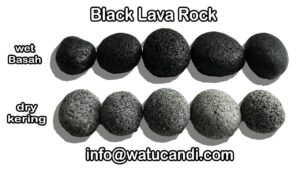
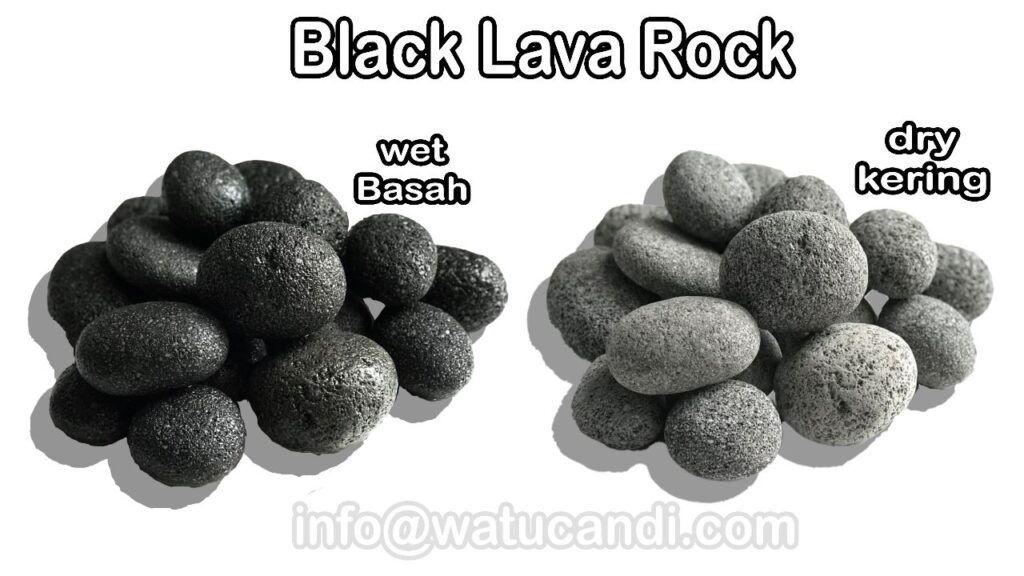
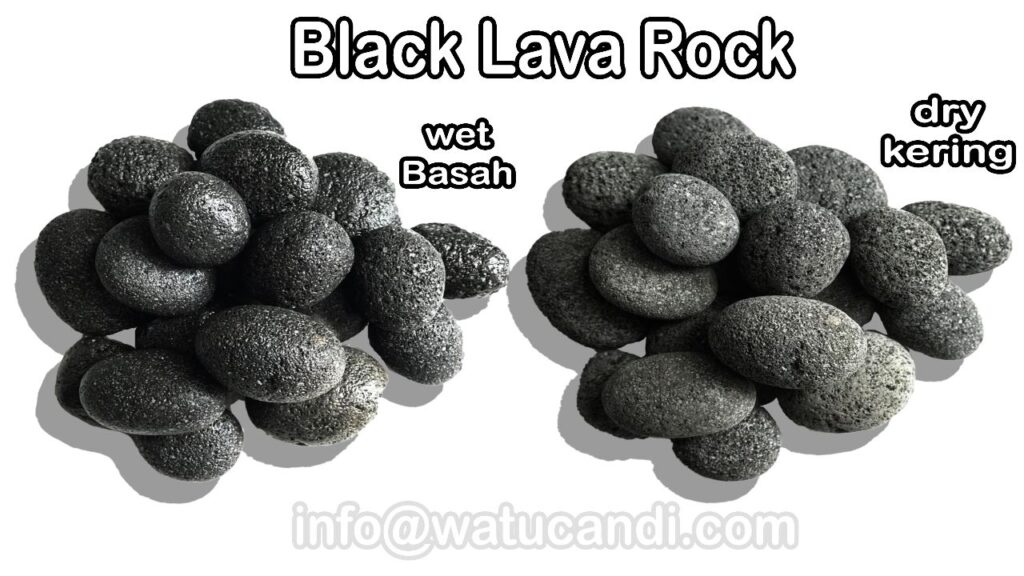
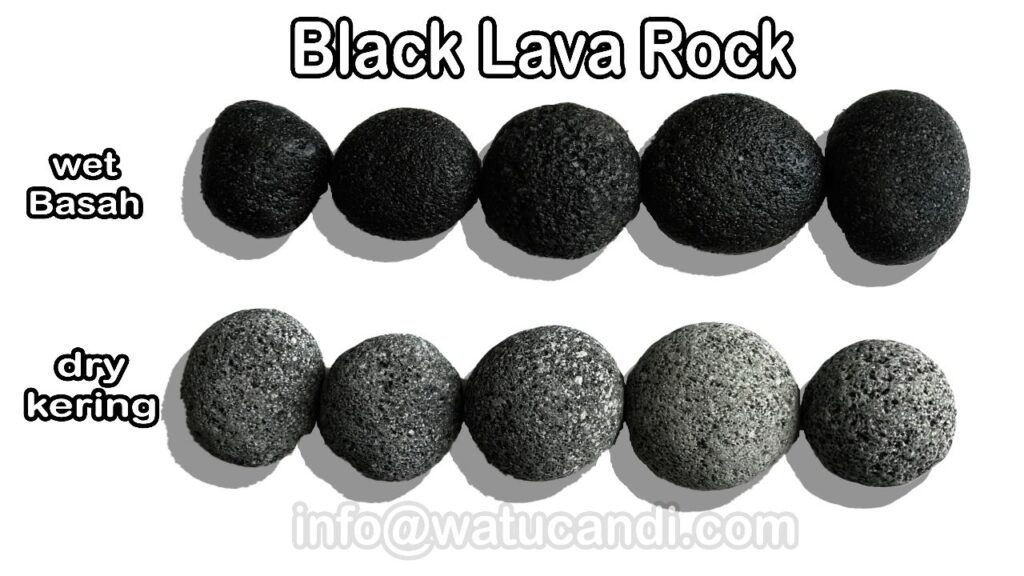
The most immediate characteristic of black lava rock is its color. Ranging from deep charcoal gray to intense jet black, these pebbles provide a dramatic contrast in any landscape. The dark color is due to the high content of iron and magnesium minerals in the basaltic lava. This deep black hue does not fade easily over time, unlike some dyed mulches or lighter-colored stones that may show dirt more readily. The matte finish of the stone absorbs light rather than reflecting it, creating a sense of depth and grounding in a garden design. When wet, the color intensifies, becoming even richer and more vibrant, which adds a dynamic element to water features or rainy-day gardens.
Porosity and Permeability
Perhaps the most functionally significant characteristic of black lava rock is its porosity. The trapped gas bubbles create a sponge-like structure within each pebble. This high porosity means the stone has a large surface area relative to its volume. This property allows lava rock to absorb and hold water, releasing it slowly over time. It also allows air to circulate through the stone, preventing anaerobic conditions in the soil. This permeability makes it an excellent medium for root health, as it prevents waterlogging while ensuring moisture is available to plants.
Weight and Density
Despite being rock, black lava pebbles are surprisingly lightweight compared to other stones of similar size, such as river rocks or granite gravel. This is directly due to the air pockets created by the trapped gases. This lightweight nature makes black lava rock easier to transport, handle, and install. It reduces the structural load on roofs when used in green roof applications and makes it easier for DIY homeowners to spread large areas without excessive physical strain. However, despite being light, it is still heavy enough to stay in place and not blow away easily in moderate winds, especially when used in larger sizes.
Texture and Shape
Black lava pebbles come in various shapes and textures, depending on the degree of weathering they have undergone. Some pebbles are sharp and angular, retaining the fractured look of broken lava. Others are rounded and smooth, having been tumbled by water or wind over centuries. The surface texture is typically rough and pitted, providing excellent traction. This makes it a safe choice for pathways and pool decks where slip resistance is a concern. The irregular shapes also allow the pebbles to interlock slightly, creating a stable surface that resists shifting under foot traffic.
Thermal Properties
Black lava rock has excellent thermal mass properties. Due to its dark color, it absorbs solar radiation efficiently during the day. The porous structure then stores this heat. At night, as the ambient temperature drops, the stone slowly releases the stored heat back into the surrounding environment. This thermal regulation can create a microclimate that protects sensitive plants from frost in cooler climates or extends the growing season. Conversely, in hot climates, the porous nature allows for evaporative cooling if the stone is kept moist, helping to moderate soil temperatures.
4. Top Benefits of Using Black Lava Pebbles in Landscaping
Integrating Black Lava Rock Pebbles into your landscape offers a multitude of benefits that go beyond mere aesthetics. These functional advantages make them a smart investment for homeowners, landscapers, and architects alike.
Superior Drainage and Water Management
One of the primary reasons professionals choose black lava rock is its exceptional drainage capability. The porous structure acts as a natural filter, allowing water to pass through quickly while preventing soil compaction. In areas with heavy clay soil, which tends to retain water and suffocate plant roots, adding a layer of lava pebbles can significantly improve soil aeration and drainage. This is particularly beneficial for plants that are susceptible to root rot, such as succulents, cacti, and certain Mediterranean herbs. By preventing waterlogging, lava rock promotes healthier root systems and overall plant vitality.
Effective Weed Suppression
Using black lava pebbles as a mulch or ground cover is an effective organic method for weed control. When laid in a sufficient layer (typically 2-3 inches), the pebbles block sunlight from reaching the soil surface. Without sunlight, weed seeds cannot germinate, and existing weeds struggle to grow. Unlike organic mulches like wood chips, which decompose over time and can actually introduce weed seeds or nutrients that feed weeds, lava rock is inert and permanent. This reduces the need for chemical herbicides or frequent manual weeding, saving time and effort in garden maintenance.
Soil Temperature Regulation
As mentioned earlier, black lava rock acts as a thermal buffer. In winter, the dark stones absorb heat from the sun and radiate it into the soil, keeping plant roots warmer and protecting them from freezing temperatures. In summer, the porous nature of the rock allows for evaporation, which can have a cooling effect on the immediate surroundings. This moderation of soil temperature creates a more stable environment for plant roots, reducing stress and promoting consistent growth throughout the seasons.
Erosion Control
On slopes or in areas prone to heavy rain, black lava pebbles can help prevent soil erosion. The weight and interlocking nature of the pebbles stabilize the soil surface, reducing the impact of raindrops and slowing down water runoff. This allows water to infiltrate the soil rather than washing it away. Additionally, the rough texture of the lava rock increases friction, further holding the soil in place. This makes it an excellent choice for hillside landscaping, embankments, and areas near water bodies where erosion is a concern.
Low Maintenance and Durability
Unlike organic mulches that need to be replaced every year or two as they decompose, black lava rock is virtually indestructible. It does not rot, fade, or attract pests like termites or ants. It is resistant to extreme weather conditions, including freeze-thaw cycles, heavy rain, and intense sunlight. Once installed, it requires minimal maintenance. Occasional rinsing to remove dust or debris is usually all that is needed to keep it looking fresh. This long-term durability makes it a cost-effective solution, as the initial investment pays off over many years without the need for recurring replacement costs.
Aesthetic Versatility
The deep black color of lava rock provides a stunning contrast to green foliage, colorful flowers, and lighter-colored hardscape elements. It can be used to create modern, minimalist designs, rustic natural looks, or tropical themes. The versatility of black lava pebbles allows them to complement a wide range of architectural styles, from contemporary urban homes to traditional rural cottages. They can be used to define borders, create patterns, or simply provide a uniform, clean background that lets the plants shine.
5. Versatile Applications in Modern Design
The unique properties of Black Lava Rock Pebbles make them suitable for a wide variety of applications in both residential and commercial landscapes. Here are some of the most popular and effective ways to use them.
Garden Mulch and Ground Cover
Using black lava pebbles as mulch is one of the most common applications. Spread a 2-3 inch layer around trees, shrubs, and flower beds. This not only suppresses weeds and retains moisture but also gives the garden a clean, finished look. The dark color makes green leaves pop, creating a vibrant visual effect. It is particularly effective in xeriscaping (water-wise landscaping) where reducing water evaporation is a priority. For a cohesive look, consider combining black lava mulch with Brown Sandstone accents for a warm, earthy contrast.
Pathways and Walkways
Black lava pebbles create beautiful, permeable pathways. They can be used alone for a rustic, natural trail or combined with stepping stones for a more structured look. The porous nature of the stone ensures that rainwater drains through the path rather than pooling on the surface, reducing mud and slippery conditions. The rough texture provides excellent grip, making it safe for barefoot walking. For a more formal pathway, you might consider using Candi Stone Paving interspersed with lava pebbles for a touch of historical elegance.
Water Features and Ponds
In water gardens and ponds, black lava rock is invaluable. It can be used to line the bottom of the pond, providing a natural substrate for beneficial bacteria that help keep the water clean. The porous surface offers a large area for bacterial colonization, aiding in the biological filtration of the pond. Additionally, the dark color makes the water appear deeper and clearer, enhancing the reflective quality of the feature. For pool surrounds, lava stone offers a cool, non-slip surface. Explore more about Lava Stone for Swimming Pools to see how it can transform your aquatic spaces.
Rock Gardens and Zen Gardens
Black lava pebbles are a staple in rock gardens and Japanese Zen gardens. Their dark, contemplative color promotes a sense of calm and mindfulness. In Zen gardens, raked lava gravel can represent water or void, creating a meditative space. The contrast between the black stones and carefully placed larger rocks or bonsai trees creates a balanced, harmonious composition. The lightweight nature of lava rock also makes it easier to arrange and rearrange larger stones without sinking into soft soil.
Container Gardening and Soil Amendment
Mixing crushed black lava rock into potting soil improves drainage and aeration for potted plants. It prevents the soil from becoming compacted, which is a common issue in container gardening. Adding a layer of lava pebbles to the bottom of pots also helps with drainage, preventing root rot. For succulents and cacti, a top dressing of black lava pebbles not only looks attractive but also keeps the base of the plant dry, preventing rot. This technique is essential for healthy indoor and outdoor container plants.
Erosion Control on Slopes
On steep slopes or embankments where grass is difficult to maintain, black lava pebbles provide an effective erosion control solution. They stabilize the soil surface and allow water to infiltrate rather than run off. This prevents the loss of topsoil and nutrients. Combining lava rock with deep-rooted native plants can create a stable, self-sustaining slope landscape. For larger scale erosion control, consider using Stacked Stone Slab Surfaces in conjunction with lava gravel for added structural integrity.
Decorative Accents and Fire Pits
Black lava rock is heat resistant, making it an ideal material for fire pits and barbecue areas. It can be used to fill the base of a gas fire pit, distributing heat evenly and protecting the burner. The dark color contrasts beautifully with the flames, enhancing the visual appeal of the fire feature. Always ensure you use specific fire-rated lava rock for this purpose. For other decorative accents, such as around outdoor kitchens or seating areas, lava pebbles provide a durable, easy-to-clean surface.
6. Black Lava Rock vs. Other Natural Stones
When choosing landscaping stones, it is helpful to compare black lava rock with other popular options to understand its unique advantages and limitations.
Vs. River Rocks
River rocks are smooth and rounded, offering a different aesthetic. However, they are dense and non-porous, meaning they do not aid in drainage or water retention like lava rock. River rocks can also become slippery when wet, whereas lava rock remains grippy. While river rocks are great for dry creek beds, lava rock is superior for plant health and soil improvement.
Vs. Wood Mulch
Wood mulch is organic and adds nutrients to the soil as it decomposes, but it needs frequent replacement, can attract pests, and may wash away in heavy rain. Black lava rock is permanent, pest-free, and stable. While it doesn’t add nutrients, its ability to retain moisture and suppress weeds often outweighs the nutritional benefit of wood mulch, especially when used in conjunction with fertilizer.
Vs. Granite Gravel
Granite gravel is hard and durable but lacks the porosity of lava rock. It is heavier and more difficult to install. Granite reflects more light and can look brighter, which may be desirable in some designs, but it doesn’t offer the same thermal regulation or water management benefits. For a comparison with other volcanic stones, see our guide on Sukabumi Green Stone, which offers a different color palette but similar volcanic origins.
Vs. Concrete Pavers
Concrete pavers provide a uniform, structured look but are impermeable, contributing to runoff issues. Black lava pebbles allow for permeable paving solutions, which are increasingly important in sustainable urban design. While pavers are good for high-traffic driveways, lava pebbles are better for garden paths and decorative areas where ecological balance is a priority.
7. Step-by-Step Installation Guide
Proper installation is key to maximizing the benefits of Black Lava Rock Pebbles. Follow these steps for a professional and lasting result.
Step 1: Site Preparation
Clear the area of existing vegetation, weeds, and debris. If installing over soil, consider laying down a high-quality landscape fabric. This barrier prevents the pebbles from sinking into the soil over time and further inhibits weed growth. Ensure the ground is level and compacted. For drainage applications, grade the area slightly to direct water flow away from structures.
Step 2: Edging Installation
Install sturdy edging around the perimeter of the area. This can be made of metal, plastic, stone, or wood. Edging is crucial to keep the loose pebbles contained and prevent them from spreading into lawns or walkways. Secure the edging firmly into the ground. For a natural look, you might use Natural Stone Edging to blend seamlessly with the lava pebbles.
Step 3: Spreading the Pebbles
Pour the black lava pebbles onto the prepared area. Use a rake or shovel to spread them evenly. Aim for a depth of 2-3 inches for optimal weed suppression and aesthetic coverage. Avoid walking directly on the landscape fabric while spreading to prevent damage. For larger areas, consider using a wheelbarrow to transport the stones efficiently.
Step 4: Leveling and Finishing
Use a stiff broom or a leaf blower on a low setting to settle the pebbles and create a uniform surface. Check for any bare spots and add more pebbles as needed. Ensure the pebbles are flush with the edging. If using around plants, be careful not to pile the stones against the plant stems, as this can cause rot. Leave a small gap around the base of each plant.
Step 5: Initial Cleaning
New lava rock can sometimes have dust from transportation. Lightly rinse the area with a garden hose to wash away any dust and reveal the true deep black color of the stones. This also helps settle the pebbles into place. Allow the area to dry before enjoying your new landscape feature.
8. Maintenance and Long-Term Care
One of the greatest advantages of Black Lava Rock Pebbles is their low maintenance requirement. However, a little care goes a long way in keeping them looking their best.
Regular Cleaning
Occasionally, leaves, twigs, and other debris may accumulate on the surface. Use a leaf blower or a gentle rake to remove this debris. If the stones become dusty or muddy, a light rinse with a garden hose is sufficient. Avoid using high-pressure washers, as this can displace the pebbles and damage the landscape fabric underneath.
Weed Monitoring
While lava rock suppresses weeds effectively, some persistent weeds may still find a way through, especially if seeds land in the dust that accumulates on top. Pull any emerging weeds immediately to prevent them from establishing roots. Keeping the surface clean of organic matter reduces the chance of weed germination.
Replenishing and Leveling
Over time, foot traffic or heavy rain may cause the pebbles to shift or thin out in certain areas. Periodically check the depth and add more pebbles as needed to maintain the 2-3 inch layer. Rake the surface occasionally to keep it level and visually appealing. If you notice any displacement, simply redistribute the stones with a rake.
Checking Drainage
Ensure that the drainage capabilities of the lava rock are not compromised by soil buildup or compaction. If water starts to pool on the surface, it may indicate that the pores are clogged. In such cases, aerating the layer by raking deeply or replacing the top layer can restore proper drainage.
Handling with Care
Although lava rock is durable, it can be brittle. Avoid driving heavy vehicles or placing extremely heavy objects directly on the pebble layer, as this can crush the stones and reduce their porosity. For high-traffic areas, consider using larger, more robust stones or combining lava pebbles with Chiseled Stone Paving for added strength.
9. Environmental Sustainability and Eco-Friendly Benefits
In an era of increasing environmental awareness, Black Lava Rock Pebbles offer several sustainability benefits that make them an eco-friendly choice for landscaping.
Natural and Non-Toxic
Lava rock is a natural material that does not contain harmful chemicals, dyes, or treatments. Unlike rubber mulch or plastic-based landscaping materials, it does leach toxins into the soil or water supply. It is safe for pets, children, and wildlife. Its inert nature means it does not contribute to pollution or environmental degradation.
Water Conservation
By improving soil moisture retention and reducing evaporation, black lava pebbles help conserve water. This is particularly important in arid regions or areas facing water restrictions. Using lava rock in xeriscaping can significantly reduce the amount of irrigation needed, lowering water bills and preserving local water resources.
Reduced Carbon Footprint
Because lava rock is durable and long-lasting, it does not need to be replaced frequently. This reduces the energy and emissions associated with manufacturing, transporting, and installing new landscaping materials every few years. Additionally, its lightweight nature reduces fuel consumption during transport compared to heavier stones.
Support for Biodiversity
The porous structure of lava rock provides habitat for beneficial microorganisms and insects. In water features, it supports the biological filtration system that keeps the water clean and healthy for aquatic life. By creating a healthier soil environment, it supports stronger, more resilient plants, which in turn support local biodiversity.
10. How to Choose High-Quality Black Lava Rock
Not all lava rock is created equal. When purchasing Black Lava Rock Pebbles, consider the following factors to ensure you get the best quality for your project.
Source and Origin
Look for lava rock sourced from reputable volcanic regions, such as Indonesia’s Mount Merapi. Stones from active volcanic zones tend to have higher porosity and better quality. Ask suppliers about the origin of their stone. For example, Merapi Mountain Stone is renowned for its quality and durability.
Size and Grade
Choose the right size for your application. Small pebbles (1/4 to 1/2 inch) are ideal for mulch and pathways. Larger stones (1 to 3 inches) are better for drainage layers, rock gardens, and decorative accents. Ensure the grading is consistent, with minimal dust or fines, which can clog pores and reduce effectiveness.
Color Consistency
High-quality black lava rock should have a consistent deep black or dark charcoal color. Avoid batches with excessive reddish or brownish hues, unless this is the desired aesthetic. Uniform color ensures a cohesive and professional look in your landscape design.
Cleanliness
Ensure the stone is washed and free from excessive dust, dirt, and debris. Clean stone is easier to install and looks better immediately after placement. Some suppliers offer pre-washed lava rock, which is worth the extra cost for convenience and aesthetics.
Supplier Reputation
Buy from reputable suppliers who specialize in natural stone. Check reviews and ask for samples if possible. A reliable supplier will provide information about the stone’s properties and offer guidance on installation and maintenance. For a wide range of high-quality volcanic stones, explore our collection at Lava Stone.
11. Frequently Asked Questions
Q: Can black lava rock change color over time?
A: Black lava rock is highly resistant to fading. However, dust accumulation can make it appear lighter. Regular rinsing will restore its deep black color. It does not contain dyes that can wash out.
Q: Is black lava rock safe for vegetable gardens?
A: Yes, it is completely safe and non-toxic. It can help improve soil drainage and aeration for vegetable plants. Just ensure it is clean and free from contaminants before use.
Q: How much lava rock do I need for my project?
A: Calculate the area in square feet and multiply by the desired depth in feet (e.g., 0.25 feet for 3 inches). This gives you the cubic feet needed. Most suppliers sell by the bag or cubic yard. A general rule is that one cubic yard covers approximately 100 square feet at 3 inches deep.
Q: Can I mix black lava rock with other mulches?
A: Yes, mixing lava rock with organic mulch can combine the benefits of both. The lava rock provides structure and drainage, while the organic mulch adds nutrients. However, keep in mind that the organic mulch will still need replacement over time.
Q: Does black lava rock attract pests?
A: No, lava rock is inorganic and does not attract pests like termites, ants, or rodents. In fact, it can help deter some pests by creating a dry, uncomfortable environment for them.
12. Conclusion
Black Lava Rock Pebbles are more than just a decorative element; they are a functional, sustainable, and aesthetically pleasing solution for modern landscaping. From their dramatic volcanic origins to their practical benefits in drainage, weed suppression, and soil health, these stones offer a unique value proposition for homeowners and designers alike. Their deep black color provides a striking contrast that enhances the beauty of any garden, while their durability ensures long-term performance with minimal maintenance.
Whether you are creating a serene Zen garden, a water-wise xeriscape, or a vibrant flower bed, black lava pebbles can elevate your design. By understanding their properties and following proper installation and care guidelines, you can enjoy the benefits of this remarkable natural material for years to come. As we move towards more sustainable and eco-friendly landscaping practices, black lava rock stands out as a responsible and beautiful choice.
Explore the full potential of volcanic stone in your next project. Whether you need Lava Stone Flooring for your patio, Lava Stone Exterior Design for your facade, or simple pebbles for your garden, the versatility of Indonesian natural stone is unmatched. Embrace the power of nature with Black Lava Rock Pebbles and transform your outdoor space into a masterpiece of design and functionality.
Related Products and Resources
- Tumbled Natural Stone Finish
- Outdoor Merapi Natural Stone Floor
- Merapi Lahar Candi Stone Floor
- Rough Surface Natural Stone Floor
- Black Candi Lava Stone
- Merapi Lava Stone Parquet Decking
- Natural Rock Slabs
- Paras Palimanan Stone Tiles
- Breccia Natural Stone Tiles
- Natural Stone and Furniture
- Stacked Stone Slab Surface
- Original Susun Sirih Stone
- Original Sukabumi Green Stone Tiles
- Original Merapi Stone Sink
- Black Basalt Stone Sink
- Yogyakarta Batik Motif Green Stone Tiles
- Black Lava Stone 100x100x10
- Black Lava Stone Tiles
- Borobudur Candi Stone
- Black Lava Natural Stone Tiles
- Handmade Stone Troughs
- Handmade Stone Tables and Chairs
- Carved Motif Vanity Table
- Candi Stone Stepping Floor
- Natural Stone Tiles 2
- Hidden Crystals in Merapi Lava
- Carved Natural Stone Installation Patterns
- Sell Pelinggih Stone Material
- Black Lava Bush-Hammered Surface
- Black Lahar
- Candi Lahar Stone Floor
- Lava Stone 75x230mm
- Lava Natural Stone Product
- Alkali Lava Natural Stone
- Candi Lava Natural Stone
- Andesite Paving Stone
- Natural Andesite Stone
- Local vs Precision Green Stone Tiles
- Authentic Manually Chiseled Stone Floor
Tags: Black Lava Rock, Volcanic Stone, Landscaping Pebbles, Lava Gravel, Garden Mulch, Drainage Stone, Natural Stone, Indonesian Stone, Sustainable Landscaping, Weed Suppression,