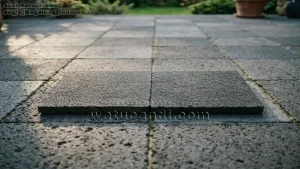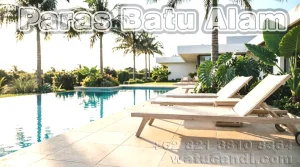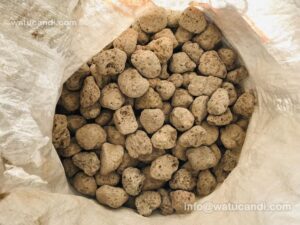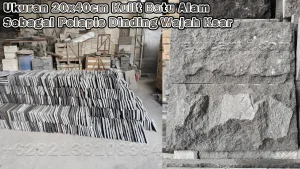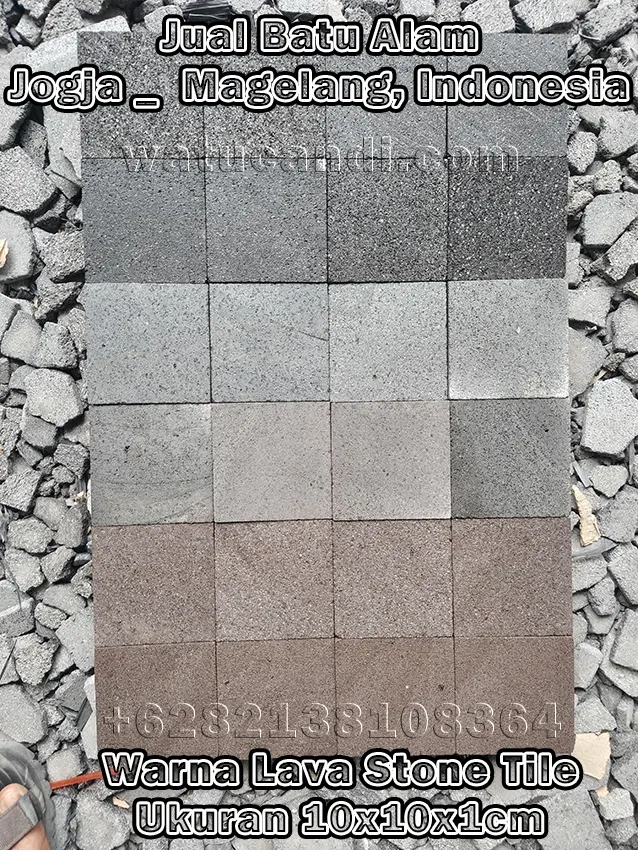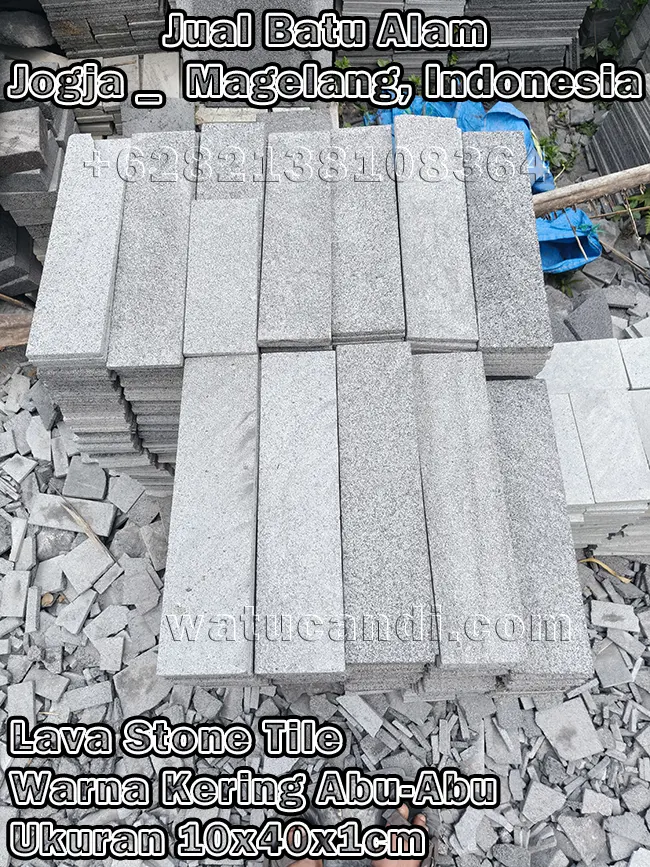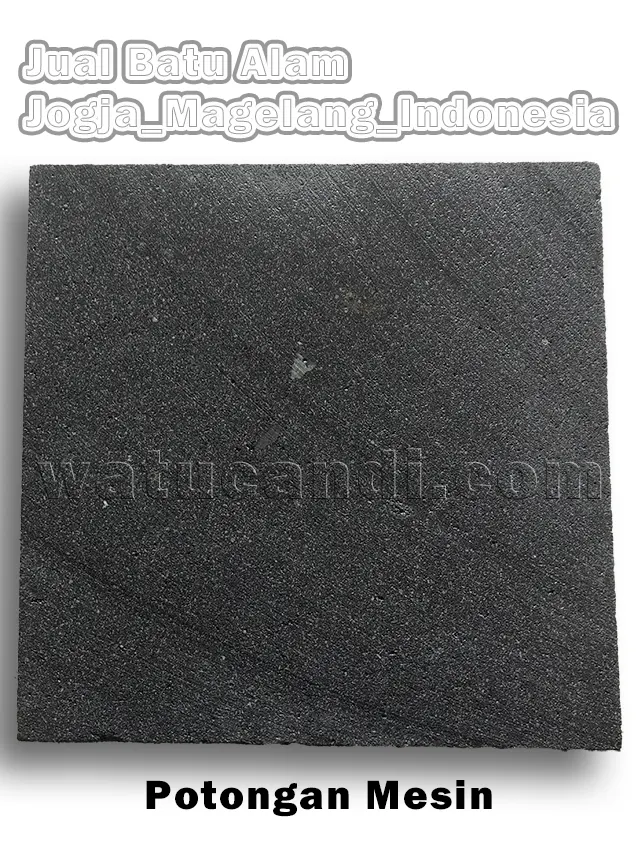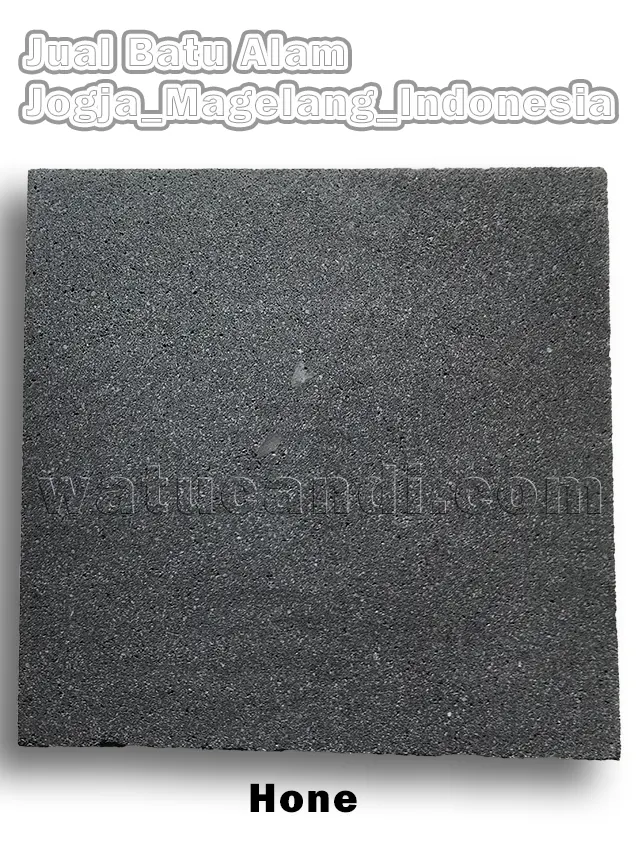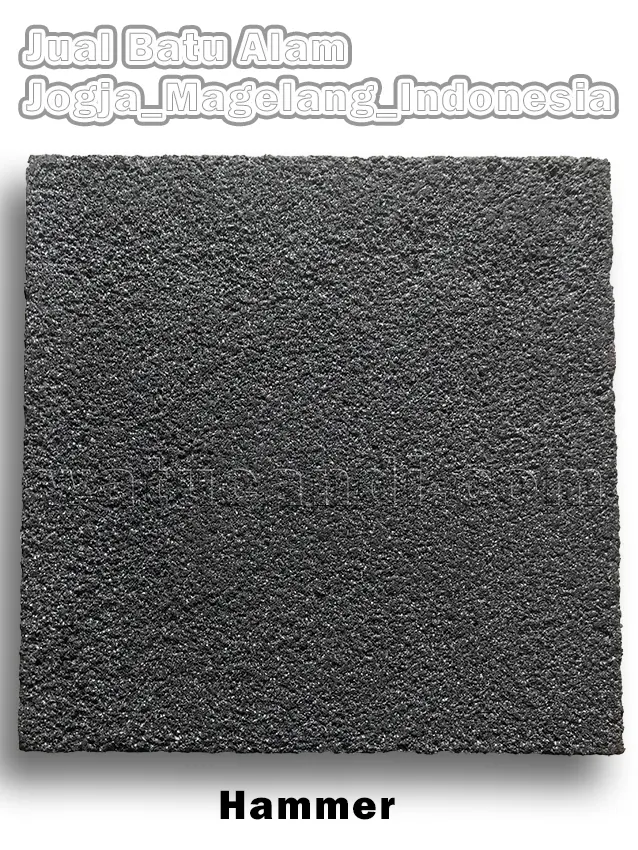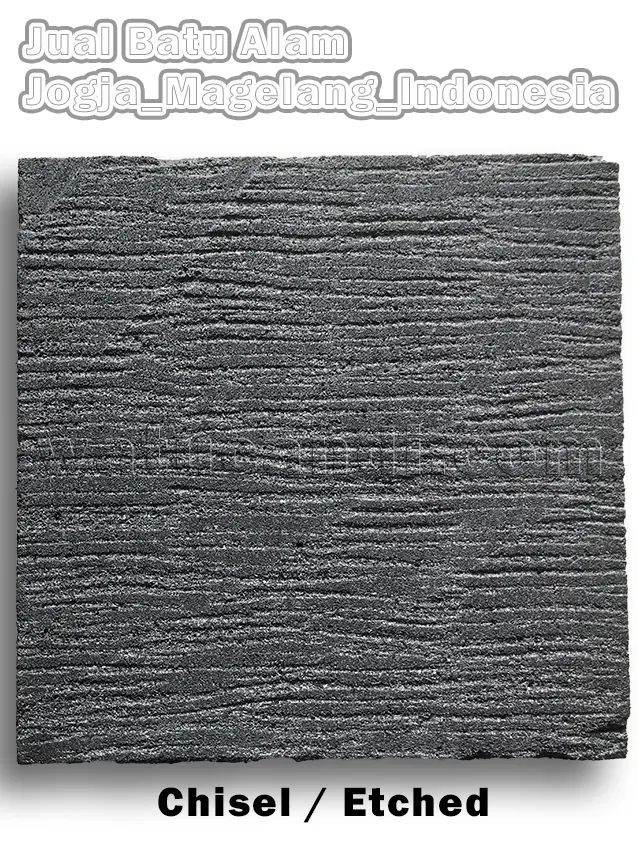

The beauty of Indonesian Green Stone Tiles (Batu Hijau Sukabumi). Perfect for luxury pools, wall cladding, and landscapes. Durable, eco-friendly, and stunning. Buy from Watucandi.
Discover the transformative power of Indonesian Green Stone Tiles (Batu Hijau Sukabumi). This comprehensive guide explores the geological origins, aesthetic benefits, installation techniques, and maintenance secrets of using natural green stone for swimming pools, wall cladding, and landscape architecture. Learn why this premium volcanic stone is the preferred choice for luxury resorts in Bali and worldwide.
- 1. Introduction to Indonesian Green Stone Craftsmanship
- 2. Geological Origins: The Science Behind Batu Hijau Sukabumi
- 3. Aesthetic Appeal: The “Lake Green” Phenomenon
- 4. Technical Specifications and Material Properties
- 5. Versatile Applications Beyond Swimming Pools
- 6. Comprehensive Benefits of Green Stone Tiles
- 7. Comparative Analysis: Green Stone vs. Ceramic vs. Other Natural Stones
- 8. Professional Installation Guide
- 9. Long-Term Maintenance and Care
- 10. Design Inspiration and Styling Tips
- 11. Procurement: Sourcing from Watucandi
- 12. Frequently Asked Questions (FAQ)
- 13. Conclusion
1. Introduction to Indonesian Green Stone Craftsmanship
In the realm of modern architecture and landscape design, the quest for materials that bridge the gap between rugged durability and refined elegance often leads designers to natural stone. Among the myriad options available globally, Indonesian Green Stone, locally known as Batu Hijau Sukabumi, has emerged as a premier choice for luxury applications. This unique natural stone is not merely a building material; it is a craft, a testament to the geological richness of Indonesia, and a symbol of tropical sophistication.
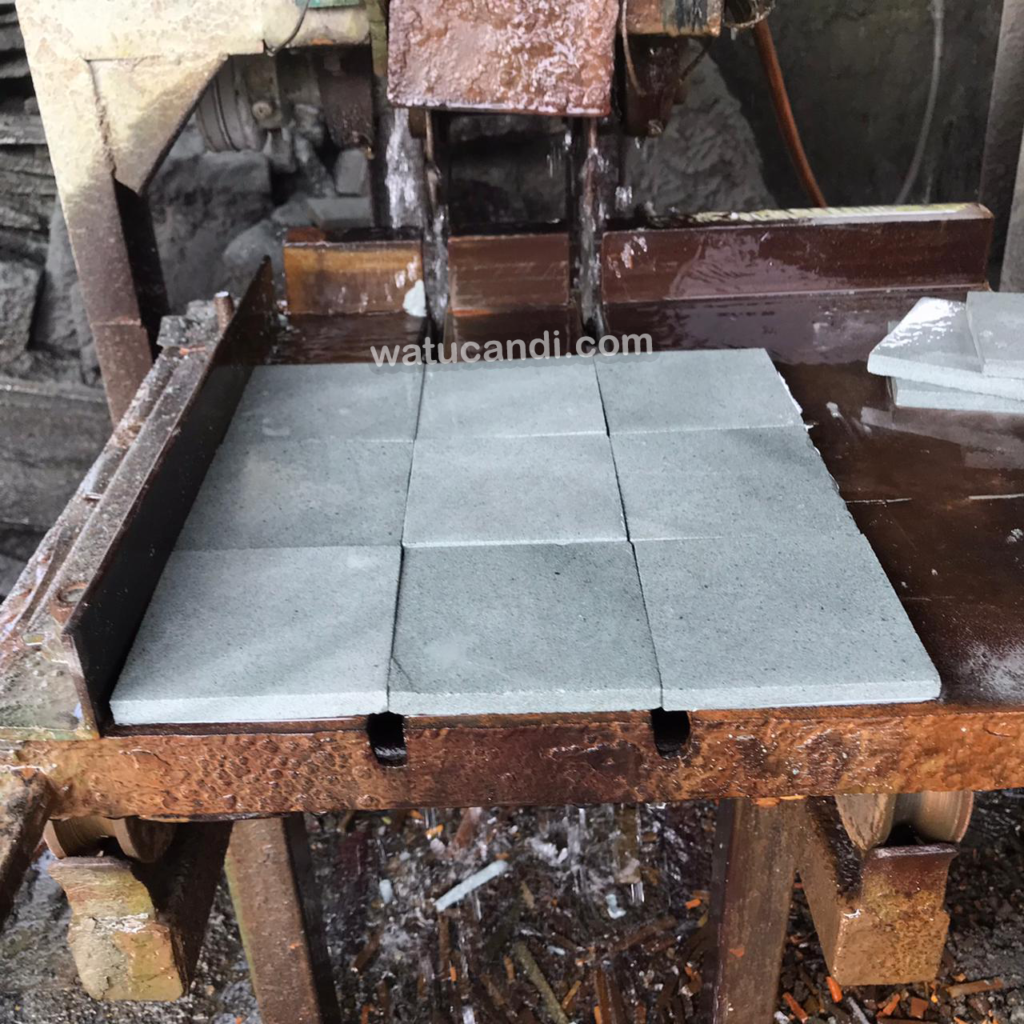
The term “Kerajinan Ubin Batu Hijau Indonesia” translates to Indonesian Green Stone Tile Craftsmanship. It refers to the meticulous process of extracting, cutting, finishing, and installing this distinctive green-hued volcanic stone. Unlike manufactured tiles that strive for uniformity, green stone celebrates the subtle variations of nature. Each tile carries a unique fingerprint of mineral deposits, resulting in a living surface that changes character under different lighting conditions and water depths.
Originally sourced from the Sukabumi region in West Java, this stone has found its spiritual home in the island of Bali, where it has become synonymous with high-end villa construction and resort swimming pools. However, its application extends far beyond mere aesthetics. The functional properties of green stone—its porosity, thermal mass, and chemical resistance—make it an engineering marvel for wet areas.
At Watucandi, we specialize in providing premium quality Indonesian natural stone. Our commitment to excellence ensures that every piece of green stone tile meets the highest standards of international export. Whether you are an architect designing a five-star resort in the Maldives, a homeowner renovating a backyard oasis in California, or a contractor working on a commercial spa in Europe, understanding the nuances of Indonesian Green Stone is essential for achieving a result that is both beautiful and enduring.
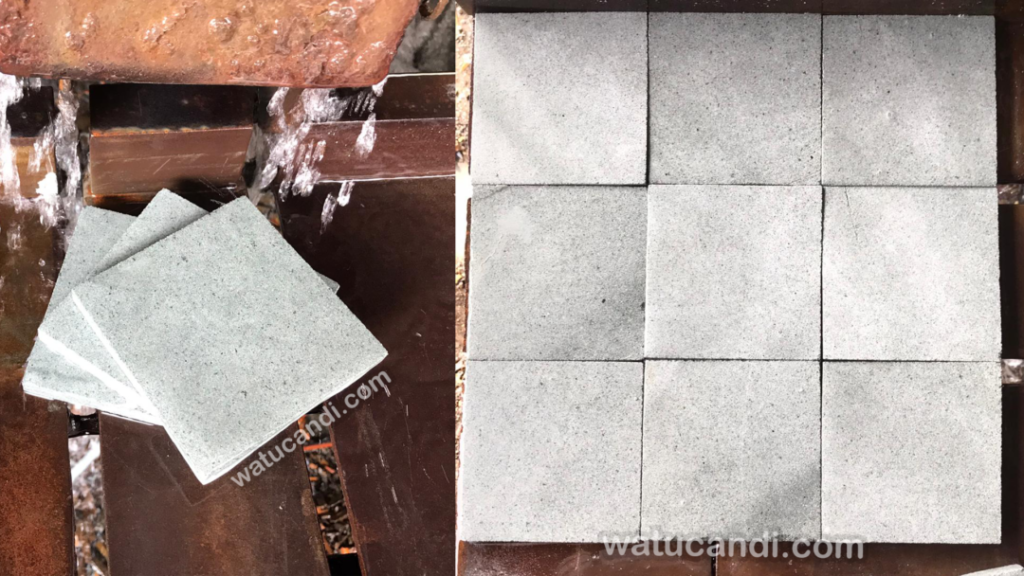
This comprehensive guide will delve deep into every aspect of Indonesian Green Stone. We will explore its geological formation, compare it with other popular natural stones like Black Lava Stone and Palimanan Sandstone, provide detailed installation instructions, and offer expert maintenance tips. By the end of this article, you will have a thorough understanding of why Green Stone is the ultimate choice for creating timeless, nature-inspired spaces.
2. Geological Origins: The Science Behind Batu Hijau Sukabumi
To truly appreciate the value of Indonesian Green Stone, one must understand its origins. Unlike sedimentary stones such as limestone or sandstone, which are formed by the accumulation of mineral particles over millions of years, Green Stone is of volcanic origin. Specifically, it is a type of zeolite-rich andesite or basaltic rock found in the Sukabumi regency of West Java, Indonesia.
The Sukabumi region is geologically active, situated near several volcanic systems. The intense heat and pressure from ancient volcanic eruptions metamorphosed the existing rock formations, infusing them with minerals such as chlorite, epidote, and actinolite. These minerals are responsible for the stone’s distinctive green coloration. The variation in green shades—from pale mint to deep forest green—depends on the concentration of these minerals and the specific layer of the quarry from which the stone was extracted.
The texture of Batu Hijau is another critical feature. It possesses a dense microstructure with tightly packed pores. This density is crucial for its performance in wet environments. While it is porous enough to allow for slight breathability, preventing water trapping and blistering, it is dense enough to resist excessive water absorption that could lead to structural weakness or freeze-thaw damage in colder climates. This balance is rare in natural stones and is a key reason for its popularity in swimming pool applications.
The extraction process is labor-intensive. Large blocks are quarried from the earth using heavy machinery, but the subsequent splitting and cutting are often done with precision tools to maintain the integrity of the stone. At Watucandi, we ensure that our sourcing practices are sustainable, working closely with local communities in Sukabumi to ensure fair labor practices and environmental stewardship. This ethical approach adds another layer of value to the product, appealing to conscious consumers and businesses.
Understanding the geological background also helps in managing expectations regarding color consistency. Because it is a natural product, no two tiles are exactly alike. This “imperfection” is actually its greatest strength, offering a dynamic visual experience that manufactured tiles cannot replicate. When light hits the water in a pool lined with Green Stone, the refraction through the water interacts with the varied mineral deposits in the stone, creating a shimmering, multi-dimensional effect that mimics the clarity and depth of a natural mountain lake.
3. Aesthetic Appeal: The “Lake Green” Phenomenon
The primary allure of Indonesian Green Stone lies in its color. In the design world, this specific shade is often referred to as “Lake Green” or “Tropical Green.” It is a calming, restorative color that psychologically connects humans to nature. Biophilic design principles suggest that incorporating natural elements and colors into built environments reduces stress, improves mood, and enhances overall well-being. Green Stone is a quintessential biophilic material.
When used in swimming pools, the stone interacts with water in a magical way. Clear water over green stone creates a vibrant turquoise or emerald hue, depending on the depth. Shallow areas appear lighter and more translucent, while deeper sections take on a rich, mysterious green. This gradient effect adds visual depth to the pool, making it appear larger and more inviting. It eliminates the sterile, clinical look often associated with white ceramic or blue mosaic tiles.
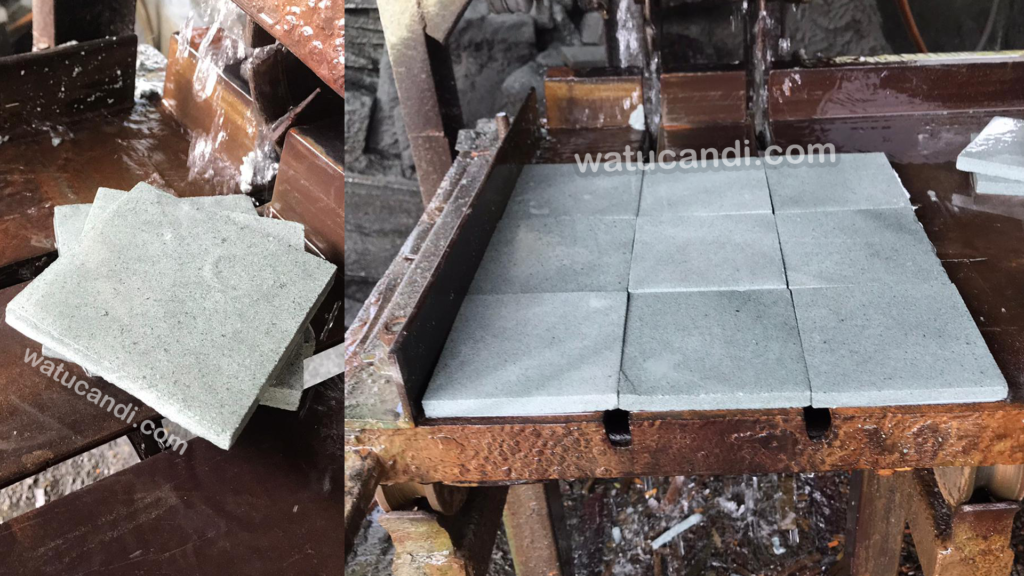
Beyond pools, the aesthetic appeal of Green Stone extends to interior and exterior walls. As a wall cladding, it brings a touch of the outdoors inside. In living rooms, lobbies, or spa treatment rooms, Green Stone walls serve as striking feature walls that anchor the space. The matte finish of the stone absorbs light rather than reflecting it harshly, creating a soft, ambient glow that is easy on the eyes.
The stone pairs exceptionally well with various design styles. In Balinese-style architecture, it complements wooden beams, thatched roofs, and tropical foliage. In modern minimalist designs, it provides a textural contrast to smooth concrete, glass, and steel. In rustic or farmhouse styles, it harmonizes with reclaimed wood and wrought iron. Its versatility makes it a favorite among interior designers who seek to create unique, personalized spaces.
Furthermore, the color of Green Stone is stable. Unlike some dyed or treated stones that may fade over time due to UV exposure, the green hue of Batu Hijau is intrinsic to its mineral composition. While it may lighten slightly when dry and darken when wet, the fundamental color remains consistent throughout its lifespan. This longevity of aesthetic appeal ensures that your investment continues to look stunning for decades.
4. Technical Specifications and Material Properties
For architects, engineers, and contractors, understanding the technical specifications of Indonesian Green Stone is crucial for proper specification and installation. Here are the key properties:
- Material Type: Volcanic Andesite/Zeolite-rich Basalt.
- Origin: Sukabumi, West Java, Indonesia.
- Color: Natural Green (variations from light mint to dark forest green).
- Finish: Natural Split Face, Honed, or Tumbled (depending on application).
- Density: High (approx. 2.6 – 2.9 g/cm³).
- Water Absorption: Low to Medium (typically less than 5% by weight, making it suitable for wet areas).
- Compressive Strength: High (capable of withstanding significant load, suitable for flooring).
- Slip Resistance: Excellent (R10-R11 rating depending on finish), ideal for wet areas.
- Thermal Conductivity: Low (remains cool to the touch even in hot sun).
- Chemical Resistance: Good resistance to chlorine and saltwater, though sealing is recommended.
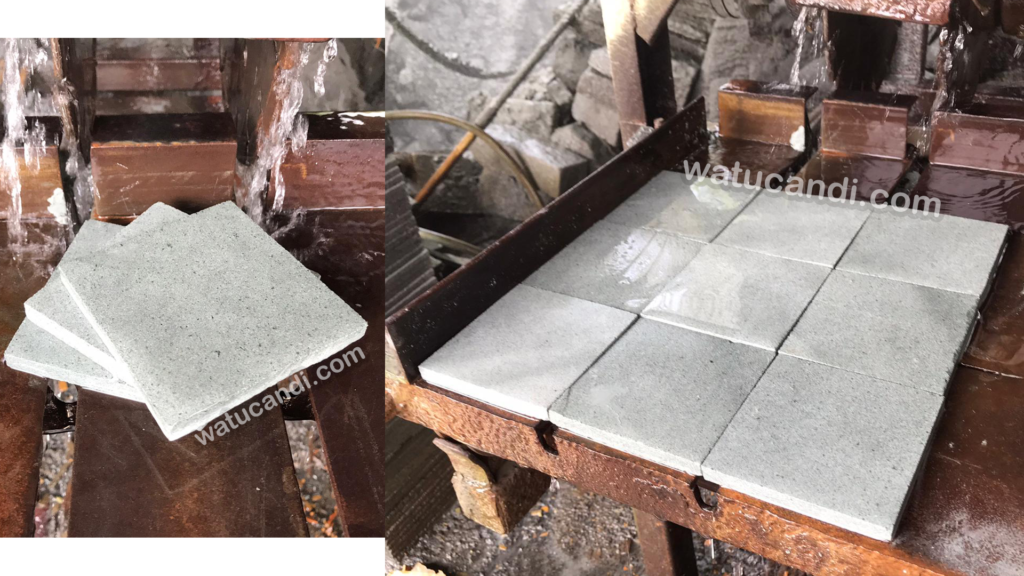
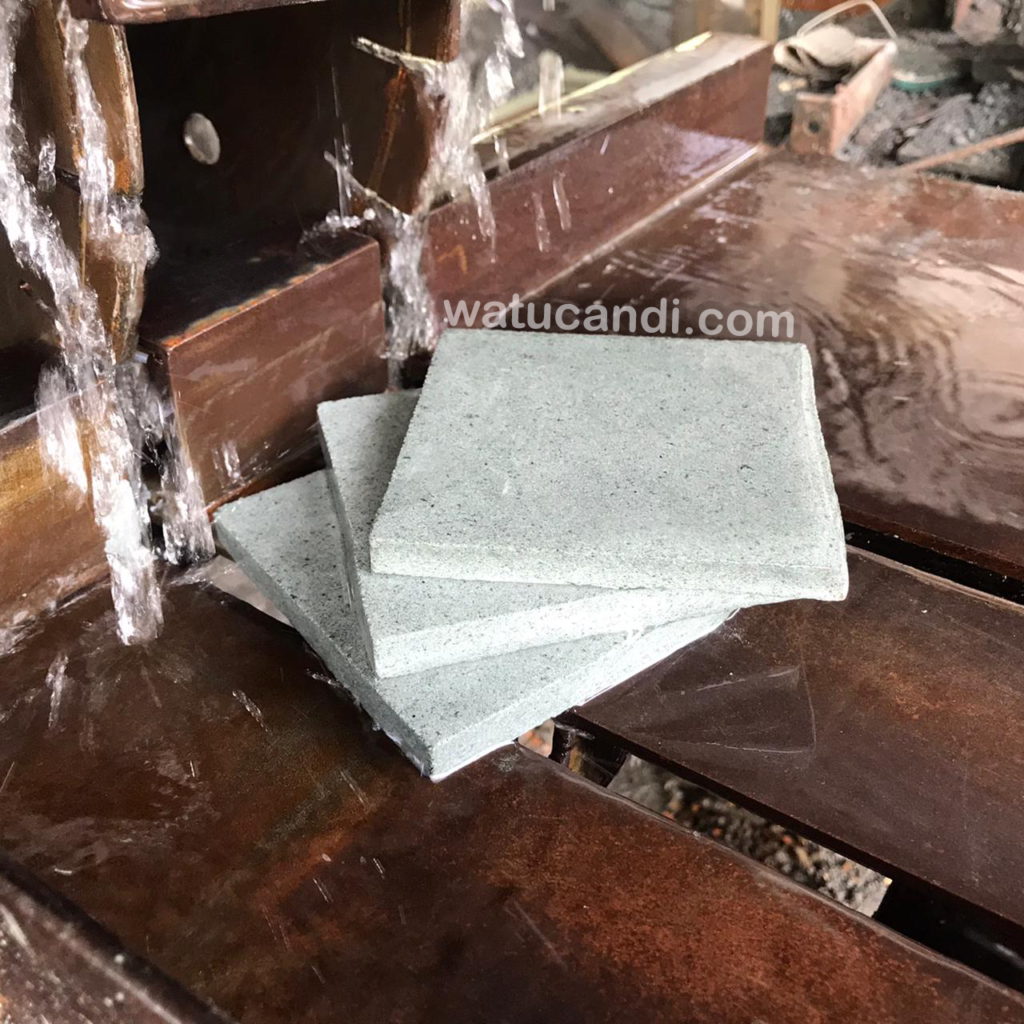
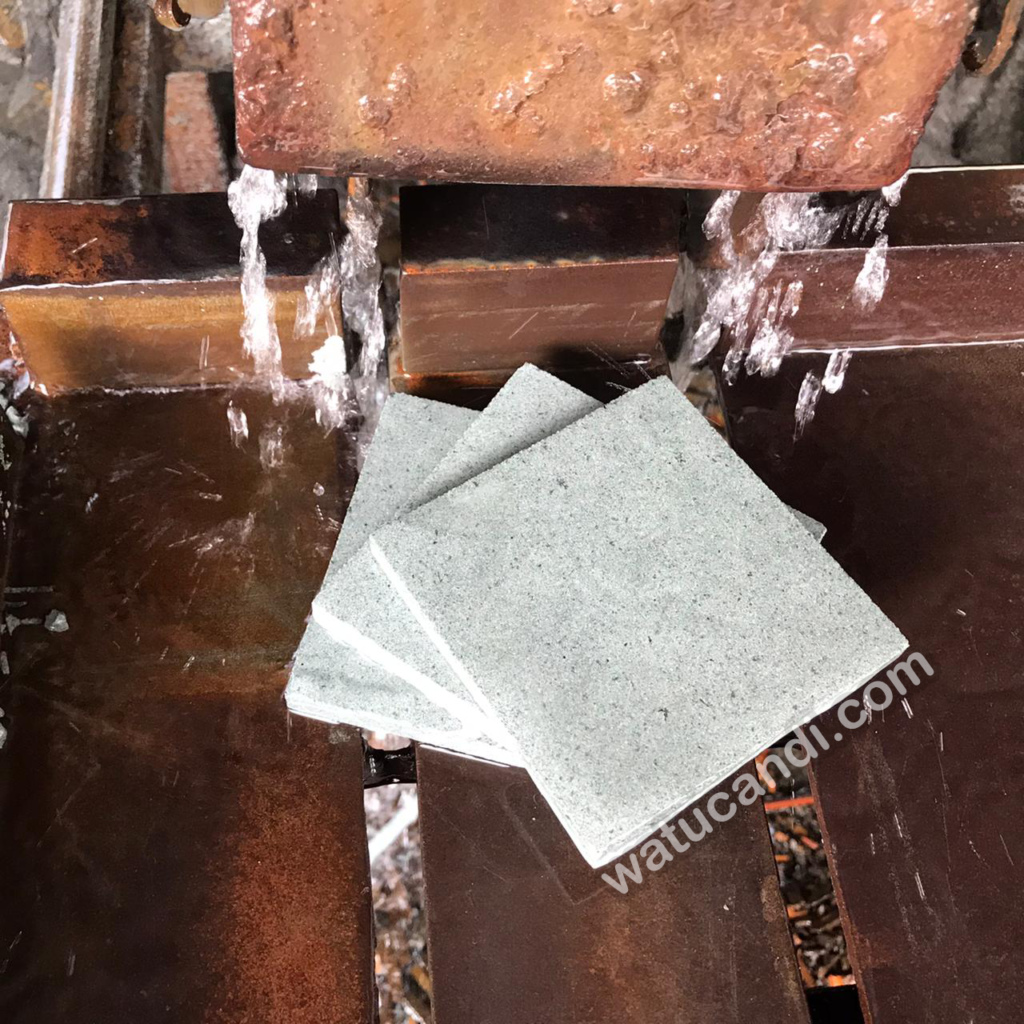
The thickness of the tiles can vary based on the intended use. For wall cladding, thinner tiles (1-2 cm) are often sufficient. For pool floors and heavy-traffic areas, thicker tiles (2-3 cm or more) are recommended to ensure durability and prevent cracking under load. At Watucandi, we offer custom cutting services to meet specific project requirements, ensuring that you receive the exact dimensions needed for your design.
It is important to note that because Green Stone is a natural material, there may be slight variations in thickness and size. This is normal and should be accounted for during installation by using appropriate adhesive bed depths. Professional installers are trained to handle these variations to achieve a level and uniform surface.
5. Versatile Applications Beyond Swimming Pools
While Indonesian Green Stone is most famous for its use in swimming pools, its versatility allows it to be used in a wide range of architectural and landscaping applications. Let’s explore these in detail.
5.1. The Gold Standard for Swimming Pools
As mentioned earlier, the primary application of Green Stone is in swimming pools. It is used for:
- Pool Floors: Providing a non-slip, visually appealing surface for swimmers.
- Pool Walls: Creating a seamless look from floor to wall.
- Pool Coping: The edge of the pool where the deck meets the water. Green stone coping provides a durable and attractive transition.
- Water Features: Such as spillways, fountains, and cascades within the pool area.
The combination of aesthetic beauty and functional safety makes it unbeatable for pool design. For more insights on pool-specific stone solutions, you can refer to our guide on Swimming Pool Stone Tiles.
5.2. Interior and Exterior Wall Cladding
Green Stone is an excellent choice for wall cladding. Its natural texture adds depth and interest to flat surfaces.
Exterior Walls: When used on exterior walls, Green Stone withstands weather elements effectively. It can be used on facade accents, garden walls, and boundary walls. The stone’s ability to blend with surrounding vegetation makes it ideal for eco-friendly buildings. For inspiration on exterior designs, check out our Exterior Lava Stone Design page, which shares similar principles applicable to Green Stone.
Interior Walls: Inside, Green Stone can be used for feature walls in living rooms, bedrooms, bathrooms, and kitchens. It creates a focal point that draws the eye and adds a sense of luxury. In bathrooms, it can be used for shower walls, providing a spa-like atmosphere. Pairing it with Basalt Stone Sinks can create a cohesive natural stone theme.
5.3. Landscape Architecture: Gardens, Terraces, and Pergolas
In landscape architecture, Green Stone is used to create hardscape elements that harmonize with the softscape (plants).
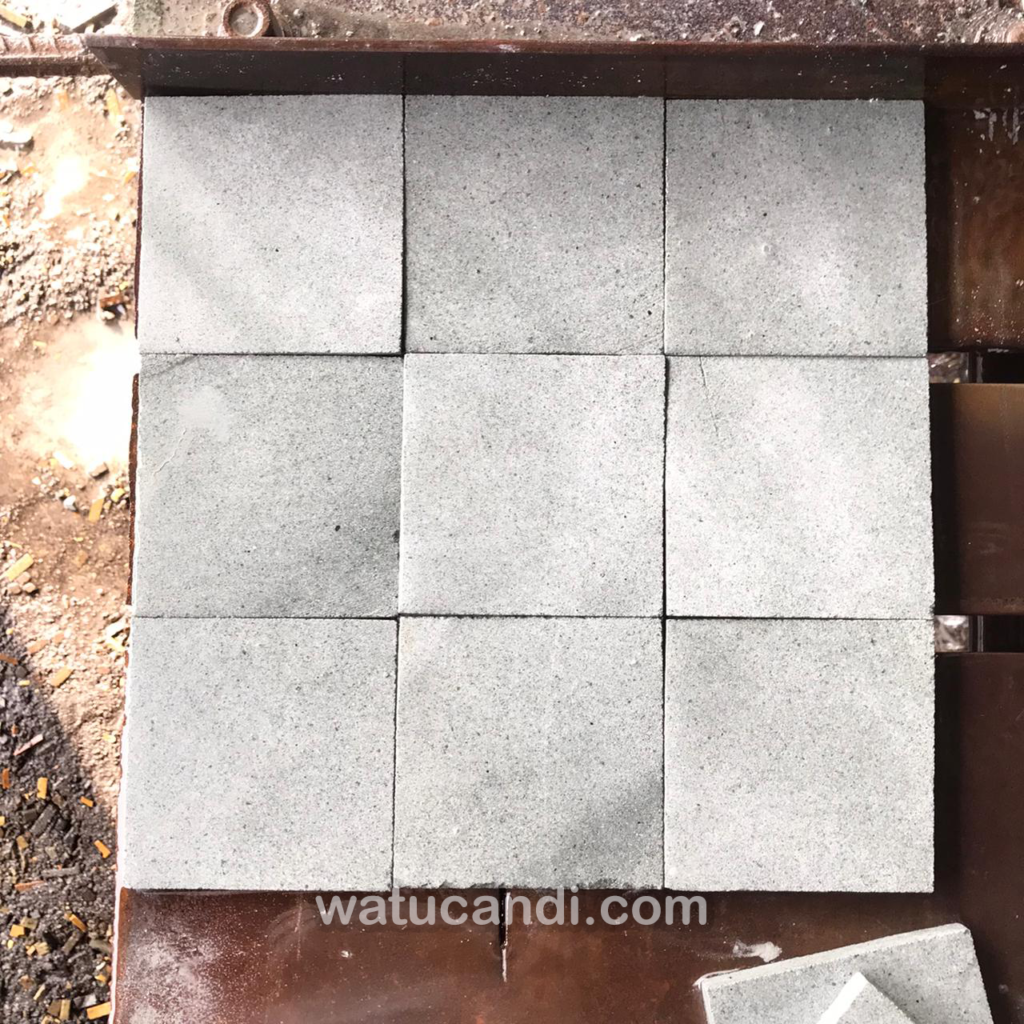
- Garden Paths: Green stone pavers or stepping stones create inviting pathways through gardens. The natural color blends seamlessly with grass and foliage.
- Terraces and Patios: Using Green Stone for terrace flooring provides a durable, non-slip surface for outdoor dining and relaxation. It stays cool underfoot, making it comfortable for bare feet.
- Pergolas and Gazebos: Flooring under pergolas and gazebos made of Green Stone defines the space and adds a touch of elegance. It creates a seamless transition between the built structure and the surrounding garden.
- Retaining Walls: Green stone blocks can be used to build retaining walls, adding structural support and aesthetic appeal to sloped landscapes.
For ideas on outdoor flooring, consider exploring our Outdoor Merapi Stone Flooring options, which offer similar durability for high-traffic areas.
5.4. Commercial Spaces: Hotels, Resorts, and Spas
The hospitality industry heavily favors Indonesian Green Stone for its ability to create a luxurious, relaxing atmosphere.
Hotels and Resorts: From lobby floors to pool decks, Green Stone is used extensively in high-end hotels in Bali, Thailand, and beyond. It communicates a sense of place and connection to nature that guests crave.
Spas and Wellness Centers: The calming green color and natural texture of the stone contribute to the therapeutic environment of spas. It is used in treatment rooms, steam rooms, and relaxation areas. The stone’s thermal properties help maintain a comfortable temperature, enhancing the user experience.
Restaurants and Cafes: Green Stone can be used for tabletops, bar counters, and flooring in restaurants. It adds a unique character to the dining space and is durable enough to withstand heavy use. For custom stone furniture, visit our Natural Stone and Furniture section.
6. Comprehensive Benefits of Green Stone Tiles
Choosing Indonesian Green Stone offers numerous advantages over synthetic materials and other natural stones. Let’s delve into these benefits in detail.
6.1. Unmatched Durability and Weather Resistance
Indonesian Green Stone is incredibly durable. It is resistant to scratching, chipping, and cracking under normal use. Its volcanic origin gives it high compressive strength, allowing it to bear heavy loads without deforming. This makes it suitable for both residential and commercial applications with high foot traffic.
Furthermore, Green Stone is highly resistant to weather extremes. It can withstand intense sunlight, heavy rain, and humidity without fading, warping, or deteriorating. In colder climates, if properly sealed and installed, it can resist freeze-thaw cycles, although it is primarily marketed for tropical and temperate regions. This longevity means that once installed, Green Stone requires minimal replacement or repair, offering excellent long-term value.
6.2. Safety First: Non-Slip Natural Texture
Safety is a paramount concern in wet areas like swimming pools and bathrooms. The natural texture of Green Stone provides excellent slip resistance. Unlike polished ceramic or marble tiles, which can become dangerously slippery when wet, Green Stone maintains its grip. This is due to its microscopic surface irregularities and porous nature, which allow water to drain slightly and provide friction.
This feature makes it an ideal choice for families with children and elderly individuals, reducing the risk of accidents. For more information on safe stone flooring, you can read about Rough Surface Natural Stone Flooring.
6.3. Eco-Friendly and Sustainable Choice
In an era of increasing environmental awareness, choosing sustainable building materials is crucial. Indonesian Green Stone is a natural, abundant resource that requires minimal processing compared to manufactured tiles. The extraction and production processes have a lower carbon footprint. Additionally, stone is fully recyclable and biodegradable at the end of its life cycle.
By choosing Green Stone, you are supporting sustainable mining practices and reducing the demand for energy-intensive manufacturing processes. It aligns with green building certifications such as LEED and BREEAM, contributing to the overall sustainability score of your project.
6.4. Low Maintenance Requirements
Green Stone is relatively low maintenance. Its dense surface resists staining and dirt accumulation. Regular sweeping and occasional mopping with mild soap and water are usually sufficient to keep it clean. Unlike wood, it does not require varnishing or sealing every year, although initial sealing is recommended for pool applications to enhance color and protect against chemicals.
Its resistance to mold and mildew is another advantage, especially in humid climates. This makes it a hygienic choice for bathrooms and pool areas. For detailed care instructions, see our section on Long-Term Maintenance and Care.
7. Comparative Analysis: Green Stone vs. Ceramic vs. Other Natural Stones
To make an informed decision, it is helpful to compare Indonesian Green Stone with other common materials used in similar applications.
7.1. Green Stone vs. Ceramic Tiles
Aesthetics: Ceramic tiles offer uniformity and a wide range of colors, but they lack the natural depth and variation of Green Stone. Green Stone provides a unique, organic look that ceramics cannot replicate.
Durability: While high-quality ceramics are durable, they can crack under impact. Green Stone is more resilient to physical stress. Ceramics can also become slippery when wet, whereas Green Stone remains grippy.
Cost: Ceramic tiles are generally cheaper upfront. However, Green Stone offers better long-term value due to its longevity and timeless appeal. The installation cost for Green Stone may be higher due to the need for skilled labor, but the result is superior.
7.2. Green Stone vs. Black Lava Stone
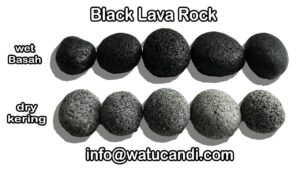
Color: The most obvious difference is color. Black Lava Stone (see here) offers a dramatic, modern look, while Green Stone provides a softer, tropical vibe. Black Lava is often used for contemporary designs, while Green Stone suits traditional and naturalistic styles.
Heat Absorption: Black Lava Stone absorbs more heat from the sun, which can make it hot to walk on in direct sunlight. Green Stone, being lighter in color, reflects more heat and remains cooler, making it more comfortable for bare feet in pool areas.
Texture: Both stones have good slip resistance, but Green Stone tends to have a slightly smoother feel while still maintaining grip, whereas Black Lava can be more rugged.
7.3. Green Stone vs. Palimanan Sandstone
Porosity: Palimanan Sandstone (see here) is more porous than Green Stone. This makes it more susceptible to staining and requires more frequent sealing. Green Stone’s lower porosity makes it more suitable for wet areas like pools.
Strength: Green Stone is denser and stronger than Sandstone, making it more durable for high-traffic areas. Sandstone is softer and can erode over time if exposed to heavy wear.
Appearance: Sandstone has a warm, beige/yellow tone, which creates a different aesthetic. Green Stone’s cool green tone is more refreshing and aquatic.
8. Professional Installation Guide
Proper installation is critical to maximizing the performance and lifespan of Indonesian Green Stone. While it is a durable material, incorrect installation can lead to issues such as loose tiles, efflorescence, or water damage. Here is a step-by-step guide for professional installation.
8.1. Surface Preparation
The substrate must be clean, dry, level, and structurally sound. For pool installations, the concrete shell should be cured for at least 28 days. Any cracks or imperfections should be repaired before proceeding. The surface should be free of dust, oil, and loose particles. A primer may be applied to improve adhesion, depending on the substrate type.
8.2. Adhesive Selection
Use a high-quality, flexible thin-set mortar adhesive that is suitable for natural stone and wet areas. For pool installations, ensure the adhesive is resistant to chlorine and constant water immersion. Follow the manufacturer’s instructions for mixing and application. Apply the adhesive using a notched trowel to ensure even coverage and proper bonding.
For exterior wall cladding, mechanical fixings may be required in addition to adhesive, especially for taller walls, to ensure safety and stability. Consult with a structural engineer for large-scale cladding projects.
8.3. Grouting Techniques
Choose a grout color that complements the Green Stone. Light grey or beige grout often works well, but darker grout can hide dirt better in high-traffic areas. Use a flexible, waterproof grout for pool applications. Apply the grout carefully, ensuring it fills all joints completely. Remove excess grout immediately with a damp sponge to prevent staining the stone surface.
Allow the grout to cure according to the manufacturer’s recommendations before exposing the area to water or heavy use. Proper grouting prevents water from seeping behind the tiles, which can cause detachment and damage.
8.4. The Importance of Sealing
Sealing is a crucial step in the installation process, especially for pool and outdoor applications. A high-quality penetrating sealer should be applied to the Green Stone after it has been cleaned and dried. The sealer fills the microscopic pores of the stone, reducing water absorption and protecting against stains, chemicals, and algae growth.
Apply the sealer evenly using a brush or roller, following the manufacturer’s instructions. Allow it to dry completely before using the area. Reapply the sealer periodically, typically every 1-2 years, depending on usage and exposure to elements. For pool interiors, specialized pool-grade sealers are available that offer enhanced protection against chlorine and salt.
For more detailed installation tips, you can refer to our guide on Natural Stone Carving Installation Patterns, which discusses layout strategies that can also apply to Green Stone.
9. Long-Term Maintenance and Care
To keep your Indonesian Green Stone looking its best, regular maintenance is essential. Here are some tips:
- Regular Cleaning: Sweep or vacuum the surface regularly to remove dirt and debris. Mop with a mild pH-neutral cleaner and water. Avoid acidic or abrasive cleaners, as they can damage the stone surface and sealant.
- Stain Removal: Clean up spills immediately to prevent staining. For tough stains, use a specialized stone cleaner or a paste of baking soda and water. Gently scrub with a soft brush and rinse thoroughly.
- Sealer Reapplication: Monitor the effectiveness of the sealer by performing a water bead test. If water soaks into the stone instead of beading up, it is time to reapply the sealer.
- Algae and Mold Prevention: In shaded, damp areas, algae and mold may grow. Use a stone-safe algaecide or a solution of water and white vinegar (diluted) to clean the area. Ensure proper drainage to minimize moisture buildup.
- Inspection: Periodically inspect the stone for any signs of damage, such as cracks or loose tiles. Repair any issues promptly to prevent further damage.
By following these maintenance guidelines, your Green Stone installation will retain its beauty and functionality for many years. For more information on stone care, check out our Complete Guide to Green Stone Tiles for Swimming Pools.
10. Design Inspiration and Styling Tips
Indonesian Green Stone offers endless possibilities for creative design. Here are some styling tips to inspire your next project:
- Mix and Match: Combine Green Stone with other natural materials like wood, bamboo, and rattan to create a warm, tropical atmosphere. Use Lava Stone Decking for contrast in pool surrounds.
- Lighting: Use underwater LED lights in pools to highlight the green hues of the stone at night. For wall cladding, use uplighting to accentuate the texture and create dramatic shadows.
- Plant Integration: Integrate lush tropical plants around Green Stone features. Ferns, palms, and orchids complement the green tones of the stone beautifully.
- Minimalist Approach: Let the stone be the star. Keep other design elements simple and neutral to allow the natural beauty of the Green Stone to shine.
- Feature Walls: Create a statement wall in your living room or bedroom using Green Stone. Pair it with minimalist furniture and artwork for a sophisticated look.
11. Procurement: Sourcing from Watucandi
At Watucandi, we are proud to be a leading supplier of Indonesian Natural Stone, including premium Green Stone tiles. Located in Jogja – Magelang, Indonesia, we have direct access to the best quarries and skilled artisans. Our commitment to quality ensures that every tile meets international standards.
Why Choose Watucandi?
- Direct Source: We source directly from quarries, eliminating middlemen and offering competitive prices.
- Quality Control: Each batch is inspected for color consistency, size accuracy, and structural integrity.
- Customization: We offer custom cutting, finishing, and sizing to meet your specific project needs.
- Global Shipping: We have experience exporting to countries worldwide, ensuring safe and timely delivery.
- Expert Support: Our team provides technical advice and support throughout the procurement and installation process.
Ordering Information:
For small-scale purchases, please note that shipping costs may be relatively high due to the weight of the stone. We recommend consolidating orders or purchasing in larger quantities to minimize transportation costs. For large-scale projects, we offer volume discounts and can arrange cost-effective shipping solutions.
To place an order or inquire about stock, please contact us directly. Visit our Green Stone Product Page for more details. We are happy to provide samples so you can see and feel the quality of our stone before making a decision.
For those interested in other natural stone options, explore our range of Sukabumi Green Stone products, Local vs. Precision Green Stone Tiles, and Indonesian Limestone Tiles.
12. Frequently Asked Questions (FAQ)
Is Indonesian Green Stone suitable for cold climates?
Yes, but with precautions. Ensure the stone is properly sealed and installed with flexible adhesive and grout to accommodate freeze-thaw cycles. Consult with a local installer experienced in natural stone in cold regions.
How often should I seal my Green Stone pool?
Typically, every 1-2 years. However, this depends on usage, chemical balance, and the type of sealer used. Perform a water bead test to determine when resealing is necessary.
Can Green Stone be used for indoor flooring?
Absolutely. It is durable and adds a unique aesthetic to indoor spaces. Ensure it is sealed to protect against stains and make cleaning easier.
What is the difference between split face and honed Green Stone?
Split face has a rough, natural texture, ideal for walls and non-slip areas. Honed has a smooth, matte finish, suitable for floors and indoor applications where a smoother feel is desired.
13. Conclusion
Indonesian Green Stone Tile Craftsmanship represents the pinnacle of natural stone artistry and functionality. From its geological origins in the volcanic soils of Sukabumi to its stunning applications in luxury pools and architectural masterpieces, Batu Hijau offers a unique blend of beauty, durability, and sustainability.
Whether you are designing a tranquil retreat in Bali, a modern villa in Europe, or a commercial spa in the Middle East, Green Stone provides the perfect canvas for your vision. Its ability to harmonize with nature, enhance safety, and withstand the test of time makes it an invaluable asset in any construction project.
At Watucandi, we are dedicated to bringing this exceptional material to the world. With our commitment to quality, ethical sourcing, and customer satisfaction, we are your trusted partner in creating spaces that inspire and endure. Explore our collection today and discover the transformative power of Indonesian Green Stone.
For more inspiration, check out our guides on Black Lava Stone Tile Walls, Lava Rock Tiles, and Lava Rock Stepping Stones.
Tags: indonesian green stone, green stone tile, sukabumi stone, natural pool tiles, batu hijau indonesia, volcanic stone cladding, luxury swimming pool design, eco-friendly stone, bali resort materials, stone maintenance guide, watucandi natural stone, green zeolite stone,