'%3E%3Cpath%20stroke='%23000'%20stroke-width='4'%20d='m-35-37-13%2020m5%203%2013-20m5%203-13%2020m63%2042%206-9m1-2%206-9m5%203-6%209m-1%202-6%209m5%203%206-9m1-2%206-9m-96%200%2013%2020m5-3-6-9m-1-2-6-9m5-3%2013%2020m63-42-6-9m-1-2-6-9m5-3%2013%2020m5-3-6-9m-1-2-6-9'/%3E%3Ccircle%20r='24'%20fill='%23cd2e3a'/%3E%3Cpath%20fill='%230047a0'%20d='M0%200a12%2012%200%201%201%2020%2013%2024%2024%200%201%201-40-26A12%2012%200%201%200%200%200'/%3E%3C/g%3E%3C/svg%3E)


'/%3E%3Cpath%20fill='%23b2b2b2'%20d='M241%20382q0%2016%2017%2026%2017%2011%2042%2011t42-11q16-11%2017-26V269H241'/%3E%3Cpath%20fill='%239f7e00'%20d='M241%20379q0%2014%208%2023%209%209%2021%209%2014%200%2021-9%209-9%209-23V269h-59'/%3E%3Cpath%20d='M241%20339v-70h59v110q0%2014-9%2023l-6%205v-68h-15v72q-8%200-14-4v-68zm59%2040c0%2022%2015%2032%2029%2032%2021%200%2030-18%2030-32v-40h-59'/%3E%3Cpath%20fill='%239f7e00'%20d='M266%20277v5h2v12h-3v-5h2v-5h-9v5h2v5h-4v9h3v18h-5v10h34v-10h-5v-18h3v-9h-4v-5h2v-5h-9v5h2v5h-3v-12h2v-5zm42%20101q0%2010%206%2017%206%206%2015%207%2010-1%2016-7%206-7%206-17v-29h-43'/%3E%3Ccircle%20fill='%230044ad'%20cx='329.5'%20cy='372'%20r='6'/%3E%3Cellipse%20fill='%230044ad'%20cx='300'%20cy='340'%20rx='16'%20ry='21'/%3E%3C/svg%3E)



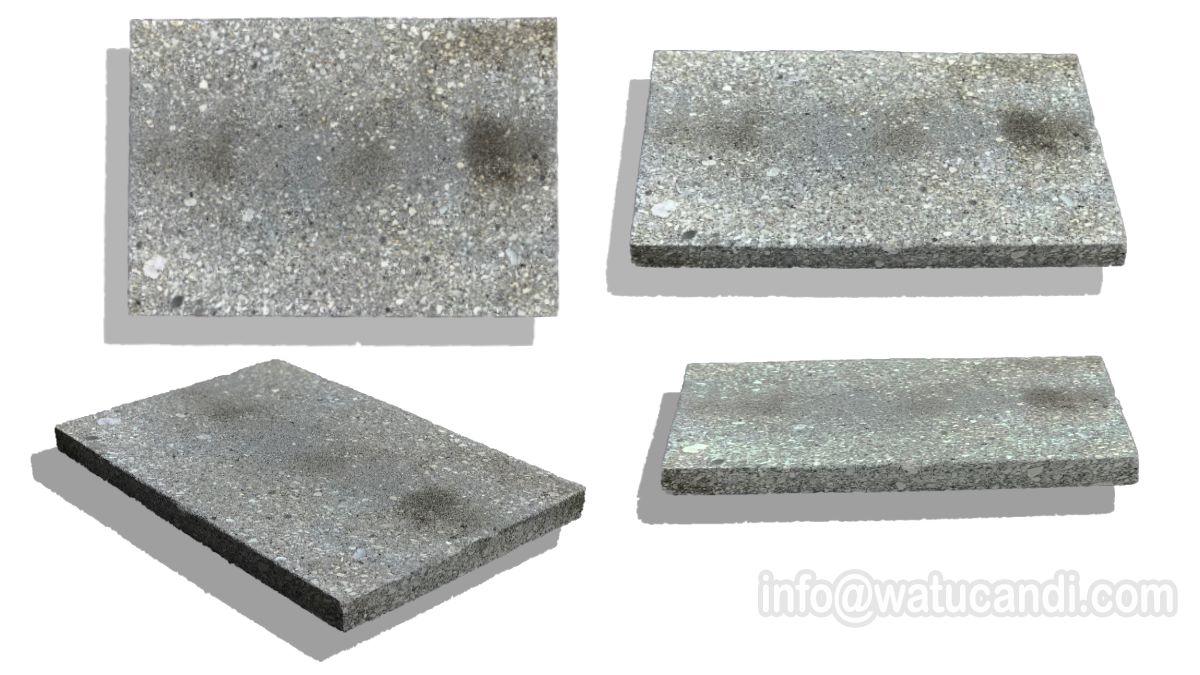
Introduction: The Timeless Allure of Breccia Natural Stone – The Ultimate Guide to Classic Breccia Sandstone for Timeless Wall Decoration
In the ever-evolving world of architectural design and interior decoration, certain materials possess an enduring quality that transcends fleeting trends and passing fads. Among these timeless treasures of the natural world stands Breksi Natural Stone Tiles from Yogyakarta Indonesia, also known in geological and architectural circles as classic breccia sandstone. This remarkable material represents one of the most stunning artistic expressions of natural stone, a sedimentary rock formed through millions of years of geological processes, resulting in a visually stunning tapestry of fragmented rock fragments bound together by natural mineral cements. The very name “breccia” derives from the Italian word for “breach” or “broken,” reflecting the stone’s distinctive appearance of angular fragments embedded within a finer-grained matrix, creating a mosaic-like pattern that is both ancient and remarkably contemporary in its aesthetic appeal.
What makes breccia natural stone tiles particularly captivating is their inherent ability to bridge the gap between the raw, untamed beauty of the natural world and the refined sophistication demanded by modern architectural design. Each tile tells a geological story spanning countless millennia, capturing moments of tectonic upheaval, ancient landslides, or volcanic activity that fractured existing rocks before natural mineral solutions flowed through the cracks, cementing the fragments into a cohesive whole. This dramatic origin story is literally written in stone, visible in every angular fragment, every contrasting color, and every unique texture that characterizes each individual tile. When you choose breccia stone tiles for your wall cladding project, you are not simply selecting a construction material; you are inviting a piece of Earth’s dynamic history into your living or working space.
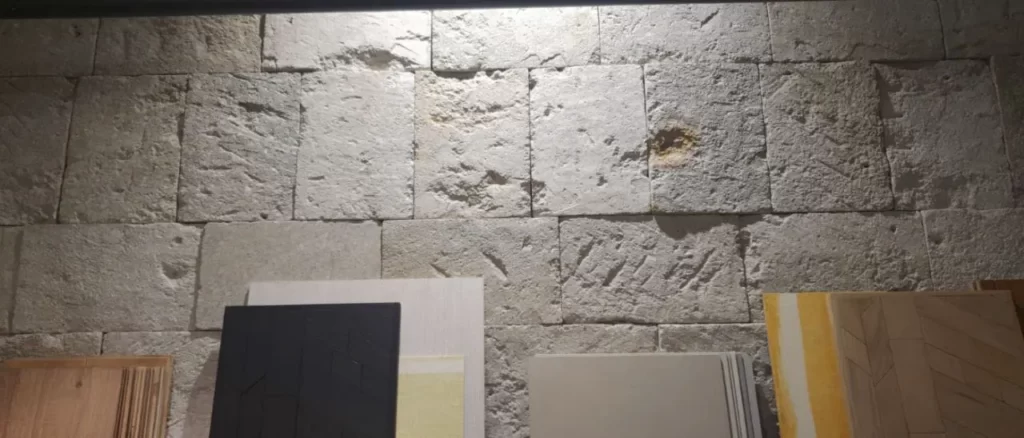
The contemporary resurgence of interest in natural stone materials for interior and exterior design applications has placed breccia sandstone at the forefront of architectural innovation. Designers, architects, and discerning homeowners increasingly seek materials that offer authenticity in an age of mass production, uniqueness in a world of standardization, and connection to nature in an era of digital immersion. Breksi natural stone tiles deliver on all these fronts with remarkable elegance. Their warm, earthy color palette, typically featuring harmonious blends of brown, gray, cream, and white tones, creates spaces that feel grounded, welcoming, and inherently luxurious without appearing pretentious or artificial. The natural variations in color and texture ensure that no two installations are ever identical, guaranteeing that your wall cladding project will possess a distinctive character that cannot be replicated.
This comprehensive guide aims to explore every facet of Breksi natural stone tiles, from their geological origins and formation processes to their practical applications, finishing techniques, and maintenance requirements. Whether you are an architect specifying materials for a prestigious commercial project, an interior designer seeking the perfect accent wall solution, or a homeowner embarking on a renovation journey, this resource will equip you with the knowledge necessary to make informed decisions about incorporating this remarkable natural stone into your design vision. We will delve deep into the technical aspects of the material while also celebrating its aesthetic qualities, ensuring that you emerge with a thorough understanding of why breccia sandstone continues to captivate designers and property owners around the world.
Chapter 1: Geological Origins and the Formation of Breccia Stone
To truly appreciate the beauty and value of Breksi natural stone tiles, one must first understand the extraordinary geological processes that give birth to this remarkable material. The story of breccia stone begins deep within the Earth’s dynamic crust, where immense forces continuously reshape the landscape through processes that operate on timescales almost incomprehensible to the human mind. Unlike many other natural stones that form through relatively uniform processes of sedimentation or crystallization, breccia owes its existence to dramatic geological events such as earthquakes, landslides, volcanic eruptions, and tectonic collisions that literally shatter existing rock formations before nature’s patient hand reassembles them into something entirely new and visually spectacular.
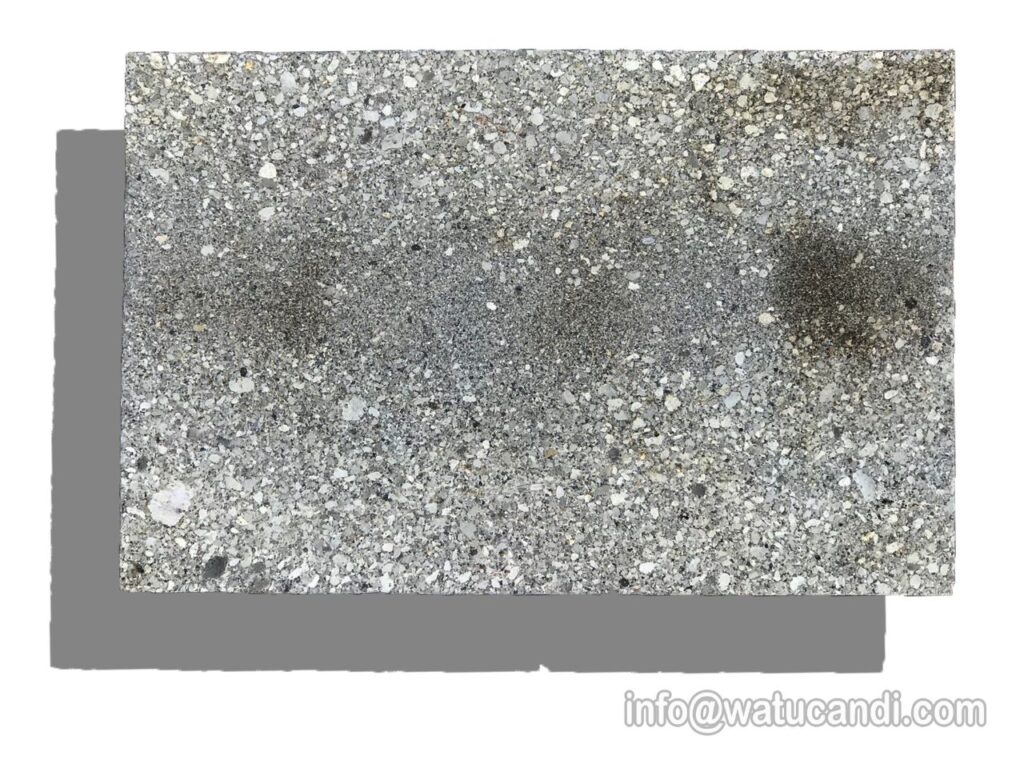
The term “breccia” refers to a specific category of sedimentary rocks characterized by their composition of angular fragments, known as clasts, which are embedded within a finer-grained matrix or cement. These fragments, which can range from microscopic particles to substantial chunks measuring several centimeters across, are typically composed of pre-existing rocks that were broken apart through mechanical weathering or tectonic activity. The key distinguishing feature of breccia is the angular nature of its constituent fragments. Unlike conglomerate rocks, which contain rounded pebbles and stones that have been smoothed by water transport, breccia fragments retain their sharp, angular edges, indicating that they underwent minimal transportation before being cemented together.
The formation of breccia sandstone, the specific variety most commonly encountered in the decorative stone market as Breksi natural stone tiles, involves a fascinating sequence of geological events. The process typically begins with the existence of pre-existing rock formations, often limestone, dolomite, or older sandstone deposits. Through tectonic activity, the same forces that build mountains and create earthquakes, these rocks become fractured and broken. Imagine the immense pressure and violence of two continental plates colliding, or the sudden release of energy during a seismic event, and you can begin to appreciate the forces that create the raw materials for breccia formation. The resulting fragments, ranging dramatically in size and shape, lie in place or are transported short distances before being buried by subsequent sedimentation events.
The second crucial phase in breccia formation involves the introduction of mineral-rich waters that percolate through the accumulated fragments. Over thousands or even millions of years, groundwater carrying dissolved minerals, most commonly silica (silicon dioxide), calcium carbonate, or iron oxides, slowly circulates through the pore spaces between the angular fragments. As conditions change, whether through temperature fluctuations, pressure variations, or chemical interactions, these dissolved minerals begin to precipitate out of solution, crystallizing within the gaps and gradually binding the loose fragments together into a solid, cohesive rock mass. This natural cementation process is remarkably effective, producing a stone that, despite its fragmented origins, possesses considerable strength and durability.
The distinctive coloration that makes breccia stone tiles so visually appealing is a direct result of the mineral composition of both the fragments and the cementing matrix. The warm brown and tan tones commonly observed in breccia sandstone derive from iron oxide minerals, particularly hematite and limonite, which stain the rock with hues ranging from pale cream to deep, rich brown. Gray and blue-gray colors typically indicate the presence of organic matter or reduced iron compounds, while white and cream tones suggest pure silica or calcium carbonate cementation with minimal impurities. The interplay of these various colors within a single tile creates the characteristic mottled, brecciated appearance that designers and architects find so compelling. Each color variation represents a different chapter in the stone’s geological history, a different mineral solution, a different environmental condition, a different moment in the ancient past.
What makes breccia particularly fascinating from a geological perspective is that each deposit tells a unique story about the specific conditions under which it formed. Unlike many other building stones that can be quarried from vast, relatively uniform deposits, breccia formations tend to be more localized and variable. This means that breccia from different regions, or even from different depths within the same quarry, can exhibit dramatically different appearances, with variations in fragment size, fragment composition, matrix color, and overall texture. This inherent variability is precisely what makes breccia stone tiles so prized in decorative applications; rather than seeking uniformity, designers celebrate the natural variation that ensures each installation is truly one of a kind.
Chapter 2: Physical Characteristics and Material Properties of Breccia Sandstone
Understanding the physical characteristics and material properties of Breksi natural stone tiles is essential for architects, designers, and property owners who wish to make informed decisions about their application in construction and decoration projects. While the aesthetic qualities of breccia sandstone are immediately apparent to even the casual observer, its technical properties including hardness, porosity, durability, and thermal characteristics determine its suitability for specific applications and inform the maintenance requirements that will keep the material looking beautiful for decades to come. This chapter provides a comprehensive examination of these properties, drawing on both geological science and practical experience in the natural stone industry.
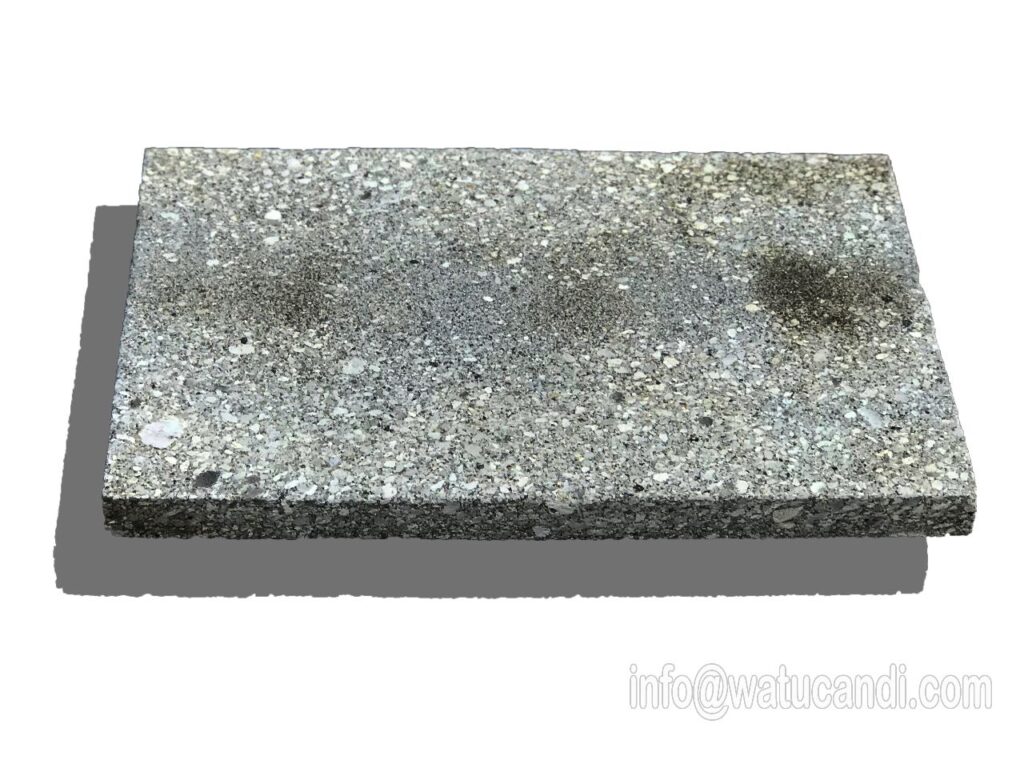
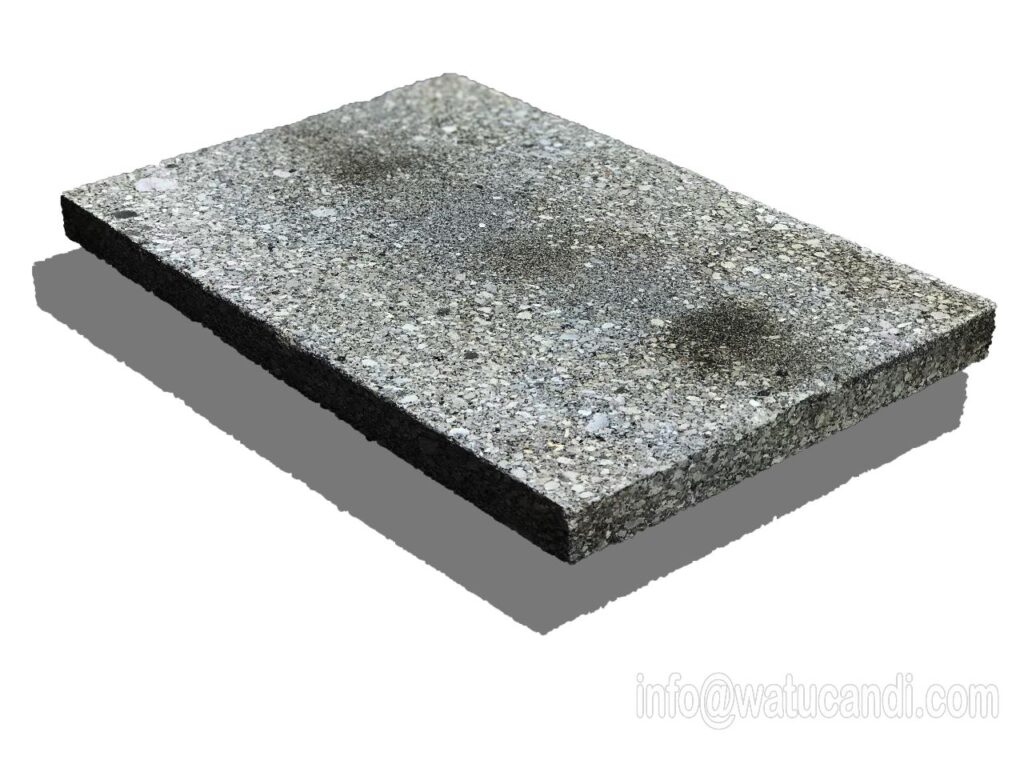
The texture of classic breccia sandstone is one of its most immediately striking physical characteristics. Unlike the smooth, uniform surface of polished marble or the crystalline sparkle of granite, breccia presents a complex, multi-textural surface that invites touch and rewards close inspection. The surface typically exhibits a natural roughness that speaks to its sedimentary origins, with the individual angular fragments often standing slightly proud of the surrounding matrix, creating a subtle three-dimensional quality that adds depth and visual interest to any wall surface. This natural texture is not merely an aesthetic feature; it also has practical implications for the stone’s performance, particularly in terms of slip resistance when used in flooring applications and its ability to hide minor wear and weathering over time.
One of the most distinctive textural features of breccia sandstone is the presence of fine, tight holes distributed across its surface. These natural voids, which result from the entrapment of gas bubbles during the cementation process or the subsequent dissolution of less stable mineral components, contribute significantly to the stone’s character. Unlike the large, open pores found in some volcanic stones like travertine, the holes in breccia sandstone tend to be smaller, more uniformly distributed, and less interconnected. This characteristic has important implications for the stone’s maintenance requirements; while the holes do create a surface that benefits from periodic sealing to prevent staining, they are generally less absorbent than the more dramatically porous natural stones, making breccia a relatively practical choice for wall cladding applications where maintenance accessibility may be limited.
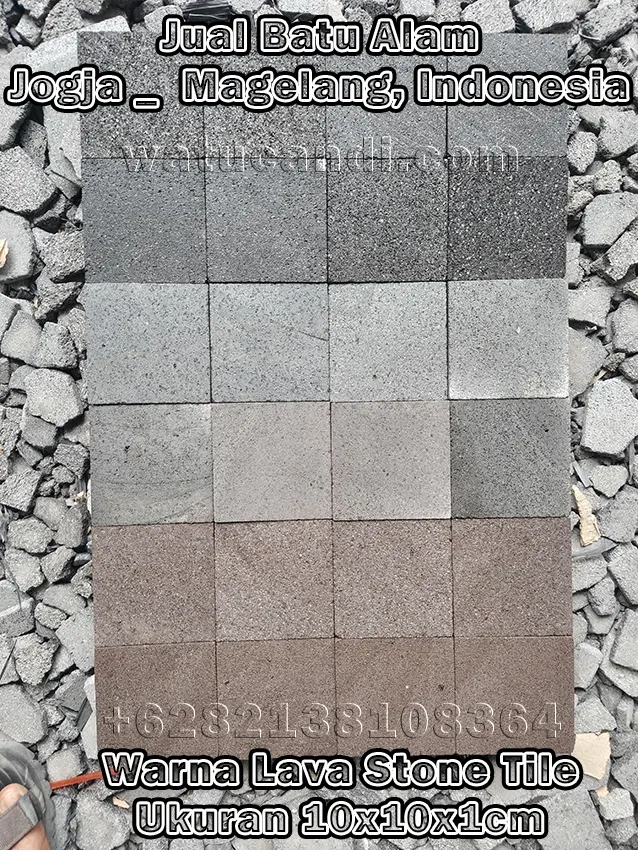
The color palette of breccia sandstone is remarkably versatile, encompassing a range of warm, earthy tones that complement virtually any design aesthetic. The dominant colors typically fall within a spectrum from creamy white through warm beige and tan to rich, dark brown, with subtle gray undertones adding depth and sophistication. This natural color range is inherently harmonious, as the various tones are unified by their common geological origin and mineral composition. Unlike artificially colored materials that can appear jarring or inconsistent, the colors of breccia stone possess an organic coherence that allows them to work beautifully with other natural materials such as wood, leather, and other types of stone. The warm undertones of breccia are particularly effective at creating spaces that feel welcoming and comfortable, making the material an excellent choice for residential applications where a sense of warmth and hospitality is desired.
In terms of hardness and durability, breccia sandstone occupies a middle ground among natural building stones. It is significantly harder and more durable than softer stones like soapstone or some limestones, yet it does not achieve the extreme hardness of granite or quartzite. On the Mohs scale of mineral hardness, which ranges from 1 (talc) to 10 (diamond), typical breccia sandstone falls in the range of 3 to 4, comparable to marble and some limestones. This level of hardness means that the stone can be cut, shaped, and finished using standard stoneworking tools and techniques without excessive difficulty, which contributes to its relative affordability compared to harder stones that require specialized equipment for processing. For wall cladding applications, the hardness of breccia is more than adequate, as wall surfaces typically do not experience the same abrasive wear as flooring.
The porosity and water absorption characteristics of breccia sandstone are important considerations for both interior and exterior applications. Like most sedimentary stones, breccia has a measurable porosity that allows it to absorb small amounts of water and other liquids. Standard water absorption rates for quality breccia sandstone typically range from 2% to 5% by weight, which places it in the moderate range among natural stones. For interior wall cladding applications, this level of porosity is generally not problematic, as walls are rarely exposed to standing water or heavy moisture. However, for exterior applications or use in wet areas such as bathrooms or around swimming pools, proper sealing with a high-quality penetrating sealer is strongly recommended to prevent moisture infiltration that could lead to staining, efflorescence, or freeze-thaw damage in cold climates.
The thermal properties of breccia sandstone contribute to its appeal as a building material, particularly in climates with significant temperature variations. Natural stone possesses excellent thermal mass, meaning it can absorb, store, and slowly release heat energy. When used as an interior wall cladding, breccia stone tiles can help moderate indoor temperature fluctuations, absorbing heat during the day and releasing it slowly during cooler evening hours. This passive thermal regulation can contribute to improved energy efficiency and enhanced occupant comfort. Additionally, the natural insulation properties of stone can provide some degree of sound attenuation, helping to reduce noise transmission through walls and creating quieter, more peaceful interior environments.
Chapter 3: Design Applications and Aesthetic Possibilities of Breccia Stone Tiles
The versatility of Breksi natural stone tiles in design applications is truly remarkable, spanning the full spectrum from traditional to contemporary, from rustic to refined, and from understated elegance to bold architectural statements. This chapter explores the myriad ways in which breccia sandstone can be incorporated into interior and exterior design schemes, providing inspiration and practical guidance for architects, designers, and property owners seeking to harness the unique aesthetic qualities of this exceptional natural material.
The most common and arguably most impactful application of breccia stone tiles is as a wall cladding material for both interior and exterior surfaces. When used as an interior wall covering, breccia sandstone brings a sense of warmth, texture, and natural beauty that simply cannot be achieved with paint, wallpaper, or synthetic materials. The stone’s inherent variation in color and texture creates walls that are visually dynamic and endlessly interesting, with patterns that reveal new details each time they are viewed. In living rooms and family rooms, a breccia-clad feature wall can serve as a stunning focal point, anchoring the space and providing a sophisticated backdrop for furniture, artwork, and decorative objects. The warm, earthy tones of the stone create an inviting atmosphere that encourages relaxation and social interaction, making it an ideal choice for spaces where people gather and connect.
In commercial and hospitality settings, breccia stone tiles elevate the perceived quality of the environment, signaling to customers, clients, and guests that they are in a space that values quality, authenticity, and attention to detail. Hotel lobbies featuring breccia-clad walls create memorable first impressions that set the tone for the entire guest experience. Restaurant interiors benefit from the stone’s ability to absorb sound, reducing ambient noise levels and creating more intimate dining environments. Corporate offices and retail spaces gain an air of permanence and solidity that inspires confidence and trust. The versatility of breccia’s color palette allows it to complement virtually any design scheme, from warm, traditional interiors featuring rich woods and leathers to sleek, modern spaces with clean lines and minimalist furnishings.
Exterior applications of breccia stone tiles demonstrate the material’s remarkable durability and weather resistance. When properly installed and sealed, breccia sandstone can withstand years of exposure to sun, rain, wind, and temperature fluctuations without significant deterioration. The stone’s natural resistance to ultraviolet radiation means that its colors will not fade or change dramatically over time, maintaining the intended appearance of the building facade for decades. Exterior breccia cladding can transform an ordinary building into an architectural landmark, giving it a sense of substance and permanence that synthetic siding materials cannot match. The natural variation in the stone’s surface creates fascinating plays of light and shadow as the sun moves across the sky, ensuring that the building’s appearance remains dynamic and interesting throughout the day.
The shapes and sizes in which breccia stone tiles are available contribute significantly to their design flexibility. Unlike some natural stones that are limited to standard rectangular formats, breccia sandstone can be fabricated into a wide variety of shapes and configurations. Traditional rectangular tiles in various dimensions remain the most popular format, offering a clean, orderly appearance that works well in both traditional and contemporary settings. For those seeking a more organic, less formal look, irregular shapes including trapezoids, triangles, and random polygons can be arranged in mosaic-like patterns that emphasize the stone’s natural, unprocessed character. This variety of available formats allows designers to create walls that range from precisely geometric to wildly organic, adapting the material to suit the specific aesthetic goals of each project.
One of the most powerful design strategies involving breccia stone tiles is their combination with other materials to create rich, layered interior environments. The warm, earthy tones of breccia provide a perfect complement to the natural warmth of wood, whether in the form of hardwood flooring, exposed ceiling beams, or custom furniture pieces. The combination of stone and wood creates spaces that feel deeply connected to nature, evoking the comforting atmosphere of a mountain lodge or a rustic country estate while maintaining a level of sophistication appropriate to contemporary living. Glass elements, whether in the form of windows, mirrors, or decorative accents, provide a striking contrast to the textured surface of breccia, introducing transparency and light reflection that prevents stone-clad spaces from feeling heavy or oppressive. Metal accents in brass, copper, or wrought iron can add touches of warmth and sparkle, while stainless steel or chrome introduces a cool, modern counterpoint to the stone’s organic warmth.
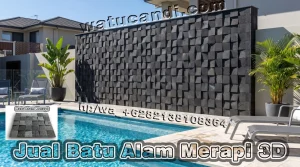
The use of breccia stone tiles as an exterior wall cladding is equally versatile, allowing buildings to harmonize with their natural surroundings while maintaining a distinctive architectural presence. In rural or suburban settings, breccia-clad facades help buildings blend with the landscape, their earthy colors echoing the tones of soil, rock, and vegetation. In urban environments, the same stone creates a striking contrast with the glass, steel, and concrete of surrounding structures, standing out as an oasis of natural beauty amid the built environment. The stone’s durability ensures that exterior applications will maintain their appearance with minimal maintenance, resisting the staining, fading, and deterioration that can affect less robust cladding materials over time.
Chapter 4: Finishing Techniques for Breccia Natural Stone Tiles
The final appearance and tactile quality of Breksi natural stone tiles are profoundly influenced by the finishing techniques applied during the manufacturing process. These surface treatments, which range from minimal processing that preserves the stone’s natural character to more extensive treatments that create refined, contemporary surfaces, allow designers and property owners to tailor the material’s appearance to suit specific aesthetic preferences and functional requirements. Understanding the various finishing options available for breccia sandstone is essential for making informed decisions that will result in a successful installation.
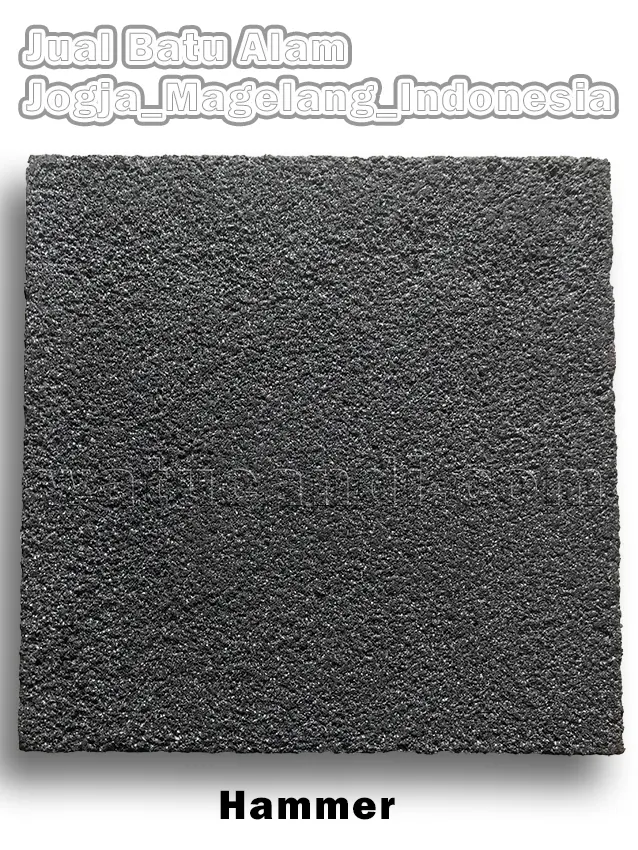
Natural Rock Finish (Batuan Natural): Embracing Authentic Texture
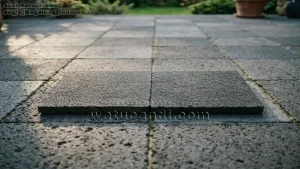
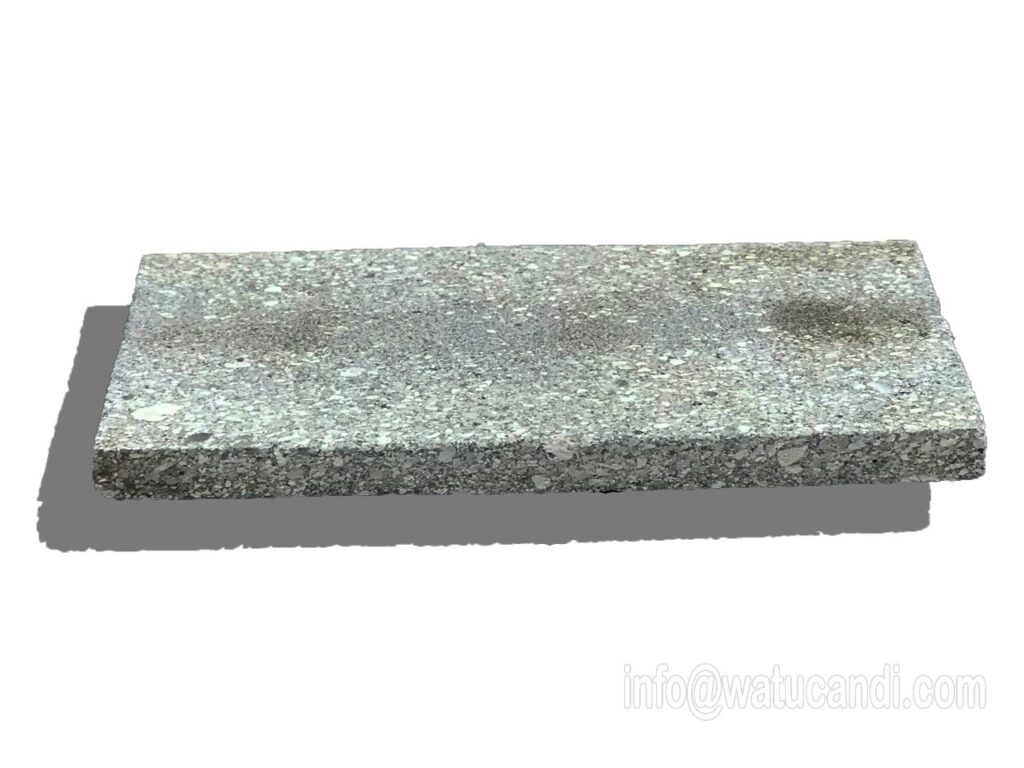
The natural rock finish, known in Indonesian stoneworking tradition as “Batuan” or “Natural,” represents the most authentic and minimally processed surface treatment for breccia sandstone tiles. In this finishing approach, the stone’s surface is left largely in its natural state after quarrying and initial cutting, preserving the raw, unpolished texture that results from the geological formation processes described in earlier chapters. The surface exhibits a pronounced roughness that follows the stone’s natural grain and fracture patterns, creating a tactile experience that connects the viewer directly with the material’s geological origins. This finish celebrates the inherent character of the stone, allowing every angular fragment, every color variation, and every natural imperfection to contribute to the overall aesthetic effect.
The aesthetic appeal of the natural rock finish lies in its ability to create spaces that feel grounded, organic, and intimately connected to the natural world. When used as a wall cladding, this finish transforms flat surfaces into textural landscapes that invite touch and reward close inspection. The interplay of light and shadow across the rough surface creates a dynamic visual experience that changes throughout the day as lighting conditions shift. In interior applications, the natural rock finish works particularly well in spaces that aim for a rustic, traditional, or Mediterranean aesthetic, where the emphasis is on warmth, authenticity, and a sense of history. The rough texture also provides practical benefits in certain applications, offering natural slip resistance that makes it suitable for flooring in areas where safety is a concern.
From a maintenance perspective, the natural rock finish presents both advantages and considerations. The rough stone surface is excellent at concealing minor scratches, scuffs, and wear that might be more visible on smoother finishes, making it a practical choice for high-traffic areas or commercial applications. However, the irregular surface can trap dust and dirt more readily than smoother finishes, potentially requiring more frequent cleaning to maintain its appearance. For exterior applications, the natural rock finish is often the preferred choice, as the rough texture helps shed water effectively and the lack of a polished surface means that any weathering that does occur will blend seamlessly with the stone’s natural character rather than appearing as damage or deterioration.
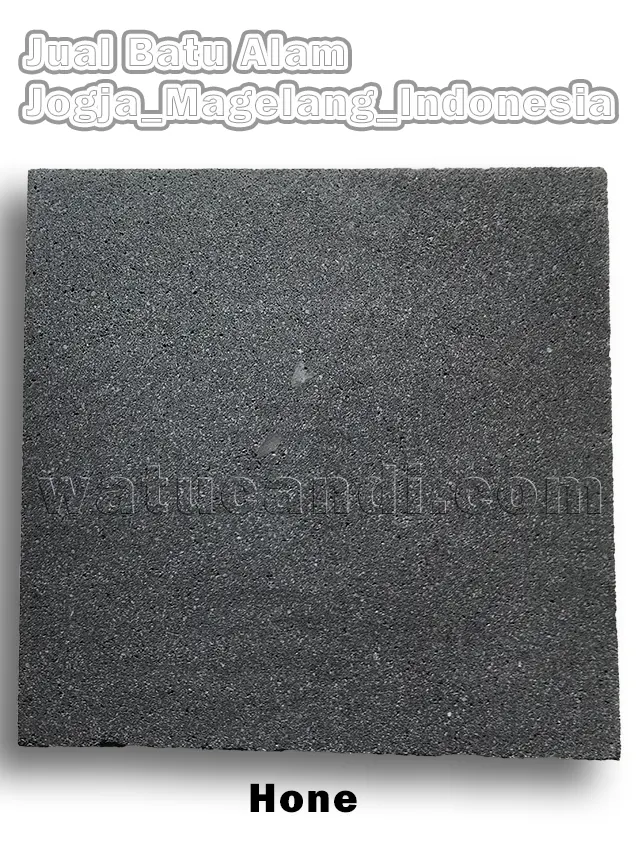
Honed Finish (Smooth): Refined Elegance for Contemporary Spaces
The honed finish represents a significant departure from the raw, natural surface of unprocessed breccia sandstone. Through a careful process of grinding and smoothing using progressively finer abrasives, the stone’s surface is transformed from rough and textured to smooth and matte, creating a refined appearance that bridges the gap between completely natural and highly polished stone surfaces. The honing process removes the highest peaks of the natural texture while preserving the stone’s inherent color variations and the subtle topography of its composite structure. The resulting surface is smooth to the touch yet retains a soft, non-reflective quality that distinguishes it from the glossy shine of polished stone.
The aesthetic effect of a honed finish on breccia sandstone is one of understated elegance. The colors of the stone, warm browns, soft grays, and creamy whites, appear more muted and sophisticated than in their natural state, as the smooth surface reduces the harsh shadows and highlights that can make rough stone appear stark or busy. This quality makes honed breccia particularly well-suited to contemporary interior design schemes, where the emphasis is on clean lines, subtle textures, and a calm, uncluttered visual environment. The smooth surface also makes the stone easier to clean and maintain than its natural counterpart, as dust and dirt have fewer places to accumulate and can be removed with simple wiping rather than more intensive brushing.
In terms of practical application, honed breccia stone tiles offer the best compromise between natural beauty and modern practicality. The smooth surface is pleasant to touch, making it suitable for applications where people may come into contact with the wall, such as in hallways, stairwells, or seating areas. The matte finish is forgiving of fingerprints and water spots, maintaining a clean appearance even in busy environments. For bathroom applications, honed breccia provides an elegant, spa-like atmosphere while being easier to keep clean and free of soap scum than more textured finishes. The honed surface also provides an excellent substrate for sealers and protective treatments, as the smooth finish allows for more uniform application and penetration of these products compared to rougher surfaces.
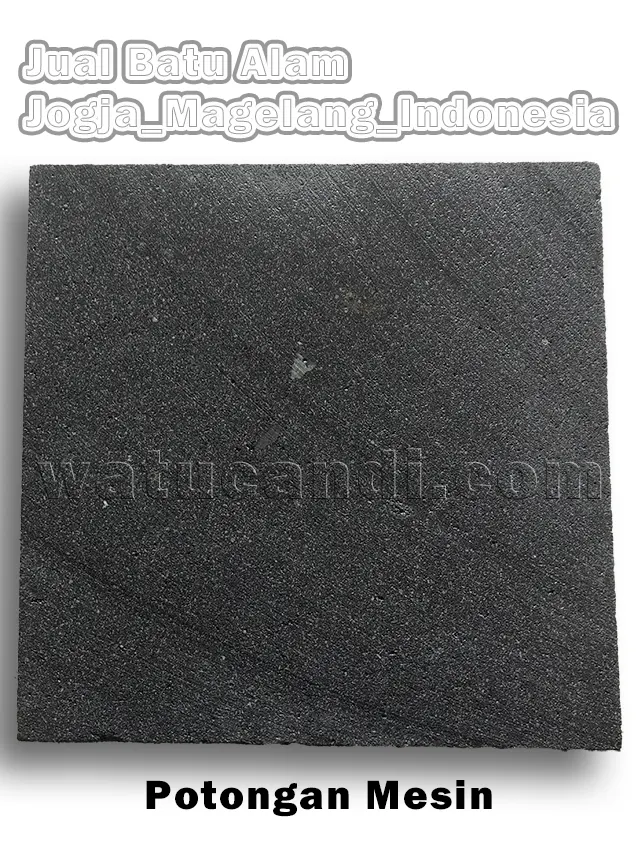
Machine Cut Finish: Precision and Modernity
The machine cut finish represents the most technologically advanced surface treatment for breccia natural stone tiles. In this process, precision cutting equipment, often computer-controlled saws or water jet cutters, is used to create tiles with perfectly straight edges, uniform dimensions, and a surface that exhibits the distinctive characteristics of mechanical cutting. The resulting tiles have a crisp, clean appearance that speaks to modern manufacturing precision, with edges that fit together seamlessly and surfaces that display the subtle striations and patterns characteristic of machine cutting. This finish transforms the ancient, organic material of breccia sandstone into a product that meets the exacting standards of contemporary construction and design.
The visual effect of the machine cut finish is distinctly modern and architectural. The precision-cut edges create clean grout lines between tiles, resulting in installations that appear orderly, intentional, and carefully planned. The cut surface itself has a unique texture, smoother than the natural rock finish but with a different quality than the honed finish, bearing the subtle marks of the cutting tools that processed it. This surface texture catches light in interesting ways, creating a subtle shimmer that adds visual interest without the high gloss of polished stone. The machine cut finish is particularly well-suited to contemporary architectural styles that emphasize geometric precision, clean lines, and a sense of technical sophistication.
From a practical standpoint, the machine cut finish offers significant advantages in terms of installation efficiency and final appearance. The precise dimensions of machine-cut tiles allow for faster, more accurate installation, with minimal need for on-site cutting or adjustment. The uniform size and shape of the tiles create consistent grout lines that contribute to a professional, high-quality finished appearance. For large-scale commercial projects where consistency across hundreds or thousands of square feet of wall surface is essential, machine cut tiles provide a level of uniformity that would be difficult or impossible to achieve with hand-finished alternatives. The smooth, even surface is also the easiest to clean and maintain, making it an excellent choice for applications where hygiene and easy maintenance are priorities.
Chapter 5: Installation Guide for Breccia Natural Stone Wall Cladding
The successful installation of Breksi natural stone tiles as wall cladding requires careful planning, proper preparation, and meticulous execution. While professional installation by experienced stone masons is always recommended for optimal results, understanding the installation process is valuable for property owners and designers who wish to oversee their projects effectively and ensure that all work is performed to the highest standards. This chapter provides a comprehensive overview of the installation process, from initial substrate preparation through final sealing and protection.
Before any tiles are applied to the wall surface, thorough preparation of the substrate is essential. The wall must be structurally sound, clean, dry, and free of any loose material, dust, oil, or other contaminants that could interfere with the adhesion of the tile mortar or adhesive. For interior applications over drywall or plaster, the surface should be primed with an appropriate bonding agent to ensure proper adhesion. For exterior applications or installations over concrete or masonry, the surface should be checked for any signs of efflorescence, cracking, or moisture intrusion, and any issues should be addressed before proceeding with tile installation. In wet areas such as bathrooms or exterior walls exposed to rain, appropriate waterproofing membranes should be installed behind the tile to prevent moisture damage to the building structure.
The selection of appropriate setting materials is critical to the long-term success of a breccia stone tile installation. For most wall applications, a polymer-modified thin-set mortar provides the necessary combination of adhesion strength, flexibility, and workability. The mortar should be mixed according to the manufacturer’s specifications, paying careful attention to the recommended water-to-powder ratio and mixing time. For exterior applications or areas subject to significant temperature fluctuations, a mortar with enhanced flexibility may be required to accommodate the thermal expansion and contraction of the stone and substrate without cracking or debonding. In all cases, the mortar should be applied using a notched trowel of appropriate size, with the notches oriented in a consistent direction to facilitate proper bedding of the tiles and minimize air pockets.
The actual installation of the tiles requires patience, precision, and an artistic eye for arranging the natural variations in color and texture. Before any tiles are permanently set, a dry layout should be performed, arranging the tiles on the floor or a flat surface in the pattern they will be installed. This allows the installer to assess the natural color and texture variations, ensuring that they are distributed evenly across the wall surface rather than concentrated in specific areas. The dry layout also provides an opportunity to make any necessary cuts or adjustments before the setting materials are mixed, reducing waste and improving efficiency. For patterns that involve specific arrangements of different sizes or shapes, the dry layout is an essential step that cannot be skipped.
When setting the tiles, each piece should be firmly pressed into the mortar bed, using a slight twisting motion to ensure full contact and eliminate any air pockets. Tile spacers should be used to maintain consistent grout joint widths, with the specific size of the spacers determined by the desired aesthetic effect. Narrower joints create a more seamless, contemporary appearance, while wider joints emphasize the individual tiles and contribute to a more traditional, rustic look. The tiles should be checked frequently with a level to ensure they are being installed in a flat, even plane, and any necessary adjustments should be made while the mortar is still workable. Working in manageable sections and cleaning excess mortar from the tile surfaces and joints as work progresses will save significant time and effort during the final cleaning and grouting stages.
Chapter 6: Care and Maintenance of Breccia Natural Stone Tiles
The long-term beauty and durability of Breksi natural stone tile wall cladding depend significantly on proper care and maintenance practices. While natural stone is inherently robust and long-lasting, it is not immune to the effects of dirt accumulation, staining, and environmental exposure. Implementing a regular maintenance routine tailored to the specific characteristics of breccia sandstone will ensure that your investment continues to look beautiful for decades. This chapter provides comprehensive guidance on cleaning, protection, and ongoing maintenance for breccia stone tiles.
Routine cleaning of breccia stone tiles should be performed using gentle methods that effectively remove dirt and dust without damaging the stone surface. For regular maintenance, a soft brush or dry microfiber cloth can be used to remove loose dust and debris from the tile surface. This simple step, performed weekly or bi-weekly depending on the environment, prevents the accumulation of abrasive particles that could eventually dull or scratch the stone surface. For more thorough cleaning, clean water applied with a soft sponge or cloth is usually sufficient for removing most common household dirt and grime. The use of excessive water should be avoided, particularly on unsealed stone, as prolonged moisture exposure can potentially lead to staining or, in exterior applications in freezing climates, frost damage.
One of the most critical aspects of natural stone care is understanding what cleaning products should be avoided. Harsh chemical cleaners, particularly those containing acids, bleach, ammonia, or abrasive compounds, can cause irreversible damage to breccia sandstone surfaces. Acidic cleaners can etch the calcium carbonate components of the stone, leaving dull spots or visible marks that cannot be removed without professional refinishing. Abrasive cleaners can scratch the surface, particularly on honed or polished finishes, compromising the smooth appearance and making the stone more susceptible to staining. Even common household products like vinegar, citrus-based cleaners, or bathroom cleaning products can be harmful to natural stone. The safest approach is to use only cleaning products specifically formulated for natural stone, or simply clean water with a pH-neutral, stone-safe soap when more thorough cleaning is required.
The application of a high-quality penetrating sealer is one of the most effective measures for protecting breccia stone tiles and simplifying their ongoing maintenance. Sealers work by penetrating into the microscopic pores of the stone, where they create a barrier that repels water, oil, and other staining agents without forming a visible surface film or altering the stone’s natural appearance. For wall cladding applications, sealing is particularly important in areas subject to splashing, such as bathroom walls, kitchen backsplashes, or exterior walls exposed to rain. The frequency of resealing depends on the specific product used, the porosity of the stone, and the environmental conditions to which it is exposed, but a general guideline is to reapply sealer every one to three years for interior applications and more frequently for exterior applications or wet areas.
Prompt attention to spills and stains is essential for maintaining the appearance of breccia stone tiles. When liquid spills occur, whether water, oil, wine, or other potentially staining substances, they should be blotted immediately with a clean, absorbent cloth rather than wiped, which can spread the liquid and enlarge the affected area. For oily or greasy stains, a poultice made from an absorbent material such as baking soda or talc mixed with a small amount of water or appropriate solvent can be applied to draw the stain out of the stone. The poultice should be left in place for 24 to 48 hours, covered with plastic wrap to prevent premature drying, before being removed and the area rinsed with clean water. For stubborn or deeply set stains, consultation with a professional stone restoration specialist is recommended to avoid causing additional damage through improper treatment.
Regular inspection of the installed tiles is an important preventive maintenance practice that can identify potential issues before they become serious problems. At least once or twice a year, the entire installation should be examined for any signs of cracking, loosening, or damage to individual tiles, as well as deterioration of the grout or mortar joints. Cracked or damaged tiles should be repaired or replaced promptly to prevent water infiltration behind the cladding, which could lead to more extensive damage to the building structure. Loose tiles should be removed, the substrate cleaned, and the tiles reinstalled using appropriate setting materials. Grout joints that show signs of cracking or deterioration should be raked out and regrouted to maintain a water-resistant barrier and preserve the neat appearance of the installation. In exterior applications, particular attention should be paid to areas around windows, doors, and other openings where water infiltration is most likely to occur.
Chapter 7: Combining Breccia Stone with Other Materials for Harmonious Design
One of the most powerful design capabilities of Breksi natural stone tiles lies in their remarkable compatibility with a wide range of other materials. The warm, earthy tones and natural textures of breccia sandstone provide an excellent foundation for creating layered, sophisticated interiors and exteriors that incorporate wood, glass, metal, and other materials in harmonious and visually compelling ways. Understanding how to successfully combine these materials can elevate a design from merely attractive to truly exceptional, creating spaces that feel thoughtfully curated and rich with textural and visual interest.
The combination of breccia stone tiles with wood elements is perhaps the most natural and time-honored pairing in architectural design. Both materials share an organic origin and possess warm, inviting qualities that complement each other beautifully. Wood flooring, whether in the form of wide-plank hardwood, engineered timber, or even rustic reclaimed boards, provides a warm counterpoint to the cooler, more solid presence of stone wall cladding. Wood furniture pieces, particularly those crafted from rich, dark hardwoods like walnut or mahogany, stand out elegantly against the neutral backdrop of breccia walls. For a more contemporary interpretation, lighter woods such as oak, ash, or maple introduce a Scandinavian-inspired freshness that contrasts nicely with the earthy tones of the stone. The key to successful stone and wood combinations lies in maintaining a balance between the two materials, ensuring that neither dominates the space but rather that both contribute to a cohesive, harmonious whole.
Glass elements introduce transparency, light reflection, and a sense of modernity that provides an exciting contrast to the solid, opaque character of breccia stone tiles. Large windows and glass doors framed by stone-clad walls create a dramatic juxtaposition between the ancient, earthy quality of the stone and the sleek, contemporary nature of modern glazing. Interior glass partitions, whether clear, frosted, or textured, can be used to define spaces within an open-plan layout while maintaining visual connections and allowing light to penetrate throughout the interior. Mirrors set into or hung upon breccia walls amplify natural and artificial light, making spaces feel larger and more open while adding a touch of glamour and sophistication. The reflective qualities of glass and mirror surfaces also create fascinating visual effects as they capture and reflect the varied textures and colors of the surrounding stone, adding depth and complexity to the overall design.
Metal accents provide opportunities to introduce both warmth and coolness, depending on the specific metal chosen and its finish. Warm-toned metals such as brass, copper, and bronze complement the earthy colors of breccia sandstone beautifully, adding touches of luxury and visual warmth that enhance the stone’s natural appeal. These metals can be introduced through light fixtures, door hardware, furniture legs, decorative objects, or even architectural elements such as stair railings or fireplace surrounds. Cool-toned metals like stainless steel, chrome, and nickel provide a more contemporary contrast, their sleek, reflective surfaces standing out against the matte, textured backdrop of the stone. The combination of industrial metal elements with natural stone creates an appealing tension between the manufactured and the organic, a design approach that has become increasingly popular in contemporary residential and commercial interiors.
Chapter 8: Sustainability and Environmental Considerations
In an era of increasing environmental awareness and concern about the ecological impact of construction materials, the sustainability credentials of natural stone products have become an important consideration for architects, designers, and property owners. Breksi natural stone tiles offer significant environmental advantages over many synthetic and manufactured building materials, making them a responsible choice for projects seeking to minimize their ecological footprint while maximizing durability and aesthetic quality.
Natural stone is inherently sustainable in ways that manufactured materials cannot match. Unlike synthetic products that require energy-intensive manufacturing processes involving the extraction and processing of petroleum-based raw materials, natural stone requires relatively minimal processing to transform it from its raw state into a finished building product. The quarrying, cutting, and finishing of breccia sandstone consumes significantly less energy than the production of comparable quantities of ceramic tile, glass, or metal cladding materials. Additionally, natural stone does not contain volatile organic compounds (VOCs) or other potentially harmful chemicals that can off-gas into indoor environments, contributing to healthier indoor air quality. For projects pursuing green building certifications such as LEED, the use of locally or regionally sourced natural stone can contribute valuable points toward certification.
The extraordinary durability and longevity of natural stone represent perhaps its most significant environmental advantage. While synthetic materials may need to be replaced every decade or two due to wear, fading, or deterioration, properly installed and maintained natural stone wall cladding can last for centuries. The ancient stone structures that still stand around the world after thousands of years testify to the remarkable longevity of natural stone as a building material. This extended service life means that the initial environmental investment in quarrying and processing the stone is amortized over a very long period, and the need for replacement materials, with their associated environmental costs, is dramatically reduced or eliminated entirely. At the end of its useful life in a particular application, natural stone can be recycled or returned to the earth without releasing harmful substances into the environment.
Conclusion: The Enduring Value of Breccia Natural Stone Tiles
Throughout this comprehensive exploration of Breksi natural stone tiles, we have journeyed from the geological origins of this remarkable material deep within the Earth’s crust to the practical considerations of its installation and maintenance in contemporary buildings. We have examined its physical properties, explored its diverse design applications, and considered the various finishing techniques that can tailor its appearance to suit virtually any aesthetic vision. What emerges from this examination is a clear picture of a material that offers an exceptional combination of natural beauty, practical durability, and design versatility that few other building materials can match.
The classic breccia sandstone represented by Breksi natural stone tiles embodies qualities that are increasingly valued in our modern world: authenticity in an age of mass production, connection to nature in an era of digital immersion, and permanence in a culture of disposability. Each tile, with its unique combination of angular fragments, varied colors, and natural textures, tells a geological story millions of years in the making. When these tiles are installed as wall cladding in a home, office, hotel, or restaurant, they bring with them a sense of history, substance, and timelessness that synthetic materials, however cleverly designed, simply cannot replicate.
For architects and designers, breccia sandstone offers a palette of warm, earthy colors and a range of surface textures that can be adapted to suit projects ranging from rustic traditional to sleek contemporary. For property owners, it represents an investment in quality that will continue to provide beauty and value for decades, requiring only minimal maintenance to preserve its appearance. For all who encounter it, breccia stone wall cladding creates spaces that feel grounded, welcoming, and imbued with the quiet dignity of natural materials that have been valued by builders and designers for centuries.
We invite you to explore the possibilities that Breksi natural stone tiles offer for your next project. Whether you are planning a dramatic feature wall for a residential living space, seeking the perfect material for a commercial lobby that will impress clients and guests, or designing an exterior facade that will stand the test of time, breccia sandstone provides a solution that combines aesthetic excellence with practical performance. Contact us at watucandi.com to discuss your project requirements, request samples, or schedule a consultation with our team of natural stone specialists. Let us help you bring the timeless beauty of classic breccia sandstone into your design vision, creating spaces that will be admired and enjoyed for generations to come.
Posting Tags: Breksi Natural Stone Tiles, Classic Breccia Sandstone, Breccia Stone Wall Cladding, Natural Stone Wall Decoration, Breccia Sandstone Tiles, Natural Stone Interior Design, Natural Stone Exterior Cladding, Breccia Stone Finishing, Natural Rock Finish Stone, Honed Natural Stone, Machine Cut Stone Tiles, Breccia Stone Colors, Brown Gray White Natural Stone, Natural Stone Texture, Breccia Stone Maintenance, Natural Stone Sealer, Cleaning Natural Stone, Breccia Stone Installation, Natural Stone Wall Covering, Decorative Stone Tiles, Natural Stone Architecture, Breccia Stone Design, Natural Stone and Wood Combination, Natural Stone and Glass Design, Natural Stone and Metal Accents, Sustainable Natural Stone, Eco-Friendly Building Materials, Natural Stone Durability, Breccia Stone Formation, Sedimentary Stone Tiles, Natural Stone for Hotels, Natural Stone for Restaurants, Natural Stone for Homes, Natural Stone Feature Wall, Rustic Stone Wall Cladding, Modern Natural Stone Design, Natural Stone Care Tips, Water Resistant Natural Stone, Natural Stone for Bathrooms, Natural Stone for Living Rooms, Breccia Stone Patterns, Unique Natural Stone Tiles, Handcrafted Stone Tiles, Indonesian Natural Stone, Watucandi Natural Stone, Breccia Stone Video, Stone Wall Cladding Ideas,
Table of Contents:
- Introduction: The Timeless Allure of Breccia Natural Stone
- Chapter 1: Geological Origins and the Formation of Breccia Stone
- Chapter 2: Physical Characteristics and Material Properties of Breccia Sandstone
- Chapter 3: Design Applications and Aesthetic Possibilities of Breccia Stone Tiles
- Chapter 4: Finishing Techniques for Breccia Natural Stone Tiles
- Chapter 5: Installation Guide for Breccia Natural Stone Wall Cladding
- Chapter 6: Care and Maintenance of Breccia Natural Stone Tiles
- Chapter 7: Combining Breccia Stone with Other Materials for Harmonious Design
- Chapter 8: Sustainability and Environmental Considerations
- Conclusion: The Enduring Value of Breccia Natural Stone Tiles