'%3E%3Cpath%20stroke='%23000'%20stroke-width='4'%20d='m-35-37-13%2020m5%203%2013-20m5%203-13%2020m63%2042%206-9m1-2%206-9m5%203-6%209m-1%202-6%209m5%203%206-9m1-2%206-9m-96%200%2013%2020m5-3-6-9m-1-2-6-9m5-3%2013%2020m63-42-6-9m-1-2-6-9m5-3%2013%2020m5-3-6-9m-1-2-6-9'/%3E%3Ccircle%20r='24'%20fill='%23cd2e3a'/%3E%3Cpath%20fill='%230047a0'%20d='M0%200a12%2012%200%201%201%2020%2013%2024%2024%200%201%201-40-26A12%2012%200%201%200%200%200'/%3E%3C/g%3E%3C/svg%3E)


'/%3E%3Cpath%20fill='%23b2b2b2'%20d='M241%20382q0%2016%2017%2026%2017%2011%2042%2011t42-11q16-11%2017-26V269H241'/%3E%3Cpath%20fill='%239f7e00'%20d='M241%20379q0%2014%208%2023%209%209%2021%209%2014%200%2021-9%209-9%209-23V269h-59'/%3E%3Cpath%20d='M241%20339v-70h59v110q0%2014-9%2023l-6%205v-68h-15v72q-8%200-14-4v-68zm59%2040c0%2022%2015%2032%2029%2032%2021%200%2030-18%2030-32v-40h-59'/%3E%3Cpath%20fill='%239f7e00'%20d='M266%20277v5h2v12h-3v-5h2v-5h-9v5h2v5h-4v9h3v18h-5v10h34v-10h-5v-18h3v-9h-4v-5h2v-5h-9v5h2v5h-3v-12h2v-5zm42%20101q0%2010%206%2017%206%206%2015%207%2010-1%2016-7%206-7%206-17v-29h-43'/%3E%3Ccircle%20fill='%230044ad'%20cx='329.5'%20cy='372'%20r='6'/%3E%3Cellipse%20fill='%230044ad'%20cx='300'%20cy='340'%20rx='16'%20ry='21'/%3E%3C/svg%3E)


A comprehensive guide exploring the critical differences between Local and Precision (Export) Green Stone Tiles (Batu Hijau Sukabumi). Discover manufacturing processes, surface finishes, installation benefits, swimming pool applications, and detailed comparisons with other natural stones like Lava, Andesite, and Merapi.
Table of Contents
- 1. Introduction to Natural Stone Architecture
- 2. What is Batu Hijau Sukabumi (Green Stone)?
- 3. The Core Differences: Local vs. Precision (Export)
- 4. Deep Dive: Precision (Export) Manufacturing Process
- 5. Deep Dive: Local Manufacturing Process
- 6. Surface Finishes: Hone, Sawn Cut, and Rough/Splitface
- 7. Application in Swimming Pools
- 8. Comprehensive Installation Guide
- 9. Maintenance and Long-Term Care
- 10. Comparing Green Stone with Other Natural Stones
- 11. Architectural Applications Beyond Pools
- 12. Stone Furniture, Sinks, and Decor
- 13. Advanced Patterns, Textures, and Cultural Stones
- 14. Conclusion
1. Introduction to Natural Stone Architecture
The integration of natural stone into modern architecture and interior design is a testament to humanity’s enduring appreciation for the earth’s raw, geological beauty. Among the myriad of materials available to architects, designers, and homeowners, few possess the unique combination of aesthetic allure, physical durability, and historical significance quite like natural stone. From the ancient temples of Borobudur to the ultra-modern infinity pools of contemporary luxury villas, natural stone has remained a constant symbol of elegance and permanence.
When it comes to selecting the perfect material for wet areas, particularly swimming pools, bathrooms, and outdoor landscaping, the choices can be overwhelming. However, one material has consistently risen to the top of the global market: Batu Hijau Sukabumi, widely known in the international market as Green Stone. This remarkable volcanic stone, quarried in the lush, mineral-rich highlands of Sukabumi, West Java, Indonesia, has become the gold standard for pool cladding and natural flooring.
Yet, not all Green Stone is created equal. As global demand has surged, the industry has bifurcated into two distinct categories of processing: Local Quality and Precision (Export) Quality. Understanding the nuanced differences between these two categories is crucial for any project manager, architect, or homeowner. The raw material extracted from the earth may be identical, but the journey from a rough quarry block to a finished, installable tile involves a spectrum of technological and artisanal processes that drastically affect the final product’s dimensional accuracy, aesthetic uniformity, installation efficiency, and overall cost.
This comprehensive guide will delve deep into the geological origins of Batu Hijau Sukabumi, meticulously dissect the manufacturing processes that separate local from precision tiles, explore the various surface finishes available, and provide an exhaustive look at installation and maintenance. Furthermore, we will expand our horizon to compare Green Stone with other magnificent Indonesian natural stones—such as Lava Stone, Andesite, Merapi stone, and Paras Palimanan—offering a holistic view of the natural stone landscape. Whether you are planning a residential pool, a commercial spa, or an intricate exterior facade, this article will equip you with the knowledge to make an informed, confident decision.
2. What is Batu Hijau Sukabumi (Green Stone)?
To truly appreciate the value of precision-cut Green Stone, one must first understand the material itself. Batu Hijau Sukabumi is a type of natural volcanic stone, specifically classified as an andesite green stone with a high concentration of chlorite and epidote minerals. These minerals are the sole reason for the stone’s breathtaking emerald to teal coloration, a hue that ranges from a deep, forest green to a vibrant, translucent turquoise when submerged in water.
Geological Formation
Millions of years ago, intense volcanic activity in the Java region deposited layers of ash, lava, and mineral-rich sediments. Over time, the immense heat and pressure from the earth’s crust metamorphosed these deposits into the dense, durable stone we quarry today. The presence of chlorite gives the stone its green pigment, while the crystalline structure of quartz and feldspar provides its renowned hardness and resistance to weathering.
Physical Properties
Green Stone is highly prized for its physical characteristics, which make it uniquely suited for both indoor and outdoor applications, especially in aquatic environments:
- Low Porosity & Water Absorption: Unlike highly porous stones that harbor bacteria and algae, Green Stone has a relatively dense crystalline structure. This makes it highly resistant to water absorption, preventing the growth of slippery algae in swimming pools.
- Thermal Conductivity: The stone remains remarkably cool to the touch, even under the scorching tropical sun. This makes it an ideal, comfortable material for pool decks, bathroom floors, and outdoor patios.
- Anti-Slip Properties: Even when honed to a smooth finish, the micro-texture of Green Stone provides excellent slip resistance, a critical safety factor for wet areas.
- Chemical Resistance: It exhibits strong resistance to the harsh chemicals used in pool maintenance, such as chlorine and bromine, ensuring the color does not fade or degrade over time.
Because of these exceptional properties, Original Green Stone Sukabumi has become a global commodity, exported to luxury resorts in the Maldives, high-end residential projects in Australia, and contemporary villas across Europe and the Americas. However, to meet the diverse needs of the market, the stone is processed in two primary ways: Local and Precision.
3. The Core Differences: Local vs. Precision (Export)
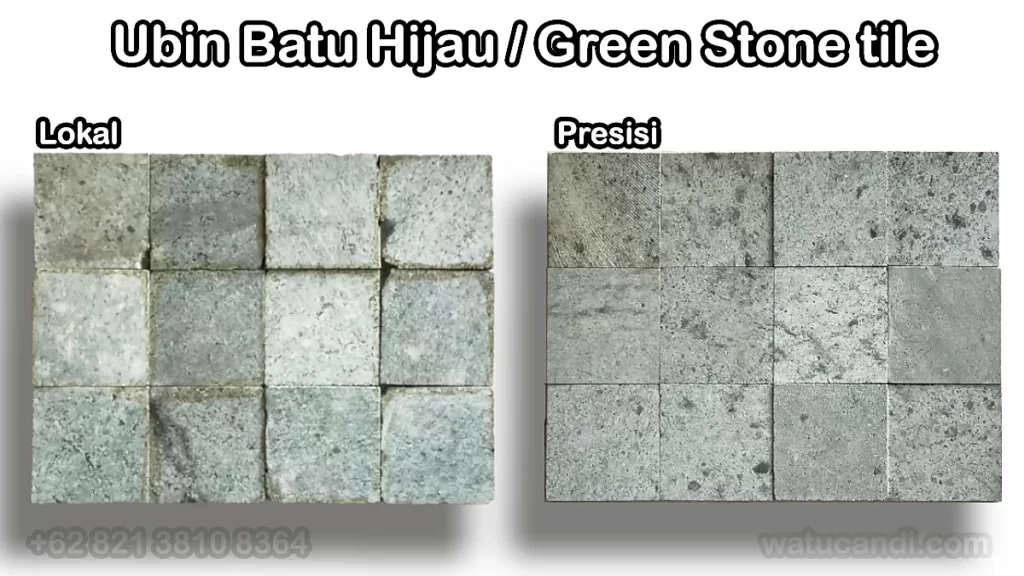
The fundamental truth of the Green Stone industry is this: The raw material is exactly the same. Both local and precision tiles originate from the same quarries in Sukabumi. The divergence occurs entirely in the manufacturing and finishing processes.
The Local Quality Paradigm
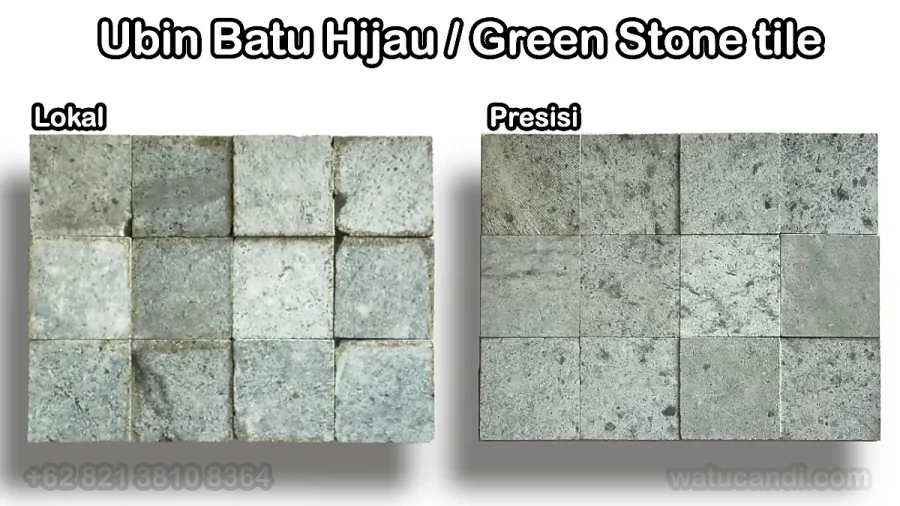
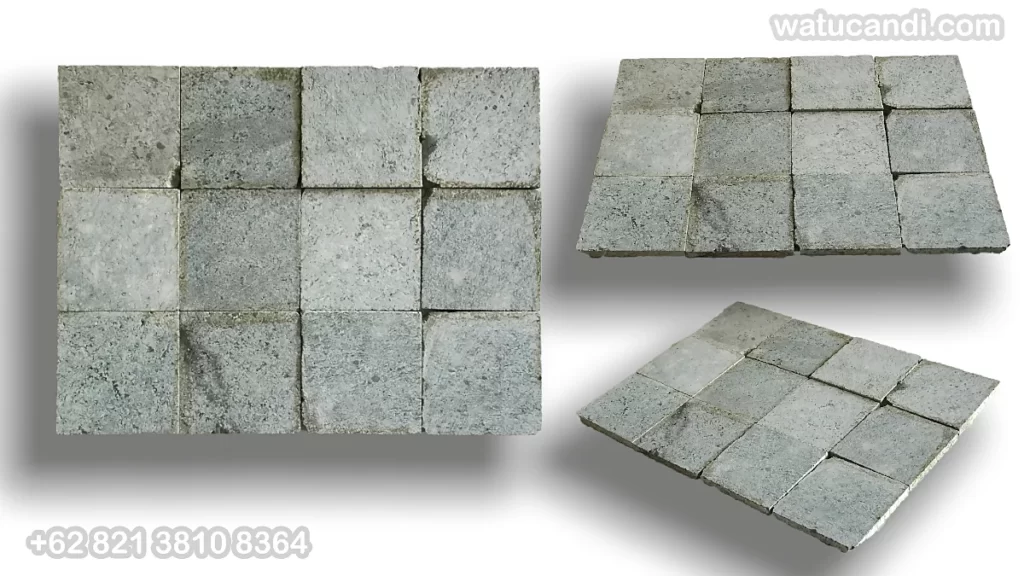
“Local” quality refers to the traditional, domestic standard of processing. These tiles are cut using conventional, often manual or semi-automated machinery. The focus is on volume and cost-efficiency, catering primarily to the domestic Indonesian market where budget constraints are a primary concern, and where the natural, organic variations of the stone are culturally accepted and even appreciated for their rustic charm. The tolerances in size and thickness are generous, often varying by 1mm to 4mm.
The Precision (Export) Paradigm
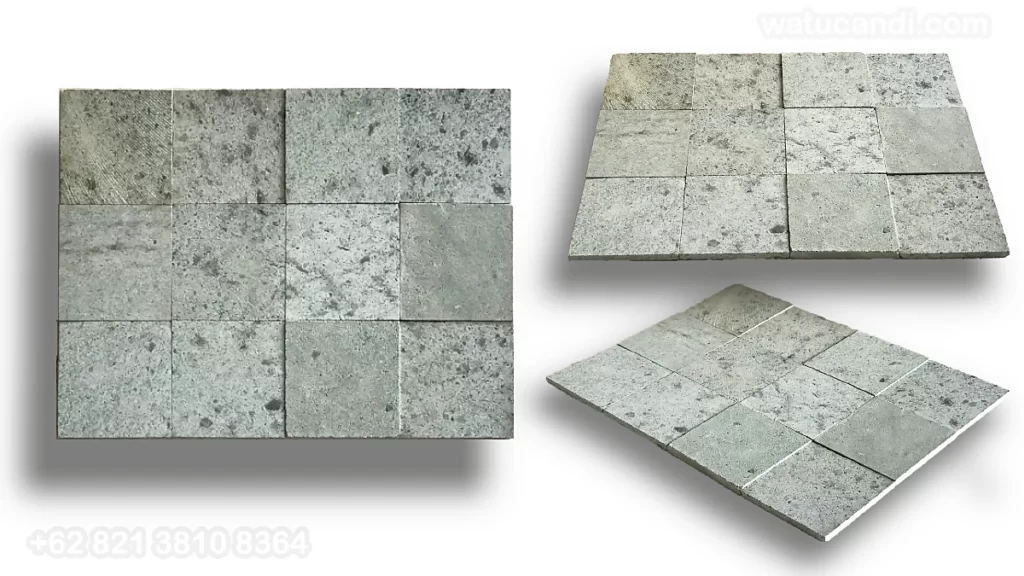
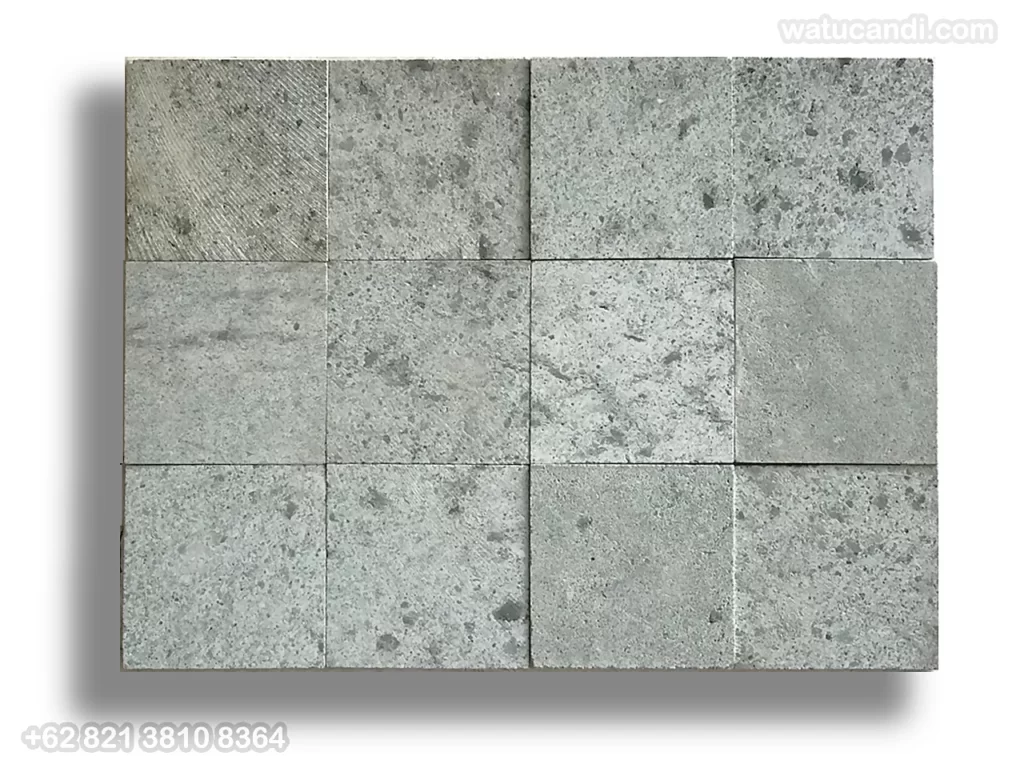
“Precision” or “Export” quality is engineered for the exacting standards of the international market. Architects in Dubai, London, or New York demand uniformity. They require tiles where a 10×10 cm tile is exactly 10.0 cm, not 9.8 cm or 10.2 cm. Precision tiles undergo a rigorous, multi-stage manufacturing process involving advanced CNC (Computer Numerical Control) machinery, laser calibration, and strict quality control protocols. The tolerance is strictly capped at a maximum deviation of ±1mm in both length/width and thickness.
The implications of these differences are profound, affecting everything from the aesthetic outcome of the project to the labor costs of installation and the long-term structural integrity of the surface.
4. Deep Dive: Precision (Export) Manufacturing Process
The creation of Precision Green Stone Tiles is a symphony of geology and modern engineering. Achieving a tolerance of ±1mm on a natural material that can contain hidden fissures and varying density requires a meticulous, multi-step process.
Step 1: Premium Block Selection
The process begins at the quarry. Not all blocks are suitable for export precision. Geologists and master quarrymen select blocks with the most consistent color veining, minimal natural fissures, and optimal density. These premium blocks are carefully extracted using diamond-wire saws to minimize micro-fractures in the raw material.
Step 2: Initial Gang Saw Slicing
The massive blocks are transported to the factory and mounted on multi-wire gang saws. These machines use a series of tensioned steel wires fed with a slurry of water and silicon carbide grit to slice the block into large, thick slabs. This initial cut is rough but remarkably straight, providing a uniform canvas for the next stages.
Step 3: CNC Automated Bridging and Cutting
This is where the magic of precision happens. The slabs are fed into Computer Numerical Control (CNC) bridge saws equipped with diamond-tipped blades. Unlike manual saws, the CNC machines are programmed with exact digital dimensions (e.g., 10x10x1 cm, 10x20x1 cm, or 20x20x1 cm). The machine cuts the stone with robotic exactitude, ensuring that every single tile is geometrically identical. The edges are perfectly straight, forming exact 90-degree angles.
Step 4: Calibration and Thickness Sizing
A true precision tile is not just accurate in its length and width; it must be perfectly uniform in thickness. If tiles vary in thickness, the installed floor will have “lippage” (uneven edges). To prevent this, the cut tiles pass through a calibration machine. This machine uses rotating diamond abrasive heads to grind the back and face of the tile until it reaches an exact, uniform thickness (e.g., exactly 10mm or 12mm), with a tolerance of ±1mm.
Step 5: Surface Finishing
Depending on the architectural specification, the calibrated tiles are sent to the finishing department. Here, they undergo honing, polishing, or texturing using automated conveyor belts fitted with varying grits of abrasive pads. This ensures the surface finish is consistent across hundreds of square meters.
Step 6: Rigorous Quality Control (QC) and Packaging
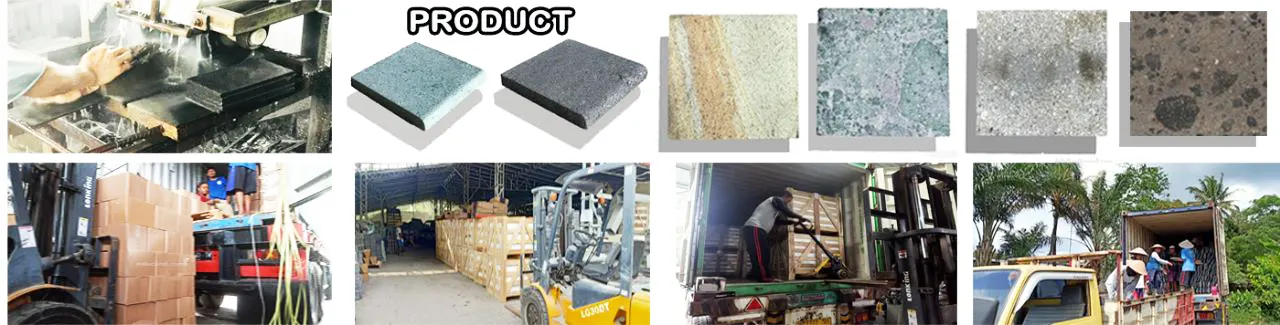
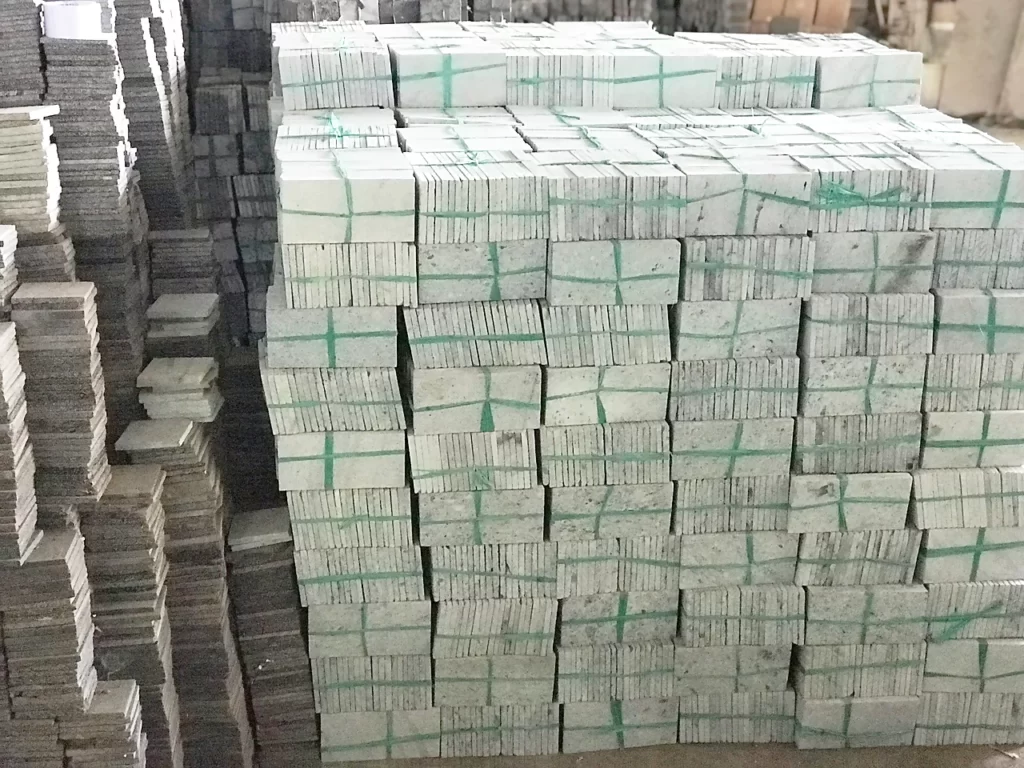
Before packaging, every single tile is inspected. Tiles with color anomalies, micro-chips, or dimensional deviations beyond the 1mm threshold are rejected and downgraded to the local market. The approved tiles are then stacked, interleaved with protective foam, and packed into reinforced, fumigated wooden crates designed to withstand the rigors of international ocean freight.
5. Deep Dive: Local Manufacturing Process
The production of Local Quality Green Stone is a more traditional, artisanal process. It relies heavily on the skill of human operators rather than computerized calibration. While this results in a product that is more affordable, it inherently introduces variability.
The Manual Cutting Reality
Local tiles are typically cut using manual or semi-automatic table saws. The operator guides the stone through the blade. Human error, the natural vibration of the machinery, and the varying density of the stone itself mean that a tile intended to be 10×10 cm might end up being 9.7 cm on one side and 10.2 cm on the other.
Thickness Variations
Unlike the calibration machines used for export tiles, local tiles rarely undergo thickness calibration. The thickness is determined by the initial gang saw cut. Consequently, a batch of “10mm” local tiles might contain tiles that are 8mm thick and others that are 13mm thick.
The Aesthetic of Imperfection
Because the edges are not perfectly straight and the sizes vary, installing local tiles requires wider grout lines. Installers must constantly adjust the spacing to accommodate the size variations. This results in a more “rustic” or “organic” look. For certain traditional or tropical rustic designs, this variability is actually desired, as it mimics the randomness of nature. However, for modern, minimalist designs requiring razor-thin grout lines, local tiles are entirely unsuitable.
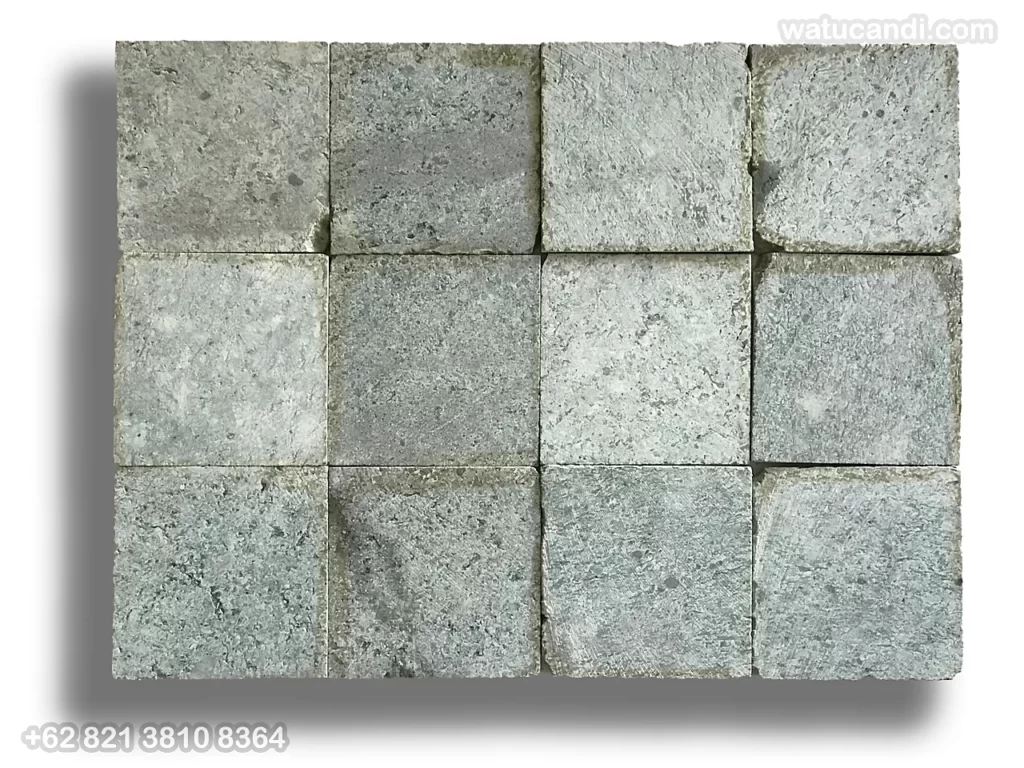
6. Surface Finishes: Hone, Sawn Cut, and Rough/Splitface
Both local and precision tiles can be subjected to various surface finishes. The finish dictates the tactile feel, the light reflection, and the slip resistance of the stone.
1. Hone (Halus)
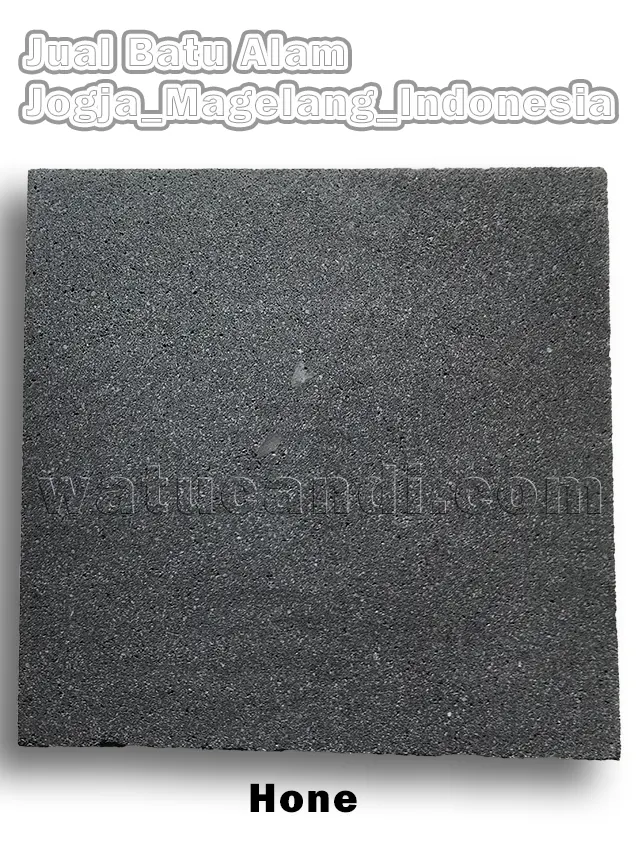
The honed finish is achieved by grinding the surface of the stone with fine-grit diamond abrasives. This process removes the saw marks and creates a smooth, matte, satin-like surface.
- Aesthetics: It enhances the green color of the stone, giving it a soft, elegant, and sophisticated look. It does not have the mirror-like reflection of a polished finish, which is intentional, as polished stone becomes dangerously slippery when wet.
- Applications: Ideal for pool floors, bathroom walls, and indoor flooring where a smooth, luxurious feel is desired.
- Maintenance: The smooth surface is very easy to clean and resists dirt accumulation.
2. Sawn Cut (Kasar / Gergaji)
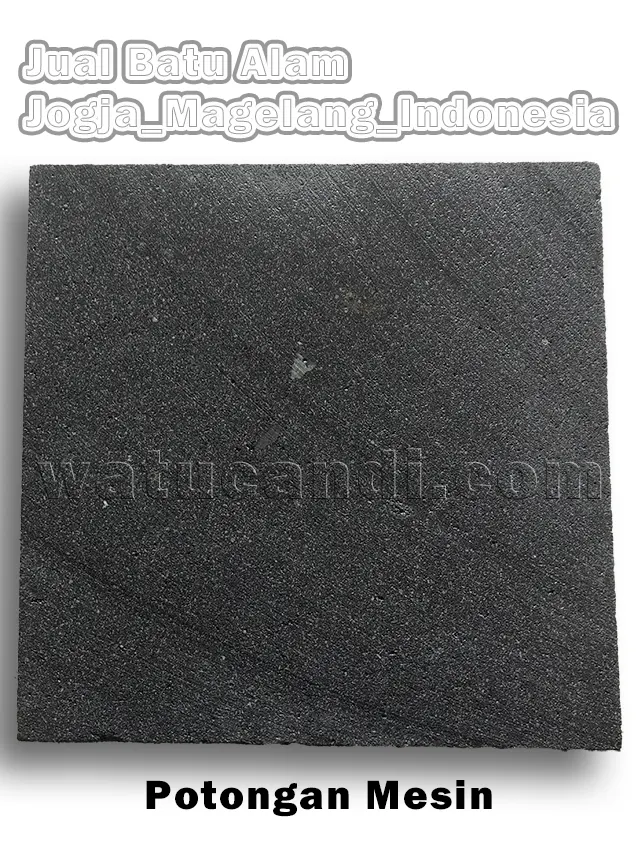
This finish leaves the stone exactly as it came out of the gang saw. It has a slightly rough, gritty texture with visible saw marks.
- Aesthetics: It offers a raw, industrial, and highly natural appearance. The color appears slightly lighter and more muted compared to the honed finish.
- Applications: Excellent for outdoor pathways, shower floors, and pool decks where maximum slip resistance is required.
- Maintenance: The textured surface can trap dirt and soap scum more easily than a honed surface, requiring more rigorous brushing during cleaning.
3. Rough / Splitface (Belah Alam)
This is a highly textured finish where the face of the stone is manually or mechanically split along its natural cleavage planes.
- Aesthetics: It creates a dramatic, three-dimensional, rustic appearance with deep ridges and valleys. It highlights the organic, geological nature of the stone.
- Applications: Primarily used for feature walls, water features, and the coping (edges) of swimming pools where a strong anti-slip grip is necessary for bare feet.
- Maintenance: Due to its deep crevices, it requires regular maintenance to prevent the buildup of algae or minerals in the textured grooves.
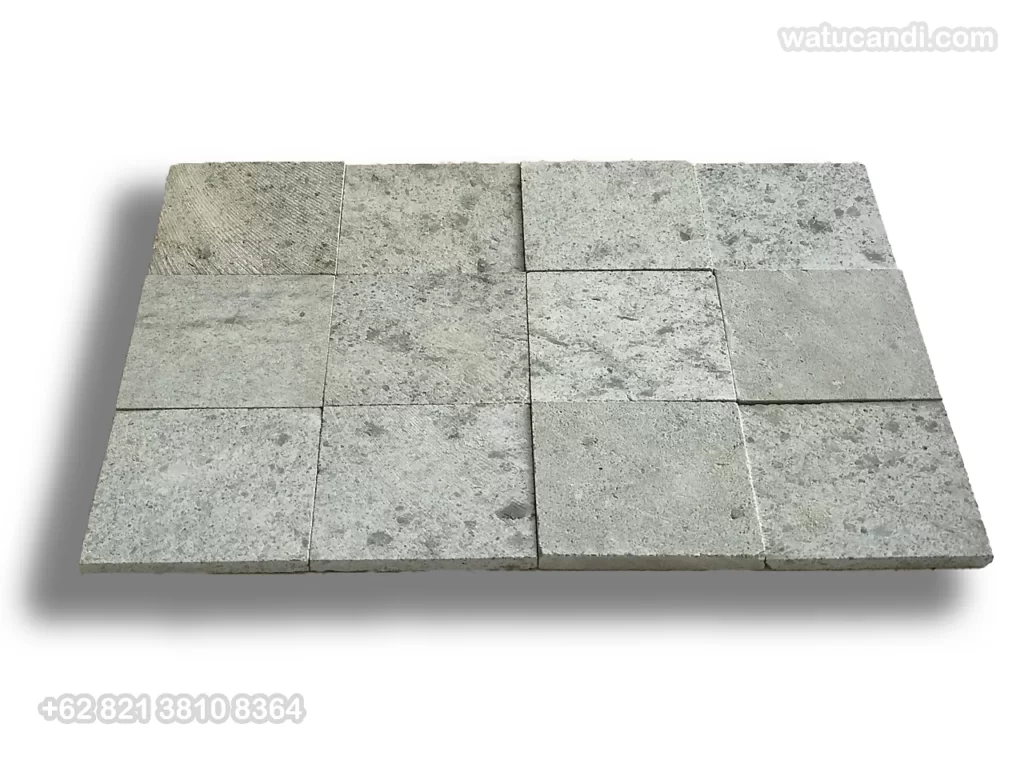
7. Application in Swimming Pools
The application of natural stone in swimming pools is a specialized field, and Green Stone is arguably the best material in the world for this purpose. But how do local and precision tiles perform in this demanding environment?
The Aesthetics of Water and Stone
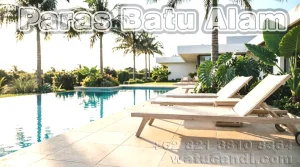
When dry, Batu Hijau Sukabumi is a deep, earthy green. However, when submerged in water, the stone’s refractive index changes, and it glows with a vibrant, translucent turquoise hue. This effect is magnified by sunlight, creating a lagoon-like atmosphere that is highly sought after in tropical resort design.
Precision Tiles in Pools
For high-end resorts and modern minimalist pools, precision tiles are mandatory. The strict ±1mm tolerance allows for grout lines as narrow as 2mm to 3mm.
- Visual Continuity: Narrow grout lines create a seamless, continuous expanse of green, making the pool look larger and more luxurious.
- Hygiene: Smaller grout lines mean less surface area for algae, bacteria, and calcium scale to accumulate, making the pool easier to maintain.
- Structural Integrity: Uniform thickness ensures that the adhesive bonds evenly across the entire back of the tile, reducing the risk of tiles popping off under the hydrostatic pressure of the pool.
Local Tiles in Pools
Local tiles can be used in pools, particularly in natural, rustic, or “wild” pond designs where a uniform look is not the goal.
- Wider Grout Lines: Installers must use grout lines of 5mm to 10mm to absorb the dimensional variations of the tiles.
- Installation Challenges: The installer must constantly sort the tiles by size and thickness during installation, a time-consuming process that increases labor costs.
- Aesthetic: The resulting pool has a more textured, mosaic-like appearance. While charming, it lacks the sleek, high-end finish of a precision-tiled pool.
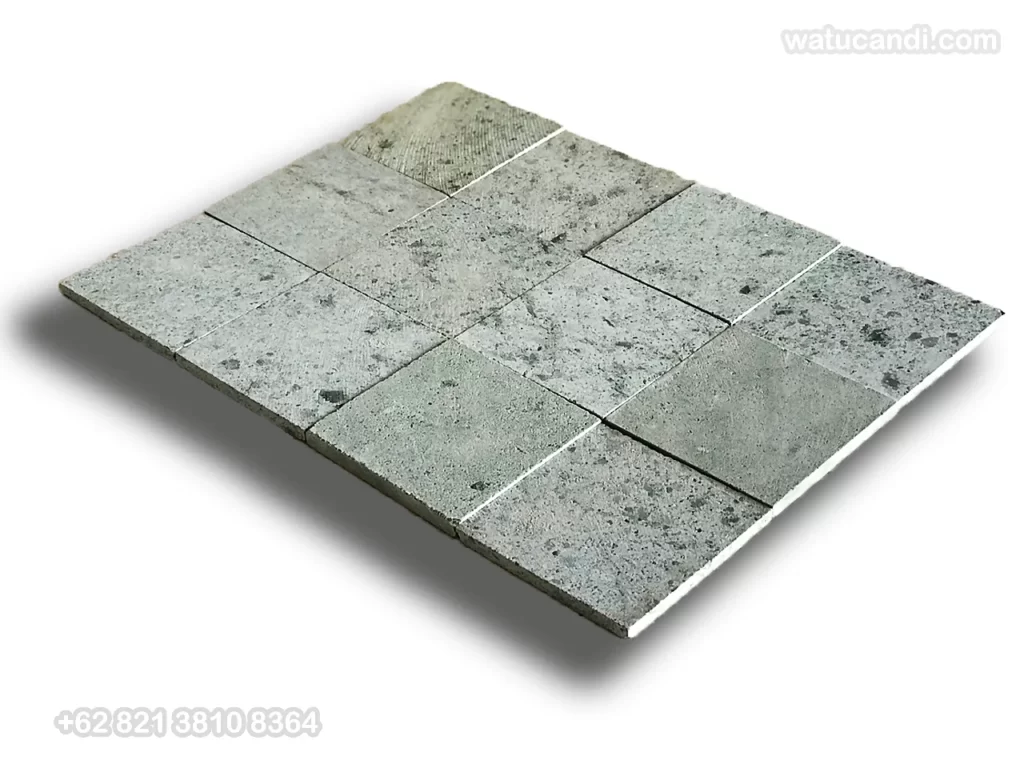
8. Comprehensive Installation Guide
The longevity and beauty of any natural stone installation depend entirely on the quality of the installation. Whether you are using local or precision tiles, the following principles must be adhered to.
Substrate Preparation
The surface (substrate) must be structurally sound, clean, and free of dust, oil, or curing compounds. For swimming pools, a high-quality, flexible waterproofing membrane must be applied to the concrete shell before tiling. This prevents water from migrating through the concrete and causing efflorescence (white salt deposits) on the stone surface.
Adhesive Selection
Never use standard gray cement for Green Stone. The gray color can bleed through the stone, altering its beautiful green hue.
- White Tile Adhesive: Always use a high-quality, polymer-modified white tile adhesive. The polymer content provides flexibility to handle thermal expansion and contraction.
- Epoxy Adhesive: For critical wet areas or areas subject to heavy chemical exposure, a white epoxy adhesive is the gold standard, offering unparalleled bond strength and water resistance.
The Installation Process
- Dry Layout: Especially for local tiles, it is crucial to dry-lay the tiles to sort them by size, thickness, and color shade. This allows the installer to blend variations gracefully.
- Back-Buttering: For large format tiles or uneven substrates, “back-buttering” (applying a thin layer of adhesive to the back of the tile) ensures 100% coverage and prevents voids that could lead to cracking.
- Notched Trowel: Use the correct notch size on your trowel. For pool installations, a 10mm x 10mm notched trowel is typically recommended to ensure a thick, robust bed of adhesive.
- Grouting: Use a high-quality, non-sanded or finely sanded white epoxy grout. Epoxy grout is impervious to water and stains, making it ideal for pools. Avoid cheap cementitious grouts, which will degrade and discolor over time.
9. Maintenance and Long-Term Care
Natural stone is incredibly durable, but it is not indestructible. Proper maintenance ensures that your Green Stone installation remains breathtaking for decades.
Daily Cleaning
For indoor floors and walls, a simple sweep and mop with a pH-neutral stone cleaner is sufficient. Never use acidic cleaners (like vinegar or bathroom tile cleaners containing hydrochloric acid) or harsh alkaline cleaners, as they can etch the surface of the stone, dulling the finish and altering the color.
Pool Maintenance
In swimming pools, the primary enemies are calcium scale and algae.
- Calcium Removal: If white calcium deposits form on the waterline, use a specialized, non-acidic calcium remover designed for natural stone. Pumice stones can also be used gently on honed surfaces to physically scrape off scale without damaging the stone.
- Water Chemistry: Maintain strict control over your pool’s water chemistry. The pH should be kept between 7.2 and 7.6. Aggressive water (low pH) will leach the minerals from the stone, causing it to become rough and dull over time.
Sealing: To Seal or Not to Seal?
This is a highly debated topic.
- For Pool Submersion: Generally, Green Stone submerged in a pool should not be sealed. Sealers can trap moisture within the stone, leading to spalling (flaking) when the stone heats up in the sun. Furthermore, sealers can alter the refractive index of the stone, ruining the beautiful turquoise water effect.
- For Outdoor Decks and Coping: Stones that are frequently wet and then dry in the sun (like pool coping or outdoor showers) can benefit from a high-quality, penetrating, breathable impregnating sealer. This helps repel oil-based stains and prevents water spots, while still allowing the stone to breathe.
10. Comparing Green Stone with Other Natural Stones
While Green Stone is exceptional, it is part of a rich ecosystem of Indonesian natural stones. Understanding how it compares to other popular options like Lava Stone, Andesite, and Merapi Stone is essential for holistic design.
Green Stone vs. Lava Stone (Batu Lava)
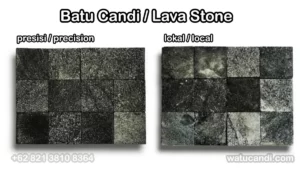
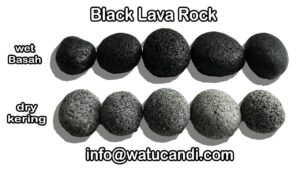
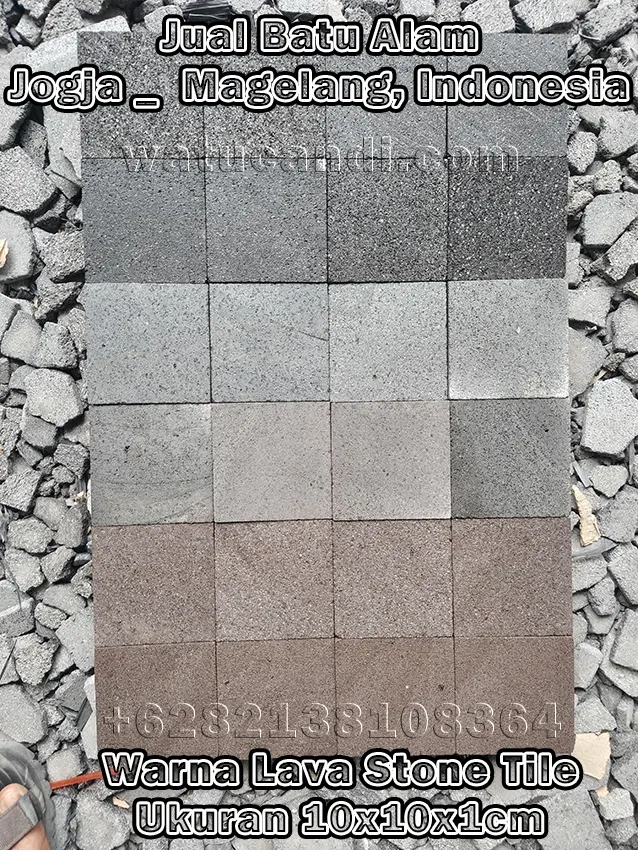
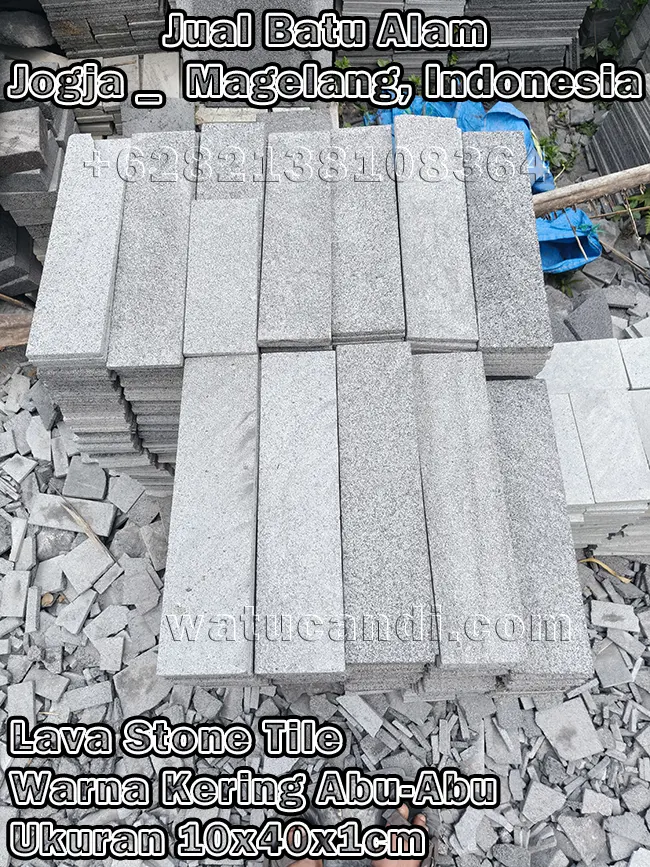
Lava Stone is another volcanic rock, typically black or dark gray in color. It is formed from rapidly cooling lava, resulting in a highly porous, lightweight structure.
- Color: Lava stone is predominantly black or charcoal gray, offering a stark, modern contrast to the vibrant green of Sukabumi stone.
- Texture: Lava stone is naturally more porous and often has a rougher, more pitted surface. It is excellent for rough surface flooring where extreme slip resistance is needed.
- Weight: Lava stone is significantly lighter than Green Stone, making it easier to transport and install on vertical walls or upper-story balconies.
- Application: While Green Stone dominates pools, Lava Stone is often preferred for exterior facades, garden pathways, and outdoor flooring where a dark, grounding aesthetic is desired.
Green Stone vs. Andesite Stone
Andesite is a fine-grained volcanic rock that is extremely hard and durable. It is often gray, black, or sometimes greenish-gray.
- Hardness: Andesite is generally harder and more abrasion-resistant than Green Stone, making it ideal for high-traffic commercial areas, driveways, and public plazas.
- Color Consistency: Andesite tends to have a more uniform, monochromatic color palette compared to the varied green hues of Sukabumi stone.
- Finish: Andesite takes a very high polish, but for outdoor use, it is often flame-treated or bush-hammered to create a non-slip surface.
Green Stone vs. Merapi Stone (Batu Gunung Merapi)
Merapi Stone is sourced from the slopes of Mount Merapi. It is known for its unique textures and warm, earthy tones ranging from brown to reddish-gray.
- Aesthetic: Merapi stone offers a warmer, more rustic feel compared to the cool, tropical vibe of Green Stone. It is often used for outdoor flooring and feature walls.
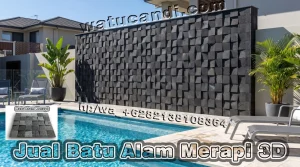
- Texture: Merapi stone is often processed into 3D textures or split faces, creating dramatic shadow plays on walls.
- Durability: Like Green Stone, it is highly durable and weather-resistant, making it suitable for tropical climates.
11. Architectural Applications Beyond Pools
While swimming pools are the most famous application, Green Stone and other natural stones have a vast array of architectural uses.
Bathroom and Spa Sanctuaries
The cool, smooth surface of honed Green Stone makes it perfect for bathroom floors and shower walls. It creates a spa-like atmosphere that promotes relaxation. For a more rustic look, tumbled stone finishes can be used to create a softer, aged appearance.
Outdoor Landscaping and Pathways
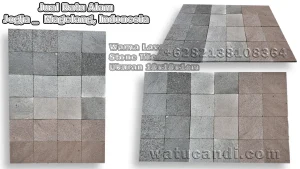
Natural stone integrates seamlessly with garden landscapes. Brown Sandstone or Paras Palimanan can be used for garden pathways, complementing the greenery. Green Stone can be used for stepping stones or border accents, creating a cohesive color story between the hardscape and the pool.
Feature Walls and Facades
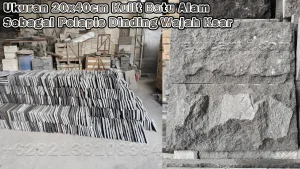
Stacked stone techniques, such as Susun Sirih (betel leaf arrangement), use irregular pieces of stone to create textured, three-dimensional walls. This technique works beautifully with Breccia stone or split-face Green Stone, adding depth and character to exterior facades or interior accent walls.
12. Stone Furniture, Sinks, and Decor
Natural stone is not just for surfaces; it is increasingly used for functional art and furniture.
Stone Sinks and Basins
Hand-carved stone sinks are a statement piece in any bathroom. Merapi Stone Sinks offer a rugged, organic look, while Black Basalt Sinks provide a sleek, modern aesthetic. These sinks are durable, hygienic, and unique, as no two hand-carved pieces are exactly alike.
Stone Tables and Chairs
For outdoor gardens or patios, handcrafted stone tables and chairs offer unparalleled durability. They are immune to weather, insects, and rot. Similarly, stone planters and troughs add a sculptural element to landscaping.
Decorative Accents
Smaller decorative items, such as stone furniture accessories or carved motifs like the Batik motif on Green Stone, can infuse cultural heritage into modern design.
13. Advanced Patterns, Textures, and Cultural Stones
Indonesian stone craftsmanship extends beyond simple tiles. There are specialized patterns and cultural stones that offer unique design possibilities.
Candi Stone and Historical Aesthetics
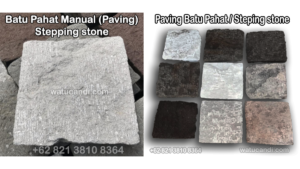
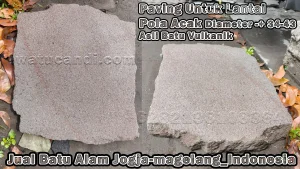
Candi Stone refers to stones that mimic the appearance of the ancient temples of Java. These stones often have a weathered, grayish tone and are used for flooring or paving to create a sense of historical grandeur. Stepping stones made from Candi stone can transform a garden into a serene, temple-like sanctuary.
Paving and Hardscaping
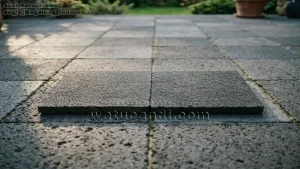
For driveways and walkways, carved stone paving offers both beauty and functionality. Natural stone tiles can be arranged in various patterns, such as herringbone or basket weave, to create visual interest. Carved stone installation patterns require skilled artisans but result in stunning, bespoke floors.
Unique Textures and Finishes
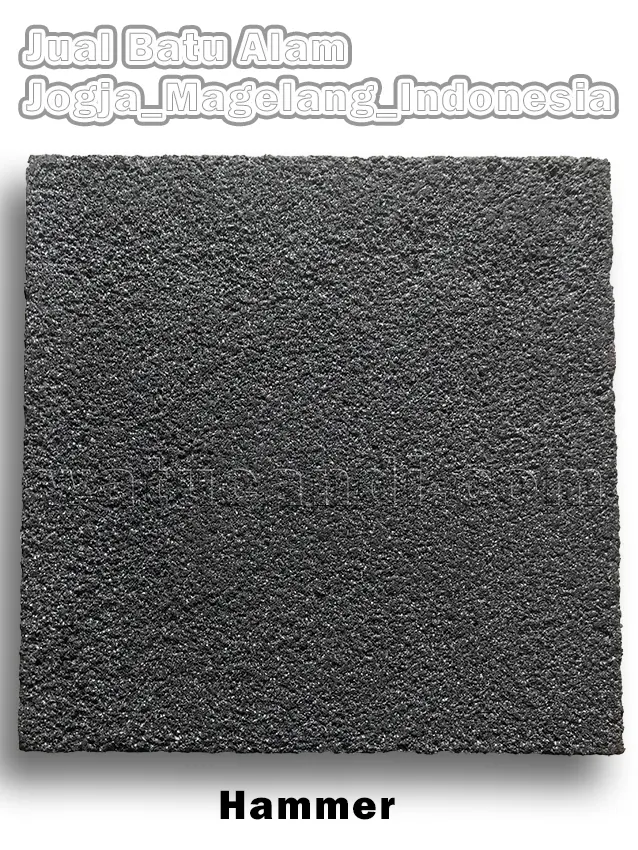
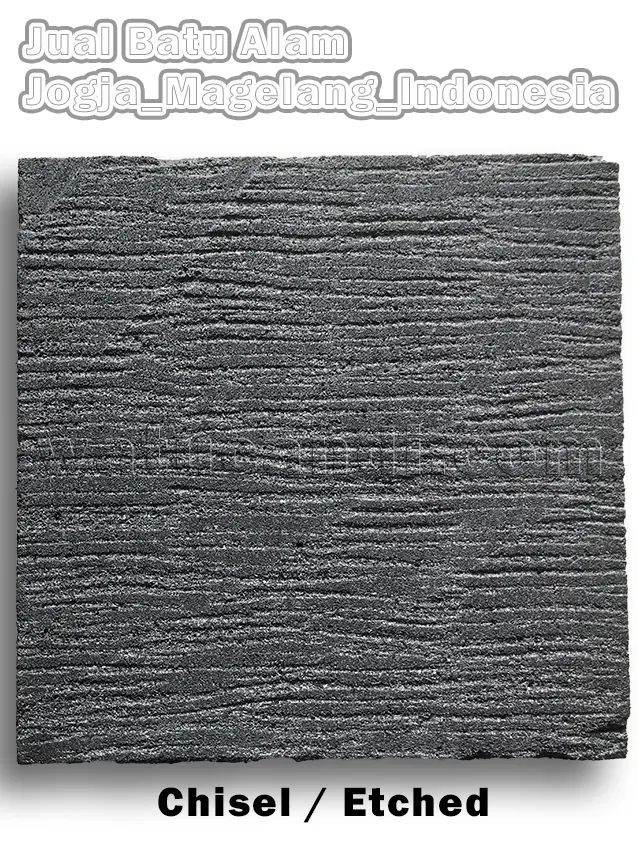
Beyond the standard finishes, there are specialized textures like black lava hammer-textured surfaces or black lahar finishes. These textures add depth and shadow, making them ideal for feature walls or artistic installations. Hidden crystals in Merapi lava stone can catch the light, adding a subtle sparkle to the stone’s surface.
Specialized Stone Products
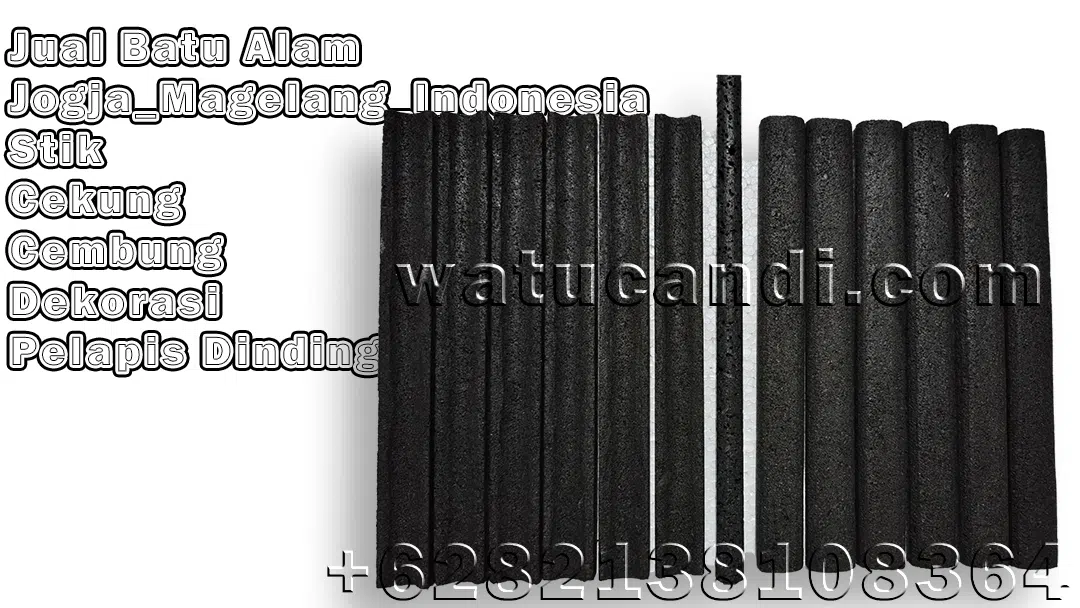
The versatility of natural stone is evident in products like lava stone parquet decking, which combines the durability of stone with the aesthetic of wood flooring. Long-format lava stone tiles are perfect for creating seamless, modern looks. For those seeking a specific aesthetic, alkali lava stone offers a unique chemical composition and color profile.
Additionally, natural stone slabs can be used for large-scale cladding, while stacked stone surfaces provide a rustic, layered look. Stone edging is crucial for defining spaces and protecting lawn borders.
For religious or spiritual spaces, stone materials for pelinggih (shrines) are crafted with respect and precision, using traditional methods. Candi lava stone is often used for these purposes due to its historical and aesthetic significance.
14. Conclusion
Choosing between Local and Precision Green Stone tiles is not merely a question of budget; it is a decision about the vision, timeline, and ultimate quality of your project.
Precision (Export) Quality is the unequivocal choice for modern, high-end architectural projects, particularly swimming pools, where seamless aesthetics, hygiene, and installation efficiency are paramount. The strict tolerances, uniform thickness, and superior finish justify the higher cost by reducing labor time, minimizing waste, and delivering a flawless, luxurious result that stands the test of time.
Local Quality serves a valuable niche for rustic, organic, or budget-conscious projects where natural variation is embraced as part of the design language. It offers an affordable entry point into the world of natural stone, though it demands more skilled labor during installation and accepts a less uniform final appearance.
Ultimately, whether you choose the vibrant turquoise of Batu Hijau Sukabumi, the dramatic darkness of Lava Stone, or the warm earthiness of Merapi Stone, investing in high-quality natural stone is an investment in timeless beauty. By understanding the nuances of manufacturing, finishing, and installation, you can ensure that your natural stone project not only meets but exceeds your expectations, creating a space that is both functional and profoundly beautiful.
Related Articles and Products
- Brown Sandstone (Batu Pasir Coklat)
- Tumbled Natural Stone Finish
- 3D Merapi Mountain Stone
- Merapi Natural Stone Outdoor Flooring
- Lava Stone Exterior Design
- Lava Stone Floor
- Merapi Lahar Candi Stone Floor
- Rough Surface Natural Stone Floor
- Black Candi Lava Stone
- Merapi Lava Stone Parquet Decking
- Natural Stone Slabs
- Paras Palimanan Stone Tiles
- Breccia Natural Stone Tiles
- Natural Stone and Furniture
- Lava Stone for Swimming Pools
- Stacked Stone Slab Surface
- Original Susun Sirih Stone
- Original Sukabumi Green Stone Tiles
- Natural Stone Edging
- Original Merapi Stone Sink 49x49x13cm
- Black Basalt Stone Sink
- Yogyakarta Batik Motif Green Stone Tiles
- Black Lava Stone 100x100x10
- Black Lava Stone Tiles
- Borobudur Candi Stone
- Candi Stone Paving Floor
- Black Lava Natural Stone Tiles
- Carved Stone Paving Floor
- Handmade Stone Troughs
- Handmade Stone Tables and Chairs
- Carved Motif Vanity Table
- Candi Stone Stepping Floor
- Natural Stone Tiles 2
- Hidden Crystals in Merapi Lava
- Carved Natural Stone Installation Patterns
- Sell Pelinggih Stone Material
- Black Lava Hammered Surface
- Black Lahar
- Candi Lahar Stone Floor
- Lava Stone 75x230mm
- Lava Natural Stone Product
- Alkali Lava Natural Stone
- Candi Lava Natural Stone
- Andesite Paving Stone
- Natural Andesite Stone
Tag Post ; Green Stone Tile, Sukabumi Green Stone, Precision Green Stone, Local Green Stone, Export Quality Stone, Swimming Pool Tiles, Natural Stone Cladding, Volcanic Stone Tiles, Stone Surface Finishes, Lava Stone, Andesite Stone, Merapi Stone, Natural Stone Architecture, Pool Coping, Green Stone Installation, Indonesian Natural Stone,