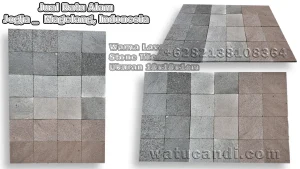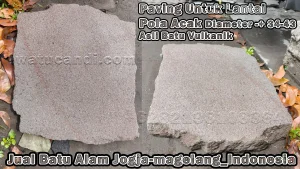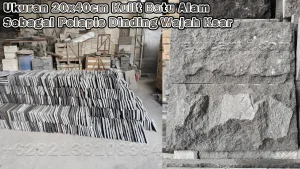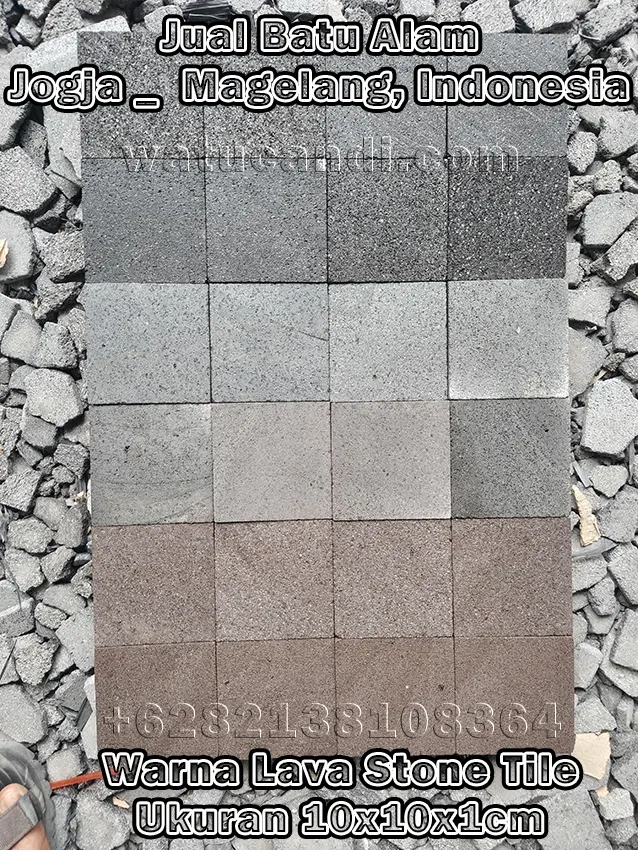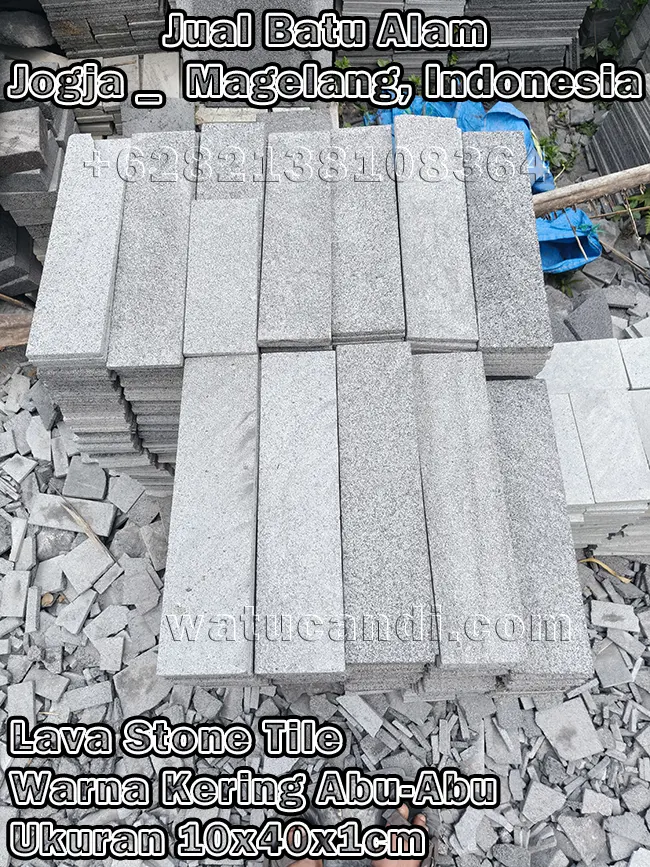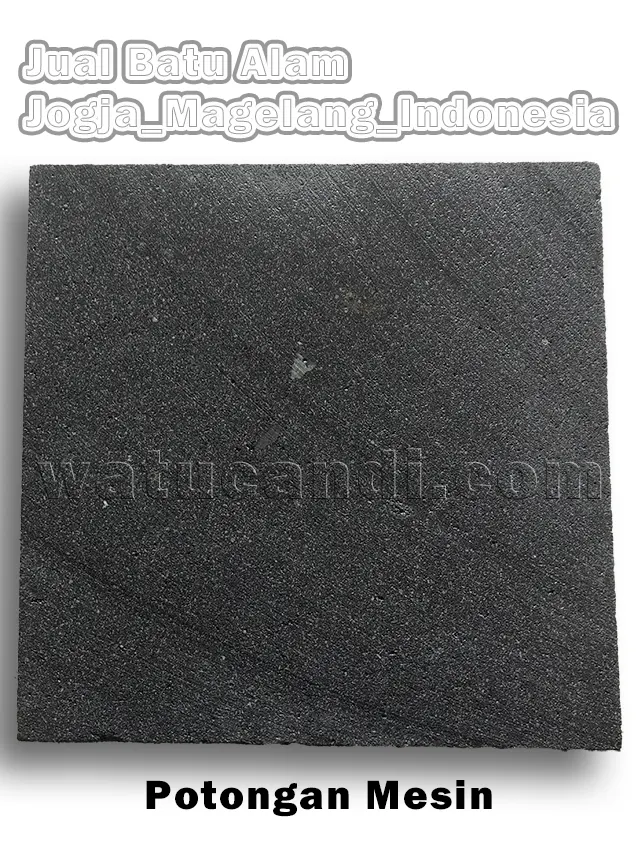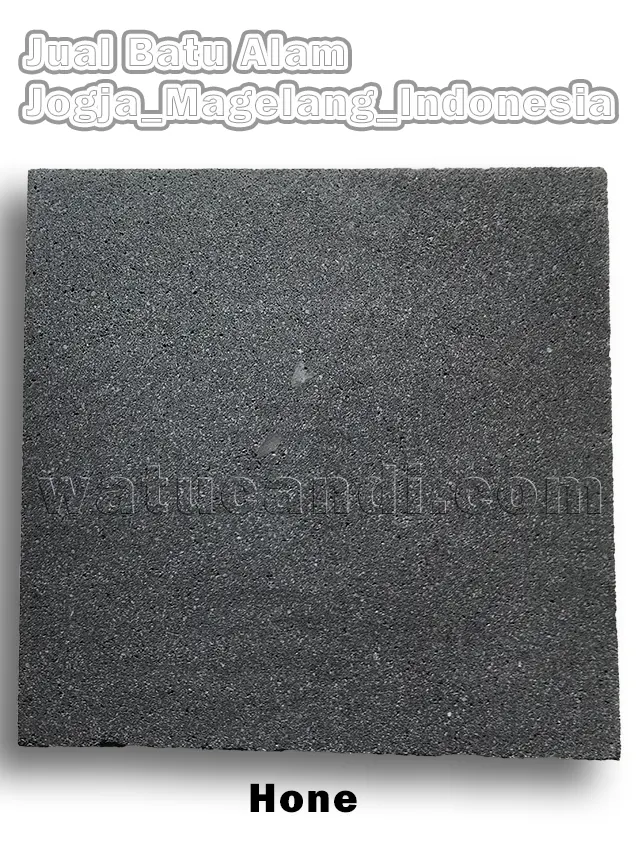
Transform your architectural projects with authentic Indonesian andesite stone, the world’s most prestigious hard and dense natural stone for premium paving, flooring, and cladding applications. Mined directly from ancient volcanic formations in Central Java, Yogyakarta, and East Java, our authentic andesite pavers, stepping stones, and natural stone tiles deliver extraordinary hardness (Mohs scale 6 to 7), exceptional density (2.6 to 2.8 g/cm³), superior compressive strength (1,800 to 2,500 kg/cm²), and timeless natural beauty for driveways, pedestrian pathways, terraces, pool decks, carports, gardens, commercial plazas, luxury resorts, and heritage restoration projects in more than 50 countries worldwide.
Unlike porous lava stone or soft sedimentary rocks, Indonesian andesite is a truly hard, dense, and durable igneous rock formed from rapidly cooled volcanic magma millions of years ago. Whether you are designing a luxury villa in Bali, a heritage building in Europe, a commercial complex in the Middle East, or a private residence in North America, authentic Indonesian andesite stone offers unmatched performance, sophisticated aesthetics, and exceptional long-term value. Discover why architects, landscape designers, and contractors worldwide specify premium andesite stone flooring for their most demanding projects in 2026.
📑 Table of Contents
Quick Navigation: Click any topic below to jump directly to that section.
- 1. What Is Andesite Stone? Complete Geological and Technical Guide
- 2. Why Choose Indonesian Andesite Stone? 10 Compelling Advantages
- Unmatched Hardness and Durability
- Extraordinary Density and Low Porosity
- Superior Compressive Strength for Heavy Loads
- Natural Slip Resistance and Safety
- Timeless Aesthetics and Sophisticated Appearance
- Exceptional Weather and Climate Resistance
- Eco-Friendly and Sustainable Choice
- 100+ Year Lifespan and Generational Durability
- Low Maintenance and Easy Care
- Increases Property Value and Prestige
- 3. Historical Significance: Andesite in Ancient Civilizations
- 4. Comprehensive Product Range: Indonesian Andesite Stone Collections
- 5. Professional Installation Guide: How to Install Andesite Stone Paving
- 6. Maintenance Guide for Andesite Stone
- 7. Frequently Asked Questions (FAQ) About Andesite Stone
- 8. Global Applications: Where Indonesian Andesite Stone Is Used
- 9. Why Choose Watu Candi as Your Andesite Stone Supplier?
- 10. Get Your Free Quote and Consultation Today
- 11. Related Articles and Resources
What Is Andesite Stone? Complete Geological and Technical Guide
Before exploring applications, it is essential to understand what makes andesite stone truly special. Many people confuse andesite with other volcanic rocks like basalt, lava stone (scoria), or tuff. However, andesite is a distinct geological formation with unique characteristics that set it apart as one of the world’s finest natural stones for architectural and construction applications.
Geological Formation of Andesite
Andesite is an extrusive igneous rock with composition between basalt (mafic) and dacite or rhyolite (felsic). The name “andesite” derives from the Andes Mountains in South America, where this rock type is abundantly found. However, Indonesia, situated on the Pacific Ring of Fire, hosts some of the world’s finest andesite deposits, particularly in Central Java, Yogyakarta, and East Java regions where ancient and active volcanoes have produced exceptional quality stone for millions of years.
The formation process of andesite involves:
- Magma Generation: Partial melting of the Earth’s mantle and subducted oceanic crust produces andesitic magma with silica (SiO₂) content of 57 to 63%.
- Volcanic Eruption: The viscous andesitic magma erupts explosively or effusively from stratovolcanoes, often associated with subduction zones.
- Rapid Cooling: Upon reaching the surface, the magma cools rapidly, forming fine-grained rock with microscopic crystals too small to be seen with the naked eye.
- Mineral Composition: Andesite primarily consists of plagioclase feldspar, pyroxene (augite), hornblende, and small amounts of biotite, magnetite, and quartz.
- Massive Structure: Unlike vesicular lava stone (scoria) or pumice, andesite forms dense and massive rock with minimal gas bubbles, resulting in extraordinary hardness and strength.
Critical Distinction: Andesite vs Lava Stone vs Other Volcanic Rocks
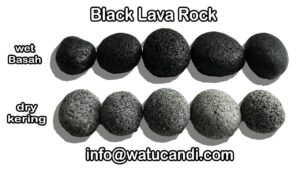
Understanding the difference between andesite and other volcanic rocks is crucial for selecting the right material for your project. Many suppliers incorrectly use the term “lava stone” as a generic term, but geologically and practically, these rocks are fundamentally different:
| Property | Andesite (Andesite Stone) | Lava Stone / Scoria | Basalt | Tuff |
|---|---|---|---|---|
| Rock Type | Intermediate igneous | Vesicular volcanic | Mafic igneous | Consolidated ash |
| Density (g/cm³) | 2.6 to 2.8 (VERY DENSE) | 0.7 to 1.4 (POROUS) | 2.8 to 3.0 | 1.5 to 2.0 |
| Hardness (Mohs) | 6 to 7 (VERY HARD) | 4 to 5 | 6 to 7 | 2 to 4 |
| Compressive Strength | 1,800 to 2,500 kg/cm² | 50 to 150 kg/cm² | 2,000 to 3,000 kg/cm² | 100 to 500 kg/cm² |
| Water Absorption | 0.5 to 1.5% (VERY LOW) | 10 to 30% (VERY HIGH) | 0.3 to 1.0% | 5 to 15% |
| Porosity | Minimal (dense) | Highly vesicular | Minimal | High |
| Weight | Very heavy | Lightweight | Extremely heavy | Light to medium |
| Best Use | Paving, flooring, structural | Decoration, landscaping | Heavy construction | Cladding, veneer |
| Indonesian Name | Batu Andesit | Batu Apung / Batu Lava | Batu Basalt | Batu Gunung / Tuff |
Key Point: When you specify andesite stone paving, you are getting a truly hard, dense, and extremely durable natural rock, not a lightweight and porous material. This is why andesite has been used for centuries in demanding applications where strength and longevity are paramount.
Complete Technical Specifications of Indonesian Andesite
For architects, engineers, and specification writers, here are the comprehensive technical properties of premium Indonesian andesite stone, tested according to international standards (ASTM, EN, SNI):
- Chemical Composition: SiO₂ 57 to 63%, Al₂O₃ 15 to 18%, Fe₂O₃ 3 to 6%, CaO 5 to 8%, Na₂O 3 to 5%, K₂O 1 to 3%, MgO 2 to 5%
- Mineralogy: Plagioclase (andesine) 50 to 65%, Pyroxene (augite) 15 to 25%, Hornblende 5 to 15%, Biotite 0 to 5%, Magnetite 2 to 5%, Quartz 0 to 5%
- Texture: Fine-grained, aphanitic, occasionally porphyritic with phenocrysts of plagioclase or pyroxene
- Structure: Massive, dense, non-vesicular (unlike scoria or lava stone)
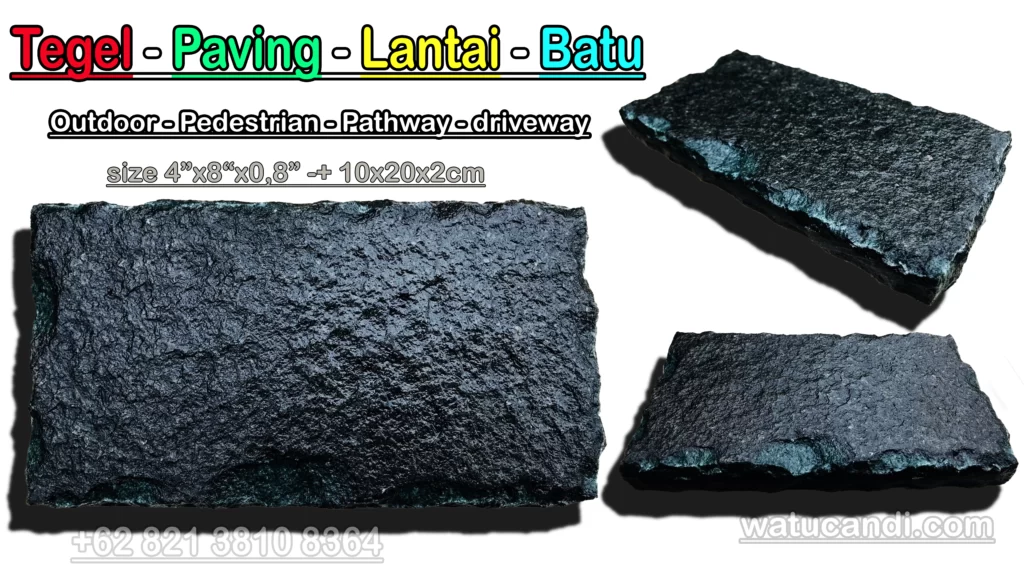
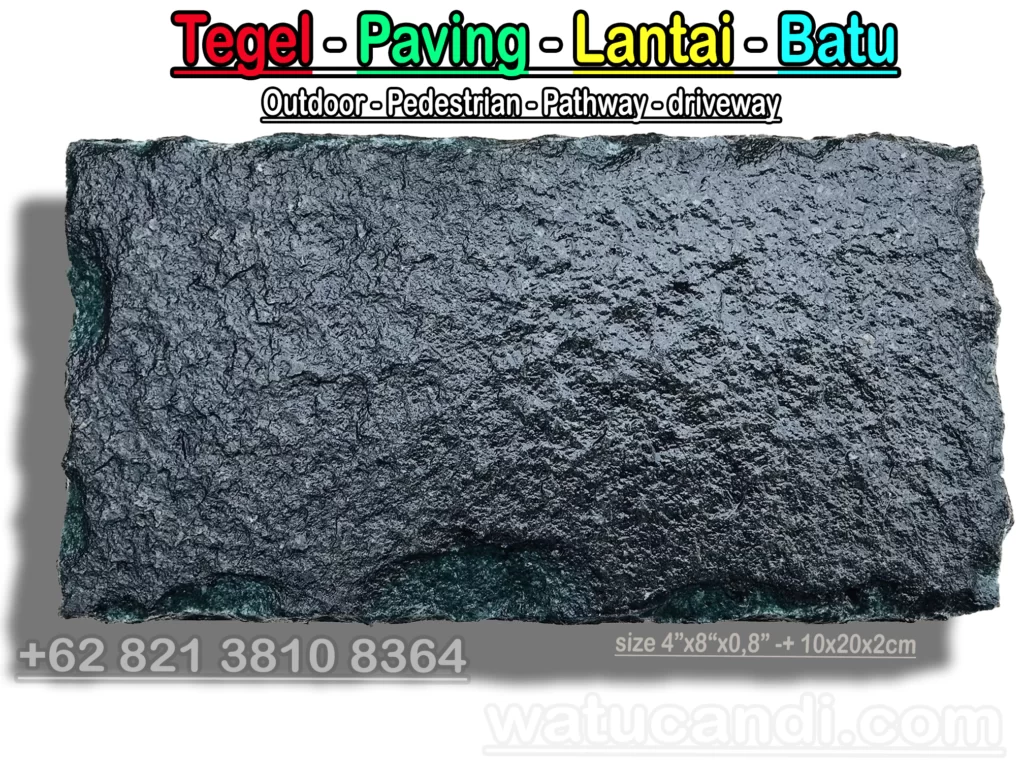
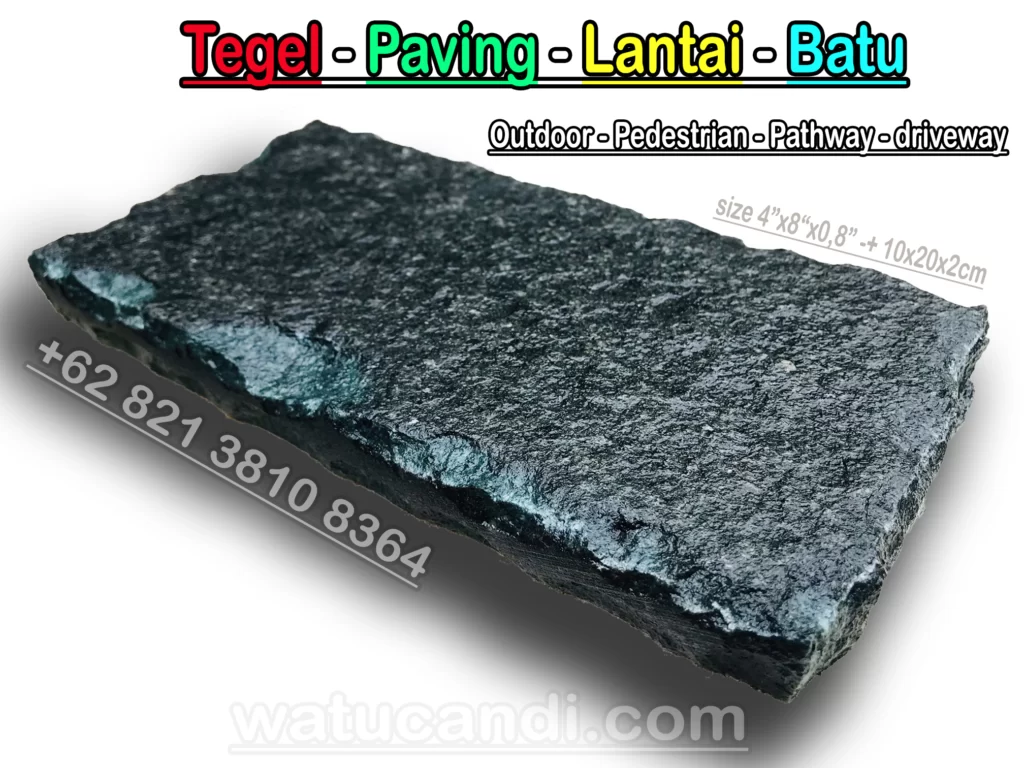
- Color: Dark gray to charcoal black, sometimes with bluish or greenish tints depending on mineral content
- Specific Gravity: 2.6 to 2.8 (indicating high density)
- Bulk Density: 2,600 to 2,800 kg/m³
- Compressive Strength: 1,800 to 2,500 kg/cm² (ASTM C170)
- Flexural Strength (Modulus of Rupture): 150 to 250 kg/cm² (ASTM C99)
- Abrasion Resistance (Haeny): 18 to 22 (excellent)
- Hardness (Mohs Scale): 6 to 7
- Water Absorption: 0.5 to 1.5% by weight (ASTM C97)
- Porosity: 1 to 3% (very low)
- Freeze-Thaw Resistance: Excellent (ASTM C666), suitable for cold climates
- Thermal Expansion: 5 to 8 x 10⁻⁶ /°C
- Slip Resistance (DIN 51130): R10 to R11 (bush-hammered finish)
- Fire Resistance: Non-combustible, Class A1 fire rating
These extraordinary technical properties make Indonesian andesite superior to most other natural stones for demanding outdoor applications. Our black andesite stone (black temple stone) represents the highest grade available, quarried from select deposits in Central Java known for consistent quality and superior hardness.
Why Choose Indonesian Andesite Stone? 10 Compelling Advantages
Indonesian andesite has earned global recognition as one of the world’s finest natural stones for architectural and construction applications. Here are the ten most compelling reasons why architects, designers, contractors, and property owners specify Indonesian andesite for their most prestigious projects:
1. Unmatched Hardness and Durability
With Mohs hardness of 6 to 7, Indonesian andesite is significantly harder than marble (3 to 5), limestone (3 to 4), and sandstone (4 to 5). This extraordinary hardness means andesite resists scratching, abrasion, and surface wear even under the most demanding conditions, including heavy vehicular traffic, constant foot traffic, furniture movement, and exposure to abrasive elements. Unlike softer stones that show wear patterns within years, andesite paving maintains its structural integrity and appearance for generations.
2. Extraordinary Density and Low Porosity
The dense and non-vesicular structure of andesite gives it a density of 2.6 to 2.8 g/cm³ and water absorption of only 0.5 to 1.5%. This low porosity is critical because it means:
- Minimal water penetration prevents freeze-thaw damage in cold climates
- Reduced staining from oil, grease, wine, and other common spills
- Resistance to moss, algae, and biological growth
- Lower susceptibility to chemical attack from acid rain or cleaning agents
- Enhanced structural strength and load-bearing capacity
Compare this to porous lava stone (scoria) with 10 to 30% water absorption, and you will understand why andesite is the superior choice for permanent installations.
3. Superior Compressive Strength for Heavy Loads
With compressive strength of 1,800 to 2,500 kg/cm², Indonesian andesite exceeds international standards for paving stones and can handle:
- Residential driveways with cars, SUVs, and light trucks
- Commercial parking areas with constant vehicular traffic
- Industrial zones with forklifts and heavy equipment
- Public plazas and pedestrian areas with heavy foot traffic
- Port areas and loading docks (with appropriate thickness)
Our thick andesite pavers (5cm, 8cm, 10cm) are specifically engineered for heavy-duty applications where inferior materials would crack or fail.
4. Natural Slip Resistance and Safety
Natural andesite achieves excellent slip resistance ratings (R10 to R11 DIN 51130) when finished with bush-hammered, flamed, or natural cleft textures. This makes it the safest choice for:
- Swimming pool decks and wet areas
- Outdoor showers and spa areas
- Garden pathways exposed to rain and irrigation
- Commercial entrances and public spaces
- Stepping stones and temple stone stepping stones
Unlike polished marble or glazed tiles that become extremely slippery when wet, rough surface andesite maintains consistent grip in all weather conditions, protecting your family, guests, and customers from slip-and-fall accidents.
5. Timeless Aesthetics and Sophisticated Appearance
Indonesian andesite offers a sophisticated color palette ranging from deep charcoal black to medium gray, with subtle variations that create visual interest and depth impossible to replicate with artificial materials. The natural crystalline structure captures light beautifully, while uniform color complements virtually any architectural style:
- Modern minimalist contemporary architecture
- Traditional Javanese joglo and Balinese design
- Dutch colonial and European heritage buildings
- Mediterranean villas and tropical resorts
- Industrial loft and urban contemporary spaces
- Japanese zen gardens and Asian-inspired landscapes
The aesthetic of Borobudur temple stone, reminiscent of Indonesia’s most famous UNESCO World Heritage Site, adds cultural depth and historical gravitas to any project.
6. Exceptional Weather and Climate Resistance
Indonesian andesite performs brilliantly in all climate conditions:
- Tropical Heat: Resists intense UV exposure and high temperatures without fading, warping, or deteriorating
- Monsoon Rains: Low porosity prevents water damage, erosion, and biological growth even in constant wet conditions
- Cold Climates: Excellent freeze-thaw resistance (ASTM C666) allows use in regions with harsh winters
- Coastal Areas: Resists salt spray and marine environments better than many other natural stones
- Desert Conditions: Stable under extreme temperature fluctuations and sand abrasion
7. Eco-Friendly and Sustainable Choice
Indonesian andesite is one of the most environmentally responsible building materials available:
- 100% Natural: No synthetic additives, resins, or chemical treatments required
- Low Processing Energy: Requires only mechanical cutting and finishing, no high-temperature kiln firing like porcelain tiles
- Minimal Carbon Footprint: Significantly lower CO₂ emissions than concrete pavers or ceramic tiles
- Responsible Quarrying: Leading suppliers like Watu Candi implement land rehabilitation, water recycling, and worker safety programs
- Infinitely Recyclable: Can be crushed for aggregate or salvaged for reuse at end of life
- LEED Credits: Contributes to green building certification for regional materials and durability
8. 100+ Year Lifespan and Generational Durability
Unlike concrete pavers (25 to 50 years), ceramic tiles (20 to 30 years), or wood decking (10 to 20 years), properly installed andesite stone lasts 100+ years with minimal maintenance. Ancient andesite structures in Indonesia, including temples, bridges, and historical buildings, have endured for centuries, proving the extraordinary longevity of this material. When you invest in andesite stone paving, you are making a generational investment that will outlast the building itself.
9. Low Maintenance and Easy Care
Daily maintenance of andesite stone is remarkably simple:
- Sweep or blow debris regularly
- Wash with water and pH-neutral soap as needed
- Avoid harsh acids or alkaline cleaners
- Apply penetrating stone sealer every 2 to 3 years (optional but recommended)
- Remove stains promptly with appropriate stone cleaner
Our tumbled finish andesite is particularly low-maintenance, as the aged texture beautifully hides minor marks and wear patterns.
10. Increases Property Value and Prestige
Natural stone is universally recognized as a premium building material that enhances property value. Andesite stone installations signal quality, sophistication, and permanence, attributes that appeal to discerning buyers, tenants, and visitors. Real estate studies consistently show that natural stone features (paving, flooring, cladding) increase property values by 5 to 15% compared to artificial alternatives, while also reducing time on market for sales and rentals.
Historical Significance: Andesite in Ancient Civilizations
The use of hard volcanic stones like andesite in construction dates back thousands of years, with ancient civilizations recognizing the extraordinary properties of this material long before modern geology could explain why. Understanding this historical context helps appreciate why andesite remains relevant in contemporary architecture.
Roman Techniques: The Birth of Stone Paving
The Roman Empire pioneered sophisticated stone paving techniques that revolutionized transportation infrastructure. Roman engineers specifically selected hard volcanic stones (basalt, andesite, leucite) from regions near Rome and Naples for their roads because of their extraordinary hardness, durability, and natural grip, the same geological properties that make Indonesian andesite ideal today.
Roman roads featured a multi-layer construction system:
- Statumen: Foundation of large crushed stones (15 to 30 cm)
- Rudus: Rubble layer with lime mortar (10 to 15 cm)
- Nucleus: Core of fine gravel and sand (10 to 12 cm)
- Summa Crusta: Surface of interlocking polygonal hard stone blocks
These ancient engineers understood principles of drainage, load distribution, and material selection that we still apply when installing lahar stone flooring and bush-hammered andesite surfaces today.
Appian Way: 2,300+ Years of Proven Durability
The most famous Roman road, the Appian Way (Via Appia), was commissioned in 312 BC by Appius Claudius Caecus. After 2,336 years, you can still walk along 15 km of original hard volcanic stone paving near Rome. The tightly fitted blocks remain in excellent condition, demonstrating the extraordinary longevity of properly installed hard stone, a testament to the same quality you get with modern Indonesian andesite stone.
Indonesian Heritage: Borobudur, Prambanan and Ancient Temples
Indonesia itself has a rich tradition of andesite stone construction, most famously exemplified by the magnificent Borobudur Temple (8th to 9th century) and Prambanan Temple (9th century) in Central Java. These UNESCO World Heritage Sites were constructed primarily from andesite stone, quarried from nearby volcanic formations and carved with extraordinary precision.
Borobudur alone contains approximately 55,000 cubic meters of andesite stone, arranged without mortar in an interlocking system that has withstood earthquakes, volcanic eruptions, tropical monsoons, and over 1,200 years of exposure. The temple reliefs, carved in exquisite detail on andesite surfaces, remain remarkably well-preserved, demonstrating both the durability of the stone and the skill of ancient Indonesian craftsmen.
This ancient tradition continues today. Our Borobudur-style andesite stone honors this heritage, while modern quarrying and finishing techniques ensure consistent quality for contemporary applications. The pelinggih stone materials used in Balinese temples continue this sacred tradition of andesite construction.
Andesite in Global Architecture Through the Ages
Beyond Rome and Indonesia, andesite has been used in significant architectural achievements worldwide:
- Inca Empire: Andean civilizations used andesite extensively in fortress construction, including Sacsayhuamán near Cusco, Peru
- Medieval Europe: Andesite quarries supplied stone for castles, cathedrals, and fortifications across the continent
- Japanese Architecture: Traditional castles and temples incorporated andesite for foundations, walls, and garden elements
- Modern Masterpieces: Contemporary architects worldwide specify andesite for its combination of durability, aesthetics, and sustainability
Comprehensive Product Range: Indonesian Andesite Stone Collections
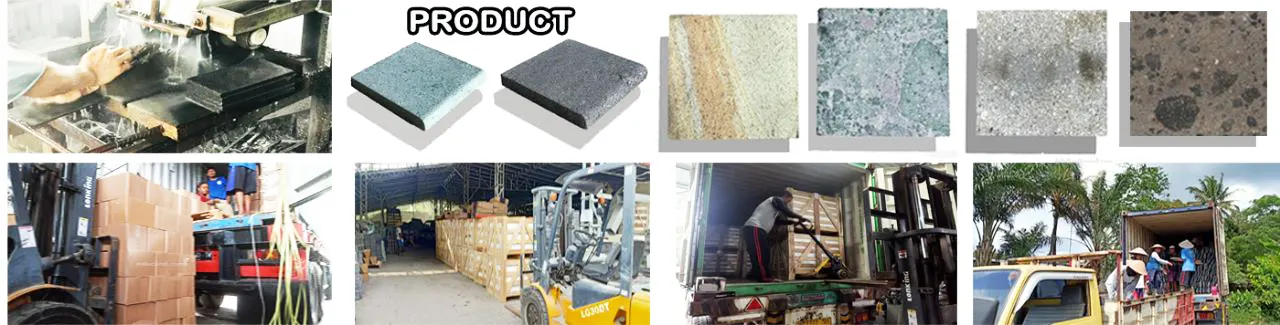
Watu Candi offers the most comprehensive range of Indonesian andesite stone products, sourced from premium quarries in Central Java, Yogyakarta, and East Java. Each product is crafted by skilled artisans using traditional techniques combined with modern precision machinery, ensuring consistent quality, accurate dimensions, and superior finishes. Explore our complete collections below:
Premium Andesite Paving and Flooring Collections
Our flagship paving and flooring collections showcase the finest Indonesian andesite, available in various sizes, thicknesses, and finishes to suit any application:
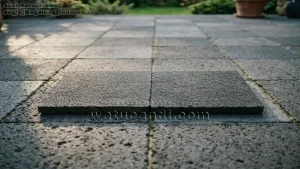
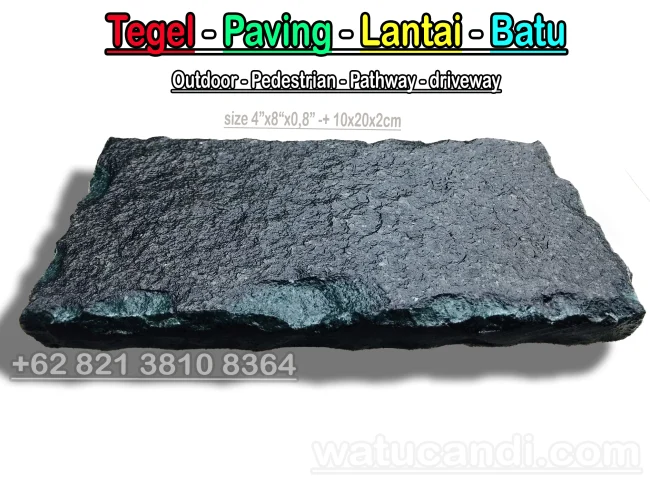
- Temple Stone Paving (Temple Stone Paving Floor): Classic andesite paving tiles in standard sizes (20x20cm, 30x30cm, 40x40cm) with various thicknesses (2cm, 3cm, 5cm). Perfect for driveways, pedestrian pathways, terraces, and carports. The most popular choice for residential and commercial projects.
- Merapi Natural Outdoor Flooring: Premium Mount Merapi andesite specifically selected for exterior applications. Features natural cleft surface for maximum slip resistance and authentic volcanic character.
- Andesite Stone Floor Tiles: Calibrated tiles with consistent thickness for interior and exterior flooring. Available honed, bush-hammered, or natural finish.
- Black Andesite Tiles (Black Stone Tiles): Deep charcoal-black andesite tiles for sophisticated modern designs. Premium grade with extraordinary color uniformity.
- Black Andesite Paving: Heavy-duty black andesite pavers in thicknesses up to 10cm for commercial and industrial applications requiring maximum load-bearing capacity.
- Natural Stone Tile Collection: Various sizes and formats of andesite tiles for creative installations and custom designs.
- Temple Lahar Stone Flooring: Andesite from lahar (volcanic mudflow) deposits with unique texture and character, ideal for rustic and traditional designs.
- Merapi Lahar Andesite Flooring: Premium andesite from Mount Merapi lahar deposits, combining extraordinary hardness with distinctive natural patterns.
- Temple Andesite Stone: Traditional temple-grade andesite, the same quality used in ancient Javanese temple construction.
- Black Lahar Andesite: Deep black andesite from volcanic lahar deposits with extraordinary density and uniform color.
Special Finishes and Textures for Andesite Stone
The surface finish of andesite stone dramatically affects appearance, slip resistance, and application suitability. We offer multiple finishing options:
- Tumbled Andesite Finish: Aged, antique appearance with rounded edges and softened surfaces. Creates a timeless old-world aesthetic perfect for heritage projects, traditional gardens, and rustic designs. The tumbling process also enhances slip resistance.
- Rough Surface Andesite: Natural cleft or split-face finish providing maximum slip resistance (R11 rating). Ideal for pool decks, wet areas, outdoor showers, and safety-critical applications.
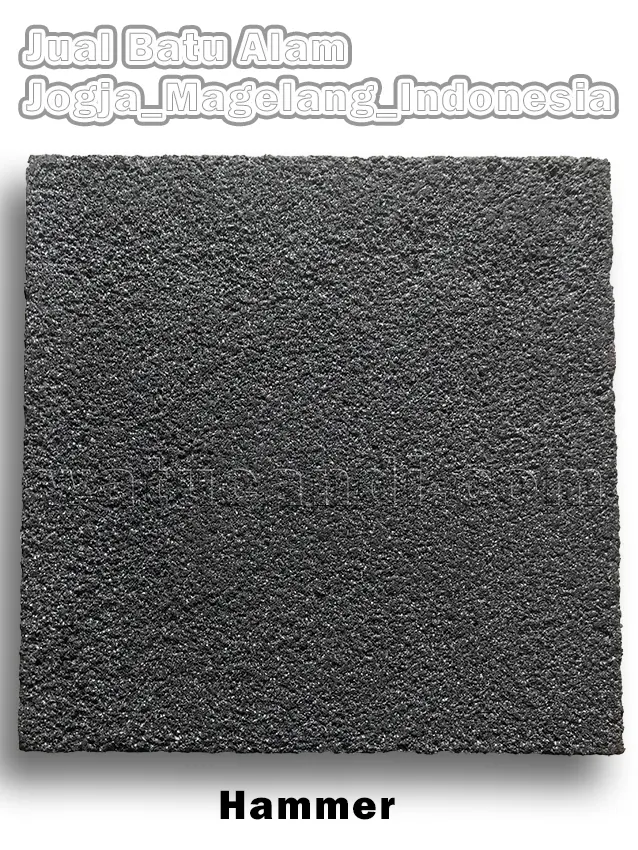
- Bush-Hammered Black Andesite: Uniform textured surface created by pneumatic bush hammers. Provides extraordinary grip with consistent appearance. Perfect for commercial projects requiring ADA compliance.
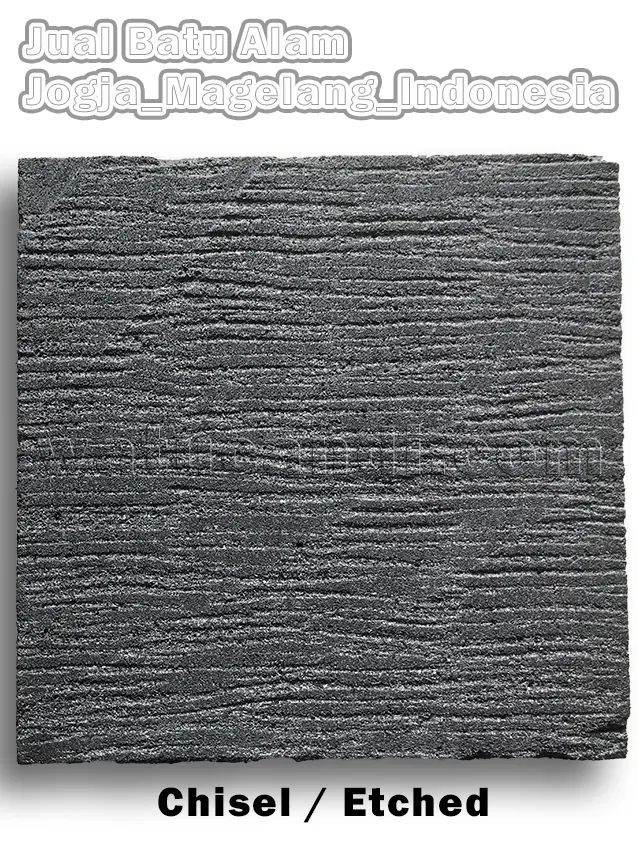
- Hand-Chiseled Andesite Paving: Crafted by artisans with traditional chisels for authentic handmade character. Each piece is unique, showcasing the skill of Indonesian stone craftsmen.
- Chiseled Stone Installation Patterns: Creative laying patterns and designs using chiseled andesite, including herringbone, basket weave, circular motifs, and custom layouts.
- Honed Andesite: Smooth matte finish for indoor applications where slip resistance is less critical. Showcases the natural crystalline structure of the stone.
- Flamed or Thermal Andesite: Surface treated with high-temperature torch to create rough texture. Excellent for outdoor applications requiring maximum durability and slip resistance.
- Sandblasted Andesite: Uniform textured surface created by high-pressure sand blasting. Consistent appearance with good slip resistance.
Decorative and Accent Andesite Stone Products
Beyond paving and flooring, andesite stone offers stunning decorative possibilities for feature walls, accent elements, and architectural details:
- 3D Mount Merapi Andesite: Three-dimensional andesite stone with dramatic relief and texture. Creates stunning feature walls, waterfall surrounds, and architectural focal points. Natural variations in depth and shadow add visual interest to any space.
- Lava Stone Exterior Design: Complete facade cladding solutions using andesite stone. Transform building exteriors with the timeless beauty and durability of natural Indonesian stone.
- Authentic Susun Sirih Andesite: Traditional Indonesian stacked stone arrangement technique. Creates beautiful accent walls, garden features, and cultural design elements that honor Javanese architectural heritage.
- Susun Sirih Slab Surface: Layered andesite slabs arranged in traditional susun sirih pattern. Perfect for feature walls, water features, and garden accents.
- Natural Rock Slabs: Large-format andesite slabs for dramatic impact in commercial lobbies, luxury residences, and public spaces. Each slab is unique, showcasing the natural beauty of the stone.
- Natural Stone Edging (Stone Edging): Precision-cut andesite edging for pedestrian pathways, gardens, pools, and landscape borders. Creates clean, professional transitions between different materials and areas.
- Hidden Crystals in Merapi Andesite: Special andesite specimens featuring natural mineral inclusions and crystal formations. Each piece is a unique work of natural art, perfect for decorative accents and collector items.
Premium Indonesian Stone Varieties (Beyond Andesite)
In addition to our flagship andesite collections, Watu Candi offers other premium Indonesian natural stones to complement your projects:
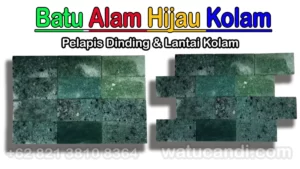
- Green Sukabumi Stone: Indonesia’s world-famous green stone, unique to West Java. Contains zeolite minerals that naturally purify water, making it the premier choice for swimming pools and spas. The distinctive green color creates stunning visual effects, especially when wet.
- Paras Palimanan Stone: Cream-colored limestone from Cirebon, West Java. Soft, carveable stone with warm, inviting tones. Traditional choice for Balinese and Javanese architecture, religious structures, and decorative elements.
- Breksi Natural Stone: Unique breccia stone with angular fragments cemented together, creating dramatic natural patterns. Each piece is one-of-a-kind, perfect for feature walls and artistic installations.
- Brown Sandstone: Warm-toned sedimentary stone with natural stratification. Creates inviting, earthy aesthetics for traditional and rustic designs.
- Batik Green Stone Yogyakarta: Special green stone from Yogyakarta featuring natural batik-like patterns. A truly unique Indonesian material that celebrates the country’s cultural heritage.
- Borobudur Temple Stone: Premium andesite matching the quality and appearance of stone used in the famous Borobudur Temple. Perfect for heritage restoration projects and traditional Javanese architecture.
Special Applications: Andesite Beyond Paving
The versatility of andesite stone extends far beyond paving and flooring. Our skilled craftsmen create stunning specialty products:
- Andesite Decking and Parquet: Wood-look andesite planks that combine the beauty of timber decking with the permanence of stone. Perfect for pool decks, outdoor dining areas, and garden pathways where wood would rot or require constant maintenance.
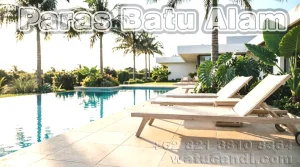
- Swimming Pool Andesite: Slip-resistant andesite specifically finished for pool copings, decks, and wet areas. Natural grip and durability make it safer and longer-lasting than alternatives.
- Merapi Andesite Basin 49x49cm: Hand-carved natural andesite sink basin. Each piece is unique, showcasing the skill of Indonesian stone artisans. Creates stunning focal points in luxury bathrooms and spas.
- Black Andesite Basin: Luxury bathroom vessel sink carved from solid black andesite. Deep color and natural texture create sophisticated, spa-like atmospheres.
- Handcrafted Andesite Bathtub: Spa-quality natural stone bathtub carved from solid andesite blocks. The ultimate luxury bathroom feature, combining ancient craftsmanship with modern comfort.
- Handcrafted Andesite Table and Chairs: Garden furniture carved from solid andesite. Weatherproof, vandal-resistant, and eternally beautiful. Perfect for parks, public spaces, luxury gardens, and commercial landscapes.
- Carved Andesite Vanity Table: Ornate stone vanity with traditional Indonesian motifs hand-carved into solid andesite. Combines functionality with artistic heritage.
- Natural Stone Furniture Collection: Complete range of andesite and other natural stone furnishings, including benches, tables, stools, planters, and decorative objects.
Technical and Industrial Andesite Applications
For specialized technical and industrial applications, we offer andesite products with specific properties:
- Alkali-Treated Andesite: Chemically treated andesite for specific industrial applications requiring enhanced chemical resistance or special surface properties.
- Andesite Standard Size 75x230mm: Modular andesite tiles in standardized dimensions for efficient installation and consistent appearance across large projects.
- Industrial Andesite Products: Complete range of andesite materials for industrial applications, including factory flooring, warehouse paving, and heavy-duty surfaces.
- Pelinggih Temple Stone Materials: Sacred andesite for Balinese temple construction and religious structures. Sourced and prepared according to traditional requirements.
Watch how authentic Indonesian andesite stone transforms outdoor spaces with natural beauty, extraordinary durability, and timeless elegance
Professional Installation Guide: How to Install Andesite Stone Paving
Proper installation is crucial for maximizing the longevity and performance of your andesite stone investment. Follow these professional installation guidelines based on international best practices:
Method 1: Flexible Installation (Pedestrian and Light Traffic Areas)
Best for garden pathways, terraces, pool decks, and residential areas with foot traffic only:
- Site Preparation: Excavate area to depth of 25 to 30 cm below finished level. Ensure proper slope (minimum 1 to 2%) for drainage away from buildings.
- Sub-base Layer: Compact 15 cm layer of crushed stone or gravel (grade 20 to 40mm) using plate compactor. Achieve 95% Standard Proctor density.
- Bedding Layer: Add 3 to 5 cm layer of coarse sharp sand or stone dust (grade 0 to 5mm). Level and screed to precise grade using guide rails.
- Andesite Installation: Lay andesite pavers with 3 to 5 mm joints. Use string lines to maintain straight alignment. Tap stones level with rubber mallet.
- Joint Filling: Fill joints with fine sand or stone dust. Sweep into joints and compact. Repeat until joints are completely filled.
- Final Compaction: Run plate compactor over surface (with protective pad) to settle stones and vibrate jointing sand into place.
- Sealing (Optional): After 28 days curing, apply penetrating stone sealer for enhanced stain resistance.
Method 2: Rigid Installation (Driveway and Vehicular Traffic)
Required for driveways, carports, parking areas, and any surface subject to vehicular traffic:
- Subgrade Preparation: Compact natural soil to 95% Standard Proctor density. Improve weak soils with geotextile reinforcement if needed.
- Base Layer: Install 20 to 25 cm compacted crushed stone base (grade 0 to 40mm) in 10 cm lifts. Each layer must achieve 98% density.
- Concrete Slab: Pour 10 to 15 cm reinforced concrete slab (minimum 30 MPa strength) with wire mesh reinforcement. Include control joints every 3 to 4 meters.
- Bonding Layer: Apply slurry bond coat (cement + sand + bonding agent) to concrete surface.
- Setting Bed: Install 2 to 3 cm layer of thin-set mortar or stone adhesive specifically formulated for natural stone.
- Andesite Installation: Butter back of each andesite paver with adhesive and lay into setting bed. Maintain 2 to 3 mm joints. Use leveling system for large formats.
- Joint Filling: After 48 hours curing, fill joints with epoxy grout or polymeric sand for vehicular areas. Regular cement grout acceptable for light traffic.
- Curing and Sealing: Allow minimum 7 days curing before light traffic, 28 days before full vehicular use. Apply penetrating sealer after full cure.
Critical Installation Tips for Andesite Stone
- Acclimatization: Allow andesite stones to acclimatize to site conditions for 24 to 48 hours before installation
- Batch Mixing: Blend stones from multiple crates during installation to ensure natural color variation is distributed evenly
- Expansion Joints: Include expansion joints at regular intervals (every 6 to 8 meters) and at all fixed objects (columns, walls, drains)
- Drainage: Never install andesite over impermeable surfaces without proper drainage. Water must be able to escape
- Weather Conditions: Avoid installation in freezing temperatures, heavy rain, or extreme heat (above 35°C)
- Professional Installation: For complex patterns and large projects, consult our stone installation patterns guide or hire experienced natural stone installers
Maintenance Guide for Andesite Stone
One of the greatest advantages of andesite stone is its minimal maintenance requirements. Follow these guidelines to keep your andesite looking beautiful for generations:
Daily and Weekly Maintenance
- Sweep or blow debris regularly to prevent dirt accumulation
- Rinse with clean water as needed to remove surface dirt
- Remove leaves, organic matter, and standing water promptly
- Use doormats at entrances to reduce dirt tracking onto stone
Periodic Deep Cleaning
- Wash with pH-neutral stone cleaner diluted according to manufacturer instructions
- Use soft brush or mop, never wire brushes or abrasive pads
- Rinse thoroughly with clean water after cleaning
- For stubborn stains, use specialized natural stone stain remover
- Never use muriatic acid, vinegar, bleach, or harsh chemicals on andesite
Sealing and Protection
- Apply penetrating stone sealer every 2 to 3 years (or as needed based on traffic and exposure)
- Test sealer effectiveness by dropping water on surface. If it beads, sealer is working
- Use only breathable, penetrating sealers designed for natural stone
- Avoid film-forming sealers that can trap moisture and cause spalling
- Our tumbled finish andesite may require less frequent sealing due to aged surface characteristics
Stain Removal Guide
- Oil or Grease: Apply poultice of baking soda and water, cover with plastic, leave 24 to 48 hours
- Organic Stains (leaves, berries): Use 12% hydrogen peroxide with a few drops of ammonia
- Rust Stains: Use commercial rust remover formulated for natural stone (test in inconspicuous area first)
- Efflorescence: Dry brush to remove powdery deposits; use specialized efflorescence remover if persistent
- Biological Growth: Use biocide cleaner specifically designed for natural stone; improve drainage and sunlight exposure
Frequently Asked Questions (FAQ) About Andesite Stone
Here are answers to the most common questions about Indonesian andesite stone:
What exactly is andesite stone and how is it different from lava stone?
Andesite is a hard, dense, compact volcanic rock with intermediate silica content (57 to 63%). It forms from rapidly cooled volcanic magma and has minimal gas bubbles, resulting in extraordinary hardness (Mohs 6 to 7) and density (2.6 to 2.8 g/cm³). In comparison, “lava stone” or scoria is highly vesicular (full of gas bubbles), lightweight (0.7 to 1.4 g/cm³), and much softer (Mohs 4 to 5). Andesite is the premium choice for structural applications, paving, and flooring where strength and durability are critical. Our Indonesian andesite represents the highest quality available globally.
How long does andesite stone paving last?
With proper installation and minimal maintenance, andesite stone paving lasts 100+ years, often outlasting the buildings surrounding it. Roman roads built with similar hard volcanic stone over 2,000 years ago are still in use today. Indonesian temples constructed from andesite 1,200+ years ago (like Borobudur and Prambanan) remain standing as proof of the material’s extraordinary longevity. When you invest in andesite stone paving, you are making a generational investment.
Is andesite stone slippery when wet?
Natural andesite with textured finishes achieves excellent slip resistance ratings (R10 to R11 DIN 51130). Rough surface andesite and bush-hammered finishes provide superior grip even when wet, making them ideal for pool areas, outdoor showers, and wet climates. However, polished andesite can become slippery when wet and should be avoided for outdoor or wet area applications.
Can andesite stone be used for driveways with heavy vehicles?
Absolutely. With compressive strength of 1,800 to 2,500 kg/cm², andesite exceeds requirements for residential and commercial driveways. Our thick andesite pavers (5cm, 8cm, 10cm) handle regular car, SUV, and light truck traffic without cracking. For heavy industrial applications with trucks and equipment, specify minimum 8 to 10cm thickness with rigid (concrete base) installation method.
Does andesite stone fade or change color over time?
No. Andesite’s color comes from its mineral composition, not surface coatings or dyes. The stone will not fade from UV exposure, weather, or normal wear. Some customers report that andesite actually becomes more beautiful over time, developing a subtle patina that enhances its natural character. Unlike concrete pavers that fade and concrete that discolors, black andesite maintains its deep, rich color indefinitely.
How do I maintain andesite stone flooring?
Maintenance is remarkably simple: sweep regularly, wash with water and pH-neutral soap as needed, avoid harsh chemicals, and apply penetrating sealer every 2 to 3 years. That is it. Our tumbled finish andesite is particularly low-maintenance, as the aged texture beautifully hides minor marks. No special cleaners, waxes, or polishing compounds are required.
Is Indonesian andesite suitable for cold climates with freezing temperatures?
Yes. Indonesian andesite has excellent freeze-thaw resistance (tested per ASTM C666) due to its low porosity (0.5 to 1.5% water absorption). When properly installed with adequate drainage, andesite performs brilliantly in cold climates including Canada, Northern Europe, Russia, and mountainous regions. The key is proper installation. Never trap water beneath or within the stone.
What sizes and thicknesses are available for andesite stone?
We offer extensive size and thickness options:
- Standard Sizes: 10x10cm, 15x15cm, 20x20cm, 30x30cm, 40x40cm, 30x60cm.
- Thickness Options: 1cm (veneer), 2cm (wall cladding), 3cm (light flooring), 4cm (standard paving), 5cm (driveway), 8cm (heavy traffic), 10cm (industrial)
- Custom Sizes: We can produce custom dimensions for large projects (minimum order quantities apply)
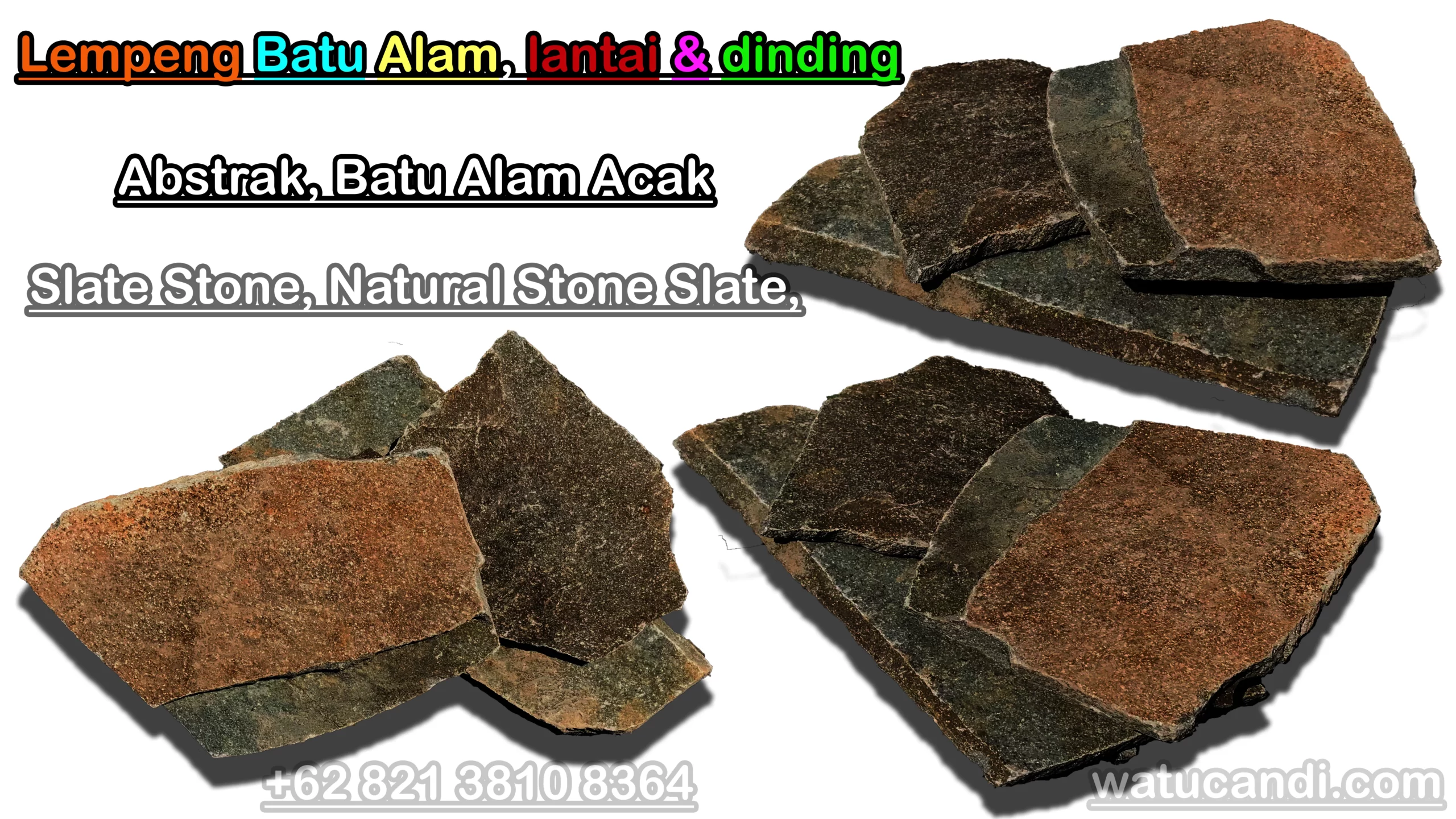
- Irregular or Crazy Paving: Natural irregular shapes for rustic pathways and garden features
Do you ship internationally? What are the shipping options?
Yes! Watu Candi exports premium Indonesian andesite stone worldwide. We have supplied projects in Asia, Europe, North America, Middle East, Australia, and Africa. Shipping options include:
- Full Container Load (FCL): 20ft containers for large projects, 40ft containers specially available.
- Less than Container Load (LCL): Consolidated shipping for smaller orders
- Air Freight: For urgent samples or small quantities
- FOB/CIF/DDP Terms: Flexible Incoterms to suit your requirements
Contact us for detailed shipping quotes and lead times to your specific location.
How does andesite compare in cost to other natural stones and paving materials?
Indonesian andesite offers extraordinary value when considering total lifecycle cost:
- Initial Cost: Higher than concrete pavers, comparable to mid-range granite, lower than premium marble or imported stone
- Lifecycle Cost: Significantly lower than alternatives due to 100+ year lifespan (vs 25 to 50 years for concrete)
- Maintenance Cost: Minimal, no regular sealing, polishing, or replacement needed
- Property Value: Increases property value by 5 to 15% compared to artificial materials
When you factor in longevity, maintenance, and property value enhancement, andesite is one of the most cost-effective premium materials available.
Can I get samples before placing a large order?
Absolutely! We encourage all customers to request samples before committing to large orders. Sample policies:
- Small samples (10x10cm) provided free of charge
- Customers pay shipping costs for samples
- Sample costs refunded against first order over $1,000
- Express shipping available for urgent requirements
Request your free samples today to experience the quality of Indonesian andesite firsthand.
Is andesite stone environmentally friendly and sustainable?
Yes, Indonesian andesite is one of the most environmentally responsible building materials available:
- 100% natural material with no synthetic additives
- Minimal processing energy (mechanical cutting only, no kiln firing)
- Low carbon footprint compared to concrete, ceramic, or porcelain
- Responsible quarrying with land rehabilitation programs
- Infinitely recyclable and reusable
- Contributes to LEED green building certification credits
- 100+ year lifespan reduces replacement frequency and waste
Global Applications: Where Indonesian Andesite Stone Is Used
Indonesian andesite stone is specified by architects, designers, and contractors worldwide for the most prestigious projects. Here are some of the most common applications:
Residential Projects
- Luxury villa driveways and motor courts
- Private garden pathways and stepping stones
- Pool decks and pool copings
- Terrace and patio flooring
- Carport and garage flooring
- Outdoor kitchen and BBQ areas
- Bathroom flooring and feature walls
- Kitchen countertops and backsplashes
- Fireplace surrounds and hearths
Commercial and Hospitality Projects
- Luxury resort lobbies and common areas
- Hotel pool decks and spa areas
- Restaurant patios and outdoor dining
- Retail store flooring and facades
- Office building plazas and entrances
- Shopping mall common areas
- Convention center flooring
- Parking structures and valet areas
Public and Institutional Projects
- Municipal plazas and pedestrian malls
- Park pathways and public gardens
- Museum and gallery flooring
- University campuses and quadrangles
- Hospital and healthcare facility exteriors
- Government building plazas
- Memorial and monument sites
- Religious structures and temple grounds
Landscape Architecture
- Garden pathways and walkways
- Retaining walls and terracing
- Water features and fountains
- Outdoor seating and benches
- Planters and garden edging
- Stepping stones and bridge surfaces
- Zen gardens and meditation spaces
- Rooftop gardens and terraces
Why Choose Watu Candi as Your Andesite Stone Supplier?
With decades of experience in mining, manufacturing, and exporting Indonesian natural stone, Watu Candi has earned global recognition as a trusted supplier of premium andesite stone. Here is why architects, contractors, and homeowners worldwide choose us:
Direct Quarry Access and Vertical Integration
We control our supply chain from quarry to delivery, ensuring consistent quality, competitive pricing, and reliable lead times. Our direct access to premium andesite quarries in Central Java, Yogyakarta, and East Java means we can source the finest material and pass the savings to our customers.
Rigorous Quality Control
Every batch of andesite stone undergoes comprehensive quality control testing:
- Dimensional accuracy verification (tolerance ±2mm export quality _ not including thickness / calibration)
- Visual inspection for color consistency and defects (natural color of similar rock types)
- Compressive strength testing
- Water absorption testing
- Flexural strength verification
Skilled Artisan Craftsmanship
Our stone craftsmen represent generations of expertise in natural stone working. From traditional hand-carved carving to the integration of modern machining, we combine time-honored techniques with cutting-edge technology to produce products with extraordinary quality and beauty.
Global Export Experience
With successful projects in more than 50 countries across six continents, we understand international logistics, documentation, customs requirements, and cultural preferences. Our export team ensures smooth delivery from our Java factory to your project site anywhere in the world.
Custom Manufacturing Capability
Beyond standard products, we offer extensive custom manufacturing capabilities:
- Custom sizes and dimensions
- Special finishes and textures
- Carved elements and ornamental pieces
- Custom cutting for complex patterns
- Matching existing stone for renovation projects (existing natural stone types)
Technical Support and Consultation
Our technical team provides comprehensive support throughout your project:
- Material selection guidance
- Installation specifications and recommendations
- Maintenance protocols and product recommendations
- On-site technical consultation (for large projects)
- After-sales support and warranty service
Get Your Free Quote and Consultation Today
Ready to transform your project with premium Indonesian andesite stone? Whether you need outdoor flooring, stone decking, stone furniture, custom architectural elements, or bulk materials for large-scale development, our team is ready to provide expert guidance and competitive pricing.
📧 Email: [email protected]
📱 WhatsApp: +62 821-3810-8364 (text messages only)
🌐 Website: watucandi.com
📍 Location: Yogyakarta – Magelang, Central Java, Indonesia
Request your free consultation and discover why architects, designers, contractors, and homeowners worldwide choose Watu Candi Indonesian andesite stone for their most prestigious projects. We provide free samples, detailed quotations, technical specifications, and installation guidance to ensure your project’s success.
Related Articles and Resources
- Lava Stone Exterior Design Ideas and Inspiration
- Complete Merapi Lahar Temple Stone Flooring Guide
- Complete Andesite Stone Floor Installation Guide
- Borobudur Temple Stone: History, Properties and Applications
- Natural Stone Furniture: Care, Maintenance and Design Ideas
- Green Sukabumi Stone: The Ultimate Pool Stone Guide
- Black Andesite Stone: Properties, Uses and Benefits
- Tumbled Stone Finish: Achieving Antique Aesthetics
- Swimming Pool Stone: Safety, Durability and Design
- Creative Stone Paving Patterns and Installation Designs
Tags: batu andesit, andesite stone, Indonesian andesite, paving batu alam, tegel batu keras, lantai batu vulkanik, batu alam padat, paver andesit, andesit hitam, batu candi, batu alam Indonesia, lantai batu outdoor, paving driveway, batu deck kolam, batu tahan slip, supplier andesit, ekspor batu alam, Watu Candi, produsen batu Indonesia, paving batu vulkanik,