Introduction: The Natural Beauty of Marble Stone Sinks with Rough Surfaces – A Complete Guide to Choosing, Placing, and Caring for Marble Sinks for Luxury Homes
In the world of contemporary interior design, the bathroom has undergone a remarkable transformation from a purely functional space into a personal oasis that reflects taste, style, and an appreciation for beauty. Among the various elements that contribute to this transformation, the rough surface marble stone sink stands as one of the most captivating and character-rich choices. Such a sink is not merely a sanitary fixture; it is a functional work of art that brings into your home a piece of the earth’s geological history, carved and shaped by skilled hands into an object that not only serves practical needs but also makes a powerful aesthetic statement.
Marble is one of the popular materials used for sink craftsmanship, due to its durability and natural beauty. The popularity of marble in sink making is not a new phenomenon. For centuries, from ancient Roman baths to Renaissance palaces, marble has been the material of choice for creating spaces that exude luxury, timelessness, and elegance. However, what makes rough surface marble sinks so special in the modern era is their ability to bridge the gap between classic luxury and a more organic and grounded contemporary aesthetic. The rough surface of a marble sink offers a unique tactile experience, inviting touch, and creating an appealing contrast with other smooth surfaces in a modern bathroom.
There are many different marble craftsmanship techniques that can be used to create a unique and functional sink. From sinks carved entirely from a single block of marble to sinks formed from several pieces joined with precision, the design possibilities are almost limitless. Each crafting technique produces a different visual character and texture, allowing you to choose a sink that truly fits your design vision. This article will take you on an in-depth journey to understand every aspect of rough surface marble stone sinks, from material characteristics and placement ideas to proper care to ensure your investment remains beautiful for years to come.
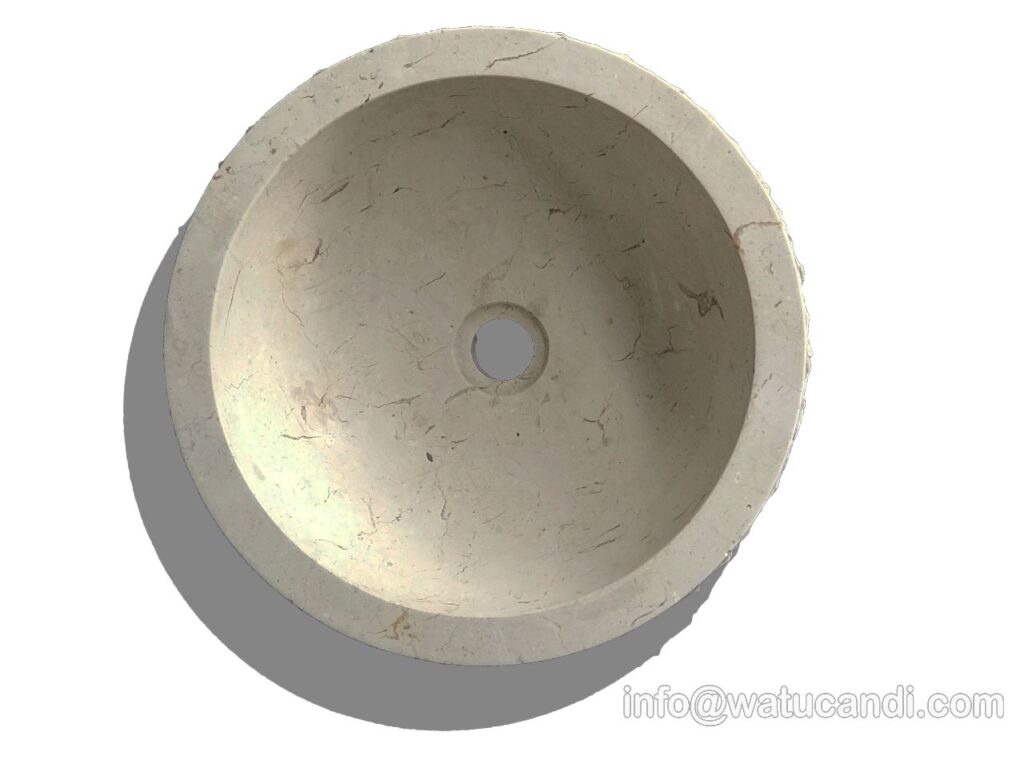
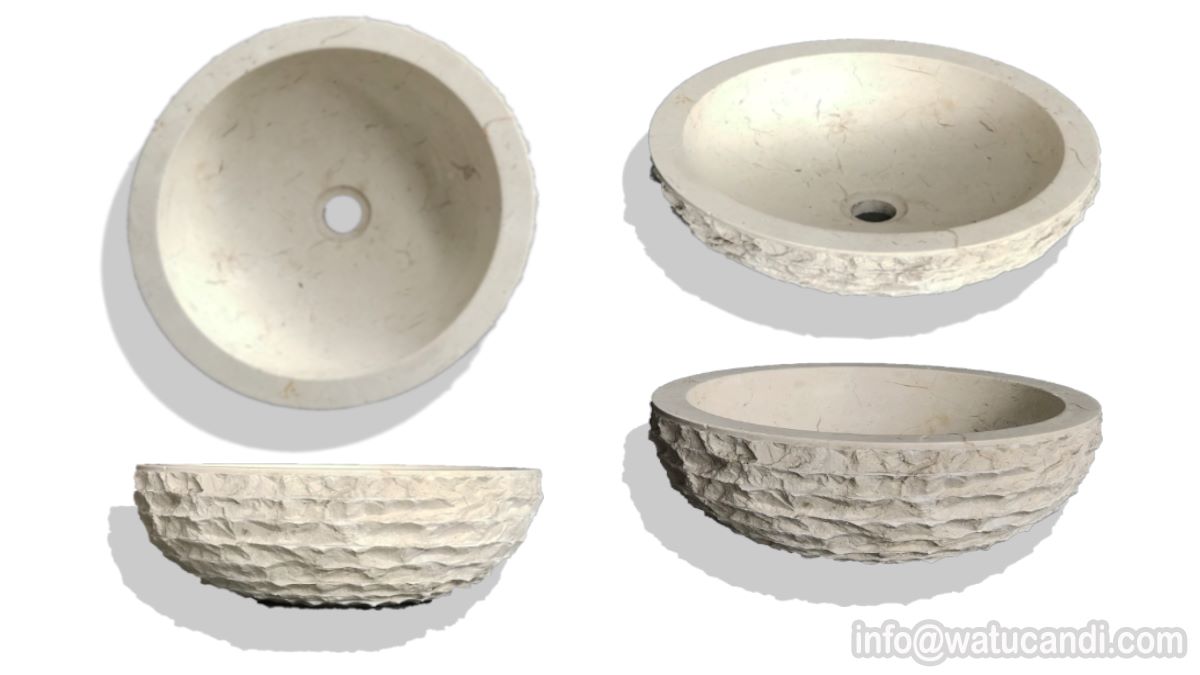
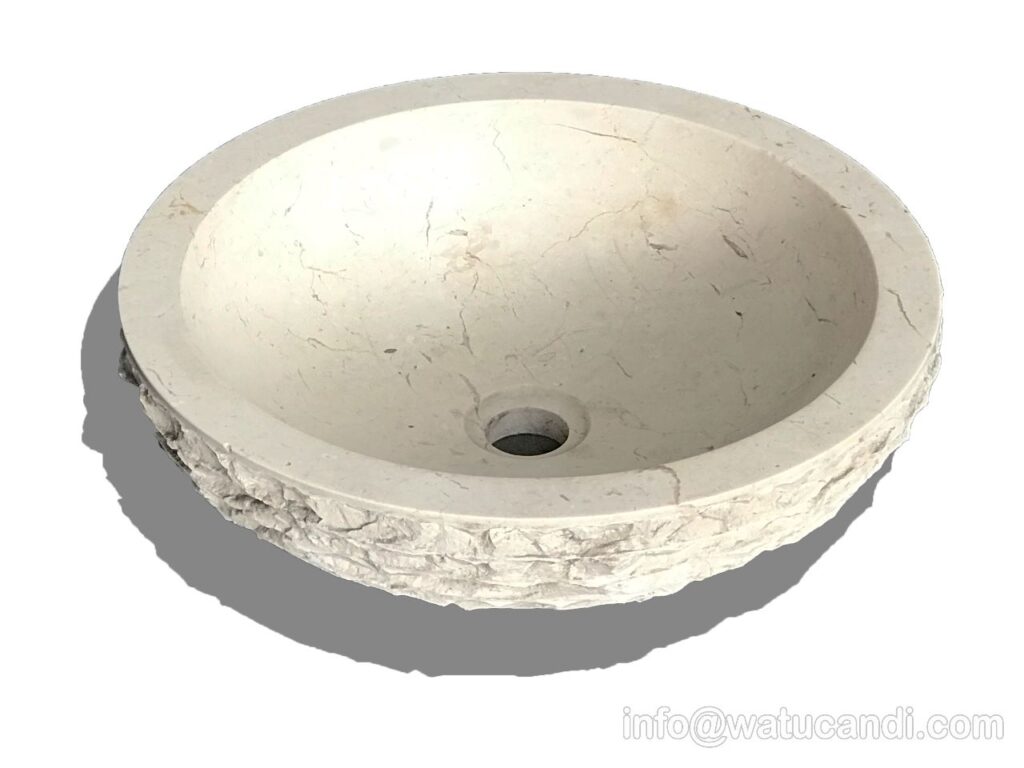
A marble sink with a rough surface and round shape is a beautiful and unique addition as a decorative craft material in any space. The round shape of a marble sink has a universal appeal that transcends temporary design trends. This organic shape creates a sense of harmony and visual balance, while its rough surface adds a rich dimension of texture. This combination results in a sink that feels natural and earthy, yet still exudes undeniable luxury. The round shape also has practical advantages, as it has no sharp corners that can make cleaning difficult or potentially cause injury, making it a safe and comfortable choice for everyday use.
The color of marble can vary depending on the specific type of marble used, but based on the existing description, this sink appears to be white or light gray marble with a slight yellowish tinge. This color variation is one of the most captivating aspects of natural stone. Unlike man-made materials whose colors are uniform and predictable, each marble slab has a unique color palette, shaped by the specific geological conditions in which it was formed. The yellowish tinge you see may come from iron mineral content that oxidized during the metamorphosis process, adding a subtle warmth to the cool white or gray base. This is what makes each marble sink truly unique; no two sinks will ever be exactly alike, even if they are made from the same block of marble.
Marble is a natural stone, so the color and texture can certainly vary from one piece to another. This variability is not a flaw, but rather is the essence of the beauty of natural stone. Every vein, every color variation, every small mineral inclusion tells a story of a geological journey that took place over millions of years. These patterns are nature’s “fingerprints,” ensuring that your marble sink is a work of art that cannot be replicated. For those who appreciate uniqueness and character, this variability is a significant added value. However, it is important to be aware of this before buying, as the sink you receive may have slightly different color nuances and patterns from what you see in a photo or sample.
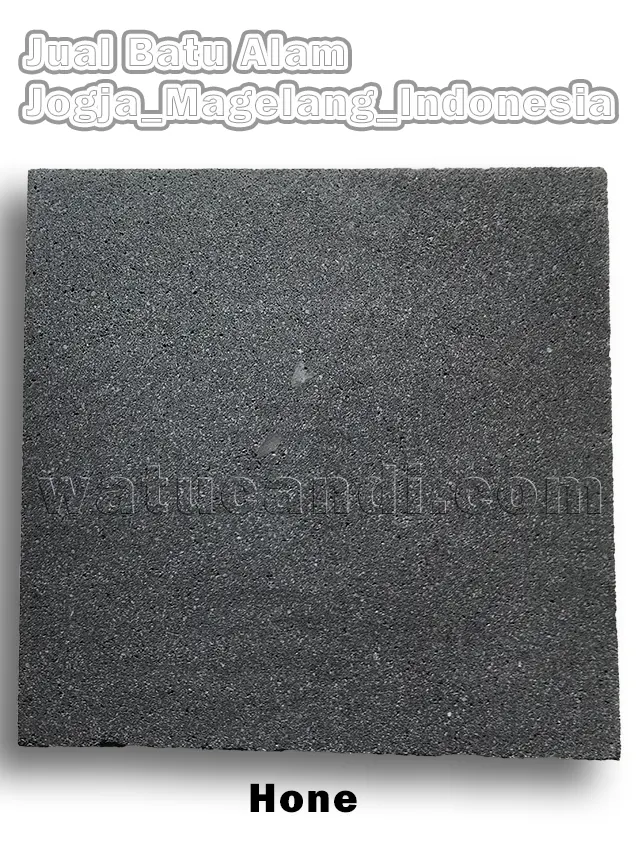
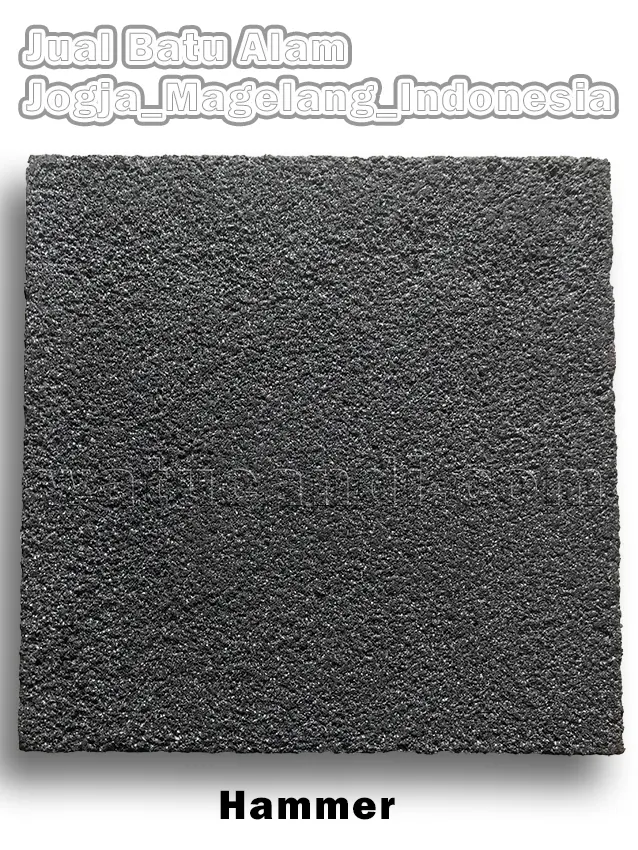
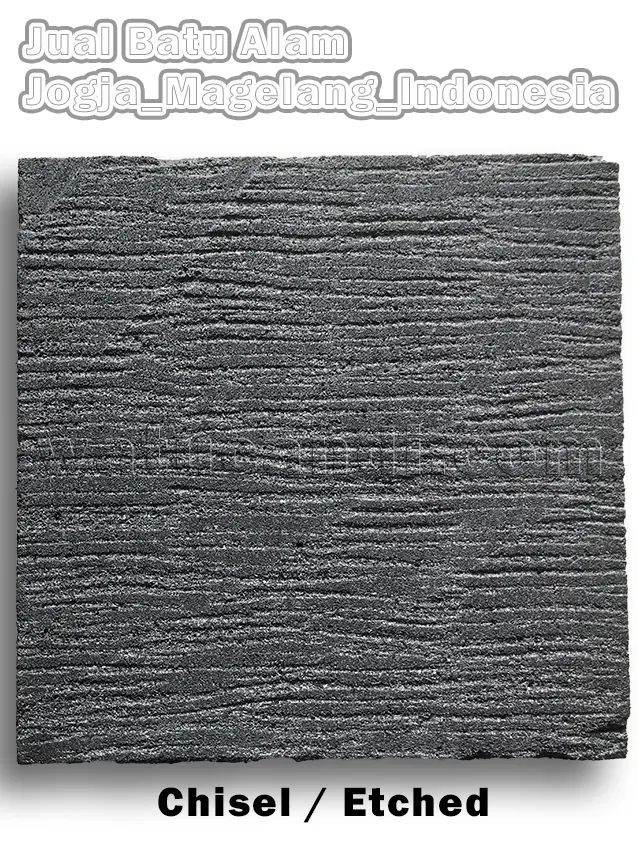
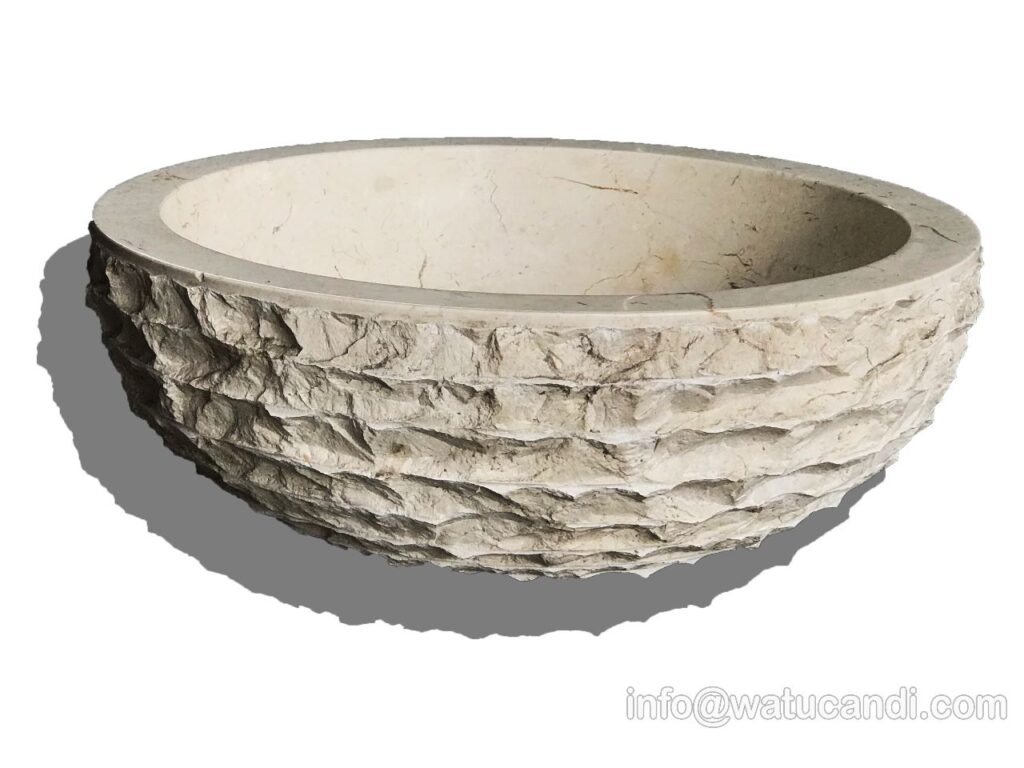
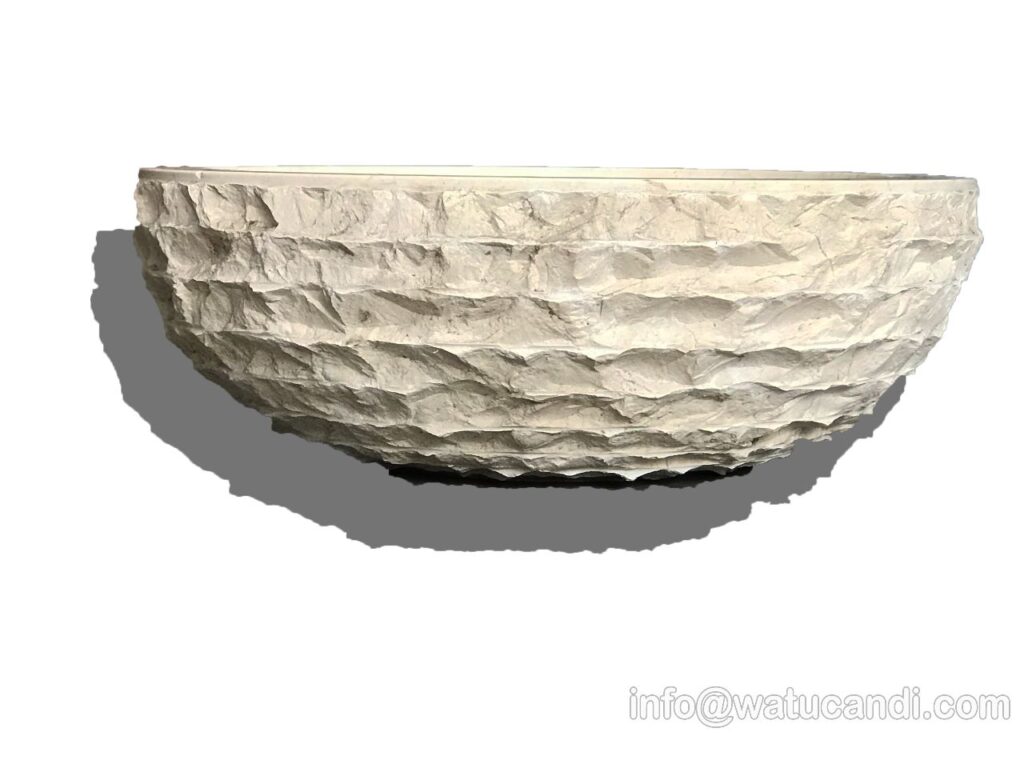
The rough surface of a marble sink can provide a rougher, more natural stone face appearance, while still maintaining a sleek and modern look. This is the paradox that makes rough surface marble sinks so appealing. The roughness of the surface evokes the impression of stone just taken from nature, raw and untouched. Yet, its carefully designed shape and balanced proportions ensure that it still looks contemporary and sophisticated. The contrast between the rough texture and the modern shape creates a dynamic visual tension, making the sink an attractive focal point in the bathroom design. The rough surface also has a practical advantage; it is more forgiving of water spots and fingerprints compared to a highly polished surface, making it a more practical choice for everyday use.
If you are interested in buying a marble sink with these specifications, you might want to look for bathroom fixture stores or online retailers that specialize in high-quality marble products. In recent years, the availability of premium natural stone sinks has increased significantly, driven by ever-growing demand from homeowners and designers seeking authentic materials. When shopping, it is important to buy from a reputable supplier who can provide detailed information about the origin of the stone, the manufacturing process, and care instructions. A quality supplier will be happy to answer your questions and provide samples or detailed photos of the actual product. Buying directly from artisans, such as through platforms like watucandi.com, often offers the advantages of a more personal product, more guaranteed quality, and better after-sales service.
It is important to remember that marble is a porous material, so proper care and sealing are necessary to keep it looking its best for years to come. The porosity of marble is a double-edged sword. On one hand, these pores are what give it character and allow for the rough surface that is so highly valued. On the other hand, these pores can also be entry points for water, oil, and other substances that can cause stains or damage if not handled properly. However, do not let this deter you. With a simple and consistent care routine, which we will discuss in depth later in this article, your marble sink can remain beautiful and functional for decades. A small investment in care will pay off in the form of timeless beauty that only natural stone can provide.
Marble Sink Placement Ideas: Maximizing Beauty and Function in Various Design Styles
A marble sink is a beautiful and unique addition to any room. Its strong presence and natural aesthetic allow this sink to be the center of attention in various design schemes, from the most traditional to the most avant-garde. However, the beauty of a marble sink lies not only in its material, but also in how it is placed and integrated into the overall room design. The choice of sink style, the installation method, and how it interacts with the elements around it are just as important as the quality of the stone itself.
Skilled artisans can carve intricate designs and patterns into marble, creating a one-of-a-kind sink that will be the focal point of the room. The ability to carve marble into complex shapes and designs is one of the most impressive aspects of stone craftsmanship. Using a variety of tools, from traditional chisels to modern CNC machines, artisans can create anything from precise geometric patterns to free-flowing organic motifs. A sink adorned with intricate carvings is no longer just a functional fixture; it rises to the level of art, becoming an heirloom to be treasured for generations. If you are looking for something truly unique, consider commissioning a custom-made marble sink with carvings that reflect your personal taste or cultural heritage.
A vessel sink sits on top of a counter or vanity and can be made from various materials, including marble. The vessel sink is one of the most popular choices for marble sinks, and for good reason. By sitting on top of the vanity surface, the vessel sink becomes an immediately visible visual focal point. This allows the sink to be appreciated as a standalone art object, not just a hidden fixture. A rough surface marble vessel sink is highly effective in this application, as its texture creates an appealing contrast with the usually smooth vanity surface. The round shape of a vessel sink also adds an element of softness and organic feel to the firm lines of a modern vanity.
A marble sink can be polished to a high gloss, creating a stunning focal point in a room. Although the focus of this article is on sinks with a rough surface, it is important to understand the full spectrum of finishes available for marble. A polished surface offers a mirror-like shine that reflects light and creates a sense of classic luxury. A honed surface offers a soft, more contemporary matte look. And a rough surface, as we are discussing, offers a raw, organic texture. The choice between the three depends on your personal aesthetic preference and the overall style of your bathroom. Some designers even mix finishes in one room, using a polished surface for the vanity and a rough surface for the sink, creating a rich interplay of textures.
An undermount sink is installed under the counter, creating a seamless look. For bathroom designs that prioritize clean lines and a minimalist aesthetic, a marble undermount sink is an excellent choice. By being mounted under the vanity surface, the sink has no visible lip or rim, creating a seamless transition between the counter and the sink basin. This not only creates a very clean and contemporary look but also makes cleaning very easy, as there are no crevices or edges where dirt can accumulate. A marble undermount sink is a great choice for those who want the natural beauty of marble without the high maintenance demands of a more exposed vessel sink.
A marble undermount sink is a great choice for those who want the natural beauty of marble without the high sink maintenance. Because the undermount sink is protected under the vanity, its exterior is less exposed to splashes of water, soap, and personal care products compared to a vessel sink. This means that its outer surface, which may have a more sensitive finish, will be more protected from potential stains or damage. However, the inside of the sink, which receives most of the use, must still be properly cared for. The advantage of an undermount sink is that you can enjoy the beauty of marble on the inside of the sink that is seen every day, while its more vulnerable exterior is safely hidden under the vanity.
A marble pedestal sink is a classic choice that adds elegance to any bathroom. The pedestal sink, consisting of a sink basin supported by a column or pedestal, has a long history in bathroom design. This style evokes an era of classic luxury, and when made from marble, the effect is truly stunning. The sink sits on top of the pedestal, which can be carved or left plain for a more minimalist look. A pedestal carved with intricate details can be a work of art in itself, turning your sink into a truly magnificent focal point. For a more contemporary look, a pedestal with clean, simple lines lets the natural beauty of the marble speak for itself. A pedestal sink is perfect for a guest bathroom or master bathroom where you want to create a sense of timeless, classic luxury.
For those who want a truly unique sink, a custom marble sink is the perfect choice. This is the pinnacle of personalization in bathroom design. With a custom marble sink, you are not limited by existing catalogs or trends. You can work directly with skilled artisans to create a sink that fully matches your vision. Skilled artisans can create a sink to your specifications, incorporating any design elements or features you desire. Whether you imagine a sink with an unusual organic shape, carvings that tell a personal story, or precise dimensions to fill a unique space, a custom sink is the answer. The process of creating a custom sink is a collaboration between you and the artisan, and the result is a piece that not only functions perfectly but also has deep personal meaning.
Marble Stone Sink Care Tips: A Complete Guide to Ensure Timeless Beauty
Marble stone sinks are indeed beautiful and elegant, but they require proper care to ensure longevity and aesthetic appeal. Marble is an investment in long-term beauty, and like all valuable investments, it requires proper attention and care to maintain its value. The good news is that caring for a marble sink is not as complicated as you might imagine. By understanding the characteristics of the material and following a simple yet consistent care routine, you can enjoy the beauty of your marble sink for many years, even decades. Let’s explore the essential steps in caring for your marble sink.
Here are some tips for caring for your marble stone sink:
Clean regularly: This is the most basic yet most important care step. Clean the sink after use with a soft cloth or sponge to remove any dirt or dust. Regular cleaning prevents the buildup of soap residue, toothpaste, and minerals from water that, over time, can erode the marble surface or leave difficult-to-remove stains. For daily cleaning, simply rinse the sink with clean water and wipe it with a soft microfiber cloth. This will remove most surface dirt and prevent water spots from forming. Avoid using harsh cleaning products that can damage the marble surface. Many household cleaners contain acids, bleach, or abrasive materials that can permanently scratch, etch, or discolor marble.
Avoid acidic cleaners: This is the non-negotiable golden rule in marble care. Do not use acidic cleaners or harsh chemicals on your marble sink as they can scratch the marble surface and cause damage. Marble is primarily composed of calcium carbonate, which reacts chemically with acids. Even weak acids, such as those found in vinegar, lemon juice, or some household cleaners, can dissolve the marble surface in a process called etching. Etching leaves a dull or rough mark on the surface that cannot be removed without professional sanding. Instead, use a pH-neutral cleaner specifically designed for marble. These cleaners are formulated to clean effectively without damaging the stone structure. If you are unsure about a product, test it on a small, inconspicuous area first, or better yet, consult your marble supplier.
Seal the sink: Marble is porous and easily stained, so it is important to coat the sink with a stone sealer to prevent stains. A sealer is a transparent protective layer that penetrates into the microscopic pores of the marble, creating a barrier that repels water, oil, and other substances that can cause stains. The sealer does not form a film on top of the surface; instead, it works from within, filling the spaces between the mineral particles. This means that the texture and natural appearance of your marble are not changed, but its protection against stains is significantly improved. Apply the sealer according to the manufacturer’s instructions and reapply it regularly. The frequency of reapplication depends on the type of sealer, the porosity of your marble, and how often the sink is used, but as a general guideline, reapply every six to twelve months.
Prevent scratches: Although marble is a fairly hard stone, its surface can still be scratched by harder materials or by harsh cleaning. Avoid using abrasive cleaning tools such as steel wool or abrasive sponges, which can scratch the marble surface. Steel wool, in particular, is very dangerous because the tiny iron particles left behind can rust and leave difficult-to-remove rust stains on the marble. Instead, use a soft sponge or cloth to clean the sink. Microfiber cloths are an excellent choice because they are soft enough not to scratch, yet effective enough to lift dirt and residue. Also, be careful with objects you place in or around the sink. Avoid dropping heavy glass bottles or other sharp objects into the sink, as they can cause scratches or even cracks.
Clean spills immediately: Time is the biggest enemy in preventing stains on marble. If you spill something in the sink, clean it up immediately with a soft cloth to prevent staining or damage. The longer a substance, especially one that is acidic or colored, sits on the marble surface, the more likely it is to seep into the pores and cause a permanent stain. This includes seemingly harmless spills like water, which if left to pool can leave mineral deposits. Treat every spill as a small emergency requiring immediate action. Keep a clean microfiber cloth near your sink so you are always ready to clean up spills quickly.
Avoid hot objects: Marble is a good conductor of heat, which means it can absorb and transfer heat quickly. Do not place hot objects directly on the sink as this can damage the marble surface. Sudden temperature changes, called thermal shock, can cause marble to crack or break. This is especially true for sinks with a rough surface, where surface irregularities can create stress points that are more susceptible to heat damage. Hot curling irons, straighteners, or even very hot water poured directly into a cold sink can cause damage. Always use a protective mat or let hot objects cool down before placing them on or near your marble sink.
Avoid contact with chemicals: Marble is sensitive to various chemicals commonly found in the bathroom. Avoid exposing the sink to any chemicals such as bleach, ammonia, or acidic substances, which can damage the marble. This includes products you might not expect, such as toilet cleaners, hair bleach, nail polish, nail polish remover, and even some types of cosmetics. If these products spill in the sink, clean them up immediately with plenty of water and dry it. Never use bleach or ammonia to clean your marble sink, as they can cause permanent discoloration and structural damage. Always read the labels of cleaning products before using them, and if in doubt, opt for water and a mild, pH-neutral soap.
By following these tips, you can ensure your marble sink remains beautiful and functional for years to come. Caring for a marble sink is not a burden, but rather a small ritual that connects you to the history and beauty of a natural material that has existed for millions of years. Each time you clean and care for your sink, you contribute to preserving beauty that will continue to be enjoyed by future generations. Remember that marble, like all natural stone, will develop a patina over time. This is a natural change in the surface appearance that occurs due to use and exposure to the elements. This patina is not damage; it is character, proof of a life well-lived and beauty appreciated.
Conclusion: An Investment in Beauty, Uniqueness, and Timelessness
A rough surface marble stone sink is more than just a bathroom fixture. It is a statement about an appreciation for natural beauty, a commitment to quality and uniqueness, and an investment in timelessness. In a world increasingly dominated by identical, fast-disposable mass-produced products, choosing a marble sink is a meaningful act, a conscious choice to surround ourselves with objects that have character, story, and durability. Every time you wash your hands or splash your face, you interact with a piece of geological history that has undergone an extraordinarily long journey, from the bowels of the earth to your bathroom, shaped by the forces of nature and perfected by human skill.
From the natural beauty of marble with its unique veins to the tactile luxury of the rough surface, from the design flexibility that allows for various placement styles to the importance of proper care to ensure longevity, a marble sink offers a combination of aesthetics, function, and value that is hard to match with other materials. Whether you choose a dramatic vessel sink, a seamless undermount sink, a classic pedestal sink, or a completely unique custom sink, you are bringing home a functional work of art that will be a center of attention and a source of pride for years to come.
We invite you to explore the collection of marble stone sinks at watucandi.com. Discover the beauty and uniqueness that only nature can offer, and bring a touch of timeless luxury into your bathroom. With proper care, your marble sink will not only be a beautiful fixture but also a legacy that you can enjoy and be proud of for decades to come.
Post Tags: Marble Stone Sink, Rough Surface Marble Sink, Marble Sink Craft, Round Marble Sink, Luxury Bathroom Sink, Natural Stone Sink, Marble Washbasin, Marble Sink Care Tips, Marble Sealer, Marble Cleaner, Vessel Marble Sink, Undermount Marble Sink, Pedestal Marble Sink, Custom Marble Sink, Marble Bathroom Decoration, Unique Marble Sink, Marble Stone Craft, Natural Marble For Sink, Durable Marble Sink, Elegant Marble Sink, How To Clean Marble Sink, Stain Resistant Marble Sink, Quality Marble Sink, Indonesian Marble Sink, Marble Sink Artisan, Artisan Marble Sink, Exclusive Stone Sink, Marble Sink Design, Contemporary Marble Sink, Classic Marble Sink, Natural Marble Sink, Rough Surface Marble Sink, Marble Sink Care, Watucandi,
Table of Contents: