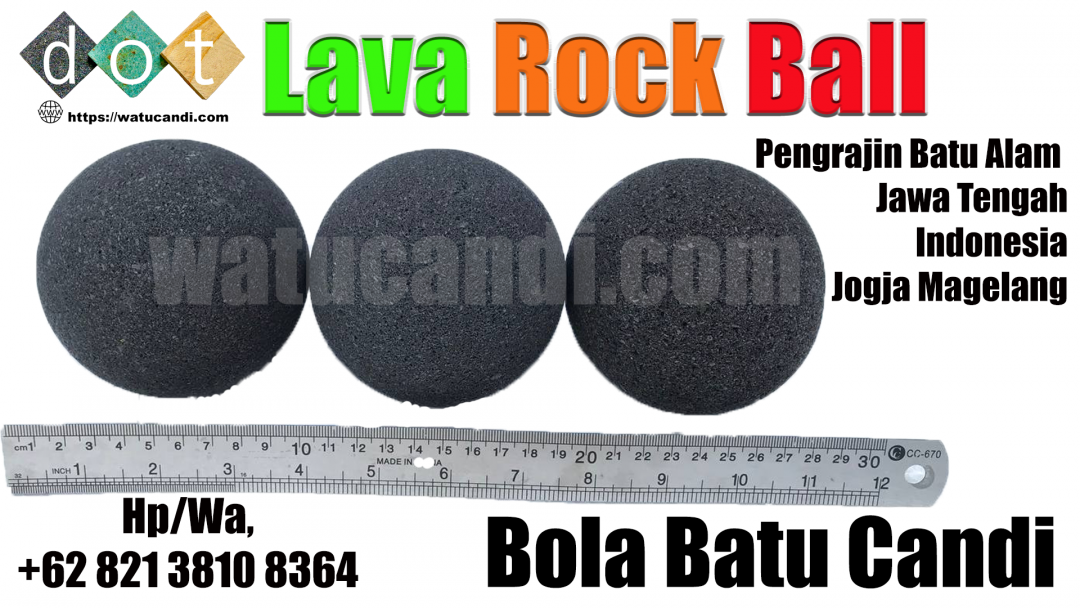
Within its perfect roundness, the Merapi lava stone ball holds a paradox: the purest geometric form born from volcanic eruption chaos. This is not ordinary garden decoration, but a solid meditation on how beauty can grow from disaster, and tranquility can be carved from earth’s once-raging fire.
Touch its surface, and your fingers will read millions of years of geological history compressed into one perfect curve. The lava temple stone ball is not merely seen; it is experienced. The volcanic cold stored within is a whisper from the earth’s belly reminding us that behind every living space we create, there is an ancient force still breathing, waiting to be touched again.
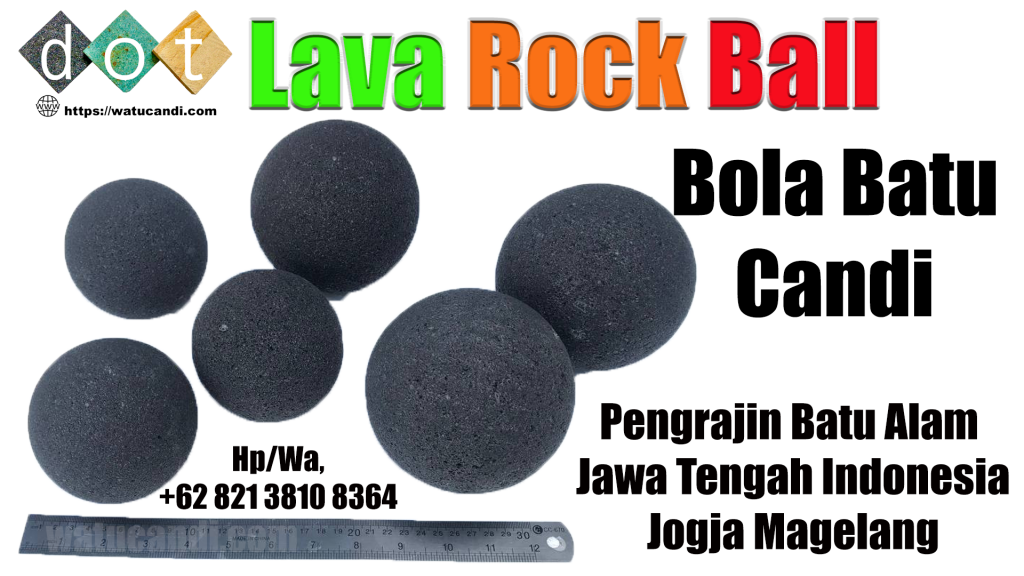
In the ever-evolving world of landscape architecture and interior design, the search for decorative elements that blend natural strength with artistic beauty never ceases. Lava temple stone balls, often known as Rock Balls, are the perfect manifestation of this fusion. Sourced from legendary Mount Merapi volcanic material, this lathe-turned stone craft is not merely a natural stone display object, but an aesthetic statement that brings ancient earth energy into modern living spaces. The manufacturing process involving precision grinding machines while retaining artisan hand touches produces perfectly round rotating forms, creating harmony between technological precision and traditional Central Javanese artistic soul.
The uniqueness of lava rock ball stones lies in their material character that cannot be replicated by artificial stone. Each ball stores geological memory from Merapi eruptions, providing distinctive exotic black texture and color. As natural stone artisans strategically located at Kali Krasak, on the Jogja-Magelang border, we understand that every project has a different soul. Therefore, we accept custom orders for natural stone crafts and materials for construction decoration, architect design ideas, garden equipment, and other buildings with customizable specifications. Our expertise in processing natural lava candi stone guarantees that every product we produce meets premium quality standards worthy of luxury properties and residential projects alike.
Material Characteristics: Why Choose Mount Merapi Lava Stone?
Selecting materials for permanent decorative elements requires deep consideration regarding durability and long-term aesthetics. Lava temple stone from Mount Merapi offers significant comparative advantages over other stone types. This material forms from basaltic magma that cools rapidly, producing a dense microcrystalline structure while maintaining natural porosity that allows air exchange. These characteristics make black lava stone highly resistant to extreme weather, resistant to decay, and capable of maintaining its color even when exposed to direct sunlight for years.
Visually, lava stone balls provide dramatic contrast against green garden vegetation or white elements in minimalist architecture. Their natural black color is neutral yet powerful, capable of becoming a focal point without dominating the overall design. Additionally, silica and iron mineral content in this stone provides resistance to abrasion and mechanical pressure. This is important considering stone balls are often used as landscape elements that may encounter foot traffic or friction. To understand the technical specifications of this material more deeply, you can refer to the complete guide to Merapi black lava candi stone which covers technical details and professional applications.
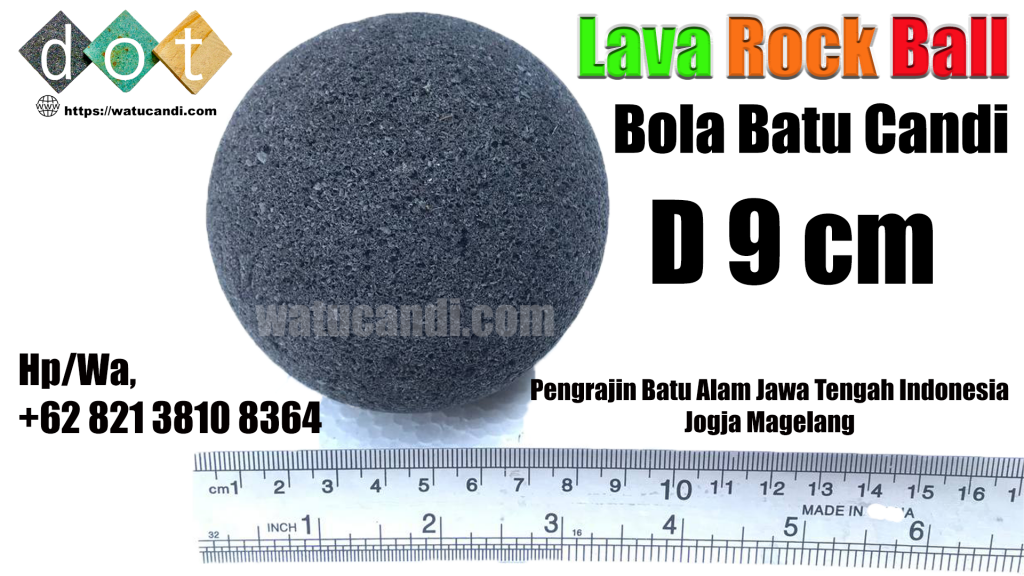
Lathe Craftsmanship Art: Transforming Rough Stone into Round Artworks
The formation process of lava temple stone ball crafts (rock balls) is a transformation journey requiring patience, skill, and high precision. This is not merely a manufacturing process, but three-dimensional sculpting art that transforms rough stone blocks into perfect spheres. Here are the in-depth stages in creating these volcanic artworks:
1. High-Quality Material Selection
The first and most crucial stage is raw material selection. Not all lava stone qualifies to become balls. Artisans must select lava temple stone with uniform density, free from micro-cracks, and consistent color. Stone that is too brittle will shatter during lathe turning, while stone that is too hard will be difficult to shape. We only use selected materials from trusted mines around Merapi that have undergone natural curing processes. This raw material quality aligns with standards we apply to premium Merapi lava stone paving, ensuring structural integrity of the final product.
2. Initial Cutting and Rough Shaping
After selection, stone is cut into rough cubes or cylinders using high-powered stone cutting tools. This stage aims to efficiently remove unnecessary stone mass. Precision at this stage is important to minimize material waste and facilitate subsequent lathe turning processes. Experienced artisans can estimate the ball’s center point from the initial cutting stage, which is key to producing truly perfect spherical balls.
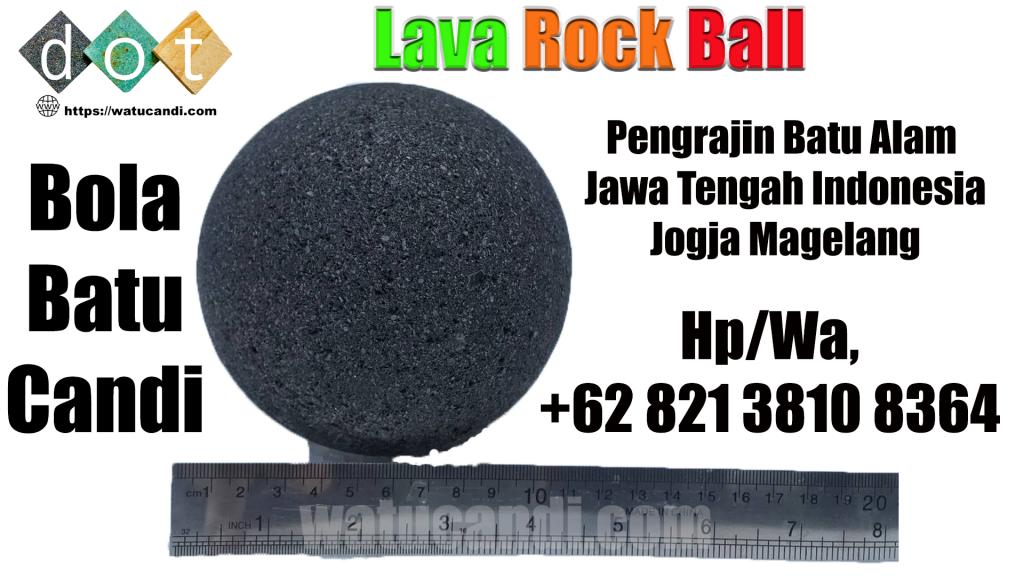
3. Machine Lathe Turning Process
This is the core of rock ball production. Rough-cut stone blocks are mounted on specialized stone lathe machines. Unlike wood or metal turning, stone turning requires strictly controlled rotation speed and chisel pressure. Too fast can cause stone to crack, too slow produces uneven surfaces. Our artisans use gradual techniques, from rough shaping to approaching final diameter. This technique mirrors skills applied to carved lava temple stone, where precision and artisan feeling work in tandem.
4. Surface Smoothing and Finishing
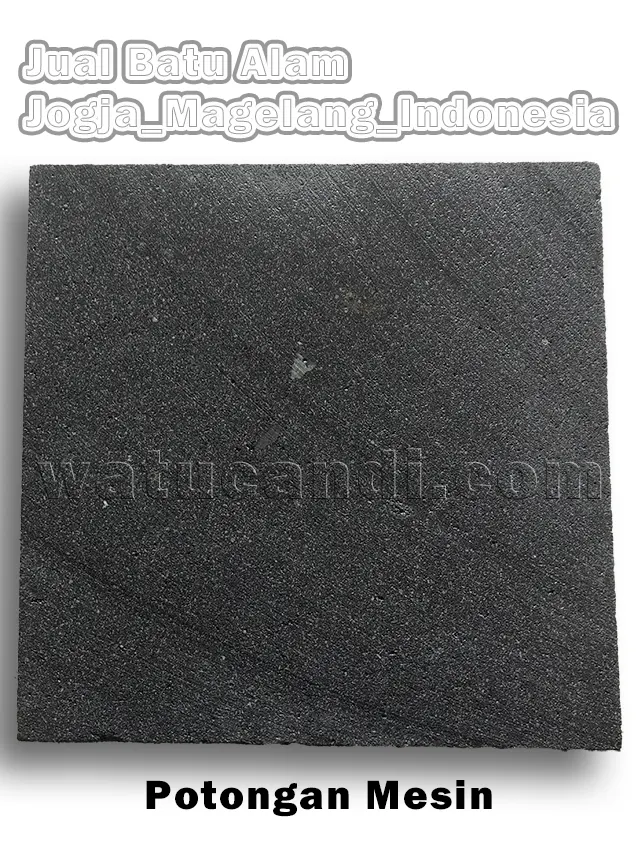
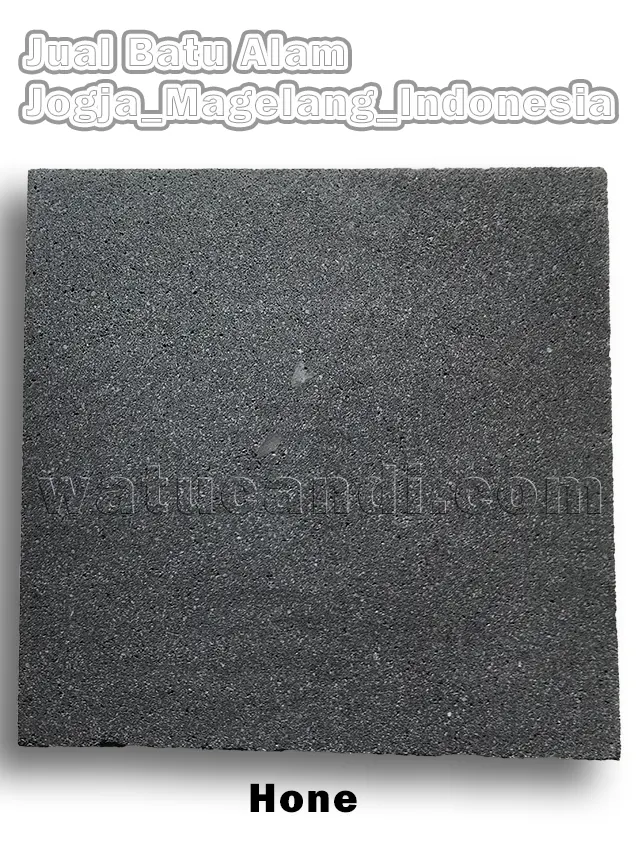
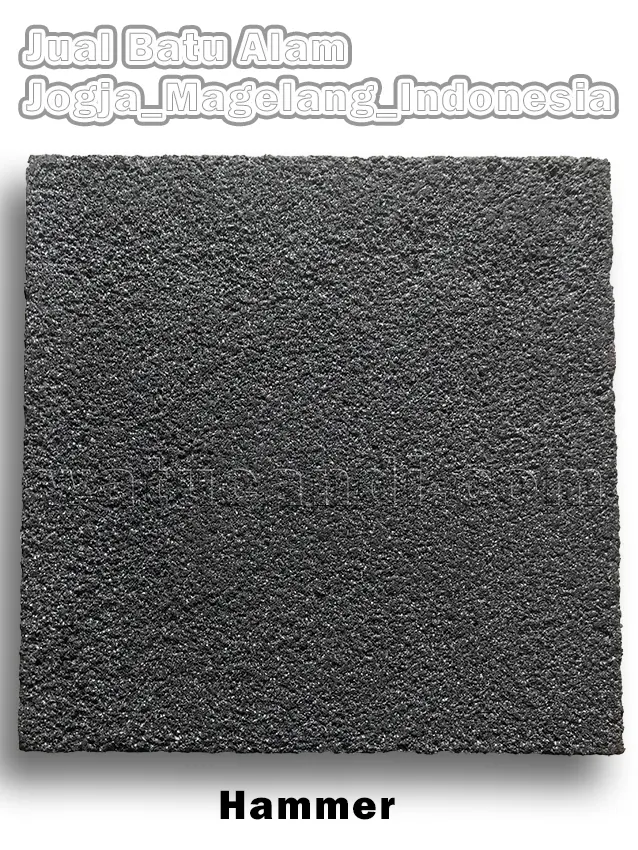
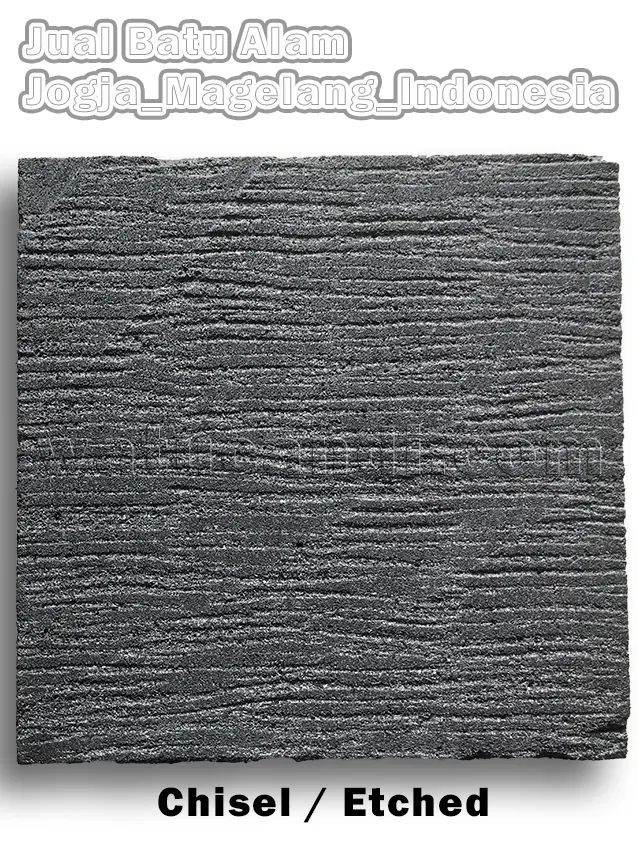
Once ball shape is achieved, the finishing stage determines the product’s final character. Stone surfaces are smoothed using special stone sandpaper or fine grinding tools to remove machine chisel marks. Smoothness levels can be customized per client request, from natural rough maintaining original stone texture, to polished marble-like shine. For outdoor applications, bushhammered or tumbled finishes are often recommended as they provide anti-slip effects and more natural appearance. References for various finish types can be seen in 5 types of black lava stone surfaces.
5. Drilling and Special Detailing
For certain applications like fountains or hanging installations, stone balls need drilling. Drilling lava stone requires diamond drill bits and continuous water cooling to prevent overheating that could crack the stone. Holes can be made through for fountain pipe water channels, or shallow holes for succulent planting. This detailing capability demonstrates lava temple stone material flexibility also reflected in detailed and intricate natural lava candi stone mosaic products.
6. Quality Control and Drying
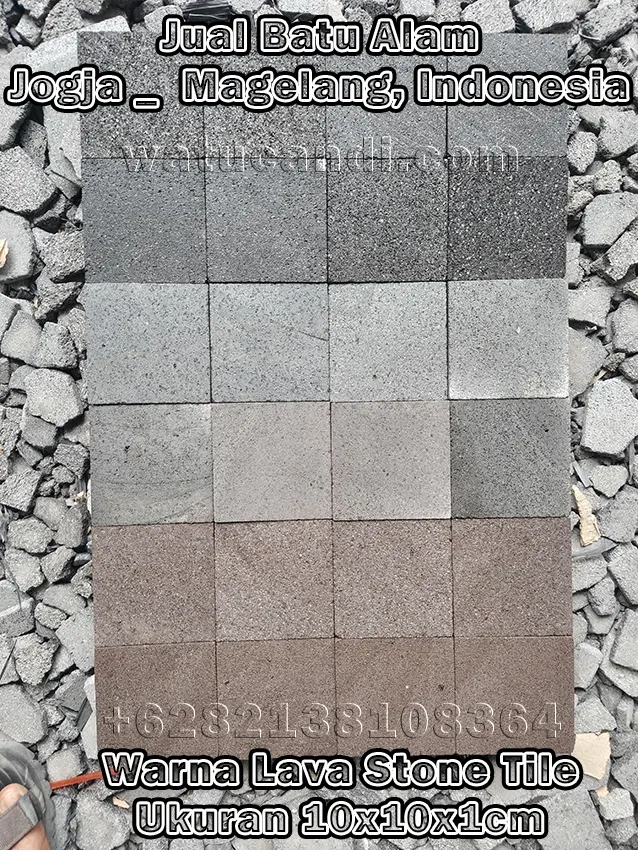
Every completed ball undergoes strict quality inspection. Dimensions are checked using digital calipers to ensure minimal deviation tolerance. Surfaces are examined for production defects like hairline cracks or chips. After passing QC, balls are naturally dried to remove residual moisture from production processes before packaging or shipping. These quality standards match those we apply to 10x10x1cm black lava stone tiles for luxury architecture.

Aesthetic Functions and Applications in Modern Landscape Design
Lava temple stone balls are not merely static decorative objects; they are multifunctional design elements that can transform spaces. Here is in-depth elaboration on functions and applications of rock balls in various architectural and landscape contexts:
1. Garden Focal Points and Zen Gardens
In Japanese garden or Zen Garden design, stone balls symbolize perfection, eternity, and cosmic balance. Placing one or three lava stone balls amid white gravel or raked sand creates strong meditative focal points. Their perfect round form contrasts with gravel roughness, representing yin-yang harmony. This application aligns with philosophy also found in using lava paving stepping stones that guide steps toward tranquility.
2. Fountain Elements and Water Features
Lava stone balls are ideal choices for fountains due to their water-resistant and non-slip properties. When water flows over drilled ball surfaces, visual effects of water embracing perfect round forms are created, producing soothing trickling sounds. The combination of water and lava stone also creates negative ions that refresh the air. For additional water feature inspiration, see the swimming pool stone tile guide discussing natural stone integration with water elements.
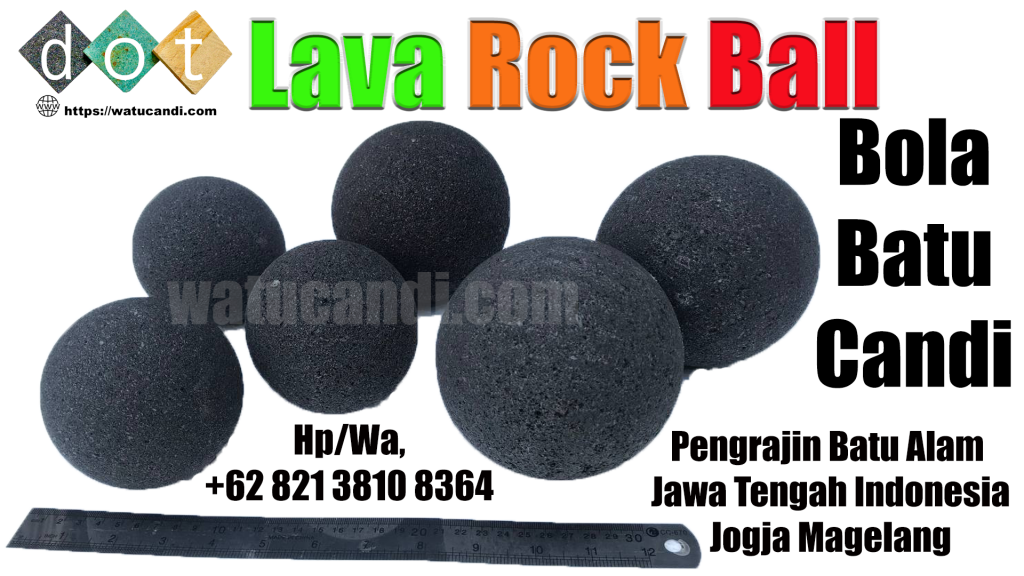
3. Path Markers and Natural Wayfinding
In commercial or public landscapes, stone balls can function as natural path markers more aesthetic than concrete or metal bollards. Rows of lava stone balls placed along pedestrian paths not only guide visitors but also add visual rhythm to landscapes. Larger ball sizes can prevent vehicle entry to pedestrian areas without damaging garden aesthetics. This natural wayfinding concept complements use of organic irregular natural stone paving.
4. Interior Accents and Tabletop Decor
Not limited to exteriors, lava stone balls also appear stunning in interiors. As centerpieces on dining tables, coffee tables, or console tables, stone balls add texture and visual weight balancing other furniture elements. In contemporary interior design, finely polished lava stone balls can become minimalist sculptural art objects. Inspiration for stone integration in interiors can be found in the natural stone furniture collection and premium black lava stone table tops.
5. Plant Borders and Raised Bed Edging
Small to medium-sized lava stone balls can be used as plant borders more dynamic than conventional concrete borders. Arrangements of balls that are not entirely uniform create organic flowing boundary lines, separating planting areas from walkways without rigid impressions. This is a more lively alternative compared to using more formal natural stone edge walls.
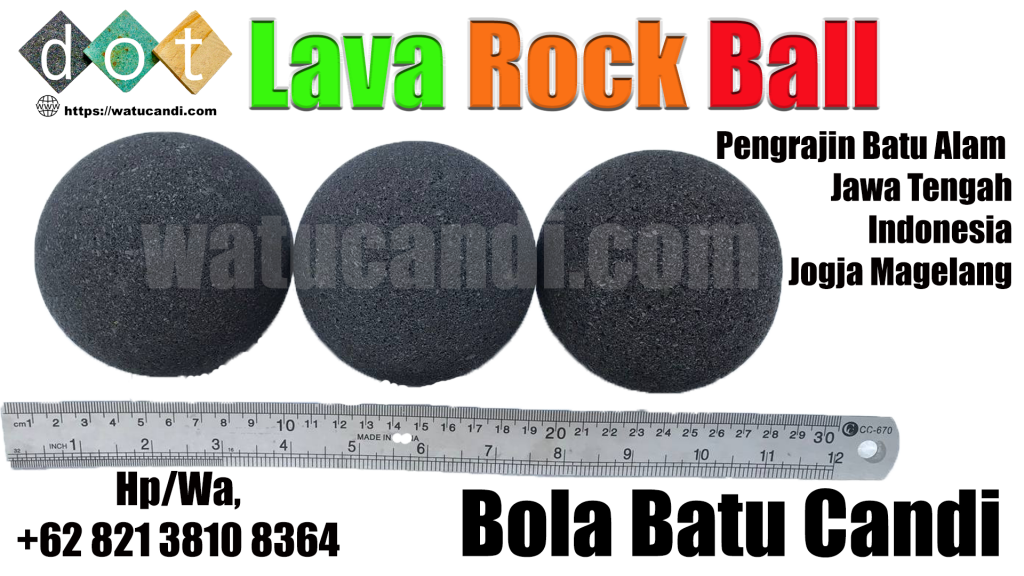
Supporting Material Integration for Cohesive Landscape Composition
Lava stone balls do not stand alone; their strength emerges when integrated with appropriate supporting materials. Creating cohesive landscape compositions requires understanding how various natural stone materials interact and reinforce each other.
Combination with Paving and Stone Flooring
Lava stone balls look best when placed on or alongside contrasting or complementary stone paving. For dramatic monochromatic appearance, combine with Merapi outdoor stone flooring or lava stone paving slabs. For softer contrast, use cream or light gray garden and yard stone flooring. Paving installation patterns also affect visual perception of stone balls; random patterns create dynamic backgrounds, while grid patterns provide order highlighting ball form perfection.
Harmony with Wall Cladding and Accent Walls
When stone balls are placed in front of walls, wall texture becomes crucial background. Walls with random candi stone skin cladding create textured backgrounds reinforcing volcanic character of stone balls. For smoother backgrounds, premium volcanic lava rock tile cladding provides more uniform surfaces. For color contrast, walls with white Palimanan stone or super white limestone will make black stone balls appear very prominent and dramatic.
Synergy with Water Elements and Swimming Pools
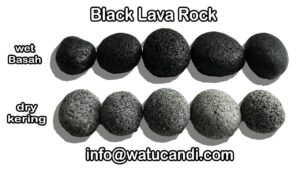
In swimming pool contexts, lava stone balls can be integrated with various pool elements. As part of decking, stone balls can serve as transition accents between dry and wet areas. Combine with lava stone tiles for swimming pools or Sukabumi green stone tiles for refreshing color contrast. For pool edge details, the swimming pool coping stone guide provides safe and aesthetic integration references. Stone balls can also be combined with black lava rock pebbles to create interesting size gradations in pool areas.
Technical Considerations and Long-Term Maintenance
Although lava stone is known to be durable, proper maintenance will ensure stone balls remain beautiful for decades. Here are maintenance guidelines and technical considerations to note:
Finish Selection According to Location
Finish selection must be adapted to location and function. For outdoor areas exposed to direct rain and heat, natural rough or bushhammered finishes are more recommended as they are more weather-resistant and do not show dirt as quickly as polished finishes. References for rough finishes can be seen in lava stone rough face and black lava bush hammer surface. For indoor or tabletop areas, polished or honed finishes are more appropriate as they are easier to clean and feel smooth to touch.
Routine Cleaning and Deep Cleaning
For routine cleaning, simply use water and soft nylon brush to remove surface dust and dirt. Avoid using strong acid cleaners that can erode stone surfaces. For annual deep cleaning, use pH-neutral natural stone cleaner and low-pressure washer. For stubborn stains, consult professionals. This maintenance is similar to that recommended for split face candi lava wall maintenance.
Protection and Sealing
Although lava stone is relatively stain-resistant, applying penetrating sealer every 2-3 years can provide extra protection against oil, wine, or other colored liquid penetration, especially for indoor or tabletop applications. Sealer also helps maintain original stone color and reduce moss growth in humid areas. For swimming pool areas, ensure using water-safe sealer that does not significantly alter stone color.
Design Inspiration Based on Architectural Styles
Lava temple stone balls are highly adaptive elements to various architectural styles. Here is application guidance based on specific design styles:
Modern Tropical and Contemporary Bali Style
In modern tropical style, lava stone balls complement lush vegetation and warm wood materials. Place stone balls among monstera or palm plants, or as accents in koi ponds. Combine with lava stone exterior design and teak wood elements for authentic contemporary Bali ambiance. Integration with handmade stone bathtubs creates immersive tropical spa experiences.
Minimalist and Industrial Style
For minimalist style, lava stone balls function as simple yet powerful sculptural objects. One large ball in the center of clean white space creates strong statement. Combine with exposed concrete, black steel, and clear glass. References for this style can be found in modern luxury home design and stone materials for industrial design. Stone balls also pair well with 3D stone slabs for dynamic compositions.
Classic and Mediterranean Style
In classic style, lava stone balls can be used as pillar finials, formal garden accents, or European-style fountain elements. Combine with limestone or travertine for warm Mediterranean ambiance. See natural travertine and limestone guide and large limestone slab guide for classic material combination inspiration. Stone balls can also be combined with traditional umpak batu for unique heritage touch.
Wabi-Sabi and Rustic Style
Wabi-sabi style celebrates imperfection and weathered beauty. Lava stone balls with natural rough or weathered finish embody this philosophy. Allow moss to grow naturally on some ball parts for authentic aged effect. Combine with other rustic materials like weathered wood, exposed brick, or genuine susun sirih slate. This style also suits tumbled natural stone finish that already appears aged.
Customization and Special Orders
Watucandi understands that every project has unique needs. We accept custom orders for lava stone balls with special specifications:
- Custom Sizes: From 5 cm diameter for tabletop decoration to 100 cm+ for monumental installations.
- Special Finishes: From natural rough, bushhammered, honed, polished, to finish combinations on single balls.
- Special Drilling: Through holes for fountains, planting holes for succulents, or hanging holes for vertical installations.
- Matching Sets: Stone ball sets with graduated sizes or matching patterns for cohesive compositions.
For custom orders, please contact us with your detailed requirements. Our team will provide technical consultation and price estimates based on difficulty level and requested specifications. Prices vary depending on size, finish, and work complexity. We are committed to providing best service to meet your design expectations and dreams.
Additional Material References and Design Inspiration
For further exploration, here is a collection of material references and design inspiration relevant to lava stone ball projects and natural stone landscapes:
- Premium andesite and lava flooring collection for courtyards and joglo villas.
- Local vs precision green stone tiles comparison for quality material selection.
- Authentic manually chiseled stone floor for artisanal touch.
- Complete Indonesian natural lava stone tile guide for comprehensive reference.
- Sukabumi green Pedra Hijau stone tiles for premium green accent.
- Palimanan paras stone tiles for light color contrast.
- Original random natural stone slabs for unique elements.
- Pumice stone for lightweight elements and drainage.
- Yogyakarta batik green stone tiles for cultural motifs.
- Natural breccia stone tiles for unique texture.
- Natural stone liquid soap dispenser for functional accessories.
- Natural rough surface marble sink for unique sanitary elements.
- Black basalt stone sink for modern dark accent.
- Handmade stone table and chairs for exclusive outdoor furniture.
- GC stone surface types for technical finish reference.
- GCBroken stone type for natural broken texture.
- Comb 05×05 surface type for fine line texture.
- Groove 3×1 surface type for linear accent.
- Line types 2×1 for profile detail.
- Rolling2 line type for curve detail.
- Broken regularly 0.5×0.5 line type for rhythmic texture.
- Straight line 1×0.5 type for minimalist detail.
- Floor paving stone chisels for tool reference.
- Green stone split face tiles for green vertical accent.
- Black lava stone tiles variant 2 for additional option.
- Black lava stone tile walls guide for cladding inspiration.
- Brown Java tiger stone slabs and black paras guide for color variation.
- Lava rock stepping stone pavers guide for garden paths.
- Garden foundation stone borders guide for boundary elements.
- Indonesian green stone tile guide for pool applications.
- Merapi lava stone fence and foundation guide for structural elements.
- Split face rough candi temple stone for rough texture.
- Borobudur temple stone for heritage reference.
- Temple stone paving floor for traditional applications.
- Natural black lava stone tile for basic reference.
- Bushhammer limestone tile for alternative material.
- Indonesian sandstone limestone guide for sediment material.
- Indonesian limestone tiles for light color option.
- Lava stone floor for flooring reference.
- Original Merapi stone sink for authentic sanitary element.
- Yogyakarta batik green natural stone for traditional motif.
- Green natural stone for green color variation.
- Brown spotted paras stone for warm tone accent.
- Natural black lava stone tile for tile reference.
- Hidden crystals of Merapi lava for geological facts.
- Chiseled natural stone installation patterns for layout reference.
- Chiseled temple natural stone for heritage element.
- Chiseled natural stone paving for pedestrian paths.
- Chisel lava natural stone for artisanal texture.
- Chiseled lava stone surface 300x300mm for large module.
- Natural andesite slabs for dark material alternative.
- Stacked betel leaf slate slab for layered texture.
- Flat random riverstone natural for river element.
- Candi stone paving example for installation reference.
- Semi-carved lava stone for machine-hand balance.
- Hand-carved temple stone flooring paving for premium craftsmanship.
- Merapi lava temple stone floor for sacred ambiance.
- Rough face stone floor for maximum texture.
- Solid split stone 100x200mm for structural element.
- Black lava stone Bali Indonesia for Bali reference.
- Rough natural stone floor for rustic style.
- Pelinggih stone materials for Balinese spiritual element.
- Black candi lava stone for core material.
- Black lava stone 100x100x10 for small module.
- Black natural stone slab for large element.
- Lava temple stone floor for heritage application.
- Lava stone 75x230mm for brick module.
- Complete lava stone products for comprehensive catalog.
- Merapi lava parquet decking for wet area.
- Sawncut vs bushhammer lava comparison for finish selection.
- Lava stone for general category.
- Natural stone edges for edge finishing.
- Natural stone slabs for large format.
- Indonesian andesite paving for infrastructure.
- Natural Sukabumi green stone for green accent.
- Wavy carved natural stone tiles for visual dynamics.
- Natural andesite stone for gray material.
- Commercial design for business projects.
- Enterprise design for corporate.
- Hospitality design for hotel resorts.
- Restaurant design for F&B.
- Unique beautiful product models for exclusive inspiration.
- Latest styles for current trends.
- Decorate comfort design for well-being.
- Brown sandstone for warm tone.
- Natural stone tiles for general catalog.
- Black lava candi stone cladding for wall guide.
- Merapi lava candi semi-chiseled paving for paving texture.
- Split face candi lava specifications for wall technical.
- Manual chiseled candi paving 30x30x5cm for heritage paving.
- Brown Java Paras Kerobokan sandstone tiles for warm cladding.
- Natural stone swimming pool gutter cover for pool detail.
- Merapi black sand split face for exterior interior cladding.
- Hard cream natural limestone for limestone alternative.
- Irregular temple lava garden stepping stones for garden paths.
Conclusion: Timeless Investment in Volcanic Beauty
Merapi lava temple stone balls are not merely decorative products; they are investments in timeless beauty connecting your living spaces with ancient natural forces. Each ball carries millions of years of geological story, generations of Central Javanese artisan craftsmanship, and commitment to quality that never fades. In a world increasingly dominated by synthetic and mass-produced materials, choosing lava stone balls is a value statement: that true beauty comes from nature, that durability is more valuable than fleeting luxury, and that every space deserves authenticity touch that only original Merapi volcanic material can provide.
Watucandi is committed to being your partner in realizing design visions that blend natural beauty with architectural function. With direct access to premium volcanic materials, experienced artisan expertise, and commitment to customer satisfaction, we are ready to help you create spaces that are not only visually beautiful but also emotionally meaningful and ecologically sustainable. Contact us today to begin the journey of creating living spaces connected to earth, adorned with lava temple stone balls that bring Merapi soul into your daily life.
Related Topics
lava temple stone balls, rock ball, lathe stone, round stone, lava stone egg, round stone decoration, natural stone ball, black lava ball, lava temple rock ball, natural stone craft, merapi volcanic stone, stone garden decoration, fountain stone, zen garden stone, landscape stone, interior stone decoration, garden round stone, volcanic decoration stone, machine lathe stone, merapi stone, central java stone craft, architectural decoration stone, premium garden stone, black lava stone, watucandi,