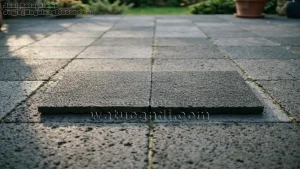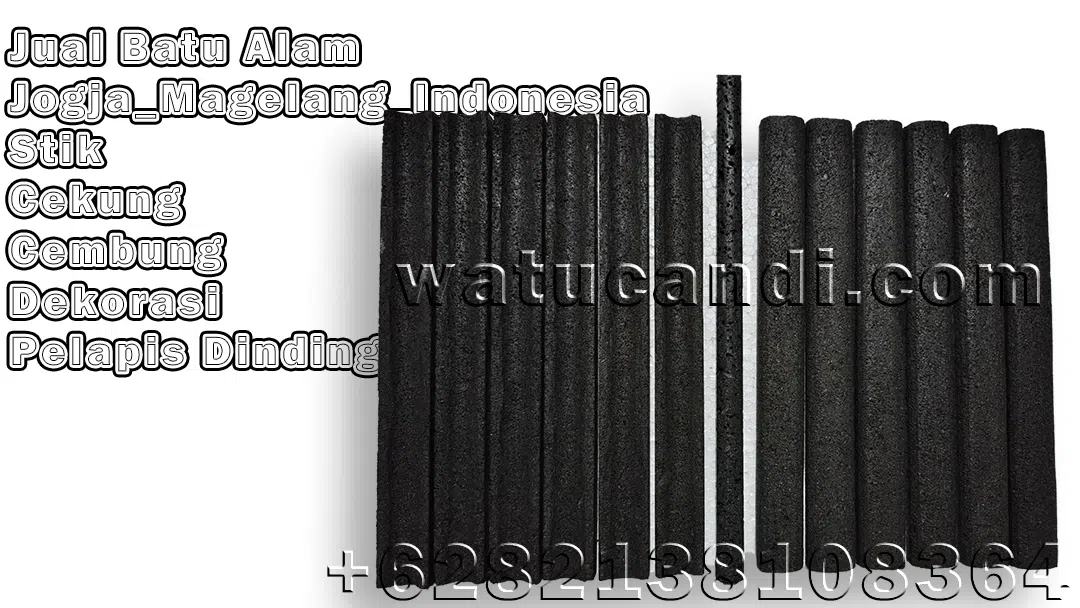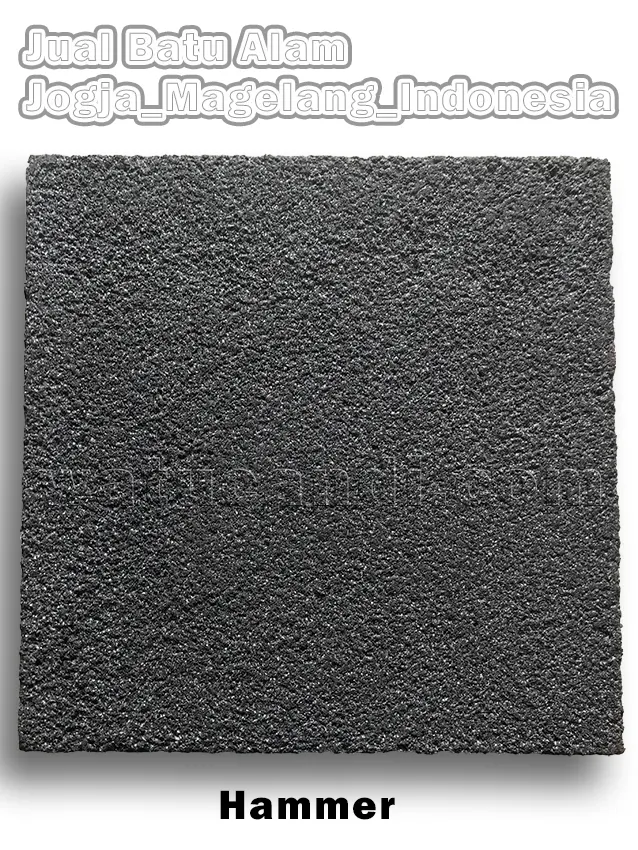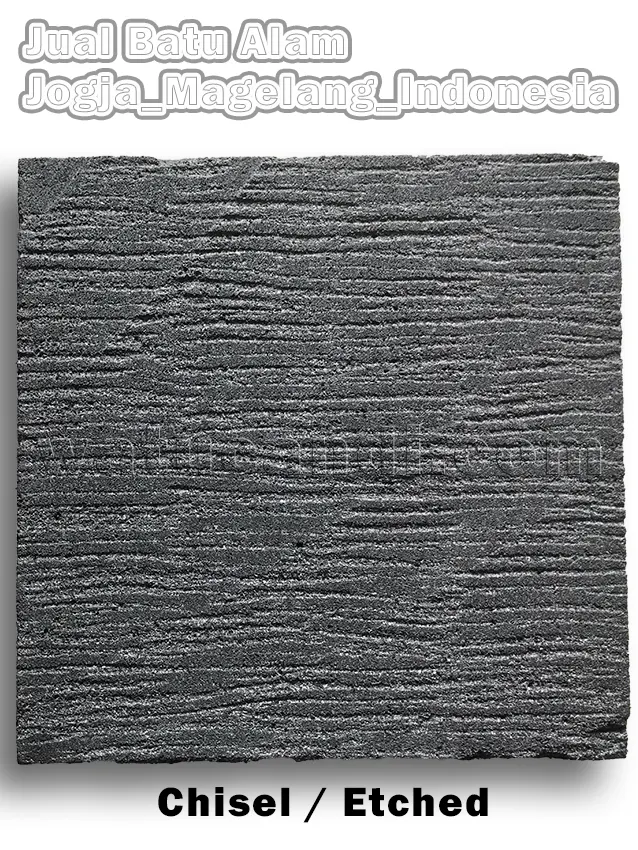

In the world of contemporary architecture and landscape design, the selection of natural stone materials is no longer solely about structural strength but also about the sensory experience offered to the occupants of a space. Refined rough-face natural stone emerges as the answer to the classic dilemma between the desire to display a primal natural aesthetic and the need for tactile comfort and daily usage safety. This material represents an innovation in natural stone processing that combines a “raw” visual character with technological finishing touches that make it friendly to human physical interaction. Unlike conventional natural stone that fully retains its natural roughness, this refined rough-face variant offers an intriguing paradox: the eyes perceive a bold and characterful natural texture, yet the palms of hands and feet feel the softness of a precisely processed surface.
The fundamental concept of refined rough-face natural stone is surface transformation. Visually, it retains its geological identity, revealing mineral grains, volcanic pores, and dynamic color nuances just like stone freshly quarried from the earth. However, tactically, the sharp peaks typically characteristic of split-face or manually chiseled stone have been subdued through specific mechanical or thermal processes. The result is a material safe for use as exterior flooring with high traffic, children’s play areas, barefoot pedestrian paths, and accent walls intended to be touched. This uniqueness places the material in a strategic position within the building material hierarchy, making it a primary choice for architects and designers who refuse to compromise between rustic beauty and ergonomic functionality.
It is important to understand that the term “refined” or “artificial” in this context does not refer to synthetic stone or concrete imitation, but rather to the surface processing method performed by human hands assisted by advanced machinery. The raw material remains genuine natural stone, such as andesite, basalt, granite, or high-density Merapi lava stone. It is this “processing” that adds significant value, transforming ordinary stone into a high-value design element. In this comprehensive article, we will dissect in depth every aspect of refined rough-face natural stone, ranging from technical characteristics, comparisons with other finish types, specific application guides, to long-term maintenance considerations, ensuring you gain complete insight before deciding to integrate it into your dream project.
Material Philosophy: Balancing Visual Roughness and Tactile Smoothness
The existence of refined rough-face natural stone is driven by a design philosophy that values duality. On one hand, modern humans crave a connection with nature that is honest and uncontrived. They want materials that tell a geological history, showing organic imperfections as a sign of authenticity. On the other hand, modern living standards demand surfaces that are hygienic, easy to clean, and non-injurious to skin. Conventional natural stone with coarse split-face or bush-hammer finishes often fails to meet the second criterion; although visually beautiful, their surfaces are too aggressive for certain areas, difficult to clean of moss due to deep crevices, and risk causing minor injuries upon direct contact with skin.
The solution offered by refined rough-face stone is texture modulation. Imagine a volcanic mountain topography landscape that has undergone natural erosion for thousands of years by wind and water. Sharp peaks are eroded away, leaving forms that remain wavy and full of character, yet the surface has become smooth and polished by natural friction. The production process of this stone simulates the acceleration of that erosion within hours at the factory. Using a combination of flaming techniques, high-pressure sandblasting, or mechanical tumbling, stone craftsmen remove microns of sharpness without erasing the three-dimensional profile of the stone.
The final result is a material that possesses a “memory of roughness.” Our eyes recognize the visual pattern of rough stone and the brain interprets it as a strong natural element. However, when tactile signals are sent through the fingertips, touch receptors report a safe and comfortable surface. This positive cognitive dissonance creates a powerful psychological appeal. Homeowners feel connected to nature without sacrificing a sense of security. In the context of Indonesian tropical architecture, where the boundary between indoors and outdoors is often blurred, this material becomes a perfect bridge allowing a seamless transition from the comfortable interior zone to the wild exterior zone, without jarring textural surprises.

Technical Characteristics and Dimension Specifications of Refined Cobble Stone
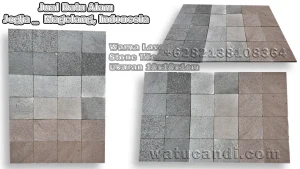
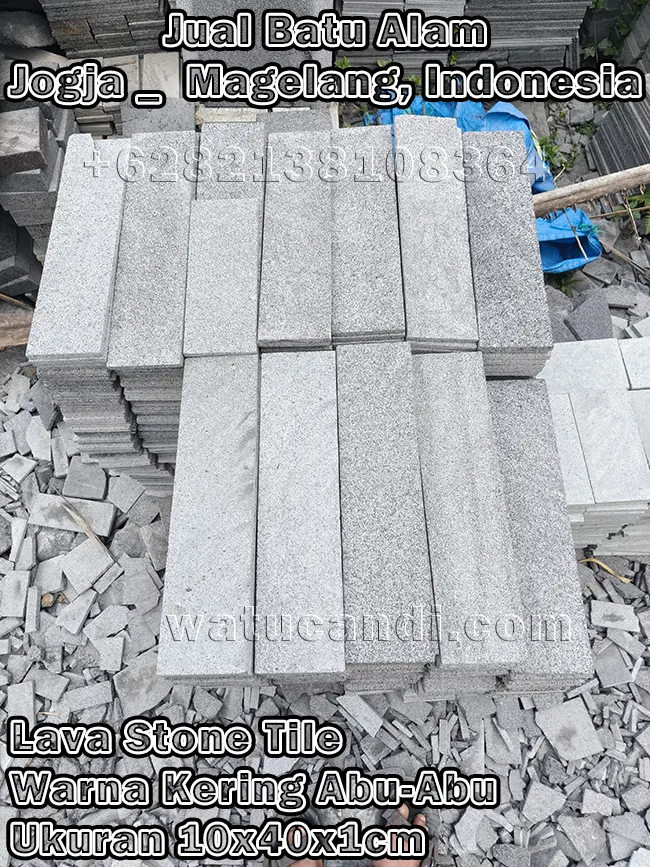
Understanding technical specifications is the foundation of successful material application. Refined rough-face natural stone, often referred to as refined cobble or smooth cobble, is generally available in geometric modules that facilitate installation. The most popular standard sizes on the market are 10×10 cm and 15×15 cm. This modularity is not merely an aesthetic preference but a structural and logistical consideration. Small sizes allow installation flexibility on curved surfaces, complex drainage slopes, and adaptation to minor ground movement without causing major cracks that might occur with giant slabs.
Thickness is a critical parameter distinguishing functional applications. Variants with a thickness of 1.5 to 2 cm are categorized as cladding or wall veneer. This material is not designed to withstand vertical compressive loads but functions as a building skin that protects the core structure while providing decorative effects. Its lighter weight reduces dead load on multi-story building structures and facilitates vertical bonding using special cement or epoxy adhesive. Conversely, variants with a thickness of 3 to 5 cm are flooring or paving grade. This thickness is necessary to distribute dynamic loads from human footsteps or light vehicle tires to the sub-base layer beneath.
It should be noted that because the workmanship still involves collaboration with human hands (handcrafted), dimensional tolerance is natural and actually serves as a marker of artisanal product authenticity. A thickness of 3-5 cm is not an absolute millimetrically uniform figure but a working range. This thickness variation is actually advantageous in traditional sand-cement mortar installation systems, as masons can adjust the height level of each stone by adding or reducing the mortar thickness underneath, creating a precise final flat surface even though the raw material has natural variations. For large-volume projects, understanding this tolerance is crucial so that material requirements and installation time estimates can be calculated accurately.
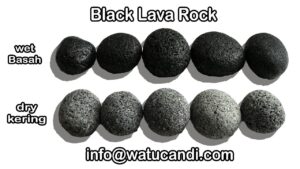
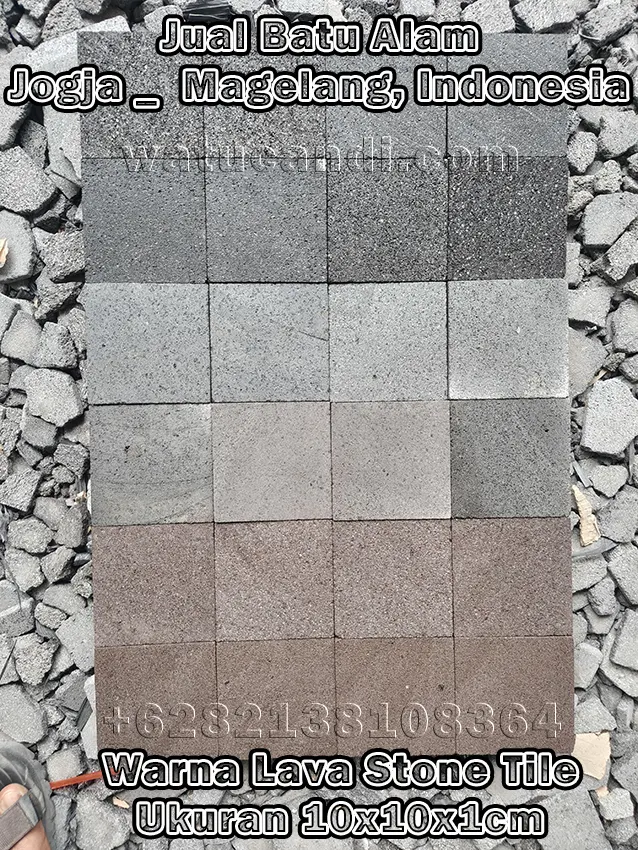
In terms of materialogy, the best refined cobble stones come from igneous volcanic rocks such as andesite or black basalt. These rocks have a dense interlocking crystal structure, minimizing open porosity that could harbor dirt, while possessing sufficient Mohs hardness to resist abrasion. The dominant black or dark gray color of this material is not the result of dyeing but of natural iron and pyroxene mineral content which actually radiates more character after the surface smoothing process. The finishing process opens micro-pores that reflect light diffusely, giving an elegant matte impression that does not glare under the midday sun.

In-Depth Comparison: Refined Stone Skin vs Split Face vs Manual Chisel
In the spectrum of natural stone finishes, refined rough-face stone occupies the middle ground, forming a unique spectrum compared to its siblings, split face and manual chisel. Understanding the differences among the three is vital to avoid specification errors that could be fatal to spatial function. Split-face stone is produced by breaking large stones into small chunks using hydraulic tools or hammers. The result is a highly irregular surface, full of extreme valleys and peaks, along with sharp and pointed edges. Aesthetically, split face is the most dramatic and primitive. However, functionally, it is very limited. Its extreme surface makes it impossible to use as barefoot walking flooring, difficult to clean, and potentially damaging to clothing or skin if brushed against.
On the other end of the spectrum is manually chiseled stone. This is stone whose surface is shaped using chisels and hammers by craftsmen. The texture is more regular than split face, consisting of rhythmic indentation patterns resulting from chisel blows. Although neater, manually chiseled stone still leaves sharp points at every chisel mark. If touched with pressure, these points still feel prickly. Manually chiseled stone is highly artistic and carries high artistic value, but for areas with intensive physical interaction such as swimming pools or family terraces, its comfort level is still below modern ergonomic standards.
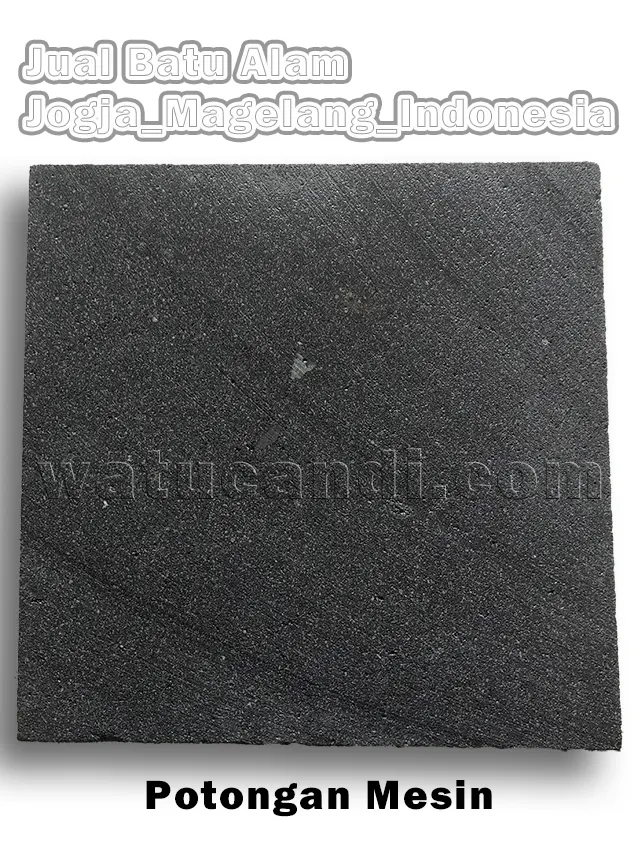
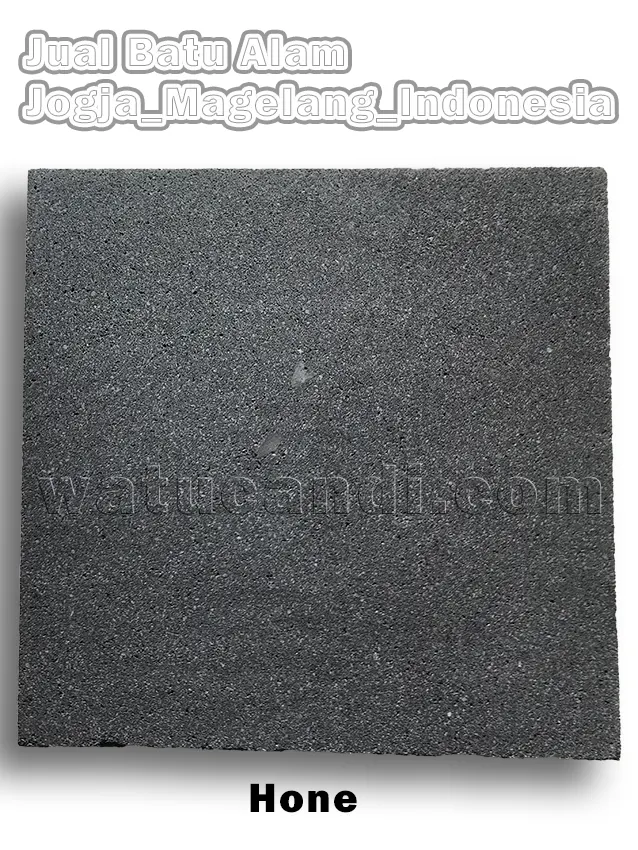
Refined rough-face natural stone fills the gap between the two. It takes the dimensional profile of split face or chisel but performs “post-processing” to blunt all sharp corners. Industry terms such as RTS (Rock Tumbled Surface) or Flamed & Brushed refer to this process. The result is a texture that retains strong shadow lines like rough stone, thus maintaining a masculine and natural look, yet its physical profile is blunt and safe. If split face represents “wild nature” and manual chisel represents “human touch,” then refined smooth stone skin is “tamed nature.” The choice among the three must be based on risk analysis and user activity: use split face for high walls unreachable by hand, manual chisel for artistic focal point elements, and refined smooth stone skin for all horizontal areas that will be stepped on or touched.
Another fundamental difference lies in cleanliness and hygiene. Sharp crevices in split face are favorite spots for moss, mold, and dust to adhere. Cleaning them requires hard wire brushes that can actually damage the stone over time. Conversely, the refined artificial smooth surface allows a mop sweep or low-pressure water spray to effectively remove dirt. This makes the material far superior for applications in wet areas, outdoor kitchens, or homes with pets frequently running around the yard. The slightly higher initial investment for refined smooth stone will be fully repaid by much lower maintenance costs and a longer aesthetic lifespan.

Functional Applications: From Driveways to Interior Accent Walls
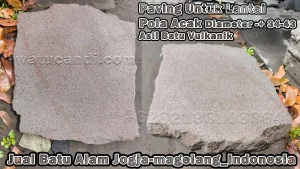
The versatility of refined rough-face natural stone makes it a prima donna in various design scenarios. For driveway or parking lot applications, this material offers a smart solution for car owners who want a rock garden look but worry about tire damage. A common concern regarding natural stone in parking areas is the presence of sharp protrusions that can slice rubber tires during maneuvering or parking. With a smoothed surface, this risk is completely eliminated. The stone remains capable of supporting static vehicle loads due to its material density, while its blunt surface is friendly to rubber tires. Additionally, the remaining rough texture still provides adequate traction in rainy conditions, preventing dangerous slipping.
In buildings dominated by wood, such as modern Joglo-style villas or contemporary stilt houses, this stone functions as a grounding element. Wood has warm and organic properties but is vulnerable to soil moisture if in direct contact. Using refined cobble stone as terrace or veranda flooring surrounding wooden buildings creates a buffer zone that protects the wooden structure from soil water splashes while harmonizing the material palette. The dark color of the stone provides a stabilizing contrast to the warm color of the wood, creating a mature visual composition. The comfort of bare feet walking from a wooden terrace continuing onto a stone terrace becomes a seamless and pleasant spatial experience.
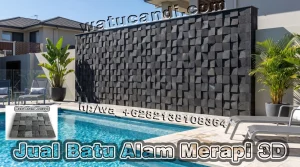
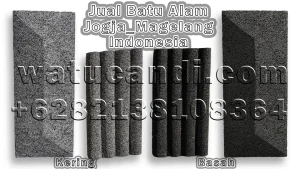
Wall application or wall cladding is the realm where this material truly shines as a sensory element. Accent walls in living rooms, hotel lobbies, or building facades are often only enjoyed visually. However, with refined rough-face stone, the wall invites interaction. People tend to want to touch it out of curiosity about the contradiction between the rough appearance and the smooth touch. This tactile interaction creates an emotional bond between occupants and space, something that cannot be achieved by flat wall paint or wallpaper. As a wall decoration, this material provides depth and dimension that plays with spotlight illumination, creating shadow drama that changes throughout the day following light source movement.
For pathway or garden trail areas, this stone is the most humane choice. Gardens are not just to be viewed but explored. Footpaths using refined smooth stone allow visitors to enjoy natural textures without pain. This is crucial for therapeutic gardens, elderly care gardens, or children’s play areas where safety is the absolute priority. Combination with Japanese grass or white gravel between stones creates permeable patterns good for rainwater infiltration, supporting sustainable drainage system concepts in ecological landscapes. The flexibility of 10×10 or 15×15 sizes allows the formation of organic curved patterns following natural land contours, avoiding the stiff and formal impression often associated with factory-made concrete paving blocks.

Decoding Terminology: Cobble Stone Paving and Semantic Correction
In searching for information regarding this material, you may frequently encounter the term “Coble Stone Paving.” It is important to clarify this terminology for the sake of technical and professional communication accuracy. The standard spelling recognized internationally is “Cobble Stone Paving.” The word “cobble” derives from Middle English “cob,” meaning a rounded lump or river stone. Historically, cobblestone referred to natural river stones collected and laid as roads in the pre-industrial era. Misspelling it as “coble” is common in local conversation, but in contract documents, project specifications, or communication with international suppliers, using the correct spelling reflects professionalism and avoids misunderstandings regarding the type of material intended.
Cobble Stone Paving in a modern context encompasses two categories: natural river pebbles/cobbles and cut cobble/setts. The refined rough-face natural stone we are discussing falls into the second category. Although its shape is now often machine-cut cubes or blocks, it is still called cobble due to its relatively small size and individual unit installation method, unlike large slabs. Understanding this is important because it affects price expectations and installation methods. Natural cobble prices vary depending on shape rarity, whereas cut cobble prices are more stable and measurable based on production volume.
Another term that needs understanding is “Paving” itself. In Indonesia, we often equate paving with concrete conblocks. However, in global landscape architecture terminology, paving is an umbrella term for all types of hard floor coverings, including natural stone, brick, ceramic, and concrete. Thus, “Cobble Stone Paving” literally means “floor covering made of cobble stone.” When searching for design references or communicating with contractors, use the complete phrase “Natural Stone Cobble Paving with Refined Finish” to get the most accurate search results relevant to this refined rough-face material.
This semantic correction is not merely a linguistic issue but one of material precision. Incorrectly spelled “coble” stone might lead to non-standardized local products, while “cobble stone” opens access to global technical literature on best installation practices, historical patterns like Belgian Block or Fan Pattern, and maintenance standards tested over centuries. By mastering the correct terminology, you also enhance your ability to verify product quality offered by suppliers, ensuring that what you purchase matches the technical specifications needed for long-term performance.
Installation Pattern Guide: Ordered Aesthetics in Natural Irregularity
One of the main advantages of refined smooth cobble stone is the flexibility of its installation patterns. Although the units are modular, their natural character allows various configurations producing different visual effects. Straight or running bond patterns are the simplest and most efficient, suitable for modern minimalist areas or circulation paths requiring clear orientation. This pattern emphasizes order and discipline, balancing the organic stone texture with strict geometry. Straight and consistent grout lines create a grid that soothes the eye and guides movement direction.
For a more dynamic and traditional impression, circular or radial patterns are a spectacular choice. This pattern is often found in old European town squares or Mediterranean villa courtyards. Installing cobble stones in circular formation requires high mason skill and mature layout planning from the center point. The result is a floor that appears to spin, creating a strong focal point and an expansive spatial impression. This pattern is highly effective for breaking the monotony of large areas and directing the gaze toward central elements like statues, fountains, or shade trees.
Random patterns utilize size variations (if available) or stone orientation rotation to create a non-repetitive visual rhythm. This approach comes closest to a wild natural look. There are no long straight grout lines; the eye is guided to explore the surface freely. This pattern is ideal for naturalistic style gardens or Japanese Zen Gardens where imperfection and asymmetry are part of the beauty philosophy. Although appearing random, this installation still requires planning to ensure even distribution of color and texture, avoiding clustering of dark or light stones that looks like a production defect.
Regardless of the pattern chosen, the key to successful refined smooth cobble installation lies in sub-base preparation and grout consistency. A compact and level sub-base is an absolute prerequisite to prevent differential settlement that could make the floor wavy. Using spacers or guide strings is highly recommended to maintain consistent grout width, usually between 1-2 cm. Grout that is too wide can reduce the stone area percentage and weaken inter-unit bonds, while grout that is too narrow complicates mortar filling and reduces flexibility against thermal expansion. Filling grout with compacted silica sand or polymer sand will lock stones in position while preventing weed growth, complementing the structural integrity and surface aesthetics that have been smoothed.
Project Management: Production Timeline Planning and Material Quantity
Logistics and time management aspects are often overlooked critical points in natural stone projects. Refined rough-face natural stone is not ready-stock merchandise like factory ceramics. Its made-to-order nature, combined with additional finishing processes that consume time, demands mature procurement planning. The surface smoothing process, whether through tumbling or flaming, significantly increases production lead time compared to ordinary chiseled stone. One production batch may require extra days to weeks to achieve consistent smoothness levels across the entire order quantity.
Therefore, for bulk purchases, it is strongly advised to order products well in advance before project work begins. Ideally, ordering should be done at least 4-6 weeks before the installation schedule. This time buffer not only accommodates the production process but also provides room for quality control, color sorting, and safe shipping. Forcing production acceleration often results in quality degradation; stones not perfectly finished will have disturbing rough spots, or worse, uneven thickness that complicates installation. Patience in the procurement phase is an investment for smooth construction phases.
Quantity estimation must also account for waste factor. For straight patterns, waste factor is typically around 5-7%. However, for circular, diagonal patterns, or areas with many cuts and corners, waste factor can reach 10-15%. Always order surplus exceeding net calculations. Having spare stock from the same production batch is crucial for future repairs or area additions. Natural stone is unique per batch; ordering extras a year later will almost certainly result in striking color and texture differences. Well-stored spare stock is long-term aesthetic insurance.
Transparent communication with suppliers regarding your project timeline is key. Clearly inform the installation deadline date when ordering. Experienced suppliers will provide realistic schedules and production progress updates. Do not hesitate to request photos or videos of production progress as visual verification before goods are shipped. This preventive step is far cheaper and more efficient than handling returns or project delays due to non-specification materials. Remember that in construction projects, delay in one critical material can have a domino effect on other trades; disciplined natural stone procurement planning is the foundation of successful project management.
Durability and Weather Resistance: Long-Term Performance in Tropical Climates
Indonesia’s tropical climate with high rainfall, extreme humidity, and intense UV exposure is a severe test for exterior materials. Refined rough-face natural stone, especially those based on andesite or basalt, passes this test satisfactorily. The mineral structure of volcanic igneous rock forms at high temperatures and pressures, making it inert to daily temperature fluctuations and resistant to UV degradation. Its black or gray color will not fade or chalk like limestone or soft paras stone often does. Instead, years of weather exposure will develop a natural patina that enriches its visual character, making the stone appear increasingly integrated with the environment.
Resistance to wet-dry cycles is a crucial parameter. High-porosity stones tend to absorb water during rain and release it during heat, causing micro-expansion and contraction that eventually triggers weathering. Premium quality refined smooth cobble stone has low water absorption thanks to its material density and finishing processes that densify the outer surface. This means risks of efflorescence (white salt crystallization on the surface) and spalling (surface layer peeling) can be significantly minimized. For areas permanently submerged like pool bottoms or water channels, ensure selecting stone grades with absorption below 1% and apply penetrating sealant as additional protection.
Compressive strength and abrasion resistance guarantee this material survives decades of pedestrian or light vehicle traffic. Unlike concrete paving whose surface can wear out and expose coarse aggregate after a few years, natural stone has homogeneous color and texture throughout. Wear that occurs actually exposes identical new material, so appearance does not drastically decline. Static loads from garden furniture or large plant pots are also not issues, provided the sub-base is prepared correctly. Load distribution through interlocking small units creates a resilient floor system capable of adapting to minor soil settlement without catastrophic failure.
However, durability does not mean totally maintenance-free. In humid climates, biological growth like moss and algae is inevitable on rough surfaces, even smoothed ones. The main difference from split-face stone is ease of cleaning. Smoother surfaces allow biofilm to detach more easily during cleaning. Light cleaning routines every 3-6 months are sufficient to maintain optimal appearance. This material’s durability is a combination of inherent geological quality and proportional maintenance; neglecting either will accelerate aesthetic degradation even if structural integrity remains intact.
Traditional Aesthetics in Contemporary Architecture Context
Cobble stone paving is often exclusively associated with classic, colonial, or vintage architecture. This association is not wrong, given its long history of use in old European and Asian cities. However, limiting this material only to traditional styles is a great loss for contemporary design. In modern architecture, refined smooth cobble stone acts as a textural counterpoint to the dominance of slick glass, steel, and exposed concrete surfaces. It brings warmth and human scale into compositions that tend to be cold and monumental. A brutalist concrete facade feels more inviting when its ground plane uses refined smooth cobble; the contrast between controlled stone roughness and industrial concrete smoothness creates a rich and sophisticated material dialogue.
Modern tropical Indonesian architectural style, emphasizing natural ventilation and indoor-outdoor integration, is an ideal partner for this material. Refined smooth cobble functions as extended floor unifying indoor and outdoor spaces without visual barriers. Transition from interior teak wood flooring to exterior cobble stone creates spatial continuity expanding space perception. In resort and hospitality design, this material evokes a sense of place and connection to local vernacular without falling into cliché pastiche or imitation of the past. It is a contemporary interpretation of local material wisdom relevant to global comfort standards.
Its aesthetic flexibility is also seen in its ability to adapt to various color palettes and companion materials. Paired with ulin wood, it strengthens earthy and warm nuances. Combined with stainless steel or corten steel, it creates trendy industrial-chic contrast. Together with succulent plants and white gravel, it supports minimalist and low-maintenance xeriscaping aesthetics. Even in ultra-modern settings with iconic designer furniture, refined smooth cobble acts as a neutral canvas that does not compete for attention but elevates design objects above it. This chameleon-like ability makes it a timeless material unaffected by changing design trends.
Most importantly, the traditional aesthetics presented are not empty nostalgia but appreciation for craftsmanship and material honesty. In an era of digital fabrication and perfectly uniform synthetic materials, the presence of natural stone with natural variations and artisanal hand touches is a stance statement towards cultural sustainability and respect for process. It reminds us that true beauty is born from dialogue between humans and nature, not domination of one over the other. Choosing refined smooth cobble stone is choosing a design narrative that respects the past while embracing the future with full awareness of authenticity and human comfort values.
Supporting Material References and Further Design Inspiration
To deepen your understanding of the natural stone ecosystem and supporting materials combinable with refined rough-face stone, we recommend exploring the following trusted reference sources. Comprehensive knowledge of material variations will help you make more informed and cohesive design decisions. Each link below provides in-depth information relevant to your landscape and architecture project development:
- Study the authentic characteristics and technical specifications of authentic manually chiseled stone flooring as a direct comparator to understand the spectrum of natural stone finishes available on the market.
- If considering alternative more textural finishes, explore product details of black lava bush hammer surface offering different roughness profiles for specific zoning in your landscape.
- For wall applications requiring more dramatic yet controlled texture, review options for rough face stone flooring that can create interesting contrasts when paired with refined smooth versions on floor areas.
- Understand installation pattern variations and techniques through the guide on chiseled natural stone installation patterns to maximize the aesthetic potential of cobble modularity in your project.
- As a premium material reference with similar volcanic character, read comprehensive reviews on black lava stone tiles 10x10x1cm which can serve as thin cladding alternatives for vertical areas.
- Explore the wealth of other Nusantara materials through the complete catalog of natural stone types to find unique and personal material combinations according to your design vision.
- For current application inspiration and natural stone design trends, visit the latest styles gallery featuring contemporary projects using Indonesian volcanic materials.
- See examples of unique products and other artisanal creations in the unique models of beautiful products collection that may provide out-of-the-box ideas for your architectural details.
- If planning to apply stone in wet areas or pools, mandatory reading is the ultimate guide to swimming pool stone tiles to ensure selection of safe and durable materials.
- Complete your technical knowledge by studying swimming pool coping stone tiles guide for safe and aesthetic edge finishing details.
- For companion materials like gravel or spread, reference black lava rock pebbles perfect for filling wide grouts or plant border areas.
- Understand export and local quality standards through Merapi black lava candi stone technical specifications to avoid choosing wrong material grades for specific project needs.
- If interested in green accent materials, study Sukabumi green natural stone tiles offering elegant contrasting color palettes.
- For more textured exterior wall applications, consider random candi stone skin cladding as a dramatic vertical accent.
- Explore other cladding options with rock face character at natural lava rock face cladding for bold wall texture variations.
- For matching outdoor tables or countertops, view black lava stone table tops that are weather-resistant and aesthetic.
- Integrated garden furniture inspiration is available in the handmade stone table and chairs collection reinforcing landscape design coherence.
- Learn volcanic material care and maintenance through black lava candi stone cladding guide to keep your material investment prime.
- For garden stepping stone projects, reference volcanic material garden stepping stones providing comprehensive installation guidance.
- Explore irregular materials for more natural impressions at irregular natural stone paving as alternative installation patterns.
- For paving edge or border details, use natural stone edges for neat and professional edge finishing.
- Study random slab characteristics for large areas at original random slabs as cobble companions.
- For river stone accents, view flat random riverstone providing organic texture contrast.
- Explore breccia material for luxurious accents at brecci natural stone tiles having unique unreplicable patterns.
- For exotic Yogyakarta green nuances, review Yogyakarta batik green stone tiles as special accents.
- Study cream paras material for warm contrast at Palimanan paras stone tiles.
- For earthy brown accents, explore brown Java sandstone harmonious with black stone.
- Understand limestone characteristics for indoor-outdoor areas at limestone travertine guide.
- For warm wall materials, view sandstone limestone as complementary options.
- Explore large garden decorative elements at large garden ornamental stones for landscape focal points.
- For stone ball accessories, view Merapi lava temple stone balls adding sculptural elements.
- Study pumice material for planting media at pumice stone which is functional and aesthetic.
- For matching outdoor sinks, review black basalt stone sink.
- Original Merapi sink options are at original Merapi stone sink for maximum authenticity.
- Small details like natural stone liquid soap dispenser reinforce design coherence.
- For premium Merapi paving, view premium Merapi lava stone paving.
- Explore premium flooring collections at premium andesite and lava stone flooring collection.
- For semi-carved artistic stone, view semi-carved lava stone.
- Study complete green stone guide at Indonesian green stone tile crafts guide.
- For exotic tiger stone slabs, review brown Java tiger stone slabs guide.
- Study Indonesian lava stone tiles at Indonesian natural lava stone tiles guide.
- For green stone pool tiles, view green stone tiles for swimming pools guide.
- Luxury home design inspiration at modern luxury home design.
- Commercial design references at commercial design.
- For specific 30x30x5 paving, view manually chiseled candi stone paving 30x30x5 cm.
- Lava tiles 75x230mm at lava stone 75x230mm for unique modular patterns.
Refined Rough Face Natural Stone, Sell Refined Rough Stone, Cobble Stone Paving, Refined Cobble Stone, Smooth Natural Stone Paving, Exterior Natural Stone Flooring, Natural Stone For Driveway, Smooth Stone Cladding, Smooth Andesite Stone, Smooth Black Basalt, Tumbled Stone Finish, Flamed Stone Finish, Anti Slip Natural Stone, Kid Friendly Natural Stone, Minimalist Garden Paving, Tropical Style Natural Stone, Modern Style Natural Stone, Classic Style Natural Stone, Split Face Vs Smooth Comparison, Cobble Stone Specifications, Natural Stone Size 10×10, Natural Stone Size 15×15, Natural Stone Paving Thickness, Cobble Stone Installation Patterns, Radial Installation Pattern, Running Bond Pattern, Natural Stone Project Management, Natural Stone Production Time, Exterior Stone Maintenance, Volcanic Stone Weather Resistance, Natural Stone For Swimming Pools, Natural Stone For Wall Cladding, Natural Stone For Pathways, Natural Stone For Wooden Terraces, Rustic Stone Aesthetics, Contemporary Architecture Materials, Merapi Natural Stone, Watucandi, Indonesian Natural Stone Supplier, Refined Cobble Price