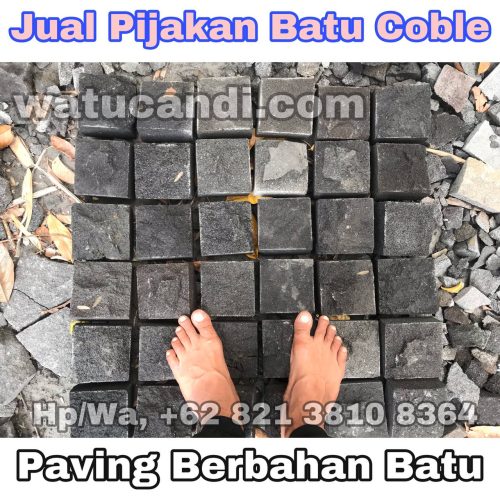
Small square natural stone pavers, often known as “cobblestone” or cube stone, emerge as the answer to these needs. This material is not just an ordinary ground cover; it is a design element that brings ancient geological narratives into contemporary living spaces. As a dedicated natural stone producer, we understand that every construction project requires a unique touch that cannot be replicated by synthetic materials. These cube stones made from genuine natural rock offer solutions for flooring, pathways, and driveways that combine structural function with high artistic value for your decoration & construction projects.
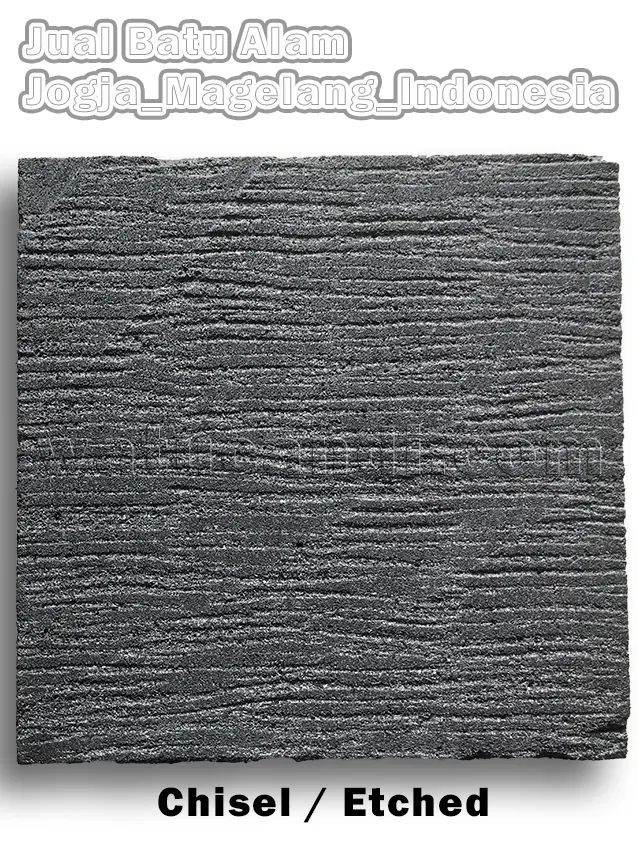
Natural stone craftsmanship as outdoor flooring with rough surfaces resulting from side chiseling produces unique and characterful shapes. Not only aesthetically functional, this flooring can also be used as anti-rheumatic reflexology health stepping. Walking casually on cube stones provides a massage-like sensation while enjoying garden beauty, creating a spatial experience that heals both body and soul. The strength of this material is unquestionable; even when installed without cement mortar (sand set system), cube stones are strong enough to withstand six-wheeled vehicle loads, provided the base foundation is prepared flat and compact. This flexibility makes it a prima donna in both tropical and classic landscape designs.
Technical Characteristics and Structural Advantages of Natural Cube Stone
Understanding the technical characteristics of natural cube stone is crucial before deciding to apply it to your project. This stone is generally made from volcanic rocks such as andesite, basalt, or lava stone which have high density. Unlike molded concrete paving blocks, natural cube stone has structural integrity intact from inside to outside, making it resistant to weathering, extreme temperature changes, and heavy dynamic loads. For deeper understanding regarding material comparisons, you can refer to the guide on local vs precision green stone differences which explains natural material quality standards comprehensively.
One of the main advantages of cube stone is its ability to adapt to various installation methods. The cement-free installation system (*sand set*) allows optimal water drainage, prevents pooling, and facilitates repairs if ground settlement occurs. However, for areas with high traffic loads such as commercial *driveways*, it is recommended to use specific thicknesses and more rigid installation systems. References regarding premium Merapi lava stone paving can provide insights into the best volcanic material specifications currently available on the market.
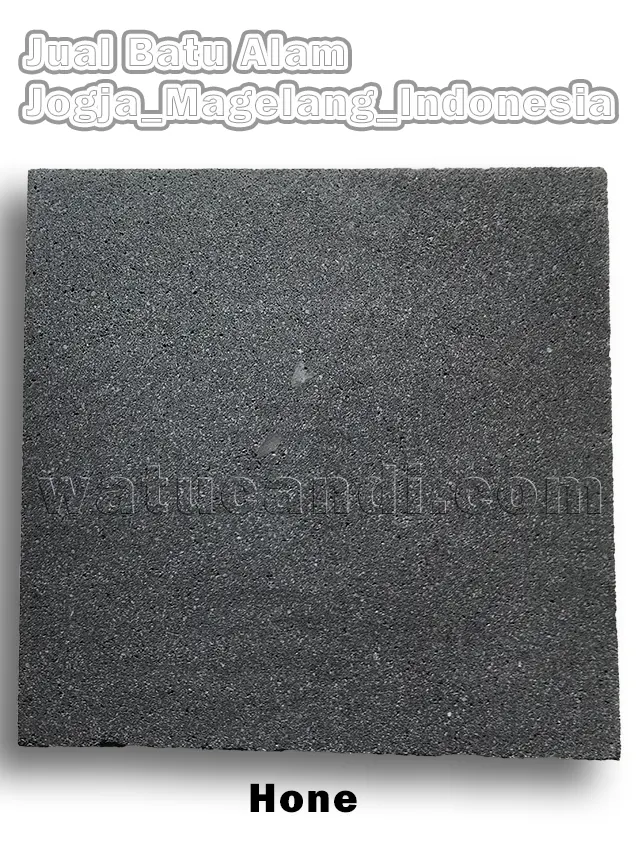
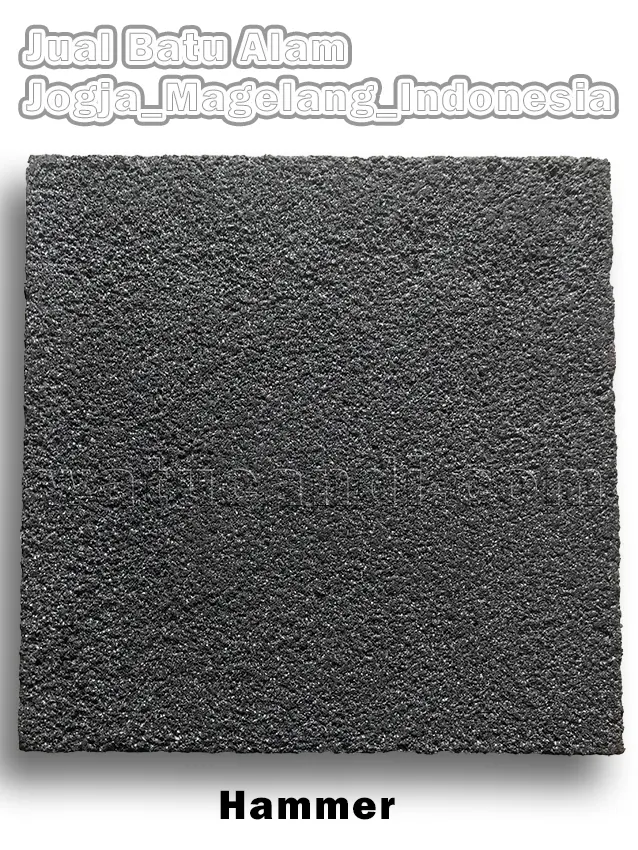
In terms of maintenance, natural stone is relatively low maintenance. Its natural moss-resistant properties (especially andesite and basalt types) reduce the frequency of chemical cleaning. However, surface *finishing* selection greatly affects maintenance levels. *Rough face* or manual chiseled surfaces tend to hide dirt better but may require periodic water spraying, while *honed* or *bushhammer* surfaces are easier to clean but may show stains more clearly. The guide on 4 surface types for basalt granite andesite is very useful for determining the *finishing* most suitable for your lifestyle and maintenance budget.
Visual Exploration: Texture and Light Semantics in Natural Stone Flooring
Visualization is key to understanding the aesthetic potential of natural stone stepping floors. The following images are not merely product documentation, but representations of the interaction between matter, light, and space. Observe how each photo captures different texture details and color responses, affirming that natural stone is a dynamic material full of character.

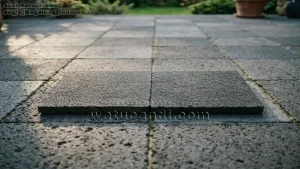
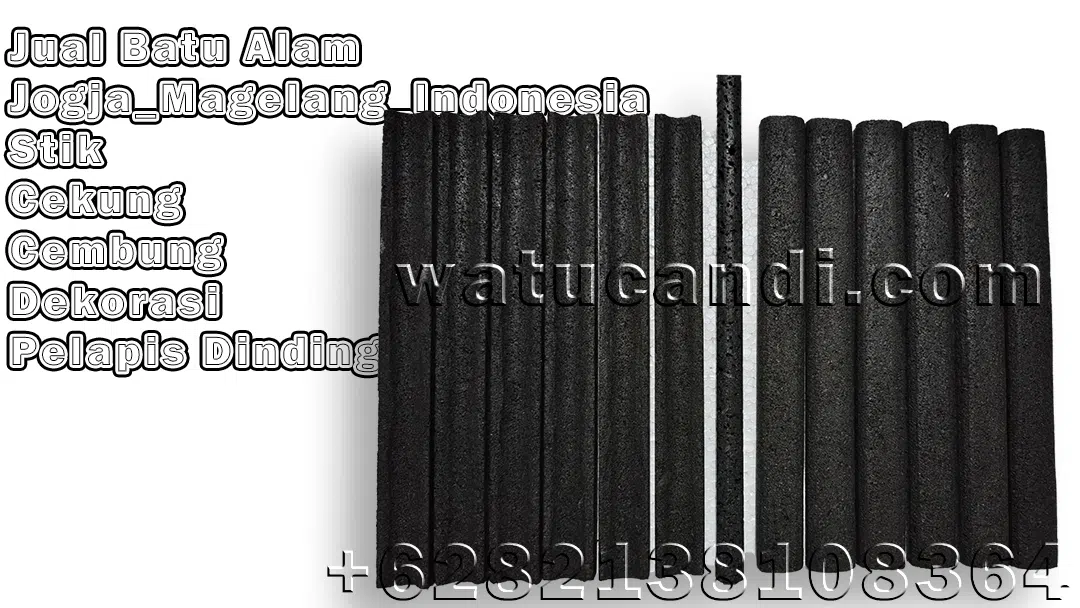
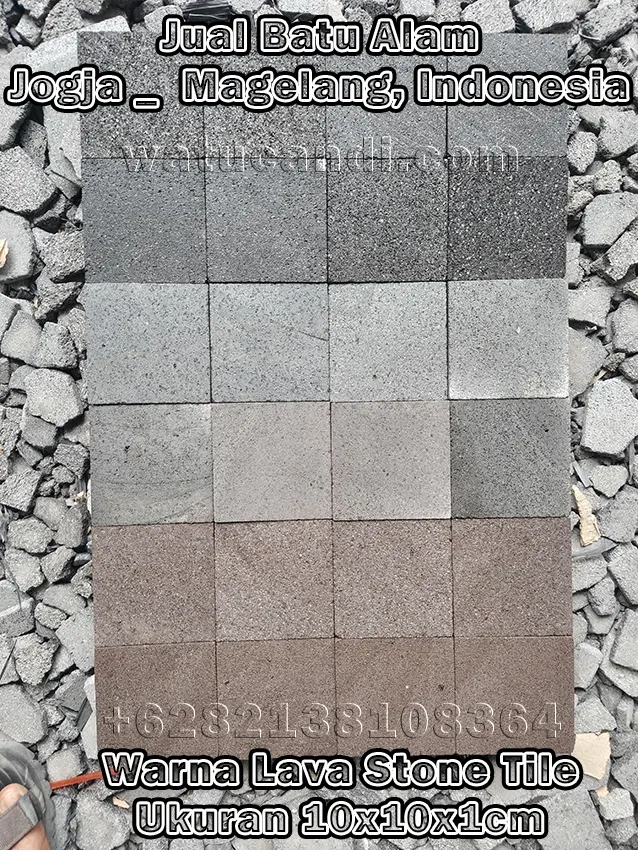
The first image above represents natural stone stepping floor application in garden landscape context. Notice how neat installation patterns while maintaining natural nuances create calming visual rhythms. Natural color variations between stones prevent monotonous impressions often found in concrete paving. This is a perfect example of how natural materials can function as *binding elements* in exterior design. For further inspiration regarding natural stone integration in garden design, you can explore garden and yard stone flooring.

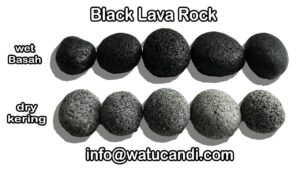
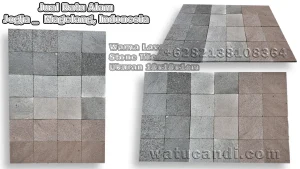
The second image provides intimate insight into the craftsmanship behind each cube stone. Skilled artisan hands ensure each stone side has consistent roughness, important for safety and aesthetics. This manual process also allows flexible size customization according to specific project needs. If you are interested in other natural stone products prioritizing handcraftsmanship, the authentic manually chiseled stone floor collection offers premium options with extraordinary artistic details.

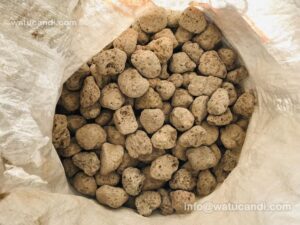
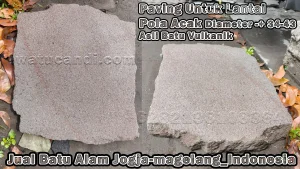
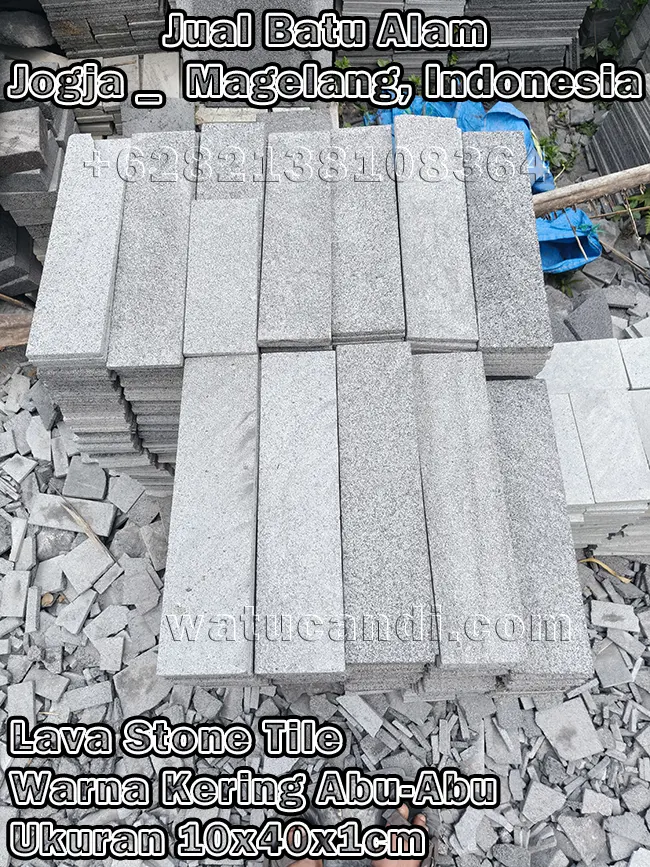
The third visual shows logistics and material availability aspects. Inventory consistency is the biggest challenge in the natural stone industry, and this image proves reliable supply chain capabilities. Large quantity material availability with maintained quality is crucial for commercial-scale or luxury residential projects. To see other material variants available in premium stock, you can refer to the complete natural stone tiles catalog.

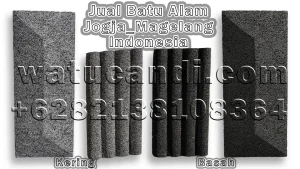
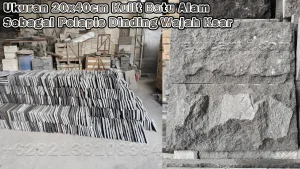
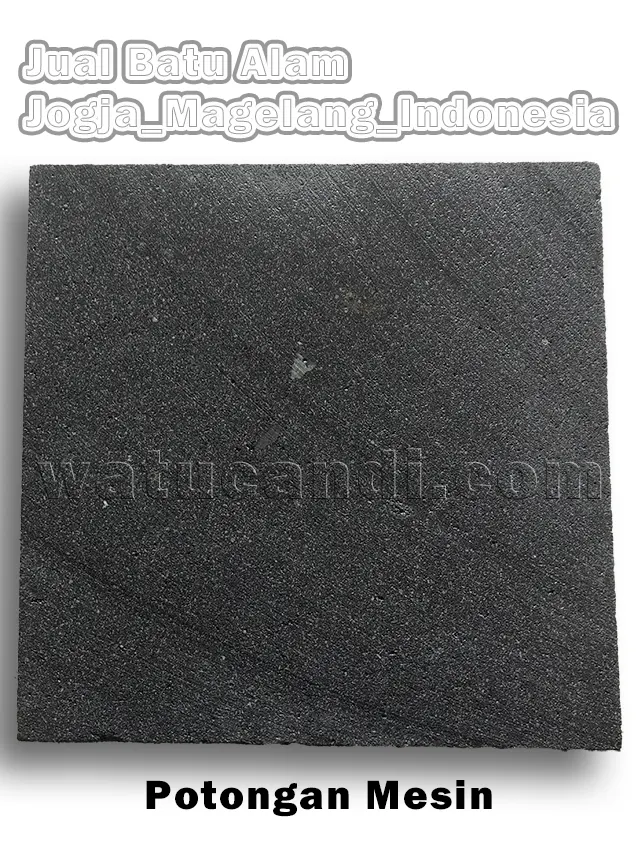
The fourth image is a perfect case study on texture importance. The *rough face* surface on cube stone is not just about aesthetics, but also safety function. This texture provides high friction coefficients, preventing slip accidents during rain. Additionally, natural stone pores allow air and water exchange with underlying soil, supporting healthy micro-ecosystems. For alternative materials with similar textures but different colors, consider black lava bush hammer surfaces.

The final image illustrates cube stone application as *stepping stones*. Unlike full paving, this configuration allows grass or ground cover plants to grow between stones, creating perfect biophilic integration. This approach is not only visually beautiful but also ecologically functional, increasing water absorption and reducing *heat island effects*. For more varied pathway design inspiration, the lava rock stepping stone pavers guide provides comprehensive references.
Comprehensive Applications in Landscape Design and Architecture
Small square natural stone stepping floors have extraordinary versatility in design applications. This material can adapt to various spatial functions, from intimate pedestrian areas to vehicle pathways demanding high durability. Below is in-depth elaboration regarding applications and design considerations:
- Garden Pathways and Pedestrian Areas: The most classic application for cube stone is as garden pathways. Its rough texture provides safety sense and blends with green elements. Combination with black lava rock pebbles between stones can create dramatic texture contrasts and increase soil permeability.
- Carports and Driveways: For vehicle areas, stone thickness and strength are priorities. Andesite or basalt cube stones with minimum 5cm thickness (for private cars) to 8-10cm (for heavy vehicles) are highly recommended. Installation patterns like *fan pattern* or *herringbone* are not only aesthetic but also distribute loads more effectively. Reference Indonesian andesite stone paving provides specific technical details for heavy load applications.
- Terraces and Patios: In semi-outdoor areas, cube stone can be combined with other materials like wood or ceramics for visual zoning. Using natural stone furniture or handmade stone tables and chairs on cube stone floors creates material cohesion strengthening natural themes.
- Swimming Pool Areas: Although not the primary choice for wet areas due to rough texture, cube stone can be used as borders or dry areas around pools. Ensure selecting stone types resistant to chlorine and pool water pH. The swimming pool natural stone tiles guide is essential reading to avoid material selection errors in wet areas.
- Facades and Retaining Walls: Cube stone is not only for floors. Its modular size allows use as wall elements or retaining walls. Combination with lava rock face tiles on vertical walls creates visual continuity from floor to wall.
- Reflexology and Health: As mentioned previously, rough cube stone surfaces function as foot reflexology therapy tools. Special pathway designs with stone height variations can be optimized for these health benefits, creating *wellness gardens* at home.
This application flexibility makes cube stone a high-value long-term investment. Success key lies in deep understanding of material characteristics and application suitability with spatial functions. Always consult with natural stone experts to get appropriate specification recommendations.
Material Integration and Holistic Design Considerations
Successful use of natural stone stepping floors depends not only on the stone itself, but on its ability to dialogue with other materials in holistic design schemes. This material is highly versatile and can be combined with almost all types of natural or modern materials. Successful integration key is understanding each material’s character and creating visual balance.
For wet areas like outdoor bathrooms or garden showers, cube stone can be combined with Sukabumi green stone tiles famous for anti-slip and chlorine resistance. Sukabumi turquoise green and dark gray cube stone color combinations create sophisticated and calming monochromatic gradations. Ensure reading the ultimate green stone swimming pool tiles guide for proper technical specifications ensuring durable and safe installations.
For wall areas accompanying cube stone floors, consider using black lava candi stone cladding to create dramatic light-dark contrasts. Or for richer texture variations, use rough split face candi stone providing three-dimensional dimensions on flat surfaces. Technical guides regarding split face candi lava specifications and installation are very useful for ensuring optimal final results.
Don’t forget paying attention to transition details and edge finishing. Using neat natural stone edges will provide firm and professional boundaries between cube stone zones and other materials like grass or gravel. For areas needing different color accents, consider Yogyakarta batik green stone or spotted brown paras stone as borders or insert accents to break gray color monotony.
Material Comparisons and Design Alternatives
Although cube stone has its own uniqueness, it is important to understand its position within the broader natural stone material spectrum. Comparisons with other materials help in making appropriate decisions according to budget, function, and desired aesthetics. Below are several relevant comparisons:
Compared to Merapi natural stone outdoor flooring in large slab form, cube stone offers higher pattern flexibility and easier handling. Large slabs provide luxurious impressions and minimal joints, but require heavy equipment for installation and are prone to cracking if ground is unstable. Cube stone is more tolerant to ground movement and easier to repair per unit. For deeper understanding of finishing differences, read the guide to 4 surface types for basalt granite andesite.
As more neutral yet still natural alternatives, consider authentic manually chiseled stone flooring having rustic textures but calmer colors. Or for more luxurious and shiny effects, super white Palimo limestone can be elegant partners for cube stone, creating clean-fresh timeless contrasts. However, remember that limestone is softer and requires extra maintenance compared to volcanic stone.
For areas requiring maximum drainage or very rough textures, irregular natural stone paving with wide gaps is ideal solution. Or for more dramatic and three-dimensional visual effects on companion walls, raised and recessed cladding can be applied to create stunning light and shadow plays, complementing cube stone surface textures.
Long-Term Care and Maintenance Guide
One of the main advantages of natural stone stepping floors is easy maintenance. However, proper care remains necessary to maintain beauty and durability, especially considering natural stone porous properties. Below is comprehensive recommended maintenance guide:
Routine cleaning should preferably be done with palm fiber brooms or soft nylon brushes and clean water. Avoid using high-pressure washers with excessive pressure as they can erode stone surfaces and accelerate weathering, especially on sedimentary stones like paras. For stubborn stains like oil or grease, use pH neutral detergents and soft brushes, then rinse thoroughly with water. Never use strong acid-based cleaners or bleach as they can damage stone mineral structures and permanently change colors to dull.
To prevent excessive moss and fungus growth in shaded or humid areas, ensure stone area drainage is good and there are no persistent water puddles. Penetrating sealant application (not surface coating) every 1-2 years can help protect stone from stains and excess moisture without changing natural appearance. Quality sealants will seep into stone pores and harden inside, creating invisible yet effective protective barriers. Reference paras limestone care guide is also relevant for volcanic stone regarding pore protection principles.
If local damage occurs such as broken or cracked stones, replace immediately with new stones having similar characteristics. Due to natural properties, each stone is unique, so ensure replacement stones are visually matched with surrounding stones. For hairline cracks not structurally dangerous, leave them as part of natural stone character, or fill with same-colored cement slurry if cracks disturb aesthetics or safety. Consult natural stone experts for proper repairs.
For special care based on finishing types, references like black lava candi stone cladding guide can provide specific care protocols adaptable for cube stone floors, especially regarding stain handling and UV protection.
Investment Value and Cultural Sustainability
Choosing natural stone stepping floors is not merely aesthetic decision, but also financial and cultural investment. Financially, properties with authentic natural stone materials and high craftsmanship tend to have higher resale values and better value appreciation compared to properties with synthetic or mass-produced materials. Premium quality natural stone scarcity makes this material increasingly exclusive and valuable in future, especially as high-quality andesite and basalt quarries deplete.
Culturally, every natural cube stone purchase is direct support for Indonesian geological heritage and local wisdom preservation. Cube stone carving techniques are hereditary skills connecting us with temple building traditions and Nusantara vernacular architecture. You participate in maintaining sustainable natural stone supply chains and providing livelihoods for local miners and craftsmen. This is conscious consumption form providing positive social and cultural impacts behind personal aesthetic satisfaction.
Environmentally, natural stone is sustainable and circular material. It comes from nature and returns to nature without leaving toxic residues. Unlike concrete or asphalt requiring high energy for production and difficult to recycle, natural stone has low embodied energy and fully recyclable. At end of service life, stone can be reused for other projects or returned to soil as natural aggregate, supporting healthy ecological cycles. Companion materials like pumice stone or flat random river stone also support local ecosystems and reduce your project carbon footprint.
Quality Commitment and Price Transparency
As producers and suppliers, we are fully committed to price and quality transparency. For natural stone prices, we always strive to provide fair and competitive offers according to quality and production difficulty levels. We understand budget is critical factor in every project, but we also believe quality should not be compromised for cheap prices ultimately harming clients long-term due to maintenance costs or early replacement.
We provide various material grades with varying price ranges, from standard grade for service areas to premium grade for showcase areas. Consultation regarding budget allocation and material priorities is highly recommended so you get best value for money without sacrificing design integrity. Our sales team is ready to help calculate material needs accurately to minimize waste and overspending, as well as ensure color and texture consistency within one project.
We also provide physical samples and installation mock-ups to ensure material suitability with your design expectations before mass production begins. Intensive communication and production progress updates are our service standards to provide peace of mind and full trust to clients. Your satisfaction is our reputation, and we will not take shortcuts sacrificing quality for momentary profit. Every stone we ship is tested quality promise.
In conclusion, choosing small square natural stone stepping floors is strategic decision combining aesthetics, durability, cultural value, and environmental sustainability. From garden pathways welcoming guests with natural coolness to sturdy driveways bearing loads, this material stands as silent witness to life unfolding upon it, while guarding priceless Nusantara geological heritage. Ensure you obtain authentic material with clear grading worked by experienced craftsmen. For further information regarding other volcanic natural stone products complementing cube stone, please explore our complete catalog including five black lava stone surfaces, candi lava natural stone mosaic, as well as various finishing innovations like 300x300mm chiseled lava surface and trending 3D stone slabs. Entrust realization of your architectural vision to finest materials from Nusantara earth’s belly presented with integrity and full dedication.
Natural Stone Stepping Floor, Natural Cube Stone, Cobblestone Paving, Natural Stone Paving, Outdoor Natural Stone Floor, Andesite Cube Stone, Basalt Cube Stone, Natural Stone Producer, Watucandi, Indonesian Natural Stone, Tropical Garden Design, Reflexology Floor, Natural Stone Driveway, Natural Stone Care, Natural Stone Price, Premium Natural Stone, Green Building Material, Textured Natural Stone, Sustainable Architecture, Natural Stone Stepping Stone