



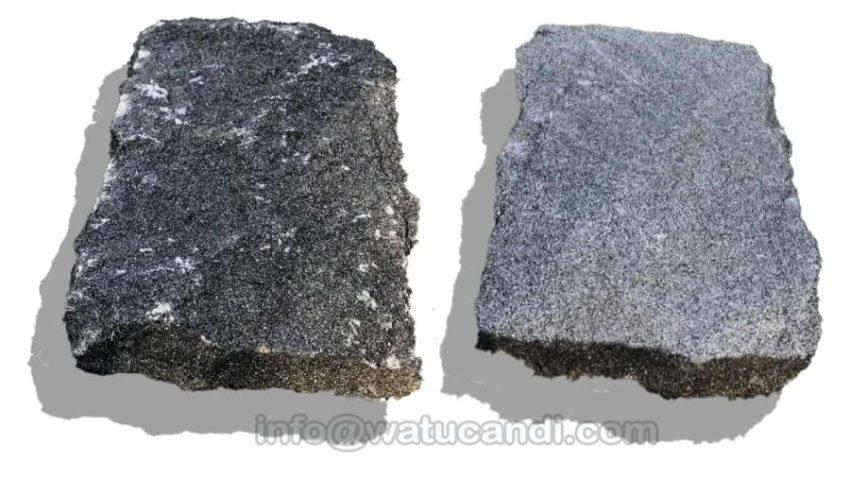
In the realm of natural stone architecture, few materials offer the same level of raw, unrefined beauty and organic character as Random Candi Stone Skin, also known as Black Lava Stone Skin. Derived from the volcanic eruptions of Mount Merapi in Central Java, Indonesia, this unique material represents the outer crust or “skin” of the lava flow. Unlike uniformly cut tiles, Random Candi Stone is characterized by its irregular shapes, abstract forms, and distinct dual-texture surfaces. One side retains the smooth, flat finish of the machine-cut slab, while the other side preserves the rough, rugged, and naturally fractured texture of the volcanic rock. This duality makes it an incredibly versatile material for architects, interior designers, and landscape artists seeking to introduce a sense of wild, untamed nature into their built environments.
The term “Random” refers to the non-uniform, unpredictable arrangement of the stones. In construction and design, these stones are not laid in a rigid grid or repetitive pattern. Instead, they are carefully selected and placed by skilled stonemasons to create a balanced yet seemingly chaotic composition that mimics natural rock formations. This approach avoids the monotony of standard tiling and creates a dynamic visual experience that changes with the light and perspective. Whether used as a striking feature wall in a modern living room, a rustic boundary fence in a tropical garden, or an elegant mosaic floor in a outdoor patio, Random Candi Stone Skin adds depth, character, and a timeless aesthetic to any project.
This comprehensive guide will delve deep into the world of Random Candi Stone Skin. We will explore its geological origins, the intricate manufacturing process that transforms raw volcanic crust into usable architectural elements, and the diverse applications that leverage its unique dual-texture properties. From the technical aspects of installation and maintenance to the artistic considerations of design and layout, this article serves as the definitive resource for anyone looking to incorporate this stunning natural material into their next building or renovation project. We will also discuss how it complements other natural stones, such as brown sandstone and Sukabumi green stone, to create harmonious and visually striking environments.
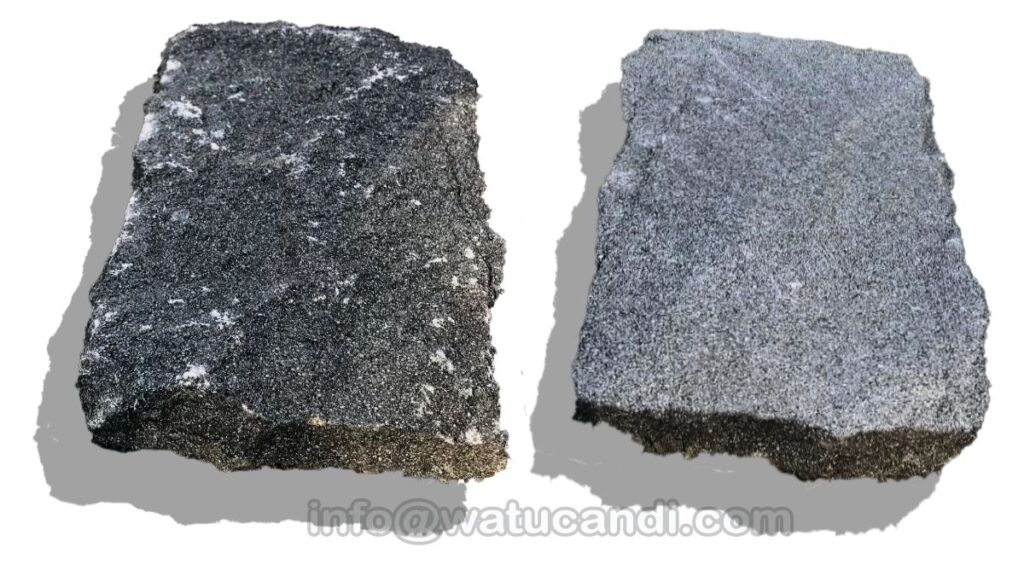
Table of Contents
- Geological Origins and Characteristics
- The Dual-Texture Advantage: Smooth vs. Rough
- Abstract Wall Cladding with Rough Surface
- Elegant Garden Flooring with Smooth Surface
- Professional Installation Guidelines
- Maintenance, Sealing, and Longevity
- Design Trends and Aesthetic Applications
- Complementary Natural Stone Solutions
Geological Origins and Characteristics
To truly appreciate the value of Random Candi Stone Skin, one must understand its profound geological history. This material is sourced from the slopes of Mount Merapi, one of the most active volcanoes in Indonesia. When lava erupts from the volcano, it flows down the mountainside, cooling rapidly upon contact with the air and ground. This rapid cooling process creates a dense, hard, and fine-grained igneous rock known as andesite or basalt, commonly referred to locally as “Batu Candi” or Temple Stone due to its historical use in ancient Javanese temples like Borobudur and Prambanan.
The “Skin” of the stone refers to the outer layer of these lava flows. This outer crust is subjected to the most extreme temperature differentials and environmental exposure during the cooling process. As a result, it develops a unique texture that is distinct from the inner core of the rock. The skin is often more porous, rugged, and irregular, bearing the marks of its violent formation. When quarried, large blocks of this lava are extracted. The primary cuts are made to create uniform slabs for standard tiles. However, the outer edges and remnants of these blocks—the “skin”—are not discarded. Instead, they are carefully collected and processed into Random Candi Stone. This sustainable practice ensures that every part of the extracted rock is utilized, minimizing waste and maximizing the yield from each quarry block.
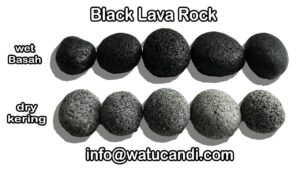
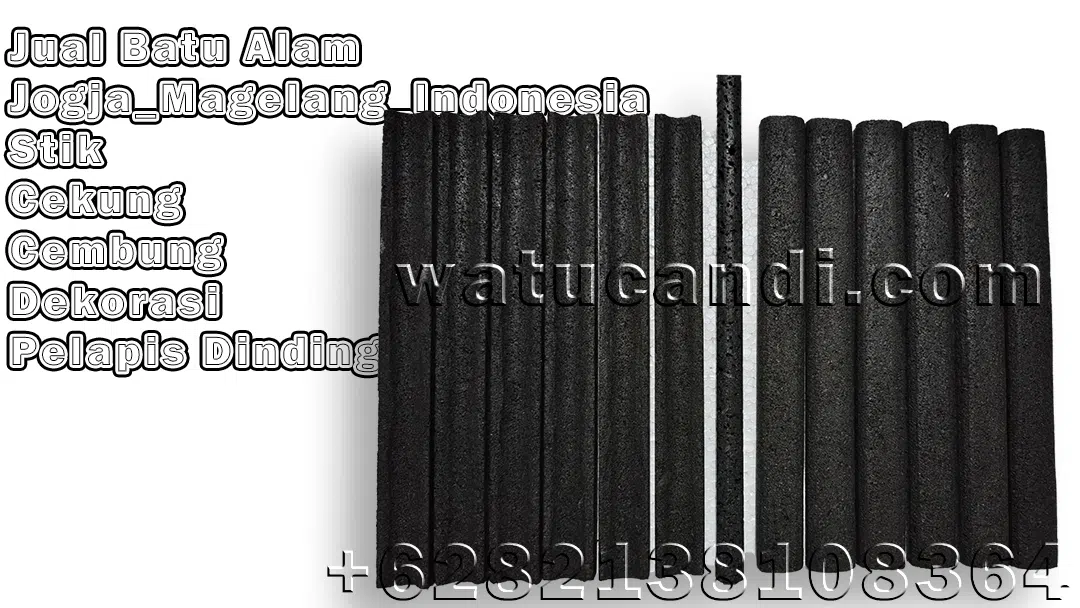
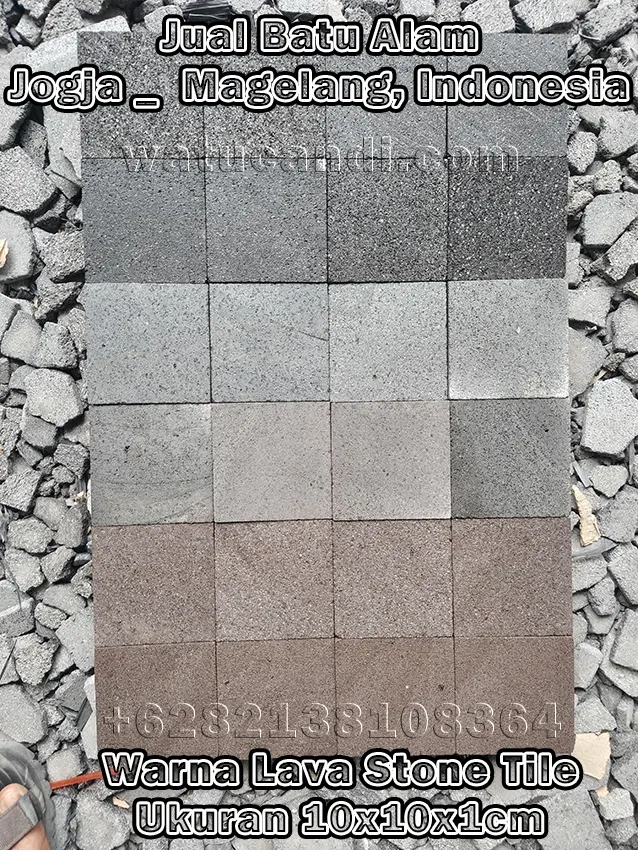
The characteristics of Random Candi Stone Skin are defined by its irregularity. No two pieces are exactly alike in shape, size, or texture. The thickness can vary significantly, ranging from 1 cm to 7 cm or more, depending on where the piece was located in the original block. This variation in thickness adds a three-dimensional quality to the stone, creating shadows and depth that flat, uniform tiles cannot achieve. The color palette is predominantly deep charcoal, black, and dark gray, with occasional hints of brown or green depending on the mineral content and oxidation levels. This dark, earthy tone provides a strong visual anchor in any design scheme, offering a sophisticated and grounded aesthetic. For those interested in the broader category of volcanic stone, explore our lava stone collection.
The Dual-Texture Advantage: Smooth vs. Rough
The most defining feature of Random Candi Stone Skin is its dual-texture nature. Each piece essentially has two distinct faces, each offering unique aesthetic and functional properties. Understanding this duality is crucial for maximizing the potential of the material in your design.
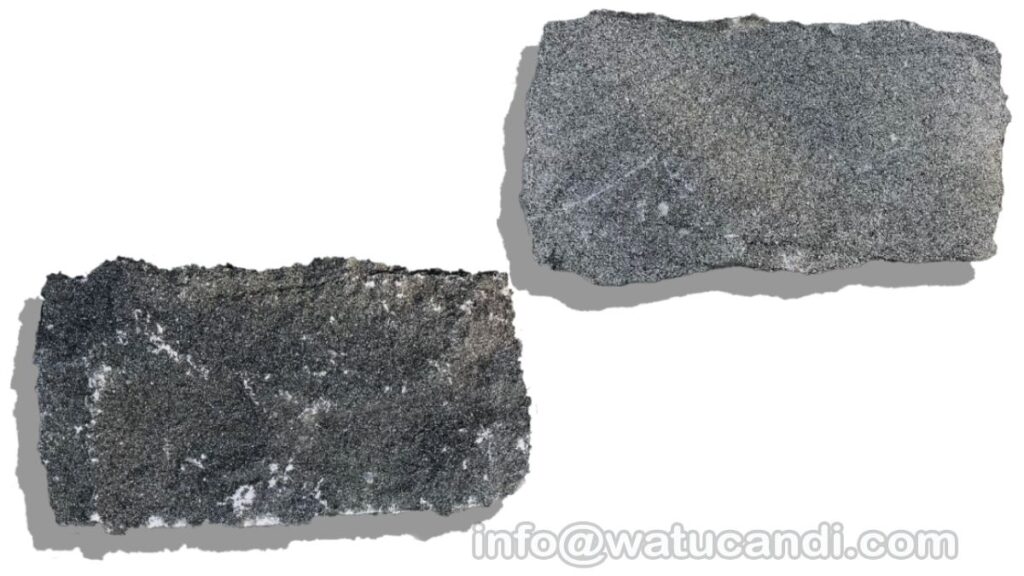
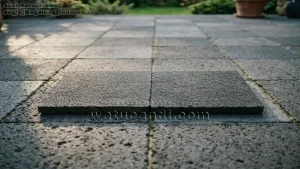
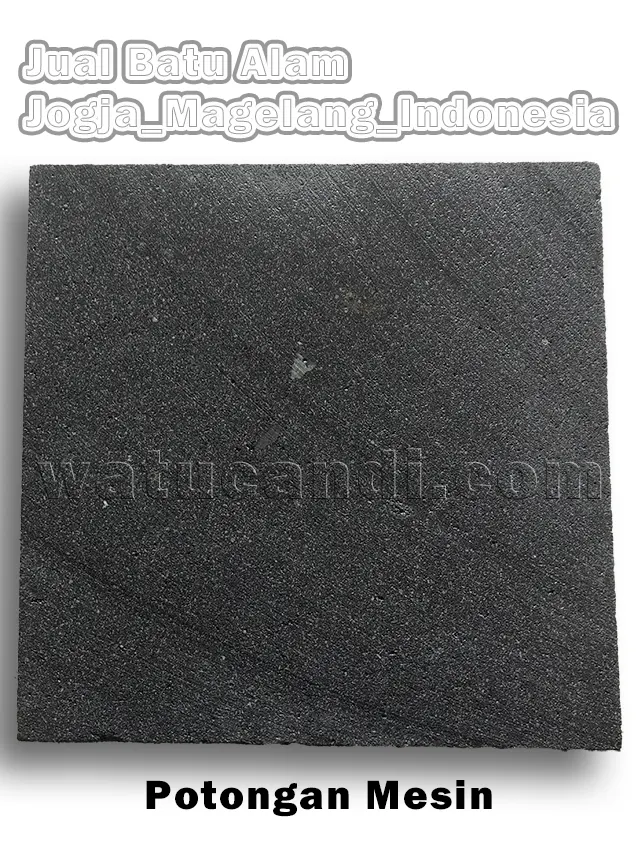
The Smooth Side: One face of the stone is the result of the initial machine cutting process. This side is flat, relatively smooth, and bears the faint, parallel lines of the diamond saw blades. While not polished to a high gloss, this surface is clean and uniform. It provides a stable, even base for installation and offers a comfortable, non-abrasive surface for walking. This side is ideal for applications where comfort and ease of cleaning are priorities, such as flooring in patios, walkways, or pool decks. The smooth surface also reflects light more evenly, helping to brighten up darker outdoor spaces.
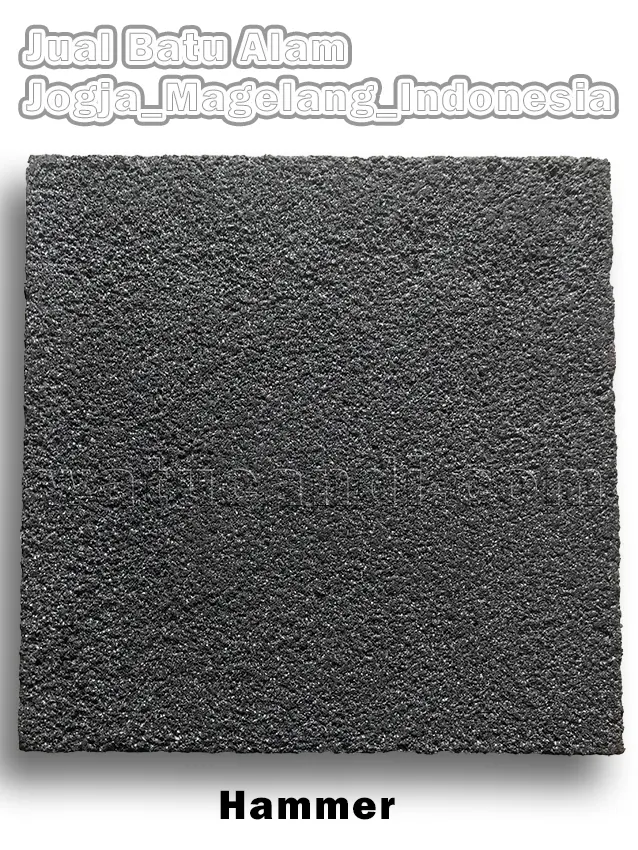
The Rough Side: The opposite face retains the natural, uncut texture of the volcanic rock. This side is rugged, uneven, and highly textured, with pits, crevices, and irregular protrusions. It is abstract and organic, resembling a miniature mountain range. This rough surface is perfect for creating visual interest and tactile engagement. It catches light and shadow in dramatic ways, adding depth and dimension to walls. The rugged texture also provides excellent slip resistance, making it safe for wet areas, although its primary appeal is aesthetic. This side is predominantly used for wall cladding, feature walls, and decorative accents where the goal is to evoke a sense of raw, natural power.
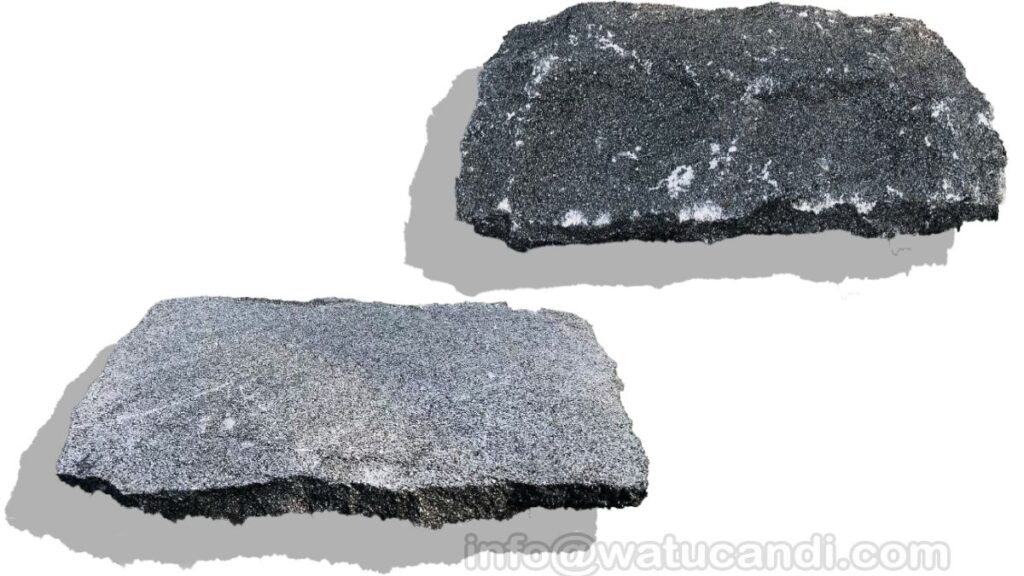
This versatility allows designers to use the same material for completely different effects within a single project. For example, a garden pathway might use the smooth side up for comfortable walking, while the retaining wall alongside it uses the rough side out for a rugged, natural look. This coherence in material but contrast in application creates a sophisticated and well-thought-out design language. For those who prefer a fully weathered look, you might also consider tumbled finish natural stone, which offers a uniformly soft, aged texture.
Abstract Wall Cladding with Rough Surface
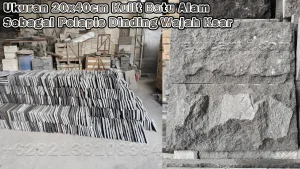
One of the most popular and impactful applications of Random Candi Stone Skin is as a wall cladding material. When installed with the rough, abstract side facing outward, it transforms ordinary walls into striking works of art. This application is particularly effective in creating feature walls that serve as focal points in a room or outdoor space.
The installation process for random stone wall cladding is akin to solving a complex jigsaw puzzle. Because each piece is irregular in shape and size, there is no predefined pattern. Skilled stonemasons must carefully select each piece, test its fit against the surrounding stones, and sometimes trim the edges with an angle grinder to ensure a tight, seamless joint. This labor-intensive process results in a wall that looks as though it has been assembled by nature itself, rather than by human hands. The lack of a repetitive pattern prevents visual fatigue and keeps the eye engaged, discovering new details and textures with every glance.
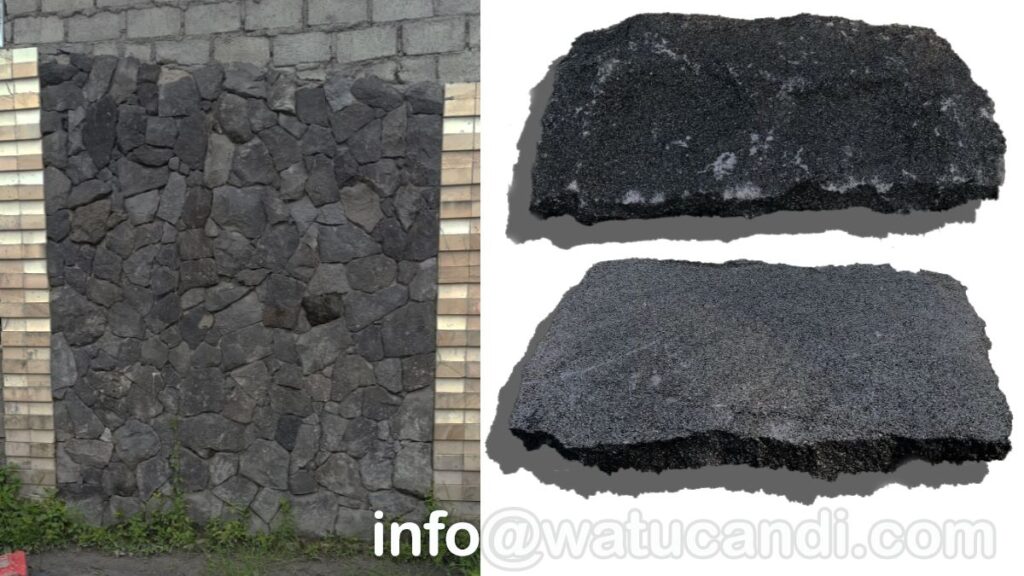
Interior Applications: Inside the home, Random Candi Stone Skin is often used to clad fireplace surrounds, accent walls in living rooms, or feature walls in bedrooms. The dark, rugged texture provides a dramatic contrast to smooth plaster, paint, or wood finishes. It adds warmth and coziness, evoking the feeling of a rustic cabin or a luxury lodge. In modern minimalist interiors, a single wall of random stone can serve as a powerful statement piece, grounding the space and adding a touch of raw elegance. It pairs beautifully with warm lighting, which highlights the textures and shadows of the stone. For a softer, more layered look, consider combining it with stacked stone slate surfaces.
Exterior Applications: Outdoors, the durability of lava stone makes it ideal for boundary walls, garden retaining walls, and facade cladding. The rough texture blends seamlessly with natural landscaping, such as trees, shrubs, and water features. It creates a sense of continuity between the built structure and the natural environment. The stone’s resistance to weathering, UV radiation, and moisture ensures that it will maintain its appearance for decades with minimal maintenance. It is also an excellent choice for covering unsightly concrete structures, transforming them into attractive natural elements. For inspiration on integrating stone into exterior designs, see our lava stone exterior design gallery.
Commercial and Hospitality: In commercial settings, such as hotels, resorts, and restaurants, Random Candi Stone Skin is used to create immersive, thematic environments. It is frequently seen in spa areas, lobby feature walls, and outdoor dining patios. The natural, calming aesthetic helps to create a relaxing atmosphere for guests. The uniqueness of each installation ensures that no two spaces look exactly the same, offering a bespoke experience for visitors. For a more traditional temple-like aesthetic, explore Borobudur temple stone.
Elegant Garden Flooring with Smooth Surface
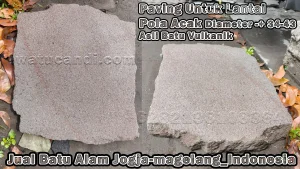
While the rough side is favored for walls, the smooth side of Random Candi Stone Skin offers a completely different aesthetic when used for flooring. This application is particularly popular in gardens, patios, pool decks, and walkways. By flipping the stone over, designers can create a floor that is both elegant and practical.
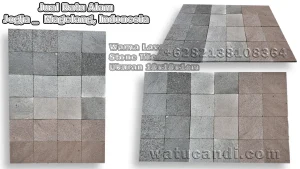
The smooth surface is comfortable to walk on, even barefoot. It does not have the sharp edges or abrasive texture of the rough side, making it safe for children and pets. The flat surface also makes it easier to clean and maintain, as dirt and debris do not get trapped in deep crevices. A simple sweep or hose-down is usually sufficient to keep the floor looking pristine. The dark color of the lava stone helps to hide dirt and stains, making it a low-maintenance option for high-traffic outdoor areas.
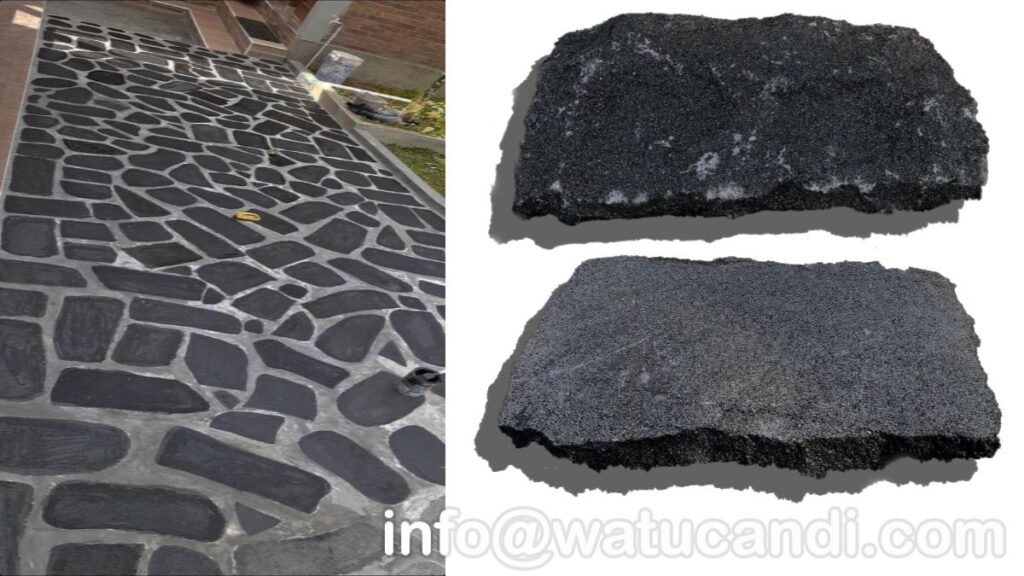
The Mosaic Effect: When laid with the smooth side up, the irregular shapes of the random stones create a beautiful mosaic effect. The gaps between the stones are typically wider than in standard tiling, often ranging from 2 to 5 centimeters. These gaps are filled with grout, sand, or even planted with creeping ground cover plants like moss or thyme. This technique softens the hardscape and integrates the floor into the surrounding garden. The contrast between the dark, smooth stone and the lighter grout or green plants creates a visually appealing pattern that is both organic and structured. For a similar but more uniform paving option, consider temple stone paving floors.
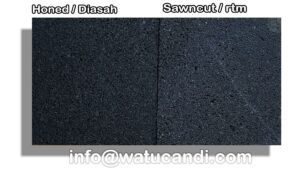
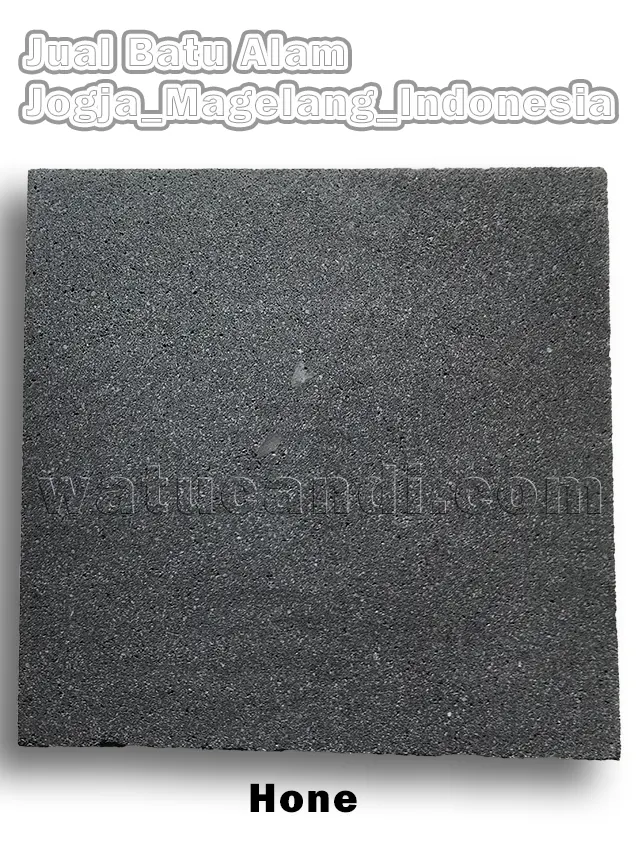
Pool Decks and Wet Areas: The smooth side of Random Candi Stone is also suitable for pool decks, provided it is properly sealed and maintained. While it is smoother than the rough side, the natural micro-texture of the lava stone still provides adequate slip resistance, especially when compared to polished ceramic or porcelain tiles. The dark color of the stone absorbs heat, so it is important to choose lighter-colored grout or provide shade structures to prevent the surface from becoming too hot in direct sunlight. Alternatively, the stone can be honed to a slightly textured finish to improve grip. For complete pool solutions, check our lava stone swimming pool installations.
Pathways and Stepping Stones: Random Candi Stone can also be used to create winding pathways through gardens. Larger, thicker pieces can be used as stepping stones, set directly into the grass or gravel. The irregular shapes fit together like a puzzle, guiding visitors through the landscape in a natural, meandering way. This application enhances the sense of discovery and exploration in a garden, encouraging people to slow down and appreciate the surroundings. For dedicated stepping stone options, view our Candi stone stepping floors.
Professional Installation Guidelines
Installing Random Candi Stone Skin requires a higher level of skill and patience than installing standard uniform tiles. The irregular shapes and varying thicknesses demand careful planning and execution to ensure a durable and aesthetically pleasing result. Here are the key steps and considerations for a successful installation.
1. Substrate Preparation: The foundation is critical. For wall cladding, the substrate must be solid, clean, and capable of supporting the weight of the stone. Concrete or cement board is ideal. For flooring, the base must be compacted and level. A layer of crushed stone or gravel is often used as a sub-base for outdoor paths to ensure proper drainage and stability. For indoor floors, a concrete slab is recommended.
2. Dry Layout: Before applying any adhesive, it is highly recommended to perform a dry layout. Arrange the stones on the floor or against the wall without mortar to visualize the pattern. This allows you to select the best-fitting pieces for each spot and minimize cutting. Start from the center or a prominent corner and work your way out. Mix stones from different boxes to ensure a good distribution of colors and textures.
3. Adhesive Selection: Use a high-quality, polymer-modified thin-set mortar designed for natural stone. For exterior applications or wet areas, an epoxy-based adhesive is preferred for its superior waterproofing and bond strength. The adhesive should be applied to both the back of the stone and the substrate (back-buttering) to ensure full coverage and eliminate air pockets.
4. Setting the Stone: Press each stone firmly into the adhesive. Use a rubber mallet to gently tap the stones into place, ensuring they are level with the surrounding pieces. Because the thickness varies, you may need to adjust the amount of adhesive under each stone to maintain a consistent surface level. Use spacers if necessary to maintain consistent joint widths, although for random stone, visual judgment is often more important than precise measurements.
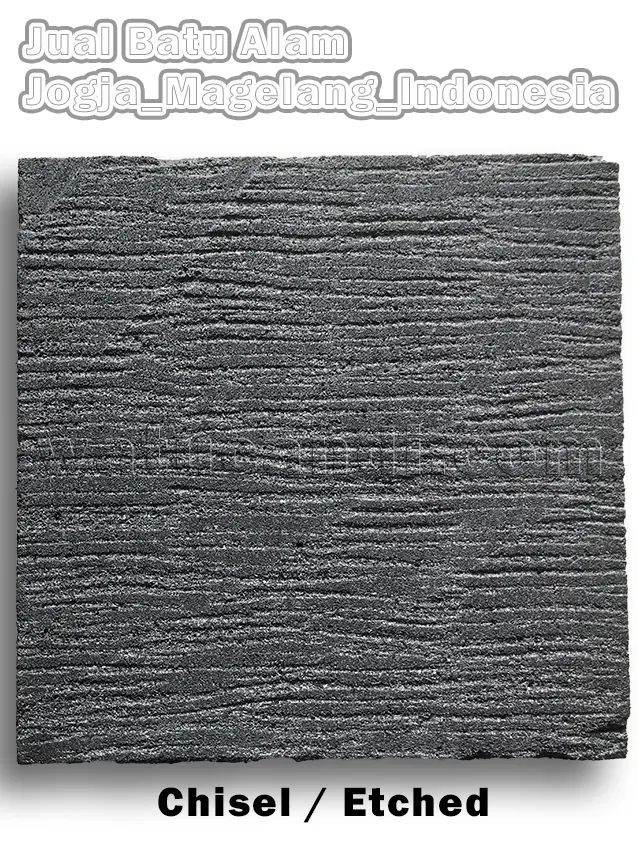
5. Grouting: Once the adhesive has cured (usually 24-48 hours), you can proceed with grouting. For random stone, wider joints are common. Use a sanded grout for joints wider than 3mm. Epoxy grout is highly recommended for its stain resistance and durability, especially in outdoor or wet areas. Apply the grout with a rubber float, pressing it firmly into the joints. Clean off the excess grout with a damp sponge before it hardens. Be careful not to leave grout haze on the stone surface. For intricate patterns, review chiseled natural stone patterns.
6. Cutting and Shaping: You will likely need to cut some stones to fit around corners, edges, or obstacles. Use a wet saw with a diamond blade for straight cuts. For irregular shapes, an angle grinder with a diamond cup wheel or a stone chisel and hammer may be necessary. Always wear appropriate safety gear, including goggles, gloves, and a dust mask, when cutting stone.
Maintenance, Sealing, and Longevity
Random Candi Stone Skin is a durable and low-maintenance material, but proper care is essential to preserve its beauty and longevity. Lava stone is porous, meaning it can absorb water, oils, and stains if left unprotected. Therefore, sealing is a critical step in the maintenance routine.
Sealing: Apply a high-quality penetrating sealer designed for natural stone. This type of sealer penetrates the pores of the stone without forming a film on the surface, allowing the stone to breathe while repelling water and stains. Seal the stone after installation and before grouting to prevent grout haze from sticking to the surface. Reapply the sealer every 1-3 years, depending on the level of traffic and exposure to the elements. A simple water bead test can determine if resealing is needed: if water no longer beads up on the surface, it is time to reseal.
Cleaning: For routine cleaning, use a pH-neutral stone cleaner and a soft brush or mop. Avoid acidic cleaners (such as vinegar or citrus-based products) and harsh alkaline chemicals, as these can damage the sealer and etch the stone surface. For outdoor areas, a pressure washer can be used on a low setting to remove dirt and organic growth, but be cautious not to dislodge the grout. For stubborn stains, use a specialized stone poultice.
Preventing Efflorescence: Efflorescence is a white, powdery deposit that can appear on the surface of natural stone. It is caused by water moving through the stone and evaporating, leaving behind salt deposits. To prevent this, ensure proper drainage behind wall cladding and under flooring. If efflorescence occurs, it can be removed with a specialized efflorescence remover and a stiff brush. For more information on managing volcanic stone, read our black lava stone gravel volcanic rock guide.
Long-Term Care: Inspect the stone regularly for any signs of damage, such as cracks or loose tiles. Repair any issues promptly to prevent further damage. With proper care, Random Candi Stone Skin will last for decades, developing a rich patina that enhances its natural beauty over time. For comprehensive care advice, refer to our guide to the best Indonesian natural lava stone tiles.
Design Trends and Aesthetic Applications
Random Candi Stone Skin fits seamlessly into several current design trends, offering versatility and timeless appeal.
Biophilic Design: This trend focuses on connecting people with nature. Random Candi Stone, with its raw, organic form, is a perfect embodiment of biophilic principles. It brings the outdoors in, creating spaces that feel grounded, calm, and restorative. It is often used in conjunction with living walls, natural wood, and abundant plant life.
Wabi-Sabi: This Japanese aesthetic embraces imperfection, impermanence, and authenticity. The irregular shapes, rough textures, and natural variations of Random Candi Stone align perfectly with Wabi-Sabi philosophy. It celebrates the beauty of the unfinished and the raw, encouraging a sense of acceptance and tranquility.
Tropical Modernism: In tropical climates, natural stone is a staple of modern architecture. Random Candi Stone is used to create cool, shaded spaces that blend with the lush surroundings. It is often paired with large glass windows, open-air layouts, and water features to create a seamless indoor-outdoor living experience. For vibrant green accents, combine with Sukabumi green natural stone.
Industrial Chic: The dark, rugged texture of lava stone complements the raw, exposed materials of industrial design, such as concrete, steel, and reclaimed wood. It adds warmth and character to otherwise cold, hard spaces, creating a balanced and inviting atmosphere.
Complementary Natural Stone Solutions
While Random Candi Stone Skin is a standout material, it often works best when paired with other natural stones to create contrast and harmony. Our extensive catalog offers a wide range of complementary products.
For a lighter, warmer contrast to the dark lava stone, consider brown sandstone or Palimanan stone tiles. These stones offer creamy, beige, and yellow tones that brighten up spaces and provide a soft counterpoint to the rugged black lava. For a fragmented, mosaic-like aesthetic, explore breccia natural stone tiles.
To enhance your outdoor living areas, integrate natural stone and furniture. A hand-carved authentic Merapi stone sink 49x49x13cm or a sleek black basalt stone sink can serve as a stunning focal point in a bathroom or outdoor wash area. For artistic touches, see Yogyakarta green stone batik tiles. Use large format black lava stone 100x100x10 for bold, modern statements.
For water features, combine Random Candi Stone with authentic Sukabumi green stone tiles to create a vibrant, tropical oasis. Define your spaces with elegant natural stone edging. Add unique water features with a handmade stone basin or relax on a handmade stone table and chair set. For intricate details, check our carved motif dressing table.
Revisit our Candi lahar Merapi flooring for durability. Browse our general natural stone tiles collection. Find hidden crystals in Merapi lava for unique accents. For spiritual structures, use Pelinggih stone materials. Experience the black lava brushed hammered surface. Use black lahar for dark aesthetics. Install Candi lahar stone flooring for tradition. Try lava stone 75x230mm for specific dimensions. View all lava natural stone products. Upgrade your deck with Merapi lava stone decking parquet. Try alkali lava stone for unique properties. Build with core lava stone or traditional Candi lava natural stone. Pave with andesite paving stone. Use versatile natural andesite stone. Compare local versus precision green stone tiles. Choose authentic hand-chiseled stone flooring for craftsmanship. Finally, for comprehensive pool tiling advice, read our complete guide to green stone tiles for swimming pools and explore our guide to natural limestone and travertine.
pedra natural
Random Candi Stone Skin
random-candi-stone-skin-lava-wall-cladding`
Discover the unique aesthetic of Random Candi Stone Skin (Lava). Explore its dual-texture applications for abstract wall cladding and smooth garden flooring, installation tips, and maintenance guides for durable natural stone architecture.
Tags: random candi stone, lava stone skin, natural stone cladding, abstract stone, garden flooring, volcanic stone, indonesian stone, stone mosaic, rustic design, biophilic design, outdoor paving, feature wall, natural stone maintenance, black lava, stone installation,



7 thoughts on “Random Candi Stone Skin (Black Lava): The Ultimate Guide to Organic Architectural Beauty”