About Pumice Stone, Lava Stone, Lava Rock, Volcanic Rock: Multifunctional Volcanic Material Through the Ages
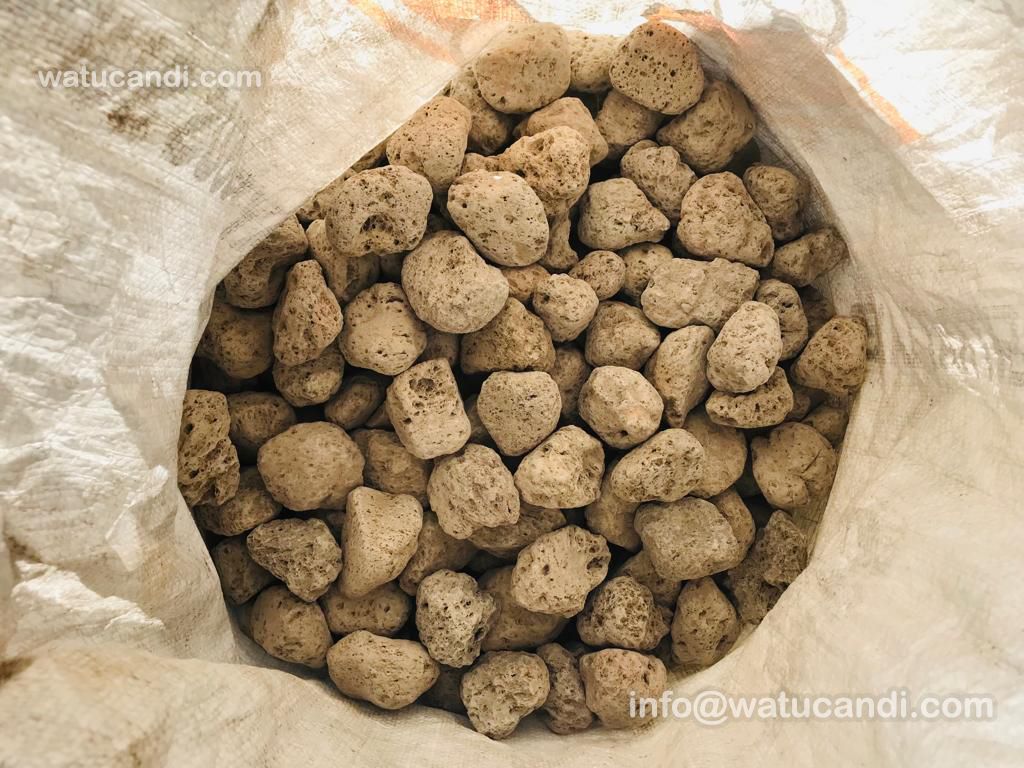
Pumice stone or what is also often referred to as Pumice Stone is one of the most unique natural materials produced by the earth’s volcanic activity. This material is a type of volcanic rock (lava stone, lava rock, volcanic rock) that has very lightweight characteristics most can even float on the water surface and is porous. The uniqueness of its physical properties makes pumice a highly sought-after material in various industries, ranging from construction, cosmetics, agriculture, to filtration.
In the world of building materials and modern industry, pumice stone (pumice stone, lava stone, lava rock, volcanic rock) has proven itself as an invaluable natural resource. Formed from lava containing many gases, which solidifies and expands when released from volcanoes, pumice stone has a unique internal structure full of microscopic cavities that give it lightweight properties, mild abrasiveness, and excellent absorption capabilities. It is no wonder that this material has been used for thousands of years, from the ancient Romans who used it in the construction of monumental buildings, to modern industries that utilize it in the formulation of advanced products.
This article will thoroughly explore everything about pumice stone (pumice stone, lava stone, lava rock, volcanic rock): from definitions, geological formation processes, physical and chemical characteristics, mineral content, various functions and uses, tips for choosing quality, to pricing and availability information. Let’s begin the journey of exploring the uniqueness of volcanic material that has become an inseparable part of human civilization.
What Is Pumice Stone? Understanding Its Definition and Geological Origins
Before discussing further about its various applications and benefits, it is important to deeply understand what exactly is meant by pumice stone (pumice stone, lava stone, lava rock, volcanic rock). A good understanding of its definition and formation process will help us appreciate the value of this material and use it optimally.
Scientific Definition of Pumice Stone
Scientifically, pumice stone is classified as extrusive igneous (volcanic) rock formed from rhyolitic or andesitic lava rich in volcanic gases. The term “pumice” itself comes from its physical property of being so light that it can float on water a very rare characteristic among other types of rocks. Geologists define pumice as volcanic foam formed when gas-rich molten lava is ejected into the air during explosive eruptions, cools rapidly, and traps gas bubbles within its structure.
This porous structure is the main characteristic of pumice stone. The cavities formed from trapped gas bubbles can reach up to 90% of the total rock volume, making it one of the lightest natural materials known to man. Although lightweight, pumice stone is not easily crushed and has sufficient strength for various practical applications.
The Formation Process of Pumice Stone in Nature
The formation of pumice stone (pumice stone, lava stone, lava rock, volcanic rock) is one of the most fascinating geological phenomena. This process begins deep within the earth’s interior, where magma molten rock containing various minerals and dissolved gases—is under very high pressure. When a volcano erupts, the pressure that has been holding the magma is suddenly released, similar to opening a shaken carbonated beverage bottle.
As magma rises to the surface, the drastic pressure drop causes dissolved gases mainly water vapor, carbon dioxide, and sulfur dioxide—to rapidly expand and form bubbles. This process is similar to the formation of foam in soap, but on a much larger scale and with much hotter material. When this bubble-filled lava reaches the surface and is ejected into the air, cooling occurs very quickly—in seconds—so that gas bubbles are trapped before they can escape, creating the porous structure characteristic of pumice stone.
This very rapid cooling process also prevents the formation of large mineral crystals, so pumice stone has a texture dominated by volcanic glass with few or no visible crystals. This is what distinguishes pumice stone from other types of volcanic rocks such as basalt or andesite which have larger mineral crystals due to slower cooling processes.
History of Pumice Stone Use in Human Civilization
The use of pumice stone by humans has been going on for thousands of years. Archaeological evidence shows that the ancient Romans were one of the first civilizations to extensively utilize pumice stone. They used it as lightweight aggregate in concrete construction to build magnificent structures such as the Pantheon and the Colosseum. Roman concrete containing pumice stone has proven to be very durable some structures still stand strong today, more than 2000 years after their construction.
Besides the Romans, various other ancient civilizations also knew and utilized pumice stone. In Mesopotamia, pumice stone was used as an abrasive material to smooth wood and stone surfaces. In ancient Egypt, pumice stone was found in various archaeological contexts, indicating its use in daily life. In Asia, including Indonesia, traditional communities have long used pumice stone for skin cleansing and as lightweight building material.
Scientific Classification of Pumice Stone
Pumice stone (pumice stone, lava stone, lava rock, volcanic rock) belongs to the type of volcanic rock. In geological classification, volcanic rock (also called extrusive igneous rock) is rock formed from magma or lava that emerges from the earth’s interior and then cools and solidifies on the earth’s surface. Unlike intrusive (plutonic) igneous rocks that cool slowly below the surface and form large crystals, volcanic rocks cool rapidly resulting in finer texture or even glass-like texture.
Volcanic rocks have different properties, depending on their chemical composition and cooling conditions. Pumice stone is specifically formed from magma or lava very rich in gas, so when magma or lava comes out of a volcano and cools, the gases are trapped inside the rock and cause the structure to become porous and lightweight. This is what distinguishes pumice from other volcanic rocks such as basalt (which is denser and heavier) or obsidian (which is glassy and non-porous).
Geographic Distribution: Where Can Pumice Stone Be Found?
Pumice stone (pumice stone, lava stone, lava rock, volcanic rock) can be found in many places around the world, especially in areas with volcanic activity. Its existence is always closely related to the history of volcanic eruptions in a region, as this material can only be formed through explosive volcanic processes. The more volcanically active an area is, the greater the likelihood of finding significant pumice deposits.
Pumice Deposits in Indonesia
Indonesia, as a country with the largest number of active volcanoes in the world, has very abundant pumice deposits. Almost every major island in Indonesia has pumice deposits, especially around volcanoes that have been or are still active. Some of the main pumice deposit locations in Indonesia include:
- Lombok Island, West Nusa Tenggara: One of the largest pumice producers in Indonesia. Deposits in this area were formed from the legendary eruption of Mount Samalas (now Mount Rinjani) in the 13th century.
- Java Island: Scattered around volcanoes such as Mount Merapi, Mount Kelud, Mount Semeru, and Mount Slamet.
- Sumatra Island: Significant deposits exist around Lake Toba and volcanoes in the Bukit Barisan range.
- North Sulawesi and Maluku: Areas with high volcanic activity that produce quality pumice deposits.
Pumice Deposits Worldwide
Besides Indonesia, several other countries have significant pumice deposits including:
- Italy: Especially around Mount Vesuvius and Mount Etna. Italy is one of the largest pumice producers in Europe.
- Greece: The island of Santorini (Thera) has very large pumice deposits from the Minoan eruption around 1600 BC.
- United States: Large deposits exist in Oregon, California, Arizona, and New Mexico.
- Turkey: Has extensive pumice deposits and is one of the world’s major exporters.
- New Zealand: The Taupo Volcanic Zone has very large pumice deposits.
- Chile and Peru: Countries along the Andes with high volcanic activity.
Mineral Content and Chemical Substances in Pumice Stone
Understanding the mineral and chemical composition of pumice stone (pumice stone, lava stone, lava rock, volcanic rock) is very important, especially for those who will use it in industrial or agricultural applications. This composition not only determines the physical properties of pumice stone but also affects how this material interacts with its surrounding environment.
Pumice stone contains various minerals and chemical substances formed from volcanic processes. Some minerals and chemical substances commonly found in pumice stone include:
Main Components of Pumice Stone
Silica (SiO₂) – The Dominant Component
Silica is the main component of pumice stone, with a content of about 70-80% of the total rock weight. This high silica content gives pumice stone relatively inert (non-reactive) chemical properties, making it safe for use in various applications including those that come into contact with human skin. Silica also provides structural strength to the pore walls of pumice stone, allowing it to maintain its shape despite being very porous.
Aluminum Oxide (Al₂O₃) – Structure Strengthener
The aluminum oxide content in pumice stone ranges from 10-18%. This mineral plays an important role in providing thermal and chemical stability to pumice stone. Aluminum oxide also contributes to the hardness of the material, although in pumice stone its hardness remains relatively low due to its porous structure.
Minor Components and Trace Elements
Iron Oxide (Fe₂O₃) – Color Provider
The iron oxide content in pumice stone is around 1-3%. Although the amount is relatively small, iron oxide plays an important role in determining the color of pumice stone. The higher the iron oxide content, the darker the color of the pumice stone produced—ranging from light cream to reddish-brown.
Calcium Oxide (CaO) – pH Regulator
The calcium oxide content in pumice stone ranges from 0.5-2%. This mineral plays a role in determining the chemical properties of pumice stone, especially when used as a growing medium. Calcium oxide can slightly increase soil pH, which needs to be considered in agricultural applications.
Magnesium Oxide (MgO), Potassium Oxide (K₂O), and Sodium Oxide (Na₂O)
These three minerals are present in varying amounts: magnesium oxide around 0.5-3%, potassium oxide around 2-5%, and sodium oxide around 1-4%. These minerals play a role in determining the overall chemical properties of pumice stone and can affect how this material interacts with water and soil.
Manganese Oxide (MnO) and Titanium Oxide (TiO₂) – Trace Elements
Both of these minerals are present in very small amounts: manganese oxide around 0.2-0.5% and titanium oxide around 0.5-1%. Although the amounts are small, both minerals play a role in providing color characteristics and certain physical properties to pumice stone.
The mineral and chemical content of pumice stone can vary depending on its source and formation process. Pumice stone from different volcanoes can have slightly different compositions, which in turn affects color, hardness, and other properties. However, the main components of pumice stone remain silica and aluminum oxide, which make it lightweight, porous, and easy to process.
Functions, Benefits, and Uses of Pumice Stone in Various Fields
Pumice stone (pumice stone, lava stone, lava rock, volcanic rock) has a wide variety of functions and uses, ranging from heavy industrial applications to personal care products. Here is an in-depth discussion of the various functions and benefits of pumice stone:
1. As a Building and Construction Material
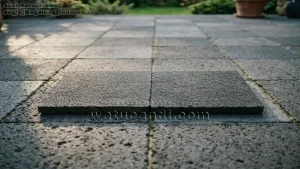
One of the most significant applications of pumice stone is in the construction industry. Pumice stone is used as a filler in making concrete and mortar, as well as a raw material in making lightweight bricks. The use of pumice stone in construction has several main advantages:
Pumice stone can make concrete and mortar lighter and easier to work with. Concrete using pumice aggregate can be up to 30-40% lighter compared to conventional concrete, while still maintaining adequate structural strength. This is very advantageous in high-rise construction, as it reduces the total load on foundation structures.
Additionally, pumice stone also improves the thermal and acoustic resistance of buildings. The porous structure of pumice stone creates microscopic air spaces that function as natural insulators. Walls containing pumice aggregate have better thermal insulation capabilities, helping maintain comfortable interior temperatures and reducing energy requirements for cooling or heating. Its acoustic properties also help dampen sound, creating a quieter environment.
2. As a Cosmetic and Skincare Ingredient
Pumice stone has been used as a cosmetic ingredient for centuries. Its gentle yet effective abrasive properties make it ideal for removing dead skin cells without damaging healthy skin. Pumice stone is used as a base ingredient in cosmetic products such as soaps, scrubs, and cleansing creams.
In skincare products, pumice stone helps remove dead skin cells, making the skin look cleaner and brighter. Exfoliation with pumice stone also helps improve blood circulation on the skin surface, which can support healthier skin cell regeneration. Regular use of products containing pumice stone can help reduce the buildup of dead skin cells that can cause dull, rough skin, or even problems like acne and blackheads.
In addition to facial and body skincare, pumice stone is also very popular for foot care, especially for smoothing calluses and hard skin on heel areas. Its controlled abrasive properties allow users to gradually reduce the thickness of hardened skin without the risk of injuring the healthy skin beneath.
3. As a Growing Medium in Horticulture
In the world of agriculture and horticulture, pumice stone has proven itself as a very effective growing medium. Pumice stone is used as a growing medium in plant cultivation, either as a main component or as a mixture with other media such as soil, compost, or cocopeat.
Growing media made from pumice stone has good drainage ability excess water can easily flow through the pores and spaces between pumice grains, preventing plant roots from being submerged in water which can cause rotting. At the same time, the porous structure of pumice stone can also store a certain amount of water and nutrients, releasing them slowly according to plant needs. This creates an ideal balance between drainage and moisture retention.
Pumice stone also provides adequate aeration for plant roots. The air spaces in pumice growing media allow oxygen to easily reach the roots, which is very important for root respiration and nutrient absorption. Roots that receive good aeration tend to grow healthier and are more resistant to disease.
Due to its ability to retain moisture, pumice stone is also used in vertical gardens. In this application, pumice stone helps maintain consistent moisture throughout the garden wall, reducing the frequency of watering needed, and supporting healthy plant growth in challenging vertical environments.
4. As Sound and Heat Insulation Material
The lightweight and porous properties of pumice stone make it a very effective sound and heat insulation material. In insulation applications, pumice stone can be used in loose fill form or as aggregate in insulation panels.
As a thermal insulator, the air spaces trapped in the porous structure of pumice stone inhibit heat transfer, creating an effective thermal barrier. This makes pumice stone ideal for applications where thermal insulation is needed, such as in energy-efficient building construction or in industrial equipment requiring temperature control.
As an acoustic insulator, pumice stone helps dampen sound waves, reducing noise transmission between rooms or from outside to inside buildings. This is very beneficial in applications such as recording studios, conference rooms, or residences in noisy environments.
5. As a Filler in Manufacturing Industries
Pumice stone is used as a filler in the production of various industrial products, including paper, rubber, and paint. In these applications, pumice stone that has been ground into powder is added to product formulations to enhance certain properties or reduce production costs.
In the paper industry, pumice stone is used as a filler to improve opacity and surface smoothness of paper. In the paint industry, pumice stone functions as a pigment extender that helps create certain textures and improves paint covering power. In the rubber industry, pumice stone can be added to improve wear resistance and provide certain surface textures to rubber products.
6. As Filtration and Water Purification Media
The porous structure of pumice stone makes it an excellent filtration medium. Pumice stone is used as water purification infiltration media, where contaminated water is flowed through layers of pumice stone to filter suspended particles and some dissolved contaminants.
In filtration systems, pumice stone offers several advantages: large surface area due to its porous structure, ability to retain particles of various sizes, and relatively inert chemical properties so that it does not contaminate the filtered water. Pumice stone is also relatively cheap and easy to replace, making it an economical choice for large-scale filtration applications.
Additional Benefits of Pumice Stone
Besides the main functions above, pumice stone (pumice stone, lava stone, lava rock, volcanic rock) also has several significant additional benefits:
Skin Cleansing
Pumice stone is used in cosmetic products to help cleanse the skin and remove dead skin cells. Its gentle abrasive properties make it ideal for exfoliation without causing irritation.
Improving Soil Quality
Pumice stone can be used as a growing medium to improve soil drainage and aeration, as well as maintain soil moisture. This is very beneficial for heavy clay soils that tend to have poor drainage.
Improving Plant Health
Pumice stone as a growing medium can help improve plant health and prevent root damage. Good aeration and proper drainage create an optimal environment for root growth.
Improving Building Material Efficiency
Pumice stone can help improve the efficiency of building materials such as concrete and mortar, thereby reducing production costs. The use of pumice stone as lightweight aggregate can also reduce structural loads and transportation costs.
Improving Industrial Efficiency
Pumice stone can be used as a filler in industrial production, thereby reducing production costs and increasing production efficiency. As an abundant natural material, pumice stone offers an economical alternative to synthetic fillers.
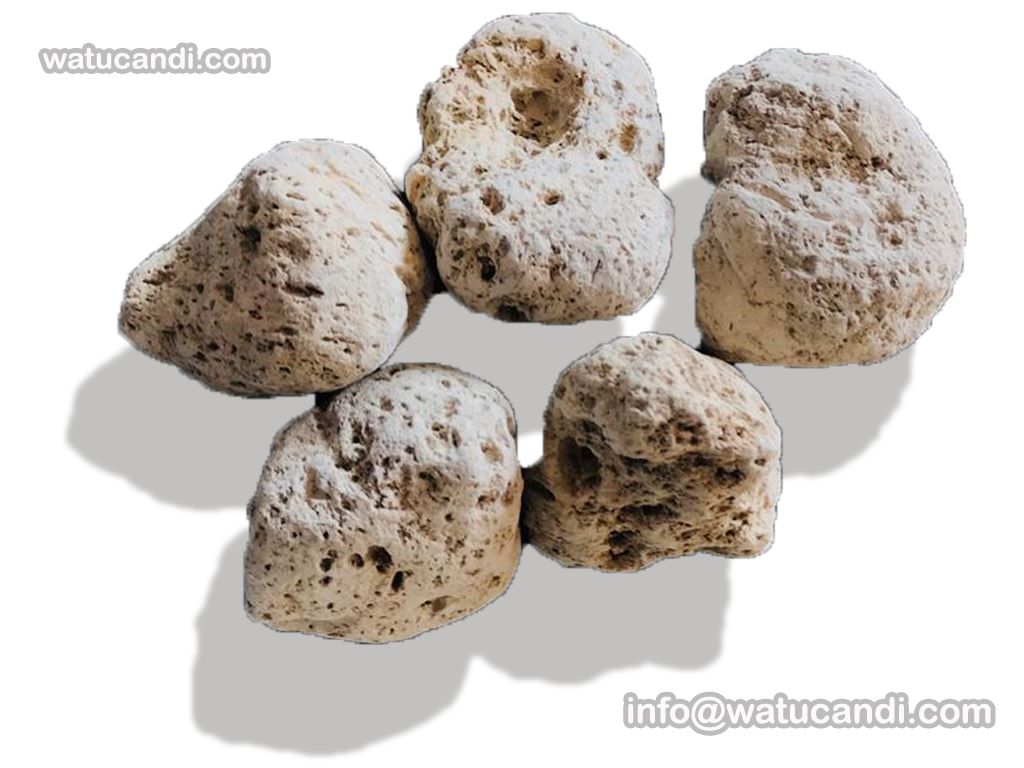
Physical Characteristics and Features of Pumice Stone
To be able to choose and use pumice stone (pumice stone, lava stone, lava rock, volcanic rock) correctly, it is important to understand its physical characteristics. Here are the main features of pumice stone that distinguish it from other types of rocks:
Lightweight – The Most Striking Characteristic
Pumice stone is a very light rock with low specific gravity usually less than 1 g/cm³, which allows it to float on water. This lightweight property is a direct result of its highly porous structure, where most of its volume consists of empty space. This is the characteristic that most distinguishes pumice stone from almost all other types of rocks.
The degree of lightness of pumice stone can vary depending on the size and distribution of its pores. Pumice stone with larger and more numerous pores will be lighter, while pumice stone with smaller and fewer pores will be slightly heavier. These variations affect the suitability of pumice stone for different applications.
Porous – The Unique Structure of Pumice Stone
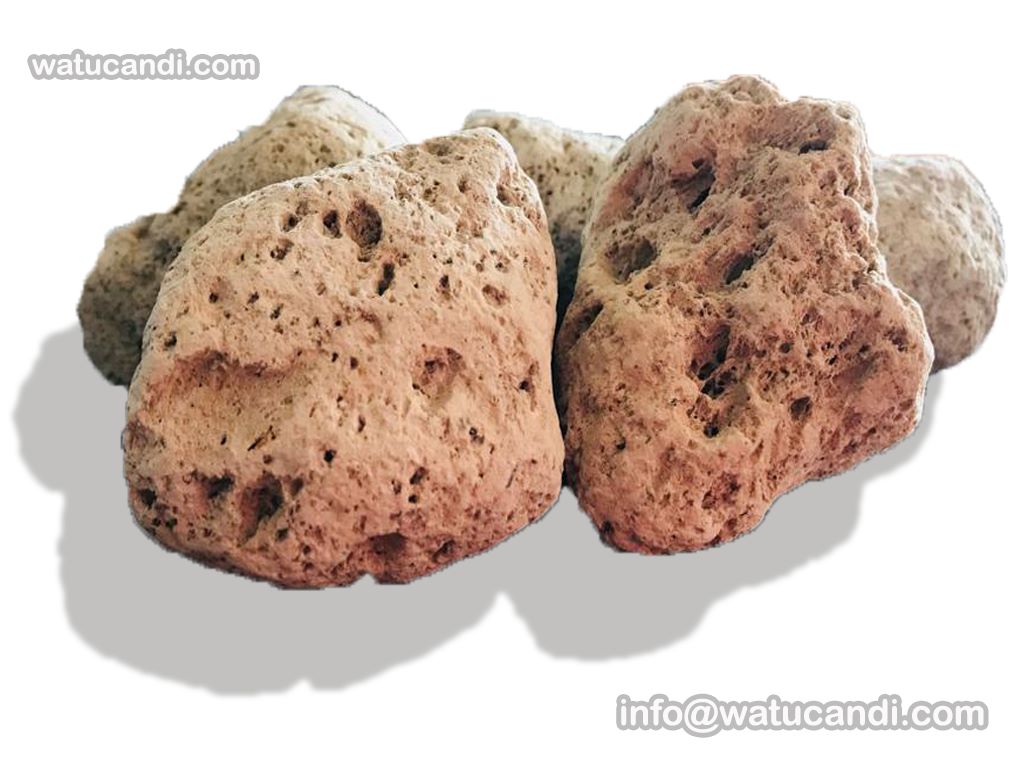
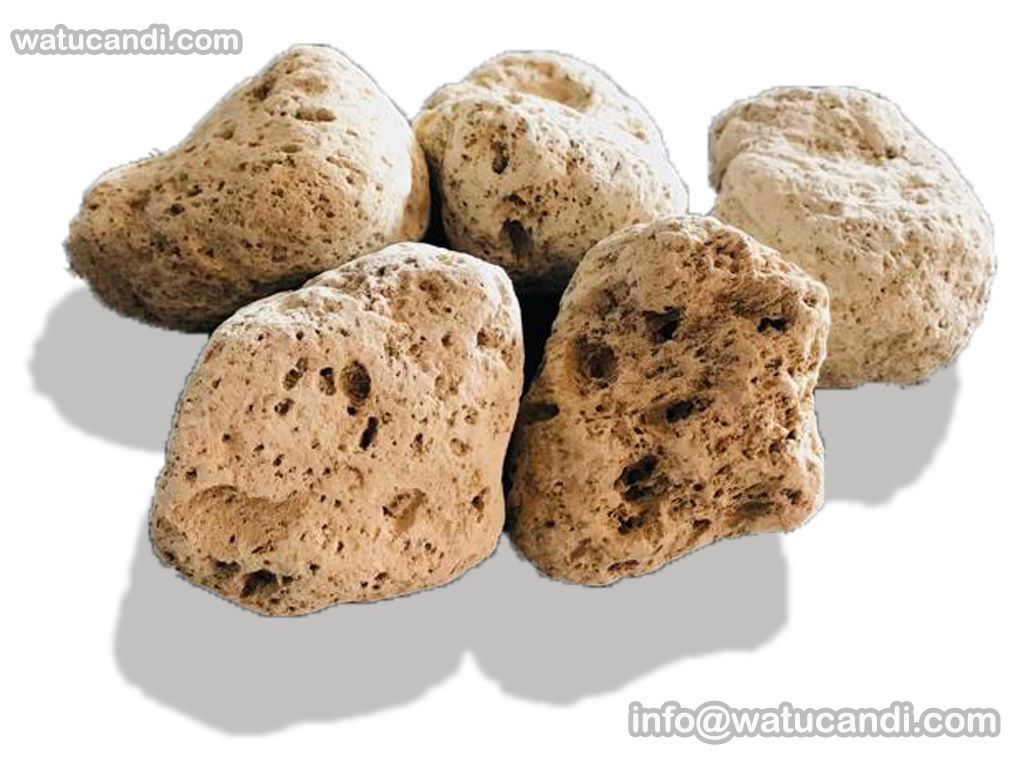
Pumice stone has a porous structure because it consists of air bubbles trapped in molten lava during volcanic eruptions. These pores can vary in size, from microscopic to visible to the naked eye. This is due to the large natural stone pores found in pumice stone.
This porous structure allows pumice stone to have high absorption and low conductivity. High absorption means pumice stone can absorb and hold significant amounts of liquid relative to its own weight a valuable property in applications such as growing media and filtration. Low thermal conductivity means pumice stone is a good insulator, a valuable property in construction applications.
Color – An Indicator of Mineral Composition
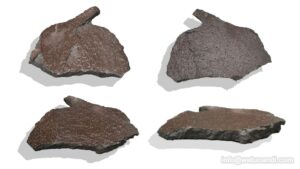
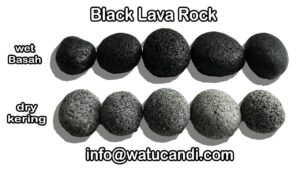
Pumice stone varies in color from grayish-white, gray, to black. The color of pumice stone depends on the mineral composition contained within it. Pumice stone rich in pure silica tends to be lighter in color (white to light gray), while pumice stone with higher iron and other dark mineral content tends to be darker in color (dark gray to black).
This color variation is not only interesting from an aesthetic point of view but can also be a rough indicator of the chemical composition and potential applications of the pumice stone. For example, lighter pumice stone is often preferred for cosmetic applications, while darker pumice stone may be more suitable for construction applications where color is not a primary consideration.
Shape – Result of the Formation Process
The shape of pumice stone varies from round, oval, to irregularly shaped. The shape of pumice stone depends on how it was formed and the size of the air bubbles trapped inside. Pumice stone formed from explosively fragmented lava tends to have more irregular shapes and sharp angles, while pumice stone that has undergone transportation by water or wind may have more rounded shapes due to erosion.
Hardness – Relatively Soft for Rock
Pumice stone has low hardness compared to other types of rocks because it consists of air bubbles trapped in molten lava. The hardness of pumice stone is often measured using the Mohs hardness scale, and typically ranges from 4-5. For comparison, quartz has a hardness of 7, and diamond has a hardness of 10 on the same scale.
This relatively low hardness makes pumice stone easy to crush and grind a beneficial property for applications where pumice stone needs to be reduced to powder or aggregate of a certain size. However, this also means that pumice stone may not be suitable for applications that require very high abrasion resistance.
Solubility – An Important Consideration for Applications
Pumice stone dissolves easily in water due to its high porosity. However, what is meant by “dissolve” here is not dissolving like sugar or salt, but rather its tendency to disintegrate or break down when exposed to water over a long period. Pumice stone that dissolves too easily may become less durable when used in construction or growing media.
The solubility level of pumice stone varies depending on its chemical composition and environmental conditions. In applications where pumice stone will be continuously exposed to water, it is important to choose pumice stone with good water resistance or consider the use of a protective coating.
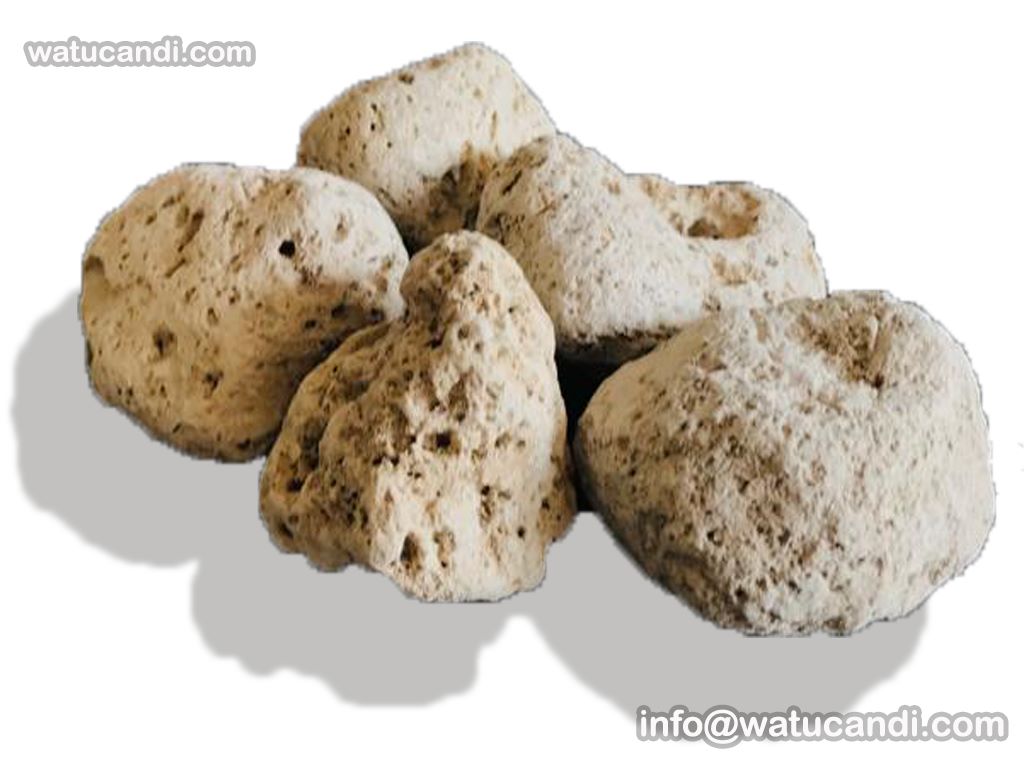
Tips for Choosing Quality Pumice Stone According to Its Function
Not all pumice stones are created equal. The quality and characteristics of pumice stone can vary greatly depending on its source, formation process, and post-mining handling. Choosing the right pumice stone for your specific application is very important to ensure optimal performance and satisfactory results. Here are comprehensive tips for choosing quality pumice stone according to its function:
1. Strength and Density
Make sure the pumice stone you choose has sufficient strength and density, especially if used as a filler for concrete and mortar. Pumice stone that is too porous or brittle can cause concrete and mortar to become less strong. For structural applications, choose pumice stone with higher density and smaller pore structure, which tends to have better compressive strength.
For non-structural applications such as growing media or insulation, pumice stone with lower density and larger pores may be more suitable as it provides better aeration and insulation. The key is to match the physical characteristics of pumice stone with the specific requirements of your application.
2. Grain Size
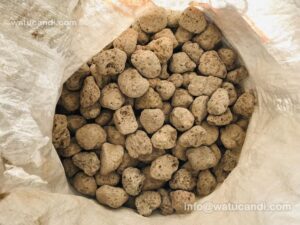
Make sure the size of pumice stone you choose matches its function. Pumice stone used as a growing medium should be large enough—typically 3-8 mm in diameter to provide good aeration and drainage. Grains that are too small can clog spaces between particles and reduce drainage, while grains that are too large may not provide sufficient water retention.
Meanwhile, pumice stone used as a filler for concrete and mortar should be smaller in size typically 0.5-4 mm in diameter to ensure good contact between pumice stone and its binder (cement). For cosmetic applications, pumice stone is usually ground into a very fine powder to ensure gentle and even application on the skin.
3. Color and Consistency
Choose pumice stone with uniform color that does not vary too much, especially if used as a decorative material. Pumice stone with different colors can make decorations look uneven. For applications where aesthetic appearance is important such as in cosmetic products or decorative elements color consistency is an important consideration.
For industrial applications where color is not a primary consideration, natural color variations of pumice stone are generally acceptable and do not affect material performance.
4. Quality and Purity
Make sure the pumice stone you choose is of good quality and free from contaminants such as silt or soil. Contaminated pumice stone can disrupt its function and affect product quality. Organic contaminants, for example, can decompose over time and cause odor problems or quality degradation in growing media.
To check the purity of pumice stone, observe whether there are foreign materials mixed in, such as pieces of wood, plastic, or other types of rock. High-quality pumice stone should be relatively clean and homogeneous.
5. Reliable Source
Make sure the pumice stone you choose comes from a reliable source that does not damage the environment. Pumice stone from unreliable or environmentally damaging sources may be of poor quality and harm the environment. Irresponsible pumice stone mining can cause erosion, habitat damage, and other environmental problems.
Choose suppliers that have sustainable and responsible mining practices. This not only ensures better product quality but also contributes to environmental preservation for future generations.
Warnings and Environmental Considerations in Using Pumice Stone
Although pumice stone has many benefits, its use also needs attention as it can have negative impacts on the environment if used improperly. As responsible users, it is important to understand and mitigate these potential negative impacts.
Impact on Soil pH
Using pumice stone as a growing medium, for example, can cause an increase in soil pH which can impact plant growth and the surrounding environment. Pumice stone, especially those rich in calcium oxide and other alkaline minerals, tends to have a slightly basic pH. When used in large quantities as a growing medium, pumice stone can gradually increase the pH of the surrounding soil.
This increase in soil pH can affect nutrient availability for plants. Some important nutrients such as iron, manganese, and phosphorus become less available under high pH conditions, which can cause nutrient deficiencies in plants. Plants sensitive to high pH may show symptoms such as yellowing leaves (chlorosis) or stunted growth.
To reduce this risk, it is recommended to mix pumice stone with organic materials such as compost or cocopeat, which tend to have a more acidic pH and can help balance the overall pH of the growing medium. Regular pH monitoring and adjustment as needed is also good practice.
Mining Impact
Pumice stone mining, like other mining activities, can have significant environmental impacts if not managed properly. The excavation of pumice deposits can cause soil erosion, habitat damage, and landscape changes. Dust from mining and processing operations can affect local air quality.
Therefore, it is important to consider its use wisely and pay attention to the environmental impacts that may arise. Choosing pumice stone from suppliers that practice sustainable mining, using pumice stone efficiently, and exploring alternative or recycled materials when possible are steps that can be taken to reduce environmental impact.
Pumice Stone Prices and Factors Affecting Them
The price of pumice stone varies depending on the place of origin and the difficulty level of mining (availability of natural pumice stone). Understanding the factors that affect the price of pumice stone can help you make more informed purchasing decisions and get the best value for your investment.
Factors Affecting Pumice Stone Prices
- Location and Accessibility of Deposits: Pumice stone from deposits that are easily accessible and close to transportation infrastructure tends to be cheaper due to lower extraction and transportation costs.
- Quality and Purity: Pumice stone with higher quality, better purity, and more consistent physical characteristics is usually priced higher.
- Size and Processing: Pumice stone that has been processed crushed, sieved, and classified by size is usually more expensive than raw pumice stone.
- Purchase Volume: Like most commodities, bulk purchases usually get lower per-unit prices.
- Market Demand: Fluctuations in demand from various industries can affect pumice stone prices.
For the latest pricing and ordering information, you can directly contact trusted pumice stone producers or suppliers. By understanding your specific needs and discussing them with the supplier, you can get the most suitable offer for your budget and project requirements.
Conclusion
Pumice stone (pumice stone, lava stone, lava rock, volcanic rock) is an extraordinary volcanic material with various applications covering construction, cosmetics, agriculture, filtration, and many more. Formed from explosive volcanic processes, pumice stone has unique characteristics lightweight, porous, mildly abrasive, and having good thermal and acoustic insulation properties which make it highly valuable in various industries.
From lightweight concrete used in modern building construction, to skincare products that help maintain health and beauty, from growing media that support optimal plant growth, to filtration media that clean water, pumice stone has proven itself as one of the most versatile natural materials available to man.
By understanding the characteristics, functions, and how to choose the right pumice stone, you can optimally utilize this volcanic material for your specific needs. However, it is also important to use pumice stone wisely and consider its environmental impact, ensuring that the benefits we derive from this remarkable natural material do not sacrifice environmental sustainability for future generations.
For more information about pumice stone and its applications, or to discuss your specific project needs, please do not hesitate to contact us. Our expert team is ready to help you find the right pumice stone solution for your needs.
Tags: pumice stone, lava stone, lava rock, volcanic rock, volcanic material, pumice growing medium, lightweight building material, thermal insulation, acoustic insulation, natural cosmetic ingredient, skin exfoliation, water filtration media, lightweight concrete aggregate, lightweight bricks, pumice stone price, pumice minerals, silica, Indonesian volcanoes, natural stone Indonesia,