'%3E%3Cpath%20stroke='%23000'%20stroke-width='4'%20d='m-35-37-13%2020m5%203%2013-20m5%203-13%2020m63%2042%206-9m1-2%206-9m5%203-6%209m-1%202-6%209m5%203%206-9m1-2%206-9m-96%200%2013%2020m5-3-6-9m-1-2-6-9m5-3%2013%2020m63-42-6-9m-1-2-6-9m5-3%2013%2020m5-3-6-9m-1-2-6-9'/%3E%3Ccircle%20r='24'%20fill='%23cd2e3a'/%3E%3Cpath%20fill='%230047a0'%20d='M0%200a12%2012%200%201%201%2020%2013%2024%2024%200%201%201-40-26A12%2012%200%201%200%200%200'/%3E%3C/g%3E%3C/svg%3E)


'/%3E%3Cpath%20fill='%23b2b2b2'%20d='M241%20382q0%2016%2017%2026%2017%2011%2042%2011t42-11q16-11%2017-26V269H241'/%3E%3Cpath%20fill='%239f7e00'%20d='M241%20379q0%2014%208%2023%209%209%2021%209%2014%200%2021-9%209-9%209-23V269h-59'/%3E%3Cpath%20d='M241%20339v-70h59v110q0%2014-9%2023l-6%205v-68h-15v72q-8%200-14-4v-68zm59%2040c0%2022%2015%2032%2029%2032%2021%200%2030-18%2030-32v-40h-59'/%3E%3Cpath%20fill='%239f7e00'%20d='M266%20277v5h2v12h-3v-5h2v-5h-9v5h2v5h-4v9h3v18h-5v10h34v-10h-5v-18h3v-9h-4v-5h2v-5h-9v5h2v5h-3v-12h2v-5zm42%20101q0%2010%206%2017%206%206%2015%207%2010-1%2016-7%206-7%206-17v-29h-43'/%3E%3Ccircle%20fill='%230044ad'%20cx='329.5'%20cy='372'%20r='6'/%3E%3Cellipse%20fill='%230044ad'%20cx='300'%20cy='340'%20rx='16'%20ry='21'/%3E%3C/svg%3E)



Table of Contents – Indonesian Limestone Tiles
- 1. Introduction to Indonesian Limestone Beauty
- 2. What is Limestone? Understanding the Geological Marvel
- 3. The Indonesian Advantage: Why Source from Java and Bali?
- 4. Aesthetic Versatility: Colors, Textures, and Patterns
- 5. Comprehensive Guide to Surface Finishes
- 6. Limestone vs. Sandstone (Paras): Knowing the Difference
- 7. Installation Applications: From Floors to Walls
- 8. Technical Specifications and Properties
- 9. Maintenance and Care for Longevity
- 10. Sustainability and Eco-Friendly Building
- 11. Complementary Natural Stones in Indonesian Architecture
- 12. Current Design Trends Using Natural Stone
- 13. Case Studies and Project Examples
- 14. How to Choose the Right Supplier
- 15. Frequently Asked Questions
- 16. Conclusion
1. Introduction to Indonesian Limestone Beauty
Indonesian Limestone Tiles- In the realm of architectural design and interior decoration, few materials possess the timeless elegance, durability, and natural charm of limestone. Specifically, Indonesian Limestone has emerged as a premier choice for architects, designers, and homeowners worldwide who seek to infuse their spaces with a touch of tropical sophistication and earthy warmth. This comprehensive guide delves deep into the world of Original Indonesian Limestone, exploring its unique characteristics, versatile applications, and the myriad of finishes that make it a standout material for both wall cladding and flooring.
Natural stone is not merely a building material; it is a statement of style, a connection to the earth, and a testament to craftsmanship. When we speak of Indonesian Limestone, we are referring to a geological treasure formed over millions of years, quarried from the rich volcanic and sedimentary landscapes of Indonesia. This stone is celebrated for its density, its unique color palette ranging from creamy beiges to soft pinks and warm browns, and its ability to withstand the test of time while aging gracefully.
Whether you are designing a luxurious villa in Bali, a modern minimalist home in Jakarta, or a resort in Europe or Australia, Indonesian Limestone offers a solution that blends seamlessly with various design aesthetics. From the rustic appeal of a split face wall to the refined elegance of a honed floor, this stone adapts to your vision. In this article, we will explore every aspect of this magnificent material, providing you with the knowledge needed to make informed decisions for your next project.
The global demand for natural stone has been steadily increasing as more people recognize the value of authentic, sustainable materials. Indonesian Limestone stands out in this competitive market due to its exceptional quality, competitive pricing, and the skilled craftsmanship of Indonesian artisans. The stone’s versatility allows it to be used in a wide range of applications, from residential homes to commercial buildings, from interior spaces to outdoor landscapes.
One of the key advantages of Indonesian Limestone is its ability to create a sense of place. The warm, earthy tones and natural textures evoke a feeling of tranquility and connection to nature, making it ideal for creating spaces that promote relaxation and well being. This is particularly important in today’s fast paced world, where people are increasingly seeking refuge in their homes and seeking to create environments that nurture their physical and mental health.
Moreover, Indonesian Limestone is not just about aesthetics; it is also about performance. The stone’s durability, resistance to weathering, and low maintenance requirements make it a practical choice for both interior and exterior applications. When properly installed and maintained, limestone can last for decades, even centuries, making it a wise investment for any property owner.
This guide will walk you through everything you need to know about Indonesian Limestone, from its geological origins to its practical applications. We will explore the different types of finishes available, compare limestone with other natural stones, provide tips for maintenance and care, and discuss the latest design trends. By the end of this article, you will have a comprehensive understanding of why Indonesian Limestone is the perfect choice for your next project.

2. What is Limestone? Understanding the Geological Marvel
To truly appreciate the value of Indonesian Limestone, one must first understand what limestone is from a geological perspective. Limestone is a sedimentary rock composed primarily of calcium carbonate (CaCO3) in the form of the mineral calcite. It most commonly forms in clear, warm, shallow marine waters from the accumulation of shell, coral, algal, and fecal debris. It can also be a chemical sedimentary rock formed by the precipitation of calcium carbonate from lake or ocean water.
The formation process of limestone is slow and intricate, taking millions of years. This gradual formation results in a stone that is dense, hard, and incredibly durable. Unlike igneous rocks like granite, which are formed from cooled magma, or metamorphic rocks like marble, which are transformed by heat and pressure, limestone retains the organic history of its creation. This is often visible in the form of fossils, shells, and unique textural patterns within the stone.
Indonesian Limestone, in particular, is known for its high density and hardness, comparable to many types of marble. However, it possesses distinct characteristics that set it apart. One of the most notable features is the presence of small, unpredictable holes or voids within the stone. These are natural formations resulting from the organic components that made up the original sediment. Rather than being a defect, these voids add character and authenticity to the stone, making each tile or slab unique.
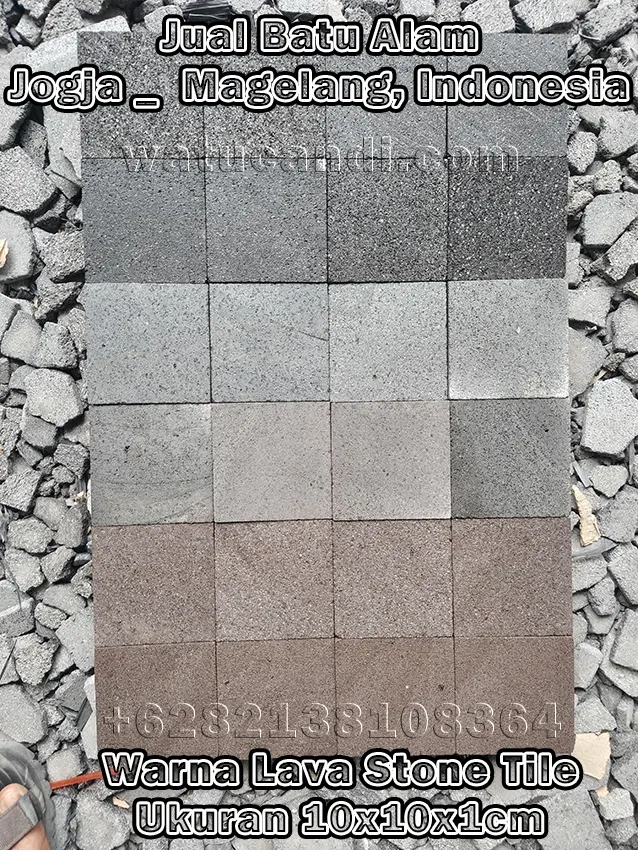
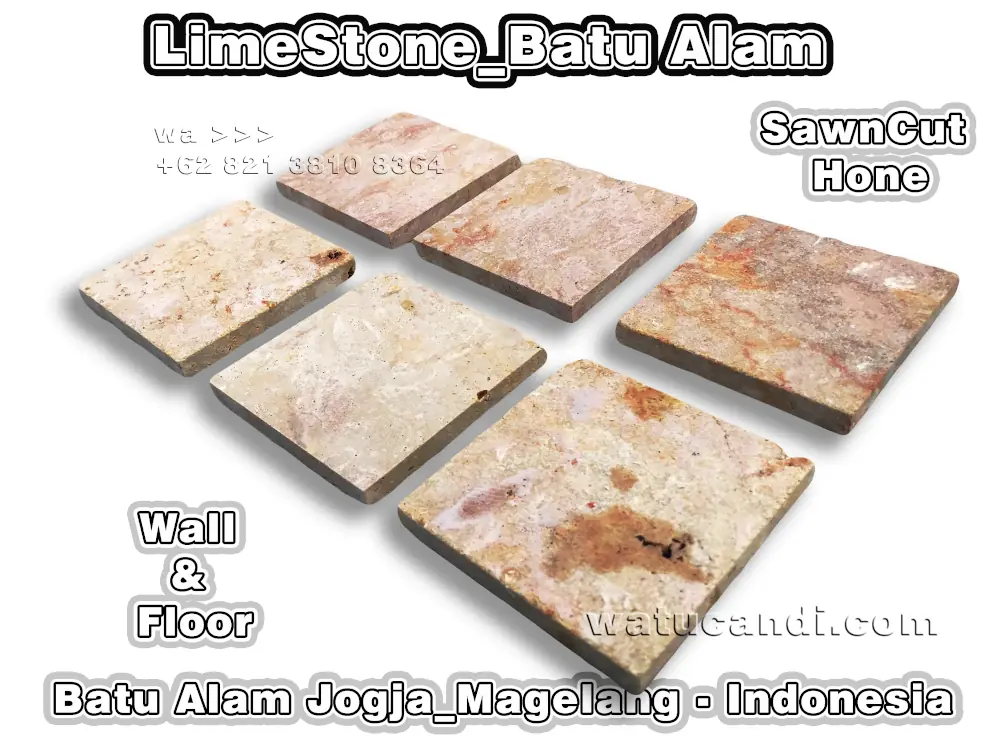
The coloration of limestone is influenced by the impurities present during its formation. Pure limestone is white, but the presence of iron oxide can create yellow, red, or brown hues, while organic material can result in gray or black tones. Indonesian Limestone is renowned for its warm palette, featuring shades of light yellow, cream, soft pink, and mixtures of brown and black. These colors evoke a sense of warmth and tranquility, making them ideal for creating inviting spaces.
Furthermore, limestone is a relatively porous stone compared to granite, which means it can absorb water and stains if not properly sealed. However, this porosity also allows it to breathe, making it an excellent choice for humid climates where moisture regulation is important. When properly maintained, limestone can last for centuries, as evidenced by many historical structures around the world built from this enduring material.
The geological composition of Indonesian Limestone also contributes to its workability. The stone can be cut, shaped, and finished with relative ease, allowing for a wide range of design possibilities. Skilled craftsmen can create intricate patterns, detailed carvings, and smooth finishes that highlight the natural beauty of the material. This workability, combined with the stone’s durability, makes it a favorite among architects and designers.
Understanding the geological origins of limestone also helps in appreciating its environmental benefits. As a natural material, limestone does not contain harmful chemicals or volatile organic compounds (VOCs) that can off gas into the indoor environment. This makes it a healthy choice for homes and buildings, particularly for those with allergies or sensitivities to synthetic materials. Additionally, the stone’s thermal mass properties help regulate indoor temperatures, reducing the need for artificial heating and cooling.
The formation of Indonesian Limestone is closely tied to the region’s geological history. Indonesia’s location on the Pacific Ring of Fire has resulted in extensive volcanic activity over millions of years. This volcanic activity has contributed to the formation of rich mineral deposits, including the limestone quarried today. The combination of volcanic minerals and marine sediments has created a unique geological environment that produces limestone of exceptional quality and character.
3. The Indonesian Advantage: Why Source from Java and Bali?
Indonesia is an archipelago of over 17,000 islands, situated on the Pacific Ring of Fire. This geological positioning has endowed the country with an abundance of natural resources, including some of the finest natural stones in the world. The islands of Java and Bali, in particular, are famous for their quarrying industries, producing high quality limestone, lava stone, andesite, and sandstone.
The limestone quarried in Indonesia benefits from the region’s unique geological history. The volcanic activity in the area has contributed to the formation of dense, hard limestone deposits that are highly resistant to weathering and wear. Additionally, the tropical climate of Indonesia means that the stone is naturally exposed to high levels of humidity and rainfall, which helps to identify and select stones that are durable enough to withstand harsh environmental conditions.
Sourcing limestone from Indonesia also offers economic advantages. The cost of labor and extraction in Indonesia is generally lower than in many Western countries, allowing for competitive pricing without compromising on quality. Moreover, Indonesian stone suppliers have decades of experience in exporting natural stone, ensuring that the products meet international standards for dimensions, finish, and packaging.
The craftsmanship involved in processing Indonesian limestone is another key advantage. Skilled artisans in regions like Yogyakarta, Sukabumi, and Palimanan have passed down their techniques through generations. They possess the expertise to cut, hone, flame, and brush the stone with precision, achieving finishes that highlight the natural beauty of the material. This combination of natural resource abundance, geological quality, and skilled craftsmanship makes Indonesian limestone a top choice for global projects.
For those interested in exploring other natural stone options from Indonesia, such as volcanic lava stone, you can visit our collection of Brown Sandstone which complements limestone beautifully in landscape designs. Additionally, understanding the various finishing techniques is crucial, as detailed in our guide on Tumbled Natural Stone Finishing.
The Indonesian natural stone industry has also embraced modern technology while preserving traditional craftsmanship. Many quarries and processing facilities now use computer controlled machinery for precise cutting and finishing, ensuring consistency and quality. At the same time, skilled artisans continue to hand finish many products, adding a unique touch that cannot be replicated by machines alone. This blend of old and new creates products that are both technically perfect and artistically expressive.
Indonesia’s commitment to sustainable quarrying practices is another factor that makes it an attractive source for natural stone. Many quarries have implemented environmental management systems to minimize their impact on the surrounding ecosystem. This includes measures such as water recycling, dust suppression, and land reclamation after quarrying operations are complete. By choosing Indonesian limestone, you are supporting an industry that is increasingly focused on responsible and sustainable practices.
The cultural heritage of Indonesia also plays a role in the quality of its natural stone products. The country has a long history of stone carving and construction, dating back to the great temples of Borobudur and Prambanan. This rich tradition has created a deep appreciation for natural stone and a wealth of knowledge about its properties and applications. Modern Indonesian stone workers draw on this heritage, combining traditional techniques with contemporary design sensibilities to create products that are both timeless and modern.
4. Aesthetic Versatility: Colors, Textures, and Patterns
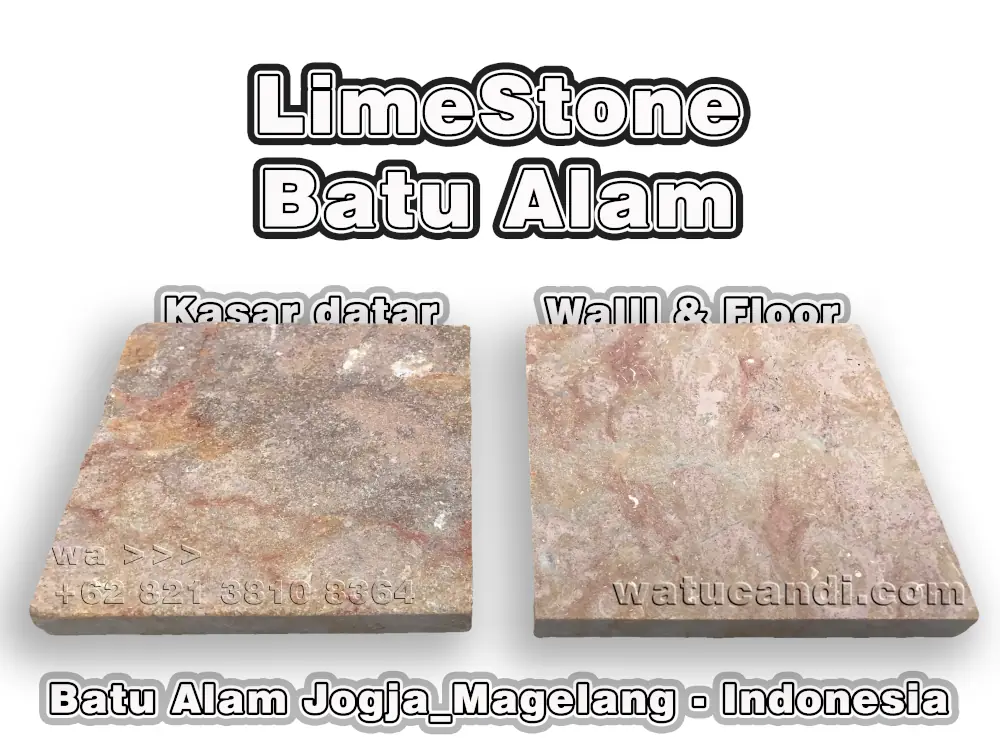
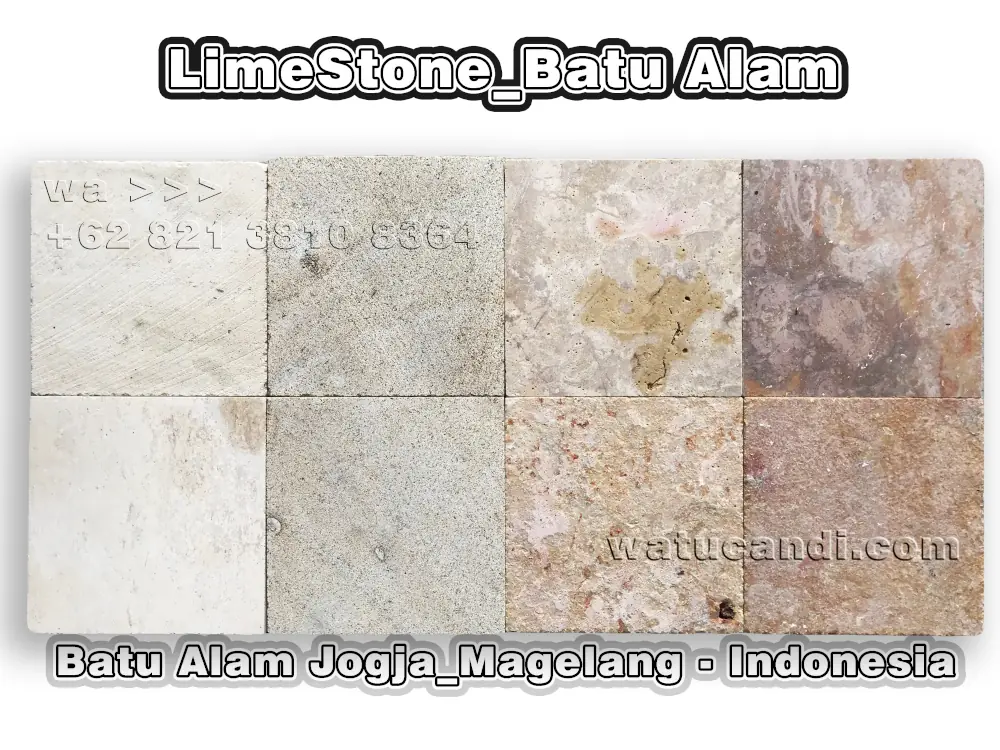
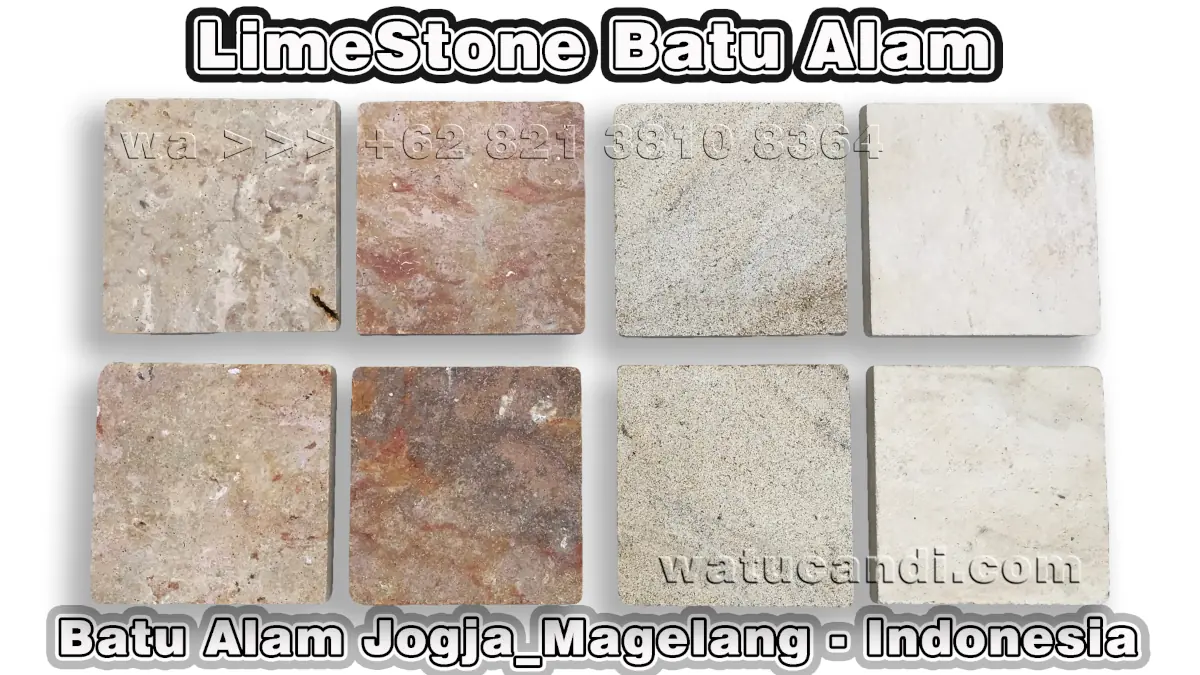
One of the most compelling reasons to choose Indonesian Limestone is its aesthetic versatility. Unlike manufactured tiles, which offer uniformity, natural limestone provides a dynamic visual experience. Each piece is unique, with variations in color, veining, and texture that create a living, breathing surface.
The color palette of Indonesian Limestone is predominantly warm and earthy. The most common colors include:
- Light Beige and Cream: These neutral tones are perfect for creating bright, airy spaces. They reflect light well, making rooms feel larger and more open. Light beige limestone is particularly popular for interior flooring and wall cladding in modern and minimalist designs.
- Soft Pink: A subtle pink hue can add a touch of warmth and romance to a space. This color is often found in mixed batches and adds depth to the overall appearance of the stone.
- Brown and Black Mixtures: Darker veins and spots of brown and black provide contrast and visual interest. These natural markings break up the monotony of a single color and add a sense of movement to the surface.
- Yellow Tones: Warm yellow undertones evoke a sense of sunshine and tropical vibes, making them ideal for resort style designs and outdoor areas.
The texture of limestone is equally diverse. As mentioned earlier, the presence of small holes and voids is a characteristic feature. These can be left open for a rustic look or filled for a smoother surface. The natural veining and fossil patterns add another layer of complexity, ensuring that no two tiles are exactly alike.
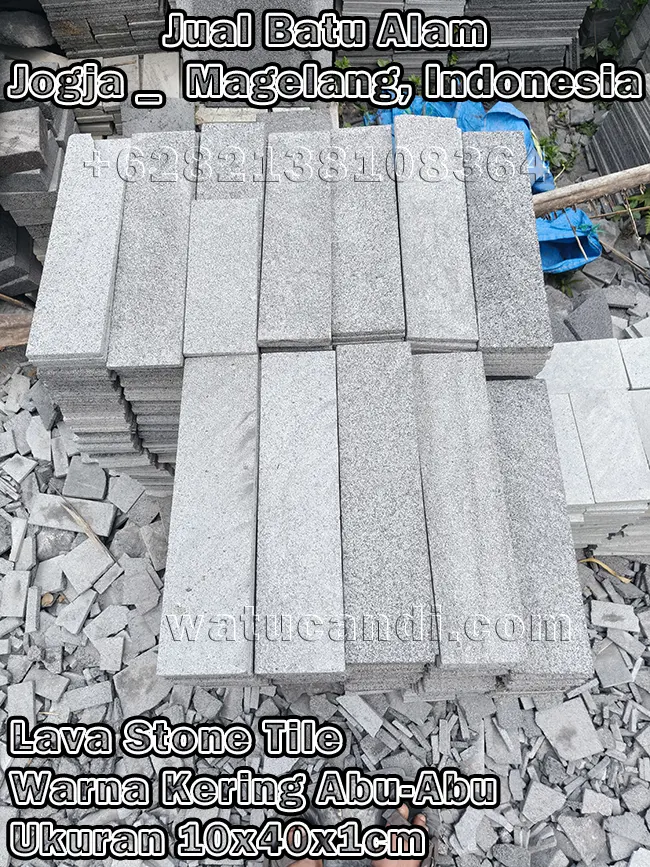
In terms of patterns, limestone can be cut and arranged in various ways to achieve different visual effects. Standard rectangular tiles are common, but mosaic patterns using smaller sizes like 10x10cm, 10x20cm, and 20x20cm are increasingly popular. These smaller formats allow for more intricate designs and can be used to create borders, accents, or entire feature walls.

The interplay of light and shadow on the textured surface of limestone adds depth and dimension to any space. During the day, natural light enhances the warm tones and highlights the natural variations. At night, artificial lighting can create dramatic effects, casting shadows that accentuate the stone’s texture. This dynamic quality makes limestone a favorite among lighting designers and architects.
Moreover, limestone ages beautifully. Over time, it may develop a patina that adds to its character. This aging process is often desired in heritage and rustic designs, as it gives the stone a sense of history and permanence. Unlike synthetic materials that may fade or deteriorate, limestone becomes more attractive with age, telling the story of its environment and use.
The versatility of Indonesian Limestone extends beyond its color and texture to its ability to complement a wide range of design styles. In modern minimalist interiors, large format honed limestone tiles create a clean, uncluttered look that allows other design elements to shine. In rustic or traditional spaces, split face or tumbled limestone adds warmth and character. For contemporary designs, brushed or flamed finishes provide visual interest without overwhelming the space.
Indonesian Limestone also works well in combination with other materials. It pairs beautifully with wood, creating a warm, natural aesthetic that is perfect for residential spaces. When combined with metal accents, such as stainless steel or bronze, limestone takes on a more sophisticated, urban feel. The stone’s neutral color palette also makes it an excellent backdrop for bold colors and patterns in furnishings and decor.
Another advantage of Indonesian Limestone is its ability to create a seamless flow between indoor and outdoor spaces. The same stone can be used for interior flooring and exterior patios, creating a visual continuity that expands the perceived size of the space. This is particularly effective in tropical climates where indoor outdoor living is a key design principle. The stone’s durability and weather resistance make it suitable for both environments, while its natural beauty enhances the connection to the surrounding landscape.
5. Comprehensive Guide to Surface Finishes
The finish of a natural stone tile significantly impacts its appearance, feel, and performance. Indonesian Limestone can be processed into several different finishes, each offering unique benefits and aesthetic qualities. Understanding these finishes is crucial for selecting the right stone for your specific application.
5.1 Sawn Finish (Machine Cut)
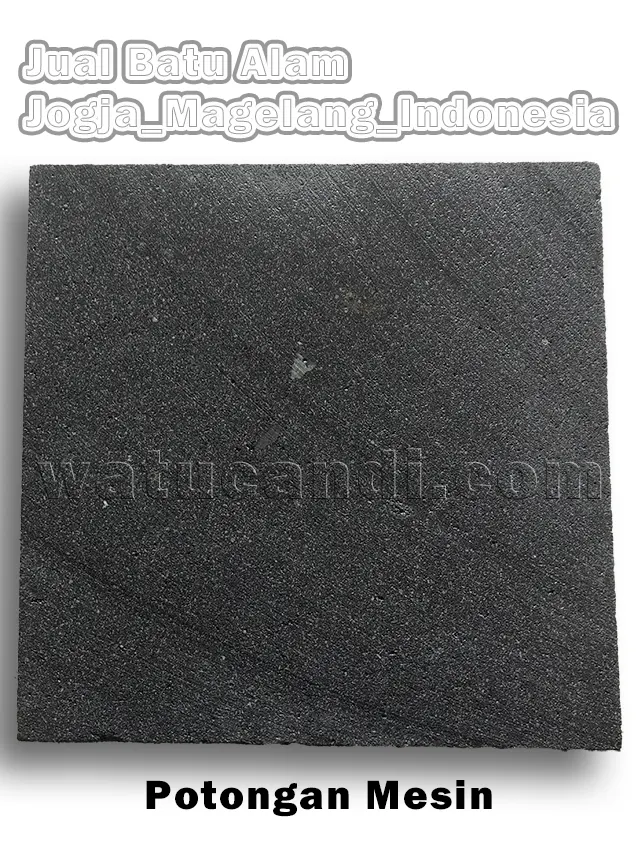
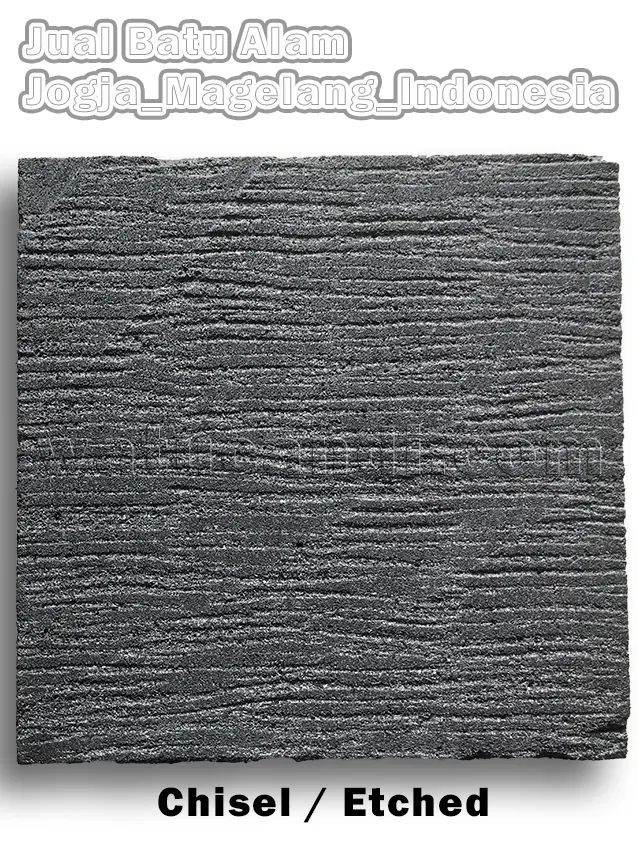
The sawn finish, also known as machine cut, is the most basic finish for limestone. It is achieved by cutting the stone with a gang saw or a wire saw. This process leaves visible marks from the saw blades on the surface of the stone.
Characteristics:
- Appearance: The surface is flat but shows distinct lines or grooves from the saw blades. These marks can be thin or deep, typically ranging up to 2mm in depth.
- Texture: The texture is relatively smooth to the touch but visually textured due to the saw marks.
- Cost: This is the most economical finish as it requires minimal additional processing after cutting.
- Application: Ideal for rustic designs, feature walls, and areas where a raw, industrial look is desired. It is less suitable for barefoot walking areas due to the potential roughness of the saw marks.
The sawn finish preserves the natural integrity of the stone with minimal alteration. It is a honest representation of the material, showcasing the marks of its extraction. For those who appreciate the rugged beauty of natural stone, this finish offers an authentic and unpretentious aesthetic.
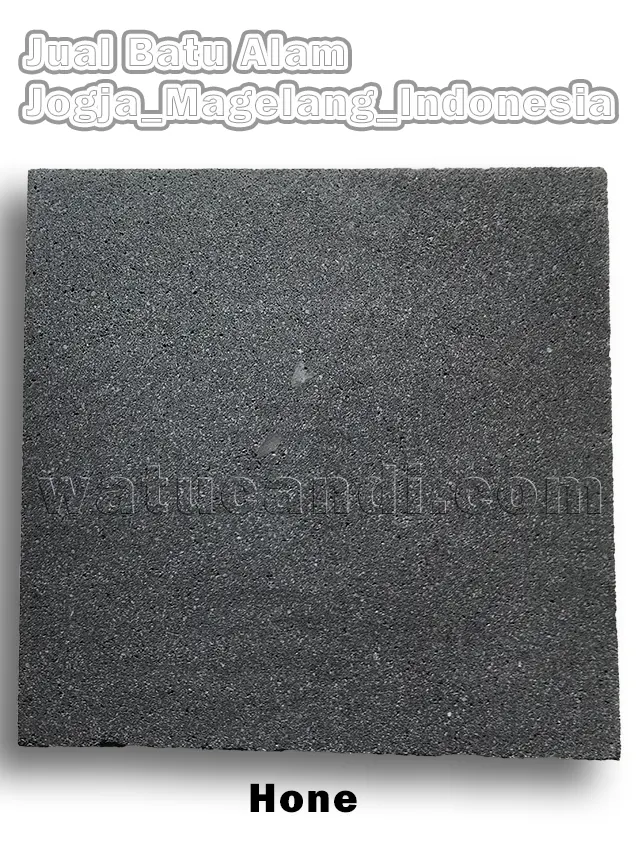
5.2 Honed Finish (Smooth and Matte)
A honed finish is achieved by grinding the surface of the stone with abrasive pads until it is smooth and matte. This process removes the saw marks and creates a uniform, flat surface.
Characteristics:
- Appearance: The surface is smooth, flat, and has a low sheen or matte appearance. It does not reflect light like a polished surface.
- Texture: Soft and smooth to the touch. There may be slight undulations if hand held grinders are used at an angle, but high quality honing uses flat machines to ensure perfect flatness.
- Process: Achieving a fine hone requires careful work with grinding machines. A soft hone uses gentle abrasives to maintain a natural feel, while a hard hone creates a smoother, more refined surface. The latter takes more time and resources, resulting in a higher cost but superior quality.
- Application: Perfect for interior flooring, countertops, and wall cladding where a smooth, elegant look is desired. It is comfortable underfoot and easy to clean.
The honed finish is popular in modern and contemporary designs because of its clean, minimalist appearance. It allows the natural color and veining of the limestone to shine without the distraction of glare. Additionally, the matte surface is less slippery than a polished surface, making it a safer option for wet areas when properly sealed.
5.3 Flamed Finish (Thermal Treatment)
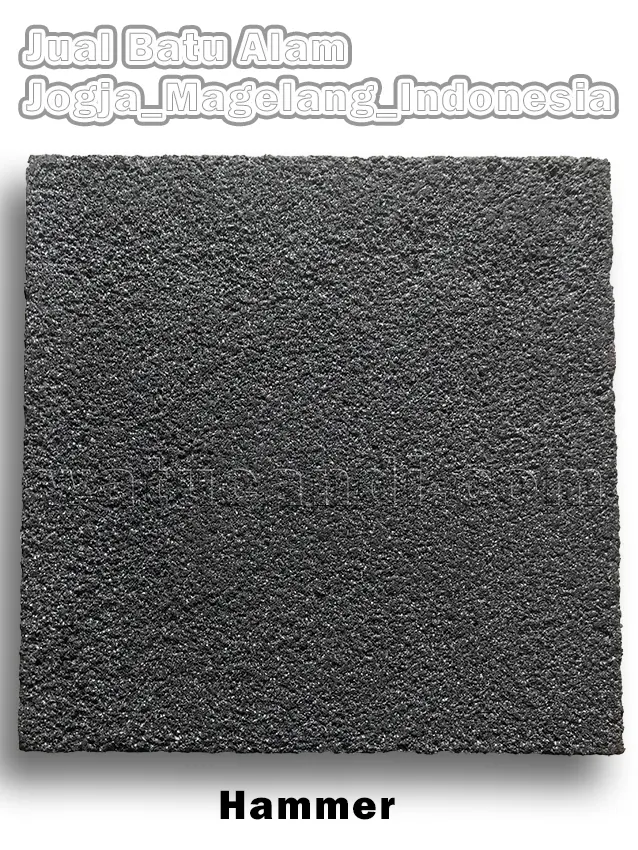
A flamed finish is created by exposing the surface of the stone to a high temperature flame. This causes the surface layers of the stone to expand and burst, creating a rough, textured surface.
Characteristics:
- Appearance: The surface is rough and uneven, with a natural, rugged look. The color may appear slightly lighter or more muted due to the thermal treatment.
- Texture: Highly textured and non slip. The roughness provides excellent traction, making it ideal for outdoor areas.
- Flatness: Despite the rough texture, the surface remains flat and regular, ensuring easy installation.
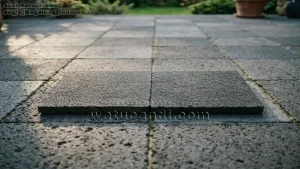
- Application: Best suited for outdoor flooring, pool decks, driveways, and high traffic areas where slip resistance is critical. It is durable and can withstand harsh weather conditions.
The flamed finish enhances the natural durability of limestone by creating a surface that is resistant to slipping even when wet. This makes it a top choice for swimming pool surrounds and outdoor patios. The rugged texture also hides dirt and stains well, reducing maintenance requirements.
5.4 Brushed Finish (Textured Elegance)
A brushed finish is achieved by using a wire brush or a mechanical brush to scrub the surface of the stone. This process removes the softer parts of the stone, leaving the harder grains exposed, resulting in a textured but smooth surface.
Characteristics:
- Appearance: The surface has a subtle texture that highlights the natural grain of the stone. It looks aged and weathered, adding a sense of history and character.
- Texture: Smooth to the touch but with visible texture. It is less rough than a flamed finish but more textured than a honed finish.
- Aesthetic: Unique, aesthetic, luxurious, and captivating. The brushing process brings out the natural beauty of the stone in a way that other finishes do not.
- Application: Ideal for feature walls, interior flooring, and areas where a sophisticated, tactile experience is desired. It combines the safety of a textured surface with the elegance of a smooth finish.
The brushed finish is a premium option that offers the best of both worlds: the slip resistance of a textured surface and the comfort of a smooth one. It is particularly popular in high end residential and commercial projects where attention to detail is paramount.
5.5 Natural Split Face (Rustic Charm)
A natural split face finish is achieved by splitting the stone along its natural grain. This results in a rough, irregular surface that showcases the raw beauty of the stone.
Characteristics:
- Appearance: Rough, uneven, and irregular. The surface has a three dimensional quality with peaks and valleys.
- Texture: Very rough and tactile. It is not suitable for flooring where bare feet are common but is excellent for vertical applications.
- Application: Primarily used for wall cladding, both interior and exterior. It creates a dramatic, rustic look that adds depth and interest to any space.
The natural split face finish is perfect for creating accent walls, fireplace surrounds, and exterior facades. It evokes a sense of nature and wilderness, bringing the outdoors in. When used in combination with other finishes, it can create a dynamic contrast that enhances the overall design.
5.6 Tumbled Finish (Aged Appeal)
A tumbled finish is achieved by placing the stone tiles in a machine with abrasive materials and tumbling them for a period of time. This process rounds the edges and creates a weathered, aged appearance.
Characteristics:
- Appearance: The edges are rounded and softened, giving the stone an old world charm. The surface may show slight variations in texture and color.
- Texture: Smooth to the touch with a slightly irregular surface. The tumbling process removes sharp edges and creates a comfortable, safe surface.
- Aesthetic: Rustic, vintage, and timeless. Tumbled limestone is perfect for creating a sense of history and character in a space.
- Application: Ideal for interior flooring, wall cladding, and outdoor areas where a relaxed, informal look is desired. It is particularly popular in Mediterranean, Tuscan, and rustic design styles.
The tumbled finish is a popular choice for those who want the beauty of natural stone with a more relaxed, lived in feel. The rounded edges make the stone safer for barefoot walking, while the weathered appearance adds warmth and character to any space. For more information on tumbled finishes, visit our guide on Tumbled Natural Stone Finishing.
5.7 Polished Finish (Mirror Shine)
A polished finish is achieved by grinding the surface of the stone with progressively finer abrasive pads until it achieves a high gloss, mirror like shine. This process brings out the full color and veining of the stone.
Characteristics:
- Appearance: Highly reflective and glossy. The surface acts like a mirror, reflecting light and creating a sense of luxury and sophistication.
- Texture: Extremely smooth and glassy to the touch. The polishing process fills in the natural pores of the stone, creating a non porous surface.
- Maintenance: Polished limestone requires more maintenance than other finishes, as the glossy surface can show scratches and etching more easily. Regular sealing and careful cleaning are essential.
- Application: Best suited for interior applications where a formal, elegant look is desired. It is commonly used in entryways, living rooms, and commercial spaces. It is not recommended for wet areas or outdoor use due to its slippery nature.
The polished finish is the most formal and luxurious of all limestone finishes. It creates a sense of opulence and grandeur that is perfect for high end residential and commercial projects. However, it is important to note that polished limestone is more slippery than other finishes, so it should be used with caution in areas where safety is a concern.

6. Limestone vs. Sandstone (Paras): Knowing the Difference
In the Indonesian natural stone market, there is often confusion between Limestone and Sandstone, locally known as Paras. While both are sedimentary rocks, they have distinct properties that make them suitable for different applications. Understanding these differences is essential for choosing the right material for your project.
Limestone (Marmer like Density):
As discussed, Indonesian Limestone is dense and hard, similar to marble. It has a high compressive strength and is resistant to wear and tear. When polished or honed deeply, it reveals a natural shine and depth that is hidden within the stone. The presence of small, unpredictable holes and natural veins is a hallmark of limestone. It is heavy and substantial, giving a sense of permanence and luxury.
Limestone is ideal for:
- High traffic flooring areas
- Swimming pool decks (with appropriate finish)
- Wall cladding where a smooth or textured finish is desired
- Countertops and vanities (when properly sealed)
Sandstone (Paras/Batu Kapur/Batu Pasir):
Sandstone, or Paras, is generally softer and lighter than limestone. It is composed of sand sized grains of mineral, rock, or organic material. Because of its softer nature, it is easier to carve and shape, making it a popular choice for ornamental work, statues, and decorative items.
Sandstone is ideal for:
- Carved ornaments and sculptures
- Decorative wall panels with intricate designs
- Light duty flooring in low traffic areas
- Garden decorations and planters
The key difference lies in density and hardness. Limestone is denser and more durable, making it better suited for structural and high wear applications. Sandstone is softer and more workable, making it ideal for artistic and decorative purposes. For example, our Palimanan Sandstone Tiles are perfect for carved decorative elements, while our limestone products are better for heavy duty flooring.
When choosing between the two, consider the intended use. If you need a durable, long lasting surface for flooring or pool areas, limestone is the better choice. If you are looking for decorative elements that require carving or shaping, sandstone may be more appropriate. In many projects, a combination of both stones is used to create a balanced and visually interesting design.
Another important consideration is maintenance. Limestone, being denser, is generally more resistant to staining and weathering than sandstone. However, both stones require proper sealing to protect them from moisture and stains. Sandstone, being more porous, may require more frequent sealing and care to maintain its appearance over time.
The cost of limestone and sandstone can also vary depending on the quality, finish, and availability. Generally, limestone is more expensive than sandstone due to its higher density and durability. However, the long term value of limestone often outweighs the initial cost, as it requires less maintenance and has a longer lifespan than sandstone.
7. Installation Applications: From Floors to Walls
Indonesian Limestone is incredibly versatile and can be used in a wide range of applications. Its durability and aesthetic appeal make it suitable for both interior and exterior spaces. Here are some of the most common uses:
7.1 Swimming Pool Areas and Wet Zones
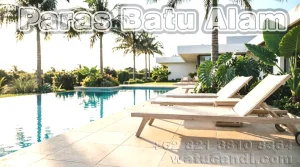
One of the most popular applications for Indonesian Limestone is in swimming pool areas. The stone’s natural slip resistance, especially when flamed or brushed, makes it a safe choice for pool decks and surrounds. Additionally, its ability to stay cool underfoot, even in hot weather, enhances comfort for users.
When using limestone in wet zones, it is crucial to choose the right finish. A flamed or brushed finish provides the necessary traction to prevent slipping. A honed finish can also be used if a non slip coating is applied. Regular sealing is essential to protect the stone from water absorption and chemical damage from pool cleaners.
For those interested in pool specific stone solutions, explore our Lava Stone for Swimming Pools which offers similar benefits. Also, check out our comprehensive guide on Green Stone Tiles for Swimming Pools for alternative options.
7.2 Interior Flooring and Living Spaces
Inside the home, limestone creates a warm and inviting atmosphere. Its natural colors complement a wide range of interior design styles, from modern minimalist to rustic traditional. Honed limestone tiles are particularly popular for living rooms, kitchens, and hallways due to their smooth surface and ease of maintenance.
Large format tiles can make small spaces feel larger, while smaller mosaic tiles can add detail and interest to entryways and bathrooms. The natural variation in the stone ensures that each room has a unique character. For outdoor indoor transitions, consider using Merapi Natural Stone Outdoor Flooring to maintain consistency.
7.3 Exterior and Interior Wall Cladding
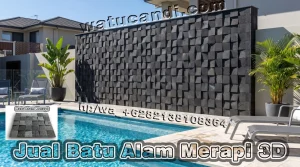
Limestone is an excellent material for wall cladding, both inside and out. It adds texture and depth to walls, creating a focal point in any room. Split face limestone is popular for exterior facades and feature walls, while honed or brushed limestone is used for interior accent walls.
Wall cladding with limestone can improve the thermal insulation of a building, helping to keep interiors cool in hot climates. It is also durable and resistant to weathering, making it a low maintenance option for exterior walls. For unique wall textures, consider Sirih Stack Stone Surfaces or Original Sirih Stack Stone.
7.4 Mosaic and Small Format Tiles
Small format limestone tiles, such as 10x10cm, 10x20cm, and 20x20cm, are perfect for creating mosaic patterns. These patterns can be used for backsplashes, bathroom floors, shower walls, and decorative borders. The small size allows for flexibility in design, enabling the creation of intricate shapes and curves.
Mosaic tiles can be arranged in various patterns, such as herringbone, basketweave, or random ashlar. This versatility allows for customization to suit any design preference. For more inspiration on stone patterns, visit our page on Carved Natural Stone Installation Patterns.
7.5 Countertops and Vanities
Limestone can be used for countertops and vanities, although it requires proper sealing and maintenance. The stone’s natural beauty and unique character make it a popular choice for kitchen and bathroom surfaces. Honed or polished limestone countertops add a touch of elegance and sophistication to any space.
When using limestone for countertops, it is important to choose a finish that is appropriate for the application. A honed or polished finish is ideal for kitchen countertops, as it provides a smooth, easy to clean surface. However, it is important to note that limestone is susceptible to etching from acidic substances, so care must be taken to protect the surface from spills.
7.6 Landscaping and Garden Features
Indonesian Limestone is also popular for landscaping and garden features. The stone’s durability and weather resistance make it ideal for outdoor applications such as pathways, patios, and garden walls. The natural colors and textures of limestone blend seamlessly with the surrounding landscape, creating a harmonious and inviting outdoor space.
Limestone can also be used for garden ornaments, such as benches, tables, and planters. The stone’s workability allows for the creation of intricate designs and detailed carvings that add a touch of elegance to any garden. For more ideas on using natural stone in landscaping, explore our collection of Natural Stone Edging.
8. Technical Specifications and Properties
Understanding the technical specifications of Indonesian Limestone is essential for ensuring that it is suitable for your project. Here are some of the key properties of the stone:
- Density: Indonesian Limestone has a density of approximately 2.5 to 2.7 g/cm³, making it a dense and heavy stone.
- Compressive Strength: The stone has a compressive strength of 100 to 150 MPa, making it suitable for high traffic areas.
- Water Absorption: Limestone has a water absorption rate of 1 to 3 percent, which is relatively low compared to other sedimentary rocks.
- Porosity: The stone has a porosity of 2 to 5 percent, which allows it to breathe while still providing good resistance to water and stains.
- Hardness: On the Mohs scale, limestone has a hardness of 3 to 4, making it relatively soft compared to granite but harder than sandstone.
- Flexural Strength: The stone has a flexural strength of 10 to 15 MPa, which is sufficient for most flooring and wall cladding applications.
These technical properties make Indonesian Limestone a versatile and durable material suitable for a wide range of applications. However, it is important to note that the specific properties can vary depending on the quarry and the specific batch of stone. Always request technical data sheets from your supplier to ensure that the stone meets the requirements of your project.
In addition to these physical properties, it is also important to consider the chemical composition of the stone. Limestone is primarily composed of calcium carbonate, which makes it susceptible to etching from acidic substances. This means that care must be taken to protect the stone from spills of acidic liquids such as vinegar, lemon juice, and wine. Regular sealing can help to protect the stone from etching and staining.
The thermal properties of limestone are also worth considering. The stone has a high thermal mass, meaning it can absorb and store heat. This can be beneficial in regulating indoor temperatures, as the stone will absorb heat during the day and release it at night. However, it also means that the stone can become hot in direct sunlight, which may be a consideration for outdoor applications in hot climates.
9. Maintenance and Care for Longevity
While limestone is a durable material, it requires proper maintenance to keep it looking its best. Here are some tips for caring for your limestone surfaces:
- Sealing: Apply a high quality penetrating sealer to protect the stone from stains and water absorption. Reapply the sealer every 1 to 2 years, or as recommended by the manufacturer.
- Cleaning: Use a pH neutral cleaner specifically designed for natural stone. Avoid acidic cleaners, such as vinegar or lemon juice, as they can etch the surface. Sweep or vacuum regularly to remove dirt and debris.
- Spill Management: Wipe up spills immediately to prevent staining. Blot the spill with a clean cloth rather than wiping, which can spread the liquid.
- Avoid Abrasives: Do not use abrasive scrubbers or harsh chemicals, as they can scratch or damage the surface.
- Professional Cleaning: For deep cleaning or restoration, consider hiring a professional stone care specialist. They have the tools and expertise to restore the stone’s original beauty.
Proper maintenance will ensure that your limestone surfaces remain beautiful and functional for many years. With care, limestone can last for generations, becoming a cherished part of your home or building.
It is also important to consider the specific maintenance requirements of different finishes. Polished limestone, for example, requires more careful maintenance than honed or flamed finishes, as the glossy surface can show scratches and etching more easily. Tumbled and split face finishes, on the other hand, are more forgiving and can hide minor imperfections and stains.
Regular inspection of your limestone surfaces is also important. Look for signs of wear, such as scratches, etching, or staining, and address them promptly. Small problems can often be fixed with simple cleaning or resealing, but if left untreated, they can become more difficult and expensive to repair.
10. Sustainability and Eco-Friendly Building
In today’s world, sustainability is a key consideration in construction and design. Natural stone, including Indonesian Limestone, is an eco friendly choice for several reasons:
- Durability: Limestone lasts for decades, reducing the need for replacement and minimizing waste.
- Natural Material: It is a natural product that does not contain harmful chemicals or volatile organic compounds (VOCs).
- Recyclability: At the end of its life, limestone can be crushed and reused as aggregate or landscaping material.
- Thermal Mass: Limestone has high thermal mass, meaning it can absorb and store heat, helping to regulate indoor temperatures and reduce energy consumption.
- Local Sourcing: Sourcing stone locally reduces transportation emissions. Indonesian stone is exported globally, but efforts are made to optimize logistics for lower carbon footprints.
By choosing Indonesian Limestone, you are making a sustainable choice that benefits both the environment and your project. For more on eco friendly stone options, see our Guide to Natural Limestone and Travertine.
The quarrying and processing of natural stone also have environmental impacts that should be considered. Responsible quarries implement practices to minimize their impact, such as water recycling, dust suppression, and land reclamation. When choosing a supplier, ask about their environmental practices and look for certifications such as ISO 14001, which indicates a commitment to environmental management.
Another aspect of sustainability to consider is the embodied energy of the stone. This is the total energy required to extract, process, and transport the stone to its final destination. While natural stone has a higher embodied energy than some synthetic materials, its durability and longevity often make it a more sustainable choice in the long run. Additionally, the thermal mass properties of limestone can help to reduce the operational energy of a building by regulating indoor temperatures.
11. Complementary Natural Stones in Indonesian Architecture
While limestone is a star player, Indonesian architecture often incorporates a variety of natural stones to create rich, layered designs. Understanding these complementary stones can help you create a cohesive and visually stunning space.
11.1 Lava Stone and Volcanic Rock
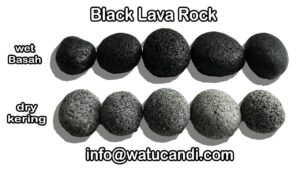
Lava stone, formed from cooled volcanic lava, is another popular Indonesian natural stone. It is known for its dark color, porous texture, and extreme durability. Lava stone is often used in combination with limestone to create contrast. For example, a light limestone wall might be accented with dark lava stone trim.
Explore our range of Black Candi Lava Stone and Black Lava Stone Tiles. We also offer Black Lava Stone Tiles for modern applications. For unique textures, check out Black Lava Hammered Surface and Black Lahar Stone.
11.2 Green Sukabumi Stone
Green Sukabumi Stone is a unique volcanic stone that turns green when wet. It is highly prized for swimming pool interiors, creating a stunning turquoise water effect. While different from limestone, it is often used in the same projects for pool areas, while limestone is used for the surrounding deck.
Discover our Original Green Sukabumi Stone Tiles and Sukabumi Green Natural Stone. For a comparison, read our Local vs Precision Green Stone Tiles guide.
11.3 Andesite and Basalt
Andesite and Basalt are hard, dark volcanic stones that are extremely durable. They are often used for paving, driveways, and high traffic areas. Their dark color provides a striking contrast to lighter limestone.
Check out our Natural Andesite Stone and Andesite Paving Stone. For basalt options, see our Black Basalt Stone Sink and Natural Stone Slabs.
11.4 Sandstone and Paras
Sandstone, or Paras, is a softer, lighter stone that is ideal for decorative applications. It is often used for carved ornaments, statues, and decorative wall panels. The stone’s workability allows for intricate designs and detailed carvings.
Explore our Palimanan Sandstone Tiles and Breksi Natural Stone Tiles. For more information on using sandstone in your projects, visit our guide on Natural Limestone and Travertine Guide.

12. Current Design Trends Using Natural Stone
Natural stone is always in style, but current trends highlight specific ways of using Indonesian Limestone:
- Biophilic Design: Integrating natural elements into built environments. Limestone’s organic texture and color fit perfectly into this trend, promoting well being and connection to nature.
- Minimalism: Clean lines and simple forms. Honed limestone tiles in large formats create seamless, uncluttered spaces.
- Rustic Luxury: Combining rough, natural textures with high end finishes. Split face limestone walls paired with polished fixtures create a sophisticated yet grounded look.
- Outdoor Living: Extending living spaces outdoors. Limestone pool decks and patios blur the line between inside and outside.
- Mixed Materials: Combining limestone with wood, glass, and metal for a dynamic, layered aesthetic.
For furniture integration, explore our Natural Stone and Furniture collection. We also offer handcrafted items like Handmade Stone Bathtubs and Handmade Stone Tables and Chairs. For a unique vanity, see our Carved Motif Dressing Table.
Another emerging trend is the use of natural stone in sustainable and eco friendly design. As more people become aware of the environmental impact of building materials, there is a growing demand for natural, sustainable options like limestone. This trend is particularly strong in the hospitality industry, where hotels and resorts are seeking to create authentic, environmentally responsible spaces that appeal to conscious travelers.
The use of large format limestone tiles is also becoming increasingly popular. These tiles create a seamless, expansive look that is perfect for modern, minimalist designs. The large format also reduces the number of grout lines, making the surface easier to clean and maintain. For more information on large format tiles, visit our guide on Best Indonesian Natural Lava Stone Tiles.

13. Case Studies and Project Examples
To illustrate the versatility and beauty of Indonesian Limestone, let’s look at some real world project examples:
Case Study 1: Luxury Villa in Bali
A luxury villa in Bali used Indonesian Limestone for both interior and exterior flooring, as well as wall cladding. The warm, earthy tones of the stone complemented the tropical landscape, while the durable finish ensured that the stone could withstand the humid climate. The project used a combination of honed and flamed finishes, with honed limestone for interior spaces and flamed limestone for outdoor areas to provide slip resistance.
Case Study 2: Boutique Hotel in Jakarta
A boutique hotel in Jakarta used Indonesian Limestone to create a sophisticated, minimalist aesthetic. Large format honed limestone tiles were used for the lobby flooring, while split face limestone was used for feature walls in the guest rooms. The natural variation in the stone added visual interest and warmth to the space, while the durable finish ensured that the stone could withstand high traffic.
Case Study 3: Residential Home in Australia
A residential home in Australia used Indonesian Limestone for both indoor and outdoor living spaces. The same stone was used for interior flooring and exterior patios, creating a seamless flow between the two spaces. The project used a brushed finish for both areas, providing a sophisticated, tactile experience that was both beautiful and functional.
These case studies demonstrate the versatility of Indonesian Limestone and its ability to enhance a wide range of projects. Whether you are designing a luxury villa, a boutique hotel, or a residential home, limestone can provide the beauty, durability, and versatility you need.
14. How to Choose the Right Supplier
Choosing the right supplier is crucial for ensuring quality and reliability. Here are some tips:
- Experience: Look for suppliers with a proven track record in exporting natural stone.
- Quality Control: Ensure the supplier has strict quality control processes in place.
- Communication: Choose a supplier who communicates clearly and responds promptly to inquiries.
- Sample Availability: Request samples to verify the quality and color of the stone before placing a large order.
- References: Ask for references from previous clients to gauge satisfaction levels.
At Watu Candi, we pride ourselves on providing high quality Indonesian natural stone with excellent customer service. Contact us at +6282138108364, visit watucandi.com, or email [email protected] to discuss your project needs.
We offer a wide range of products, including Original Merapi Stone Sink 49x49x13cm, Yogyakarta Green Stone Batik Tiles, and Black Lava Stone 100x100x10cm. For temple style designs, check out Borobudur Temple Stone and Temple Paving Stone Floor.
15. Frequently Asked Questions
Is Indonesian Limestone durable?
Yes, Indonesian Limestone is very durable and can last for decades with proper care. It is dense and hard, making it suitable for high traffic areas.
Can I use limestone in my shower?
Yes, but it must be properly sealed and maintained. A honed or brushed finish is recommended for better slip resistance.
How do I clean limestone?
Use a pH neutral cleaner and avoid acidic substances. Wipe up spills immediately to prevent staining.
What is the difference between limestone and marble?
Limestone is a sedimentary rock, while marble is a metamorphic rock. Limestone is generally softer and more porous than marble, but it offers a unique, earthy aesthetic.
For more technical details, see our guides on Best Indonesian Natural Lava Stone Tiles and Sukabumi Green Stone Pedra Hijau.
16. Conclusion
Indonesian Limestone is a remarkable natural stone that offers beauty, durability, and versatility. Whether you are designing a luxurious villa, a modern home, or a commercial space, limestone provides a timeless solution that enhances any architectural style. From its warm color palette to its varied finishes, this stone allows for endless creative possibilities.
By understanding the characteristics of limestone, comparing it with other stones like sandstone, and knowing how to maintain it, you can make informed decisions that ensure the longevity and beauty of your project. Sourcing from reputable Indonesian suppliers ensures quality and authenticity, supporting local craftsmanship and sustainable practices.
We invite you to explore our extensive collection of Indonesian natural stone products. Contact us today to request samples, discuss your project requirements, or learn more about our offerings. Let us help you transform your space with the natural elegance of Indonesian Limestone.
For further exploration, consider our Merapi Lahar Candi Stone Floor, Candi Stone Stepping Floor, and Natural Stone Tiles 2. Discover the hidden crystals in Merapi Lava Hidden Crystals and learn about Pelinggih Stone Material Sales.
Don’t forget to check out our Merapi Lava Stone Decking Parquet, Alkali Lava Natural Stone, and general Lava Stone and Candi Lava Natural Stone collections. For paving, see Carved Paving Stone Floor and Black Lava Stone 100x100x10 again for emphasis on quality.
Enhance your bathroom with our Original Merapi Stone Sink and Black Basalt Stone Sink. Integrate stone with Natural Stone and Furniture and enjoy Handmade Stone Bathtubs and Handmade Stone Tables and Chairs.
For more unique items, visit our Carved Motif Dressing Table. Continue your journey with Merapi Lahar Candi Stone Floor and Candi Stone Stepping Floor. Explore Natural Stone Tiles 2 and the Hidden Crystals of Merapi Lava.
Learn about Carved Stone Installation Patterns and buy Pelinggih Stone Materials. Experience the Black Lava Hammered Surface and Black Lahar Stone. See our Candi Lahar Stone Floor and contact +6282138108364 for 75x230mm Lava Stone or +6282138108364 for Lava Natural Stone Products.
Enjoy Merapi Lava Stone Decking Parquet and Alkali Lava Natural Stone. Browse our Lava Stone and Candi Lava Natural Stone. Check out Andesite Paving Stone and Sukabumi Green Natural Stone.
See Natural Andesite Stone and compare Local vs Precision Green Stone Tiles. Try Original Manual Carved Stone Floor and read the Black Lava Stone Gravel Volcanic Stone Guide. Follow our Complete Guide to Green Stone Tiles for Swimming Pools and Guide to Natural Limestone and Travertine.
Read the Best Indonesian Natural Lava Stone Tiles Guide and see Sukabumi Green Stone Pedra Hijau. Use Random Candi Lava Stone Skin Wall Cladding and create Candi Lava Natural Stone Mosaics.
Indonesian Limestone Tiles
indonesian-limestone-tiles-natural-stone-wall-floor
Discover premium Indonesian limestone tiles for wall cladding and flooring. Natural beige stone with various finishes. Free samples. Worldwide shipping. Contact +6282138108364.
Transform your space with authentic Indonesian Limestone tiles. This comprehensive guide explores the beauty, versatility, and applications of natural limestone from Indonesia for wall cladding and flooring. Learn about different finishes including honed, flamed, brushed, and split-face options. Discover why Indonesian limestone is the perfect choice for swimming pools, interior floors, exterior walls, and mosaic designs. Compare limestone with sandstone, explore complementary stones like lava stone and Sukabumi green stone, and get expert maintenance tips. Source directly from trusted Indonesian suppliers with decades of experience. Contact Watu Candi at +6282138108364 or [email protected] for samples and quotes.
Product Tags: Indonesian Limestone, Natural Stone Tiles, Limestone Wall Cladding, Limestone Flooring, Beige Limestone, Honed Limestone, Flamed Limestone, Brushed Limestone, Split Face Limestone, Swimming Pool Stone, Outdoor Stone, Interior Design, Architecture, Sustainable Building, Watu Candi, indonesian natural stone, exterior design, wall natural stone, floor natural stone, sukabumi stone, magelang stone, yogyakarta stone, bali stone, merapi stone, lava stone industri,