


“Stop treating paras limestone like ordinary ceramic! One wrong finish choice can turn a premium material into something that looks cheap. Unravel the ultimate showdown between Honed vs Sawn-Cut: which one makes interiors feel ‘expensive’ and which one makes exteriors weather-resistant for decades? Plus, the sealing secret that 90% of contractors skip yet it determines whether your stone stays elegant or turns into permanent stains. Read before it’s too late!”
In the ever-evolving world of architecture and interior design, material selection is not merely about structural function but about creating a visual narrative that touches the soul. Among the myriad of natural material options, paras limestone occupies a special position due to its unique character, blending softness of color with geological durability. Especially when combined with the right finishing techniques, this stone transforms from raw material into a stunning design element. The two most dominant finishes that significantly impact building aesthetics are honed (fine grinding) and sawn-cut (machine cut). Both offer different yet complementary visual languages in creating spatial harmony.
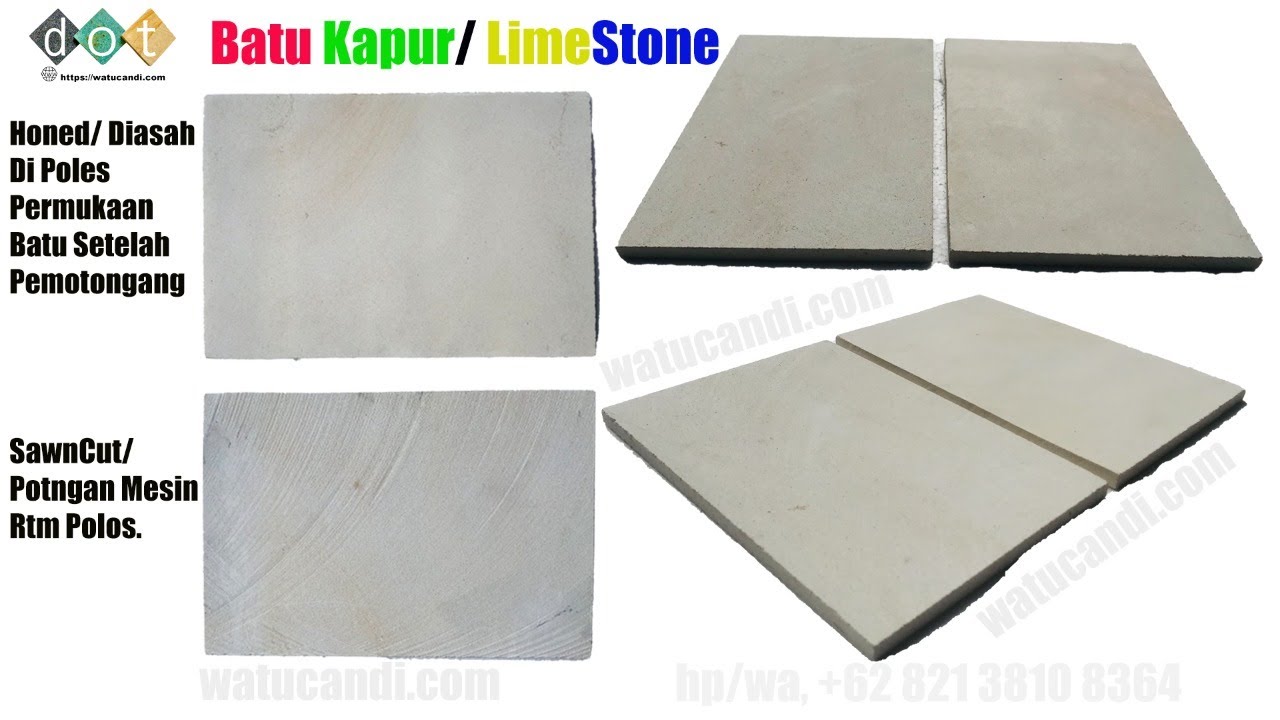
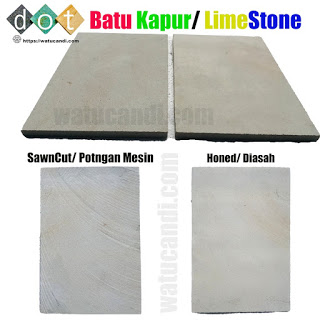
Paras limestone natural stone with honed and sawn-cut finishes represents two essential poles of material expression. The honed finish brings a touch of calm modernity through a soft and uniform surface, while the sawn-cut finish maintains material honesty through authentic rough texture. Understanding the fundamental differences, best applications, and technical characteristics of both finishes is key for architects, interior designers, and property owners to make informed decisions. This article will thoroughly explore every aspect of paras limestone tiles with both finishes, from production processes, aesthetic advantages, installation guidelines, to long-term maintenance, ensuring your material investment delivers maximum value both visually and functionally.
Understanding the Geological Characteristics of Indonesian Paras Limestone
Before discussing finishes, it is crucial to understand the “soul” of the material itself. Paras limestone originating from Central Java regions, particularly Yogyakarta, Magelang, and Wonosari, is formed from ancient marine deposits that underwent lithification over millions of years. Unlike volcanic stones such as andesite or lava born from magma activity, limestone has a distinctive sedimentary structure. For comprehensive understanding regarding material comparisons, you can refer to the natural limestone and travertine guide which explains fundamental differences between various carbonate rock types.
The main characteristic of paras limestone is its color ranging from yellowish-white, light cream, to super beige. These colors originate from high calcium carbonate content with minor iron or clay mineral impurities. Stone density varies; there are very dense variants (super white) approaching marble hardness, and others that are more porous with softer texture. This density variation affects how the stone responds to finishing processes. Dense stone will produce a very smooth honed surface with natural sheen, while more porous stone will yield a matte honed texture with micro-texture. This understanding is crucial because not all limestone responds to grinding processes in the same way.
One uniqueness of Indonesian paras limestone is the presence of patterns or streaks resembling teak wood fibers in some variants. These patterns form from layered sedimentation containing ancient organic material. When cut and finished, these patterns emerge as natural accents that cannot be replicated by factory-made ceramics. This is what makes natural stone a premium material with high artistic value. To see other natural stone material variations with similar unique characters, you can explore the collection of unique and beautiful product models showcasing the richness of Nusantara natural materials.
Honed Finish: Elegant Calm Smooth Surface
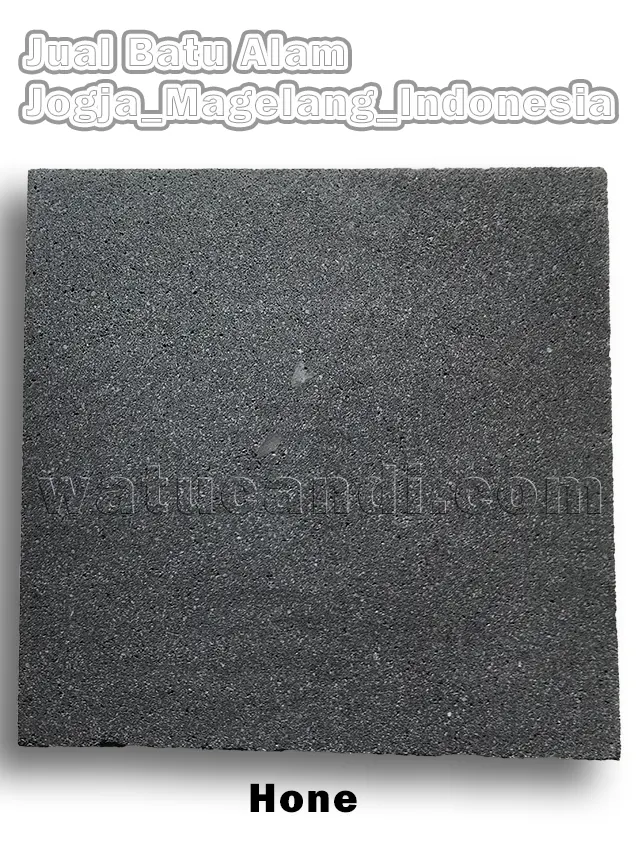
Honed finish is a stone surface smoothing process using mechanical grinding techniques with graded abrasives. This process removes the stone’s natural rough texture and replaces it with a flat, soft, and uniform surface. On paras limestone, honed finish produces an elegant matte appearance without excessive shine like marble polishing. This is the ideal choice for creating a calm, clean, and contemporary atmosphere.

Technically, the honing process on limestone involves several grinding stages starting from coarse grit (#50-#100) to level the surface, followed by medium grit (#200-#400) to smooth, and finished with fine grit (#600-#800) to achieve a silk-like soft final touch. The final smoothness level can be adjusted to needs; the higher the final grit, the smoother the surface. However, note that honed differs from polished. Honed stops at a certain smoothness level without reaching the surface crystallization phase that produces mirror shine. This makes honed surfaces more resistant to fine scratches and not slippery when wet, making them a safer and more practical choice for high-traffic areas.
The aesthetic advantage of honed finish on paras limestone lies in its ability to diffuse light reflection. Surfaces that do not reflect perfect shadows create soft and even lighting effects indoors, reducing glare and creating visual comfort. This character is highly valued in minimalist, Scandinavian, Japandi, and contemporary interior designs that prioritize calmness and simplicity. Additionally, the bright color of paras limestone after honing helps maximize natural lighting, making rooms feel more spacious and open. For inspiration on applying this material in modern luxury residential design contexts, visit the modern luxury home design page.
Ideal Applications of Honed Finish in Interior Design
The flexibility of honed finish makes it suitable for almost all interior elements. As floor covering, it provides barefoot comfort along with understated luxury impression. In kitchen areas, honed limestone countertops offer cool and hygienic work surfaces, although requiring regular sealing to prevent stains. As backsplash, its smooth texture facilitates cleaning of oil or sauce splashes. On walls, honed limestone creates perfect backdrops for artwork or statement furniture, not competing visually while still providing depth and character.
For wet areas like bathrooms, honed limestone provides a calming spa ambiance. Its not-too-slippery surface (compared to polished) provides additional safety, while its bright color creates a clean and fresh impression. However, always ensure application of high-quality sealant and regular maintenance because limestone is porous and sensitive to acids. Complete references regarding natural stone use in wet areas can be found in the natural stone tiles for swimming pools and wet areas guide. Additionally, integration with natural stone sanitary elements such as rough surface marble stone sinks or handmade stone bathtubs can create cohesive and luxurious design unity.
Sawn-Cut Finish: Material Honesty and Rustic Aesthetics
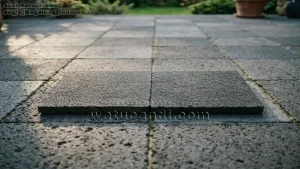
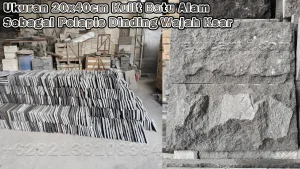
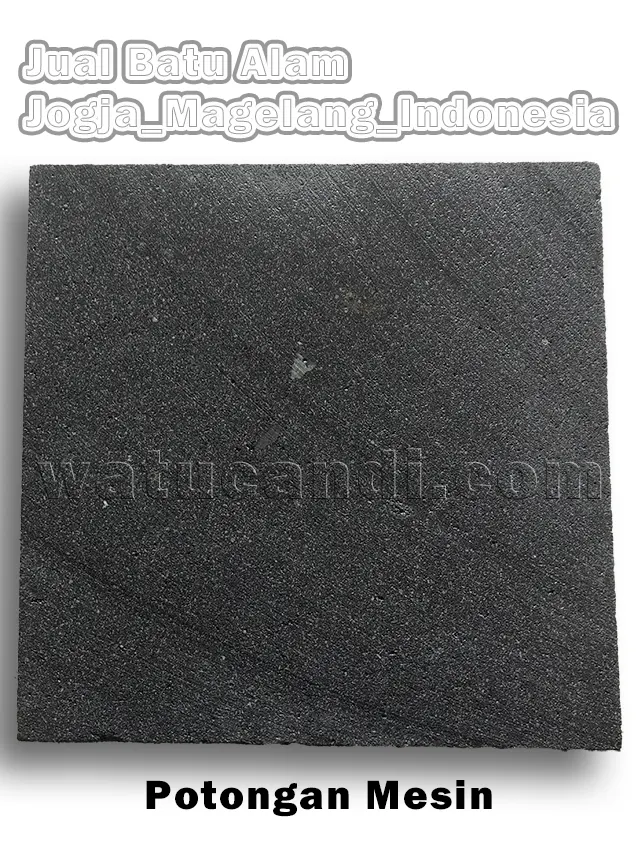
If honed finish speaks of refinement and smoothness, then sawn-cut finish is a celebration of material honesty. This process involves cutting stone blocks using large diameter saws (gang saw or wire saw) without subsequent smoothing processes. The result is a surface that retains saw blade marks in the form of rough parallel lines and uneven texture. This is the most “honest” finish because it displays the stone as-is after exiting the primary cutting process.
The visual character of sawn-cut is very strong and expressive. Saw mark lines create regular yet organic-feeling visual rhythm. Its rough texture captures and plays with light dramatically, especially when hit by angled sunlight in morning or evening. Shadows created in each saw groove provide three-dimensional depth not possessed by smooth surfaces. This makes sawn-cut the superior choice for accent walls, building facades, or landscape elements wanting to highlight masculine and earthy character.
Functionally, rough sawn-cut surfaces provide high friction coefficients, making them very safe for areas prone to wetness or slipperiness. This is the main reason why sawn-cut becomes standard for exterior paving, outdoor stairs, and pool deck areas. Its weather resistance is also excellent because there is no surface layer that can erode or fade; what you see is solid stone through and through. For broader exterior applications, consider combinations with volcanic materials as described in lava stone exterior design to create interesting textural contrasts between bright limestone and dark lava.
Sawn-Cut Applications in Exterior Architecture and Landscaping
Sawn-cut finish shines in exterior applications where durability and natural character are priorities. As garden paving or pedestrian paths, it provides optimal traction even during rain, while harmoniously blending with surrounding vegetation. As exterior wall cladding, sawn-cut creates dynamic facades; their appearance changes throughout the day following sun movement, giving life to static buildings. For more complex landscaping projects, integrate with elements such as lava stone stepping stones or irregular garden stepping stones to create texture-rich transitions.
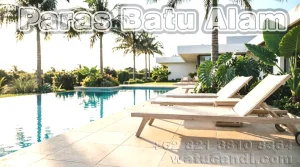
In swimming pool areas, sawn-cut limestone is a smart choice for decking and coping. Its rough surface prevents slipping, while its bright color does not absorb as much heat as dark stones, maintaining barefoot comfort on hot sunny days. Ensure choosing limestone variants dense enough to withstand continuous chlorine and water exposure. For aesthetic drainage systems, use natural stone swimming pool gutter covers matching the decking material. Combination with swimming pool coping stones of the same material will provide neat and professional edge finishing.
Technical and Aesthetic Comparison: Honed vs Sawn-Cut
Choosing between honed and sawn-cut is not merely taste preference but a strategic decision that must consider usage context, environmental conditions, and design objectives. Here is an in-depth comparative analysis to assist decision-making:
| Parameter | Honed Finish | Sawn-Cut Finish |
|---|---|---|
| Surface Texture | Smooth, soft, matte, uniform | Rough, saw-marked, uneven, natural |
| Light Reflection | Diffuse, soft, minimal glare | Dramatic, shadow-playing, dynamic |
| Friction Coefficient | Medium – Low (can be slippery when wet) | High (excellent anti-slip) |
| Stain Resistance | Low (requires strict sealing) | Medium (texture hides light stains) |
| Cleaning Ease | Easy (flat surface) | Medium (dust can trap in grooves) |
| Aesthetic Impression | Elegant, modern, calm, refined | Rustic, industrial, earthy, bold |
| Primary Application | Interior: floors, walls, countertops | Exterior: paving, facades, pool decks |
| Production Cost | Higher (multi-stage process) | Lower (single process) |
From the table above, it is clear that no finish is absolutely “better.” Honed excels in comfort and refined interior aesthetics, while sawn-cut wins in exterior durability and safety. In many premium projects, combining both actually produces the most successful designs: honed interior floors flowing seamlessly to sawn-cut exterior terraces, creating clear spatial transitions while remaining connected through the same materiality. This dual-finish approach also enables cost optimization; using more economical sawn-cut in service areas or secondary exteriors, and allocating honed budget for main areas requiring premium touches.
Paras Limestone Material Variations and Their Unique Characteristics
Indonesian paras limestone is not a monolithic material. There are diverse variants with characteristics affecting final finish results and application suitability. Understanding these variations is important to avoid specification errors resulting in aesthetic or functional failures.

White Super Limestone / White Palimanan: This variant has the highest density and brightest color with minimal variation. Highly responsive to honed finish, producing surfaces almost as smooth as marble but with warmer tone. Ideal for formal interiors, hotel lobbies, or representative areas. For more detailed specifications, see super white palimo limestone and white palimo palimanan natural stone.
Paras Jogja / Cream Limestone: Has warmer cream tone with richer color variation. Often displays fossils or natural veins adding character. More porous than white super, thus requiring extra attention in sealing. Very suitable for Mediterranean, tropical, or rustic style designs. Read more at Jogja limestone versatile material and hard cream limestone complete guide.
Brown Spotted Paras / Tiger Stone: Exotic variant with brown or striped patterns resembling tiger skin or wood fibers. Highly decorative and usually used as accent rather than dominant material. Honed finish will clarify these patterns, while sawn-cut will give more subdued impression. Explore this variant at brown spotted paras stone and brown java tiger stone and black paras sandstone guide.
Installation Guidelines and Structural Considerations
Paras limestone installation requires different approaches from conventional ceramics. Its porous and relatively soft nature demands special handling to ensure strong adhesion and prevent post-installation damage.
Substrate Preparation: Ensure substrate (base floor/wall) is completely flat, clean, dry, and free from structural cracks. For honed floor installations in interiors, self-leveling compound is highly recommended to avoid lippage that will be clearly visible on smooth surfaces. For exterior sawn-cut, unevenness tolerance is greater, but adequate drainage slope must still be ensured.
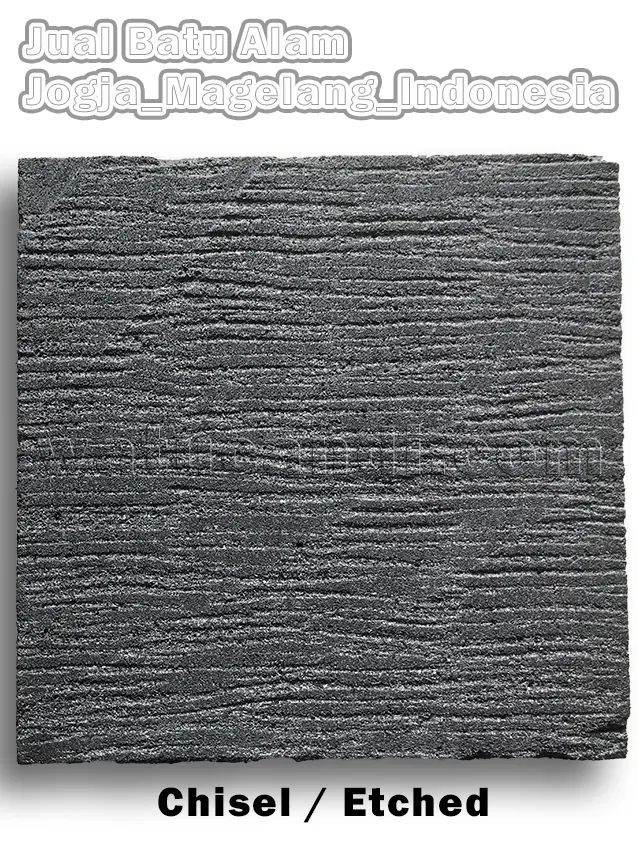
Adhesive and Grouting: Use natural stone specific adhesive (white thin-set mortar) formulated for porous stone. Avoid regular cement that can cause alkali staining. For grouting, choose high-quality epoxy grout or stain-resistant cementitious grout. Grout color must be chosen carefully; grout matching stone color creates seamless impression (especially for honed), while contrasting grout can strengthen grid patterns (suitable for sawn-cut). For creative installation patterns, study chiseled natural stone installation patterns which can also be adapted for limestone.
Sealing and Protection: This is a CRUCIAL step that must not be skipped. Apply quality penetrating sealer (impregnator) before and after grouting. Sealer functions to fill stone pores without changing surface appearance, preventing penetration of water, oil, and coloring agents. For wet areas or kitchen countertops, consider enhancer sealer that slightly darkens color and clarifies natural veins while providing extra protection. Re-application of sealer is needed every 1-3 years depending on usage level and exposure.
Design Integration: Combining Limestone with Other Materials
Design strength lies in the ability to orchestrate various materials into harmonious compositions. Paras limestone, with its color neutrality, is a highly flexible partner to combine with other materials.
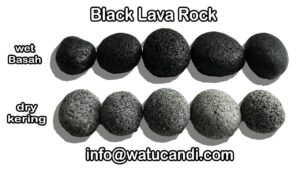
Contrast with Volcanic Stone: Pairing bright and soft limestone with dark and rough lava or andesite stone creates powerful contrast. Use honed limestone for main interior walls, and accent with black lava candi stone wall cladding on feature walls. In exteriors, combine sawn-cut limestone paving with black lava rock pebbles as borders or absorption areas. Also see black white wall cladding combination with limestone for timeless monochromatic color scheme inspiration.
Harmony with Wood and Metal: Limestone warmth harmonizes beautifully with teak, sonokeling, or ulin wood. This combination is the foundation of Indonesian tropical modern design. Add metal accents (brass, copper, or black steel) for contemporary touches. Natural stone furniture such as handmade stone tables and chairs or black lava stone top tables can become focal points unifying material palettes.
Integration with Water Elements: Limestone and water are natural partners. For swimming pools, combine sawn-cut limestone decking with lava stone tiles for swimming pools inside the pool for stunning visual contrast. Or use Sukabumi green natural stone tiles for exotic turquoise green alternative. For safe and aesthetic edge details, study pool coping stone tile materials.
Long-Term Care and Maintenance
Paras limestone is a living material that ages with time. Proper care is not just about maintaining cleanliness but about managing the aging process to remain graceful.
Routine Cleaning: Use pH-neutral cleaner specifically for natural stone. Avoid acidic cleaners (vinegar, lime, toilet cleaners) or strong alkaline (bleach, ammonia) that can etch limestone surfaces. For daily care, sweep or vacuum to remove abrasive particles. For weekly care, mop with diluted cleaner solution. Do not let spilled liquids pool; immediately wipe with absorbent cloth.
Stain Treatment: For organic stains (leaves, tea, coffee), use hydrogen peroxide poultice. For oil/grease stains, use acetone or mineral spirits poultice. For rust stains, use natural stone specific rust remover (not generic rust removers containing acid). Always test in hidden area first. For stubborn stains or etching, consult stone restoration professionals.
Re-sealing Schedule: Perform water drop test every 6 months to check sealer effectiveness. If water no longer beads but absorbs, it is time to re-seal. High-traffic areas or wet areas may require annual re-sealing, while low-traffic areas can go 2-3 years. Document this maintenance schedule as part of building management plan.
Current Design Trends and Global Inspiration
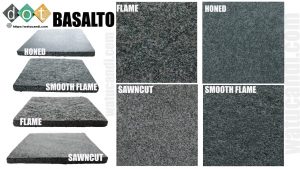
Limestone usage trends in global architecture are experiencing a renaissance. Biophilic design and sustainable architecture movements place natural materials like limestone at center stage due to authenticity and low embodied carbon. Matte and tactile honed finish aligns perfectly with wabi-sabi trends celebrating imperfection and simplicity. While sawn-cut answers demand for raw authenticity in industrial and brutalist revival.
In Indonesia, tropical modernism trends continue integrating limestone as identity material. World-class hospitality projects in Bali and Lombok set standards for sophisticated limestone usage, often combining honed and sawn-cut finishes in bold compositions. For commercial design inspiration, see commercial design, hospitality design, and restaurant design. Latest trends also show interest in latest styles integrating lighting technology with stone textures to create immersive atmospheres.
Technical Specifications and Purchasing Guidelines
Ensuring material quality from the start is the best investment. Here is specification checklist to verify when ordering limestone:
- Color and Tone Consistency: Request physical samples from actual production batch, not just catalog. Verify accepted color variation range. For large projects, request dry-lay sample panel for approval before mass production.
- Dimensional Tolerance: Industry standard for limestone is ±1mm for calibrated, ±2mm for non-calibrated. For precise honed finish, insist on ±0.5mm tolerance. Verify actual thickness, not nominal.
- Finish Quality: For honed, check roughness uniformity by hand touch and visual under raking light. No scratch marks, burn marks, or uneven spots allowed. For sawn-cut, verify consistency of depth and spacing of saw marks.
- Structural Integrity: Check absence of cracks, fissures, soft spots, or clay pockets that can cause breakage during installation or use. For load-bearing applications, request compressive strength and flexural strength test reports.
- Origin Certification: Ensure material comes from reputable quarry with consistent quality track record. Request certificate of origin and material safety data sheet (MSDS).
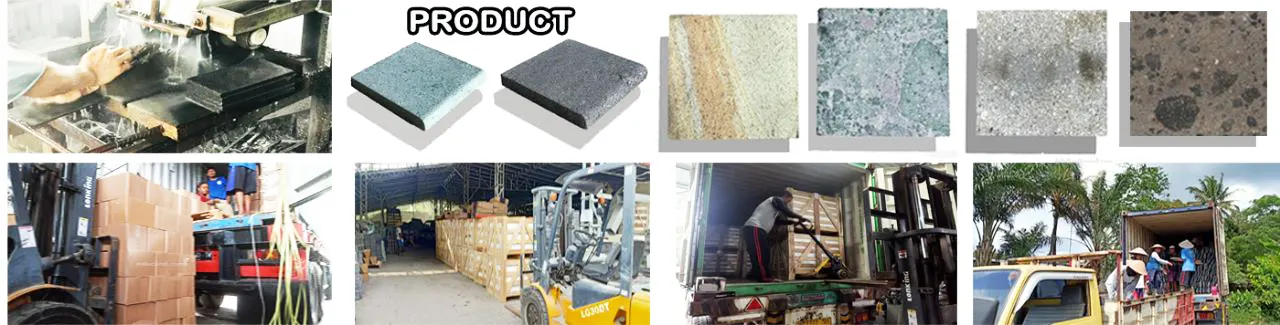
For price references and availability, visit Watucandi natural stone shop providing palimanan limestone, paras jogja, white super, and other variants directly from production sources in Central Java. For projects with special specifications or large volumes, direct consultation with technical team is highly recommended to ensure material suitability with your project requirements.
Video Documentation of Production Process and Applications
The video above provides invaluable visual overview of how limestone is processed, finished, and applied in real contexts. Watching production process firsthand helps build appreciation for craftsmanship involved and provides realistic expectations about natural material variations. Observe how light interacts with honed vs sawn-cut surfaces in different lighting conditions, and how installers handle technical challenges during installation. Visual documentation like this is powerful educational tool for both design professionals and end-user clients.
Conclusion: Smart Investment in Authentic Materiality
Paras limestone natural stone with honed and sawn-cut finishes offers broad spectrum of material expression, from calm refinement to bold raw authenticity. Choosing between them, or combining both, is strategic design decision that must be based on deep understanding of material characteristics, application context, and project aesthetic vision. With mature planning, precise installation, and disciplined maintenance, limestone will deliver extraordinary return on investment both functionally and aesthetically, aging gracefully over time, and continuing to tell stories of authentic materiality that cannot be imitated by any synthetic material.
As closing and additional reference to enrich your natural stone material knowledge, here is comprehensive link collection covering various natural stone aspects potentially relevant to your current or future projects:
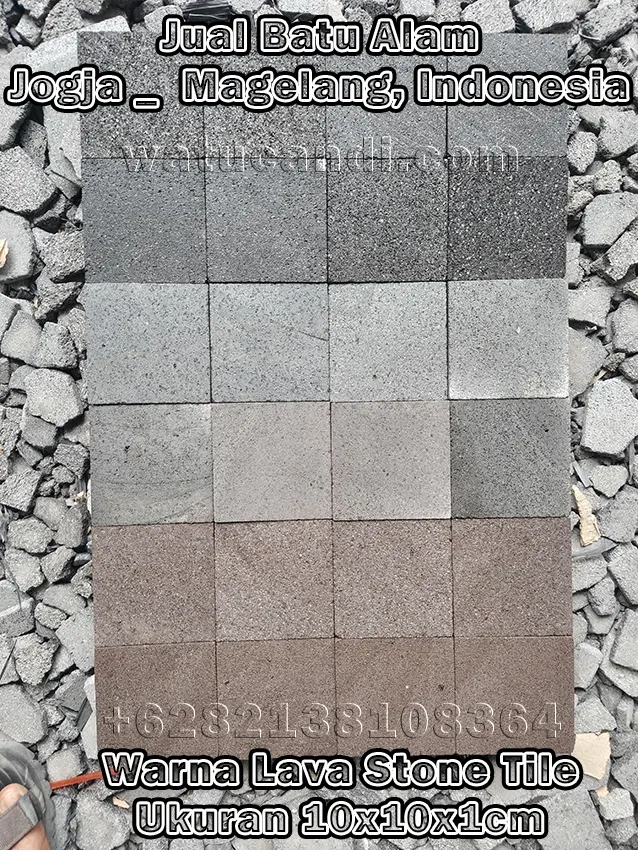
Learn about ultimate Indonesian lava stone tile guide, swimming pool green stone tile guide, and local vs precision green stone tile comparison. For volcanic material exploration, read Indonesian lava stone tile guide, black lava stone tiles 10x10x1cm definitive guide, and 5 black lava stone surfaces. For specific applications, see lava stone tiles for swimming pool, premium lava rock tiles volcanic stone cladding, and black lava stone tile walls ultimate guide.
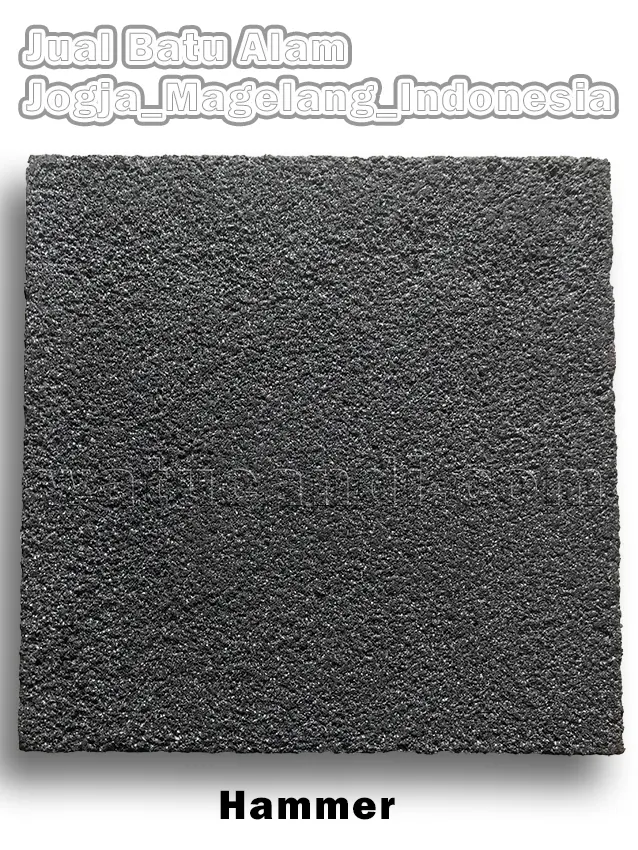
Finishing and texture references: tumbled natural stone finish, limestone tile bushhammer, black lava bush hammer surface, lava alkali sawncut vs bushhammer, and 5 black lava stone surfaces. For installation patterns, study chiseled natural stone installation patterns, surface types 05×05 comb, surface types 3×1, line types 2×1, line types rolling2, line types 0-5×0-5 broken regularly, and straight line type 1×0-5.
Paving and flooring applications: paving natural stone lava stone Merapi Yogyakarta Magelang, Merapi natural stone outdoor flooring, stone floor lava stone floor, garden and yard stone flooring, lava stone paving slabs, irregular natural stone paving, andesite stone paving Indonesia, example of candi stone paving, lava paving stepping stones, lava rock stepping stone pavers ultimate guide, garden floor yard assorted irregular random stepping stones, natural stone stepping stones in garden complete guide, decking parquet Merapi lava stone, and lava stone floor temple.
Wall cladding and decoration: black lava candi stone cladding complete guide, random candi stone skin lava wall cladding, lava rock tiles premium volcanic stone cladding, Merapi black sand split face natural stone complete guide, candi lava split face stone technical specifications, split face rough batu candi temple, natural stone stacked wall cladding comparison, black white wall cladding combination with limestone, raised and recessed natural stone cladding complete guide, black lava candi stone wall cladding luxurious volcanic aesthetics, candi lava natural stone mosaic, 3D stone slabs, slate stacked betel leaf slab surface, genuine susun sirih slate, natural stone edge wall, natural stone edges, natural stone slabs, original random slabs stone, large natural limestone slabs complete guide, andesite natural stone slabs, black slab natural stone, solid split stone size 100x200mm, flat random riverstone natural stone, and rough face stone floor.
Other natural stone materials: natural andesite stone, lava candi natural stone, lava stone, black lava, black candi lava stone, black lava stone 100x100x10, black lava stone Bali Indonesia, black lava natural stone tile, black lava natural stonetile, black lava stone tiles 2, lava stone 75x230mm, lava stone products, hidden crystals of Merapi lava, lava stone rough face, lava stone semi carved, chisel lava natural stone, chiseled temple natural stone, chiseled natural stone paving, 300x300mm chiseled lava stone surface, chiseled candi stone paving manual 30x30x5 cm, floor paving stone chisels, Merapi lava candi natural stone paving semi-chiseled finishing guide, hand carved temple stone flooring paving, stone floor of the temple Merapi lava, Borobudur temple stone, temple stone paving floor, carved temple lava stone, getting to know umpak batu, Merapi lava temple stone balls volcanic lathe craftsmanship, Merapi mountain talud stone material landslide resistant construction, stone fence and foundation walls aesthetic Merapi lava stone, garden wall foundation stone borders architecture design, sell pelinggih stone materials, ordering tombstones kijing plisir Merapi grave aesthetics, natural stone tactile paving for sidewalks guiding blocks, pumice stone, black lava rock pebbles volcanic stone guide, Sukabumi green natural stone tiles pedra hijau, green Sukabumi natural stone, green natural stone, green stone split face tiles, Indonesian green stone tile crafts luxury durability, 20×40 Sukabumi green stone premium swimming pool tiles, batik green stone tiles Yogyakarta, batik green natural stone Yogyakarta, breksi natural stone tiles, wavy carved natural stone tiles, brown sandstone, brown Java sandstone tiles premium paras Kerobokan, sandstone limestone natural stone from Indonesia premium tiles slabs, Indonesian limestone tiles natural stone wall floor, natural stone tiles, 09 stone types gc, 08 stone type gcbroken, enterprise design, industrial design, decorate comfort design, natural stone and furniture, handmade stone table and chairs, top table black lava stone volcanic rock table tops furniture, solid natural stone furniture sink monolithic Merapi luxury, natural rough surface marble stone sink, black basalt stone sink, original Merapi stone sink 49x49x13cm, handmade stone tub, natural stone liquid soap dispenser, and 4 surface finishes for basalt granite and andesite natural stone complete guide.
Paras Limestone, Limestone Honed, Limestone Sawn Cut, Natural Stone Finish, Limestone Tiles, Interior Stone Flooring, Exterior Wall Cladding, Palimanan Stone, Paras Jogja, Limestone Maintenance, Natural Stone Sealer, Natural Stone Paving, Pool Decking, Natural Stone Countertop, Tropical Modern Design, Premium Architecture Material, Watucandi Limestone, Central Java Stone, Rustic Stone Texture, Matte Stone Aesthetics,


One thought on “Paras Limestone Natural Stone: Complete Guide to Honed and Sawn-Cut Finishes for Premium Architecture”