



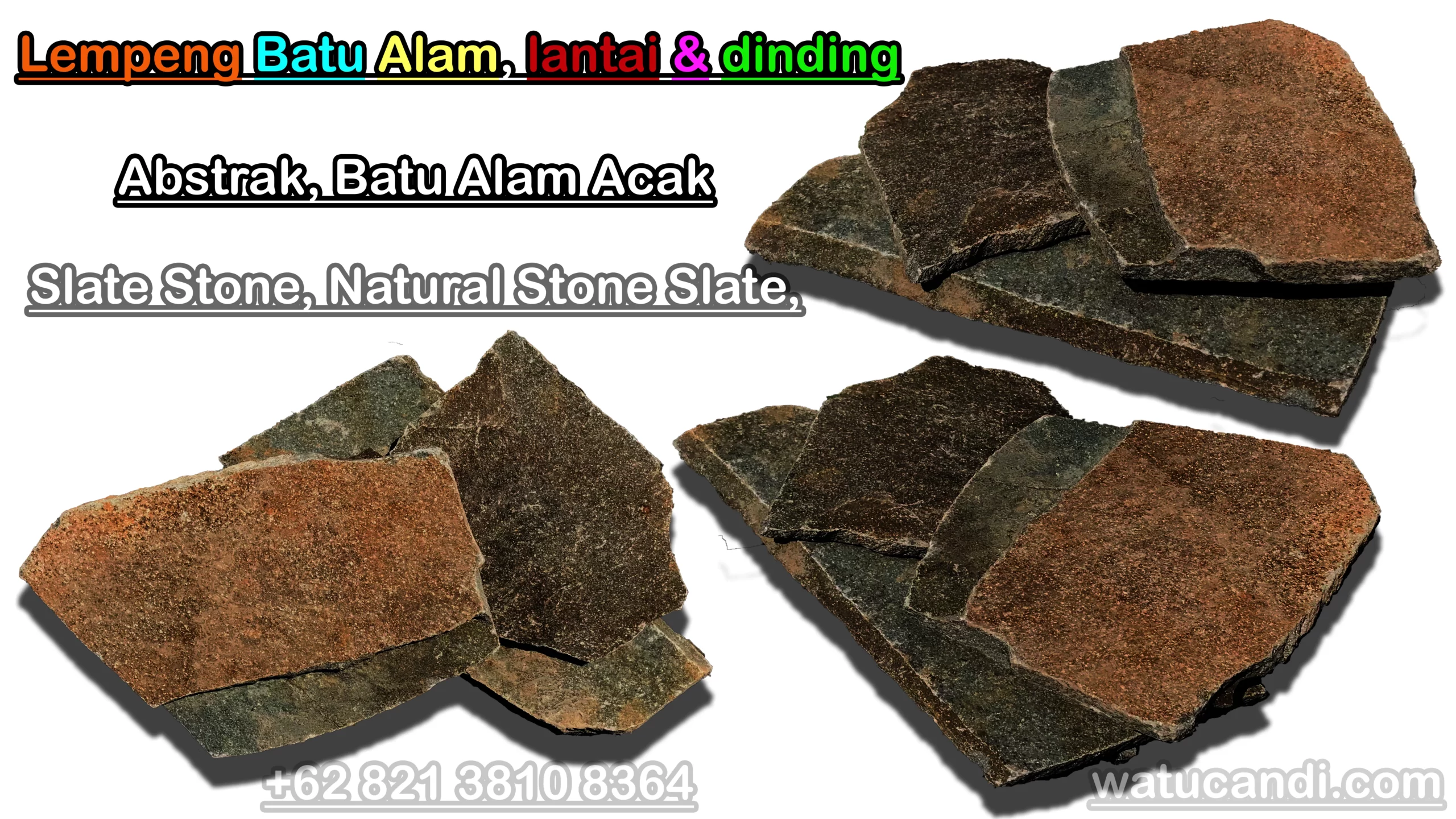
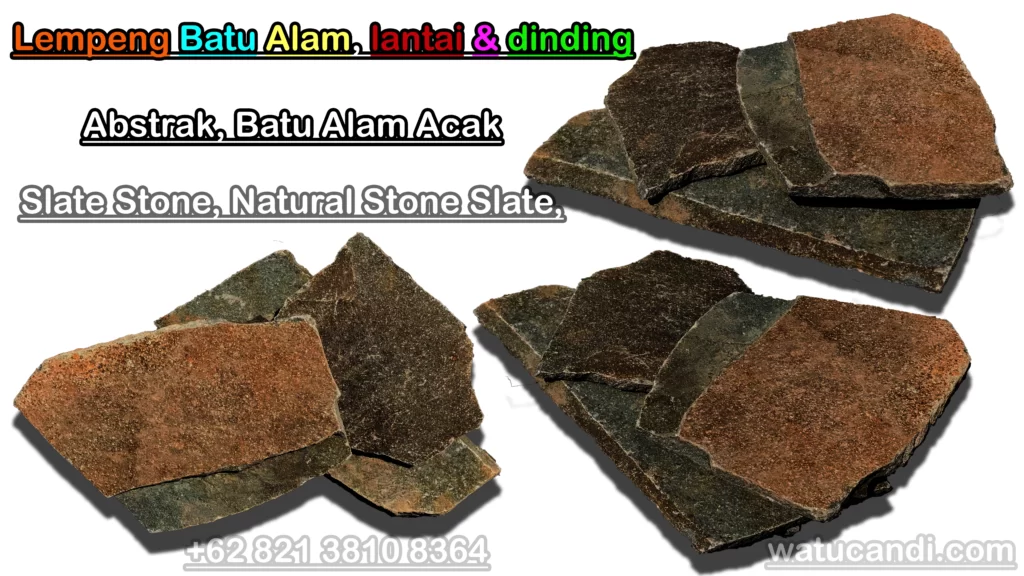
Architects and interior designers recognize natural stone slabs or Natural Slate Slabs as one of the most authentic building materials derived directly from nature. This material is natural stone slabs that are mostly mined specifically for finishing decoration work. The natural beauty it possesses cannot be imitated by any man-made material, making it the primary choice for those who desire a building appearance that is not only beautiful but also has character and high aesthetic value.
In the world of modern architecture and interior design, natural stone slabs continue to be an irreplaceable prima donna. From residential homes to commercial buildings, from star-rated hotels to luxury restaurants, this material provides a touch of natural luxury that is elegant and timeless. Unlike synthetic materials that can look outdated within a few years, natural stone slabs actually become more beautiful with age, developing a natural patina that adds character and value to your building.
This article thoroughly explores everything about natural stone slabs (Natural Slate Slabs): from definitions, natural formation processes, unique characteristics, types, functions and uses, advantages over other materials, installation guides, maintenance, to pricing information and the best producing regions in Indonesia. Let’s begin the journey of exploring the beauty of natural stone slabs that have been part of human civilization for thousands of years.
What Are Natural Stone Slabs? Understanding the Definition of Natural Slate Slabs
Before discussing further, it’s important to clearly understand what is meant by natural stone slabs or Natural Slate Slabs. In the context of building and decoration materials, this term has a fairly specific meaning but is often used interchangeably with several other terms such as slate stone, flagstone, cultural stone, and slabs stone.
Definition of Natural Stone Slabs
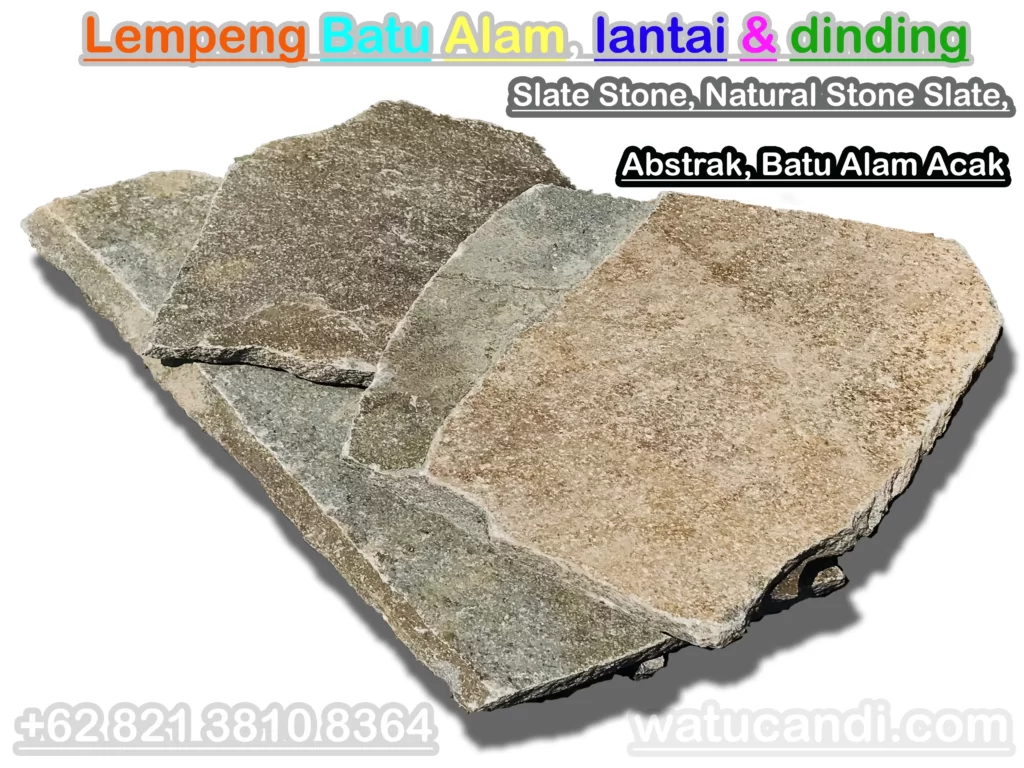
Building material experts define natural stone slabs (Natural Slate Slabs) as materials made from natural stone called slate stone / flagstone / cultural stone. Natural slate stone is a type of stone formed from mineral deposits and is often used in construction and interior and exterior design due to its natural beauty and durable physical properties. This material comes in the form of thin slabs with varying thicknesses, generally ranging from 1 cm to 5 cm, depending on the type of stone and application needs.
Miners extract these natural stone slabs from nature into thin, flat sheets that are often used for various purposes, such as flooring, walls, roofing, terrace flooring, stairs, and other decorations. The main uniqueness of this material lies in the fact that each slab has different characteristics, creating a truly natural and unique appearance in every installation.
Nature forms batu lempeng / templek naturally with authentic stone skin surface texture that is unique and appears as randomly thin irregular sheets/slabs (cultural stone). This characteristic distinguishes it from factory-made materials that have repetitive and uniform patterns. Each natural stone slab is a unique work of natural art, with crack patterns, pores, and surface waves formed through geological processes over millions of years.
Various Terms for Natural Stone Slabs
In the building materials industry, construction professionals know natural stone slabs by various terms. The diversity of these terms often confuses consumers, but they all actually refer to the same or very similar types of materials. Here are the most commonly used terms:
- Natural Slate Slabs: The most commonly used international term, referring to natural stone slabs formed from sedimentary or metamorphic rocks that have the property of easily splitting along their natural lines.
- Slate Stone: International term for slate, a type of metamorphic rock formed from shale that has the characteristic of easily splitting into thin slabs.
- Flagstone: A term more commonly used in Western countries, referring to flat stone slabs used for paving, flooring, or wall cladding.
- Cultural Stone: A more modern term often used in the interior design industry to create artistic and characterful wall appearances.
- Slabs Stone: A more general term referring to natural stone pieces in the form of large slabs in international trade.
- Batu Lempeng: The most common term in Indonesia, referring to natural stone formed naturally in thin layers (slabs).
- Batu Templek: A local term popular among stone craftsmen in Java, derived from the Javanese language meaning “patch” or “to stick”.
Regardless of the term used, all these names point to the same fundamental material: natural stone that has been shaped by geological processes over millions of years, extracted, and cut into slabs of various sizes and shapes, ready to be used as a beautiful and durable building material.
The Natural Formation Process of Natural Stone Slabs
Understanding the formation process of natural stone slabs is essential to appreciate their true value. Unlike manufactured materials produced under controlled conditions, nature produces natural stone slabs through complex geological processes that occur on an extremely long time scale. This process gives the stone its unique characteristics that cannot be replicated by any industrial process.
Where Natural Stone Slabs Are Found
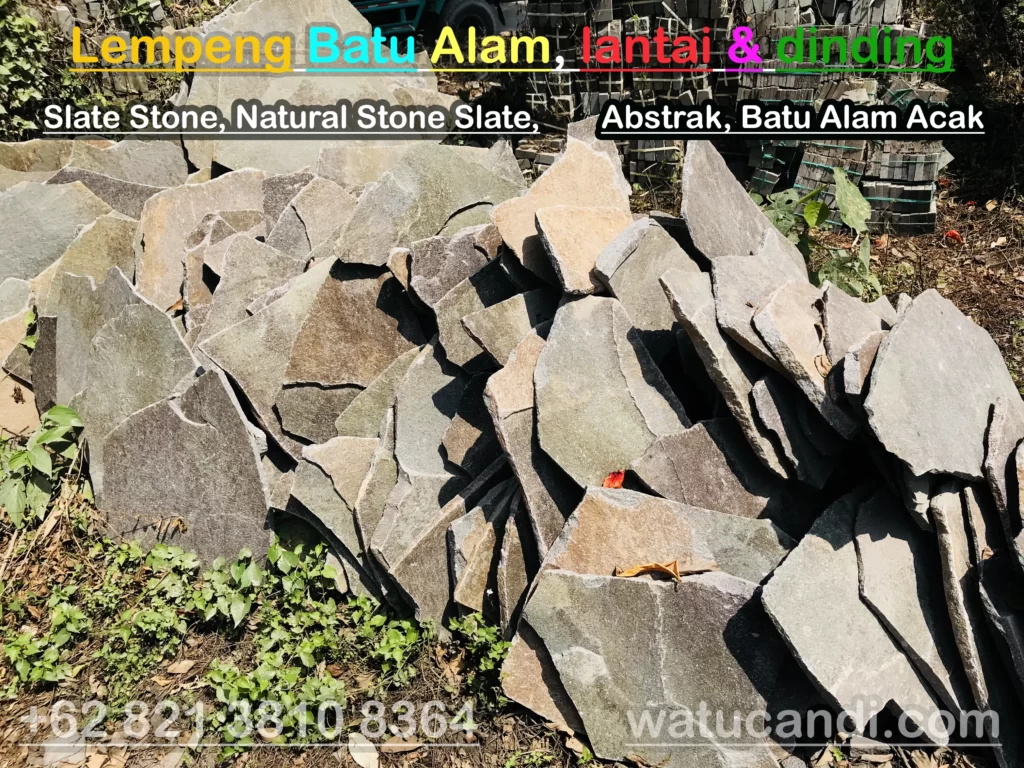
You can find authentic natural stone slabs (Natural Slate Slabs) around cliffs in the natural environment, usually in areas with clay soil (red soil) that easily crumbles/softens when wet. These locations are generally mountainous or hilly areas with special geological formations that allow layered rocks to form.
In Indonesia, you can find the best natural stone slab producing areas in various regions, especially in Java. Sukabumi in West Java is famous for its distinctive green flagstone. Meanwhile, Tulungagung in East Java produces flagstone in various colors for roofing, flooring, and decorative materials. Wonosari in Yogyakarta also provides flagstone that is often used to create distinctive traditional Javanese appearances.
Geological Formation Processes
Nature forms natural stone slabs through three main geological processes:
1. Sedimentation Process
Sedimentary rocks such as sandstone, limestone, and some types of flagstone form through the accumulation and compression of sediments over millions of years. Water, wind, or ice deposit layers of sand, minerals, organic matter, and other materials. Over time, the weight of the layers above compresses these sediments into solid rock. This process creates natural layering (stratification) that allows the stone to be split into slabs along its natural bedding planes.
2. Metamorphosis Process
Intense heat and pressure form metamorphic rocks like slate stone from existing rocks, causing physical and chemical changes. Slate, one of the most popular types of natural stone slabs, begins as shale (a sedimentary rock) that undergoes low-grade metamorphism. The pressure causes clay minerals in the shale to realign, creating a property called “slaty cleavage” or foliation that allows the stone to be split into thin sheets.
3. Natural Weathering Process
Regardless of the original rock type, weathering processes greatly influence the final character of natural stone slabs. Exposure to temperature changes, water, ice, wind, and biological activity over thousands of years creates natural fractures, surface textures, and color changes that give each slab its unique appearance. This process creates the “random” aspect of natural stone that is highly valued in design.
From Quarry to Slab: Extraction and Processing
After nature forms the stone over geological time, miners must extract and process it to become usable slabs. This process requires skill, experience, and respect for the natural characteristics of the stone. Mining is usually done in open-pit mines or mountainside quarries, where skilled quarry workers can read the natural grain and cleavage of the stone, allowing them to extract blocks and slabs with minimal waste and maximum preservation of the stone’s natural character.
After extraction, craftsmen cut the large stone blocks into slabs of various sizes. For natural stone slabs, the cutting process often intentionally maintains some irregularity in size and shape to preserve the natural character. This is what distinguishes authentic natural stone slabs from uniform and predictable manufactured materials.
Main Characteristics of Natural Stone Slabs
Natural stone slabs (Natural Slate Slabs) have a number of characteristics that make them attractive for use in various construction and design projects. Understanding these characteristics will help you appreciate the value of this material and make the right decisions in its use.
1. Strength and Durability
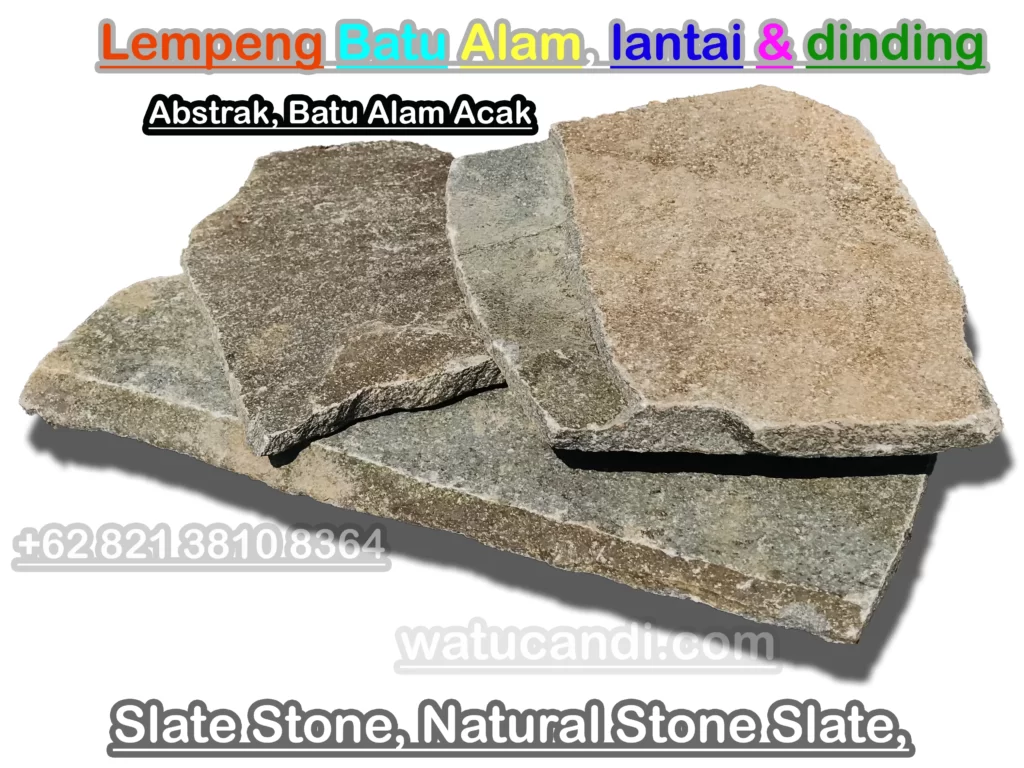
Natural flagstone generally has high strength and good resistance to pressure, loads, and impacts. This characteristic makes it suitable for flooring, wall, roofing, and heavy traffic area applications. The most common types of natural stone slabs (Natural Slate Slabs) random templek are andesite/basalt, solid and hard natural rocks that are very sturdy. Cooling magma forms both of these volcanic igneous rock types, providing extraordinary strength and density.
The advantages of natural slate stone slabs include resistance to extreme weather, long-lasting durability, and high resistance to scratches and damage. This material can last for decades, even centuries, without losing its beauty or function. Many historic buildings around the world that use natural stone floors and walls still stand strong today, proving the material’s resistance to time.
2. Diversity of Colors and Patterns
Natural flagstone comes in various colors and patterns, depending on the type of minerals contained within. This variety provides flexibility in design and allows you to create unique and natural appearances. The colors from nature offered have their own aesthetic uniqueness after installation, with stone patterns and colors collaborating perfectly for application as finishing decoration material on buildings with natural nuance concepts.
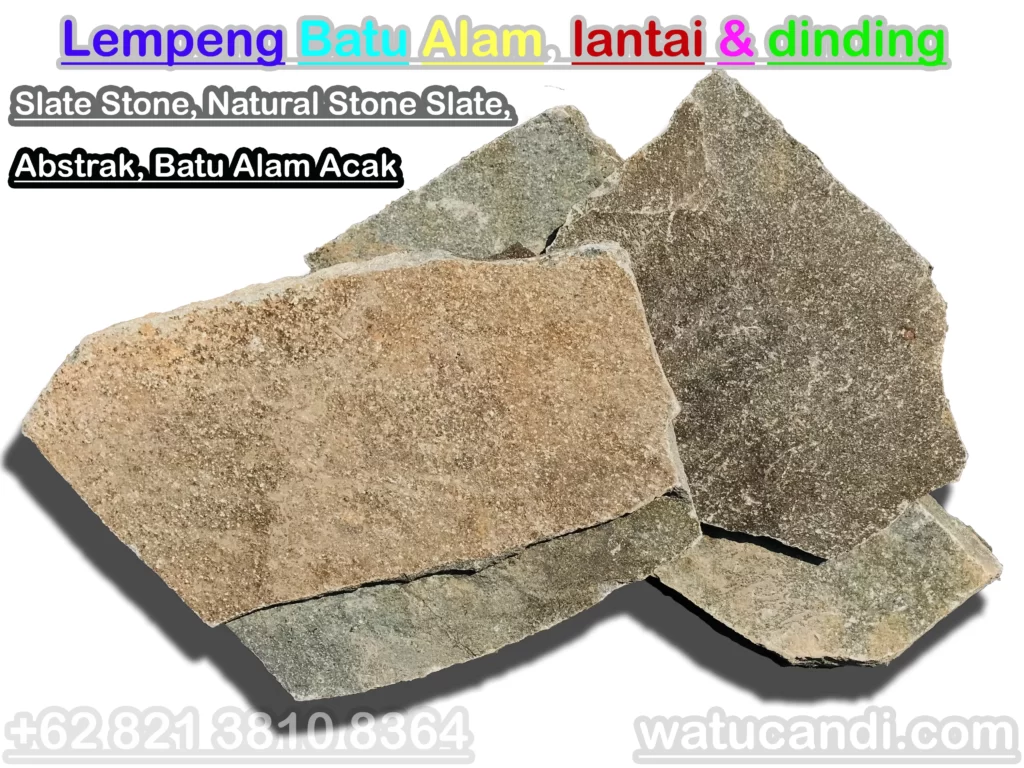
The general color appearance of natural stone slabs (Natural Slate Slabs) random templek (flagstone) includes brownish-yellow stone skin, gray, and sometimes dark black. The mining location determines these color variations, and sometimes in the middle there are also slightly pinkish ones. This color diversity allows the material to adapt to various design styles, from traditional rustic to contemporary modern.
3. Unique Natural Appearance
One of the main attractions of natural flagstone is its natural appearance. Rough or wavy surfaces add texture and character to projects, and their appearance tends to provide an aesthetic nuance different from synthetic materials. No two slabs are exactly alike, meaning each installation will produce a truly unique appearance that cannot be found anywhere else.
Natural slate stone has a unique appearance with flat or wavy surfaces, as well as various colors and patterns derived from mineral variations contained within. The authentic stone skin surface texture provides visual and tactile dimensions that cannot be imitated by molded or printed materials. This characteristic makes natural stone slabs the primary choice for designers and architects who want authentic character in their projects.
4. Weather Resistance
Natural flagstone has good resistance to extreme weather, including heat, cold, rain, and ultraviolet (UV) rays. This characteristic makes it suitable for outdoor use. Unlike synthetic materials that can fade, crack, or deteriorate due to sun exposure and weather changes, natural stone actually becomes more mature and characterful over time.
This weather resistance makes natural stone slabs ideal for exterior applications such as building facades, garden walls, terraces, pathways, and swimming pool areas. This material will not warp, fade, or lose its strength even when exposed to natural elements for years.
5. Scratch Resistance
Natural flagstone tends to be resistant to scratches and abrasion, maintaining its appearance over a long period. However, some maintenance may be needed to maintain the original appearance. The natural hardness of the stone, especially andesite and basalt types, makes it very resistant to scratches from furniture, foot traffic, and daily use.
6. Good Thermal Regulation
Natural flagstone has good thermal regulation properties, meaning it can follow temperature changes well without experiencing significant changes in dimensions or shape. This property makes natural stone comfortable to use in various climates, staying cool in summer and warm in winter. In building contexts, natural stone walls and floors can help maintain stable room temperatures, contributing to overall building energy efficiency.
7. Unique Potential of Each Slab
Because nature forms flagstone, each slab has its own unique characteristics. This uniqueness can provide a special touch to projects and allow for creativity in design. Factory-made materials mass-produced with uniform patterns and colors cannot replicate this uniqueness. Each project using natural stone slabs will have its own visual identity that cannot be found elsewhere.
8. Abundant Availability
You can find natural flagstone in many regions, depending on the type of slate used. Indonesia, with its abundant geological wealth, has many high-quality natural stone producing areas. However, certain types of natural stone may be more commonly found in some areas than others, which can affect price and availability.
9. Installation Process Requiring Expertise
Installing natural flagstone may require special attention, especially because the surface tends to be uneven. You need skill and experience in installation to ensure strong and durable final results. Proper installation will ensure the beauty and function of the material can be enjoyed for years, while improper installation can cause problems such as loose, cracked, or uneven stones.
10. Relatively Easy Maintenance
Although durable, natural flagstone sometimes requires maintenance, such as sealing or periodic upkeep, to maintain its beauty and prevent problems such as dirt buildup or damage. However, compared to other materials such as wood that requires periodic refinishing, or carpet that requires deep cleaning, natural stone maintenance is relatively simple and does not require significant costs.
Functions and Uses of Natural Stone Slabs
Natural stone slabs or “Natural Slate Slabs” are versatile building materials that you can use in various construction and design applications. Here are the main functions and uses of this material:
1. Wall Cladding
One of the most popular applications of natural stone slabs is as wall cladding, both for interior and exterior. As wall cladding, this material provides a luxurious natural appearance while protecting the building structure from weather elements. Walls clad with natural stone create an impression of solidity, timelessness, and class that cannot be achieved with ordinary paint or wallpaper.
Wall cladding applications include:
- Accent Wall: A single wall clad with natural stone becomes an attention-grabbing focal point in living rooms, bedrooms, or lobbies.
- Exterior Facade: All or part of the building facade clad with natural stone to give a grand and protected impression.
- Garden Walls: Natural stone on garden walls creates harmony with the surrounding landscape.
- Pillars and Columns: Cladding pillars with natural stone provides majestic vertical accents.
2. Flooring
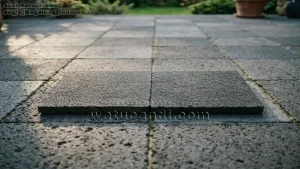
Natural stone slabs are also an excellent choice for flooring, offering extraordinary durability and an appearance that becomes more beautiful over time. Natural slate stone slabs for flooring provide a solid, durable, and easy-to-clean surface. Natural stone flooring is ideal for high-traffic areas such as living rooms, kitchens, and corridors, as well as wet areas such as bathrooms and swimming pool areas.
The advantages of natural stone slab flooring include:
- High Durability: Resistant to heavy foot traffic, furniture scratches, and impacts.
- Easy Maintenance: Simply sweep and mop regularly to maintain cleanliness.
- Hypoallergenic: Does not harbor dust, mites, or allergens like carpet.
- Property Value: Natural stone flooring significantly increases property resale value.
3. Terraces and Pathways
Terrace flooring from natural stone slabs creates beautiful outdoor spaces that blend with nature. This material is resistant to weather changes and non-slippery when wet, making it a safe choice for outdoor areas. Natural stone pathways provide beautiful access through gardens while remaining functional and durable.
4. Decoration and Aesthetic Elements
In addition to structural functions, natural stone slabs are also often used as purely decorative elements. Decorative uses include accent walls, kitchen backsplashes, fireplace surrounds, bathroom walls, and water features such as fountains and fish ponds. Natural stone can also be used to create unique decorative elements such as house nameplates, house numbers, or wall ornaments.
5. Roofing
In some areas, natural stone slabs are used as roofing material, especially for traditional or rustic-style buildings. Natural stone roofing is very durable, fire-resistant, and provides good thermal insulation. Although heavier and more expensive than modern roofing materials, natural stone roofing provides a unique appearance and durability that can reach hundreds of years.
Types of Natural Stone Slabs Based on Stone Material
Not all natural stone is the same, and different types of stone used for natural stone slabs have different characteristics, appearances, and performance properties. Understanding these differences helps you choose the right stone for your specific application.
1. Andesite Natural Stone Slabs
Andesite is a type of volcanic igneous rock commonly found in Indonesia. This stone has a porphyritic texture with dark gray to black colors. Andesite has very high strength, making it ideal for exterior applications that require extra resistance to impact and weather changes. Contractors often use andesite slabs for flooring, walls, and outdoor paving.
2. Basalt Natural Stone Slabs
Rapidly cooling lava on the earth’s surface forms basalt, a type of volcanic igneous rock with characteristics of dark colors (black to dark gray) and very fine texture. Basalt has very high compressive strength and acid resistance, making it suitable for applications in areas exposed to chemicals or high pollution.
3. Slate Natural Stone Slabs
Low-grade metamorphosis processes form slate from shale and clay. Its main characteristic is strong foliation, meaning this stone easily splits along flat planes. This property makes it ideal as natural stone slabs because it can produce thin slabs with relatively flat surfaces. Slate stone colors vary from gray, black, green, purple, to red.
4. Sandstone Natural Stone Slabs
Lithified sand forms sandstone, a type of sedimentary rock with colors varying from white, cream, yellow, brown, black, gray, to red, depending on mineral composition. Sandstone has a relatively rough texture and high porosity, requiring special maintenance especially for exterior applications. However, it is precisely because of this distinctive texture that sandstone is highly sought after to create warm and natural wall appearances.
5. Limestone Natural Stone Slabs
Calcium carbonate forms limestone, a type of sedimentary rock with colors generally white, cream, or light gray. Limestone has a relatively soft texture compared to other stone types, making it easier to cut and shape. However, its porous nature makes it susceptible to stains and requires periodic protective coating (sealer).
Installation Guide for Natural Stone Slabs
Installing natural stone slabs requires planning, skill, and attention to detail. Unlike uniform ceramic tiles that can be installed in a simple grid pattern, natural stone slabs require a more artistic approach to achieve beautiful and natural-looking results.
Stage 1: Planning and Preparation
Before starting installation, ensure you have chosen the type of stone appropriate for the application (interior/exterior, floor/wall, wet/dry area). Calculate material requirements accurately, adding about 15-20% for cutting and waste. Prepare the surface to be covered with stone – ensure it is clean, flat, strong, and has been waterproofed for wet areas.
Stage 2: Dry Layout
The most important step to achieve beautiful installation is dry layout. Before adhesive is applied, arrange all stone slabs on the floor or flat surface in the arrangement they will be installed. Pay attention to color distribution, size variation, and shape variation to create a balanced and natural appearance. Take a photo of the approved layout for reference during installation.
Stage 3: Installation
Use special natural stone adhesive or high-quality thin-set mortar. Apply adhesive to the substrate using a notched trowel, then back-butter each stone piece before placing it. Starting from the bottom (for walls) or from a reference line (for floors), install the stone according to your dry layout. Press each piece firmly into the adhesive, using a slight twisting motion to ensure full contact. Use spacers if you want consistent joint widths.
Stage 4: Cutting
Some pieces need to be cut to fit edges, corners, and around obstacles. Use a wet saw with a diamond blade for clean and accurate cuts. For irregular shapes, you may need to scribe the stone to fit. Always wear appropriate safety equipment when cutting stone, including goggles, mask, and gloves.
Stage 5: Grouting and Finishing
Allow the adhesive to dry completely according to manufacturer’s instructions, usually 24-48 hours. Use grout appropriate for the joint width and application. Choose a grout color that complements the stone – matching colors create a more monolithic look, while contrasting colors emphasize individual pieces. Apply grout with a rubber float, working it into all joints. Clean excess grout from the stone surface with a damp sponge before it dries completely. After the grout has fully cured (usually 72 hours), apply a penetrating sealer to protect the stone and grout from stains and moisture.
Maintenance of Natural Stone Slabs
Although durable, natural flagstone requires proper maintenance to maintain its beauty for years. Here is the maintenance guide you need to know:
Routine Cleaning
Clean dust and dirt regularly using a soft-bristle broom, vacuum cleaner with hard floor attachment, or dry microfiber cloth. For deeper cleaning, use a damp cloth with a little clean water. Avoid excessive water use that can seep into grout or more porous stones.
Using Mild Soap
For stubborn stains, use mild soap with neutral pH and warm water. Rinse thoroughly with clean water to remove soap residue that can leave a film on the stone that attracts dirt.
Avoid Harsh Chemicals
Do not use bleach, acid cleaners, vinegar, or abrasive cleaners that can damage the natural stone surface. These materials can erode the stone layer, remove natural luster, or permanently change the stone color.
Using Furniture Leg Protectors
Install felt pads on the bottom of furniture legs to prevent scratches when furniture is moved. Lift heavy furniture when moving it, do not drag it across the stone floor.
Consider Using Sealant
For additional protection, especially in areas prone to water or stains, apply high-quality penetrating sealer. Sealer will protect the stone from stains without changing its natural appearance. Sealer needs to be reapplied every 1-5 years depending on the type of sealer, stone type, and exposure level.
Preventing Damage
Clean spills immediately, especially acidic substances like citrus juice, wine, coffee, and tomato sauce. Use coasters under glasses and trivets under hot dishes to protect stone surfaces. Avoid prolonged standing water on stone surfaces.
Advantages of Natural Stone Slabs Compared to Other Materials
Why choose natural stone slabs over other wall and floor cladding materials? Here is a comprehensive comparison:
Natural Stone Slabs vs Ceramic
- Uniqueness: Each natural stone slab offers its own uniqueness; factories mass-produce ceramic with repetitive motifs.
- Texture: Natural stone has genuine three-dimensional texture; ceramic is relatively flat.
- Durability: Natural stone can last centuries; ceramic can crack or break.
- Property Value: Natural stone significantly increases property value.
- Environmental Impact: Natural stone requires minimal processing; ceramic requires high-energy firing.
Natural Stone Slabs vs Wallpaper/Wall Panels
- Authenticity: Natural stone is truly genuine; wallpaper only displays printed images.
- Dimensions: Natural stone has real three-dimensional texture; wallpaper is flat.
- Durability: Natural stone lasts for decades; wallpaper is prone to peeling and fading.
- Aesthetic Value: Natural stone becomes more beautiful over time; wallpaper tends to look worn.
Natural Stone Slabs vs Wall Paint
- Visual Depth: Natural stone offers natural depth and shadows; paint tends to be uniform.
- Maintenance: You can clean natural stone easily; paint may need repainting.
- Longevity: Natural stone can last the building’s lifetime; paint needs renewing every few years.
Sizes of Natural Stone Slabs
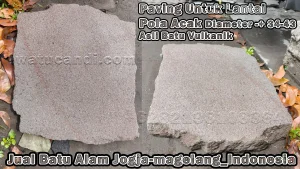
Natural stone slabs have random/abstract sizes from nature that are irregular and unpredictable. This characteristic makes this material so unique and interesting. Sizes range from about 15 cm to 60 cm or more in diameter with prices varying depending on the type of stone, size, and quality.
These random sizes provide flexibility in design, allowing more organic and natural arrangements. Installation with random sizes creates a more dynamic and attractive appearance compared to uniformly sized tiles. However, for those who want a more orderly appearance, natural flagstone can also be cut using machines to form the desired size.
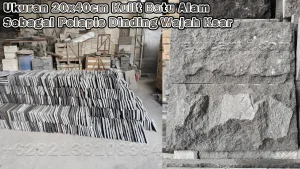
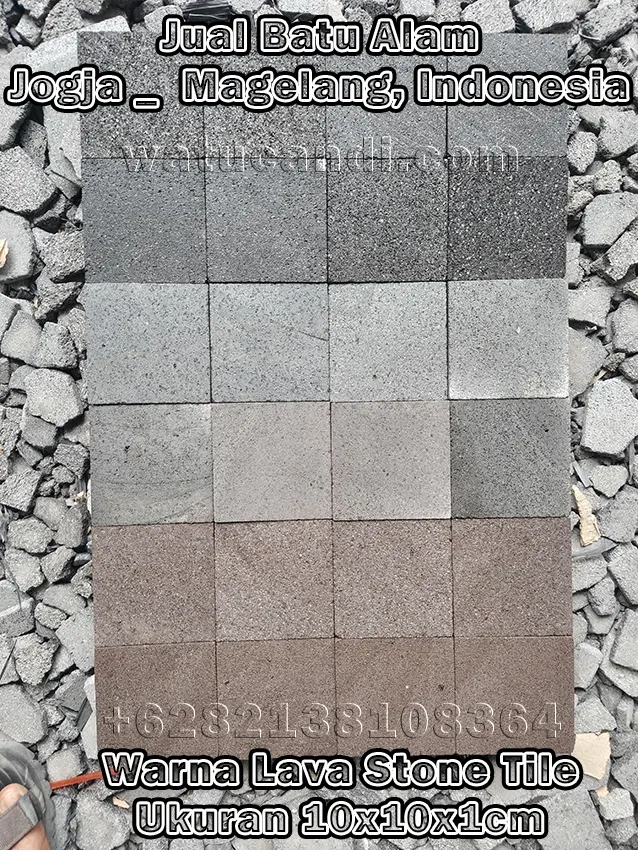
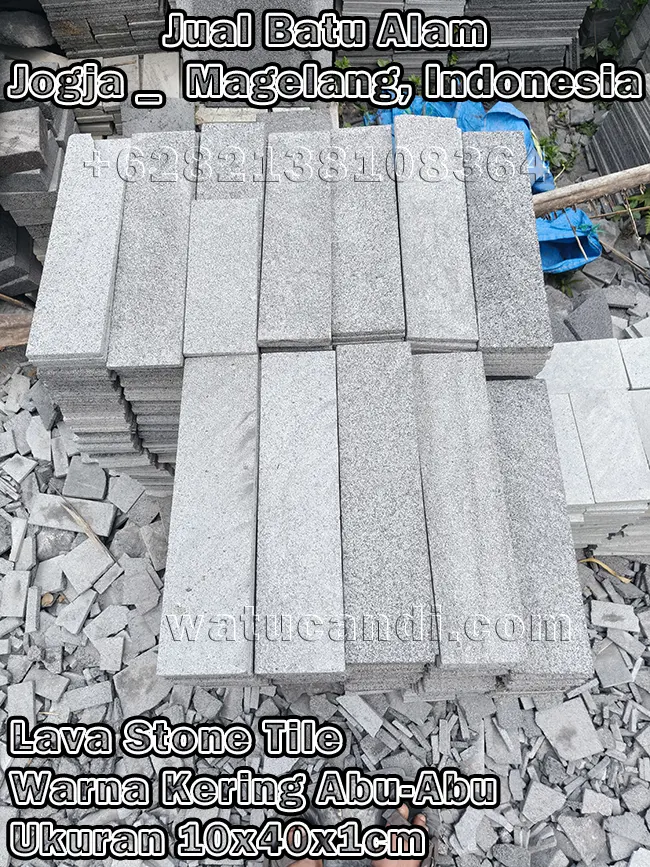
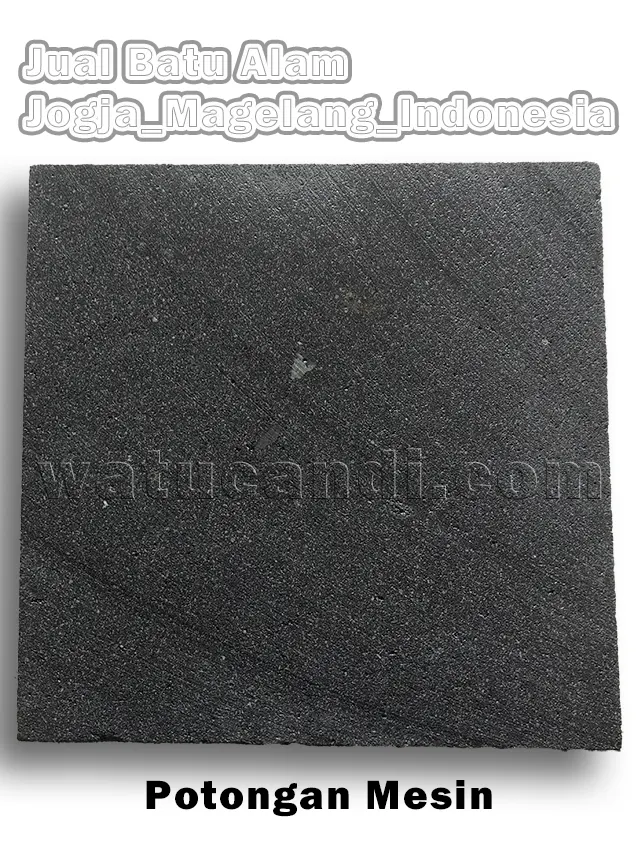
Additional costs certainly exist for machine-cut flagstone (classic natural stone skin surface), with standard sizes available including 30×30 cm, 20×40 cm, 15×30 cm, 20×20 cm, 10×20 cm, and 10×10 cm. You can adjust the size according to needs on the surface where natural flagstone will be applied as finishing material on your building. Please visit our shop page for more information.
Machine cutting provides the advantage of precise and uniform sizes, facilitating installation with more regular patterns. However, some natural characteristics of the stone may be reduced due to the cutting process. The choice between random size stone or machine-cut depends on design preferences and your project needs.
Price of Natural Stone Slabs
For the price of natural flagstone (Natural Slate Slabs) – “slate stone / flagstone / cultural stone”, it can be said to be quite affordable for all groups. Prices vary depending on several factors:
- Stone Type: Rare or premium stones like imported slate will be more expensive than local stones like andesite.
- Size and Thickness: Larger and thicker slabs are generally more expensive.
- Quality: Stone with more desirable colors and textures commands higher prices.
- Regional Origin: Transportation costs from quarry location to your place affect the final price.
- Purchase Quantity: Bulk purchases usually get cheaper wholesale prices.
- Finishing: Additional processing such as machine cutting or tumbling adds cost.
As a general overview, the price of natural flagstone in the Indonesian market ranges from Rp 95,000 to Rp 250,000 per square meter, depending on the above factors (Prices are not binding – subject to change at any time). This price usually does not include installation costs, which can range from Rp 100,000 to Rp 250,000 per square meter depending on difficulty level and project location. You can see more complete price information on the random flagstone product page and natural flagstone product page.
For the latest pricing and ordering information, you can contact trusted natural stone producers or suppliers directly in your area. By investing in natural stone slabs, you not only get high-quality building materials but also significantly increase the aesthetic value and resale value of your property.
Best Natural Stone Slab Producing Regions in Indonesia
Indonesia is blessed with abundant geological wealth, including various types of high-quality natural stone suitable for slabs. Here are the regions known as the best natural flagstone producers:
- Sukabumi, West Java: Famous for distinctive green flagstone, widely used in flooring, walls, and decoration. The stone quality from this area is recognized nationally and internationally.
- Tulungagung, East Java: Famous for flagstone in various colors, used for roofing, flooring, and decorative materials. The natural stone industry in this area has been ongoing for generations.
- Wonosari, Yogyakarta: Known for flagstone often used to create distinctive traditional Javanese appearances.
- Purwakarta, West Java: Known for andesite stone and other stone variations.
- Garut, West Java: Has quite large natural stone quarries with various stone types.
- Central Java: Semarang, Kebumen, Purwokerto, Wonosobo, Boyolali, Surakarta, Magelang – areas with long stone processing traditions.
- East Java: Ngawi, Jember, Besuki, Mojokerto – contributing natural stone variations for the national market.
- Bali: Famous for paras stone and temple stone for decorative applications.
Design Inspiration with Natural Stone Slabs
Architects also often use natural slate stone slabs in modern and natural architectural design because of their elegant and natural appearance, as well as their ability to adapt to various design styles. Here are some ideas and inspiration for using natural stone slabs in your projects:
Rustic Modern Style
Combine gray natural stone slab walls with solid wood floors and clean-lined furniture. Add indoor plants for a fresh green touch. Warm white lighting will complete the warm and inviting atmosphere.
Industrial Chic Style
Combine black or dark gray batu templek walls with black metal elements, exposed concrete, and factory-style pendant lamps. This style is perfect for loft apartments, cafes, or creative workspaces.
Contemporary Tropical Style
Use cream or light brown natural stone slabs on exterior walls, combined with wood, rattan weaving, and vertical gardens. This concept creates cool tropical dwellings that blend with nature.
Mediterranean Style
White or cream natural stone walls with matching grout create a Santorini villa-like atmosphere. Add arched doors and windows, as well as mosaic accents for an authentic touch.
Organic Minimalist Style
One natural stone slab wall with neutral colors and smooth texture becomes the perfect accent for a minimalist-style room. Let other elements remain simple so the stone wall becomes the main star.
Conclusion: Natural Stone Slabs for Timeless Beauty
Natural stone slabs (Natural Slate Slabs) – whether known as slate stone, flagstone, cultural stone, slabs stone, batu lempeng, or batu templek – represent one of the best natural building materials available. Their unique natural beauty, extraordinary durability, and ability to enhance property aesthetic value make them a superior choice for various construction and design applications.
From wall cladding to flooring, from terraces to decorative elements, natural stone slabs offer a perfect combination of function and beauty. With proper care, this material will continue to provide beauty and value for decades, even for generations to come.
For more information about pricing, availability, and ordering natural stone slabs, or to discuss your specific project needs, please visit our online store or contact us directly. Our team of natural stone experts is ready to help you select the perfect material and provide guidance throughout your project, from selection to installation.
Tags: natural stone slabs, natural slate slabs, flagstone, batu templek, slate stone, cultural stone, slabs stone, natural wall cladding, natural stone flooring, andesite stone, basalt stone, natural stone price, natural stone size, stone decoration, stone finishing, natural building materials, stone installation, stone maintenance, Indonesian natural stone,


One thought on “Sell Natural Stone Slabs (Natural Slate Slabs): Authentic Naturally Formed Displaying Stone Skin Surface for Use as Decorative Finishing Material on Buildings to Look More Beautiful and Have Aesthetic Value as Well as Luxurious and Elegant Modern Appearance from Time to Time, as Wall Cladding, Batu Templek & Unique Flooring “Slate Stone / Flagstone / Cultural Stone / Slabs Stone””