Natural Stone Stacked Cladding using Merapi Sandstone vs Paras Limestone for wall coverings. Comprehensive geological analysis, weather resistance evaluation, room placement strategies, installation guidelines, and integration with flooring and landscape materials to achieve aesthetic, durable, and high investment value architectural results. Discover premium Indonesian natural stone specifications exclusively at Watucandi.
Three dimensional texture on vertical surfaces possesses the power to instantly transform spatial perception. When sunlight or artificial lighting strikes an uneven wall surface, the shadows created breathe life into static buildings. This is where the vital role of natural stone stacked wall cladding becomes irreplaceable. Far from being mere decorative additions, these materials function as a second skin for buildings that protects the structure while simultaneously defining the visual character of the property. The choice between Merapi origin Sandstone and Paras Limestone often becomes a primary dilemma because both offer different yet equally captivating geological narratives.
Many developers and homeowners fall into the assumption that all natural stones have similar durability and maintenance requirements. In reality, mineralogical differences between volcanic rocks and sedimentary rocks demand specific installation and maintenance approaches. Understanding the microscopic to macroscopic characteristics of these two stone types is key to ensuring that renovation or new construction investments are not wasted. This article will comprehensively dissect the intricacies of sandstone and limestone stacked cladding, going beyond basic explanations toward applicable technical guidance that can be accounted for. As an initial reference regarding complementary flooring materials, you can also explore the premium andesite stone flooring collection for complete design harmonization.
Geological Anatomy: Why Stone Origin Determines Wall Performance
Before discussing visual beauty, we must understand what forms the stone. The sandstone used for stacked cladding in Central Java generally originates from Mount Merapi volcanic activity. This material is often referred to as Merapi black lava candi stone which is formed from lava cooling and volcanic ash compaction over thousands of years. The presence of silica and iron minerals within provides high density and distinctive dark coloration. This volcanic nature makes Merapi sandstone possess unique porosity; it is able to breathe yet remains dense enough to withstand tropical wind and rain erosion.
On the other hand, Limestone or paras stone (often called Paras in Jogja) is born from ancient marine sedimentation processes. Formed from calcium carbonate (CaCO3) accumulation in the form of marine organism shells, coral, and chemical deposits, this stone has a softer crystal structure compared to volcanic igneous rocks. The cream, yellowish white, or light gray colors in limestone come from calcite purity and the presence of impurity clay minerals. Due to its sedimentary nature, limestone tends to be easier to carve and shape into intricate stacked patterns, but is also more reactive to acid and extreme humidity. Knowledge about the natural limestone and travertine guide is essential before deciding to use it in wet areas.
Sandstone Stacked Cladding: Masculine Volcanic Character
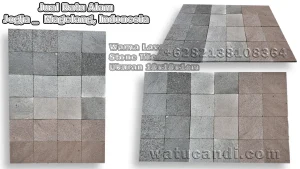
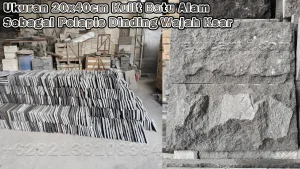
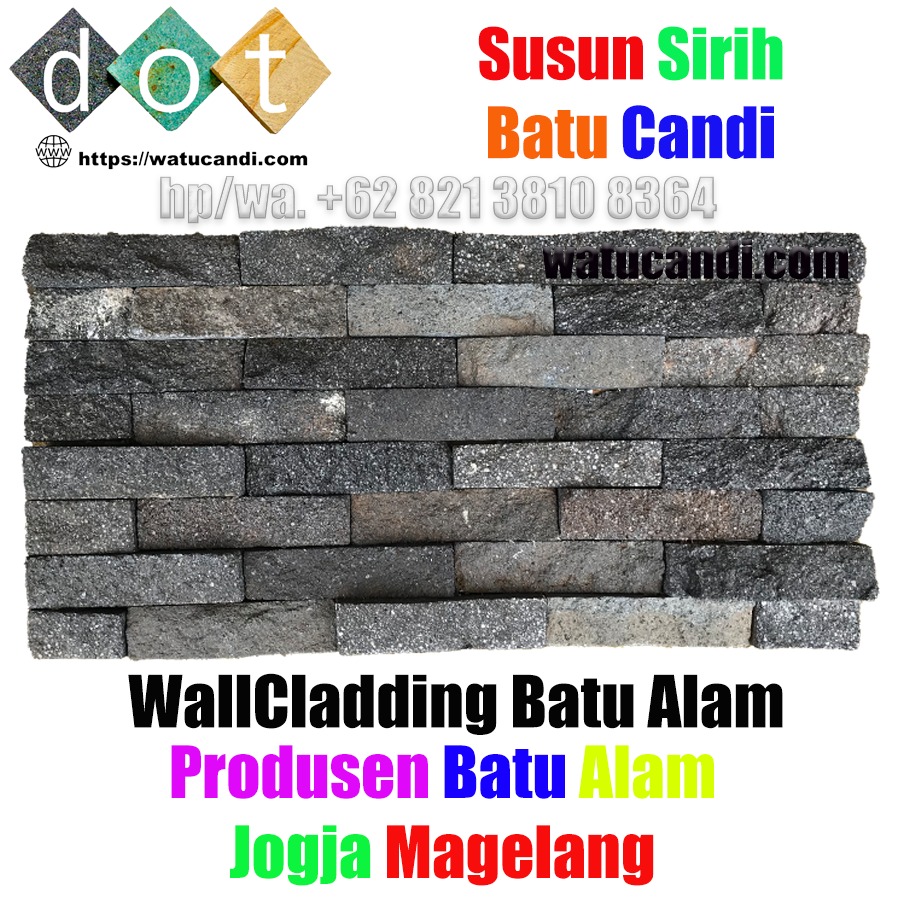
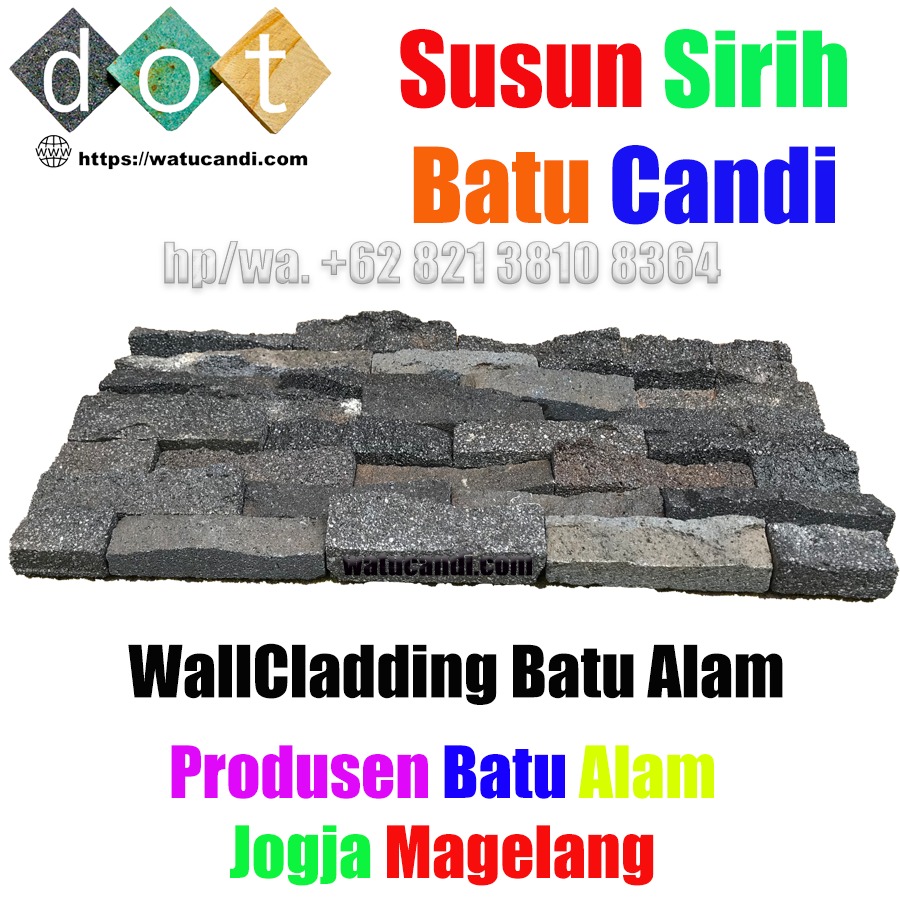
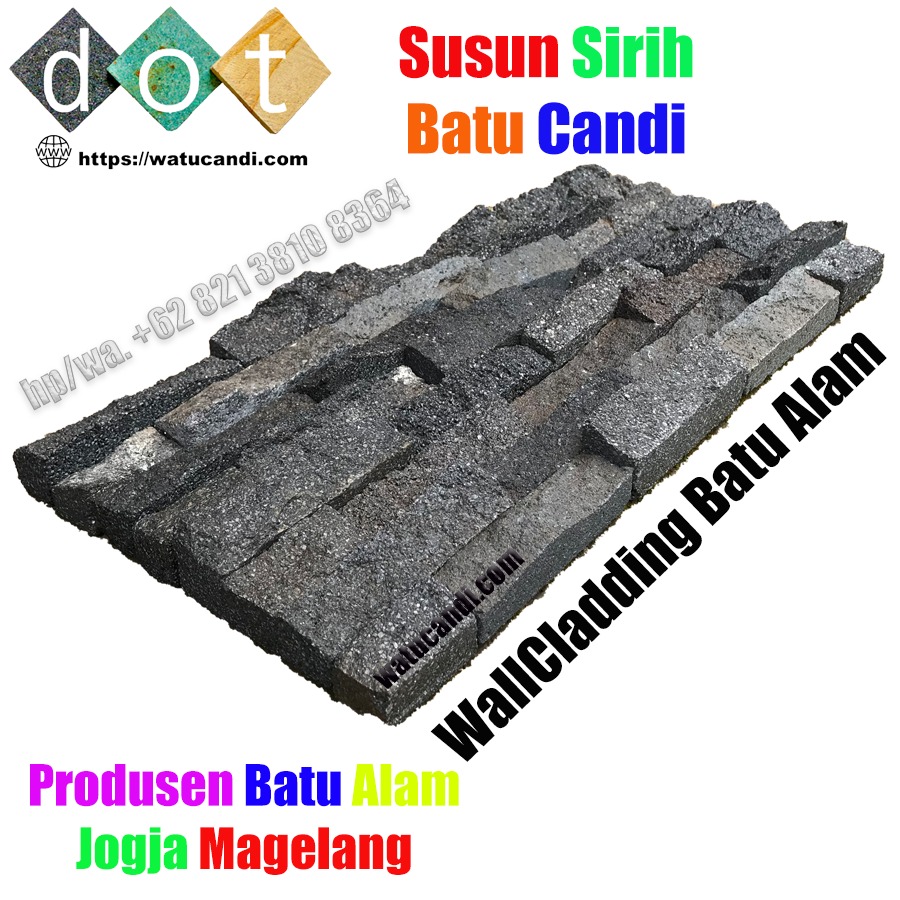
Merapi sandstone stacked cladding offers a firm, masculine, and heritage nuanced appearance. The stacking pattern resembling betel leaf arrangement on this stone is typically done using random or semi random cutting techniques to maintain a natural impression. The rough and porous stone surface becomes a perfect canvas for light play. When applied to facades, these premium volcanic stone cladding tiles create dramatic contrast with garden vegetation or modern glass elements.
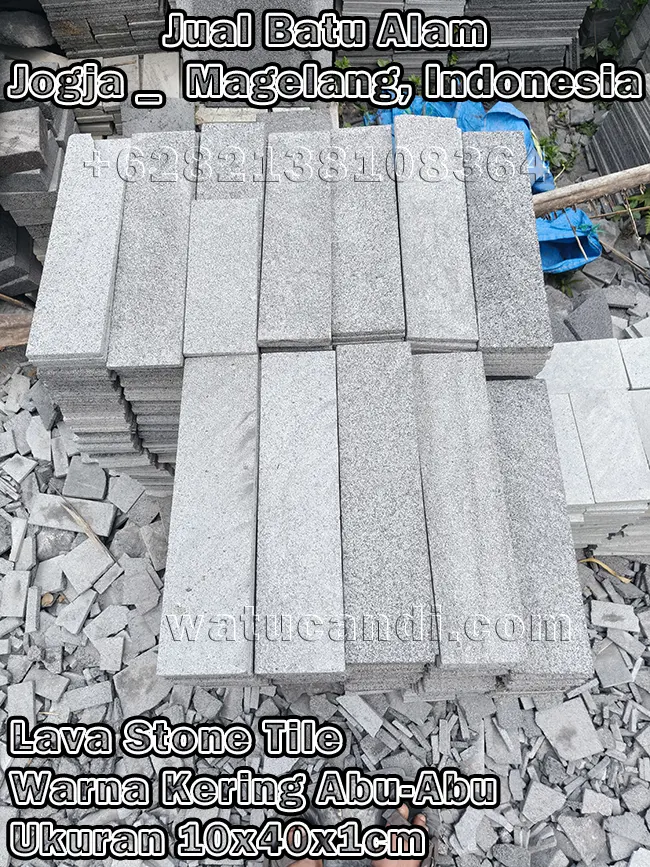
The main advantage of sandstone stacked cladding lies in its color stability. Unlike limestone which can change color significantly when wet or exposed to moss, black or dark gray sandstone actually looks more mature over time. Natural silica spots scattered across its surface provide a subtle shimmer effect when hit by afternoon sunlight. For those who want other texture variations on the same wall, combining with random candi stone skin wall cladding can provide dynamic visual transitions without losing volcanic theme coherence.
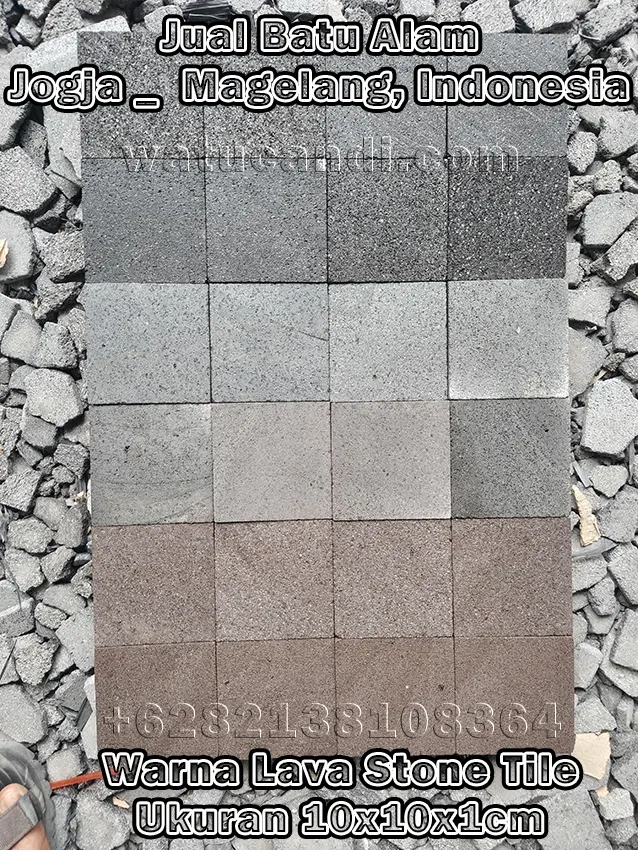
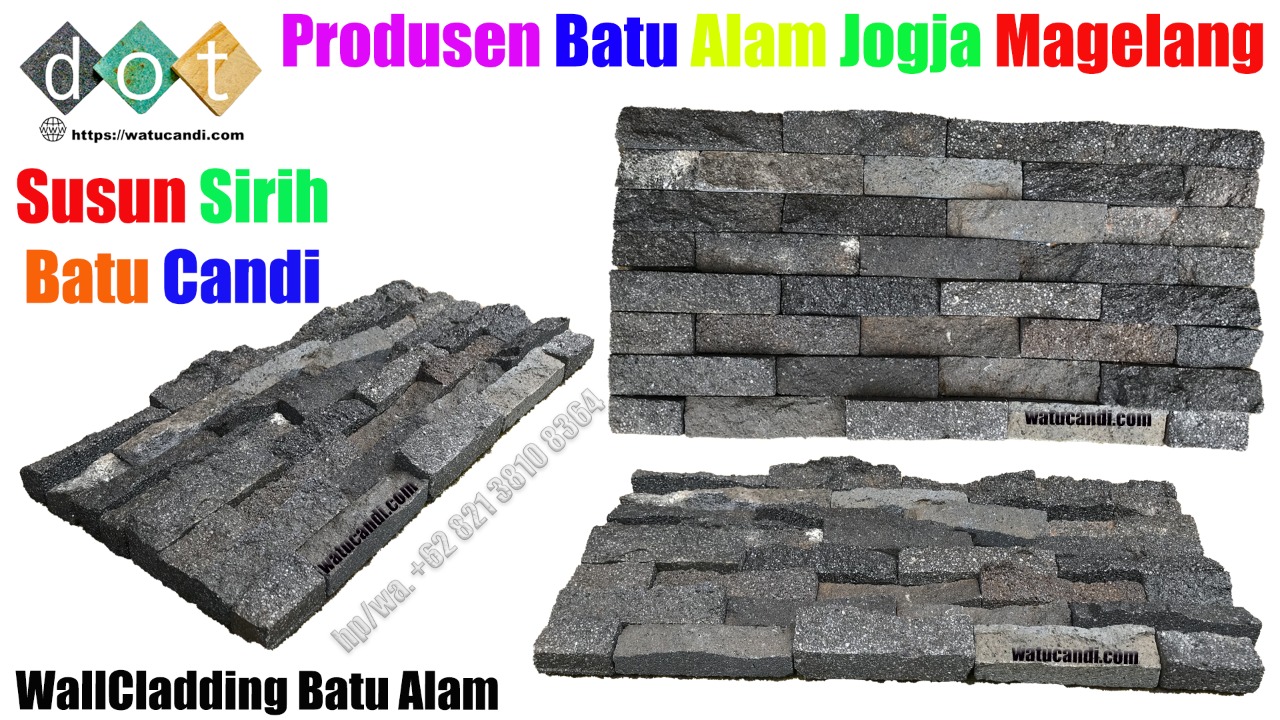
Natural stone stacked cladding products use sandstone from Mount Merapi, also commonly known as candi stone and Merapi black basalt lava. Candi Stone has unique characteristics, providing natural coolness and making views soothing to the eyes. Made from authentic volcanic lava material containing abundant silica spots, this material is available in loose form or pre assembled into ready to install panels. To see other wall panel application examples, observe the visualization of black lava stone tiles 10x10x1cm which are often combined with stacked cladding for geometric accents.
Limestone Stacked Cladding: Warm Sedimentary Elegance
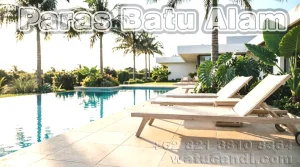
If sandstone is about firmness, then limestone stacked cladding is about softness and warmth. The bright color of Paras Jogja limestone is capable of reflecting solar heat, making it a smart choice for exterior walls in tropical climates to reduce building thermal load. Stacked patterns on limestone are often executed with higher precision because the stone properties are easier to control during cutting. The final result is walls that feel neater, classic, and suitable for Mediterranean, Colonial, or Modern Minimalist architectural styles. Complete references regarding limestone variants can be found in the Indonesian limestone tiles for walls and floors guide.
However, limestone beauty comes with maintenance responsibilities. Its alkaline nature makes it susceptible to chemical weathering if continuously exposed to acid rain without protection. Nevertheless, many designers actually appreciate the natural aging process on limestone that provides time patina. Limestone stacked cladding has irregular abstract surfaces that provide artistic beauty to buildings, with bright colors blending into unified arrangements suitable for indoor wall panels and gardens alike.
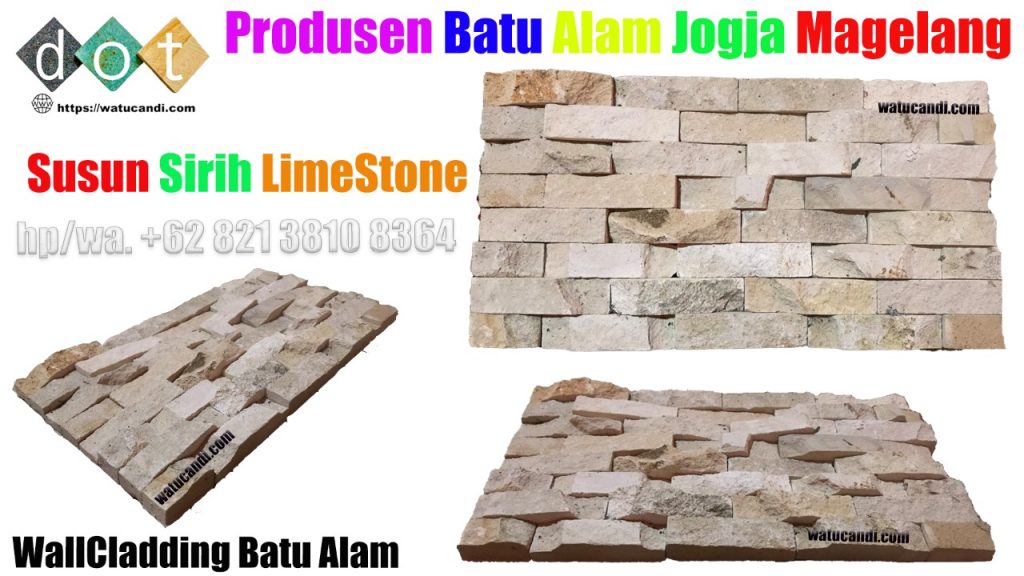
Limestone is formed from calcium carbonate mineral deposits hardened from fossils and seashells over millions of years. Often having white, cream, or gray colors with fine spot or line patterns, its surface tends to be softer and smoother than sandstone making it easier to carve. Limestone stacked cladding provides elegant and classic appearances with finer touches. For unique brown colored limestone variations, you can consider brown spotted paras stone as accent alternatives.
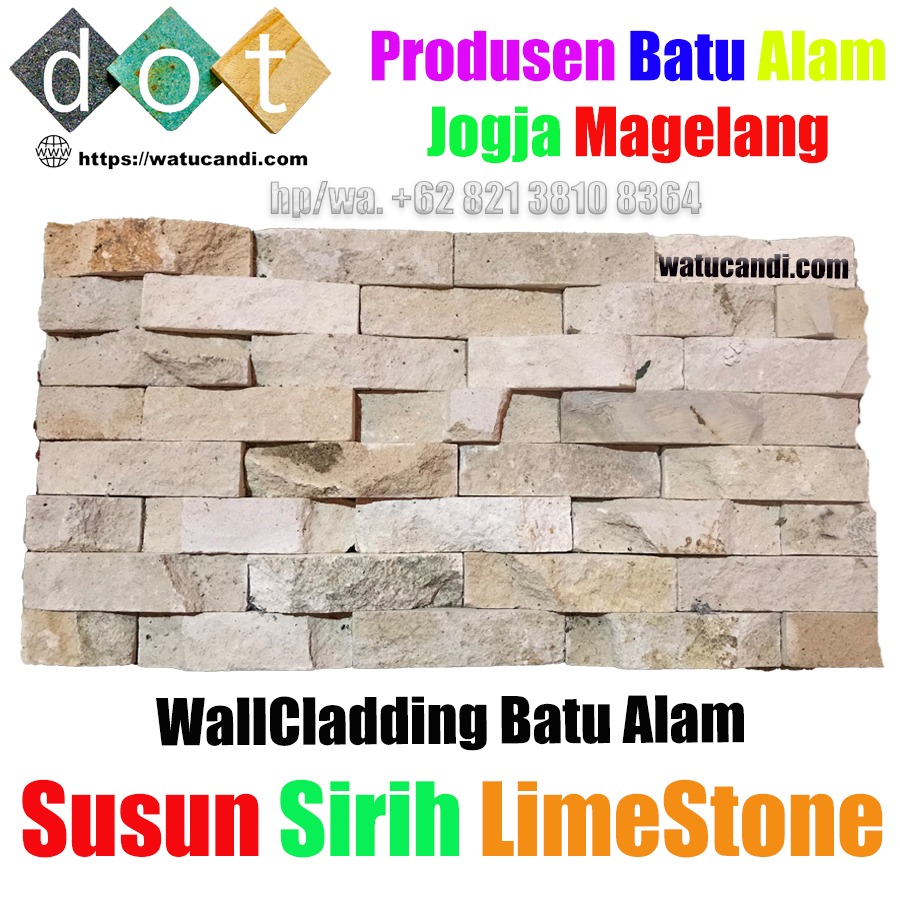
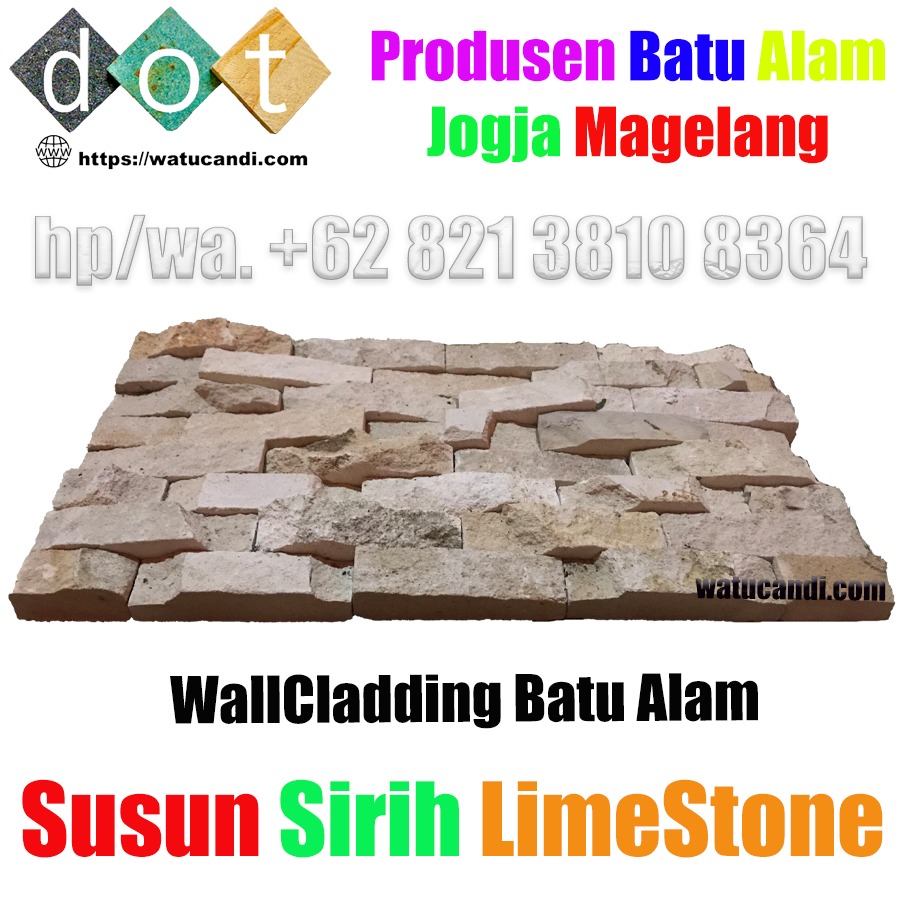
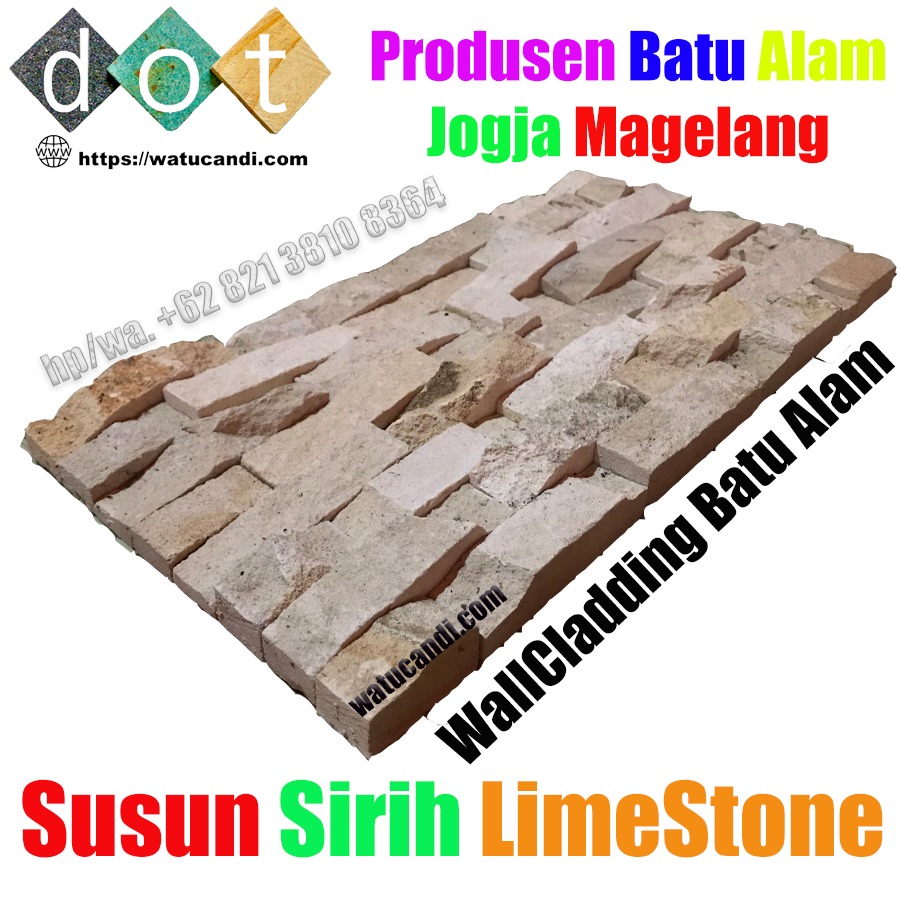
Head to Head Comparison: Sandstone vs Limestone for Stacked Cladding Applications
Choosing materials is not only about visual taste but also functional suitability. Below is in depth analysis based on frequently overlooked technical parameters:
- Hardness and Abrasion Resistance: Merapi Sandstone has higher Mohs hardness scale compared to limestone. This means sandstone stacked cladding is more resistant to physical scratches, minor impacts, and wind carried dust particle erosion. Limestone, although strong enough for walls, is more vulnerable to mechanical damage if installed in high traffic areas or locations with direct physical contact risk.
- Porosity and Water Absorption: Both are porous stones, however their absorption mechanisms differ. Volcanic sandstone has interconnected micro pores allowing good air circulation but requiring quality coating to prevent water seepage into back walls. Limestone has varying porosity depending on deposit density. Using premium sandstone and limestone materials that have passed strict selection is highly recommended to minimize absorption issues.
- Response to Extreme Weather: In areas with rapid wet dry cycles, sandstone demonstrates better dimensional stability. Limestone has potential for efflorescence (white salt crystallization on surfaces) if wall waterproofing systems are inadequate. However, for protected indoor or semi outdoor areas, limestone offers better thermal comfort due to its reflectivity.
- Design Flexibility: Sandstone is ideal for rustic, industrial, tropical brutalism, and heritage concepts. Limestone is more versatile, fitting almost all design styles from European classic to clean contemporary. If you want to explore green stone options also popular for wall accents, Sukabumi green natural stone could be an attractive alternative for wet areas such as bathrooms or swimming pools.
Placement Strategy: Optimizing Visual Potential in Every Room
Stacked cladding applications should not be done arbitrarily. Each space has different micro conditions and psychological needs. Below is performance based placement guidance:
Facade and Building Exterior Areas
Facades are the frontline defense of buildings. For this zone, sandstone stacked cladding is the prima donna due to its UV and heavy rain resistance. Facade installation should be combined with overhangs or canopies to reduce excessive direct water exposure. As complementary exterior elements, consider using lava stone exterior design on pillars or window borders to create cohesive volcanic design language. Do not forget that foundations and retaining taluds around buildings also require strong materials like Merapi mountain talud stone material for long term structural safety.
Living Rooms and Social Areas
In living rooms, stacked cladding walls function as focal points. Cream or white limestone stacked cladding is highly recommended for these rooms because of its ability to reflect ambient lamp light, making spaces feel wider and warmer. Avoid using solid black sandstone on entire wall surfaces of narrow living rooms as it can create oppressive cave effects. Instead, use sandstone only on one accent wall. To complete the atmosphere, furniture made from handmade stone tables and chairs can add artisanal values that align with natural stone walls.
Bedrooms and Private Zones
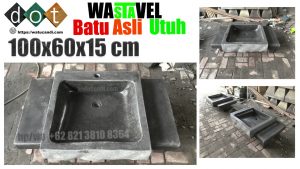
Bedrooms require calming atmospheres. Overly aggressive stacked textures can disturb visual rest. Choose limestone with gentler stacked profiles or sandstone with split face finishing that is not too sharp. Ideal installation positions are behind bed headboards. Also ensure adequate room air circulation because natural stone retains temperature. If you desire luxurious natural touches in en suite bathrooms, rough surface marble stone sinks or black basalt stone sinks will be perfect partners for natural stone walls.
Hotel Lobbies, SPAs, and Commercial Areas
For public areas with high traffic, durability is non negotiable. Sandstone stacked cladding is far superior here. Its ability to hide dust stains and resistance to physical contact makes it low maintenance. In SPA areas, combining natural stone walls with water elements is the gold standard. However, avoid limestone in perpetually wet areas due to slip risks and weathering. Use green stone tiles for swimming pools or lava stone tiles for swimming pools in wet zones, while surrounding dry walls can use sandstone stacked cladding for safe and aesthetic transitions.
Material Integration: Creating Harmony Between Walls, Floors, and Landscape Elements
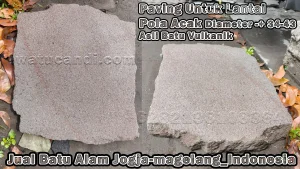
Stacked cladding walls do not stand alone. They are part of building material ecosystems. The biggest mistake in natural stone design is incompatibility between vertical walls and horizontal floors. If walls use dark textured Merapi sandstone, floors should use materials providing tonal contrast or continuity. Lava stone floors with bushhammer or chiseled finishing are natural partners strengthening volcanic identity. Conversely, if limestone walls are chosen, white Palimanan stone or super white limestone floors will create elegant monochromatic nuances that feel spacious.
For indoor outdoor transition areas like terraces and gardens, material consistency is crucial. Garden and yard stone flooring must have adequate slip resistance. Irregular natural stone paving or lava rock stepping stones can connect stacked cladding walls with green landscapes organically. Do not overlook edge and border details; natural stone edges and natural stone wall edges function to tidy junctions between different materials and prevent edge damage.
For projects wanting wall texture variations besides stacked cladding, exploring green stone split face tiles or rough split face candi temple stone can provide equivalent quality alternatives. Mosaics also become artistic options; candi lava natural stone mosaic can be applied as inserts or borders in the middle of stacked cladding wall fields to break pattern monotony.
Technical Installation Guide and Surface Finishing
Stacked cladding aesthetics heavily depend on installation quality. Loose piece methods are indeed cheaper, however risks of unevenness and inconsistent gaps are very high. We strongly recommend using factory pre assembled stacked panels using quality epoxy adhesive. Panelization guarantees installation speed, surface flatness, and inter piece bond strength. Before installation, ensure base walls have been leveled with plaster and given waterproofing coating, especially for exterior walls. Special natural stone cement adhesive (not regular cement) must be used to prevent stones from detaching later.
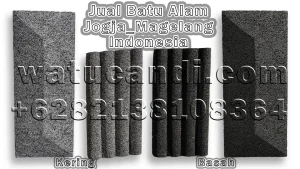
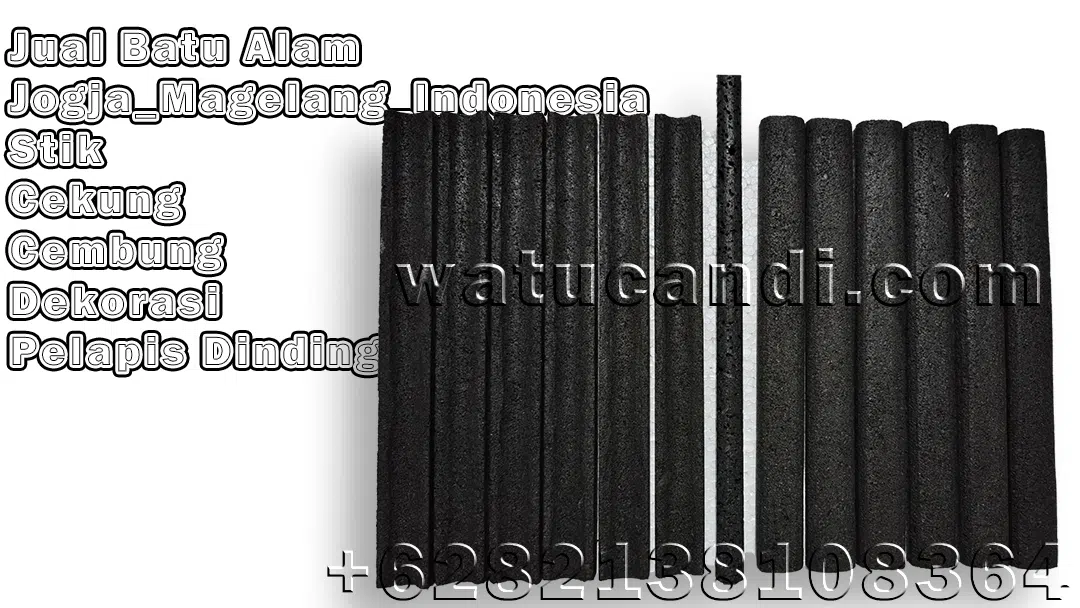
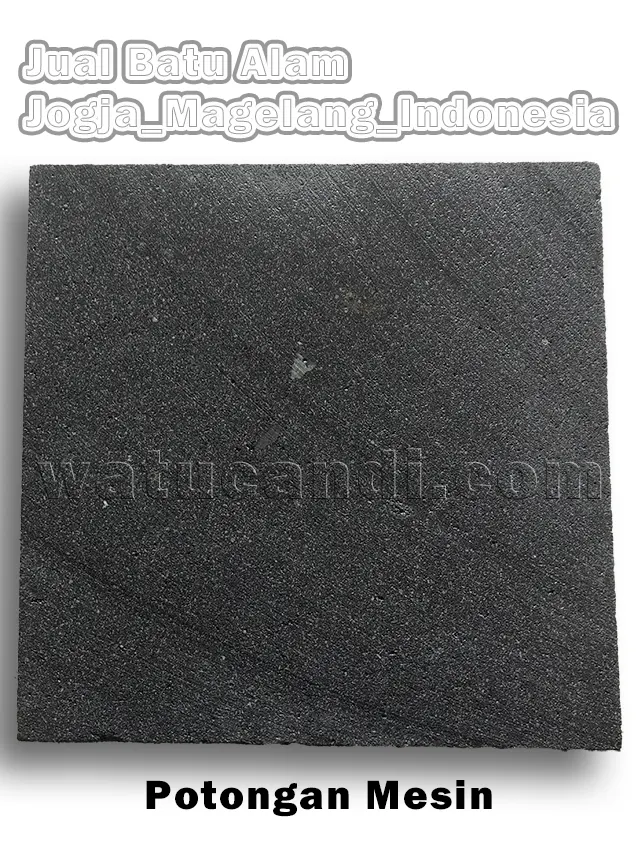
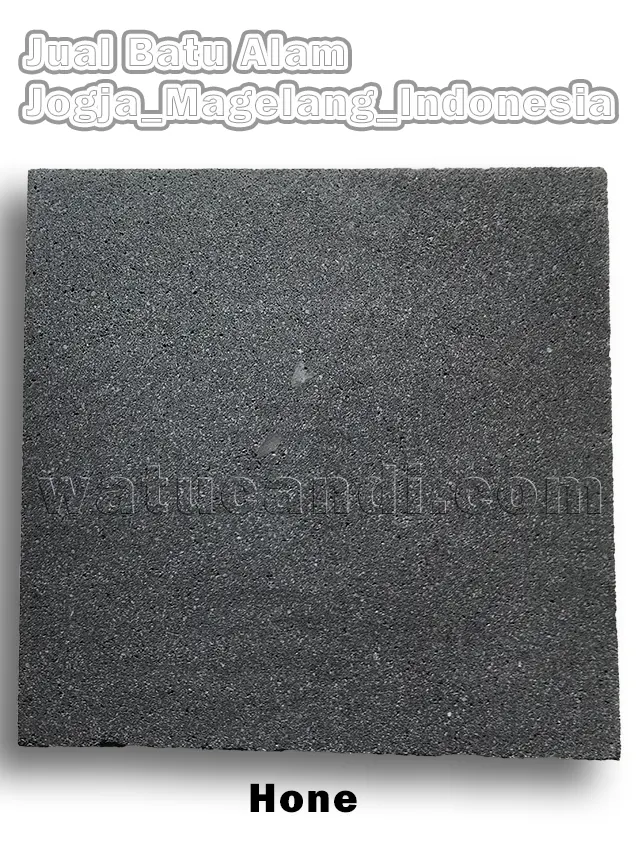
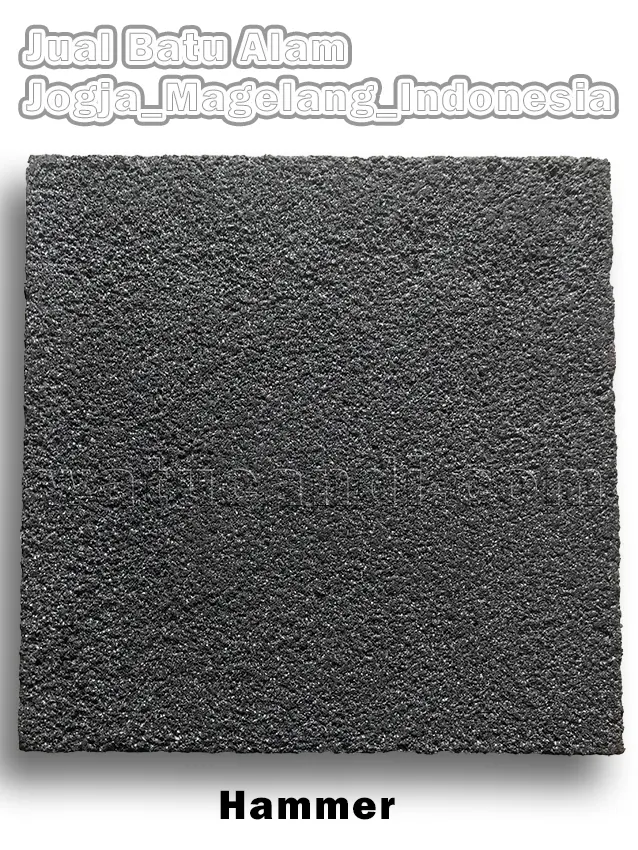
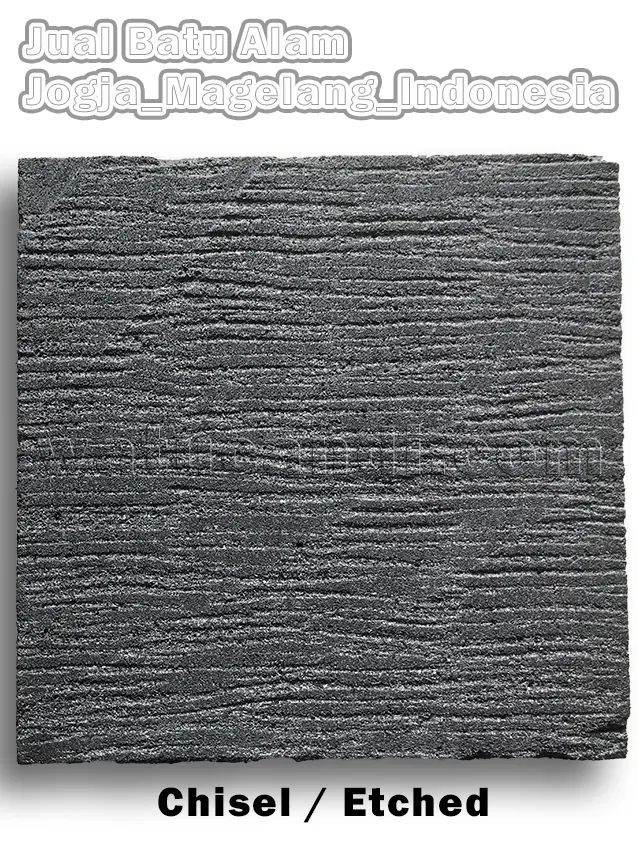
Surface finishing selection also determines final character. For sandstone, rough face lava stone or black lava bush hammer surface finishing is most suitable for stacked cladding because it highlights volcanic texture. Meanwhile, limestone can be played with bushhammer limestone tiles for non slip texture, or tumbled finishing for antique impressions. Detailed information regarding finishing variations can be found in comb surface types, 3×1 groove surface types, and 2×1 line types available in the Watucandi catalog.
After installation completion, stone sealer or anti fungal coating application is mandatory. For sandstone, use penetrating type sealers that do not alter original stone color but seal pores from within. For limestone, topical or enhancing type sealers can be considered if you want to enhance color and provide slight sheen. Routine maintenance is sufficient with low pressure water spraying every 6 to 12 months to remove dust trapped in stacked cladding gaps. Avoid using harsh acid cleaners on limestone as they will erode calcite surfaces.
Supporting Natural Stone Variation Exploration for Holistic Projects
Successful natural stone projects rarely use only one material type. Material diversification creates design depth. Besides stacked cladding, consider the following elements to complement your project:
- Flooring and Paving: Premium Merapi lava stone paving for carports and pedestrian paths, lava stone paving slabs for wide areas, and Indonesian andesite stone paving for heavy load areas. For artistic touches, authentic manually chiseled stone floors offer invaluable craftsmanship value.
- Decorative Elements and Furniture: Black lava stone table tops for outdoor dining, natural stone liquid soap dispensers for sinks, and handmade stone bathtubs for luxury bathing experiences. Garden ornaments like Merapi lava temple stone balls and traditional stone umpak add cultural touches.
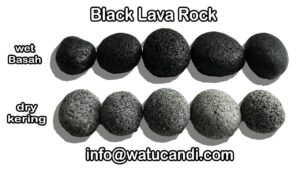
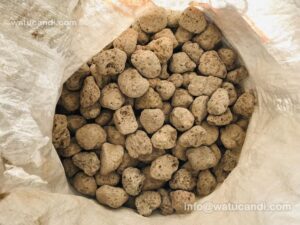
- Specific Stone Variations: Black lava rock pebbles for garden ground cover, pumice stone for planting media and lightweight accents, breccia natural stone tiles for unique wall accents, and Yogyakarta batik green stone tiles for exclusive local touches. For complete stone type references, visit GC stone types guide and GCBroken stone types.
- Swimming Pool and Wet Area Materials: Premium swimming pool coping stone tiles, swimming pool stone tiles guide, 20×40 Sukabumi green stone tiles, and natural stone swimming pool gutter covers. Also ensure understanding local vs precision green stone tiles differences before purchasing.
Design Style Inspiration and Specific Architectural Applications
Natural stone stacked cladding is not a rigid material. It can adapt to various design philosophies depending on how it is combined. For luxury residential projects, integrate with modern luxury home design concepts where stone walls function as balancers for glass and steel elements. For hospitality projects, study hospitality design and restaurant design that utilize stone textures to create immersive atmospheres for visitors.
Industrial and commercial styles are also highly compatible with sandstone stacked cladding. See examples of industrial design, commercial design, and enterprise design proving that natural stone is not always identical with tradition. For latest model inspiration and decoration trends, latest styles and unique beautiful product models from Watucandi can serve as rich visual references. Principles of comfortable decoration design must always be prioritized so natural stone beauty does not sacrifice residential function.
Product Specialization and Advanced Technical References
Watucandi provides an extremely wide spectrum of natural stone products to meet specific project needs. For more varied wall cladding applications, explore black lava candi stone cladding guide and Merapi black sand split face cladding. For large slab needs, large natural limestone slabs and natural stone slabs are available for countertops or monumental feature walls.
Other specialized products include 3D stone slabs for futuristic wall effects, wavy carved natural stone tiles for organic accents, and tumbled natural stone finish for vintage impressions. For high detail paving projects, study manual chiseled candi stone paving specifications, chiseled natural stone paving, and hand carved temple stone flooring paving. Size and pattern variations like 75x230mm lava stone, 100x100x10 black lava stone, and 100x200mm solid split stone allow unlimited design flexibility.
For landscape and infrastructure projects, assorted irregular random garden stepping stones, garden wall foundation stone borders, and Merapi lava stone fence and foundation walls provide functional yet aesthetic solutions. Merapi natural stone outdoor flooring and garden and yard stone flooring are specifically designed to withstand external loads and weather. Even for spiritual and traditional needs, available are pelinggih stone materials, Borobudur temple stone, temple stone paving floor, and carved temple lava stone crafted by experienced artisans.
Conclusion: Smart Investment for Timeless Beauty
Between sandstone and limestone for stacked cladding applications, there is no absolute winner. There is only contextual suitability. Merapi Sandstone wins in durability, weather resistance, and masculine character suitable for exteriors and high traffic areas. Paras Limestone excels in visual warmth, thermal reflectivity, and design versatility for interiors and semi protected areas. The best decisions are born from honest understanding of site conditions, long term maintenance budgets, and design visions to be achieved.
Do not hesitate to consult with manufacturers who understand material intricacies, not just sellers. Watucandi as a natural stone manufacturer in Jogja and Magelang is ready to serve your material needs with local and export quality standards. From basic natural stone tiles to special brown sandstone, from brown spotted paras stone to black lava natural stone tiles, all are available with guaranteed specifications. Also explore lava stone, lava candi natural stone, black lava, and complete lava stone products for limitless options.
For further technical information regarding Merapi lava candi semi chiseled stone, hard cream limestone, Java brown sandstone tiles, or versatile Jogja limestone, please contact our team. We also provide installation guides such as chiseled natural stone installation patterns, genuine stacked slate cladding, and slate stacked betel leaf slab surface to ensure precise installation results. Entrust your natural stone needs to experts who understand that every stone has a story, and every wall deserves to tell it beautifully.