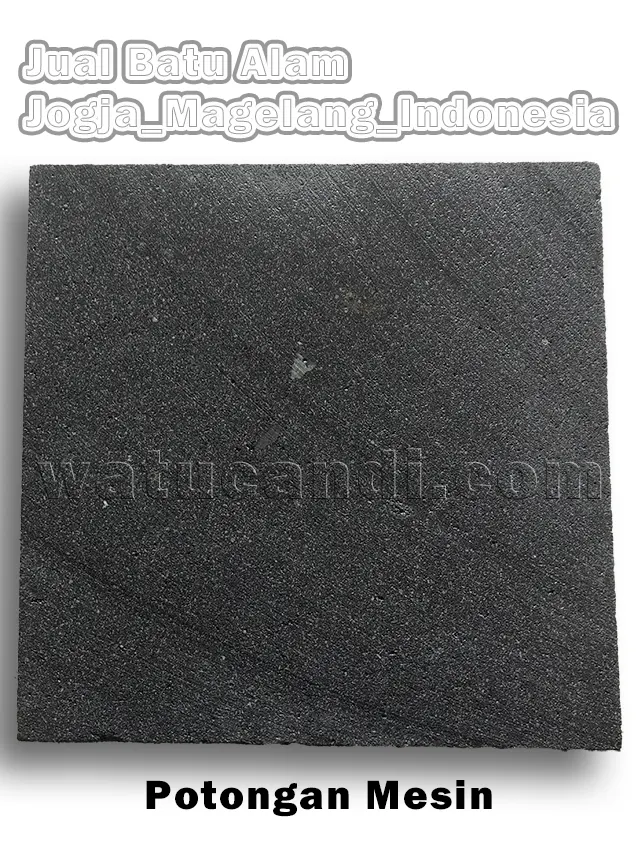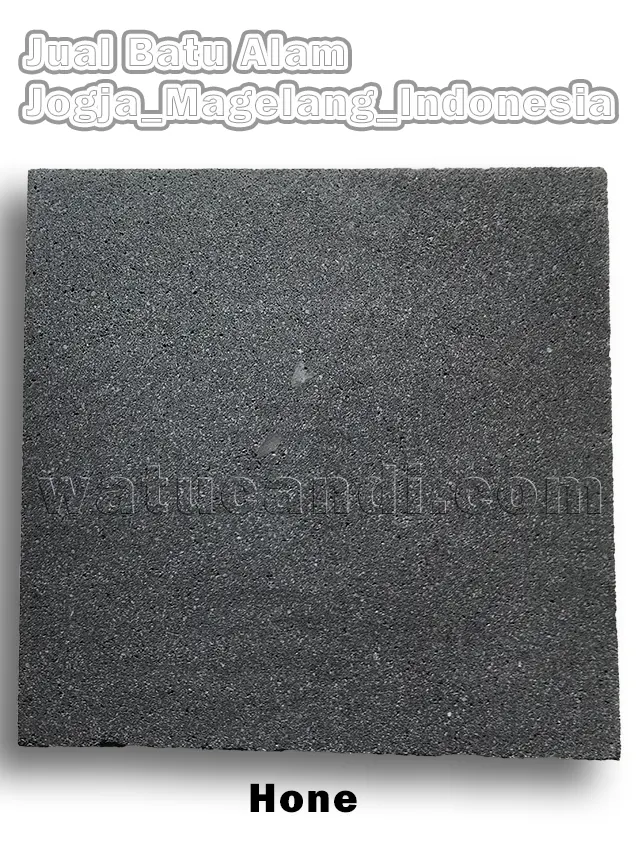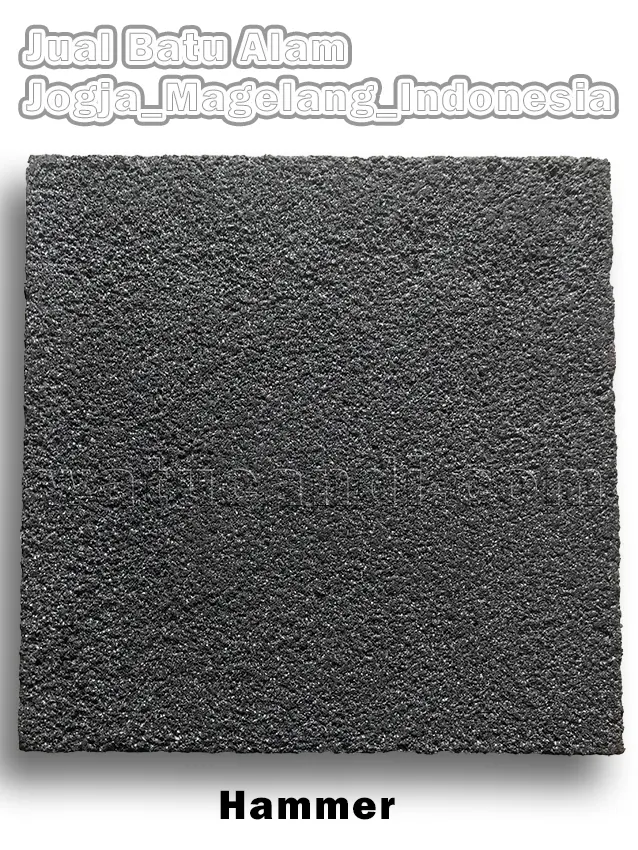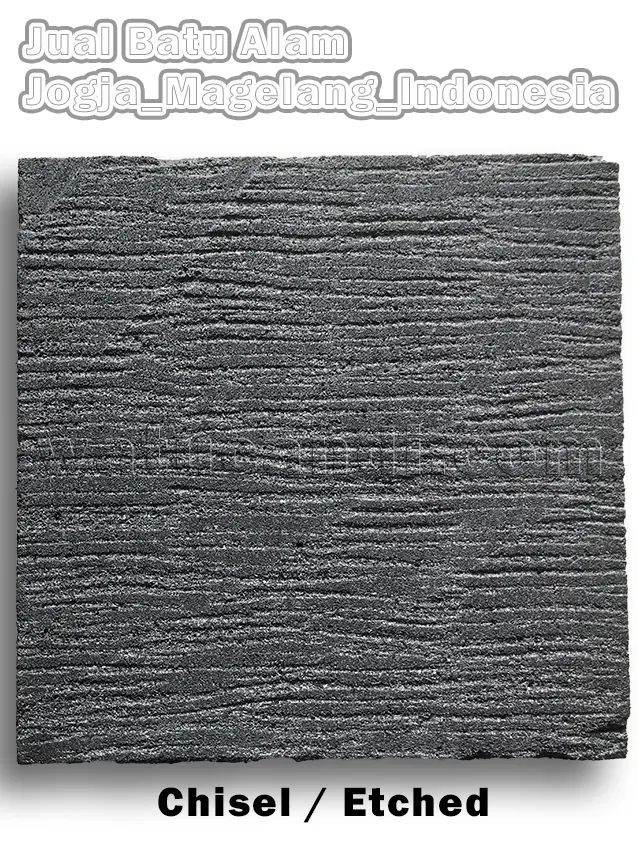
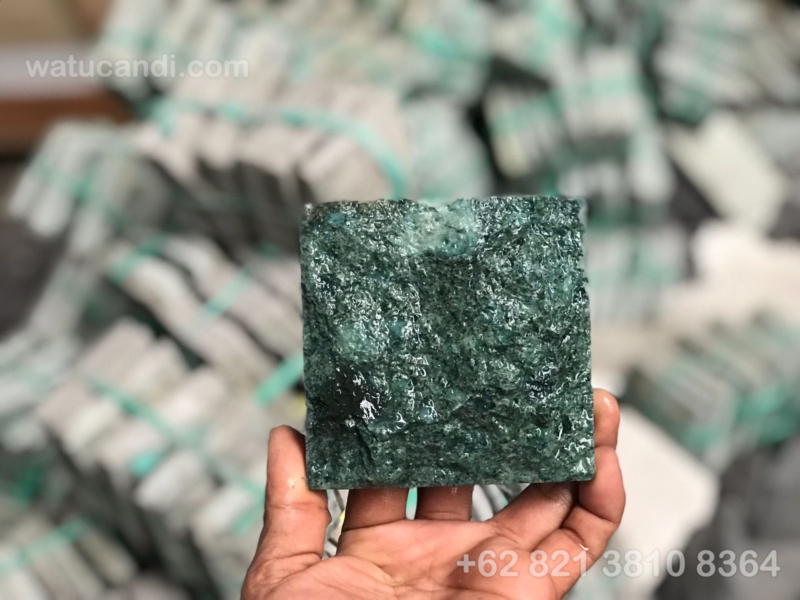
Discover everything about Green Stone Split Face Tiles – premium Indonesian volcanic stone cladding with natural rough texture. Learn about installation, maintenance, design applications for walls and pools, plus expert tips for creating stunning architectural spaces with authentic green stone.
Table of Contents
- What Are Green Stone Split Face Tiles?
- The Geological Origins of Indonesian Green Stone
- Manufacturing Process: From Quarry to Finished Tile
- Aesthetic Benefits and Design Appeal
- Functional Applications and Installation Locations
- Comparison with Other Natural Stone Types
- Installation Best Practices and Maintenance
- Cost Considerations and Value Proposition
- Sustainability and Environmental Impact
- Design Inspiration and Project Ideas
- Frequently Asked Questions
- Conclusion
What Are Green Stone Split Face Tiles?
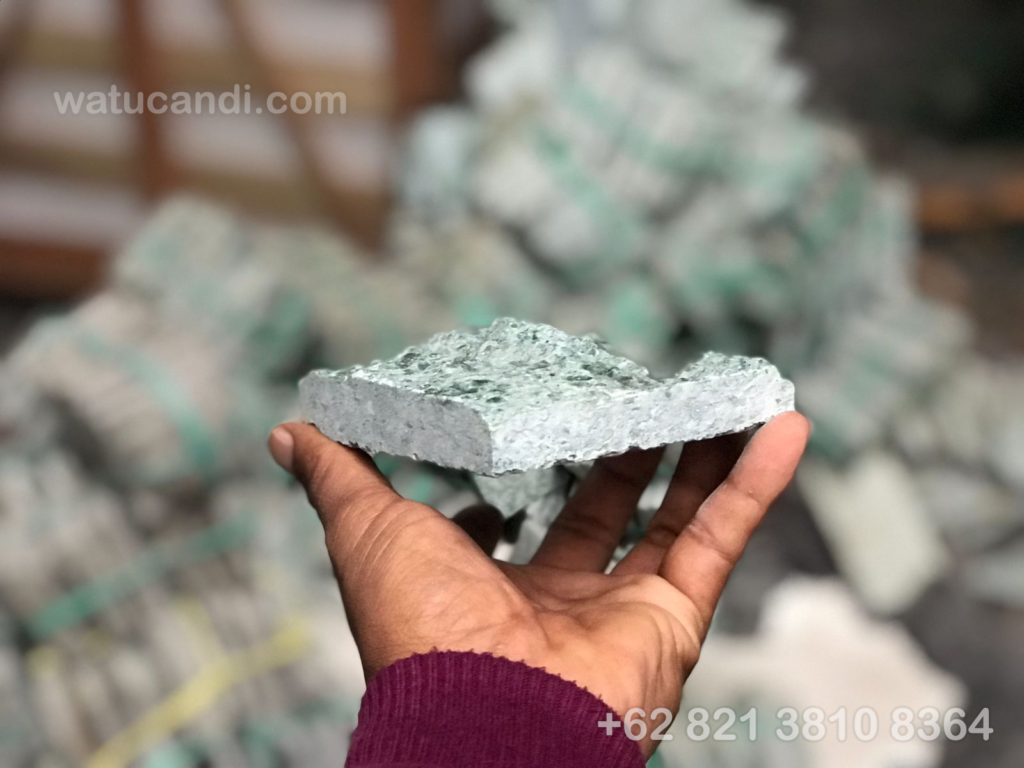
Green Stone Split Face Tiles represent one of the most distinctive and sought-after natural stone products available in the global architectural materials market today. These premium wall cladding tiles are crafted from authentic Indonesian volcanic rock, specifically sourced from the rich geological formations found in Sukabumi, West Java. The term “split face” refers to the unique manufacturing technique employed to create the characteristic rough, textured surface that gives these tiles their remarkable aesthetic appeal and tactile quality.
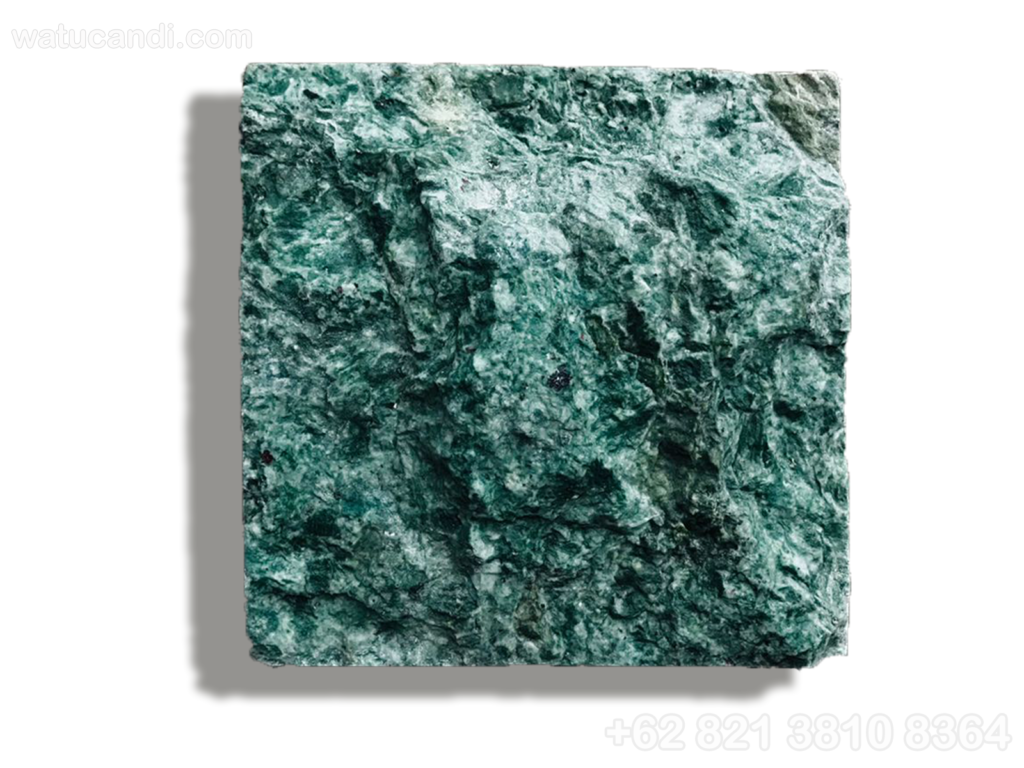
Unlike machine-cut or polished stone surfaces, split face tiles undergo a specialized splitting process that reveals the natural grain and crystalline structure of the volcanic rock. This technique produces an irregular, abstract pattern on each tile’s surface, ensuring that no two pieces are exactly alike. The result is a truly organic appearance that brings the raw beauty of nature into contemporary architectural designs. The natural green hue of these stones ranges from subtle sage tones to deeper forest greens, depending on the mineral composition and specific quarry location.
The versatility of green stone natural split face tiles makes them suitable for both residential and commercial applications. Architects and designers worldwide have embraced these tiles for their ability to transform ordinary walls into extraordinary focal points. Whether used as accent walls in modern living rooms, feature elements in luxury hotel lobbies, or protective cladding around swimming pool water features, green stone split face tiles deliver unparalleled visual impact combined with exceptional durability.
The Indonesian natural stone industry has perfected the production of these tiles over decades, combining traditional craftsmanship with modern precision cutting technology. This fusion of old-world techniques and contemporary manufacturing ensures consistent quality while preserving the authentic character that makes each tile unique. The stones are carefully selected, processed, and finished to meet international standards for dimensional accuracy, structural integrity, and aesthetic consistency.
The Geological Origins of Indonesian Green Stone
Understanding the geological origins of green stone provides valuable insight into why this material possesses such unique properties and aesthetic qualities. The green stones used in split face tiles originate from ancient volcanic activity that shaped the Indonesian archipelago millions of years ago. Specifically, the Sukabumi region in West Java sits atop some of the world’s most geologically active zones, where tectonic plate movements and volcanic eruptions created extensive deposits of andesitic and basaltic rocks.
The distinctive green coloration results from complex mineralogical processes involving chlorite, epidote, and actinolite minerals that formed during metamorphic transformation of original volcanic rocks. When magma cooled slowly beneath the Earth’s surface, it allowed large crystals to develop within the rock matrix. Subsequent exposure to heat, pressure, and hydrothermal fluids caused chemical alterations that introduced green-colored minerals throughout the stone structure. This natural coloring process cannot be replicated artificially, making genuine Indonesian green stone truly irreplaceable.
The volcanic origin also contributes to the stone’s exceptional physical properties. Years of intense heat and pressure created a dense, compact structure with minimal porosity compared to sedimentary stones like limestone or sandstone. This density translates to superior strength, weather resistance, and longevity when used in architectural applications. The interlocking crystalline structure provides excellent compressive strength, making green stone suitable for load-bearing applications and high-traffic areas.
Quarrying operations in Sukabumi follow sustainable practices that minimize environmental impact while extracting this precious natural resource. Experienced geologists identify optimal extraction zones based on stone quality, color consistency, and structural integrity. Modern quarrying techniques employ diamond-wire saws and hydraulic splitters that reduce waste and preserve the maximum amount of usable material from each block. This careful approach ensures that future generations can continue to benefit from Indonesia’s remarkable geological heritage.
The regional variations in green stone reflect differences in local geological conditions. Stones quarried from different locations within the Sukabumi area may exhibit slightly different shades of green, varying degrees of hardness, and distinct textural patterns. These variations add character and authenticity to finished installations, as they demonstrate the natural diversity inherent in genuine stone products. Designers often embrace these variations, using them to create dynamic visual compositions that celebrate the organic nature of the material.
Manufacturing Process: From Quarry to Finished Tile
The transformation of raw volcanic rock into refined split face tiles involves multiple stages of careful processing, each requiring specialized equipment and skilled craftsmanship. Understanding this manufacturing journey helps appreciate the value and quality inherent in properly produced green stone tiles. The process begins at the quarry site, where massive blocks of green stone are extracted using precision cutting equipment designed to minimize waste and maximize yield.
Initial processing involves cutting these massive blocks into manageable slabs using large-scale industrial saws equipped with diamond-tipped blades. These powerful machines can slice through the dense volcanic rock with precision, creating uniform thickness throughout each slab. The cutting process generates significant heat, so continuous water cooling prevents damage to both the stone and cutting equipment. Skilled operators monitor the cutting process closely, adjusting speed and pressure to achieve optimal results based on the specific characteristics of each block.
Once cut into slabs, the stone undergoes secondary processing where edges are trimmed and squared to precise dimensions. Smaller cutting machines handle this stage, allowing for greater flexibility in meeting custom size requirements. Manufacturers maintain strict quality control standards, measuring each piece to ensure it meets specified tolerances for length, width, and thickness. Pieces that fail to meet these standards are either reworked or diverted to alternative product lines where dimensional precision is less critical.
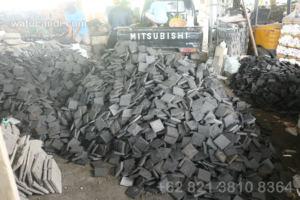
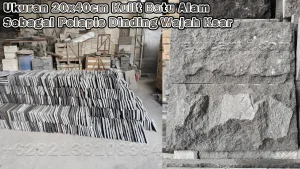
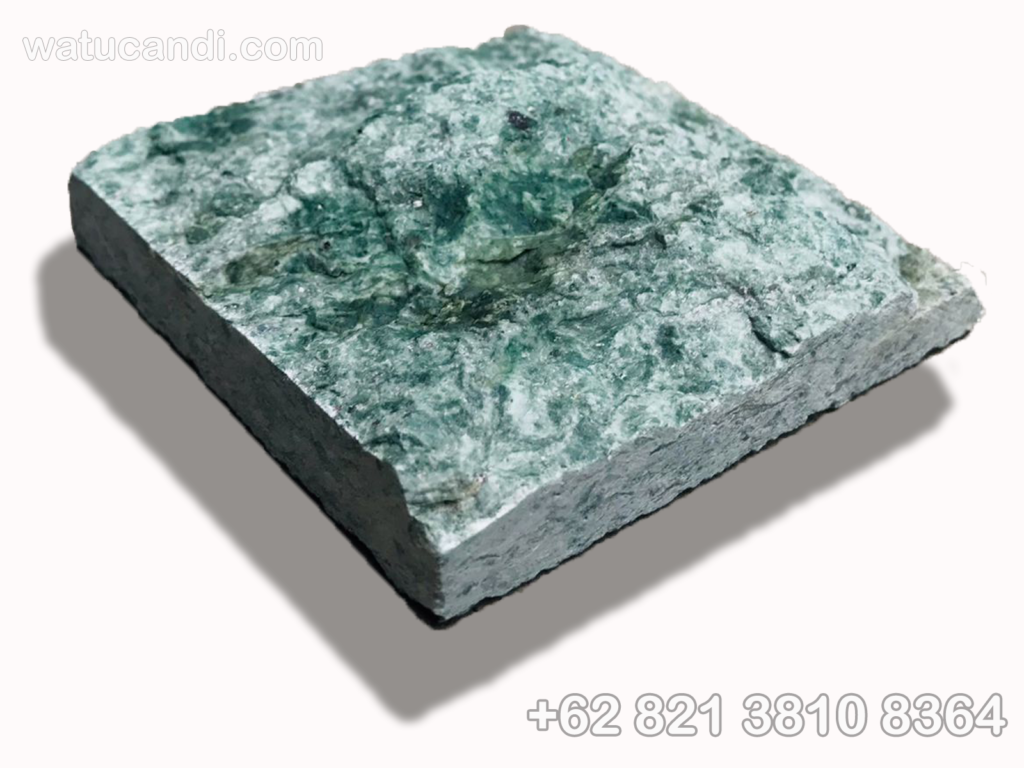
The defining characteristic of split face tiles emerges during the splitting phase, where craftsmen use specialized tools to fracture the stone along its natural grain. This technique requires considerable skill and experience, as improper splitting can result in wasted material or inconsistent surface textures. Artisans study each piece carefully, identifying optimal fracture lines based on visible crystalline patterns and structural weaknesses. Using pneumatic hammers or manual chisels, they apply controlled force to separate the stone, revealing the rough, textured surface that distinguishes split face tiles from other finishes.
Following the splitting process, tiles undergo edge finishing to ensure clean, straight borders that facilitate proper installation. This step involves grinding or chiseling the perimeter edges to remove irregularities and create uniform thickness around the tile’s circumference. Proper edge preparation is crucial for achieving tight joints between adjacent tiles and maintaining overall installation quality. Some manufacturers offer additional edge treatments, such as slight chamfering or rounding, to enhance safety and aesthetic appeal.
Quality inspection represents the final manufacturing stage before packaging and shipment. Trained inspectors examine each tile for surface defects, color consistency, dimensional accuracy, and structural integrity. Tiles exhibiting cracks, chips, or significant color variations are rejected or graded accordingly. Approved tiles receive identification markings indicating batch numbers, production dates, and quality grades. This traceability system enables manufacturers to track products throughout the supply chain and address any issues that may arise post-installation.
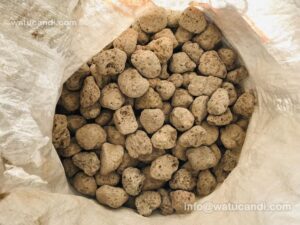
Packaging methods vary based on destination distance, handling requirements, and customer preferences. Local deliveries might utilize simple raffia rope bundling, while international shipments typically require wooden crates or palletized packaging with protective padding. Proper packaging protects tiles from damage during transit and storage, ensuring they arrive at installation sites in pristine condition. Manufacturers often provide detailed handling instructions to prevent breakage during unloading and on-site movement.
Aesthetic Benefits and Design Appeal
The aesthetic appeal of green stone split face tiles stems from their unique combination of natural beauty, textural richness, and versatile color palette. Unlike manufactured materials that strive for uniformity, these tiles celebrate organic variation, offering designers endless possibilities for creating visually compelling spaces. The rough, irregular surface catches light differently throughout the day, producing dynamic shadow patterns that add depth and dimension to wall surfaces.
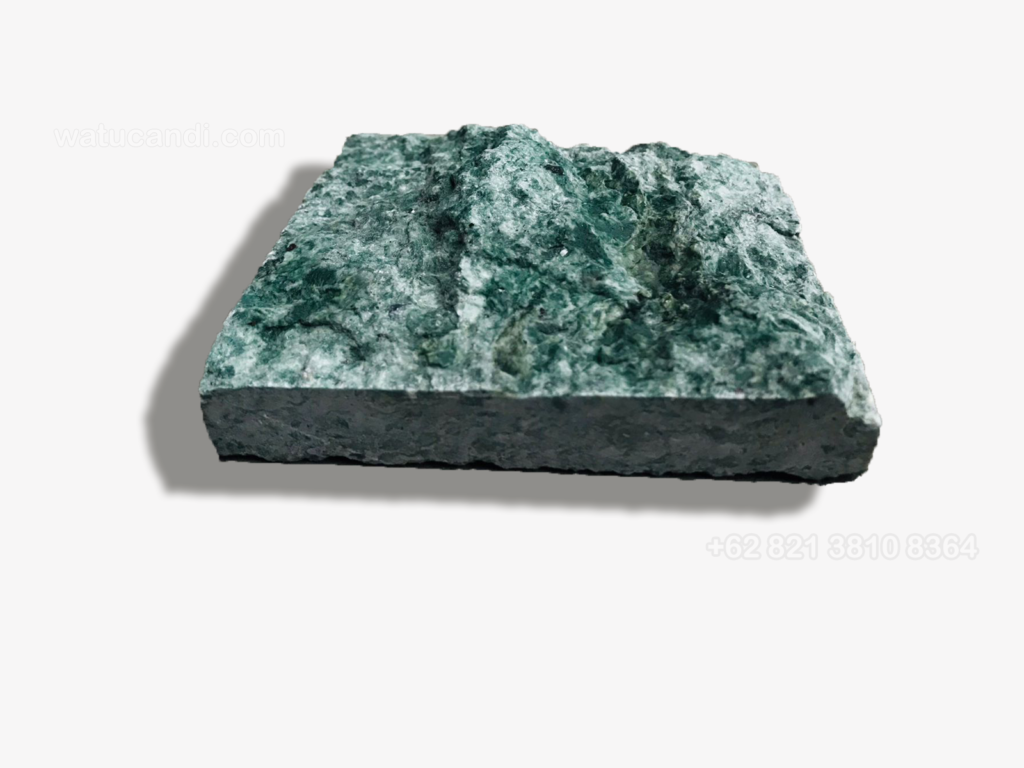
The natural green coloration offers remarkable versatility in design applications. Lighter sage tones complement contemporary minimalist interiors, creating serene, spa-like atmospheres conducive to relaxation and wellness. Deeper forest greens add drama and sophistication to formal spaces, while mid-tone variations bridge traditional and modern design styles seamlessly. The color intensifies beautifully when wet, making these tiles particularly striking in poolside applications or outdoor settings exposed to rain and moisture.
Textural contrast represents another powerful design tool enabled by split face tiles. The rough, tactile surface creates visual interest against smooth materials like glass, metal, or polished concrete. This juxtaposition of textures adds complexity and richness to architectural compositions, preventing spaces from appearing flat or monotonous. Designers frequently combine green stone split face tiles with complementary materials to create layered, multi-dimensional environments that engage viewers on multiple sensory levels.
The abstract, non-repeating patterns inherent in split face tiles eliminate the mechanical regularity associated with manufactured tiles. Each piece tells its own geological story, with unique fissures, crystal formations, and color variations that reflect millions of years of natural processes. This authenticity resonates with contemporary design trends favoring biophilic elements that connect indoor spaces with the natural world. Occupants instinctively respond to these organic patterns, experiencing reduced stress and enhanced well-being in environments featuring genuine natural materials.
Scale and proportion play important roles in maximizing the aesthetic impact of green stone installations. Large-format tiles create bold, dramatic statements suitable for grand entrance halls or expansive exterior facades. Smaller tiles offer finer detail and intricate patterning options for intimate spaces or accent features. Mixed-size installations combining various dimensions produce mosaic-like effects that showcase the material’s versatility while adding rhythmic visual interest.
Lighting design significantly influences how green stone split face tiles appear in finished installations. Directional lighting emphasizes surface texture, casting shadows that highlight the three-dimensional quality of the split face finish. Ambient lighting softens contrasts, creating more subdued, atmospheric effects. Strategic placement of accent lights can draw attention to specific wall sections or create focal points within larger installations. Professional lighting designers often collaborate with architects to optimize illumination schemes that enhance the natural beauty of stone surfaces.
Functional Applications and Installation Locations
Green stone split face tiles serve diverse functional purposes across residential, commercial, and hospitality sectors. Their durability, weather resistance, and aesthetic versatility make them suitable for numerous applications where both performance and appearance matter. Understanding optimal installation locations helps designers and builders maximize the benefits these tiles offer while avoiding inappropriate uses that might compromise longevity or safety.
Swimming Pool Surroundings and Water Features
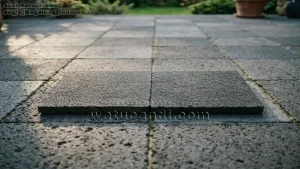
Perhaps the most iconic application for green stone split face tiles involves swimming pool surrounds and water feature cladding. The stone’s natural affinity for water creates stunning visual effects as moisture enhances the green coloration and highlights surface textures. Pool walls clad in split face tiles develop a luxurious, resort-like ambiance that transforms ordinary backyard pools into exotic retreats. The rough surface provides beneficial slip resistance in wet areas, enhancing safety without sacrificing aesthetic appeal.
Beyond basic pool walls, green stone excels in waterfall features, spillways, and decorative fountains where water flows continuously over the surface. The constant moisture keeps the stone looking vibrant and fresh while the natural texture helps dissipate sound, creating soothing acoustic environments. Many luxury resorts and high-end residential projects incorporate extensive green stone water features as signature design elements that distinguish their properties from competitors.
For those interested in exploring similar volcanic stone applications for pool areas, consider reviewing lava stone pool applications which offer complementary black volcanic stone options. Additionally, comprehensive guides for green stone pool tiles provide detailed technical information for pool construction projects.
Exterior Wall Cladding and Facades
Exterior applications represent another major category for green stone split face tiles. Building facades clad in these tiles develop distinctive identities that stand out in urban landscapes dominated by glass and steel. The natural weathering process actually enhances the stone’s appearance over time, as exposure to elements develops subtle patinas that add character and maturity. Unlike painted surfaces that deteriorate and require frequent maintenance, green stone maintains its beauty indefinitely with minimal care.
Commercial buildings benefit from green stone exteriors through improved curb appeal and perceived value. Hotels, restaurants, retail centers, and office complexes use these tiles to communicate quality, permanence, and connection to nature. Residential applications range from entire house exteriors to accent walls highlighting entryways or architectural features. The thermal mass properties of stone also contribute to energy efficiency, moderating interior temperatures and reducing heating and cooling costs.
Designers seeking inspiration for exterior stone applications should explore exterior lava stone design concepts and random lava stone wall cladding techniques. These resources demonstrate how volcanic stones create striking exterior appearances while providing practical weather protection.
Interior Accent Walls and Feature Elements
Interior applications allow green stone split face tiles to shine in controlled environments where temperature and humidity remain relatively stable. Living room accent walls create dramatic focal points that anchor furniture arrangements and define spatial zones. Bedroom feature walls promote tranquility and restfulness through their calming green hues and organic textures. Home offices benefit from the psychological effects of natural materials, which research shows improve concentration and reduce mental fatigue.
Commercial interiors utilize green stone extensively in reception areas, conference rooms, and lobby spaces where first impressions matter. The material communicates stability, quality, and environmental consciousness to clients and visitors. Restaurants and hospitality venues employ green stone to create memorable dining experiences that differentiate their establishments from competitors. Spa and wellness facilities particularly favor green stone for its associations with nature, healing, and rejuvenation.
Fireplace surrounds represent classic interior applications for green stone split face tiles. The heat-resistant properties of volcanic rock make it ideal for fireplace construction, while the natural texture and color create cozy, inviting atmospheres. Whether surrounding traditional wood-burning fireplaces or modern gas inserts, green stone adds timeless elegance that complements various interior design styles from rustic to contemporary.
Terraces, Balconies, and Outdoor Living Spaces
Outdoor living areas increasingly incorporate green stone split face tiles for flooring, wall cladding, and decorative elements. Terraces and balconies benefit from the material’s slip resistance and weather durability, creating safe, attractive spaces for relaxation and entertainment. The natural aesthetic harmonizes with garden plantings and landscape elements, blurring boundaries between built and natural environments. Covered outdoor kitchens and dining areas gain sophistication through green stone accents that withstand cooking heat and food spills.
Garden walls, retaining structures, and planter boxes constructed with green stone integrate architecture seamlessly with landscaping. The porous nature of split face surfaces allows moss and small plants to establish themselves over time, further enhancing the natural appearance. Pathway edging and stepping stones made from green stone guide visitors through gardens while providing durable, low-maintenance circulation routes.
For comprehensive outdoor stone solutions, explore outdoor Merapi stone flooring options and rough surface natural stone flooring. These alternatives complement green stone applications while offering different aesthetic possibilities for outdoor spaces.
Columns, Pillars, and Structural Elements
Structural elements like columns and pillars gain visual interest through green stone split face cladding. These vertical surfaces become sculptural features that define spaces and create architectural rhythm. Entrance porticos supported by stone-clad columns make powerful statements about building quality and design intention. Interior columns wrapped in green stone soften harsh structural elements while adding textural variety to otherwise plain wall surfaces.
Staircase risers clad in split face tiles create dramatic vertical accents that draw eyes upward through multi-story spaces. The rough texture provides visual weight that grounds floating staircases or minimalist designs lacking substantial balustrades. Elevator lobbies and corridor walls benefit from green stone accents that break up long expanses of drywall or plaster, creating wayfinding landmarks and visual resting points.
Comparison with Other Natural Stone Types
Selecting appropriate natural stone for specific applications requires understanding how different stone types compare in terms of appearance, performance, cost, and maintenance requirements. Green stone split face tiles occupy a unique position in the natural stone market, offering characteristics that distinguish them from popular alternatives like limestone, granite, marble, and other volcanic stones.
Green Stone vs. Black Lava Stone
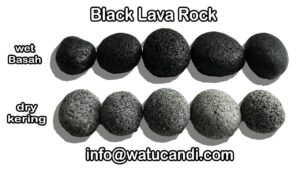
Black lava stone represents the most common alternative to green stone in volcanic rock applications. Both materials share similar geological origins and physical properties, including density, durability, and weather resistance. However, their aesthetic differences create distinct design opportunities. Black lava stone offers dramatic, contemporary appeal with its deep charcoal to jet-black coloration. It creates strong visual contrast against light-colored materials and works exceptionally well in modern, minimalist designs.
Green stone provides softer, more organic aesthetics that blend naturally with vegetation and earth tones. Its color palette works harmoniously in tropical, Mediterranean, and Asian-inspired designs where connection to nature matters. While black lava stone absorbs heat readily, potentially becoming uncomfortably hot in direct sunlight, green stone’s lighter color reflects more solar radiation, remaining cooler under identical conditions. For detailed comparisons, review comprehensive black lava stone guides and black lava stone tile specifications.
Maintenance considerations differ slightly between the two materials. Black lava stone shows dust, pollen, and hard water stains more readily than green stone, requiring more frequent cleaning in certain environments. Conversely, green stone may reveal algae or moss growth more obviously in constantly moist conditions, though many designers consider this biological colonization aesthetically desirable rather than problematic.
Green Stone vs. Limestone and Travertine
Sedimentary stones like limestone and travertine offer completely different aesthetic and performance profiles compared to volcanic green stone. These calcium carbonate-based materials feature warmer beige, cream, and tan colorations that create classic, traditional appearances. Their softer composition makes them easier to cut and shape but also more susceptible to acid erosion, staining, and wear in high-traffic areas.
Green stone’s volcanic origin provides superior hardness and chemical resistance, making it more suitable for exterior applications exposed to acid rain, pollution, and freeze-thaw cycles. While limestone develops beautiful patinas over centuries, green stone maintains more consistent appearance with less maintenance intervention. Cost considerations often favor green stone for large-scale projects, as Indonesian production efficiencies keep prices competitive despite shipping distances.
For those interested in sedimentary stone alternatives, explore natural limestone and travertine guides and Indonesian limestone wall and floor tiles. These resources help determine whether sedimentary or volcanic stones better suit specific project requirements.
Green Stone vs. Granite and Marble
Igneous granite and metamorphic marble represent premium natural stone categories with established reputations in luxury construction. Granite offers exceptional hardness and durability, surpassing even green stone in abrasion resistance. However, granite’s crystalline structure creates speckled appearances that lack the uniform color consistency of green stone. Marble provides unmatched elegance and veining patterns but requires intensive maintenance and proves unsuitable for exterior applications in harsh climates.
Green stone occupies a middle ground, offering better durability than marble while providing more visual warmth than typical granites. Its split face finish creates textural interest impossible to achieve with polished granite or marble surfaces. Cost-wise, green stone typically undercuts premium granites and marbles significantly, delivering high-end aesthetics at mid-range prices. This value proposition makes green stone attractive for budget-conscious projects unwilling to sacrifice quality or appearance.
Green Stone vs. Sandstone and Palimanan Stone
Sandstone varieties, including Indonesian Palimanan stone, offer warm golden and reddish tones that complement traditional and colonial architectural styles. These sedimentary stones feature distinctive layered appearances resulting from ancient beach and desert environments. While visually appealing, sandstones generally prove softer and more porous than volcanic green stones, limiting their suitability for high-wear applications or harsh exterior exposures.
Palimanan stone specifically enjoys popularity in Indonesian architecture for its workability and attractive coloration. However, green stone provides superior weather resistance and requires less sealing and maintenance over its service life. Projects prioritizing longevity and minimal upkeep often favor green stone despite sandstone’s initial cost advantages. Explore Palimanan stone tile options to compare sedimentary alternatives with volcanic green stone.
Installation Best Practices and Maintenance
Proper installation and ongoing maintenance significantly influence the long-term performance and appearance of green stone split face tiles. Following industry best practices ensures successful outcomes that satisfy aesthetic expectations while maximizing material lifespan. Whether undertaking DIY projects or managing professional installations, understanding key principles prevents costly mistakes and disappointing results.
Surface Preparation and Substrate Requirements
Successful stone tile installations begin with adequate substrate preparation. Walls receiving green stone cladding must provide sufficient structural support for the material’s considerable weight. Concrete, masonry, and properly reinforced framing systems typically support stone installations adequately, while lightweight drywall constructions require additional reinforcement or alternative attachment methods. Consult structural engineers when installing stone on existing walls not originally designed for such loads.
Surface平整ness affects installation quality significantly. Irregular substrates create uneven mortar beds that compromise bond strength and tile alignment. Professional installers use laser levels and straightedges to verify wall flatness before beginning work, addressing deviations through patching compounds or adjustable mounting systems. Exterior applications demand particular attention to waterproofing membranes behind stone cladding, preventing moisture intrusion that causes structural damage over time.
Adhesive Selection and Application Techniques
Selecting appropriate adhesives ensures secure bonding between green stone tiles and substrates throughout the installation’s service life. Polymer-modified thin-set mortars designed for natural stone applications provide reliable performance in most conditions. These cement-based adhesives accommodate slight substrate movements while maintaining strong bonds resistant to moisture and temperature fluctuations. Avoid organic mastics or standard ceramic tile adhesives, which lack the strength and durability required for heavy stone tiles.
Application technique affects bond quality substantially. Installers should butter the back of each tile with adhesive while also combing adhesive onto the substrate using notched trowels appropriate for tile size. This double-buttering method ensures complete coverage and eliminates voids that weaken connections. Press tiles firmly into place with slight twisting motions that distribute adhesive evenly and remove trapped air pockets.
Joint Design and Grouting Considerations
Split face tiles present unique joint design challenges due to their irregular surfaces and variable thicknesses. Traditional narrow grout joints prove impractical, as uneven tile faces prevent consistent spacing. Instead, wider joints ranging from 10mm to 25mm accommodate dimensional variations while contributing to the rustic aesthetic. Some installations employ open joints without grout, relying on proper drainage design to manage water penetration.
When grouting proves necessary, select flexible, stain-resistant formulations compatible with natural stone. Cementitious grouts tinted to complement or contrast with the green stone create different visual effects. Epoxy grouts offer superior stain resistance and durability but cost significantly more and require careful mixing and application. Apply grout using rubber floats that press material into joints without scratching tile surfaces, then clean excess promptly using damp sponges.
Sealing and Protective Treatments
While green stone’s dense volcanic structure provides natural resistance to staining and moisture absorption, applying penetrating sealers enhances protection and simplifies maintenance. Quality impregnating sealers penetrate stone pores without altering surface appearance or texture, creating invisible barriers against oil, grease, and colored liquids. Reapply sealers according to manufacturer recommendations, typically every two to five years depending on exposure conditions and usage intensity.
Avoid film-forming sealers or topical coatings that create shiny surfaces incompatible with split face textures. These products trap moisture within stone, potentially causing spalling or delamination in freeze-thaw climates. They also wear unevenly on rough surfaces, creating patchy appearances that detract from natural beauty. Penetrating sealers preserve the authentic matte finish characteristic of properly installed split face tiles.
Routine Cleaning and Long-Term Care
Regular cleaning maintains green stone’s appearance while preventing buildup of dirt, algae, or mineral deposits that obscure natural beauty. Use pH-neutral cleaners specifically formulated for natural stone, avoiding acidic or alkaline products that etch surfaces or degrade sealers. Soft-bristle brushes effectively remove loose debris from textured surfaces without damaging stone or grout. Pressure washing proves acceptable for exterior installations when using moderate pressure settings and maintaining adequate nozzle distance.
Address stains promptly using appropriate removal techniques. Organic stains from leaves, bird droppings, or food respond to oxygen bleach solutions, while oil-based stains require poultices containing absorbent materials and solvent cleaners. Mineral efflorescence appearing as white powdery deposits indicates moisture movement through stone or mortar, requiring investigation of underlying water management issues rather than superficial cleaning alone.
Inspect installations periodically for signs of deterioration, including cracked tiles, deteriorating grout, or loose attachments. Early detection enables minor repairs before problems escalate into major failures requiring extensive reconstruction. Maintain records of installation dates, materials used, and maintenance activities to inform future care decisions and warranty claims if necessary.
Cost Considerations and Value Proposition
Understanding the complete cost picture for green stone split face tile projects enables informed budgeting and value assessment. While initial material costs represent obvious expenses, numerous additional factors influence total project investment. Evaluating these comprehensively reveals green stone’s true value proposition compared to alternative materials and finishes.
Material Costs and Pricing Factors
Green stone split face tile pricing varies based on several variables including tile dimensions, thickness, quality grade, and order quantity. Standard sizes ranging from 10x20cm to 20x40cm typically cost less per square meter than custom dimensions requiring special cutting. Thicker tiles command premium prices due to increased material consumption and processing complexity. First-quality tiles with consistent coloration and minimal defects cost more than second-grade offerings accepting greater variation.
Volume discounts apply to large orders, making green stone economically attractive for substantial projects. Direct purchasing from Indonesian manufacturers eliminates intermediary markups, though buyers assume responsibility for international logistics, customs clearance, and import duties. Local distributors offer convenience and reduced lead times at higher unit costs, representing trade-offs between price and service levels.
Compare green stone pricing with alternatives like authentic Sukabumi green stone tiles and Sukabumi green natural stone options to understand market positioning. Additional volcanic stone choices include black lava stone in large formats and black lava stone tiles for contrasting applications.
Installation Labor and Associated Costs
Professional installation represents significant project expense, often equaling or exceeding material costs depending on regional labor rates and project complexity. Split face tile installation demands experienced craftsmen familiar with natural stone’s unique characteristics and handling requirements. Expect higher labor costs compared to ceramic or porcelain tile installations due to heavier materials, slower progress rates, and specialized techniques.
Complex installations featuring curves, corners, or intricate patterns increase labor time and costs substantially. Simple rectangular wall areas prove most economical, while projects requiring extensive cutting, fitting, or custom detailing accumulate additional charges. Obtain detailed quotes specifying all anticipated tasks, including surface preparation, material handling, installation, cleanup, and waste disposal, to avoid unexpected cost overruns.
Long-Term Value and Lifecycle Costs
Evaluating green stone solely on initial costs misses its exceptional long-term value proposition. Properly installed stone cladding lasts decades or even centuries with minimal maintenance, far outlasting paint, siding, stucco, or manufactured panels requiring periodic replacement. This longevity amortizes initial investment over extended periods, often resulting in lower annualized costs than cheaper alternatives needing frequent renewal.
Maintenance expenses remain modest throughout green stone’s service life. Occasional cleaning, periodic resealing, and rare repair of damaged tiles constitute typical ongoing costs. Compare this to painted surfaces requiring repainting every five to ten years, vinyl siding subject to fading and brittleness, or fiber cement needing inspection and potential replacement. Over thirty-year ownership periods, green stone frequently proves more economical despite higher upfront investment.
Property value enhancement represents another financial benefit of green stone installations. Natural stone cladding signals quality construction and sophisticated design, attracting buyers willing to pay premiums for homes and commercial buildings featuring such materials. Appraisers recognize stone’s durability and aesthetic appeal, often assigning higher valuations to properties with genuine stone exteriors versus synthetic alternatives.
Sustainability and Environmental Impact
Contemporary construction increasingly prioritizes sustainability, evaluating materials based on environmental impacts throughout their lifecycles. Green stone split face tiles offer compelling sustainability credentials that align with green building standards and environmentally conscious design philosophies. Understanding these attributes helps specify materials responsibly while meeting certification requirements for projects pursuing LEED, BREEAM, or similar ratings.
Natural Material Advantages
As a naturally occurring material requiring only extraction and mechanical processing, green stone avoids the energy-intensive manufacturing processes associated with ceramics, metals, plastics, and composite materials. No chemical binders, resins, or synthetic additives enter production, eliminating concerns about volatile organic compound emissions or toxic ingredient leaching. The stone’s inherent properties provide all necessary performance characteristics without artificial enhancement.
Quarrying operations in Indonesia increasingly adopt sustainable practices minimizing ecological disruption. Progressive operators implement rehabilitation plans restoring quarried areas to productive uses, whether agricultural, recreational, or wildlife habitat. Water recycling systems reduce consumption, while dust suppression measures protect air quality for workers and nearby communities. Certification programs verify responsible sourcing, enabling specifiers to confirm environmental stewardship throughout supply chains.
Energy Efficiency Contributions
Green stone’s thermal mass properties contribute meaningfully to building energy efficiency. Dense volcanic rock absorbs heat during warm periods, releasing it gradually as temperatures drop, moderating interior climate fluctuations. This passive temperature regulation reduces mechanical heating and cooling demands, lowering energy consumption and associated greenhouse gas emissions. Buildings in climates experiencing significant daily temperature swings benefit most from stone’s thermal buffering capabilities.
Exterior stone cladding also provides continuous insulation when installed with proper air gaps and backing systems. These assemblies reduce thermal bridging through wall structures, improving overall envelope performance. Combined with adequate insulation materials, stone-clad buildings achieve superior energy efficiency compared to conventional constructions, contributing to operational carbon reduction goals.
Durability and Waste Reduction
Exceptional durability represents perhaps green stone’s strongest sustainability attribute. Materials lasting fifty years or more without replacement dramatically reduce resource consumption, waste generation, and environmental impacts associated with manufacturing, transportation, and installation of replacement materials. This longevity contrasts sharply with many contemporary building products designed for shorter service lives, creating perpetual cycles of consumption and disposal.
At end of service life, green stone remains fully recyclable or reusable. Intact tiles removed during renovations find new applications in other projects, extending useful life indefinitely. Crushed stone serves as aggregate for concrete, road base, or landscape applications, diverting material from landfills. Unlike composite materials combining incompatible substances, pure stone requires no complex separation processes for recycling, simplifying responsible disposition.
Explore additional sustainable stone options including volcanic stone gravel guides and comprehensive Indonesian lava stone guides for environmentally responsible material selections.
Design Inspiration and Project Ideas
Green stone split face tiles inspire creative applications across diverse architectural styles and project types. Examining successful implementations provides valuable insights for planning your own installations. The following ideas demonstrate versatility while suggesting approaches for maximizing visual impact and functional performance.
Tropical Resort Aesthetics
Tropical design themes leverage green stone’s natural affinities with lush vegetation, water features, and warm climates. Resort-style pools surrounded by split face tiles create vacation atmospheres in residential backyards. Combine green stone with teak decking, bamboo screens, and tropical plantings for authentic Southeast Asian aesthetics. Waterfalls cascading over stone-clad walls produce soothing sounds and visual drama that transport occupants to exotic destinations.
Outdoor showers enclosed by green stone walls provide refreshing rinses after swimming while showcasing the material’s water-enhanced beauty. Incorporate built-in benches, niches for toiletries, and rainfall showerheads for complete spa experiences. Extend stone treatments to changing areas, creating cohesive transitions between pool, shower, and indoor spaces.
Modern Minimalist Interpretations
Contemporary minimalist designs employ green stone strategically to add warmth and texture without overwhelming clean, simple compositions. Single accent walls in living rooms or bedrooms provide focal points that anchor sparse furnishings and open floor plans. Floor-to-ceiling stone installations emphasize vertical proportions while maintaining uncluttered horizontal planes. Pair green stone with white walls, polished concrete floors, and black metal accents for sophisticated modern aesthetics.
Kitchen backsplashes featuring green stone introduce organic elements into highly functional spaces. The rough texture contrasts beautifully with smooth countertops and sleek cabinetry, preventing sterile appearances. Islands clad partially in stone create visual anchors in open-plan kitchens, defining cooking zones without solid partitions. Consider integrating LED strip lighting beneath upper cabinets to illuminate stone textures during evening hours.
Traditional and Rustic Applications
Traditional architectural styles embrace green stone’s inherent rustic character, using it authentically rather than as contemporary accent. Farmhouse exteriors feature stone foundations, chimney surrounds, and porch columns that reference historical construction methods. Interior fireplaces built entirely from split face tiles evoke mountain lodges and countryside estates, creating cozy gathering spaces for family and guests.
Wine cellars benefit from green stone’s thermal properties and atmospheric appeal. Stone-lined walls regulate temperature and humidity naturally while creating romantic, old-world ambiances perfect for wine storage and tasting. Combine with reclaimed wood shelving, wrought iron fixtures, and dim lighting for authentic cellar experiences. Home bars similarly gain sophistication through stone accents suggesting exclusive clubs and historic taverns.
Commercial and Hospitality Projects
Restaurants utilize green stone to create memorable dining environments distinguishing their brands from competitors. Feature walls behind host stations or bars establish immediate visual identity upon entry. Private dining rooms enclosed in stone convey exclusivity and intimacy, encouraging extended stays and higher spending. Outdoor patios shaded by stone pergolas or surrounded by stone walls provide comfortable al fresco dining regardless of weather conditions.
Hotel lobbies make powerful first impressions through dramatic stone installations. Reception desks faced in green stone communicate quality and permanence, while lounge areas featuring stone accent walls invite relaxation after travel. Spa facilities extensively employ green stone for treatment rooms, steam areas, and relaxation lounges, leveraging associations with nature, purity, and rejuvenation. Guest room bathrooms gain luxury appeal through stone-clad shower walls and vanity surrounds.
Office buildings incorporate green stone in reception areas, conference rooms, and executive suites to project stability and success. Break rooms and wellness areas benefit from stone’s calming psychological effects, supporting employee health and productivity. Coworking spaces use stone to differentiate private offices from open areas, creating hierarchy without solid walls that impede collaboration.
Frequently Asked Questions
How thick should green stone split face tiles be?
Standard green stone split face tiles range from 2cm to 5cm in thickness, with 3cm representing the most common dimension for wall cladding applications. Thinner tiles (2cm) reduce weight and material costs but require careful handling to prevent breakage. Thicker tiles (4-5cm) provide greater durability and substantial appearance suitable for high-profile installations or areas subject to impact. Consult structural engineers when installing particularly thick or heavy stone to ensure adequate support.
Can green stone split face tiles be used indoors?
Absolutely. Green stone performs excellently in interior applications where temperature and humidity remain relatively stable. Indoor installations actually simplify maintenance since stones avoid weathering, freezing, and UV exposure that affect exterior installations. The rough texture poses no problems indoors, though some prefer smoother finishes for areas where skin contact occurs frequently, such as bathroom walls near showers. Ensure proper ventilation in humid interior spaces to prevent excessive moisture accumulation.
Does green stone fade or change color over time?
Green stone maintains its color remarkably well over decades of service. Unlike dyed or stained materials, the green coloration derives from natural minerals permanently embedded within the stone structure. Exterior installations may develop subtle patinas from weathering, pollution deposition, or biological growth, but these changes typically enhance rather than detract from appearance. Interior installations retain essentially unchanged appearance indefinitely with normal cleaning and care.
Is special equipment needed to cut green stone tiles?
Cutting green stone requires diamond-blade wet saws capable of handling dense volcanic rock. Standard ceramic tile cutters lack sufficient power and blade hardness for effective stone cutting. Professional installers possess appropriate equipment and experience achieving clean cuts without chipping or cracking. For DIY projects involving minimal cutting, consider renting equipment or ordering pre-cut tiles in required dimensions from suppliers. Always wear appropriate safety gear including eye protection, hearing protection, and respiratory masks when cutting stone.
How do I prevent algae growth on green stone?
Algae growth occurs primarily on exterior stones in constantly moist, shaded conditions. Improve drainage to reduce standing water, increase sunlight exposure by trimming vegetation, and apply algae-resistant sealers during installation. Regular cleaning with mild detergent and soft brushes removes early algae before it establishes firmly. For persistent problems, use diluted bleach solutions or commercial algae removers formulated for natural stone, testing small areas first to ensure no adverse effects.
What warranty coverage applies to green stone tiles?
Warranty terms vary by manufacturer and supplier, typically covering material defects for one to five years. These warranties address issues like excessive cracking, delamination, or severe color inconsistencies attributable to manufacturing problems. Warranties generally exclude damage from improper installation, inadequate substrate preparation, structural movement, impact damage, or natural weathering. Request written warranty documentation before purchasing, understanding covered items, claim procedures, and limitations. Reputable suppliers stand behind their products with reasonable warranty terms reflecting confidence in quality.
Can green stone be combined with other materials?
Green stone combines beautifully with numerous materials creating rich, layered designs. Wood provides warm contrast to cool stone, particularly effective in tropical and rustic styles. Metal accents in bronze, copper, or blackened steel complement green tones while adding contemporary edge. Glass elements introduce transparency and lightness balancing stone’s visual weight. Concrete offers industrial minimalism contrasting with stone’s organic character. Experiment with material combinations in sample installations before committing to full-scale projects.
Where can I purchase quality green stone split face tiles?
Quality green stone originates primarily from Indonesian quarries, particularly the Sukabumi region in West Java. Purchase directly from Indonesian manufacturers like Watucandi natural stone suppliers for best pricing and selection, though this requires managing international shipping and import logistics. Local distributors offer convenience and faster delivery at higher prices. Verify supplier reputation through references, sample inspections, and verification of quarry sources. Avoid suspiciously cheap offerings that may indicate inferior quality or misleading representations.
Conclusion
Green stone split face tiles represent exceptional natural stone products combining aesthetic beauty, functional performance, and environmental responsibility. Their distinctive rough textures, authentic green coloration, and volcanic durability create architectural opportunities unavailable through manufactured alternatives. From luxurious pool surrounds to sophisticated interior accent walls, these tiles transform ordinary spaces into extraordinary environments celebrating nature’s artistry.
Successful green stone projects require thoughtful planning encompassing material selection, design integration, proper installation, and ongoing maintenance. Understanding the material’s characteristics, limitations, and optimal applications enables informed decisions maximizing satisfaction and investment returns. Whether undertaking modest residential renovations or ambitious commercial developments, green stone split face tiles deliver results exceeding expectations when specified and installed correctly.
The sustainability credentials of green stone align perfectly with contemporary construction priorities emphasizing environmental responsibility and lifecycle thinking. As natural, durable, recyclable materials requiring minimal processing, these tiles represent forward-thinking choices for projects committed to reducing ecological footprints. Their longevity ensures that environmental benefits compound over decades of service, outperforming disposable alternatives demanding frequent replacement.
For those ready to explore green stone possibilities, begin by requesting samples from reputable suppliers, visiting completed installations, and consulting experienced designers familiar with natural stone applications. Develop detailed specifications addressing all project aspects from substrate preparation through final sealing. Engage qualified installers possessing proven natural stone expertise rather than general contractors unfamiliar with material nuances. The additional effort invested in planning and execution yields dividends through beautiful, enduring installations enhancing property values and occupant satisfaction for generations.
Additional resources for expanding your natural stone knowledge include comprehensive guides on lava stone flooring, Merapi lahar stone floors, and lava stone parquet decking. Explore creative applications through natural stone furniture, Merapi stone sinks, and black basalt sinks. For paving solutions, review andesite paving stones and lava stone paving slabs. International readers may appreciate English-language resources including black lava stone wall tile guides and volcanic stone table top furniture.
Embrace the timeless appeal of green stone split face tiles, transforming your architectural visions into tangible realities that honor natural beauty while serving practical needs. The journey from quarry to completed installation connects you with geological history, artisan craftsmanship, and design excellence spanning continents and cultures. Let green stone elevate your spaces, inspiring awe and tranquility through nature’s enduring artistry.
Tags: Green Stone Split Face Tiles, Batu Hijau Sukabumi, Volcanic Stone Cladding, Natural Stone Wall Tiles, Indonesian Green Stone, Pedra Hijau, Split Face Stone, Pool Wall Cladding, Batu Alam Dinding, Rough Face Stone Tiles, Sustainable Building Materials, Exterior Stone Cladding, Interior Accent Wall, Batu Alam Kolam Renang, Volcanic Rock Tiles,