'%3E%3Cpath%20stroke='%23000'%20stroke-width='4'%20d='m-35-37-13%2020m5%203%2013-20m5%203-13%2020m63%2042%206-9m1-2%206-9m5%203-6%209m-1%202-6%209m5%203%206-9m1-2%206-9m-96%200%2013%2020m5-3-6-9m-1-2-6-9m5-3%2013%2020m63-42-6-9m-1-2-6-9m5-3%2013%2020m5-3-6-9m-1-2-6-9'/%3E%3Ccircle%20r='24'%20fill='%23cd2e3a'/%3E%3Cpath%20fill='%230047a0'%20d='M0%200a12%2012%200%201%201%2020%2013%2024%2024%200%201%201-40-26A12%2012%200%201%200%200%200'/%3E%3C/g%3E%3C/svg%3E)


'/%3E%3Cpath%20fill='%23b2b2b2'%20d='M241%20382q0%2016%2017%2026%2017%2011%2042%2011t42-11q16-11%2017-26V269H241'/%3E%3Cpath%20fill='%239f7e00'%20d='M241%20379q0%2014%208%2023%209%209%2021%209%2014%200%2021-9%209-9%209-23V269h-59'/%3E%3Cpath%20d='M241%20339v-70h59v110q0%2014-9%2023l-6%205v-68h-15v72q-8%200-14-4v-68zm59%2040c0%2022%2015%2032%2029%2032%2021%200%2030-18%2030-32v-40h-59'/%3E%3Cpath%20fill='%239f7e00'%20d='M266%20277v5h2v12h-3v-5h2v-5h-9v5h2v5h-4v9h3v18h-5v10h34v-10h-5v-18h3v-9h-4v-5h2v-5h-9v5h2v5h-3v-12h2v-5zm42%20101q0%2010%206%2017%206%206%2015%207%2010-1%2016-7%206-7%206-17v-29h-43'/%3E%3Ccircle%20fill='%230044ad'%20cx='329.5'%20cy='372'%20r='6'/%3E%3Cellipse%20fill='%230044ad'%20cx='300'%20cy='340'%20rx='16'%20ry='21'/%3E%3C/svg%3E)



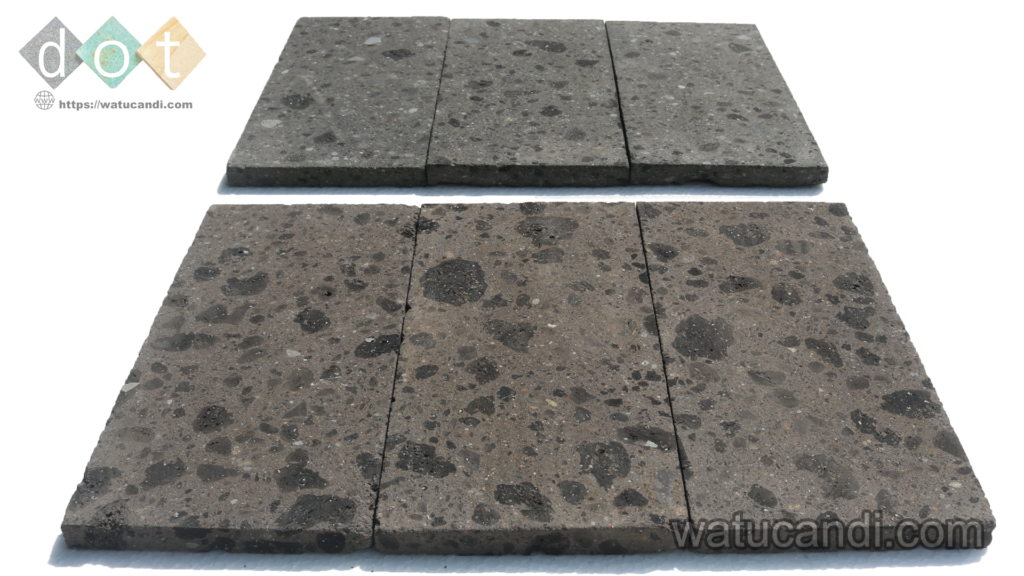
Discover the elegance of Brown Java Tiger Stone Slabs and Black Paras Sandstone. This ultimate guide covers installation, maintenance, design applications for walls and pools, and sourcing premium Indonesian natural stone from Watu Candi.
In the realm of contemporary architecture and interior design, there is a growing resurgence in the use of natural materials that connect human habitats with the earth. Among these materials, Brown Java Tiger Stone Slabs and Black Paras Sandstone have emerged as premier choices for architects, designers, and homeowners who seek to blend aesthetic warmth with structural integrity. Sourced from the rich geological deposits of Indonesia, particularly from the islands of Java and Bali, these stones offer a unique combination of visual appeal, thermal efficiency, and environmental sustainability.
This comprehensive guide delves deep into the world of Indonesian sandstone. We will explore its geological origins, the science behind its unique “tiger” striations, its physical properties, and its myriad applications in modern construction. From luxury villas in tropical climates to minimalist urban apartments, understanding the nuances of Brown Sandstone and Black Lava Stone will empower you to make informed decisions that enhance both the value and beauty of your project. We will also cover detailed installation protocols, maintenance strategies, and comparative analyses with other natural stones like limestone, granite, and andesite.
Table of Contents
- 1. Introduction: The Renaissance of Natural Stone in Modern Architecture
- 2. Geological Origins: The Formation of Tiger Stone and Paras
- Sedimentary Processes and Mineral Composition
- The Science Behind the “Tiger” Striation Pattern
- Regional Variations: Java vs. Bali Deposits
- 3. Physical and Aesthetic Characteristics
- Color Palette: Earthy Browns, Charcoals, and Beiges
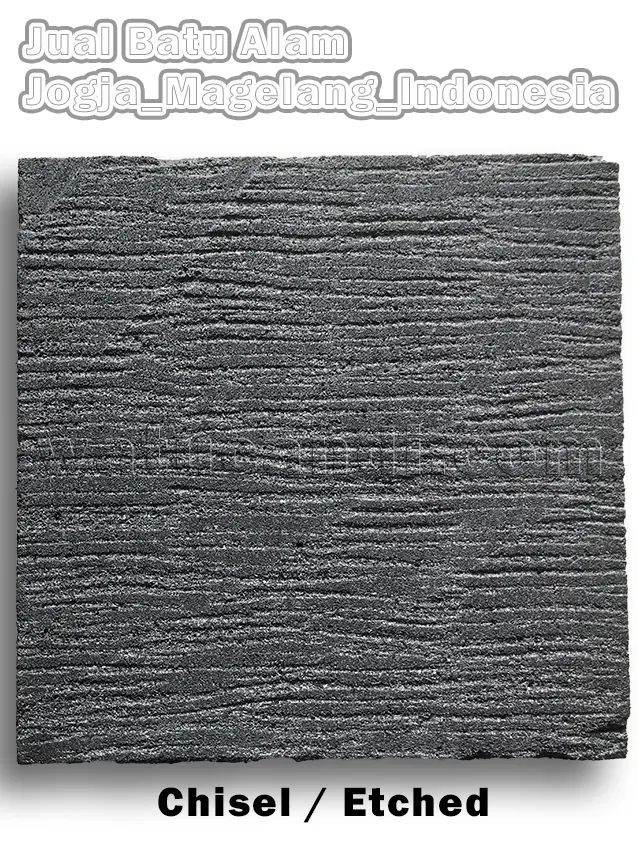
- Texture and Finish Options: Honed, Tumbled, Flamed, and Natural
- Density, Porosity, and Water Absorption Rates
- Compressive Strength and Durability
- 4. Why Choose Brown Java Tiger Stone and Black Paras?
- Thermal Mass and Energy Efficiency
- Acoustic Insulation and Sound Dampening
- Environmental Sustainability and Low Carbon Footprint
- Cost-Effectiveness Compared to Granite, Marble, and Imported Stone
- Biophilic Design Benefits
- 5. Comprehensive Applications in Architecture and Design
- Exterior Wall Cladding and Facade Design
- Interior Feature Walls and Accent Pieces
- Landscaping: Retaining Walls, Garden Borders, and Pathways
- Pool Decks, Coping, and Water Features
- Commercial and Hospitality Spaces: Hotels, Resorts, and Restaurants
- Custom Stone Furniture and Decorative Elements
- 6. Comparative Analysis: Paras vs. Lava Stone vs. Limestone vs. Andesite
- 7. Step-by-Step Installation Guide for Professionals and DIYers
- Surface Preparation and Substrate Requirements
- Selecting the Right Adhesive, Mortar, and Anchors
- Cutting, Shaping, and Fitting Techniques
- Grouting Strategies: Color Matching and Joint Widths
- Sealing and Waterproofing Best Practices
- 8. Long-Term Maintenance and Care Protocol
- Routine Cleaning: Agents and Methods
- Preventing and Removing Moss, Algae, and Lichen
- Dealing with Efflorescence and Salt Deposits
- Repairing Cracks, Chips, and Structural Damage
- Resealing Schedule and Product Recommendations
- 9. Global Design Trends Incorporating Indonesian Stone
- 10. Sourcing Ethically: The Watu Candi Commitment to Quality
- 11. Frequently Asked Questions (FAQ)
- 12. Conclusion: Investing in Timeless Beauty and Sustainability
1. Introduction: The Renaissance of Natural Stone in Modern Architecture
The architectural world is witnessing a significant shift towards biophilic design a philosophy that seeks to connect building occupants more closely to nature. At the heart of this movement is the use of natural materials, particularly stone. Unlike synthetic alternatives such as concrete, brick, or vinyl, natural stone carries the history of the earth within its veins, offering a tactile and visual richness that cannot be replicated by man-made products. Brown Java Tiger Stone and Black Paras Sandstone are at the forefront of this renaissance, providing designers with tools to create spaces that are not only beautiful but also emotionally resonant and environmentally responsible.
Indonesia, an archipelago formed by intense volcanic activity and ancient seabeds, is a treasure trove of such materials. The islands of Java and Bali, in particular, are renowned for their high-quality sandstone deposits. These stones have been used for centuries in traditional temples and palaces, such as the iconic Borobudur and Prambanan temples, testifying to their durability and cultural significance. Today, they are exported globally, adorning luxury villas, boutique hotels, and modern homes across continents. This guide aims to demystify the selection and use of these stones, exploring why Brown Sandstone is becoming a favorite for warm, inviting interiors, and how Black Lava Stone complements it in exterior applications.
2. Geological Origins: The Formation of Tiger Stone and Paras
To truly appreciate the value of Brown Java Tiger Stone and Black Paras, one must understand their geological journey. These stones are classified as sedimentary rocks, specifically sandstones, formed over millions of years through the accumulation and cementation of mineral particles. Understanding this process helps in predicting their behavior in different climates and applications.
Sedimentary Processes and Mineral Composition
Sandstone is composed mainly of sand-sized minerals or rock grains, most commonly quartz and feldspar, which are highly resistant to weathering. The formation process begins with the erosion of existing rocks, where wind, water, and ice break them down into small particles. These particles are then transported by rivers or winds and deposited in layers in basins, such as ancient sea floors or lake beds. Over time, the weight of overlying sediments compacts these layers, and minerals like silica, calcium carbonate, or iron oxide act as cement, binding the grains together into solid rock.
The specific composition of Indonesian sandstone varies by region. In Java, volcanic activity has contributed significant amounts of volcanic ash and debris to the sediment mix, resulting in stones with unique mineralogical properties. This volcanic influence is what gives Merapi Stone and related varieties their distinct characteristics, including enhanced durability and interesting color variations. The presence of iron oxides (hematite and goethite) is responsible for the brown and reddish hues, while organic matter can contribute to darker, blackish tones.
The Science Behind the “Tiger” Striation Pattern
The term “Tiger Stone” refers to the distinctive wavy, striped patterns found in certain sandstone deposits. These patterns are not merely surface decorations; they are intrinsic to the rock’s structure. They form due to variations in the deposition environment. For instance, changes in water current speed or direction during sedimentation can create layers with different grain sizes or mineral concentrations. When these layers are exposed through cutting and polishing, they reveal the mesmerizing “tiger stripes.”
In Brown Java Tiger Stone, these stripes often alternate between darker brown hues (rich in iron oxides) and lighter beige or cream tones (higher in quartz or calcite). This natural contrast creates a dynamic visual effect that changes with the angle of light, making each slab a unique piece of art. No two slabs are exactly alike, which adds to their exclusivity and appeal in high-end design projects.
Regional Variations: Java vs. Bali Deposits
While both Java and Bali produce high-quality sandstone, there are subtle differences. Javanese sandstone, particularly from regions near Mount Merapi, tends to be denser and has a more pronounced volcanic influence, often resulting in darker, more robust stones like Merapi Lahar Stone. Balinese sandstone, often referred to as “Paras Kerobokan,” is typically softer, more porous, and features lighter, warmer tones. It is highly prized for its ease of carving and its ability to blend seamlessly with tropical landscapes. Understanding these regional nuances helps in selecting the right stone for specific climatic and aesthetic requirements. For example, Balinese paras is often preferred for intricate carvings and statues, while Javanese stone is favored for structural cladding and paving due to its higher density.

3. Physical and Aesthetic Characteristics
The appeal of Brown Java Tiger Stone and Black Paras lies not just in their appearance but also in their physical properties. These characteristics determine their suitability for various applications and their long-term performance.
Color Palette: Earthy Browns, Charcoals, and Beiges
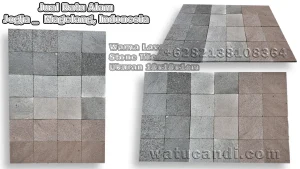
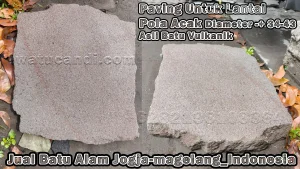
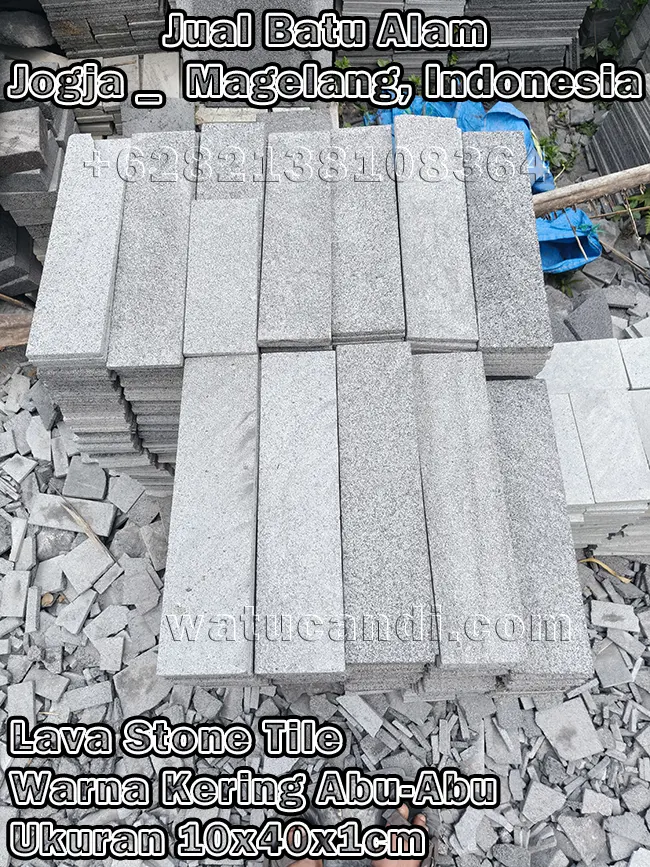
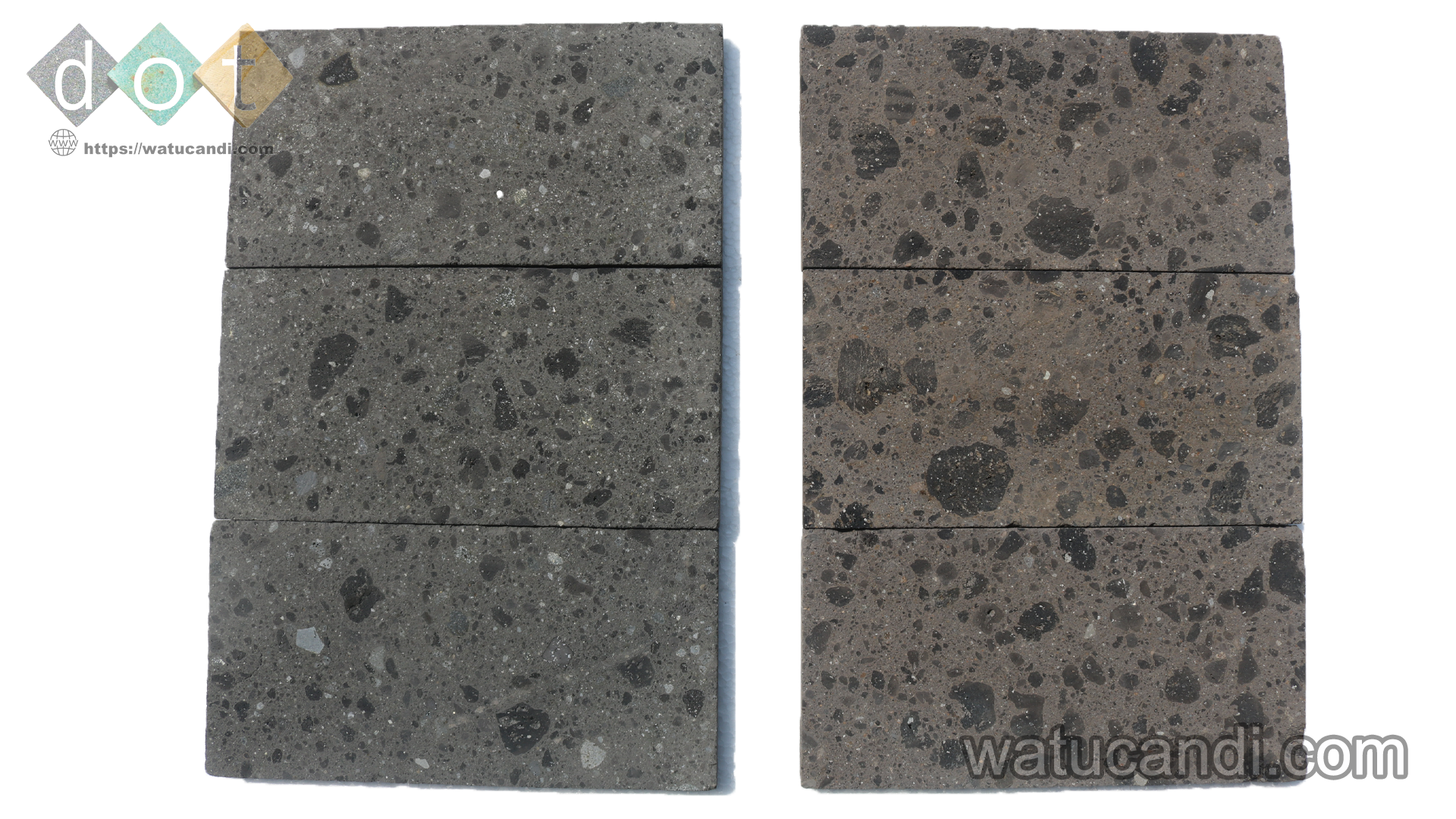
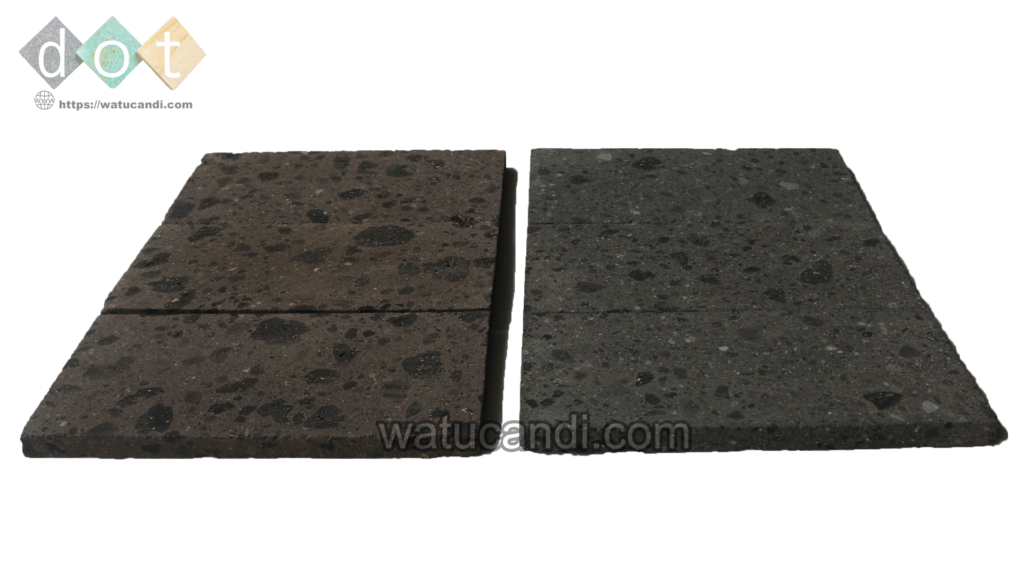
Brown Java Tiger Stone: As the name suggests, this stone features a warm palette dominated by shades of brown, ranging from light tan to deep chocolate. The “tiger” stripes add layers of beige, cream, and sometimes hints of grey or red. This warmth makes it an excellent choice for creating cozy, inviting atmospheres in living rooms, bedrooms, and hospitality spaces. It pairs well with wood, leather, and green plants.
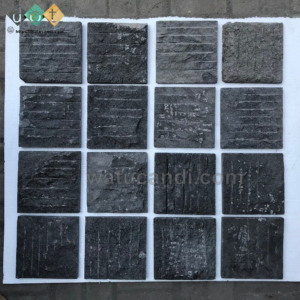
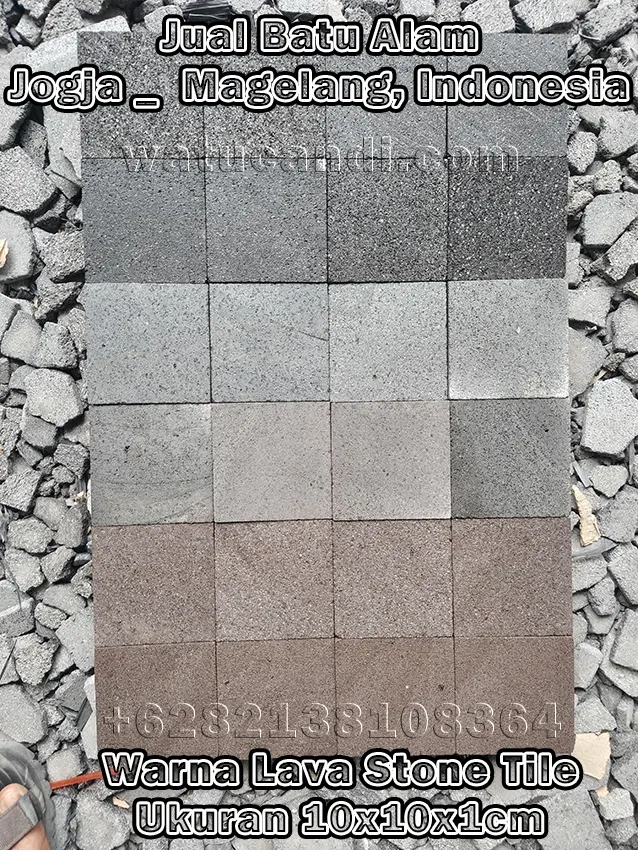
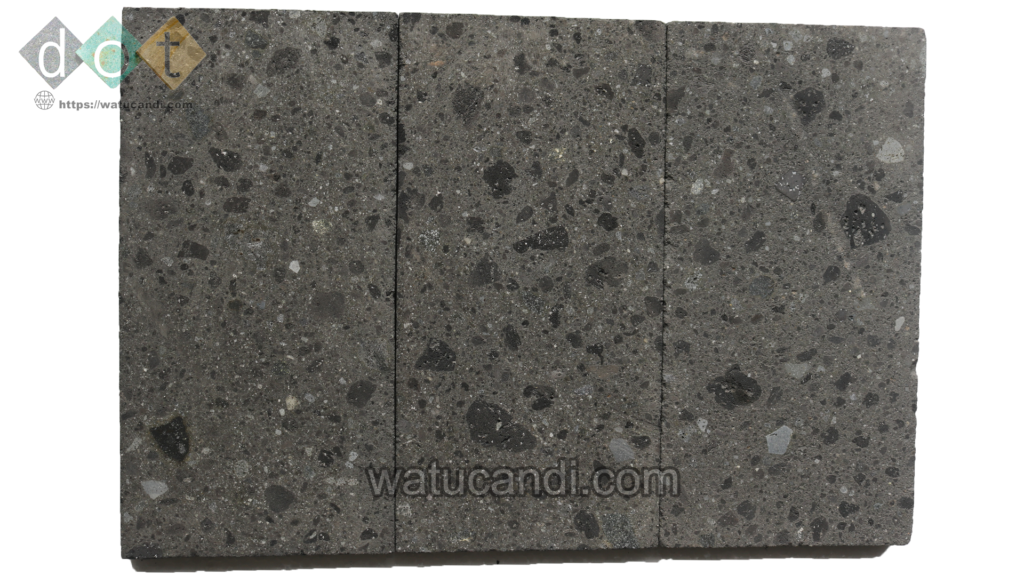
Black Paras Sandstone: This variant offers a dramatic contrast with its dominant black or dark charcoal grey hue. The darkness is often interspersed with subtle veins of lighter minerals, adding depth and preventing the surface from appearing flat. Black Paras is ideal for modern, minimalist designs where strong visual statements are desired. It pairs beautifully with greenery, water features, and light-colored woods. It is also a popular choice for exterior designs where a sleek, contemporary look is required.
Texture and Finish Options
The texture of sandstone can be manipulated through various finishing techniques to suit different functional and aesthetic needs:
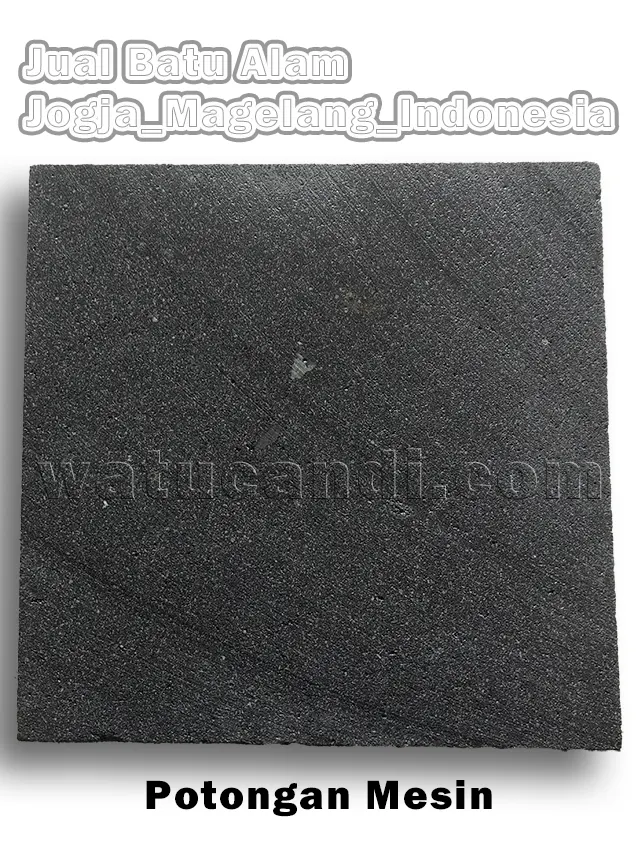
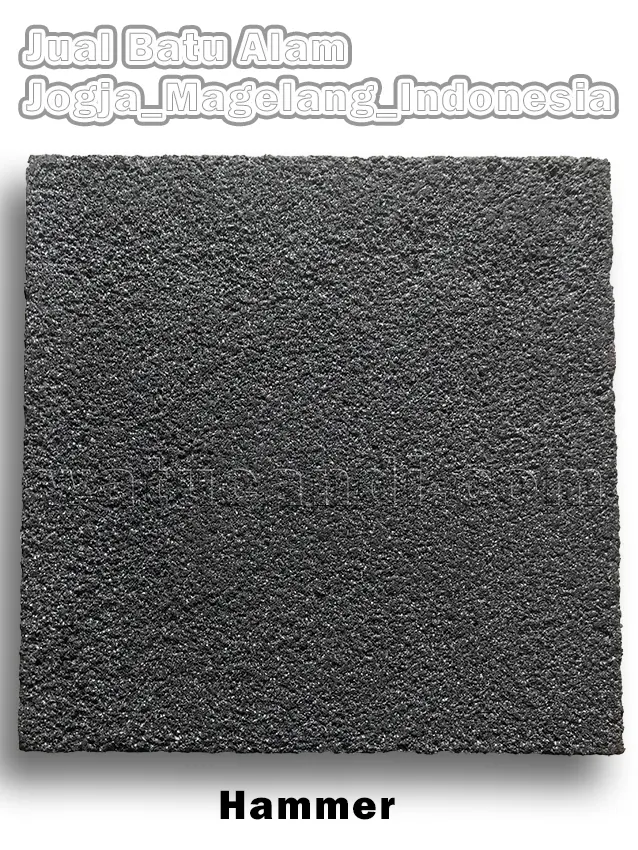
- Natural/Cleft Face: Retains the rough, uneven surface of the quarried stone. Ideal for rustic exteriors and retaining walls where a rugged look is desired. It provides excellent slip resistance but can be harder to clean.
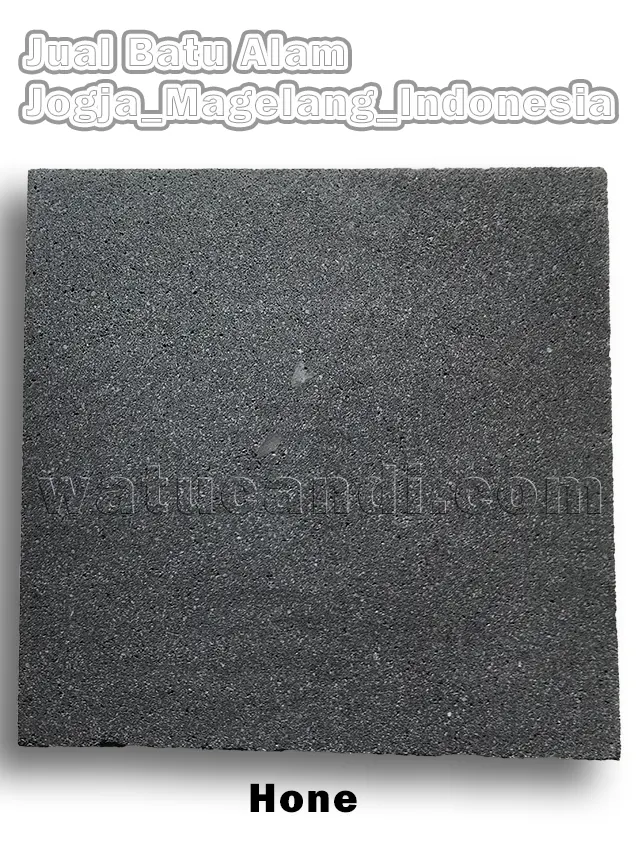
- Honed: A smooth, matte finish achieved by grinding the surface. This enhances the color and pattern without creating glare, making it suitable for interior walls and flooring. It is easier to maintain than natural face but may be slippery when wet.
- Tumbled: The edges and surface are tumbled to create a worn, antique look. This finish is popular for tumbled natural stone applications in traditional and Mediterranean-style designs. It softens the edges and adds a sense of age and history.
- Flamed/Thermal: Exposing the stone to high heat causes the surface to flake, creating a rough, non-slip texture. This is crucial for outdoor paving and pool decks where safety is a concern.
- Bush-Hammered: A mechanical process that creates a uniformly rough texture, excellent for slip resistance in wet areas. It is often used for commercial applications and public spaces.
- Polished: A high-gloss finish that highlights the stone’s color and pattern. While beautiful, it is not recommended for wet areas or high-traffic floors due to slip hazards. It is best suited for decorative feature walls or tabletops.
Density, Porosity, and Water Absorption Rates
Sandstone is generally less dense than igneous rocks like granite or basalt. This lower density makes it easier to cut, shape, and carve, allowing for intricate designs and custom sizes. However, it also means sandstone is more porous. Porosity allows the stone to “breathe,” which can be beneficial in regulating humidity, but it also makes it susceptible to staining and water absorption if not properly sealed.
The water absorption rate of Indonesian sandstone typically ranges from 2% to 5%, depending on the specific quarry and density. This is higher than granite (<1%) but comparable to many limestones. Proper sealing is essential to reduce water absorption and prevent damage from freeze-thaw cycles in colder climates. For comparison, Andesite paving has a much lower absorption rate, making it more suitable for areas with heavy rainfall or freezing temperatures.
Compressive Strength and Durability
Despite its porosity, high-quality Indonesian sandstone is surprisingly durable. Its compressive strength is sufficient for wall cladding, paving, and even structural elements in low-rise buildings. It withstands weathering well, developing a desirable patina over time. However, it is softer than granite and can be scratched or chipped if subjected to heavy impact. Regular maintenance and careful handling during installation are key to preserving its beauty.
4. Why Choose Brown Java Tiger Stone and Black Paras?
Choosing the right building material involves balancing aesthetics, performance, cost, and environmental impact. Here is why Brown Java Tiger Stone and Black Paras stand out:
Thermal Mass and Energy Efficiency
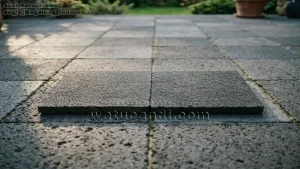
Natural stone has high thermal mass, meaning it can absorb, store, and slowly release heat. In hot climates, stone walls help keep interiors cool by absorbing excess heat during the day and releasing it at night when temperatures drop. Conversely, in cooler climates, they can retain heat from sunlight or heating systems. This natural regulation reduces the reliance on artificial heating and cooling, leading to energy savings and a smaller carbon footprint. This property is particularly evident in outdoor stone flooring, which remains cooler than concrete or asphalt under direct sun.
Acoustic Insulation and Sound Dampening
The density and texture of stone make it an excellent sound insulator. Stone walls can significantly reduce noise transmission from outside, creating a quieter, more peaceful indoor environment. This is particularly valuable in urban settings or near busy roads. Additionally, the irregular surface of textured stone can help diffuse sound waves within a room, reducing echo and improving acoustic quality. This makes it an ideal choice for home theaters, music rooms, and offices.
Environmental Sustainability and Low Carbon Footprint
Natural stone is one of the most sustainable building materials available. Its extraction and processing require significantly less energy compared to manufactured materials like brick, concrete, or ceramic tiles. There are no harmful chemicals involved in its production, and it emits no volatile organic compounds (VOCs). Furthermore, stone is fully recyclable and biodegradable. At the end of its life, it can be crushed for use as aggregate or returned to the earth without causing pollution. Supporting local quarries in Indonesia, such as those managed by Watu Candi, also reduces transportation emissions for projects in the Asia-Pacific region.
Cost-Effectiveness Compared to Granite, Marble, and Imported Stone
While offering a luxurious and unique appearance, Brown Java Tiger Stone and Black Paras are generally more affordable than premium granites, marbles, or imported limestones. Their relative softness makes them easier to quarry and process, reducing production costs. This affordability does not compromise on quality or aesthetic appeal, making them an excellent value proposition for both residential and commercial projects. They offer the look of high-end stone at a fraction of the cost.
Biophilic Design Benefits
Biophilic design emphasizes the connection between humans and nature. Using natural stone indoors brings the outdoors in, reducing stress and improving well-being. The organic patterns and textures of Tiger Stone and Paras create a calming and grounding effect, promoting relaxation and mental clarity. This is particularly important in healthcare facilities, schools, and workplaces where occupant well-being is a priority.
5. Comprehensive Applications in Architecture and Design
The versatility of these stones allows them to be used in a wide array of applications, from structural elements to delicate decorative features.
Exterior Wall Cladding and Facade Design
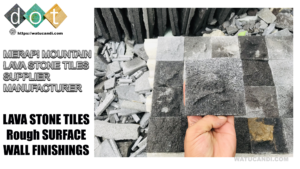
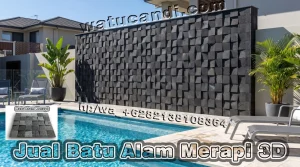
One of the most popular uses for Brown Java Tiger Stone and Black Paras is exterior wall cladding. The natural texture and color variations add depth and character to building facades, breaking up the monotony of flat surfaces. They are particularly effective in exterior designs that aim to blend with the natural landscape. The stone’s ability to weather gracefully means it develops a desirable patina over time, enhancing its rustic charm. For a more rugged look, consider using random Candi lava wall cladding in combination with Paras stone.
Interior Feature Walls and Accent Pieces
Inside the home, a feature wall clad in Tiger Stone can serve as a stunning focal point in living rooms, bedrooms, or entryways. The warm tones of Brown Java stone create a cozy and inviting atmosphere, while the Black Paras variant adds a touch of sophistication and drama. It pairs beautifully with wooden furniture, leather upholstery, and indoor plants. For a smoother finish, opt for tumbled finishes which soften the edges and provide a more refined look. You can also incorporate natural stone furniture to complement the walls.
Landscaping: Retaining Walls, Garden Borders, and Pathways
In landscaping, Paras stone is invaluable for constructing retaining walls, garden borders, and pathways. Its natural appearance harmonizes with greenery, flowers, and water features. The stone’s porosity allows for better drainage in garden beds, preventing waterlogging. You can also use irregular pieces to create Sirih stack stone arrangements, which add a traditional Balinese touch to your garden. For paving, Andesite paving stones can be used alongside Paras for a durable and stylish pathway.
Pool Decks, Coping, and Water Features
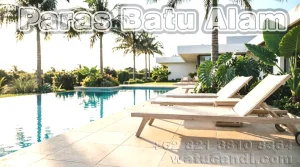
While not as slip-resistant as lava stone when wet, Paras stone can be used for pool surrounds if treated with a non-slip coating or if a honed finish is applied. It is more commonly used for the vertical walls of ponds and water features, where its color enhances the clarity and depth of the water. The brown and black tones of the stone make the water appear clearer and more vibrant. For the pool interior itself, Green Sukabumi Stone is often preferred, but Paras stone makes an excellent backdrop for waterfalls and fountains.
Commercial and Hospitality Spaces: Hotels, Resorts, and Restaurants
The hospitality industry frequently utilizes natural stone to create inviting and memorable environments. Cafes, restaurants, and hotels use Tiger Stone cladding to evoke a sense of warmth and authenticity. It is particularly popular in establishments that promote organic, healthy, or eco-friendly concepts. The stone’s durability ensures it can withstand high traffic areas, while its aesthetic appeal enhances the overall customer experience. Consider using handmade stone tables and chairs to complement the stone walls.
Custom Stone Furniture and Decorative Elements
Beyond cladding and paving, Indonesian sandstone is increasingly used for custom furniture and decorative elements. From stone sinks and bathtubs to carved vanity tables and sculptures, the workability of sandstone allows artisans to create unique, handcrafted pieces that add a touch of luxury and artistry to any space.

6. Comparative Analysis: Paras vs. Lava Stone vs. Limestone vs. Andesite
| Feature | Paras / Tiger Stone | Lava Stone (Basalt) | Limestone | Andesite |
|---|---|---|---|---|
| Hardness | Medium (Sedimentary) | Very Hard (Igneous) | Soft to Medium (Sedimentary) | Hard (Igneous) |
| Porosity | High | Low to Medium | Medium | Low |
| Color Range | Brown, Black, Grey, Beige | Black, Dark Grey | White, Cream, Yellow | Grey, Black, Blue-Grey |
| Texture | Sandy, Striated (Tiger) | Porous, Rough, Smooth | Smooth, Fossilized | Fine-grained, Uniform |
| Best Use | Wall Cladding, Decor | Flooring, Pool Deck | Classical Architecture, Paving | Heavy-duty Paving, Driveways |
| Maintenance | Regular Sealing Required | Low Maintenance | Regular Sealing Required | Low Maintenance |
| Cost | Moderate | Moderate to High | Variable | Moderate |
| Workability | Easy to Cut/Carve | Difficult to Cut | Easy to Cut/Carve | Moderate |
| Slip Resistance | Medium (depends on finish) | High (natural/flamed) | Low (polished) | High (flamed) |
As seen in the table, Paras stone occupies a middle ground in terms of hardness and maintenance. It is easier to cut and shape than lava stone, allowing for more intricate designs and thinner profiles. However, it requires more care than lava stone in terms of sealing. Compared to limestone, Paras stone often offers more dramatic color variations and patterns, making it a preferred choice for feature walls where visual impact is desired. For those interested in a mix of textures, Breccia natural stone tiles offer a unique alternative with fragmented rock patterns.
7. Step-by-Step Installation Guide for Professionals and DIYers
Proper installation is crucial to ensure the longevity and aesthetic appeal of your stone cladding. While DIY is possible for small projects, professional installation is recommended for large-scale applications. Here are the key steps:
Surface Preparation and Substrate Requirements
The substrate must be clean, dry, and structurally sound. Remove any loose paint, plaster, or debris. For exterior walls, ensure that the waterproofing membrane is intact to prevent moisture from penetrating behind the stone. If installing over brick or concrete, roughen the surface slightly to improve adhesion. For heavy stones, consider using metal anchors or mesh for additional support. The substrate should be able to support the weight of the stone, which can be significant for thicker slabs.
Selecting the Right Adhesive, Mortar, and Anchors
Use a high-quality, polymer-modified thin-set mortar suitable for natural stone. For heavier stones or exterior applications, consider using a mechanical fixing system in addition to adhesive for added security. Ensure the adhesive is compatible with the porosity of the stone. For lighter Paras stones, standard tile adhesive may suffice, but for thicker slabs, a stronger bond is necessary. Avoid using white adhesive for dark stones like Black Paras, as it may show through; instead, use a grey or color-matched adhesive. For exterior cladding, stainless steel anchors are recommended to prevent rusting.
Cutting, Shaping, and Fitting Techniques
Sandstone is relatively easy to cut using a wet saw with a diamond blade. For intricate shapes or curves, an angle grinder with a stone-cutting disc can be used. Always wear appropriate safety gear, including goggles and a dust mask. Dry-fit the stones before applying adhesive to ensure a good fit and to plan the layout. Pay attention to the grain direction and pattern matching to create a cohesive look. For a rustic look, you can use irregular pieces and vary the joint widths. For a modern look, use precise cuts and uniform joints.
Grouting Strategies: Color Matching and Joint Widths
Choose a grout color that complements the stone. For Tiger Stone, a contrasting grout can highlight the patterns, while a matching grout creates a seamless look. Use a flexible, weather-resistant grout for exterior applications to accommodate thermal expansion and contraction. Apply grout evenly and remove excess immediately to prevent staining. For a rustic look, you can opt for a dry-stack method with minimal or no grout, as seen in Sirih stack stone surfaces. Joint widths typically range from 3mm to 10mm, depending on the desired aesthetic.
Sealing and Waterproofing Best Practices
Once the grout has cured, apply a penetrating sealer to protect the stone from water, oil, and dirt. Choose a sealer that allows the stone to breathe (vapor permeable) to prevent trapped moisture. Apply two coats for best results, allowing sufficient drying time between coats. Test the sealer on a small, inconspicuous area first to ensure it does not alter the color of the stone. Reapply the sealer every 1-2 years, or as recommended by the manufacturer, depending on exposure to weather and wear. This step is vital for maintaining the color and integrity of Indonesian lava and sandstone.
8. Long-Term Maintenance and Care Protocol
Natural stone is durable but requires regular care to keep it looking its best. Here is a simple maintenance routine:
- Routine Cleaning: Sweep or vacuum loose dirt and debris. Wash with mild soap and water using a soft brush. Avoid harsh chemicals, acids, or abrasive cleaners that can damage the stone surface. For stubborn stains, use a pH-neutral stone cleaner. Rinse thoroughly with clean water.
- Preventing and Removing Moss, Algae, and Lichen: Ensure proper drainage and sunlight exposure where possible. Apply a high-quality anti-moss sealant. Regular cleaning with a mild bleach solution or specialized stone cleaner can remove existing moss. Avoid using high-pressure washers which can damage the stone surface. For persistent growth, use a dedicated moss and algae remover.
- Dealing with Efflorescence and Salt Deposits: Efflorescence is a white, powdery deposit of salts that can appear on the surface of stone. It is caused by water moving through the stone and evaporating, leaving salts behind. To remove it, use a specialized efflorescence remover. Do not use acid, as it can damage the stone. Address the source of moisture to prevent recurrence.
- Repairing Cracks, Chips, and Structural Damage: Small cracks and chips can be repaired using a stone epoxy or filler that matches the stone color. For larger damages, consult a professional. Regular inspection can help catch issues early. For structural cracks, it may be necessary to replace the affected stones.
- Resealing Schedule and Product Recommendations: As mentioned earlier, reseal the stone periodically. Perform a water drop test: if water beads up, the seal is intact; if it soaks in, it’s time to reseal. Typically, resealing every 1-2 years is recommended for exterior stones, and every 2-3 years for interior stones, depending on usage and exposure. Use a high-quality, penetrating sealer designed for natural stone.
For outdoor installations, keep vegetation trimmed back to prevent roots from damaging the stone or trapping moisture. In coastal areas, rinse the stone regularly to remove salt spray, which can cause corrosion and discoloration over time. For more detailed tips, refer to our guide on maintaining Indonesian lava and sandstone.
9. Global Design Trends Incorporating Indonesian Stone
Current design trends favor authenticity, sustainability, and connection to nature. Brown Java Tiger Stone and Black Paras fit perfectly into these narratives. Here are some trending ways to incorporate these stones:
Biophilic Design
Biophilic design seeks to connect occupants with nature. Using natural stone indoors brings the outdoors in, reducing stress and improving well-being. Combine Tiger Stone walls with abundant indoor plants, natural wood elements, and ample natural light for a holistic biophilic space.
Mixed Material Facades
Modern architecture often mixes materials to create visual interest. Pair Paras stone with glass, steel, or concrete for a contemporary look. The warmth of the stone balances the coolness of metal and glass, creating a harmonious composition. For example, use black lava tiles for the base and Tiger Stone for the upper levels of a facade.
Minimalist Zen Spaces
In minimalist design, less is more. A single wall clad in subtly patterned Tiger Stone can serve as a powerful focal point without overwhelming the space. Keep the rest of the room simple and uncluttered to let the stone shine. This approach is popular in spas, meditation rooms, and modern homes.
Sustainable Luxury
Luxury is increasingly defined by sustainability. Using ethically sourced, natural materials like Indonesian stone signals a commitment to environmental responsibility. Highlight this in your design by showcasing the raw, unpolished beauty of the stone, rather than hiding it behind paints or coatings. Incorporate handmade stone bathtubs or carved vanity tables to elevate the luxury factor.

10. Sourcing Ethically: The Watu Candi Commitment to Quality
When sourcing natural stone, quality and reliability are paramount. Watu Candi is a leading producer and exporter of Indonesian natural stone, specializing in high-quality Paras, Lava, and Limestone products. Located in the border region of Jogja and Magelang, Central Java, Watu Candi combines traditional craftsmanship with modern production techniques.
Why Choose Watu Candi?
- Direct from Source: Eliminate middlemen and get competitive pricing directly from the manufacturer.
- Quality Control: Rigorous selection processes ensure that only the best quality stones are exported. Each slab is inspected for cracks, color consistency, and finish quality.
- Customization: Ability to customize sizes, finishes, and shapes to meet specific project requirements. We can produce bespoke items such as lava stone for swimming pools and custom carvings.
- Sustainability: Commitment to ethical mining practices and environmental stewardship. We work closely with local communities to ensure fair labor practices and minimal environmental impact.
- Expertise: Decades of experience in the natural stone industry, serving clients worldwide. Our team can provide technical advice on selection, installation, and maintenance.
Before placing an order, it is advisable to check stock availability, as natural stone extraction can be subject to weather and logistical constraints. Lead times can vary depending on order volume and current production queues. Visiting the workshop, if possible, allows you to see the production process and select specific slabs, ensuring satisfaction with your purchase.
11. Frequently Asked Questions (FAQ)
Is Tiger Stone suitable for high-traffic floors?
While durable, Tiger Stone is a sandstone and is softer than basalt or granite. It is best suited for wall cladding and low-to-medium traffic floors. For high-traffic areas, consider using harder stones like Andesite or sealing the stone heavily and maintaining it regularly. If used on floors, a flamed or bush-hammered finish is recommended for slip resistance.
How do I prevent moss growth on exterior Paras stone?
Ensure proper drainage and sunlight exposure where possible. Apply a high-quality anti-moss sealant. Regular cleaning with a mild bleach solution or specialized stone cleaner can remove existing moss. Avoid using high-pressure washers which can damage the stone surface. Trim back surrounding vegetation to improve air circulation.
Can I install Paras stone myself?
DIY installation is possible for small areas if you have basic tiling skills. However, for large walls or exterior facades, professional installation is recommended to ensure structural integrity and aesthetic alignment. Proper preparation and adhesive selection are critical. Watch our installation video for tips.
What is the difference between local and precision-cut Green Stone?
Local cut stone may have slight variations in thickness and edge straightness, offering a more rustic look. Precision-cut stone is machine-calibrated for uniform dimensions, allowing for tighter joints and a more modern, sleek appearance. Read more in our comparison of local vs. precision cut green stone.
How does Paras stone compare to Palimanan sandstone?
Both are types of sandstone, but Palimanan stone (from Cirebon) is typically lighter in color (cream/white) and has a finer grain. Paras stone (from Java/Bali) often has richer, darker tones and more pronounced patterns like the tiger stripes. Both are excellent for cladding, but Paras offers more dramatic visual interest.
Can Paras stone be used in freezing climates?
Yes, but it requires proper sealing and installation. Ensure that water cannot get trapped behind the stone, as freezing water can expand and cause cracking. Use a flexible, frost-resistant adhesive and grout. Regular resealing is crucial to maintain water resistance.
12. Conclusion: Investing in Timeless Beauty and Sustainability
Brown Java Tiger Stone Slabs and Black Paras Sandstone offer a unique blend of natural beauty, versatility, and sustainability. Whether you are looking to create a stunning feature wall, a serene garden retreat, or a sophisticated commercial space, these stones provide the perfect canvas for your design vision. Their earthy tones and organic textures bring warmth and character to any environment, connecting us to the natural world.
By choosing high-quality Indonesian stone from reputable suppliers like Watu Candi, you invest in durability and craftsmanship. Remember to follow proper installation and maintenance guidelines to ensure your stone remains beautiful for years to come. Embrace the timeless elegance of natural stone and transform your space into a sanctuary of style and comfort.
Ready to start your project? Explore our full range of natural stone products or contact us for a custom quote. Let us help you bring the essence of Indonesia to your home or business.
Related Products & Resources
- Brown Sandstone Tiles
- Tumbled Finish Natural Stone
- 3D Merapi Stone Design
- Merapi Stone Outdoor Flooring
- Lava Stone Exterior Design
- Lava Stone Floor
- Merapi Lahar Candi Stone Floor
- Rough Surface Natural Stone Floor
- Black Candi Lava Stone
- Merapi Lava Parquet Decking
- Natural Stone Slabs
- Palimanan Sandstone Tiles
- Breccia Natural Stone Tiles
- Natural Stone and Furniture
- Lava Stone for Swimming Pools
- Sirih Stack Stone Surface
- Original Sirih Stack Stone
- Original Green Sukabumi Stone Tiles
- Natural Stone Edging
- Original Merapi Stone Sink
- Black Basalt Stone Sink
- Yogyakarta Green Stone Batik Tiles
- Black Lava Stone 100x100x10
- Black Lava Stone Tiles
- Borobudur Candi Stone
- Candi Paving Stone Floor
- Black Lava Natural Stone Tiles
- Carved Stone Paving Floor
- Handmade Stone Bathtubs
- Handmade Stone Tables and Chairs
- Carved Vanity Table
- Candi Stone Stepping Floor
- General Natural Stone Tiles
- Hidden Crystals in Merapi Lava
- Carved Natural Stone Installation Patterns
- Pelinggih Stone Materials
- Black Lava Bush-Hammered Surface
- Black Lahar Stone
- Candi Lahar Stone Floor
- Lava Stone 75x230mm
- Lava Natural Stone Products
- Alkali Lava Stone
- Lava Stone General
- Candi Lava Natural Stone
- Andesite Paving Stone
- Green Sukabumi Natural Stone
- Natural Andesite Stone
- Local vs. Precision Green Stone Tiles
- Hand-Carved Stone Floor
- Black Lava Gravel Guide
- Complete Guide to Green Stone Tiles for Pools
- Guide to Natural Limestone and Travertine
- Guide to Best Indonesian Natural Lava Stone Tiles
- Green Sukabumi Natural Stone Pedra Hijau
- Random Candi Lava Wall Cladding
- Candi Lava Natural Stone Mosaic
- Indonesian Limestone Tiles for Wall and Floor
- Lava Stone Paving Slabs
- Best Volcanic Stone Paving Merapi Yogyakarta Magelang
- Black Lava Stone Tile Walls Guide
- Black Lava Stone Table Tops
- Green Stone Split Face Tiles
- Premium Lava Rock Tiles
- Definitive Guide to Black Lava Tiles
- Ultimate Guide to Swimming Pool Stone Tiles
Tags: brown java tiger stone, black paras sandstone, indonesian sandstone slabs, natural stone wall cladding, balinese stone decor, volcanic stone tiles, exterior stone veneer, interior stone features, watu candi stone, sustainable building materials,