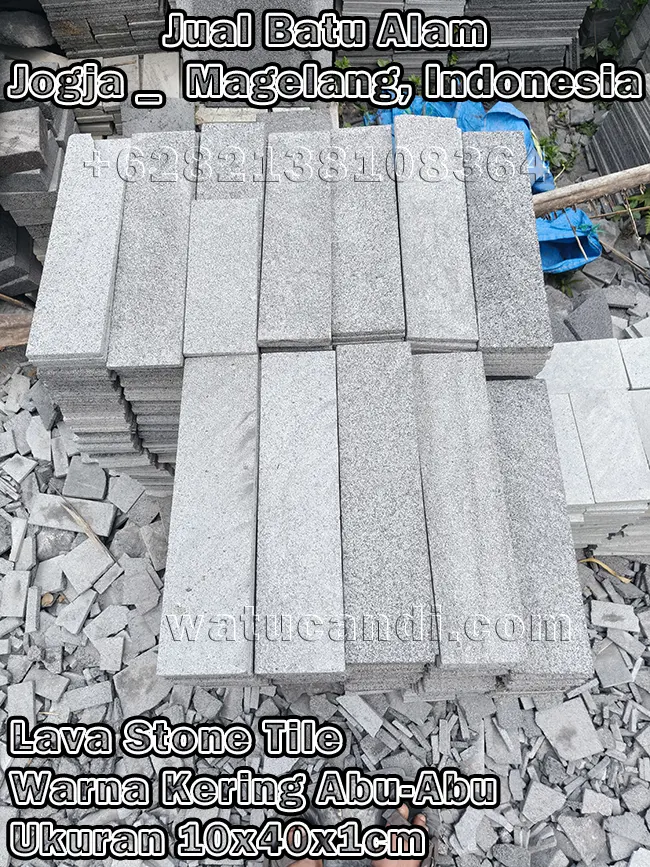
Landslides begin when soil becomes saturated with water and loses cohesion. Merapi talud stone addresses this with porosity that regulates natural drainage, volcanic weight that stabilizes slopes, and texture that blends with the landscape, a structural solution that also nurtures the beauty of your outdoor space.
The natural porosity of Merapi stone creates a bond with mortar that synthetic materials cannot replicate. More than just a soil retainer, this volcanic talud is a security investment that breathes with the landscape, reducing hydrostatic pressure while uniting engineering function with timeless aesthetics.
In the world of civil construction and landscape architecture, soil stability is the primary foundation that must never be compromised. Selling Merapi Mountain Talud Stone Material is not merely a building commodity transaction, but a long-term investment in infrastructure security and environmental beauty. As a trusted provider of Natural Stone Products, we understand that taluds serve not only as soil retainers but also as aesthetic elements that unite man-made structures with the surrounding nature. Natural stone material from Mount Merapi offers a unique combination of legendary volcanic strength and irreplaceable natural texture beauty.

The utilization of this material transcends mere technical function. By utilizing leftover or waste natural stone processed back into talud stone craftsmanship, we apply environmental sustainability principles without sacrificing quality. Every piece of stone we provide has undergone a strict selection process to ensure the material can withstand soil shear loads, water erosion, and hydrostatic pressure that frequently occur during the rainy season. The advantage of using genuine Merapi natural stone lies in its volcanic characteristics which possess extraordinary adhesion to cement mortar, creating a structural bond far stronger than synthetic materials or conventional precast concrete.
The Urgency of Talud Construction in Landslide Disaster Mitigation
A talud is a wall formed using stone material and shaped in such a way as to hold soil displacement so it remains sturdy during earthquakes or other natural damage. In Indonesia, especially in Java which has hilly topography and high rainfall, proper talud construction is the first line of defense against landslide disasters. The causes of landslides or soil displacement are very diverse, ranging from the weight of the soil mass itself, and/or rainy weather climate which causes water to seep in quickly and add to the soil load itself. When soil water saturation increases, cohesion between soil particles decreases drastically, triggering slope failure that can be fatal to property and human safety.
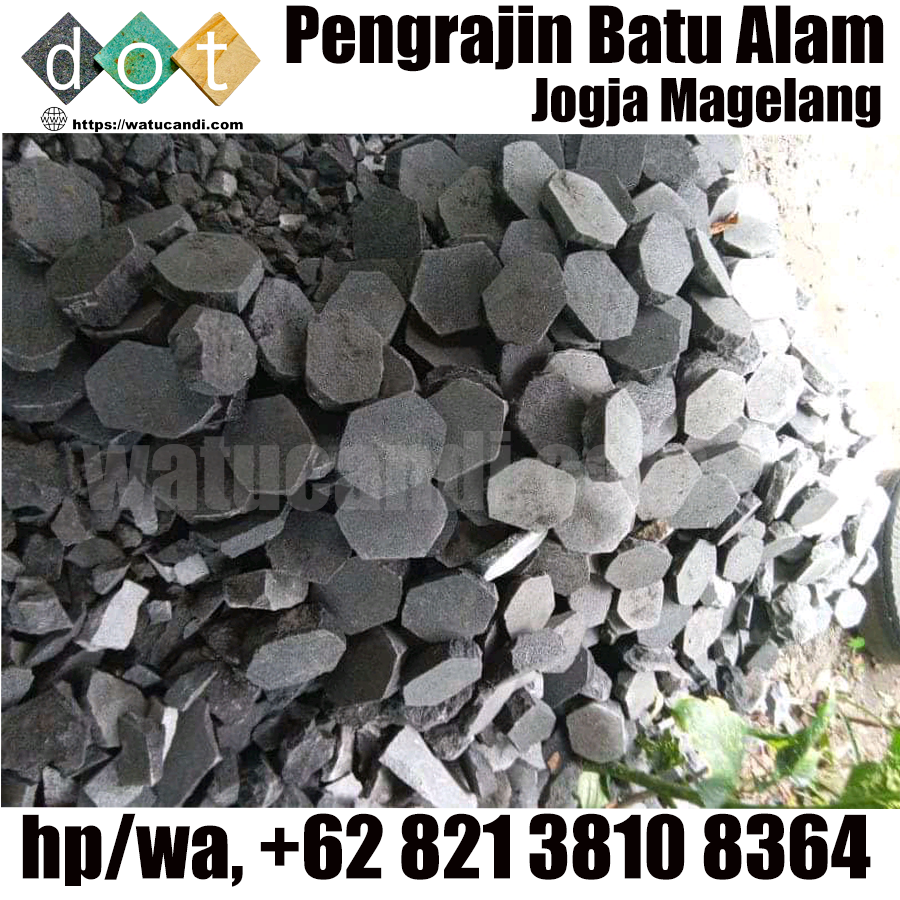
Properly designed talud construction can prevent landslides by 50% or more, depending on site geotechnical conditions. However, this effectiveness heavily depends on selecting the right material. The most recommended stone material composition for taluds is rock originating from active volcanic mountains. Volcanic rocks have high density, optimal porosity for drainage, and good chemical resistance to potentially acidic groundwater. This is why we were inspired to create craft products from Merapi Mountain stone material as the primary talud stone material we offer to clients who prioritize quality and durability.
Geological Characteristics of Merapi Stone: Why Superior for Taluds?
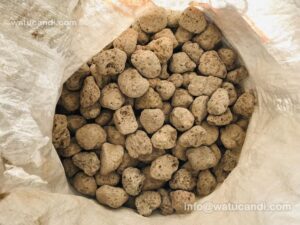
Talud stone from Mount Merapi has varied textures depending on the type of stone and geological conditions where the stone was formed. Mount Merapi is an active volcano located in Indonesia, and various types of natural stone can be found around it. The competitive advantage of Merapi stone compared to stone from other regions lies in its formation history involving repeated eruption cycles, producing rocks with superior mineral compaction. Several types of stone that may be used as talud stone at Mount Merapi include andesite stone, basalt stone, and lava stone. Each has unique characteristics making it suitable for specific applications in geotechnical engineering.
Stone from Mount Merapi has a porous texture which, when applied using concrete sand cement and water mixture, can adhere strongly. The mechanical bond between stone pores and cement paste creates a monolithic composite far more resistant to shear forces than stone with smooth or non-porous surfaces. Additionally, the high specific gravity of Merapi stone provides additional gravitational stability to the talud structure, helping resist lateral soil pressure without requiring excessive structural dimensions. For deeper understanding of these volcanic material characteristics, you can refer to the complete guide to Indonesian natural lava stone tiles which explains technical details and application advantages.
Texture Analysis of Merapi Mountain Talud Stone Material
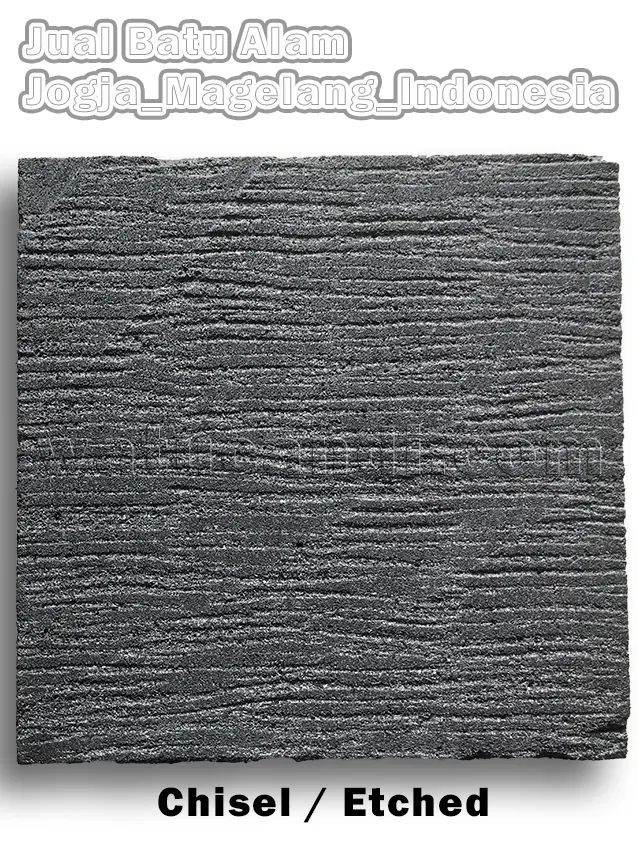
The texture of Merapi Mountain talud stone material has properties suitable for use as slope retaining structures or retaining walls in areas prone to landslides or erosion. The rough and porous surfaces of several stone types can help increase stone grip on soil and reduce the risk of scouring or landslides. Here is an in-depth analysis of available texture variations:
- Andesite Stone: Andesite stone has textures ranging from rough to fine. The stone surface can have porous texture with coarse grains. This stone has gray to black color and often has white or gray patterns or speckles. The high compressive strength of andesite makes it the primary choice for taluds with heavy structural loads. Further reference on this material can be found in the natural andesite stone guide.
- Basalt Stone: Basalt stone generally has a smooth and homogeneous texture. The stone surface is usually denser and has fewer pores compared to andesite stone. Basalt stone color can vary from gray to black. Its extreme density makes it ideal for areas with strong water flow due to its resistance to hydrodynamic abrasion.
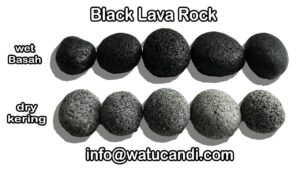
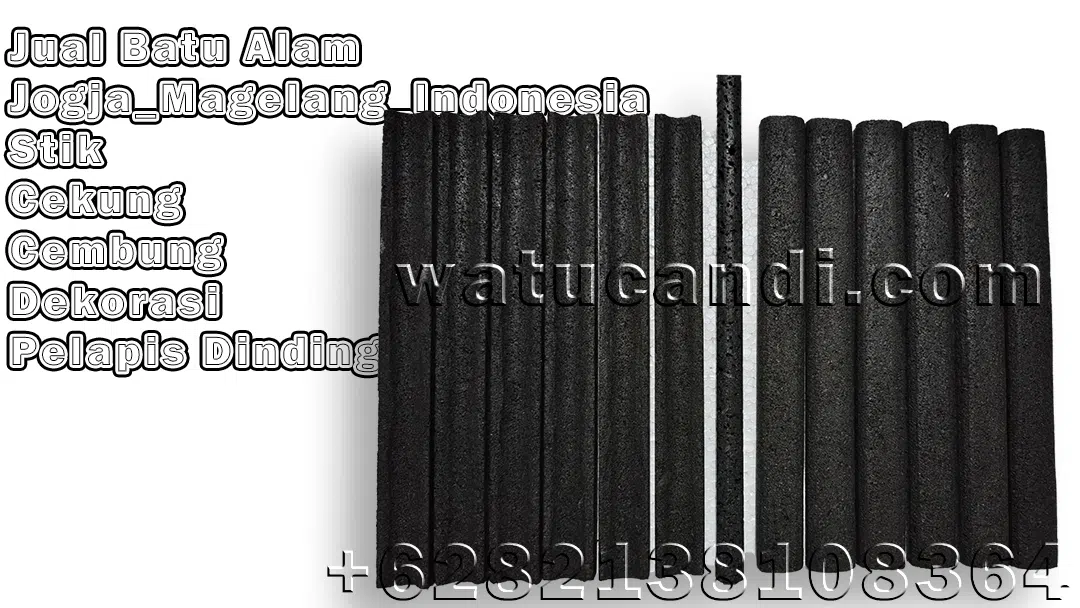
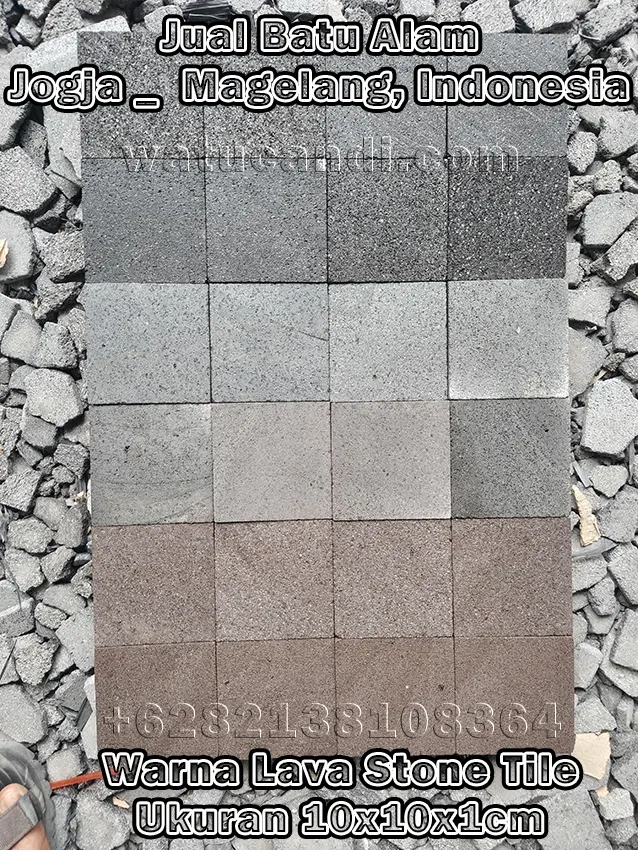
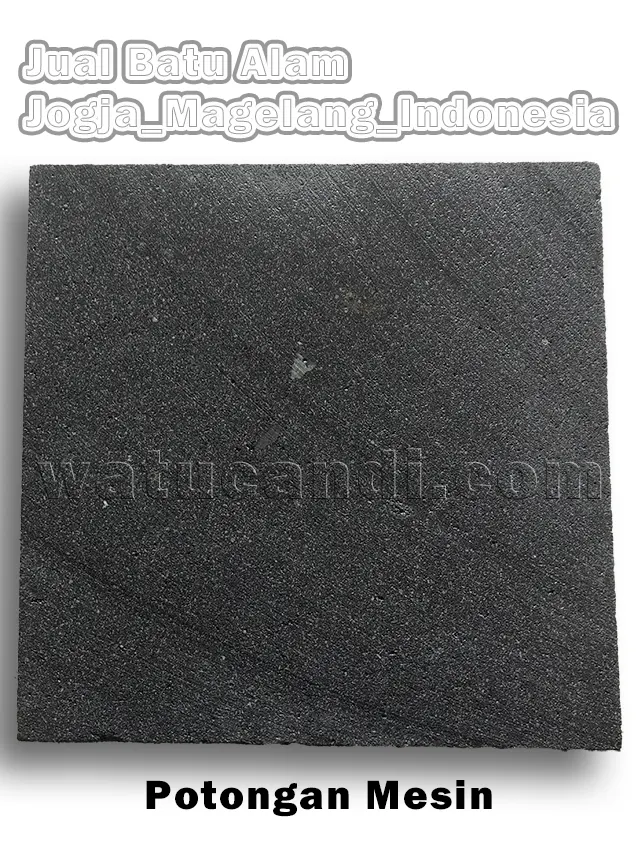
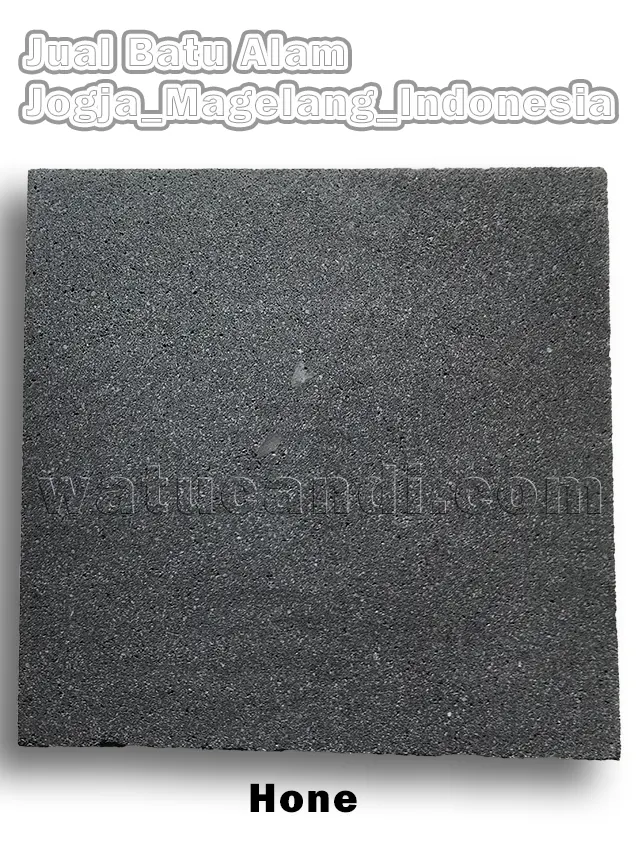
- Lava Stone: Lava stone has textures varying from rough to smooth. Freshly erupted lava stone usually has rough and porous texture, while lava stone that has been exposed to erosion for a long time can have smoother texture. Lava stone generally has black or grayish color. Its natural porosity allows good vertical drainage, reducing hydrostatic pressure behind talud walls. Learn more about the black lava stone catalog for complete specifications.

Talud Stone Material From Abstract Random Candi Stone: Aesthetic and Structural Advantages
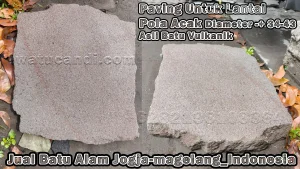
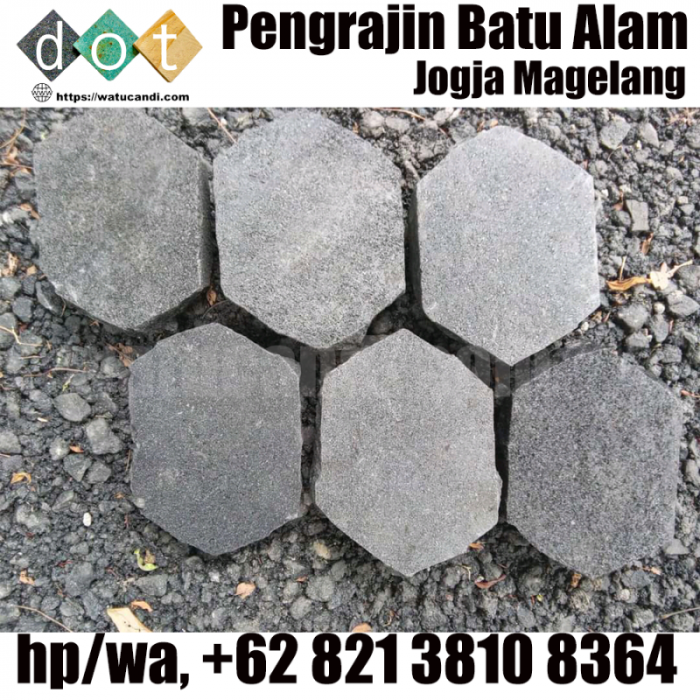
As mentioned above, the most recommended good talud stone material is natural rock from mountains. However, in modern architecture context, technical function must go hand in hand with aesthetic value. Talud stone material from abstract random candi stone offers the perfect solution to this dilemma. Its irregular (random) shape creates organic and dynamic visual patterns, avoiding the rigid and monotonous impression often associated with reinforced concrete construction. Every talud installation will have different finishing, depending on water content and soil density contours, as well as mason creativity in arranging visual composition.

Using this material also supports the sustainable landscaping concept. By utilizing original random natural stone slabs which are byproducts from precision stone cutting industry, we reduce mining waste while obtaining material at more competitive prices without sacrificing strength. Every application must consider environmental conditions and soil construction as well as background situation of the area to be worked on. This material is also highly compatible with various finishing types, from rough split face candi stone to natural finishing that lets original volcanic character remain visible.
Technical Installation Guide for Merapi Mountain Talud Stone Material
Installation of talud stone material from Mount Merapi, such as andesite stone, basalt stone, or lava stone, can be done carefully with mature planning to ensure structural strength and stability. Installation errors can result in dangerous structural failure. Here are general steps in talud stone installation according to civil engineering standards:
1. Site Preparation and Geotechnical Analysis
Determine location and size of talud to be installed. Ensure location has been adjusted to technical planning and retaining structure needs. Slope gradient analysis, soil type, and potential water load must be conducted before construction begins. For large-scale projects or critical slopes, consultation with geotechnical experts is highly recommended. Reference for integrated landscape design can be seen in the garden foundation stone border guide which covers slope stability principles.
2. Stone Material Selection and Preparation
Ensure stones to be used have been properly selected and prepared. Natural stone from Mount Merapi is usually available in various sizes and shapes, and it needs to be ensured that those stones are in ready-to-use condition. Sort stones by size and shape to facilitate arrangement. Stones with flat or elongated shapes should be placed horizontally to increase stability, while stones with more cubic shapes can be used as lockers at critical corners. Material quality can be verified through reference to Merapi black lava candi stone technical specifications.
3. Talud Foundation Construction
Prepare a strong foundation to support talud stones. Foundation can be reinforced concrete or stable fill material to support talud stones. Foundation depth must reach hard soil layer or at least below frost line in cold climate areas. For tall taluds, foundation must be reinforced with anchors or mini piles. Foundation integrity is key; foundation failure will cause entire talud structure to collapse regardless of how strong the talud stones themselves are.
4. Stone Installation Technique and Interlocking
Place talud stones carefully one by one on foundation paying attention to balance and symmetry. Ensure stones are placed properly to create sturdy retaining structure. Use interlocking technique or mutual locking between stones to distribute load evenly. Avoid straight vertical arrangement (stack bond) which is vulnerable to shear; use running bond pattern or random interlocking arrangement. If necessary, adjust talud stone position and cut stones to fit talud shape or specific angles. Use appropriate stone cutting tools to get neat results, as explained in the stone paving chisel tool guide.

Space Filling and Back Wall Drainage
Fill gaps between talud stones with appropriate filling material, such as cement mortar or small rocks. This space filling will ensure talud stones are strongly bonded and maintain structural stability. However, equally important is drainage system behind talud wall. Install perforated drainage pipes (weep holes) at bottom of talud and layer geotextile filter behind stones to prevent clogging. Accumulation of hydrostatic pressure behind wall is main cause of talud failure; good drainage significantly eliminates this risk.
Cleaning and Final Finishing
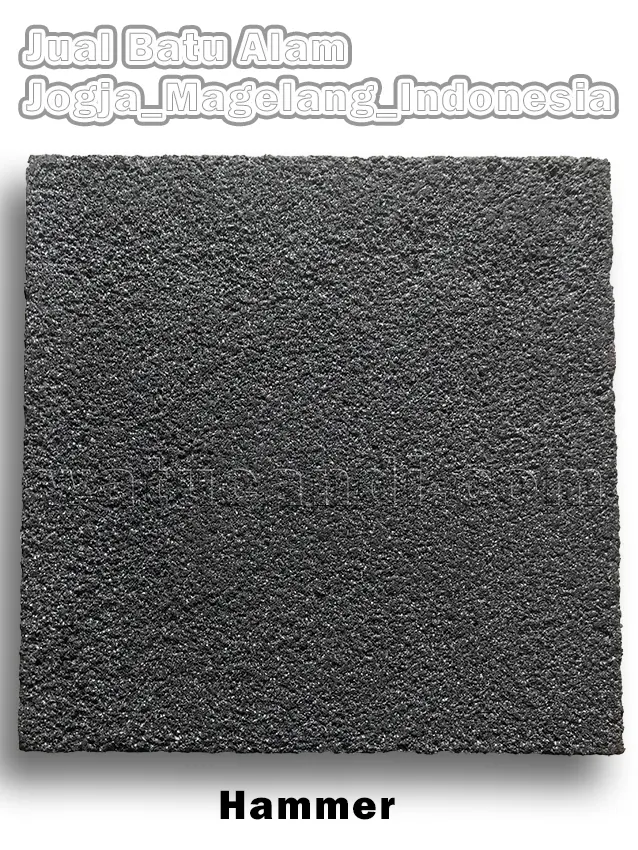
Clean stone surfaces from remaining mortar and other dirt to get clean and neat results. If necessary, do finishing to give smoother and more aesthetic appearance to talud. For areas requiring anti-slip texture or rustic appearance, bushhammer or chiseled finishing is highly recommended. See examples of black lava bush hammer surface for safe and aesthetic texture reference. It is important to use expert or experienced masons in talud stone installation to ensure optimal and durable results.
Multifunctional Applications: From Infrastructure to Decorative Elements
Talud material can also be used and applied as wall decoration ornament, fence wall covering or terrace cladding. Flexibility of Merapi stone material allows seamless transition from pure structural function to aesthetic landscape elements. Additionally it can also be used for paving blocks, stepping stones, jump stones, pathways in yards and gardens that have unique shapes and textures. Consistent material integration between talud, paving, and other decorative elements creates visual cohesion that strengthens architectural identity of outdoor spaces.

For inspiration on volcanic material applications in exterior design, you can explore lava stone exterior design which shows how volcanic stone can transform outdoor spaces into rich sensory experiences. Using same or related material for talud, paving, and decorative elements creates strong visual narrative and strengthens emotional connection of users with the space.
Supporting Material Integration for Cohesive Landscape Ecosystem
Effective talud does not stand alone; it is part of larger landscape ecosystem. Integration with other supporting materials is crucial to create functional, safe, and aesthetic spaces. Here are recommendations for companion materials compatible with Merapi talud stone:
Paving and Exterior Flooring
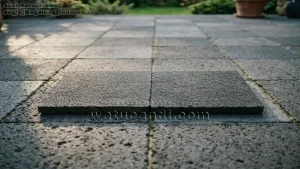
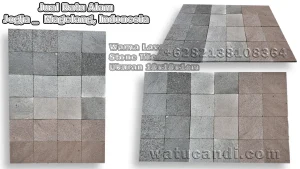
Transition between talud and pedestrian area must be seamless and safe. Use paving material visually and structurally compatible with talud stone. Collection of premium andesite and lava natural stone flooring offers perfect option to create material continuity. For areas with light traffic or garden paths, irregular natural stone paving gives organic appearance blending with random stone talud. For areas with heavier loads, lava stone paving slabs provide stable and durable surface.
Vertical Elements and Aesthetic Retaining Walls
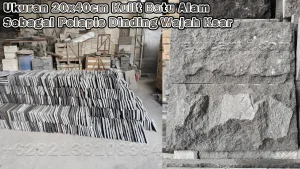
Besides structural talud, aesthetic retaining walls can enrich visual dimension of landscape. Use random candi stone skin wall cladding to create texture harmonious with talud. For dramatic contrast, combine with black lava stone wall tiles which provide visual depth and volcanic elegance. For warmer color accent, Java brown tiger stone slabs offer attractive alternative.
Water Elements and Aquatic Features
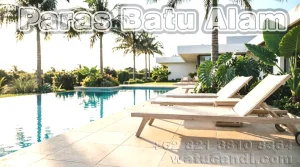
Integration of water elements with natural stone talud creates soothing visual and acoustic synergy. For swimming pools or water features connected with talud system, use material resistant to continuous water exposure. Sukabumi green stone tiles are classic choice providing natural green color and visual cooling effect. For pool edge details, swimming pool coping stone guide provides safe and aesthetic material reference. For more artistic water features, consider candi lava natural stone mosaic which adds rich textural detail.
Landscape Furniture and Accessories
Complete outdoor space with furniture and accessories harmonious with talud stone character. Handmade stone table and chairs add authentic artisanal touch. For relaxation areas, handmade stone bathtub creates immersive spa experience. Functional accessories like natural stone liquid soap dispenser or rough surface marble sink add coherent detail with overall material theme. For complete stone furniture reference, visit natural stone furniture collection.

Environmental Considerations and Sustainability in Talud Stone Usage
Using natural stone for talud is not only technical decision, but also statement of commitment to environmental sustainability. Utilizing leftover or waste natural stone as talud stone craftsmanship is circular practice reducing mining waste burden. Natural stone material has much lower carbon footprint compared to synthetic materials or precast concrete, especially when sourced locally from around Mount Merapi. Minimal material transportation significantly reduces carbon emissions.
Additionally, natural stone is fully recyclable material returning to nature without leaving toxic residue. When talud reaches end of service life, stone can be reused for other projects or returned to environment without negative impact. This contrasts sharply with synthetic materials ending up in landfills polluting ecosystems for hundreds of years. Choosing natural stone is investment in planet health as well as beauty of our living spaces.
Long-Term Care and Maintenance of Natural Stone Talud
Although natural stone is known for durability, routine maintenance remains necessary to ensure optimal talud performance throughout service life. Periodic visual inspection must be conducted to detect signs of soil movement, cracks, or erosion around talud. Clean drainage channels and weep holes regularly to prevent clogging that can increase hydrostatic pressure behind wall.
For stone surface cleaning, use water and soft brush; avoid harsh chemical cleaners that can damage stone surface or alter surrounding soil pH. For talud with special finishing like bushhammer or chiseled, extra careful maintenance is needed to maintain original texture. Reference for volcanic material maintenance can be found in split face candi lava wall maintenance guide. Consistent preventive maintenance is far more economical and effective than reactive repair after structural damage occurs.
Why Choose Talud Stone Material from Watucandi?
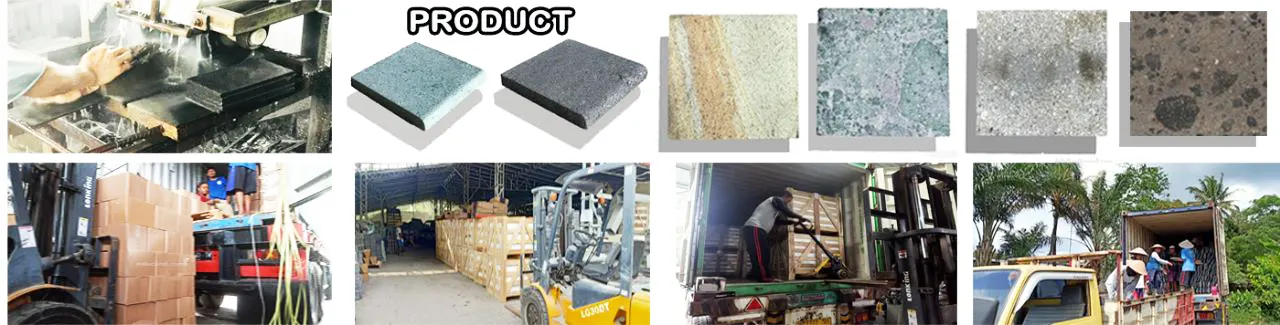
We are Natural Stone Craftsmen at Kali Krasak Border of Jogja and Magelang, ready to fulfill your natural stone material needs. Our advantage lies in direct access to best volcanic material source from Mount Merapi, strict quality control from mine to delivery, and inherited expertise in natural stone processing not possessed by general suppliers. Every batch of material we ship has undergone strict inspection to ensure quality consistency, structural strength, and conformity with your project specifications.
We do not just sell material; we provide integrated construction solutions including technical consultation, material recommendation based on specific site conditions, and installation support by experienced experts. Our commitment is ensuring every talud project using our material not only meets highest structural safety standards, but also achieves aesthetic level exceeding client expectations. Contact us today for free consultation and best offer for Merapi Mountain talud stone material for your project.
Additional Material References and Landscape Design Inspiration
For further exploration regarding natural stone material and landscape design inspiration compatible with Merapi talud stone, here is comprehensive reference collection we recommend:
- Premium Merapi lava stone paving: High-quality volcanic paving material for exterior areas.
- Local vs precision green stone tiles comparison: Material selection guide based on quality and application.
- Authentic manually chiseled stone floor: Artisanal touch for pedestrian and garden areas.
- Black volcanic lava rock pebbles: Drainage and decoration material for talud and garden areas.
- Natural travertine and limestone guide: Alternative material for light load areas.
- Sukabumi Green Pedra Hijau stone tiles: Premium material for water features and pools.
- Palimanan paras stone tiles: Light colored material for visual contrast with dark talud.
- Pumice stone: Lightweight material for drainage and planting media in talud areas.
- Yogyakarta batik green stone tiles: Decorative accent with cultural motif for garden areas.
- Natural breccia stone tiles: Material with unique texture for decorative elements.
- Black basalt stone sink: Functional element harmonious with volcanic talud material.
- Lava stone tiles for swimming pool: Water-resistant material for integrated aquatic features.
- GC stone surface types: Finishing reference for talud and paving material.
- GCBroken stone type: Broken texture for structural and decorative applications.
- Comb 05×05 surface type: Fine line texture for pedestrian areas.
- Groove 3×1 surface type: Linear texture for vertical decorative elements.
- Line type 2×1: Profile for edge details and material transitions.
- Rolling2 line type: Curved profile for organic decorative elements.
- Broken regularly 0.5×0.5 line type: Rhythmic texture for visual accents.
- Straight line 1×0.5 type: Minimalist profile for modern architectural details.
- Premium black lava stone table top: Outdoor furniture harmonious with talud material.
- Green stone split face tiles: Vertical accent material for aesthetic retaining walls.
- Premium lava rock cladding: Volcanic cladding material for exterior walls.
- Black lava stone tiles 10x10x1cm: Modular material for precise architectural details.
- Swimming pool stone tile guide: Material reference for integrated aquatic features.
- Black lava stone tiles variant 2: Alternative material with different texture character.
- Lava rock stepping stone guide: Stepping material for garden paths and landscape transitions.
- Indonesian green stone tile guide: Green material reference for water features and gardens.
- Merapi lava stone fence and foundation guide: Structural and aesthetic construction reference.
- Borobudur temple stone: Historical reference and legendary volcanic material quality.
- Temple stone paving floor: Traditional paving material for heritage and garden areas.
- Natural black lava stone tile: Basic material for structural and decorative applications.
- Bushhammer limestone tile: Alternative material with anti-slip texture.
- Indonesian sandstone and limestone guide: Sediment material reference for light load areas.
- Indonesian limestone tiles: Light colored material for visual contrast.
- Merapi outdoor stone flooring: Volcanic flooring material for exterior areas.
- 3D stone slabs: Three-dimensional decorative element for landscape accents.
- Tumbled natural stone finish: Aged texture for rustic and heritage applications.
- Lava stone floor: Volcanic flooring reference for exterior areas.
- Garden and yard stone flooring: Flooring material for landscape and transition areas.
- Original Merapi stone sink: Volcanic functional element for outdoor areas.
- Yogyakarta batik green stone: Decorative material with local cultural motif.
- White Palimanan stone: Light material for contrast and visual accent.
- Super white Palimo limestone: Premium material for light decorative elements.
- Natural green stone: Green material variation for landscape accents.
- Getting to know umpak batu: Traditional architectural element for gazebos and pavilions.
- Carved temple lava stone: Carved decorative element for architectural accents.
- Brown spotted paras stone: Warm accent material for visual contrast.
- Natural black lava stone tile: Volcanic material reference for structural applications.
- Hidden crystals of Merapi lava: Geological information about unique volcanic material characteristics.
- Chiseled natural stone installation patterns: Installation technique reference for decorative elements.
- Chiseled natural temple stone: Material with artisanal touch for heritage elements.
- Chiseled natural stone paving: Paving material with artisanal texture for pedestrian areas.
- Chiseled natural lava stone: Volcanic material with artisanal finishing.
- Chiseled lava stone surface 300x300mm: Modular material with chiseled texture for structural applications.
- Natural andesite slabs: Slab material for large structural and decorative elements.
- Stacked betel leaf slate slab: Layered texture material for vertical decorative elements.
- Flat random natural riverstone: Natural material for landscape and drainage elements.
- Candi stone paving example: Traditional paving installation reference for heritage areas.
- Semi-carved lava stone: Material with semi-artisanal touch for decorative elements.
- Genuine susun sirih slate: Material with authentic layered texture for decorative elements.
- Hand-carved temple stone flooring paving: Artisanal paving material for heritage and garden areas.
- Natural stone edge wall: Edge material for edge details and material transitions.
- Merapi lava temple stone floor: Volcanic flooring material for heritage and garden areas.
- Lava paving stepping stones: Volcanic stepping material for garden paths.
- Rough face stone floor: Flooring material with rough texture for anti-slip areas.
- Solid split stone 100x200mm: Structural material for retaining and decorative elements.
- Black lava stone Bali Indonesia: Volcanic material reference from other region for comparison.
- Rough natural stone floor: Rustic flooring material for natural landscape areas.
- Pelinggih stone materials: Material for traditional Balinese spiritual and decorative elements.
- Black candi lava stone: Basic volcanic material for structural and decorative applications.
- Black lava stone 100x100x10: Modular volcanic material for architectural details.
- 5 black lava stone surfaces: Finishing reference for volcanic material.
- Black natural stone slab: Large slab material for structural and decorative elements.
- Rough face lava stone: Volcanic material with rough texture for anti-slip applications.
- Lava temple stone floor: Volcanic flooring material for heritage and spiritual areas.
- Lava stone 75x230mm: Modular volcanic material for structural and decorative applications.
- Complete lava stone products: Comprehensive catalog of volcanic material for various applications.
- Merapi lava parquet decking: Volcanic decking material for wet and exterior areas.
- Sawncut vs bushhammer lava comparison: Finishing selection guide based on application and aesthetics.
- Lava stone: General volcanic material category for comprehensive reference.
- Natural candi lava stone: Traditional volcanic material for structural and decorative applications.
- Natural stone edges: Edge material for edge details and material transitions.
- Natural stone slabs: Large slab material for structural and decorative elements.
- Indonesian andesite paving: Volcanic paving material for infrastructure and public areas.
- Natural Sukabumi green stone: Premium green material for water features and decorative elements.
- Wavy carved natural stone tiles: Decorative material with wave motif for landscape accents.
- Commercial design: Stone material application reference for commercial projects.
- Enterprise design: Stone material reference for corporate and institutional projects.
- Hospitality design: Stone material reference for hotels, resorts, and hospitality facilities.
- Restaurant design: Stone material reference for dining spaces and F&B.
- Industrial design: Stone material reference for industrial and loft spaces.
- Modern luxury home design: Stone material reference for high-end residential.
- Unique and beautiful product models: Natural stone product inspiration for exclusive decorative elements.
- Latest styles: Current trends in natural stone usage for architecture and landscape.
- Decorate comfort design: Stone material reference for creating comfortable and welcoming spaces.
- Brown sandstone: Warm colored sediment material for contrast and accent.
- Natural stone tiles: Comprehensive catalog of natural stone tiles for various applications.
- Black candi lava stone cladding: Complete volcanic cladding guide for modern and classic architecture.
- Merapi lava candi stone semi-chiseled paving: Semi-artisanal paving guide for premium architectural applications.
- Large natural limestone slabs: Limestone slab guide for premium architectural applications.
- Manual chiseled candi stone paving 30x30x5cm: Artisanal paving guide for heritage and premium areas.
- Brown Java Paras Kerobokan sandstone tiles: Premium sandstone material for wall cladding.
- Natural stone as swimming pool gutter cover: Material guide for swimming pool drainage system.
- Merapi black sand split face stone: Split face cladding guide for exterior and interior walls.
- Hard cream natural limestone: Premium limestone guide for walls, floors, and premium architecture.
- Irregular garden stepping stones candi lava stone: Complete stepping stones guide for garden design and installation.
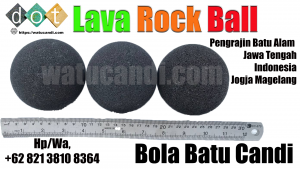
- Merapi lava temple stone balls: Volcanic stone ball craft product for premium garden decoration.
Conclusion: Smart Investment for Landscape Security and Beauty
Choosing Merapi Mountain talud stone material is strategic decision combining structural security, environmental sustainability, and aesthetic beauty in one integrated solution. Unique volcanic characteristics of this material, high compressive strength, optimal porosity for drainage, superior adhesion to mortar, and aesthetic natural texture make it superior choice unmatched by synthetic materials or stone from other regions. Every talud project using this material not only builds soil retaining structure, but also creates landscape legacy lasting decades or even centuries.
We, as natural stone craftsmen at Kali Krasak border of Jogja and Magelang, are committed to providing highest quality Merapi Mountain talud stone material, supported by inherited expertise and direct access to best volcanic source. Every batch of material we ship has undergone strict selection to ensure quality consistency, structural strength, and conformity with your project specifications. Contact us today for free consultation, material samples, and best offer for your talud project. Invest in security, beauty, and sustainability by choosing Merapi Mountain talud stone material from Watucandi, your trusted partner in creating safe, functional, and aesthetically stunning outdoor spaces.
Related Topics
merapi talud stone material, mountain merapi talud stone, natural stone talud, stone talud construction, soil retaining stone, volcanic stone talud, andesite talud stone, basalt talud stone, lava talud stone, abstract candi stone, random talud stone, merapi stone talud, merapi natural stone, landslide resistant construction, stone landslide mitigation, stone talud drainage, stone slope stability, structural natural stone, stone talud aesthetics, natural stone landscape, construction volcanic material, sustainable natural stone, watucandi talud stone, merapi stone craftsman, premium talud material,