


'%3E%3Cpath%20stroke='%23000'%20stroke-width='4'%20d='m-35-37-13%2020m5%203%2013-20m5%203-13%2020m63%2042%206-9m1-2%206-9m5%203-6%209m-1%202-6%209m5%203%206-9m1-2%206-9m-96%200%2013%2020m5-3-6-9m-1-2-6-9m5-3%2013%2020m63-42-6-9m-1-2-6-9m5-3%2013%2020m5-3-6-9m-1-2-6-9'/%3E%3Ccircle%20r='24'%20fill='%23cd2e3a'/%3E%3Cpath%20fill='%230047a0'%20d='M0%200a12%2012%200%201%201%2020%2013%2024%2024%200%201%201-40-26A12%2012%200%201%200%200%200'/%3E%3C/g%3E%3C/svg%3E)


'/%3E%3Cpath%20fill='%23b2b2b2'%20d='M241%20382q0%2016%2017%2026%2017%2011%2042%2011t42-11q16-11%2017-26V269H241'/%3E%3Cpath%20fill='%239f7e00'%20d='M241%20379q0%2014%208%2023%209%209%2021%209%2014%200%2021-9%209-9%209-23V269h-59'/%3E%3Cpath%20d='M241%20339v-70h59v110q0%2014-9%2023l-6%205v-68h-15v72q-8%200-14-4v-68zm59%2040c0%2022%2015%2032%2029%2032%2021%200%2030-18%2030-32v-40h-59'/%3E%3Cpath%20fill='%239f7e00'%20d='M266%20277v5h2v12h-3v-5h2v-5h-9v5h2v5h-4v9h3v18h-5v10h34v-10h-5v-18h3v-9h-4v-5h2v-5h-9v5h2v5h-3v-12h2v-5zm42%20101q0%2010%206%2017%206%206%2015%207%2010-1%2016-7%206-7%206-17v-29h-43'/%3E%3Ccircle%20fill='%230044ad'%20cx='329.5'%20cy='372'%20r='6'/%3E%3Cellipse%20fill='%230044ad'%20cx='300'%20cy='340'%20rx='16'%20ry='21'/%3E%3C/svg%3E)



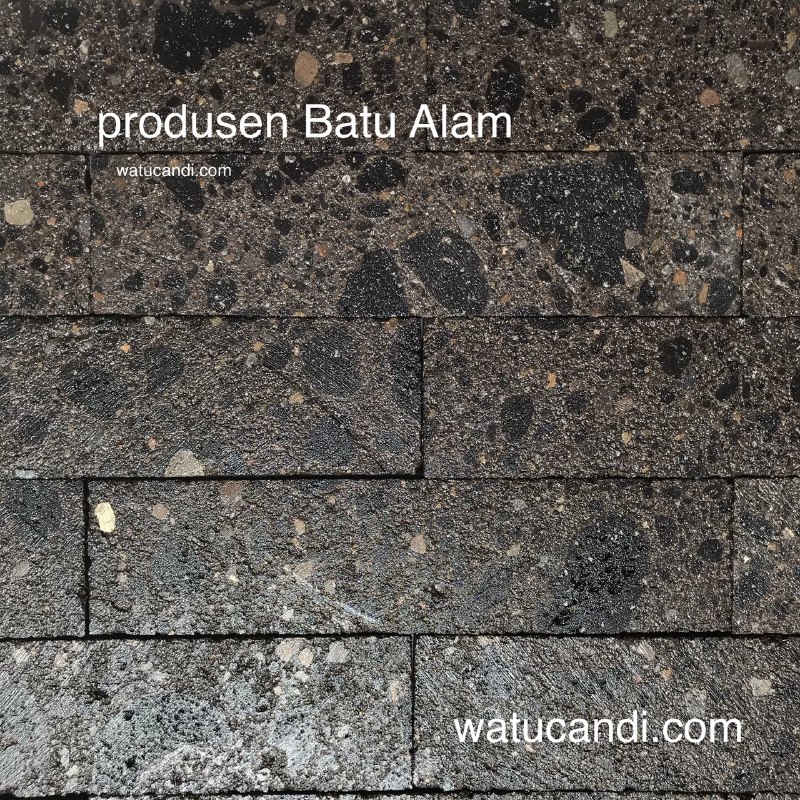
“Bring exotic warmth with Kerobokan Bali Natural Stone, a unique material with blackish-brown hues enriched by irregular natural lava stone black speckles. This combination of earthy colors and volcanic texture creates a perfect rustic-modern aesthetic for wall cladding, terrace floors, and pool areas. Read the complete guide on geological characteristics, comparisons with other paras stones, finishing techniques (bushhammer, chiseled), as well as tips for installation and anti-moss coating maintenance to preserve the eternal beauty of your tropical home with WatuCandi.”
Bali is not just an island of the gods with stunning natural panoramas; it is also a center of geological wealth that produces high-quality Natural Stone for buildings. Among the various types of rocks available, Kerobokan Bali Natural Stone, often referred to as Paras Kerobokan, stands out as a top choice for architects and homeowners who want a classic tropical touch. This material is not just a structural element, but a natural work of art that brings warmth and unique character to every corner of the home.
With its distinctive texture, elegant dark gray color, and natural mineral speckles, this paras stone from the Kerobokan area offers a timeless aesthetic solution. This article will thoroughly explore everything about Kerobokan Natural Stone, from its geological origins, physical characteristics that distinguish it from other stones, finishing variations, to professional installation and maintenance guides. We will also explore how this material can significantly increase your property value through proper application on walls, floors, swimming pools, and decorative elements.
Before delving deeper, it is important to understand that the quality of natural stone depends heavily on its mining source. To get original premium quality Paras Kerobokan material, you can visit our natural stone product catalog which provides various size variants and the best finishes directly from the producer.
Getting to Know Kerobokan Bali Paras Stone
Kerobokan Bali Natural Stone is a type of sedimentary limestone rock formed from calcium carbonate deposits over millions of years. Unlike volcanic rocks such as andesite or lava which come from volcanic eruptions, paras stone has a softer structure but remains dense when compacted by natural pressure. The name “Kerobokan” is taken from an area in South Bali famous as a center for craftsmen and suppliers of this type of natural stone.
The main characteristic of this stone is its color which tends to be dark gray to light brownish, with random distribution of black or white speckles. These speckles are not defects, but traces of microorganism fossils or mineral inclusions trapped during the sedimentation process, giving a “living” and natural impression that cannot be replicated by synthetic materials. Its slightly rough but flat texture makes it very ideal for creating a rustic yet neat nuance.
Geological Formation Process
The formation of paras stone occurs in shallow marine environments where remnants of marine organisms such as coral, shells, and algae accumulate on the seabed. Over time, these layers are compressed by the weight of water and sediments above them, undergoing lithification (hardening) into solid rock. This process gives paras stone certain porosity that allows natural “breathing”, so buildings using this material feel cooler and less stuffy.
Due to its sedimentary nature, paras stone is generally easier to shape and carve than igneous rocks like granite. This makes it a favorite for decorative elements requiring detailed carvings. However, although softer, Kerobokan paras stone has good enough density for exterior applications if properly maintained. For comparison with volcanic stone, you can read about our Andesite and Lava stone flooring collection which offers different hardness characteristics.
Unique Characteristics of Kerobokan Bali Natural Stone
What makes Kerobokan Natural Stone so special? Here is an in-depth breakdown of its physical characteristics:
1. Dynamic Natural Color Palette
The base color of Kerobokan paras stone varies from light gray, dark gray, to yellowish cream. This variation depends heavily on the iron and organic mineral content within it. Its uniqueness lies in the presence of black or white speckles scattered randomly. When installed in large areas, this color variation creates a rich visual effect that is not monotonous, similar to the texture of natural woven fabric or animal skin.
Its dark gray color gives an elegant and modern impression, while lighter variants provide a warm and traditional nuance. The combination of these two tone colors, if arranged in the right pattern, can produce a wall that looks very artistic. For inspiration on using other natural neutral colors, see the guide on natural limestone and travertine.
2. Surface Texture: Flat yet Characterful
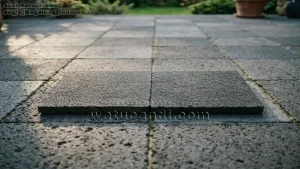
Naturally, the surface of paras stone has a slightly porous texture and is not as smooth as marble. After processing, this stone usually has a flat finish but still retains its microscopic roughness. This texture is very advantageous because it provides good grip, making it safe for wet areas such as around swimming pools or bathrooms, while also camouflaging daily dust stains.
For those who prefer more artistic and manual textures, the authentic hand-chiseled stone floor technique can be applied to paras stone to add dramatic depth dimension.
3. Resistance to Tropical Weather
Although classified as relatively softer limestone than basalt, Kerobokan Natural Stone has good resistance to Indonesia’s tropical weather if given proper protection. It is resistant to sun heat and does not easily crack due to extreme temperature changes. However, due to its porous nature, this stone is prone to moss and fungus growth if left continuously moist without good air circulation or without a protective layer (coating).
Therefore, application of high-quality coating is highly recommended. With proper care, this stone will last for decades and actually become more beautiful with age (patina). For general natural stone maintenance tips, you can refer to the article on tumbled natural stone maintenance.
Comparison: Kerobokan Paras Stone vs Other Natural Stones
Potential buyers are often confused about distinguishing Kerobokan Paras Stone from other types of natural stone. Here is the comparison:
- Vs Palimanan Stone: Palimanan Stone (from Cirebon) tends to be more golden yellow or plain cream with fine line patterns. Whereas Kerobokan Paras is more dominant in gray with random speckles. Palimanan is usually softer and easily mossy if not painted, while Kerobokan has slightly denser density.
- Vs Andesite/Lava Stone: Andesite is much harder, heavier, and solid black or dark gray without prominent contrasting speckles. Andesite is more suitable for high-traffic areas (such as carports), while Kerobokan Paras is more flexible for walls and decorative areas because it is easier to shape.
- Vs Candi Stone: Candi Stone (volcanic) has greenish-gray or black color with fine sand texture. Kerobokan Paras has a warmer “limestone” nuance, suitable for classic Bali style, while Candi Stone is more suitable for classic Javanese or industrial minimalist styles.
To see visual comparisons between various types of green stone and cutting precision, you can study the case of local vs precision green stone comparison.

Applications of Kerobokan Natural Stone in Architecture
The flexibility of Kerobokan Natural Stone allows it to be used in various parts of a building. Here are its main applications:
1. Exterior and Interior Walls (Wall Cladding)
This is the most popular application. Walls clad with Kerobokan paras stone give a warm, natural, and luxurious impression. The installation techniques can vary:
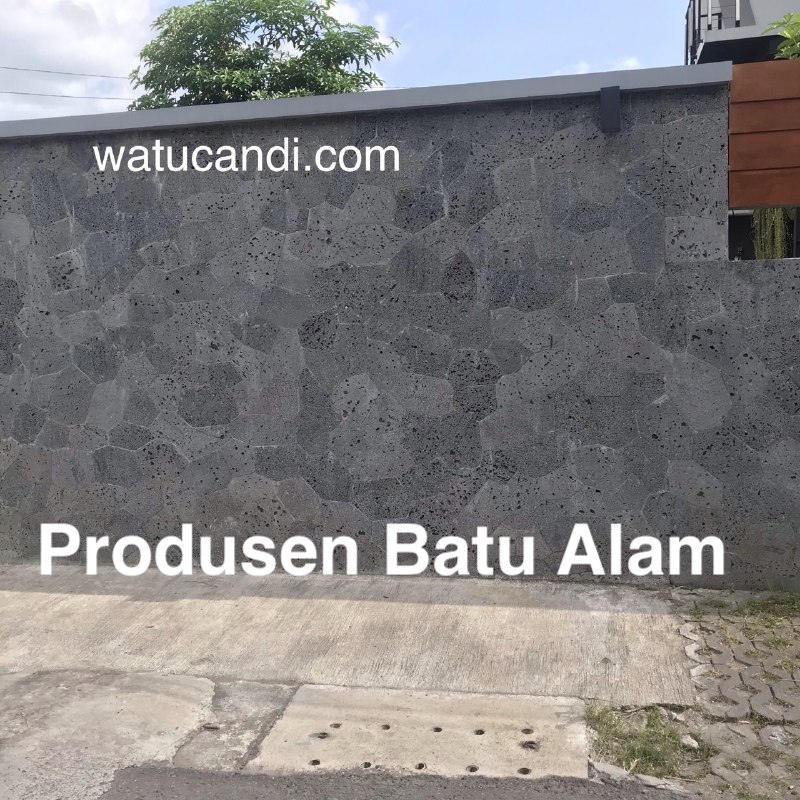
- Brick Pattern: Gives a classic and orderly impression, suitable for house facades or fences.
- Random/Skin Slab Arrangement: Uses stone pieces with irregular sizes for a rustic and natural look. See examples of random stone skin wall cladding for similar pattern inspiration.
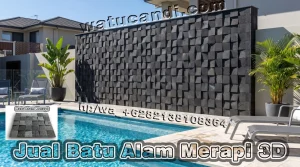
- Protruding-Recessed Technique: Some stones are installed slightly more protruding than others to create shadows and 3D dimensions on the wall.
For a smoother and more modern result on interior walls, you might consider the natural stone tile wall guide although focused on lava, the cladding aesthetic principles remain relevant.
2. Floors and Terraces
Kerobokan Paras Stone can also be used as flooring, especially for semi-outdoor areas such as terraces, gazebos, or garden paths. Because its texture is not slippery, it is safe for bare feet. Its tendency towards dark or speckled colors helps camouflage dirt and dust, making daily maintenance easier compared to white ceramic floors.
For lush garden floor design inspiration, see references on natural stone floor ideas for gardens. If you want a more classic look, the candi stone paving floor style can also be adapted using paras stone with adjusted sizes.
3. Swimming Pool Areas
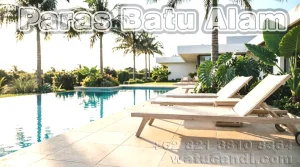
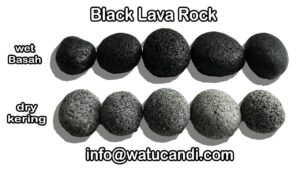
Natural stone is a perfect choice for tropical or Bali-style swimming pools. When wet, the color of paras stone becomes darker and more contrasted, creating a luxurious resort atmosphere. Additionally, its texture provides good traction, reducing the risk of slipping.
However, keep in mind that limestone is sensitive to pool chemicals (chlorine) in the long term if not protected. Make sure to use special coating for wet areas. Read the complete guide on natural stone tiles for swimming pools for other material considerations. Do not forget to also consider pool coping stone that is safe and aesthetic.
4. Pillars and Fences
House pillars wrapped in Kerobokan paras stone will look sturdy and elegant. The combination of gray colors and black speckles provides an attractive visual accent without looking too busy. For fences, this stone provides privacy as well as beauty from both the outside and inside. Neat and patterned installation is key here to avoid a messy impression.
For aesthetic fence and foundation wall inspiration, you can see the natural stone fence and foundation wall guide.
5. Decorative Elements and Furniture
Because paras stone is relatively easier to carve than volcanic stone, it is often used to make guest tables, wall reliefs, or garden ornaments. Furniture made from paras stone gives a solid and cool impression that is pleasant in tropical climates.
See our natural stone furniture collection. Specifically for tables, natural stone table tops are a popular choice. For bathrooms, natural stone sinks can be combined with paras walls for theme harmony.
Kerobokan Natural Stone Finishing Variants
Finishing determines the final appearance and feel when touched. Here are common finishing variants for Kerobokan Paras Stone:
1. Natural / Rough Face
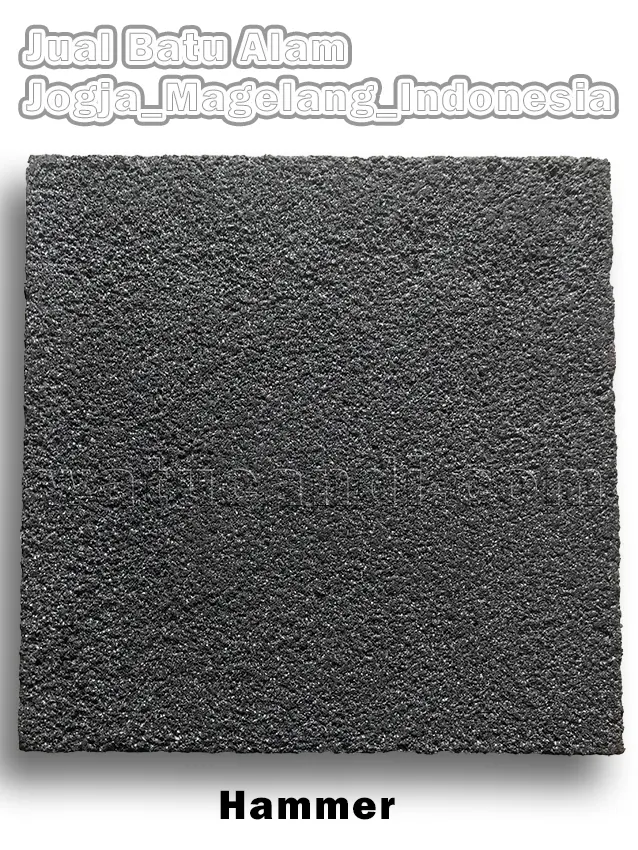
The surface is left as is after natural fracture or machine splitting. Very rough and high texture. Suitable for outer fence walls or extreme rustic themes. See examples of natural stone with rough surface as a visual texture reference.
2. Bushhammer (Dotted)
The surface is pounded with a special tool so small flat dots appear. This finishing is very popular for paras stone because it highlights its natural speckles and provides excellent anti-slip effects. Read about bushhammer surface to understand the technique.
3. Chiseled (Hand/Machine Carved)
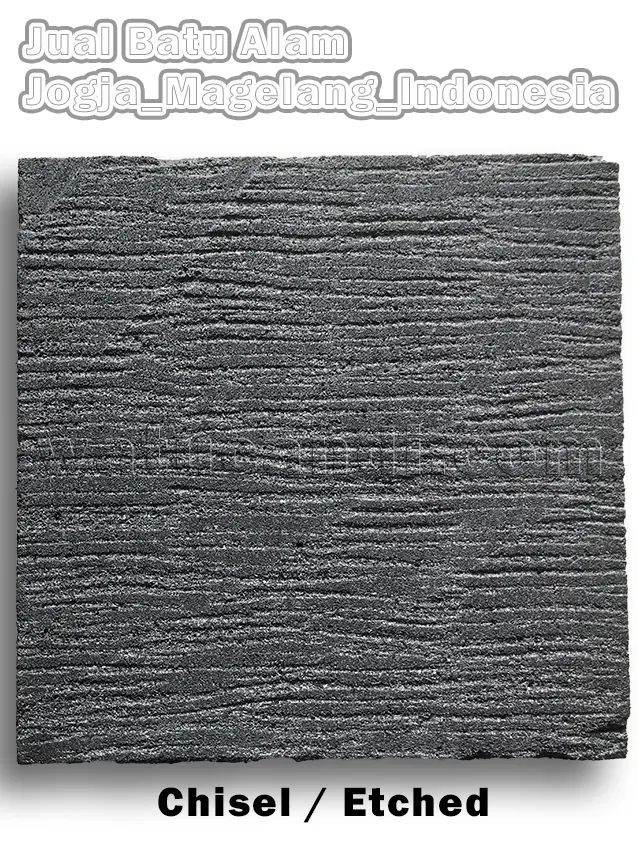
The surface is given parallel carved line textures. Gives an artisanal, traditional, and very Bali impression. Very suitable for Joglo or Bali Villa nuances. Learn about natural stone carving techniques and standard chisel sizes.
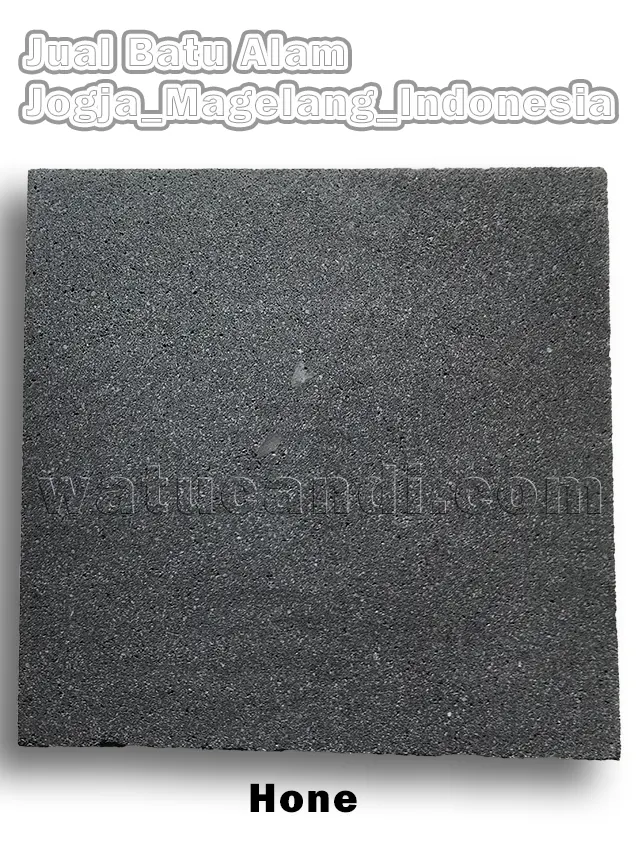
4. Honed / Sawn Cut (Matte Smooth)
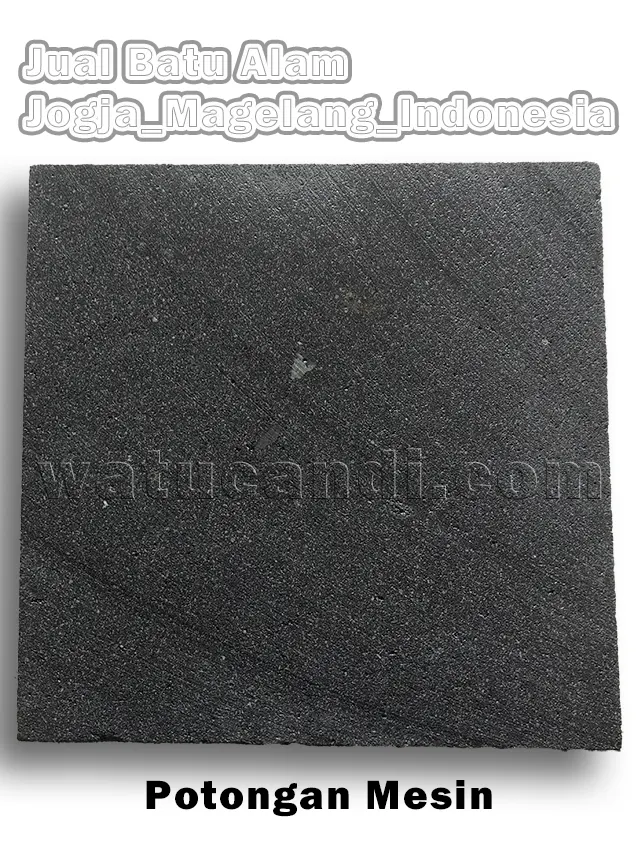
The surface is sawn until flat and smooth, but not polished shiny. Gives a modern, clean, and minimalist impression. Suitable for modern house interiors. Compare with differences between sawn cut and bushhammer.
To see other surface varieties, visit the gallery of natural stone surface types and natural stone finishing guide.
Tips for Installing Kerobokan Natural Stone for Durability
Natural stone installation requires special expertise. Common mistakes can cause stones to detach, crack, or efflorescence (white salt emergence) to appear. Here is a step-by-step guide:
1. Substrate Preparation (Base)
Ensure the base wall or floor is clean, dry, and flat. For walls, use strong plastering. For floors, ensure stable sand filling. Use special natural stone adhesive or high-quality instant mortar, not ordinary cement, for maximum bonding strength.
2. Stone Soaking (Wetting)
This is a critical step. Paras stone is porous. Before installation, soak the stone in clean water for 10-15 minutes until air bubbles stop. The purpose is so the stone does not absorb water from the cement mixture too quickly, which could cause the cement bond to become weak (hollow) and the stone to detach easily.
3. Installation Pattern
Determine the pattern before starting. Do you want straight brick pattern, herringbone, or random? Use guide strings to ensure vertical and horizontal straightness. For unique patterns, you can explore chiseled natural stone installation patterns or 2×1 line types. If you like artistic random looks, irregular natural stone paving is an interesting option.
4. Grouting
Use grout color matching the stone (gray or black) to camouflage joints, or contrasting color (white) to highlight the stone pattern. Ensure grout is filled fully and tightly to prevent water from entering behind the stone which could cause erosion.
5. Coating (Protection)
After installation is complete and totally dry (minimum 7-14 days), apply liquid coating (penetrating sealer). Coating will fill the stone pores, darken the stone color making it look more vibrant, and protect it from water, oil, and moss. Reapply coating every 1-2 years.
Routine Maintenance of Kerobokan Natural Stone
To keep your investment beautiful, perform routine maintenance:
- Daily Cleaning: Sweep or vacuum dust. Avoid sweeping with overly hard coconut fiber brooms on smooth surfaces.
- Washing: Use clean water and soft plastic brush. Avoid harsh acid or alkaline detergents that can erode coating and damage stone minerals. Use pH-neutral cleaners specifically for natural stone.
- Moss Prevention: If in humid areas, ensure good air circulation. If moss appears, clean immediately with a brush and diluted bleach solution, then rinse thoroughly.
- Coating Check: Perform a water drop test. If water absorbs, it is time to re-coat.
For safe cleaning solutions, you can refer to maintenance tips for tumbled natural stone which have similar principles.
Why Choose WatuCandi for Kerobokan Natural Stone?
WatuCandi is a leading natural stone producer and supplier committed to quality and sustainability. We take paras stone directly from trusted quarries in Bali, ensuring each slab has consistent density and color. Our team consists of experienced craftsmen who understand the intricacies of local natural stone.
We do not just sell raw stone, but also provide precision cutting services, various custom finishing choices, and free design consultation. Our products have been trusted for luxury villa projects, five-star hotels, and cultural restorations throughout Indonesia and abroad.
Explore more of our collections, including white Palimanan stone for color contrast, or Sukabumi green natural stone for tropical nuance. We also provide large size natural stone slabs for commercial projects.
Conclusion
Kerobokan Bali Natural Stone is more than just a building material; it is a representation of tropical natural beauty immortalized in physical form. With elegant gray colors, character speckles, and comfortable texture, this stone can transform an ordinary house into a resort-class home. The key to successful usage lies in selecting quality material, installation by experts, and consistent maintenance.
Do not hesitate to contact our team for free consultation regarding your natural stone needs. Visit our online store to see the latest prices and stock availability. Make your living space more meaningful with a natural touch from Bali.
Related Articles and Additional References
To deepen your knowledge about natural stone and its applications, here is a list of relevant reference articles:
Natural Limestone and Travertine Guide
Ultimate Indonesian Natural Lava Stone Tiles Guide
Sukabumi Green Natural Stone Tiles Pedra Hijau
Candi Lava Natural Stone Mosaic
Palimanan Paras Stone Tiles
Original Random Slabs Stone
Pumice Stone
Batik Green Stone Tiles Yogyakarta
Breksi Natural Stone Tiles
Natural Stone Liquid Soap Dispenser
Natural Rough Surface Marble Stone Sink
Handmade Stone Table and Chairs
Stone Types GC
Stone Type GC Broken
Surface Types 0.5×0.5 Comb
Surface Types 3×1
Line Types Rolling 2
Line Types 0.5×0.5 Broken Regular
Straight Line Type 1×0.5
Lava Stone Exterior Design
Floor Paving Stone Chisels
Green Stone Split Face Tiles
Premium Lava Rock Tiles Volcanic Stone Cladding
Black Lava Stone Tiles 10x10x1cm Definitive Guide
Black Lava Stone Tiles (Variant 2)
Ultimate Guide Brown Java Tiger Stone and Black Paras Sandstone
Ultimate Guide Lava Rock Stepping Stone Pavers
Ultimate Guide Garden Wall Foundation Stone Borders
Ultimate Guide Indonesian Green Stone Tile Crafts
Ultimate Guide Stone Fence and Foundation Walls
Split Face Rough Batu Candi Temple
Borobudur Temple Stone
Black Lava Natural Stone Tile
Limestone Tile Bushhammer
Sandstone Limestone Natural Stone from Indonesia
Indonesian Limestone Tiles Natural Stone Wall Floor
Merapi Natural Stone Outdoor Flooring
3D Stone Slabs
Stone Floor Lava Stone Floor
Lava Stone Paving Slabs
Original Merapi Stone Sink 49x49x13cm
Batik Green Natural Stone Yogyakarta
Super White Palimo Limestone
Getting to Know Umpak Batu
Carved Temple Lava Stone
Brown Spotted Paras Stone
Black Lava Natural Stone Tile
Hidden Crystals of Merapi Lava
Chiseled Temple Natural Stone
Chiseled Natural Stone Paving
Andesite Natural Stone Slabs
Slate Stacked Betel Leaf Slab Surface
Flat Random Riverstone Natural Stone
Example of Candi Stone Paving
Lava Stone Semi Carved
Genuine Susun Sirih Slate
Hand Carved Temple Stone Flooring Paving
Natural Stone Edge Wall
Stone Floor of the Temple Merapi Lava
Lava Paving Stepping Stones
Rough Face Stone Floor
Solid Split Stone Size 100x200mm
Black Lava Stone Bali Indonesia
Rough Natural Stone Floor
Sell Pelinggih Stone Materials
Black Candi Lava Stone
Black Lava Stone 100x100x10
Black Slab Natural Stone
Black Lava
Lava Stone Floor Temple
Lava Stone 75x230mm
Lava Stone Products
Decking Parquet Merapi Lava Stone
Lava Stone
Lava Candi Natural Stone
Natural Stone Edges
Andesite Stone Paving Indonesia
Green Sukabumi Natural Stone
Wavy Carved Natural Stone Tiles
Natural Andesite Stone
Commercial Design
Enterprise Design
Hospitality Design
Restaurant Design
Industrial Design
Luxury Home Design Modern
Unique Models of Beautiful Products
Latest Styles
Decorate Comfort Design
Brown Sandstone
Natural Stone Tiles
Black Lava Candi Stone Merapi Complete Guide
Black Lava Candi Stone Cladding Complete Guide
Merapi Lava Candi Natural Stone Complete Guide
Large Natural Limestone Slabs Complete Guide
Candi Lava Split Face Stone Technical Specifications
Chiseled Candi Stone Paving Manual Guide
Brown Java Sandstone Tiles Premium Paras Kerobokan Supplier
Natural Stone as Swimming Pool Gutter Cover Complete Guide
Merapi Black Sand Split Face Natural Stone Complete Guide
Hard Cream Limestone Natural Stone Complete Guide
Garden Floor Yard Assorted Irregular Random Stepping Stones Complete Guide
Merapi Lava Temple Stone Balls
Merapi Mountain Talud Stone Material for Sale
20×40 Sukabumi Green Stone Complete Guide
Jogja Limestone Versatile Natural Material
Ordering Tombstones Kijing Plisir
Natural Stone Tactile Paving for Sidewalks
Natural Stone Stacked Wall Cladding Comparison
Solid Natural Stone Furniture Sink Monolithic
Natural Stone Stepping Stones in the Garden Complete Guide
Black White Wall Cladding Combination Complete Guide
Pool Coping Stone Tile Materials Complete Guide
Raised and Recessed Natural Stone Cladding Complete Guide
Black Lava Candi Stone Wall Cladding Complete Guide
Paras Limestone Natural Stone Complete Guide
Selling Honed Sawn Cut Basalt Stone Complete Guide
Wall Aesthetics Revolution Complete Guide
Batik Basalt Granite Natural Stone
Classic Black Basalt Granite Complete Guide
Natural Stone Skin Slab Surface Complete Guide
Hand Chiseled Candi Stone Paving Complete Guide
Green Batik Natural Stone Bali
Small Square Natural Stone Pavers Complete Guide
Large Garden Ornamental Stones for Sale
Black Lava Candi Natural Stone Aesthetics
Black Basalt Granite Natural Stone Aesthetics
Basalto Batik Natural Stone Granite Tiles
Small Square Natural Stone Garden Pavers Art
Merapi Volcanic Stone Umpak
Garden Stepping Stone Paving Block
Refined Rough Face Natural Stone
Deep Exploration of Natural Stone Patterns
Large Natural Stone Inscriptions in Gardens
Complete Guide to Black Sand Candi Lava Stone
kerobokan natural stone, black kerobokan paras, bali natural stone, black speckled paras stone, natural stone wall, kerobokan stone floor, natural stone swimming pool, bali lava stone, black brown natural stone, rustic bali decor, watucandi, exterior natural stone, interior natural stone, how to install paras stone, natural stone coating, kerobokan stone price, bali stone supplier, volcanic natural stone, unique natural stone, tropical villa design


Pretty! This has been a really wonderfuul post. Thank you for supplying this info. Annabal Justin Smalley
thank you