'%3E%3Cpath%20stroke='%23000'%20stroke-width='4'%20d='m-35-37-13%2020m5%203%2013-20m5%203-13%2020m63%2042%206-9m1-2%206-9m5%203-6%209m-1%202-6%209m5%203%206-9m1-2%206-9m-96%200%2013%2020m5-3-6-9m-1-2-6-9m5-3%2013%2020m63-42-6-9m-1-2-6-9m5-3%2013%2020m5-3-6-9m-1-2-6-9'/%3E%3Ccircle%20r='24'%20fill='%23cd2e3a'/%3E%3Cpath%20fill='%230047a0'%20d='M0%200a12%2012%200%201%201%2020%2013%2024%2024%200%201%201-40-26A12%2012%200%201%200%200%200'/%3E%3C/g%3E%3C/svg%3E)


'/%3E%3Cpath%20fill='%23b2b2b2'%20d='M241%20382q0%2016%2017%2026%2017%2011%2042%2011t42-11q16-11%2017-26V269H241'/%3E%3Cpath%20fill='%239f7e00'%20d='M241%20379q0%2014%208%2023%209%209%2021%209%2014%200%2021-9%209-9%209-23V269h-59'/%3E%3Cpath%20d='M241%20339v-70h59v110q0%2014-9%2023l-6%205v-68h-15v72q-8%200-14-4v-68zm59%2040c0%2022%2015%2032%2029%2032%2021%200%2030-18%2030-32v-40h-59'/%3E%3Cpath%20fill='%239f7e00'%20d='M266%20277v5h2v12h-3v-5h2v-5h-9v5h2v5h-4v9h3v18h-5v10h34v-10h-5v-18h3v-9h-4v-5h2v-5h-9v5h2v5h-3v-12h2v-5zm42%20101q0%2010%206%2017%206%206%2015%207%2010-1%2016-7%206-7%206-17v-29h-43'/%3E%3Ccircle%20fill='%230044ad'%20cx='329.5'%20cy='372'%20r='6'/%3E%3Cellipse%20fill='%230044ad'%20cx='300'%20cy='340'%20rx='16'%20ry='21'/%3E%3C/svg%3E)


Discover the complete guide to irregular natural stone paving. Learn about installation techniques, material types like lava stone and andesite, and the aesthetic benefits for your landscape. Perfect for gardens, pathways, and outdoor flooring.
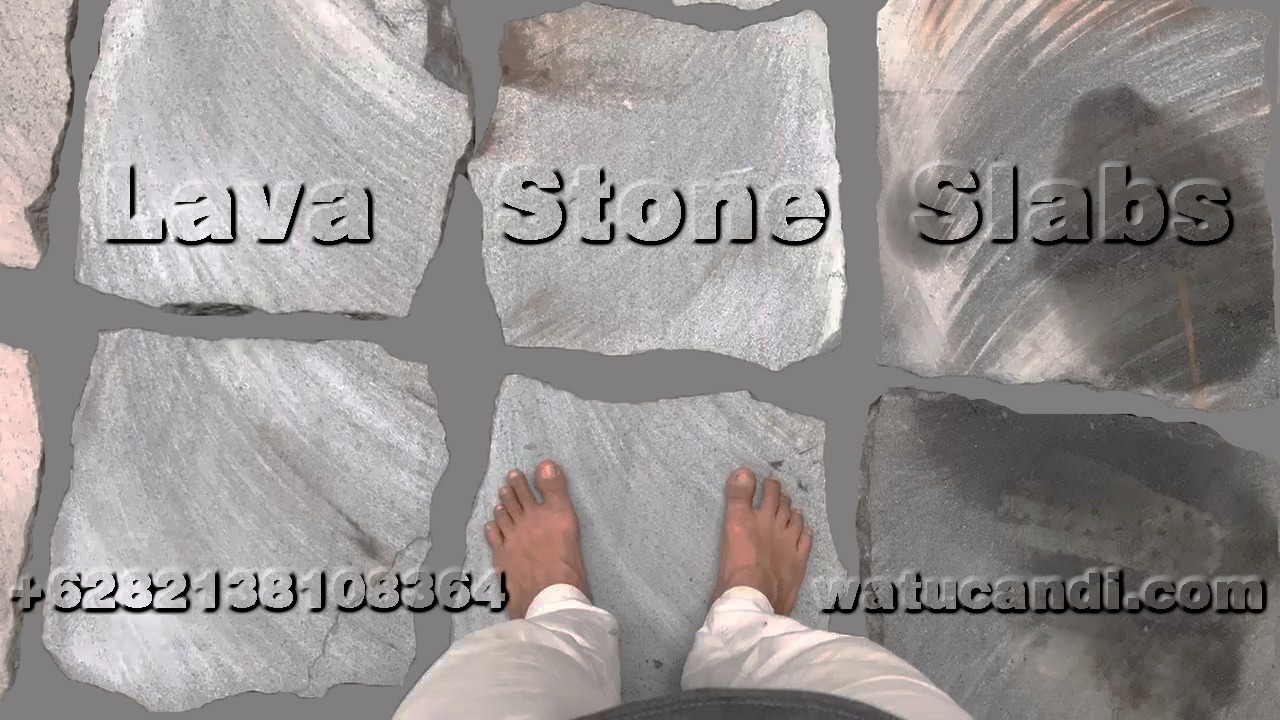
Getting to Know Irregular Natural Stone Paving
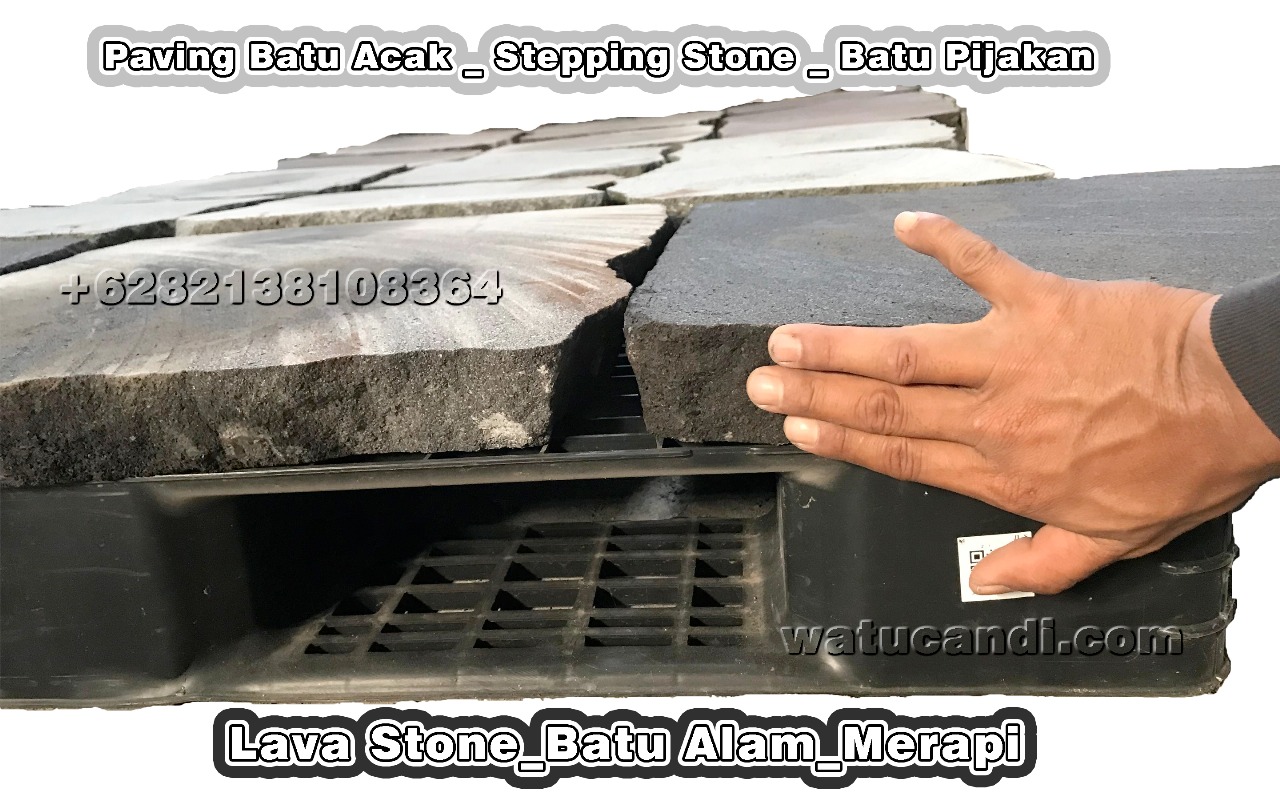
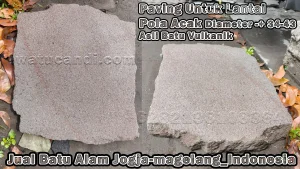
Irregular natural stone paving is a floor covering made of natural stone pieces with non-uniform shapes—irregular slabs, random, or freeform where each piece comes in a unique dimension. Its natural and organic appearance is what distinguishes it from conventional factory-made paving.
The irregular shape is the main hallmark of this type of paving. This character creates an artistic impression while blending perfectly with the landscape of gardens, pathways, and other outdoor areas. The stone surface, which tends to be rough and naturally textured, gives a rustic yet elegant feel.
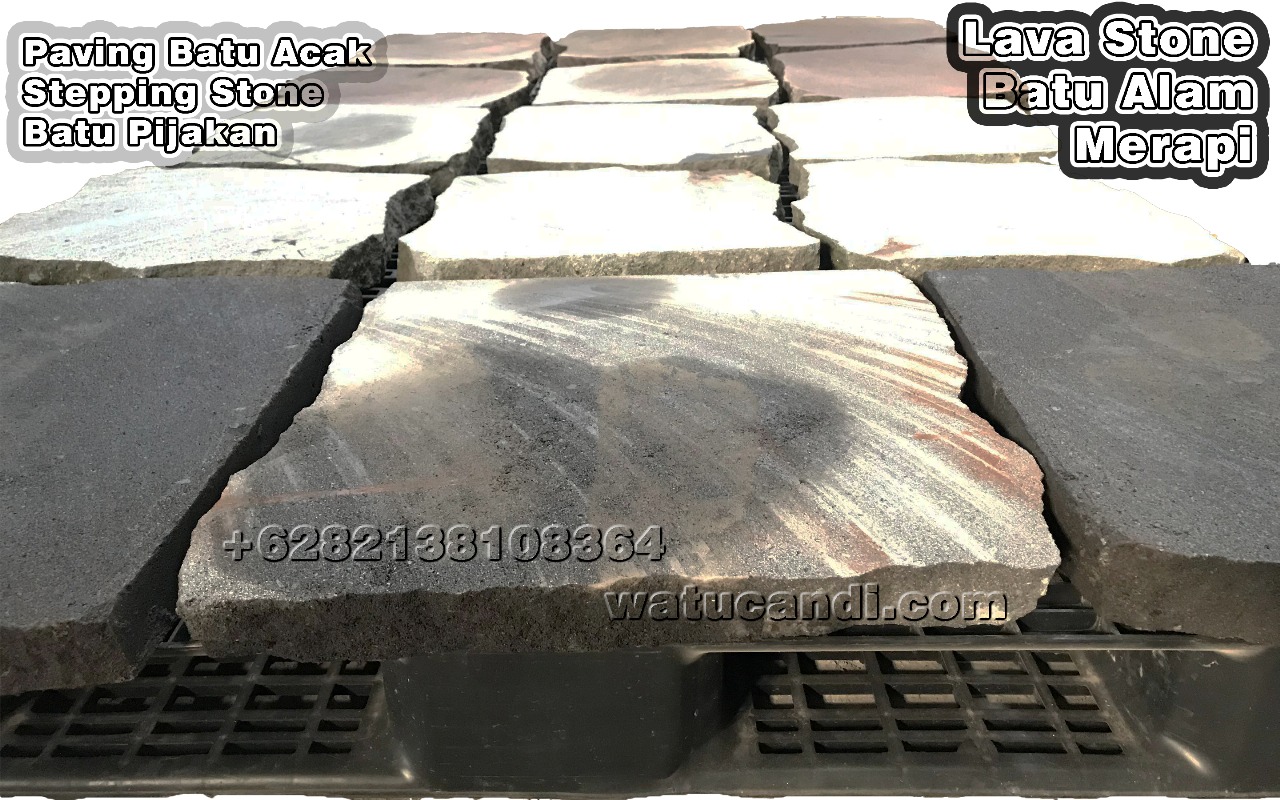
The thickness of each irregular natural stone piece also varies, starting from around 2 cm, 3 cm, 4 cm, up to 5 cm or according to request. Due to these thickness differences, the installation process requires adjustments so that the final surface remains relatively flat, stable, and comfortable to walk on.
Definition and Characteristics of Irregular Natural Stone Paving
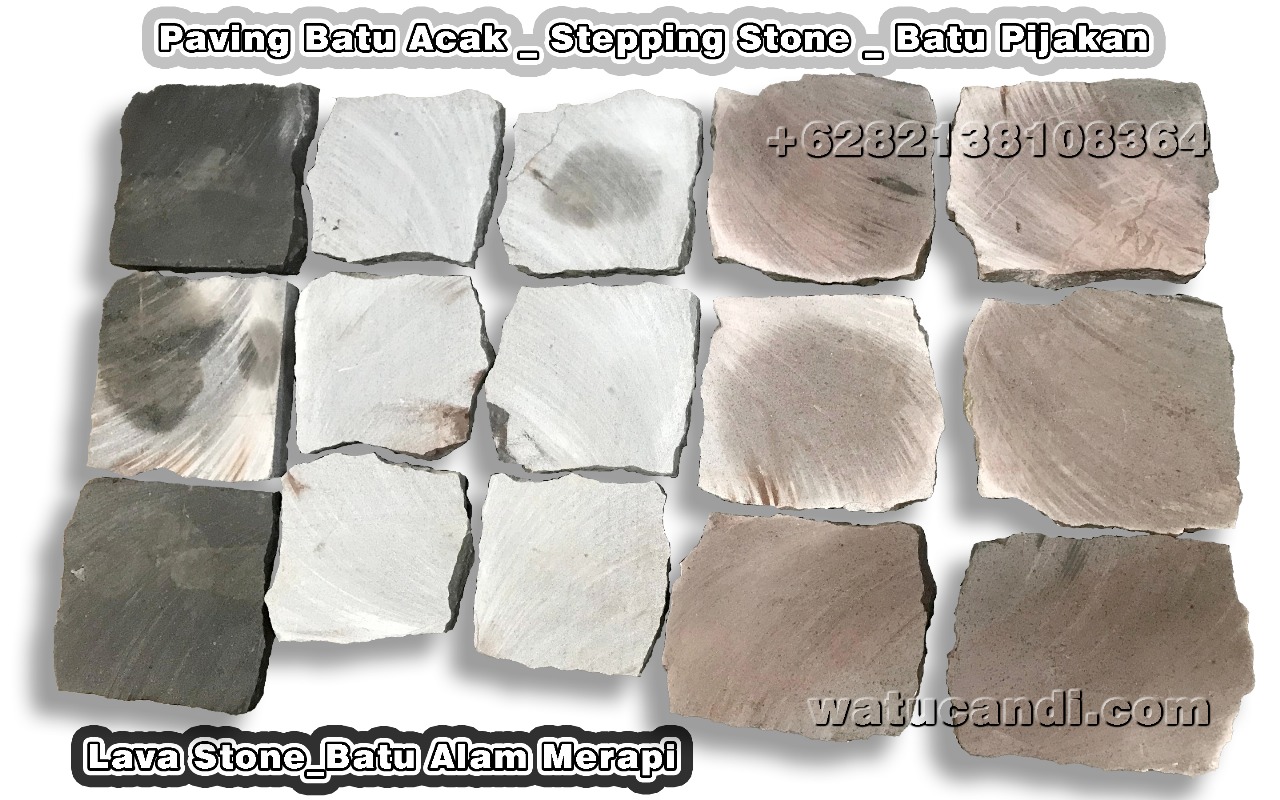
By definition, irregular natural stone paving is a floor covering that uses natural stone slabs without uniform size and shape. Each piece has its natural quarry contour, so the installation pattern is always exclusive. No two irregular paving areas are truly identical, making every project possess its own distinctive character.
Its main characteristics include an irregular shape, textured surface, and non-homogeneous natural colors. The varying color gradations and rock veins become the visual appeal. This rough texture also provides a natural anti-slip function, very suitable for outdoor areas frequently exposed to water.
Size and thickness flexibility is another advantage. You can choose a specific thickness according to needs—for example, 3 cm for light pathways or 5 cm for areas with heavier loads. Nevertheless, thickness variations demand precision during installation so that the final paving surface is not wavy.
The uniqueness of irregular natural stone lies not only in its shape and color but also in the durability of the material. Natural stones such as andesite, lava stone, or Merapi temple stone have proven strong against extreme weather and pedestrian traffic loads. Therefore, irregular paving is a favorite choice for residential and commercial landscapes.
Aesthetic and Functional Advantages of Irregular Natural Stone Paving
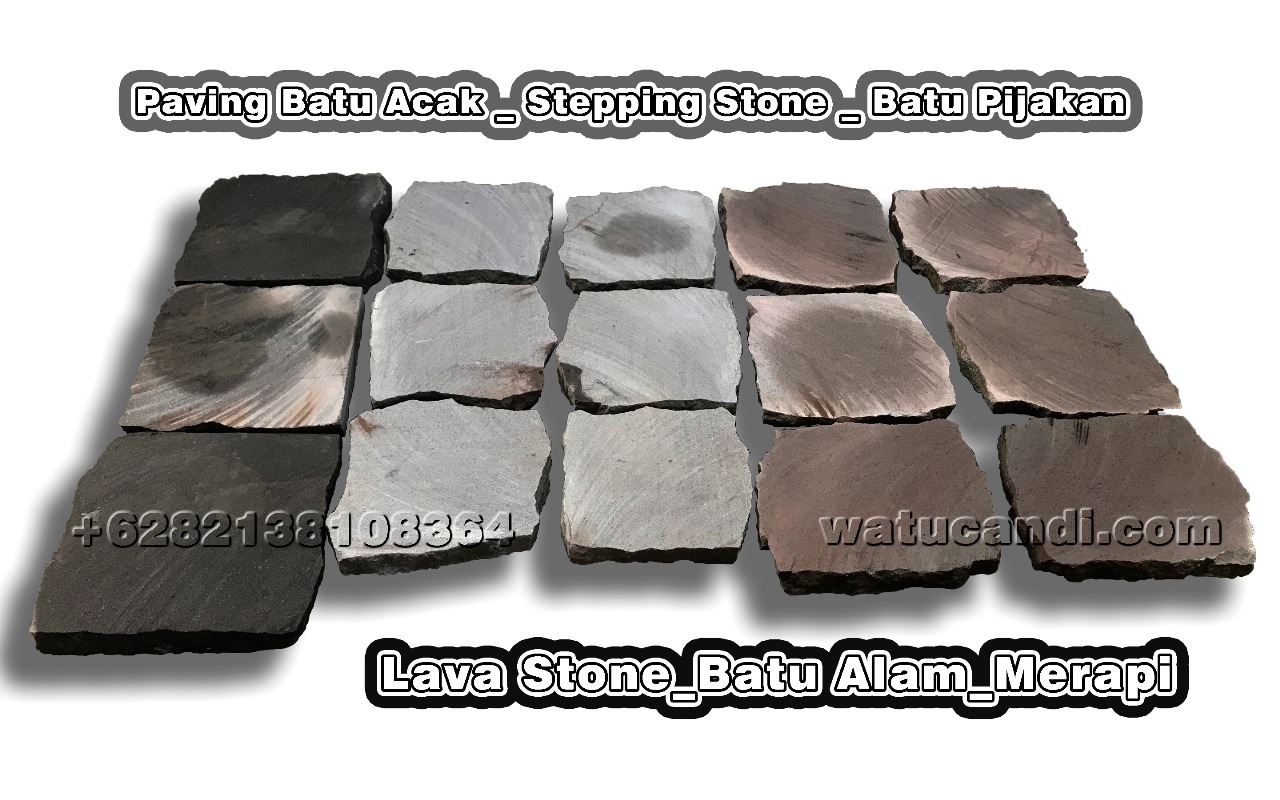
Aesthetic value is the first advantage of irregular natural stone paving. The random arrangement of stones produces a lively floor pattern, far from a rigid impression. Each installation creates a different visual composition, giving an artistic touch and blending with the natural elements around the house, garden, or swimming pool.
Functionally, irregular natural stone paving has very high durability. Genuine natural stone material can withstand heavy loads, pressure, as well as temperature and humidity changes. Its non-slip nature guarantees safety, especially in wet areas such as pool edges or pathways often exposed to rain.
Maintenance of irregular paving is relatively easy because the natural pattern of the stone can disguise small stains or scratches. You only need to clean it regularly. In addition, its installation flexibility allows adjustments to curved areas without many stone cuts, saving time and labor costs.
Types of Natural Stone Suitable for Irregular Installation
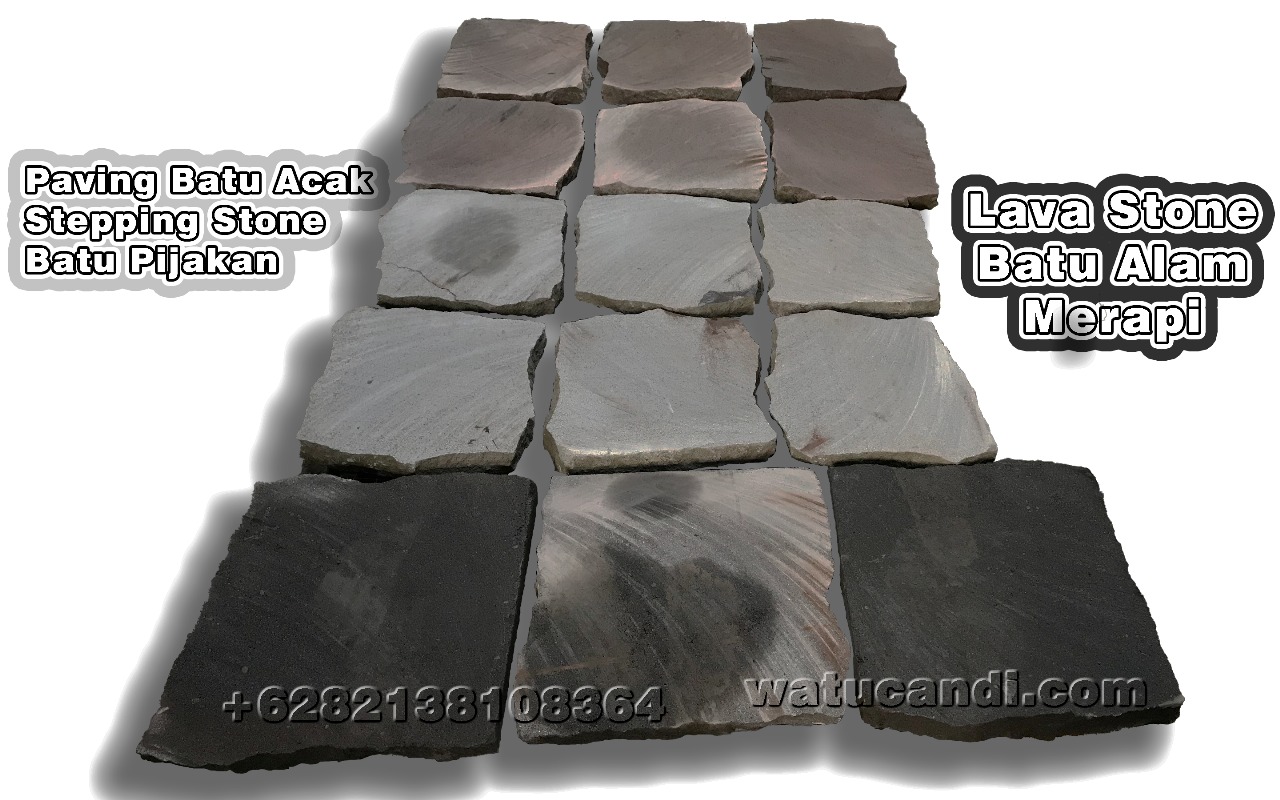
Andesite stone is the most popular choice for irregular paving. Its strength is outstanding, weather-resistant, and its dark gray color gives a modern yet sturdy impression. Andesite is suitable for garage driveways, front yards, or commercial areas with high traffic.
For a brighter impression, Palimanan stone or Jogja paras stone is the right alternative. Cream to yellowish colors provide a warm and tropical nuance. This material is ideal for gardens, back terraces, or leisure areas, although it is slightly softer, making it more suitable for pedestrian loads.
Slate stone offers an artistic look thanks to its distinctive layered texture. Its colors vary from gray to greenish. This uniqueness is very suitable for decorative accents in garden corners or pathways that want to stand out.
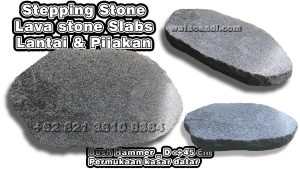
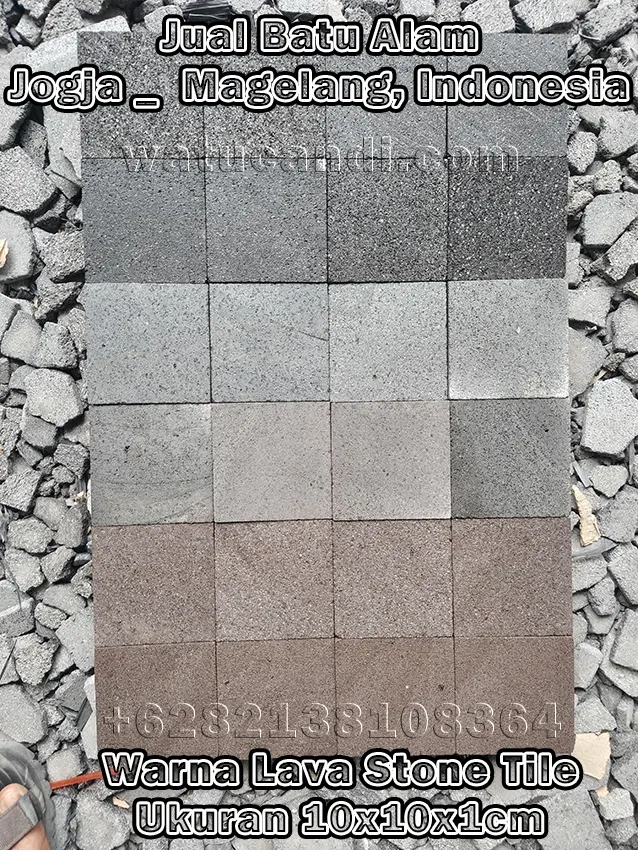
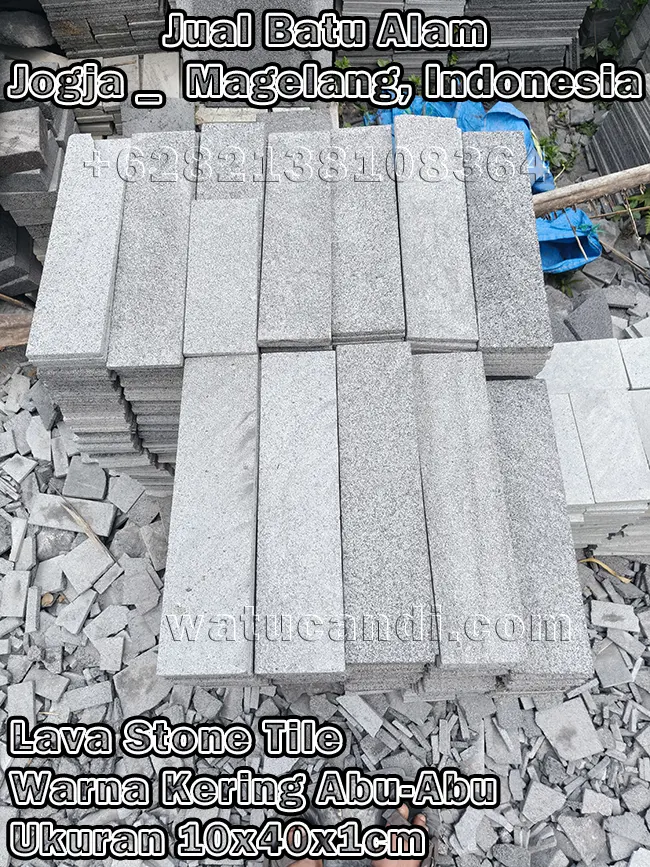
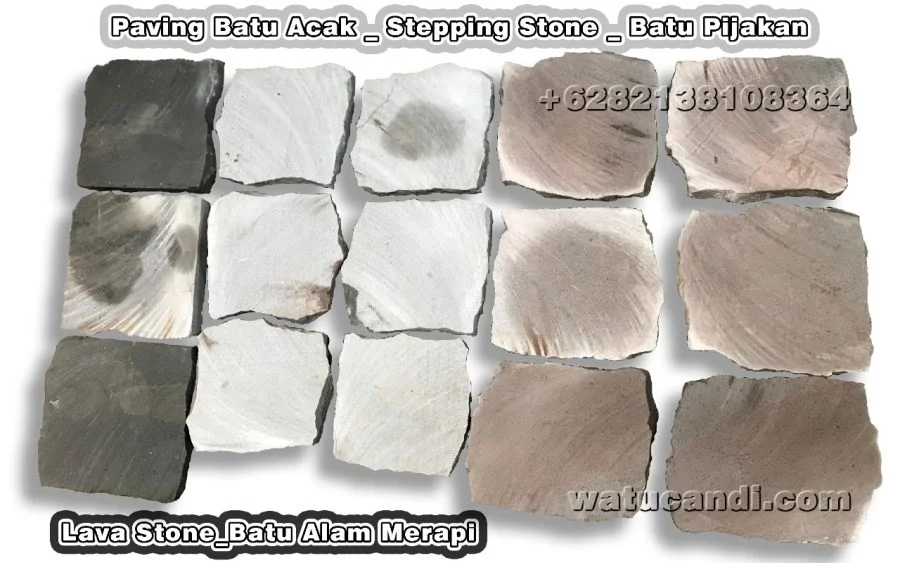
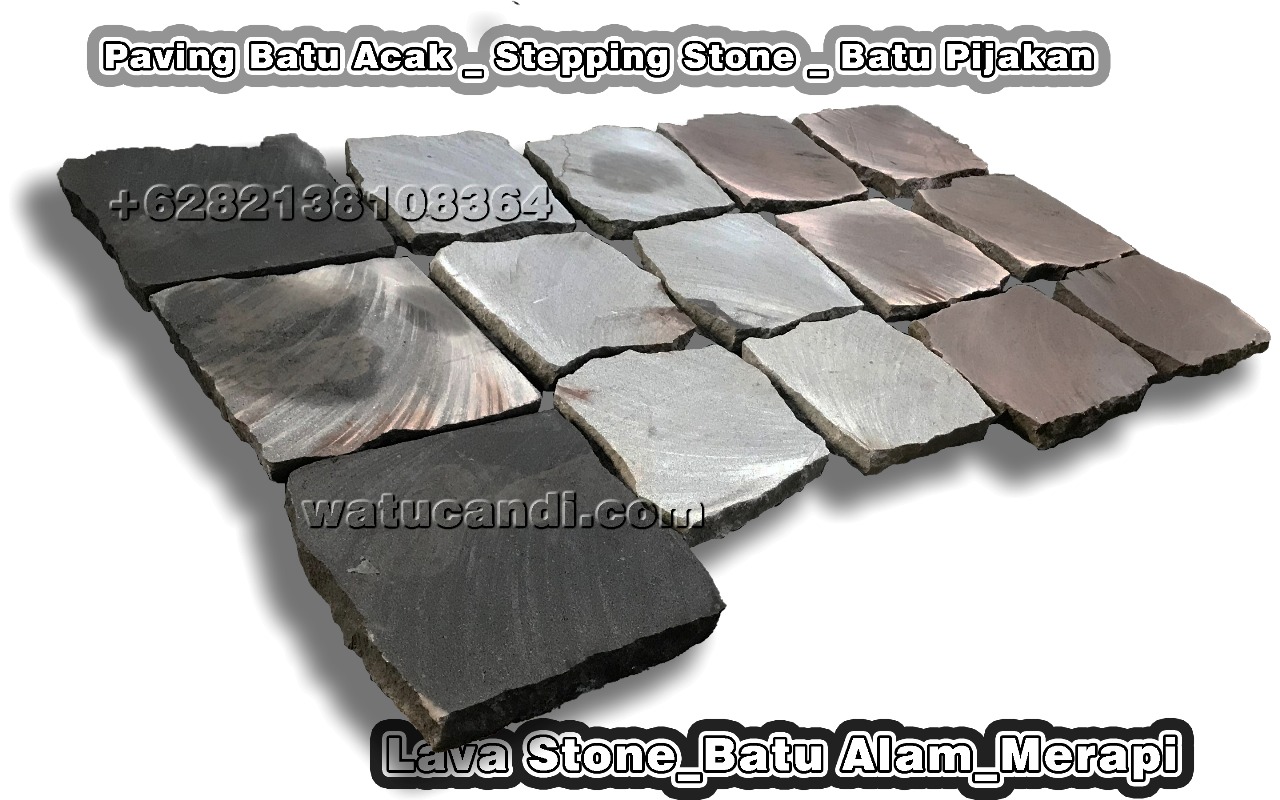
Merapi temple stone—often called lava stone—is also widely used for stepping stones and irregular paving. This volcanic material is famously strong, naturally textured, and has an elegant blackish-gray color. It is suitable for various modern and traditional exterior designs.
Site Preparation for Irregular Paving Installation
The first step is to clear the land of grass, roots, rocks, and debris. Once clean, mark the installation area using wooden stakes and string as a guide. Precise measurements will determine the neatness of your irregular paving final result.
Next, excavate the soil according to the area boundaries. The excavation depth must account for the total thickness of the foundation (sub-base), bedding sand, and the natural stone thickness. Ensure the excavation base is level and free from roots or hard objects that could disturb paving stability later on.
The excavated subgrade must be compacted with a manual or machine stamper. Create a slight slope (1-2%) away from buildings to ensure smooth rainwater drainage. This sloped surface also prevents standing water that can damage the paving structure.
Tools and Materials Needed for Installation
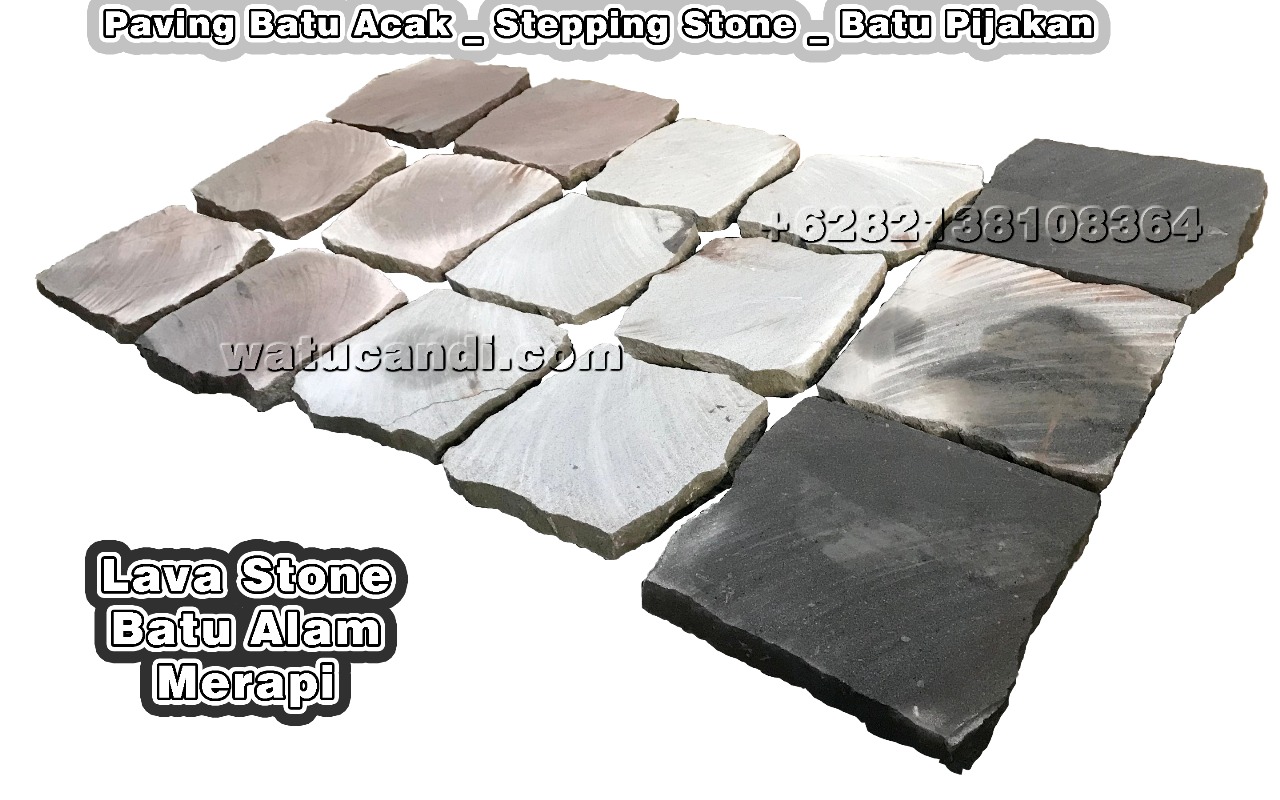
The main material is, of course, the irregular natural stone pieces. Also prepare coarse sand for the bedding layer, crushed stone (split) as the foundation, as well as cement and fine sand for the joint filler mixture. Ensure all materials are high quality so the paving lasts long.
The equipment needed includes a hoe, shovel, wheelbarrow, stamper, long straightedge, spirit level, and rubber mallet. The rubber mallet is important for tapping stones without damaging their surface. Also provide a measuring tape, stakes, string, bucket, cement trowel, and an angle grinder with a diamond blade if cutting is needed.
Do not forget safety equipment: gloves, boots, and protective glasses. Work safety is very important during the installation of natural stone paving in open areas.
Building a Strong Sub-base Layer
The sub-base layer is the main foundation to prevent the paving from sinking or becoming wavy. Use crushed stone (split) or macadam 10-15 cm thick, spread evenly, then level with a rake. The function of this layer is to distribute the load and channel water downward.
After leveling, compact the split layer with a stamper repeatedly until truly solid. A hard and stable sub-base is the key to the durability of your irregular paving. Ensure the drainage slope is maintained throughout the compaction process.
Installing the Sand Bedding Layer for Stability
On top of the compacted sub-base, spread coarse sand 3-5 cm thick evenly. This sand layer serves as a flexible cushion that facilitates adjusting the position of the irregular natural stones. Use a long straightedge to level while maintaining the drainage slope.
Do not compact the sand bedding first; leave it in a loose but level condition. Later, the sand will conform to the bottom contours of the stones, locking their position and preventing shifting when stepped on.
Techniques for Arranging Irregular Natural Stone
Start from one corner as a reference point. Try laying out the stones like assembling a puzzle—combine various sizes and shapes until you find the right combination. An ideal joint gap between 1-3 cm will produce the best appearance.
Once the position fits, gently tap the stone with a rubber mallet until it is stably embedded in the sand bedding. Check levelness using a spirit level. Keep the surface height between stones aligned so the final floor is comfortable to walk on.
Periodically, step back to evaluate the overall pattern. Ensure the distribution of large and small stones looks naturally random, not clustered. A balanced visual composition will strengthen the organic impression of your irregular paving.
Creative Patterns and Installation Designs
The organic random pattern is the most common: stones are arranged freely without rigid rules, scattering naturally. The key is to spread size variations evenly. This design is very suitable for garden pathways that aim to blend with the landscape.
For an artistic accent, try a circular or fan pattern. The arrangement starts from a center point and widens radially. This pattern creates a strong focal point, ideal for seating areas under a tree or on a terrace. Although more complex, the result is stunning.
A combination with a uniformly sized stone border also produces an interesting contrast between neat edges and a random center. Use straight-cut andesite stone as a border for a modern elegant look.
Stone Adjustment and Cutting (If Necessary)
Cutting irregular natural stone is sometimes necessary on straight-area edges or to adjust gaps. Use an angle grinder with a diamond blade. Mark the cutting line, then cut slowly while wearing protective glasses and gloves.
After cutting, the stone edge will look sharp and less natural. Disguise it by gently tapping the cut side with a small hammer to create a natural fractured effect. This technique maintains the organic feel of the overall irregular paving.
The Grouting Process Between Stones
Prepare the joint filler mixture from cement and fine sand (1:3). Add water little by little until the consistency is like a thick paste. A mixture that is too runny will be difficult to apply and less strong.
Fill the gaps between stones with the mixture using a cement trowel until full and compact. The joint height should be slightly below the stone surface so the natural texture still stands out. Work section by section to prevent the mixture from drying before it can be cleaned.
Immediately clean the remaining mixture from the stone surface using a damp sponge or soft brush. Do it carefully so the joints do not erode. Cement stains left to dry will be very difficult to remove and ruin the beauty of your natural stone paving.
Compacting and Leveling the Paving Surface
After the joints are slightly dry, perform final compaction using a plate compactor with a rubber cover or manual tamper. This process locks all stones in their position and optimally levels the surface.
Check levelness with a spirit level at several points. If any stones are protruding, tap gently with a rubber mallet. A flat surface prevents water from pooling and reduces tripping hazards.
Finally, spread fine dry sand over the paving, then sweep in all directions to fill the remaining small gaps. This sand serves as an additional lock that will compact over time.
Initial Post-Installation Care for Irregular Paving
Let the paving area rest for 24-48 hours so the cement joints dry perfectly. Avoid stepping on or placing heavy loads during this period. Sufficient drying time determines the strength of the long-term bond.
Once dry, clean construction dust with a soft brush and clean water. Avoid harsh chemical cleaners as they can damage the new joints or alter the natural stone color. Rinse until thoroughly clean.
For extra protection, apply a special natural stone coating when the surface is completely dry. The coating will prevent moss, fungus, and stains, while maintaining the natural beauty of your irregular paving longer.
Tips for Optimal and Long-Lasting Installation Results
Drainage planning is the key; ensure the surface slope is sufficient to channel rainwater away. Choose high-quality natural stone and do not neglect a solid sub-base. A strong foundation prevents the paving from sinking or shifting in the future.
Use a rubber mallet during installation to prevent cracking or breaking. Keep the joint width consistent, and immediately clean remaining cement before it hardens. Discipline in these details determines the neatness and strength of the final result.
Let the paving dry for at least 48 hours before use. Apply a protective coating to extend the lifespan and maintain the natural stone color. This simple maintenance will make your irregular paving investment last for years.
Common Mistakes to Avoid During Installation
The most fatal mistake is skipping the construction of a sub-base. Installing stones directly on the ground will cause the paving to quickly become uneven and sink. Make sure you always build a perfectly compacted base layer.
Another mistake is neglecting the drainage slope. A perfectly flat surface will actually cause standing water and moss. Check for a slope of about 1-2% away from buildings so rainwater drains directly away.
Leaving cement stains to dry on the stone also often occurs. Immediately clean any mixture splashes; hardened stains are very difficult to remove and can permanently damage the aesthetics of irregular natural stone paving.
Estimated Cost and Installation Time for Irregular Paving
The estimated cost of irregular paving installation depends on the type of natural stone, area size, and labor costs. The main cost components include the price of stone per square meter, supporting materials (sand, split, cement), and labor services. Always request quotations from several providers.
The work duration for a 10 m² area is usually around 3-5 days, depending on pattern complexity and weather conditions. Irregular paving installation takes longer than regular paving because of its puzzle-like arrangement process. Prepare a reserve fund of about 10-15% for anticipation.
Conclusion: Maximizing the Potential of Irregular Natural Stone Paving
Installing irregular natural stone paving is a blend of art and technique. Project success starts from selecting the right material, thorough site preparation, and a solid foundation. Every step—from sub-base to grouting—determines the beauty and durability of the final result.
By avoiding common mistakes and performing proper initial maintenance, irregular paving is not just a floor covering, but a functional work of art. Your investment of time and energy will produce an exterior area that is unique, full of character, and always in harmony with nature.
Irregular Natural Stone Paving
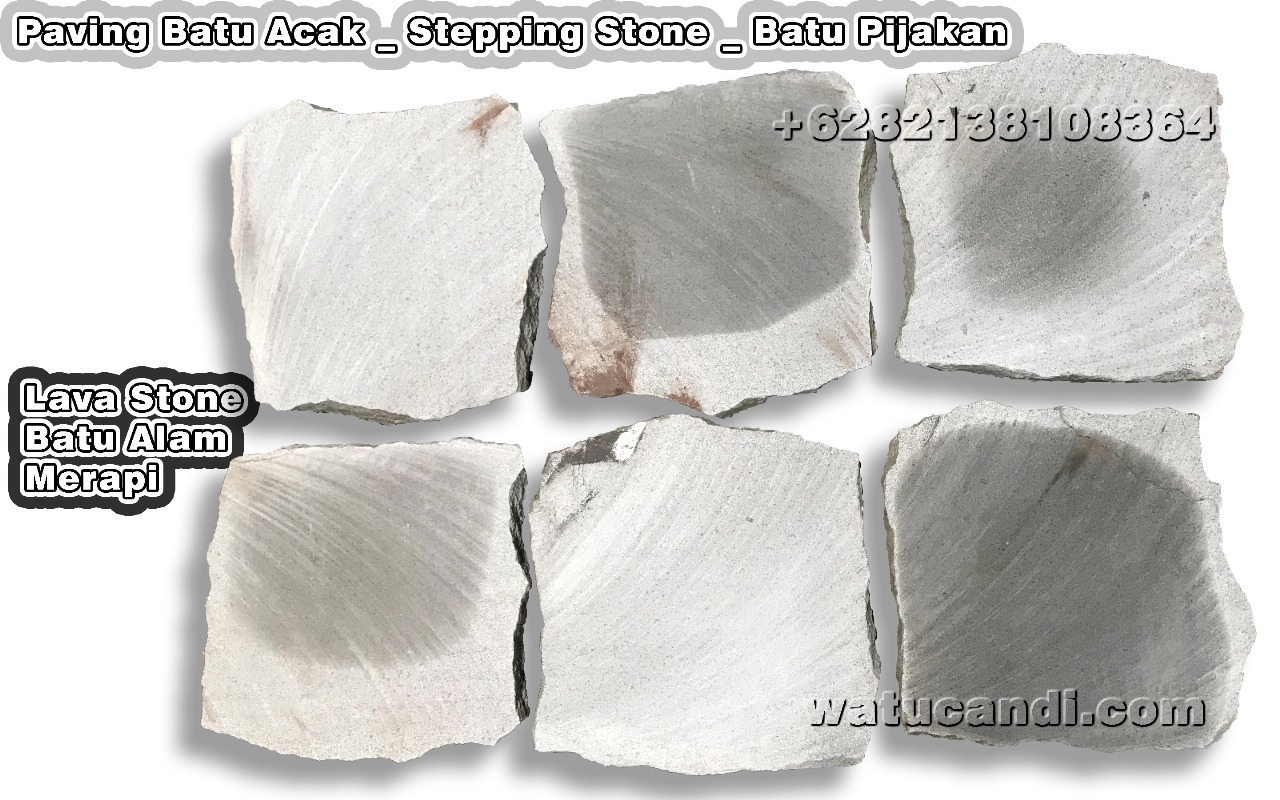
Irregular natural stone paving is a popular and aesthetic choice for various outdoor applications. By using natural stone material such as Merapi temple stone, andesite, or lava stone slabs, this paving not only provides a natural and elegant look but also offers outstanding durability.
Natural Stone Material
Merapi temple natural stone, often also called andesite or lava stone, has unique characteristics. This material is known to be very strong and capable of withstanding extreme weather conditions. Its natural texture and color provide visual appeal while adding aesthetic value to the area installed with irregular paving.
Functions and Applications
The use of natural stone paving is very flexible. Here are some common applications:
Outdoor Flooring:
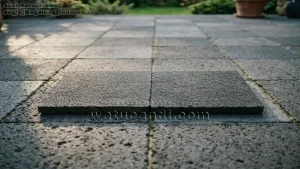
Natural stone paving is an ideal choice for outdoor floors because it is durable and not easily damaged by weather elements.
Stepping Stones and Pathways:
With a non-slip texture, natural stone is very suitable for stepping stones and pathways, providing safety and comfort when walking.
Swimming Pools:
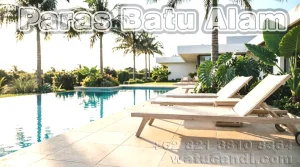
Pool edges often use irregular natural stone paving for a natural look and visual appeal that blends with the water.
Paving:
Natural stone paving can be used to form decorative patterns on yards or gardens, creating an exclusive and long-lasting atmosphere.
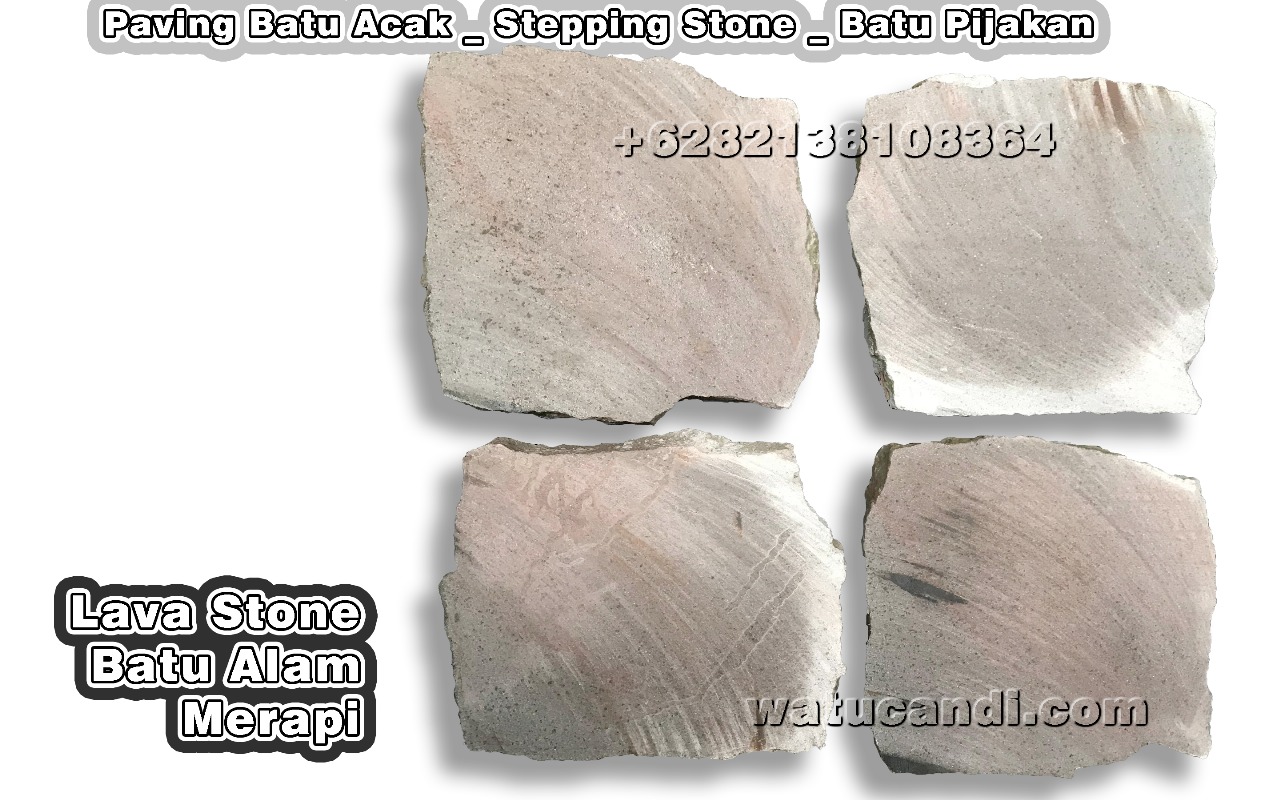
Dimension Sizes and Surface Finishes
Natural stone paving is available in random (irregular) dimensions that can be customized on request. Common available sizes include:
- – 35x35x4 cm
- – 45x45x4 cm
- – 45x65x4 cm
- – 35x65x4 cm
This dimensional flexibility facilitates adjustment to various designs and irregular paving project needs.
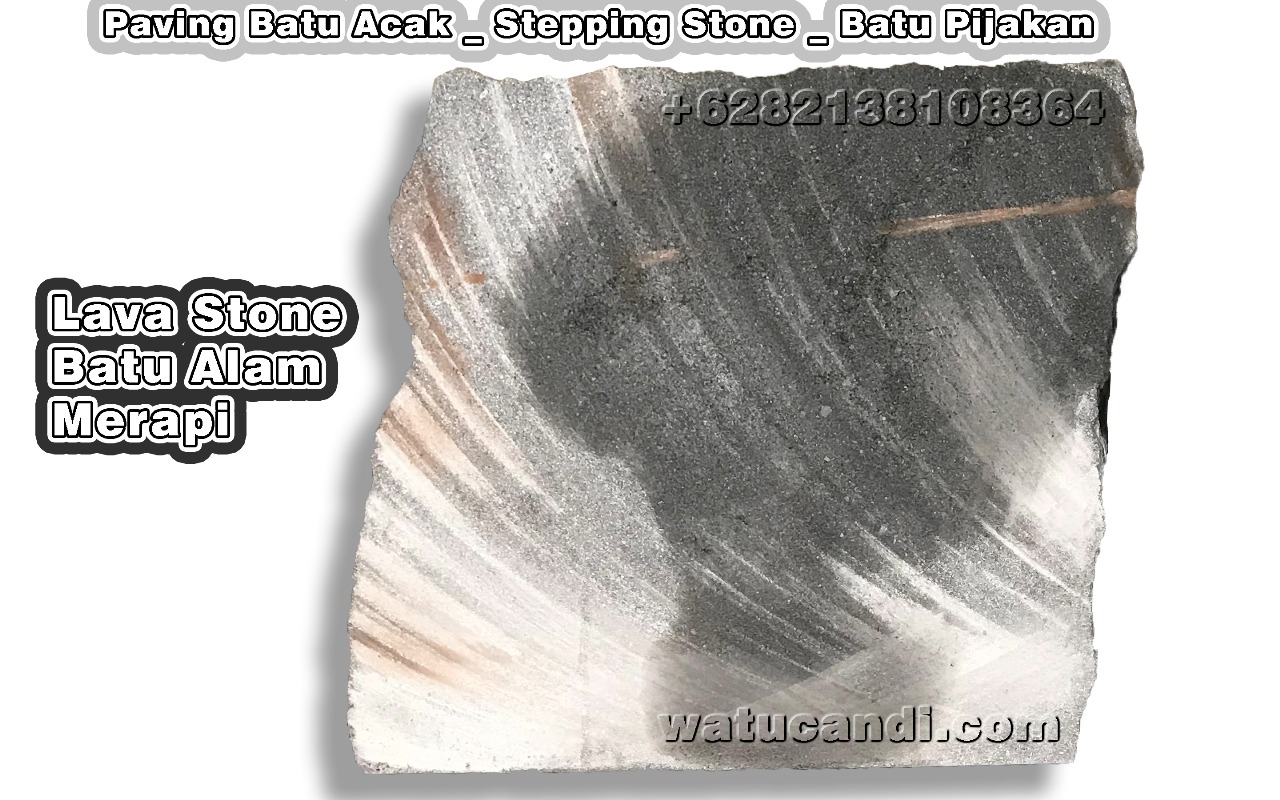
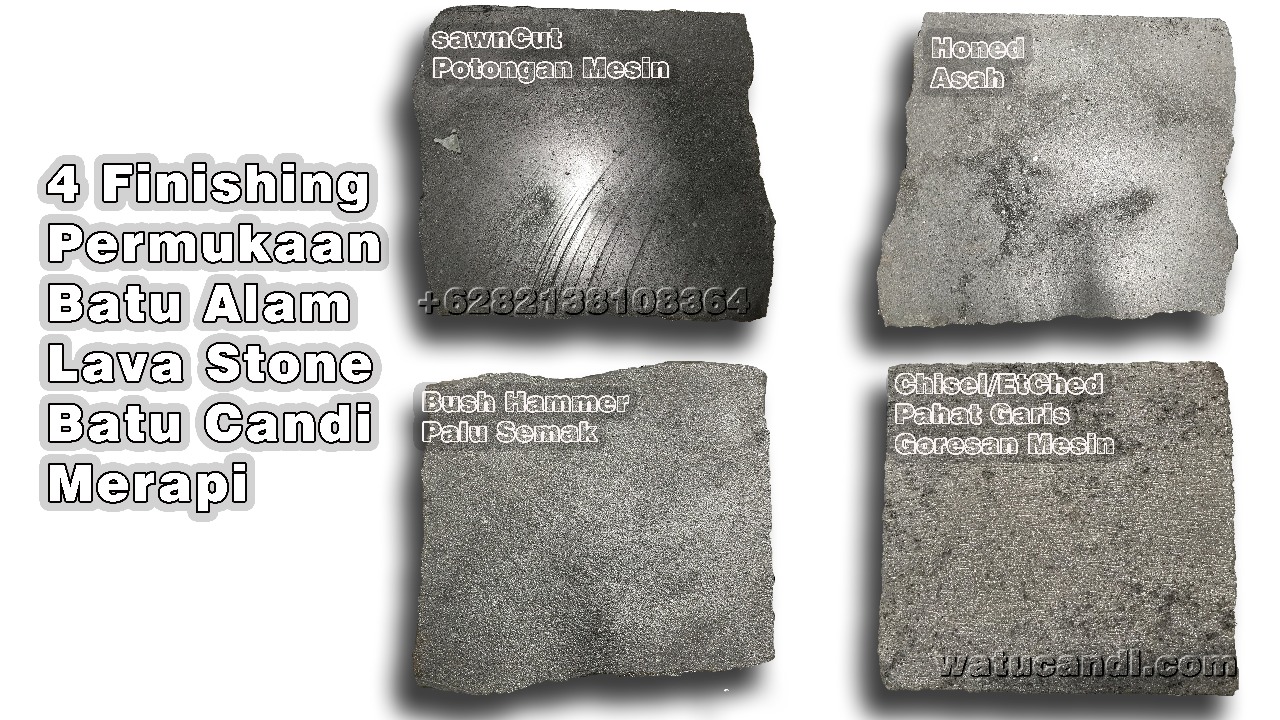
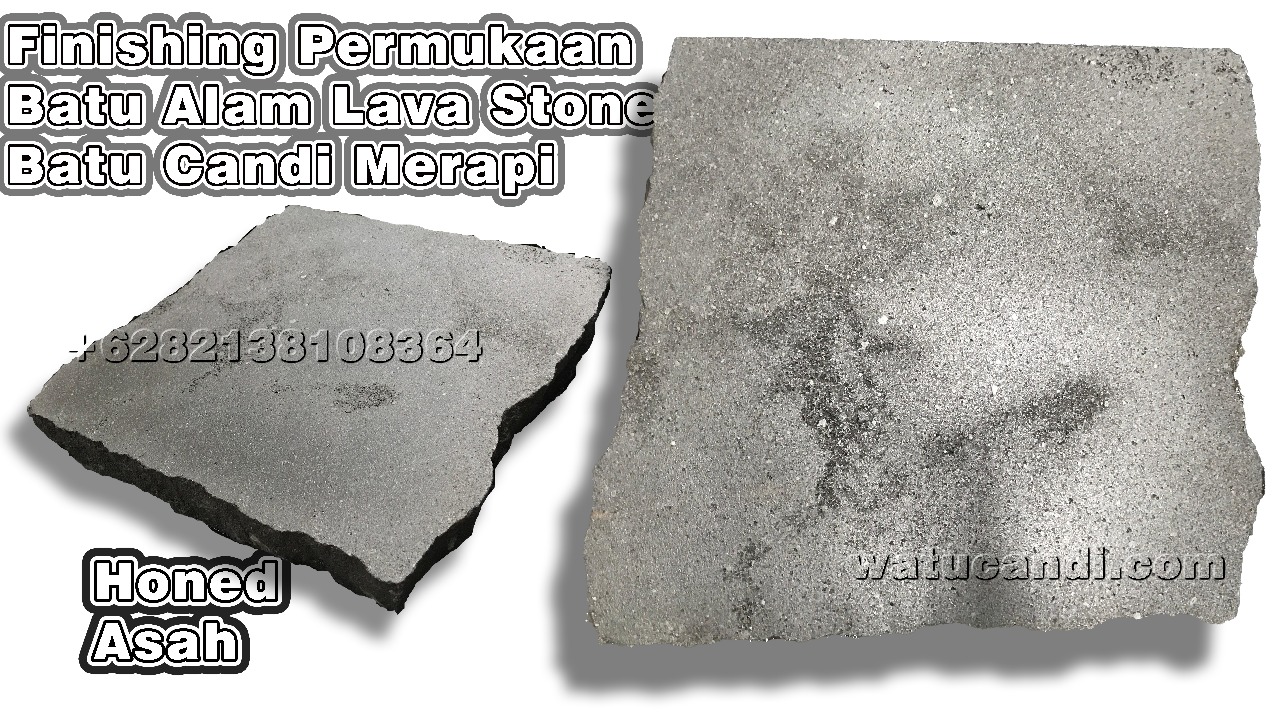
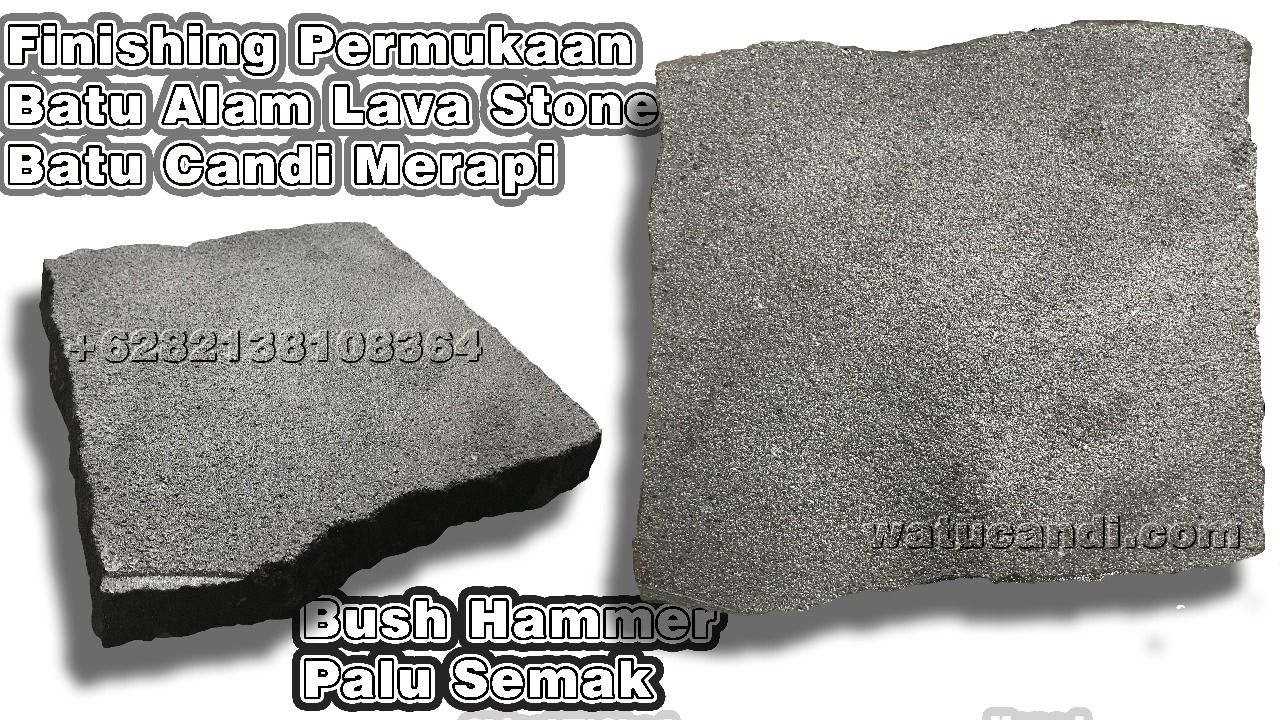
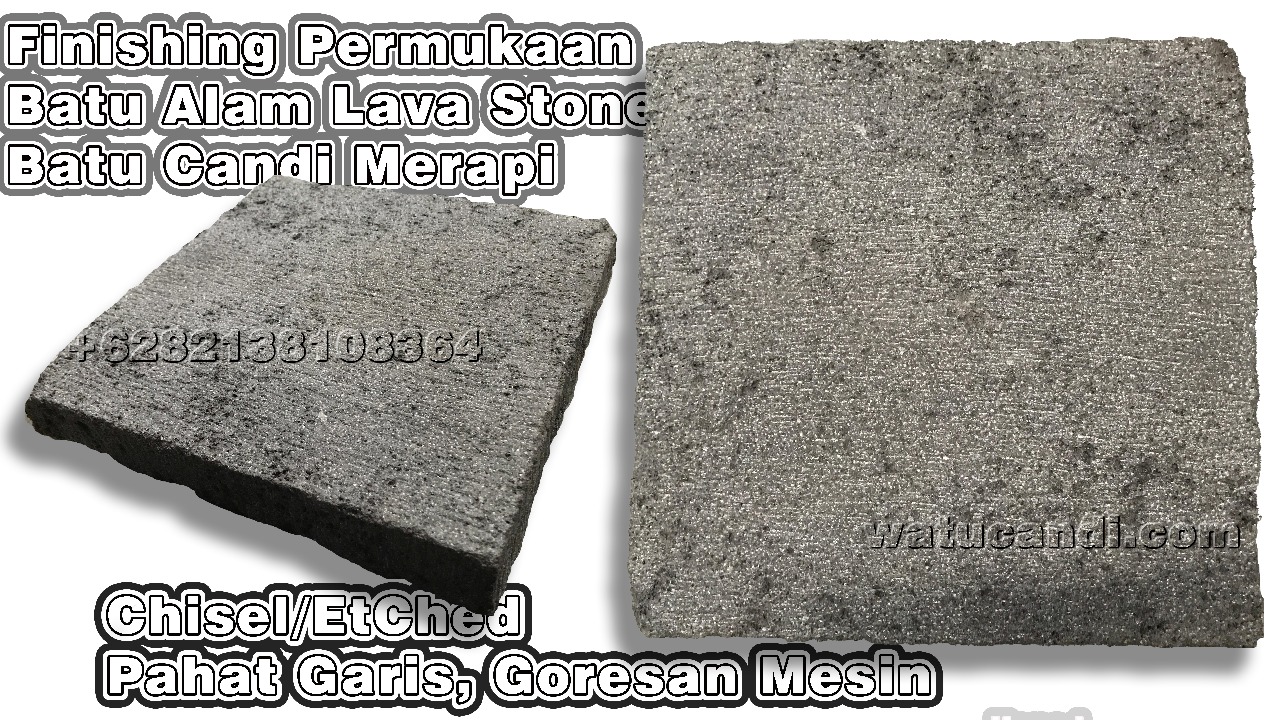
Available Irregular Natural Stone Paving Surface Finishes:
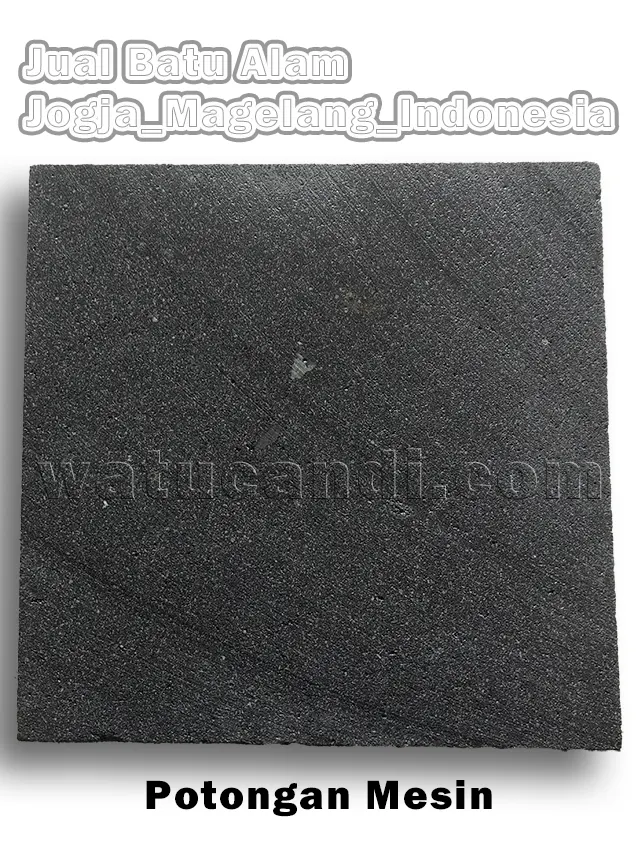
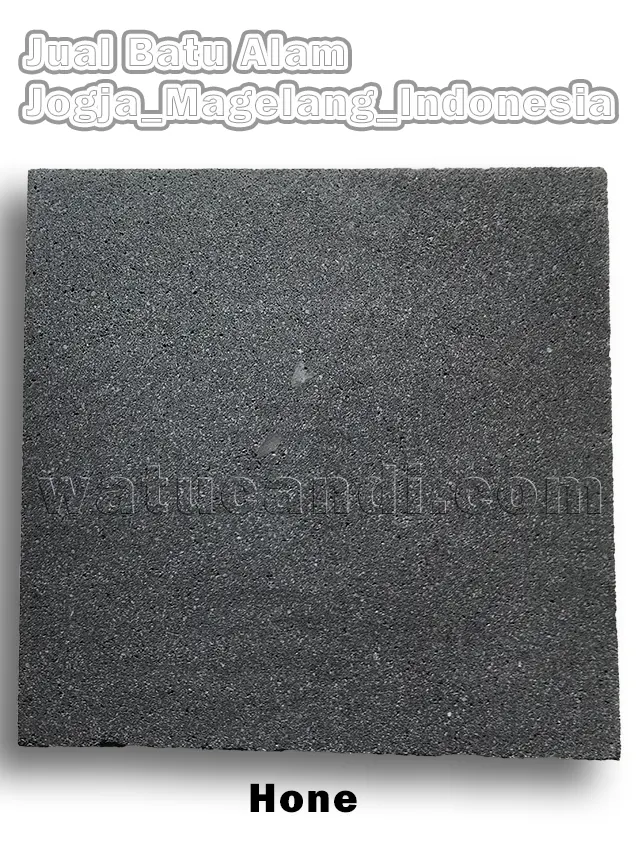
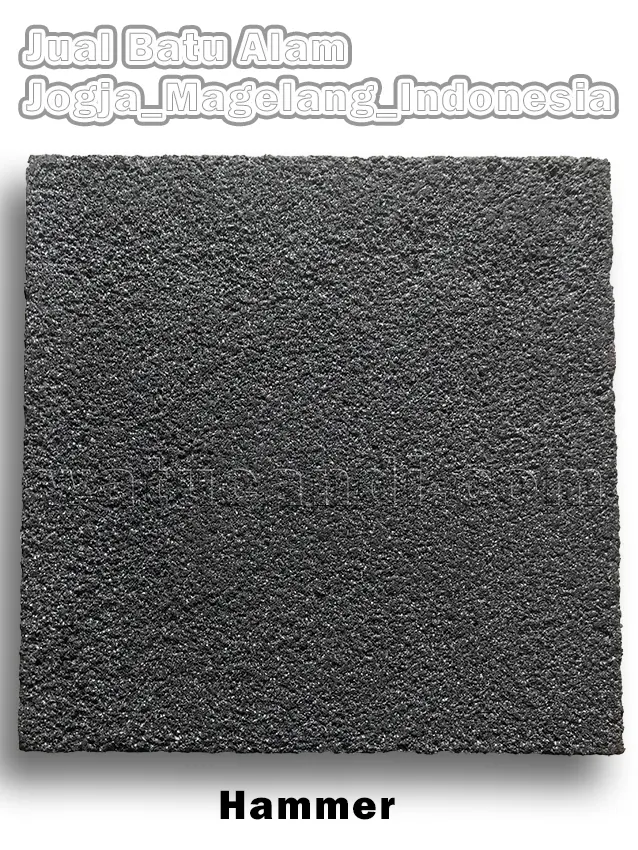
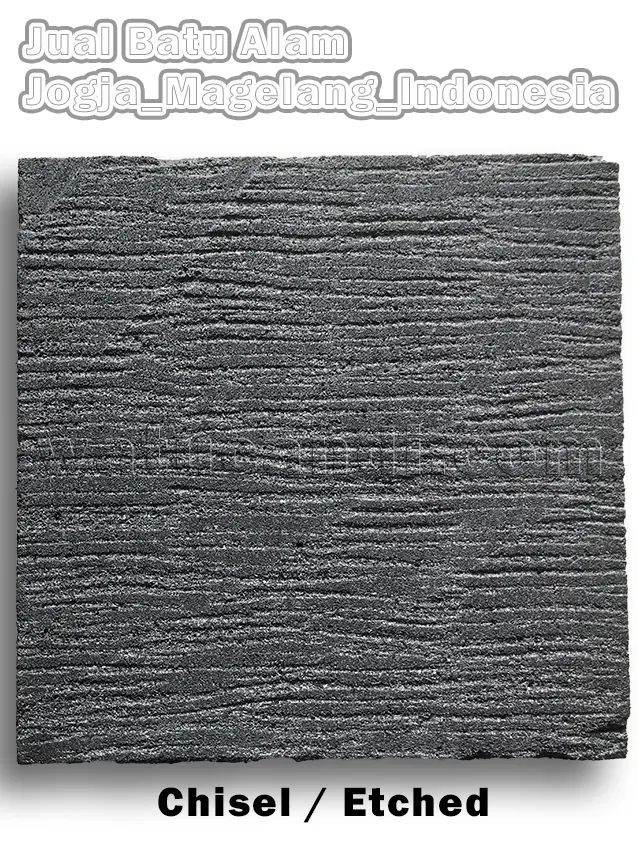
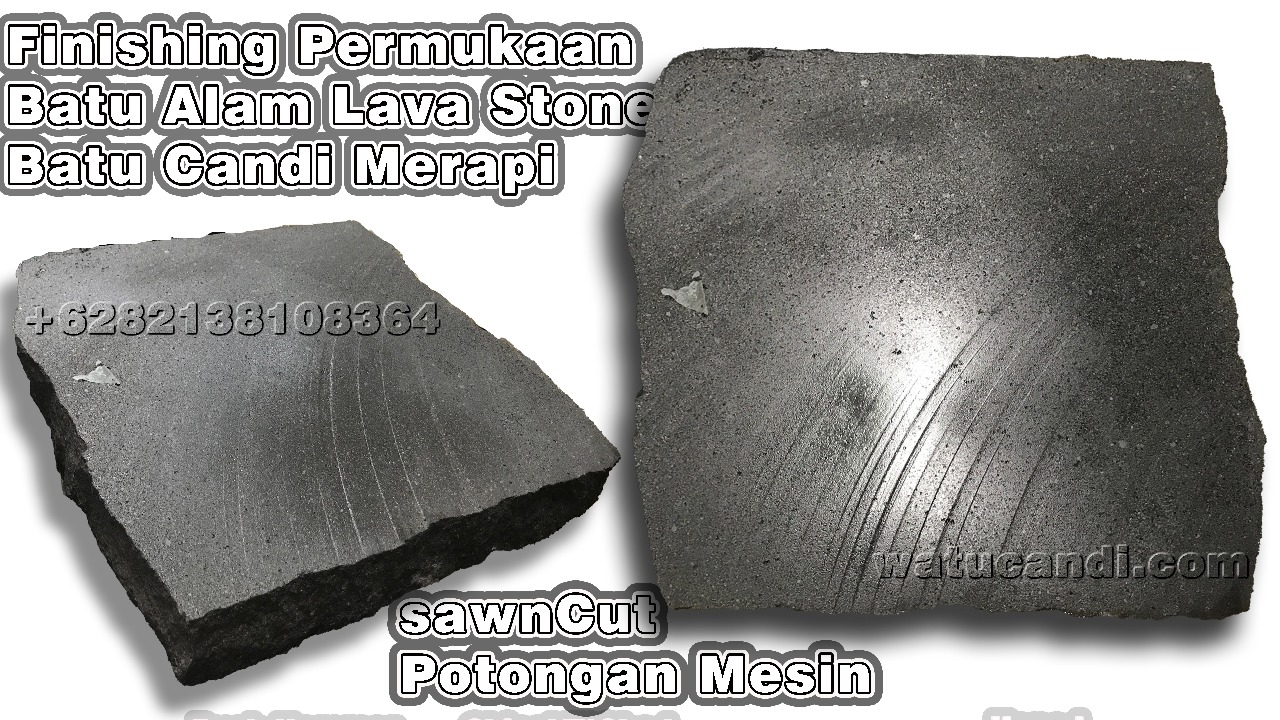
sawncut (slabs/machine cut), honed (smooth polished), bush hammer (orange peel texture), chisel/etched (slightly rough machine chiseled lines).
Advantages of Natural Stone Paving
- Durability: Natural stone has high resistance to abrasion and pressure, making it a long-lasting choice.
- Natural Beauty: The color and texture of natural stone provide beauty that cannot be imitated by artificial materials.
- Easy Maintenance: It does not require complicated maintenance, only routine cleaning to keep its appearance.
- Safety: The non-slip texture makes it safe for use in areas frequently exposed to water.
In choosing natural stone paving, it is important to consider the desired functional and aesthetic aspects. That way, you can create an outdoor space that is not only beautiful but also functional and safe.