



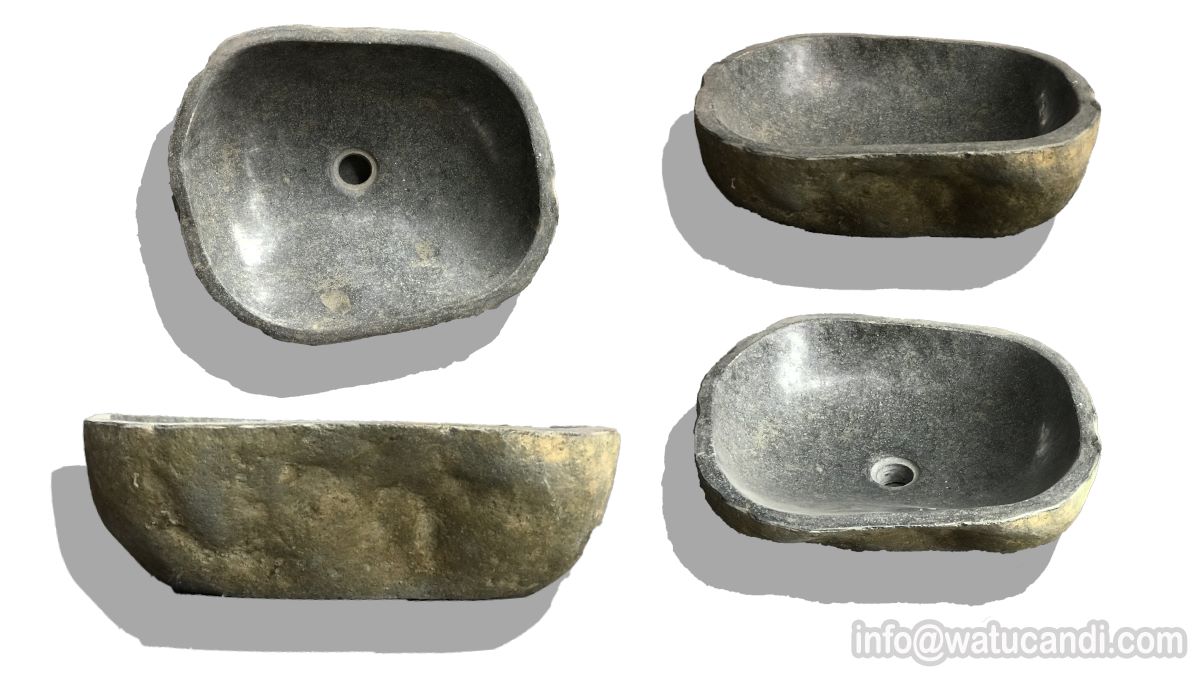
The Ultimate Guide: Discovering the Timeless Appeal of Black Basalt Stone Sinks – Volcanic Elegance for Modern Homes
In the ever evolving landscape of interior design, certain materials transcend temporary trends. These materials establish themselves as enduring symbols of sophistication and strength. Meanwhile, the black basalt stone sink stands as a testament to nature’s raw power and artistic potential. Volcanic eruptions forged basalt. Then, geological processes over thousands of years shaped it. Today, basalt brings a piece of earth’s primordial history into the most intimate spaces of our homes. Therefore, understanding this material in depth becomes an essential first step.
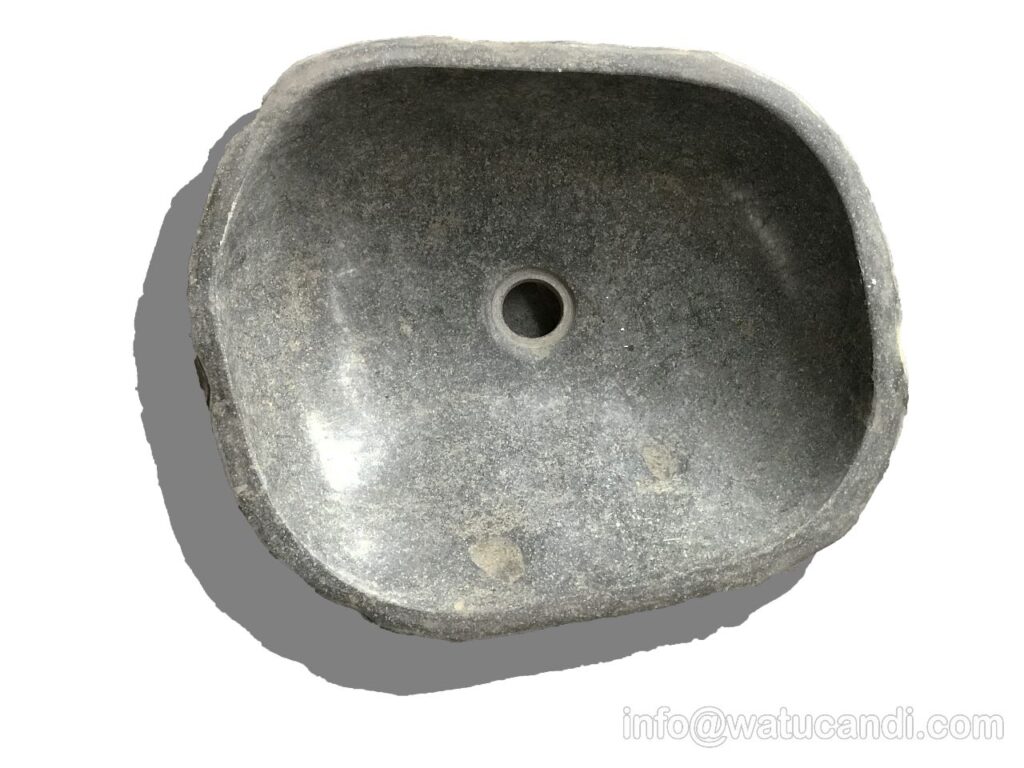
A black basalt sink offers more than just function. This natural stone material presents character and depth that synthetic materials simply cannot replicate. Each sink carries a unique signature of its geological formation. No two pieces are ever exactly alike. This individuality proves invaluable for those who crave personal and authentic spaces. Furthermore, black basalt also represents a practical choice for high traffic areas. Kitchens and bathrooms demand resilient surfaces. Basalt, born from volcanic fire, possesses remarkable durability for such environments.
The Geological Origins of Black Basalt: Understanding the Stone’s Formation and Properties
To truly appreciate the value of a black basalt sink, you must understand the geological story behind the material. Black basalt is an igneous rock. Specifically, it forms through the cooling and solidification of molten magma or lava. This process occurs beneath the earth’s surface as intrusive rock. Additionally, it also occurs above ground as extrusive rock following volcanic eruptions.
Mineral Composition That Provides Strength
The mineral composition of black basalt contributes greatly to its superior properties as a sink material. Basalt primarily contains plagioclase feldspar, pyroxene, and olivine minerals. Furthermore, this stone possesses high levels of iron and magnesium. This content gives the stone its deep, dark coloration, ranging from charcoal gray to absolute black.
This mineral richness also explains the stone’s impressive hardness. For example, basalt typically measures between 6 and 7 on the Mohs scale. By comparison, this places basalt in a similar hardness range to quartz. In fact, basalt is harder than most marble and limestone. As a result, this property makes it highly resistant to scratches and natural stone abrasion from daily use.
The Formation of Unique Surface Textures
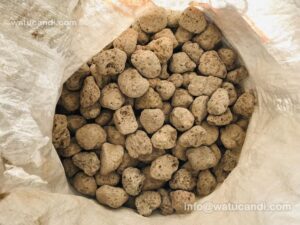
One of the most fascinating aspects of basalt formation is the creation of its surface textures. Lava cools at different rates. Consequently, this process produces various surface characteristics, from smooth and dense to rough and porous. In particular, rapid cooling of lava upon contact with water often produces a specific type of basalt. This type is known as pillow basalt. Interestingly, it features distinctive rounded shapes with fascinating surface patterns.
This natural texture variation gives artisans exceptional raw material. In other words, this material already possesses visual appeal before any human touch begins. Each piece of basalt carries the story of its volcanic birth. Therefore, color variations, crystal sizes, and surface textures make every sink truly unique.
Global Sources and Regional Characteristics
The global distribution of basalt deposits contributes to its availability and variety. Basalt is the most common extrusive igneous rock on Earth. Naturally, it covers vast areas of the ocean floor. At the same time, it also forms extensive continental deposits in regions with historic volcanic activity.
Major sources of architectural quality basalt include the Deccan Traps of India and the Columbia River Plateau in the United States. Additionally, regions of Indonesia, Iceland, and areas throughout the Pacific Ring of Fire also serve as primary sources. Each source produces basalt with slightly different characteristics. More precisely, the specific chemical composition of the magma and cooling conditions influence these differences. Thus, this geographical diversity means basalt sinks can exhibit remarkably different aesthetic qualities depending on their origin.
Density and Low Porosity as Key Advantages
Density and low porosity perhaps represent the most significant practical advantages of basalt. This stone forms under intense pressure and heat. As a result, basalt possesses a tightly interlocked crystal structure. This structure naturally resists the penetration of water, oil, and other liquids.
Although no natural stone is completely non porous, basalt offers clear advantages. Its inherent density means it requires less intensive sealing. By comparison, more porous stones like marble or limestone demand more maintenance. This natural resistance to moisture penetration directly translates to better performance in wet environments. Additionally, maintenance requirements decrease over the sink’s lifetime. Finally, the dense structure also contributes to excellent sound dampening properties. This reduces the noise of running water compared to thinner metal sinks.
The Art of Crafting Black Basalt Sinks: From Raw Stone to Functional Art
The transformation of rough volcanic rock into a functional sink represents a remarkable blend. Traditional craftsmanship and modern technology merge in this process. The journey begins at the quarry. There, skilled workers select basalt blocks that display the desired qualities. They seek color consistency, structural integrity, and aesthetic quality.
The Meticulous Stone Selection Process
This selection process requires extensive experience and a keen eye. Raw stone often conceals its true character beneath weathered exterior surfaces. Quality manufacturers carefully inspect each block. Specifically, they look for potential flaws such as hidden fissures or mineral inclusions. These flaws can compromise structural integrity. Furthermore, color variations that fail to meet design specifications also raise concerns.
Initial Shaping with Modern Technology
Once suitable basalt blocks arrive at the workshop, the initial shaping process begins. Artisans use diamond tipped saws, water jet cutters, or wire saws. They cut the stone into manageable sizes for sink fabrication. This stage requires precise calculation and careful execution. Mistakes in the initial cuts can result in significant material waste. Consequently, costs increase.
Raw blocks typically get cut into slabs of uniform thickness. These slabs then serve as the starting point for individual sink creation. Modern fabrication facilities often employ computer controlled cutting equipment. Thus, this ensures exceptional accuracy while minimizing material waste.
Sink Forming That Requires High Skill
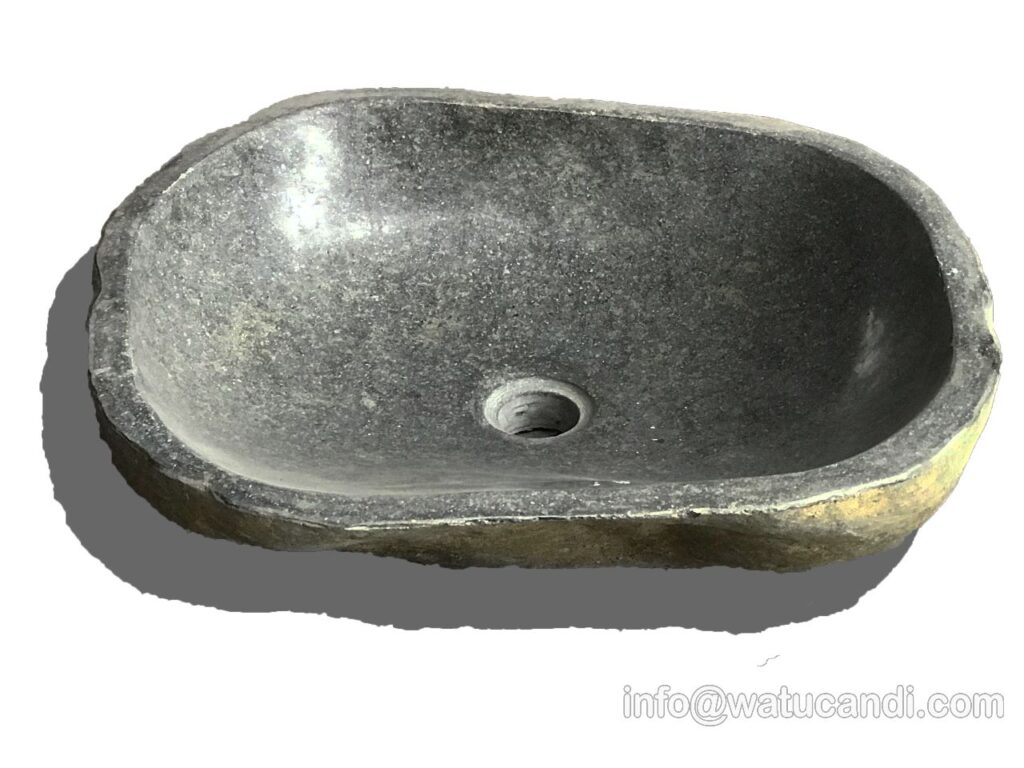
The actual forming of the sink from a solid basalt slab is the most intensive phase. This phase depends heavily on the artisan’s skill. For a vessel sink, the artisan must carefully carve the exterior profile. They shape it into a simple geometric form or a more organic, flowing silhouette.
This process involves multiple stages of cutting, grinding, and polishing. Each stage uses progressively finer abrasives to refine the surface. For an undermount sink, the artisan must create an interior basin with precise dimensions. This basin must fit seamlessly with the surrounding countertop. Proper drainage must also be ensured. Furthermore, the artisan must carefully manage material thickness. They balance structural integrity with aesthetic proportions and practical weight considerations.
The Finishing Process That Defines Character
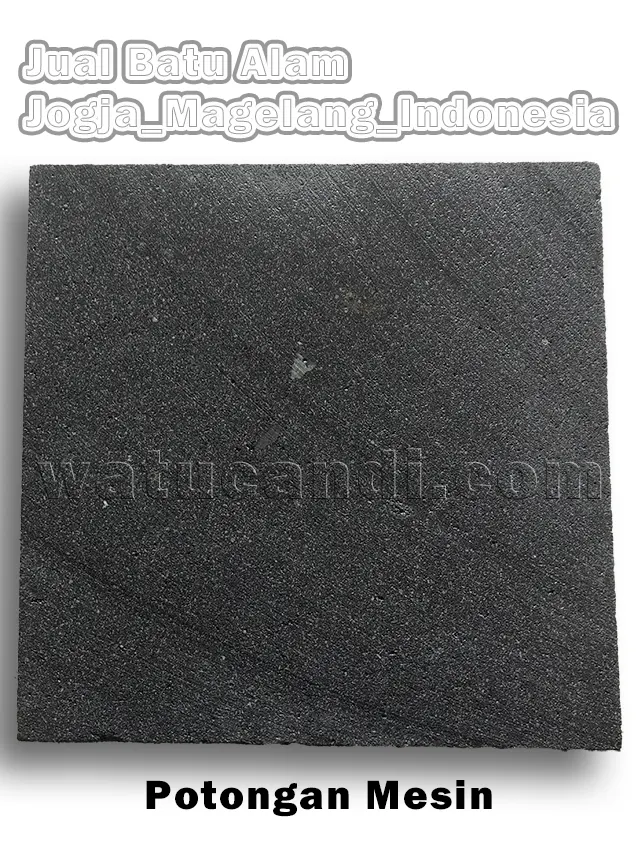
The finishing process dramatically influences both the appearance and functionality of the final sink. A polished finish uses progressive grinding with diamond abrasives to very fine grits. The result is a smooth, reflective surface that showcases the depth of the stone’s color. This finish type offers the easiest cleaning experience. Additionally, it provides a sleek, contemporary appearance.
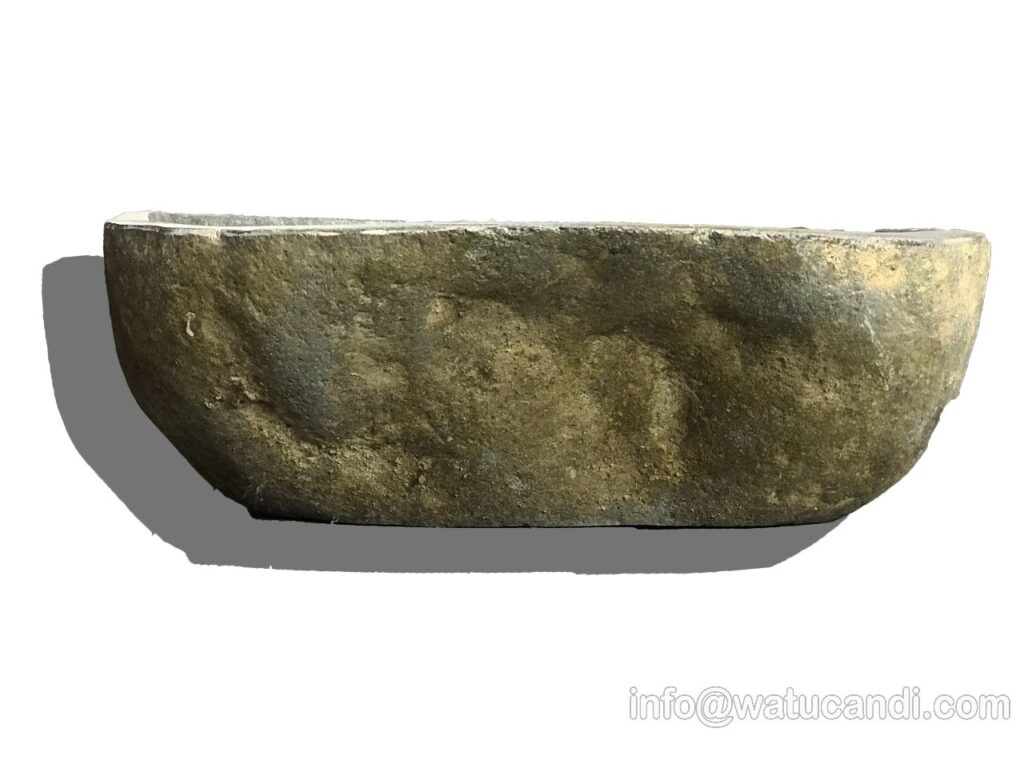
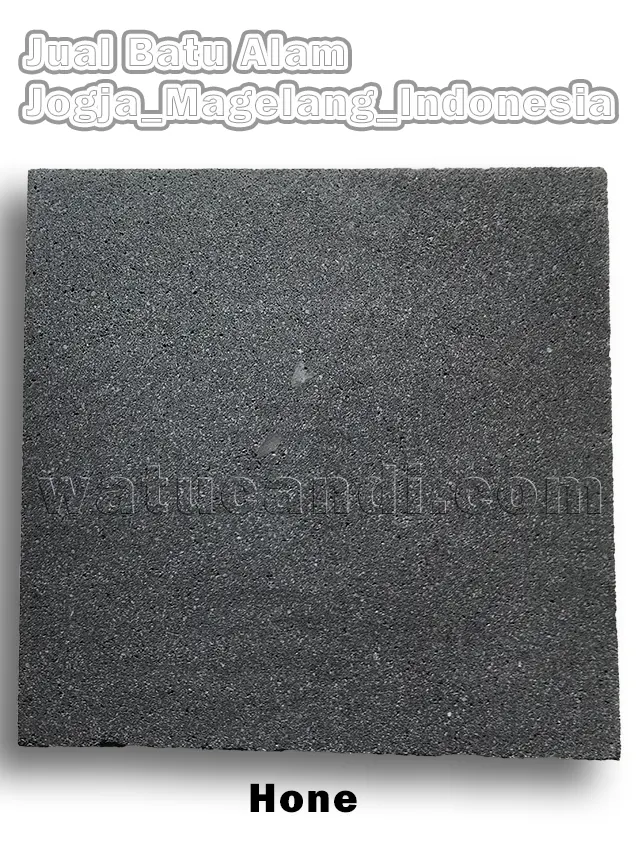
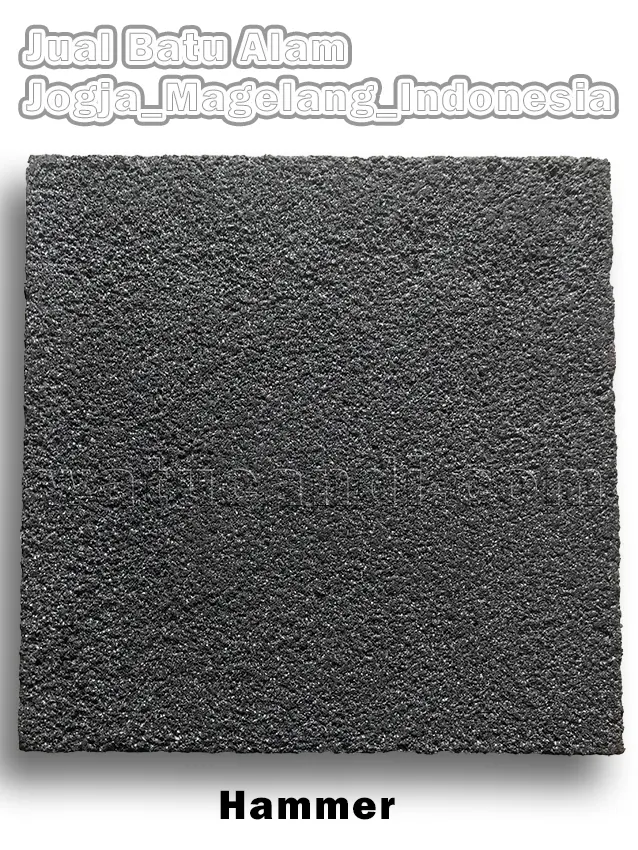
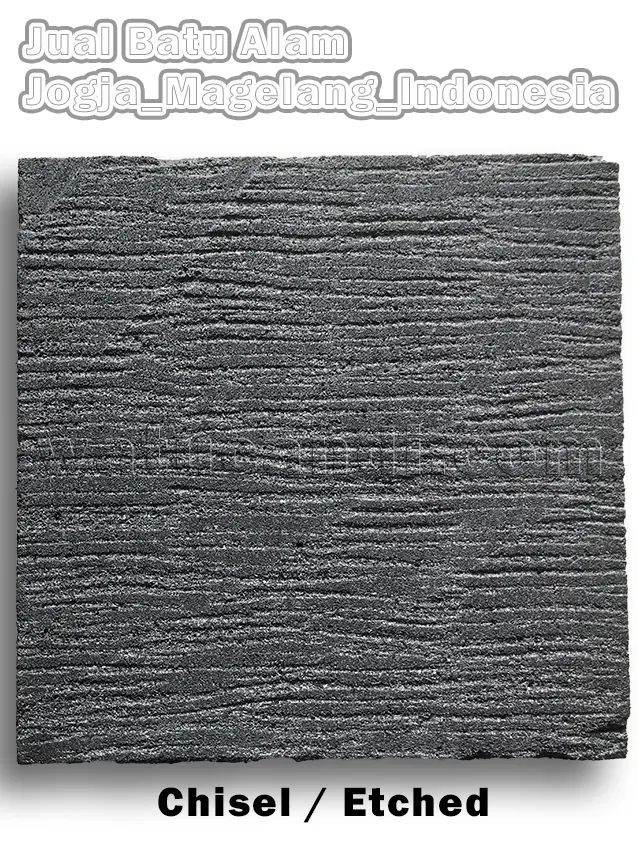
A honed finish stops the polishing process at an intermediate stage. This yields a smooth but matte surface with a softer, more natural look. For those seeking maximum textural interest, a rough or natural finish is available. This finish preserves some of the stone’s original surface character. As a result, it creates a more rustic and organic appearance that celebrates the volcanic origin of the material.
Rigorous Quality Control
Quality control represents the final and most critical stage of sink production. Every completed sink undergoes thorough inspection. The inspection covers structural integrity, dimensional accuracy, and aesthetic consistency.
First, the drain opening must be precisely positioned and sized. This ensures proper water flow and compatibility with standard plumbing fixtures.
Second, the rim of an undermount sink must be perfectly flat and smooth. This creates a watertight seal with the countertop.
Third, for a vessel sink, the base must be completely flat and stable. This prevents rocking or instability.
Only after passing all quality checks does a sink receive final approval for sale. This strict attention to detail distinguishes premium basalt sinks from mass produced alternatives. Ultimately, this ensures a lifetime of reliable service.
Design Versatility: Integrating Black Basalt Sinks into Various Interior Styles
The deep and sophisticated darkness of black basalt creates a striking design element. This element can anchor an entire room’s aesthetic. Pure black manufactured materials can appear flat and lifeless. In contrast, natural basalt differs. It possesses subtle tonal variations, tiny crystalline sparkles, and organic texture. All of these provide visual depth and warmth.
This inherent richness allows a black basalt sink to serve dual functions. It can be a bold statement piece in minimalist environments. On the other hand, it can also be a harmonious complementary element in more complex design schemes. Therefore, this material’s flexibility makes it suitable for various interior styles. From ultra modern to warmly traditional, black basalt can adapt.
Basalt Sinks in Contemporary Minimalist Style
In contemporary and modern minimalist bathrooms, a black basalt vessel sink creates an immediate focal point. This focal point draws the eye and establishes the room’s design vocabulary. For example, pair the sink with crisp white countertops and walls. As a result, the contrast creates a dramatic visual impact that epitomizes modern sophistication.
The organic texture of a rough faced basalt sink provides a perfect counterpoint. It complements the smooth surfaces and sterile feel often found in modern bathrooms. Thus, a tactile dimension is added. This invites touch and creates sensory interest. Meanwhile, sleek chrome or brushed nickel fixtures beautifully complement the dark stone. This combination creates a cohesive modern aesthetic that is luxurious and grounded.
Basalt Sinks in Industrial Style
Industrial style interiors find a natural ally in black basalt sinks. The volcanic origin and rugged character of the stone align perfectly with the industrial design ethos. This ethos celebrates raw materials and honest construction. As an illustration, a black basalt sink pairs with exposed brick walls and concrete countertops. Black iron pipe fixtures complete the look. This combination creates a cohesive industrial narrative that feels authentic.
The durability and practical nature of basalt also resonate with the industrial emphasis on functionality. Consequently, this makes it a choice that works on both aesthetic and practical levels. Moreover, the dark color of the stone helps unify industrial spaces. These spaces often feature a mix of materials and finishes.
Basalt Sinks in Rustic and Farmhouse Style
For those drawn to rustic, farmhouse, or organic modern styles, black basalt offers surprising flexibility. First, combine the sink with warm wood vanities. Then, add bronze or copper fixtures and natural fiber accessories. In this way, a black basalt sink takes on a completely different character than in modern settings.
The natural origin of the stone complements the organic materials palette. Meanwhile, its dark color provides the necessary visual weight to anchor lighter elements. A rough textured basalt sink in a farmhouse kitchen feels completely at home. It sits alongside butcher block countertops and open shelving. Consequently, this bridges the gap between rustic authenticity and practical functionality.
Basalt Sinks in Asian and Zen Style
Bathroom designs inspired by Asian and zen aesthetics benefit particularly from black basalt. The stone’s connection to the natural world aligns with fundamental principles of Japanese and Chinese design philosophy. This philosophy emphasizes harmony between built environments and nature.
The dark, still surface of a basalt sink evokes the tranquility of a deep pool. This contributes to the meditative atmosphere these spaces seek to create. To enhance this effect, combine with bamboo accents, river stones, and minimalist plantings. Thus, a black basalt sink helps establish a spa like retreat. This retreat promotes relaxation and mindfulness.
The Importance of Sink Form Factor
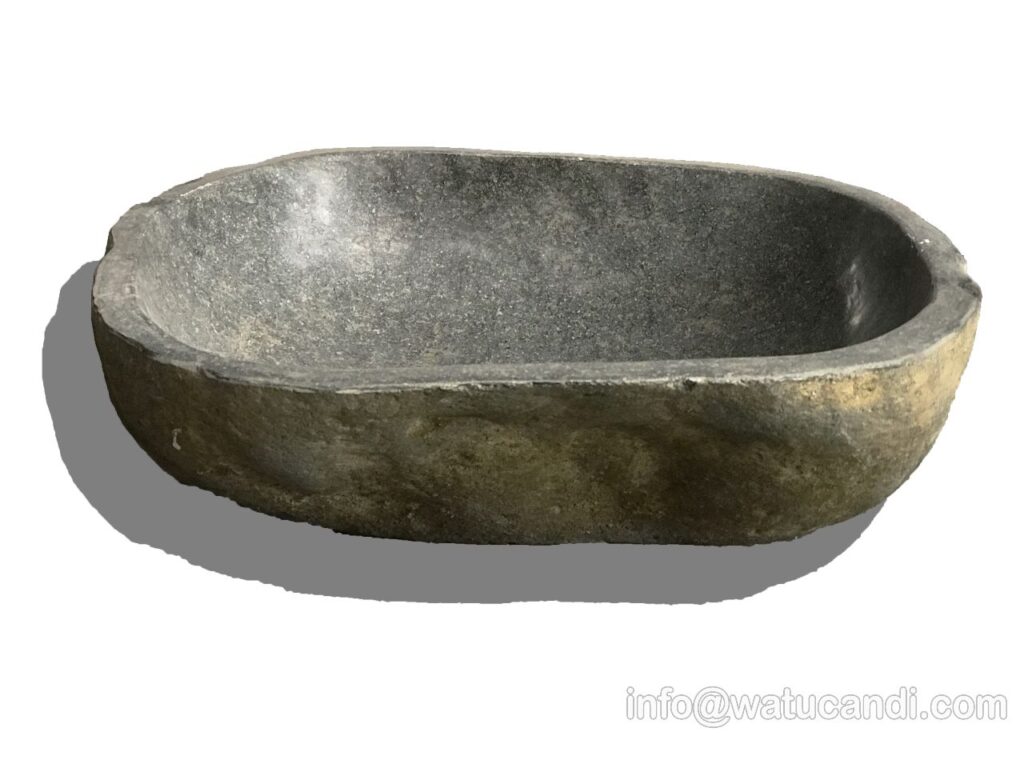
The sink’s form factor plays a crucial role in determining design style compatibility. A vessel sink sits atop the counter surface. It makes the strongest visual statement. This sink works best in bathrooms where it can serve as a true focal point. Its prominent position allows the full beauty of the basalt to be appreciated. Therefore, this makes it ideal for powder rooms and master bathrooms.
On the other hand, an undermount sink installs beneath the counter. It offers more subtle integration. This suits minimalist and contemporary designs where clean lines are desired. The seamless transition between counter and sink creates a sophisticated, architectural look. Ultimately, this speaks to refined taste.
Practical Benefits: Why Black Basalt Excels as a Sink Material
Beyond its undeniable aesthetic appeal, black basalt offers a compelling set of practical advantages. These advantages make it an excellent choice for both bathroom and kitchen applications. Understanding these benefits helps justify the investment in natural stone. Clearly, this outperforms less expensive manufactured alternatives.
The combination of durability, ease of maintenance, thermal properties, and longevity uniquely positions basalt. This material delivers value far beyond its initial cost. Therefore, consider its value over the lifetime of a home. This investment will pay off.
Outstanding Scratch Resistance
Scratch resistance represents one of the most significant practical advantages of a basalt sink. Basalt ranks between 6 and 7 on the Mohs hardness scale. This exceeds the hardness of most common household items. These items may come into contact with the sink surface. As a result, everyday activities are unlikely to leave visible marks. Washing dishes, cleaning utensils, or setting down metal objects will not damage the surface.
Softer stones like marble or soapstone can show scratches relatively easily. In contrast, basalt differs. It maintains its appearance even under demanding use conditions. This durability makes it particularly well suited for kitchen environments. In kitchens, pots, pans, and sharp utensils regularly contact the sink surface.
Stain Resistance with Additional Protection
Stain resistance is another area where basalt performs well, with some important caveats. First, the stone’s natural density and low porosity provide inherent protection. However, no natural stone is completely impervious to staining. Nevertheless, the dark color of black basalt offers an additional practical advantage. Many common staining agents are simply less visible against a dark background. Coffee, tea, or red wine are not as conspicuous as on lighter colored stones.
Nevertheless, proper sealing remains essential for optimal stain protection. Use a quality penetrating sealer. This sealer fills the microscopic pores of the stone. Consequently, it creates an invisible barrier that prevents liquids from being absorbed. The natural appearance and surface texture remain maintained.
Stable Thermal Properties
The thermal properties of basalt contribute to its durability and performance. Basalt is a volcanic stone formed under extreme heat. Therefore, it possesses excellent thermal stability. This stone can withstand significant temperature fluctuations without cracking or degrading. This characteristic is particularly important in kitchen settings. A sink may be exposed to boiling water one moment and cold water the next.
Furthermore, the thermal mass of a thick basalt sink also helps moderate temperature changes. Hot water poured into the sink will not cause dramatic thermal shock. Conversely, some other materials can suffer damage from this shock. However, avoid extreme and sudden temperature changes whenever possible. This remains a wise practice.
Soothing Sound Dampening
Sound dampening represents an often overlooked benefit of natural stone sinks. The substantial mass and density of basalt naturally absorb vibration and sound. As a result, a noticeably quieter experience is created. Compare this to thin stainless steel or composite sinks. The sound of running water is muted rather than amplified. Additionally, the impact of objects placed in the sink is softened.
This acoustic benefit contributes to the overall sense of quality and luxury. A natural stone sink creates a more pleasant sensory experience. The difference is immediately noticeable. Anyone accustomed to the hollow sounds typical of metal sinks will appreciate this quietness.
Longevity and Value Retention
Longevity and value retention complete the picture of basalt’s practical benefits. A well maintained basalt sink can last for decades. It can even last for generations. Most importantly, it will not lose its functional integrity or aesthetic appeal.
Fashion driven fixtures may look dated within a few years. On the other hand, natural stone differs. It possesses a timeless quality that remains relevant. This remains unaffected by changing design trends. Consequently, this longevity means the higher initial investment is amortized over a much longer period. Less expensive alternatives may require replacement every ten to fifteen years.
Finally, natural stone fixtures can also contribute positively to a home’s resale value. Potential buyers perceive them as premium features. This distinguishes a property from others on the market.
Installation Considerations for Black Basalt Sinks
Proper installation is critical to the performance and longevity of a black basalt sink. First, the significant weight of natural stone demands careful attention. Second, the specific requirements of different mounting styles are also important. Third, the need for proper sealing and support must not be overlooked.
Skilled do it yourself enthusiasts may be capable of installing a basalt sink. However, the complexity and consequences of mistakes make professional installation a wise investment. This applies to most homeowners. Understanding the key considerations helps ensure correct installation. Thus, your sink will provide trouble free service for decades.
Critical Weight Consideration
Weight is the first and most important consideration. Natural stone is substantially heavier than most manufactured sink materials. A typical basalt vessel sink weighs anywhere from thirty to over one hundred pounds. Its dimensions determine the weight. Therefore, this weight requires an adequately reinforced supporting structure. Whether a vanity cabinet or countertop, the structure must safely bear the load.
Standard factory made vanities may not be designed to support such weight. Additional reinforcement may be necessary. Therefore, verify the capacity of your intended installation location before purchasing a basalt sink. Consult with a contractor or structural engineer if there is any doubt.
Mounting Styles and Their Requirements
The mounting style of the sink dictates specific requirements. A vessel sink requires only a drain opening in the countertop. Then, the sink itself rests on the surface. This relatively simple installation makes vessel sinks popular for retrofitting existing bathrooms. Nevertheless, consider the height of the vessel sink. Relate it to the existing counter height. A sink that sits too high can be uncomfortable to use.
Conversely, an undermount sink requires a precise cutout in the countertop material. It must be supported from beneath with a sturdy framework. The weight of a basalt undermount sink makes proper support critical. Inadequate support can lead to catastrophic failure over time.
Plumbing and Drainage Considerations
Plumbing considerations must be addressed before installation begins. The drain location in the sink must align with existing or planned plumbing. Any discrepancies must be resolved before final installation. For a vessel sink, the drain assembly must be appropriate for the thickness of the sink bottom. This thickness may be significantly greater than that of standard sinks.
Pop up drains, grid drains, and other specialty drain types must be carefully selected. Consider the specific dimensions of the sink. This work requires a professional plumber. They must have experience with natural stone installations. They can ensure all connections are properly made and sealed. This prevents leaks that could damage both the sink and surrounding cabinetry.
Essential Initial Sealing
Sealing the sink before use is an essential step that must not be overlooked. Basalt is naturally dense. However, a high quality penetrating sealer provides additional protection. It protects against staining and moisture absorption. Apply the sealer according to the manufacturer’s instructions. The surface must be clean and completely dry before application.
Multiple coats may be necessary to achieve optimal protection. Allow adequate drying time between applications. Use a sealer specifically formulated for natural stone. Generic sealers may not provide adequate protection. The wrong sealer can also alter the stone’s appearance in undesirable ways.
Special Attention for Undermount Joints
For undermount installations, the joint between the sink and countertop requires particular attention. This seam must be completely sealed. This prevents water from penetrating between the sink and the counter. Water can cause damage to the substrate. Water can also promote mold growth.
Use a high quality silicone caulk designed for natural stone. Apply it in a continuous bead that fills the entire joint. Allow the caulk to cure fully before using the sink. Follow the manufacturer’s recommended curing time. Regular inspection and maintenance of this seal will be necessary over the life of the installation.
Essential Care and Maintenance for Black Basalt Sinks
Black basalt is among the more forgiving natural stones to maintain. However, proper care remains essential. This preserves its beauty and functionality over time. The good news is that its maintenance requirements are relatively modest. This primarily consists of regular cleaning, periodic sealing, and a few simple precautions.
Develop good habits from the beginning. This ensures your sink will continue to look stunning for many years. You will also avoid common pitfalls that can damage natural stone surfaces.
Daily Cleaning Routine
Daily cleaning represents the foundation of basalt sink maintenance. After each use, rinse the sink with clean water. This is especially important in kitchens. Food particles, oils, and other substances may contact the sink. Wipe with a soft cloth or sponge to prevent buildup.
For more thorough cleaning, use a pH neutral stone cleaner. Mild dish soap diluted with water is also effective. Both provide gentle yet effective cleaning action. Avoid acidic cleaners. These include vinegar, lemon juice, or bathroom cleaners with harsh chemicals. These substances can etch the stone surface. They can dull its appearance. Permanent damage may occur.
Selecting the Right Cleaning Tools
The choice of cleaning tools matters as much as the choice of cleaning products. Do not use abrasive scrubbers, steel wool, or stiff bristled brushes. These tools can create micro scratches that dull the finish. Instead, use soft microfiber cloths or non abrasive sponges. Soft bristled brushes are also safe.
For sinks with textured or rough finishes, use a soft brush. This helps clean dirt from surface irregularities without causing damage. After cleaning, dry the sink with a soft cloth. This prevents water spots and mineral deposits from forming on the surface.
Periodic Sealing for Optimal Protection
Periodic sealing is the most important proactive maintenance measure. Basalt stone has natural density. However, sealing provides an additional layer of protection. It protects against staining and moisture penetration. The frequency of resealing depends on several factors. The specific stone porosity, sealer type, and amount of sink use all play a role. The types of substances the sink encounters also influence this.
As a general guideline, most basalt sinks benefit from resealing every twelve to eighteen months. Sinks in heavy use kitchens may require more frequent attention. A simple water test can indicate whether resealing is needed. Sprinkle a few drops of water on the surface. If the water beads up, the seal is still intact. If the water spreads out and darkens the stone, it is time to reseal.
Stain Prevention and Treatment
Stain prevention and treatment require understanding how different substances interact with natural stone. The dark color of basalt makes many stains less visible. However, oil based substances can still create noticeable dark spots. Minimize the risk of staining by wiping up spills promptly. This is especially important for cooking oils, cosmetics, or strongly colored substances.
If a stain occurs, use a poultice made from baking soda and water. Apply it to the stained area. Cover with plastic wrap for twenty four to forty eight hours. This poultice can often draw the staining substance out of the stone. For stubborn stains, consider commercial stone poultice products. Professional stone restoration services can also be the solution.
Preventing Physical Damage
Preventing physical damage to basalt sinks primarily involves common sense precautions. Basalt is highly scratch resistant, yet it is not completely scratch proof. Sharp objects can still leave marks if sufficient force is applied. Use a protective grid or mat in the bottom of kitchen sinks. This prevents scratches from pots, pans, and utensils.
Avoid dropping heavy objects into the sink. This can cause chipping or cracking. The edges and corners of a basalt sink are the most vulnerable areas. These areas can chip if struck with sufficient force. Exercise care when handling heavy objects around the sink area. This helps preserve its pristine appearance.
Comparing Black Basalt to Other Natural Stone Sink Materials
Understanding how black basalt compares to other natural stone options helps clarify its unique position. Each natural stone brings its own set of characteristics. Each has strengths and limitations. The choice among them depends on the specific priorities of the homeowner. Aesthetics, performance, and maintenance all become considerations.
Basalt vs Marble: Durability vs Classic Beauty
Marble is perhaps the most iconic natural stone for sink applications. It offers unparalleled beauty with its distinctive veining patterns. Its color palette is vast. However, marble is significantly softer than basalt. It typically measures between 3 and 4 on the Mohs scale. Consequently, this makes it far more susceptible to scratches. Etching from acidic substances is also a problem.
Marble is also more porous than basalt. It requires more frequent sealing. More careful maintenance is necessary to prevent staining. For homeowners who prioritize ease of maintenance and durability, basalt offers a clear advantage. On the other hand, those willing to invest in more intensive care may prefer marble’s unparalleled appearance.
Basalt vs Granite: Two Tough Igneous Rocks
Granite shares many characteristics with basalt. Both offer excellent hardness. Both resist scratches and heat. Both stones are igneous rocks with similarly durable properties. The main difference lies in appearance. Granite typically displays a speckled pattern in various colors. Conversely, basalt offers a more uniform dark color with subtle variations.
Granite tends to have larger, more visible crystals. Meanwhile, basalt has a fine grained texture. The choice between the two often comes down to aesthetic preference. Basalt offers a sleeker, more contemporary look. Meanwhile, granite provides a more traditional speckled appearance.
Basalt vs Limestone and Travertine
Limestone and travertine are sedimentary stones. Both offer a softer, more rustic aesthetic. This appeals to certain design styles. However, these stones are significantly softer and more porous than basalt. As a result, they are more susceptible to scratches, etching, and staining. More frequent sealing is necessary. More careful maintenance is important to preserve their appearance.
Homeowners may be drawn to the warm, rustic look of limestone or travertine. Nevertheless, they may worry about the maintenance. Basalt with a rough finish can offer some similar visual character. Meanwhile, its durability is far superior.
Basalt vs Soapstone: Two Different Dark Options
Soapstone, like basalt, offers a dark color. Its resistance to stains and heat is excellent. However, soapstone is significantly softer than basalt. It typically measures around 2.5 on the Mohs scale. Consequently, scratches can occur relatively easily.
Soapstone develops a natural patina over time. Some homeowners appreciate this. However, others may prefer the more stable appearance of basalt. Additionally, soapstone requires periodic application of mineral oil. This maintains its dark color. In contrast, basalt maintains its appearance with just sealing and basic cleaning. Both materials offer a distinctive dark aesthetic. However, basalt provides greater durability with fewer maintenance requirements.
Sustainability and Environmental Considerations
In an era of growing environmental awareness, the ecological footprint of building materials has become an important consideration. Conscientious consumers pay attention to this. Basalt, as a natural stone, offers several environmental advantages. These advantages may align with the values of environmentally conscious consumers. Understanding these attributes helps provide a more complete picture. The material’s value proposition extends beyond its aesthetic and practical qualities.
Longevity as an Environmental Credential
The longevity of basalt is perhaps its most significant environmental credential. A sink that lasts for decades reduces cumulative environmental impact. Compare this to less expensive alternatives that require replacement every ten to fifteen years. The energy and resources invested in manufacturing a basalt sink are amortized over a much longer period. Thus, the footprint per unit of time becomes lower. At the end of its long life, a natural stone sink is fully recyclable. It can become aggregate for other construction projects. Many composite materials end up in landfills.
Lower Extraction and Fabrication Impact
The extraction and fabrication processes for basalt have a lower environmental impact. Ceramic sinks require high temperature firing. Stainless steel sinks demand significant energy input for ore mining and refining. In contrast, basalt primarily requires mechanical cutting and shaping. These processes do consume energy and water. However, the total embodied energy is often lower than that of highly processed alternatives.
The abundant availability of basalt is also advantageous. Long distance transportation may not be necessary if regional sources are available. Consequently, this further reduces the carbon footprint associated with the material.
Better Indoor Air Quality
Indoor air quality represents another environmental consideration where basalt excels. Basalt is a natural and inert material. It does not off gas volatile organic compounds. It also does not emit other indoor air pollutants. This contrasts with some manufactured sink materials. Manufactured materials may contain resins, adhesives, or chemical treatments. These substances can off gas over time. This potentially contributes to poor indoor air quality.
Homeowners with chemical sensitivities will appreciate basalt. Those who simply want to minimize exposure to indoor pollutants will also like it. Basalt offers a clean and natural option. It does not introduce unwanted substances into the home environment.
How to Choose the Perfect Black Basalt Sink for Your Space
Choosing the right black basalt sink involves balancing several factors. Size, shape, mounting style, finish type, and budget are all important. Evaluate each of these considerations carefully. This ensures the sink you select will look spectacular. The sink must also function perfectly in your intended space. Approach this decision making process methodically. Start with practical requirements. Then refine the choice based on aesthetic preferences.
Choosing the Right Size
Size is the first and most fundamental consideration. The sink must be proportional to the available space. It must also be appropriate for the intended use. In a smaller powder room, a compact vessel sink may be ideal. A diameter of fourteen to sixteen inches is usually sufficient. A master bathroom can accommodate a larger sink. Sizes of eighteen to twenty two inches or more are suitable.
A kitchen sink must be large enough to accommodate dishwashing tasks. Food preparation also requires space. This usually demands larger dimensions and a deeper basin. The dimensions of the existing or planned counter or vanity will determine the maximum possible size. Leave adequate space around the sink for faucets and other accessories.
Choosing the Appropriate Shape
Shape affects both functionality and aesthetics. A round sink offers classic and timeless appeal. It works well in various design styles. Its soft, organic shape creates a sense of harmony. This can help balance square or rectangular elements within the room.
A square or rectangular sink provides a more contemporary look. Its lines are clean and complement modern and minimalist designs. These sinks often offer more usable capacity. Compare them to round sinks of similar diameter. Organic or irregular shapes create a truly unique focal point. This showcases the natural origin of the stone. The shape choice should align with the overall design vocabulary of the room.
Choosing the Mounting Style
The mounting style affects installation requirements and visual impact. A vessel sink makes the strongest design statement. It allows maximum appreciation of the stone’s beauty. However, carefully consider the counter height and user reach.
An undermount sink offers a more integrated look. It makes countertop cleaning easier. There is no protruding rim to catch dirt. However, the installation is more complex. Adequate support is essential. A pedestal sink provides a classic aesthetic. This can be a space saving solution in smaller bathrooms. However, counter space becomes limited. The choice among these styles should consider both aesthetic preferences and practical constraints.
Choosing the Finish Type
The finish type dramatically affects the sink’s appearance. It also affects its maintenance requirements. A polished finish offers the most dramatic reflective surface. It is also the easiest to clean. However, water spots and fingerprints may be more visible.
A honed finish provides a softer matte look. It hides water marks effectively. Its aesthetic is more contemporary. A rough or natural finish showcases the stone’s volcanic origin. The effect is the most dramatic. It creates a unique tactile experience. However, cleaning may require more attention. Dirt can hide in surface irregularities. The finish choice should reflect your aesthetic preferences. Also consider your willingness to engage in the corresponding maintenance routines.
Conclusion: The Timeless Elegance of Black Basalt Sinks
A black basalt stone sink represents more than just a functional fixture. It is a piece of natural history. Volcanic fire formed it. Human craftsmanship perfected it. This comprehensive guide has explored the geological origins of basalt. We have learned about the unique characteristics it possesses. We have also explored the meticulous fabrication process. This process transforms raw stone into functional art.
The diverse design applications demonstrate the remarkable flexibility of this material. We have examined its practical benefits. Basalt is an excellent choice for demanding environments. Installation considerations ensure proper performance. Maintenance routines preserve its beauty over time.
The decision to invest in a black basalt sink is a meaningful one. You embrace quality, uniqueness, and timeless beauty. The world is increasingly dominated by mass produced products and temporary trends. Basalt offers something different. It provides a connection to the natural world. It is a piece of geological history. This fixture will serve faithfully for decades. It will grow more beautiful with age.
Subtle variations in color and texture make each basalt sink unique. This reminds us that truly valuable objects cannot be mass replicated. True beauty lies in imperfection and individuality. Are you renovating a master bathroom? Designing a dream kitchen? Or simply seeking a statement fixture for a powder room? A black basalt sink deserves serious consideration.
The combination of durability, beauty, and practicality places it among the best options available. Savvy homeowners today choose basalt. With proper care and appreciation for its unique qualities, a black basalt sink will continue to provide faithful service. It will provide aesthetic pleasure for many years to come. It becomes not just a fixture in your home. It becomes a cherished part of its story.
We invite you to explore the collection of black basalt stone sinks at watucandi.com. Each piece represents a unique intersection of nature’s art and human craftsmanship. Discover for yourself why more and more homeowners and designers choose basalt. It is their material of choice for sinks that make a timeless statement. Let the volcanic beauty of black basalt transform your space into something truly extraordinary.
Post Tags: Black Basalt Sink, Basalt Stone Sink, Volcanic Stone Sink, Black Natural Stone Sink, Luxury Bathroom Sink, Natural Stone Kitchen Sink, Basalt Vessel Sink, Basalt Undermount Sink, Basalt Sink Craft, Basalt Sink Care Tips, Stone Sink Sealer, Natural Stone Cleaner, Durable Stone Sink, Scratch Resistant Stone Sink, Stain Resistant Stone Sink, Modern Sink Design, Minimalist Stone Sink, Industrial Stone Sink, Rustic Stone Sink, Organic Stone Sink, Stone Sink Installation, Natural Stone Sink Comparison, Basalt vs Marble, Basalt vs Granite, Eco Friendly Sink, Sustainable Stone Sink, Indonesian Stone Sink, Stone Sink Artisan, Custom Stone Sink, Premium Stone Sink, Exclusive Stone Sink, Volcanic Stone Beauty, Elegant Black Sink, Heat Resistant Stone Sink, Natural Stone Sink Care, Stone Kitchen Sink, Stone Bathroom Sink, Watucandi,
Table of Contents:
- Introduction: Discovering the Timeless Appeal of Black Basalt Stone Sinks
- The Geological Origins of Black Basalt: Understanding the Stone’s Formation and Properties
- The Art of Crafting Black Basalt Sinks: From Raw Stone to Functional Art
- Design Versatility: Integrating Black Basalt Sinks into Various Interior Styles
- Practical Benefits: Why Black Basalt Excels as a Sink Material
- Installation Considerations for Black Basalt Sinks
- Essential Care and Maintenance for Black Basalt Sinks
- Comparing Black Basalt to Other Natural Stone Sink Materials
- Sustainability and Environmental Considerations
- How to Choose the Perfect Black Basalt Sink for Your Space
- Conclusion: The Timeless Elegance of Black Basalt Sinks



3 thoughts on “Black Basalt stone sink”