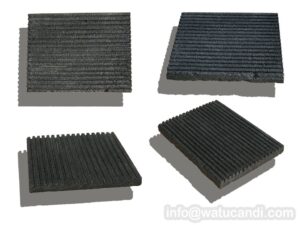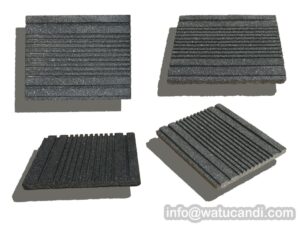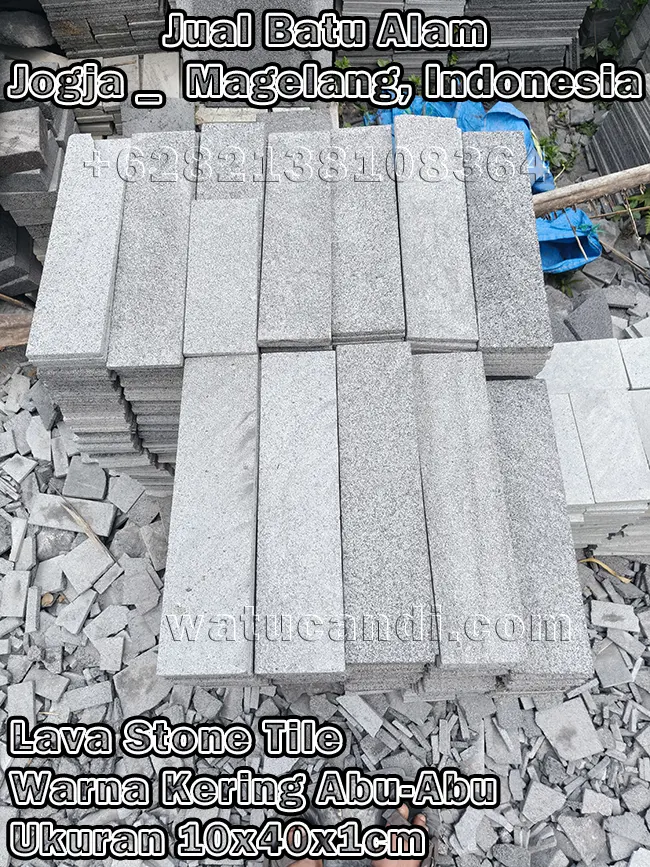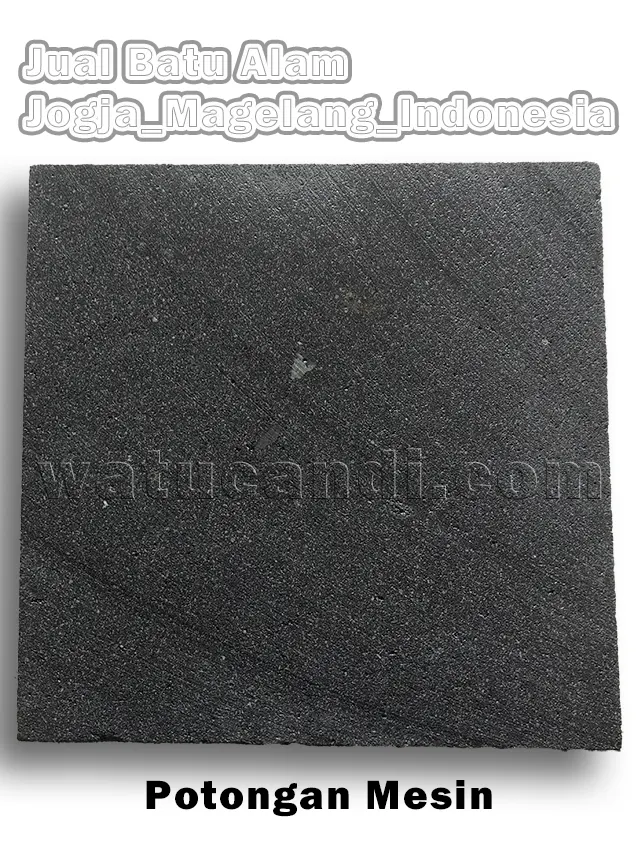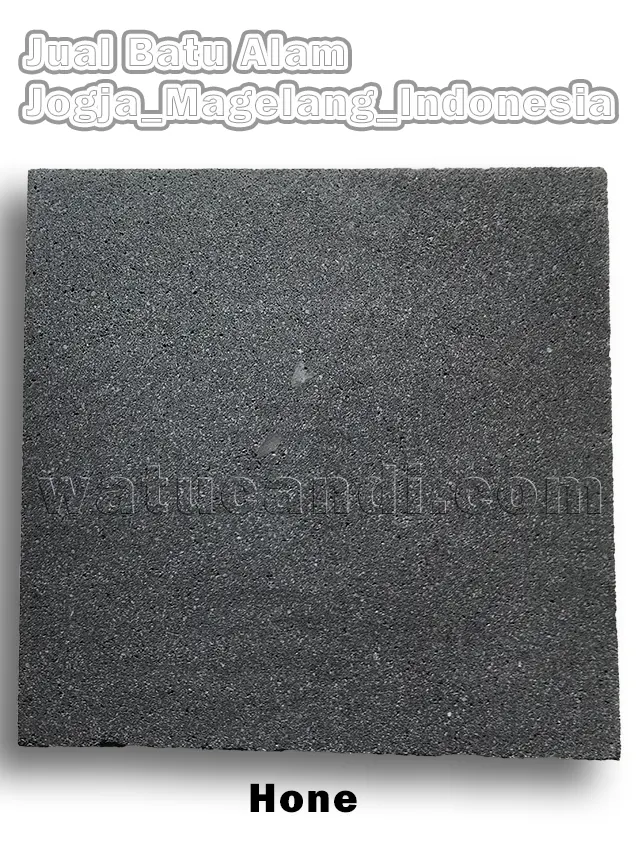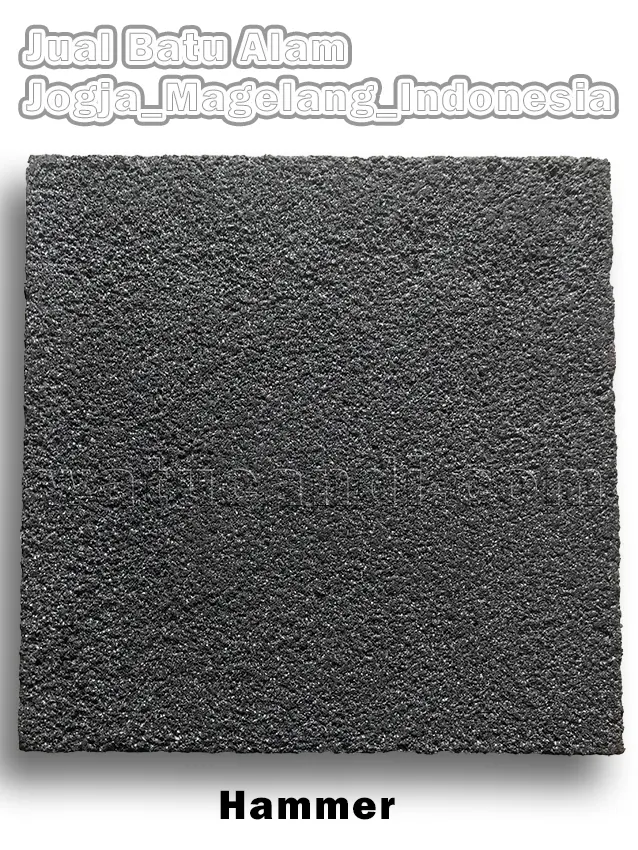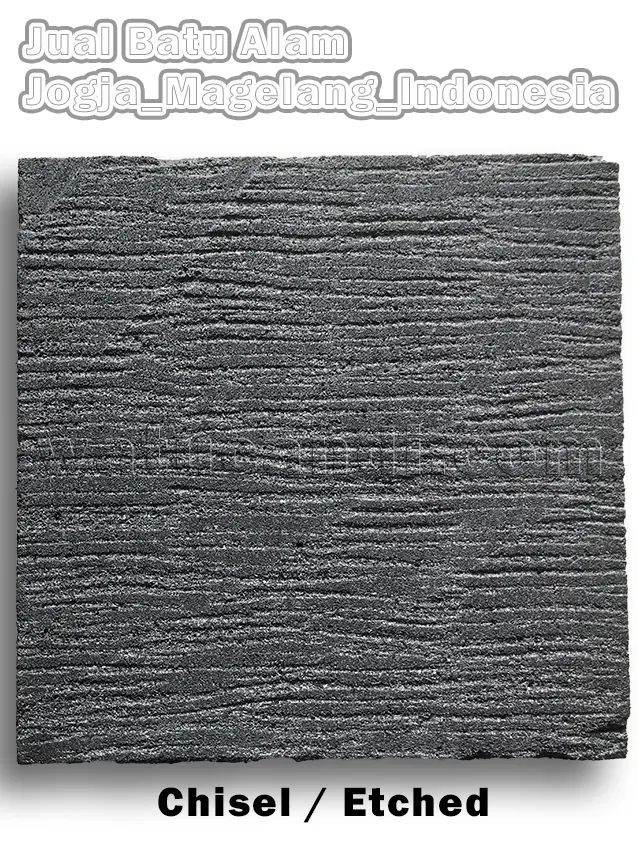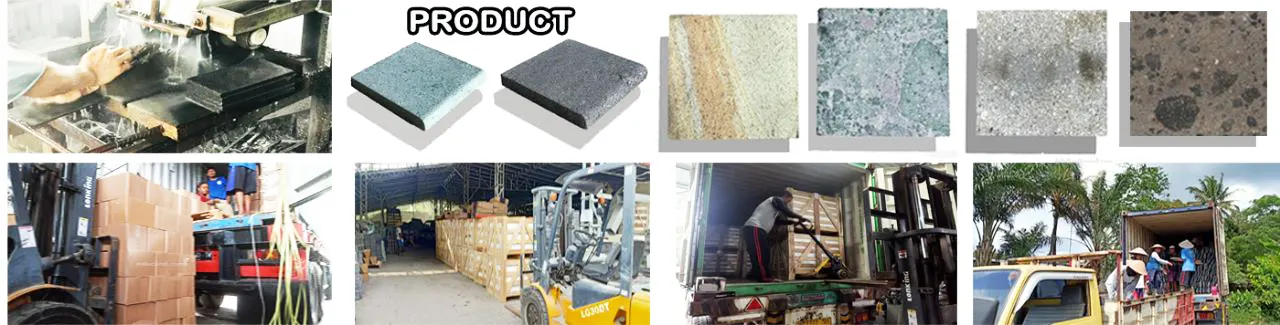
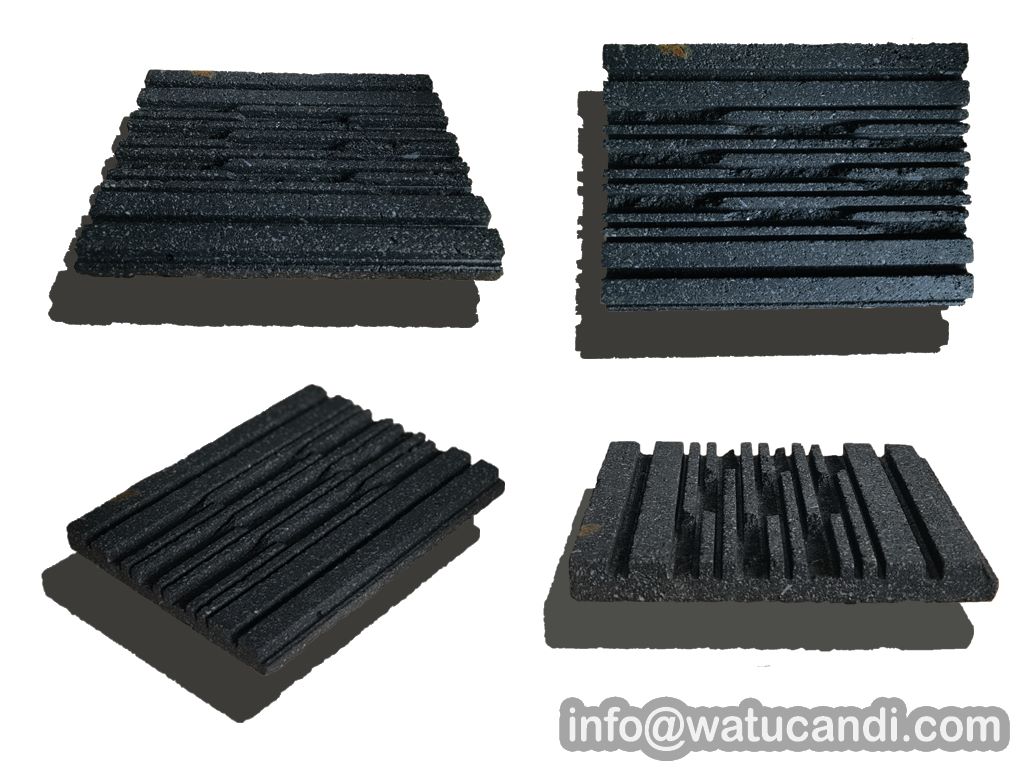
08 Stone Type (GC|broken): Types of Broken Line Grooves on Black Lava Natural Stone Tile Surfaces for Wall Decoration
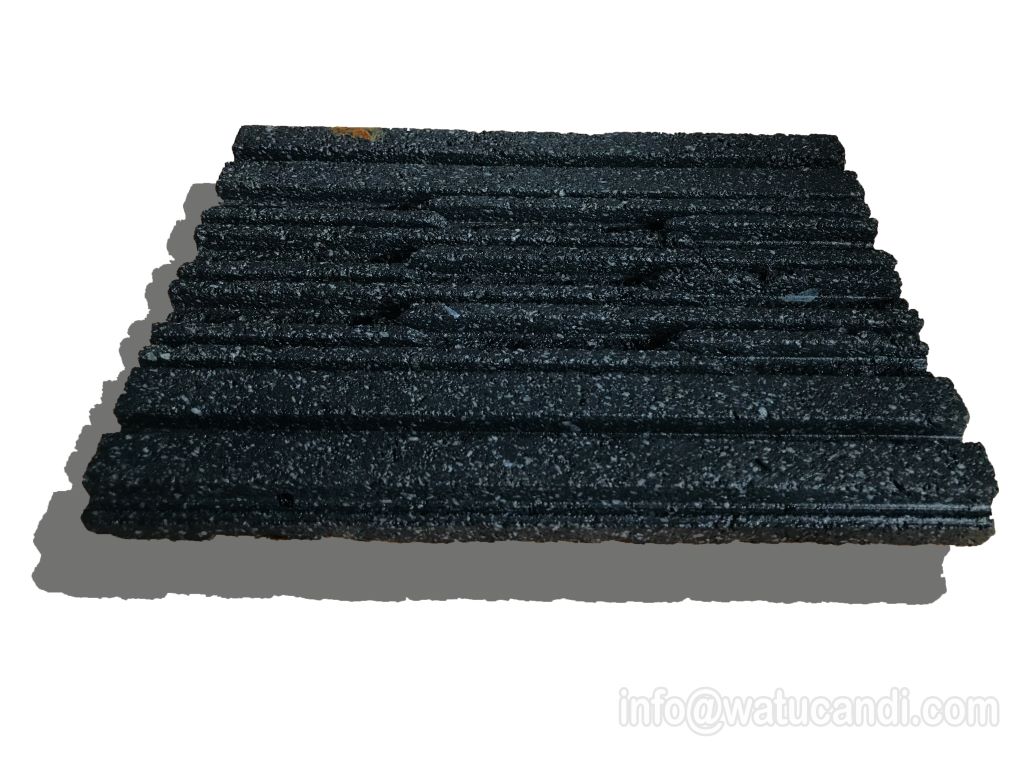
08 Stone Type (GC|broken) is a term that refers to the type of groove or distance between cutting blades that form surface lines on natural stone tiles with a distinctive broken pattern. This technique is widely used as a decorative wall cladding material, creating unique textures and patterns on stone surfaces. For architects, interior designers, and homeowners who appreciate the beauty of natural materials, understanding these various groove types is essential to achieve the desired appearance in both interior and exterior construction projects.
Natural stone tiles with broken line surface patterns have become a popular choice in modern design and construction. This material not only offers distinctive visual beauty but also provides an additional dimension to walls that cannot be achieved with ordinary paint or wallpaper. Black lava stone tiles with broken line grooves offer the perfect combination of natural aesthetics and modern machine precision. This article will discuss in depth the 08 Stone Type (GC|broken), from definition, manufacturing process, types of grooves, applications, to maintenance.
Grooved natural stone tiles as a material for construction finishing work on interiors and exteriors have experienced rapid development. Black Temple Stone tiles, also known as lava stone, sandstone, or Pedra Hitam, are among the most sought after natural stone tile products. Their uniqueness lies in the straight line form with specific distance measurements on their surface, and in this broken type, the lines are created with a broken pattern that provides a more dynamic character. From the varying widths of stone cutting blade distances, elegant combination patterns will be produced in the form of straight lines with stunning broken accents.
While this article focuses on the 08 Stone Type (GC|broken), the broader GC classification system also includes other variations such as the 09 Stone Types (GC), which features a different groove arrangement and spacing. For those seeking information in other languages, comprehensive guides on these stone classifications are also available in Indonesian, Chinese, Japanese, Korean, Arabic, French, Spanish, German, and Portuguese, making this technical knowledge accessible to a global audience of architects, designers, and stone enthusiasts.
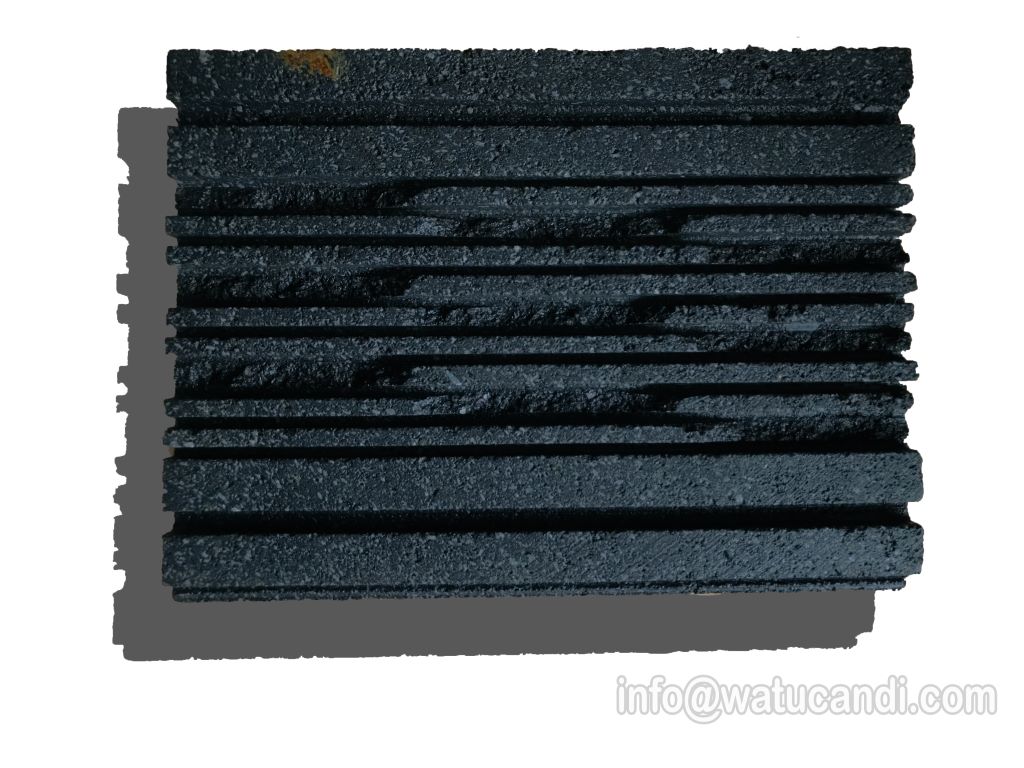
Table of Contents
- Introduction: Understanding 08 Stone Type (GC|broken)
- What Is 08 Stone Type (GC|broken)?
- Getting to Know Black Temple Stone: Lava Stone, Sandstone, Pedra Hitam
- Characteristics of Black Lava Natural Stone Tiles
- The Process of Creating Broken Line Patterns on Natural Stone Tiles
- Cutting Machines and Broken Line Groove Formers
- Types of Line Grooves on Stone Surfaces
- Advantages of Broken Line Natural Stone Tiles Compared to Other Materials
- Applications of Broken Line Natural Stone Tiles for Interior and Exterior
- Installation Techniques for Broken Line Natural Stone Tiles
- Maintenance of Black Lava Natural Stone Tiles
- Design Inspiration with Broken Line Natural Stone Tiles
- Comparison of Broken Line Natural Stone Tiles with Other Wall Materials
- Tips for Choosing Quality Broken Line Natural Stone Tiles
- Trends in the Use of Broken Line Natural Stone Tiles Worldwide
- Sustainability and Environmental Aspects
- Frequently Asked Questions (FAQ)
- Conclusion: The Beauty of Broken Line Grooves on Natural Stone
Introduction: Understanding 08 Stone Type (GC|broken)
In the modern world of construction and interior design, the choice of wall cladding material plays a crucial role in determining the character and atmosphere of a room. Among the various options available, 08 Stone Type (GC|broken) emerges as a solution that combines the natural beauty of stone with the precision of modern cutting technology, coupled with a broken pattern touch that provides a more dynamic character. The term GC itself refers to a certain classification of groove distance and pattern created by cutting blades on the surface of natural stone tiles, while the term “broken” indicates that the resulting line pattern has a broken, non-continuous character, creating a more natural and organic impression.
The concept of 08 Stone Type (GC|broken) originated from the needs of designers and architects for wall materials that not only function as protection but also as decorative elements capable of providing high aesthetic value with a more artistic touch. Unlike plain walls that only rely on paint or wallpaper, natural stone tiles with broken line grooves offer visual dimensions and textures that can significantly transform the atmosphere of a room. Each broken groove formed from the cutting blade distance creates unique shadows and light reflections, giving a deep and exclusive impression to every surface it covers.
Indonesia, especially the area around Mount Merapi, possesses natural wealth in the form of volcanic stone of internationally recognized quality. Black temple stone, known globally as black lava stone, sandstone, or Pedra Hitam, has become a leading commodity exported to various countries. The uniqueness of its texture and color that cannot be imitated by artificial materials makes it a favorite choice for world class designers. This article will comprehensively explore all aspects related to 08 Stone Type (GC|broken), providing comprehensive insight for those who wish to understand more deeply about this extraordinary material.
What Is 08 Stone Type (GC|broken)?
08 Stone Type (GC|broken) technically refers to the classification of line types or distances between cutting blades that form the surface of natural stone tiles with broken patterns. The number “08” indicates a specific code for a particular groove pattern, while “GC” stands for Grade Classification or the quality classification level of the resulting line pattern, and “broken” indicates the characteristic of lines that are created non-continuously but rather in a broken manner. In practice, 08 Stone Type (GC|broken) produces stone surfaces that have straight line grooves with broken patterns that give a more natural and less rigid impression, creating regular textures while still maintaining the natural character of the stone.
The broken line pattern on these natural stone tiles is created through modern cutting technology using special diamond blades. The machines used have been precisely programmed to produce consistent distances between lines on each tile, but with broken patterns that give them their own character. This level of precision is very important because it ensures pattern uniformity when tiles are installed side by side, creating the illusion of beautifully connecting broken lines along the wall. Unlike full straight line patterns, broken patterns provide visual dynamics that are more lively and organic.
What differentiates 08 Stone Type (GC|broken) from other types is the specific combination of groove depth, groove width, distance between grooves, and the broken character produced. This combination has undergone research and development to produce the most optimal visual effect when applied to walls. The resulting surface texture is not only visually appealing but also provides functional advantages such as the ability to hide tile joints and create illusions of a more dynamic room, depending on the direction of the broken line installation.
For those interested in exploring other classifications within the same family, the 09 Stone Types (GC) offers an alternative groove pattern that may suit different design preferences. Detailed specifications and application examples for this variant are also available in multiple languages, including Bahasa Indonesia, Chinese (中文), Japanese (日本語), Korean (한국어), Arabic (العربية), French (Français), Spanish (Español), German (Deutsch), and Portuguese (Português).
Getting to Know Black Temple Stone: Lava Stone, Sandstone, Pedra Hitam
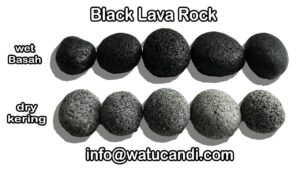
Black Temple Stone is the local name for volcanic material originating from the slopes of Mount Merapi. In international trade, this stone is known by various names: Lava Stone refers to its origin from volcanic lava, Sandstone refers to its texture that resembles sandstone but with much higher density, and Pedra Hitam is a Portuguese term meaning “black stone,” widely used in European and South American markets.
The formation process of this stone occurs over thousands of years. Volcanic material ejected by Mount Merapi during its various eruptions settles on the surrounding slopes and valleys. Over time, natural pressure and temperature transform this loose material into solid rock with unique characteristics. Black lava stone tiles cut from this rock have a natural black color that does not fade, a porous texture that provides natural grip, and high density that guarantees long term durability.
One of the main advantages of Black Temple Stone is its resistance to various weather conditions. Unlike other types of natural stone that can experience weathering or color changes due to exposure to sunlight and rainwater, black lava stone actually increasingly shows its character as it ages. Its volcanic nature makes this stone resistant to extreme temperature changes, high humidity, and even exposure to mild chemicals. This is what makes it an ideal choice for exterior applications in various climates, from tropical to subtropical.
Characteristics of Black Lava Natural Stone Tiles
Understanding the characteristics of black lava natural stone tiles is very important before deciding to use them in construction or renovation projects. Each characteristic affects not only the final appearance but also the installation process, long term maintenance, and material performance in various conditions.
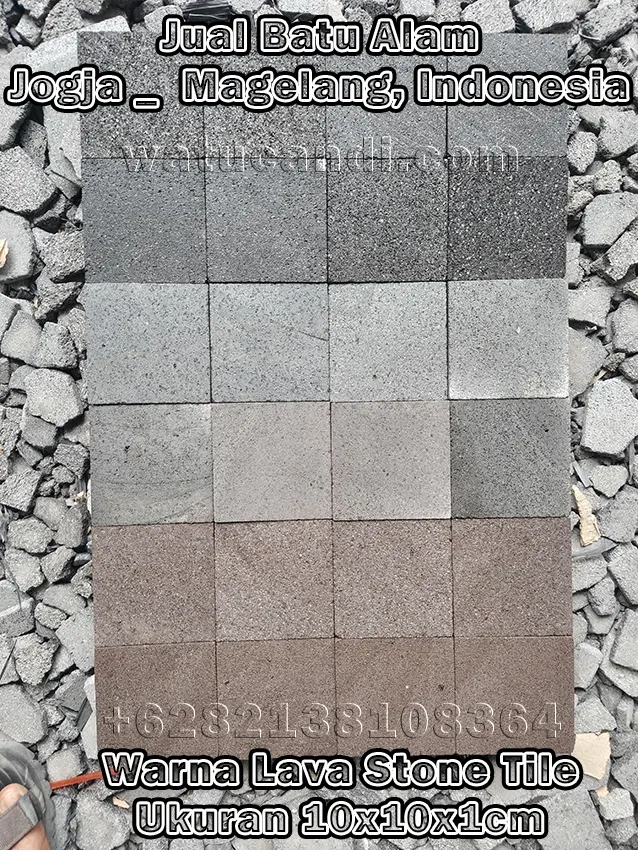
Natural Black Color is the most prominent feature of this stone. Unlike artificially colored stone, the black color in lava stone comes from the composition of volcanic minerals formed naturally. This color has depth and subtle tonal variations, ranging from jet black to dark gray with slight mineral shimmer. The naturalness of this color guarantees that the stone will not experience color changes over time, even when exposed to direct sunlight for years.
Porous Texture is the second characteristic that distinguishes lava stone from other stone types. Pores formed naturally during the lava cooling process provide a unique texture that cannot be imitated by artificial materials. Besides its aesthetic value, these pores also provide a practical function as a natural anti slip property, making this stone safe for use in areas frequently exposed to water. In the context of finishing the surface, these pores can be filled or left open depending on the desired visual effect.
High Density makes lava stone very resistant to impact and pressure. Unlike ceramic or porcelain that can crack or break when subjected to strong impacts, lava stone tiles have extraordinary structural resistance. This characteristic is very important for floor or wall applications in high traffic areas. In addition, high density also means the stone has good thermal mass, capable of storing heat during the day and releasing it slowly at night, contributing to building energy efficiency.
The Process of Creating Broken Line Patterns on Natural Stone Tiles
The process of creating broken line patterns on natural stone tiles is an interesting blend of natural forces and modern technological precision. Unlike naturally formed patterns, the line patterns on 08 Stone Type (GC|broken) are created through a series of mechanical processes designed to produce consistent and repetitive patterns with distinctive broken characteristics, while still maintaining the natural beauty of the base material.
The first stage in this process is the selection of raw materials. Not all lava stone blocks are suitable for making broken line tiles. The selected stone must have uniform density, without internal cracks or mineral inclusions that could disrupt the cutting process. Stone from the slopes of Mount Merapi is highly valued for its consistent quality, the result of relatively uniform volcanic processes over thousands of years. After suitable stone blocks are selected, they are cut into slabs with specific base dimensions using industrial diamond saws.
The next stage is the process that differentiates 08 Stone Type (GC|broken) from ordinary natural stone tiles. The stone slabs that have been cut flat are then placed into special machines that have been programmed to create specific broken line patterns. These machines use diamond cutting blades arranged at specific distances, creating grooves with precise depth and width, but with non-continuous broken patterns. The process of creating line patterns on natural stone tiles involves selecting the type of natural stone to be used, such as lava stone, sandstone, granite, or limestone. The stone is then cut into rectangular or square pieces of the same size using saws or other cutting tools.
After the stone pieces are cut to size, they are then placed into machines that have been programmed to create the desired broken line patterns. These machines use various cutting tools and techniques to shape the stone into the desired pattern, including saws, waterjets, and grinders. The specific technique used may vary depending on the type of stone used and the desired broken pattern. After the stone is cut and shaped according to the pattern, it is usually polished to create a smooth and uniform finish. It is important to note that machine made natural stone line patterns are not completely uniform, and there may be slight variations in color and texture between individual pieces. However, these variations are often considered desirable, as they add to the natural beauty and character of the stone.
Cutting Machines and Broken Line Groove Formers
The machines used to create broken line grooves on natural stone tiles are advanced equipment specifically designed to work with hard materials such as volcanic stone. These machines use diamond saw blades or wire brushes to create the desired effect on the tile surface. The technology behind these machines continues to develop, enabling the creation of increasingly complex patterns with precise broken characteristics.
The broken line groove forming machines work based on the principle of controlled cutting with a special mechanism that creates pauses in the line pattern. The cutting blades, made of high quality steel with diamond tips, rotate at high speed and touch the stone surface at predetermined angles and depths, with an up and down pattern that creates the broken effect. The distance between blades can be adjusted to create various groove widths, ranging from nearly invisible thin lines to wide grooves that create prominent textures. The cutting speed, blade pressure, number of passes, and pause rhythm can all be adjusted to achieve different broken effects on different stone types.
It is important to note that operating natural stone cutting machines requires special skills and training, as well as appropriate safety precautions to avoid injury. Machine operators must understand the characteristics of various stone types, be able to adjust machine settings as needed, and recognize signs of blade wear or other potential problems. Machines must also be operated carefully to avoid damaging the tiles or causing other unwanted effects. Regular machine maintenance, including replacement of worn blades and calibration of settings, is very important to maintain consistent production quality.
Types of Line Grooves on Stone Surfaces
The variations of line grooves that can be created on natural stone tile surfaces are very diverse. Each type of groove has different visual characteristics and is suitable for different applications. Below are some of the most commonly used groove types in the natural stone tile industry, including broken pattern grooves.
Straight Horizontal Line Grooves are the most classic and widely used type. In this type, the cutting blades create parallel lines that extend horizontally across the tile surface. Horizontal grooves give the impression of a wider and more spacious room, making them a popular choice for living room walls and hotel lobbies. The distance between lines can vary from very close, creating a fine texture, to more spaced out for a bolder visual effect.
Straight Vertical Line Grooves use the same principle as horizontal grooves, but the lines are created in a vertical orientation. The resulting effect is an illusion of height, making the room feel taller than it actually is. Vertical grooves are very effective for rooms with low ceilings or areas that you want to give a grand and monumental impression.
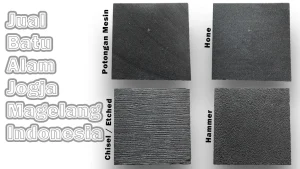
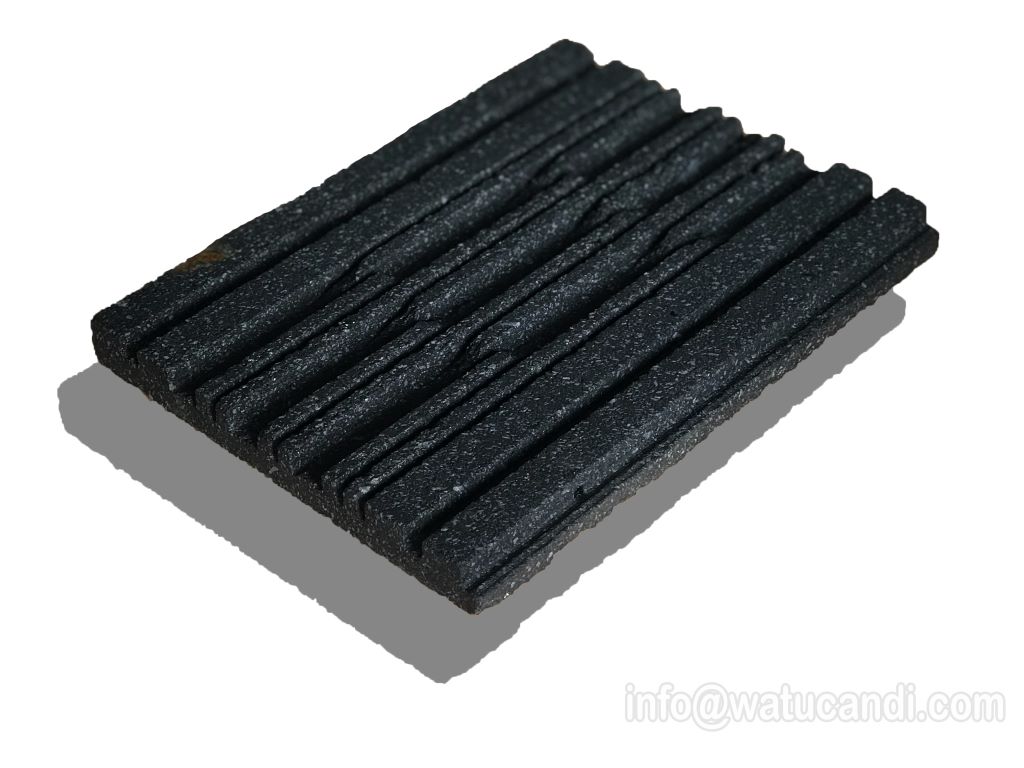
Broken Line Grooves are the characteristic feature of 08 Stone Type (GC|broken). In this type, the cutting blades create non-continuous lines that are interrupted with certain patterns. The resulting effect is a more dynamic and organic texture, resembling natural cracks in stone. This broken pattern is very effective for creating rustic, industrial, or contemporary impressions with more character. Lava stone tiles with broken grooves are often used on accent walls to provide a unique artistic touch.
Combination Grooves are a further development that combines several directions or patterns of grooves in one tile or in one installation series. For example, straight grooves and broken grooves can be combined to create interesting contrasts, or grooves with different depths can be used to create more complex three dimensional effects.
Advantages of Broken Line Natural Stone Tiles Compared to Other Materials
When comparing broken line natural stone tiles with other wall cladding materials, several significant advantages emerge that make them a superior choice for various applications. These advantages include aesthetic, functional, and long term economic aspects.
From an aesthetic perspective, broken line natural stone tiles offer uniqueness that cannot be imitated by artificial materials. Each tile has natural variations in color and texture that, although machine produced, still maintain their organic character. The broken grooves created by cutting blades add a more dynamic visual dimension compared to ordinary straight grooves, creating a play of light and shadow that continuously changes throughout the day. No two tiles are truly identical, ensuring that each wall covered has its own unique character.
From a functional perspective, natural stone tiles offer extraordinary durability. Unlike wallpaper that can peel, paint that can fade, or wood panels that can decay, broken line natural stone tiles maintain their appearance for decades with minimal maintenance. Black lava stone in particular is resistant to water, fire, and temperature changes, making it a safe and durable choice for both interior and exterior applications. The broken grooves on its surface can also help hide tile joints more effectively, creating a smoother and more professional appearance.
From an economic perspective, although the initial investment for broken line natural stone tiles may be higher than some alternatives, its long term value is very profitable. The durability of this material means there are no major replacement or repair costs in the near future. Easy and inexpensive maintenance further enhances its economic value. Furthermore, the use of premium materials such as broken line natural stone tiles can significantly increase property value, making it a smart investment for homeowners and property developers.
Applications of Broken Line Natural Stone Tiles for Interior and Exterior
The flexibility of broken line natural stone tiles allows them to be used in various applications, both indoors and outdoors. Understanding the right application will help maximize the aesthetic and functional potential of this material.
For interior applications, broken line natural stone tiles are most often used as accent wall cladding in living rooms, family rooms, or master bedrooms. An accent wall covered with broken line natural stone tiles immediately becomes the focal point of the room, attracting attention and creating a more artistic luxurious impression. In the dining room, walls with broken grooves can create a unique and characterful atmosphere. In hallways or transition areas, horizontal broken grooves help create the illusion of a wider space with a dynamic touch. Broken line natural stone tiles are also popularly used as wall cladding in bathrooms, where their anti slip and water resistant properties become additional advantages.
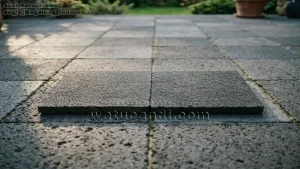
For exterior applications, broken line natural stone tiles are very ideal as building facade cladding. Lava stone has natural weather resistance, will not fade or be damaged by exposure to UV rays, rain, or temperature changes. The grooves on its surface also help channel rainwater, preventing puddles that can cause damage over time. Broken patterns on facades provide a more expressive and modern character. In addition to facades, broken line natural stone tiles can also be used for fence walls, gate pillars, or decorative garden elements. In commercial areas such as hotels, restaurants, or shopping centers, the use of broken line natural stone tiles on exteriors creates a professional and high quality impression that stands out from others.
Installation Techniques for Broken Line Natural Stone Tiles
The installation of broken line natural stone tiles requires precision and special skills to ensure a perfect final result. Unlike ordinary ceramic tiles that are lightweight and easy to cut, natural stone tiles have heavier weight and different material characteristics, thus requiring a different approach.
Surface preparation is the first and most important step in the installation process. The wall to be covered must be completely flat, clean, and free from dust, oil, or other contaminants. For exterior walls or humid areas such as bathrooms, the application of a waterproofing layer is highly recommended before tile installation. Uneven surfaces must be leveled first using cement mortar or special leveling compound. Any unevenness, no matter how small, will be clearly visible after the tiles are installed, especially on tiles with broken grooves that demand high precision.
The installation process begins with planning the tile layout. For broken line tiles, the direction of the grooves and the broken pattern must be carefully considered as it will affect the overall visual perception of the room. After the layout is determined, apply special natural stone adhesive to the wall using a notched trowel. The double buttering technique, which means applying adhesive to the wall and also to the back of the tile, is highly recommended to ensure a strong bond and prevent air pockets. The tile is then pressed onto the wall with even pressure. After the adhesive dries, grout is applied to fill the gaps between tiles. The right choice of grout color is very important as it will affect the overall appearance of the wall.
Maintenance of Black Lava Natural Stone Tiles
One of the main advantages of black lava natural stone tiles is their relatively easy and simple maintenance. However, proper maintenance will ensure their beauty and quality last as long as possible. Below is a maintenance guide that needs to be considered.
For routine cleaning, simply use a soft cloth or feather duster to remove dust that sticks to the tile surface, especially in broken groove areas that can become dust collecting spots. For deeper cleaning, use clean water and pH neutral soap. Avoid using cleaners that contain acid, bleach, or abrasive materials as they can damage the stone surface and remove its natural luster. After cleaning, dry the tile surface with a clean cloth to prevent water spots from forming.
For long term protection, it is recommended to apply a special natural stone sealer every one to two years. The sealer will fill microscopic pores on the stone surface, preventing liquid and stain absorption without changing the natural texture or color of the stone. For tiles installed in areas frequently exposed to water such as bathrooms or kitchens, sealer application may need to be done more frequently. If stubborn stains occur such as oil or wine stains, immediately clean with an absorbent cloth and use a special natural stone cleaner if needed.
Design Inspiration with Broken Line Natural Stone Tiles
Broken line natural stone tiles offer almost unlimited design possibilities. With creativity and proper planning, this material can be used to create various styles and atmospheres, from classic and traditional to modern and contemporary.
Modern Industrial Style utilizes the contrast between the natural texture of stone with metal and glass elements. A wall with broken grooves from black lava stone becomes the perfect backdrop for steel or iron furniture. Lighting strategically directed at the broken grooves creates dramatic shadows that reinforce the industrial impression. The broken pattern adds a stronger and more authentic urban character. This style is very suitable for loft apartments, creative offices, or urban style restaurants.
Contemporary Minimalist Style uses broken line natural stone tiles as an accent element in rooms dominated by white or neutral colors. An accent wall with broken grooves can become an elegant focal point without disturbing the simplicity of the room. For this style, choose tiles with finer broken grooves to create a subtle texture. Combine with light wood furniture and indirect lighting to create a calm and sophisticated atmosphere.
Contemporary Tropical Style blends broken line natural stone tiles with other natural elements such as wood, rattan, and green plants. Walls with broken grooves from black lava stone create an interesting contrast with lush tropical plants. The broken pattern on the stone provides a natural impression that aligns with the tropical theme. This style is very suitable for villas, resorts, or homes in warm climate areas. The natural texture of the stone that is maintained even after being grooved adds to the authenticity of the tropical atmosphere.
Comparison of Broken Line Natural Stone Tiles with Other Wall Materials
To provide a clearer picture of the position of broken line natural stone tiles among other wall cladding materials, here is a comprehensive comparison with several popular alternatives.
Compared to Wall Paint, broken line natural stone tiles offer dimensions and textures that paint cannot provide. Paint is indeed cheaper and easier to apply, but it is prone to stains, scratches, and requires periodic repainting. Natural stone tiles, on the contrary, require almost no maintenance and can last for decades without significant changes. The higher initial investment for natural stone tiles will pay off in the long run through savings on maintenance and repainting costs.
Compared to Wallpaper, broken line natural stone tiles are far more durable and water resistant. Wallpaper, even high quality ones, is susceptible to moisture, can peel in tropical areas, and has a limited lifespan. Natural stone tiles are unaffected by moisture, will not peel, and their color will not fade. From an aesthetic perspective, although wallpaper offers various patterns and designs, none can imitate the natural texture and depth of natural stone, especially with unique broken patterns.
Compared to Wood Panels, broken line natural stone tiles offer much better resistance to fire, water, and insects. Wood panels require routine maintenance in the form of recoating and are susceptible to termites, especially in tropical areas. Natural stone tiles are completely fire resistant, do not require recoating, and are immune to pest attacks. From an aesthetic perspective, wood offers a different warmth, but natural stone with broken line grooves provides an equally strong character with better functional advantages.
Tips for Choosing Quality Broken Line Natural Stone Tiles
Choosing quality broken line natural stone tiles requires precision and knowledge. Here are some tips that can help you make the right choice.
Check the Consistency of Broken Grooves on several tile samples. The broken grooves should have uniform depth and width across the entire tile surface. The broken pattern should also be consistent from one tile to another. Non-uniform grooves will be very visible after the tiles are installed, disrupting the visual beauty that should be the main advantage of this material. Ask for several samples from the same production batch and compare them with each other under different lighting.
Pay Attention to the Quality of the Stone used. High quality black lava stone tiles have a relatively uniform color without striking blotches or color streaks. The surface should be solid without unwanted cracks or large holes. Tap the tile with a hard object; quality tiles will produce a clear and solid sound, not a dull or hollow sound.
Choose a Trusted Supplier who has a good track record in providing natural stone tiles. An experienced supplier will be able to provide detailed information about the origin of the stone, the production process, and technical specifications. They also usually provide adequate guarantees and after sales service. Do not hesitate to ask for references or see previous projects that used their products.
Trends in the Use of Broken Line Natural Stone Tiles Worldwide
The use of broken line natural stone tiles has become a global trend in recent years, driven by increasing appreciation for natural materials and sustainable design. In various parts of the world, architects and designers use this material in innovative and interesting ways.
In Europe, especially in Scandinavian countries and Germany, broken line natural stone tiles are often used in minimalist designs that prioritize function and simple beauty. Broken grooves on walls create more expressive textures without sacrificing minimalist principles. The natural black color of lava stone becomes the perfect contrast with the dominant neutral color palette in Scandinavian design.
In Asia, the use of broken line natural stone tiles reflects a blend of tradition and modernity. In Japan, broken line grooves on natural stone are often used to create effects that align with the aesthetic principle of wabi sabi, appreciating beauty in simplicity and natural imperfection. In Singapore and Malaysia, broken line natural stone tiles are a popular choice for commercial building facades, creating a professional and modern appearance.
Sustainability and Environmental Aspects
In an era where environmental awareness is increasing, the sustainability aspect of building materials becomes a very important consideration. Broken line natural stone tiles have several advantages from a sustainability perspective that need to be considered.
First, natural stone is a naturally available material and does not require energy intensive manufacturing processes like synthetic materials. The process of extracting and cutting stone does require energy, but its carbon footprint is much lower compared to the production of ceramic, porcelain, or composite materials. Natural stone also does not contain harmful chemicals that can evaporate into indoor air, contributing to better indoor air quality.
Second, the very long lifespan of natural stone tiles means material replacement is rarely needed, reducing construction waste in the long term. When eventually replaced, natural stone can be recycled or reused for other applications, unlike many synthetic materials that end up in landfills. Third, the use of local natural stone such as stone from Mount Merapi reduces transportation footprints, further enhancing its sustainability profile.
Frequently Asked Questions (FAQ)
Q: Are broken line natural stone tiles suitable for all types of walls?
A: Broken line natural stone tiles can be installed on most types of walls, including brick, concrete, and gypsum board walls, as long as the surface is flat and strong enough to support the weight of the tiles. For walls with lighter structures, consult with a contractor regarding any reinforcement that may be needed.
Q: Will the broken grooves on natural stone tiles make cleaning difficult?
A: Broken grooves can indeed become dust collecting spots, but routine cleaning with a feather duster or vacuum cleaner is sufficient to keep them clean. For deep cleaning, use a soft bristled brush. Broken grooves do not significantly complicate cleaning if done regularly.
Q: Are broken line natural stone tiles available in colors other than black?
A: Although black lava stone is the most popular, broken line natural stone tiles are also available in various other natural colors, including gray, brown, and cream, depending on the type of stone used. Andesite stone, for example, offers a wider spectrum of gray colors.
Q: How long does it take to install broken line natural stone tiles?
A: Installation time varies depending on the area size, pattern complexity, and installer experience. In general, installing broken line natural stone tiles takes longer than ordinary ceramic tiles because of their heavier weight and the need for greater precision in aligning the broken grooves.
Conclusion: The Beauty of Broken Line Grooves on Natural Stone
08 Stone Type (GC|broken) represents the perfect blend of natural beauty and technological precision, with an artistic touch of broken patterns that provide a more dynamic character. Natural stone tiles with broken line grooves offer a unique wall decoration solution, combining the organic character of volcanic stone with the regularity of patterns created by modern machines, plus broken accents that create a more natural and expressive impression. The result is a material that is not only visually beautiful but also functional, durable, and environmentally friendly.
From the legendary black lava stone of Mount Merapi, through advanced cutting and shaping processes, tiles are created ready to beautify building walls around the world. Each broken groove formed is not merely a mechanical scratch, but the result of careful calculations and technical expertise aimed at maximizing the aesthetic potential of natural materials with a unique artistic touch.
Whether you are an architect designing iconic buildings, an interior designer creating inspiring spaces, or a homeowner wanting to give a special touch to your residence, broken line natural stone tiles offer unlimited possibilities. With proper selection, careful installation, and simple maintenance, your walls will become canvases displaying the timeless beauty of nature, enhanced by the touch of human precision and the artistic character of broken patterns.
Explore the collection of Indonesian natural stone tiles and discover the perfect 08 Stone Type (GC|broken) for your next project. By choosing quality natural materials, you are not only investing in beauty, but also in sustainability and long term value.
For further exploration of stone groove classifications, be sure to read our detailed guide on 09 Stone Types (GC), and access the same technical information in various world languages: Bahasa Indonesia, 中文, 日本語, 한국어, العربية, Français, Español, Deutsch, and Português.
Tags: 08 stone type gc broken, broken line natural stone tiles, black temple stone, lava stone, sandstone, pedra hitam, black lava stone, natural stone wall tiles, natural stone wall decoration, broken line groove natural stone, natural stone cutting machine, broken line pattern natural stone, natural stone wall cladding, volcanic stone tiles, mount merapi stone, black stone tiles, natural stone texture, natural stone finishing, natural stone tile installation, natural stone maintenance, natural stone wall design, interior natural stone, exterior natural stone, natural stone facade, indonesian natural stone tiles, watucandi,