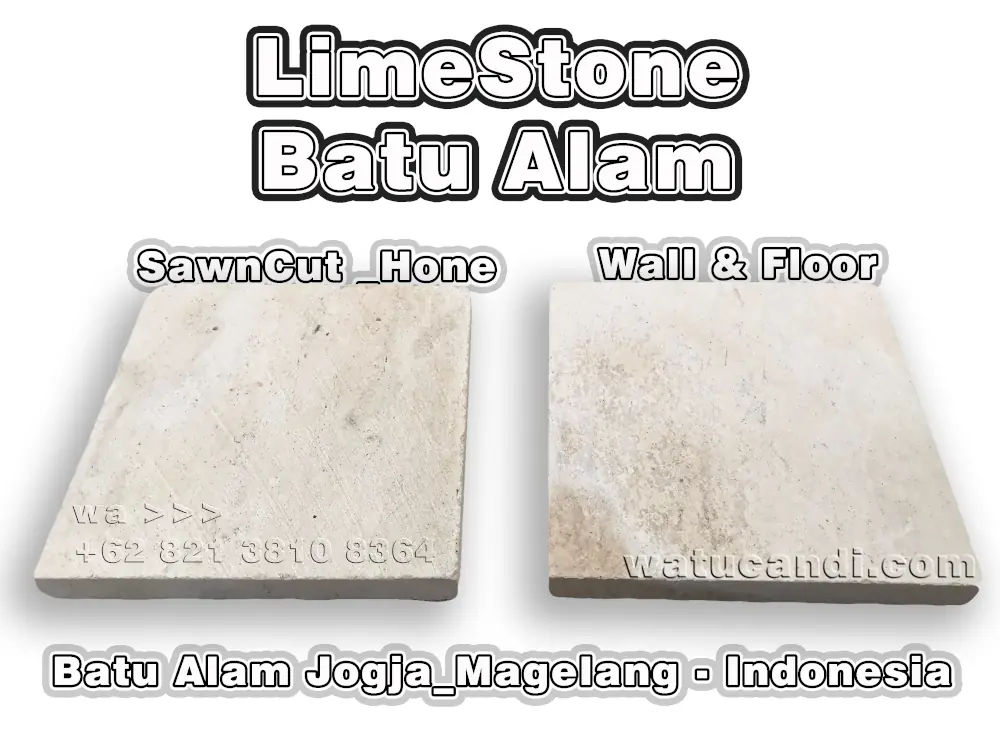
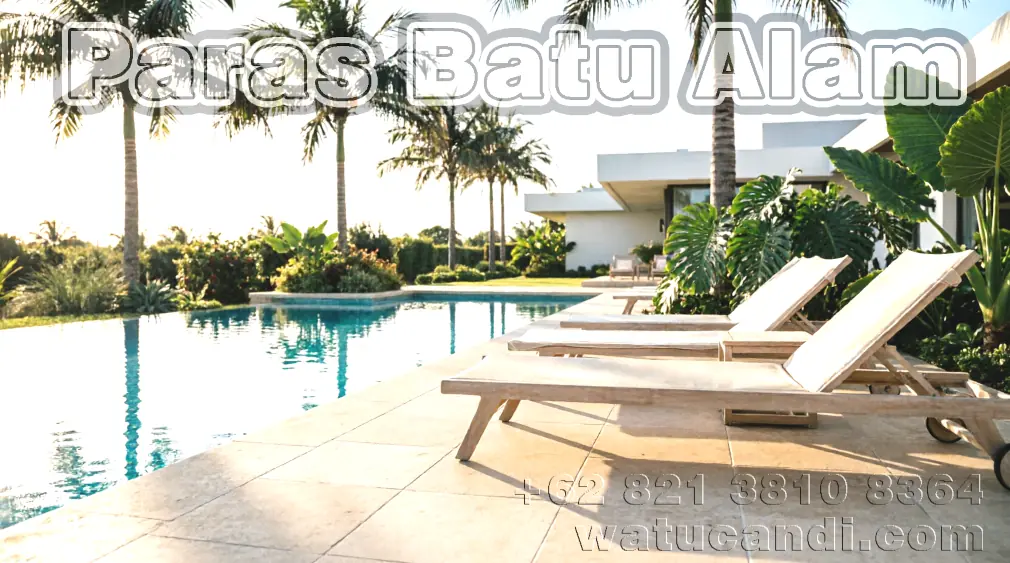
Sandstone & Limestone Natural Stone from Indonesia for Walls and Floors – Premium Tiles and Slabs
Discover premium Indonesian sandstone and limestone natural stone for walls, floors, and pools. Explore our extensive collection of beige, cream, ivory, and green tiles from Yogyakarta, Palimanan, and Sukabumi. Ideal for luxury villas, resorts, and tropical architecture. Worldwide shipping available. Read our comprehensive guide on selection, installation, and maintenance.
Elevate your space with authentic Indonesian sandstone and limestone tiles. Ideal for tropical luxury, wall cladding, and flooring. Worldwide shipping.
1. Introduction to Indonesian Natural Stone Excellence
In the realm of architectural design and interior decoration, few materials possess the timeless allure, durability, and organic warmth of natural stone. Among the global sources of this exquisite material, Indonesia stands out as a premier destination for high quality sandstone and limestone. These stones are not merely construction materials. They are fragments of geological history, quarried from the volcanic landscapes and sedimentary basins of the Indonesian archipelago. For architects, interior designers, contractors, and homeowners seeking to infuse their spaces with a sense of calm, sophistication, and tropical luxury, Indonesian natural stone offers an unparalleled solution. The demand for premium natural stone tiles for sale has surged in recent years, driven by a global shift towards sustainable, biophilic design principles. People are increasingly drawn to materials that connect them to nature, and nothing achieves this quite like the textured surface of a honed limestone wall or the warm glow of a beige sandstone floor.
Indonesia’s unique geological conditions have produced stones with distinct characteristics, including rich mineral content, varied color palettes, and exceptional durability. These attributes make them ideal for both interior and exterior applications. This comprehensive guide explores the world of Indonesian sandstone and limestone. We will delve into the specific qualities that make these stones superior choices for wall cladding, flooring, pool surrounds, and landscaping. Whether you are designing a luxury villa in Bali, a boutique hotel in Singapore, a modern residence in Sydney, or a commercial complex in Dubai, understanding the nuances of Indonesian natural stone will empower you to make informed decisions that enhance the aesthetic and functional value of your project. From the historic temples of Borobudur and Prambanan, which were constructed using local volcanic stone, to contemporary minimalist homes that celebrate indoor outdoor flow, Indonesian stone has played a pivotal role in shaping the architectural identity of the region. Today, this heritage is being exported worldwide, bringing the essence of tropical tranquility to homes and businesses across the globe.
2. The Geological Heritage: Why Indonesia?
Indonesia is situated along the Pacific Ring of Fire, a zone characterized by intense volcanic activity and tectonic movement. This dynamic geological environment has resulted in the formation of diverse rock types, including abundant deposits of sandstone and limestone. The volcanic ash and sediment that settled over millions of years were compressed and cemented together, creating stones with unique structural integrity and visual appeal. The historic significance of Indonesian stone cannot be overstated. The ancient temples of Java, such as Borobudur and Prambanan, are testaments to the durability and workability of local stone. These structures have withstood centuries of tropical weather, earthquakes, and human interaction, yet they remain standing as symbols of architectural mastery. The stone used in these temples, often referred to as Andesite or volcanic stone, shares similar properties with the sandstone and limestone quarried today, particularly in terms of density and resistance to environmental factors.
Modern quarrying techniques in Indonesia have evolved to meet international standards while preserving the natural character of the stone. Quarries in regions like Yogyakarta, Central Java, West Java, and Sukabumi are managed with a focus on quality control and environmental responsibility. The stone extracted from these areas is known for its consistency in color and texture, making it a reliable choice for large scale projects where uniformity is essential. Furthermore, the tropical climate of Indonesia plays a crucial role in the formation of these stones. The high humidity and rainfall contribute to the weathering processes that give Indonesian limestone its distinctive porous structure and sandstone its rich, earthy tones. This natural weathering also means that the stone is already acclimatized to humid environments, making it an excellent choice for pool areas, bathrooms, and outdoor spaces in tropical and subtropical regions around the world. The geological diversity of the archipelago ensures that no two stones are exactly alike, providing a unique, bespoke character to every installation.
3. Sandstone vs. Limestone: Understanding the Difference
While both sandstone and limestone are sedimentary rocks, they have distinct compositions and properties that make them suitable for different applications. Understanding these differences is key to selecting the right material for your project. Sandstone is composed primarily of sand sized mineral particles or rock fragments, typically quartz and feldspar. These particles are cemented together by silica, calcium carbonate, or iron oxide. The presence of iron oxide gives many Indonesian sandstones their characteristic warm hues, ranging from beige and cream to pink and brown. Sandstone often has a slightly gritty or sandy texture, although honed finishes can smooth this out significantly. This natural texture provides excellent slip resistance, making it ideal for flooring and pool surrounds. It is a hard wearing stone that can withstand heavy foot traffic and weather exposure. However, it is more porous than granite, so sealing is recommended to prevent staining. Sandstone offers a rustic, earthy look that blends seamlessly with natural landscapes. It is particularly popular in tropical and Mediterranean style designs. Indonesian sandstone includes varieties like Brown Sandstone, which features rich chocolate tones, and lighter beige variants that evoke a sense of calm and serenity.
Limestone, on the other hand, is a sedimentary rock composed mainly of calcium carbonate, often derived from the skeletal fragments of marine organisms such as coral and shells. Over millions of years, these fragments accumulate and compress to form solid rock. Indonesian limestone is renowned for its fine grain and consistent color. Limestone typically has a smoother, more uniform texture than sandstone. It can be polished to a high sheen or left with a matte, honed finish. While durable, limestone is softer than sandstone and can be susceptible to acid erosion. It requires careful maintenance, especially in areas where acidic substances may be present. Limestone exudes elegance and sophistication. Its neutral colors, such as white, cream, and ivory, make it a versatile choice for both modern and classical designs. Popular Indonesian limestones include Paras Yogya and Green Sukabumi Stone, each offering unique visual qualities. Choosing between sandstone and limestone often comes down to personal preference and the specific requirements of the project. For high traffic outdoor areas, the durability and slip resistance of sandstone may be preferable. For interior walls and floors where a refined look is desired, the smooth texture and elegant appearance of limestone might be the better choice.
4. The Color Palette: Beige, Cream, Ivory, and Green
One of the most appealing aspects of Indonesian natural stone is its diverse color palette. Unlike manufactured tiles, which offer limited and often artificial colors, natural stone provides a range of hues that are subtle, nuanced, and inherently beautiful. These colors are derived from the mineral content of the stone and the geological conditions under which it formed. Beige and cream are the most popular colors for Indonesian sandstone and limestone. These neutral tones create a warm, inviting atmosphere that complements a wide variety of design styles. They reflect light softly, enhancing the sense of space and openness in a room. In tropical architecture, beige and cream stones are often used to create a seamless transition between indoor and outdoor spaces, blurring the boundaries between the built environment and nature. Beige Sandstone is particularly prized for its ability to age gracefully. Over time, exposure to the elements can deepen its color, adding character and depth to the surface. Cream limestone, on the other hand, maintains its light, airy appearance, making it ideal for spaces where brightness is desired.
Ivory and white stones offer a clean, crisp look that is synonymous with modern minimalism. These colors are often used in contemporary designs to create a sense of purity and simplicity. Indonesian limestone, such as White Paras Yogya, is renowned for its consistent ivory hue and fine grain. This stone is perfect for creating feature walls, bathroom vanities, and kitchen countertops where a sleek, polished look is desired. White and ivory stones also have the advantage of reflecting heat, making them a practical choice for outdoor paving in hot climates. They stay cooler underfoot than darker stones, enhancing comfort in pool areas and patios. Green stone is a unique offering from Indonesia, particularly from the Sukabumi region. Green Sukabumi Stone is famous for its vibrant emerald hue, which turns a deeper shade of green when wet. This stone is highly sought after for swimming pools, where it creates a stunning visual effect, mimicking the clarity and color of natural water bodies. Beyond pools, green stone can be used for accent walls, garden pathways, and spa areas to introduce a touch of nature into the design. Its calming color promotes relaxation and well being, aligning with the principles of biophilic design. Soft pink and warm brown tones add depth and richness to the color palette. Pink sandstone, with its delicate blush hues, can create a romantic and soothing ambiance. Brown sandstone, with its earthy undertones, grounds the space and connects it to the natural landscape. These colors are often used in combination with beige and cream to create layered, textured looks that are visually interesting and dynamic.
Original Sandstone Tiles from the Prambanan Borobudur Region. Premium Indonesian natural stone inspired by ancient temple heritage for floor and wall projects.
5. Origin Regions: Yogyakarta, Palimanan, and Sukabumi
The quality and character of Indonesian natural stone are heavily influenced by their region of origin. Three primary regions are renowned for their stone production, namely Yogyakarta, Palimanan, and Sukabumi. Each region offers distinct types of stone with unique properties. Yogyakarta, located in Central Java, is the cultural and historical heart of Indonesia. It is also a major source of high quality sandstone and limestone. The stone from this region, often referred to as Paras Yogya, is known for its fine grain, consistent color, and ease of carving. This makes it ideal for intricate decorative elements, as well as standard tiles and slabs. The geological history of Yogyakarta, with its proximity to active volcanoes like Mount Merapi, has resulted in stone that is dense and durable. Volcanic stone from Mount Merapi is also widely used for its rugged texture and dark color, providing a striking contrast to the lighter sandstones and limestones.
Palimanan, located in West Java, is famous for its limestone deposits. The stone from this region, known as Palimanan Stone, is characterized by its creamy white to beige color and smooth texture. It is one of the most popular choices for wall cladding and flooring in both residential and commercial projects. Palimanan stone is prized for its uniformity, which makes it easy to install in large areas without significant variation in color or pattern. It is also relatively soft, allowing for various finishes, including honed, brushed, and split face. Sukabumi, also in West Java, is the exclusive source of Green Sukabumi Stone. This unique stone is formed from volcanic ash and marine sediments, resulting in its distinctive green color. It is highly durable and resistant to water, making it the preferred choice for swimming pools and water features. The mining of Green Sukabumi Stone is strictly regulated to ensure sustainability and quality. Only certified quarries are allowed to extract this stone, ensuring that it meets international standards for export.
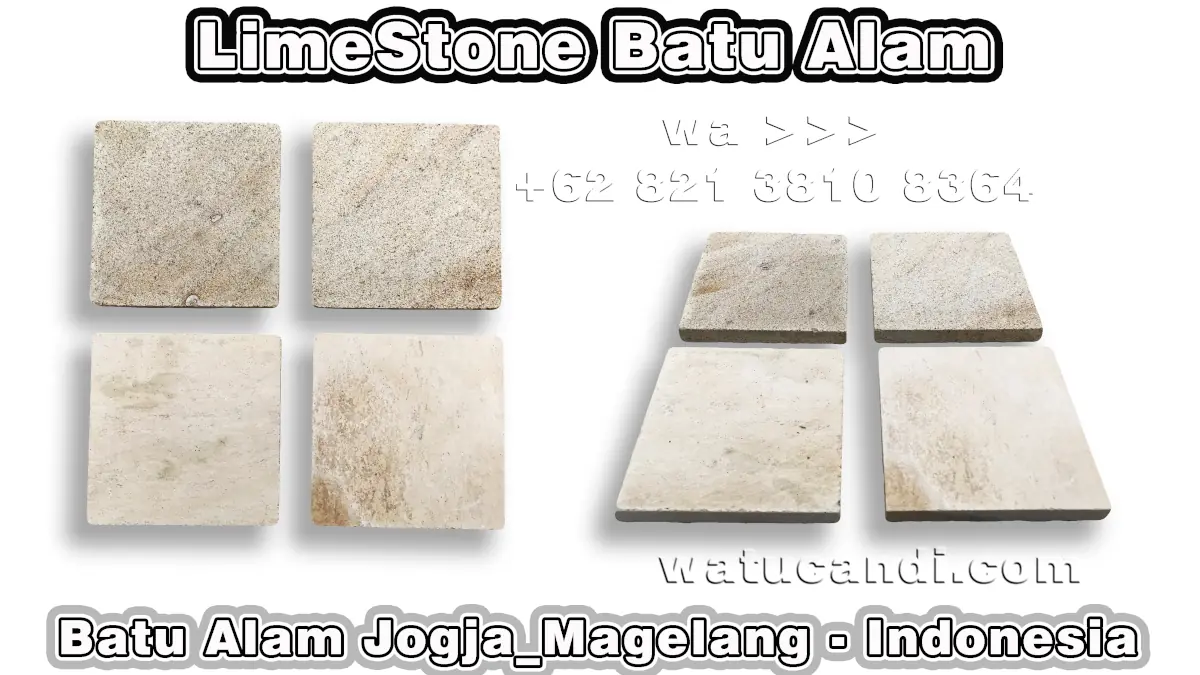
Premium Beige Sandstone and Limestone Tiles from Jogja and Magelang. Authentic Indonesian natural stone for elegant floor and wall projects.
6. Finishes and Textures: Honed, Brushed, Split Face, and More
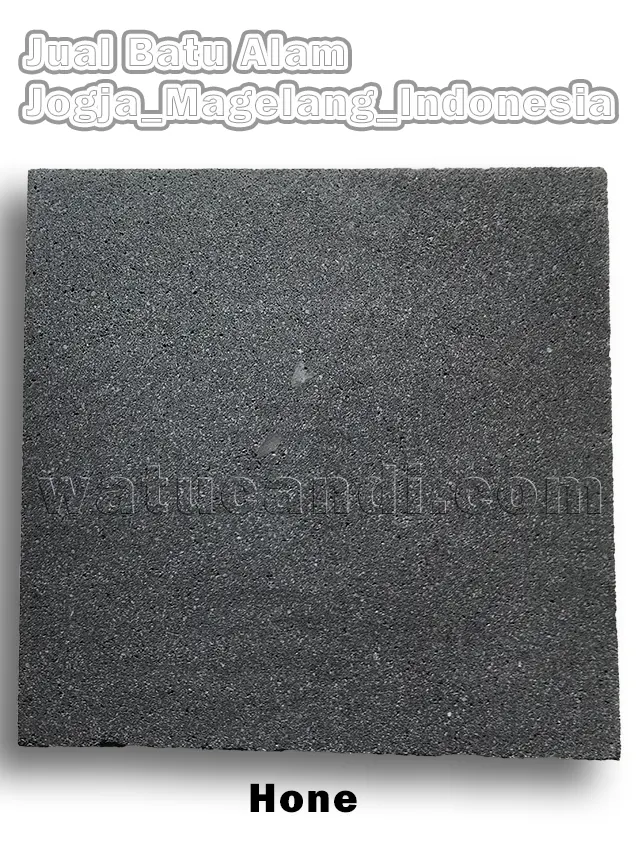
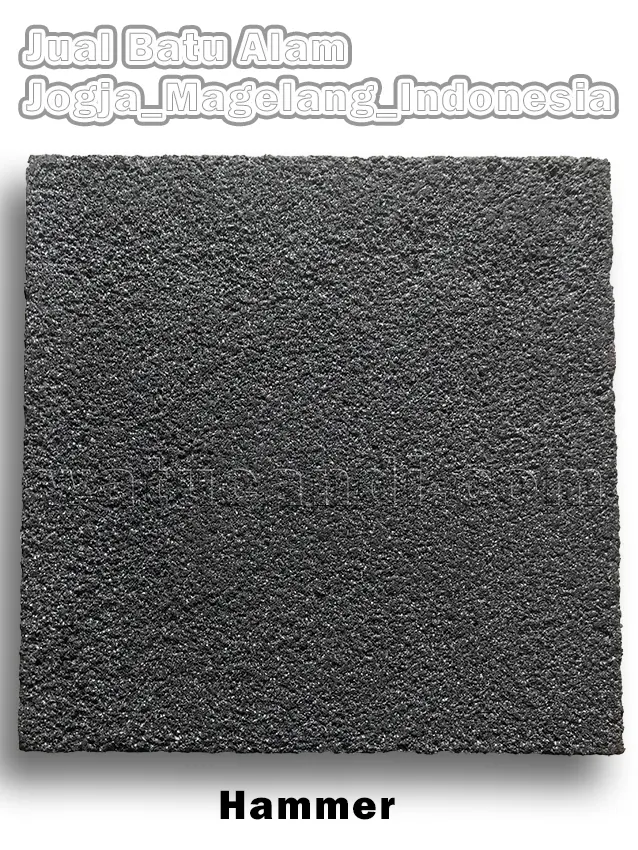
The finish of natural stone plays a crucial role in its appearance, feel, and performance. Indonesian suppliers offer a variety of finishes to suit different aesthetic and functional requirements. A honed finish is achieved by grinding the surface of the stone to a smooth, matte level. This finish highlights the natural color and pattern of the stone without adding shine. It is popular for interior flooring and wall cladding because it is easy to maintain and provides a sophisticated, understated look. Honed stone is also less slippery than polished stone, making it safer for wet areas. A brushed finish is created by using wire brushes to remove the softer parts of the stone, leaving the harder grains exposed. This results in a textured surface that is both visually interesting and tactile. Brushed stone is often used for exterior cladding and flooring because it provides excellent slip resistance and hides dirt and wear well.
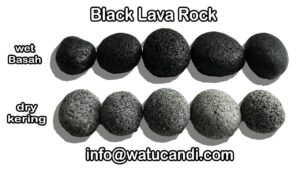
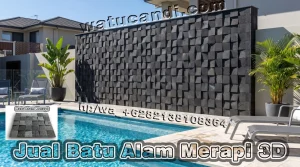
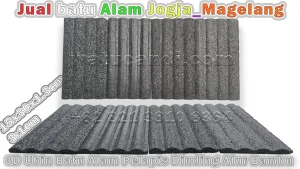
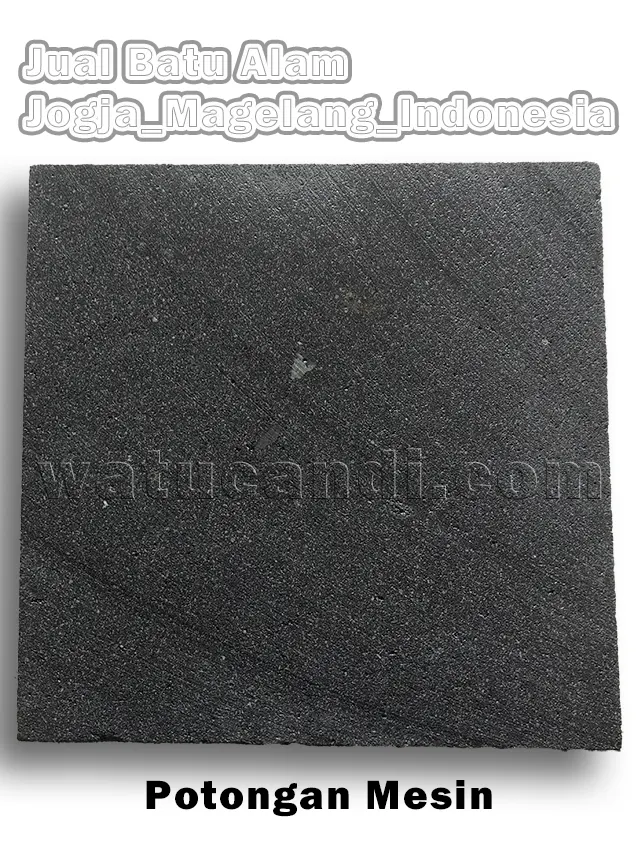
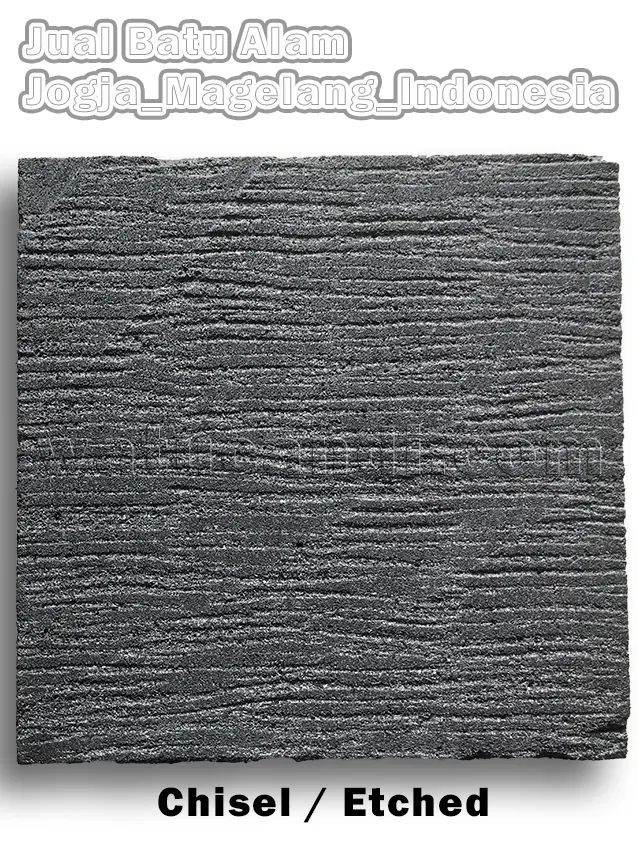
A split face finish is achieved by mechanically splitting the stone along its natural grain. This creates a rough, uneven surface that mimics the look of natural rock formations. Split face stone is ideal for rustic and organic designs, particularly for feature walls and garden landscaping. It adds depth and texture to a space, creating a strong visual impact. A machine cut finish involves cutting the stone with precision machinery to create sharp, clean edges and a uniform surface. This finish is often used for tiles and pavers where precise alignment is required. Machine cut stone can be combined with other finishes, such as honed or brushed, to create custom looks. A tumbled finish is created by tumbling the stone in a machine with abrasives to round off the edges and create a worn, antique look. This finish is popular for rustic and traditional designs, particularly for flooring and wall cladding. Tumbled stone adds character and charm to a space, evoking a sense of history and timelessness. For those seeking a unique artistic statement, 3D and carved finishes offer endless possibilities. Skilled artisans can carve intricate patterns and designs into the stone, creating textured walls that play with light and shadow. 3D Volcanic Stone Panels are a popular choice for feature walls in hotels, restaurants, and luxury homes.
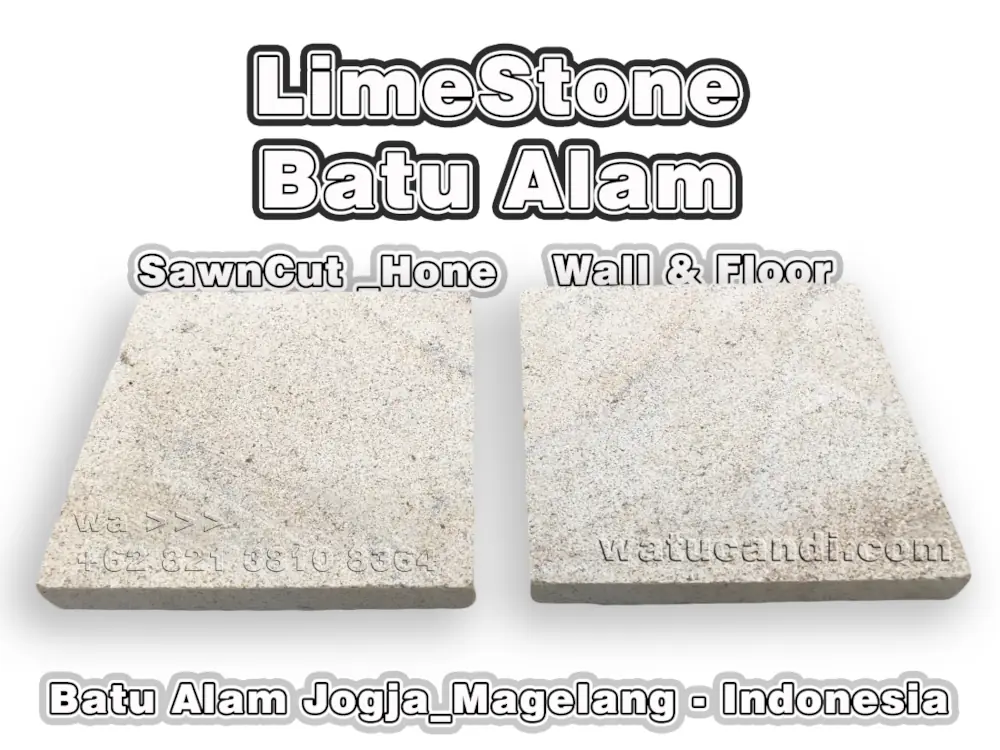
Premium Beige Sandstone and Limestone Tiles from Indonesia. Versatile natural stone for interior and exterior wall and floor projects.
7. Versatile Applications: From Wall Cladding to Pool Surrounds
Indonesian sandstone and limestone are incredibly versatile materials that can be used in a wide range of applications. Their durability, aesthetic appeal, and natural beauty make them suitable for both interior and exterior projects. Natural stone wall cladding transforms ordinary walls into stunning feature elements. Whether used indoors or outdoors, stone cladding adds texture, depth, and character to a space. It can be used to create accent walls in living rooms, bedrooms, and offices, or to clad entire building facades for a bold architectural statement. For exterior cladding, lava stone and sandstone are excellent choices due to their weather resistance. They can withstand rain, sun, and wind without fading or deteriorating. Interior cladding with limestone or honed sandstone creates a calm, serene atmosphere that promotes relaxation and well being.
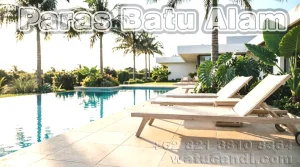
Natural stone flooring is a timeless choice that adds value and elegance to any property. It is durable, easy to clean, and available in a variety of colors and finishes. Sandstone and limestone tiles are particularly popular for flooring because of their slip resistance and comfort underfoot. For high traffic areas, such as hallways and commercial spaces, durable lava stone flooring is recommended. For residential spaces, beige sandstone or cream limestone creates a warm, inviting atmosphere. Stone flooring can also be used in bathrooms and kitchens, provided it is properly sealed to prevent staining. Indonesian natural stone is the preferred choice for swimming pools and water features due to its slip resistance and ability to withstand constant exposure to water and chemicals. Lava stone pool coping and Green Sukabumi pool tiles are particularly popular for their safety and aesthetic appeal. Green Sukabumi stone, in particular, creates a stunning visual effect in pools, turning a deep emerald green when wet. It also helps to keep the water cool and clear, reducing the need for chemical treatments. Sandstone and limestone can also be used for pool decks and surrounds, providing a comfortable, non slip surface for bare feet.
Natural stone is an excellent material for garden pathways, patios, and landscaping features. It blends seamlessly with the natural environment, creating a harmonious outdoor space. Outdoor Merapi stone flooring is durable enough to withstand heavy foot traffic and weather exposure. Stone pavers can be arranged in various patterns to create visual interest, such as herringbone, basket weave, or random ashlar. Large slabs can be used for stepping stones, while smaller tiles can be used for intricate mosaic designs. Natural stone also works well for retaining walls, garden borders, and decorative boulders. Using natural stone for building facades creates a strong, lasting impression. It conveys a sense of solidity, permanence, and luxury. Exterior lava stone designs are particularly effective for modern and contemporary buildings, adding texture and contrast to glass and concrete surfaces. Stone facades also provide thermal mass, helping to regulate indoor temperatures by absorbing heat during the day and releasing it at night. This can reduce energy costs and improve comfort in tropical climates.
Premium White Paras Yogya Sandstone Tiles and Slabs. A versatile Indonesian natural stone ideal for wall cladding, flooring, and pool pavers.
8. Project Types: Residential, Commercial, and Hospitality
Indonesian natural stone is suitable for a wide range of project types, from private residences to large scale commercial developments. Its versatility and aesthetic appeal make it a favorite among architects and designers. Homeowners choose Indonesian natural stone to create beautiful, functional living spaces. It is used for flooring, wall cladding, kitchen countertops, bathroom vanities, and outdoor patios. The warm, natural tones of sandstone and limestone create a welcoming atmosphere that enhances the quality of life. For luxury villas, natural stone furniture and fixtures add a touch of exclusivity and craftsmanship. Hand carved stone sinks, tables, and benches are unique pieces that serve as focal points in the home.
In commercial settings, natural stone conveys professionalism, stability, and prestige. It is used in office lobbies, retail stores, restaurants, and hotels. The durability of stone ensures that it can withstand heavy foot traffic and maintain its appearance over time. For restaurants and cafes, handcrafted stone tables and chairs create a unique dining experience. The natural texture and coolness of the stone complement the culinary arts, enhancing the overall ambiance. The hospitality industry, particularly luxury resorts and hotels, relies heavily on natural stone to create immersive, tranquil environments. Indonesian stone is synonymous with tropical luxury, evoking images of Bali spas and beachfront villas. Resorts use stone for pool areas, spa treatment rooms, lobby floors, and guest room bathrooms. The natural beauty of the stone enhances the guest experience, promoting relaxation and well being. Handmade stone bathtubs are a popular feature in luxury suites, offering a unique and indulgent bathing experience.
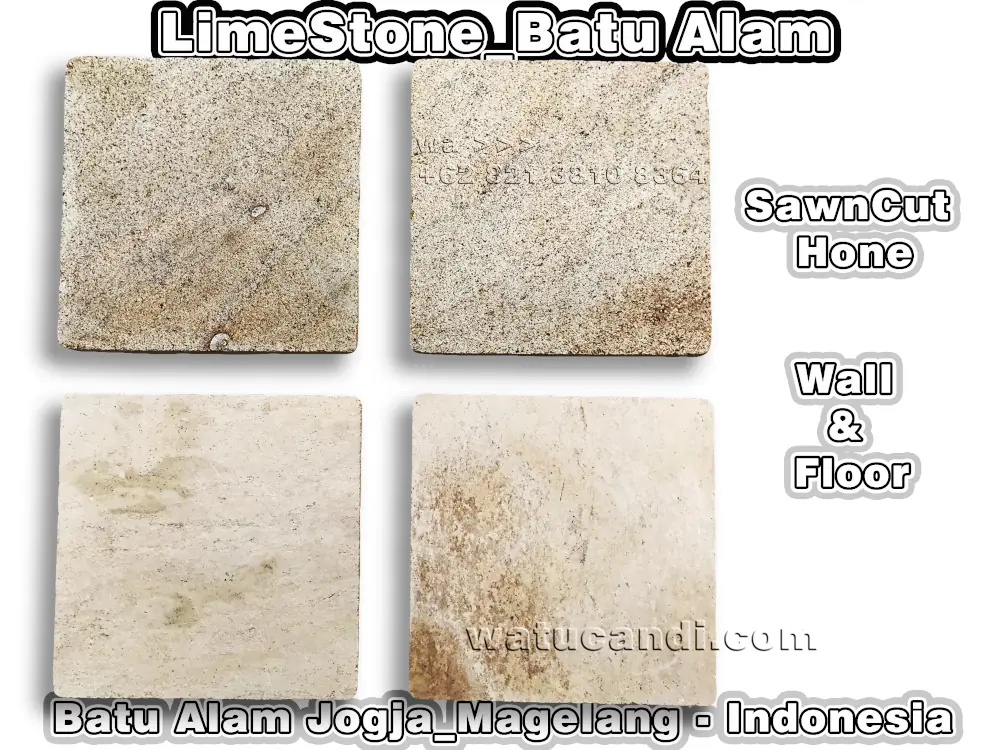
Premium Sandstone and Limestone Natural Stone from Indonesia. Ideal for wall cladding and flooring projects with timeless natural beauty and durability.
9. Architectural Style: Tropical Luxury and Minimalism
Indonesian natural stone is closely associated with specific architectural styles that emphasize harmony with nature, simplicity, and elegance. Tropical luxury is a design style that combines modern comforts with natural elements. It features open spaces, indoor outdoor flow, and abundant use of natural materials like wood, bamboo, and stone. Indonesian sandstone and limestone are central to this style, providing the earthy foundation that anchors the design. In tropical luxury homes, stone is used for flooring that extends from the interior to the exterior, creating a seamless transition. Large stone slabs are used for feature walls, while textured stone tiles are used for pool surrounds and garden pathways. The goal is to create a serene, resort like atmosphere that promotes relaxation and connection with nature.
Minimalism is a design style that emphasizes simplicity, clean lines, and functionality. It uses a neutral color palette and avoids unnecessary ornamentation. Natural stone fits perfectly into minimalist designs because of its inherent beauty and lack of artificial embellishment. In minimalist spaces, large format stone tiles are used for flooring and walls to create a sense of continuity and space. The subtle variations in color and texture of the stone add interest without overwhelming the senses. Honed limestone and smooth sandstone are popular choices for minimalist interiors. Organic and biophilic design principles focus on connecting people with nature. Natural stone is a key element in these designs, as it brings the outdoors in. Textured stone walls, stone water features, and stone gardens create environments that promote health, well being, and productivity. Susun Sirih stone patterns, which mimic natural rock formations, are often used in biophilic designs to create visual interest and texture. These patterns can be used for feature walls, garden borders, and pathway edging. Indonesian architecture often blends modern design principles with traditional Javanese elements. Natural stone plays a crucial role in this fusion, bridging the gap between past and present. Traditional carving techniques are applied to modern stone forms, creating unique pieces that honor cultural heritage while meeting contemporary needs. For example, Borobudur style stone carvings can be incorporated into modern wall panels, adding a touch of historical significance to contemporary spaces. This blend of styles creates spaces that are both culturally rich and visually striking.
Premium Natural Stone Tiles for Sale from Indonesia. High quality limestone and sandstone collection for wall and floor projects. Available in various finishes and sizes.
10. Sizes and Specifications: Customization for Every Need
Indonesian natural stone is available in a wide range of sizes and thicknesses to suit different applications. Standard sizes include tiles measuring 10×10 cm, 10×20 cm, 20×20 cm, 20×30 cm, 20×40 cm, 30×30 cm, 30×60 cm, and 60×60 cm. Slabs can be custom sized up to 200×100 cm or larger. Thickness options typically include 1 cm, 1.5 cm, 2 cm, 3 cm, and custom thicknesses are available upon request. For flooring, 2 cm thick tiles are recommended for durability. For wall cladding, 1 cm or 1.5 cm thick tiles are sufficient. For pool coping and heavy duty outdoor areas, 3 cm thick slabs are ideal. Custom sizes and shapes can be produced upon request. This allows for unique design solutions, such as curved steps, irregularly shaped pavers, and bespoke feature walls. Custom carved stone paving is also available for those seeking a truly unique look.
Premium Natural Stone Tiles from Indonesia. Limestone and Sandstone collection from Palimanan, Sukabumi, and Yogyakarta for wall and floor projects.
11. Installation Guide and Best Practices
Proper installation is crucial for ensuring the longevity and performance of natural stone. The substrate must be clean, dry, and level. Any cracks or unevenness should be repaired before installation. For outdoor installations, ensure proper drainage to prevent water accumulation. Use a high quality, flexible adhesive that is suitable for natural stone. For outdoor areas, use an adhesive that is resistant to water and temperature changes. Follow the manufacturer’s instructions for mixing and application. Choose a grout color that complements the stone. For light colored stones, use a light grout. For dark stones, use a dark grout. Apply grout evenly and remove excess immediately to prevent staining. Proper grouting patterns can enhance the visual appeal of the stone.
Seal the stone after installation to protect it from stains and moisture. Use a penetrating sealer that allows the stone to breathe. Reapply the sealer every one to two years, depending on usage and exposure. Include expansion joints in large installations to allow for thermal expansion and contraction. This prevents cracking and buckling of the stone. For complex installations, it is highly recommended to consult with a professional stone installer who has experience working with natural materials. They can provide valuable insights into substrate preparation, adhesive selection, and finishing techniques that will ensure the stone performs beautifully for decades.
12. Maintenance and Care for Longevity
Natural stone is durable but requires regular maintenance to keep it looking its best. Clean the stone regularly with a pH neutral cleaner and warm water. Avoid using acidic or abrasive cleaners, as they can damage the surface. For outdoor stone, hose it down periodically to remove dirt and debris. If a stain occurs, blot it up immediately with a clean cloth. Do not rub, as this can spread the stain. For oil based stains, use a poultice made of baking soda and water. For organic stains, use a hydrogen peroxide solution. As mentioned earlier, seal the stone regularly to protect it from stains and moisture. Test the sealer by dropping a few drops of water on the surface. If the water beads up, the sealer is still effective. If it soaks in, it is time to reapply. For deep stains, scratches, or etching, consider professional restoration. Professionals can hone, polish, or reseal the stone to restore its original beauty.
Amanjiwo Style Light Beige Limestone and Sandstone Tiles. Premium Indonesian natural stone from Palimanan and Jogja for elegant wall and floor applications.
13. Sustainability and Ethical Sourcing
Sustainability is a growing concern in the construction industry. Indonesian natural stone suppliers are committed to ethical sourcing and environmental responsibility. Quarries are managed in accordance with local regulations to minimize environmental impact. Waste rock is reused for landscaping and road construction. Water used in processing is recycled to reduce consumption. Natural stone has a low carbon footprint compared to manufactured materials. It requires minimal processing and does not emit volatile organic compounds. Its durability means it does not need to be replaced frequently, reducing waste. The stone industry provides employment opportunities for local communities in Indonesia. By purchasing Indonesian natural stone, you are supporting sustainable livelihoods and contributing to the local economy.
14. Global Shipping and Wholesale Opportunities
We offer worldwide shipping for our premium natural stone products. Whether you are in the USA, Europe, Australia, or the Middle East, we can deliver your order safely and efficiently. Our stone is carefully packaged in wooden crates to prevent damage during transit. Each crate is labeled with the product name, size, and quantity for easy identification. We offer competitive wholesale prices for bulk orders. Contact us for a quote based on your specific requirements. We also offer free samples for qualified buyers. Our dedicated customer support team is available to assist you with your order, from selection to delivery. We provide technical advice and installation guidance to ensure your project’s success.
Premium Paras Yogya Limestone and Sandstone Tiles. Authentic Indonesian natural stone from Palimanan and Jogja for elegant wall and floor applications.
15. Frequently Asked Questions (FAQ)
Is Indonesian natural stone durable?
Yes, Indonesian sandstone and limestone are highly durable and can withstand heavy foot traffic and weather exposure. Proper sealing and maintenance will extend their lifespan.
Can I use natural stone in my pool?
Absolutely. Indonesian natural stone, particularly Green Sukabumi stone and lava stone, is ideal for pool surrounds and interiors due to its slip resistance and water durability.
How do I clean my natural stone?
Use a pH neutral cleaner and warm water. Avoid acidic or abrasive cleaners. Seal the stone regularly to protect it from stains.
Do you offer custom sizes?
Yes, we can produce custom sizes and shapes upon request. Contact us with your specifications for a quote.
What is the lead time for orders?
Lead times vary depending on the quantity and customization. Typically, orders are shipped within two to four weeks. Contact us for specific timelines.
16. Conclusion: Elevate Your Space with Indonesian Stone
Indonesian sandstone and limestone offer a unique combination of beauty, durability, and versatility. Whether you are designing a luxury villa, a commercial complex, or a simple home renovation, these natural stones can elevate your space to new heights. With their warm colors, varied textures, and timeless appeal, they create environments that are both functional and aesthetically pleasing. By choosing Indonesian natural stone, you are not only investing in high quality materials but also supporting sustainable practices and local communities. Our commitment to excellence ensures that you receive the best products and services, from selection to delivery. Explore our collection today and discover the perfect stone for your project. Contact us for samples, quotes, and expert advice. Let us help you create a space that reflects your unique style and vision. Order Premium Sandstone and Limestone Tiles and Slabs Today! High quality Indonesian natural stone for walls and floors. Available in tiles and slabs with various finishes and sizes. Free samples for bulk orders.
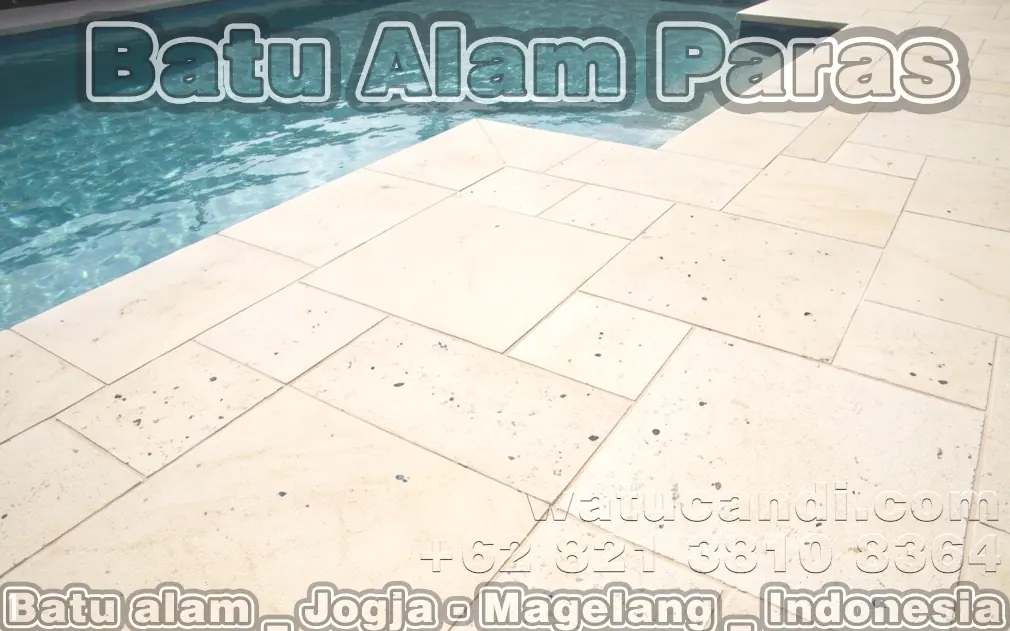
Premium Beige Sandstone and Limestone Tiles for Tropical Swimming Pools – Indonesian natural stone for elegant pool walls, flooring, and surrounds.
Indonesian Sandstone and Limestone.
premium-indonesian-sandstone-limestone-natural-stone-tiles-slabs.
Elevate your space with authentic Indonesian sandstone and limestone tiles. Ideal for tropical luxury, wall cladding, and flooring. Worldwide shipping.


'%3E%3Cpath%20stroke='%23000'%20stroke-width='4'%20d='m-35-37-13%2020m5%203%2013-20m5%203-13%2020m63%2042%206-9m1-2%206-9m5%203-6%209m-1%202-6%209m5%203%206-9m1-2%206-9m-96%200%2013%2020m5-3-6-9m-1-2-6-9m5-3%2013%2020m63-42-6-9m-1-2-6-9m5-3%2013%2020m5-3-6-9m-1-2-6-9'/%3E%3Ccircle%20r='24'%20fill='%23cd2e3a'/%3E%3Cpath%20fill='%230047a0'%20d='M0%200a12%2012%200%201%201%2020%2013%2024%2024%200%201%201-40-26A12%2012%200%201%200%200%200'/%3E%3C/g%3E%3C/svg%3E)


'/%3E%3Cpath%20fill='%23b2b2b2'%20d='M241%20382q0%2016%2017%2026%2017%2011%2042%2011t42-11q16-11%2017-26V269H241'/%3E%3Cpath%20fill='%239f7e00'%20d='M241%20379q0%2014%208%2023%209%209%2021%209%2014%200%2021-9%209-9%209-23V269h-59'/%3E%3Cpath%20d='M241%20339v-70h59v110q0%2014-9%2023l-6%205v-68h-15v72q-8%200-14-4v-68zm59%2040c0%2022%2015%2032%2029%2032%2021%200%2030-18%2030-32v-40h-59'/%3E%3Cpath%20fill='%239f7e00'%20d='M266%20277v5h2v12h-3v-5h2v-5h-9v5h2v5h-4v9h3v18h-5v10h34v-10h-5v-18h3v-9h-4v-5h2v-5h-9v5h2v5h-3v-12h2v-5zm42%20101q0%2010%206%2017%206%206%2015%207%2010-1%2016-7%206-7%206-17v-29h-43'/%3E%3Ccircle%20fill='%230044ad'%20cx='329.5'%20cy='372'%20r='6'/%3E%3Cellipse%20fill='%230044ad'%20cx='300'%20cy='340'%20rx='16'%20ry='21'/%3E%3C/svg%3E)