'%3E%3Cpath%20stroke='%23000'%20stroke-width='4'%20d='m-35-37-13%2020m5%203%2013-20m5%203-13%2020m63%2042%206-9m1-2%206-9m5%203-6%209m-1%202-6%209m5%203%206-9m1-2%206-9m-96%200%2013%2020m5-3-6-9m-1-2-6-9m5-3%2013%2020m63-42-6-9m-1-2-6-9m5-3%2013%2020m5-3-6-9m-1-2-6-9'/%3E%3Ccircle%20r='24'%20fill='%23cd2e3a'/%3E%3Cpath%20fill='%230047a0'%20d='M0%200a12%2012%200%201%201%2020%2013%2024%2024%200%201%201-40-26A12%2012%200%201%200%200%200'/%3E%3C/g%3E%3C/svg%3E)


'/%3E%3Cpath%20fill='%23b2b2b2'%20d='M241%20382q0%2016%2017%2026%2017%2011%2042%2011t42-11q16-11%2017-26V269H241'/%3E%3Cpath%20fill='%239f7e00'%20d='M241%20379q0%2014%208%2023%209%209%2021%209%2014%200%2021-9%209-9%209-23V269h-59'/%3E%3Cpath%20d='M241%20339v-70h59v110q0%2014-9%2023l-6%205v-68h-15v72q-8%200-14-4v-68zm59%2040c0%2022%2015%2032%2029%2032%2021%200%2030-18%2030-32v-40h-59'/%3E%3Cpath%20fill='%239f7e00'%20d='M266%20277v5h2v12h-3v-5h2v-5h-9v5h2v5h-4v9h3v18h-5v10h34v-10h-5v-18h3v-9h-4v-5h2v-5h-9v5h2v5h-3v-12h2v-5zm42%20101q0%2010%206%2017%206%206%2015%207%2010-1%2016-7%206-7%206-17v-29h-43'/%3E%3Ccircle%20fill='%230044ad'%20cx='329.5'%20cy='372'%20r='6'/%3E%3Cellipse%20fill='%230044ad'%20cx='300'%20cy='340'%20rx='16'%20ry='21'/%3E%3C/svg%3E)



Integrating natural stone elements into modern homes is not just a passing trend, but a lifestyle statement that prioritizes tranquility and timeless aesthetics. Installing natural stone for home design is a strategic decision that is very appropriate, especially if you want a home that looks luxurious, classy, and has a strong character. Undeniably, the application of natural stone in both interior and exterior areas adds significant value to your property.
However, the beauty of natural stone does not come on its own. It requires a deep understanding of material characteristics, precise installation techniques, and long-term maintenance so that your investment remains durable and stunning. Installation for indoor areas (interior) and outdoor areas (exterior) has fundamentally different challenges, methods, and tips.
In this comprehensive guide, we will thoroughly discuss how to install natural stone for interiors and exteriors correctly, efficiently, and cost-effectively. We will also discuss various types of superior natural stones from Indonesia, ranging from Merapi volcanic lava to Sukabumi green stone, and how to maintain them so they look new for years to come.
Philosophy and Advantages of Natural Stone in Modern Architecture
Before getting into the technical installation, it is important to understand why natural stone is the primary choice for world-class architects and interior designers. Unlike ceramic or artificial granite, each slab of natural stone has a unique “DNA” formed through geological processes over thousands of years. Variations in color, texture, and vein patterns on natural stone create a dynamic impression that is not monotonous.
The use of natural stone also contributes to room temperature regulation. Natural materials such as andesite and lava stone have good thermal capabilities, helping to keep rooms cool during the day and warm at night. This makes it an ideal choice for tropical climates like Indonesia. To see various inspirations for natural stone applications in luxury architectural projects, you can explore the collection of modern luxury home designs that we have curated.
Natural Stone Interior Installation: Creating Warmth and Elegance
Interior areas demand a more subtle and detailed approach compared to exteriors. Inside the house, natural stone functions as a focal point or accent that strengthens the nuance of the room. Whether it is a feature wall in the living room, kitchen backsplash, or bathroom floor, the selection of stone type and its installation technique is crucial.
Natural stone for interiors can be adjusted to various budget levels. You can choose budget-friendly options by using creative processed leftover stone pieces (random), or choose large slabs with premium finishing for a contemporary minimalist look. The key is harmony between the stone texture and other interior elements such as wood, glass, and metal.

Step 1: Selecting the Right Natural Stone According to Room Function
The first and most vital step is choosing the type of natural stone that suits the room function and your aesthetic taste. Not all natural stones are suitable for all areas. For example, stone with large pores might be less suitable for kitchen areas prone to oil spills, unless coated with a special coating.
Some important considerations in choosing natural stone include:
- Budget Suitability: Determine your fund allocation. Imported stone is certainly more expensive, but local Indonesian stone such as Merapi Andesite or Jogja Paras offers export quality at more competitive prices.
- Visual Characteristics: Choose colors and textures that complement your room’s color palette. For small rooms, choose light-colored stone like Super White Palimanan to give a spacious impression.
- Physical Inspection: Always view physical samples before buying in large quantities. Photos often do not depict the actual texture and color variations.
- Variation of Application: Consider combining several types of stone or sizes to create interesting patterns, such as a combination of rough and smooth natural stone.
- Technical Consultation: Ask the supplier about density, water absorption, and compressive strength of the stone.
For inspiration on using green stone which is trending for indoor swimming pools or spa areas, you can learn more about green stone tiles for swimming pools which provide a calming tropical nuance.
Step 2: Preparation of Installation Tools and Materials
The readiness of tools and materials determines the smoothness of the installation process. Ensure you have the following equipment before starting work:
- Measuring & Marking Tools: Tape measure, waterpass, nylon string (for straight lines), and pencil/marker.
- Cutting Tools: Hand grinder with stone cutting disc (diamond blade) or wet stone cutting machine for more precise results and minimal dust.
- Applicator Tools: Serrated and flat trowel, rubber mallet, and clean sponge.
- Adhesive Materials: Instant cement specifically for natural stone (thin bed mortar) is more recommended than conventional sand-cement mixture because its adhesion is stronger and the layer is thinner.
- Finishing Materials: Penetrating coating liquid (water-based or solvent-based) according to stone type.
Step 3: Understanding Installation Methods Based on Stone Type
Each type of stone has different physical characteristics. Installing soft marble is certainly different from hard andesite stone. Errors in method can cause cracking, stone detachment, or permanent stains.
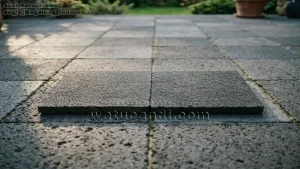
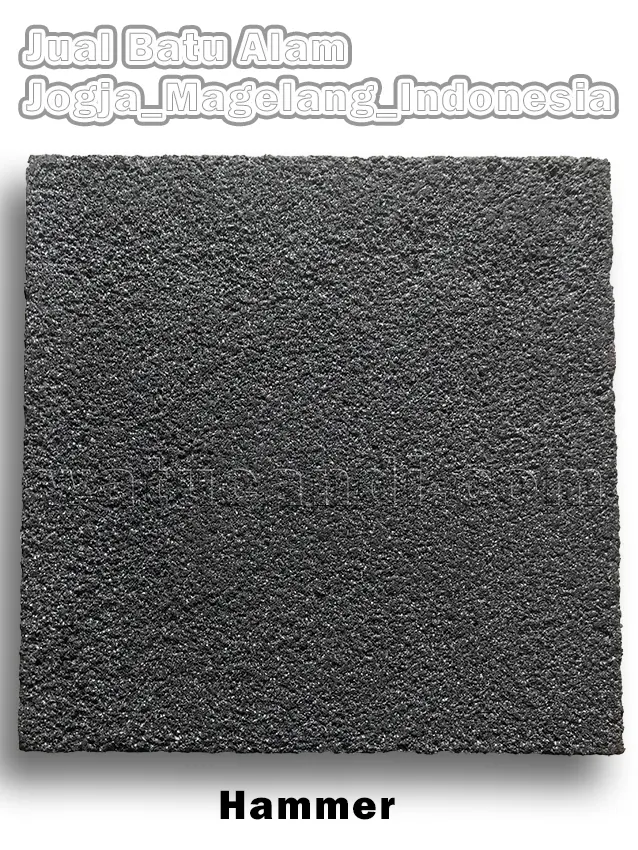
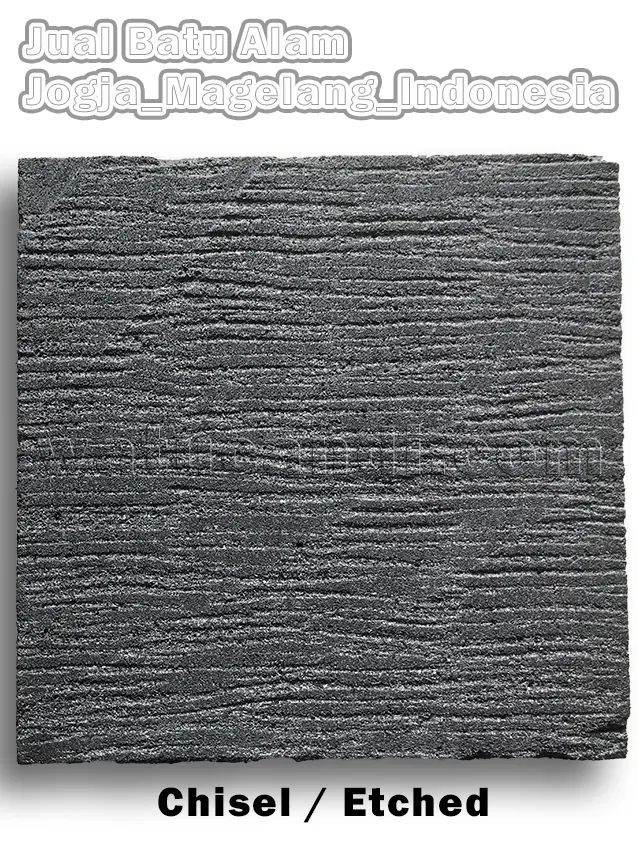
If you are using stone with an uneven surface like manually chiseled stone flooring, pay attention to the grout thickness used. Usually, stone with rough texture requires wider grout to cover the unevenness of the stone sides, creating an authentic rustic effect.
If you are unsure about your technical abilities, it is highly recommended to use professional services. Poor installation is difficult to repair without damaging the stone itself, which will actually add to repair costs later on.
Step 4: Detailed Installation Techniques for Maximum Results
Follow the following technical procedures to ensure sturdy and neat installation:
- Surface Preparation: Clean walls or floors from dust, oil, and old paint. The surface must be rough so that cement can grip well. If the wall is too smooth, re-plaster or scratch it.
- Stone Soaking: Soak natural stone in clean water for 10-15 minutes before installation. This aims to remove fine dust and prevent the stone from absorbing water from the cement mixture too quickly, which can cause porosity.
- Installation from Bottom to Top: Always start installing from the bottom corner. Use a waterpass and helper string to ensure vertical and horizontal straightness.
- Cement Application: Apply cement to the back of the stone and the wall surface (double bonding method) for maximum adhesion. Gently tap the stone with a rubber mallet to level the cement behind it.
- Immediate Cleaning: Immediately clean excess cement sticking to the stone surface with a damp sponge before the cement dries. Dried cement stains are very difficult to remove and can damage stone pores.
For areas with high traffic or heavy loads, consider using premium natural stone flooring collection which has high density and superior wear resistance.
Step 5: Finishing and Protective Coating
Finishing is the final stage that determines the shine and protection of the stone. Coating functions as a transparent protective layer that fills stone pores, making it resistant to water stains, oil, and mold or moss growth.
Choose the right type of coating: Glossy for a shiny and luxurious look, or Matte/Doff for a natural and elegant look. Ensure the stone is completely dry (minimum 7-14 days after installation) before applying coating to prevent peeling or color changes.
Natural Stone Exterior Installation: Weather Resistance
Natural stone exterior installation demands higher durability standards. The material must be able to withstand scorching sun, heavy rain, extreme temperature changes, and air pollution. Not all natural stones are suitable for exteriors; soft limestone, for example, will erode quickly if directly exposed to acid rain.
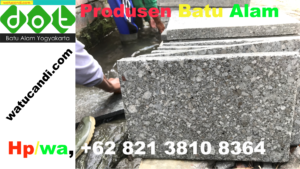
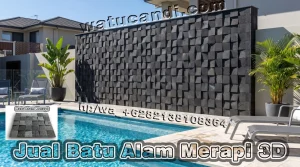
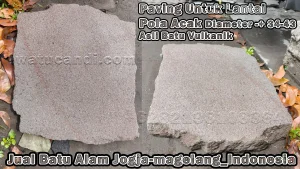
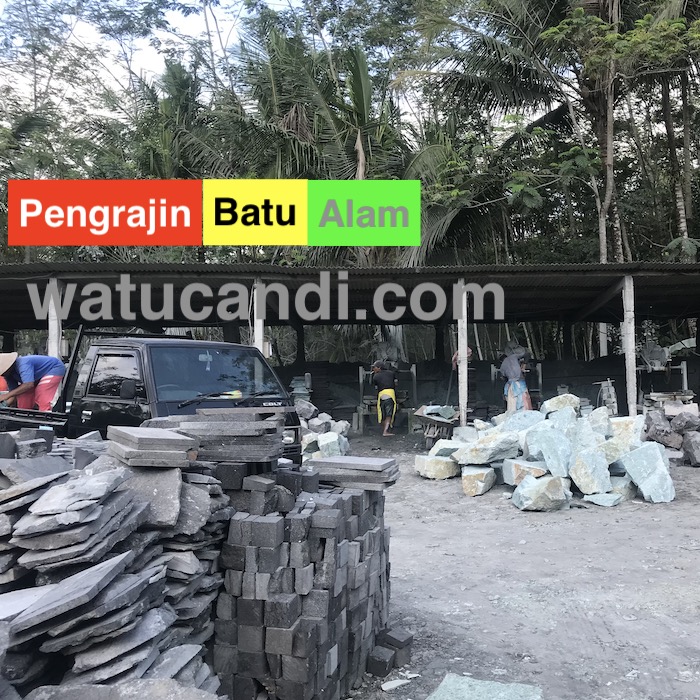
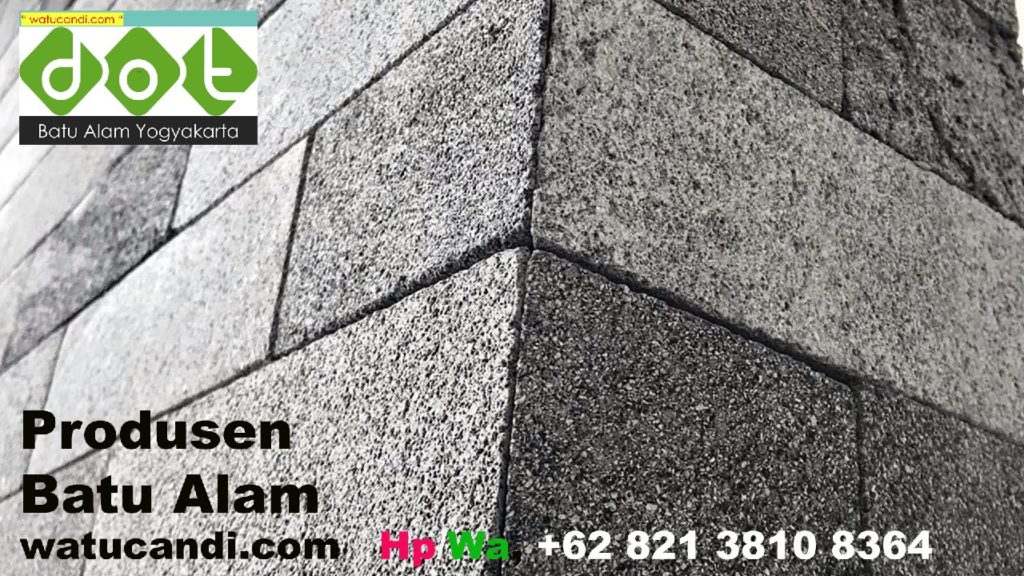
Volcanic stones such as Merapi Andesite and Black Lava are the best choices for exteriors due to their high mineral density and weather resistance. Common applications include building facades, fences, garden paths, and pool deck areas.
One popular trend currently is the use of natural stone for fence walls and garden foundations. This technique not only beautifies the property appearance but also adds privacy and security. Learn more about natural stone fence wall guide for inspiring design ideas.
For outdoor areas that are often exposed to standing water or high humidity, ensure the drainage system behind the stone wall installation functions well to prevent water accumulation that could push the stone loose.
Important! Long-Term Natural Stone Maintenance Guide
Many homeowners are trapped in the thinking that natural stone is a “maintenance-free” material. In fact, natural stone is a living porous material. Without regular maintenance, natural stone can change color, grow moss, or become porous. Proper maintenance will extend the life of the stone for decades.

1. Regular Cleaning of Dust and Light Dirt
Dust and daily dirt are the main enemies of natural stone shine. For bright colored stones like white or cream, dirt will be very visible. Perform sweeping or cleaning with a damp microfiber cloth regularly. Avoid using rough cloths that can scratch the coating surface.
For exterior floors, ordinary water spraying is sufficient to clean dust. If there are leaf or soil stains, gentle brushing with pH-neutral soap water can be used. Do not let dirt accumulate and harden as it will become increasingly difficult to clean.
2. Handling Stubborn Stains Wisely
Oil, rust, or ink stains require special handling. Avoid using harsh chemicals like hydrochloric acid (HCL) or laundry bleach arbitrarily, as they can damage the mineral structure of the stone and remove its original color.
Use special natural stone cleaners (stone cleaner) that are neutral. For oil stains, sprinkle absorbent powder like baking soda or cornstarch on the stain, let it sit for a few hours to absorb the oil, then clean. An old toothbrush can be an effective tool to reach small crevices in rough textured stone like rough face lava stone.
3. Periodic Re-Coating
The coating layer does not last forever. Depending on weather exposure and traffic, coating needs to be renewed every 1-3 years. A sign that coating needs replacement is when water no longer forms beads (beading) on the stone surface, but rather seeps in and leaves dark spots.
Before re-coating, ensure the stone surface is totally clean and perfectly dry. Apply new coating according to manufacturer instructions. This process will restore stone shine and protection against moss. For swimming pool areas, the use of Sukabumi green stone which already has natural anti-moss characteristics is highly recommended, but still needs periodic maintenance. See complete guide about Sukabumi green stone tiles for further information.
4. Immediate Repair of Minor Damage
Hairline cracks or small chips on stone corners should be repaired immediately. Leaving cracks open can allow water to enter, which when freezing or expanding due to heat, will widen the crack. Use epoxy color matching the stone color to patch minor damage so it does not spread and ruin the overall aesthetics.
Inspiration for Popular Natural Stone Types in Indonesia
Indonesia is blessed with extraordinary geological wealth, producing various types of natural stone with unique characters. Here are some superior natural stone types often used in premium architectural projects:
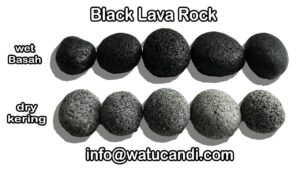
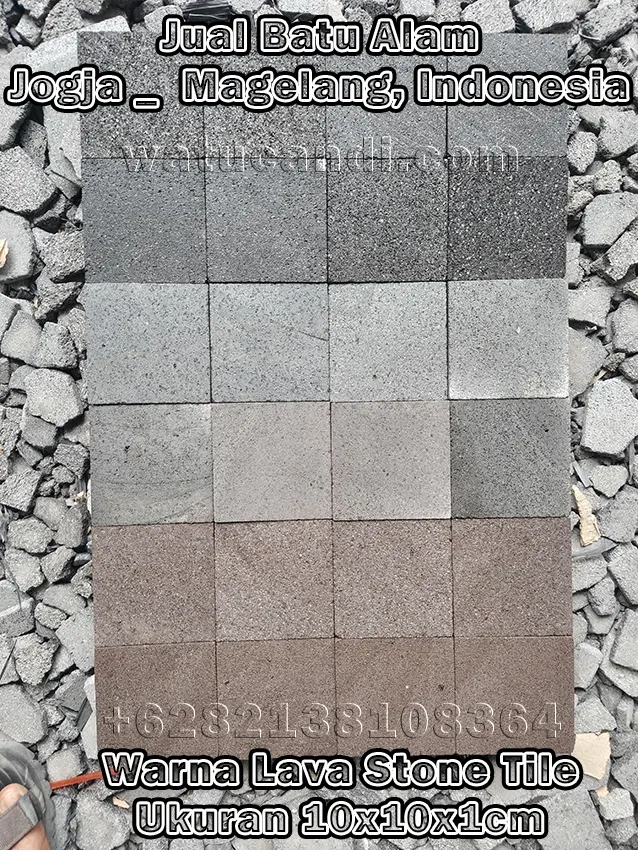
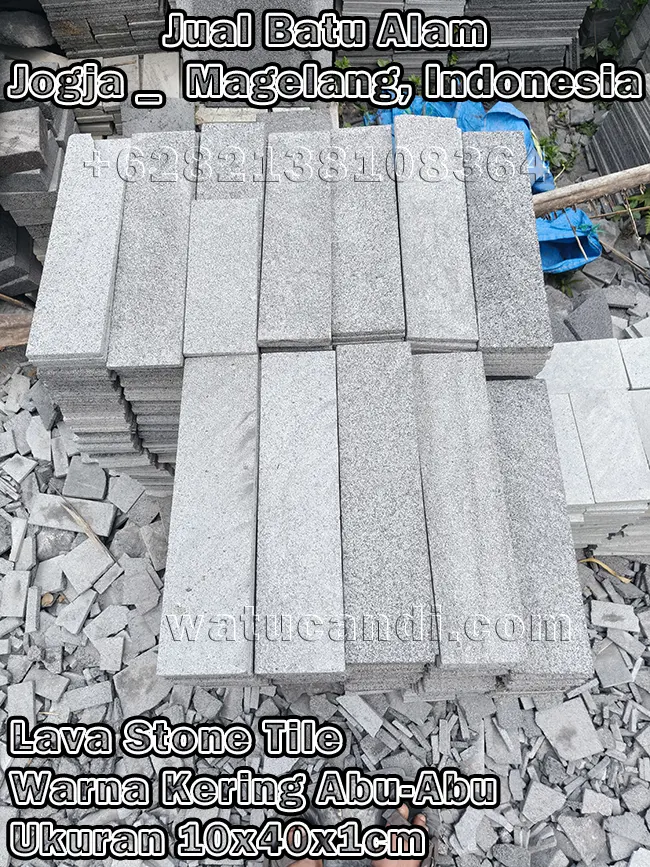
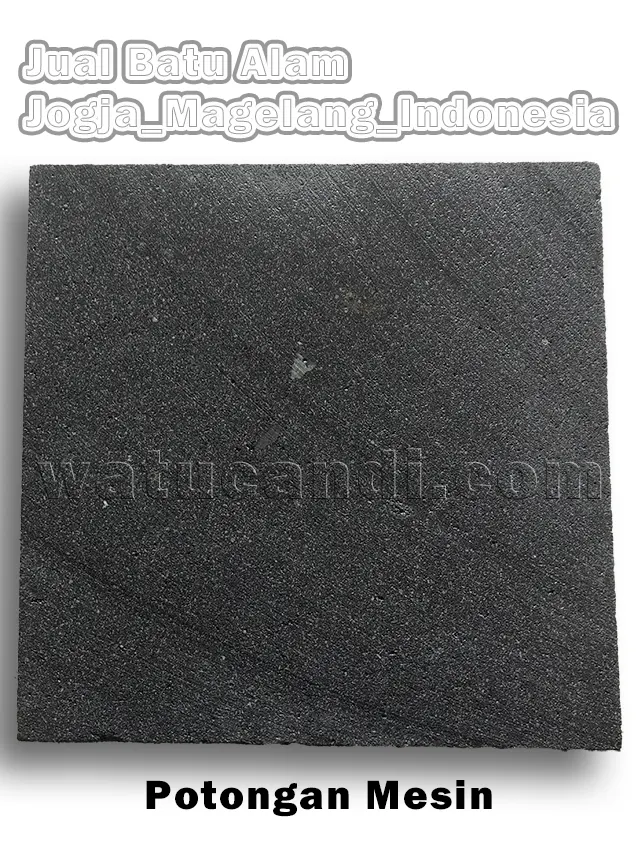
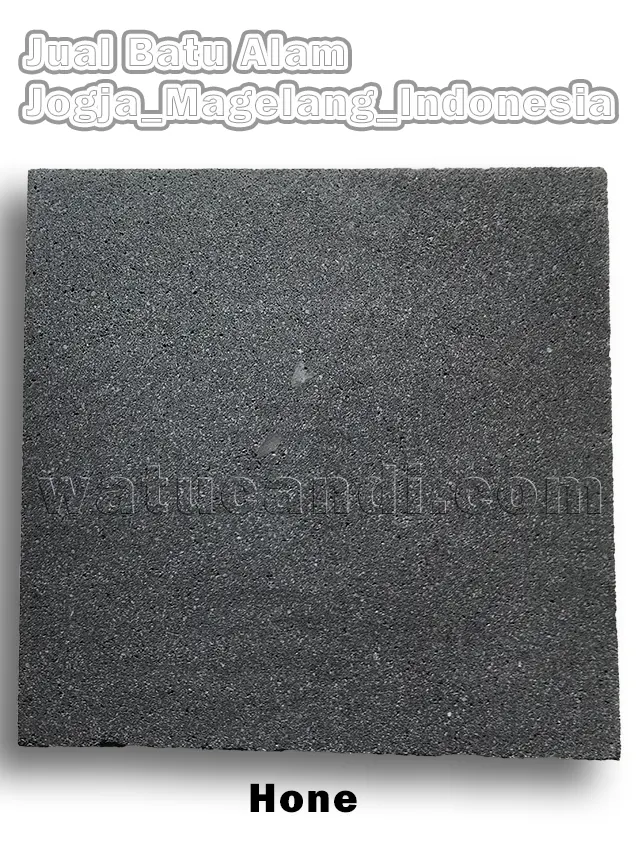
- Black Lava / Candi Stone: Originating from the slopes of Mount Merapi. Has deep black or dark gray color with varying textures from smooth to manually chiseled. Very popular for facade walls and minimalist floors. Read complete guide about 10x10x1cm black lava stone tiles.
- Green Stone / Sukabumi Stone: Volcanic green stone from West Java. Unique because its color changes to brighter green when wet. Ideal for swimming pools due to its anti-slip and moss-resistant properties. Explore more about Indonesian green stone tile crafts.
- Palimanan / Paras Stone: Limestone colored cream or white from Cirebon. Its texture is softer and easier to shape, suitable for carvings or classic decorative elements. Suitable to be combined with tropical modern concepts.
- Breksi Batu: Volcanic stone with naturally arranged broken patterns. Gives a strong artistic and rustic impression. Often used for accent walls or pillars.
- Sandstone: Available in various colors such as brown, yellow, and red. Has a warm sandy texture. Suitable for Mediterranean or colonial nuances. See our collection of brown sandstone.
Besides for walls and floors, natural stone is also widely applied to furniture elements and home accessories. Solid dining tables from natural stone, monolithic sinks, to stone liquid soap dispensers provide an unmatched luxury touch. You can find unique collections like natural stone liquid soap dispenser or rough surface marble sink to complement your interior.
Latest Natural Stone Design Trends
The world of interior and exterior design continues to evolve. Currently, trends are leaning towards the use of natural stone with more natural finishing and prominent textures. The “Wabi-Sabi” concept which accepts imperfection makes natural stone with uneven surfaces, such as tumbled finish or split face rough, increasingly in demand.
Installation patterns are also a focus. Besides regular stack patterns, random mosaic patterns, herringbone, and custom patterns like Batik motifs carved on stone (Yogyakarta Batik motif green stone tiles) become a unique way to display cultural identity in modern design.
For commercial areas such as hotels, restaurants, or offices, the use of large-scale natural stone (slabs) creates a grand and welcoming impression. Learn how natural stone can increase your business value through hospitality design and restaurant design that we offer.
Conclusion
Natural stone installation is a long-term investment that combines function, durability, and high aesthetics. By choosing the right type of stone, applying correct installation techniques, and performing routine maintenance, you will have a home that is not only beautiful to look at but also has high artistic value.
Do not hesitate to experiment with combinations of textures and colors. Remember that natural stone is a flexible material that can be adapted to various architectural styles, from modern minimalist to classical traditional. Visit our store to get free consultation and see directly the best quality natural stone from Indonesia.
For further information regarding technical specifications, prices, and stock availability, please contact our expert team or explore our complete catalog at WatuCandi Natural Stone Store. Realize your dream home with an authentic and eternal natural touch.
Natural Stone Installation, Interior Natural Stone, Exterior Natural Stone, How to Install Natural Stone, Natural Stone Maintenance, Natural Stone Price, Andesite Natural Stone, Black Lava Stone, Merapi Candi Stone, Sukabumi Green Stone, Jogja Paras Stone, Palimanan Stone, Natural Stone Wall Design, Natural Stone Flooring, Natural Stone Pool Tiles, Natural Stone Coating, Natural Stone Supplier, Cheap Natural Stone, Natural Stone Installation Service, Natural Natural Stone,