The presence of authentic natural stone elements is increasingly sought after to create balance between modern architecture and the environment. Large natural stone ornamentation in gardens is not merely a visual complement, but a powerful design statement. We provide natural stones from Mount Merapi in large natural sizes as display boulders that bring ancient volcanic energy directly to your yard. As inscription stones with natural nuances made from genuine mountain rock material, each boulder possesses a unique character that cannot be replicated by man-made products.
Currently, large-sized natural stones are becoming somewhat difficult to find due to resource scarcity and conservation regulations. Only in certain areas is this material still available in premium quality. Sometimes, regions that still possess abundant large natural rocks face permitting issues from local governments to preserve ecosystem sustainability. Many factors and reasons make large boulders an exclusive commodity. However, it is precisely this scarcity that adds prestige value and aesthetics to your design project, making the garden look more lush and harmoniously integrated with nature.
Geological Characteristics and Uniqueness of Merapi Boulders
The large boulders we offer originate from the volcanic formations of Mount Merapi, known for their high density and extraordinary resistance to tropical weather. Unlike sedimentary rocks like Palimanan paras stone which are softer, Merapi boulders have a natural rough texture, minimal micro-pores, and dramatic dark gray to black colors. These characteristics make them ideal as focal points in gardens, suitable for both modern minimalist styles and traditional Javanese gardens. To understand the spectrum of other volcanic materials, you can refer to the Indonesian natural lava stone tiles guide which comprehensively explains volcanic stone texture and color variations.
Every large boulder is a natural work of art formed through millions of years of geological processes. Its irregular surface tells the history of eruptions and frozen lava flows. In landscape design philosophy, the use of intact boulders symbolizes stability, strength, and connection to the earth. This differs from uniform factory-processed stones; boulders offer a “soul” that makes the garden feel alive and breathing. If you are interested in comparing local stone characteristics with precision materials, the article on local vs precision green stone differences can provide deep insights into natural material quality standards.
Visual Exploration: Semantics of Texture and Form in Natural Stone Photography
Visualization is key to understanding the aesthetic potential of large boulders. The following images are not merely product documentation, but representations of the interaction between matter, light, and space. Observe how each photo captures different texture details and color responses, affirming that natural stone is a dynamic material full of character.
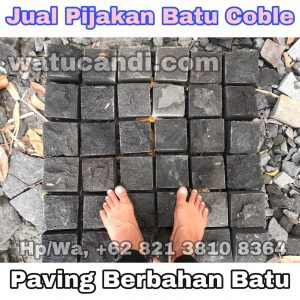
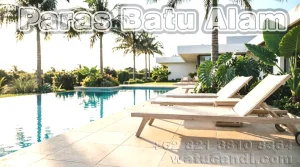
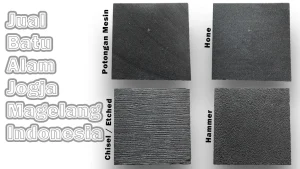
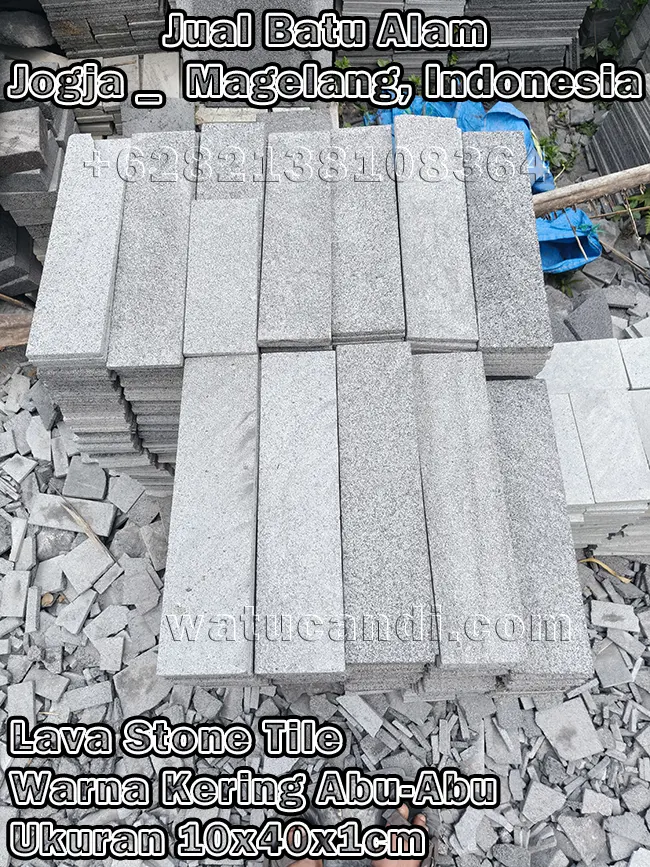
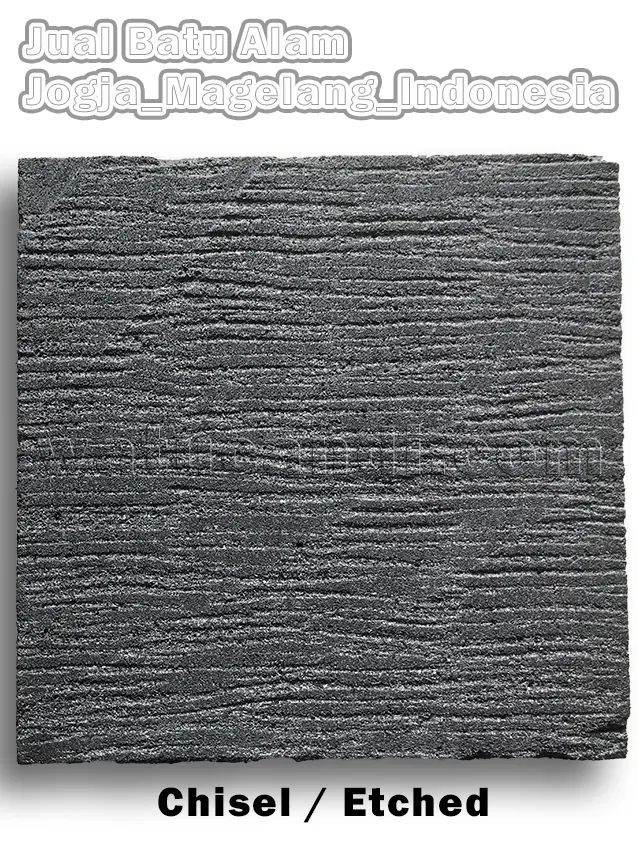
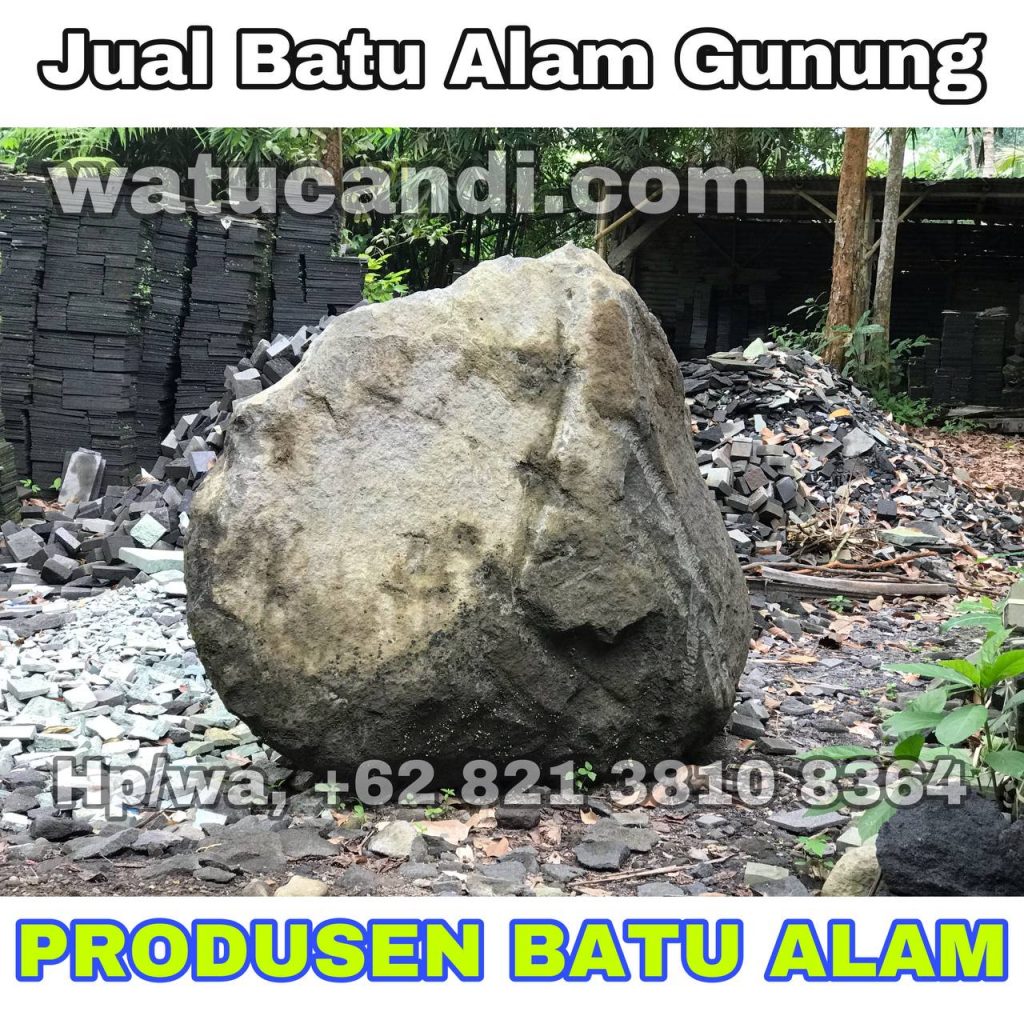
The first image above represents the mass strength of boulders in an open space context. Notice how the irregular organic form creates an attractive silhouette against the sky or background vegetation. The rough texture is not just about aesthetics, but also serves an ecological function as a growing medium for moss and microorganisms that accelerate the stone’s integration process with its new environment. For inspiration on stone placement in larger landscape scales, you can explore lava stone exterior design concepts that emphasize harmony between the hardness of stone and the softness of plants.
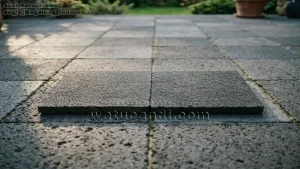
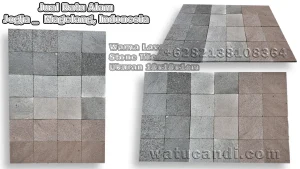
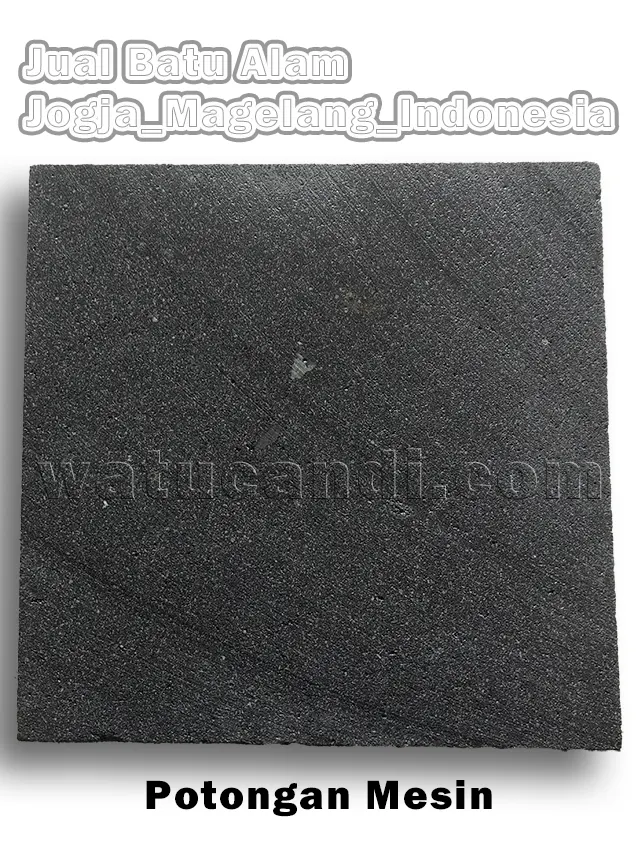
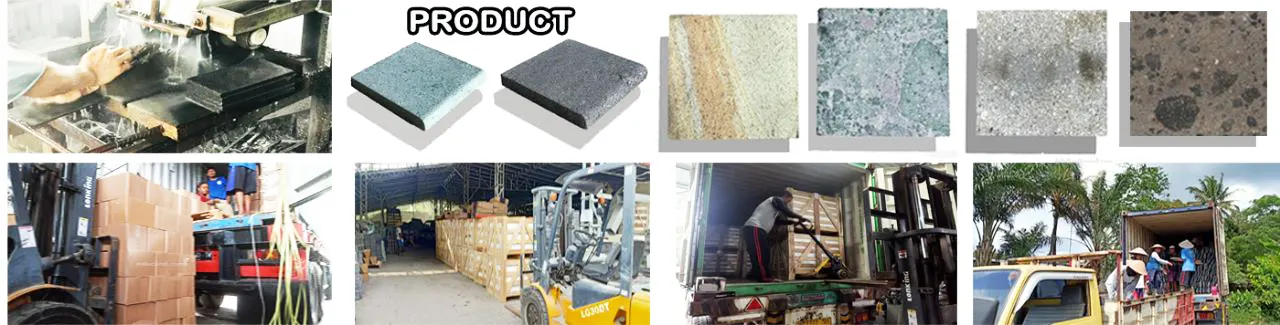
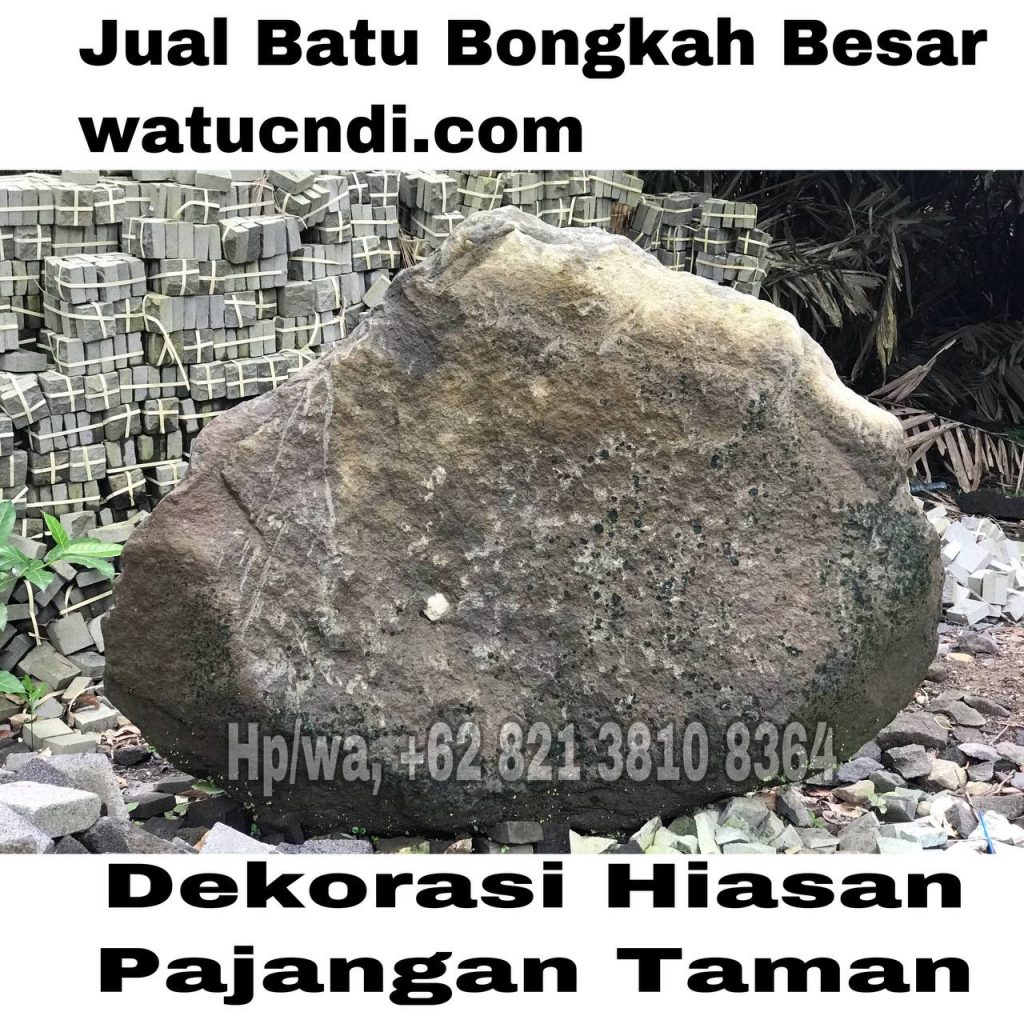
The second image reminds us that successful gardens require orchestration of various materials. Large boulders function as soloists, while other materials like sandstone or brown sandstone act as supporting choirs. Warm color variations in sandstone can balance the coolness of Merapi boulder gray colors, creating a coherent earth-tone palette that soothes the eye.
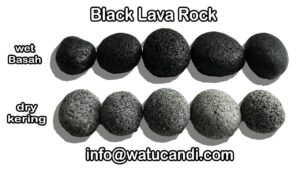
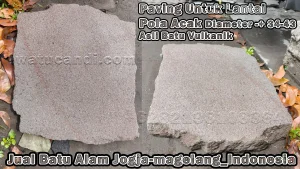
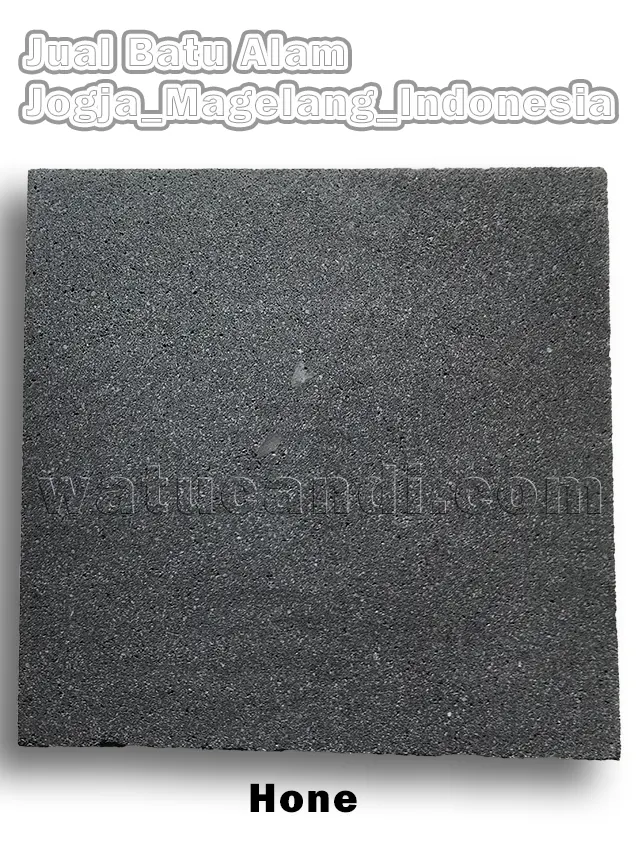
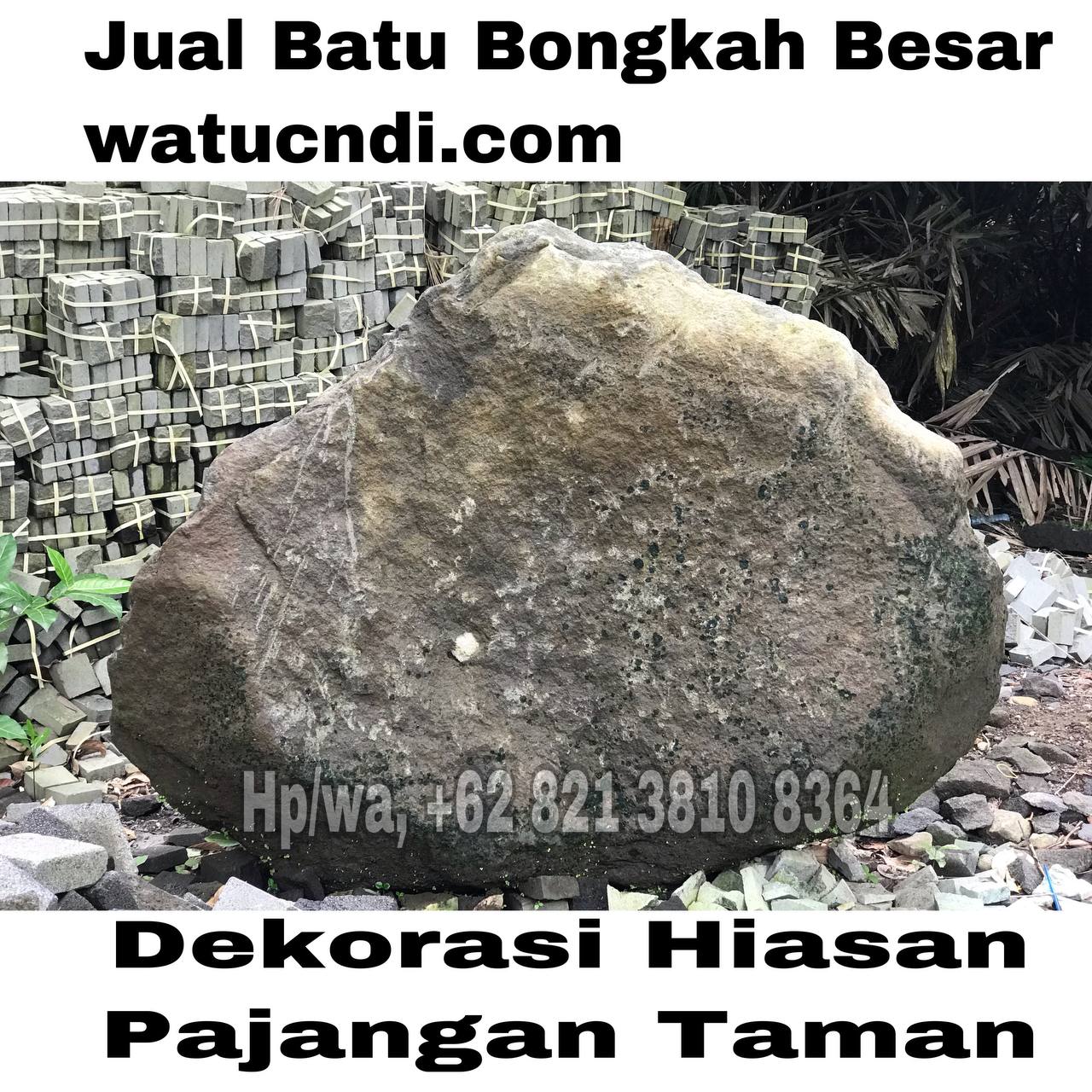
Installation technique is everything. Large stones merely placed on top of soil will look alien and unstable. As seen in the third image, integration with surrounding topography is key. Stone planting must consider drainage, viewing angles, and proportions relative to companion plants. For areas requiring transitions between large stones and pathway areas, using lava rock stepping stone pavers can create natural and safe movement flows.
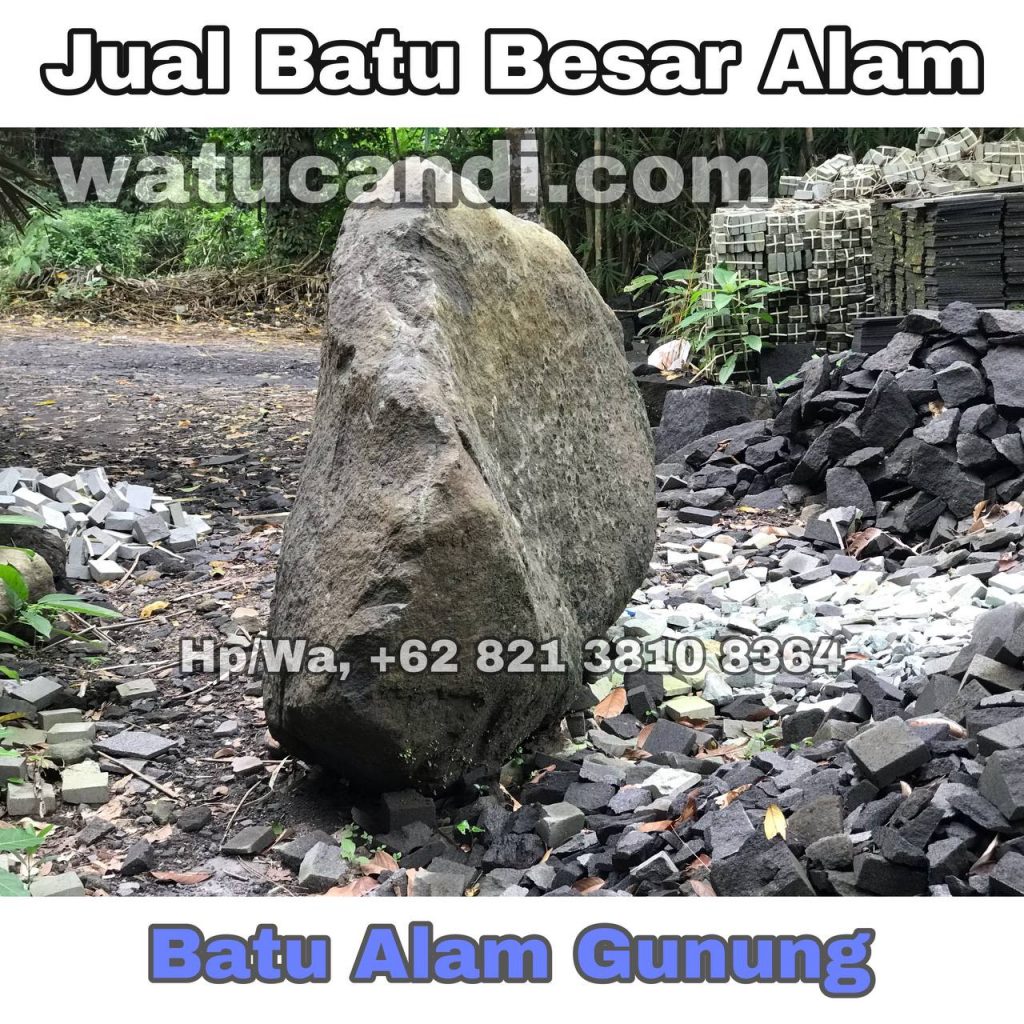
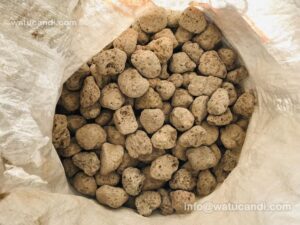
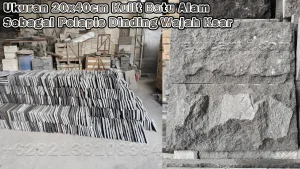
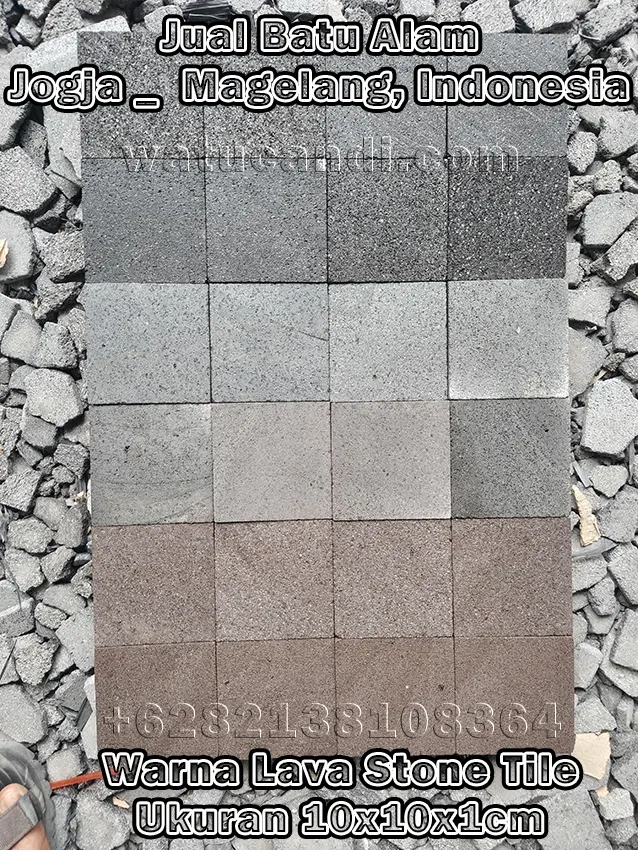
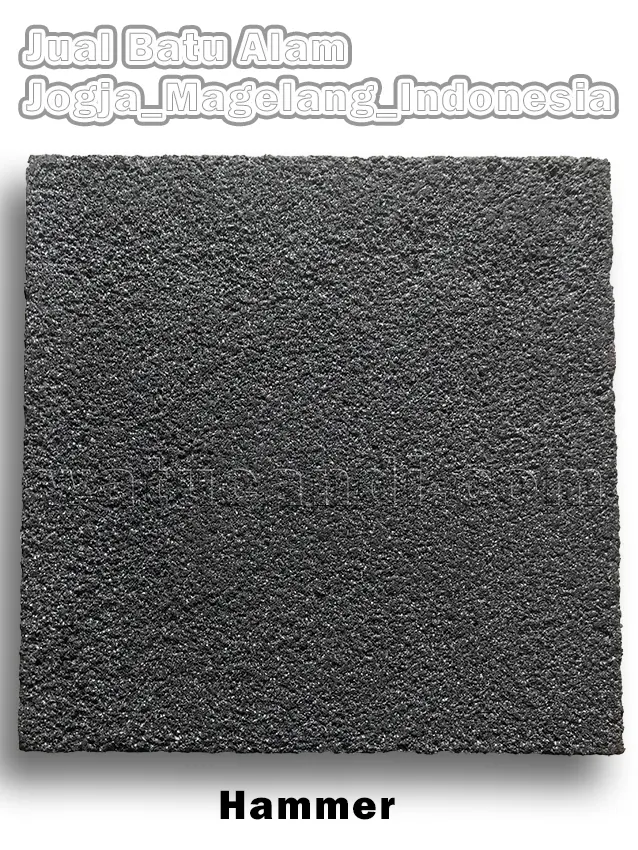
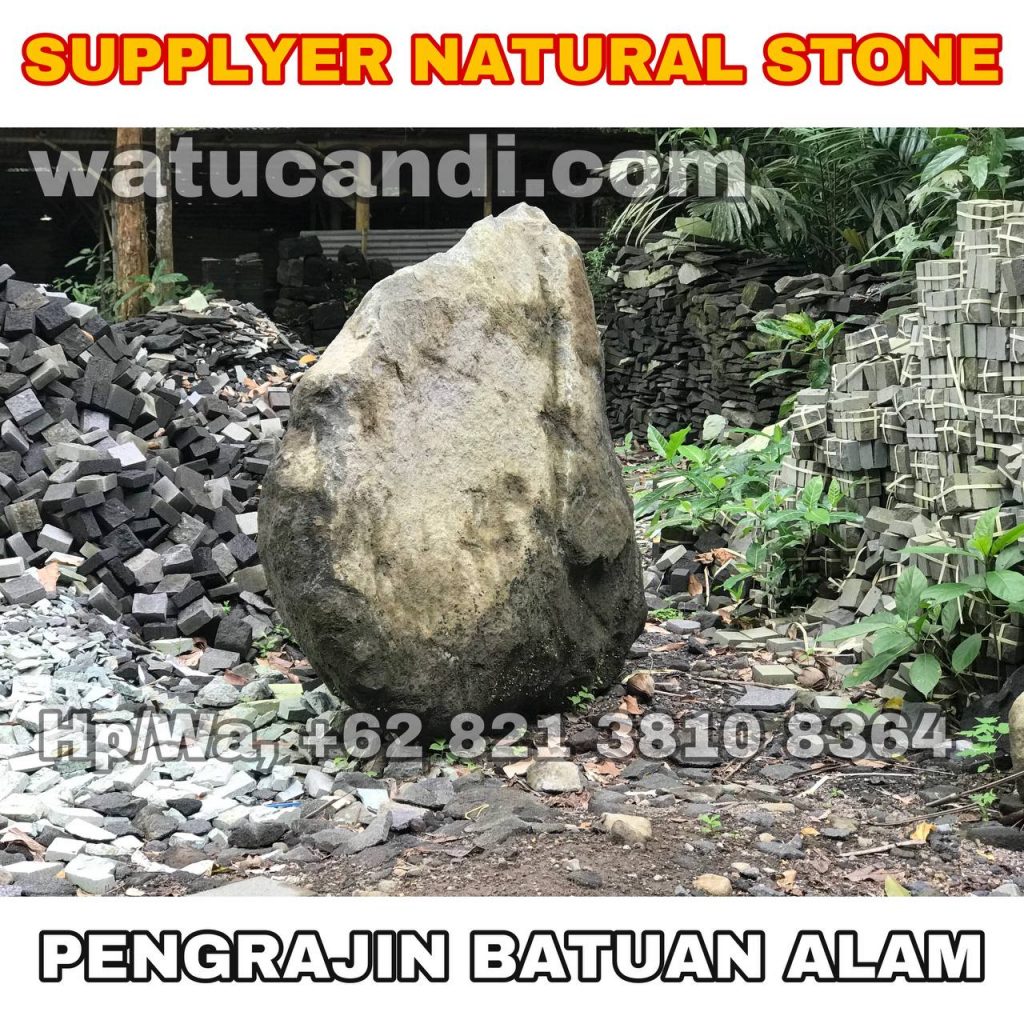
The final image shows the importance of the curation process. Not all boulders qualify as premium garden ornaments. Selection is based on structural integrity (no deep cracks), vein beauty, and form proportions. Quality stones are those possessing a “face” or best side that can be exposed as a focal point. When selecting supporting materials, also consider black lava rock pebbles as ground cover that visually unifies large stones with soil.
Cost Analysis and Logistics: Why Are Large Boulder Prices Premium?
Obtaining natural stone boulders or blocks requires high costs for execution. Many clients ask why boulder prices can far exceed regular per-cubic-meter stone prices. The answer lies in logistical complexity and involved risks. Okay, sometimes stones are free at quarry sites without charges, but moving stones requires extra labor costs and specialized heavy equipment.
Transporting boulder materials is also not always easy; not all trucks want to carry heavy unformed/unshaped goods with non-standard dimensions. Loading processes onto trucks can damage truck beds quickly because placing slowly during loading is difficult. Sometimes stones shift and hit truck beds until they crack, causing losses to both parties. The magnitude of risk and labor required makes natural stone prices for large-sized boulders quite high.
Additionally, large-sized stones are highly contested by artisans in stone art fields. Large boulders are primary raw materials for high-value artworks such as bathtubs, statues, setupa, gupala, and other monumental stone carvings. Raw material scarcity drives market prices to premium levels. Large-sized stones are mostly favored by high-end natural stone enthusiasts; besides appearing more imposing, ownership also serves as a status symbol and appreciation of natural art.
Creative and Philosophical Applications of Large Stones in Garden Design
Using large stones in gardens as decorative material is a popular and effective choice for creating natural and aesthetic appearances in garden design. These large stones can be used in various ways to create attractive decorative elements and add aesthetic value to gardens. Below is an in-depth elaboration regarding ideas for using large stones as garden decoration:
- Garden Ornamental Stones as Focal Points: Place large stones strategically in gardens as main ornamental elements. For example, stack large stones in garden corners to fill visual voids, near swimming pools as water element balancers, or as accents among shrubs. This provides natural and organic appearances to gardens. Combination with surrounding natural stone furniture can strengthen luxury rustic themes.
- Zen Elements in Japanese-Style Gardens: Use large stones to create beautiful and contemplative Japanese-style gardens. In Zen philosophy, stones symbolize eternal mountains or islands. Use large stones as stepping stones or cross-water stepping stones around water gardens, which are characteristic elements in Japanese garden design. Ensure selecting stones with stable and calm forms. Reference to flat random river stones is also relevant for completing dry garden (karesansui) compositions.
- Stone Statues and Monolithic Artworks: Shape large stones into unique and attractive stone statues to become garden centerpieces. Stone statues can reflect animal forms, human figures, deities, or other natural abstract forms, according to garden design themes and concepts. Our artisans can transform raw boulders into high-value artworks like carved temple lava stones or site-specific modern sculptures.
- Pathway Stones and Stepping Stones: Use flattened or shaped large stones as stepping stones or garden pathways. Regular or random placement of large stones provides natural impressions and interesting structure in garden layouts. Besides aesthetics, ergonomic functions and anti-slip safety are priorities. See the natural stone stepping stones in garden guide for safe technical installation specifications.
- Wall Stones, Retaining Walls, or Natural Boundaries: Use large stones to create walls or natural boundaries in gardens without cement. For example, use large stones as boundaries between garden areas and other areas, such as yards or front gardens, or as retaining walls (talud) on sloping land. Dry stacking techniques require special expertise to maintain structural sturdiness. The garden foundation walls and borders guide provides crucial technical insights for these structural applications.
- Viewing Stones (Scholar’s Rocks): Place large, smooth, or aesthetically oddly-shaped large stones as silent accents in gardens, providing elegant and classic touches to garden designs. This type of stone is intended for contemplation, not climbing or sitting. Position in quiet areas with non-distracting backgrounds so form details can be fully appreciated.
- Specimen Stones: Use large stones with outstanding forms, colors, or textures as superior elements in gardens. These stones can become absolute focal points or attention centers in gardens that dictate surrounding element layouts. Investment in rare specimen stones often increases property values significantly over time.
Using large stones as decorative material in gardens not only provides attractive aesthetic appearances but can also provide interesting texture and dimension to garden landscapes. Additionally, large stones are durable and require minimal maintenance, making them ideal choices for gardens with sustainable natural and organic designs.
Material Integration and Holistic Design Considerations
Successful use of large stones does not stand alone, but depends on their ability to dialogue with other materials within holistic design schemes. This material is highly versatile and can be combined with almost all types of natural or modern materials. The key to successful integration is understanding each material’s character and creating visual and functional balance.
For wet areas like fish ponds or water features, large boulders can be combined with Sukabumi green stone tiles famous for being anti-slip and chlorine-resistant. The combination of Sukabumi turquoise green and dark gray boulder colors creates sophisticated and calming monochromatic gradations, while remaining safe for pond inhabitants. Ensure reading the ultimate green stone swimming pool tiles guide for proper technical specifications ensuring durable and safe installations.
For wall areas accompanying boulder placements, consider using black lava candi stone cladding to create vertical-horizontal material continuity. Or for richer texture variations, use rough split face candi stone providing three-dimensional dimensions on flat planes, balancing massive boulder mass. Technical guides regarding split face candi lava specifications and installation are very useful for ensuring optimal final results.
Don’t forget to pay attention to transition details and edge finishing. Using neat natural stone edges will provide firm and professional boundaries between boulder zones and other materials like grass or gravel. For areas needing different color accents to break gray dominance, consider Yogyakarta batik green stone or spotted brown paras stone as contrasting elements enriching garden color palettes.
Material Comparisons and Design Alternatives
Although Merapi boulders have their own uniqueness, it is important to understand their position within the broader natural stone material spectrum. Comparisons with other materials help in making appropriate decisions according to budget, function, and desired aesthetics. Below are several relevant comparisons:
Compared to Merapi natural stone outdoor flooring in slab or paving form, boulders offer far more dramatic and sculptural visual impact. Slabs and paving are more suitable for functional areas requiring flat surfaces, while pure boulders are for contemplative or decorative areas. For deeper understanding of finishing and application differences, read the guide to 4 surface types for basalt granite andesite.
As lighter and easily shaped alternatives, consider brecci stone having unique textures but lighter weight. Or for more luxurious and shiny effects in wet areas, Sukabumi green stone can be an elegant partner for boulders, creating clean-fresh timeless contrasts. However, remember that green stone requires extra maintenance compared to dark volcanic stones.
For areas requiring maximum drainage or very rough textures as backgrounds, irregular natural stone paving with wide gaps is the ideal solution. Or for more dramatic and three-dimensional visual effects on companion walls, raised and recessed cladding can be applied to create stunning light and shadow plays, complementing boulder surface textures.
Long-Term Care and Maintenance Guide
One of the main advantages of natural boulders is easy maintenance. However, proper care remains necessary to maintain beauty and durability, especially considering natural stone porous properties and outdoor element exposure. Below is a comprehensive recommended maintenance guide:
Routine cleaning should preferably be done with soft nylon brushes and clean water. Avoid using high-pressure washers with excessive pressure as they can erode stone surfaces and accelerate weathering, especially if stones have valuable natural patina layers. For stubborn stains like oil or grease, use pH neutral detergents and soft brushes, then rinse thoroughly with water. Never use strong acid-based cleaners or bleach as they can damage stone mineral structures and permanently change colors to dull.
To prevent excessive moss and fungus growth in unwanted shaded or humid areas, ensure stone area drainage is good and there are no persistent water puddles. Penetrating sealant application (not surface coating) every 2-3 years can help protect stones from stains and excess moisture without changing natural appearances. Quality sealants seep into stone pores and harden inside, creating invisible yet effective protective barriers. Reference to paras limestone care guide is also relevant for volcanic stones regarding pore protection principles, although frequencies may differ.
If local damage occurs such as cracking from impacts or ground settlement, consult natural stone experts immediately. Hairline cracks not endangering structure often actually add character and antique value to stones, so leave them as part of natural patina. However if cracks disturb aesthetics or safety, professional repair with special stone resin or unit replacement may be necessary. Always document stone conditions periodically to monitor significant changes.
For special care based on finishing types or stone types, references like black lava candi stone cladding guide can provide specific care protocols adaptable for boulders, especially regarding organic stain handling and long-term UV protection.
Investment Value and Cultural Sustainability
Choosing authentic Merapi large boulders is not merely an aesthetic decision, but also financial and cultural investment. Financially, properties with authentic natural stone landscape elements and high craftsmanship tend to have higher resale values and better value appreciation compared to properties with synthetic or mass-produced landscape elements. Scarcity of premium quality large boulders makes this material increasingly exclusive and valuable in the future, especially as natural resources deplete and mining regulations tighten.
Culturally, every natural boulder purchase is direct support for preserving Indonesian geological heritage and local wisdom. Traditions of using large stones in Nusantara architecture and landscapes have lasted thousands of years, from megalithic eras to great temples. You participate in maintaining sustainable natural stone supply chains and providing livelihoods for local miners and artisans who guard these traditions. This is conscious consumption providing positive social and cultural impacts behind personal aesthetic satisfaction.
Environmentally, natural stone is sustainable and circular material. It comes from nature and returns to nature without leaving toxic residues. Unlike concrete or fiberglass requiring high energy for production and difficult to recycle, natural stone has low embodied energy and is fully recyclable. At end of service life, stones can be reused for other projects or returned to soil as natural landscape elements, supporting healthy ecological cycles. Companion materials like pumice stone or flat random river stones also support local ecosystems and reduce your project carbon footprint.
Quality Commitment and Price Transparency
As producers and suppliers, we are fully committed to price and quality transparency. For natural stone prices, we always strive to provide fair and competitive offers according to quality, size, and extraction/transportation difficulty levels. We understand budget is a critical factor in every project, but we also believe quality should not be compromised for cheap prices ultimately harming clients long-term due to maintenance costs, early replacement, or aesthetic failures.
We provide various grades and sizes of boulders with varying price ranges, from standard grade for service areas to premium/specimen grade for showcase areas. Consultation regarding budget allocation and material priorities is highly recommended so you get best value for money without sacrificing design integrity. Our sales team is ready to help calculate material needs accurately, recommend stones suitable for site conditions, and ensure quality consistency within one project.
We also provide site survey services, real-time stone stock photos/videos, and design consultations to ensure material suitability with your expectations and field conditions before final transactions. Intensive communication and delivery progress updates are our service standards to provide peace of mind and full trust to clients. Your satisfaction is our reputation, and we will not take shortcuts sacrificing quality for momentary profit. Every stone we ship is a tested quality and authenticity promise.
In conclusion, choosing large boulders for garden ornamentation is a strategic decision combining aesthetics, durability, cultural value, and environmental sustainability. From focal points welcoming guests with majestic presence to contemplative elements soothing souls, this material stands as silent witness to life unfolding around it, while guarding priceless Nusantara geological heritage. Ensure you obtain authentic material with clear grading handled by experienced teams. For further information regarding other volcanic natural stone products complementing boulders, please explore our complete catalog including five black lava stone surfaces, candi lava natural stone mosaic, as well as various finishing innovations like 300x300mm chiseled lava surface and trending 3D stone slabs. Entrust realization of your landscape vision to finest materials from Nusantara earth’s belly presented with integrity and full dedication.
Large Garden Ornamental Stones, Merapi Boulders, Garden Natural Stone, Stone Garden Decoration, Natural Inscription Stone, Premium Landscape Stone, Large Volcanic Stone, Garden Focal Point, Zen Garden Stone, Natural Stone Statue, Stone Stepping Stone, Dry Stone Wall, Specimen Stone, Boulder Prices, Garden Stone Care, Landscape Investment, Watucandi, Indonesian Natural Stone, Tropical Garden Design, Sustainable Landscape Architecture