'%3E%3Cpath%20stroke='%23000'%20stroke-width='4'%20d='m-35-37-13%2020m5%203%2013-20m5%203-13%2020m63%2042%206-9m1-2%206-9m5%203-6%209m-1%202-6%209m5%203%206-9m1-2%206-9m-96%200%2013%2020m5-3-6-9m-1-2-6-9m5-3%2013%2020m63-42-6-9m-1-2-6-9m5-3%2013%2020m5-3-6-9m-1-2-6-9'/%3E%3Ccircle%20r='24'%20fill='%23cd2e3a'/%3E%3Cpath%20fill='%230047a0'%20d='M0%200a12%2012%200%201%201%2020%2013%2024%2024%200%201%201-40-26A12%2012%200%201%200%200%200'/%3E%3C/g%3E%3C/svg%3E)


'/%3E%3Cpath%20fill='%23b2b2b2'%20d='M241%20382q0%2016%2017%2026%2017%2011%2042%2011t42-11q16-11%2017-26V269H241'/%3E%3Cpath%20fill='%239f7e00'%20d='M241%20379q0%2014%208%2023%209%209%2021%209%2014%200%2021-9%209-9%209-23V269h-59'/%3E%3Cpath%20d='M241%20339v-70h59v110q0%2014-9%2023l-6%205v-68h-15v72q-8%200-14-4v-68zm59%2040c0%2022%2015%2032%2029%2032%2021%200%2030-18%2030-32v-40h-59'/%3E%3Cpath%20fill='%239f7e00'%20d='M266%20277v5h2v12h-3v-5h2v-5h-9v5h2v5h-4v9h3v18h-5v10h34v-10h-5v-18h3v-9h-4v-5h2v-5h-9v5h2v5h-3v-12h2v-5zm42%20101q0%2010%206%2017%206%206%2015%207%2010-1%2016-7%206-7%206-17v-29h-43'/%3E%3Ccircle%20fill='%230044ad'%20cx='329.5'%20cy='372'%20r='6'/%3E%3Cellipse%20fill='%230044ad'%20cx='300'%20cy='340'%20rx='16'%20ry='21'/%3E%3C/svg%3E)



Choosing natural stone material for a building is not just about visual aesthetics, but a long-term investment in the structural integrity and value of your property. Before deciding to apply natural stone to facade walls, terrace floors, pool areas, or interior rooms, a deep understanding of natural stone quality is a fundamental foundation that cannot be ignored. This quality encompasses three main pillars: basic material characteristics, resistance to environmental elements, and cost efficiency in the installation and maintenance process.
Many homeowners or novice contractors often fall into the common mistake of only looking at color without paying attention to the density, porosity, and compressive strength of the stone. In fact, every type of rock, from granite, marble, andesite, to limestone, has a different geological “DNA”. These differences determine whether the stone is suitable for wet areas, resistant to tropical sun heat, or capable of withstanding heavy traffic loads. In this comprehensive guide, we will thoroughly dissect how to measure natural stone quality, distinguish between solid and non-solid stones, and provide the best recommendations based on specific applications for luxury homes or commercial buildings.
Distinguishing Between Solid and Non-Solid Natural Stone Quality
In the world of mining and natural stone processing, the most important fundamental classification to understand is the difference between solid (dense) and non-solid (porous) natural stone. This understanding is crucial because it determines the installation method, the type of adhesive used, and the frequency of long-term maintenance.
1. Characteristics of Solid Natural Stone (Dense)
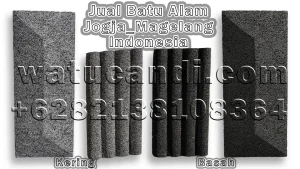
Solid natural stone refers to igneous or metamorphic rocks that have a very tight crystal structure. Its physical properties are characterized by high density, superior hardness, and very low porosity, approaching zero. The most representative examples of this category are Merapi Andesite, Basalt, Granite, and some types of hard Marble.
The main advantage of solid stone lies in its extraordinary resistance to extreme weather. Due to its microscopic pores, this type of stone does not easily absorb rainwater or soil moisture. This makes it ideal for exterior applications such as Joglo courtyard and garden floors, fence walls, or pool deck areas that are often exposed to standing water. In addition, solid stone has high compressive strength, so it does not easily break or crack even when receiving heavy loads.
Aesthetically, solid stone often has a surface that can be polished to a glossy finish or finished rough/chiseled without losing its structural integrity. However, its weakness is its heavy weight and difficulty in forming complex shapes due to its hardness. To see variations of textures that can be applied to solid stone, you can learn more about tumbled natural stone finish which gives a vintage look but remains sturdy.
2. Characteristics of Non-Solid Natural Stone (Porous)
Conversely, non-solid natural stone, such as limestone, Paras Jogja, Palimanan, and travertine, has a softer and more porous structure. This porosity makes this type of stone hygroscopic, meaning it easily absorbs water and moisture from its surrounding environment. This property is a double-edged sword; on one hand, it facilitates the cutting and carving process for artistic details, but on the other hand, it makes it vulnerable to moss growth, fungi, and stains if not properly maintained.
Therefore, non-solid stone is highly recommended for interior applications such as living room walls, TV backgrounds, or dry area floors where water exposure is minimal. If you intend to use it for exteriors, extra protection in the form of high-quality penetrating coating is required, which must be renewed periodically. For those who love classic and warm nuances, the collection of Palimanan and Paras stone offers natural cream beauty that is hard to match by synthetic materials.
Hierarchy of Natural Stone Quality Based on Material Type
The quality of natural stone is also heavily determined by the type of minerals that form it. Below is the hierarchy of quality based on durability, rarity, and global market aesthetic value:

1. Marble Stone: The Peak of Interior Luxury
Marble occupies the top position in terms of prestige and aesthetic value. Formed through the metamorphosis of limestone under high pressure and temperature for millions of years, marble has unique vein patterns that are one-of-a-kind in every slab. Its natural sheen is able to reflect light beautifully, instantly creating a spacious and luxurious impression.
However, marble is a “finicky” material. It is sensitive to acids (such as lemon juice or vinegar) which can etch its surface, and is prone to scratches. Therefore, marble should only be used for exclusive interiors such as hotel lobby floors, dining tables, or rough surface marble sinks as a decorative focal point. Avoid using marble in outdoor areas or kitchens prone to acid spills.
2. Granite Stone: The Balance of Strength and Beauty
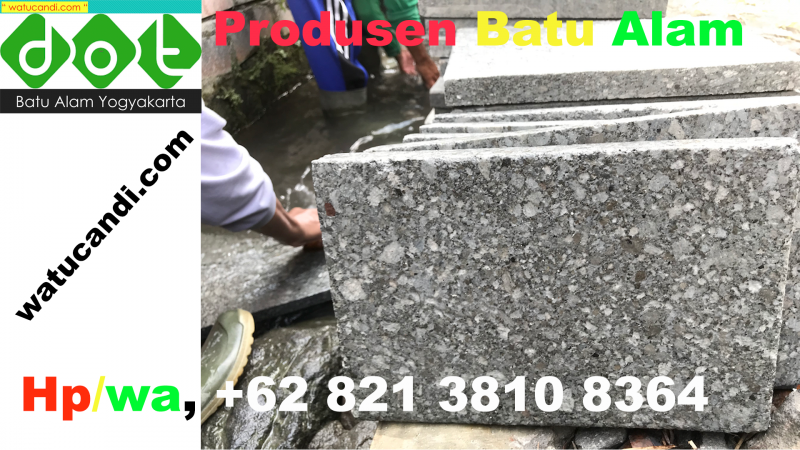
Granite ranks second due to the perfect combination of hardness and motif variation. As an intrusive igneous rock, granite is formed from the cooling of magma inside the earth’s crust, producing interlocking crystals of quartz, feldspar, and mica. This makes granite very resistant to scratches, heat, and stains.
Granite is very flexible and can be applied both for interiors and exteriors. Often, granite is used for kitchen countertops, high-traffic public area floors, or modern building facades. For inspiration on the use of granite and basalt on a large scale, you can see the collection of large natural stone slabs which offer a majestic monolithic appearance.
3. Andesite & Merapi Lava Stone: The King of Exterior Durability
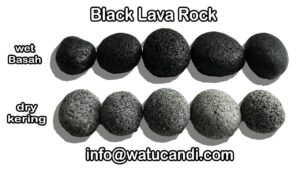
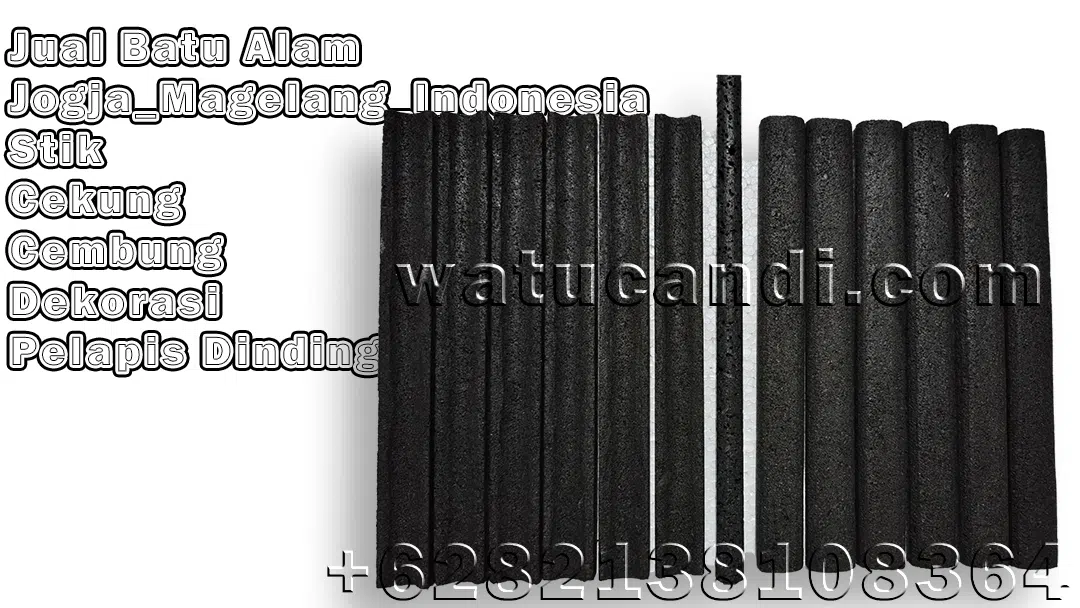
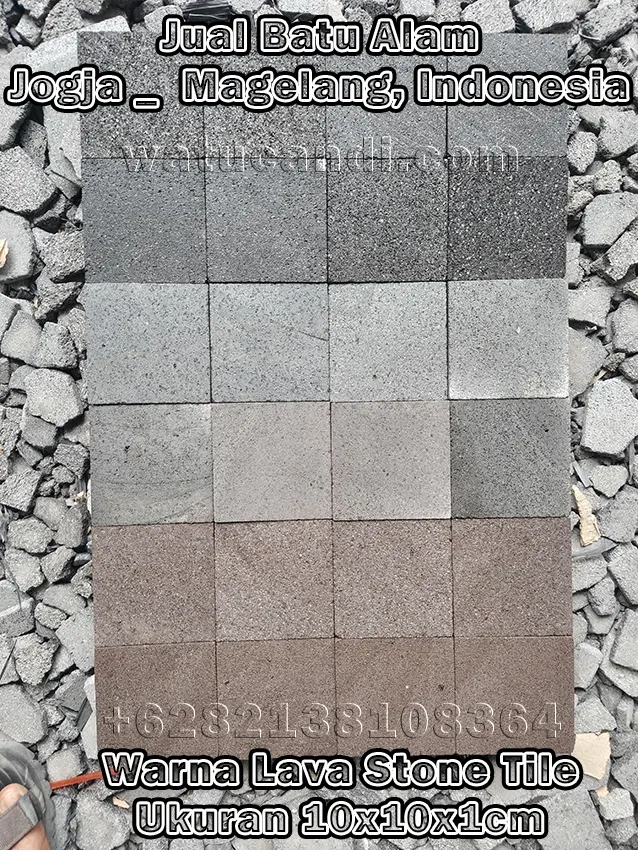
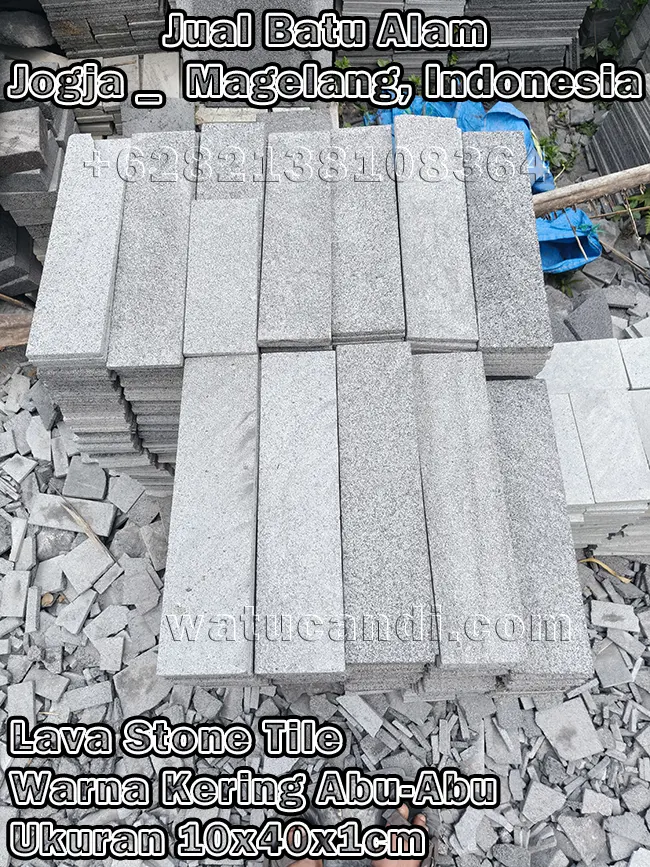
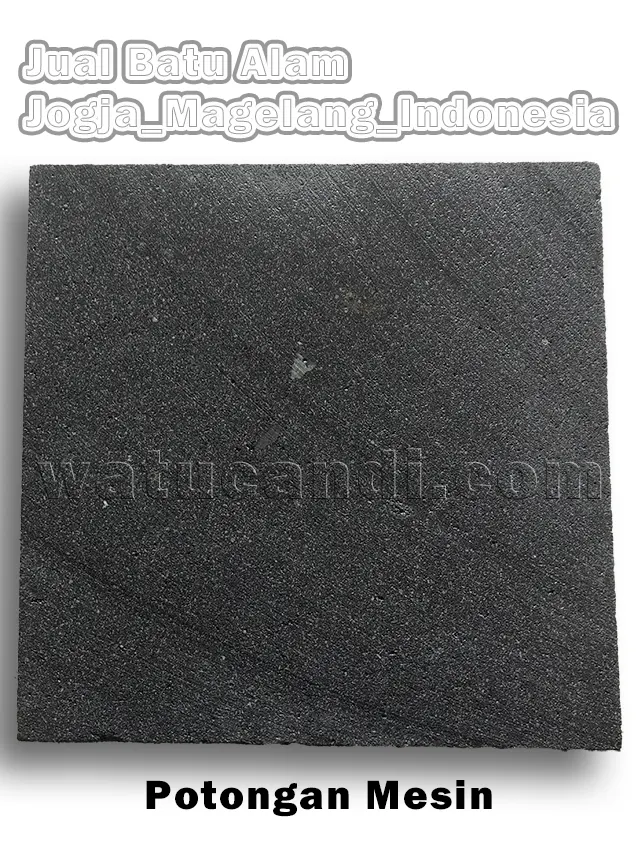
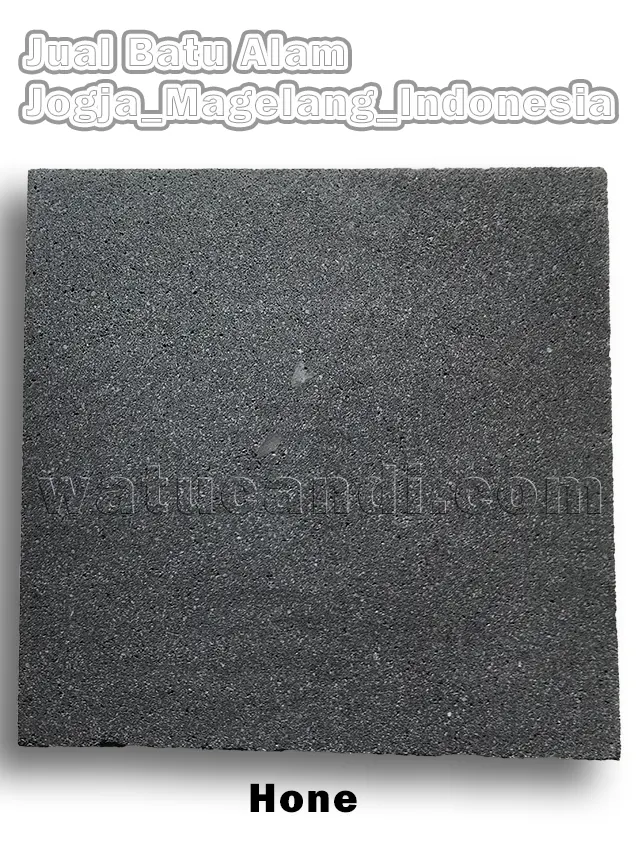
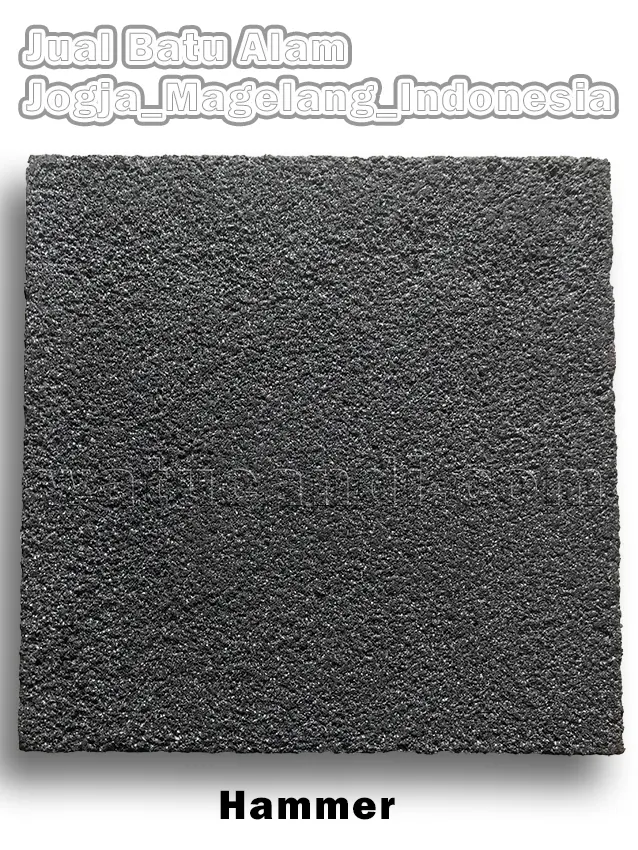
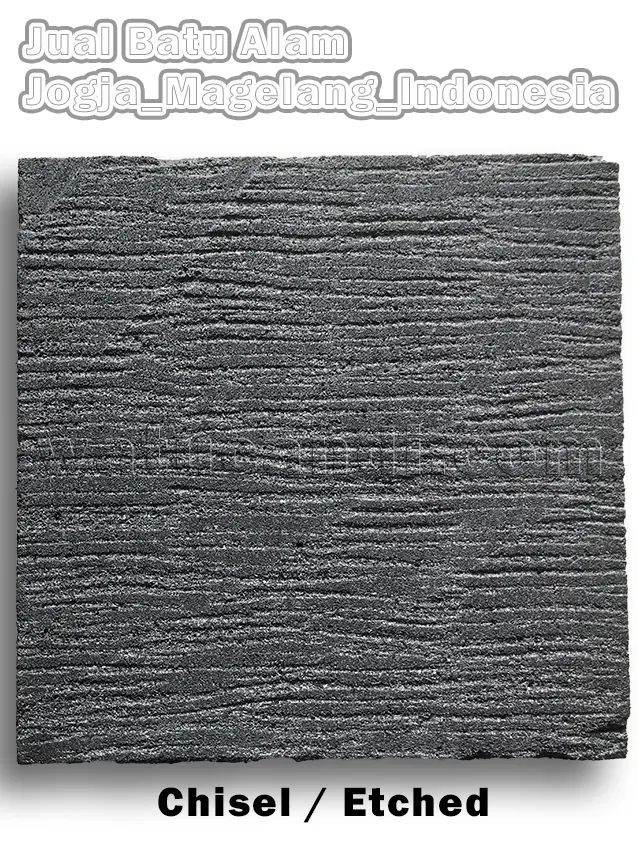
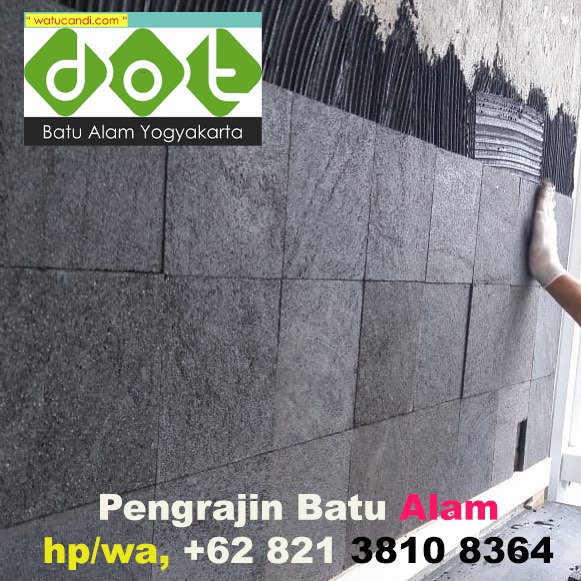
In Indonesia, Andesite from the slopes of Mount Merapi is considered one of the best natural stones in the world for tropical exterior applications. This stone has a dark gray to pitch-black color with characteristic volcanic lava mineral spots. Its strength against weather changes, acid rain, and UV rays makes it a favorite among architects for premium projects.
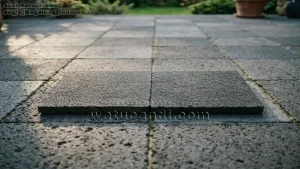
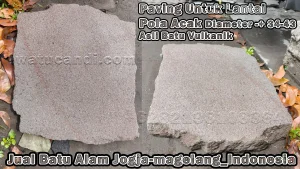
Merapi Andesite is very versatile. It can be processed into various finishes, from smooth (sawn cut), rough (split face), to manually chiseled. For those who want an authentic rustic look, manually chiseled stone floor is the right choice that highlights the local wisdom of Javanese craftsmen. In addition, the availability of Merapi lava stone paving makes it an economical yet high-quality solution for garden paths and carports.
4. Slate Stone & River Stone: Natural Rustic Strength
Slate or slate stone has thin layers that are easy to split, creating a unique tiered texture. Meanwhile, river stone offers a naturally smooth round shape. Both are very strong and durable, often used for retaining walls (talud), pool bases, or natural style wall accents.
For swimming pool applications that require maximum anti-slip safety, slate stone and lava stone variants are highly recommended. Learn more about lava stone tiles for swimming pools which combine safety function with natural aesthetics. In addition, flat random river stone is often used to create a natural river atmosphere in your home garden.
5. Candi Stone: The Heritage of Nusantara Architecture
Candi Stone, which is actually a certain type of volcanic andesite, gets its name because it was widely used in the construction of historical temples in Java. Its dark color and ability to “blend” with time (getting more beautiful as it ages) make it a popular choice for traditional-modern architectural styles.
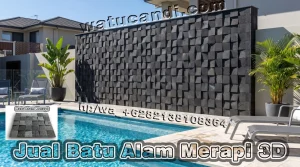
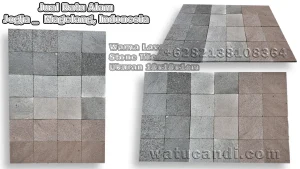
Although aesthetically it may look simpler compared to marble, candi stone has high historical and spiritual value. Its application is very wide, from 10x10x1cm tiles for walls to candi paving floors that last for thousands of years. For a dramatic wall look, split face candi stone provides a stunning three-dimensional texture.
Strategic Tips for Choosing High Quality Natural Stone
Choosing natural stone is not just about looking at samples in the store. There are several technical and practical factors that you must consider to ensure your investment is not in vain.
1. Adjust to Budget and Long-Term Value
Natural stone prices vary depending on rarity, mining difficulty, and finishing process. Imported stone is certainly more expensive, but local Indonesian stone such as that offered by WatuCandi provides export quality at very competitive prices. Do not just focus on the cheapest price, but calculate the long-term maintenance costs. Stone that is slightly more expensive but durable and low maintenance is actually more economical in the long run of 5-10 years.
2. Direct Physical Inspection is Highly Recommended
Because natural stone is a natural product, color and texture variation is normal (natural variation). Digital photos often fail to capture the original nuance, sheen, or texture roughness. It is highly recommended to come directly to the showroom or request physical samples before bulk ordering. Pay attention to fine cracks (hairline cracks) that may be covered by dust during shipping. Make sure you get direct consultation regarding technical specifications of Merapi lava stone to ensure suitability with your project.
3. Determine Installation Location with Precision
Location analysis is key. Is the area covered by a roof? Is it exposed to direct rain splashes? Are there vehicles passing through? For dry interior areas, you have greater freedom to choose porous stones like Super White Palimanan or Travertine. However, for wet exterior areas, choose dense stones like Andesite, Basalt, or Sukabumi Green Stone which is famous for being anti-moss.
4. Installation Quality Determines the Final Result
No matter how good the quality of the natural stone, if installed with the wrong technique, the result will be disappointing. The use of inappropriate cement mortar, uneven base surface, or inconsistent grout spacing can ruin the aesthetics. We strongly recommend using professional services experienced in handling natural stone. Installation techniques such as chiseled stone installation patterns require special skills to achieve a neat and symmetrical result.
Inspiration for Natural Stone Applications in Various Design Contexts
Natural stone is not limited to just walls and floors. Modern designer creativity has expanded the application of natural stone to various furniture elements and decorative accessories that enhance the artistic value of the home.
Bathroom and Kitchen Accessories: Touches of natural stone in wet areas create a private spa nuance. Try using a natural stone liquid soap dispenser or a black basalt sink for a masculine and elegant look. For bathtubs, a handmade stone bathtub is the ultimate statement of luxury.
Garden and Outdoor Furniture: Tables and chairs made of natural stone are not only weather-resistant but also become a visual focal point. See the collection of handmade stone tables and chairs or top tables from black lava stone which are sturdy and artistic.
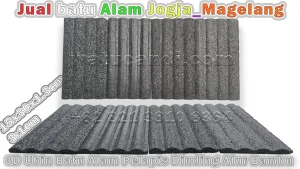
Unique Decorative Elements: For a strong cultural touch, consider Yogyakarta Batik motif green stone tiles which combine local craftsmanship with natural materials. Or use Umpak Batu as a wooden pillar support that adds a traditional Javanese impression to your modern home.
Long-Term Maintenance to Maintain Quality
The quality of natural stone will last forever if properly maintained. Simple maintenance routines include:
- Routine Cleaning: Use clean water and a soft brush. Avoid harsh chemicals that are acidic.
- Periodic Coating: Apply water-repellent coating every 1-2 years, especially for porous stone or exterior areas. This prevents water absorption and moss growth.
- Clean Stains Immediately: Oil spills or colored drinks must be cleaned immediately before they seep into the stone pores.
For more technical information regarding specific stone care, please visit our complete guide on Merapi lava stone cladding and its maintenance tips.
Conclusion
Understanding natural stone quality is the first step towards creating a living space that is beautiful, functional, and timeless. From the volcanic strength of Merapi Andesite to the subtle elegance of Marble, every stone has its own story and character. By choosing the right material according to the installation location, paying attention to installation details, and performing routine maintenance, you are not just building a house, but also inheriting a work of architectural art that withstands time.
Explore our complete collection at WatuCandi Natural Stone Shop to find the best materials that suit your design vision. Contact our expert team for free consultation and let us help you realize your dream home with an authentic touch of nature.
Natural Stone Quality, Solid Natural Stone, Non-Solid Natural Stone, Merapi Andesite Stone, Black Candi Stone, Marble Stone, Granite Stone, Limestone, Palimanan Stone, Paras Jogja Stone, Lava Stone, Sukabumi Stone, How to Choose Natural Stone, Natural Stone Care, Natural Stone Price, Natural Stone Installation, Natural Stone Interior Design, Natural Stone Exterior Design, Natural Stone Supplier, Cheap Natural Stone,